Article

High-Throughput Identification of Putative Antimicrobial Peptides from Multi-Omics Data of the Lined Seahorse (Hippocampus erectus)


1
BGI Education Center, University of Chinese Academy of Sciences, Shenzhen 518083, China
2
Shenzhen Key Lab of Marine Genomics, Guangdong Provincial Key Lab of Molecular Breeding in Marine Economic Animals, BGI Academy of Marine Sciences, BGI Marine, BGI, Shenzhen 518083, China
3
BGI Genomics, BGI-Shenzhen, Shenzhen 518083, China
4
Laboratory of Aquatic Genomics, College of Life Sciences and Oceanography, Shenzhen University, Shenzhen 518060, China
*
Author to whom correspondence should be addressed.
These authors contributed equally to this work.
Mar. Drugs 2020, 18(1), 30; https://doi.org/10.3390/md18010030
Submission received: 25 November 2019 / Revised: 22 December 2019 / Accepted: 25 December 2019 / Published: 29 December 2019
(This article belongs to the Special Issue Genetics of Marine Organisms Associated with Human Health)

Abstract

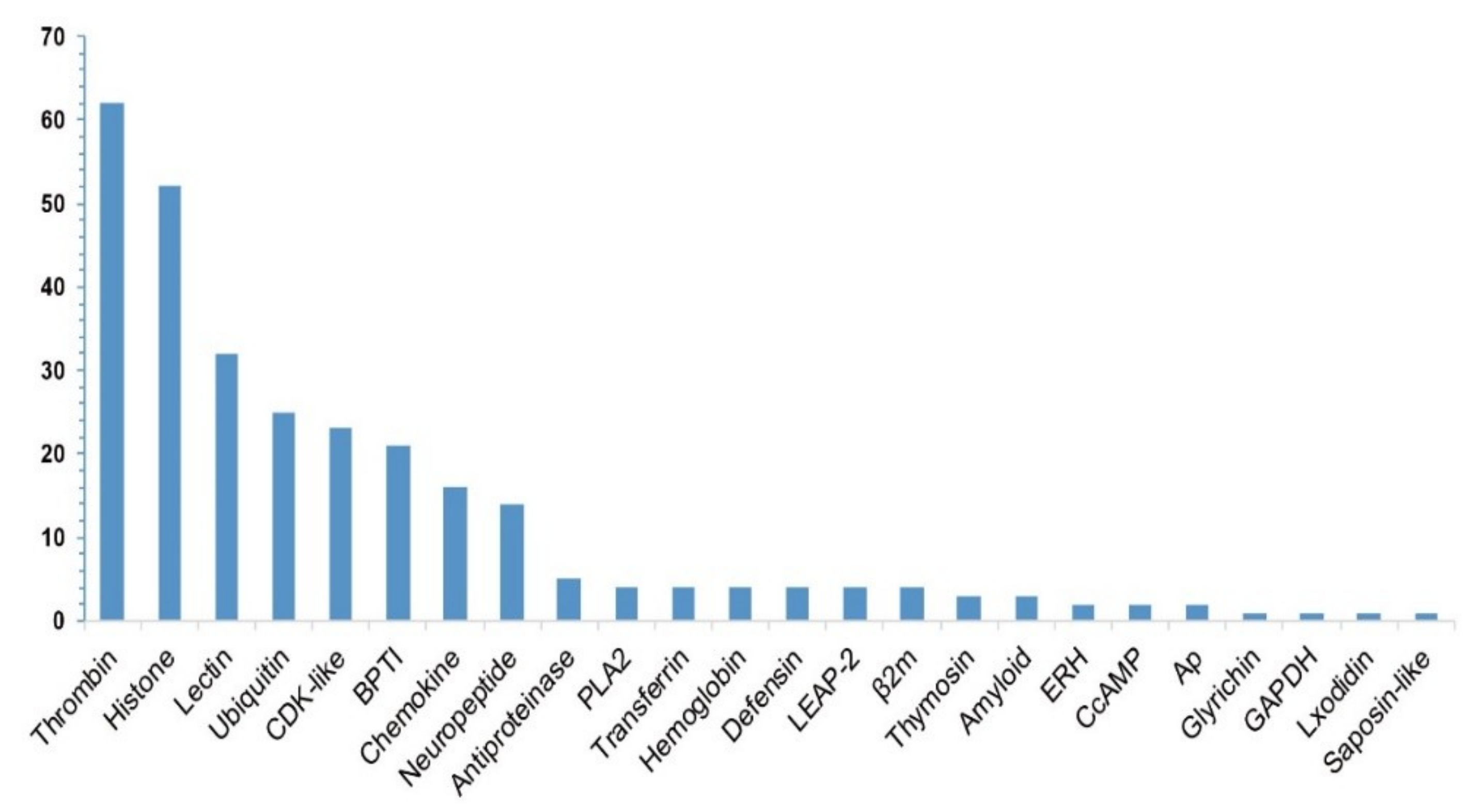
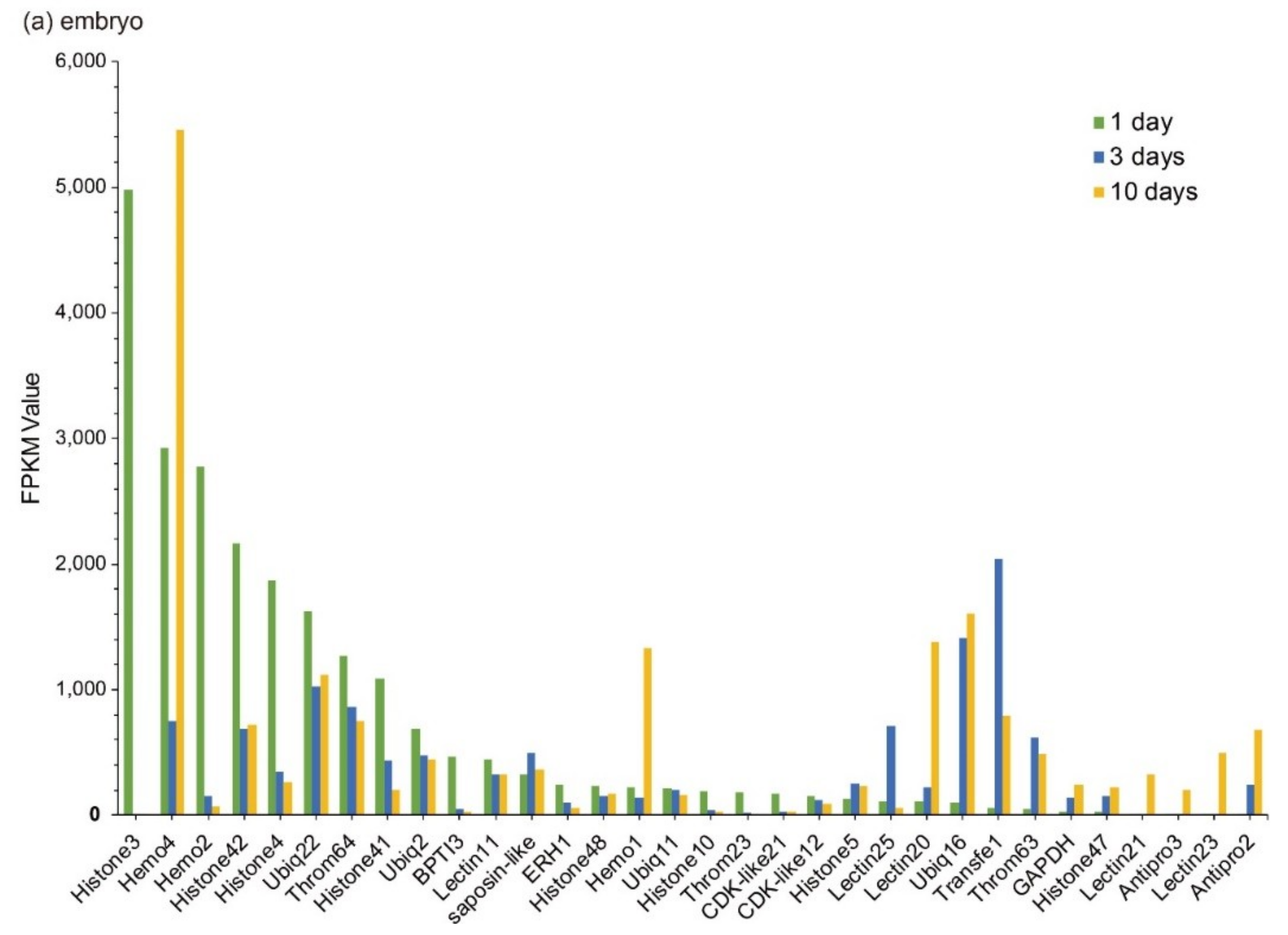
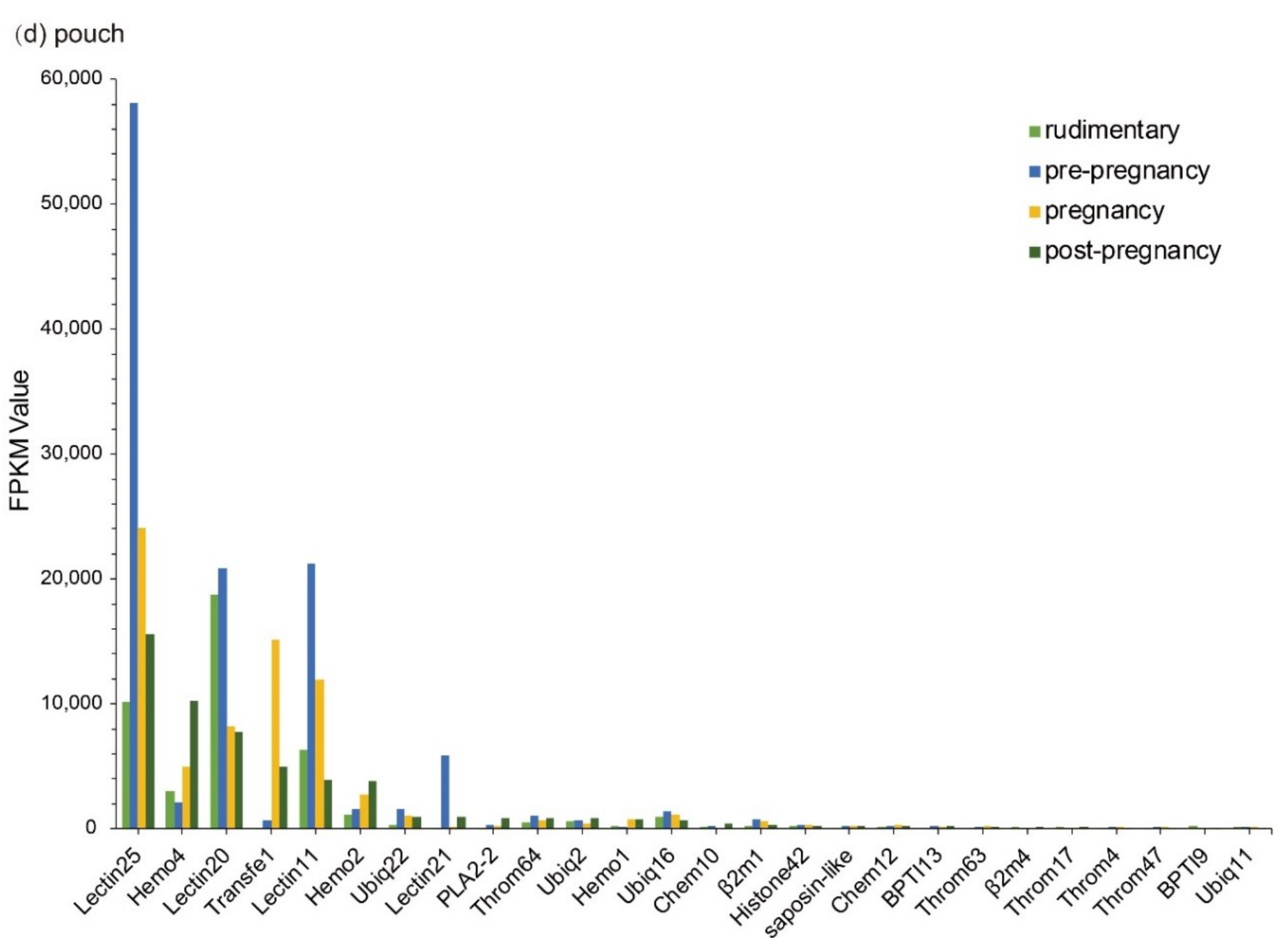
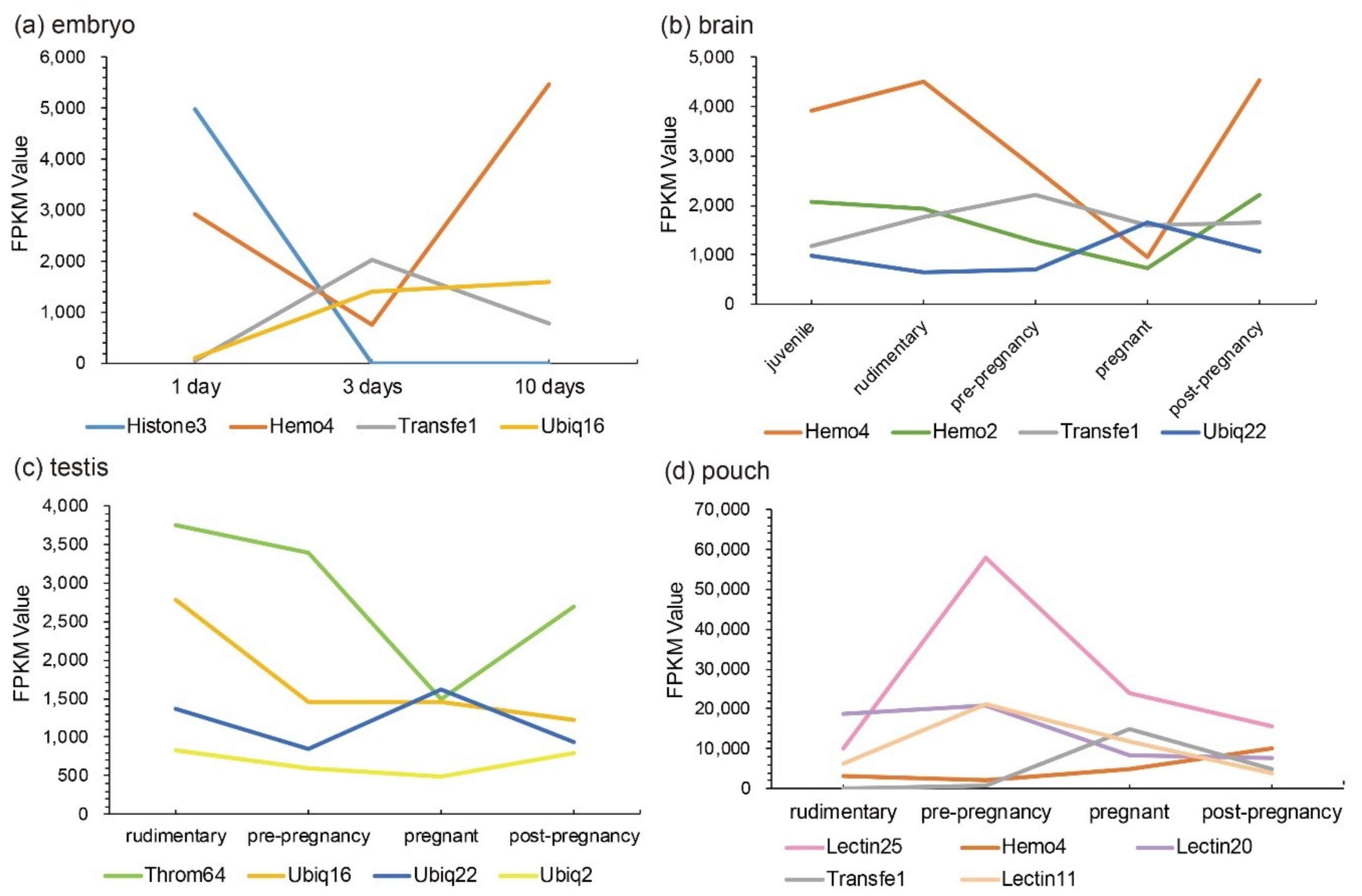
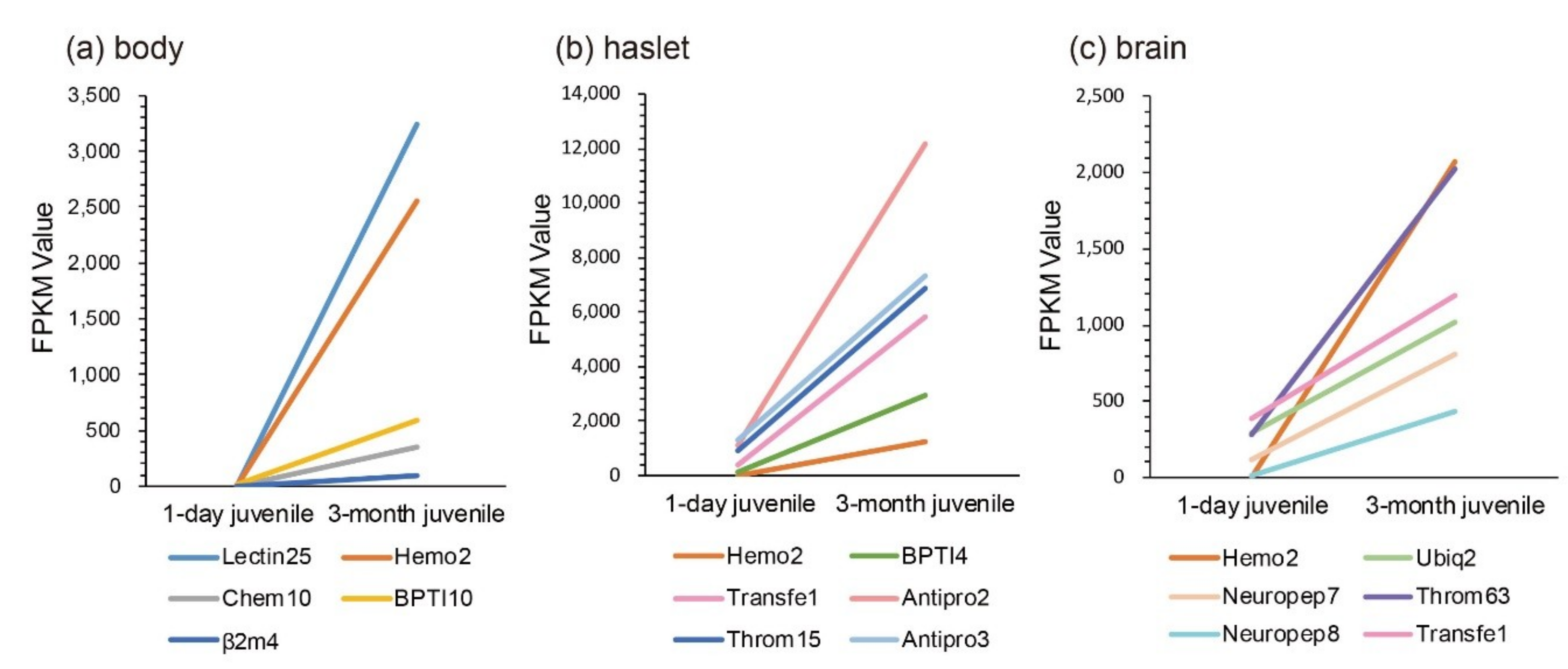
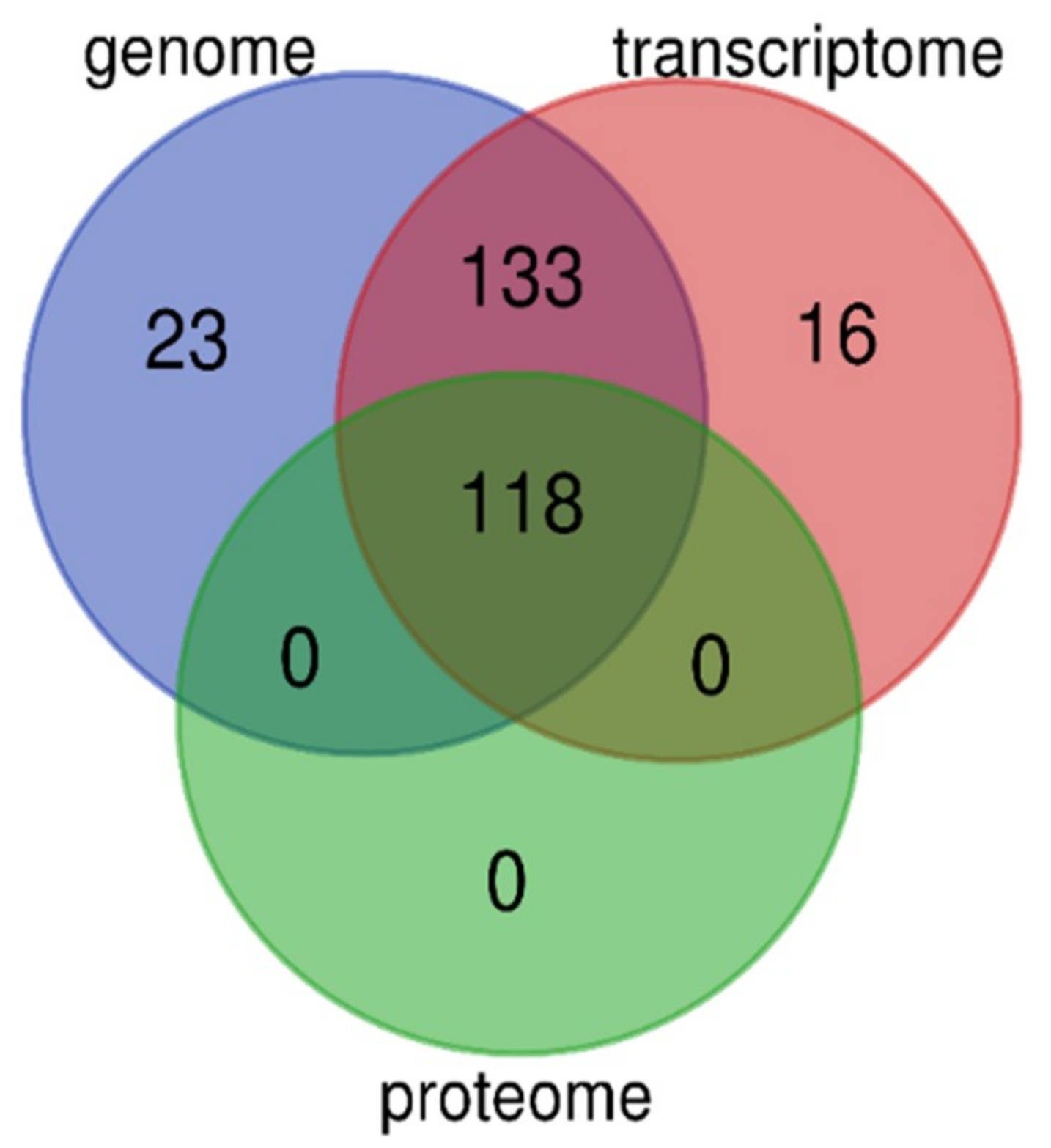
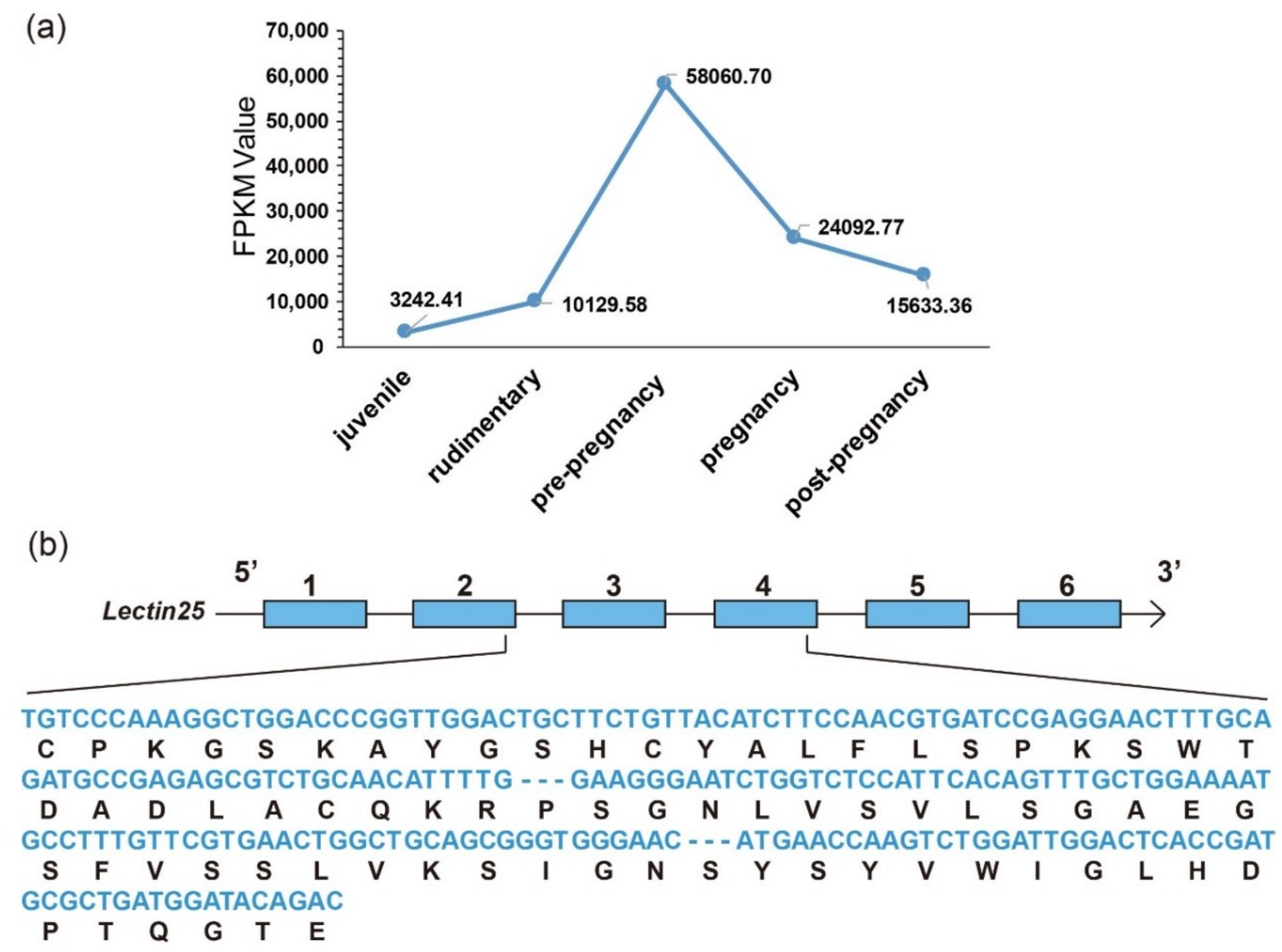
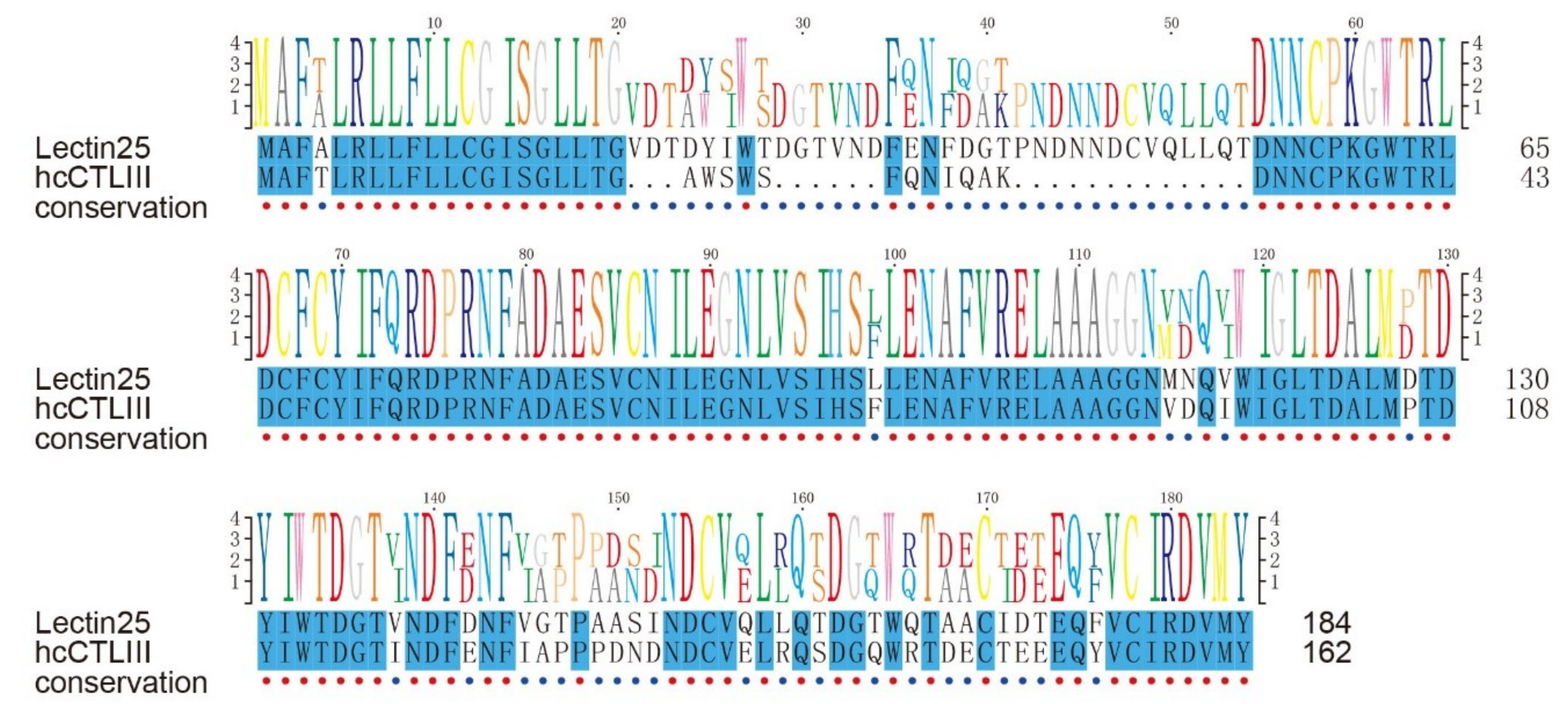
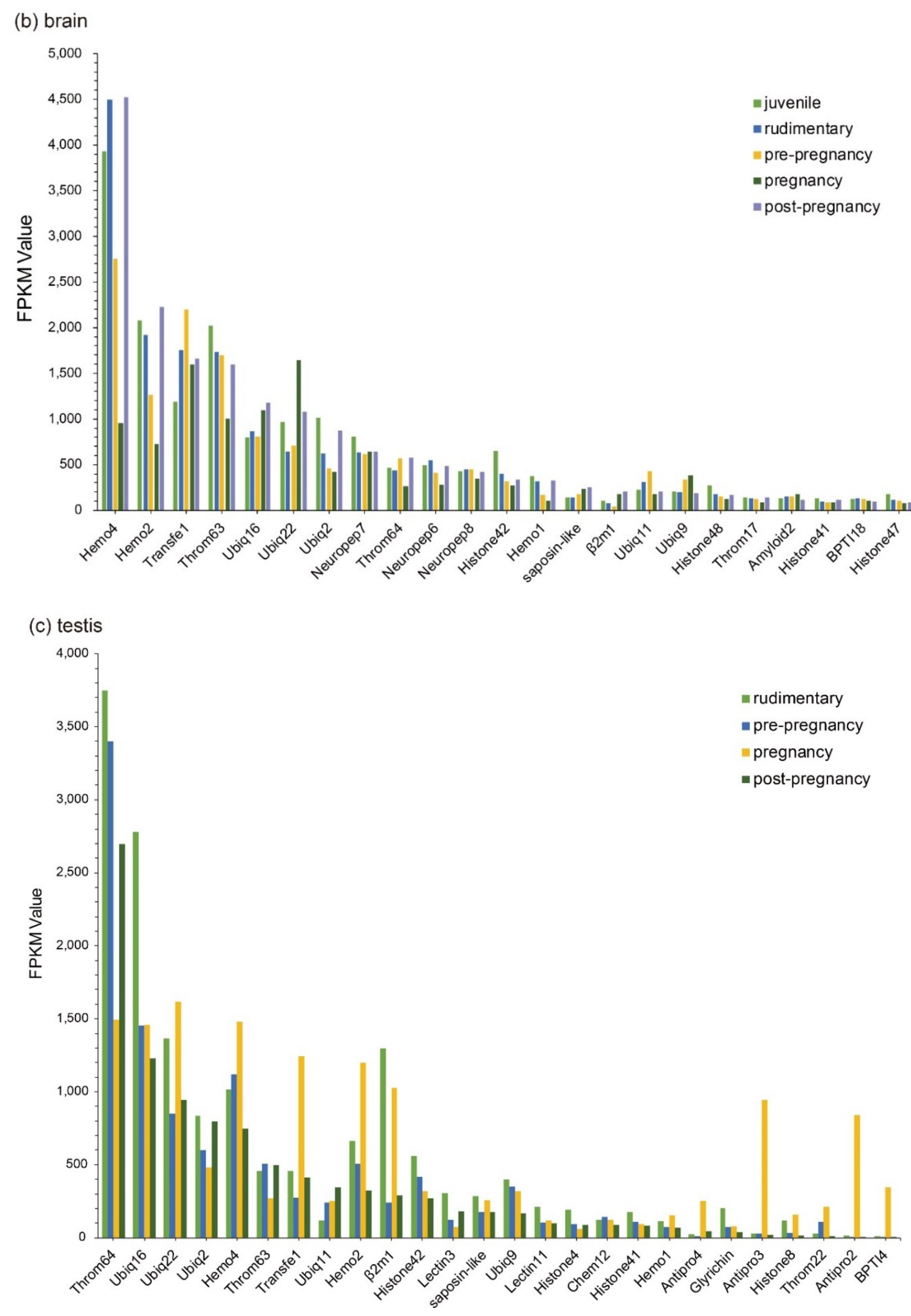
Lined seahorse (Hippocampus erectus), the most widely cultivated seahorse in China, has been in short supply because of its important medicinal value; meanwhile, unnatural deaths caused by various diseases (especially enteritis) have limited their practical large-scale aquaculture. Antimicrobial peptides (AMPs), as the best alternative to antibiotics, have been extensively applied in agricultural practices. In this study, we identified 290 putative AMP sequences from our previously published genome and transcriptome data of the lined seahorse. Among them, 267 are novel, and 118 were validated by our proteome data generated in the present study. It seems that there is a tissue preference in the distribution of AMP/AMP precursor transcripts, such as lectins in the male pouch. In addition, their transcription levels usually varied during development. Interestingly, the representative lectins kept extremely high levels at the pre-pregnancy stage while at relatively lower levels at other stages. Especially Lectin25, with the highest transcription levels and significant developmental changes, has been reported to be involved in seahorse and human pregnancy. The comparison of transcriptome data between one-day and three-month juveniles indicated that Hemoglobin2 (Hemo2) was significantly upregulated in the body, haslet, and brain. Our proteome data of female and male individuals revealed three putative AMP precursors with sexual specificity, including two male-biased cyclin-dependent kinases (CDK-like16 and CDK-like23) and one female-biased bovine pancreatic trypsin inhibitor 2 (BPTI2). In conclusion, our present high-throughput identification of putative AMP sequences from multi-omics (including genomics, transcriptomics, and proteomics) data provides an overview of AMPs in the popular lined seahorse, which lays a solid foundation for further development of AMP-based fish food additives and human drugs.
Keywords: lined seahorse; antimicrobial peptide (AMP); genome; transcriptome; proteome; sexual specificity lined seahorse; antimicrobial peptide (AMP); genome; transcriptome; proteome; sexual specificity