Review

MASH in Type 2 Diabetes: Pathophysiology, Diagnosis, and Therapeutic Management—A Narrative Review


by
Adela Gabriela Ştefan
1,†,
Adina Mitrea
2,†,
Diana Clenciu
2,*,
Ionela Mihaela Vladu
2,*,
Maria Magdalena Roşu
3,
Diana Cristina Protasiewicz-Timofticiuc
3,
Theodora Claudia Radu-Gheonea
2,
Ion-Cristian Efrem
4,
Anca Maria Amzolini
5,
Beatrice Elena Vladu
6,
Ana-Maria Efrem
7,
Delia-Viola Reurean Pintilei
8,9,
Eugen Moţa
10 and
Maria Moţa
10
1
Department of Diabetes, Nutrition and Metabolic Diseases, Calafat Municipal Hospital, 205200 Calafat, Romania
2
Department of Diabetes, Nutrition and Metabolic Diseases, Faculty of Medicine, University of Medicine and Pharmacy of Craiova, 200349 Craiova, Romania
3
Department of Diabetes, Nutrition and Metabolic Diseases, Faculty of Midwives and Nursing, University of Medicine and Pharmacy of Craiova, 200349 Craiova, Romania
4
Department of Internal Medicine—Medical Semiology, Faculty of Dentistry, University of Medicine and Pharmacy of Craiova, 200349 Craiova, Romania
5
Department of Medical Semiology, Faculty of Medicine, University of Medicine and Pharmacy of Craiova, 200349 Craiova, Romania
6
Faculty of Medicine, University of Medicine and Pharmacy of Craiova, 200349 Craiova, Romania
7
Faculty of Medicine, University of Medicine and Pharmacy “Iuliu Haţieganu” Cluj-Napoca, 400012 Cluj-Napoca, Romania
8
Department of Medical-Surgical and Complementary Sciences, Faculty of Medicine and Biological Sciences, “Stefan cel Mare” University, 720229 Suceava, Romania
9
Consultmed Medical Centre, Department of Diabetes, Nutrition and Metabolic Diseases, 700544 Iasi, Romania
10
Doctoral School, University of Medicine and Pharmacy of Craiova, 200349 Craiova, Romania
*
Authors to whom correspondence should be addressed.
These authors contributed equally to this paper.
Medicina 2026, 62(2), 325; https://doi.org/10.3390/medicina62020325

Submission received: 30 December 2025 / Revised: 28 January 2026 / Accepted: 3 February 2026 / Published: 5 February 2026
(This article belongs to the Special Issue Advances in the Diagnosis and Treatment of Type 2 Diabetes Mellitus)

Abstract

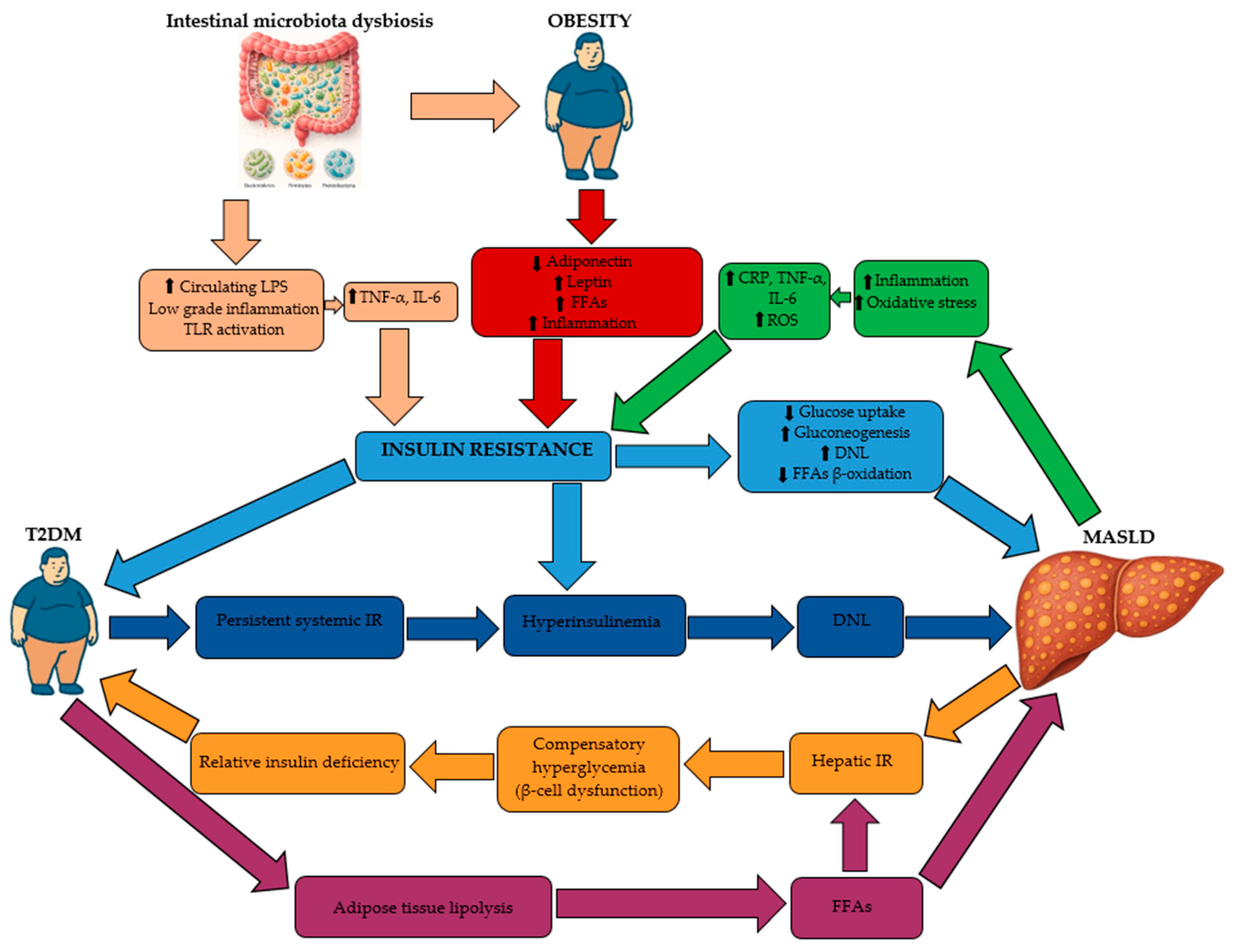
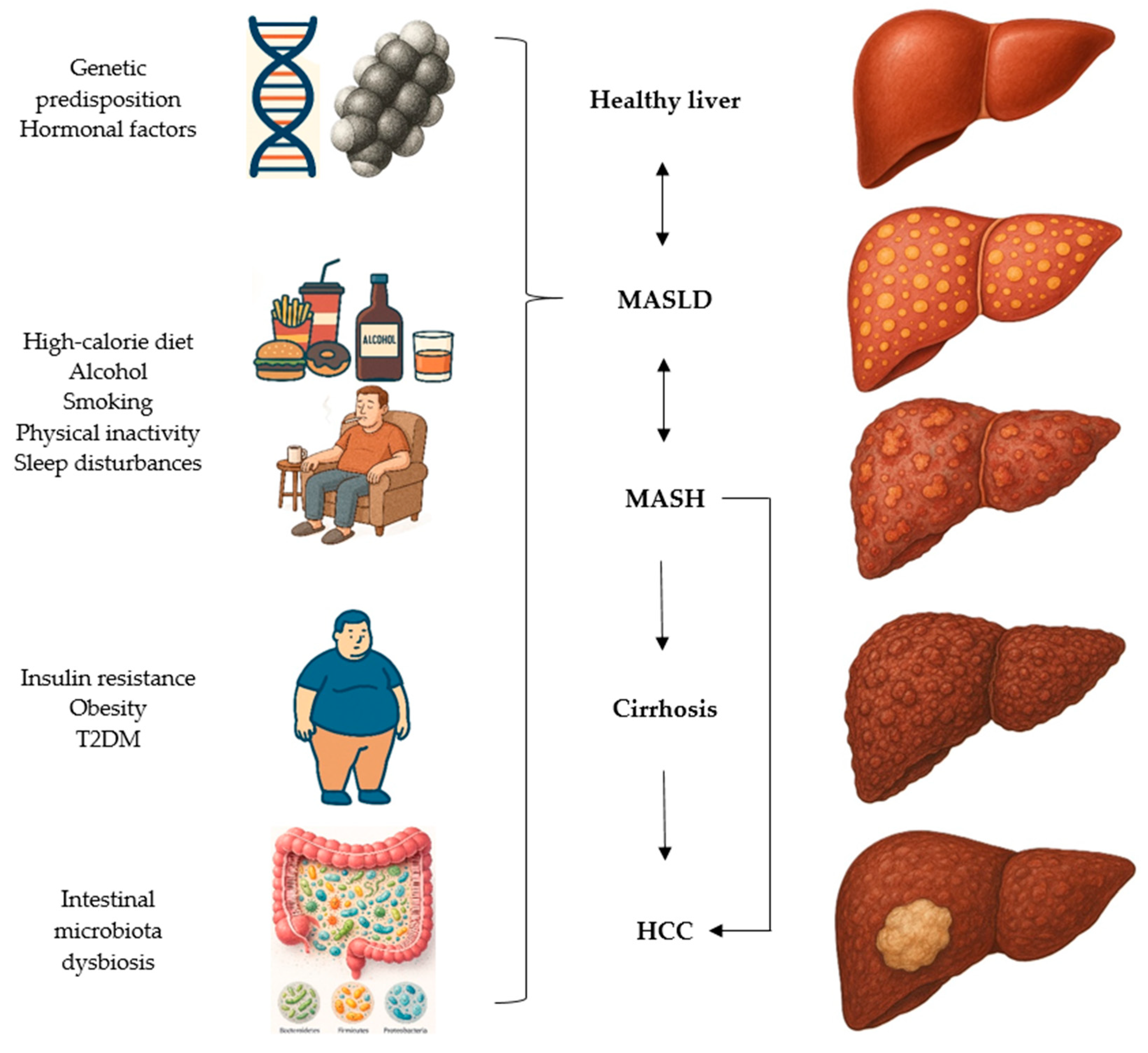
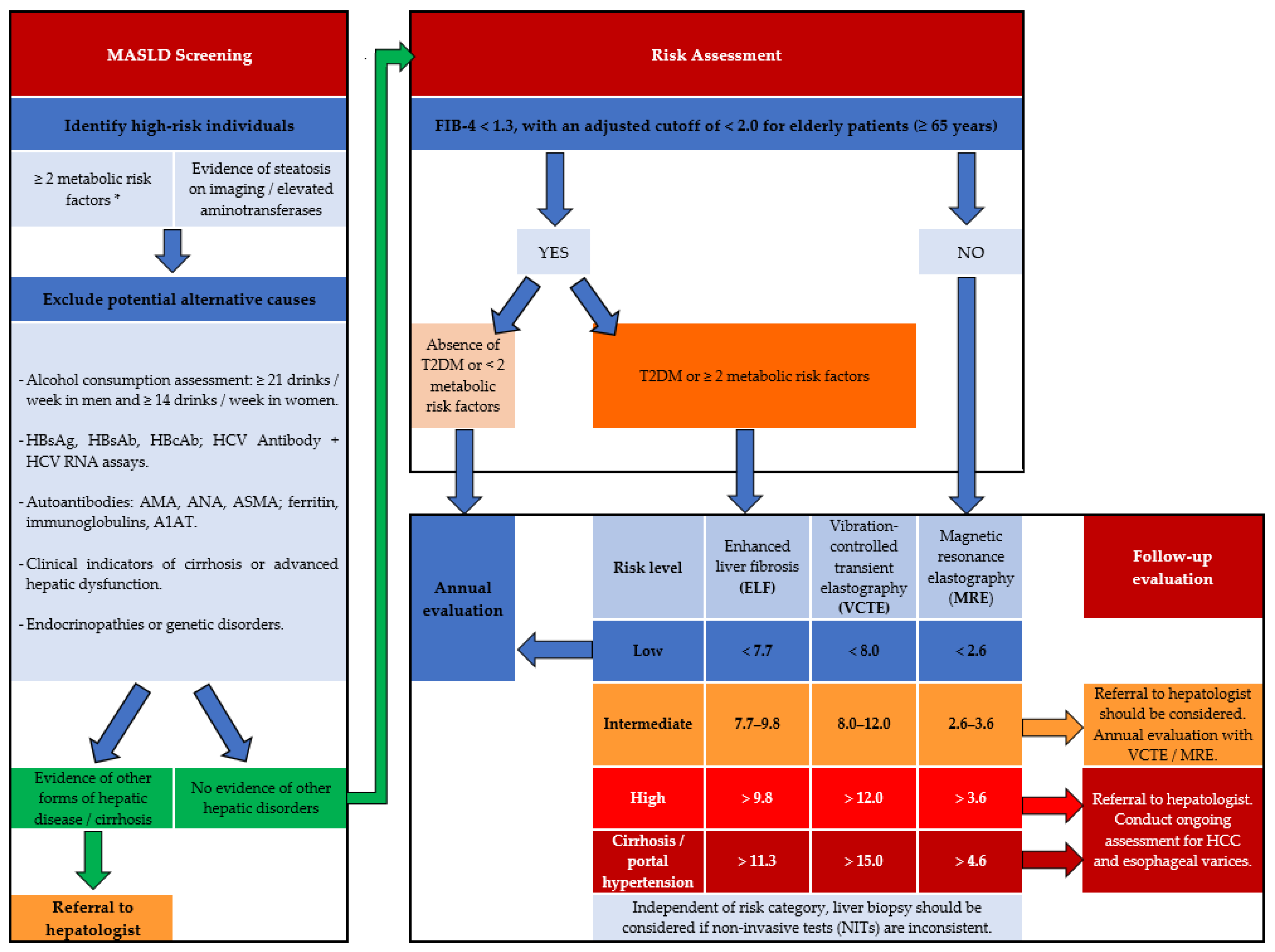
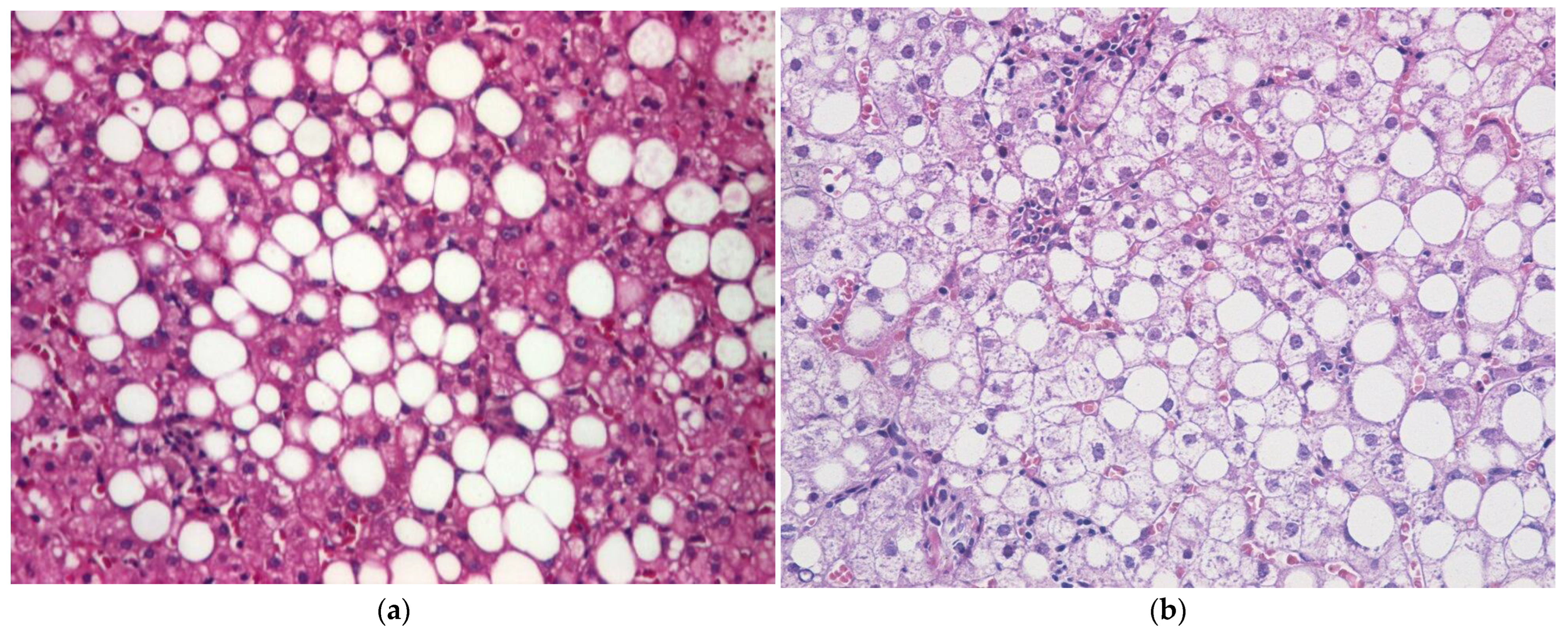
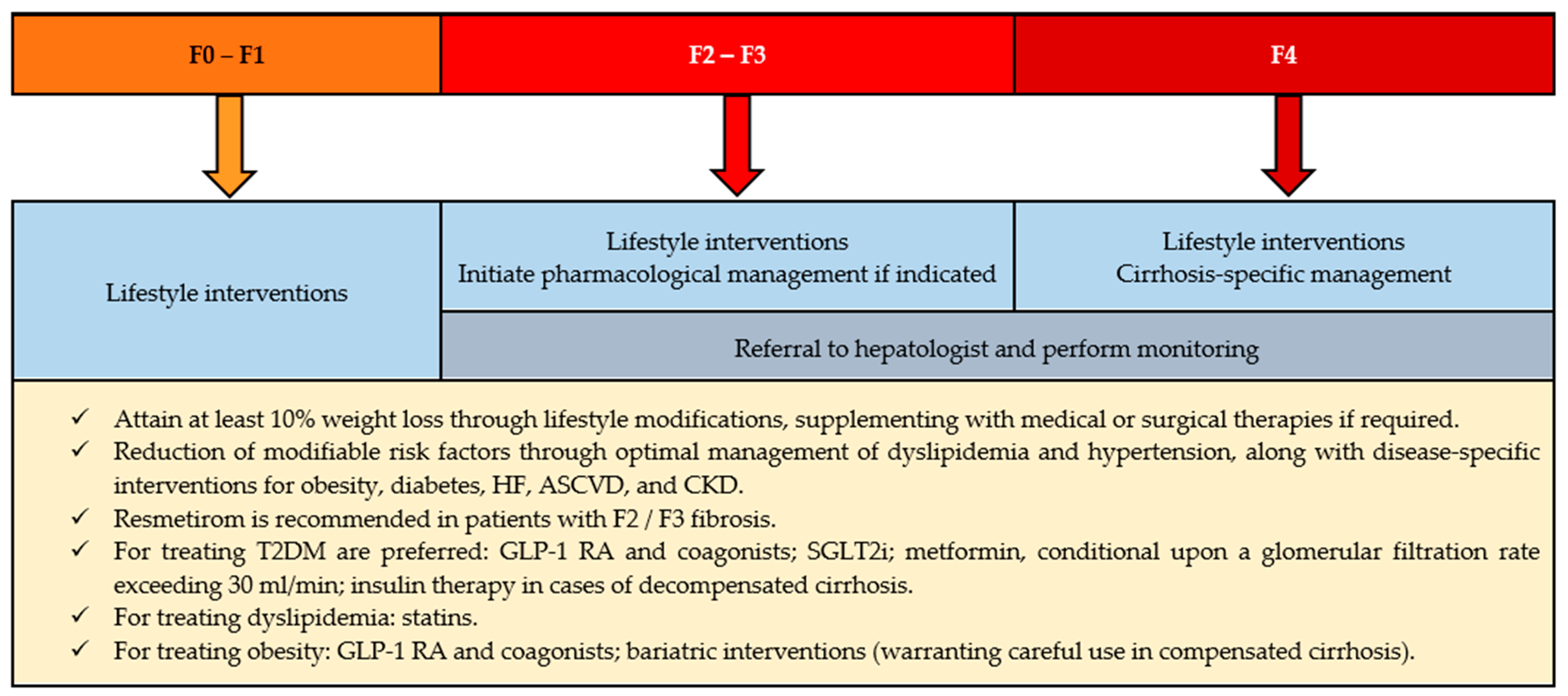
Metabolic dysfunction-associated steatotic liver disease (MASLD) has emerged as one of the greatest challenges for the modern public health system and serves as the foundation for the development of advanced stages, such as metabolic dysfunction-associated steatohepatitis (MASH), which may progress to fibrosis, cirrhosis, and hepatocellular carcinoma (HCC). MASLD and type 2 diabetes mellitus (T2DM) mutually exacerbate one another. MASLD increases the incidence of T2DM and the risk of complications in patients already affected. T2DM accelerates progression to MASH, which has become the second leading cause of liver transplantation and end-stage liver disease, and is associated with hepatic decompensation, cirrhosis, HCC, chronic kidney disease, and cardiovascular disease. MASLD and MASH are strongly linked to T2DM and obesity, pathogenesis including genetic polymorphisms, environmental factors, and multiple metabolic disturbances: insulin resistance (IR), gut dysbiosis, altered adipokine signaling, such as reduced adiponectin alongside increased pro-inflammatory cytokines. Inflammation plays a central role in the development of HCC in MASH, even in the absence of significant fibrosis. The Fibrosis-4 index (FIB-4) should be used as a first-line noninvasive tool to assess fibrosis risk. Additionally, ultrasound-based transient elastography (FibroScan) supports clinicians in assessing steatosis and fibrosis severity. Histologically, MASH is characterized by steatosis, lobular inflammatory changes, and ballooning degeneration of hepatocytes, with or without associated fibrosis. Accurately diagnosing and stratifying MASLD based on fibrosis risk is crucial to identify patients who may benefit from pharmacological treatment or can be managed only with lifestyle interventions. Patients should attain above 10% weight loss through lifestyle modifications. Resmetirom is recommended in F2/F3 fibrosis stages. For treating T2DM, glucagon-like peptide-1 receptor agonists and coagonists, sodium–glucose cotransporter-2 inhibitors, metformin (if glomerular filtration rate exceeds 30 mL/min), and insulin (in decompensated cirrhosis) are preferred. Clinical insights derived from trials are expected to optimize quality of life and long-term outcomes in patients with MASH.
Keywords: metabolic dysfunction-associated steatohepatitis; metabolic dysfunction-associated steatotic liver disease; type 2 diabetes; metabolic syndrome; obesity metabolic dysfunction-associated steatohepatitis; metabolic dysfunction-associated steatotic liver disease; type 2 diabetes; metabolic syndrome; obesity