


Abstract
This paper aims to examine the current landscape of novel biomarkers in diabetes mellitus (DM), with particular emphasis on emerging candidates, and their roles in early diagnosis, monitoring disease progression, risk stratification, and managing complications. Given the global prevalence of DM and its complex pathophysiology, identifying reliable biomarkers is critical for optimizing prevention strategies and personalized treatment approaches. This review highlights the shift from traditional glycemic markers, which remain clinically useful but limited, to a broader array of novel biomarkers that more accurately reflect the complex pathophysiology of DM. In addition to conventional measures, inflammatory and oxidative stress mediators, along with genetic and epigenetic regulators, provide added predictive value for disease susceptibility, progression, and complications. Recent research has identified emerging biomarkers, such as adiponectin, adropin, netrin-1, α-hydroxybutyrate, fetuin-A, lipo-protein(a), and lysophosphatidylcholine, which detect early metabolic imbalances and reveal mechanistic links to insulin resistance, β-cell dysfunction, and vascular injury. Their integration into multimarker panels holds particular promise for precision medicine, supporting tailored prevention, targeted therapy, and improved outcomes for individuals with prediabetes and DM.
1. Introduction
Diabetes mellitus (DM) is a global public health challenge, currently affecting millions and projected to reach 853 million adults by 2050 [1]. This chronic metabolic disorder, characterized by persistent hyperglycemia from impaired insulin secretion, insulin resistance, or both, impacts multiple organ systems and significantly reduces quality of life [2,3,4]. DM is heterogeneous: type 1 (T1DM) is autoimmune and usually arises in childhood, causing absolute insulin deficiency [5], while type 2 (T2DM), accounting for over 90% of cases, involves genetic and environmental factors, insulin resistance, and impaired insulin secretion, and is increasingly seen in younger populations due to obesity and sedentary lifestyles [2,6]. Gestational DM also elevates long-term T2DM risk for mother and child [7] (Figure 1).
Figure 1.
Mechanistic schema of DM progression.
Key risk factors for T2DM include unhealthy diets, physical inactivity, obesity, tobacco and alcohol use, chronic stress, urbanization, aging, and sedentary lifestyles [8,9]. Over 240 million individuals remain undiagnosed, delaying treatment and increasing complication risk [10]. If poorly controlled, DM leads to severe microvascular complications (retinopathy, nephropathy, neuropathy) and macrovascular complications (myocardial infarction, stroke, peripheral artery disease), imposing substantial physical and psychosocial burdens [11,12,13].
Health systems, particularly in low- and middle-income countries, are increasingly overwhelmed by the growing need for DM care, prevention programs, and patient education [14] (Figure 2).
Figure 2.
Clinical implementation of biomarkers in DM care. CGM—continuous glucose monitoring.
Against this backdrop, early identification of prediabetes is vital to halting the progression to overt DM. A range of biomarkers is currently used for this purpose, including biochemical indicators (e.g., fasting glucose, HbA1c), as well as inflammatory, genetic, and epigenetic markers. Recent research highlights the growing value of these tools in assessing individual susceptibility to DM. For example, certain genetic polymorphisms and epigenetic modifications may indicate a heightened risk for insulin resistance long before clinical symptoms become apparent [15,16].
The development of prediabetes is multifactorial and complex, influenced by a combination of genetic predisposition, impaired insulin secretion, insulin resistance, glucotoxicity, lipotoxicity, chronic low-grade inflammation, oxidative stress, and a decline in both the mass and function of pancreatic β-cells [17,18]. Preventing the progression from prediabetes to T2DM is a key public health priority. Early interventions, such as dietary improvements, increased physical activity, weight loss, metabolic monitoring, patient education, and accessible community healthcare, significantly reduce diabetes risk and improve health outcomes [19]. Prevention strategies are implemented at three levels: (1) primary prevention promotes healthy lifestyles in the general population [20]; (2) secondary prevention identifies high-risk individuals using screening tools like fasting glucose, HbA1c, and oral glucose tolerance tests (OGTT) [21]; (3) tertiary prevention manages diagnosed patients to prevent complications through monitoring, tailored therapy, education, and multidisciplinary care, as exemplified by the U.S. National DPP, which reduced T2DM risk by up to 58% in high-risk individuals [22].
The biomarkers included in this review were selectively chosen based on several predefined criteria: (i) mechanistic relevance to core pathophysiological processes involved in DM, such as insulin resistance, inflammation, oxidative stress, hepatic dysfunction, and early organ injury; (ii) availability of human clinical data linking these biomarkers to glycemic status, cardiometabolic risk, or diabetic complications; (iii) potential applicability within precision medicine frameworks, including risk stratification, phenotyping, and treatment monitoring; (iv) emerging but incomplete evidence, which highlights both opportunities and current limitations for clinical translation. This focused approach was intended to provide depth and clinical relevance rather than an exhaustive catalog of all proposed diabetes biomarkers.
This article is a narrative review aimed at synthesizing current evidence on classical and emerging biomarkers in DM, with a particular focus on their clinical relevance in T2DM and related cardiometabolic conditions. The literature was identified through systematic searches of major biomedical databases, including PubMed/MEDLINE, Scopus, and Web of Science, covering publications from January 2008 to August 2025. Additional relevant articles were identified by manual screening of reference lists from key reviews and original studies.
The search strategy combined terms related to DM and biomarkers, including: “diabetes mellitus”, “type 2 diabetes”, “prediabetes”, “biomarkers”, “novel biomarkers”, “adiponectin”, “adropin”, “α-hydroxybutyrate”, “fetuin-A”, “lipoprotein(a)”, “netrin-1”, “lysophosphatidylcholine”, “GPLD1”, “clinical studies”, “risk prediction”, and “diabetic complications”.
Studies were selected based on their relevance to the clinical application of biomarkers in DM, including diagnosis, risk stratification, disease monitoring, and prediction of complications. Priority was given to human clinical studies, observational and interventional trials, systematic reviews, and meta-analyses published in peer-reviewed journals. Experimental animal studies were included only when they provided important mechanistic insights supporting clinical findings. Articles not available in English, case reports with limited clinical relevance, and studies lacking sufficient methodological detail were excluded.
2. Novel Biomarkers in DM
Early diagnosis and monitoring of DM and prediabetes are crucial to preventing complications that impair quality of life, with biomarkers providing key insights into metabolic state, disease progression, and therapeutic response [23,24,25]. HbA1c remains the gold standard for assessing chronic glycemic control [26,27], but its diagnostic accuracy improves when combined with alternative biomarkers such as fructosamine, glycated albumin (GA), and 1,5-anhydroglucitol (1,5-AG), a multimarker strategy particularly useful for early detection of prediabetes and individualized T2DM prevention [28,29,30].
Continuous glucose monitoring (CGM) has emerged as a valuable tool for real-time assessment of glycemic variability and metabolic control in both T1DM and T2DM. By providing continuous measurements of interstitial glucose levels, CGM allows for early detection of hyperglycemia and hypoglycemia, assessment of glucose trends, and evaluation of therapeutic interventions. The integration of CGM data with traditional biomarkers and clinical parameters enhances precision monitoring, supports individualized treatment adjustments, and may improve long-term outcomes in patients with DM.
Beyond these classic biomarkers, DM is also associated with chronic inflammation and oxidative stress, reflected by markers such as C-reactive protein (CRP), fibrinogen, interleukin-1 beta (IL-1β), interleukin-6 (IL-6), interleukin-18 (IL-18), interleukin-1 receptor antagonist (IL-1RA), plasminogen activator inhibitor-1 (PAI-1), superoxide dismutase (SOD), malondialdehyde (MDA), glutathione peroxidase, glutathione, 8-hydroxy-2′-deoxyguanosine (8-OHdG), and the accumulation of advanced glycation end-products (AGEs), all of which contribute to disease progression and complications [31,32,33,34].
Moreover, genetic variants such as single nucleotide polymorphisms (SNPs) in transcription factor 7-like 2 (TCF7L2), solute carrier family 30 member 8 (SLC30A8), potassium voltage-gated channel subfamily J member 11 (KCNJ11), fat mass and obesity-associated protein (FTO), peroxisome proliferator-activated receptor gamma (PPARG), and cyclin-dependent kinase 5 regulatory subunit associated protein 1-like 1 (CDKAL1), together with insertions/deletions and copy number variations, modulate diabetes susceptibility and treatment response [35,36,37,38,39,40], while epigenetic mechanisms including DNA methylation, histone modifications, and microRNAs regulating genes like Pdx1, IGF2, INS, and PPARGC1A further contribute to disease risk, progression, and personalized therapy [41,42,43,44,45,46] (Table 1).
Table 1.
Major biomarkers for DM diagnosis and risk assessment.
In addition to established markers, several novel biomarkers have recently been identified, offering greater sensitivity and specificity for detecting prediabetes, monitoring DM progression, and predicting complications [47]. Monitoring metabolic, inflammatory, and oxidative stress biomarkers is critical for preventing both acute and chronic complications [18,48,49]. Advances in laboratory technology now allow precise measurement of these markers, enhancing clinical decision-making. Integrating traditional and emerging biomarkers improves early diagnosis, supports personalized treatment, and strengthens risk assessment, ultimately leading to better patient outcomes [23].
2.1. Adiponectin
Adiponectin is an adipocyte-derived hormone with a central role in glucose and lipid metabolism, insulin sensitivity, and inflammation. Unlike most adipokines, circulating adiponectin levels decrease with increasing adiposity and insulin resistance [50,51]. Through activation of AMP-activated protein kinase (AMPK) and peroxisome proliferator-activated receptor-α (PPAR-α) pathways, adiponectin enhances fatty acid oxidation, suppresses hepatic gluconeogenesis, and promotes glucose uptake in peripheral tissues [52]. In addition to its metabolic actions, adiponectin exerts anti-inflammatory and anti-atherogenic effects by inhibiting proinflammatory cytokines and protecting endothelial function [53,54,55]. These biological properties link reduced adiponectin levels to the pathophysiology of obesity, insulin resistance, and T2DM, as well as to the development of vascular complications [55,56,57].
Despite extensive supporting evidence, the clinical application of adiponectin remains limited by significant inter-assay variability, population-specific reference ranges, and the lack of universally accepted cut-off values. These methodological and biological differences complicate result interpretation and hinder its routine use in clinical practice. Although adiponectin reflects key metabolic and inflammatory pathways, its incremental predictive value beyond established cardiometabolic risk factors has been inconsistent across studies, limiting its standalone prognostic utility.
2.2. Adropin
Adropin is a secreted peptide involved in energy homeostasis, endothelial function, and immune regulation [58,59,60]. It participates in metabolic signaling pathways that influence glucose utilization, lipid metabolism, and vascular integrity [61,62]. Experimental data suggest that adropin contributes to endothelial protection, modulation of inflammatory responses, and maintenance of tissue homeostasis. Given that DM is characterized by chronic hyperglycemia, oxidative stress, and low-grade inflammation, alterations in adropin signaling may reflect early metabolic and vascular dysfunction. These mechanistic properties position adropin as a potential link between metabolic imbalance, inflammation, and organ damage in DM [63,64,65].
Nevertheless, further large-scale, longitudinal studies are required to validate these findings and to clarify adropin’s clinical utility as a reliable biomarker and potential therapeutic target in DM.
2.3. α-Hydroxybutyrate
α-Hydroxybutyrate (α-HB) is an emerging metabolic biomarker produced during threonine and methionine catabolism and involved in hepatic glutathione synthesis [66]. Variations in its concentration may reflect complex metabolic imbalances, such as oxidative stress and amino acid metabolism disturbances, which are typical in the early stages of DM [67]. Its levels rise under oxidative stress and redox imbalance, processes common in early dysglycemia [18,68,69]. Clinically, α-HB is a sensitive early marker of insulin resistance and prediabetes, often preceding changes in fasting glucose or HbA1c. Elevated α-HB is linked to impaired glucose tolerance, reduced insulin sensitivity, and higher risk of progression to T2DM [70,71,72]. Longitudinal studies confirm its predictive value for future dysglycemia, even in normoglycemic individuals. Its utility lies in enabling early risk stratification, capturing dynamic oxidative stress and metabolic disruption missed by traditional markers, and providing a non-invasive diagnostic option through mass spectrometry-based blood tests [67,68,73]. However, widespread adoption is limited by cost, lack of assay standardization, and confounding effects of other oxidative stress-related conditions [48,67]. Current research is exploring α-HB within multi-marker panels alongside amino acids, lipids, and acylcarnitines to improve DM risk assessment, and efforts are ongoing to adapt it for point-of-care and personalized prevention strategies [74].
Despite its promise as an early marker of insulin resistance, the clinical application of α-hydroxybutyrate (α-HB) remains limited by several factors. Measurement currently relies on mass spectrometry-based platforms, which are costly, not universally available, and lack standardized analytical protocols across laboratories. Moreover, no universally accepted cut-off values have been established for defining abnormal α-HB levels in prediabetes or diabetes. Reported associations may also be confounded by conditions characterized by oxidative stress or altered amino acid metabolism, including liver disease, malignancy, and inflammatory disorders. Importantly, although α-HB often rises before changes in fasting glucose or HbA1c, its incremental predictive value beyond established clinical variables has not been consistently demonstrated in large, diverse populations. Therefore, current evidence supports α-HB as a promising but still investigational biomarker.
2.4. Fetuin-A
Fetuin-A is a hepatokine predominantly synthesized by the liver, with important roles in insulin signaling, inflammation, and mineral metabolism [75,76,77,78]. It interferes with insulin receptor autophosphorylation, thereby contributing to insulin resistance, and is closely associated with hepatic steatosis and metabolic dysfunction [79,80,81]. Fetuin-A also participates in inflammatory pathways and vascular calcification, indicating a complex, context-dependent role in cardiometabolic disease. Through these mechanisms, altered Fetuin-A levels reflect early metabolic disturbances and may contribute to the progression of T2DM and its complications [82,83,84,85,86,87].
The translation of Fetuin-A into clinical practice is constrained by similar challenges, including assay variability, ethnic and population-dependent distributions, and the absence of standardized threshold values. These factors reduce comparability across studies and restrict its broader clinical implementation. While Fetuin-A offers complementary insights into insulin resistance, inflammation, and vascular calcification, evidence regarding its added predictive value beyond conventional risk markers remains variable, highlighting the need for further validation.
2.5. Glycosylphosphatidylinositol-Specific Phospholipase D1 (GPLD1)
Glycosylphosphatidylinositol-specific phospholipase D1 (GPLD1) is an enzyme that releases GPI-anchored proteins from cell membranes, influencing signaling, immunity, and metabolic regulation [88,89]. Elevated serum GPLD1 is associated with insulin resistance, systemic inflammation, β-cell dysfunction, lipid abnormalities, adipose dysfunction, and metabolic dysfunction-associated steatotic liver disease (MASLD, formerly NAFLD), all key features of T2DM and metabolic syndrome [90,91,92,93]. As a serum-based marker, GPLD1 offers promise for early detection of metabolic dysregulation, often rising before overt hyperglycemia. It reflects chronic low-grade inflammation and β-cell stress, supporting its role in identifying individuals at high risk of T2DM and prediabetes [94]. GPLD1 levels may also be useful for monitoring responses to anti-inflammatory or insulin-sensitizing therapies.
Clinically, GPLD1 can be measured through ELISA or proteomics, enabling non-invasive application [89,95]. Given its involvement in glucose metabolism, lipid signaling, and immune regulation, GPLD1 represents a novel biomarker for early diagnosis, risk stratification, and personalized management of DM and its complications.
Although GPLD1 has emerged as a potential biomarker of metabolic inflammation and insulin resistance, its clinical utility is not yet well established. Available studies are relatively few, often cross-sectional, and involve heterogeneous populations. Assay standardization and reference ranges for circulating GPLD1 are not clearly defined, and levels may be influenced by comorbid conditions such as non-alcoholic fatty liver disease, obesity, and chronic inflammatory states. Furthermore, it remains unclear whether GPLD1 provides meaningful incremental information beyond conventional markers of glycemic control and cardiometabolic risk. Larger longitudinal studies are needed to clarify its diagnostic and prognostic relevance in diabetes.
2.6. Lipoprotein(a)
Lipoprotein(a) [Lp(a)] is a plasma lipoprotein consisting of an LDL particle bound to apolipoprotein(a), giving it proatherogenic and proinflammatory properties [96,97,98]. Levels are largely genetically determined, show little variation over time, and are minimally influenced by lifestyle or glycemic control [99,100]. In T2DM, Lp(a) is gaining importance as an independent cardiovascular risk factor, since traditional markers like LDL-C and HbA1c do not fully explain residual ASCVD risk [101,102]. Mechanistically, Lp(a) promotes atherogenesis via impaired fibrinolysis, endothelial dysfunction, and vascular inflammation [103]. Elevated concentrations are often seen in diabetic patients with coronary artery disease, although its relationship with glycemia is inconsistent, reflecting its distinct metabolic profile [104,105,106,107].
Unlike other cardiometabolic biomarkers, Lp(a) is not significantly reduced by lifestyle or standard antidiabetic therapy. Instead, pharmacological strategies directly targeting Lp(a) show greater promise [108]. Some evidence also suggests sex-based differences, with higher levels observed in women with DM, though clinical significance remains unclear [109,110]. Overall, Lp(a) is a stable, genetically driven biomarker valuable for cardiovascular risk assessment in DM, especially in patients with good metabolic control but persistent ASCVD risk. Measuring Lp(a) can guide the use of targeted therapies and improve precision in cardiovascular prevention [111,112].
However, further prospective studies are needed to define clinically relevant thresholds, clarify sex-specific implications, and determine how Lp(a) measurement can be optimally integrated into risk stratification and treatment algorithms for patients with DM.
2.7. Lysophosphatidylcholine (L-GPC)
Lysophosphatidylcholine (L-GPC) is a bioactive phospholipid produced by hepatic phospholipase A2 and lecithin-cholesterol acyltransferase, involved in lipid metabolism, signaling, and membrane integrity, while also influencing insulin-mimetic pathways [113,114]. Altered L-GPC levels are associated with insulin resistance, β-cell dysfunction, and early metabolic imbalance, positioning it as a potential biomarker for prediabetes detection and monitoring [115,116]. L-GPC profiles provide insight into lipid dysregulation and subclinical inflammation that precede overt hyperglycemia, aiding early risk stratification [117]. Its fluctuations also reflect immune and endothelial dysfunction relevant to DM progression.
Clinically, L-GPC can be measured using lipidomics platforms like mass spectrometry, offering a sensitive, reproducible, and minimally invasive diagnostic tool [118,119]. Shifts in L-GPC levels may also indicate therapeutic response, supporting personalized treatment and prevention strategies [118].
The clinical interpretation of L-GPC is challenged by substantial heterogeneity in lipidomic methodologies, species-specific measurements, and analytical platforms. Differences in sample handling, mass spectrometry techniques, and data normalization complicate cross-study comparisons. In addition, circulating L-GPC levels are influenced by diet, inflammation, lipid disorders, and cardiovascular disease, raising concerns about specificity for diabetes-related metabolic dysfunction. While altered L-GPC profiles have been associated with insulin resistance and early dysglycemia, evidence regarding their added predictive value over traditional metabolic markers remains limited. Consequently, L-GPC currently represents an exploratory biomarker that requires further standardization and validation before routine clinical use.
2.8. Netrin-1
Netrin-1 is a laminin-related guidance protein with immunomodulatory, anti-inflammatory, and tissue-protective properties [120,121,122,123,124]. Beyond its role in neuronal development, netrin-1 regulates immune cell migration, endothelial integrity, and inflammatory signaling. In the context of DM, dysregulation of netrin-1 pathways may contribute to chronic inflammation, vascular dysfunction, and neural injury. These biological actions suggest a mechanistic link between netrin-1 signaling and the development of microvascular and macrovascular complications in DM [125,126,127,128,129,130,131,132].
Interpretation of netrin-1 as a diabetes biomarker is complicated by its context-dependent regulation and dual biological roles. Circulating and urinary netrin-1 levels may reflect compensatory, protective responses in early disease stages, while declining levels are observed in advanced complications, leading to apparently conflicting findings across studies. Differences in sample type (serum vs. urine), disease stage, and comorbidities further contribute to heterogeneity. In addition, standardized assays and clinically validated cut-off values are lacking. Although netrin-1 shows promise for early detection of diabetic complications, particularly nephropathy, its incremental predictive value over established renal and vascular markers remains insufficiently defined.
3. Clinical Studies on the Use of Novel Biomarkers in the Management of DM
The clinical studies summarized in Tables S1–S5 were selected to illustrate representative and clinically meaningful evidence for each biomarker, rather than to provide an exhaustive or quantitative synthesis. Given the heterogeneity of study designs, populations, and outcome measures, no formal meta-analysis was performed.
Most available clinical evidence derives from cohorts with T2DM.
Emerging diabetes biomarkers carry substantial clinical implications, as they have the potential to enhance early disease detection, improve risk stratification, reveal underlying pathophysiological heterogeneity, and guide more precise, individualized therapeutic interventions (Figure 3).
Figure 3.
Clinical applications of novel biomarkers in DM.
3.1. Adiponectin
Clinical studies consistently demonstrate lower circulating adiponectin levels in individuals with prediabetes and T2DM compared with normoglycemic controls. Reduced adiponectin has been associated with poorer glycemic control, increased insulin resistance, and higher cardiometabolic risk. In patients with diabetic complications, altered adiponectin levels have been linked to nephropathy, cardiovascular disease, and overall disease severity. Interventional studies indicate that pharmacological treatments and lifestyle modifications may increase adiponectin concentrations, often paralleling improvements in metabolic parameters. Collectively, these findings support adiponectin as a clinically relevant biomarker for risk stratification, disease progression, and therapeutic monitoring in DM [133,134,135,136,137,138,139,140,141,142,143].
3.2. Adropin
Clinical evidence indicates that circulating adropin levels are altered across different stages of DM and its complications. Lower serum adropin concentrations have been reported in individuals with T2DM, particularly in those with diabetic nephropathy, cardiovascular disease, or metabolic-associated fatty liver disease. Several studies demonstrate correlations between adropin levels and markers of renal function, vascular injury, and systemic inflammation. Moreover, pharmacological interventions, including incretin-based therapies and SGLT2 inhibitors, have been shown to modulate adropin levels in parallel with metabolic improvement. These findings suggest that adropin may serve as a clinically informative biomarker for disease severity, complication risk, and therapeutic response in DM [144,145,146,147,148,149,150,151,152,153,154,155].
3.3. Fetuin-A
Clinical studies consistently associate elevated circulating Fetuin-A levels with insulin resistance, prediabetes, and T2DM. Increased concentrations have been observed prior to overt hyperglycemia, supporting its role as an early marker of metabolic risk. Fetuin-A levels have also been linked to the presence and severity of diabetic complications, including vascular disease and diabetic foot syndrome. Interventional studies indicate that lifestyle changes, pharmacological therapies, and bariatric surgery can reduce Fetuin-A levels, often preceding or exceeding improvements in conventional metabolic markers. These findings highlight Fetuin-A as a responsive biomarker for metabolic dysfunction, complication risk assessment, and monitoring of therapeutic efficacy [156,157,158,159,160,161,162].
3.4. Lipoprotein(a)
Lipoprotein(a) [Lp(a)] is an independent cardiovascular risk factor in T2DM, largely resistant to lifestyle or glycemic interventions, but responsive to certain pharmacologic therapies [163,164,165,166,167,168,169,170,171]. Clinical studies demonstrate that rosiglitazone, ERN/LRPT (extended-release niacin/laropiprant), and antihypertensive combination therapy significantly reduce Lp(a) levels, alongside improvements in oxidative stress, lipid profiles, and glycemic control [163,164,165]. PCSK9 inhibitors, such as alirocumab and evolocumab, also markedly lower Lp(a) by 19–38% without negatively impacting glycemic parameters, highlighting their cardiovascular benefit in diabetic patients [166,168].
Dietary interventions, including almond supplementation, produced non-significant reductions in Lp(a), while exercise interventions, including aerobic and blood flow-restricted resistance training, failed to modify Lp(a) despite improvements in other cardiometabolic parameters [167,170]. Cross-sectional studies indicate slightly elevated Lp(a) in T2DM compared to non-diabetic individuals, with higher levels observed in those with coexisting coronary artery disease, supporting Lp(a)’s role as a predictor of cardiovascular complications independent of traditional metabolic markers [169,170]. Overall, Lp(a) is a stable, genetically determined biomarker in T2DM, useful for cardiovascular risk stratification, with targeted pharmacologic interventions being the most effective strategy for reducing its levels [163,164,165,166,167,168,169,170,171].
3.5. Netrin-1
Clinical studies indicate that circulating and urinary netrin-1 levels are altered in DM and its complications. Reduced serum netrin-1 has been reported in patients with cardiovascular disease, diabetic neuropathy, and retinopathy, whereas increased urinary netrin-1 may precede albuminuria in diabetic nephropathy, suggesting early renal injury. Changes in netrin-1 levels have also been observed in response to therapeutic interventions, supporting its potential utility in monitoring disease progression and treatment response. Overall, netrin-1 emerges as a promising biomarker for early detection and risk stratification of diabetic complications across multiple organ systems [172,173,174,175,176,177,178].
4. Precision Care Implications of Novel Biomarkers in DM
From a precision medicine perspective, novel diabetes biomarkers offer the opportunity to move beyond a one-size-fits-all approach based solely on glycemic thresholds. Rather than replacing established markers such as HbA1c, these biomarkers may complement traditional measures by capturing distinct pathophysiological domains, including insulin resistance, inflammation, oxidative stress, hepatic dysfunction, and early organ injury. In clinical practice, such biomarkers could be integrated into multimarker risk scores to improve early detection of prediabetes, identify high-risk individuals with normoglycemia, and stratify patients according to their predominant metabolic or complication-related sub-phenotypes. Moreover, dynamic changes in biomarkers such as adiponectin, adropin, or Fetuin-A may support individualized treatment monitoring and guide the intensity of pharmacological or lifestyle interventions. While most applications remain investigational, this integrative, multimodal approach aligns with the goals of precision diabetes care by enabling earlier intervention, targeted prevention strategies, and more personalized management pathways (Table 2).
Table 2.
Potential precision care applications of novel biomarkers in DM.
5. Limitations
This review has several limitations that should be acknowledged. First, the heterogeneity of the included studies, regarding population characteristics, study design, biomarker measurement techniques, and outcome definitions, limits the ability to draw uniform conclusions about the clinical utility of certain biomarkers. Additionally, many novel biomarkers discussed remain in the early stages of validation, with limited longitudinal and large-scale population data to support their routine clinical use.
Second, although clinical studies were referenced to illustrate the practical application of several biomarkers, the review does not include a quantitative synthesis (e.g., meta-analysis) to assess effect sizes or comparative performance. This restricts the strength of evidence regarding biomarker accuracy, sensitivity, and predictive value.
Despite their potential, several challenges must be addressed before novel biomarkers can be widely adopted in clinical practice. These include the need for standardized measurement protocols, validation across diverse populations, cost-effectiveness assessments, and clear regulatory pathways. Moreover, healthcare providers require appropriate infrastructure, digital tools, and clinical training to interpret and apply biomarker data effectively. The expanding field of biomarker research holds transformative potential for diabetes care. By enabling earlier diagnosis, more accurate prognostication, and individualized treatment, biomarkers offer a path toward more efficient and effective clinical management. Achieving this vision will require sustained interdisciplinary collaboration among researchers, clinicians, technologists, and policymakers.
6. Conclusions
This literature review highlights the growing importance of both classical and emerging biomarkers in the diagnosis, monitoring, and personalized management of DM, particularly in T2DM and related cardiometabolic conditions. As the global prevalence of DM continues to rise, early detection and targeted intervention are critical to reducing disease burden and improving patient outcomes.
Traditional biomarkers such as HbA1c, fructosamine, and glycated albumin remain foundational tools in assessing glycemic control, yet they are not without limitations, particularly in complex or comorbid clinical scenarios. In response, a new generation of biomarkers has emerged, including adiponectin, netrin-1, and α-hydroxybutyrate, offering improved sensitivity and pathophysiological specificity. These novel markers provide insights into insulin resistance, β-cell dysfunction, inflammation, oxidative stress, and early organ damage. Incorporating these biomarkers into clinical practice has the potential to enhance diagnostic precision, enable risk stratification, and guide personalized therapeutic strategies. Furthermore, several biomarkers may also serve as therapeutic targets, opening new avenues for drug development and preventive interventions.
Clinical studies support the utility of biomarker-based approaches across various stages of diabetes care, from identifying individuals with prediabetes to monitoring the effectiveness of pharmacologic and lifestyle interventions. However, challenges remain in terms of standardization, validation, accessibility, and cost-effectiveness.
Looking forward, the integration of multimarker panels with digital health tools and machine learning algorithms could greatly advance precision medicine in diabetes. For such approaches to be successfully implemented, interdisciplinary collaboration and supportive health policy frameworks are essential.
Biomarker-driven strategies hold significant promises to transform the management of DM, enabling earlier diagnosis, more effective treatment, and improved long-term outcomes.
Supplementary Materials
The following supporting information can be downloaded at: https://www.mdpi.com/article/10.3390/medicina62010152/s1, Table S1: Clinical studies on the use of adiponectin in the management of DM; Table S2: Clinical studies on the use of adropin in the management of DM; Table S3: Clinical studies on the use of Fetuin-A in the management of DM; Table S4: Clinical studies on the use of lipoprotein(a) in the management of DM; Table S5: Clinical studies on the use of Netrin-1 in the management of DM.
Author Contributions
Conceptualization and methodology, A.M.E. and L.G.F.; investigation, A.M.E., D.R.P., L.L.P., A.-M.P., A.S. and L.G.F.; project administration, A.M.E., I.K.S.B. and L.G.F.; visualization, M.B. and L.M.T.; writing—original draft preparation, A.M.E., M.B., I.K.S.B., L.M.T., D.R.P., L.L.P., A.-M.P. and A.S.; writing—review and editing, A.M.E., M.B., I.K.S.B., L.M.T., D.R.P., L.L.P., A.-M.P., A.S. and L.G.F.; supervision, L.G.F. and L.M.T. All authors have read and agreed to the published version of the manuscript.
Funding
This research is part of Andra Melissa Entuc’s Ph.D. studies and was funded by the “Grigore T. Popa” University of Medicine and Pharmacy in Iasi, Romania.
Institutional Review Board Statement
Not applicable.
Informed Consent Statement
Not applicable.
Data Availability Statement
No new data were created or analyzed in this study.
Conflicts of Interest
The authors declare no conflicts of interest.
References
- Idf Diabetes Atlas. Available online: https://diabetesatlas.org/ (accessed on 19 August 2025).
- Ye, J.; Wu, Y.; Yang, S.; Zhu, D.; Chen, F.; Chen, J.; Ji, X.; Hou, K. The global, regional and national burden of type 2 diabetes mellitus in the past, present and future: A systematic analysis of the Global Burden of Disease Study 2019. Front. Endocrinol. 2023, 14, 1192629. [Google Scholar] [CrossRef] [Scilit]
- Ojo, O.A.; Ibrahim, H.S.; Rotimi, D.E.; Ogunlakin, A.D.; Ojo, A.B. Diabetes mellitus: From molecular mechanism to pathophysiology and pharmacology. Med. Nov. Technol. Devices 2023, 19, 100247. [Google Scholar] [CrossRef] [Scilit]
- Garg, P.; Duggal, N. Type 2 diabetes mellitus, its impact on quality of life and how the disease can be managed-a review. Obes. Med. 2022, 35, 100459. [Google Scholar] [CrossRef] [Scilit]
- American Diabetes Association Professional Practice Committee. 1. Improving Care and Promoting Health in Populations: Standards of Care in Diabetes—2025. Diabetes Care 2025, 48, S14–S26. [Google Scholar] [CrossRef] [Scilit] [PubMed]
- Tiwari, D.; Loh, W.J.; Aw, T.C. Updates from the 2025 American Diabetes Association guidelines on standards of medical care in diabetes. Explor. Endocr. Metab. Dis. 2025, 2, 101428. [Google Scholar] [CrossRef] [Scilit]
- American Diabetes Association Professional Practice Committee. 2. Diagnosis and classification of diabetes: Standards of care in diabetes—2024. Diabetes Care 2024, 47, S20–S42. [Google Scholar] [CrossRef] [Scilit]
- Available online: https://idf.org/about-diabetes/diabetes-facts-figures/ (accessed on 19 August 2025).
- Available online: https://diabetesatlas.org/data-by-location/global/ (accessed on 19 August 2025).
- Hossain, M.J.; Al-Mamun, M.; Islam, M.R. Diabetes mellitus, the fastest growing global public health concern: Early detection should be focused. Health Sci. Rep. 2024, 7, e2004. [Google Scholar] [CrossRef] [Scilit]
- Lu, Y.; Wang, Y.; Liu, Y.; Xie, M.; Liu, Q.; Li, S. Vascular complications of diabetes: A narrative review. Medicine 2023, 102, e35285. [Google Scholar] [CrossRef] [Scilit]
- Yapislar, H.; Gurler, E.B. Management of microcomplications of diabetes mellitus: Challenges, current trends, and future perspectives in treatment. Biomedicines 2024, 12, 1958. [Google Scholar] [CrossRef] [Scilit]
- Mansour, A.; Mousa, M.; Abdelmannan, D.; Tay, G.; Hassoun, A.; Alsafar, H. Microvascular and macrovascular complications of type 2 diabetes mellitus: Exome wide association analyses. Front. Endocrinol. 2023, 14, 1143067. [Google Scholar] [CrossRef] [Scilit]
- Butt, M.D.; Ong, S.C.; Wahab, M.U.; Rasool, M.F.; Saleem, F.; Hashmi, A.; Sajjad, A.; Chaudhry, F.A.; Babar, Z.-U. Cost of illness analysis of type 2 diabetes mellitus: The findings from a lower-middle income country. Int. J. Environ. Res. Public Health 2022, 19, 12611. [Google Scholar] [CrossRef] [Scilit]
- Patel, V.B.; Preedy, V.R. (Eds.) Biomarkers in Diabetes; Springer: Cham, Switzerland, 2022. [Google Scholar]
- Prajapati, A.K.K.; Jha, A.K.; Sheth, D. Biomarkers in diabetes mellitus: Advancements, challenges, and future perspectives. IP Int. J. Compr. Adv. Pharmacol. 2024, 9, 80–86. [Google Scholar] [CrossRef] [Scilit]
- Sacks, D.B.; Arnold, M.; Bakris, G.L.; Bruns, D.E.; Horvath, A.R.; Lernmark, Å.; Metzger, B.E.; Nathan, D.M.; Kirkman, M.S. Guidelines and recommendations for laboratory analysis in the diagnosis and management of diabetes mellitus. Diabetes Care 2023, 46, e151–e199. [Google Scholar] [CrossRef] [Scilit] [PubMed]
- Dorcely, B.; Katz, K.; Jagannathan, R.; Chiang, S.S.; Oluwadare, B.; Goldberg, I.J.; Bergman, M. Novel biomarkers for prediabetes, diabetes, and associated complications. Diabetes Metab. Syndr. Obes. 2017, 10, 345–361. [Google Scholar] [CrossRef] [Scilit] [PubMed]
- Available online: https://www.who.int/news-room/fact-sheets/detail/diabetes (accessed on 19 August 2025).
- American Diabetes Association Professional Practice Committee. 3. Prevention or Delay of Type 2 Diabetes and Associated Comorbidities: Standards of Medical Care in Diabetes-2022. Diabetes Care 2022, 45, S39–S45. [Google Scholar] [CrossRef] [Scilit]
- Guan, H.; Tian, J.; Wang, Y.; Niu, P.; Zhang, Y.; Zhang, Y.; Fang, X.; Miao, R.; Yin, R.; Tong, X. Advances in secondary prevention mechanisms of macrovascular complications in type 2 diabetes mellitus patients: A comprehensive review. Eur. J. Med. Res. 2024, 29, 152. [Google Scholar] [CrossRef] [Scilit]
- Marsim, E.; Prisma, F.A.; Prianggi, H. Meta analysis: Application of health belief model on the tertiary prevention of type 2 diabetes mellitus. J. Health Promot. Behav. 2021, 6, 28–297. [Google Scholar] [CrossRef] [Scilit]
- Le, T.N.; Bright, R.; Truong, V.K.; Li, J.; Juneja, R.; Vasilev, K. Key biomarkers in type 2 diabetes patients: A systematic review. Diabetes Obes. Metab. 2025, 27, 7–22. [Google Scholar] [CrossRef] [Scilit]
- Mohammed, C.M.; Ahmed, D.Y.; Naif, R.O. Exploring traditional and emerging biomarkers in type 2 diabetes mellitus: A comprehensive overview of diagnostic and prognostic tools. BioEksakta J. Ilm. Biol. Unsoed 2024, 6, 256–262. [Google Scholar] [CrossRef] [Scilit]
- Sahu, S.; Gond, S.P.; Gupta, A.; Gupta, A.K.; Singh, A. Diagnostic biomarkers for diabetes: A review. Asian J. Med. Princ. Clin. Pract. 2022, 5, 352–362. [Google Scholar]
- Ghanem, S.S.; Abdulkreem, E.M.; Alfurayh, M.S.; Ahmed, A.A.; Rikabi, H.A. The role of HbA1c in the follow-up and control of diabetes mellitus. Cureus 2025, 17, e78357. [Google Scholar] [CrossRef] [Scilit] [PubMed]
- Manekar, S.; Tikait, S.; Deshmukh, S. HBA1C study in diabetic patients. Int. J. Pharm. Sci. 2025, 3, 2687–2702. [Google Scholar]
- Wautier, J.L.; Guillausseau, P.J. Advanced glycation end products, their receptors and diabetic angiopathy. Diabetes Metab. 2001, 27, 535–542. [Google Scholar] [PubMed]
- Kaiafa, G.; Veneti, S.; Polychronopoulos, G.; Pilalas, D.; Daios, S.; Kanellos, I.; Didangelos, T.; Pagoni, S.; Savopoulos, C. Is HbA1c an ideal biomarker of well-controlled diabetes? Postgrad. Med J. 2021, 97, 380–383. [Google Scholar] [CrossRef] [Scilit]
- Akselrod, D.; Friger, M.; Biderman, A. HbA1C variability among type 2 diabetic patients: A retrospective cohort study. Diabetol. Metab. Syndr. 2021, 13, 101. [Google Scholar] [CrossRef] [Scilit]
- Luc, K.; Schramm-Luc, A.; Guzik, T.J.; Mikolajczyk, T.P. Oxidative stress and inflammatory markers in prediabetes and diabetes. J. Physiol. Pharmacol. 2019, 70, 809–824. [Google Scholar]
- 32; Shrestha, S.; Sharma, P.; Kumar, P.; Prasad, M. Inflammatory markers in pre-diabetes and diabetes: A comparative study. Ann. Int. Med. Dent. Res. 2019, 5, 6–11. [Google Scholar]
- Savvopoulos, S.; Hatzikirou, H.; Jelinek, H.F. Comparative analysis of biomarkers in type 2 diabetes patients with and without comorbidities: Insights into the role of hypertension and cardiovascular disease. Biomark. Insights 2024, 19, 11772719231222111. [Google Scholar] [CrossRef] [Scilit]
- Bogdan, M.; Tica, I.; Gheorghe, D.N.; Silosi, I.; Solomon, S.; Martu, I.; Surlin, P.; Chiscop, I.; Budacu, C. Effect of 0.2% Chlorhexidine’s Use for Treatment of Localized Gingival Lesions in Patients with Type 2 Diabetes. Rev. Chim. 2016, 67, 2651–2653. [Google Scholar]
- Vatankhah Yazdi, K.; Kalantar, S.M.; Houshmand, M.; Rahmanian, M.; Manaviat, M.R.; Jahani, M.R.; Kamalidehghan, B.; Almasi-Hashiani, A. SLC30A8, CDKAL1, TCF7L2, KCNQ1 and IGF2BP2 are associated with type 2 diabetes mellitus in Iranian patients. Diabetes Metab. Syndr. Obes. 2020, 13, 897–906. [Google Scholar] [CrossRef] [Scilit]
- Zhou, X.; Yang, N.; Xu, W.; Li, X.; Spiliopoulou, A.; Theodoratou, E. Associations of genetic factors with vascular diabetes complications: An umbrella review. J. Glob. Health 2025, 15, 04081. [Google Scholar] [CrossRef] [Scilit]
- Hujoel, M.L.A.; Handsaker, R.E.; Sherman, M.A.; Kamitaki, N.; Barton, A.R.; Mukamel, R.E.; Terao, C.; McCarroll, S.A.; Loh, P.-R. Protein-altering variants at copy number-variable regions influence diverse human phenotypes. Nat. Genet. 2024, 56, 569–578. [Google Scholar] [CrossRef] [Scilit] [PubMed]
- Suzuki, K.; Hatzikotoulas, K.; Southam, L.; Taylor, H.J.; Yin, X.; Lorenz, K.M.; Mandla, R.; Huerta-Chagoya, A.; Melloni, G.E.M.; Rayner, N.W.; et al. Genetic drivers of heterogeneity in type 2 diabetes pathophysiology. Nature 2024, 627, 347–357. [Google Scholar] [CrossRef] [Scilit] [PubMed]
- Imamura, M.; Maeda, S. Perspectives on genetic studies of type 2 diabetes from the genome-wide association studies era to precision medicine. J. Diabetes Investig. 2024, 15, 410–422. [Google Scholar] [CrossRef] [Scilit] [PubMed]
- Kreienkamp, R.J.; Voight, B.F.; Gloyn, A.L.; Udler, M.S. Genetics of type 2 diabetes. In Diabetes in America [Internet]; Lawrence, J.M., Casagrande, S.S., Herman, W.H., Wexler, D.J., Cefalu, W.T., Eds.; National Institute of Diabetes and Digestive and Kidney Diseases (NIDDK): Bethesda, MD, USA, 2023. [Google Scholar]
- Wu, Y.L.; Lin, Z.J.; Li, C.C.; Lin, X.; Shan, S.-K.; Guo, B.; Zheng, M.-H.; Li, F.; Yuan, L.-Q.; Li, Z.-H. Epigenetic regulation in metabolic diseases: Mechanisms and advances in clinical study. Signal Transduct. Target. Ther. 2023, 8, 98. [Google Scholar] [CrossRef] [Scilit]
- Ashok, D.; Prasad, M.; Fareed, M.; Chaudhary, A.A. Epigenetic mechanisms in type-2 diabetes mellitus: A narrative review. J. Clin. Diagn. Res. 2025, 19, BE07–BE11. [Google Scholar] [CrossRef] [Scilit]
- Idris, I. Epigenetic changes shown to cause type 2 diabetes. Diabetes Obes. Metab. Now 2024, 2, e86. [Google Scholar] [CrossRef] [Scilit]
- Zhu, H.; Ding, G.; Liu, X.; Huang, H. Developmental origins of diabetes mellitus: Environmental epigenomics and emerging patterns. J. Diabetes 2023, 15, 569–582. [Google Scholar] [CrossRef] [Scilit]
- Jazieh, C.; Arabi, T.Z.; Asim, Z.; Sabbah, B.N.; Alsaud, A.W.; Alkattan, K.; Yaqinuddin, A. Unraveling the epigenetic fabric of type 2 diabetes mellitus: Pathogenic mechanisms and therapeutic implications. Front. Endocrinol. 2024, 15, 1295967. [Google Scholar] [CrossRef] [Scilit]
- Sandforth, L.; Kullmann, S.; Sandforth, A.; Fritsche, A.; Schwartzenberg, R.J.-V.; Stefan, N.; Birkenfeld, A.L. Prediabetes remission to reduce the global burden of type 2 diabetes. Trends Endocrinol. Metab. 2025, 36, 899–916. [Google Scholar] [CrossRef] [Scilit]
- Joseph, J. Novel biomarkers and diagnostics in diabetes: A new frontier in disease management. J. Diabetes Metab. 2024, 15, 1167. [Google Scholar]
- Ortiz-Martínez, M.; González-González, M.; Martagón, A.J.; Hlavinka, V.; Willson, R.C.; Rito-Palomares, M. Recent developments in biomarkers for diagnosis and screening of type 2 diabetes mellitus. Curr. Diabetes Rep. 2022, 22, 95–115. [Google Scholar] [CrossRef] [Scilit]
- Olteanu, M.; Surlin, P.; Oprea, B.; Rauten, A.M.; Popescu, R.M.; Niţu, M.; Camen, G.C.; Caraivan, O. Gingival inflammatory infiltrate analysis in patients with chronic periodontitis and diabetes mellitus. Rom. J. Morphol. Embryol. 2011, 52, 1311–1317. [Google Scholar] [PubMed]
- Kim, M.J.; Kim, S.W.; Ha, B.; Kim, H.S.; Kwon, S.H.; Jin, J.; Choi, Y.K.; Park, K.G.; Kim, J.G.; Lee, I.K.; et al. Persistent influence of past obesity on current adiponectin levels and mortality in patients with type 2 diabetes. Korean J. Intern. Med. 2025, 40, 299–309. [Google Scholar] [CrossRef] [Scilit] [PubMed]
- He, L.; Xuan, W.; Liu, D.; Zhong, J.; Luo, H.; Cui, H.; Zhang, X.; Chen, W. The role of adiponectin in the association between abdominal obesity and type 2 diabetes: A mediation analysis among 232,438 Chinese participants. Front. Endocrinol. 2024, 15, 1327716. [Google Scholar] [CrossRef] [Scilit] [PubMed]
- Kumari, S.; Peela, S.; Srilatha, M.; Girish, B.P.; Nagaraju, G.P. Adiponectin: Its role in diabetic and pancreatic cancer. Mol. Asp. Med. 2025, 103, 101370. [Google Scholar] [CrossRef] [Scilit]
- Sikarwar, M.S. Effects of Phytoconstituents on adipocytes in the management of obesity and hyperinsulinemia. J. Young Pharm. 2025, 17, 271–278. [Google Scholar] [CrossRef] [Scilit]
- Abdalla, M.M.I. Therapeutic potential of adiponectin in prediabetes: Strategies, challenges, and future directions. Ther. Adv. Endocrinol. Metab. 2024, 15, 20420188231222371. [Google Scholar] [CrossRef] [Scilit]
- Gianopoulos, I.; Mantzoros, C.S.; Daskalopoulou, S.S. Adiponectin and adiponectin receptors in atherosclerosis. Endocr. Rev. 2025, 46, 1–25. [Google Scholar] [CrossRef] [Scilit]
- Gorgojo-Martínez, J.J. Adipocentric Strategy for the Treatment of Type 2 Diabetes Mellitus. J. Clin. Med. 2025, 14, 678. [Google Scholar] [CrossRef] [Scilit]
- Ishizu, M.; Watanabe, T.; Torii, Y.; Kita, K.; Matsuura, A.; Unohara, T.; Katsuura-Kamano, S.; Uemura, H. Association between coffee and adiponectin according to the obesity status: A cross-sectional analysis of the Japan Multi-Institutional Collaborative Cohort Study in Tokushima, Japan. Nutr. Metab. Cardiovasc. Dis. 2025, 35, 104103. [Google Scholar] [CrossRef] [Scilit] [PubMed]
- Skrzypski, M.; Wojciechowicz, T.; Rak, A.; Krążek, M.; Fiedorowicz, J.; Strowski, M.Z.; Nowak, K.W. The levels of adropin and its therapeutic potential in diabetes. J. Endocrinol. 2025, 265, e240117. [Google Scholar] [CrossRef] [Scilit] [PubMed]
- Wang, J.; Ding, N.; Chen, C.; Gu, S.; Liu, J.; Wang, Y.; Lin, L.; Zheng, Y.; Li, Y. Adropin: A key player in immune cell homeostasis and regulation of inflammation in several diseases. Front. Immunol. 2025, 16, 1482308. [Google Scholar] [CrossRef] [Scilit] [PubMed]
- Ali, I.I.; D’Souza, C.; Singh, J.; Adeghate, E. Adropin’s Role in energy homeostasis and metabolic disorders. Int. J. Mol. Sci. 2022, 23, 8318. [Google Scholar] [CrossRef] [Scilit]
- Chen, X.; Xie, N.; Feng, L.; Huang, Y.; Wu, Y.; Zhu, H.; Tang, J.; Zhang, Y. Oxidative stress in diabetes mellitus and its complications: From pathophysiology to therapeutic strategies. Chin. Med. J. 2025, 138, 15–27. [Google Scholar] [CrossRef] [Scilit]
- Weinberg Sibony, R.; Segev, O.; Dor, S.; Raz, I. Overview of oxidative stress and inflammation in diabetes. J. Diabetes 2024, 16, e70014. [Google Scholar] [CrossRef] [Scilit]
- Hasanpour-Segherlou, Z.; Butler, A.A.; Candelario-Jalil, E.; Hoh, B.L. Role of the unique secreted peptide adropin in various physiological and disease states. Biomolecules 2024, 14, 1613. [Google Scholar] [CrossRef] [Scilit]
- Bozic, J.; Kumric, M.; Ticinovic Kurir, T.; Males, I.; Borovac, J.A.; Martinovic, D.; Vilovic, M. Role of adropin in cardiometabolic disorders: From pathophysiological mechanisms to therapeutic target. Biomedicines 2021, 9, 1407. [Google Scholar] [CrossRef] [Scilit]
- Zhang, S.; Chen, Q.; Lin, X.; Chen, M.; Liu, Q. A review of adropin as the medium of dialogue between energy regulation and immune regulation. Oxidative Med. Cell. Longev. 2020, 2020, 3947806. [Google Scholar] [CrossRef] [Scilit]
- Cobb, J.; Eckhart, A.; Motsinger-Reif, A.; Carr, B.; Groop, L.; Ferrannini, E. α-Hydroxybutyric Acid Is a Selective Metabolite Biomarker of Impaired Glucose Tolerance. Diabetes Care 2016, 39, 988–995. [Google Scholar] [CrossRef] [Scilit]
- Steiner, B.; Leitner, C.; Stadler, D.; Prugger, E.M.; Magnes, C.; Herzog, P.L. Enzymatic detection of α-hydroxybutyrate, an important marker of insulin resistance, and comparison with LC-MS/MS detection. Pract. Lab. Med. 2024, 40, e00398. [Google Scholar] [CrossRef] [Scilit] [PubMed]
- Campi, B.; Vitelli, V.; Saponaro, F.; Zucchi, R.; Ferrannini, E.; Saba, A. HPLC-MS/MS method for simultaneous analysis of plasma 2-hydroxybutyrate and 2-hydroxyisobutyrate: Development and clinical significance. Clin. Chim. Acta 2025, 565, 120023. [Google Scholar] [CrossRef] [Scilit] [PubMed]
- Caturano, A.; D’Angelo, M.; Mormone, A.; Russo, V.; Mollica, M.P.; Salvatore, T.; Galiero, R.; Rinaldi, L.; Vetrano, E.; Marfella, R.; et al. Oxidative stress in type 2 diabetes: Impacts from pathogenesis to lifestyle modifications. Curr. Issues Mol. Biol. 2023, 45, 6651–6666. [Google Scholar] [CrossRef] [Scilit] [PubMed]
- Lv, X.; Ding, P.; Li, L.; Li, L.; Zhou, D.; Wang, X.; Chen, J.; Zhang, W.; Wang, Q.; Liao, T.; et al. Increased α-HB links colorectal cancer and diabetes by potentiating NF-κB signaling. Mol. Metab. 2023, 75, 101766. [Google Scholar] [CrossRef] [Scilit]
- Al-Majdoub, M.; Spégel, P.; Bennet, L. Metabolite profiling paradoxically reveals favorable levels of lipids, markers of oxidative stress and unsaturated fatty acids in a diabetes susceptible group of Middle Eastern immigrants. Acta Diabetol. 2020, 57, 597–603. [Google Scholar] [CrossRef] [Scilit]
- Bae, J.; Kim Ye Jung, K.J.; Jee, S.H.; Lee, B.-W. Association between serum beta-hydroxybutyrate levels and risk of type 2 diabetes mellitus in patients with impaired fasting glucose. Nutr. Diabetes 2025, 15, 16. [Google Scholar] [CrossRef] [Scilit]
- Hamza, N.; Ahmed, N.; Li Chen, L.; Zainaba, N. Advancing diabetes care the role of personalized medicine in type 2 diabetes management. Preprints 2025, 2025010921. [Google Scholar] [CrossRef] [Scilit]
- Tricò, D.; Prinsen, H.; Giannini, C.; de Graaf, R.; Juchem, C.; Li, F.; Caprio, S.; Santoro, N.; Herzog, R.I. Elevated α-Hydroxybutyrate and Branched-Chain Amino Acid Levels Predict Deterioration of Glycemic Control in Adolescents. J. Clin. Endocrinol. Metab. 2017, 102, 2473–2481. [Google Scholar] [CrossRef] [Scilit]
- Luís, C.; Soares, R.; Baylina, P.; Fernandes, R. Underestimated Prediabetic Biomarkers: Are We Blind to Their Strategy? Front. Endocrinol. 2022, 13, 805837. [Google Scholar] [CrossRef] [Scilit]
- Stefan, N.; Fritsche, A.; Weikert, C.; Boeing, H.; Joost, H.G.; Häring, H.U.; Schulze, M.B. Plasma fetuin-A levels and the risk of type 2 diabetes. Diabetes 2008, 57, 2762–2767. [Google Scholar] [CrossRef] [Scilit]
- Wang, Y.; Koh, W.P.; Jensen, M.K.; Yuan, J.M.; Pan, A. Plasma Fetuin-A levels and risk of type 2 diabetes mellitus in a Chinese population: A nested case-control study. Diabetes Metab. J. 2019, 43, 474–486. [Google Scholar] [CrossRef] [Scilit] [PubMed]
- Karamfilova, V.; Nedeva, I.; Gatev, T.; Gateva, A.; Assyov, Y.; Gerganova, A.; Popov, D.; Velikova, T.; Kamenov, Z. Relationship of serum Fetuin-A with metabolic and vascular parameters in patients with prediabetes and type 2 diabetes mellitus. Pharmacia 2023, 70, 1455–1461. [Google Scholar] [CrossRef] [Scilit]
- Kaur, S.; Mahajan, M. Chapter 10. Fetuin A: A newer marker for pre diabetes. In New Insights into Disease and Pathogen Research; BP International (Bookpi): Hooghly, India, 2024; Volume 1, pp. 101–108. [Google Scholar] [CrossRef] [Scilit]
- Roshanzamir, F.; Miraghajani, M.; Rouhani, M.H.; Mansourian, M.; Ghiasvand, R.; Safavi, S.M. The association between circulating fetuin-A levels and type 2 diabetes mellitus risk: Systematic review and meta-analysis of observational studies. J. Endocrinol. Investig. 2018, 41, 33–47. [Google Scholar] [CrossRef] [Scilit]
- Guo, V.Y.; Cao, B.; Cai, C.; Cheng, K.K.; Cheung, B.M.Y. Fetuin-A levels and risk of type 2 diabetes mellitus: A systematic review and meta-analysis. Acta Diabetol. 2018, 55, 87–98. [Google Scholar] [CrossRef] [Scilit] [PubMed]
- Benkova, M.; Petrov, P.; Petrov, A.; Staykova, S.; Zlatanova, E.; Chervenkov, T.; Nikolova, S. PTM-Fetuin-A: A Novel Biomarker for Early Detection of Diabetic Kidney Disease. J. Clin. Nephrol. 2025, 9, 13–19. [Google Scholar] [CrossRef] [Scilit]
- Sommer, P.; Schreinlechner, M.; Noflatscher, M.; Lener, D.; Mair, F.; Theurl, M.; Kirchmair, R.; Marschang, P. High baseline fetuin-A levels are associated with lower atherosclerotic plaque progression as measured by 3D ultrasound. Atheroscler. Plus 2021, 45, 10–17. [Google Scholar] [CrossRef] [Scilit]
- Mohamed, O.N.; Mohamed, M.R.; Hassan, I.G.; Alakkad, A.F.; Othman, A.; Setouhi, A.; Issa, A.S. The relationship of fetuin-a with coronary calcification, carotid atherosclerosis, and mortality risk in non-dialysis chronic kidney disease. J. Lipid Atheroscler. 2024, 13, 194–211. [Google Scholar] [CrossRef] [Scilit]
- Birukov, A.; Polemiti, E.; Jäger, S.; Stefan, N.; Schulze, M.B. Fetuin-A and risk of diabetes-related vascular complications: A prospective study. Cardiovasc. Diabetol. 2022, 21, 6. [Google Scholar] [CrossRef] [Scilit]
- Al-Said, N.H.; Taha, F.M.; Abdel-Aziz, G.M.; Abdel-Tawab, M.S. Fetuin-A level in type 2 diabetic patients: Relation to microvascular complications. Egypt. J. Intern. Med. 2018, 30, 121–130. [Google Scholar] [CrossRef] [Scilit]
- Sherif, W.; El Ahwal, L.; Elsawy, A.A.; Attia, M.; Kotb, N.A.; Eissa, A. Serum level of fetuin-A as a biomarker for vascular complications and severity of insulin resistance in individuals with type 2 diabetes. Int. J. Adv. Res. Med. 2024, 6, 62–70. [Google Scholar] [CrossRef] [Scilit]
- Cao, J.; Zhou, A.; Zhou, Z.; Liu, H.; Jia, S. The role of GPLD1 in chronic diseases. J. Cell. Physiol. 2023, 238, 1407–1415. [Google Scholar] [CrossRef] [Scilit] [PubMed]
- Müller, G.A.; Müller, T.D. (Patho)physiology of glycosylphosphatidylinositol-anchored proteins i: Localization at plasma membranes and extracellular compartments. Biomolecules 2023, 13, 855. [Google Scholar] [CrossRef] [Scilit]
- Abdolmaleki, F.; Heidarianpour, A. Endurance exercise training restores diabetes-induced alteration in circulating Glycosylphosphatidylinositol-specific phospholipase D levels in rats. Diabetol. Metab. Syndr. 2020, 12, 43. [Google Scholar] [PubMed]
- Qin, W.; Liang, Y.Z.; Qin, B.Y.; Zhang, J.L.; Xia, N. The clinical significance of glycoprotein phospholipase D levels in distinguishing early stage latent autoimmune diabetes in adults and type 2 diabetes. PLoS ONE 2016, 11, e0156959. [Google Scholar]
- Heidarianpour, A.; Keshvari, M.; Shahidi, S.; Zarei, M. Modulation of GPC-4 and GPLD1 serum levels by improving glycemic indices in type 2 diabetes: Resistance training and hawthorn extract intervention. Heliyon 2023, 9, e15537. [Google Scholar] [CrossRef] [Scilit]
- Masuda, S.; Fujishima, Y.; Maeda, N.; Tsugawa-Shimizu, Y.; Nakamura, Y.; Tanaka, Y.; Obata, Y.; Fukuda, S.; Nagao, H.; Kita, S.; et al. Impact of glycosylphosphatidylinositol-specific phospholipase D on hepatic diacylglycerol accumulation, steatosis, and insulin resistance in diet-induced obesity. Am. J. Physiol. Endocrinol. Metab. 2019, 316, E239–E250. [Google Scholar] [CrossRef] [Scilit]
- Suneja, S.; Gangopadhyay, S.; Saini, V.; Dawar, R.; Kaur, C. Emerging diabetic novel biomarkers of the 21st century. Ann. Natl. Acad. Med. Sci. 2021, 57, 69–81. [Google Scholar] [CrossRef] [Scilit]
- Huth, C.; von Toerne, C.; Schederecker, F.; de Las Heras Gala, T.; Herder, C.; Kronenberg, F.; Meisinger, C.; Rathmann, W.; Koenig, W.; Waldenberger, M.; et al. Protein markers and risk of type 2 diabetes and prediabetes: A targeted proteomics approach in the KORA F4/FF4 study. Eur. J. Epidemiol. 2019, 34, 409–422. [Google Scholar] [CrossRef] [Scilit]
- Khovidhunkit, W. Lipoprotein(a). In Endotext; Feingold, K.R., Adler, R.A., Ahmed, S.F., Anawalt, B., Blackman, M.R., Chrousos, G., Corpas, E., de Herder, W.W., Dhatariya, K., Dungan, K., et al., Eds.; MDText.com, Inc.: South Dartmouth, MA, USA, 2000. [Google Scholar]
- Doherty, S.; Hernandez, S.; Rikhi, R.; Mirzai, S.; De Los Reyes, C.; McIntosh, S.; Block, R.C.; Shapiro, M.D. Lipoprotein(a) as a causal risk factor for cardiovascular disease. Curr. Cardiovasc. Risk Rep. 2025, 19, 8. [Google Scholar] [CrossRef] [Scilit]
- Qin, T.; Ma, T.Y.; Huang, K.; Lu, S.J.; Zhong, J.H.; Li, J.J. Lipoprotein (a)-related inflammatory imbalance: A novel horizon for the development of atherosclerosis. Curr. Atheroscler. Rep. 2024, 26, 383–394. [Google Scholar] [CrossRef] [Scilit]
- Volgman, A.S.; Koschinsky, M.L.; Mehta, A.; Rosenson, R.S. Genetics and pathophysiological mechanisms of lipoprotein(a)-associated cardiovascular risk. J. Am. Heart Assoc. 2024, 13, e033654. [Google Scholar] [CrossRef] [Scilit] [PubMed]
- Tsioulos, G.; Kounatidis, D.; Vallianou, N.G.; Poulaki, A.; Kotsi, E.; Christodoulatos, G.S.; Tsilingiris, D.; Karampela, I.; Skourtis, A.; Dalamaga, M. Lipoprotein(a) and atherosclerotic cardiovascular disease: Where do we stand? Int. J. Mol. Sci. 2024, 25, 3537. [Google Scholar] [CrossRef] [Scilit] [PubMed]
- Lamina, C.; Wang, N.C. Lipoprotein (a) and diabetes mellitus. Atherosclerosis 2022, 349, 63–71. [Google Scholar] [CrossRef] [Scilit] [PubMed]
- Shiyovich, A.; Berman, A.N.; Besser SABiery, D.W.; Cardoso, R.; Divakaran, S.; Singh, A.; Huck, D.M.; Weber, B.; Plutzky, J.; Cannon, C.; et al. Lipoprotein(a) as a cardiovascular risk factor among patients with and without diabetes Mellitus: The Mass General Brigham Lp(a) Registry. Cardiovasc. Diabetol. 2024, 23, 257. [Google Scholar] [CrossRef] [Scilit]
- Bhatia, H.S.; Wandel, S.; Willeit, P.; Lesogor, A.; Bailey, K.; Ridker, P.M.; Nestel, P.; Simes, J.; Tonkin, A.; Schwartz, G.G.; et al. Independence of lipoprotein(a) and low-density lipoprotein cholesterol-mediated cardiovascular risk: A participant-level meta-analysis. Circulation 2025, 151, 312–321. [Google Scholar] [CrossRef] [Scilit]
- Williams, K.L.; Augustine, M.; Sujakhu, E.; Magadia, J.; Crawford, L.; Knott, A.; Hamilton, S.; Obiaka, U. Lipoprotein(a) in atherosclerotic cardiovascular disease, type 2 diabetes, and liver disease. Prog. Pediatr. Cardiol. 2025, 76, 101775. [Google Scholar] [CrossRef] [Scilit]
- Nordestgaard, B.G.; Langsted, A. Lipoprotein(a) and cardiovascular disease. Lancet 2024, 404, 1255–1264. [Google Scholar] [CrossRef] [Scilit]
- Abdalla, H.M.; Mahmoud, A.K.; Khedr, A.E.; Farina, J.M.; Scalia, I.G.; Abbas, M.T.; Awad, K.A.; Baba Ali, N.; Bismee, N.N.; Attaripour Esfahani, S.; et al. Lipoprotein (a) as a cardiovascular risk factor in controversial clinical scenarios: A narrative review. Int. J. Mol. Sci. 2024, 25, 11029. [Google Scholar] [CrossRef] [Scilit]
- Kamstrup, P.R.; Neely, R.D.G.; Nissen, S.; Landmesser, U.; Haghikia, A.; Costa-Scharplatz, M.; Abbas, C.; Nordestgaard, B.G. Lipoprotein(a) and cardiovascular disease: Sifting the evidence to guide future research. Eur. J. Prev. Cardiol. 2024, 31, 903–914. [Google Scholar] [CrossRef] [Scilit]
- Vinci, P.; Di Girolamo, F.G.; Panizon, E.; Tosoni, L.M.; Cerrato, C.; Pellicori, F.; Altamura, N.; Pirulli, A.; Zaccari, M.; Biasinutto, C.; et al. Lipoprotein(a) as a risk factor for cardiovascular diseases: Pathophysiology and treatment perspectives. Int. J. Environ. Res. Public. Health 2023, 20, 6721. [Google Scholar] [CrossRef] [Scilit]
- Kaur, G.; Berman, A.N.; Biery, D.W.; Besser, S.A.; Wu, W.Y.; Weber, B.; Honigberg, M.C.; Nasir, K.; Gulati, M.; Di Carli, M.F.; et al. Sex differences in the association between lipoprotein(a) and cardiovascular outcomes: The MGB Lp(a) Registry. J. Am. Heart Assoc. 2025, 14, e035353. [Google Scholar] [CrossRef] [Scilit] [PubMed]
- Abdelazeem, B.; Amin, A.M.; Mansour, A.; Yassin, M.A.M.; Mills, J. Sex differences in cardiovascular outcomes among patients with elevated Lipoprotein(a). J. Clin. Lipidol. 2025, 19, e59–e60. [Google Scholar] [CrossRef] [Scilit]
- Ceasovschih, A.; Chiusolo, S.; Gigante, B. Diabetes mellitus: A potential amplifier of the atherogenic risks associated with elevated Lp(a)? Eur. J. Prev. Cardiol. 2025, 32, zwaf185. [Google Scholar] [CrossRef] [Scilit] [PubMed]
- Ciffone, N.; McNeal, C.J.; McGowan, M.P.; Ferdinand, K.C. Lipoprotein(a): An important piece of the ASCVD risk factor puzzle across diverse populations. Am. Heart J. Plus 2023, 38, 100350. [Google Scholar] [CrossRef] [Scilit] [PubMed]
- Law, S.-H.; Chan, M.-L.; Marathe, G.K.; Parveen, F.; Chen, C.-H.; Ke, L.-Y. An Updated Review of Lysophosphatidylcholine Metabolism in Human Diseases. Int. J. Mol. Sci. 2019, 20, 1149. [Google Scholar] [CrossRef] [Scilit]
- Tan, S.T.; Ramesh, T.; Toh, X.R.; Nguyen, L.N. Emerging roles of lysophospholipids in health and disease. Prog. Lipid Res. 2020, 80, 101068. [Google Scholar] [CrossRef] [Scilit]
- Pérez-Matos, M.C.; Morales-Álvarez, M.C.; Toloza, F.J.K.; Ricardo-Silgado, M.L.; Mantilla-Rivas, J.O.; Pinzón-Cortes, J.A.; Perez-Mayorga, M.; Jiménez, E.; Guevara, E.; Mendivil, C.O. The phospholipid linoleoylglycerophosphocholine as a biomarker of directly measured insulin resistance. Diabetes Metab. J. 2017, 41, 466–473. [Google Scholar] [CrossRef] [Scilit]
- Ferrannini, E.; Natali, A.; Camastra, S.; Nannipieri, M.; Mari, A.; Adam, K.-P.; Milburn, M.V.; Kastenmüller, G.; Adamski, J.; Tuomi, T.; et al. Early metabolic markers of the development of dysglycemia and type 2 diabetes and their physiological significance. Diabetes 2013, 62, 1730–1737. [Google Scholar] [CrossRef] [Scilit]
- Simón, A.; Bordonaba-Bosque, D.; Montero, O.; Solano-Castán, J.; Caro, I. Blood metabolic biomarkers of diabetes mellitus type 2 in aged adults determined by a UPLC-MS metabolomic approach. Metabolites 2025, 15, 395. [Google Scholar] [CrossRef] [Scilit]
- Zhang, F.; Shan, S.; Fu, C.; Guo, S.; Liu, C.; Wang, S. Advanced mass spectrometry-based biomarker identification for metabolomics of diabetes mellitus and its complications. Molecules 2024, 29, 2530. [Google Scholar] [CrossRef] [Scilit]
- Yue, X.; Liu, W.; Liu, Y.; Shen, M.; Zhai, Y.; Ma, Z.; Cao, Z. Development, validation, and clinical application of an FIA-MS/MS method for the quantification of lysophosphatidylcholines in dried blood spots. J. Clin. Lab. Anal. 2022, 36, e24099. [Google Scholar] [CrossRef] [Scilit]
- Dai, H.; Zhang, S.; Tian, M.; Yang, P.; Yang, G.; Li, L.; Liu, D.; Li, K.; Li, S.; Yang, M. Netrin 4 is a novel cytokine associated with oxidative stress and insulin resistance in obese individuals. Diabetes Res. Clin. Pract. 2025, 223, 112166. [Google Scholar] [CrossRef] [Scilit] [PubMed]
- Ziegon, L.; Schlegel, M. Netrin-1: A modulator of macrophage driven acute and chronic inflammation. Int. J. Mol. Sci. 2021, 23, 275. [Google Scholar] [CrossRef] [Scilit] [PubMed]
- Wu, Y.; Liu, Z.; Xu, P.; Yin, K.; Wang, S. The role of macrophage-derived Netrin-1 in inflammatory diseases. Biomolecules 2025, 15, 921. [Google Scholar] [CrossRef] [Scilit] [PubMed]
- Mohammed, S.; Muhammed, H.; Shetty, T.; Shanavas, S. Micro and macrovascular complications in diabetes mellitus. Yangtze Med. 2025, 9, 96–123. [Google Scholar] [CrossRef]
- Iwasaki, H.; Yagyu, H.; Shimano, H. A comprehensive analysis of diabetic complications and advances in management strategies. J. Atheroscler. Thromb. 2025, 32, 550–559. [Google Scholar] [CrossRef] [Scilit]
- Begum, T.; Bhaskar, M.V.; Anne, B.; Khan, S.A.; Sreedevi, N.N.; Noorjahan, M.; Saibaba, K.S.S. Evaluation of serum netrin-1 as a novel biomarker for type 2 diabetes mellitus: A cross-sectional study. Indian J. Med. Biochem. 2025, 29, 118–124. [Google Scholar]
- Behnoush, A.H.; Khalaji, A.; Shokri Varniab, Z.; Rahbarghazi, A.; Amini, E.; Klisic, A. Urinary and circulatory netrin-1 as biomarker in diabetes and its related complications: A systematic review and meta-analysis. Endocrine 2024, 84, 328–344. [Google Scholar] [CrossRef] [Scilit]
- Honeycutt, S.E.; N’Guetta, P.Y.; Hardesty, D.M.; Xiong, Y.; Cooper, S.L.; Stevenson, M.J.; O’Brien, L.L. Netrin 1 directs vascular patterning and maturity in the developing kidney. Development 2023, 150, dev201886. [Google Scholar] [CrossRef] [Scilit]
- Elkholy, R.A.; Younis, R.L.; Allam, A.A.; Hagag, R.Y.; Abdel Ghafar, M.T. Diagnostic efficacy of serum and urinary netrin-1 in the early detection of diabetic nephropathy. J. Investig. Med. 2021, 69, 1189–1195. [Google Scholar] [CrossRef] [Scilit]
- Zhu, K.; Wang, H.; Ye, K.; Chen, G.; Zhang, Z. Netrin-1 signaling pathway mechanisms in neurodegenerative diseases. Neural Regen. Res. 2025, 20, 960–972. [Google Scholar] [CrossRef] [Scilit] [PubMed]
- Wakayama, Y.; Yamagishi, S. Vascular and neuronal network formation regulated by growth factors and guidance cues. Life 2023, 13, 283. [Google Scholar] [CrossRef] [Scilit] [PubMed]
- Yimer, E.M.; Zewdie, K.A.; Hishe, H.Z. Netrin as a novel biomarker and its therapeutic implications in diabetes mellitus and diabetes-associated complications. J. Diabetes Res. 2018, 2018, 8250521. [Google Scholar] [CrossRef] [Scilit] [PubMed]
- Chaitra, D.; Usha, A.; Sachidananda, A.; Pai, D.N. Analysis of Netrin 1 gene using bioinformatics in patients with diabetic foot. Res. J. Pharm. Technol. 2025, 18, 2528–2532. [Google Scholar] [CrossRef] [Scilit]
- Abdella, N.A.; Mojiminiyi, O.A. Clinical applications of adiponectin measurements in type 2 diabetes mellitus: Screening, diagnosis, and marker of diabetes control. Dis. Markers 2018, 2018, 5187940. [Google Scholar] [CrossRef] [Scilit]
- Alnaggar, A.R.L.R.; Sayed, M.; El-Deena, K.E.; Gomaa, M.; Hamed, Y. Evaluation of serum adiponectin levels in diabetic nephropathy. Diabetes Metab. Syndr. 2019, 13, 128–131. [Google Scholar] [CrossRef] [Scilit]
- Hartman, M.L.; Sanyal, A.J.; Loomba, R.; Wilson, J.M.; Nikooienejad, A.; Bray, R.; Karanikas, C.A.; Duffin, K.L.; Robins, D.A.; Haupt, A. Effects of novel dual GIP and GLP-1 receptor agonist tirzepatide on biomarkers of nonalcoholic steatohepatitis in patients with type 2 diabetes. Diabetes Care 2020, 43, 1352–1355. [Google Scholar] [CrossRef] [Scilit]
- Bidulescu, A.; Dinh, P.C., Jr.; Sarwary, S.; Forsyth, E.; Luetke, M.C.; King, D.B.; Liu, J.; Davis, S.K.; Correa, A. Associations of leptin and adiponectin with incident type 2 diabetes and interactions among African Americans: The Jackson heart study. BMC Endocr. Disord. 2020, 20, 31. [Google Scholar] [CrossRef] [Scilit]
- Werida, R.; Khairat, I.; Khedr, N.F. Effect of atorvastatin versus rosuvastatin on inflammatory biomarkers and LV function in type 2 diabetic patients with dyslipidemia. Biomed. Pharmacother. 2021, 135, 111179. [Google Scholar] [CrossRef] [Scilit]
- Peña, A.; Olson, M.L.; Ayers, S.L.; Sears, D.D.; Vega-López, S.; Colburn, A.T.; Shaibi, G.Q. Inflammatory mediators and type 2 diabetes risk factors before and in response to lifestyle intervention among Latino adolescents with obesity. Nutrients 2023, 15, 2442. [Google Scholar] [CrossRef] [Scilit]
- Reddy, A.; Gatta, P.D.; Mason, S.; Nicoll, A.J.; Ryan, M.; Itsiopoulos, C.; Abbott, G.; Johnson, N.A.; Sood, S.; Roberts, S.K.; et al. Adherence to a Mediterranean diet may improve serum adiponectin in adults with nonalcoholic fatty liver disease: The MEDINA randomized controlled trial. Nutr. Res. 2023, 119, 98–108. [Google Scholar] [CrossRef] [Scilit] [PubMed]
- Hayashishita, A.; Watanabe, T.; Suzuki, N.; Nakaya, T.; Sugimoto, A.; Yokota, I.; Ohira, H.; Nishimura, M.; Tsujino, I. Insulin resistance assessed by short insulin tolerance test and its association with obesity and insulin resistance-related parameters in humans: A pilot randomized trial. PLoS ONE 2024, 19, e0297718. [Google Scholar] [CrossRef] [Scilit] [PubMed]
- Yaikwawong, M.; Jansarikit, L.; Jirawatnotai, S.; Chuengsamarn, S. Curcumin extract improves beta cell functions in obese patients with type 2 diabetes: A randomized controlled trial. Nutr. J. 2024, 23, 119. [Google Scholar] [CrossRef] [Scilit] [PubMed]
- Lee, M.; Hong, S.; Cho, Y.; Rhee, H.; Yu, M.H.; Bae, J.; Lee, Y.H.; Lee, B.W.; Kang, E.S.; Cha, B.S. Synergistic benefit of thiazolidinedione and sodium-glucose cotransporter 2 inhibitor for metabolic dysfunction-associated steatotic liver disease in type 2 diabetes: A 24-week, open-label, randomized controlled trial. BMC Med. 2025, 23, 266. [Google Scholar] [CrossRef] [Scilit]
- Barb, D.; Kalavalapalli, S.; Godinez Leiva, E.; Bril, F.; Huot-Marchand, P.; Dzen, L.; Rosenberg, J.T.; Junien, J.L.; Broqua, P.; Rocha, A.O.; et al. Pan-PPAR agonist lanifibranor improves insulin resistance and hepatic steatosis in patients with T2D and MASLD. J. Hepatol. 2025, 82, 979–991. [Google Scholar] [CrossRef] [Scilit]
- Hu, W.; Chen, L. Association of serum adropin concentrations with diabetic nephropathy. Mediat. Inflamm. 2016, 2016, 6038261. [Google Scholar] [CrossRef] [Scilit]
- Es-Haghi, A.; Al-Abyadh, T.; Mehrad-Majd, H. The clinical value of serum adropin level in early detection of diabetic nephropathy. Kidney Blood Press. Res. 2021, 46, 734–740. [Google Scholar] [CrossRef] [Scilit]
- Li, N.; Xie, G.; Zhou, B.; Qu, A.; Meng, H.; Liu, J.; Wang, G. Serum adropin as a potential biomarker for predicting the development of type 2 diabetes mellitus in individuals with metabolic dysfunction-associated fatty liver disease. Front. Physiol. 2021, 12, 696163. [Google Scholar] [CrossRef] [Scilit]
- Smith, J.A.; Soares, R.N.; McMillan, N.J.; Jurrissen, T.J.; Martinez-Lemus, L.A.; Padilla, J.; Manrique-Acevedo, C. Young women are protected against vascular insulin resistance induced by adoption of an obesogenic lifestyle. Endocrinology 2022, 163, bqac137, Erratum in Endocrinology 2023, 164, bqad037. https://doi.org/10.1210/endocr/bqad037.. [Google Scholar] [CrossRef] [Scilit]
- Wang, Q.; An, Y.; Zhang, L.; Zhang, Y.; Wang, G.; Liu, J. Regulation of adropin by sitagliptin monotherapy in participants with newly diagnosed type 2 diabetes. BMC Endocr. Disord. 2022, 22, 306. [Google Scholar] [CrossRef] [Scilit]
- Wei, W.; Liu, H.; Qiu, X.; Zhang, J.; Huang, J.; Chen, H.; Qiu, S.; Lin, R.; Li, S.; Tu, M. The association between serum adropin and carotid atherosclerosis in patients with type 2 diabetes mellitus: A cross sectional study. Diabetol. Metab. Syndr. 2022, 14, 27. [Google Scholar] [CrossRef] [Scilit] [PubMed]
- Aydın, P.; Uzunçakmak, S.K.; Tör, İ.H.; Bilen, A.; Özden, A. Comparison of serum adropin levels in patients with diabetes mellitus, COVID-19, and COVID-19 with diabetes mellitus. Eurasian J. Med. 2022, 54, 197–201. [Google Scholar] [CrossRef] [Scilit] [PubMed]
- Berezin, A.A.; Obradovic, Z.; Fushtey, I.M.; Berezina, T.A.; Novikov, E.V.; Schmidbauer, L.; Lichtenauer, M.; Berezin, A.E. The impact of SGLT2 inhibitor dapagliflozin on adropin serum levels in men and women with type 2 diabetes mellitus and chronic heart failure. Biomedicines 2023, 11, 457. [Google Scholar] [CrossRef] [Scilit] [PubMed]
- Zhang, L.; Wu, X.; Li, X.; Chang, X.; Ding, X.; Wang, Q.; Jiang, T.; Wang, G.; Liu, J. Longitudinal changes in serum adropin levels and liver fat content during liraglutide treatment in newly diagnosed patients with type 2 diabetes mellitus and metabolic dysfunction-associated fatty liver disease. Acta Diabetol. 2023, 60, 971–979. [Google Scholar] [CrossRef] [Scilit]
- Berezina, T.A.; Fushtey, I.M.; Berezin, A.A.; Pavlov, S.V.; Berezin, A.E. Predictors of kidney function outcomes and their relation to SGLT2 inhibitor dapagliflozin in patients with type 2 diabetes mellitus who had chronic heart failure. Adv. Ther. 2024, 41, 292–314. [Google Scholar] [CrossRef] [Scilit]
- Berezina, T.A.; Berezin, O.O.; Hoppe, U.C.; Lichtenauer, M.; Berezin, A.E. Low levels of adropin predict adverse clinical outcomes in outpatients with newly diagnosed prediabetes after acute myocardial infarction. Biomedicines 2024, 12, 1857. [Google Scholar] [CrossRef] [Scilit]
- Chen, I.W.; Lin, C.W.; Lin, C.N.; Chen, S.T. Serum adropin levels as a potential biomarker for predicting diabetic kidney disease progression. Front. Endocrinol. 2025, 16, 1511730. [Google Scholar] [CrossRef] [Scilit]
- Wedick, N.M.; Brennan, A.M.; Sun, Q.; Hu, F.B.; Mantzoros, C.S.; van Dam, R.M. Effects of caffeinated and decaffeinated coffee on biological risk factors for type 2 diabetes: A randomized controlled trial. Nutr. J. 2011, 10, 93. [Google Scholar] [CrossRef] [Scilit]
- Ozenç, S.; Simsek, K.; Yildirim, A.O.; Arslan, E.; Sari, S.; Ince, M.; Sari, O.; Yeşilkaya, S.; Aydoğan, U.; Yaman, H.; et al. Association between the development of diabetic foot and serum fetuin A levels. Pol. Arch. Med. Wewn. 2013, 123, 513–518. [Google Scholar] [CrossRef] [Scilit]
- Jüllig, M.; Yip, S.; Xu, A.; Smith, G.; Middleditch, M.; Booth, M.; Babor, R.; Beban, G.; Murphy, R. Lower Fetuin-A, retinol binding protein 4 and several metabolites after gastric bypass compared to sleeve gastrectomy in patients with type 2 diabetes. PLoS ONE 2014, 9, e96489. [Google Scholar] [CrossRef] [Scilit]
- Otten, J.; Stomby, A.; Waling, M.; Isaksson, A.; Söderström, I.; Ryberg, M.; Svensson, M.; Hauksson, J.; Olsson, T. A heterogeneous response of liver and skeletal muscle fat to the combination of a Paleolithic diet and exercise in obese individuals with type 2 diabetes: A randomised controlled trial. Diabetologia 2018, 61, 1548–1559. [Google Scholar] [CrossRef] [Scilit] [PubMed]
- Krajnc, M.; Pečovnik Balon, B.; Krajnc, I. Non-traditional risk factors for coronary calcification and its progression in patients with type 2 diabetes: The impact of postprandial glycemia and fetuin-A. J. Int. Med Res. 2019, 47, 846–858. [Google Scholar] [CrossRef] [Scilit] [PubMed]
- Khalili, L.; Alipour, B.; Asghari Jafar-Abadi, M.; Faraji, I.; Hassanalilou, T.; Mesgari Abbasi, M.; Vaghef-Mehrabany, E.; Alizadeh Sani, M. The effects of Lactobacillus casei on glycemic response, serum sirtuin1 and fetuin-a levels in patients with type 2 diabetes mellitus: A randomized controlled trial. Iran. Biomed. J. 2019, 23, 68–77. [Google Scholar] [CrossRef] [Scilit] [PubMed]
- Nada, E.M.; El-Gharbawy, N.M.; Abbas, H.; Werida, R.H. Effect of adding fenofibrate versus curcumin to glimepiride in patients with type 2 diabetes: A randomized controlled trial. BMC Pharmacol. Toxicol. 2025, 26, 119. [Google Scholar] [CrossRef] [Scilit]
- Atamer, Y.; Atamer, A.; Can, A.S.; Hekimoğlu, A.; Ilhan, N.; Yenice, N.; Koçyiğit, Y. Effects of rosiglitazone on serum paraoxonase activity and metabolic parameters in patients with type 2 diabetes mellitus. Braz. J. Med. Biol. Res. 2013, 46, 528–532. [Google Scholar] [CrossRef] [Scilit]
- Bays, H.E.; Brinton, E.A.; Triscari, J.; Chen, E.; Maccubbin, D.; MacLean, A.A.; Gibson, K.L.; Ruck, R.A.; Johnson-Levonas, A.O.; O’Neill, E.A.; et al. Extended-release niacin/laropiprant significantly improves lipid levels in type 2 diabetes mellitus irrespective of baseline glycemic control. Vasc. Health Risk Manag. 2015, 11, 165–172. [Google Scholar] [CrossRef] [Scilit]
- Derosa, G.; Mugellini, A.; Pesce, R.M.; D’Angelo, A.; Maffioli, P. Olmesartan combined with amlodipine on oxidative stress parameters in type 2 diabetics, compared with single therapies: A randomized, controlled, clinical trial. Medicine 2016, 95, e3084. [Google Scholar] [CrossRef] [Scilit]
- Leiter, L.A.; Cariou, B.; Müller-Wieland, D.; Colhoun, H.M.; Del Prato, S.; Tinahones, F.J.; Ray, K.K.; Bujas-Bobanovic, M.; Domenger, C.; Mandel, J.; et al. Efficacy and safety of alirocumab in insulin-treated individuals with type 1 or type 2 diabetes and high cardiovascular risk: The ODYSSEY DM-INSULIN randomized trial. Diabetes Obes. Metab. 2017, 19, 1781–1792. [Google Scholar] [CrossRef] [Scilit]
- Gulati, S.; Misra, A.; Pandey, R.M. Effect of almond supplementation on glycemia and cardiovascular risk factors in asian indians in north india with type 2 diabetes mellitus: A 24-week study. Metab. Syndr. Relat. Disord. 2017, 15, 98–105. [Google Scholar] [CrossRef] [Scilit]
- Lorenzatti, A.J.; Eliaschewitz, F.G.; Chen, Y.; Lu, J.; Baass, A.; Monsalvo, M.L.; Wang, N.; Hamer, A.W.; Ge, J. Randomised study of evolocumab in patients with type 2 diabetes and dyslipidaemia on background statin: Primary results of the BERSON clinical trial. Diabetes Obes. Metab. 2019, 21, 1455–1463. [Google Scholar] [CrossRef] [Scilit]
- Mahmoodi, M.R.; Najafipour, H. Association of C-peptide and lipoprotein(a) as two predictors with cardiometabolic biomarkers in patients with type 2 diabetes in KERCADR population-based study. PLoS ONE 2022, 17, e0268927. [Google Scholar] [CrossRef] [Scilit] [PubMed]
- Qiu, H.; Abudureyimu, S.; Liu, M.; Liu, F.; Gao, Y. Study on the interaction between C3 gene polymorphism and environment in patients with type 2 diabetes combined with coronary artery disease. Diabetes Metab. Syndr. Obes. 2024, 17, 1467–1479. [Google Scholar] [CrossRef] [Scilit] [PubMed]
- Ma, X.; Lin, X.; Zhou, L.; Li, W.; Yi, Q.; Lei, F.; Tang, X.; Ai, Y.; Zhan, Y.; Luo, H.; et al. The effect of blood flow-restrictive resistance training on the risk of atherosclerotic cardiovascular disease in middle-aged patients with type 2 diabetes: A randomized controlled trial. Front. Endocrinol. 2024, 15, 1482985. [Google Scholar] [CrossRef] [Scilit] [PubMed]
- Okutucu, M.; Fındık, H.; Aslan, M.G.; Arpa, M. Increased serum concentration of netrin-1 after intravitreal bevacizumab injection: Is it a compensatory mechanism to counteract drug side effects? BMC Ophthalmol. 2021, 21, 243. [Google Scholar] [CrossRef] [Scilit]
- Inderjeet, K.; Adole, P.S.; Vinod, K.V.; Pillai, A.A. Association between serum netrin-1, netrin-4 and risk of the acute coronary syndrome in patients with type 2 diabetes mellitus-A pilot study. Indian Heart J. 2022, 74, 72–75. [Google Scholar] [CrossRef] [Scilit]
- Garcia Galindo, J.J.; Ramos-Zavala, M.G.; Pascoe-Gonzalez, S.; Hernández-González, S.O.; Delgadillo-Centeno, J.S.; Grover-Páez, F.; Beltrán-Ramírez, A.; Rico, D.O.S. Association of netrin 1 with hsCRP in subjects with obesity and recent diagnosis of type 2 diabetes. Curr. Issues Mol. Biol. 2022, 45, 134–140. [Google Scholar] [CrossRef] [Scilit]
- Mondal, A.; Bose, C.; Pramanik, S.; Dash, D.; Mukherjee, B.; Malik, R.A.; Mukhopadhyay, S. Circulating netrin-1 levels are reduced and related to corneal nerve fiber loss in patients with diabetic neuropathy. J. Diabetes Investig. 2024, 15, 1068–1074. [Google Scholar] [CrossRef] [Scilit]
- Mentxaka, A.; Gómez-Ambrosi, J.; Ramírez, B.; Rodríguez, A.; Becerril, S.; Neira, G.; Valentí, V.; Moncada, R.; Silva, C.; Unamuno, X.; et al. Netrin-1 promotes visceral adipose tissue inflammation in obesity and is associated with insulin resistance. Nutrients 2022, 14, 4372. [Google Scholar] [CrossRef] [Scilit]
- Matter, R.M.; Sallam, D.E.; Taha, S.I.; Awadallah, S.M.; Khamees, R.; Salah, N.Y. Transient renal tubular injury among children and adolescents during diabetic ketoacidosis: Severity, renal perfusion, and urinary netrin- 1 interplay. Eur. J. Pediatr. 2025, 184, 329. [Google Scholar] [CrossRef] [Scilit]
- Chaitra, D.; Pai Divya, N.; Raghavendra, H.; Kamath, D. Exploring the role of serum netrin 1 levels in diabetic foot syndrome and uncomplicated type 2 diabetes mellitus: A comparative analysis. Clin. Ther. 2025, 176, 201–206. [Google Scholar] [CrossRef] [Scilit]
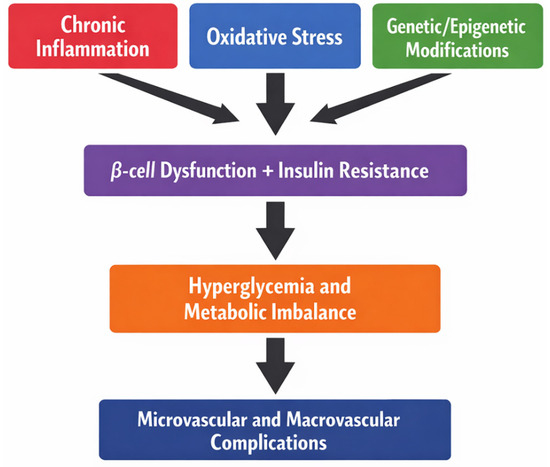
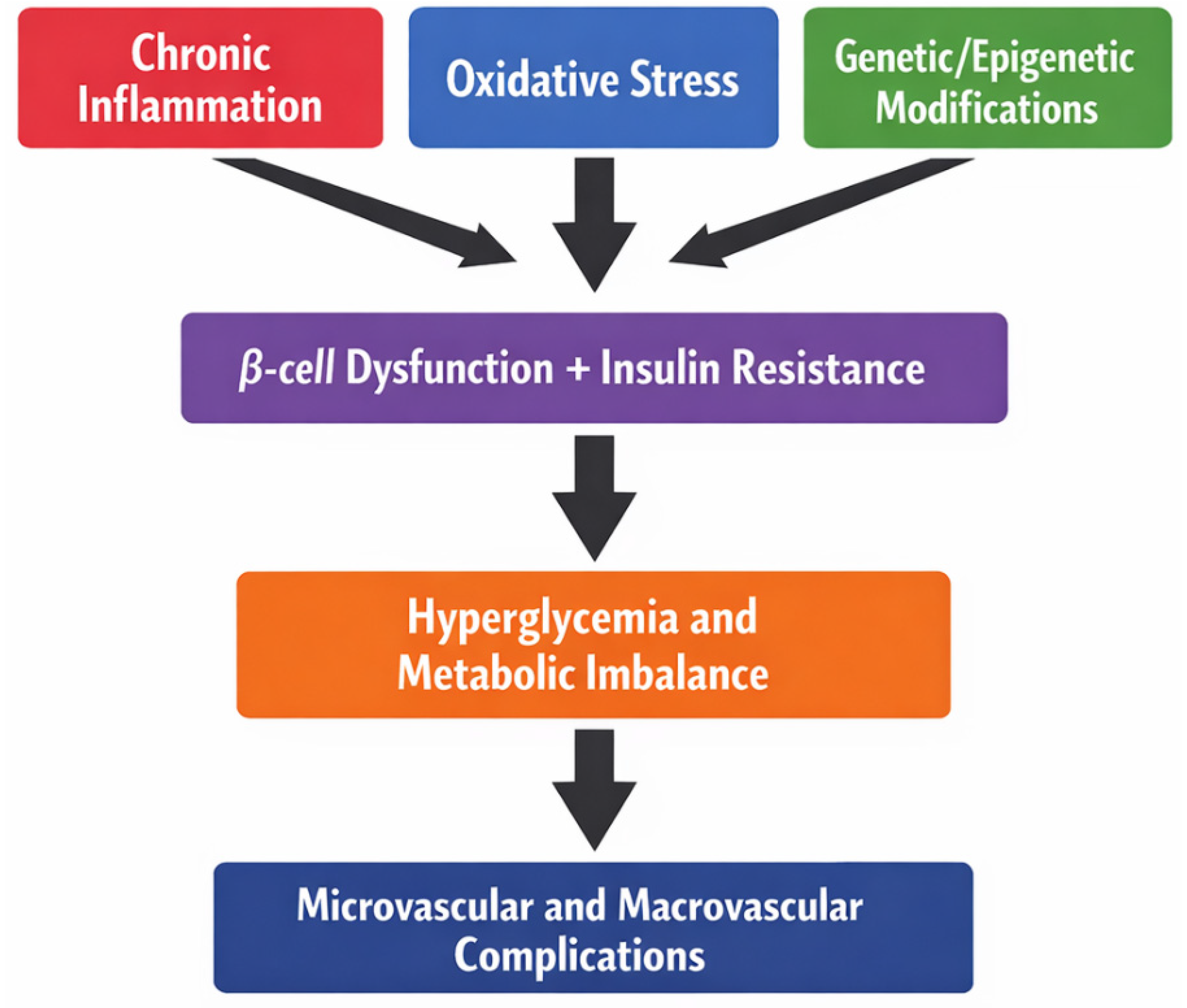
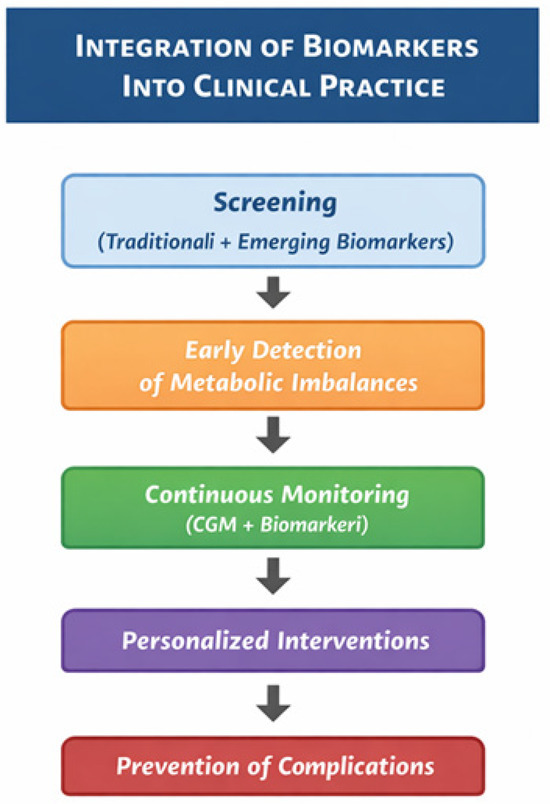
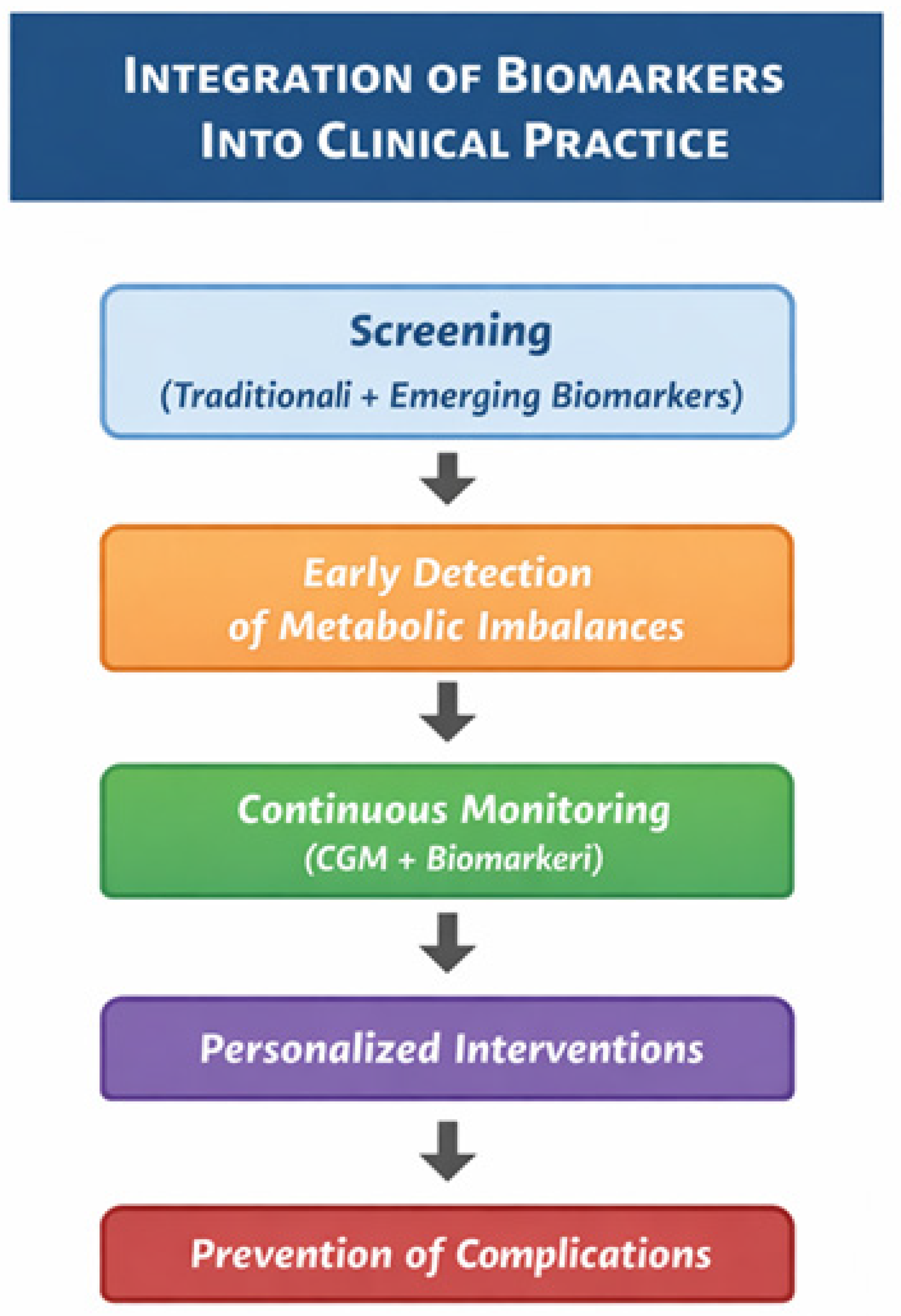
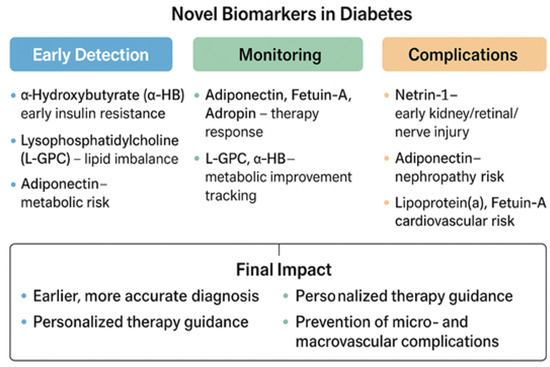
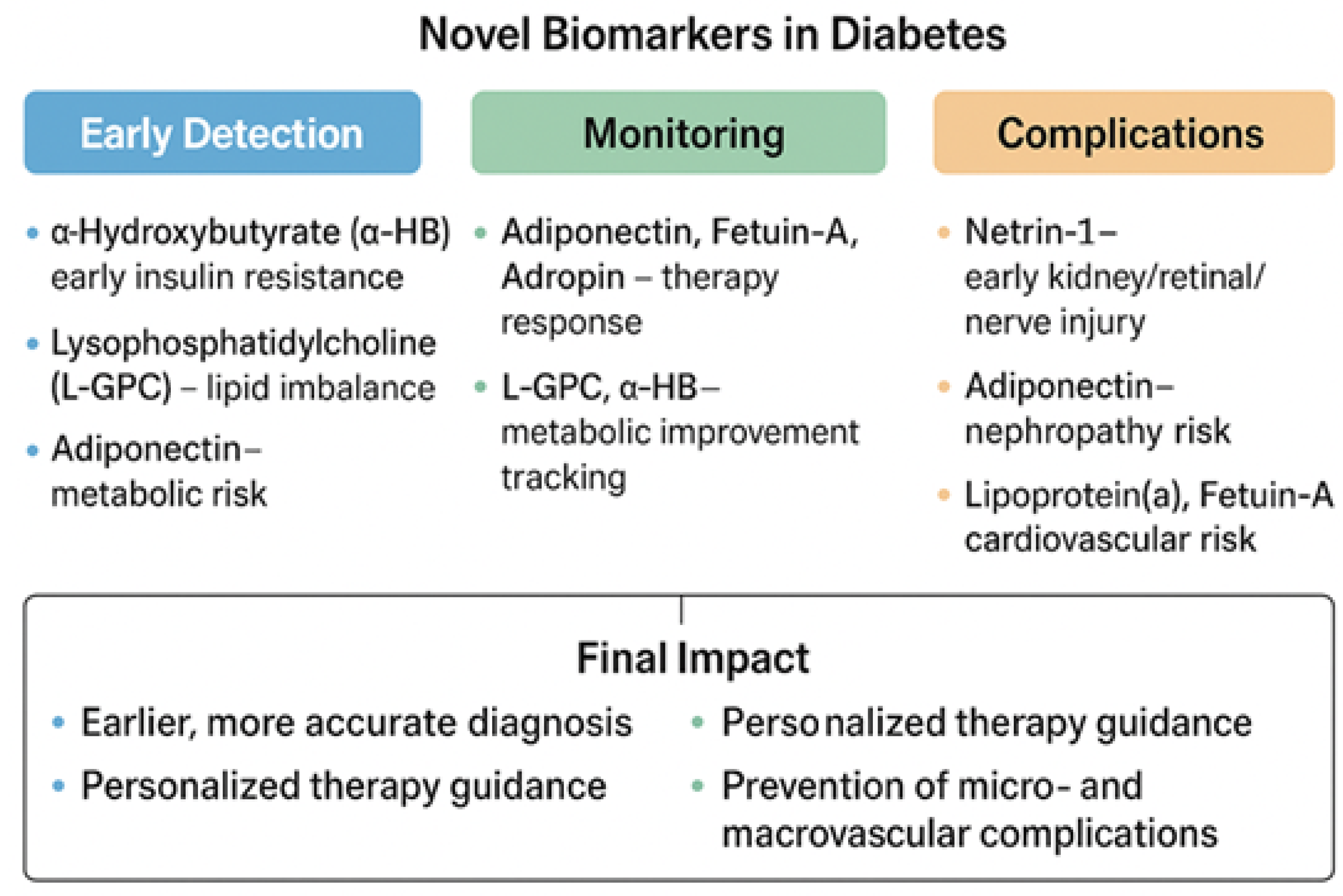

Disclaimer/Publisher’s Note: The statements, opinions and data contained in all publications are solely those of the individual author(s) and contributor(s) and not of MDPI and/or the editor(s). MDPI and/or the editor(s) disclaim responsibility for any injury to people or property resulting from any ideas, methods, instructions or products referred to in the content. |
© 2026 by the authors. Published by MDPI on behalf of the Lithuanian University of Health Sciences. Licensee MDPI, Basel, Switzerland. This article is an open access article distributed under the terms and conditions of the Creative Commons Attribution (CC BY) license.