Article

Epidemiology and Management of Ankle Fractures Prior to, During, and Following the COVID-19 Pandemic in an Italian Tertiary Hospital


1
Department of General Surgery and Medical Surgical Specialties, Section of Orthopaedics and Traumatology, Policlinico Rodolico-San Marco, University of Catania, 95123 Catania, Italy
2
Department of Integrated Hygiene, Organizational, and Service Activities (Structural Department), Health Management, University Hospital Policlinic “G. Rodolico-San Marco”, 95123 Catania, Italy
3
Department of Life Science, Health, and Health Professions, Link Campus University, 00165 Rome, Italy
4
Department of Orthopaedic and Trauma Surgery, “Mater Domini” University Hospital, “Magna Græcia” University, 88100 Catanzaro, Italy
5
Hygiene Unit, Department of Medical and Surgical Sciences and Advanced Technologies, University of Catania, 95124 Catania, Italy
*
Authors to whom correspondence should be addressed.
These authors have contributed equally to this work.
Medicina 2025, 61(8), 1439; https://doi.org/10.3390/medicina61081439

Submission received: 17 July 2025 / Revised: 6 August 2025 / Accepted: 8 August 2025 / Published: 10 August 2025
(This article belongs to the Section Orthopedics)

Abstract

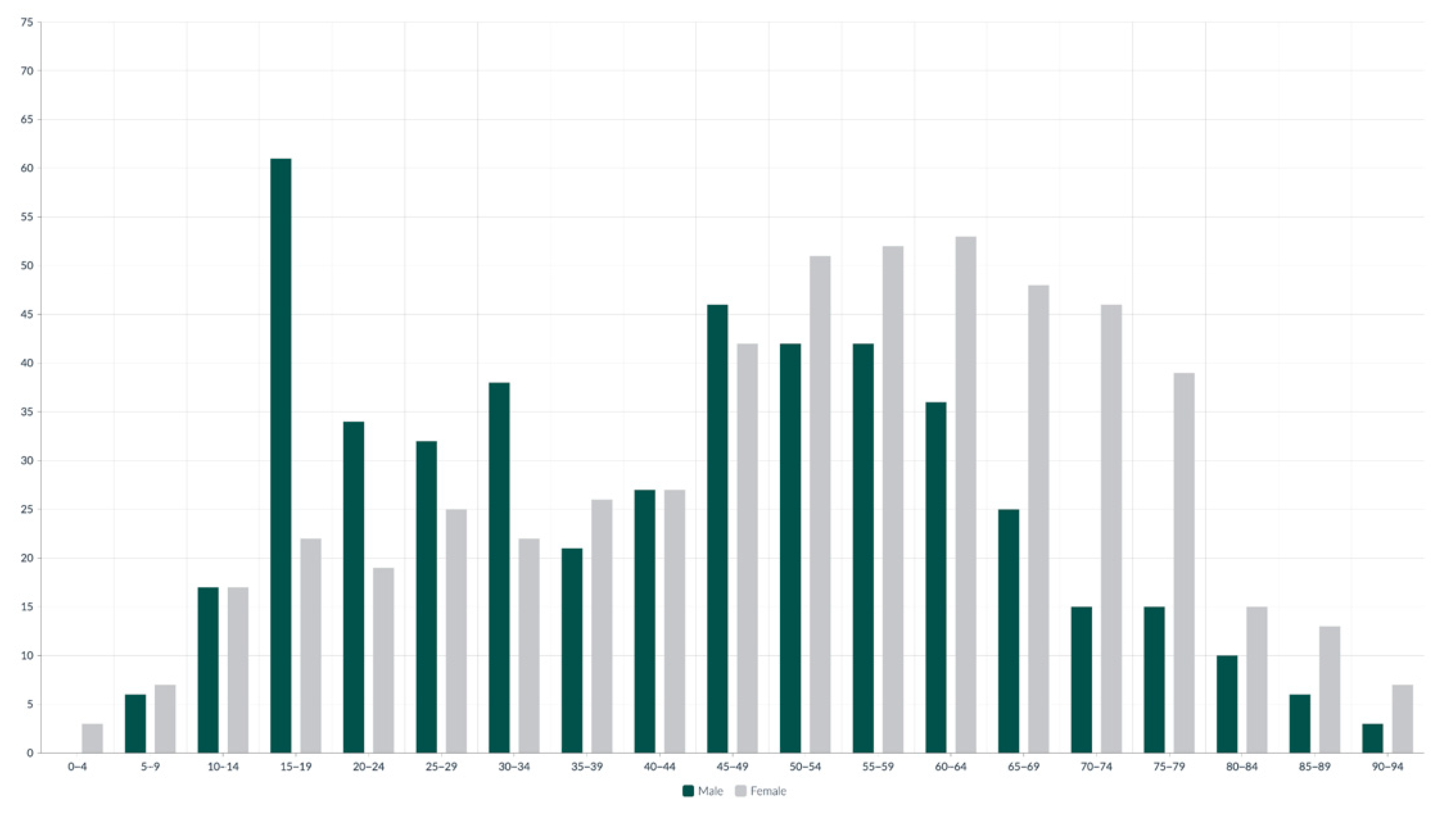
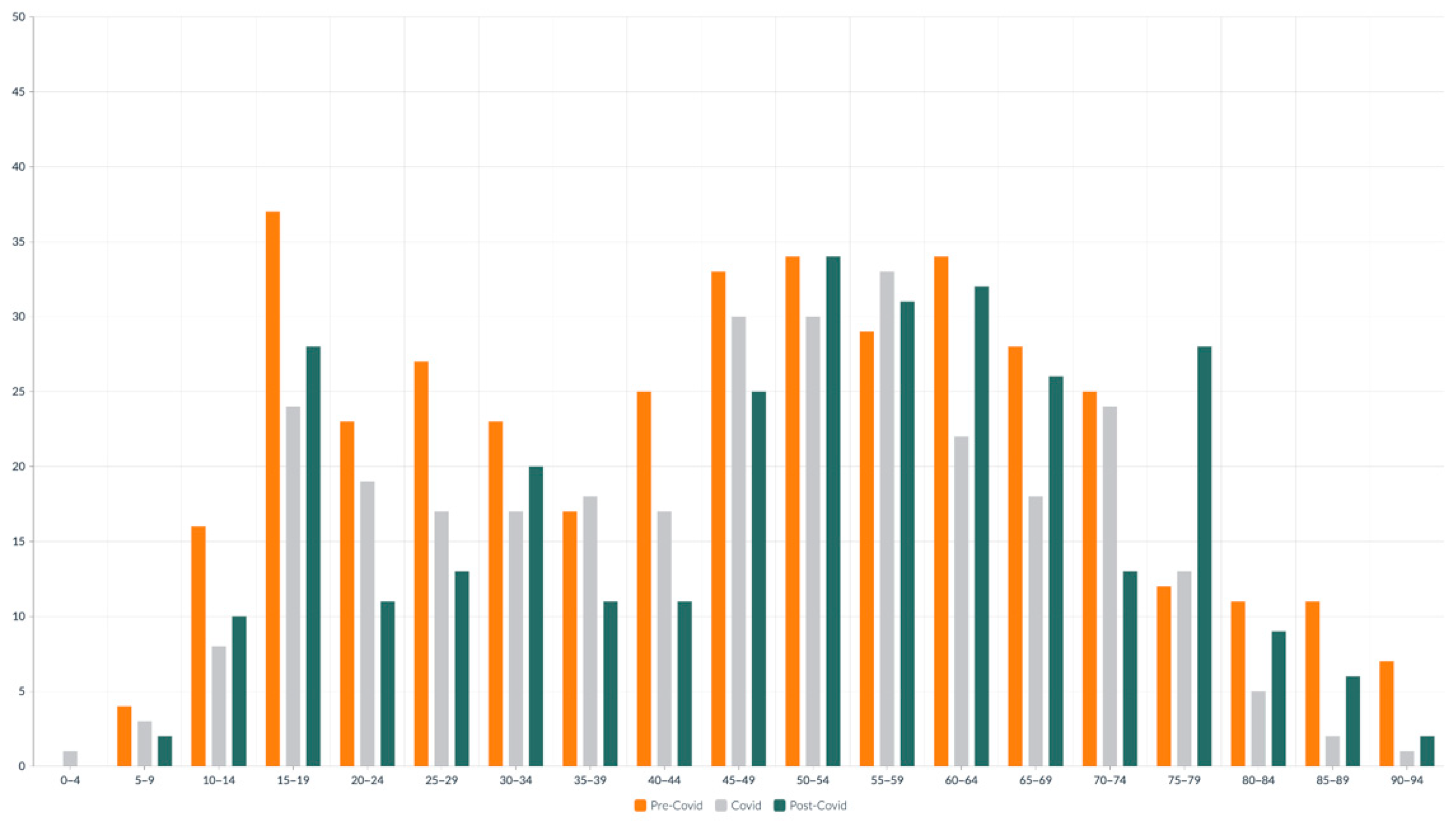
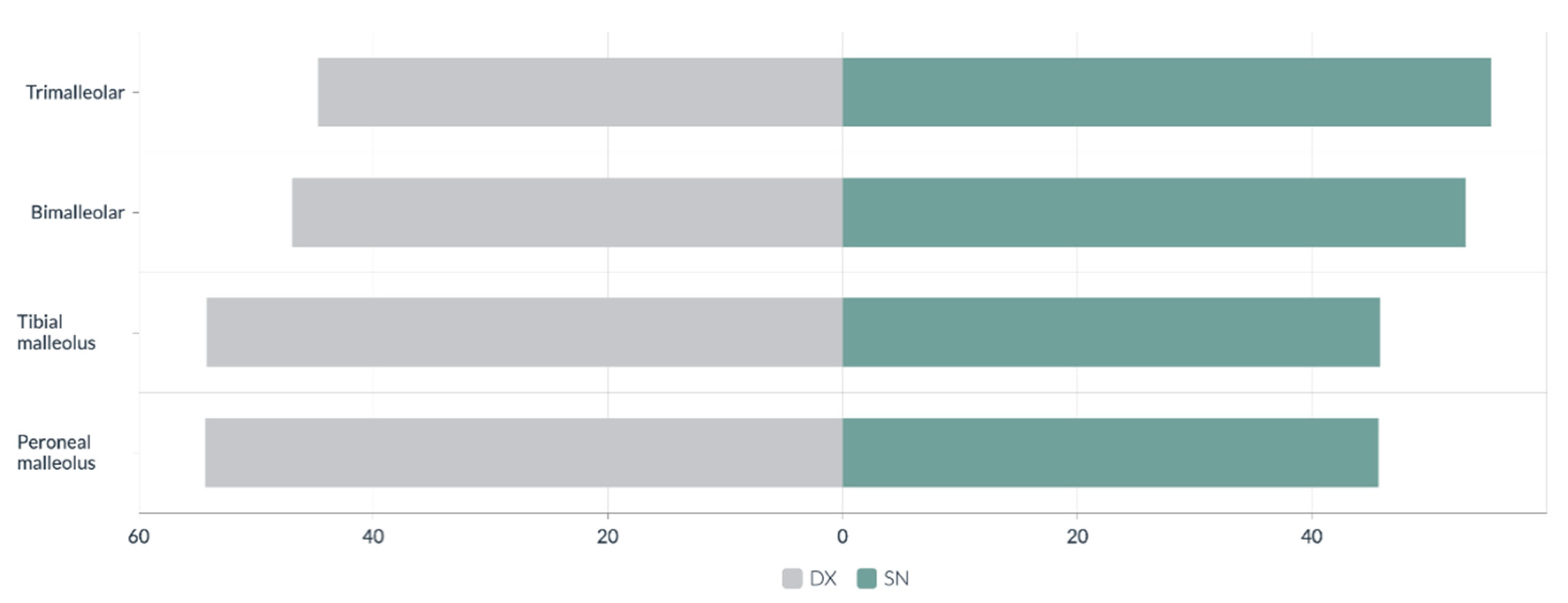
Background and Objectives: Ankle fractures represent one of the most common injuries to the lower limb, particularly impacting women and the elderly. The coronavirus disease 2019 (COVID-19) pandemic greatly disrupted both the incidence of these fractures and their treatment patterns globally. This retrospective epidemiological study analyzed 1010 cases of ankle fractures treated at the Orthopedics Department of Policlinico University Hospital in Catania from 2018 to 2023. The study aimed to evaluate trends in incidence, patient demographics, fracture types, treatment modalities, and hospital stay across the pre-COVID-19, COVID-19, and post-COVID-19 periods. Materials and Methods: A retrospective observational study was conducted including all patients diagnosed with ankle fractures from 1 January 2018 to 31 December 2023. Data were collected from hospital medical records using ICD-9-CM codes and radiographic classification systems (Danis–Weber, Lauge-Hansen, and AO/OTA). Variables analyzed included demographics, fracture type and side, treatment modality, and hospitalization details. Statistical analyses were performed using t-tests, chi-square tests, and linear regression, with significance set at p < 0.05. Results: In 2020, there was a 31.7% decrease in fracture incidence. Although overall fracture rates rebounded after COVID-19, they did not reach pre-pandemic levels. During the pandemic, trimalleolar fractures increased significantly, occurring more frequently in older women, likely due to bone fragility. The rate of surgical treatments rose during and after the pandemic, with a distinct shift from ORIF to external fixation. Hospital stays were longer, especially for patients with cardiovascular risk factors. Conclusions: The pandemic significantly altered the epidemiology, treatment strategies, and outcomes of ankle fractures. These findings highlight the necessity for adaptable care models and preventive strategies, particularly for vulnerable populations such as older women.
Keywords: ankle fractures; COVID-19 pandemic; trimalleolar fractures; surgical treatment trends; epidemiology ankle fractures; COVID-19 pandemic; trimalleolar fractures; surgical treatment trends; epidemiology