Article

Relation between Exogenous Insulin and Cognitive Function in Type 2 Diabetes Mellitus
by
Diana Šimonienė
1,2,* and
Džilda Veličkienė
1,2
1
Department of Endocrinology, Academy of Medicine, Lithuanian University of Health Sciences (LUHS), 44307 Kaunas, Lithuania
2
Department of Endocrinology, Kaunas Clinics, Hospital of LUHS, 50161 Kaunas, Lithuania
*
Author to whom correspondence should be addressed.
Medicina 2021, 57(9), 943; https://doi.org/10.3390/medicina57090943

Submission received: 22 July 2021 / Revised: 2 September 2021 / Accepted: 3 September 2021 / Published: 7 September 2021
(This article belongs to the Special Issue Advance in Type 2 Diabetes and Insulin Resistance)

Abstract

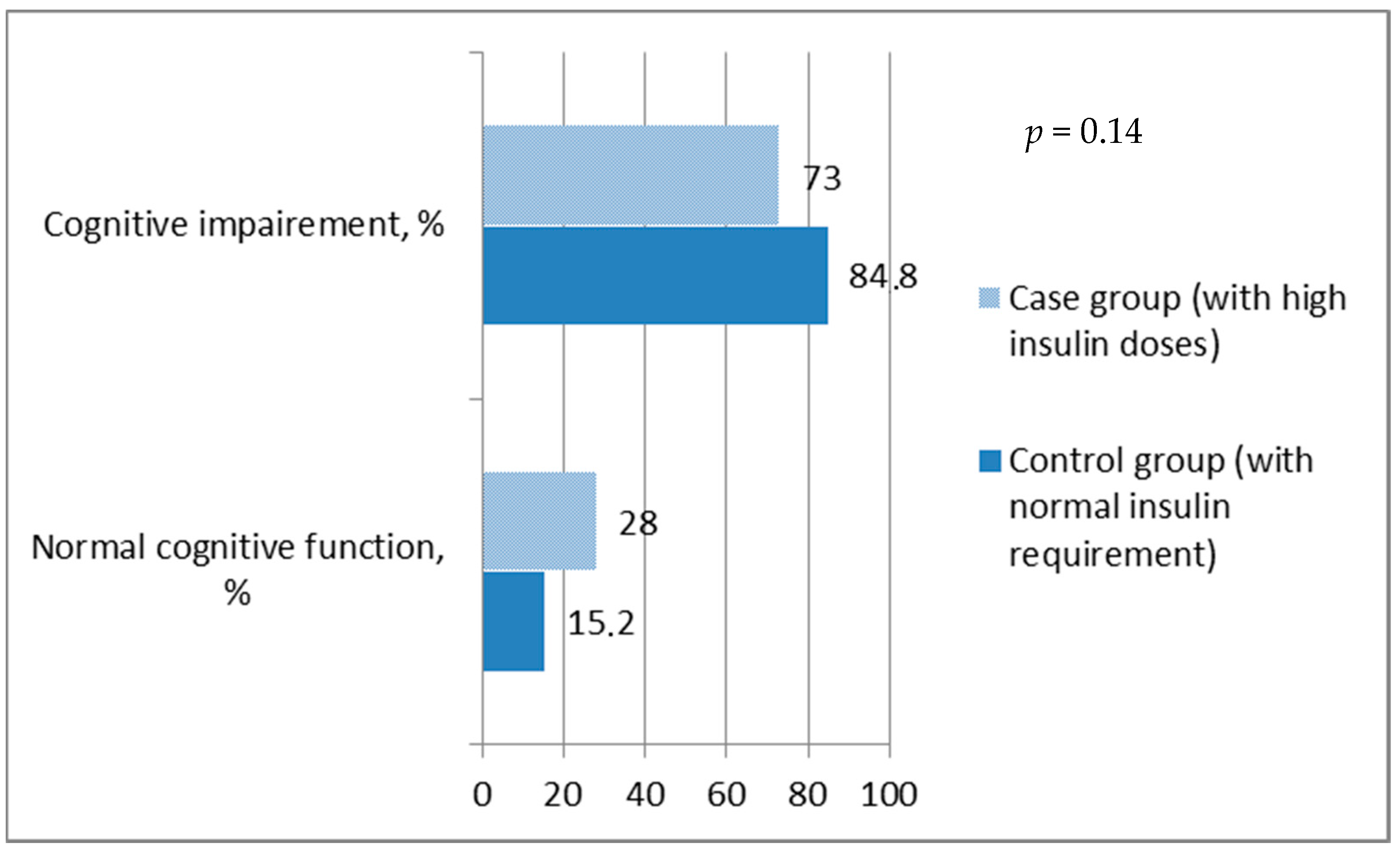
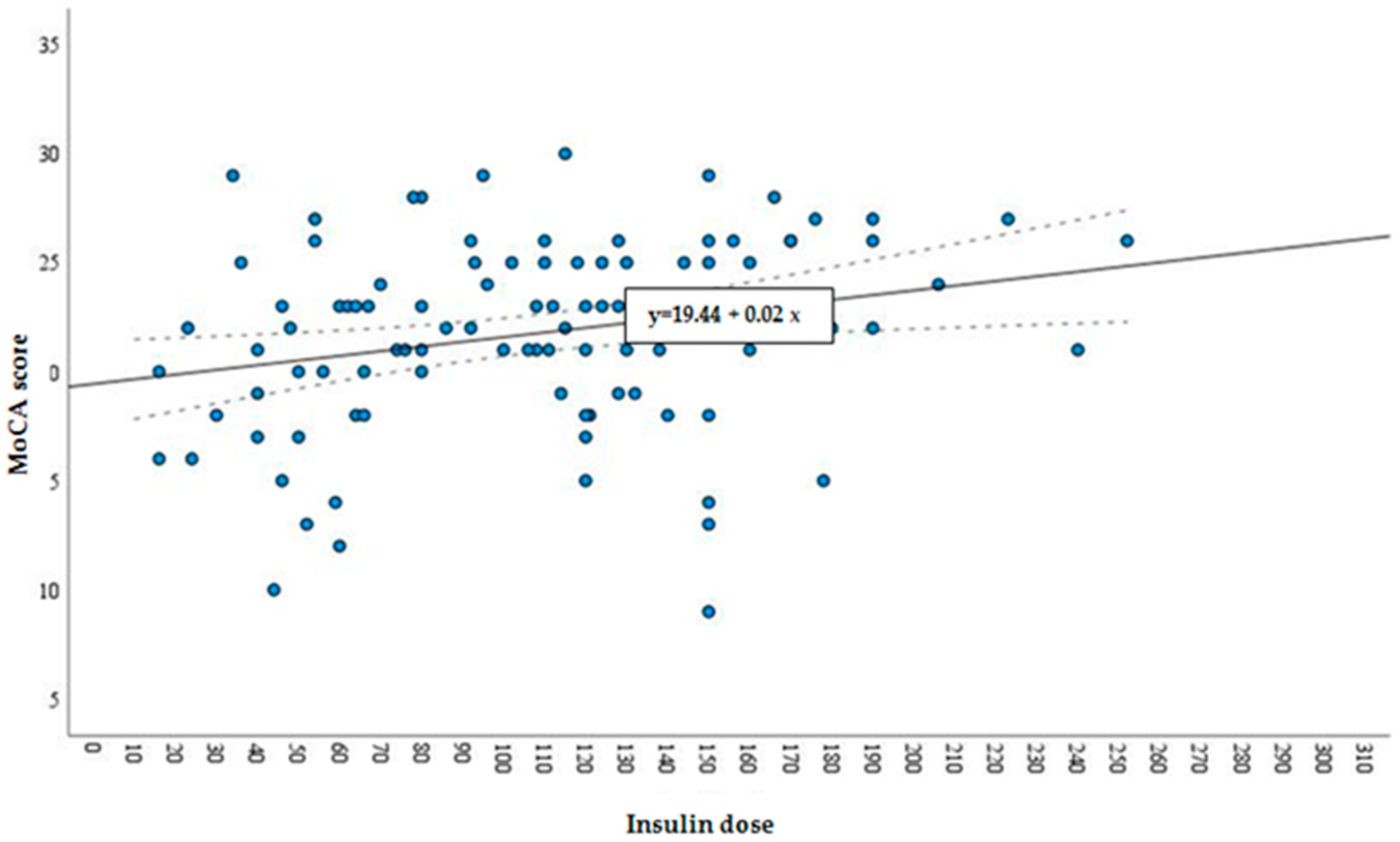
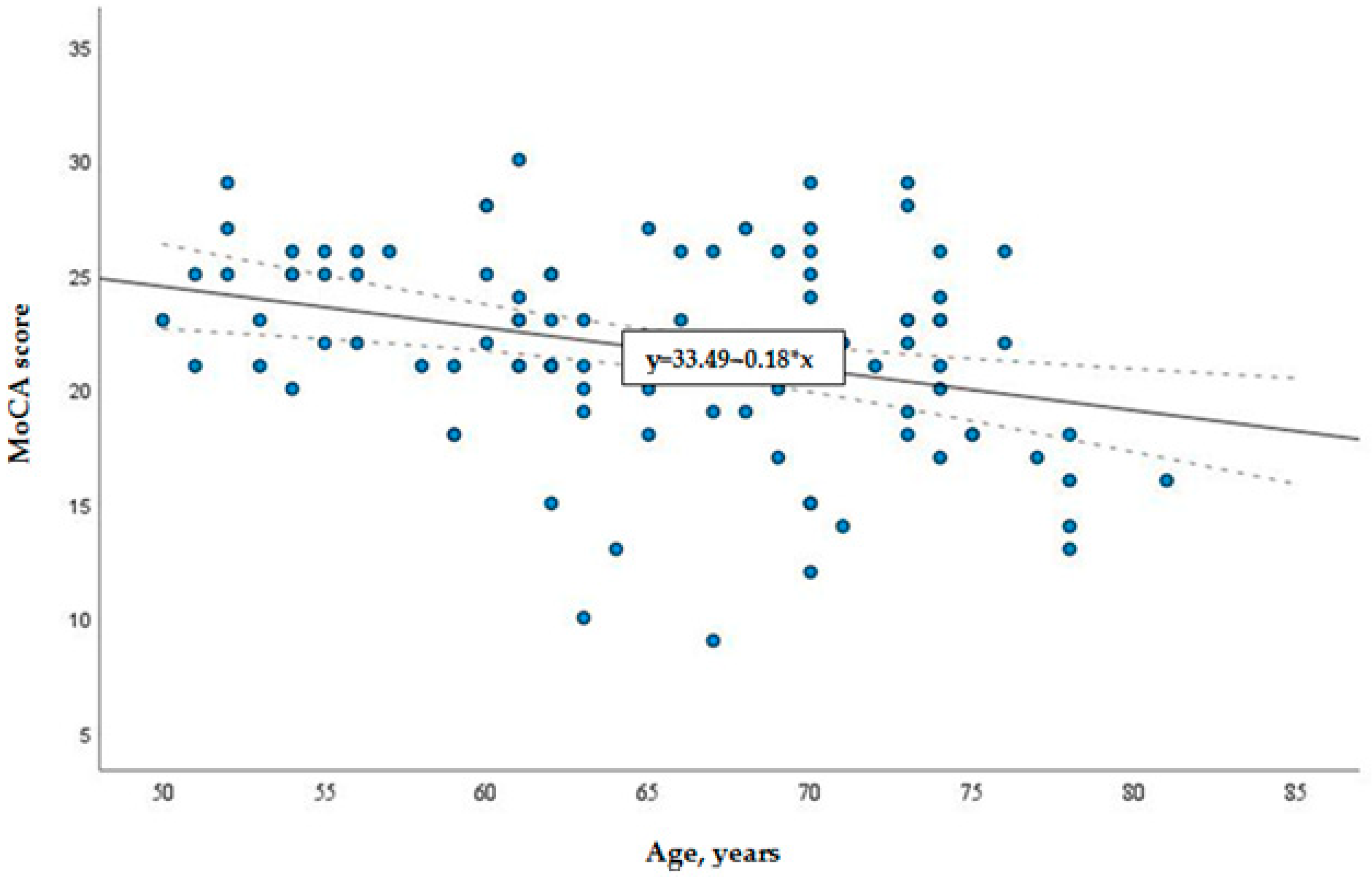
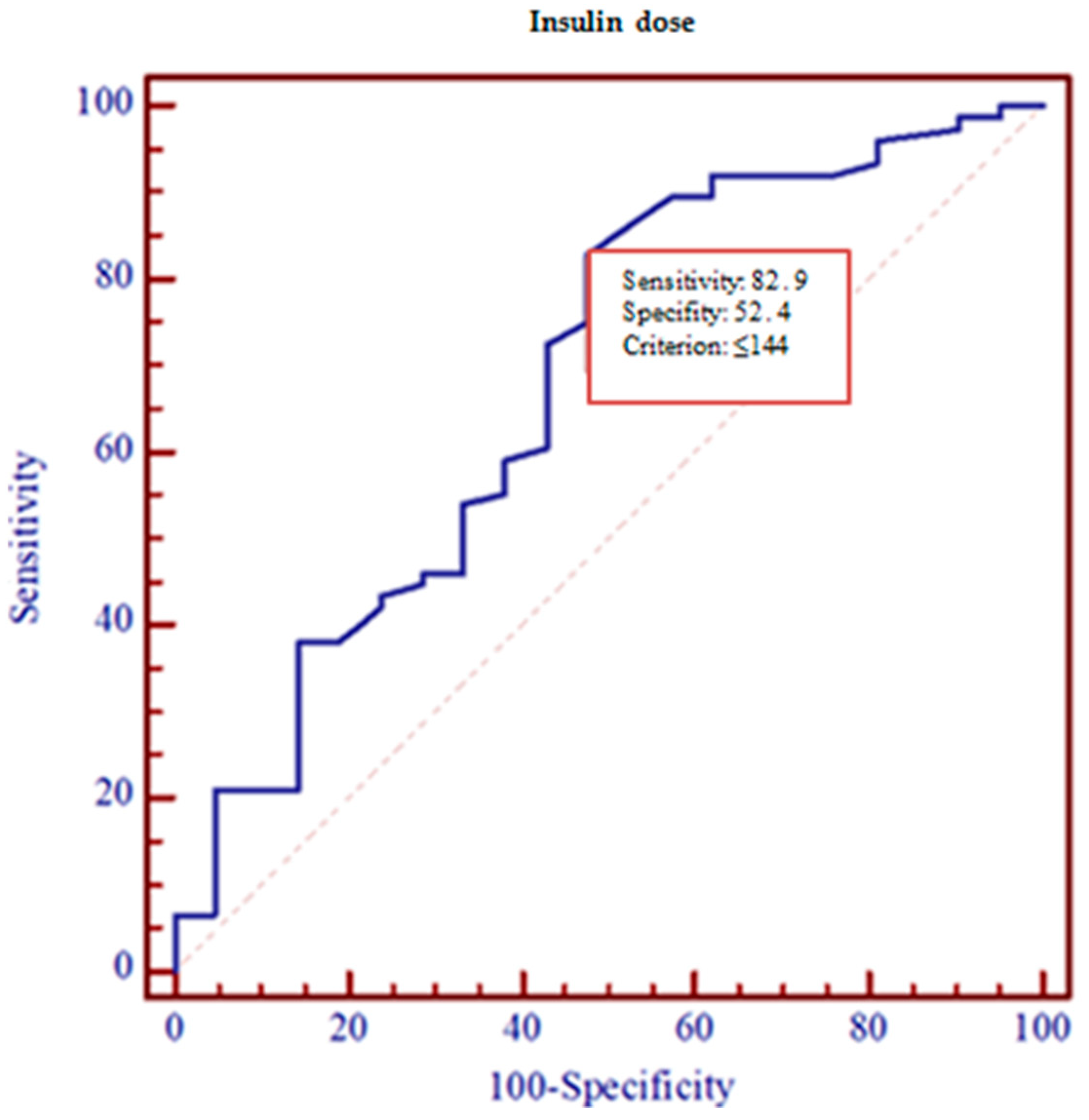
Background and objectives: Although the role of insulin in the periphery is well understood, not as much is known about its multifactorial role in the brain. The aim of this study is to determine whether exogenous insulin, evaluated by daily insulin requirement, has an impact on mild cognitive impairment (MCI), and whether this relationship is mediated by insulin doses and other risk factors. Materials and methods: A sample of 100 participants with type 2 diabetes aged 40 and over was divided into case and control groups, according to their insulin requirement. Patients with an insulin requirement >1 IU/kg/day were assessed as the case group whereas those with an insulin dose <1 IU/kg were used as the control group. All participants underwent cognitive testing using MoCA questionnaire scoring and blood analysis to determine lipid and uric acid levels in plasma. Subjects were categorized as having normal cognitive function or MCI. Results: Results showed that the prevalence of MCI in Lithuanian elderly diabetic patients was high in the groups with a normal insulin requirement or high insulin requirement at 84.8% and 72.5%, respectively (p = 0.14). Age (p = 0.001) and insulin dose (p < 0.0001) were related to the MCI. Using ROC curve analysis, the highest rate risk of MCI occurred when the insulin dose was lower than 144 IU/d. Conclusions: In summary, the results of this study provided evidence that increased exogenous insulin supply improves cognitive function. Higher insulin dose (>144 IU/d) demonstrated a positive effect on cognitive function, especially in individuals with poorly controlled diabetes (HbA1c ≥ 9%). Finally, the prevalence of MCI in the T2DM population was found to be very high. Future research is needed to determine whether high exogenous insulin doses have a protective effect on MCI.
Keywords: type 2 diabetes; insulin resistance; mild cognitive impairment type 2 diabetes; insulin resistance; mild cognitive impairment