Article

Monitoring Welfare of Individual Broiler Chickens Using Ultra-Wideband and Inertial Measurement Unit Wearables

by
Imad Khan
1,†,
Daniel Peralta
2,3,*,†,
Jaron Fontaine
4,
Patricia Soster de Carvalho
1,5,
Ana Martos Martinez-Caja
1,
Gunther Antonissen
1,
Frank Tuyttens
6,7 and
Eli De Poorter
4
1
Department of Pathobiology, Pharmacology and Zoological Medicine, Faculty of Veterinary Medicine, Ghent University, 9820 Merelbeke, Belgium
2
Department of Computer Science and Artificial Intelligence, University of Granada, 18071 Granada, Spain
3
DaSCI Andalusian Institute in Data Science and Computational Intelligence,18071 Granada, Spain
4
IDLab, Department of Information Technology, Ghent University—imec, 9052 Ghent, Belgium
5
Poulpharm, 8870 Izegem, Belgium
6
Department of Veterinary and Biosciences, Faculty of Veterinary Medicine, Ghent University, 9820 Merelbeke, Belgium
7
Flanders Research Institute for Agriculture, Fisheries, and Food (ILVO), 9090 Melle, Belgium
*
Author to whom correspondence should be addressed.
These authors contributed equally to this work.
Sensors 2025, 25(3), 811; https://doi.org/10.3390/s25030811
Submission received: 28 November 2024 / Revised: 15 January 2025 / Accepted: 24 January 2025 / Published: 29 January 2025
(This article belongs to the Special Issue Flexible and Wearable Sensors and Sensing for Agriculture and Food)

Abstract

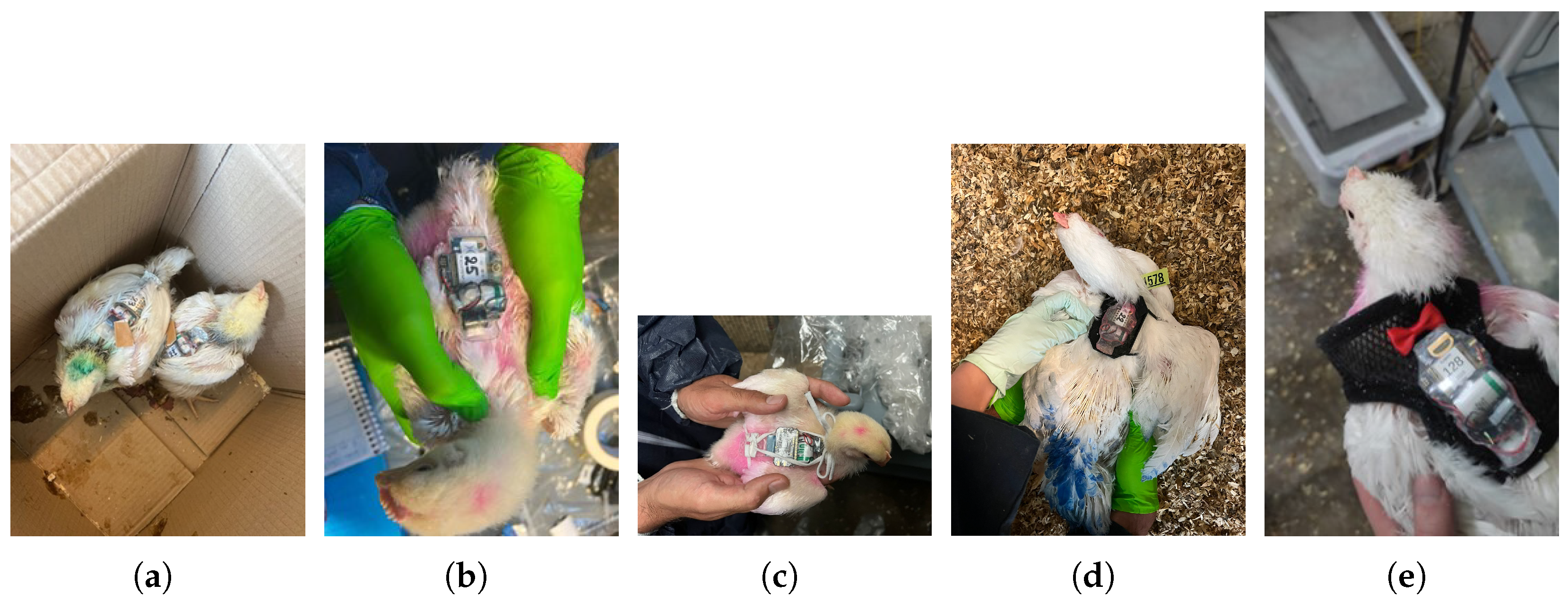
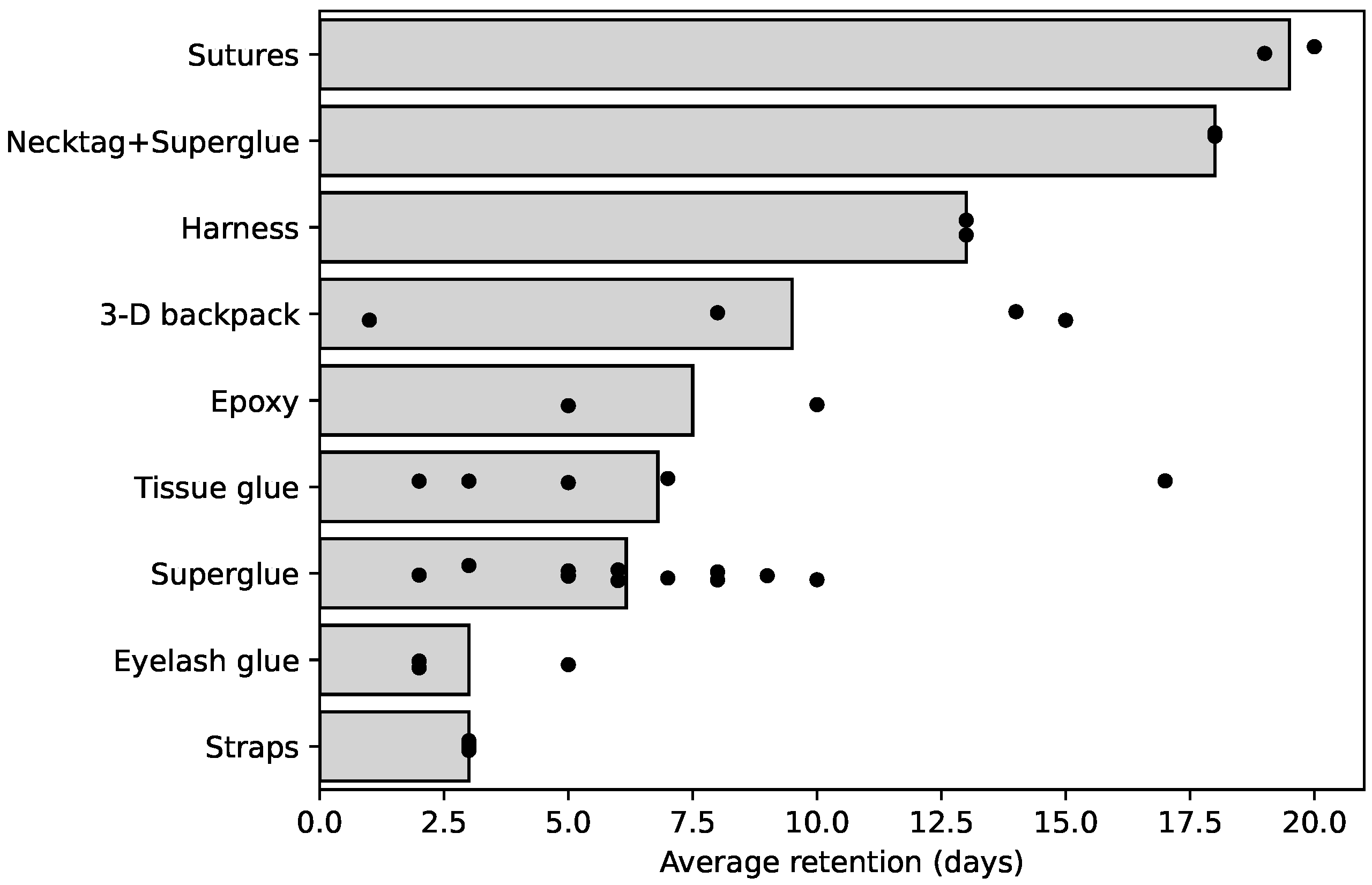
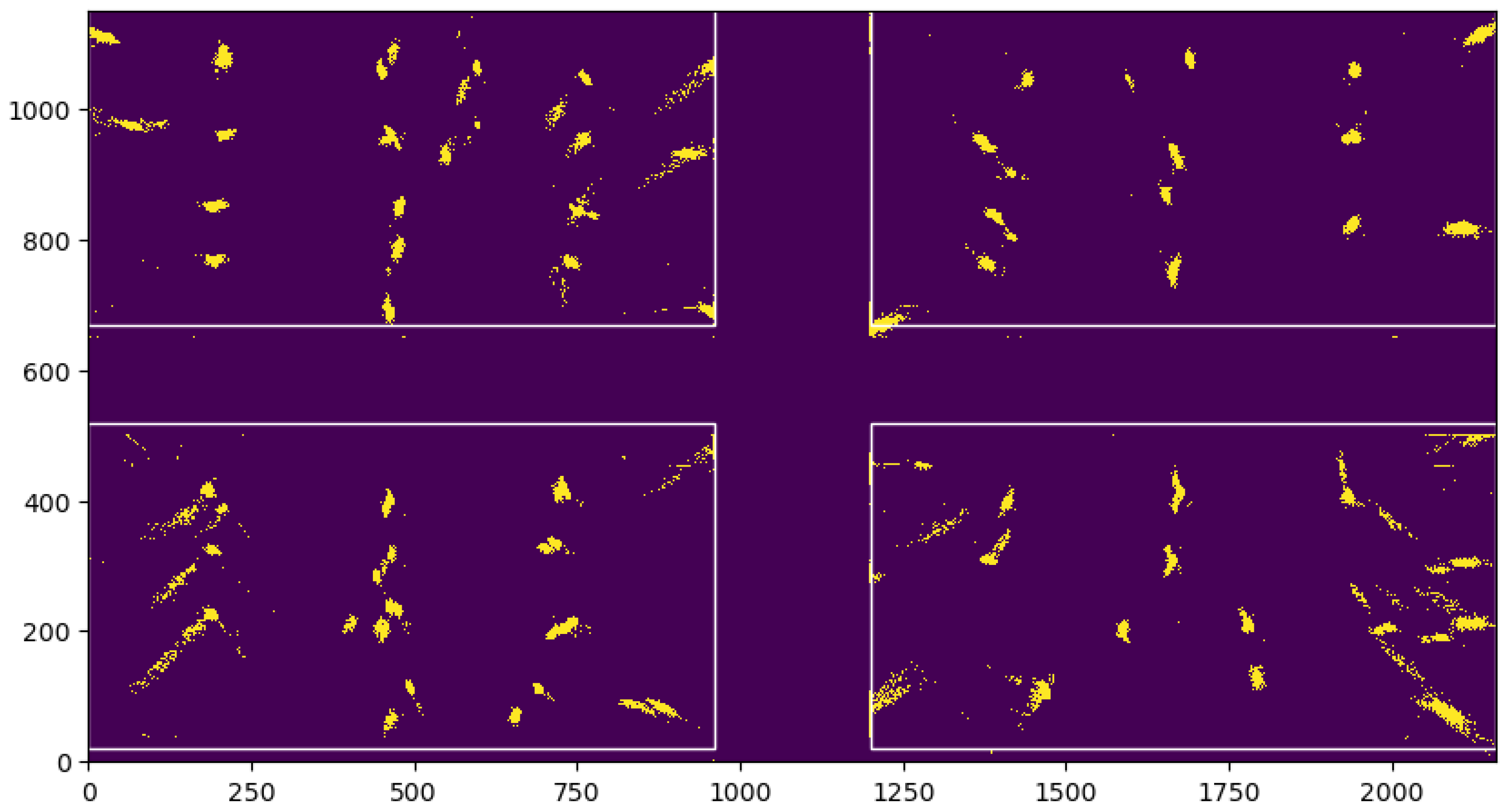
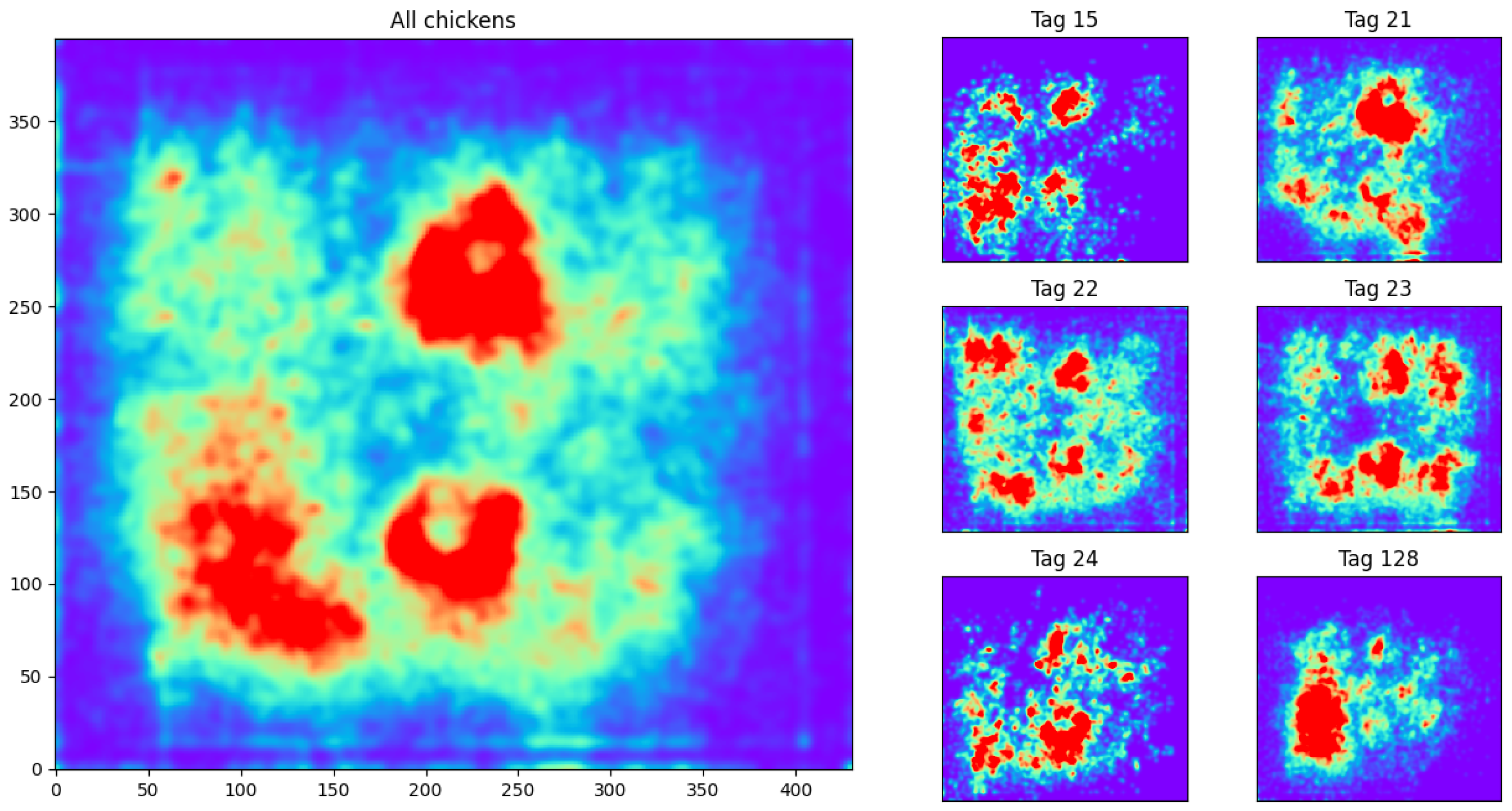
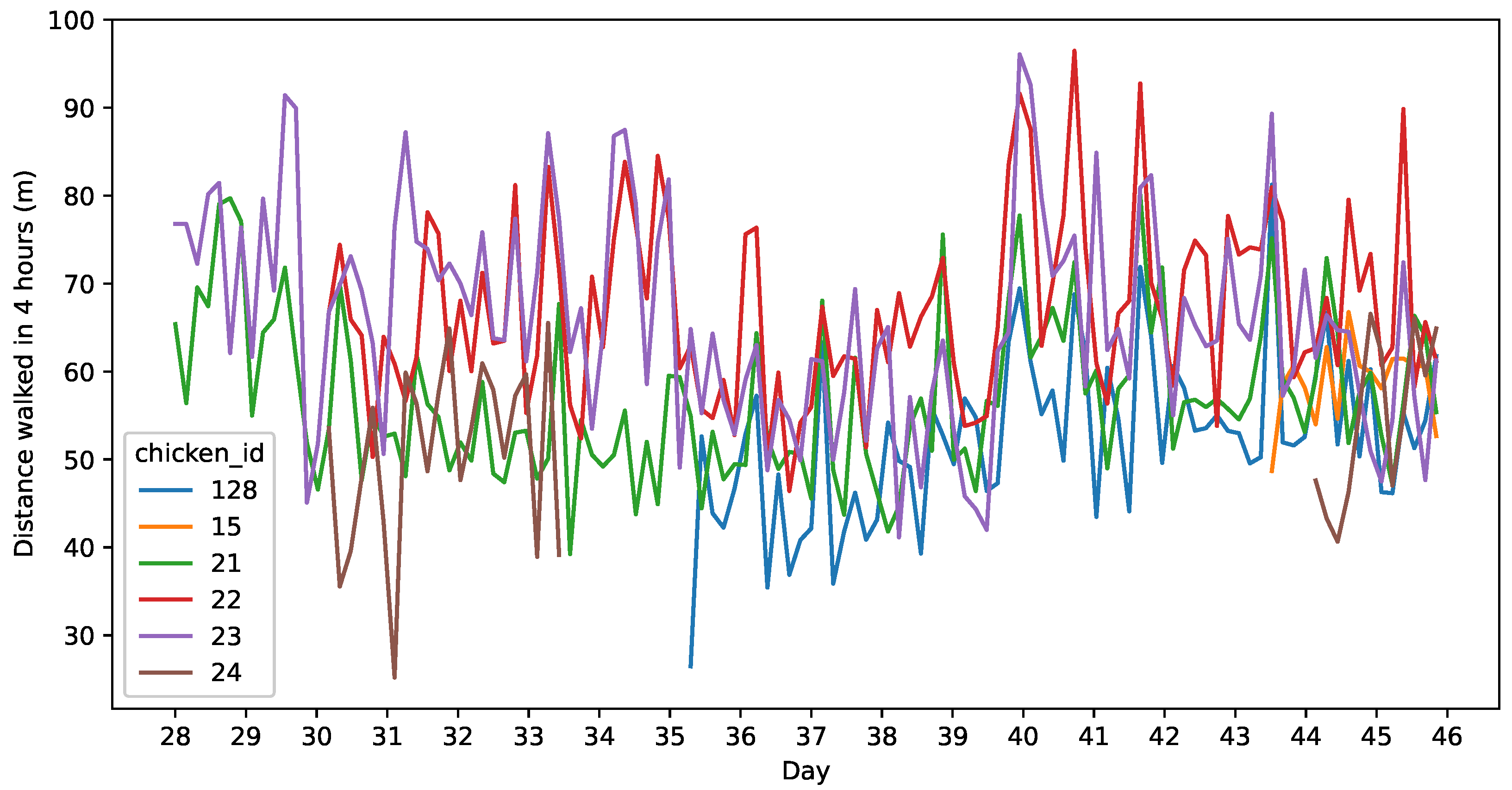
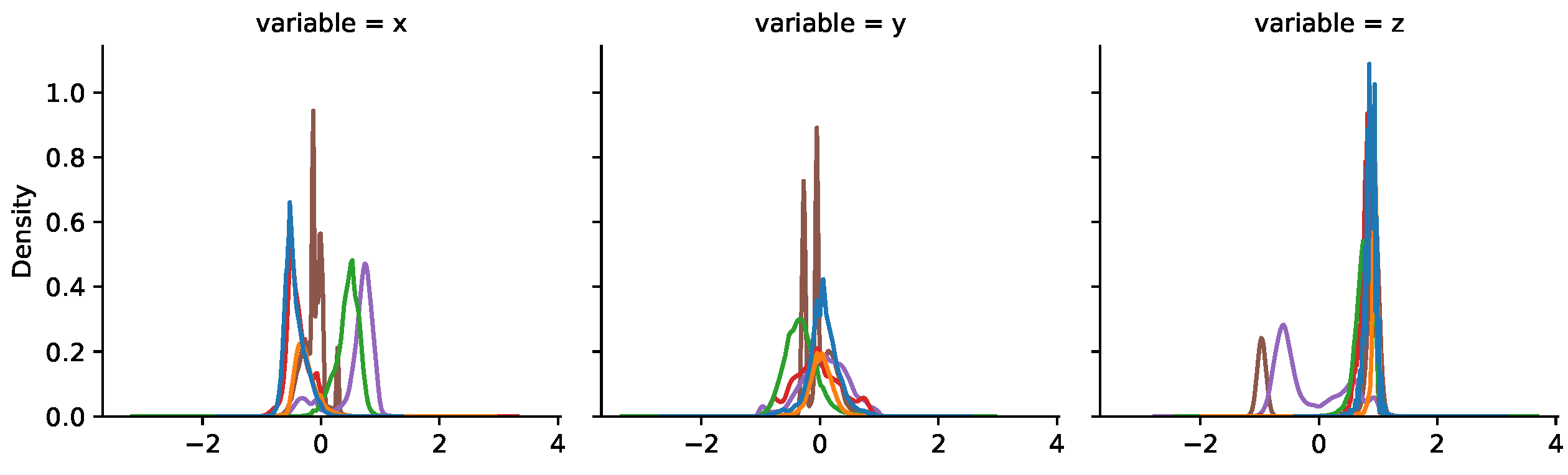
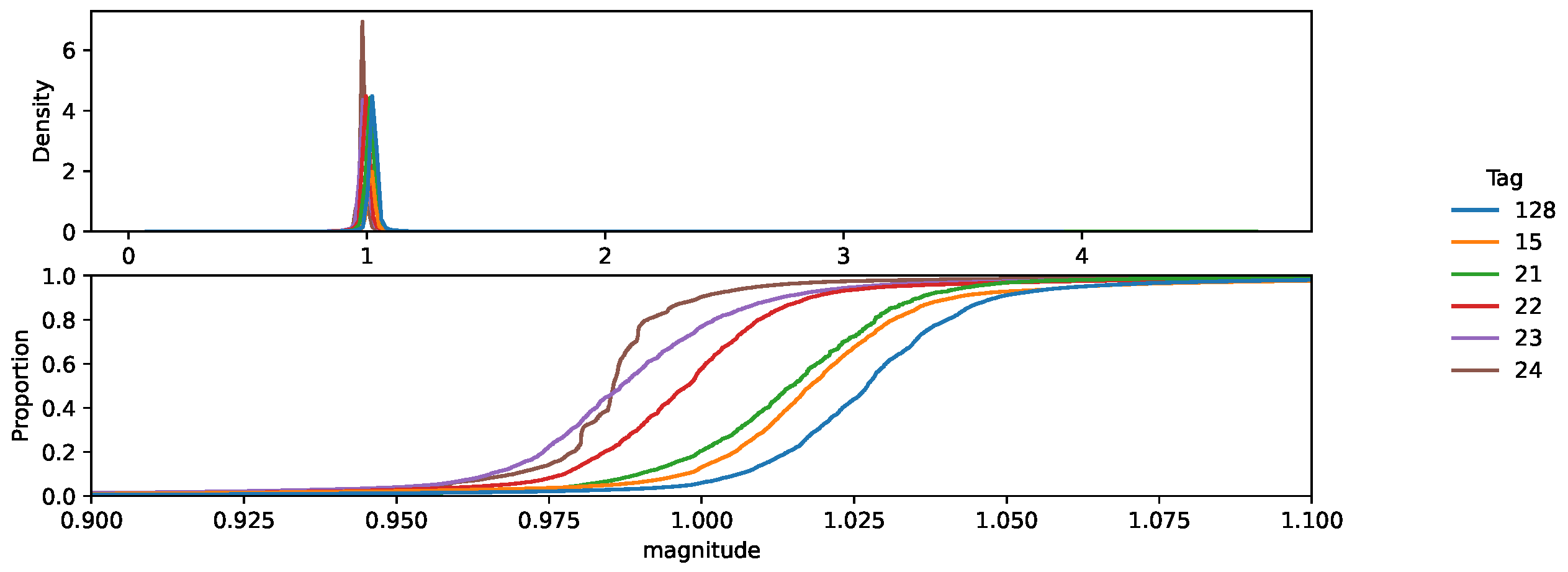
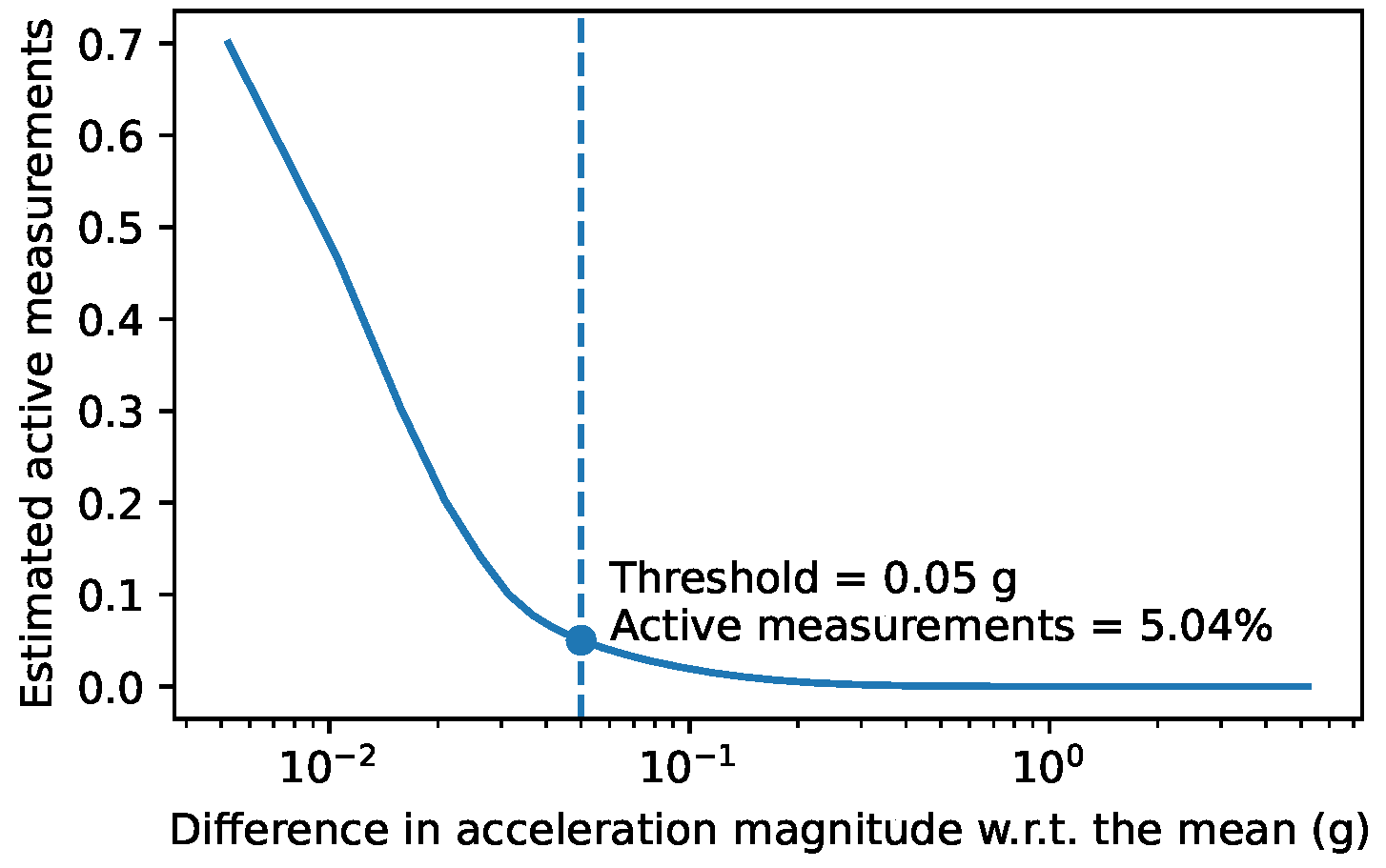
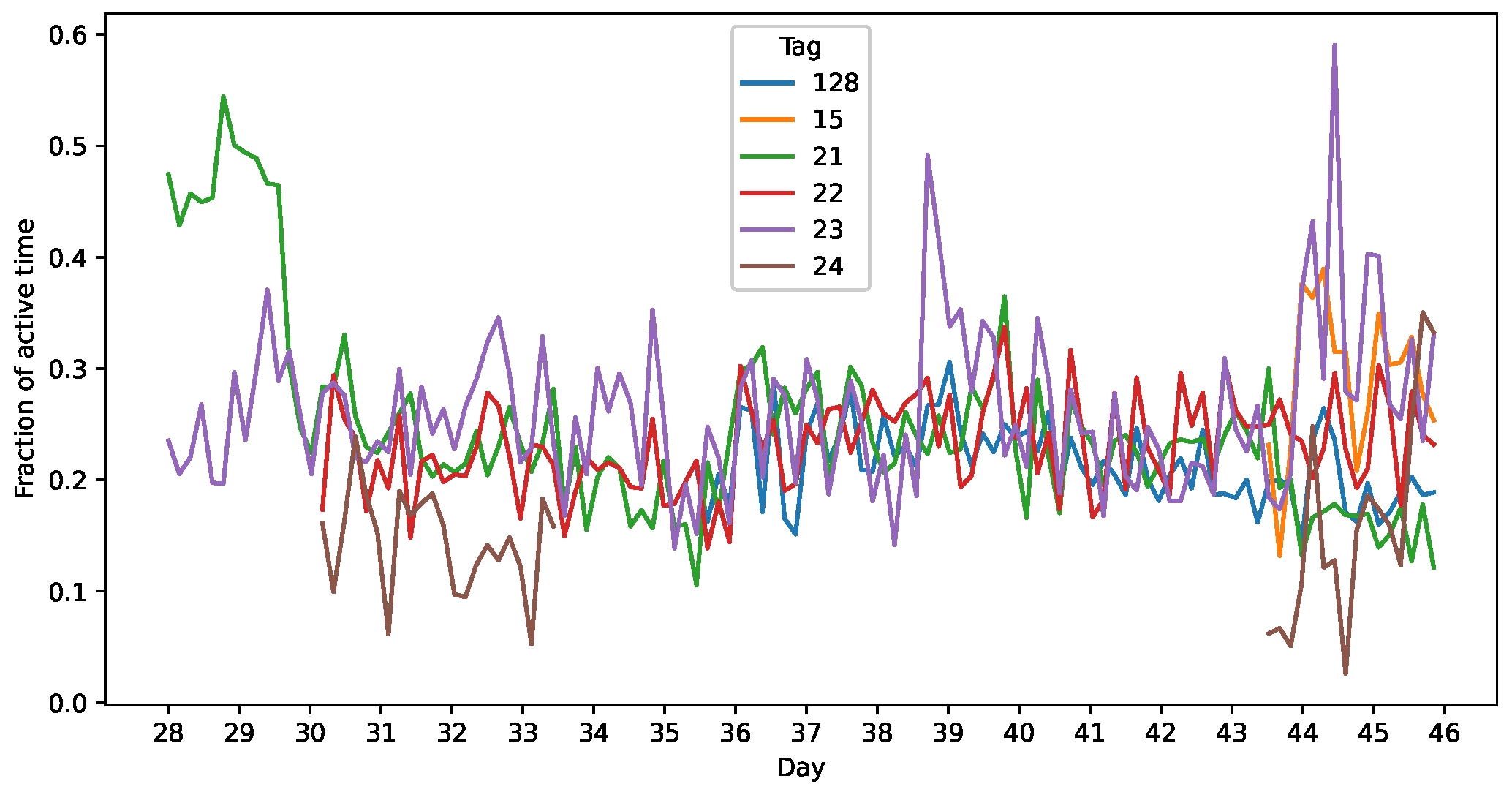
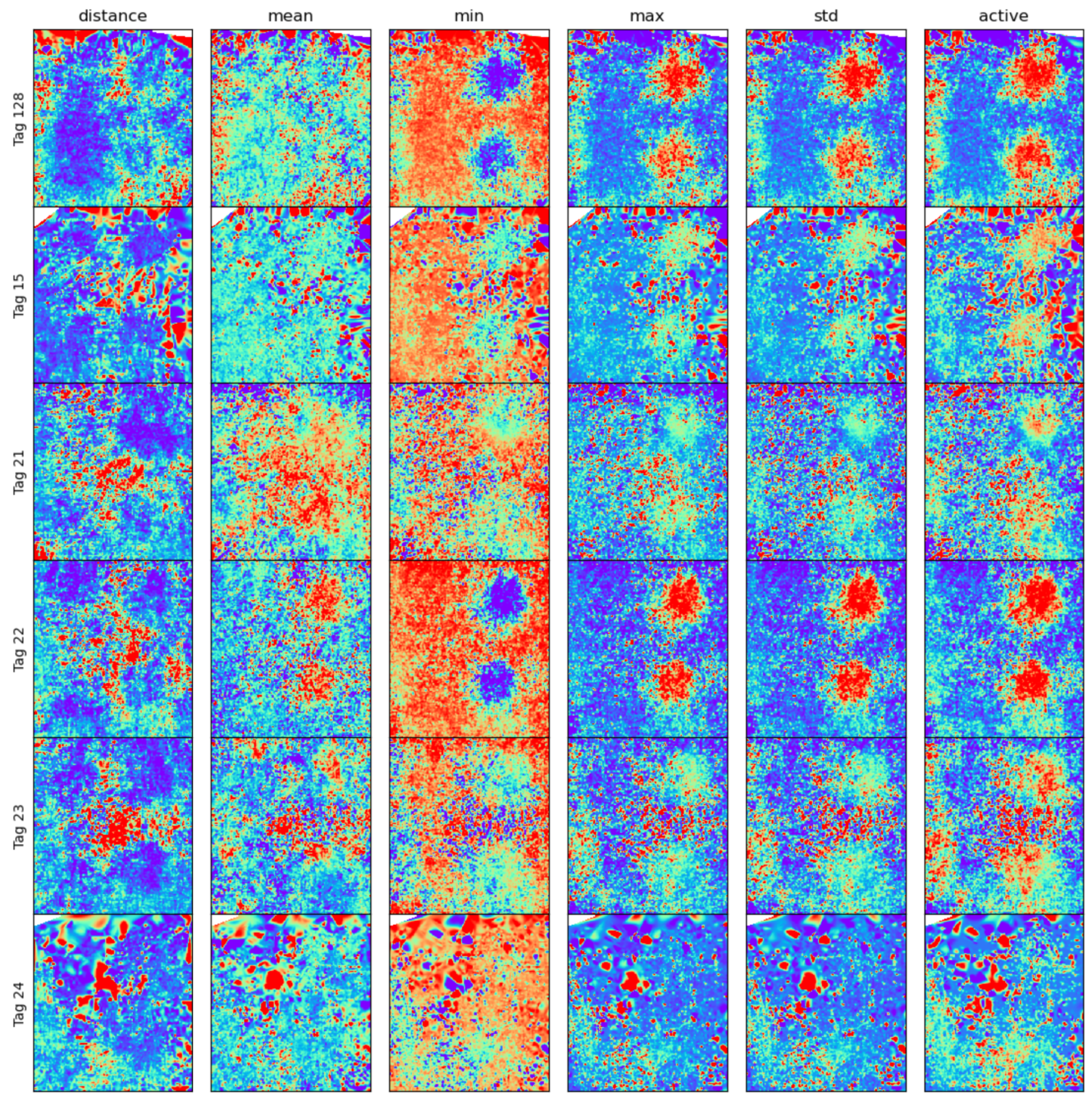
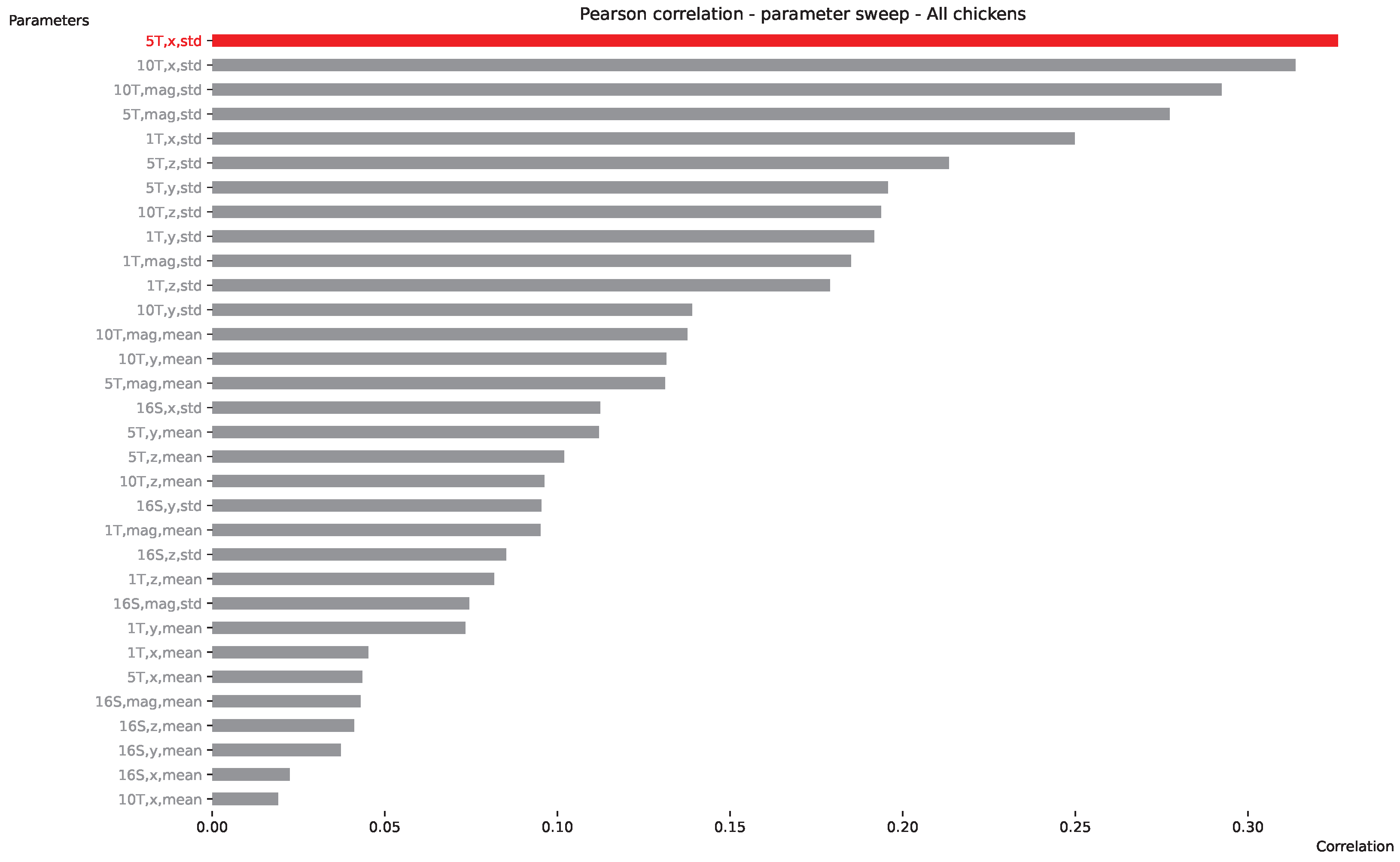
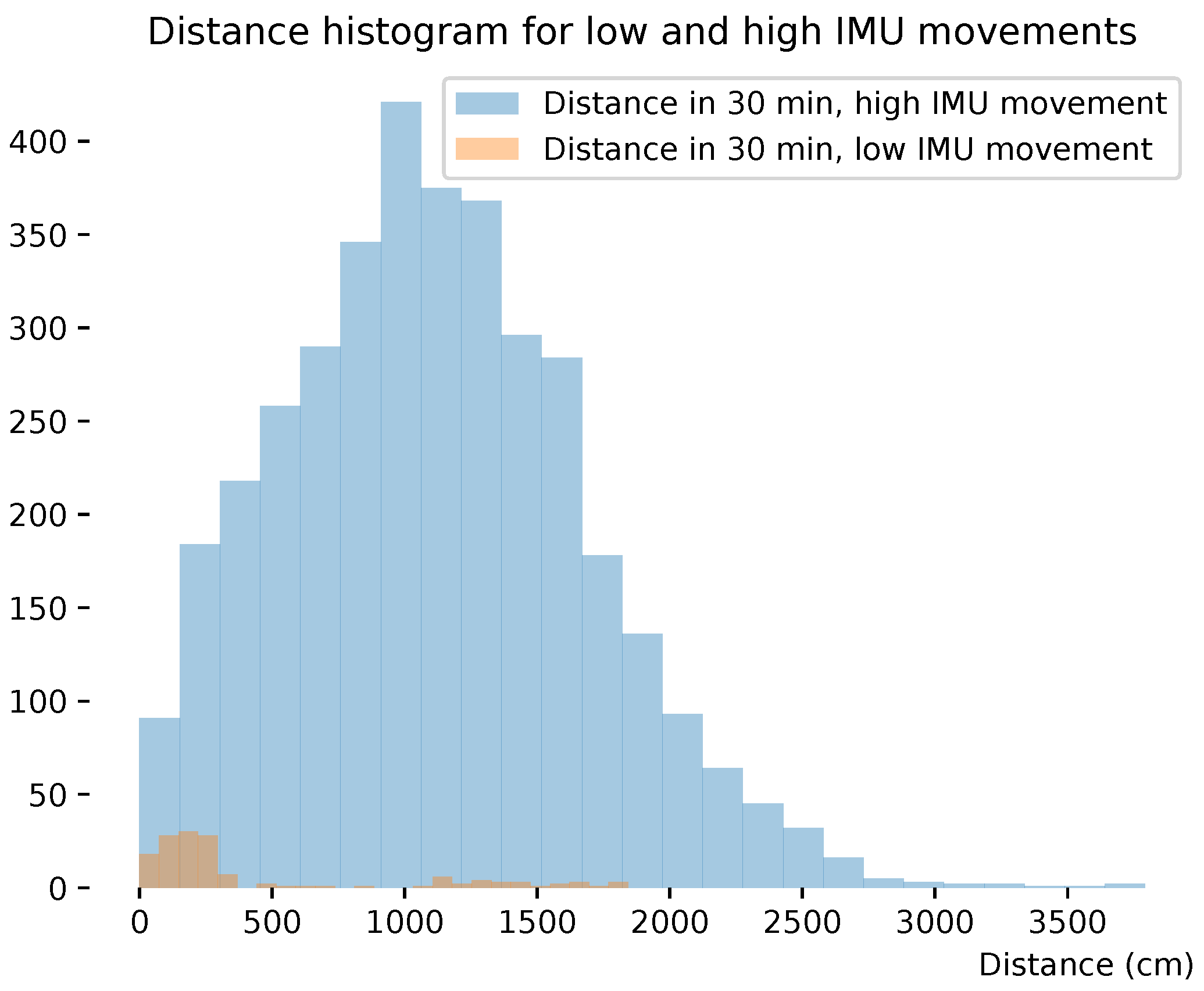
Monitoring animal welfare on farms and in research settings is attracting increasing interest, both for ethical reasons and for improving productivity through the early detection of stress or diseases. In contrast to video-based monitoring, which requires good light conditions and has difficulty tracking specific animals, recent advances in the miniaturization of wearable devices allow for the collection of acceleration and location data to track individual animal behavior. However, for broilers, there are several challenges to address when using wearables, such as coping with (i) the large numbers of chickens in commercial farms,(ii)the impact of their rapid growth, and (iii) the small weights that the devices must have to be carried by the chickens without any impact on their health or behavior. To this end, this paper describes a pilot study in which chickens were fitted with devices containing an Inertial Measurement Unit (IMU) and an Ultra-Wideband (UWB) sensor. To establish guidelines for practitioners who want to monitor broiler welfare and activity at different scales, we first compare the attachment methods of the wearables to the broiler chickens, taking into account their effectiveness (in terms of retention time) and their impact on the broiler’s welfare. Then, we establish the technical requirements to carry out such a study, and the challenges that may arise. This analysis involves aspects such as noise estimation, synergy between UWB and IMU, and the measurement of activity levels based on the monitoring of chicken activity. We show that IMU data can be used for detecting activity level differences between individual animals and environmental conditions. UWB data can be used to monitor the positions and movement patterns of up to 200 animals simultaneously with an accuracy of less than 20 cm. We also show that the accuracy depends on installation aspects and that errors are larger at the borders of the monitored area. Attachment with sutures had the longest mean retention of 19.5 days, whereas eyelash glue had the shortest mean retention of 3 days. To conclude the paper, we identify current challenges and future research lines in the field.
Keywords: wearable; animal welfare; broilers; chickens; UWB; IMU; accelerometer wearable; animal welfare; broilers; chickens; UWB; IMU; accelerometer