Article

Investigation of the Wind-Induced Airflow Pattern Near the Thies LPM Precipitation Gauge
1
Department of Civil, Chemical and Environmental Engineering, University of Genova, 16145 Genova, Italy
2
WMO/CIMO Lead Centre “B. Castelli” on Precipitation Intensity, 16145 Genova, Italy
*
Author to whom correspondence should be addressed.
Sensors 2021, 21(14), 4880; https://doi.org/10.3390/s21144880
Submission received: 22 May 2021 / Revised: 12 July 2021 / Accepted: 14 July 2021 / Published: 17 July 2021
(This article belongs to the Special Issue Rain Sensors)

Abstract

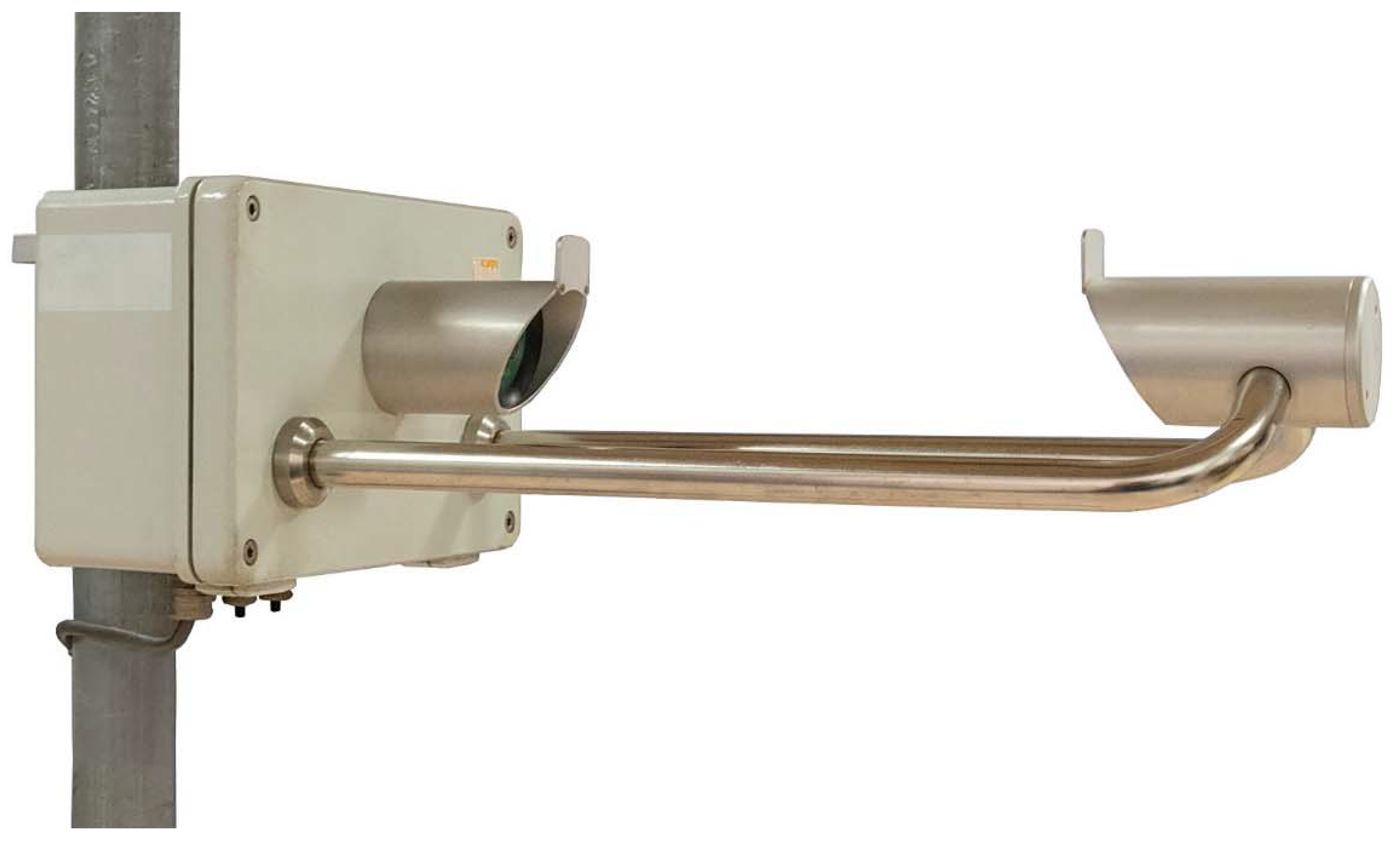
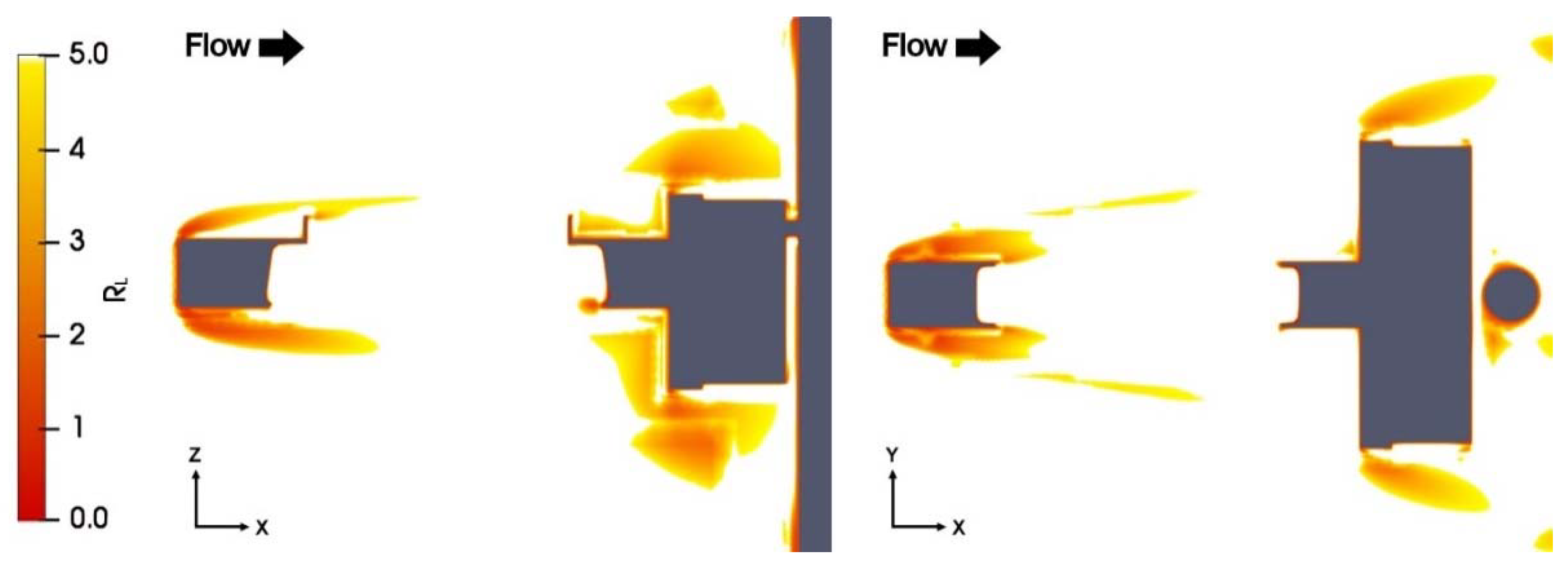
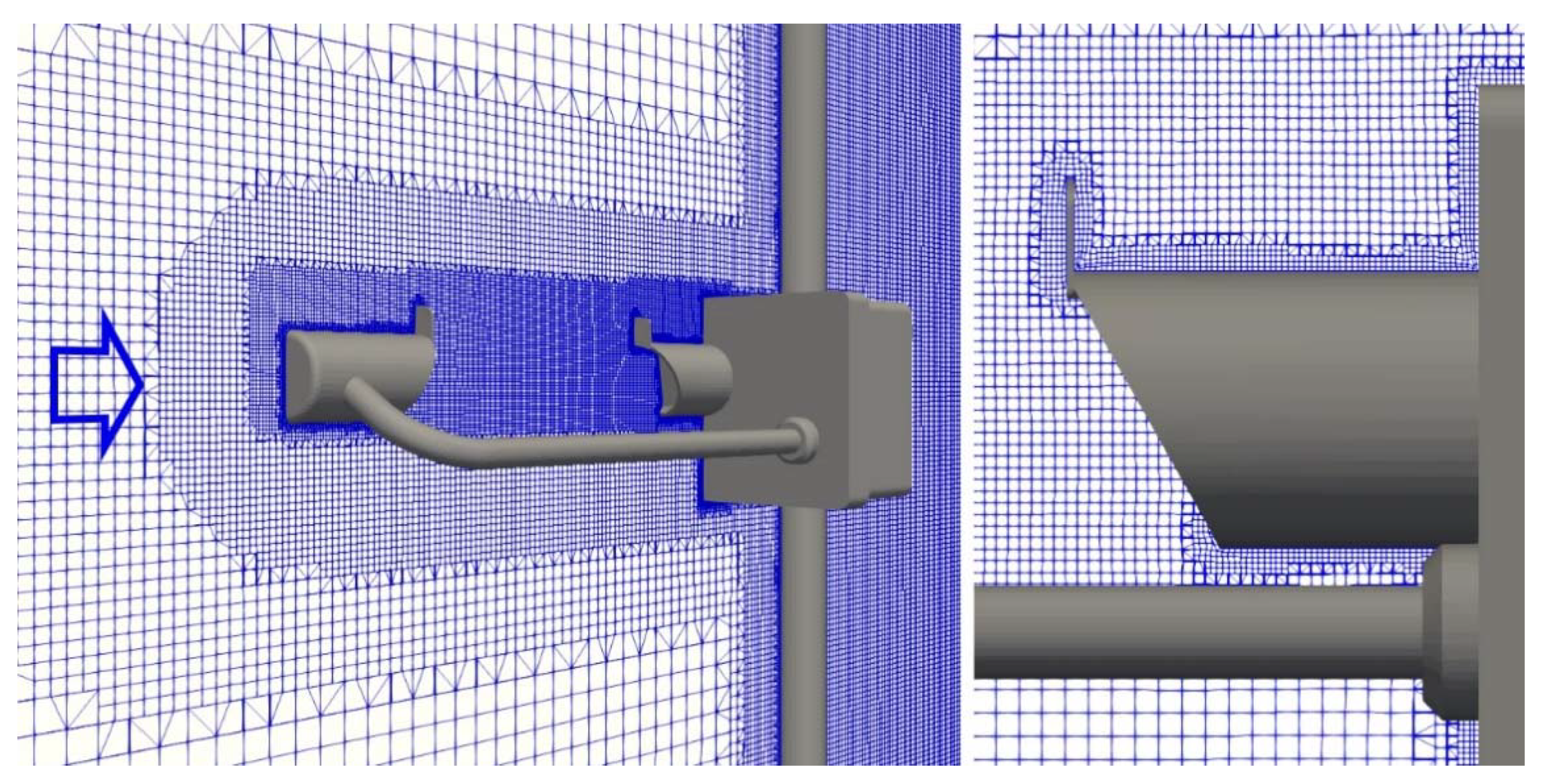
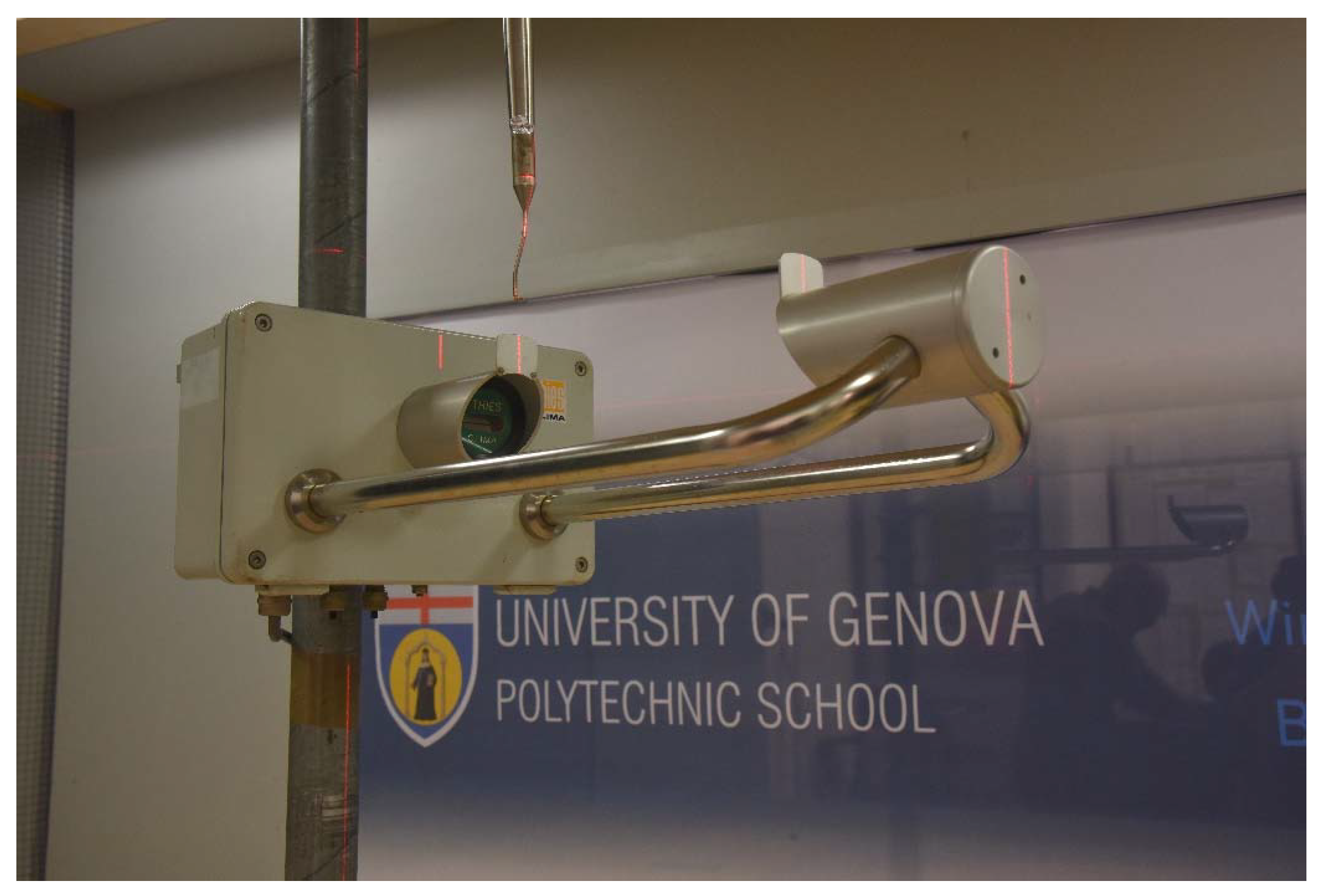
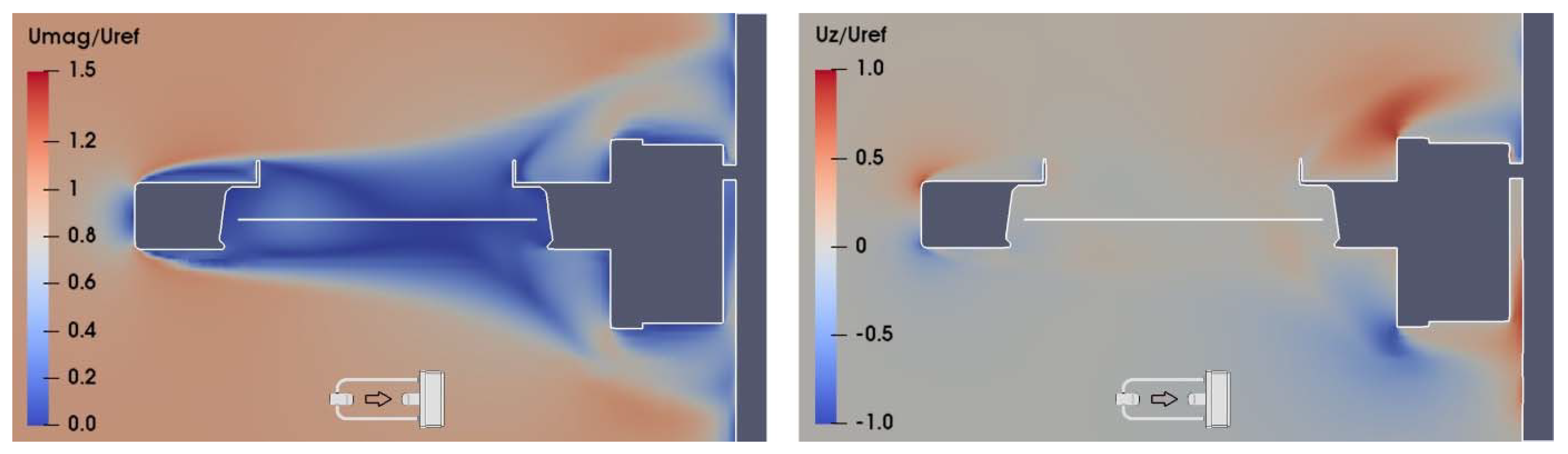
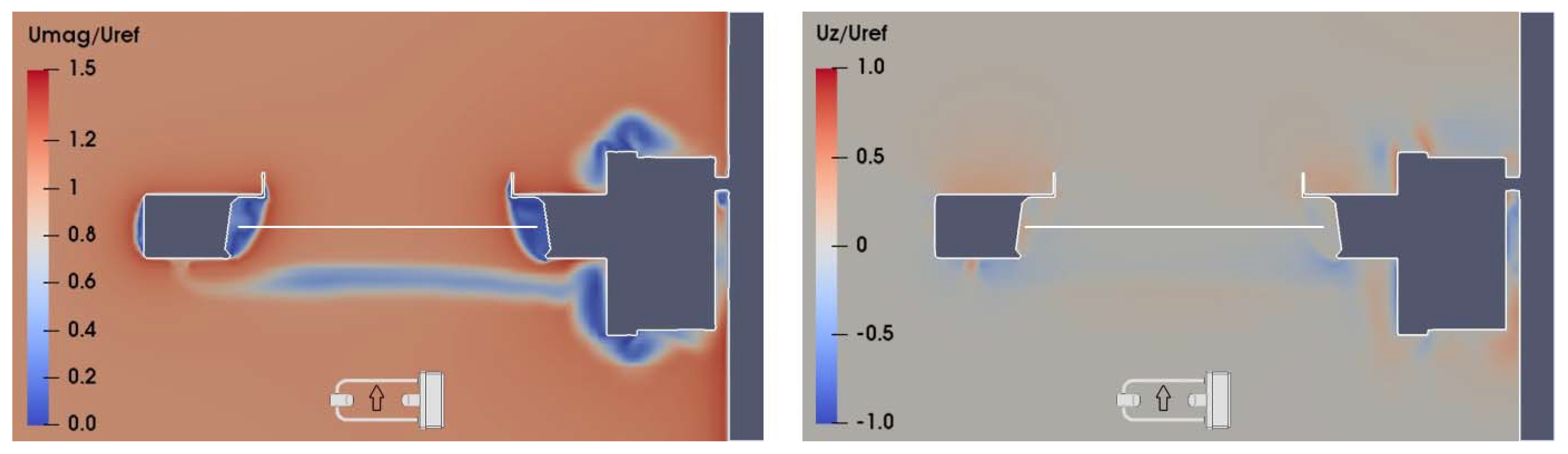
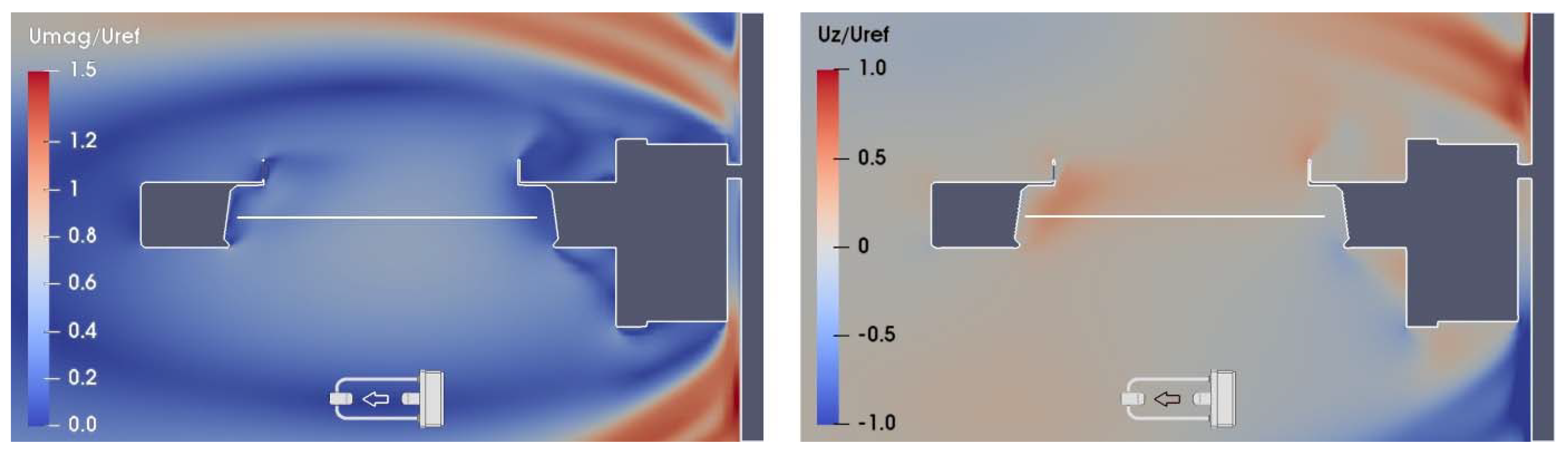
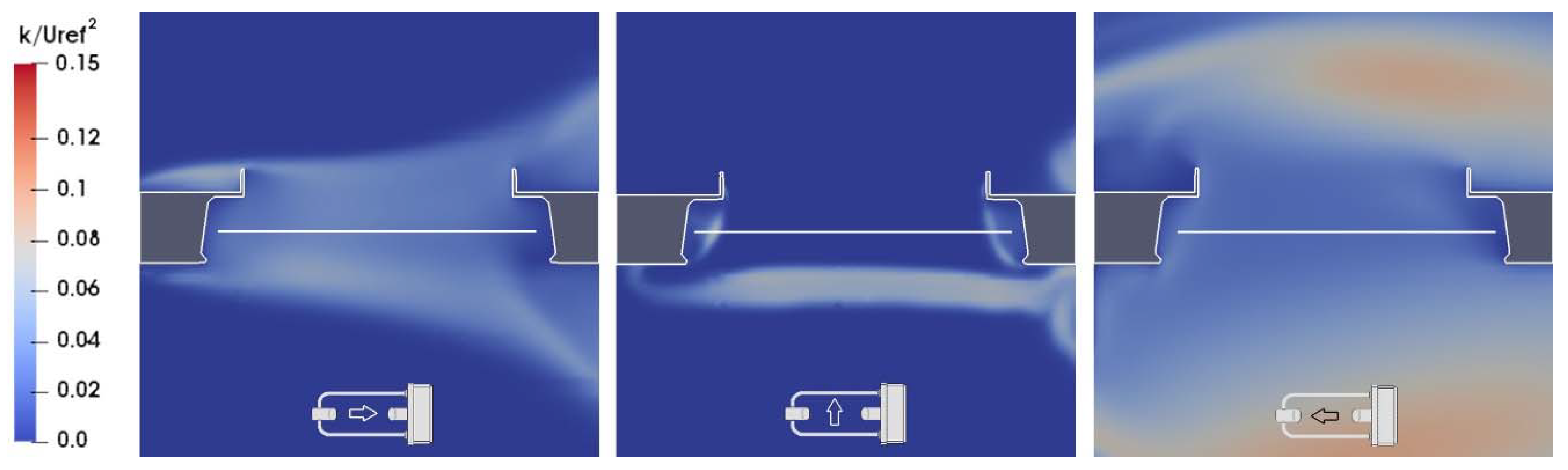
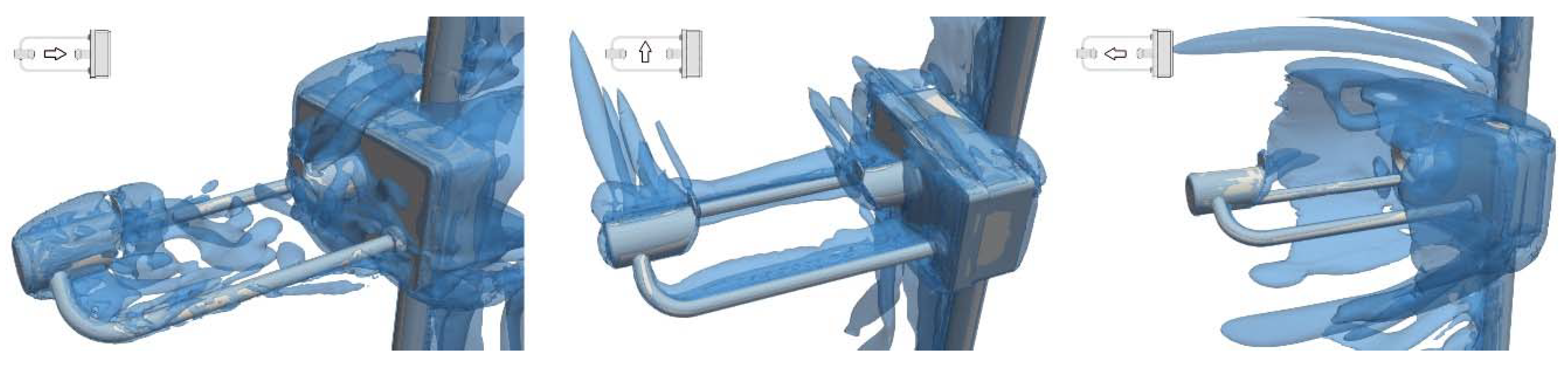
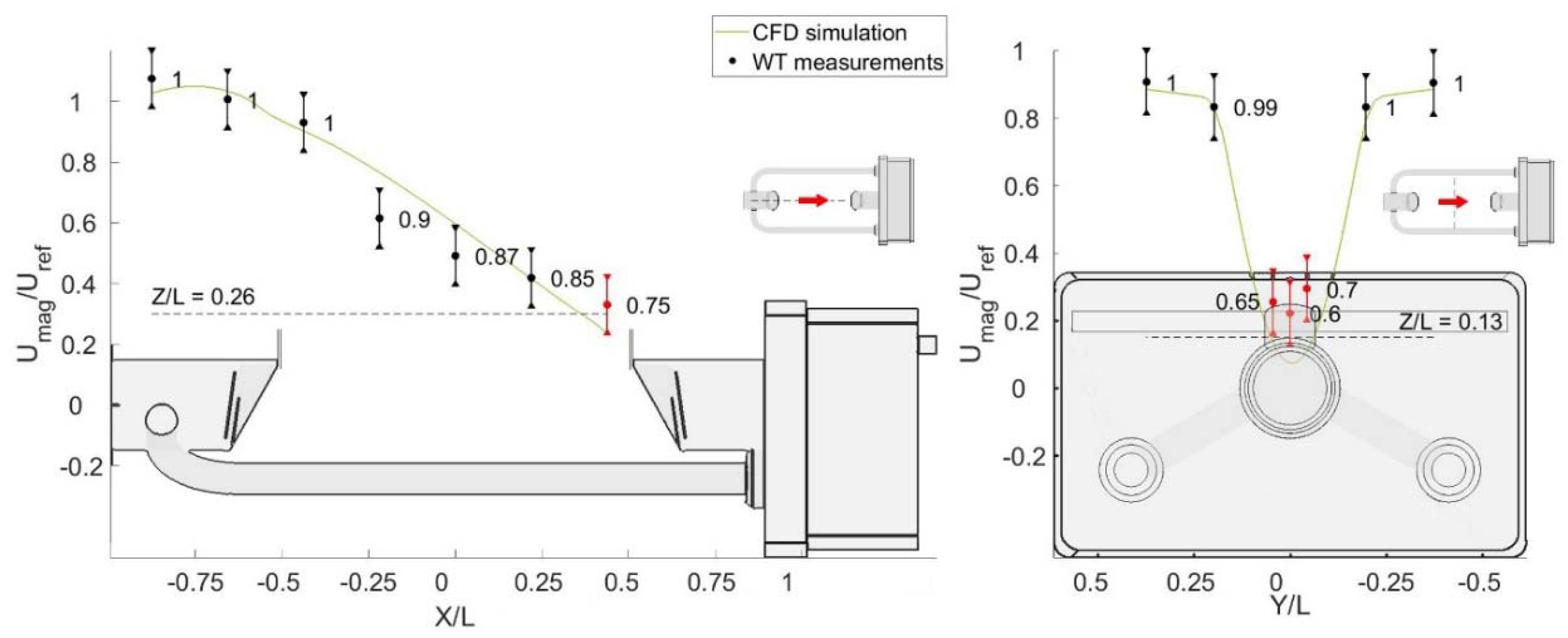
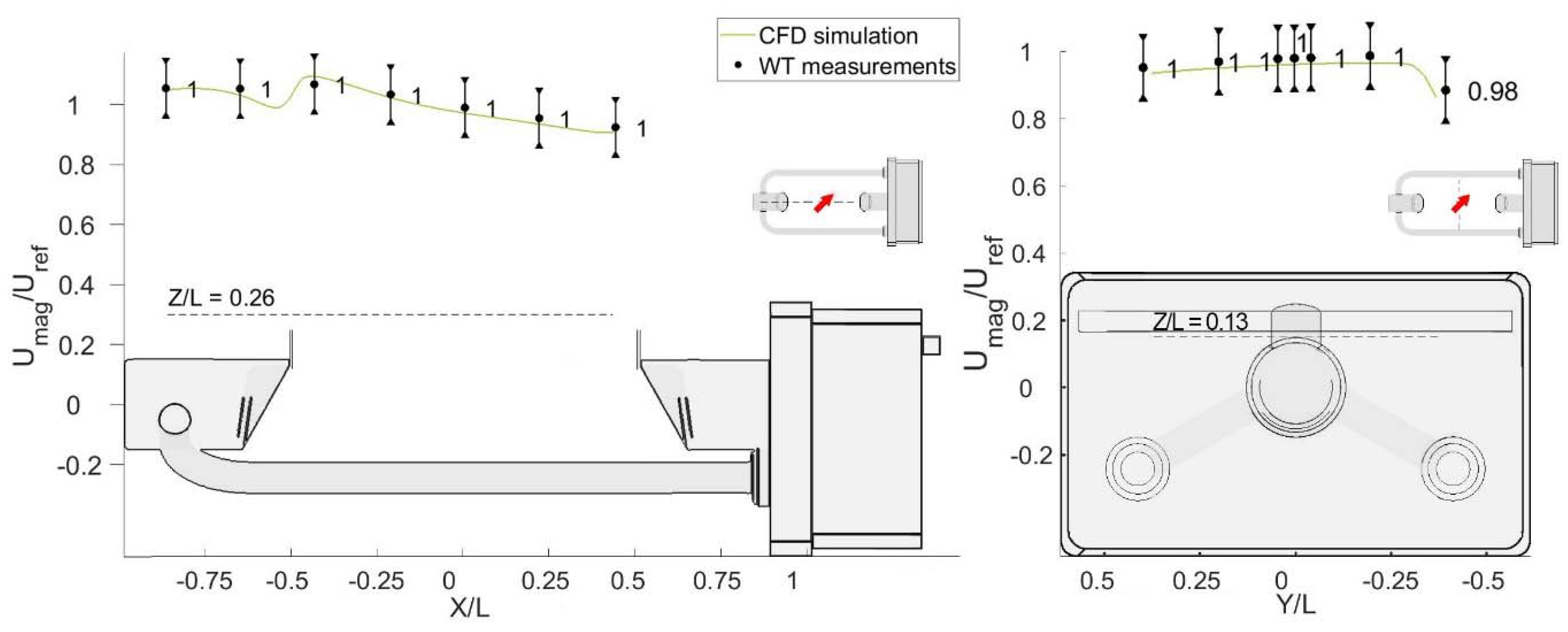
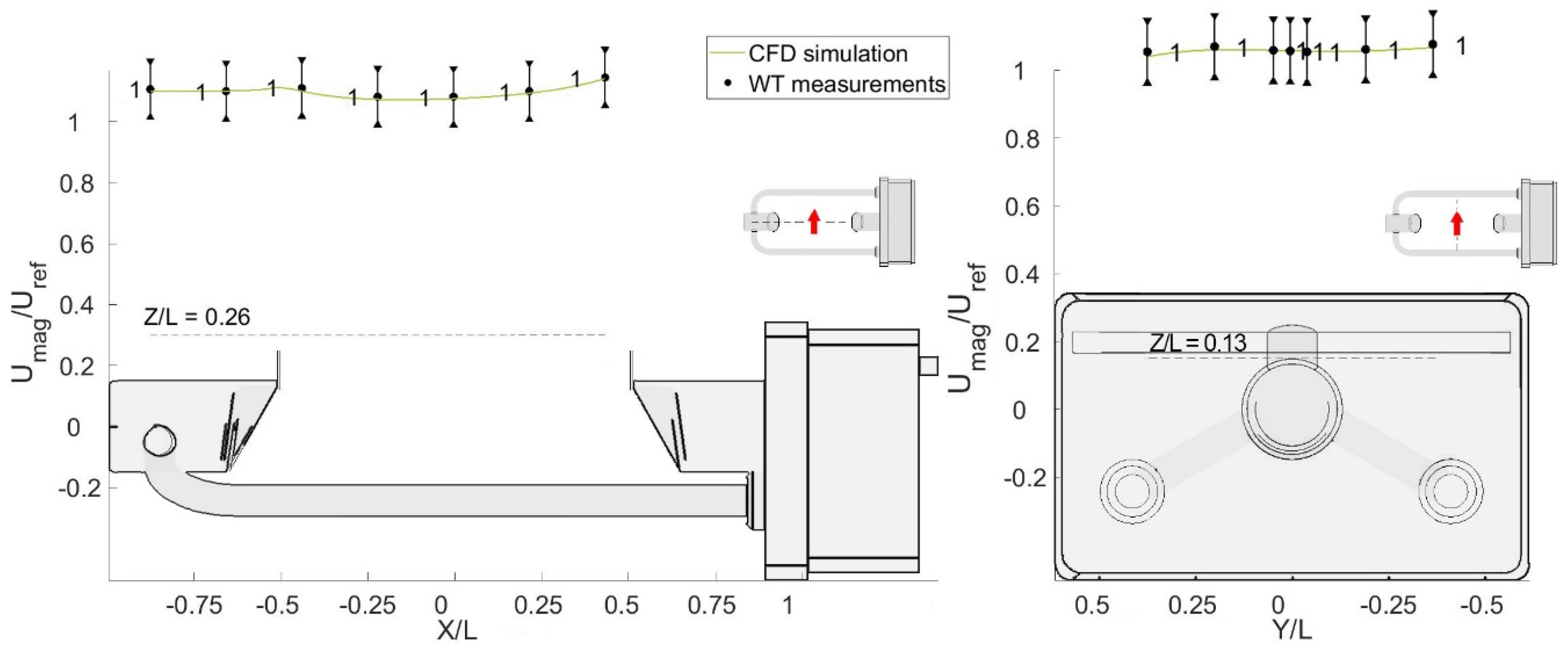
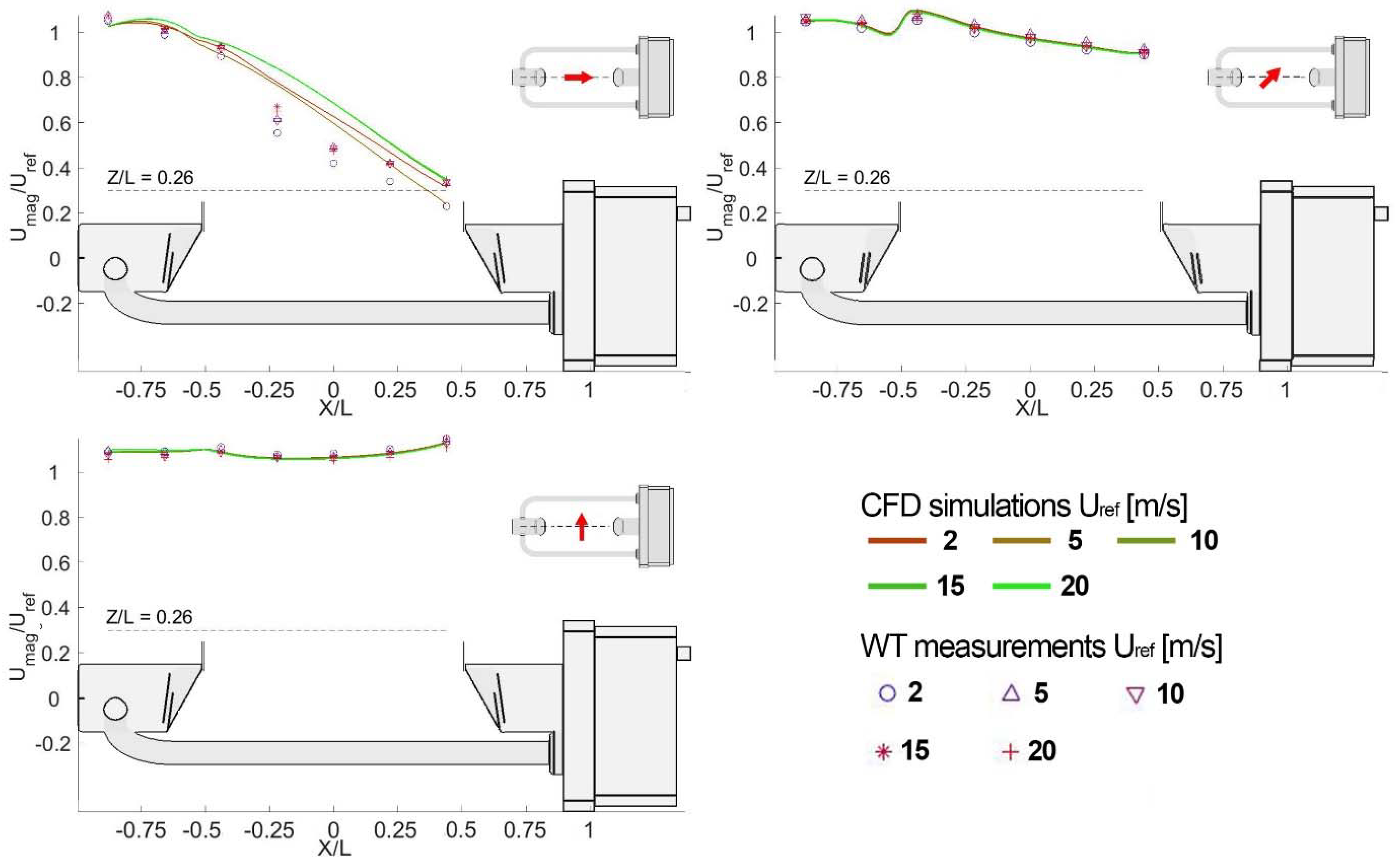
The airflow velocity pattern generated by a widely used non-catching precipitation gauge (the Thies laser precipitation monitor or LPM) when immersed in a wind field is investigated using computational fluid dynamics (CFD). The simulation numerically solves the unsteady Reynolds-averaged Navier–Stokes (URANS) equations and the setup is validated against dedicated wind tunnel measurements. The adopted k-ω shear stress transport (SST) turbulence model closely reproduces the flow pattern generated by the complex, non-axisymmetric outer geometry of the instrument. The airflow pattern near the measuring area varies with the wind direction, the most intense recirculating flow and turbulence being observed when the wind blows from the back of the instrument. Quantitative parameters are used to discuss the magnitude of the airflow perturbations with respect to the ideal configuration where the instrument is transparent to the wind. The generated airflow pattern is expected to induce some bias in operational measurements, especially in strong wind conditions. The proposed numerical simulation framework provides a basis to develop correction curves for the wind-induced bias of non-catching gauges, as a function of the undisturbed wind speed and direction.
Keywords: precipitation; measurement; non-catching gauges; wind induced bias; computational fluid dynamics; wind tunnel; disdrometer precipitation; measurement; non-catching gauges; wind induced bias; computational fluid dynamics; wind tunnel; disdrometer