Article

Spectrum Sharing Based on a Bertrand Game in Cognitive Radio Sensor Networks
1
School of Computing, South China Normal University, Guangzhou 510631, China
2
IFLYTEK Co., Ltd., Hefei 230000, China
*
Author to whom correspondence should be addressed.
Sensors 2017, 17(1), 101; https://doi.org/10.3390/s17010101
Submission received: 28 October 2016 / Revised: 18 December 2016 / Accepted: 28 December 2016 / Published: 7 January 2017
(This article belongs to the Special Issue New Paradigms in Cyber-Physical Social Sensing)

Abstract

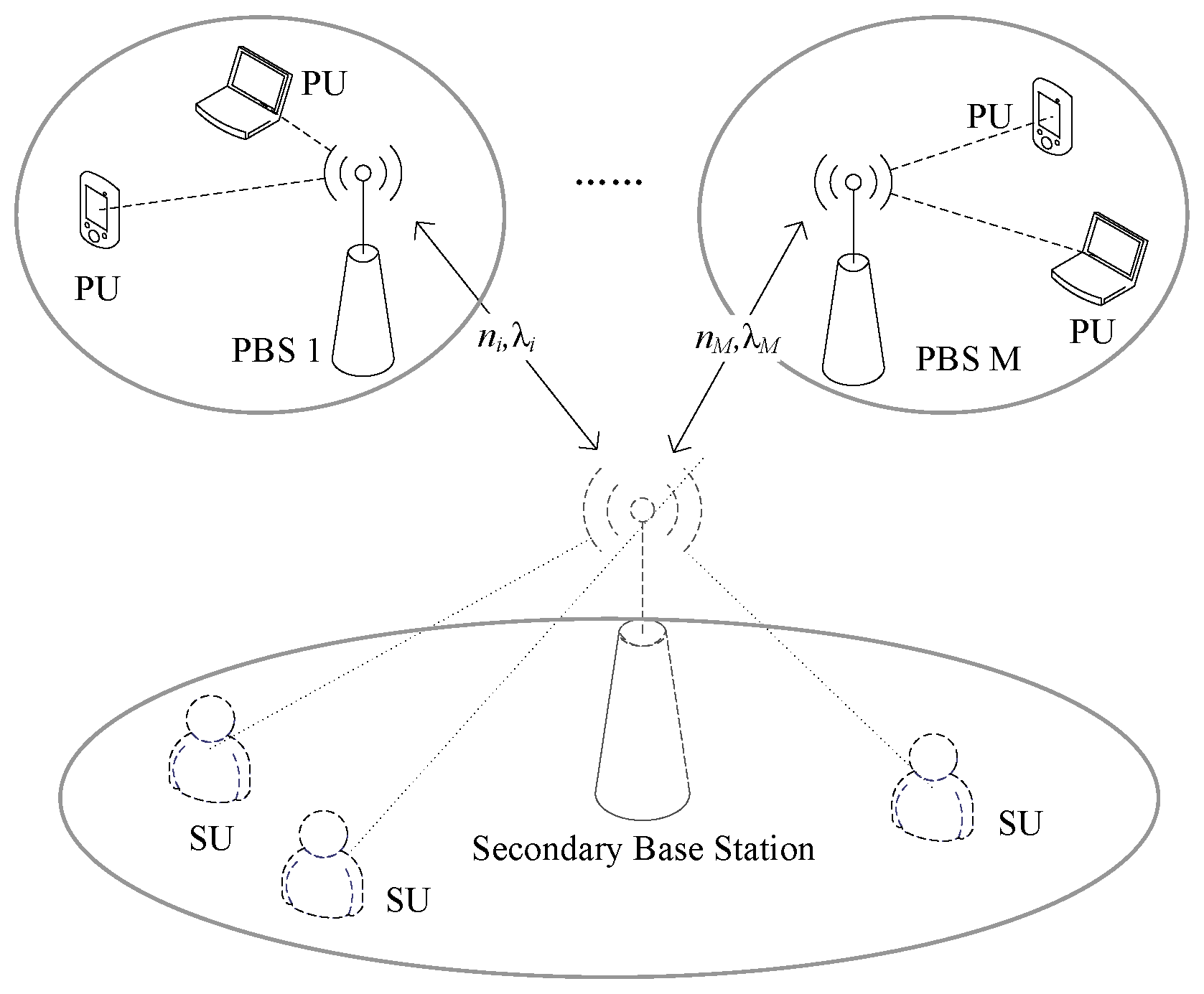
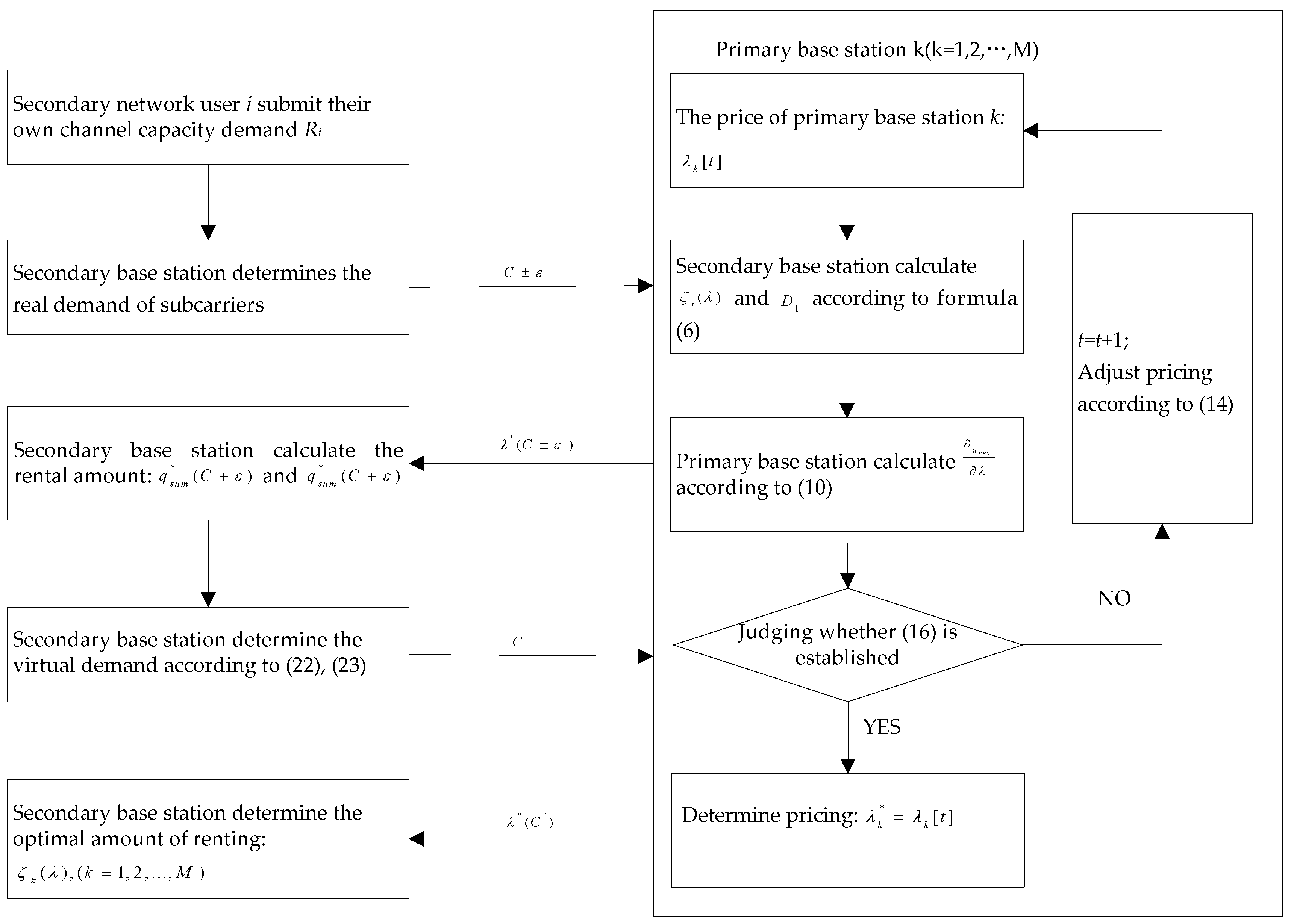
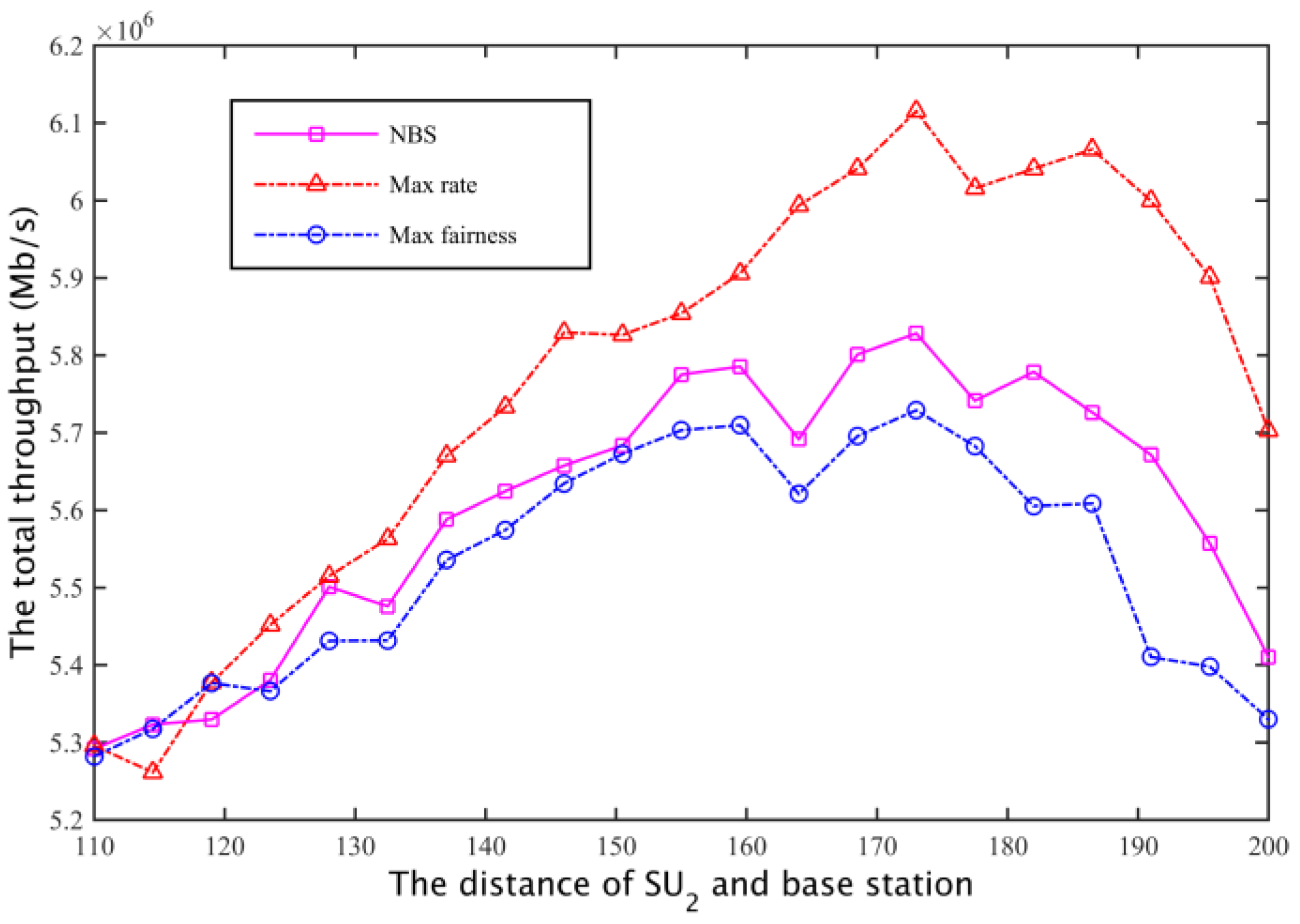
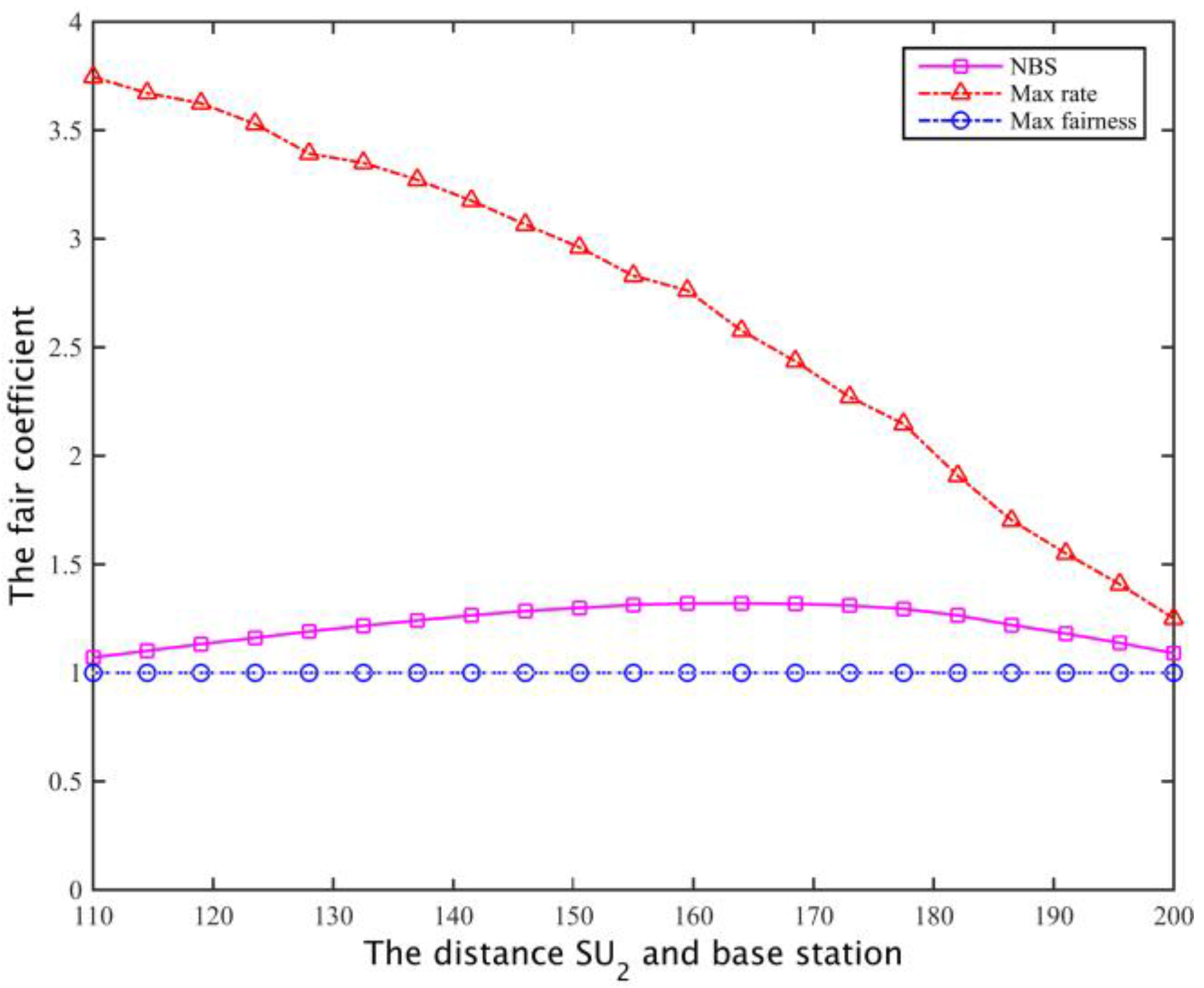
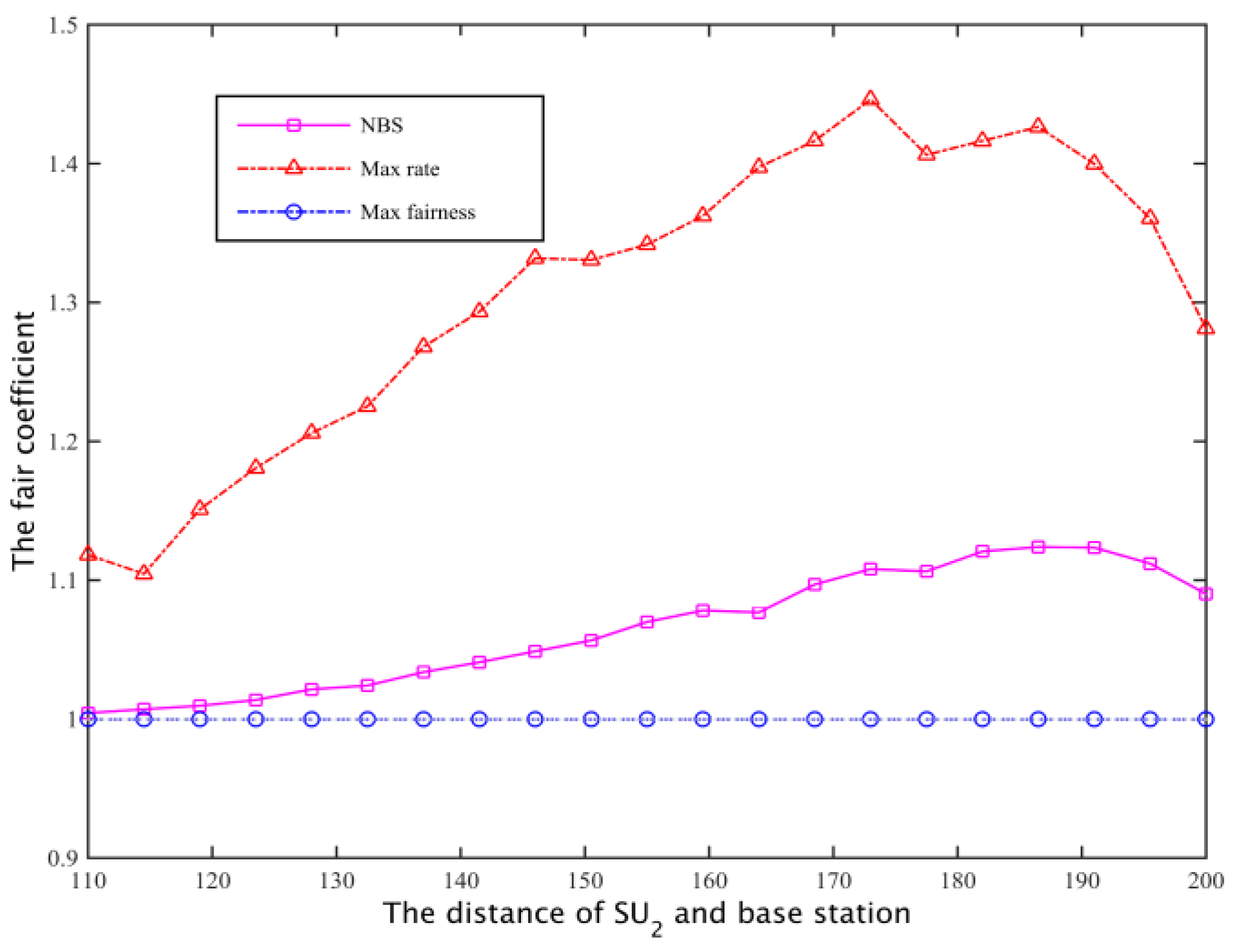
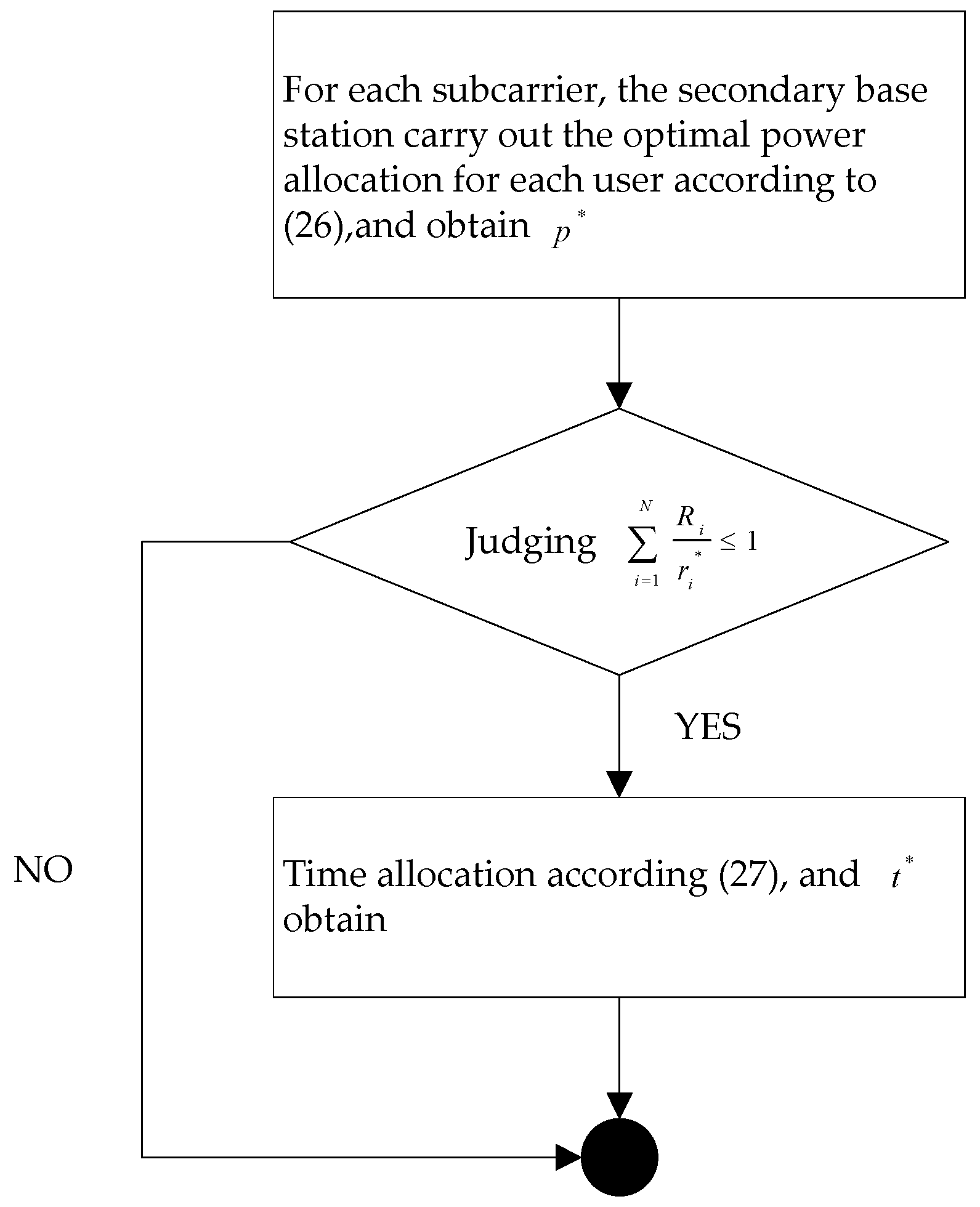
In the study of power control and allocation based on pricing, the utility of secondary users is usually studied from the perspective of the signal to noise ratio. The study of secondary user utility from the perspective of communication demand can not only promote the secondary users to meet the maximum communication needs, but also to maximize the utilization of spectrum resources, however, research in this area is lacking, so from the viewpoint of meeting the demand of network communication, this paper designs a two stage model to solve spectrum leasing and allocation problem in cognitive radio sensor networks (CRSNs). In the first stage, the secondary base station collects the secondary network communication requirements, and rents spectrum resources from several primary base stations using the Bertrand game to model the transaction behavior of the primary base station and secondary base station. The second stage, the subcarriers and power allocation problem of secondary base stations is defined as a nonlinear programming problem to be solved based on Nash bargaining. The simulation results show that the proposed model can satisfy the communication requirements of each user in a fair and efficient way compared to other spectrum sharing schemes.
Keywords: wireless sensor network; spectrum leasing; spectrum allocation; spectrum pricing; Bertrand game wireless sensor network; spectrum leasing; spectrum allocation; spectrum pricing; Bertrand game