Regenerative Skin Remodeling by a Dual Hyaluronic Acid Hybrid Complex in Multimodal Preclinical Models

 , , , , , and
Abstract
1. Introduction
2. Results
2.1. In Vitro Study Results
2.1.1. Cell Viability
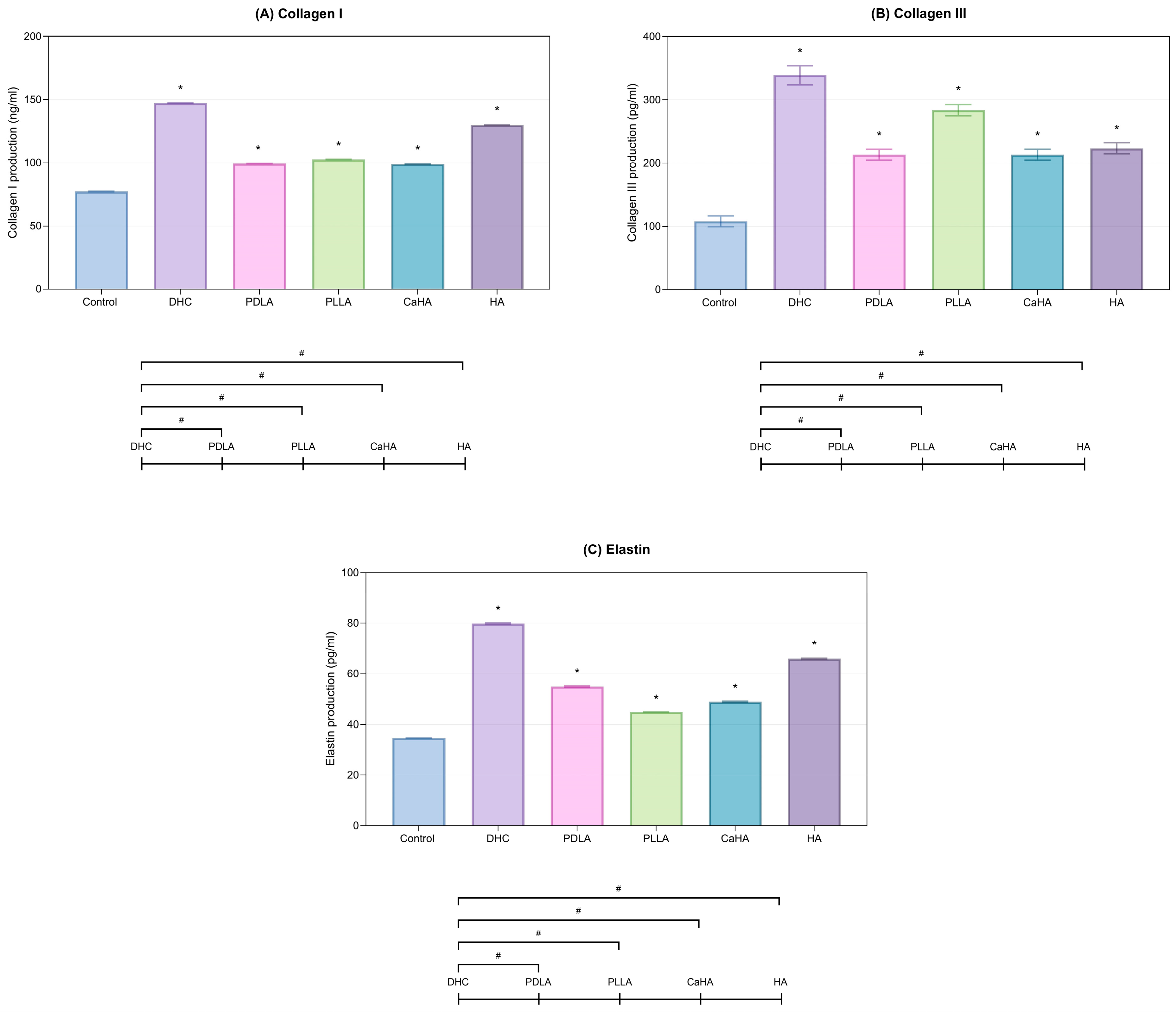
2.1.2. ECM Protein Synthesis
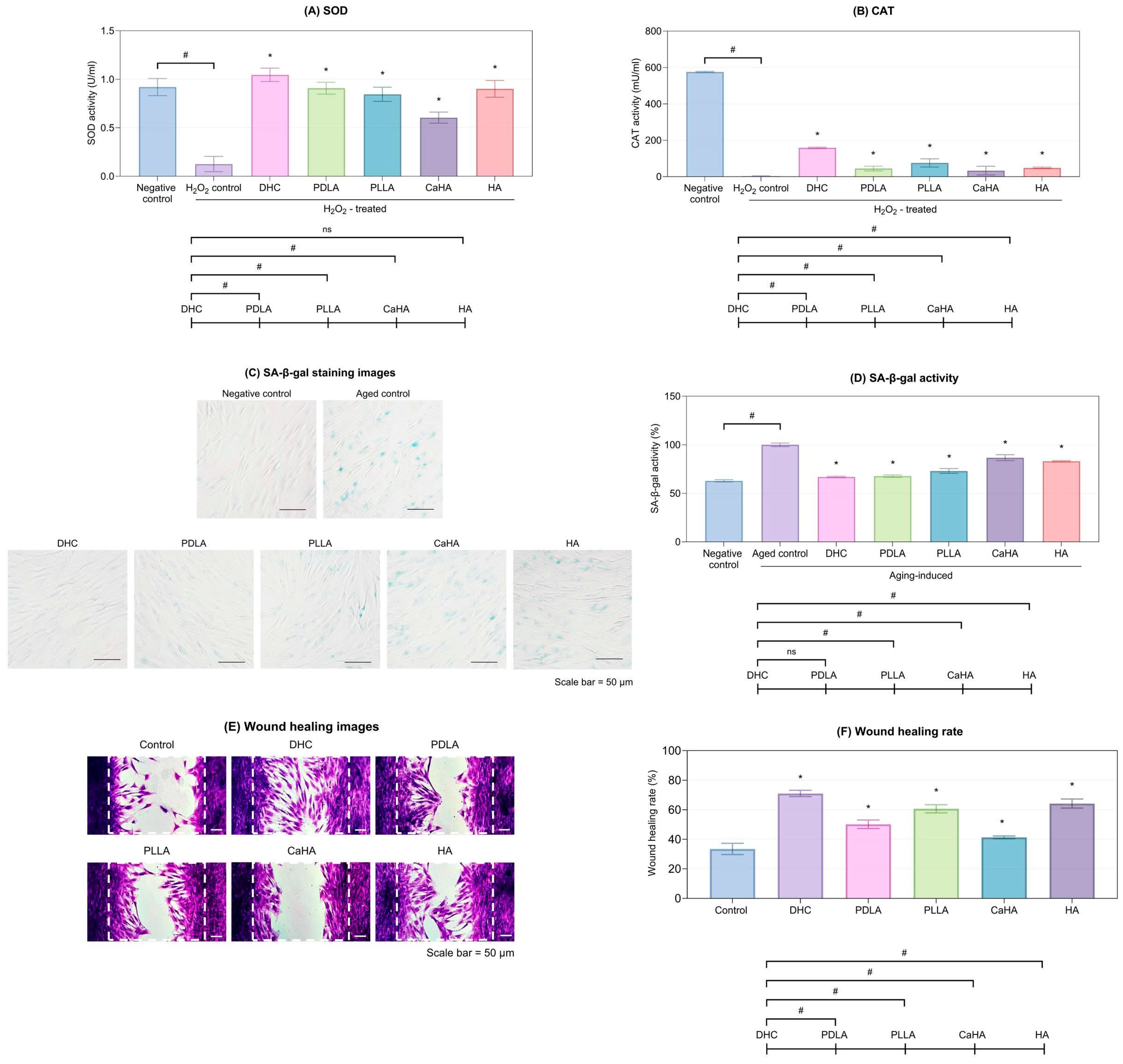
2.1.3. Antioxidant, Anti-Aging, and Wound Healing Efficacy
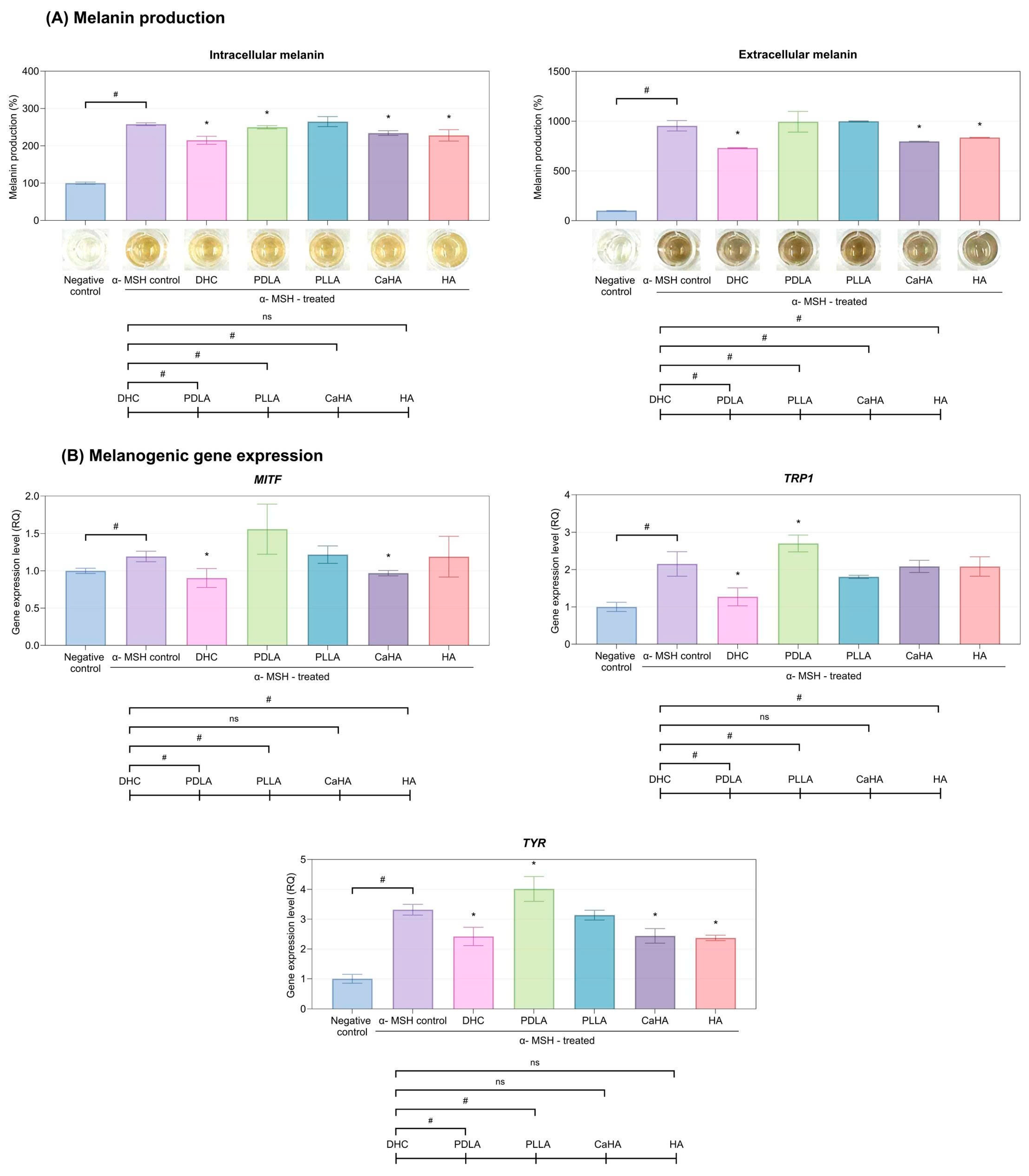
2.1.4. Inhibition of Melanin Production and Melanogenesis Gene Expression
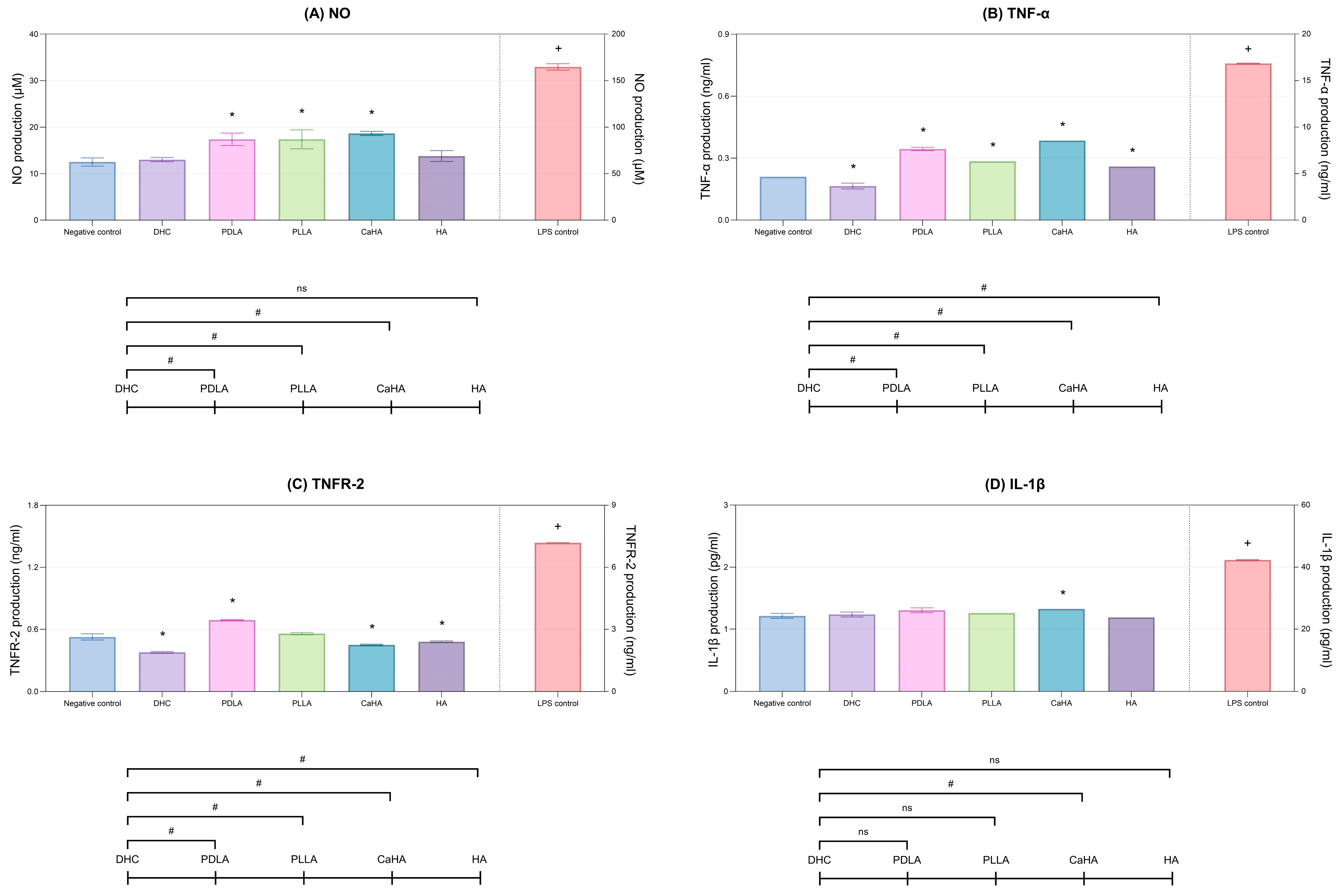
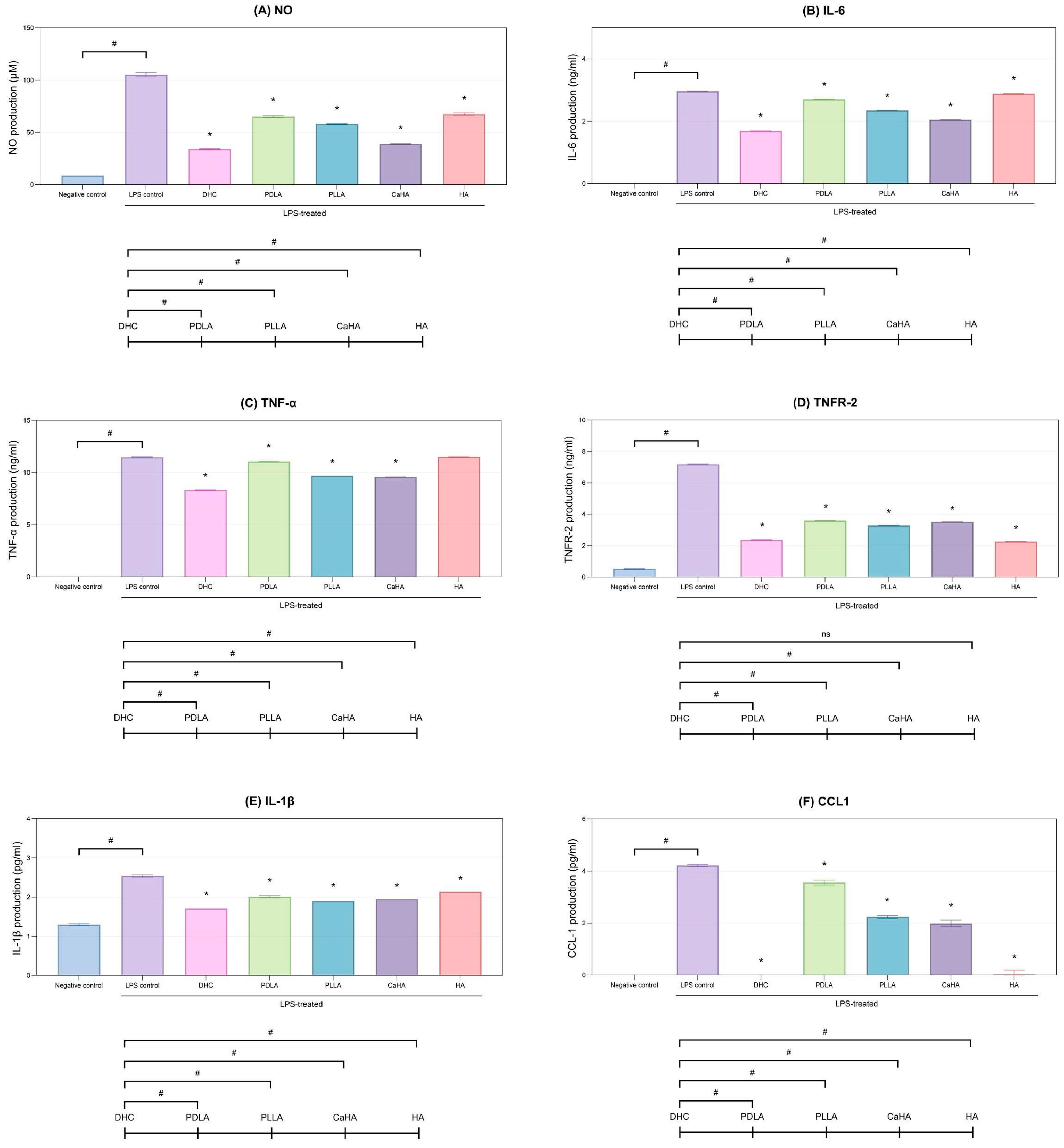
2.1.5. Evaluation of Inflammatory Response
2.1.6. Mitigation of LPS-Induced Inflammation
2.2. In Vivo Study on a UVB-Irradiated Rat Model
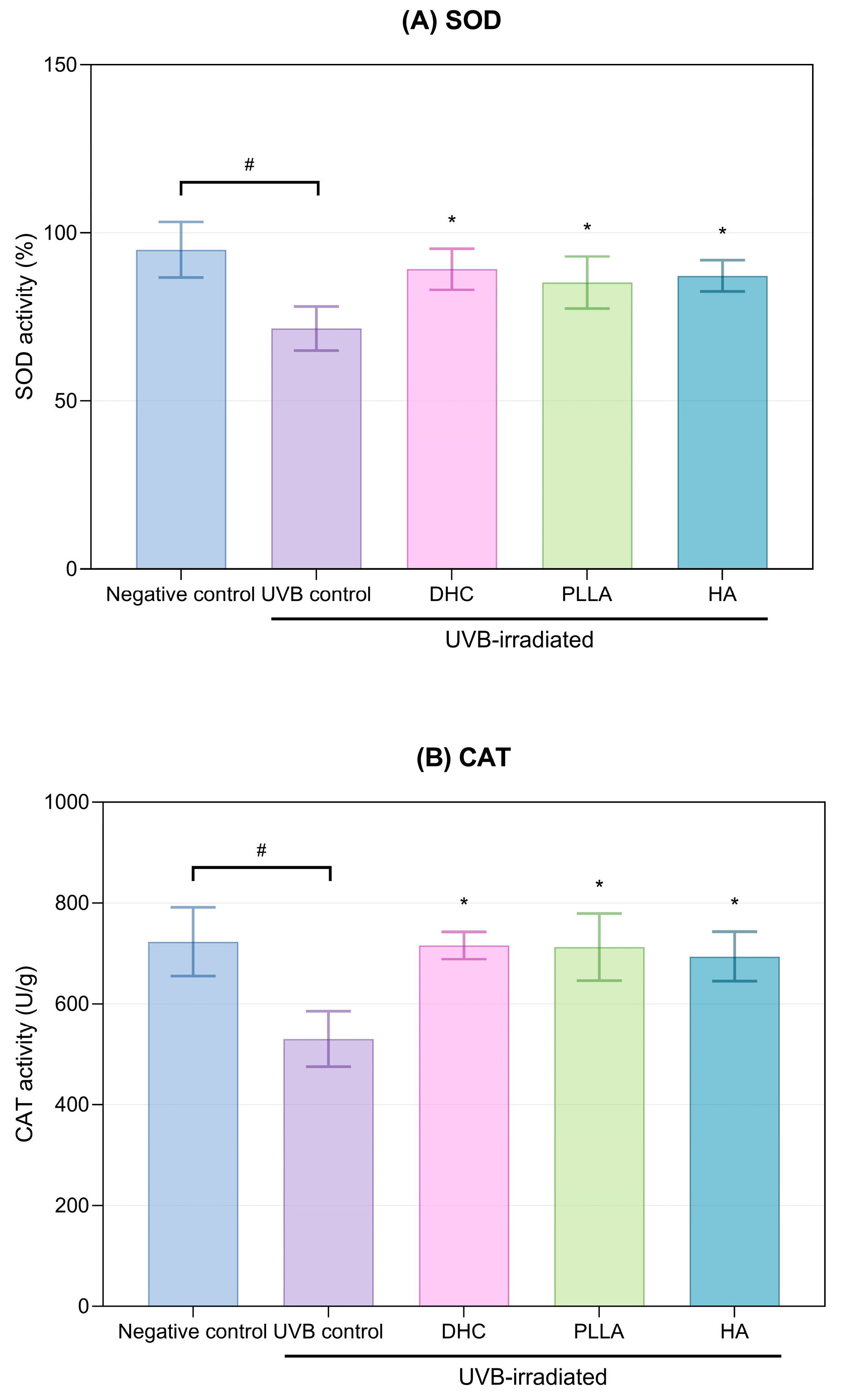
2.2.1. Antioxidant Activity
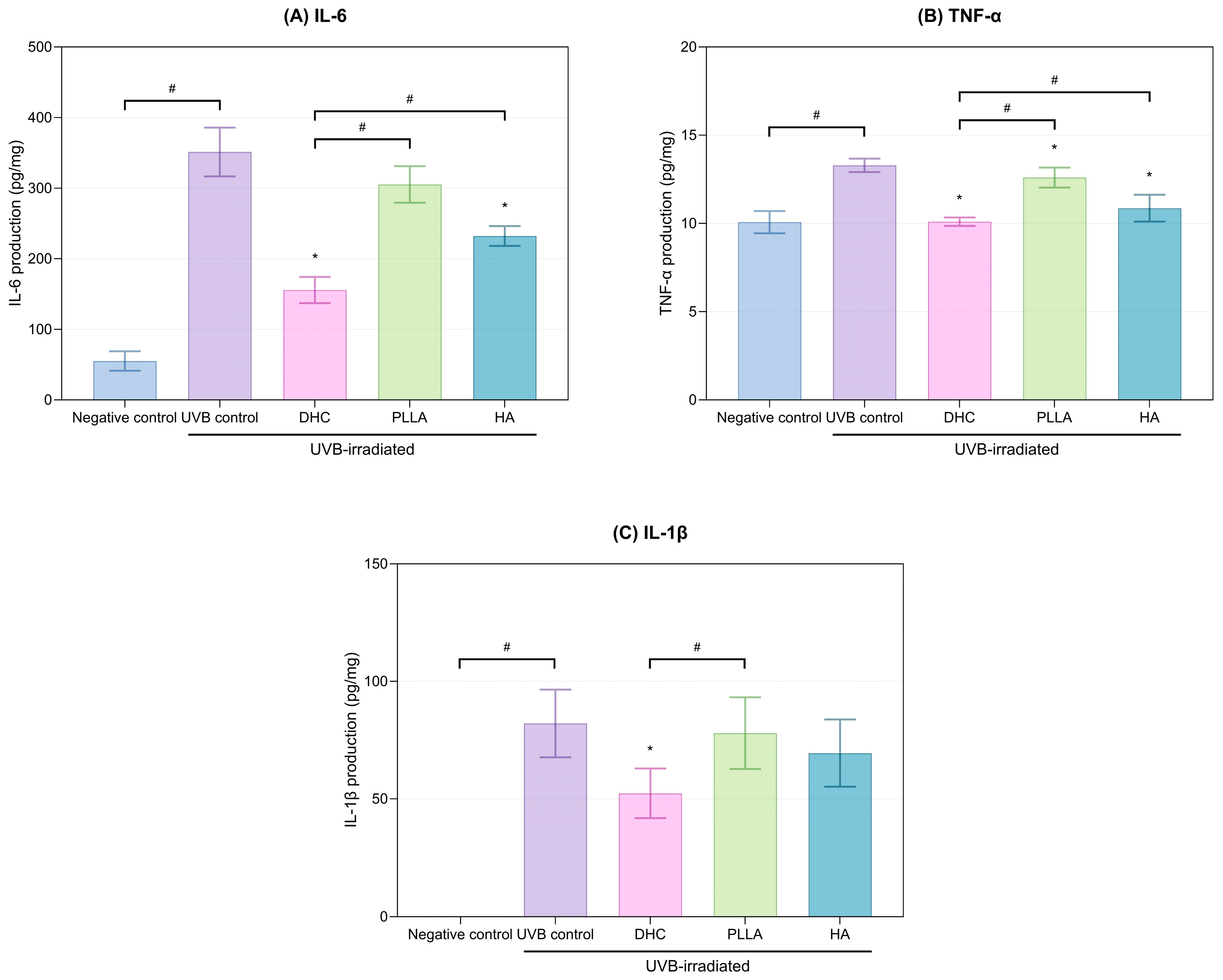
2.2.2. Anti-Inflammatory Response
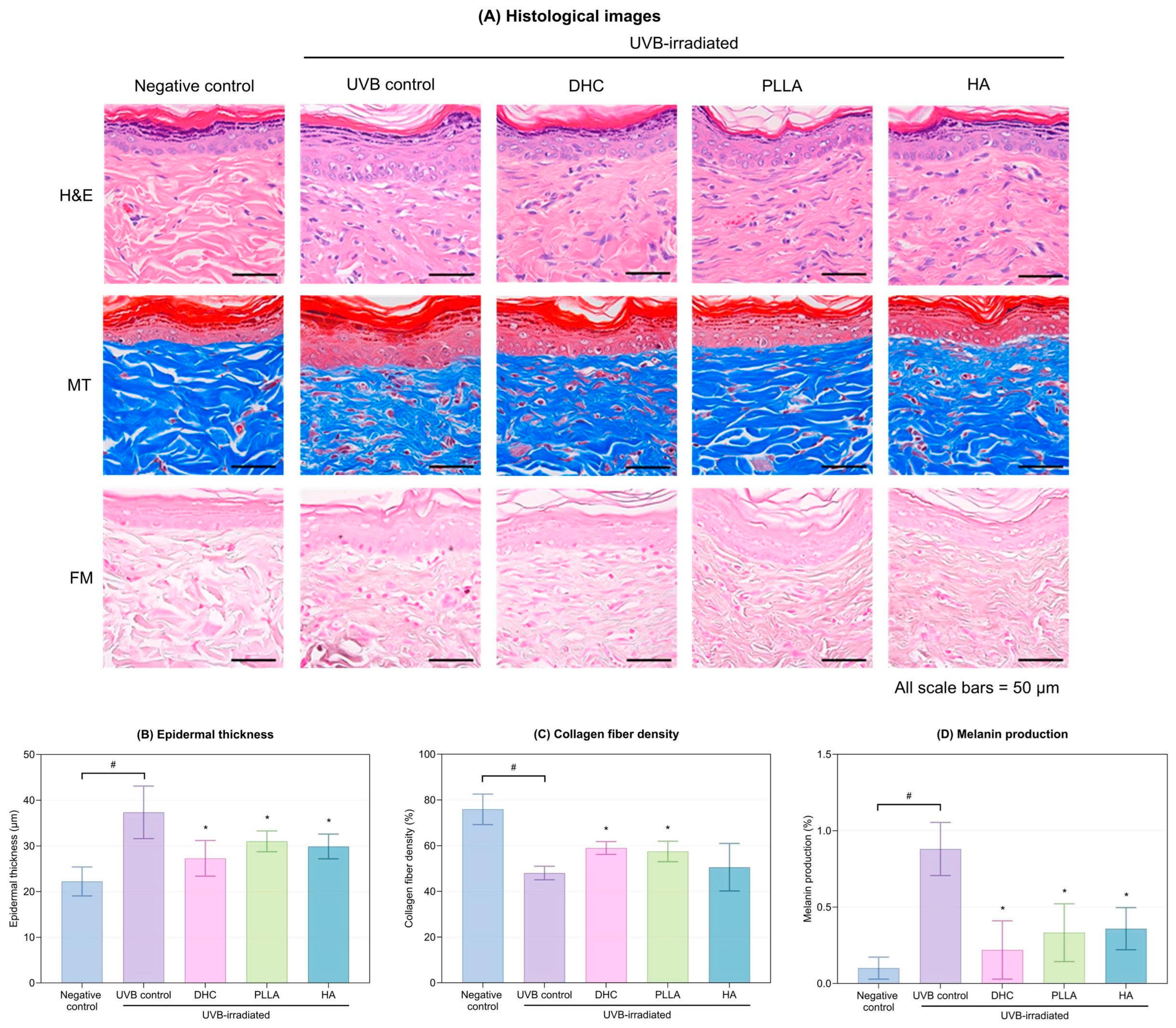
2.2.3. Histological Evaluation
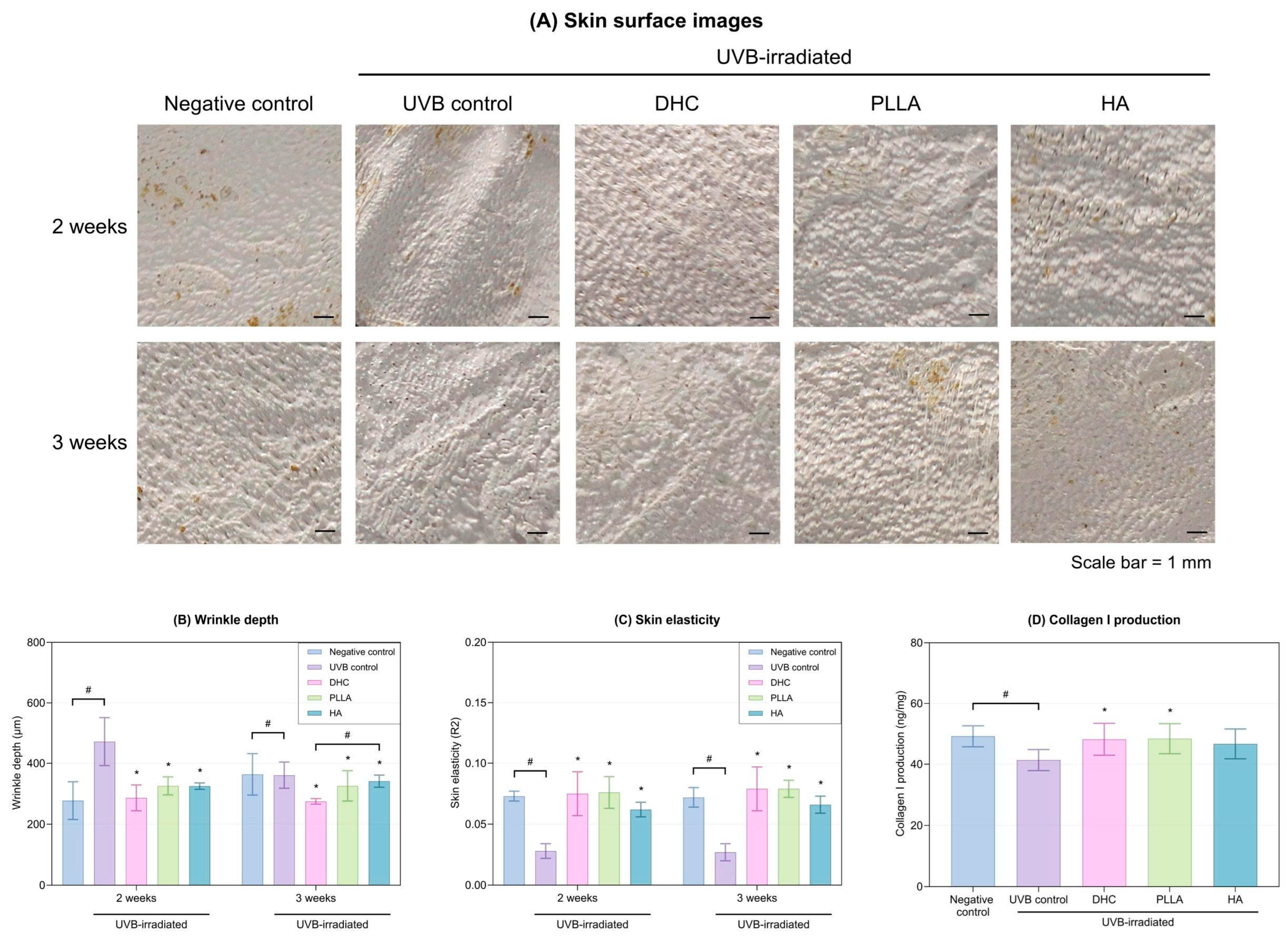
2.2.4. Wrinkle Improvement, Elasticity Recovery, and Collagen I Production
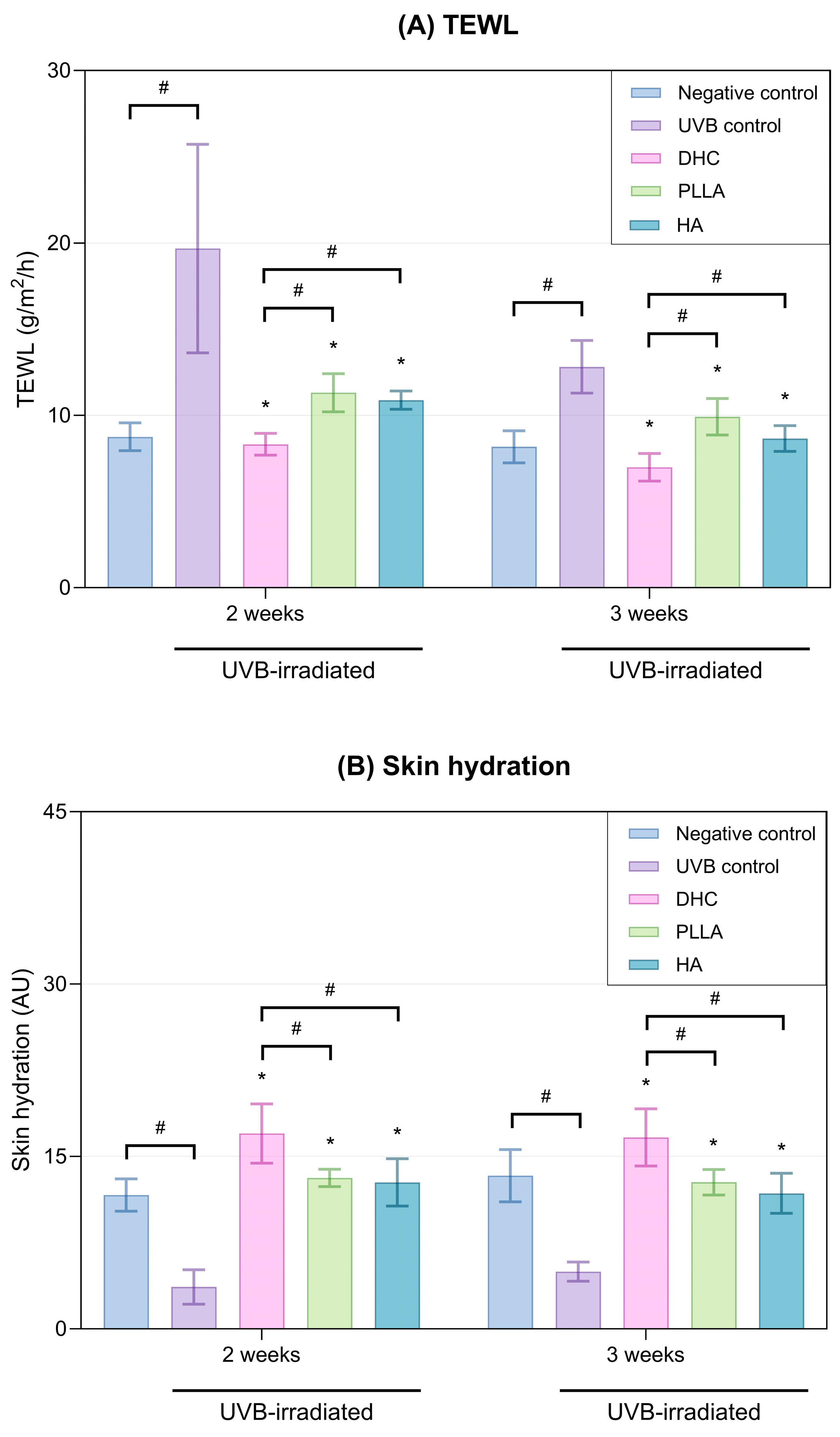
2.2.5. Skin Barrier Function and Hydration
3. Discussion
4. Materials and Methods
4.1. Test Product
4.2. In Vitro Study
4.2.1. Cell Culture
4.2.2. Cell Viability Evaluation
4.2.3. ECM Protein Evaluation
4.2.4. Evaluation of SA-β-Gal Activity
4.2.5. Assessment of Antioxidant Enzyme Activity
4.2.6. Wound Healing Assay
4.2.7. Evaluation of Melanin Production and Melanogenesis Gene Expression
- For intracellular melanin, the culture medium was removed, and each well was treated with 250 µL of 1 M sodium hydroxide (DAEJUNG, Siheung, Republic of Korea) containing 10% DMSO (Sigma-Aldrich). The samples were incubated at 60 °C for 10 min in the dark, scraped, and subsequently heated at 95 °C for 30 min. After centrifugation at 4000× g for 10 min, the resulting supernatant was collected for analysis. For extracellular melanin, the culture medium was centrifuged at 4000× g for 10 min, and the supernatant was collected. OD was measured at 475 nm using the VARIOSKAN LUX reader and melanin content was calculated according to the analytical protocol. Total protein concentration was determined using the BCA Protein Assay Kit (Sigma-Aldrich) for normalization.
- Real-Time Polymerase Chain Reaction (RT-PCR): Total RNA was extracted using the RNeasy Mini Kit (Qiagen, Hilden, Germany), and complementary DNA (cDNA) was synthesized with the RNA to cDNA EcoDry™ Premix (Oligo dT) (Clontech, Mountain View, CA, USA). Real-time PCR was performed using TaqMan Fast Advanced Master Mix (Applied Biosystems, Foster City, CA, USA) with primers for microphthalmia-associated transcription factor (MITF, Mm00434954_m1, Applied Biosystems), tyrosinase-related protein 1 (TRP1, Mm00453201_m1, Applied Biosystems), tyrosinase (TYR, Mm00495817_m1, Applied Biosystem). GAPDH (Mm99999915_g1, Applied Biosystems) served as the internal control. Ct values were obtained from amplification curves, and relative quantification was calculated, where lower Ct values indicate higher gene expression.
4.2.8. Inflammation Evaluation
- To assess inflammatory responses, DHC, other comparators, or LPS (positive control) were applied to the respective treatment groups for 24 h. Following incubation, the culture media were collected, centrifuged at 2000× g for 10 min, and the resulting supernatants were analyzed using: Mouse TNF-α SimpleStep ELISA Kit (ab208348, Abcam), sTNF RII (TNFRSF1B) Mouse SimpleStep ELISA Kit (ab202412, Abcam), Mouse IL-1β SimpleStep ELISA Kit (ab197742, Abcam).
- To assess the anti-inflammatory effects, the cells were first treated with LPS (1 μg/mL) and subsequently co-treated with DHC and other comparators for 24 h. After incubation, the culture medium was collected, centrifuged, and the supernatants were used for cytokine quantification via: Mouse IL-6 ELISA Kit (M600B-1, R&D Systems, Minneapolis, MN, USA), Mouse TNF-α SimpleStep ELISA Kit (ab208348, Abcam), sTNF RII (TNFRSF1B) Mouse SimpleStep ELISA Kit (ab202412, Abcam), Mouse IL-1β SimpleStep ELISA Kit (ab197742, Abcam), TCA-3 (CCL1) Mouse ELISA Kit (ab155460, Abcam).
4.3. In Vivo Study
4.3.1. Animal Housing and Experimental Design
4.3.2. Quantification of Antioxidant Enzymes, Pro-Inflammatory Markers, and Wrinkle-Related Proteins
- Evaluation of antioxidant enzyme activity: Activities of SOD and CAT were measured according to the protocol described in Section 4.2.5.
- Evaluation of pro-inflammatory and wrinkle-related proteins expressions: ELISA assays were conducted following the same protocol using: Rat IL-6 Quantikine ELISA Kit (R6000B, R&D Systems), Rat TNF-α ELISA Kit (KRC3011, Invitrogen, Carlsbad, CA, USA), IL-1 Beta Rat ELISA Kit (Ab100768, Abcam), Rat Collagen Type I ELISA Kit (ab285314, Abcam).
4.3.3. Histological Evaluation of Skin Tissue
- For HE staining, sections were stained with hematoxylin (S3309; Dako, Glostrup, Denmark) and eosin (318906; Sigma). Images of the epidermis and papillary dermis were captured at 400× magnification using a light microscope (MD3000LED; Leica, Wetzlar, Germany), and epidermal thickness was quantified using ImageJ (NIH). Increased thickness indicated UV-induced photoaging.
- For MT staining, sections were sequentially treated with Bouin’s solution, Weigert’s iron hematoxylin, Biebrich scarlet–acid fuchsin, phosphomolybdic–phosphotungstic acid, and aniline blue. Collagen fiber density (%) was quantified using Zen software (ZEN 3.4 (blue edition), Carl Zeiss Microscopy GmbH, Jena, Germany) as the ratio of collagen fiber area (blue) to the total papillary dermis area, where higher density reflected greater collagen deposition.
- For FM staining, sections were processed using the Fontana Masson Stain Kit (ab150669; Abcam) according to the manufacturer’s instructions. Melanin-positive areas (black pigmentation) were quantified with ImageJ, expressed as melanin ratio (%), with higher values indicating greater melanin accumulation.
4.3.4. Skin Measurement: Were Performed at 2 and 3 Weeks After Injections
4.4. Statistical Analysis
5. Conclusions
Supplementary Materials
Author Contributions
Funding
Institutional Review Board Statement
Informed Consent Statement
Data Availability Statement
Acknowledgments
Conflicts of Interest
Abbreviations
| AU | Arbitrary unit |
| BDDE | 1,4-butanediol diglycidyl ether |
| CaHA | Calcium hydroxyapatite |
| CAT | Catalase |
| CCL1 | Chemokine (C-C motif) ligand 1 |
| DHC | Dual hyaluronic acid compound |
| ECM | Extracellular matrix |
| FM | Fontana-Masson |
| HA | Hyaluronic acid |
| HDF | Human dermal fibroblasts |
| HE | Hematoxylin and Eosin |
| HMW-HA | High-molecular-weight HA |
| IL | Interleukin |
| LMW-HA | Low-molecular-weight HA |
| LPS | Lipopolysaccharide |
| MITF | Microphthalmia-associated Transcription Factor |
| MT | Masson’s Trichrome |
| NO | Nitric oxide |
| PDLLA | Poly-D, L-lactic acid |
| PLLA | Poly-L-lactic acid |
| SA-β-gal | Senescence-Associated beta-Galactosidase |
| SOD | Superoxide dismutase |
| TEWL | Transepidermal water loss |
| TNFR-2 | Tumor Necrosis Factor Receptor 2 |
| TNF-α | Tumor Necrosis Factor-alpha |
| TRP1 | Tyrosinase-related protein 1 |
| TYR | Tyrosinase |
| UVB | Ultraviolet B |
| α-MSH | Alpha-melanocyte-stimulating hormone |
References
- Franco, A.C.; Aveleira, C.; Cavadas, C. Skin senescence: Mechanisms and impact on whole-body aging. Trends Mol. Med. 2022, 28, 97–109. [Google Scholar] [CrossRef] [PubMed]
- Dorf, N.; Maciejczyk, M. Skin senescence-from basic research to clinical practice. Front. Med. 2024, 11, 1484345. [Google Scholar] [CrossRef] [PubMed]
- Guo, J.; Fang, W.; Wang, F. Injectable fillers: Current status, physicochemical properties, function mechanism, and perspectives. RSC Adv. 2023, 13, 23841–23858. [Google Scholar] [CrossRef] [PubMed]
- Wang, H.; Wu, D.; Lo, C.; Liu, S.; Ji, Q.; Reem, A.; Qiu, H. Foreign Body Granulomas Reaction Related to Collagen Stimulatory Cosmetic Fillers: A Systematic Review. J. Cosmet. Dermatol. 2025, 24, e70459. [Google Scholar] [CrossRef] [PubMed]
- Rho, N.K.; Kim, H.S.; Kim, S.Y.; Lee, W. Injectable “Skin Boosters” in Aging Skin Rejuvenation: A Current Overview. Arch. Plast. Surg. 2024, 51, 528–541. [Google Scholar] [CrossRef] [PubMed]
- Arora, G.; Arora, S.; Sadoughifar, R.; Batra, N. Biorevitalization of the skin with skin boosters: Concepts, variables, and limitations. J. Cosmet. Dermatol. 2021, 20, 2458–2462. [Google Scholar] [CrossRef] [PubMed]
- Andre, P. Hyaluronic acid and its use as a “rejuvenation” agent in cosmetic dermatology. Semin. Cutan. Med. Surg. 2004, 23, 218–222. [Google Scholar] [CrossRef] [PubMed]
- Ke, C.; Sun, L.; Qiao, D.; Wang, D.; Zeng, X. Antioxidant activity of low molecular weight hyaluronic acid. Food Chem. Toxicol. 2011, 49, 2670–2675. [Google Scholar] [CrossRef] [PubMed]
- Karabat, M.U.; Tuncer, M.C. Effects of hyaluronic acid on skin at the cellular level: A systematic review. Rev. Assoc. Med. Bras. 2025, 71, e20250208. [Google Scholar] [CrossRef] [PubMed]
- Lim, H.K.; Suh, D.H.; Lee, S.J.; Shin, M.K. Rejuvenation effects of hyaluronic acid injection on nasojugal groove: Prospective randomized split face clinical controlled study. J. Cosmet. Laser Ther. 2014, 16, 32–36. [Google Scholar] [CrossRef] [PubMed]
- Roh, N.K.; Kim, M.J.; Lee, Y.W.; Choe, Y.B.; Ahn, K.J. A Split-Face Study of the Effects of a Stabilized Hyaluronic Acid-Based Gel of Nonanimal Origin for Facial Skin Rejuvenation Using a Stamp-Type Multineedle Injector: A Randomized Clinical Trial. Plast. Reconstr. Surg. 2016, 137, 809–816. [Google Scholar] [CrossRef] [PubMed]
- Ling, Y.; Liu, X.; Yang, E. Clinical Analysis of PRP Combined with Hyaluronic Acid Mesotherapy in the Treatment of Facial Chloasma. J. Cosmet. Dermatol. 2025, 24, e70286. [Google Scholar] [CrossRef] [PubMed]
- Yip, D.L. A pilot study on the use of a non-crosslinked hyaluronic acid with associated anti-oxidant ingredients to improve the effectiveness of Nd:YAG laser toning in the treatment of melasma in six patients. J. Cosmet. Dermatol. 2020, 19, 2212–2218. [Google Scholar] [CrossRef] [PubMed]
- Xue, Y.; Chen, H.; Xu, C.; Yu, D.; Xu, H.; Hu, Y. Synthesis of hyaluronic acid hydrogels by crosslinking the mixture of high-molecular-weight hyaluronic acid and low-molecular-weight hyaluronic acid with 1,4-butanediol diglycidyl ether. RSC Adv. 2020, 10, 7206–7213. [Google Scholar] [CrossRef] [PubMed]
- Guida, S.; Galadari, H.; Vespasiani, G.; Pellacani, G. Skin biostimulation and hyaluronic acid: Current knowledge and new evidence. J. Cosmet. Dermatol. 2024, 23, 701–703. [Google Scholar] [CrossRef] [PubMed]
- Sekar, M.P.; Suresh, S.; Zennifer, A.; Sethuraman, S.; Sundaramurthi, D. Hyaluronic Acid as Bioink and Hydrogel Scaffolds for Tissue Engineering Applications. ACS Biomater. Sci. Eng. 2023, 9, 3134–3159. [Google Scholar] [CrossRef] [PubMed]
- Hu, L.; Nomura, S.; Sato, Y.; Takagi, K.; Ishii, T.; Honma, Y.; Watanabe, K.; Mizukami, Y.; Muto, J. Anti-inflammatory effects of differential molecular weight Hyaluronic acids on UVB-induced calprotectin-mediated keratinocyte inflammation. J. Dermatol. Sci. 2022, 107, 24–31. [Google Scholar] [CrossRef] [PubMed]
- Ruppert, S.M.; Hawn, T.R.; Arrigoni, A.; Wight, T.N.; Bollyky, P.L. Tissue integrity signals communicated by high-molecular weight hyaluronan and the resolution of inflammation. Immunol. Res. 2014, 58, 186–192. [Google Scholar] [CrossRef] [PubMed]
- Radrezza, S.; Aiello, G.; Baron, G.; Aldini, G.; Carini, M.; D’Amato, A. Integratomics of Human Dermal Fibroblasts Treated with Low Molecular Weight Hyaluronic Acid. Molecules 2021, 26, 5096. [Google Scholar] [CrossRef] [PubMed]
- Wang, F.; Garza, L.A.; Kang, S.; Varani, J.; Orringer, J.S.; Fisher, G.J.; Voorhees, J.J. In vivo stimulation of de novo collagen production caused by cross-linked hyaluronic acid dermal filler injections in photodamaged human skin. Arch. Dermatol. 2007, 143, 155–163. [Google Scholar] [CrossRef] [PubMed]
- Nan, L.; Guo, P.; Hui, W.; Xia, F.; Yi, C. Recent advances in dermal fibroblast senescence and skin aging: Unraveling mechanisms and pioneering therapeutic strategies. Front. Pharmacol. 2025, 16, 1592596. [Google Scholar] [CrossRef] [PubMed]
- Damodarasamy, M.; Johnson, R.S.; Bentov, I.; MacCoss, M.J.; Vernon, R.B.; Reed, M.J. Hyaluronan enhances wound repair and increases collagen III in aged dermal wounds. Wound Repair Regen. 2014, 22, 521–526. [Google Scholar] [CrossRef] [PubMed]
- Landau, M.; Fagien, S. Science of Hyaluronic Acid Beyond Filling: Fibroblasts and Their Response to the Extracellular Matrix. Plast. Reconstr. Surg. 2015, 136, 188S–195S. [Google Scholar] [CrossRef] [PubMed]
- Wang, F.; Ma, W.; Fan, D.; Hu, J.; An, X.; Wang, Z. The biochemistry of melanogenesis: An insight into the function and mechanism of melanogenesis-related proteins. Front. Mol. Biosci. 2024, 11, 1440187. [Google Scholar] [CrossRef] [PubMed]
- Denat, L.; Kadekaro, A.L.; Marrot, L.; Leachman, S.A.; Abdel-Malek, Z.A. Melanocytes as instigators and victims of oxidative stress. J. Investig. Dermatol. 2014, 134, 1512–1518. [Google Scholar] [CrossRef] [PubMed]
- Fu, C.; Chen, J.; Lu, J.; Yi, L.; Tong, X.; Kang, L.; Pei, S.; Ouyang, Y.; Jiang, L.; Ding, Y.; et al. Roles of inflammation factors in melanogenesis. Mol. Med. Rep. 2020, 21, 1421–1430. [Google Scholar] [CrossRef] [PubMed]
- Juncan, A.M.; Moisă, D.G.; Santini, A.; Morgovan, C.; Rus, L.-L.; Vonica-Țincu, A.L.; Loghin, F. Advantages of Hyaluronic Acid and Its Combination with Other Bioactive Ingredients in Cosmeceuticals. Molecules 2021, 26, 4429. [Google Scholar] [CrossRef] [PubMed]
- Evrard, C.; Lambert de Rouvroit, C.; Poumay, Y. Epidermal Hyaluronan in Barrier Alteration-Related Disease. Cells 2021, 10, 3096. [Google Scholar] [CrossRef] [PubMed]
- Boireau-Adamezyk, E.; Baillet-Guffroy, A.; Stamatas, G.N. Age-dependent changes in stratum corneum barrier function. Skin. Res. Technol. 2014, 20, 409–415. [Google Scholar] [CrossRef] [PubMed]
- Wang, Z.; Man, M.Q.; Li, T.; Elias, P.M.; Mauro, T.M. Aging-associated alterations in epidermal function and their clinical significance. Aging 2020, 12, 5551–5565. [Google Scholar] [CrossRef] [PubMed]
- Cheng, S.W.N.; Lim, S.Y.D.; Cigni, C.; Grimolizzi, F.; Goh, C.L. Efficacy and Tolerability of Stable Hybrid Cooperative Complexes of High- and Low-Molecular Weight Hyaluronic Acid in Asian Patients: An Open-Label Study. Aesthetic Plast. Surg. 2025, Epub ahead of print. 1–10. [Google Scholar] [CrossRef] [PubMed]
- Yazdanparast, T.; Ayatollahi, A.; Samadi, A.; Sabzvari, A.; Kafi, H.; Firooz, A. Safety and Efficacy of a “High and Low Molecular Weight Hyaluronic Acid Hybrid Complex” Injection for Face Rejuvenation. J. Cosmet. Dermatol. 2025, 24, e70117. [Google Scholar] [CrossRef] [PubMed]
- Sung, J.H.; Park, N.J.; Park, J.E.; Yoon, H.S.; Baek, J.H.; Cho, H.; Park, J.H. Development of a PLA Polymer-Based Liquid Filler for Next-Generation Aesthetics. Int. J. Mol. Sci. 2025, 26, 2369. [Google Scholar] [CrossRef] [PubMed]
- Underwood, W.; Anthony, R. AVMA Guidelines for the Euthanasia of Animals: 2020 Edition; American Veterinary Medical Association: Schaumburg, IL, USA, 2020; Volume 2013. [Google Scholar]




Disclaimer/Publisher’s Note: The statements, opinions and data contained in all publications are solely those of the individual author(s) and contributor(s) and not of MDPI and/or the editor(s). MDPI and/or the editor(s) disclaim responsibility for any injury to people or property resulting from any ideas, methods, instructions or products referred to in the content. |
© 2026 by the authors. Licensee MDPI, Basel, Switzerland. This article is an open access article distributed under the terms and conditions of the Creative Commons Attribution (CC BY) license.
Share and Cite
Roh, H.; Nguyen, N.H.; Jung, J.; Hwang, J.K.; Lee, Y.I.; Jung, I.; Lee, J.H. Regenerative Skin Remodeling by a Dual Hyaluronic Acid Hybrid Complex in Multimodal Preclinical Models. Int. J. Mol. Sci. 2026, 27, 1027. https://doi.org/10.3390/ijms27021027
Roh H, Nguyen NH, Jung J, Hwang JK, Lee YI, Jung I, Lee JH. Regenerative Skin Remodeling by a Dual Hyaluronic Acid Hybrid Complex in Multimodal Preclinical Models. International Journal of Molecular Sciences. 2026; 27(2):1027. https://doi.org/10.3390/ijms27021027
Chicago/Turabian StyleRoh, Hyojin, Ngoc Ha Nguyen, Jinyoung Jung, Jewan Kaiser Hwang, Young In Lee, Inhee Jung, and Ju Hee Lee. 2026. "Regenerative Skin Remodeling by a Dual Hyaluronic Acid Hybrid Complex in Multimodal Preclinical Models" International Journal of Molecular Sciences 27, no. 2: 1027. https://doi.org/10.3390/ijms27021027
APA StyleRoh, H., Nguyen, N. H., Jung, J., Hwang, J. K., Lee, Y. I., Jung, I., & Lee, J. H. (2026). Regenerative Skin Remodeling by a Dual Hyaluronic Acid Hybrid Complex in Multimodal Preclinical Models. International Journal of Molecular Sciences, 27(2), 1027. https://doi.org/10.3390/ijms27021027