Review

Therapeutic Innovations for Monkeypox Inhibition

1
Department of Biomedical Engineering, John A. White, Jr. Engr. Hall Fayetteville, University of Arkansas, Fayetteville, AR 72701, USA
2
School of Applied & Interdisciplinary Sciences, Indian Association for the Cultivation of Science, Kolkata 700032, India
3
Department of Chemistry, Sarojini Naidu College for Women, Kolkata 700028, India
4
School of Physics and Astronomy, College of Science, Rochester Institute of Technology, Rochester, NY 14623, USA
5
Department of Chemistry, Prasanta Chandra Mahalanobis Mahavidyalaya, Kolkata 700108, India
6
Cold Spring Harbor Laboratory, 1 Bungtown Rd., Cold Spring Harbor, NY 11724, USA
7
University of Texas Southwestern Medical Center, 5323 Harry Hines Blvd, Dallas, TX 75390, USA
*
Authors to whom correspondence should be addressed.
These authors contributed equally to this work.
Int. J. Mol. Sci. 2026, 27(10), 4307; https://doi.org/10.3390/ijms27104307
Submission received: 30 March 2026 / Revised: 3 May 2026 / Accepted: 6 May 2026 / Published: 12 May 2026
(This article belongs to the Special Issue Molecular Advances in Zoonoses and Vector-Borne Diseases)

Abstract

This review investigates biomaterial-based strategies for improved treatment of MPXV. We focus on emerging synthetic biomedical approaches to combating the virus. These include peptide nucleic acids, CRISPR-based systems, and small-molecule therapeutics. These methods work by targeting and blocking viral proteins and enzymes. Such synthetic platforms may help reduce viral transmission and minimize side effects. They also offer potential solutions to challenges such as viral resistance in humans. In addition, biomaterials contribute to the development of more stable and effective vaccines. Combining these biomaterials with mRNA technology provides a promising framework for future vaccine development. Overall, this review underscores biomaterial-driven antiviral systems as a major frontier in translational medicine with profound implications for global health and pandemic awareness.

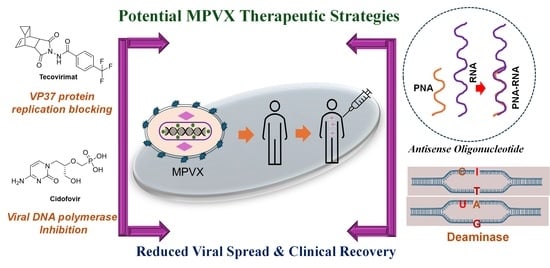
Graphical Abstract

1. Introduction

The recent rise in Monkeypox virus (MPXV) [1] infection has sparked growing concern about a public health crisis worldwide. Formerly known as a rare zoonotic infection found mainly in parts of Central and West Africa, MPXV has demonstrated its capacity to spread beyond endemic regions [2]. The global outbreak in 2022 underscored the urgent need for a deeper understanding of the virus’s evolution and the development of effective treatment and prevention strategies [3,4]. MPXV can be transmitted through direct contact with an infected animal (body fluids/tissues/meat consumption), an infected person (body fluids/tissue/respiratory droplets), or contaminated materials (Figure 1) [5]. MPXV is a large, double-stranded DNA virus belonging to the Orthopoxvirus genus of the Poxviridae family, sharing close genetic ties with the smallpox virus. Its genome spans about 200 kilobases and encodes numerous proteins that play roles in replication, immune evasion, and host interaction [6,7].
MPXV is classified into two major genetic clades, the West African (WA) clade and the Central African or Congo Basin (CB) clade, based on genomic variations (5% genetic difference at the whole-genome level) [8,9]. As a double-stranded DNA virus, MPXV has a relatively low mutation rate (10−6–10−7 mutations per base pair per year) compared to RNA viruses such as SARS-CoV-2 (10−3 mutations per base pair per year) [4]. Consequently, the virus accumulates few single-nucleotide polymorphisms (SNPs) over time, indicating limited genomic variability and the sustained efficacy of existing vaccines and antiviral drugs [10]. The World Health Organization (WHO) designated the outbreak a Public Health Emergency of International Concern in July 2022. Though the emergency status ended in May 2023, the outbreak illustrated MPXV’s ability to circulate in global populations, challenging existing containment protocols [11]. Historically, MPXV transmission was primarily animal-to-human, with rodents such as Gambian pouched rats and squirrels acting as reservoirs [12]. The virus was first observed in captive monkeys in 1958, while human infection was first reported in 1970 in the Democratic Republic of Congo [13,14]. Both the 2003 U.S. outbreak and Nigeria’s 2017 outbreak with over 200 confirmed cases emphasized the virus’s potential to establish itself outside traditional regions and the absence of cross-protective immunity [15,16,17].
MPXV mutates slowly, but small genetic changes (SNPs) still occur and create variation. These genetic changes impact the viral replication and spread and alter the immune system. Differences in SNPs between strains benefit the virus in terms of adaptation and survival in diverse environments [16]. Hence, early detection and point mutation(s) in the MPXV sequence may restrict the spread/inhibition of the MPXV gene. Mpox typically presents with both systemic and dermatological features, including early symptoms such as fever, headache, myalgia, fatigue, and notably lymphadenopathy, which helps distinguish it from similar infections. Within a few days, characteristic skin lesions develop and progress through stages such as macules, papules, vesicles, pustules, and finally crusts, commonly affecting the face, extremities, and anogenital region. Pseudomembranous (PM) lesions are relatively uncommon and may occur on mucosal surfaces such as the oropharynx or genital areas, appearing as whitish or yellowish membrane-like patches due to epithelial damage, inflammation, and necrosis, and may be associated with pain, dysphagia, or secondary infections. The reported mortality rate varies depending on the viral clade and outbreak setting, generally ranging from less than 1% in recent outbreaks to approximately 10% in historically reported cases.
To mitigate MPXV’s impact, a combination of genetic and pharmaceutical strategies is being investigated [18,19,20,21]. Gene-targeting technologies such as CRISPR-Cas systems and RNA interference may have the potential to silence essential MPXV genes involved in viral replication and immune evasion [22,23]. Small-molecule inhibitors and antisense oligonucleotides that target specific viral pathways represent promising therapeutic options for managing MPXV infections. In parallel, drugs initially developed for related viruses, such as tecovirimat, are being repurposed as interim treatment options [24]. In addition, appropriate design and inhibition of mRNA expression through antisense treatment and small-molecule-based antiviral treatment will be fruitful for future MPXV treatment [25]. Therefore, our aim in this review is to describe its genetic variability, virus–host interaction, and existing and future approaches for potential MPXV treatments. Unraveling and achieving proper understanding of the genomic variation of MPXV is important for controlling future outbreaks in the coming years.

2. Mechanism of MPXV Action

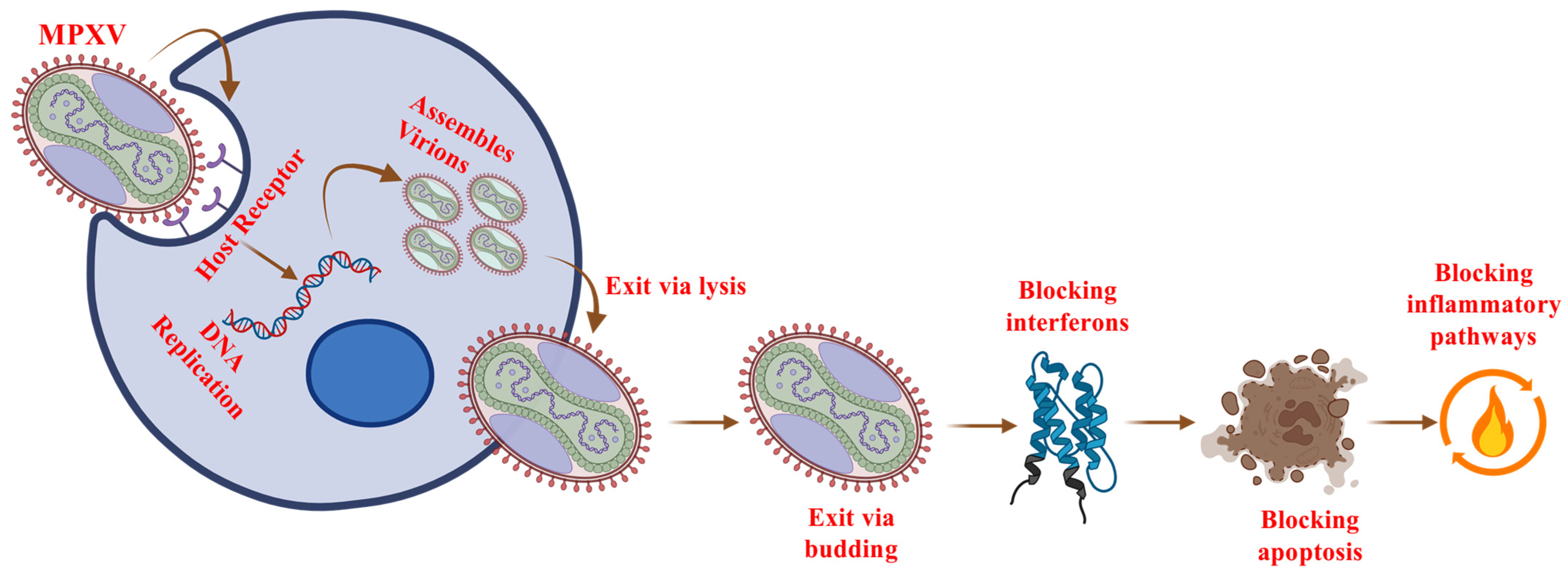
MPXV initiates infection by attaching to host cells through interactions with surface molecules, likely glycosaminoglycans such as heparin-sulfate [26]. MPXV binds to host cells through membrane-associated molecules, particularly glycosaminoglycans (GAGs) such as heparan sulfate and chondroitin sulfate. These are widely present on cell surfaces. GAGs act as initial attachment receptors, allowing the virus to anchor to the host cell. Following attachment, the virus enters the host cell either through direct membrane fusion or via receptor-mediated endocytosis, with subsequent fusion occurring within endosomes [21,27,28,29]. Once inside the cytoplasm, MPXV releases its core, which contains the viral genome and transcription machinery [30]. The transcription machinery of MPXV is the set of viral enzymes and proteins that allow it to copy its genes into RNA inside the host cell. Unlike most viruses, MPXV replicates solely in the cytoplasm of the host cell, utilizing its own enzymes for early gene transcription, effectively bypassing the host’s nucleus [31]. Early viral gene products primarily target the host’s immune system, initiating DNA replication and preparing the cell for subsequent stages of infection. As the infection progresses, intermediate and late genes are expressed, leading to the production of structural proteins essential for viral assembly and replication [32,33,34]. During MPXV infection, viral DNA replication occurs in cytoplasmic “viral factories.” These factories produce immature virions that mature into intracellular mature virions (IMVs). Some IMVs are released by cell lysis, while others become intracellular enveloped virions (IEVs) transported to the cell surface by microtubules, ultimately releasing extracellular enveloped virions (EEVs) for further spread (Figure 2) [35,36]. MPXV employs various immune evasion strategies, including inhibiting interferon signaling, blocking apoptosis, suppressing inflammatory responses, and interfering with antigen presentation pathways [32]. These strategies, mediated by viral proteins, allow MPXV to evade the host’s immune system and prolong infection [28]. Understanding these immune evasion mechanisms is crucial for developing effective antiviral therapies and control strategies [34].

3. Biomaterial-Enabled Delivery Platforms

3.1. CRISPR-Based Antiviral Approaches

CRISPR-based antiviral approaches for MPXV gene editing are a very promising area of research [37,38]. Since CRISPR-Cas systems have shown great potential in targeting and editing viral genomes, they could theoretically be employed to tackle viral infections like MPXV [39,40]. In a proof-of-concept study, Williamson and colleagues developed a portable, isothermal CRISPR-Cas12a-based diagnostic assay for the detection of MPXV [41].
Wang and colleagues developed a rapid and reliable diagnostic platform, termed MPXVRCC, by integrating recombinase polymerase amplification (RPA) with a CRISPR/Cas-based detection system for the identification of MPXV and differentiation between its two major clades, the Central African (MPXV-CA) and West African (MPXV-WA) lineages [42,43]. Wang and co-workers introduced a one-step CRISPR-based diagnostic system, termed SCOPE (Streamlined CRISPR On-Pod Evaluation), designed for rapid and ultra-sensitive detection of MPXV in field and low-resource settings [44]. In addition, Cas9 is the most widely studied CRISPR protein and creates double-strand breaks in DNA, which can be used to disrupt viral genes, while Cas13, another CRISPR protein, targets RNA after transcription [45,46,47]. However, among the CRISPR-based approaches to combating MPXV, the prime approach is to identify crucial genes of the MPXV genome that are involved in its replication or infectivity to inhibit viral replication by targeting surface proteins and immune evasion proteins [18,48].
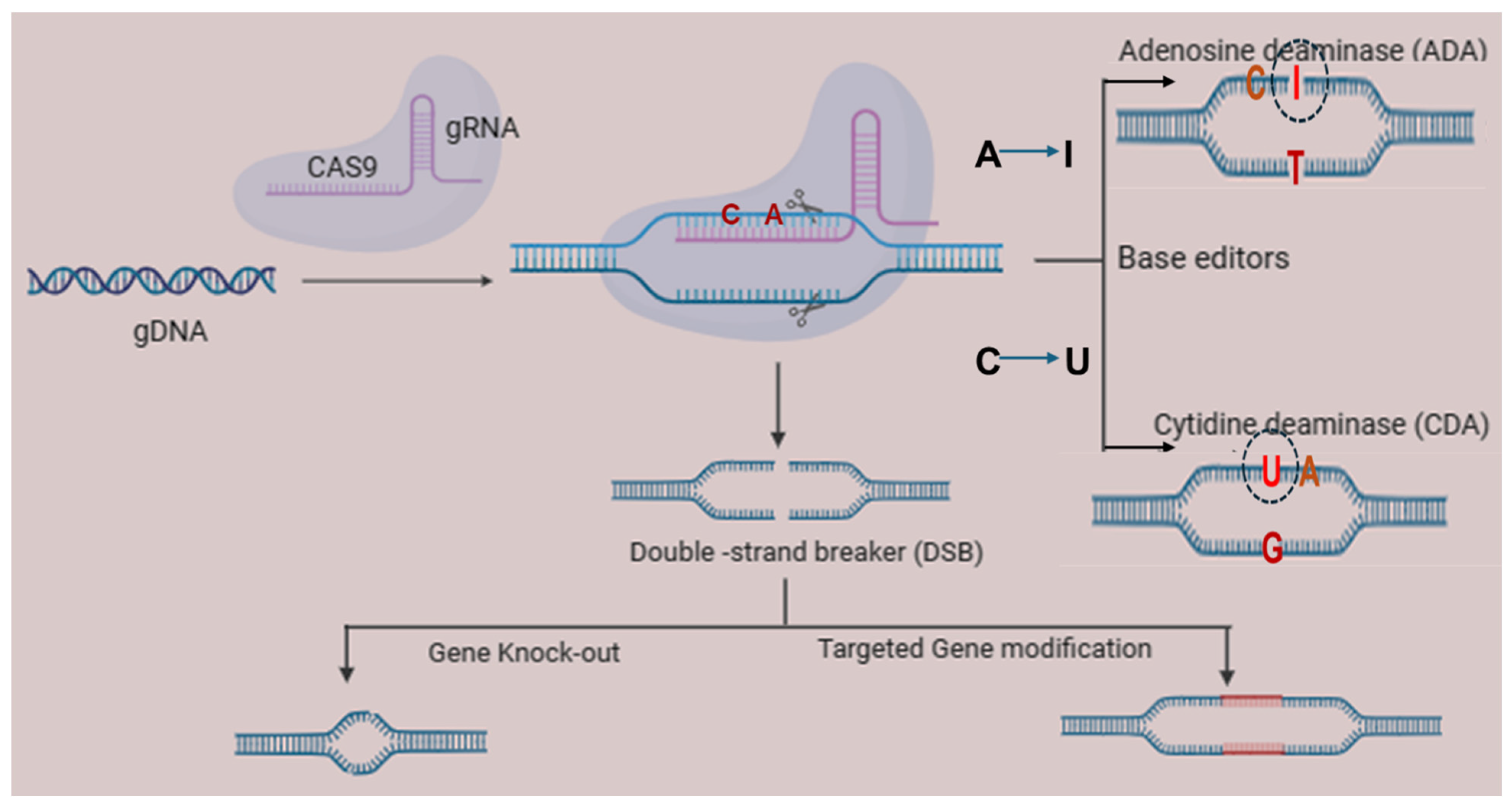
In addition, we propose that a CRISPR-based approach can either knock-down or modify MPXV genomic DNA so that its transcription ability will be destroyed. Furthermore, two base-editing approaches using adenosine deaminase (ADA) or cytosine deaminase (CDA) can be applied to make the gDNA of MPXV non-infectious (Figure 3). It has already been reported that ADA can convert adenosine (A) to inosine (I), while CDA specifically converts cytosine (C) to uracil (U) [34]. Inosine interacts with cytosine, recognizing it like guanosine. Multiple base editing by deaminase enzyme(s) could be a future therapeutic approach for precious, targeted genome modification, particularly in MPXV to make it non-infectious.

3.2. Oligonucleotide Therapeutics-Based Antiviral Approaches

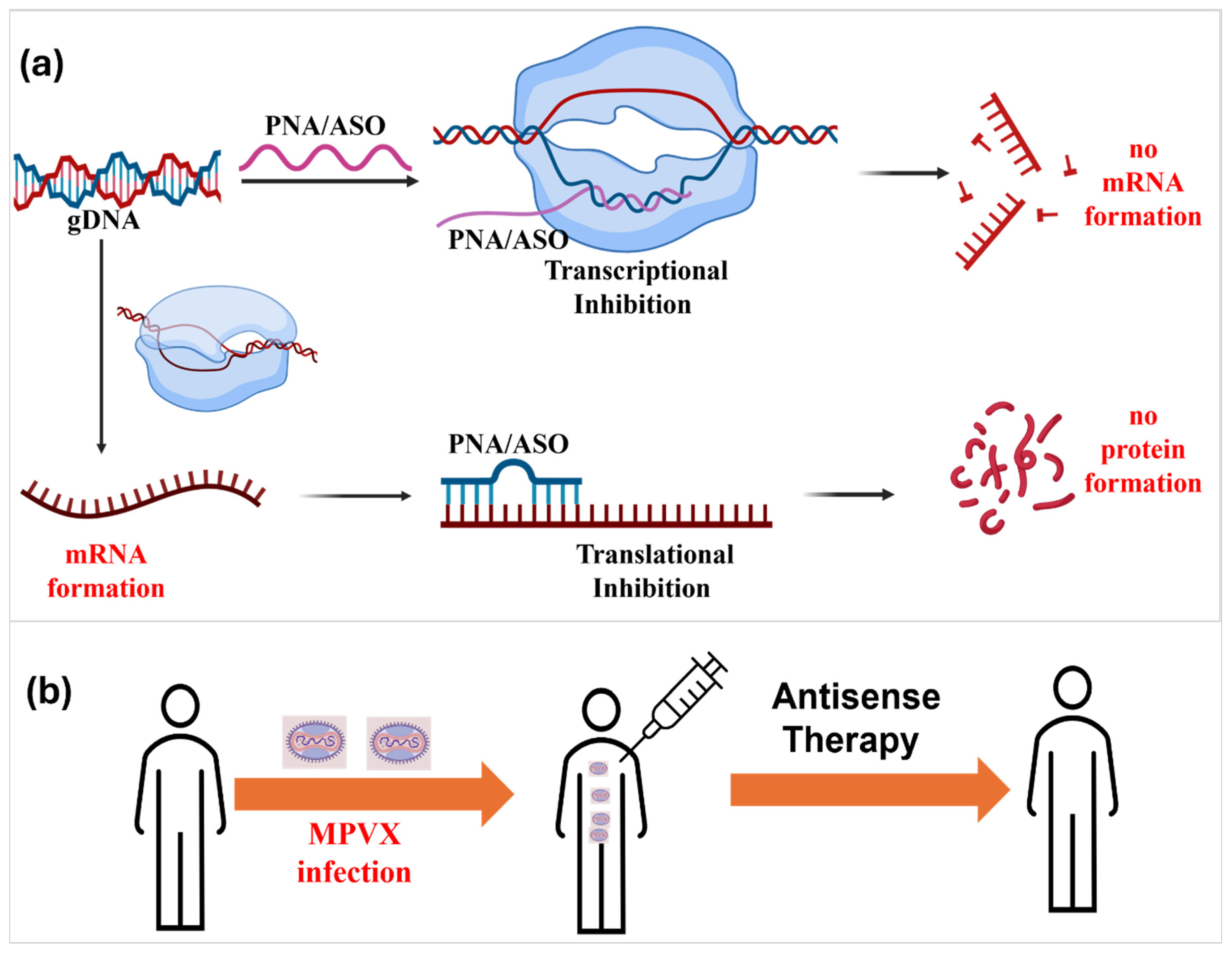
MPXV releases its double-stranded DNA genome into the cytoplasm of the infected host cell, where the viral DNA-dependent RNA polymerase drives transcription of viral mRNAs necessary for replication [49,50]. Antisense oligonucleotides (ASOs) and peptide nucleic acids (PNAs) are short, synthetic nucleic acid analogues designed to be complementary to specific viral transcripts [51,52,53,54,55]. Upon hybridizing with their target mRNAs, these antisense molecules can sterically block translation or recruit RNase-H to induce selective degradation of the RNA strand [15,36]. By preventing the synthesis of essential viral proteins, ASOs and PNAs disrupt the MPXV life cycle and inhibit the assembly of new virions (Figure 4a). As a result, antisense therapeutics based on PNA/ASO can be a promising antiviral strategy that directly interferes with MPXV viral propagation in the human body [56,57] (Figure 4b). Their high sequence specificity enables precise targeting of viral gene expression while minimizing off-target effects and associated cytotoxicity, making them an attractive platform for antiviral intervention against MPXV and other infectious diseases [58].
Antisense oligonucleotides can target the various virus enzymes responsible for MPXV [59]. The MPXV viral enzyme, Envelope phospholipase F13 protein (F13L), encodes the protein required for virus maturation and release [60]. The protein produced by F13L is involved in the maturation and assembly of new virions. Inhibiting this enzyme could prevent the virus from being properly packaged and released from infected cells. An ASO against F13L mRNA would stop the synthesis of this protein, hindering the virus’s ability to infect new cells. The viral polymerase E9L encodes the RNA polymerase subunit [61]. It is important for transcribing the viral genome into mRNA. The replication of the virus and the production of viral proteins can be stopped through the antisense blocking of the E9L viral polymerase.

3.3. RNA Interference-Based Antiviral Approaches

RNA interference (RNAi) has been shown to be a powerful antiviral strategy against MPXV. In an important in vitro study, Alkhalil and colleagues selected twelve conserved MPXV genes that are involved in viral entry, replication, and structural functions [62]. They designed 48 siRNA constructs, four for each gene, to test their effects on viral replication in mammalian cells. Two genes—A6R, which is essential for replication, and E8L, which is important for virus entry—were found to be particularly sensitive. siRNA pools targeting these genes reduced MPXV production by about 65 to 95 percent while causing minimal cytotoxicity. Among these, a single siRNA called siA6-a showed especially strong activity, maintaining potent inhibition for up to seven days after infection at concentrations as low as 10 nM. Additional studies on orthopoxviruses have also shown that siRNAs targeting other essential genes, including D5R, B1R, and G7L, can strongly suppress vaccinia virus and, in some cases, MPXV replication. These siRNAs were effective in both preventive and therapeutic settings, reducing viral replication by more than 70 to 90 percent [63]. These findings support the view that RNAi can be a highly specific, tunable tool for MPXV therapy, especially when combined with delivery technologies (e.g., lipid or polymer nanoparticles) and chemical modifications that enhance stability and reduce off-target effects. However, translation to in vivo settings will require overcoming challenges, including efficient delivery to skin lesions, avoiding immune activation, and ensuring a durable effect without viral escape.

3.4. Antiviral Small-Molecule Strategies to Combat MPXV

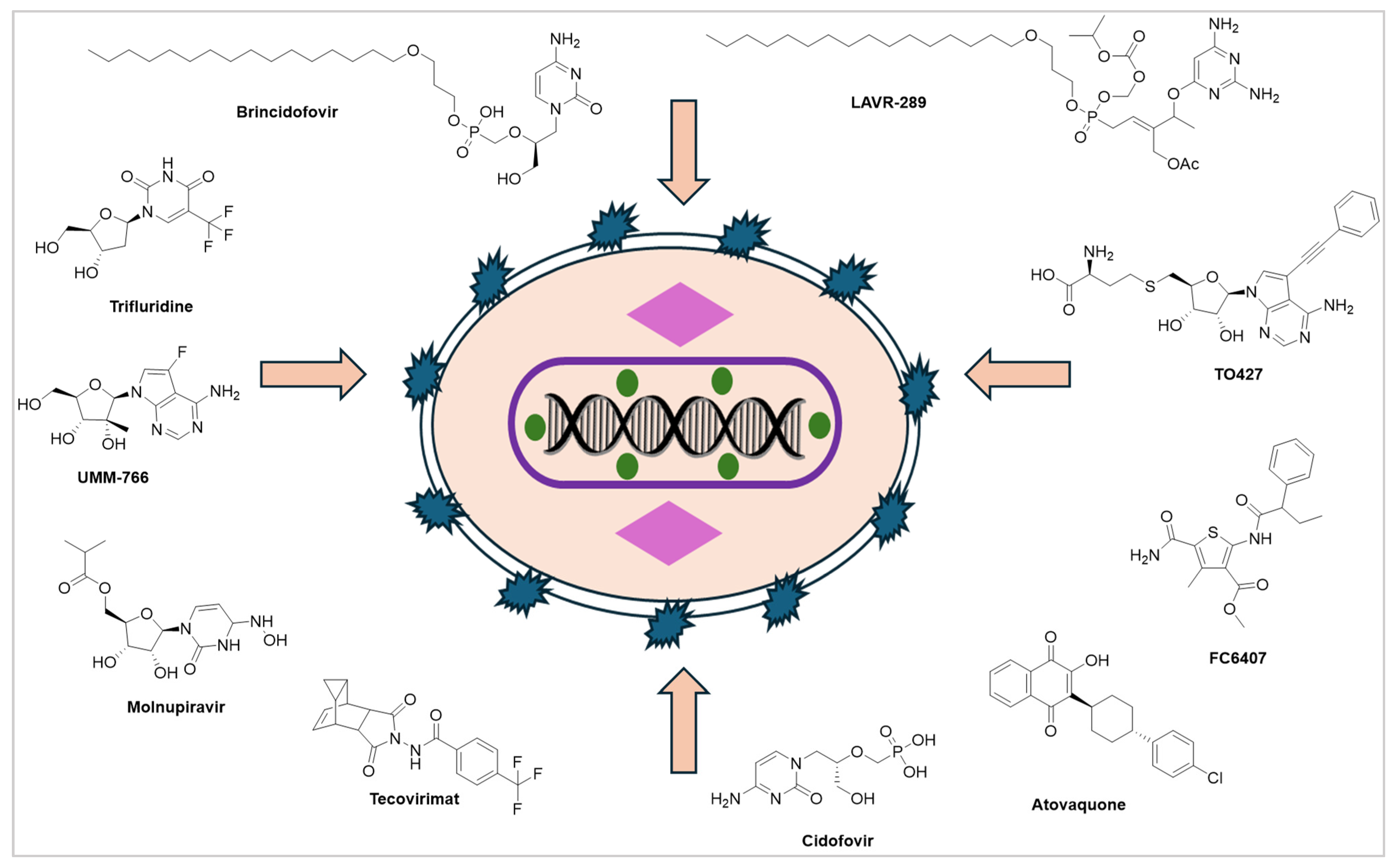
There are several existing antiviral drugs available that exhibit potency for the treatment of MPXV (Figure 5). Tecovirimat (TPOXX), originally developed for smallpox, is one of the antiviral drugs that has been shown to reduce the severity and duration of MPXV infection [64]. Tecovirimat works by inhibiting the virus’s ability to spread within the body, thereby limiting the extent of infection and supporting the body’s recovery [65]. This treatment is recommended for high-risk individuals, including those with severe MPXV or underlying health conditions that could complicate the disease [66]. Another antiviral, Cidofovir, has been used off-label for severe cases of MPXV, although its use is less widespread. Cidofovir inhibits viral DNA polymerase, which helps reduce viral replication [67]. However, the use of these antiviral treatments is typically reserved for individuals with more severe disease or for those at high risk of complications [68]. While antiviral treatments can be effective, they must be administered early in the course of infection to maximize their benefit. Additionally, further studies are required to establish standardized protocols for the use of antivirals in MPXV, particularly in varying population demographics and geographical locations [67,69].
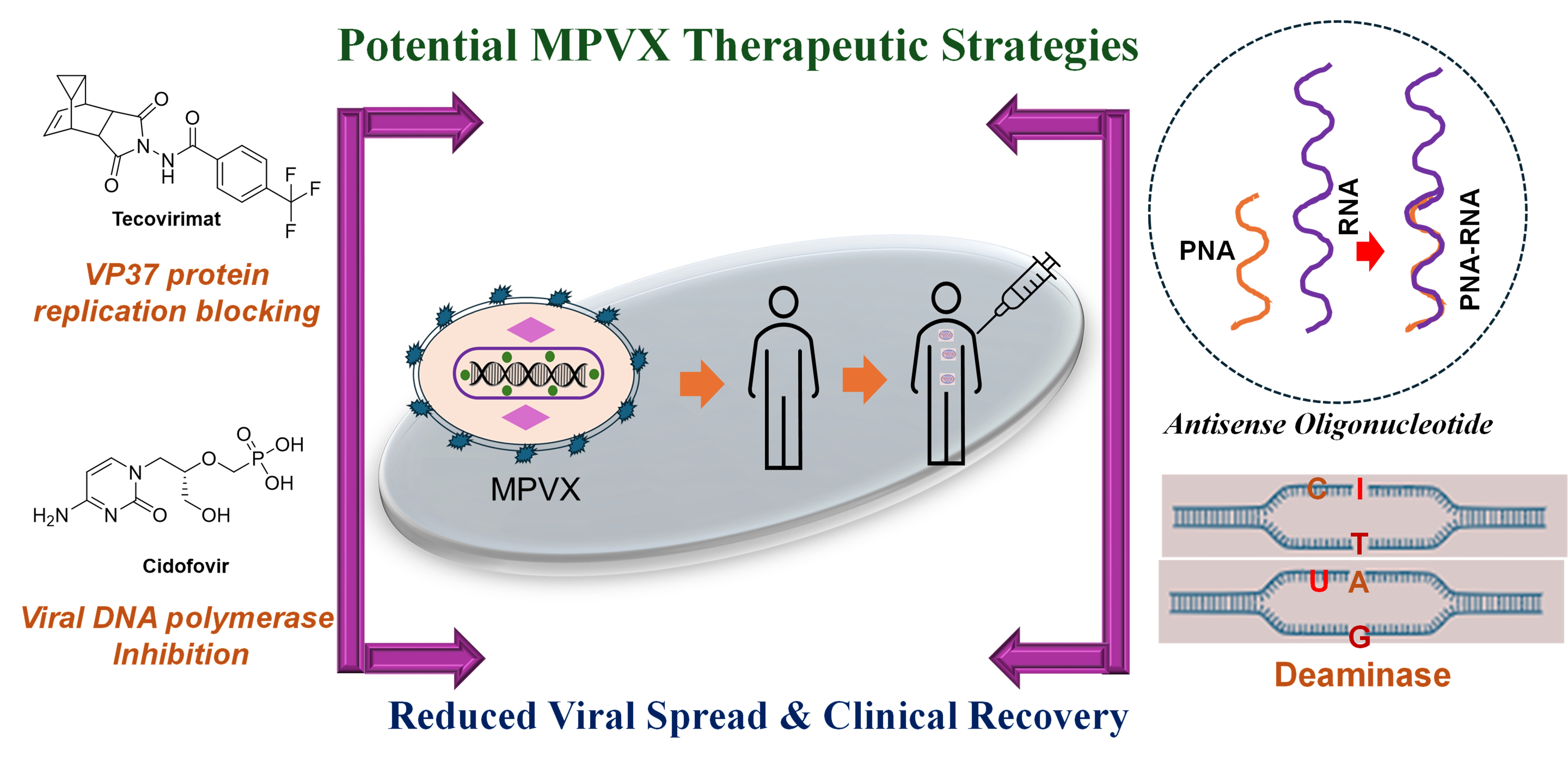
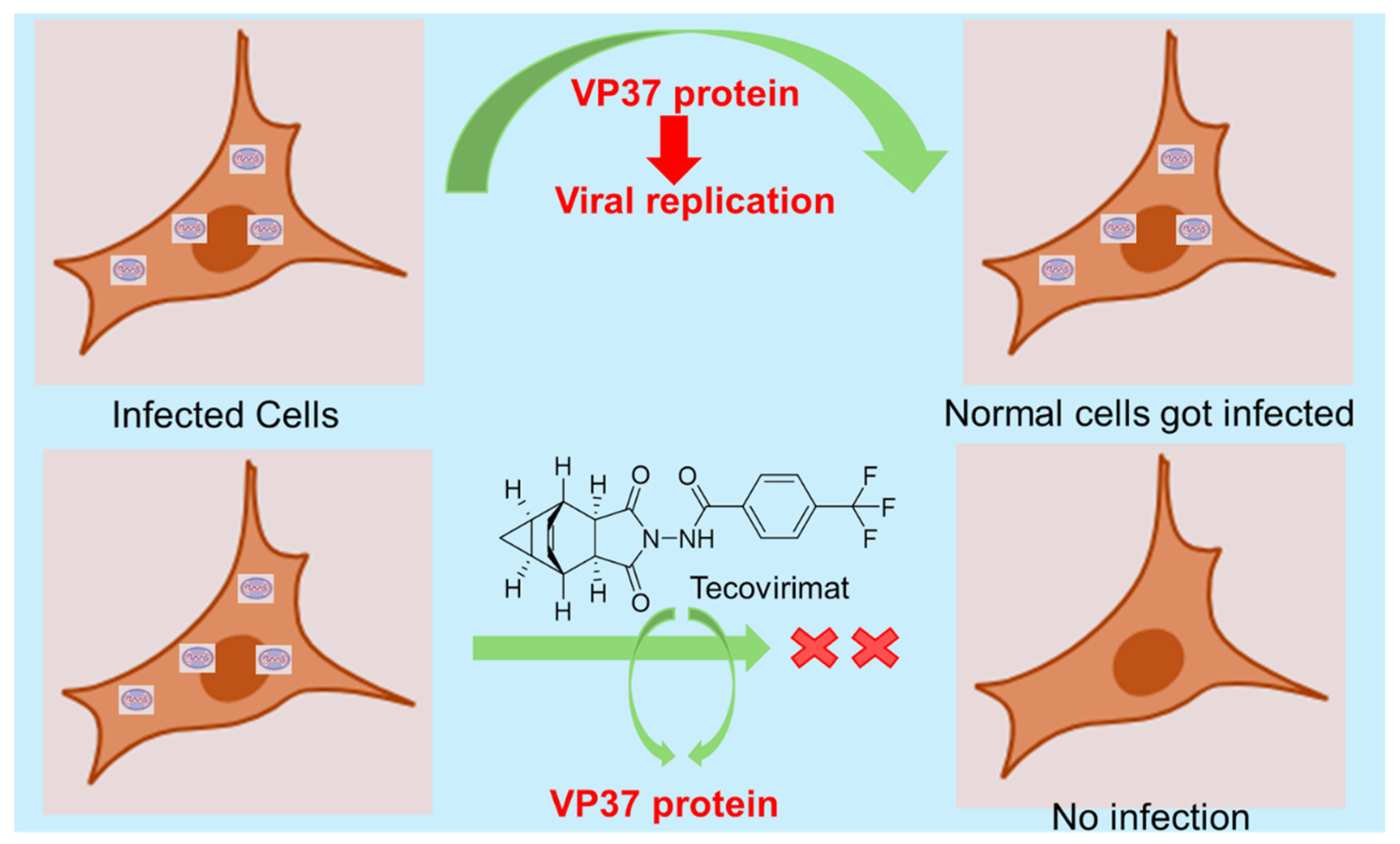
The VP37 protein is an important target site for antiviral treatment of MPXV. It is basically a multifunctional protein which impacts its efficient and systematic spread. Antiviral drugs such as tecovirimat, cidofovir, and brincidofovir are used for symptomatic treatment. However, there is no MPXV-specific vaccine available yet. Existing vaccines that are potent against smallpox enhance the immunization rate. Tecovirimat highly inhibits the function of the orthopoxvirus VP37 envelope wrapping protein, a major envelope protein required to produce extracellular virus. Tecovirimat prevents the virus from leaving an infected cell and hinders the spread of the virus within the body (Figure 6). LAVR-289 targets the viral DNA polymerase (insert 2 domain), inhibiting early-stage replication in the cytoplasm. It shows high potency against multiple orthopoxviruses, including the 2022 MPXV clade IIb variant, at nanomolar levels, and demonstrates significant efficacy in animal models by reducing mortality and viral load [25,70]. UMM-766 is a nucleoside analog that inhibits orthopoxvirus replication, including Mpox, and shows effective oral activity in animal models with reduced viral load and protection against severe disease [71]. Trifluridine (TFT) is an FDA-approved topical antiviral used for ocular Mpox infections, where it inhibits viral DNA replication and helps prevent complications, and it is often used alongside Tecovirimat in severe or resistant cases [72]. TO427 is a computationally identified small-molecule inhibitor that targets the VP39 methyltransferase of Mpox, disrupting viral mRNA capping and replication. It shows higher potency than standard inhibitors but remains a preliminary candidate requiring further experimental validation [73]. FC-6407 is an experimental inhibitor of the D4 DNA processivity factor in Mpox, disrupting viral DNA replication by destabilizing the protein, with an IC50 of about 13.4 μM [25]. Atovaquone is a repurposed antiparasitic drug that inhibits Mpox replication at a post-entry stage by targeting dihydroorotate dehydrogenase (DHODH), thereby reducing viral DNA and virion production, with a higher potency than cidofovir [74]. Atovaquone, mefloquine, and molnupiravir are various small molecules identified as effective against Monkeypox virus (MPXV), exhibiting anti-MPXV activity with 50% inhibitory concentrations ranging from 0.51 to 5.2 μM, surpassing the potency of cidofovir [75,76]. Molnupiravir inhibits viral replication through lethal mutagenesis and shows strong in vitro activity. However, its clinical effectiveness may be limited, and it remains an experimental repurposed candidate without established use for Mpox [74].

3.5. Emerging Therapeutic Approaches Targeting MPXV Replication and Entry

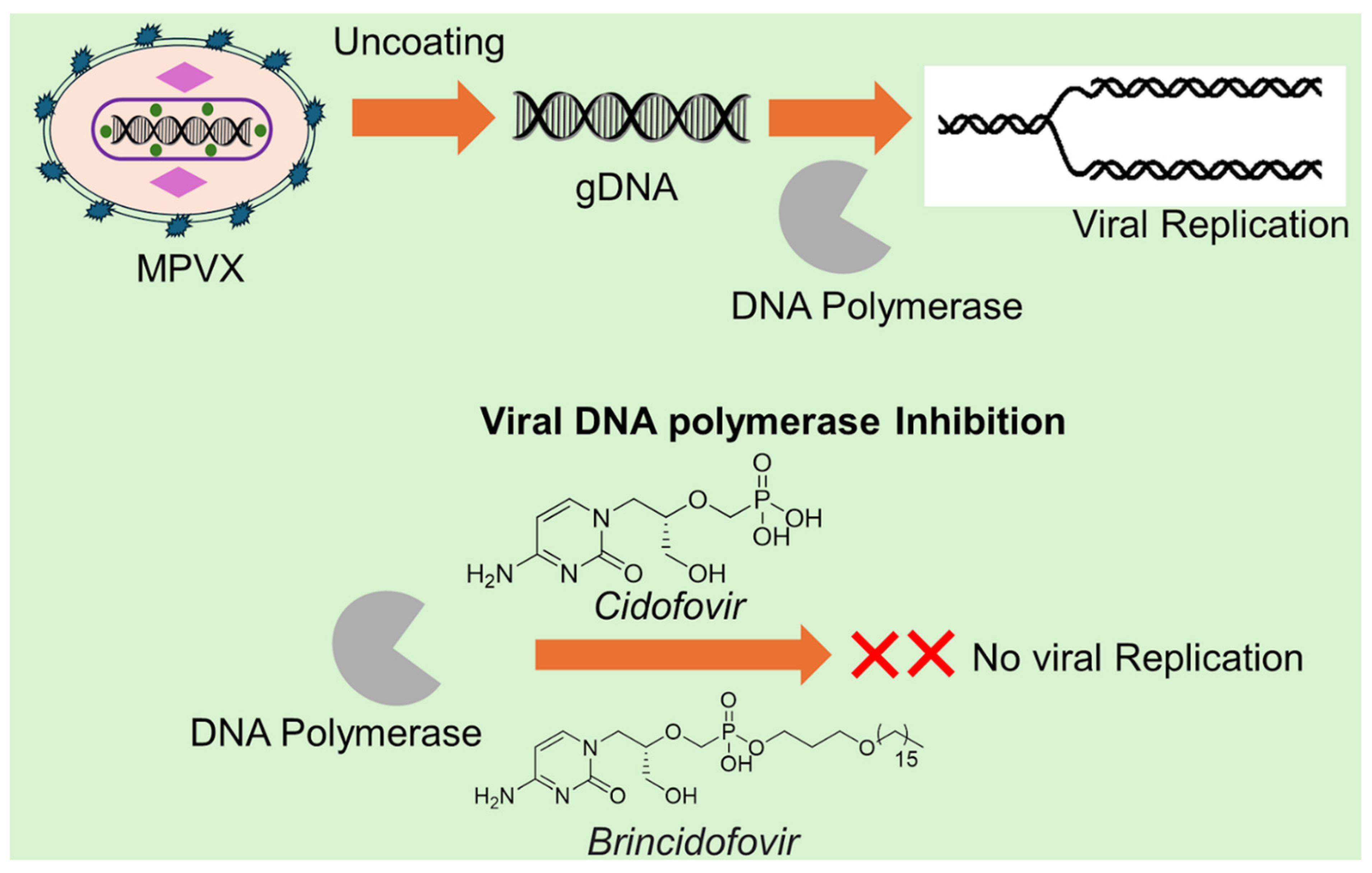
Targeting different stages of the MPXV life cycle offers a promising way to curb infection. One key strategy uses nucleotide analogues like Cidofovir and its lipid-conjugated pro-drug Brincidofovir. These drugs are converted inside infected cells into an active metabolite, cidofovir-diphosphate, which competes with the natural nucleotide (dCTP) at the viral DNA polymerase site and gets incorporated into viral DNA, causing premature chain termination and blocking viral genome replication. Structural and biochemical work confirms this inhibition of the viral polymerase machinery [77,78,79] (Figure 7). Another approach involves small-molecule inhibitors (SMIs) aimed at either viral enzymes or essential host pathways. For example, small-molecule inhibitors against the viral 2′-O-methyltransferase (VP39) enzyme—required for mRNA capping and immune evasion—have shown sub-micromolar to low-micromolar potency in vitro [80,81]. These SMIs have chemical flexibility and potential for use in combination therapy to improve efficacy and reduce resistance. A further complementary strategy uses monoclonal antibodies (mAbs) that neutralize MPXV by binding viral surface glycoproteins needed for entry or cell-to-cell spread. Human mAbs developed against the MPXV A35 glycoprotein have shown strong neutralization in vitro and protection in animal models of MPXV infection. These mAbs act by blocking viral spread and can be engineered to optimize their half-life and effector functions, offering a biologic layer of defense, especially for severe or vaccine-refractory cases [82]. Together, these three modalities, including polymerase-targeting nucleotide analogues, small-molecule enzyme/host-pathway inhibitors, and neutralizing monoclonal antibodies, form a multipronged antiviral arsenal. They act at different phases of the viral life cycle, including replication of viral DNA, post-transcriptional processing with host-cofactor engagement, and viral entry or spread. Using them in combination may reduce the chance of viral escape and boost therapeutic outcomes. However, translation into widespread clinical use remains limited. For example, cidofovir has dose-limiting nephrotoxicity, brincidofovir carries safety concerns, and antibody therapies may be cost-intensive [79].

3.6. Molecular Synergism Between Host Lipid Cofactors and Antivirals for Combination Therapy

Structural protein genes of MPXV are located in a conserved central region of its genome and are expressed in different viral forms. The extracellular enveloped virus (EEV) has membrane proteins like C19L, A35R, and B6R, while the intracellular mature virus (IMV) includes proteins such as A29L, M1R, and H3L. The A29L protein is important for viral replication, cell entry, and detection in diagnostic tests [54,55]. The A29L-mediated infection process is thought to involve three main stages, including initial attachment to the host cell surface, activation of membrane fusion by host proteases, and subsequent penetration of the viral particle into the host cell.
E8L is an important surface protein of the IMV and is made of 304 amino acids. According to UniProt (Q8V4Y0), E8L comprises three domains: a virion-exposed region (residues 1–275), a transmembrane domain (residues 276–294), and an intra-virion tail (residues 295–304) [83]. A recent study by Fang et al. identified E8L as a promising antigen for the development of a multivalent mRNA-based vaccine [84].
E8L facilitates viral attachment to host cells by binding to chondroitin sulfate, contributing to the MPXV entry mechanism. MPXV often exploits lipid rafts enriched with negatively charged gangliosides as portals for entry [62]. Fantini et al. mapped the ganglioside-binding domain within E8L using multiparametric analysis, identifying three linear epitopes (residues 43–62, 94–113, and 204–223) that overlap with the ganglioside-binding site [83]. These epitopes were proposed as potential immunogenic targets for vaccine development against MPXV. Such insight could facilitate the design of novel small-molecule inhibitors or enable the repurposing of existing broad-spectrum antivirals to block MPXV entry.
Although no specific antiviral therapy for MPXV has been approved to date, the concept of combination therapy successfully implemented against HIV, hepatitis C, and COVID-19 can be actively explored for MPXV treatment. Understanding the role of host lipid cofactors in MPXV fusion is therefore vital for the development of effective antiviral strategies [85]. Among host-derived antiviral molecules, 25-hydroxycholesterol (25-HC) has demonstrated potent inhibitory activity against a wide range of enveloped viruses and even certain non-enveloped viruses such as human rotavirus [86,87,88].
Beyond its direct antiviral effects, 25-HC functions as a key immunomodulator, regulating inflammatory signaling and cholesterol metabolism to limit viral replication [89]. Additionally, 25-HC modulates the type I interferon (IFN) response, enhancing cellular antiviral states while preventing overactivation that could result in immunopathology [90]. A critical aspect of 25-HC’s immunomodulatory function lies in its regulation of cholesterol metabolism, a process tightly linked to immune activity. 25-HC enhances innate immune defense by mobilizing accessible cholesterol at the cell surface [91]. Furthermore, comparisons of the interaction energies of known antiviral drugs with E8L and A29L along with the cholesterol metabolite 25-HC show that they offer a promising combination therapy strategy for inhibiting MPXV infection.

4. Conclusion and Future Perspectives

Biomaterial-based strategies show strong potential for addressing Mpox outbreaks in the near future. Advanced approaches such as CRISPR systems may disrupt viral replication by targeting key genes or applying base editing to render the viral genome noninfectious without inducing double-strand breaks. Antisense oligonucleotides (ASOs), including peptide nucleic acids and short oligonucleotides, can interfere with promoter or untranslated regions of the viral genome, thereby blocking transcription and translation. Antiviral agents such as Tecovirimat and Cidofovir help reduce disease severity and duration, with tecovirimat targeting the VP37 protein, a key component in viral replication. In addition, cooperative interactions between host lipid cofactors and antiviral drugs may further enhance therapeutic outcomes. The integration of biomimetic platforms with nanoparticle-based delivery systems and advanced nanovaccines, including lipid nanoparticle formulations and multivalent protein nanocages, offers improved targeting and efficacy. Collectively, these strategies, including synthetic oligonucleotides, nanoparticles, small-molecule inhibitors, and biomimetic scaffolds, provide biocompatible and potentially low-toxicity solutions that may limit viral transmission and overcome resistance. Furthermore, biomaterials support vaccine development by stabilizing antigens and enhancing immune responses, making them promising tools for managing global health challenges, particularly in resource-limited settings, with further advancements expected through integration with mRNA and gene-editing technologies.

Author Contributions

N.D.: Conceptualization, Writing—original draft. J.B.: Conceptualization, Writing—original draft, Funding acquisition. D.B.: Conceptualization, Writing—original draft, Supervision. M.S.A.M.: Literature survey, Writing—original draft, Review. K.M.: Writing—original draft, Editing. A.S.: Conceptualization, Writing—original draft, Investigation. All authors have read and agreed to the published version of the manuscript.

Funding

This research was funded by the Science and Engineering Research Board, grant number EEQ/2022/000548.

Institutional Review Board Statement

Not applicable.

Informed Consent Statement

Not applicable.

Data Availability Statement

No new data were created or analyzed in this study. Data sharing is not applicable to this article.

Conflicts of Interest

The authors declare no conflicts of interest.

Abbreviation

List of abbreviations used in the manuscript, along with their full forms and brief definitions for clarity.
MPXVMonkeypox virus
PNAPeptide nucleic acid
SNPsSingle-nucleotide polymorphisms
CRISPRClustered Regularly Interspaced Short Palindromic Repeats
GAGsGlycosaminoglycans
IMVsIntracellular mature virions
IEVsIntracellular enveloped virions
EEVsExtracellular enveloped virions
MPXVRCCMonkeypox virus rapid and reliable diagnostic platform
RPARecombinase polymerase amplification
MPXV-CA and MPXV-WAMPXV Central African and MPXV West African
SCOPEStreamlined CRISPR On-Pod Evaluation
ADAAdenosine deaminase
CDACytosine deaminase
ASOsAntisense oligonucleotides
RNAiRNA interference
TPOXXTecovirimat
SMIsSmall-molecule inhibitors
mAbsMonoclonal antibodies
25-HC25-hydroxycholesterol
IFNType I interferon

References

  1. Mitjà, O.; Ogoina, D.; Titanji, B.; Galvan, C.; Muyembe, J.; Marks, M.; Orkin, C. Monkeypox. Lancet 2023, 401, 60–74. [Google Scholar] [CrossRef] [PubMed]
  2. Bogacka, A.; Wroczynska, A.; Rymer, W.; Grzesiowski, P.; Kant, R.; Grzybek, M.; Parczewski, M. MPOX unveiled: Global epidemiology, treatment advances, and prevention strategies. One Health 2025, 20, 101030. [Google Scholar] [CrossRef] [PubMed]
  3. Verma, A.; Khatib, M.N.; Sharma, G.D.; Singh, M.P.; Bushi, G.; Ballal, S.; Kumar, S.; Bhat, M.; Sharma, S.; Ndabashinze, R. Mpox 2024: New variant, new challenges, and the looming pandemic. Clin. Infect. Pract. 2024, 24, 100394. [Google Scholar]
  4. Yu, X.; Shi, H.; Cheng, G. Mpox virus: Its molecular evolution and potential impact on viral epidemiology. Viruses 2023, 15, 995. [Google Scholar] [CrossRef] [PubMed]
  5. Gonzalez, J.-P.; Macgregor-Skinner, G. Dangerous viral pathogens of animal origin: Risk and biosecurity: Zoonotic select agents. In Zoonoses-Infections Affecting Humans and Animals: Focus on Public Health Aspects; Springer: Berlin/Heidelberg, Germany, 2014; pp. 1015–1062. [Google Scholar]
  6. Forni, D.; Cagliani, R.; Molteni, C.; Clerici, M.; Sironi, M. Monkeypox virus: The changing facets of a zoonotic pathogen. Infect. Genet. Evol. 2022, 105, 105372. [Google Scholar] [CrossRef]
  7. Martínez-Fernández, D.E.; Fernández-Quezada, D.; Casillas-Muñoz, F.A.G.; Carrillo-Ballesteros, F.J.; Ortega-Prieto, A.M.; Jimenez-Guardeño, J.M.; Regla-Nava, J.A. Human Monkeypox: A comprehensive overview of epidemiology, pathogenesis, diagnosis, treatment, and prevention strategies. Pathogens 2023, 12, 947. [Google Scholar] [CrossRef]
  8. Lum, F.-M.; Torres-Ruesta, A.; Tay, M.Z.; Lin, R.T.; Lye, D.C.; Rénia, L.; Ng, L.F. Monkeypox: Disease epidemiology, host immunity and clinical interventions. Nat. Rev. Immunol. 2022, 22, 597–613. [Google Scholar] [CrossRef]
  9. Elsheikh, R.; Makram, A.M.; Vasanthakumaran, T.; Tomar, S.; Shamim, K.; Tranh, N.D.; Elsheikh, S.S.; Van, N.T.; Huy, N.T. Monkeypox: A comprehensive review of a multifaceted virus. Infect. Med. 2023, 2, 74–88. [Google Scholar] [CrossRef]
  10. Kumar, A.; Jhanwar, P.; Roohani, B.; Gulati, A.; Tatu, U. Genomic analyses of recently emerging clades of mpox virus reveal gene deletion and single nucleotide polymorphisms that correlate with altered virulence and transmission. bioRxiv 2024. [Google Scholar] [CrossRef]
  11. Sarker, R.; Roknuzzaman, A.; Shahriar, M.; Bhuiyan, M.A.; Islam, M.R. The WHO has ended public health emergency of international concern for mpox: Assessment of upside and downside of this decision. Int. J. Surg. 2023, 109, 3238–3239. [Google Scholar] [CrossRef]
  12. Falendysz, E.A.; Lopera, J.G.; Rocke, T.E.; Osorio, J.E. Monkeypox virus in animals: Current knowledge of viral transmission and pathogenesis in wild animal reservoirs and captive animal models. Viruses 2023, 15, 905. [Google Scholar] [CrossRef]
  13. Bryer, J.; Freeman, E.E.; Rosenbach, M. Monkeypox emerges on a global scale: A historical review and dermatologic primer. J. Am. Acad. Dermatol. 2022, 87, 1069–1074. [Google Scholar] [CrossRef]
  14. Di Giulio, D.B.; Eckburg, P.B. Human monkeypox: An emerging zoonosis. Lancet Infect. Dis. 2004, 4, 15–25, Erratum in Lancet Infect. Dis. 2004, 4, 251. [Google Scholar] [CrossRef]
  15. Hirani, R.; Noruzi, K.; Iqbal, A.; Hussaini, A.S.; Khan, R.A.; Harutyunyan, A.; Etienne, M.; Tiwari, R.K. A review of the past, present, and future of the monkeypox virus: Challenges, opportunities, and lessons from COVID-19 for global health security. Microorganisms 2023, 11, 2713. [Google Scholar] [CrossRef]
  16. Croft, D.R.; Sotir, M.J.; Williams, C.J.; Kazmierczak, J.J.; Wegner, M.V.; Rausch, D.; Graham, M.B.; Foldy, S.L.; Wolters, M.; Damon, I.K.; et al. Occupational risks during a monkeypox outbreak, Wisconsin, 2003. Emerg. Infect. Dis. 2007, 13, 1150. [Google Scholar] [CrossRef]
  17. Mileto, D.; Riva, A.; Cutrera, M.; Moschese, D.; Mancon, A.; Meroni, L.; Giacomelli, A.; Bestetti, G.; Rizzardini, G.; Gismondo, M.R.; et al. New challenges in human monkeypox outside Africa: A review and case report from Italy. Travel Med. Infect. Dis. 2022, 49, 102386. [Google Scholar] [CrossRef]
  18. Karagoz, A.; Tombuloglu, H.; Alsaeed, M.; Tombuloglu, G.; AlRubaish, A.A.; Mahmoud, A.; Smajlović, S.; Ćordić, S.; Rabaan, A.A.; Alsuhaimi, E. Monkeypox (mpox) virus: Classification, origin, transmission, genome organization, antiviral drugs, and molecular diagnosis. J. Infect. Public Health 2023, 16, 531–541. [Google Scholar] [CrossRef]
  19. Ghosh, N.; Chacko, L.; Vallamkondu, J.; Banerjee, T.; Sarkar, C.; Singh, B.; Kalra, R.S.; Bhatti, J.S.; Kandimalla, R.; Dewanjee, S. Clinical strategies and therapeutics for human monkeypox virus: A revised perspective on recent outbreaks. Viruses 2023, 15, 1533. [Google Scholar] [CrossRef]
  20. Islam, M.A.; Mumin, J.; Haque, M.M.; Haque, M.A.; Khan, A.; Bhattacharya, P.; Haque, M.A. Monkeypox virus (MPXV): A Brief account of global spread, epidemiology, virology, clinical features, pathogenesis, and therapeutic interventions. Infect. Med. 2023, 2, 262–272. [Google Scholar] [CrossRef]
  21. Sagdat, K.; Batyrkhan, A.; Kanayeva, D. Exploring monkeypox virus proteins and rapid detection techniques. Front. Cell. Infect. Microbiol. 2024, 14, 1414224. [Google Scholar] [CrossRef]
  22. Shi, Y.; Shi, M.; Wang, Y.; You, J. Progress and prospects of mRNA-based drugs in pre-clinical and clinical applications. Signal Transduct. Target. Ther. 2024, 9, 322. [Google Scholar] [CrossRef]
  23. Jiang, L.; Xu, A.; Guan, L.; Tang, Y.; Chai, G.; Feng, J.; Wu, Y.; Li, M.; Zhang, C.; Liu, X.; et al. A review of Mpox: Biological characteristics, epidemiology, clinical features, diagnosis, treatment, and prevention strategies. Exploration 2024, 5, 20230112. [Google Scholar] [CrossRef]
  24. DeLaurentis, C.E.; Kiser, J.; Zucker, J. New perspectives on antimicrobial agents: Tecovirimat for treatment of human monkeypox virus. Antimicrob. Agents Chemother. 2022, 66, e01226-22. [Google Scholar] [CrossRef]
  25. Lanier, E.R.; Mackman, R.L.; Ruggiero, L.; Demarest, J.F.; Pottage, J.C., Jr.; Group, I.A.S.W. Small molecule direct-acting antivirals for treatment of mpox. Antivir. Res. 2025, 243, 106285. [Google Scholar] [CrossRef]
  26. Zheng, B.; Duan, M.; Huang, Y.; Wang, S.; Qiu, J.; Lu, Z.; Liu, L.; Tang, G.; Cheng, L.; Zheng, P. Discovery of a heparan sulfate binding domain in monkeypox virus H3 as an anti-poxviral drug target combining AI and MD simulations. eLife 2025, 13, RP100545. [Google Scholar] [CrossRef]
  27. Li, H.; Huang, Q.-Z.; Zhang, H.; Liu, Z.-X.; Chen, X.-H.; Ye, L.-L.; Luo, Y. The land-scape of immune response to monkeypox virus. eBioMedicine 2023, 87, 104424. [Google Scholar] [CrossRef]
  28. Yi, X.-M.; Lei, Y.-L.; Li, M.; Li, Z.; Li, S. The monkeypox virus-host interplays. Cell Insight 2024, 3, 100185. [Google Scholar] [CrossRef]
  29. Kumar, A.; Singh, N.; Anvikar, A.R.; Misra, G. Monkeypox virus: Insights into pathogenesis and laboratory testing methods. 3 Biotech 2024, 14, 67. [Google Scholar] [CrossRef]
  30. Fischer, U.; Bartuli, J.; Grimm, C. Structure and function of the poxvirus transcription machinery. In The Enzymes; Elsevier: Amsterdam, The Netherlands, 2021; Volume 50, pp. 1–20. [Google Scholar]
  31. Sofiani, V.H.; Rukerd, M.R.Z.; Charostad, J.; Pardeshenas, M.; Ghazi, R.; Arefinia, N.; Shafieipour, S.; Salajegheh, F.; Nakhaie, M. From entry to evasion: A comprehensive analysis of host-virus interactions for monkeypox. Infect. Microbes Dis. 2023, 6, 56–64. [Google Scholar] [CrossRef]
  32. Fang, D.; Liu, Y.; Dou, D.; Su, B. The unique immune evasion mechanisms of the mpox virus and their implication for developing new vaccines and immunotherapies. Virol. Sin. 2024, 39, 709–718. [Google Scholar] [CrossRef]
  33. Lu, J.; Xing, H.; Wang, C.; Tang, M.; Wu, C.; Ye, F.; Yin, L.; Yang, Y.; Tan, W.; Shen, L. Mpox (formerly monkeypox): Pathogenesis, prevention and treatment. Signal Transduct. Target. Ther. 2023, 8, 458. [Google Scholar] [CrossRef]
  34. Young, B.; Seifert, S.N.; Lawson, C.; Koehler, H. Exploring the genomic basis of Mpox virus-host transmission and pathogenesis. MSphere 2024, 9, e00576-24. [Google Scholar] [CrossRef]
  35. Kumar, S.; Guruparan, D.; Karuppanan, K.; Kumar, K.S. Comprehensive Insights into Monkeypox (mpox): Recent Advances in Epidemiology, Diagnostic Approaches and Therapeutic Strategies. Pathogens 2024, 14, 1. [Google Scholar] [CrossRef]
  36. Alakunle, E.; Kolawole, D.; Diaz-Canova, D.; Alele, F.; Adegboye, O.; Moens, U.; Okeke, M.I. A comprehensive review of monkeypox virus and mpox characteristics. Front. Cell. Infect. Microbiol. 2024, 14, 1360586. [Google Scholar] [CrossRef]
  37. Yang, F.; Aliyari, S.; Zhu, Z.; Zheng, H.; Cheng, G.; Zhang, S. CRISPR-Cas: A game-changer in vaccine development and the fight against viral infections. Trends Microbiol. 2025, 33, 650–664. [Google Scholar] [CrossRef]
  38. Whelan, J.T.; Singaravelu, R.; Wang, F.; Pelin, A.; Tamming, L.A.; Pugliese, G.; Martin, N.T.; Crupi, M.J.; Petryk, J.; Austin, B.; et al. CRISPR-mediated rapid arming of poxvirus vectors enables facile generation of the novel immunotherapeutic STINGPOX. Front. Immunol. 2023, 13, 1050250. [Google Scholar] [CrossRef]
  39. Chen, Y.; Zhao, R.; Hu, X.; Wang, X. The current status and future prospects of CRISPR-based detection of monkeypox virus: A review. Anal. Chim. Acta 2025, 1336, 343295. [Google Scholar] [CrossRef]
  40. Ahamed, M.A.; Politza, A.J.; Liu, T.; Khalid, M.A.U.; Zhang, H.; Guan, W. CRISPR-based strategies for sample-to-answer monkeypox detection: Current status and emerging opportunities. Nanotechnology 2024, 36, 042001. [Google Scholar] [CrossRef]
  41. Low, S.J.; O’Neill, T.M.; Kerry, W.J.; Krysiak, M.; Papadakis, G.; Whitehead, L.W.; Savic, I.; Prestedge, J.; Williams, L.; Cooney, J.P.; et al. Rapid detection of monkeypox virus using a CRISPR-Cas12a mediated assay: A laboratory validation and evaluation study. Lancet Microbe 2023, 4, e800–e810, Correction in Lancet Microbe 2023, 4, e767. https://doi.org/10.1016/S2666-5247(23)00298-7. [Google Scholar] [CrossRef]
  42. Gong, L.; Chen, X.; Wang, Y.; Liang, J.; Liu, X.; Wang, Y. Rapid, sensitive, and highly specific detection of monkeypox virus by CRISPR-based diagnostic platform. Front. Public Health 2023, 11, 1137968. [Google Scholar] [CrossRef]
  43. Ahamed, M.A.; Guan, W. Opportunities and challenges in implementing CRISPR-based point-of-care testing for Monkeypox detection. BioTechniques 2025, 77, 41–45. [Google Scholar] [CrossRef]
  44. Wang, Y.; Chen, H.; Lin, K.; Han, Y.; Gu, Z.; Wei, H.; Mu, K.; Wang, D.; Liu, L.; Jin, R.; et al. Ultrasensitive single-step CRISPR detection of monkeypox virus in minutes with a vest-pocket diagnostic device. Nat. Commun. 2024, 15, 3279. [Google Scholar] [CrossRef]
  45. Monsur, M.B.; Shao, G.; Lv, Y.; Ahmad, S.; Wei, X.; Hu, P.; Tang, S. Base editing: The ever expanding clustered regularly interspaced short palindromic repeats (CRISPR) tool kit for precise genome editing in plants. Genes 2020, 11, 466. [Google Scholar] [CrossRef]
  46. Lahr, W.S.; Sipe, C.J.; Skeate, J.G.; Webber, B.R.; Moriarity, B.S. CRISPR-Cas9 base editors and their current role in human therapeutics. Cytotherapy 2023, 25, 270–276. [Google Scholar] [CrossRef]
  47. Reshetnikov, V.V.; Chirinskaite, A.V.; Sopova, J.V.; Ivanov, R.A.; Leonova, E.I. Translational potential of base-editing tools for gene therapy of monogenic diseases. Front. Bioeng. Biotechnol. 2022, 10, 942440. [Google Scholar] [CrossRef]
  48. Wang, Y.; Hai, M.; Guo, Z.; Wang, J.; Li, Y.; Gao, W. Evolving Threats: Adaptive Mechanisms of Monkeypox Virus (MPXV) in the 2022 Global Outbreak and Their Implications for Vaccine Strategies. Viruses 2025, 17, 1194. [Google Scholar] [CrossRef]
  49. Zhang, Y.; Ma, T.; Yuan, T.; Su, L.; Yu, D.; Zhong, L. Recent advances and perspectives in therapeutics for mpox. Bioorganic Med. Chem. Lett. 2025, 128, 130330. [Google Scholar] [CrossRef]
  50. Zhu, L.; Liu, Q.; Hou, Y.; Huang, B.; Zhang, D.; Cong, Z.; Ma, J.; Li, N.; Lu, J.; Zhang, J.; et al. MPXV infection activates cGAS-STING signaling and IFN-I treatment reduces pathogenicity of mpox in CAST/EiJ mice and rhesus macaques. Cell Rep. Med. 2025, 6, 102135. [Google Scholar] [CrossRef]
  51. Story, S.; Bhaduri, S.; Ganguly, S.; Dakarapu, R.; Wicks, S.L.; Bhadra, J.; Kwange, S.; Arya, D.P. Understanding Antisense Oligonucleotide Efficiency in Inhibiting Prokaryotic Gene Expression. ACS Infect. Dis. 2024, 10, 971–987. [Google Scholar] [CrossRef]
  52. Nandi, B.; Khatra, H.; Khan, P.P.; Bhadra, J.; Pattanayak, S.; Sinha, S. Cationic Cytosine Morpholino-Based Transporters: Synthesis and Regulation of Intracellular Localization. ChemistrySelect 2017, 2, 5059–5067. [Google Scholar] [CrossRef]
  53. Bhadra, J.; Pattanayak, S.; Khan, P.P.; Kundu, J.; Sinha, S. Internal oligoguanidinium-based cellular transporter enhances antisense efficacy of morpholinos in in vitro and zebrafish model. Bioconjugate Chem. 2016, 27, 2254–2259. [Google Scholar] [CrossRef]
  54. Das, U.; Kundu, J.; Shaw, P.; Bose, C.; Ghosh, A.; Gupta, S.; Sarkar, S.; Bhadra, J.; Sinha, S. Self-transfecting GMO-PMO chimera targeting Nanog enable gene silencing in vitro and suppresses tumor growth in 4T1 allografts in mouse. Mol. Ther. Nucleic Acids 2023, 32, 203–228. [Google Scholar] [CrossRef]
  55. Sannigrahi, A.; De, N.; Bhunia, D.; Bhadra, J. Peptide nucleic acids: Recent advancements and future opportunities in biomedical applications. Bioorg. Chem. 2025, 155, 108146. [Google Scholar] [CrossRef]
  56. Tarn, W.-Y.; Cheng, Y.; Ko, S.-H.; Huang, L.-M. Antisense oligonucleotide-based therapy of viral infections. Pharmaceutics 2021, 13, 2015. [Google Scholar] [CrossRef]
  57. Spurgers, K.B.; Sharkey, C.M.; Warfield, K.L.; Bavari, S. Oligonucleotide antiviral therapeutics: Antisense and RNA interference for highly pathogenic RNA viruses. Antivir. Res. 2008, 78, 26–36. [Google Scholar] [CrossRef]
  58. Sahu, A.; Gaur, M.; Mahanandia, N.C.; Subudhi, E.; Swain, R.P.; Subudhi, B.B. Identification of core therapeutic targets for Monkeypox virus and repurposing potential of drugs against them: An in silico approach. Comput. Biol. Med. 2023, 161, 106971. [Google Scholar] [CrossRef]
  59. Nan, Y.; Zhang, Y.-J. Antisense phosphorodiamidate morpholino oligomers as novel antiviral compounds. Front. Microbiol. 2018, 9, 750. [Google Scholar] [CrossRef]
  60. Bryk, P.; Brewer, M.G.; Ward, B.M. Vaccinia virus phospholipase protein F13 promotes rapid entry of extracellular virions into cells. J. Virol. 2018, 92, e02154-17. [Google Scholar] [CrossRef]
  61. Kannan, S.R.; Sachdev, S.; Reddy, A.S.; Kandasamy, S.L.; Byrareddy, S.N.; Lorson, C.L.; Singh, K. Mutations in the monkeypox virus replication complex: Potential contributing factors to the 2022 outbreak. J. Autoimmun. 2022, 133, 102928. [Google Scholar] [CrossRef]
  62. Alkhalil, A.; Strand, S.; Mucker, E.; Huggins, J.W.; Jahrling, P.B.; Ibrahim, S.M. Inhibition of Monkeypox virus replication by RNA interference. Virol. J. 2009, 6, 188. [Google Scholar] [CrossRef]
  63. Islam, R.; Shahriar, A.; Uddin, M.R.; Fatema, N. Immunoinformatic and molecular docking approaches: siRNA prediction to silence cell surface binding protein of monkeypox virus. Beni-Suef Univ. J. Basic Appl. Sci. 2024, 13, 17. [Google Scholar] [CrossRef]
  64. Molina, J.-M.; Orkin, C.; Iser, D.M.; Zamora, F.-X.; Nelson, M.; Stephan, C.; Massetto, B.; Gaggar, A.; Ni, L.; Svarovskaia, E.; et al. Sofosbuvir plus ribavirin for treatment of hepatitis C virus in patients co-infected with HIV (PHOTON-2): A multicentre, open-label, non-randomised, phase 3 study. Lancet 2015, 385, 1098–1106. [Google Scholar] [CrossRef]
  65. Li, P.; Pachis, S.T.; Xu, G.; Schraauwen, R.; Incitti, R.; de Vries, A.C.; Bruno, M.J.; Peppelenbosch, M.P.; Alam, I.; Raymond, K.; et al. Mpox virus infection and drug treatment modelled in human skin organoids. Nat. Microbiol. 2023, 8, 2067–2079. [Google Scholar] [CrossRef]
  66. Smith, T.G.; Gigante, C.M.; Wynn, N.T.; Matheny, A.; Davidson, W.; Yang, Y.; Condori, R.E.; O’Connell, K.; Kovar, L.; Williams, T.L. Resistance to anti-orthopoxviral drug tecovirimat (TPOXX®) during the 2022 mpox outbreak in the US. medRxiv 2023. [Google Scholar] [CrossRef]
  67. Kavey, R.-E.; Kavey, A. Viral Pandemics: From Smallpox to COVID-19 & Mpox; Routledge: Abingdon, UK, 2024. [Google Scholar]
  68. Cambaza, E.M. A review of the molecular understanding of the Mpox virus (MPXV): Genomics, immune evasion, and therapeutic targets. Zoonotic Dis. 2025, 5, 3. [Google Scholar] [CrossRef]
  69. Elsayed, S.; Bondy, L.; Hanage, W.P. Monkeypox virus infections in humans. Clin. Microbiol. Rev. 2022, 35, e00092-22. [Google Scholar] [CrossRef]
  70. Marcheteau, E.; Mosca, E.; Frenois-Veyrat, G.; Kappler-Gratias, S.; Boutin, L.; Top, S.; Mathieu, T.; Colas, C.; Favetta, P.; Garnier, T.; et al. Antiviral activity of the acyclic nucleoside phosphonate prodrug LAVR-289 against poxviruses and African swine fever virus. ACS Infect. Dis. 2025, 11, 1623–1634. [Google Scholar] [CrossRef]
  71. Mudhasani, R.R.; Golden, J.W.; Adam, G.C.; Hartingh, T.J.; Kota, K.P.; Ordonez, D.; Quackenbush, C.R.; Tran, J.P.; Cline, C.; Williams, J.A.; et al. Orally available nucleoside analog UMM-766 provides protection in a murine model of orthopox disease. Microbiol. Spectr. 2024, 12, e03586-23. [Google Scholar] [CrossRef]
  72. Cinatl, J.; Bechtel, M.; Reus, P.; Ott, M.; Rothweiler, F.; Michaelis, M.; Ciesek, S.; Bojkova, D. Trifluridine for treatment of mpox infection in drug combinations in ophthalmic cell models. J. Med. Virol. 2024, 96, e29354. [Google Scholar] [CrossRef]
  73. Hassan, A.M.; Gattan, H.S.; Faizo, A.A.; Alruhaili, M.H.; Alharbi, A.S.; Bajrai, L.H.; Al-Zahrani, I.A.; Dwivedi, V.D.; Azhar, E.I. Evaluating the binding potential and stability of drug-like compounds with the monkeypox virus VP39 protein using molecular dynamics simulations and free energy analysis. Pharmaceuticals 2024, 17, 1617. [Google Scholar] [CrossRef]
  74. Akazawa, D.; Ohashi, H.; Hishiki, T.; Morita, T.; Iwanami, S.; Kim, K.S.; Jeong, Y.D.; Park, E.-S.; Kataoka, M.; Shionoya, K.; et al. Potential anti-mpox virus activity of atovaquone, mefloquine, and molnupiravir, and their potential use as treatments. J. Infect. Dis. 2023, 228, 591–603. [Google Scholar] [CrossRef] [PubMed]
  75. Hishiki, T.; Morita, T.; Akazawa, D.; Ohashi, H.; Park, E.-S.; Kataoka, M.; Mifune, J.; Shionoya, K.; Tsuchimoto, K.; Ojima, S.; et al. Identification of IMP dehydrogenase as a potential target for anti-mpox virus agents. Microbiol. Spectr. 2023, 11, e00566-23. [Google Scholar] [CrossRef]
  76. Ezat, A.A.; Abduljalil, J.M.; Elghareib, A.M.; Samir, A.; Elfiky, A.A. The discovery of novel antivirals for the treatment of mpox: Is drug repurposing the answer? Expert Opin. Drug Discov. 2023, 18, 551–561. [Google Scholar] [CrossRef] [PubMed]
  77. Xu, Y.; Wu, Y.; Wu, X.; Zhang, Y.; Yang, Y.; Li, D.; Yang, B.; Gao, K.; Zhang, Z.; Dong, C. Structural basis of human mpox viral DNA replication inhibition by brincidofovir and cidofovir. Int. J. Biol. Macromol. 2024, 270, 132231. [Google Scholar] [CrossRef]
  78. Andrei, G.; Snoeck, R. Cidofovir activity against poxvirus infections. Viruses 2010, 2, 2803. [Google Scholar] [CrossRef]
  79. Pourkarim, F.; Entezari-Maleki, T. Clinical considerations on monkeypox antiviral medications: An overview. Pharmacol. Res. Perspect. 2024, 12, e01164. [Google Scholar] [CrossRef]
  80. Silhan, J.; Klima, M.; Otava, T.; Skvara, P.; Chalupska, D.; Chalupsky, K.; Kozic, J.; Nencka, R.; Boura, E. Discovery and structural characterization of monkeypox virus methyltransferase VP39 inhibitors reveal similarities to SARS-CoV-2 nsp14 methyltransferase. Nat. Commun. 2023, 14, 2259. [Google Scholar] [CrossRef] [PubMed]
  81. Bruno, G.; Buccoliero, G.B. Antivirals against monkeypox (Mpox) in humans: An updated narrative review. Life 2023, 13, 1969. [Google Scholar] [CrossRef]
  82. Fantin, R.F.; Yuan, M.; Park, S.-C.; Bozarth, B.; Cohn, H.; Ignacio, M.; Earl, P.; Civljak, A.; Laghlali, G.; Zhang, D.; et al. Human monoclonal antibodies targeting A35 protect from death caused by mpox. Cell 2025, 188, 6236–6252.e18. [Google Scholar] [CrossRef]
  83. Fantini, J.; Chahinian, H.; Yahi, N. A vaccine strategy based on the identification of an annular ganglioside binding motif in monkeypox virus protein E8L. Viruses 2022, 14, 2531. [Google Scholar] [CrossRef]
  84. Fang, Z.; Monteiro, V.S.; Renauer, P.A.; Shang, X.; Suzuki, K.; Ling, X.; Bai, M.; Xiang, Y.; Levchenko, A.; Booth, C.J.; et al. Polyvalent mRNA vaccination elicited potent immune response to monkeypox virus surface antigens. Cell Res. 2023, 33, 407–410. [Google Scholar] [CrossRef]
  85. Sarkar, S.; Tripathi, V.; Sadhukhan, S.; Bhadra, J.; Bhattacharya, S. An innovative strategy to treat pathogenic biofilm-associated infections in vitro and in vivo using guanidinium-linked neomycin lipidation. RSC Med. Chem. 2025, 16, 6109–6123. [Google Scholar] [CrossRef] [PubMed]
  86. Zang, R.; Case, J.B.; Yutuc, E.; Ma, X.; Shen, S.; Gomez Castro, M.F.; Liu, Z.; Zeng, Q.; Zhao, H.; Son, J.; et al. Cholesterol 25-hydroxylase suppresses SARS-CoV-2 replication by blocking membrane fusion. Proc. Natl. Acad. Sci. USA 2020, 117, 32105–32113. [Google Scholar] [CrossRef]
  87. Cagno, V.; Civra, A.; Rossin, D.; Calfapietra, S.; Caccia, C.; Leoni, V.; Dorma, N.; Biasi, F.; Poli, G.; Lembo, D. Inhibition of herpes simplex-1 virus replication by 25-hydroxycholesterol and 27-hydroxycholesterol. Redox Biol. 2017, 12, 522–527. [Google Scholar] [CrossRef]
  88. Civra, A.; Francese, R.; Gamba, P.; Testa, G.; Cagno, V.; Poli, G.; Lembo, D. 25-Hydroxycholesterol and 27-hydroxycholesterol inhibit human rotavirus infection by sequestering viral particles into late endosomes. Redox Biol. 2018, 19, 318–330. [Google Scholar] [CrossRef] [PubMed]
  89. Bauman, D.R.; Bitmansour, A.D.; McDonald, J.G.; Thompson, B.M.; Liang, G.; Russell, D.W. 25-Hydroxycholesterol secreted by macrophages in response to Toll-like receptor activation suppresses immunoglobulin A production. Proc. Natl. Acad. Sci. USA 2009, 106, 16764–16769. [Google Scholar] [CrossRef]
  90. Liu, Y.; Wei, Z.; Zhang, Y.; Ma, X.; Chen, Y.; Yu, M.; Ma, C.; Li, X.; Cao, Y.; Liu, J.; et al. Activation of liver X receptor plays a central role in antiviral actions of 25-hydroxycholesterol. J. Lipid Res. 2018, 59, 2287–2296. [Google Scholar] [CrossRef] [PubMed]
  91. Abrams, M.E.; Johnson, K.A.; Perelman, S.S.; Zhang, L.-S.; Endapally, S.; Mar, K.B.; Thompson, B.M.; McDonald, J.G.; Schoggins, J.W.; Radhakrishnan, A.; et al. Oxysterols provide innate immunity to bacterial infection by mobilizing cell surface accessible cholesterol. Nat. Microbiol. 2020, 5, 929–942. [Google Scholar] [CrossRef]
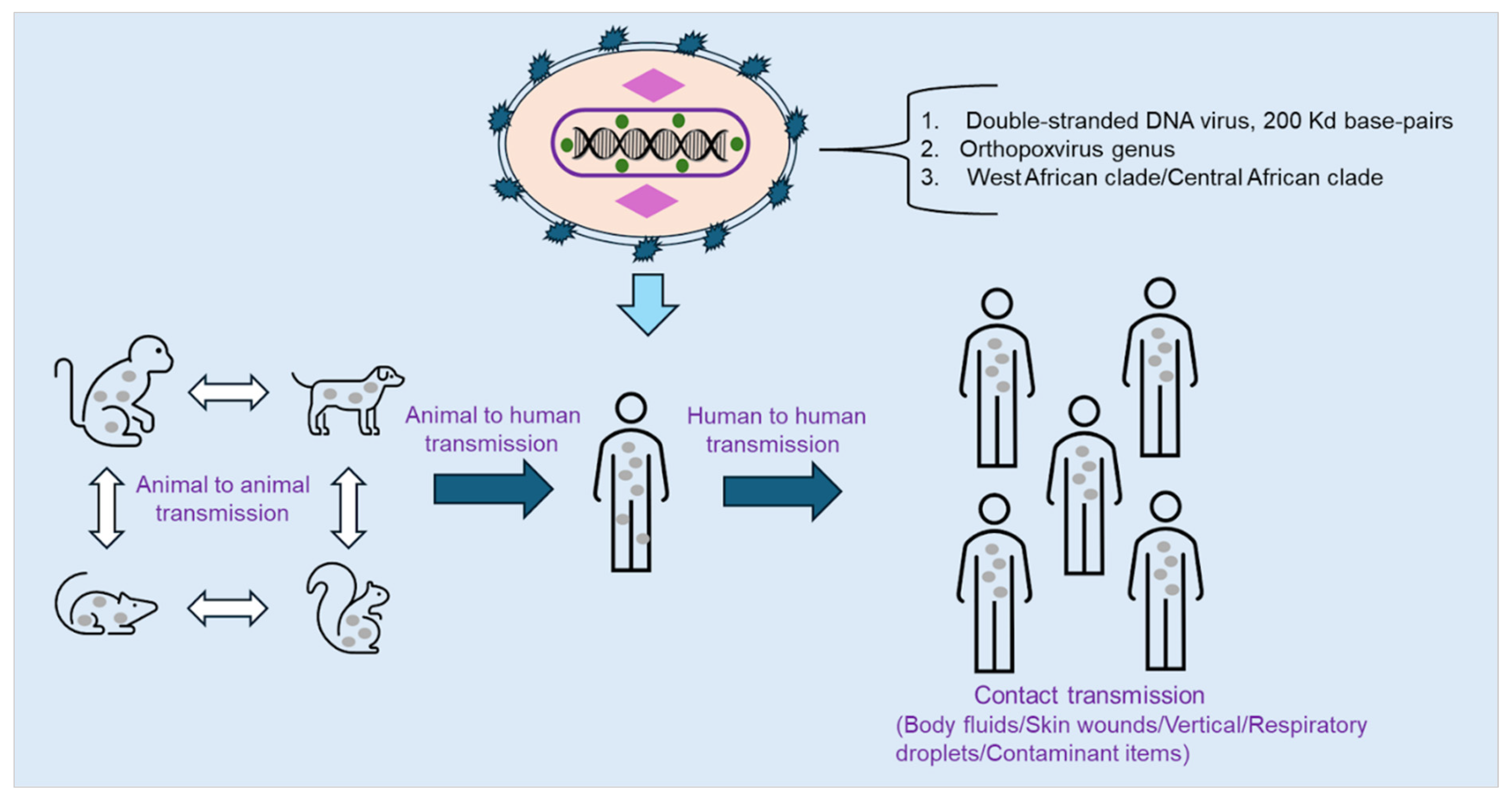
Figure 1. The diagram depicts the MPXV virus, which is a double-stranded DNA virus from the Orthopoxvirus gene, and the transmission mechanistic pathway from infected animals to humans through direct contact or contaminated materials.
Ijms 27 04307 g001
Figure 2. Schematic representation of the Monkeypox virus (MPXV) life cycle. MPXV binds to host cell receptors and enters the cytoplasm, where it replicates its DNA genome. Newly synthesized viral components are assembled into virions, which are then released from the host cell either by lysis or budding. MPXV interferes with host defense mechanisms (i.e., detection of invading viruses and limitation of their replication) by blocking interferon signaling, inhibiting apoptosis, and suppressing inflammatory pathways.
Ijms 27 04307 g002
Figure 3. Possible CRISPR approach for targeting the MPXV gene. CRISPR-Cas9 functions as a double-strand DNA cleavage system that enables precise gene targeting and disruption. Base-editor enzymes (ADA and CDA) can perform base modification, which can modify MPXV DNA, particularly inhibiting viral replication and facilitating the development of effective antiviral therapeutics. Herein, we envision that adenosine deaminase (ADA) and cytidine deaminase (CDA) preciously convert adenine (A) to inosine (I) and cytosine (C) to thymine (T) in the MPXV gene. Therefore, the use of these deaminases in a targeted approach will be able to alter the infectious nature of the MPXV gene.
Ijms 27 04307 g003
Figure 4. (a) Schematic representation of ASO/PNA-mediated suppression of MPXV gene expression. PNAs/ASOs are designed to recognize specific MPXV genetic sequences and bind to viral genomic DNA at promoter regions or to viral mRNAs at untranslated regions (UTRs), thereby blocking transcription and/or translation. This interaction prevents the synthesis of essential viral proteins and disrupts the replication cycle. (b) Conceptual overview of antisense-based therapeutic intervention during MPXV infection. Upon viral entry and replication within host cells, targeted delivery of PNAs/ASOs offers a strategic approach to inhibit viral gene expression and limit disease progression.
Ijms 27 04307 g004
Figure 5. These are the major blockbuster drugs that have shown effectiveness against MPXV and are widely investigated for treatment and control.
Ijms 27 04307 g005
Figure 6. The mechanistic pathway of Tecovirimat, which functions as an antiviral by blocking the replication of the VP37 protein, ultimately stopping the virus from spreading.
Ijms 27 04307 g006
Figure 7. Cidofovir and Brincidofovir are antiviral drugs which compete with the natural nucleotide (dCTP) and lead to premature chain termination followed by inhibition of viral replication. The dual use of the drugs offers a potential treatment for MPXV.
Ijms 27 04307 g007
Disclaimer/Publisher’s Note: The statements, opinions and data contained in all publications are solely those of the individual author(s) and contributor(s) and not of MDPI and/or the editor(s). MDPI and/or the editor(s) disclaim responsibility for any injury to people or property resulting from any ideas, methods, instructions or products referred to in the content.