


Abstract
The widespread use of synthetic pesticides has ensured crop productivity but has also raised serious environmental and human health concerns, including water contamination, biodiversity loss, and intoxication risks. In this context, global strategies for sustainable agriculture, safer alternatives are urgently needed. This systematic review, conducted in accordance with PRISMA guidelines, examines the potential of agri-food by-products as sources of bioactive compounds for biopesticide development within a circular economy framework. Residues from major agri-food chains, including the olive, potato, banana, citrus, and winery industries, were systematically analyzed with respect to their phytochemical composition, such as phenolics, flavonoids, terpenoids, fatty acids, and essential oils, and their reported bioactivity against insects, weeds, fungi, bacteria, and nematodes. The mechanisms of action, technological recovery strategies, and formulation challenges are critically discussed. Additionally, regulatory challenges and opportunities in the European and U.S. markets are described together with the role of Industry 4.0 technologies in optimizing recovery processes and product development. By promoting biopesticides from agri-food biowaste, this approach contributes to sustainable production (SDG 12), innovation in industrial processes (SDG 9), and the protection of terrestrial and aquatic ecosystems (SDGs 14 and 15), positioning food industry residues as a strategic resource for green crop protection.
1. Introduction
In order to enhance living conditions through agricultural practices and food storage, chemical substances have been developed to increase production and mitigate food loss [1]. Their use has been documented since Classical Antiquity (≈2500 BC) and was not solely an invention of the modern chemical industry, as illustrated in Figure 1 [1]. The 19th century was of paramount importance for pesticide development, owing to the emergence of various substances, primarily inorganic ones [2]. A major milestone occurred in 1939, with the confirmation of the insecticidal action of dichlorodiphenyltrichloroethane (DDT), demonstrated in 1939 by the Swiss chemist Paul Müller [3,4].
Figure 1.
Timeline of pesticide history.
Following World War II, in the 1950s, Europe faced severe food shortages due to extensive destruction of fields and pastures, initiating a period of intensive use of these substances for rapid food generation, termed the Green Revolution [2,5]. However, in 1962, Rachel Carson highlighted the environmental and human health issues caused by pesticide use [6]. As a result, numerous studies were conducted regarding pesticides and their toxicity. Starting in 1971, the United States Environmental Protection Agency (US EPA) banned or restricted several synthetic pesticides [4]. Synthetic pesticides are generally non-selective and have a bioaccumulative nature, targeting specific biochemical reactions that are common to many living beings, leading to secondary effects [5]. Baird and Cann 2012 [7] showed that DDT bioaccumulates across trophic levels, with high concentrations found in osprey adipose tissue due to their fish diet, which contains DDT that is millions of times higher than in plankton. Over the past decade, the agrochemical sector has introduced several structurally distinct active ingredients designed to improve resistance management and enhance biological selectivity. Among these, flupyradifurone, a butenolide insecticide, interacts with nicotinic acetylcholine receptors through a binding profile that differs from classical neonicotinoids, contributing to its effectiveness against resistant insect populations [8]. Similarly, broflanilide, classified as a meta-diamide, acts as a non-competitive modulator of γ-aminobutyric acid (GABA)-gated chloride channels at a novel site, representing a new mode of action within insect control strategies [9]. In the field of fungicides, oxathiapiprolin targets oxysterol-binding protein-related pathways in oomycetes, demonstrating remarkable potency at very low application rates [10]. Benzovindiflupyr, a succinate dehydrogenase inhibitor (SDHI), interferes with mitochondrial respiration and was developed to provide extended residual activity and improved metabolic stability [11]. These examples illustrate how contemporary synthetic pesticides increasingly rely on molecular-level specificity and innovative target sites to address resistance and maintain crop protection efficiency.
Pesticides impact human health through acute or chronic intoxications during handling or by consuming contaminated food [12]. The World Bank reports that approximately 355,000 deaths occur annually worldwide due to pesticide poisoning [13]. Investigations conducted by do Nascimento et al. 2017 [14] regarding the effects of organochlorines on populations that are chronically exposed to them revealed adverse effects on the liver and hormonal alterations, also detected in donors’ blood.
Despite the existence of various measures to mitigate environmental risks and human health concerns, the rational and sustainable use of pesticides remains one of the greatest challenges for large-scale sustainable agriculture [15]. Governmental commitment is required through improvements in policies related to the use of such compounds, such as the potential growth in the use of biopesticides, as observed in the documents Towards a Sustainable Europe by 2030 from the European Union (EU) and the Sustainable Development Goals (SDGs) of the United Nations (UN) 2030 Agenda [16]. With the projected global population reaching 9.8 billion by 2050, the demand for food will increase substantially [17]. At the same time, efforts to reduce the reliance on synthetic pesticides pose a challenge for farmers, as they must maintain crop yields while managing pest populations [17]. Excessive use of the remaining available products can accelerate the development of pest resistance, reducing their long-term efficacy and increasing the need for alternative pest management strategies [17].
Due to the adverse effects of synthetic pesticides, they are being replaced by less impactful alternatives or natural products. The reviewed studies indicate that by-products from agri-food industry processing represent promising sources of biologically active compounds with high potential to become significant raw materials for obtaining biopesticides [18,19]. Accordingly, this systematic review aims to critically analyze the potential of bioactive compounds extracted from agri-food industry waste as biopesticides, emphasizing their chemical diversity, biological activity, and relevance within circular economy and sustainable agriculture frameworks. It is important to acknowledge, however, that a natural origin does not automatically guarantee safety. Several plant-derived molecules may exert toxic effects on non-target organisms, including beneficial insects, aquatic species, and even mammals, depending on the concentration and exposure conditions. Therefore, although biopesticides obtained from agri-food residues are frequently associated with improved environmental compatibility, their development and practical application must rely on comprehensive toxicological and ecotoxicological evaluation, as well as the assessment of environmental persistence and unintended biological effects. A critical evaluation of both efficacy and potential risks is essential to ensure that these alternatives effectively contribute to sustainable agriculture.
2. Methodology
This systematic review was conducted by following structured methodological principles inspired by the Preferred Reporting Items for Systematic Reviews and Meta-Analyses (PRISMA) guidelines to enhance transparency and reproducibility.
2.1. Literature Search Strategy
A comprehensive literature search was performed in the Scopus, Web of Science Core Collection, and PubMed databases between January and March 2025. The search strategy combined controlled vocabulary and free-text terms related to agri-food waste, including “pesticide”, “biocide”, “biopesticide”, “bioherbicide”, “biofungicide”, “bioinsecticide”, “phenolic compounds”, “fatty acids”, “essential oils”, “by-products”, “bio-wastes”, “agri-food industry”, “olive”, “citrus”, “banana”, “circular economy”, and “industry 4.0”. Boolean operators (“AND”, “OR”) were applied to refine search combinations.
Although the primary focus was on studies published after 2000, selected earlier publications were included due to their unique contributions to the field.
2.2. Eligibility Criteria
The inclusion criteria were defined as follows:
- (i)
- Peer-reviewed original research articles or review papers;
- (ii)
- Studies reporting the extraction, identification, or characterization of bioactive compounds derived from agri-food industry residues;
- (iii)
- Investigations evaluating pesticidal, insecticidal, fungicidal, herbicidal, or antimicrobial activities that are relevant to agricultural applications;
- (iv)
- Studies providing experimental data, mechanistic insights, or quantitative biological assessment.
The exclusion criteria comprised the following:
- (i)
- Studies unrelated to crop protection or pest management;
- (ii)
- Articles focusing exclusively on synthetic pesticide development without a connection to agri-food-derived bioactive compounds;
- (iii)
- Conference proceedings, editorials, patents, and non-peer-reviewed documents;
- (iv)
- Publications lacking sufficient methodological description or reproducible experimental detail.
2.3. Study Selection Process
All records retrieved from the databases were exported and duplicates were removed prior to screening. Titles and abstracts were independently screened for relevance to the review scope. The full texts of articles meeting the preliminary criteria were subsequently assessed to confirm their eligibility.
Studies were selected based on their relevance to chemical diversity, mechanism of action, biological performance, and potential contribution to circular economy strategies. When necessary, the reference lists of eligible articles were manually screened to identify additional pertinent studies.
2.4. Data Extraction and Qualitative Assessment
Data were extracted focusing on: sources of agri-food residue, types of bioactive compound, extraction approach, reported biological activity, target organisms, and any discussion regarding environmental safety or regulatory considerations.
Although no quantitative meta-analysis was conducted due to heterogeneity among experimental designs, particular attention was given to methodological robustness, clarity in reporting biological assays, and the consistency of results. This qualitative appraisal aimed to ensure a critical and balanced interpretation of the available evidence.
3. Literature Search Outcomes and Study Selection
The structured database search yielded a total of 578 records. After the removal of 118 duplicate entries, 460 articles remained for title and abstract screening.
During the initial screening phase, 250 records were excluded for not meeting the predefined scope of the review, which was primarily due to the lack of direct relevance to agri-food waste valorization or absence of application in agricultural pest management.
A total of 210 reports were subsequently sought for full-text retrieval. All identified reports were successfully retrieved and assessed for eligibility. Following full-text evaluation, the 210 studies met the inclusion criteria and were incorporated into the qualitative synthesis.
The PRISMA flow diagram (Figure 2) illustrates the stepwise selection process from the initial identification to the final inclusion.
Figure 2.
PRISMA flow diagram illustrating the literature search and study selection process. A total of 578 records were identified through database searching, of which 210 studies were included in the qualitative synthesis.
4. Biopesticides: Definition, Classifications and Mechanisms of Action
The demand for safer, sustainable alternatives to synthetic pesticides has led to growing interest in phytopharmaceuticals of natural origin, particularly biopesticides. The global biopesticide market exceeded US$4 billion at the beginning of this decade, yet their registration in Europe remains low, around 68 products, which is mainly due to their strict regulatory structure, while the U.S. has approved over 400 products [16,20]. According to the US EPA, biopesticides are grouped into microbial pesticides, plant-incorporated protectants (PIPs), and biochemical pesticides, with the latter being the focus of this review [21]. Biochemical pesticides are derived from natural sources such as plant extracts, essential oils, and pheromones. They act via non-toxic mechanisms and can be sustainably obtained from agro-industrial by-products [21].
These compounds originate from secondary plant metabolites, which are produced naturally by plants as defense agents against pests and pathogens. They can be classified according to both their functional groups and mechanisms of action, encompassing categories such as alkaloids, flavonoids, phenolic compounds, phytosterols, essential oils, fatty acids, polyketides, and resins [22,23,24]. The phytochemical diversity and biopesticidal potential of these molecules are illustrated in Figure 3, which highlights the chemical classes that are most frequently associated with pesticidal activity. They are particularly noted for their low environmental persistence and lack of bioaccumulation [16]. Within this context, various subgroups of biopesticides have been developed, each tailored to specific pest types.
Figure 3.
Chemical structure of bioactive compounds, mostly obtained from by-products and bio-wastes from agri-food industry [25,26,27,28,29,30].
Bioinsecticides, for instance, are designed to reduce the impact of insects responsible for 10–28% of global agricultural losses, according to the Food and Agriculture Organization (FAO) [31]. They operate through mechanisms such as feeding deterrence, inhibition of oviposition, disruption of growth and development, and neurotoxicity, often through interference with the octopamine receptors or GABA channels [32,33,34]. Compounds like azadirachtin and various essential oils exhibit significant repellent or antifeedant activities [32]. Nevertheless, the introduction of such products to the European market remains slow and is often difficult due to regulatory obstacles, as in the case of Bayer’s Lizetan AF [16]. Despite this, only about 1% of known secondary metabolites have been evaluated for insecticidal activity, suggesting a vast unexplored potential, as shown in Table 1. Bioherbicides focus on weeds, which are responsible for nearly 31.5% of global production losses: an estimated US$32 billion annually [35,36]. These products function through diverse mechanisms: inhibition of DNA synthesis, disruption of mitochondrial respiration, accumulation of reactive oxygen species (ROS), impairment of photosynthesis, and even microtubule destabilization [35,36,37]. Allelopathic plants offer selective or non-selective compounds with potent herbicidal properties, and several commercial formulations based on eugenol or pelargonic acid (e.g., Weed Slayer and Bio-Unkrautfrei AF) are already in use [37]. Biofungicides are vital in combatting fungal pathogens like Fusarium, Aspergillus, and Penicillium spp., which are responsible for ~30% of postharvest losses, existing in approximately 20,000 phytopathogenic fungi [37]. Their mechanisms include cell wall and membrane disruption, ROS induction, and reduction in aflatoxin production, among others [38,39,40,41,42]. Although fewer products have reached the market, ongoing research continues to reveal promising bioactive candidates. Biobactericides are designed to combat over 100 species of pathogenic bacteria affecting crops. These organisms, such as Pseudomonas, Ralstonia, and Xanthomonas, damage plants via toxin production, protein injection, or enzymatic degradation of tissues [43,44,45]. Natural compounds with biobactericidal activity damage the membrane integrity, respiration, and other vital bacterial processes [43,44,45,46]. Finally, bionematicides target nematodes, microscopic soil organisms that can cause crop losses, estimated at US$8 billion annually [43]. They interfere with root function, leading to stunted growth or death. Natural compounds targeting nematodes offer a promising alternative, as summarized in Table 1.
Table 1.
Potential sources of bioactive compounds and their diverse applications, including biopesticide action.
Together, these categories emphasize the wide-reaching potential of plant-derived biopesticides in supporting sustainable agriculture through eco-friendly and effective pest control solutions.
Regulatory Challenges for Biopesticides: A Comparison Between the EU and the US
In the EU, biopesticides are evaluated and registered by following a process similar to that for synthetic ones, with legislation varying between countries. Consequently, the commercialization of new products is typically time-consuming and costly for the producer. However, certain requirements and criteria are irrelevant for this class, as they generally exhibit low toxicity to both the environment and humans.
In the United States, regulation of this product class is conducted by the US EPA, through the Biopesticides and Pollution Prevention Division (BPPD), based on a different set of requirements from those for synthetics [56,57]. The first step involves submitting a consultation request to the authorities, followed by a formal application to the BPPD, leading to an initial documentation review followed by a preliminary technical review [56,57]. If no issues are found at this stage, a scientific review concerning toxicological and ecotoxicological parameters and their physicochemical properties is conducted, with each category of biopesticides assessed accordingly [56,58]. If no problems are identified during the scientific review, the product obtains its biopesticide registration. The process typically takes around 12 to 18 months, with low financial fees involved [56].
It should be emphasized that, despite being derived from natural sources, biochemical biopesticides are not exempt from rigorous safety evaluation. Regulatory authorities require detailed toxicological, ecotoxicological, and environmental persistence and transformation data to assess the potential risks for non-target organisms, including pollinators, aquatic species, soil microbiota, and mammals [56,58]. Parameters such as acute and chronic toxicity, persistence, degradation pathways, and residue behavior must be carefully examined before approval. This regulatory investigation reflects the recognition that a natural origin does not inherently preclude adverse biological effects, and that risk assessment remains a central pillar in ensuring safe and sustainable implementation.
In the EU, these product groups are covered by EU Plant Protection Regulation No. 1107/2009 together with Regulation No. 396/2005 and Directive 2009/128/EC [59,60,61]. The term “biopesticide” is not included in any European regulation, as Regulation No. 1432/2017 introduced the terms “basic substances” and “low-risk substances” [61,62]. Product release begins with the approval of its active substance, requiring the applicant to submit a dossier to the Rapporteur Member State containing information on the physicochemical, toxicological, and ecotoxicological properties, as observed in Figure 4 [59,60,61,62]. This dossier is assessed, and if there are no inconsistencies, the evaluation of the active substance begins. Upon completion, the Member State issues an assessment report of the substance to the European Commission and The European Food Safety Authority (EFSA) for their review [15,59,60,61,62]. If no inconsistencies are observed, the European Commission issues a review report to the Standing Committee on Plants, Animals, Food, and Feed (SCFCAH), conducting a vote for approval or rejection. This process can take between 30 and 42 months, depending on its complexity [15,59,60,61,62]. Due to this rigorous authorization process, there are currently about 18 basic substances and 10 low-risk substances released for use [63]. Low-risk active substances have an initial approval of 15 years with a review for an additional 15 years, while basic substances theoretically have approval for an unlimited period [15,59,60,61,62]. After approval, authorization for product marketing must be requested and conducted by the Member States, with the applicant specifying which Member State will carry out this evaluation, providing some product information, as shown in the flowchart in Figure 3 [15,59,60,61,62]. It is worth noting that for just one product, multiple dossiers may be required, as the product may contain more than one active substance.
Figure 4.
Stages of the approval process for an active substance and, later, for the marketing authorization of the product in the EU products [64].
5. Agri-Food By-Products as Rich Sources of Bioactive Compounds for Biopesticide Applications
The scarcity of natural resources coupled with environmental pollution has raised global awareness about the need to address, or at least mitigate, this issue due to its negative consequences. The agri-food industry is a major contributor, generating large amounts of organic waste and consuming scarce natural resources such as freshwater. It is crucial to develop new technologies for the reuse of these waste materials.
5.1. Olive-Oil By-Products
Olive oil is a widely consumed commodity globally, owing to its numerous health benefits and its critical role as an ingredient in other industries such as cosmetics. The olive tree belongs to the Oleaceae family, with Olea europaea L. being the only species capable of producing fruits that are suitable for olive oil production [65]. According to data released by the International Olive Council (IOC), the EU accounts for approximately 70% of the world’s olive oil production, with a market value of US$13.496 billion worldwide in 2024/25, with Spain being the largest producer [66]. It is noteworthy that this market has tripled in the last 60 years, reaching a production of 3.6 million tons in 2024/25 [67].
Olive oil production begins with the maintenance and care of olive trees, including pruning, weeding, pesticide application, and others [65,68]. Concurrently with harvesting, olives undergo a pre-cleaning process, generating branches (both thin and thick), leaves, and wood, which remain in the field. Subsequently, the olives are briefly stored and transported to mills. At the mills, olives are washed again to remove impurities and foreign materials, such as leaves, stones, damaged olives, and soil, among others [65]. Then, the olives undergo milling to break the stones, peel cells, and pulp (releasing vacuoles containing oil droplets), producing a homogeneous paste with stone fragments [65]. This paste is then transported to the malaxation phase to undergo physical and biochemical phenomena, correlated with the product’s quality and nutritional properties [65,69]. The paste proceeds to the separation phase, which can occur through three different processes: pressing and centrifugation in two or three phases [65,69]. Finally, various olive oil grades are obtained, ranging from extra virgin to lampante, generating olive mill wastewater, olive stones, and pomace.
The reviewed studies indicate that the olive oil extraction process generates large quantities of waste, with 80% of the olive weight turning into residues [70,71]. The major compounds in olive oil are fatty acids, followed by lignans and triterpenoids, whereas olive oil by-products contain high concentrations of phenolics, flavonoids, and secoiridoids, as shown in Table 2, along with low concentrations of tocopherols, fatty acids, and phytosterols, among others.
Table 2.
Bioactive compounds are present in bio-waste from extraction process of olive oil.
Regarding leaves and branches, it is estimated that pruning/harvesting annually generates a significant amount of olive by-products, about 25 kg per tree or between 1.5- and 3-tons ha−1, requiring further research to improve this value [69,72]. Most of this biomass is used for energy generation through incinerators and for animal feed [68]. Olive stones, constituting 10–15% of the weight of the olive, and still produced in the table olive industry, are commonly used in domestic boilers and power plants [88]. Another use is in the creation of a biodegradable packaging called Oliplast, as part of the Spanish project GO-OLIVA [89]. Olive mill wastewater is contingent on oil extraction processes, ranging from 85 to 110 kg for two-phase centrifugation to 1000–1200 kg for three-phase centrifugation [65]. The dispersion of this biowaste into the environment without prior treatment will cause significant issues due to high concentrations of toxic organic substances (chemical oxygen demand (COD) ranging from 50 to 200 g L−1 and biochemical oxygen demand (BOD) ranging from 40 to 170 g L−1), and a relatively acidic pH, altering the color and odor of water resources, and presenting toxicity to aquatic organisms [65,74,90]. Olive pomace production varies between 200 and 400 kg for pressing and 800–950 kg for two-phase centrifugation, featuring a pinkish paste-like appearance and slightly acidic pH (pH ≈ 5); it is composed of husk pieces, pulp, stone fragments and seeds, oil, and water [42,65,91]. This biowaste is the most abundant, generating approximately 14.4 million tons in the 2024/25 harvest season [66,92]. The pomace can be transported to other companies (pomace oil extractors), stored in large containers for spontaneous evaporation, and stored for extended periods until reused or treated [65,93]. The increase in olive oil production is correlated with increased pomace, posing challenges to the industry, and complicating the continuous production of high-quality olive oil [94].
Table 2 shows that the by-products generated in olive oil production contain a wide range of bioactive compounds, with potential for use as biopesticides, as presented in Table 3.
Table 3.
Potential applications for biopesticides of phytochemical compounds obtained from olive oil by-products.
5.2. Potato Processing Waste
The potato (Solanum tuberosum L.) ranks among humanity’s most vital food crops, serving as a staple for approximately 1.3 billion individuals [99]. Its global production has soared, reaching a record 390 million metric tons in 2024, with Asian nations dominating, accounting for roughly 50%, led by China and India [100]. Financial transactions surrounding this commodity amount to approximately US$111 billion [100]. Boasting around 5000 varieties, potatoes exhibit unparalleled genetic diversity compared to other cultivated species [99].
The processing industry associated with this crop ranks among the largest in the global food sector. Approximately one-third of the total production is consumed fresh, while the remainder undergoes processing to meet the demands of convenience and fast-food consumption, including but not limited to: frozen fries, wedges, chips, starch, dehydrated potatoes, mashed potatoes, and frozen foods [99]. In the EU, as of 2023, processed potatoes hold a market value of around €9.7 billion, constituting roughly 2.1% of the European food industry’s value [101]. Among all the processed products, French fries are the most important, generating a market value of approximately €5.9 billion [102].
About 30% of this tuber is discarded during harvesting and storage, due to quality standards such as size, appearance, and pest damage. These discarded tubers, with low added value, are commonly repurposed as animal feed [99]. During processing, a significant portion of potatoes is peeled, yielding a substantial amount of nutrient-rich wet peel paste, ranging from 15 to 40% of the fresh weight, depending on the peeling technique [103]. Additionally, this industry generates outer layers of pulp, as well as pulp and wastewater from starch extraction [104]. Annually, this processing industry produces between 70 and 140 million tons of peels and 800–2800 million m3 of wastewater [105]. The disposal of untreated waste poses significant environmental concerns due to its potential for microbial degradation, constraining the storage options [102]. This substantial amount of waste yields ample opportunities for reuse, as potato peels are a source of bioactive compounds (starch, non-starch polysaccharides, proteins, antioxidants, or fibers, among others), as shown in Table 4. These compounds exhibit high recovery potential and find utility across various industries, fostering a more favorable economic balance between industrial processes and the commercialization of new products [99,106]. The concentration of these bioactive compounds in the waste depends on the potato variety as well as the agronomic conditions during cultivation and maturation [102,103].
Table 4.
Bioactive compounds present in residues from potato processing industry.
Potato peels serve as a source of phenolic compounds, harboring approximately 50% of the compounds found in the potato. Investigations conducted by Brahmi et al., 2022 [113], reported the total phenolic content (TPC) in peels as ranging from 11 to 2840 gallic acid equivalent (GAE) mg 100 g−1, and total flavonoid content (TFC) varying from 780 to 2970 quercetin equivalent (QE) mg 100 g−1. In studies by Gomez-Urios et al. 2023 [114] utilizing UHPLC-MS/MS, 12 phenolic compounds were identified, wherein chlorogenic and trans-cinnamic acids were identified as being the most abundant compounds in free form in peels.
In addition to phenolic compounds, potato peels are also excellent sources of steroidal alkaloids, such as glycoalkaloids (α-solanine and α-chaconine) and aglycone alkaloids (solanidine and demissidine), as shown in Table 4, with α-solanine and α-chaconine glycosides and solanidine constituting about 95% of the total concentration [115].
Some of the applications of the phytochemical compounds obtained from potato waste are shown in Table 5.
Table 5.
Potential applications for biopesticides of phytochemical compounds obtained from potato residues.
5.3. Banana Waste
Banana stands out as one of the most popular and consumed fruits worldwide, due to its nutritional content and wide array of uses. It is the second most produced fruit worldwide [120,121] and belongs to the Musaceae family, which includes several hybrids of the genus Musa, with studies suggesting its origin in tropical regions of South Asia [122]. Global average production hovers around 120 million metric tons, whereas in 2023, the production reached 139 million metric tons, due to the significant delay in the reporting of the data, with India, China, and Indonesia being the top producers, accounting for approximately 40% of global output [100]. Reflecting its significance, the market value in 2023 approached US$140 billion [100].
Beyond fresh consumption, bananas find versatile applications, including dried fruits, snacks, smoothies, ice creams, breads, flours, wines, and ingredients for functional foods [121]. Notably, there has been a recent surge in utilizing this fruit as a functional food ingredient due to its low digestibility of carbohydrates (both starch and non-starch), rendering it a highly compelling dietary staple [123].
Banana plants yield a fruit bunch only once in their lifetime, resulting in considerable waste generation from harvesting to post-processing [121]. For every ton of harvested bananas, approximately 100 kg of fruit are discarded, generating around 4 tons of waste, comprising 160 kg of stems, 480 kg of leaves, and 3 tons of pseudostems [124]. Pseudostems resemble a trunk and are composed of overlapping leaf sheaths that provide support to the plant [125]. Most of this waste is typically returned to the field, while in the processing industries, banana peels represent the most significant residue, accounting for about 35–50% of the fruit’s weight. Annually, approximately 8 million tons of these residues are generated in this industry, highlighting their considerable utilization potential [100]. In some instances, banana peels can be repurposed as organic fertilizer and animal feed, due to their low tannin content and high fiber content [126].
Banana peels, like other residues, exhibit high potential for reuse due to their richness in organic compounds, including lipids, fibers, carbohydrates, and proteins, serving as an excellent source of bioactive compounds, as shown in Table 6 [121,123,124]. Several studies have identified over 40 compounds, categorized into four subgroups: phenolic acids, flavonols, flavan-3-ols (the largest subgroup), and catecholamines [123]. Moreover, banana peels demonstrate significant radical scavenging activity and reducing capacity compared to avocado, papaya, passion fruit, watermelon, and melon [127].
Table 6.
Bioactive compounds present in residues from banana waste.
These bioactive compounds exhibit significant potential for various applications, including the agri-food, cellulose and paper, energy, fiber, and bioplastic industries [123,126,132]. Investigations by Ardila et al., 2024 [133], produced very high crystalline cellulose indices (up to 67.9%) from the extraction of pseudostem fibers through ultrasound-assisted extraction with NaOH. These produced fibers are comparable to, or even higher, than industrial fibers in terms of crystalline structure and cellulose content [133]. Particularly, these fibers, especially from the pseudostem, are being utilized as reinforcement in epoxy composites and raw materials in the textile industry [134]. Banana stems are used as flavorings [125].
The reviewed studies summarized in Table 7 present the latest applications and explore properties of biologically active compounds from banana waste in the agri-food industry, such as fertilizers or biopesticides.
Table 7.
Potential applications for biopesticides and fertilizers of phytochemical compounds obtained from banana waste.
5.4. Winery Waste
Grapes, which are commonly used, originate from approximately 60 different species within the Vitis genus, with Vitis vinifera L. being the most cultivated species, with production of approximately 77.7 million tons in 2024 [138]. Leading producers include China, Italy, and the United States, accounting for approximately 39% [139,140]. Given its significance, the market value of this product varies between US$550.5 billion [138]. Besides fresh consumption, a wide range of other forms exists, including wine, vinegar, juice, jam, jelly, dried, and seed oil [141,142].
The viticulture industry stands out as one of the most significant processing sectors, with more than 50% of all grape production allocated to winemaking [141,143]. According to data from the International Organisation of Vine and Wine (OIV), wine production reached approximately 225.6 million hectoliters in 2024, with major producers including European and American countries such as Italy, France, Spain, and USA [144]. The market value of wine from 2024 varies between US$500 and 520 billion [138,144]. This production spans across all countries worldwide, reflecting its profound cultural and socioeconomic significance [145]. The wine industry, while significant, poses considerable environmental concerns due to its high generation of waste and by-products. Negative impacts stem from improper management practices, low pH levels, the toxic effects of phytotoxic compounds, and the antimicrobial effects of residues [141,146]. Generated residues include vine shoots, grape pomace, wine lees, filtration cakes, vinasse, and winery wastewater, necessitating proper treatment for environmentally sound disposal [147]. Consequently, recent research investigates sustainable reuse options to maximize the utilization of these raw materials and enhance their value, given their rich content of bioactive compounds [148].
In wine production, approximately 20–30% of grape mass is transformed into pomace, consisting of 25% seeds, 25% stalks, and 50% other residues (broken pulp cells and grape skin), generated during crushing and pressing to obtain grape must [149,150]. This constitutes the primary solid residue of vinification, representing about 75% of all solid residues in the process [151,152]. It is estimated that producing approximately 6 L of wine generates about 1 kg of grape pomace, with annual production averaging 12 million tons of pomace [153]. Grape pomace comprises about 55–75% water, 30% polysaccharides, 6–15% proteins, lipids, sugars, and unsaturated fatty acids, with a high concentration of bioactive compounds, as shown in Table 8 [154]. Grape skin contains fibers, proteins, sugars, anthocyanins, flavonols, and tannins, with red grape skin potentially containing stilbenes (resveratrol), triterpenes, and derivatives of hydroxybenzoic acids [150,154]. The stalks consist of fibers such as cellulose, hemicellulose, lignin, and phenolic compounds like tannins [150,155]. Lastly, seeds, representing 2–5% of the weight, contain 40% fiber, 10% proteins, 10–20% lipids (mix of saturated and unsaturated fatty acids) and a wide range of phenolic compounds, sugars, and minerals [150,154,155].
Table 8.
Bioactive compounds present in residues from winery waste.
Grape processing residues contain a high number of phytochemical compounds of significant interest to various sectors. Waste from wine production contains various phenolic compounds, with higher concentrations of anthocyanins, hydroxybenzoic and hydroxycinnamic acids, flavan-3-ols, flavonols, and stilbenes [169]. Montagner et al. 2022 [170] conducted hydroalcoholic extractions of crushed Merlot grape seeds, yielding high concentrations of bioactive compounds, with TPC ranging from 418.30 to 1473.86 μg GAE mL−1 of extract, flavonoids from 387.08 to 1000.63 μg catechin equivalent (CE) mL−1, and catechins from 0.14 to 0.59%. Ferreira and Santos, 2022 [152], investigated solid–liquid extractions with grape pomace and seeds, obtaining phenolic compound yields of 18.40% and 17.40%, respectively, and lipid yields of 13.30% and 14.50%, respectively. Phenolic extracts exhibited higher antioxidant capacity and DPPH● scavenging assay than oils, with values of 90.80 and 87.50, respectively [152]. Regarding the antimicrobial capacity, phenolic extracts completely inhibited the growth of S. aureus and S. epidermidis [152].
Examples of potential applications in the agri-food industry, along with valuable phytochemical properties, are listed in Table 9.
Table 9.
Potential applications for biopesticides of phytochemical compounds obtained from winery residues.
5.5. Citrus Waste
Citrus fruits, belonging to the Rutaceae family, encompass a total of 27 different species, with the most important species being orange (Citrus sinensis), tangerine/mandarin (Citrus reticulate), lemon (Citrus limon) and lime (Citrus aurantiifolia) [176,177]. The cultivation origin of these fruits is uncertain, with one widely accepted theory suggesting that they have been cultivated for at least 4000 years in tropical and subtropical regions of Asia [178]. However, research by Rouseff et al. 2009 [179] has demonstrated that sweet orange originated in India, while trifoliate orange, along with tangerine, originated in China, and various other fruits have their origins in Malaysia.
Citrus fruits had a production of 170 million tons in the 2024 season, according to the World Citrus Organisation (WCO), with oranges (69 million tons), mandarins/tangerines (52 million tons), and lemons and limes (23 million tons) being the most prominent [180]. China leads citrus production, accounting for approximately 27.3%, followed by Brazil and India with 12.5% and 8.6%, respectively [180]. In the 2024 harvest, these fruits held significant commercial value, estimated at US$145–148 billion [180]. Besides fresh consumption, citrus fruits are found in juices, preserves, jams, marmalades, kitchen seasonings, and essential oils, among other products. Approximately 40% of the global production is utilized by the processing industry, primarily for juice production [181].
Overall, the reviewed studies suggest the processing industry of these foods generates a significant amount of solid waste, with approximately 50–65% of the fresh mass turning into residue obtained from fruit squeezing [176,182]. It is estimated that around 100–120 million tons of waste are produced annually, containing peel (60–65%), pulp (30–35%), and seeds (0–10%) [182,183]. These residues may also include portions of spoiled fruit [184]. Due to rapid decay and the appearance of flies, mold, and mycotoxins, these residues are perishable, posing serious disposal problems and requiring significant investments for citrus farming [181]. A major issue with this waste is that it cannot be disposed of in the environment without prior treatment due to its pollutant potential, necessitating landfill disposal, which is costly for industry. To mitigate these problems, processing industries often reuse these residues to produce cattle feed in pellet form, although such a product is not profitable [185]. These residues can still be repurposed in other sectors due to their high levels of soluble sugars, pectin, proteins, hemicelluloses, cellulose fibers, and bioactive compounds, especially flavonoids, and are also a valuable source of essential oil, as shown in Table 10 [186].
Table 10.
Bioactive compounds present in residues from citrus waste.
Due to its diverse chemical composition, this residue still holds potential for use in a range of biological activities, demonstrating that it is a valuable natural resource with added value [177]. One of its major uses is for the production of essential oils, with D-limonene representing about 94% of the composition, which is utilized in various industries, including agri-food, cosmetics, and pharmaceuticals, among others [177]. Furthermore, citrus residues, as shown in Table 10, still contain high amounts of organic and phenolic acids, also including some flavonoids, such as polymethoxylated flavones that are not found in any other fruit species [177,185]. The most studied polymethoxylated flavones are tangeretin and nobiletin, where studies by Lv et al. 2021 [194] found that nobiletin and its derivatives showed anticancer activity. However, such compounds still have a wide range of other biological activities, including anti-obesity, anti-atherosclerotic, antiviral, and antioxidant properties [195].
A summary of the main applications as a biopesticide, followed by its properties and results, is presented in Table 11.
Table 11.
Potential applications for biopesticides of phytochemical compounds obtained from citrus waste.
6. Circular Economy and Industry 4.0: Integrating Biopesticide Production into Sustainable Agri-Food Systems
Previous studies on biopesticides derived from natural sources highlight the significant potential of agro-industrial residues and by-products for bioactive compound extraction and biopesticide production. Contrary to common practice, FAO distinguishes between “waste” (consumer-level) and “loss” (production and processing), aligning with circular economy principles, as well as the SDGs of the UN agenda 2030 [201]. The circular economy model fundamentally shifts from discarding materials and waste to reuse, repair, and recycling, creating a closed-loop production system, avoiding the disposal of consumed goods in landfills [202]. This model aims to minimize the use of new raw materials and the generation of waste and pollution. While some research focuses on using these materials for biofuel production, such as methane or ethanol, according to the “waste hierarchy”, utilizing these materials for energy production is less preferable compared to other strategies [202,203]. This is due to the high-value bioactive compounds that are still present in these residues and by-products. Another form of underutilization of these materials, although superior to their use for biofuel production, is in the production of feed and compost [203]. Countries such as Germany, France, and Italy have government initiatives for utilizing these residues, which are not suitable for human consumption, in the production of these products and have established regulations on this matter [203]. In terms of the SDGs, the use of these materials directly supports goals 9 and 12, promoting sustainable production and industrialization, and indirectly supports goals 14 and 15 by reducing the use of synthetic pesticides that are harmful to marine and terrestrial life [204]. Implementing these principles could reduce resource use by 17–24% by 2030, saving approximately €630 billion annually for European industries [64].
Despite its importance, the transition to a circular economy, aligned with UN goals, encompasses not only the environmental and governmental aspects but also the social and economic factors at both industrial levels and in people’s daily lives. Socially, significant cultural changes in food consumption are needed, including reducing household waste and increasing the use of natural resources and reusable packaging [205]. Additionally, social inequality caused by poverty and hunger can be mitigated by producing high-quality, affordable food through the creation of businesses in collaboration with local industries, generating new jobs via circular technological systems [206]. These systems enable high-quality recycling and skilled jobs in transforming and remanufacturing agro-industrial losses, reducing raw material costs and boosting economic growth [205]. It is estimated that these practices could also increase employment by 4% and reduce greenhouse gas emissions by up to 70% [64]. Increased digitalization is radically transforming industrial infrastructures, making them connected, decentralized, and intelligent, in a development known as ‘Industry 4.0,’ driven by countries like Germany, the USA, and Japan [64]. Industry 4.0 is crucial for achieving greater efficiency, accuracy, and precision, utilizing technologies such as the Internet of Things (IoT), cloud manufacturing, and big data, among others. These advancements lead to stable production processes and the creation of new services and products. Industry 4.0 principles facilitate circular economy concepts by addressing economic uncertainties related to investment costs, financial returns, and implementation time, often due to a lack of information on product life cycles [207]. Additionally, few industrial plants currently focus on waste treatment and valorization [207]. The key elements of Industry 4.0 optimize circular economy business models by collecting and analyzing substantial data on material flows and energy consumption, supporting the generation of new value-added products [208]. In agri-food industries, Industry 4.0 implementation will reduce waste in various production stages, where 30–50% of food is lost, as shown in Figure 5, and enhance the valorization of residues and by-products through the development of new products.
Figure 5.
Pictorial representation of the total estimated annual food waste and loss across primary sectors.
Legal aspects related to food waste management must be considered according to each country’s laws. The EU aims to develop advanced recovery processes for incorporation into agri-food industries, surpassing traditional methods (animal feed, composting, anaerobic digestion), provided that the products are safe for human consumption and environmentally non-toxic [209]. The Treaty on the Functioning of the European Union includes regulations classifying waste based on recovery and reuse, with agro-industrial waste listed as non-infectious and suitable for incorporation into other processes [210]. However, as previously noted, certain regulations need to be adapted to facilitate quicker and simpler reuse of these materials, such as for biopesticide production.
7. Conclusions
Despite stricter controls on pesticide use and handling, the environment continues to receive a high load of these chemicals, leading to significant environmental and human impacts. As a result, there is a growing need to discover new products with low toxicity and minimal associated risks. Based on the evidence synthesized in this systematic review, one potential solution is the use of biopesticides, which generally only target specific species without accumulating in the environment or causing adverse effects, and without increasing species resistance due to their reduced persistence and residuality.
These products can be produced using bio-waste from the agri-food industry, which contains a wide range of valuable industrial phytochemicals, thus adding value to these residues instead of incurring treatment costs. The findings of this systematic review further indicate that European legislation for these products needs to be adapted to facilitate the market introduction of new products in a shorter timeframe and at lower costs, while greater international standardization of regulatory requirements is necessary to ease information exchange.
Author Contributions
Conceptualization, T.F.S., R.C.A. and M.B.P.P.O.; methodology, T.F.S.; validation, R.C.A. and M.B.P.P.O.; investigation, T.F.S., R.C.A. and M.B.P.P.O.; writing—original draft preparation, T.F.S.; writing—review and editing, T.F.S., R.C.A. and M.B.P.P.O.; visualization, T.F.S.; supervision, R.C.A. and M.B.P.P.O.; project administration, R.C.A. and M.B.P.P.O.; funding acquisition, R.C.A. and M.B.P.P.O. All authors have read and agreed to the published version of the manuscript.
Funding
This work received financial support from the PT national funds (FCT/MECI, Fundação para a Ciência e Tecnologia and Ministério da Educação, Ciência e Inovação) through the project UID/50006/2025 DOI 10.54499/UID/50006/2025-Laboratório Associado para a Química Verde-Tecnolosgias e Processos Limpos. T.F.S. thank FCT/MCTES and the ESF (European Social Fund) through NORTE 2020 (Programa Operacional Região Norte) for their PhD grants (2022.13829.BD, https://doi.org/10.54499/2022.13829.BD).
Institutional Review Board Statement
Not applicable.
Informed Consent Statement
Not applicable.
Data Availability Statement
No new data were created or analyzed in this study.
Conflicts of Interest
The authors declare no conflicts of interest.
Abbreviations
The following abbreviations are used in this manuscript:
| BPPD | Biopesticides and Pollution Prevention Division |
| CE | Catechin equivalent |
| COD | Chemical oxygen demand |
| BOD | Biochemical oxygen demand |
| DDT | Dichlorodiphenyltrichloroethane |
| DPPH● | 2,2-diphenyl-1-picrylhydrazyl radical scavenging |
| DW | Dry weight |
| EDX | Energy dispersive X-ray |
| EFSA | European Food Safety Authority |
| EO | Essential oil |
| EU | European Union |
| FAO | Food and Agriculture Organization |
| GABA | γ-aminobutyric acid |
| GAE | Gallic acid equivalent |
| IOC | International Olive Council |
| IoT | Internet of Things |
| LC50 | Lethal concentration 50 |
| MIC | Minimum inhibitory concentration |
| MRSA | Methicillin-resistant Staphylococcus aureus |
| OIV | International Organisation of Vine and Wine |
| PIPs | Plant-incorporated protectants |
| PRISMA | Preferred Reporting Items for Systematic Reviews and Meta-Analyses |
| QE | Quercetin equivalent |
| ROS | Reactive oxygen species |
| SCFCAH | Standing Committee on Plants, Animals, Food, and Feed |
| SDHI | Succinate dehydrogenase inhibitor |
| SDGs | Sustainable Development Goals |
| SLR | Solid–liquid ratio |
| TPC | Total phenolic content |
| UN | United Nations |
| US EPA | United States Environmental Protection Agency |
| WCO | World Citrus Organization |
References
- Braibante, M.E.F.; Zappe, J.A. A Química Dos Agrotóxicos. Química Nova na Esc. 2012, 34, 10–15. [Google Scholar]
- Trevisan, K. O Uso Indiscriminado do Glifosato Poderia Aumentar a Prevalência da Doença de Alzheimer? Master’s Thesis, Universidade Federal de Alfenas, Alfenas, Brazil, 2022. [Google Scholar]
- Murschell, T.D. Measurements of Current-Use Pesticides and Oxidation Products Using Chemical Ionization Mass Spectrometry. Ph.D. Thesis, Colorado State University, Fort Collins, CO, USA, 2018. [Google Scholar]
- Marques, M.N. Assessment of the Impact of Pesticides in Environmental Preservation Areas from Ribeira de Iguape River, São Paulo. Critical Contribution of the Guidelines for Drinking-Water Standards. Ph.D. Thesis, Universidade de São Paulo, São Paulo, Brazil, 2005. [Google Scholar]
- Reis, D.C.F. Development of a Methodology Based on QuEChERS-DSPE/UHPLC-PDA to Quantify Pesticide Residues in Potatoes. Master’s Thesis, Universidade da Madeira, Madeira, Portugal, 2016. [Google Scholar]
- Carson, R. Silent Spring, 1st ed.; Carson, R., Ed.; Houghton Mifflin Company: Boston, MA, USA, 1962. [Google Scholar]
- Baird, C.; Cann, M. Environmental Chemistry, 5th ed.; Fiorillo, J., Murphy, B., Eds.; W. H. Freeman and Company: New York, NY, USA, 2012. [Google Scholar]
- Nauen, R.; Jeschke, P.; Velten, R.; Beck, M.E.; Ebbinghaus-Kintscher, U.; Thielert, W.; Wölfel, K.; Haas, M.; Kunz, K.; Raupach, G. Flupyradifurone: A Brief Profile of a New Butenolide Insecticide. Pest Manag. Sci. 2015, 71, 850–862. [Google Scholar] [CrossRef] [Scilit]
- Sparks, T.C.; Nauen, R. IRAC: Mode of Action Classification and Insecticide Resistance Management. Pestic. Biochem. Physiol. 2015, 121, 122–128. [Google Scholar] [CrossRef] [Scilit] [PubMed]
- Pasteris, R.J.; Hanagan, M.A.; Bisaha, J.J.; Finkelstein, B.L.; Hoffman, L.E.; Gregory, V.; Andreassi, J.L.; Sweigard, J.A.; Klyashchitsky, B.A.; Henry, Y.T.; et al. Discovery of Oxathiapiprolin, a New Oomycete Fungicide That Targets an Oxysterol Binding Protein. Bioorg. Med. Chem. 2016, 24, 354–361. [Google Scholar] [CrossRef] [Scilit]
- Uppala, L.S.; Sulley, S. Evaluation of Novel Fungicides (FRAC Groups 7, 9, 12) for Managing Cranberry Fruit Rot. Front. Plant Sci. 2024, 15, 1508744. [Google Scholar] [CrossRef] [Scilit]
- Tucker, S.; Dumitriu, G.D.; Teodosiu, C. Pesticides Identification and Sustainable Viticulture Practices to Reduce Their Use: An Overview. Molecules 2022, 27, 8205. [Google Scholar] [CrossRef] [Scilit]
- The World Bank. World Development Report—Agriculture for Development; The World Bank: Washington, DC, USA, 2008. [Google Scholar]
- do Nascimento, F.P.; Kuno, R.; Lemes, V.R.R.; Kussumi, T.A.; Nakano, V.E.; Rocha, S.B.; de Oliveira, M.C.C.; de Albuquerque Kimura, I.; Gouveia, N. Organochlorine Pesticides Levels and Associated Factors in a Group of Blood Donors in São Paulo, Brazil. Environ. Monit. Assess. 2017, 189, 380–389. [Google Scholar] [CrossRef] [Scilit]
- Alvarez, F.; Arena, M.; Auteri, D.; Borroto, J.; Brancato, A.; Carrasco Cabrera, L.; Castoldi, A.F.; Chiusolo, A.; Colagiorgi, A.; Colas, M.; et al. Peer Review of the Pesticide Risk Assessment of the Active Substance Pelargonic Acid (Nonanoic Acid). Eur. Food Saf. Auth. J. 2021, 19, 6813. [Google Scholar] [CrossRef] [Scilit]
- Acheuk, F.; Basiouni, S.; Shehata, A.A.; Dick, K.; Hajri, H.; Lasram, S.; Yilmaz, M.; Emekci, M.; Tsiamis, G.; Spona-Friedl, M.; et al. Status and Prospects of Botanical Biopesticides in Europe and Mediterranean Countries. Biomolecules 2022, 12, 311. [Google Scholar] [CrossRef] [Scilit] [PubMed]
- United Nations World Population Projected to Reach 9.8 Billion in 2050, and 11.2 Billion in 2100. Available online: https://www.un.org/en/desa/world-population-projected-reach-98-billion-2050-and-112-billion-2100 (accessed on 26 July 2025).
- Rosales, T.K.O.; Fabi, J.P. Pectin-Based Nanoencapsulation Strategy to Improve the Bioavailability of Bioactive Compounds. Int. J. Biol. Macromol. 2023, 229, 11–21. [Google Scholar] [CrossRef] [Scilit]
- Bazana, M.T.; Codevilla, C.F.; de Menezes, C.R. Nanoencapsulation of Bioactive Compounds: Challenges and Perspectives. Curr. Opin. Food Sci. 2019, 26, 47–56. [Google Scholar] [CrossRef] [Scilit]
- Rakshit, A.; Meena, V.; Abhilash, P.C.; Sarma, B.K.; Singh, H.B.; Fraceto, L.; Parihar, M.; Kumar, A. Biopesticides: Advances in Bio-Inoculants; Woodhead Publishing: Cambridge, UK, 2021; Volume 2. [Google Scholar]
- US EPA. What Are Biopesticides? Available online: https://www.epa.gov/ingredients-used-pesticide-products/what-are-biopesticides (accessed on 28 March 2023).
- Silva-Trujillo, L.; Quintero-Rueda, E.; Stashenko, E.E.; Conde-Ocazionez, S.; Rondón-Villarreal, P.; Ocazionez, R.E. Essential Oils from Colombian Plants: Antiviral Potential against Dengue Virus Based on Chemical Composition, In Vitro and In Silico Analyses. Molecules 2022, 27, 6844. [Google Scholar] [CrossRef] [Scilit] [PubMed]
- Hassan, A.A.; Khalid, H.E.; Abdalla, A.H.; Mukhtar, M.M.; Osman, W.J.; Efferth, T. Antileishmanial Activities of Medicinal Herbs and Phytochemicals In Vitro and In Vivo: An Update for the Years 2015 to 2021. Molecules 2022, 27, 7579. [Google Scholar] [CrossRef] [Scilit]
- Ahmed, H.M. Phytochemical Screening, Total Phenolic Content and Phytotoxic Activity of Corn (Zea mays) Extracts against Some Indicator Species. Nat. Prod. Res. 2017, 32, 714–718. [Google Scholar] [CrossRef] [Scilit]
- Ebadollahi, A.; Ziaee, M.; Palla, F. Essential Oils Extracted from Different Species of the Lamiaceae Plant Family as Prospective Bioagents against Several Detrimental Pests. Molecules 2020, 25, 1556. [Google Scholar] [CrossRef] [Scilit] [PubMed]
- Bergwerf, H. MolView. Available online: https://molview.org/ (accessed on 5 January 2022).
- Muñoz, M.; Torres-Pagán, N.; Peiró, R.; Guijarro, R.; Sánchez-Moreiras, A.M.; Verdeguer, M. Phytotoxic Effects of Three Natural Compounds: Pelargonic Acid, Carvacrol, and Cinnamic Aldehyde, against Problematic Weeds in Mediterranean Crops. Agronomy 2021, 20, 791. [Google Scholar] [CrossRef] [Scilit]
- Rueda, M.P.; Comino, F.; Aranda, V.; Domínguez-Vidal, A.; Ayora-Cañada, M.J. Analytical Pyrolysis (Py-GC-MS) for the Assessment of Olive Mill Pomace Composting Efficiency and the Effects of Compost Thermal Treatment. J. Anal. Appl. Pyrolysis 2022, 168, 105711. [Google Scholar] [CrossRef] [Scilit]
- Peng, Z.Y.; He, M.Z.; Zhou, L.Y.; Wu, X.Y.; Wang, L.M.; Li, N.; Deng, S.Q. Mosquito Repellents: Efficacy Tests of Commercial Skin-Applied Products in China. Molecules 2022, 27, 5534. [Google Scholar] [CrossRef] [Scilit] [PubMed]
- Schnarr, L.; Segatto, M.L.; Olsson, O.; Zuin, V.G.; Kümmerer, K. Flavonoids as Biopesticides—Systematic Assessment of Sources, Structures, Activities and Environmental Fate. Sci. Total Environ. 2022, 824, 153781. [Google Scholar] [CrossRef] [Scilit]
- IPPC Secretariat. Scientific Review of the Impact of Climate Change on Plant Pests—A Global Challenge to Prevent and Mitigate Plant Pest Risks in Agriculture, Forestry and Ecosystems; FAO on behalf of the IPPC Secretariat: Rome, Italy, 2021. [Google Scholar]
- Qu, M.; Merzendorfer, H.; Moussian, B.; Yang, Q. Bioinsecticides as Future Mainstream Pest Control Agents: Opportunities and Challenges. Front. Agric. Sci. Eng. 2022, 9, 82–97. [Google Scholar] [CrossRef] [Scilit]
- Lopes, A.I.F.; Monteiro, M.; Araújo, A.R.L.; Rodrigues, A.R.O.; Castanheira, E.M.S.; Pereira, D.M.; Olim, P.; Fortes, A.G.; Gonçalves, M.S.T. Cytotoxic Plant Extracts towards Insect Cells: Bioactivity and Nanoencapsulation Studies for Application as Biopesticides. Molecules 2020, 25, 5855. [Google Scholar] [CrossRef] [Scilit]
- Rants’o, T.A.; Koekemoer, L.L.; Panayides, J.L.; van Zyl, R.L. Potential of Essential Oil-Based Anticholinesterase Insecticides against Anopheles Vectors: A Review. Molecules 2022, 27, 7026. [Google Scholar] [CrossRef] [Scilit]
- Kubiak, A.; Wolna-Maruwka, A.; Niewiadomska, A.; Pilarska, A.A. The Problem of Weed Infestation of Agricultural Plantations vs. the Assumptions of the European Biodiversity Strategy. Agronomy 2022, 12, 1808. [Google Scholar] [CrossRef] [Scilit]
- Chauhan, B.S. Grand Challenges in Weed Management. Front. Agron. 2020, 1, 3. [Google Scholar] [CrossRef] [Scilit]
- Chang, Y.; Harmon, P.F.; Treadwell, D.D.; Carrillo, D.; Sarkhosh, A.; Brecht, J.K. Biocontrol Potential of Essential Oils in Organic Horticulture Systems: From Farm to Fork. Front. Nutr. 2022, 8, 805138. [Google Scholar] [CrossRef] [Scilit]
- Hu, Z.; Yuan, K.; Zhou, Q.; Lu, C.; Du, L.; Liu, F. Mechanism of Antifungal Activity of Perilla frutescens Essential Oil against Aspergillus flavus by Transcriptomic Analysis. Food Control 2021, 123, 107703. [Google Scholar] [CrossRef] [Scilit]
- Jahani, M.; Pira, M.; Aminifard, M.H. Antifungal Effects of Essential Oils against Aspergillus Niger in Vitro and in Vivo on Pomegranate (Punica granatum) Fruits. Sci. Hortic. 2020, 264, 109188. [Google Scholar] [CrossRef] [Scilit]
- Xu, Y.; Wei, J.; Wei, Y.; Han, P.; Dai, K.; Zou, X.; Jiang, S.; Xu, F.; Wang, H.; Sun, J.; et al. Tea Tree Oil Controls Brown Rot in Peaches by Damaging the Cell Membrane of Monilinia fructicola. Postharvest Biol. Technol. 2021, 175, 111474. [Google Scholar] [CrossRef] [Scilit]
- Oliveira, R.C.; Carvajal-Moreno, M.; Correa, B.; Rojo-Callejas, F. Cellular, Physiological and Molecular Approaches to Investigate the Antifungal and Anti-Aflatoxigenic Effects of Thyme Essential Oil on Aspergillus flavus. Food Chem. 2020, 315, 126096. [Google Scholar] [CrossRef] [Scilit] [PubMed]
- Nunes, M.A.; Palmeira, J.D.; Melo, D.; Machado, S.; Lobo, J.C.; Costa, A.S.G.; Alves, R.C.; Ferreira, H.; Oliveira, M.B.P.P. Chemical Composition and Antimicrobial Activity of a New Olive Pomace Functional Ingredient. Pharmaceuticals 2021, 14, 923. [Google Scholar] [CrossRef] [Scilit] [PubMed]
- Agrios, G.N. Plant Pathogens and Disease: General Introduction. In Encyclopedia of Microbiology; Schaechter, M., Ed.; Academic Press: San Diego, CA, USA, 2009; pp. 613–647. [Google Scholar]
- Sweet, R.; Kroon, P.A.; Webber, M.A. Activity of Antibacterial Phytochemicals and Their Potential Use as Natural Food Preservatives. Crit. Rev. Food Sci. Nutr. 2022, 64, 2076–2087. [Google Scholar] [CrossRef] [Scilit]
- Silva, J.C.; Silva Pereira, R.L.; Sampaio de Freitas, T.; Rocha, J.E.; Macedo, N.S.; de Fatima Alves Nonato, C.; Linhares, M.L.; Arruda Tavares, D.S.; Bezerra da Cunha, F.A.; Melo Coutinho, H.D.; et al. Evaluation of Antibacterial and Toxicological Activities of Essential Oil of Ocimum gratissimum L. and Its Major Constituent Eugenol. Food Biosci. 2022, 50, 102128. [Google Scholar] [CrossRef] [Scilit]
- Abdelkhalek, A.; Salem, M.Z.M.; Kordy, A.M.; Salem, A.Z.M.; Behiry, S.I. Antiviral, Antifungal, and Insecticidal Activities of Eucalyptus Bark Extract: HPLC Analysis of Polyphenolic Compounds. Microb. Pathog. 2020, 147, 104383. [Google Scholar] [CrossRef] [Scilit] [PubMed]
- Valverde, V.Á.; Rodríguez, G.R.; Vargas, S.A. Bioguided Phytochemical Study of Ipomoea cairica Extracts with Larvicidal Activity against Aedes aegypti. Molecules 2022, 27, 1348. [Google Scholar] [CrossRef] [Scilit]
- Lins, L.; Dal Maso, S.; Foncoux, B.; Kamili, A.; Laurin, Y.; Genva, M.; Jijakli, M.H.; De Clerck, C.; Fauconnier, M.L.; Deleu, M. Insights into the Relationships between Herbicide Activities, Molecular Structure and Membrane Interaction of Cinnamon and Citronella Essential Oils Components. Int. J. Mol. Sci. 2019, 20, 4007. [Google Scholar] [CrossRef] [Scilit]
- Verdeguer, M.; Torres-Pagan, N.; Muñoz, M.; Jouini, A.; García-Plasencia, S.; Chinchilla, P.; Berbegal, M.; Salamone, A.; Agnello, S.; Carrubba, A.; et al. Herbicidal Activity of Thymbra capitata (L.) Cav. Essential Oil. Molecules 2020, 25, 2832. [Google Scholar] [CrossRef] [Scilit]
- Gómez-Maldonado, D.; Lobato-Calleros, C.; Aguirre-Mandujano, E.; Leyva-Mir, S.G.; Robles-Yerena, L.; Vernon-Carter, E.J. Antifungal Activity of Mango Kernel Polyphenols on Mango Fruit Infected by Anthracnose. LWT—Food Sci. Technol. 2020, 126, 109337. [Google Scholar] [CrossRef] [Scilit]
- Ghasemi, G.; Alirezalu, A.; Ghosta, Y.; Jarrahi, A.; Safavi, S.A.; Abbas-Mohammadi, M.; Barba, F.J.; Munekata, P.E.S.; Domínguez, R.; Lorenzo, J.M. Composition, Antifungal, Phytotoxic, and Insecticidal Activities of Thymus kotschyanus Essential Oil. Molecules 2020, 25, 1152. [Google Scholar] [CrossRef] [Scilit]
- Al-Maharik, N.; Jaradat, N. Phytochemical Profile, Antimicrobial, Cytotoxic, and Antioxidant Activities of Fresh and Air-Dried Satureja Nabateorum Essential Oils. Molecules 2022, 27, 125. [Google Scholar] [CrossRef] [Scilit]
- Panara, A.; Gikas, E.; Thomaidis, N.S. From By-Products to Fertilizer: Chemical Characterization Using UPLC-QToF-MS via Suspect and Non-Target Screening Strategies. Molecules 2022, 27, 3498. [Google Scholar] [CrossRef] [Scilit]
- Gillmeister, M.; Ballert, S.; Raschke, A.; Geistlinger, J.; Kabrodt, K.; Baltruschat, H.; Deising, H.B.; Schellenberg, I. Polyphenols from Rheum Roots Inhibit Growth of Fungal and Oomycete Phytopathogens and Induce Plant Disease Resistance. Plant Dis. 2019, 103, 1674–1684. [Google Scholar] [CrossRef] [Scilit]
- Rashmi, H.B.; Negi, P.S. Utilization of over Matured Fruit Waste of Spine Gourd (Momordica dioca Roxb.) as a Source of Anthelmintic Bioactive Constitents. Food Biosci. 2022, 47, 101676. [Google Scholar] [CrossRef] [Scilit]
- US EPA. Pest Control and Pesticide Safety for Consumers. Available online: https://www.epa.gov/safepestcontrol (accessed on 21 August 2025).
- Pruitt, K.B. Evaluation of Biopesticide Combinations on Yield Performance and Disease/Arthropod Control of Strawberries Grown in High Tunnel Plasticulture Production Systems in Arkansas. Master’s Thesis, University of Arkansas, Fayetteville, NC, USA, 2020. [Google Scholar]
- Butu, M.; Rodino, S.; Butu, A. Biopesticide Formulations—Current Challenges and Future Perspectives. In Biopesticides: Volume 2: Advances in Bio-Inoculants; Rakshit, A., Meena, V.S., Abhilash, P.C., Sarma, B.K., Singh, H.B., Fraceto, L., Parihar, M., Kumar, A., Eds.; Woodhead Publishing: Sawston, UK, 2022; pp. 19–29. [Google Scholar]
- European Parliament and Council of the European Union. Directive 2009/128/EC of the European Parliament and of the Council of 21 October 2009 Establishing a Framework for Community Action to Achieve the Sustainable Use of Pesticides; Official Journal of the European Union: Luxembourg, 2009; pp. 71–86. [Google Scholar]
- European Parliament and Council of the European Union Regulation (EC). No 396/2005 of the European Parliament and of the Council of 23 February 2005 on Maximum Residue Levels of Pesticides in or on Food and Feed of Plant and Animal Origin and Amending Council Directive 91/414/EEC; Official Journal of the European Union: Luxembourg, 2005; pp. 1–16. [Google Scholar]
- European Parliament and Council of the European Union Regulation (EC). No 1107/2009 of the European Parliament and of the Council of 21 October 2009 Concerning the Placing of Plant Protection Products on the Market and Repealing Council Directives 79/117/EEC and 91/414/EEC; Official Journal of the European Union: Luxembourg, 2009; pp. 1–50. [Google Scholar]
- European Commission. Commission Regulation (EU) 2017/1432 of 7 August 2017 Amending Regulation (EC) No 1107/2009 of the European Parliament and the Council Concerning the Placing of Plant Protection Products on the Market as Regards the Criteria for the Approval of Low-Risk Active Substances; Official Journal of the European Union: Luxembourg, 2017; pp. 59–62. [Google Scholar]
- Teicher, H. Biopesticide Regulation: A Comparison of EU and U.S. Approval Processes. Available online: https://www.agribusinessglobal.com/biopesticides/biopesticide-regulation-a-comparison-of-eu-and-u-s-approval-processes/ (accessed on 21 September 2025).
- Mariatti, F.; Gunjević, V.; Boffa, L.; Cravotto, G. Process Intensification Technologies for the Recovery of Valuable Compounds from Cocoa By-Products. Innov. Food Sci. Emerg. Technol. 2021, 68, 102601. [Google Scholar] [CrossRef] [Scilit]
- Soares, T.F.; Alves, R.C.; Oliveira, M.B.P.P. From Olive Oil Production to By-Products: Emergent Technologies to Extract Bioactive Compounds. Food Rev. Int. 2024, 40, 3342–3369. [Google Scholar] [CrossRef] [Scilit]
- International Olive Council Olive Sector Statistics—December 2025 and Forecasts. Available online: https://www.internationaloliveoil.org/olive-sector-statistics-december-2025-and-forecasts/ (accessed on 22 January 2026).
- International Olive Council. World’s Olive Oil Production Has Tripled. Available online: https://www.internationaloliveoil.org/worlds-olive-oil-production-has-tripled/ (accessed on 7 January 2026).
- Otero, P.; Garcia-Oliveira, P.; Carpena, M.; Barral-Martinez, M.; Chamorro, F.; Echave, J.; Garcia-Perez, P.; Cao, H.; Xiao, J.; Simal-Gandara, J.; et al. Applications of By-Products from the Olive Oil Processing: Revalorization Strategies Based on Target Molecules and Green Extraction Technologies. Trends Food Sci. Technol. 2021, 116, 1084–1104. [Google Scholar] [CrossRef] [Scilit]
- Muniz, F.G. Mapeamento De Resíduos E Subprodutos Derivados Da Extração De Azeites Da Região Do Alentejo. Master’s Thesis, Universidade de Lisboa, Lisboa, Portugal, 2021. [Google Scholar]
- Ferreira, D.M.; Barreto-Peixoto, J.; Andrade, N.; Machado, S.; Silva, C.; Lobo, J.C.; Nunes, M.A.; Álvarez-Rivera, G.; Ibáñez, E.; Cifuentes, A.; et al. Comprehensive Analysis of the Phytochemical Composition and Antitumoral Activity of an Olive Pomace Extract Obtained by Mechanical Pressing. Food Biosci. 2024, 61, 104759. [Google Scholar] [CrossRef] [Scilit]
- Soares, T.F.; Páscoa, R.N.M.J.; Fonseca, J.; Souto, E.B.; Oliveira, M.B.P.P.; Alves, R.C. Development and Characterization of Natural Deep Eutectic Solvents for Optimized Extraction of Olive Pomace Phenolics. Food Bioprod. Process. 2025, 154, 295–306. [Google Scholar] [CrossRef] [Scilit]
- Martínez-Navarro, M.E.; Cebrián-Tarancón, C.; Alonso, G.L.; Salinas, M.R. Determination of the Variability of Bioactive Compounds and Minerals in Olive Leaf along an Agronomic Cycle. Agronomy 2021, 11, 2447. [Google Scholar] [CrossRef] [Scilit]
- Bombino, G.; Andiloro, S.; Folino, A.; Lucas-Borja, M.E.; Zema, A.D. Short-Term Effects of Olive Oil Mill Wastewater Application on Soil Water Repellency. Agric. Water Manag. 2021, 244, 106563. [Google Scholar] [CrossRef] [Scilit]
- Soares, T.F.; Ferreira, D.M.; Gong, A.Q.; Oliveira, M.B.P.P.; Alves, R.C. Optimization of Solid-Phase Extraction for Recovering Phenolic Compounds from NADES-Based Olive Pomace Extracts: A Comparison of Different Copolymeric Sorbents and Conditioning/Desorption Conditions. Microchem. J. 2026, 220, 116479. [Google Scholar] [CrossRef] [Scilit]
- Abdel-razek, A.G.; Badr, A.N.; Shehata, M.G. Characterization of Olive Oil By-Products: Antioxidant Activity, Its Ability to Reduce Aflatoxigenic Fungi Hazard and Its Aflatoxins. Annu. Res. Rev. Biol. 2017, 14, 1–14. [Google Scholar] [CrossRef] [Scilit]
- Dias, M.C.; Pinto, D.C.G.A.; Figueiredo, C.; Santos, C.; Silva, A.M.S. Phenolic and Lipophilic Metabolite Adjustments in Olea europaea (Olive) Trees during Drought Stress and Recovery. Phytochemistry 2021, 185, 112695. [Google Scholar] [CrossRef] [Scilit] [PubMed]
- Cifuentes-Cabezas, M.; Galinha, C.F.; Crespo, J.G.; Cinta Vincent-Vela, M.; Antonio Mendoza-Roca, J.; Álvarez-Blanco, S. Nanofiltration of Wastewaters from Olive Oil Production: Study of Operating Conditions and Analysis of Fouling by 2D Fluorescence and FTIR Spectroscopy. Chem. Eng. J. 2023, 454, 140025. [Google Scholar] [CrossRef] [Scilit]
- Foti, P.; Romeo, F.V.; Russo, N.; Pino, A.; Vaccalluzzo, A.; Caggia, C.; Randazzo, C.L. Olive Mill Wastewater as Renewable Raw Materials to Generate High Added-Value Ingredients for Agro-Food Industries. Appl. Sci. 2021, 11, 7511. [Google Scholar] [CrossRef] [Scilit]
- Böhmer-Maas, B.W.; Otero, D.M.; Zambiazi, R.C.; Aranha, B.C. Optimization of the Extraction of Phenolic Compounds from Olive Pomace Using Response Surface Methodology. Rev. Ceres 2020, 67, 181–190. [Google Scholar] [CrossRef] [Scilit]
- Lama-Muñoz, A.; del Mar Contreras, M.; Espínola, F.; Moya, M.; Romero, I.; Castro, E. Content of Phenolic Compounds and Mannitol in Olive Leaves Extracts from Six Spanish Cultivars: Extraction with the Soxhlet Method and Pressurized Liquids. Food Chem. 2020, 320, 126626. [Google Scholar] [CrossRef] [Scilit] [PubMed]
- Agabo-García, C.; Repetto, G.; Albqmi, M.; Hodaifa, G. Evaluation of the Olive Mill Wastewater Treatment Based on Advanced Oxidation Processes (AOPs), Flocculation, and Filtration. J. Environ. Chem. Eng. 2023, 11, 109789. [Google Scholar] [CrossRef] [Scilit]
- Cravotto, C.; Fabiano-Tixier, A.S.; Claux, O.; Rapinel, V.; Tomao, V.; Stathopoulos, P.; Skaltsounis, A.L.; Tabasso, S.; Jacques, L.; Chemat, F. Higher Yield and Polyphenol Content in Olive Pomace Extracts Using 2-Methyloxolane as Bio-Based Solvent. Foods 2022, 11, 1357. [Google Scholar] [CrossRef] [Scilit]
- Benincasa, C.; Pellegrino, M.; Romano, E.; Claps, S.; Fallara, C.; Perri, E. Qualitative and Quantitative Analysis of Phenolic Compounds in Spray-Dried Olive Mill Wastewater. Front. Nutr. 2022, 8, 782693. [Google Scholar] [CrossRef] [Scilit]
- Luque-Muñoz, A.; Tapia, R.; Haidour, A.; Justicia, J.; Cuerva, J.M. Direct Determination of Phenolic Secoiridoids in Olive Oil by Ultra-High Performance Liquid Chromatography-Triple Quadruple Mass Spectrometry Analysis. Sci. Rep. 2019, 9, 15545. [Google Scholar] [CrossRef] [Scilit]
- Madureira, J.; Melgar, B.; Santos-Buelga, C.; Margaça, F.M.A.; Ferreira, I.C.F.R.; Barros, L.; Verde, S.C. Phenolic Compounds from Irradiated Olive Wastes: Optimization of the Heat-Assisted Extraction Using Response Surface Methodology. Chemosensors 2021, 9, 231. [Google Scholar] [CrossRef] [Scilit]
- Nakilcioğlu-Taş, E.; Ötleş, S. The Optimization of Solid—Liquid Extraction of Polyphenols from Olive Stone by Response Surface Methodology. J. Food Meas. Charact. 2019, 13, 1497–1507. [Google Scholar] [CrossRef] [Scilit]
- Pavez, I.C.; Lozano-Sánchez, J.; Borrás-Linares, I.; Nuñez, H.; Robert, P.; Segura-Carretero, A. Obtaining an Extract Rich in Phenolic Compounds from Olive Pomace by Pressurized Liquid Extraction. Molecules 2019, 24, 3108. [Google Scholar] [CrossRef] [Scilit] [PubMed]
- Gullón, P.; Gullón, B.; Astray, G.; Carpena, M.; Fraga-Corral, M.; Prieto, M.A.; Simal-Gandara, J. Valorization of By-Products from Olive Oil Industry and Added-Value Applications for Innovative Functional Foods. Food Res. Int. 2020, 137, 109683. [Google Scholar] [CrossRef] [Scilit] [PubMed]
- Putinja, I. Researchers Develop Compostable Plastic Packaging from Olive Waste. Available online: https://www.oliveoiltimes.com/world/researchers-develop-compostable-plastic-packaging-from-olive-waste/81373 (accessed on 4 April 2025).
- Shabir, S.; Ilyas, N.; Saeed, M.; Bibi, F.; Sayyed, R.Z.; Almalki, W.H. Treatment Technologies for Olive Mill Wastewater with Impacts on Plants. Environ. Res. 2023, 216, 114399. [Google Scholar] [CrossRef] [Scilit]
- Nunes, M.A.; Costa, A.S.G.; Bessada, S.; Santos, J.; Puga, H.; Alves, R.C.; Freitas, V.; Oliveira, M.B.P.P. Olive Pomace as a Valuable Source of Bioactive Compounds: A Study Regarding Its Lipid- and Water-Soluble Components. Sci. Total Environ. 2018, 644, 229–236. [Google Scholar] [CrossRef] [Scilit]
- International Olive Oil. 2020/21 Crop Year: Production Down, Consumption Up. Available online: https://www.internationaloliveoil.org/2020-21-crop-year-production-down-consumption-up/ (accessed on 18 June 2025).
- Nunes, M.A.; Pimentel, F.B.; Costa, A.S.G.; Alves, R.C.; Oliveira, M.B.P.P. Olive By-Products for Functional and Food Applications: Challenging Opportunities to Face Environmental Constraints. Innov. Food Sci. Emerg. Technol. 2016, 35, 139–148. [Google Scholar] [CrossRef] [Scilit]
- Medeiros, R.M.L.; Villa, F.; Silva, D.F.; Júlio, L.R.C. Destinação e Reaproveitamento de Subprodutos Da Extração Olivícola. Sci. Agrar. Parana. 2016, 15, 100–108. [Google Scholar] [CrossRef] [Scilit]
- Oliveira, A.L.S.; Gondim, S.; Gómez-García, R.; Ribeiro, T.; Pintado, M. Olive Leaf Phenolic Extract from Two Portuguese Cultivars –Bioactivities for Potential Food and Cosmetic Application. J. Environ. Chem. Eng. 2021, 9, 106175. [Google Scholar] [CrossRef] [Scilit]
- Topuz, S.; Bayram, M. Oleuropein Extraction from Leaves of Three Olive Varieties (Olea europaea L.): Antioxidant and Antimicrobial Properties of Purified Oleuropein and Oleuropein Extracts. J. Food Process. Preserv. 2022, 46, e15697. [Google Scholar] [CrossRef] [Scilit]
- Sar, T.; Akbas, M.Y. Antimicrobial Activities of Olive Oil Mill Wastewater Extracts against Selected Microorganisms. Sustainability 2023, 15, 8179. [Google Scholar] [CrossRef] [Scilit]
- Russo, E.; Spallarossa, A.; Comite, A.; Pagliero, M.; Guida, P.; Belotti, V.; Caviglia, D.; Schito, A.M. Valorization and Potential Antimicrobial Use of Olive Mill Wastewater (OMW) from Italian Olive Oil Production. Antioxidants 2022, 11, 903. [Google Scholar] [CrossRef] [Scilit]
- Hu, X.; Jiang, H.; Liu, Z.; Gao, M.; Liu, G.; Tian, S.; Zeng, F. The Global Potato-Processing Industry: A Review of Production, Products, Quality and Sustainability. Foods 2025, 14, 1758. [Google Scholar] [CrossRef] [Scilit]
- Food and Agriculture Organization of the United Nations. FAOSTAT (Statistical Database) Dataset. Available online: https://www.fao.org/faostat/en/#data/RT (accessed on 26 July 2025).
- EUROSTAT. The EU Potato Sector—Statistics on Production, Prices and Trade. Available online: https://ec.europa.eu/eurostat/statistics-explained/index.php?title=The_EU_potato_sector_-_statistics_on_production,_prices_and_trade (accessed on 1 August 2025).
- Almeida, P.V.; Gando-Ferreira, L.M.; Quina, M.J. Biorefinery Perspective for Industrial Potato Peel Management: Technology Readiness Level and Economic Assessment. J. Environ. Chem. Eng. 2023, 11, 110049. [Google Scholar] [CrossRef] [Scilit]
- Martinez-Fernandez, J.S.; Gu, X.; Berim, A.; Gang, D.R.; Chen, S. Sequential Hydrothermal Extraction Chemistry for Recovering Bioactives from Potato Peels. J. Supercrit. Fluids 2023, 199, 105962. [Google Scholar] [CrossRef] [Scilit]
- Torres, M.D.; Fradinho, P.; Rodríguez, P.; Falqué, E.; Santos, V.; Domínguez, H. Biorefinery Concept for Discarded Potatoes: Recovery of Starch and Bioactive Compounds. J. Food Eng. 2020, 275, 109886. [Google Scholar] [CrossRef] [Scilit]
- Makris, D.P. Potato Processing Waste as a Reservoir of Bioactive Hydroxycinnamates: A Critical Review. Biomass 2025, 5, 2. [Google Scholar] [CrossRef] [Scilit]
- Khanal, S.; Karimi, K.; Majumdar, S.; Kumar, V.; Verma, R.; Bhatia, S.K.; Kuca, K.; Esteban, J.; Kumar, D. Sustainable Utilization and Valorization of Potato Waste: State of the Art, Challenges, and Perspectives. Biomass Convers. Biorefin. 2024, 14, 23335–23360. [Google Scholar] [CrossRef] [Scilit]
- Vescovo, D.; Manetti, C.; Ruggieri, R.; Spizzirri, U.G.; Aiello, F.; Martuscelli, M.; Restuccia, D. The Valorization of Potato Peels as a Functional Ingredient in the Food Industry: A Comprehensive Review. Foods 2025, 14, 1333. [Google Scholar] [CrossRef] [Scilit] [PubMed]
- Rodríguez-Martínez, B.; Gullón, B.; Yáñez, R. Identification and Recovery of Valuable Bioactive Compounds from Potato Peels: A Comprehensive Review. Antioxidants 2021, 10, 1630. [Google Scholar] [CrossRef] [Scilit] [PubMed]
- Elkahoui, S.; Bartley, G.E.; Yokoyama, W.H.; Friedman, M. Dietary Supplementation of Potato Peel Powders Prepared from Conventional and Organic Russet and Non-Organic Gold and Red Potatoes Reduces Weight Gain in Mice on a High-Fat Diet. J. Agric. Food Chem. 2018, 66, 6064–6072. [Google Scholar] [CrossRef] [Scilit]
- Helmi, L.; Al Khatib, A.; Rajha, H.N.; Debs, E.; Jammoul, A.; Louka, N.; El Darra, N. Valorization of Potato Peels (Solanum tuberosum) Using Infrared-Assisted Extraction: A Novel Sprouting Suppressant and Antibacterial Agent. Foods 2024, 13, 3445. [Google Scholar] [CrossRef] [Scilit]
- Sampaio, S.L.; Petropoulos, S.A.; Alexopoulos, A.; Heleno, S.A.; Santos-Buelga, C.; Barros, L.; Ferreira, I.C.F.R. Potato Peels as Sources of Functional Compounds for the Food Industry: A Review. Trends Food Sci. Technol. 2020, 103, 118–129. [Google Scholar] [CrossRef] [Scilit]
- Yin, L.; Chen, T.; Li, Y.; Fu, S.; Li, L.; Xu, M.; Niu, Y. A Comparative Study on Total Anthocyanin Content, Composition of Anthocyanidin, Total Phenolic Content and Antioxidant Activity of Pigmented Potato Peel and Flesh. Food Sci. Technol. Res. 2016, 22, 219–226. [Google Scholar] [CrossRef] [Scilit]
- Brahmi, F.; Mateos-Aparicio, I.; Garcia-Alonso, A.; Abaci, N.; Saoudi, S.; Smail-Benazzouz, L.; Guemghar-Haddadi, H.; Madani, K.; Boulekbache-Makhlouf, L. Optimization of Conventional Extraction Parameters for Recovering Phenolic Compounds from Potato (Solanum tuberosum L.) Peels and Their Application as an Antioxidant in Yogurt Formulation. Antioxidants 2022, 11, 1401. [Google Scholar] [CrossRef] [Scilit] [PubMed]
- Gomez-Urios, C.; Kalaydzhiev, H.; Blesa, J.; Esteve, M.J.; Nacheva, E.; Iserliyska, D.; Tomlekova, N. Green Assessment of Phenolic Acid Composition and Antioxidant Capacity of Advanced Potato Mutant Lines through UPLC-qTOF-MS/MS Quantification. Foods 2023, 12, 2616. [Google Scholar] [CrossRef] [Scilit]
- Alves-Filho, E.G.; Sousa, V.M.; Ribeiro, P.R.V.; Rodrigues, S.; de Brito, E.S.; Tiwari, B.K.; Fernandes, F.A.N. Single-Stage Ultrasound-Assisted Process to Extract and Convert α-Solanine and α-Chaconine from Potato Peels into β-Solanine and β-Chaconine. Biomass Convers. Biorefin. 2018, 8, 689–697. [Google Scholar] [CrossRef] [Scilit]
- Navarro, F.; Torres, S.; Aguirre, M.J.; Castro, P.; Melo, R.; Corrial, C.; Barrientos, H.; Cotoras, M.; Mendoza, L. Extracts with Antifungal Activity against Botrytis Cinerea from Potato Industry Waste. Food Biosci. 2024, 58, 103687. [Google Scholar] [CrossRef] [Scilit]
- Gebrechristos, H.Y.; Ma, X.; Xiao, F.; He, Y.; Zheng, S.; Oyungerel, G.; Chen, W. Potato Peel Extracts as an Antimicrobial and Potential Antioxidant in Active Edible Film. Food Sci. Nutr. 2020, 8, 6338–6345. [Google Scholar] [CrossRef] [Scilit] [PubMed]
- Shahapurkar, A.; Joshi, S.M.; Divyashree, T.; Sasaki, K.; Jogaiah, S. Bioactive Carbohydrate from Potato Peels: A Sweet Inducer That Mediate Resistance against Powdery Mildew Disease of Cucumber through Phytohormonal Alterations. Biocatal. Agric. Biotechnol. 2024, 57, 103102. [Google Scholar] [CrossRef] [Scilit]
- Ikyenge, B.A.; Samoh, F.T.; Agbidye, I.G.; Asogwa, N. Antifungal Activity of Ethanolic Extract of Potato Peels on Fungi Causing Rot in Mango Fruits. J. Chem. Soc. Niger. 2024, 49, 885–895. [Google Scholar] [CrossRef] [Scilit]
- Zaini, H.M.; Roslan, J.; Saallah, S.; Munsu, E.; Sulaiman, N.S.; Pindi, W. Banana Peels as a Bioactive Ingredient and Its Potential Application in the Food Industry. J. Funct. Foods 2022, 92, 105054. [Google Scholar] [CrossRef] [Scilit]
- Yasin, M.; Gangan, S.; Panchal, S.K. Banana Peels: A Genuine Waste or a Wonderful Opportunity? Appl. Sci. 2025, 15, 3195. [Google Scholar] [CrossRef] [Scilit]
- Vu, H.T.; Scarlett, C.J.; Vuong, Q.V. Phenolic Compounds within Banana Peel and Their Potential Uses: A Review. J. Funct. Foods 2018, 40, 238–248. [Google Scholar] [CrossRef] [Scilit]
- Wani, K.M.; Dhanya, M. Unlocking the Potential of Banana Peel Bioactives: Extraction Methods, Benefits, and Industrial Applications. Discov. Food 2025, 5, 8. [Google Scholar] [CrossRef] [Scilit]
- Zou, F.; Tan, C.; Zhang, B.; Wu, W.; Shang, N. The Valorization of Banana By-Products: Nutritional Composition, Bioactivities, Applications, and Future Development. Foods 2022, 11, 3170. [Google Scholar] [CrossRef] [Scilit]
- Sawarkar, A.N.; Kirti, N.; Tagade, A.; Tekade, S.P. Bioethanol from Various Types of Banana Waste: A Review. Bioresour. Technol. Rep. 2022, 18, 101092. [Google Scholar] [CrossRef] [Scilit]
- Gopalakrishnan, K.; Sudheer, S.; Sharma, N.; Shahada, C. Utilization of Banana Peel Waste and Its Application: A Review. Pharma Innov. J. 2023, 12, 2544–2548. [Google Scholar]
- González-Montelongo, R.; Gloria Lobo, M.; González, M. Antioxidant Activity in Banana Peel Extracts: Testing Extraction Conditions and Related Bioactive Compounds. Food Chem. 2010, 119, 1030–1039. [Google Scholar] [CrossRef] [Scilit]
- Behiry, S.I.; Okla, M.K.; Alamri, S.A.; EL-Hefny, M.; Salem, M.Z.M.; Alaraidh, I.A.; Ali, H.M.; Al-Ghtani, S.M.; Monroy, J.C.; Abdelfattah, Z.M.S. Antifungal and Antibacterial Activities of Musa Paradisiaca L. Peel Extract: HPLC Analysis of Phenolic and Flavonoid Contents. Processes 2019, 7, 215. [Google Scholar] [CrossRef] [Scilit]
- Tallapally, M.; Sadiq, A.S.; Mehtab, V.; Chilakala, S.; Vemula, M.; Chenna, S.; Upadhyayula, V. GC-MS Based Targeted Metabolomics Approach for Studying the Variations of Phenolic Metabolites in Artificially Ripened Banana Fruits. LWT—Food Sci. Technol. 2020, 130, 109622. [Google Scholar] [CrossRef] [Scilit]
- Avram, I.; Gatea, F.; Vamanu, E. Functional Compounds from Banana Peel Used to Decrease Oxidative Stress Effects. Processes 2022, 10, 248. [Google Scholar] [CrossRef] [Scilit]
- Rebello, L.P.G.; Ramos, A.M.; Pertuzatti, P.B.; Barcia, M.T.; Castillo-Muñoz, N.; Hermosín-Gutiérrez, I. Flour of Banana (Musa AAA) Peel as a Source of Antioxidant Phenolic Compounds. Food Res. Int. 2014, 55, 397–403. [Google Scholar] [CrossRef] [Scilit]
- Serratos, I.N.; García Torres, J.A.; Mendoza Téllez, J.L.; Silva Roy, D.; Soto Estrada, A.M.; Leyva López, N.E.; Rodríguez González, H.; Le Borgne, S.; Sánchez-Sánchez, K.L.; Sosa Fonseca, R. Banana Peel Based Cellulose Material for Agriculture and Aquiculture: Toward Circular Economy. Polymers 2025, 17, 1230. [Google Scholar] [CrossRef] [Scilit]
- Ardila, A.A.N.; Arriola-Villaseñor, E.; González, E.E.V.; Guerrero, H.E.G.; Hernández-Maldonado, J.A.; Gutiérrez-Pineda, E.; Villa, C.C. Enhanced Cellulose Extraction from Banana Pseudostem Waste: A Comparative Analysis Using Chemical Methods Assisted by Conventional and Focused Ultrasound. Polymers 2024, 16, 2785. [Google Scholar] [CrossRef] [Scilit] [PubMed]
- Padam, B.S.; Tin, H.S.; Chye, F.Y.; Abdullah, M.I. Banana By-Products: An under-Utilized Renewable Food Biomass with Great Potential. J. Food Sci. Technol. 2014, 51, 3527–3545. [Google Scholar] [CrossRef] [Scilit]
- Chaudhry, F.; Ahmad, M.L.; Hayat, Z.; Ranjha, M.M.A.N.; Chaudhry, K.; Elboughdiri, N.; Asmari, M.; Uddin, J. Extraction and Evaluation of the Antimicrobial Activity of Polyphenols from Banana Peels Employing Different Extraction Techniques. Separations 2022, 9, 165. [Google Scholar] [CrossRef] [Scilit]
- Sogani, M.; Sonu, K.; Syed, Z.; Rajvanshi, J. Preparation of Biofertilizer Blend from Banana Peels along with Its Application in Agriculture and Plant Microbial Fuel Cell. IOP Conf. Ser. Earth Environ. Sci. 2023, 1151, 012034. [Google Scholar] [CrossRef] [Scilit]
- Hussein, H.S.; Shaarawy, H.H.; Hussien, N.H.; Hawash, S.I. Preparation of Nano-Fertilizer Blend from Banana Peels. Bull. Natl. Res. Cent. 2019, 43, 26. [Google Scholar] [CrossRef] [Scilit]
- Statista Company Statista—The Statistics Portal for Market Data, Market Research and Market Insights. Available online: https://www.statista.com/ (accessed on 2 August 2025).
- Gómez-Brandón, M.; Lores, M.; Insam, H.; Domínguez, J. Strategies for Recycling and Valorization of Grape Marc. Crit. Rev. Biotechnol. 2019, 39, 437–450. [Google Scholar] [CrossRef] [Scilit]
- Costa-Pérez, A.; Medina, S.; Sánchez-Bravo, P.; Domínguez-Perles, R.; García-Viguera, C. The (Poly)Phenolic Profile of Separate Winery By-Products Reveals Potential Antioxidant Synergies. Molecules 2023, 28, 2081. [Google Scholar] [CrossRef] [Scilit]
- Gonçalves, M.B.S.; Marques, M.P.; Correia, F.; Pires, P.C.; Correia, M.; Makvandi, P.; Varela, C.; Cefali, L.C.; Mazzola, P.G.; Veiga, F.; et al. Wine Industry By-Products as a Source of Active Ingredients for Topical Applications. Phytochem. Rev. 2025, 24, 4065–4099. [Google Scholar] [CrossRef] [Scilit]
- Machado, T.O.X.; Portugal, I.; de Kodel, H.A.C.; Droppa-Almeida, D.; Dos Santos Lima, M.; Fathi, F.; Oliveira, M.B.P.P.; de Albuquerque-Júnior, R.L.C.; Dariva, C.; Souto, E.B. Therapeutic Potential of Grape Pomace Extracts: A Review of Scientific Evidence. Food Biosci. 2024, 60, 104210. [Google Scholar] [CrossRef] [Scilit]
- Siller-Sánchez, A.; Luna-Sánchez, K.A.; Bautista-Hernández, I.; Chávez-González, M.L. Use of Grape Pomace from the Wine Industry for the Extraction of Valuable Compounds with Potential Use in the Food Industry. Curr. Food Sci. Technol. Rep. 2024, 2, 7–16. [Google Scholar] [CrossRef] [Scilit]
- International Organisation of Vine and Wine. OIV Statistics Database. Available online: https://www.oiv.int/what-we-do/statistics (accessed on 2 August 2025).
- Vinci, G.; Prencipe, S.A.; Abbafati, A.; Filippi, M. Environmental Impact Assessment of an Organic Wine Production in Central Italy: Case Study from Lazio. Sustainability 2022, 14, 15483. [Google Scholar] [CrossRef] [Scilit]
- Melo, F.d.O.; Ferreira, V.C.; Barbero, G.F.; Carrera, C.; Ferreira, E.d.S.; Umsza-Guez, M.A. Extraction of Bioactive Compounds from Wine Lees: A Systematic and Bibliometric Review. Foods 2024, 13, 2060. [Google Scholar] [CrossRef] [Scilit]
- Antonić, B.; Jančíková, S.; Dordević, D.; Tremlová, B. Grape Pomace Valorization: A Systematic Review and Meta-Analysis. Foods 2020, 9, 1627. [Google Scholar] [CrossRef] [Scilit]
- Dávila, I.; Robles, E.; Egüés, I.; Labidi, J.; Gullón, P. The Biorefinery Concept for the Industrial Valorization of Grape Processing By-Products. In Handbook of Grape Processing By-Products: Sustainable Solutions; Galanakis, C.M., Ed.; Elsevier Inc.: Amsterdam, The Netherlands, 2017; pp. 29–53. [Google Scholar]
- Ferri, M.; Lima, V.; Zappi, A.; Fernando, A.L.; Melucci, D.; Tassoni, A. Phytochemicals Recovery from Grape Pomace: Extraction Improvement and Chemometric Study. Foods 2023, 12, 959. [Google Scholar] [CrossRef] [Scilit]
- Perra, M.; Bacchetta, G.; Muntoni, A.; De Gioannis, G.; Castangia, I.; Rajha, H.N.; Manca, M.L.; Manconi, M. An Outlook on Modern and Sustainable Approaches to the Management of Grape Pomace by Integrating Green Processes, Biotechnologies and Advanced Biomedical Approaches. J. Funct. Foods 2022, 98, 105276. [Google Scholar] [CrossRef] [Scilit]
- de Souza Mesquita, L.M.; Sosa, F.H.B.; Contieri, L.S.; Marques, P.R.; Viganó, J.; Coutinho, J.A.P.; Dias, A.C.R.V.; Ventura, S.P.M.; Rostagno, M.A. Combining Eutectic Solvents and Food-Grade Silica to Recover and Stabilize Anthocyanins from Grape Pomace. Food Chem. 2023, 406, 135093. [Google Scholar] [CrossRef] [Scilit]
- Ferreira, S.M.; Santos, L. A Potential Valorization Strategy of Wine Industry By-Products and Their Application in Cosmetics—Case Study: Grape Pomace and Grapeseed. Molecules 2022, 27, 969. [Google Scholar] [CrossRef] [Scilit]
- Baroi, A.M.; Popitiu, M.; Fierascu, I.; Sărdărescu, I.D.; Fierascu, R.C. Grapevine Wastes: A Rich Source of Antioxidants and Other Biologically Active Compounds. Antioxidants 2022, 11, 393. [Google Scholar] [CrossRef] [Scilit]
- Baroi, A.M.; Sieniawska, E.; Świątek, Ł.; Fierascu, I. Grape Waste Materials—An Attractive Source for Developing Nanomaterials with Versatile Applications. Nanomaterials 2023, 13, 836. [Google Scholar] [CrossRef] [Scilit]
- Ahmad, B.; Yadav, V.; Yadav, A.; Rahman, M.U.; Yuan, W.Z.; Li, Z.; Wang, X. Integrated Biorefinery Approach to Valorize Winery Waste: A Review from Waste to Energy Perspectives. Sci. Total Environ. 2020, 719, 137315. [Google Scholar] [CrossRef] [Scilit]
- Daniel, T.; Ben-Shachar, M.; Drori, E.; Hamad, S.; Permyakova, A.; Ben-Cnaan, E.; Tam, J.; Kerem, Z.; Rosenzweig, T. Grape Pomace Reduces the Severity of Non-Alcoholic Hepatic Steatosis and the Development of Steatohepatitis by Improving Insulin Sensitivity and Reducing Ectopic Fat Deposition in Mice. J. Nutr. Biochem. 2021, 98, 108867. [Google Scholar] [CrossRef] [Scilit] [PubMed]
- Pintać, D.; Majkić, T.; Torović, L.; Orčić, D.; Beara, I.; Simin, N.; Mimica–Dukić, N.; Lesjak, M. Solvent Selection for Efficient Extraction of Bioactive Compounds from Grape Pomace. Ind. Crops Prod. 2018, 111, 379–390. [Google Scholar] [CrossRef] [Scilit]
- Karastergiou, A.; Gancel, A.L.; Jourdes, M.; Teissedre, P.L. Valorization of Grape Pomace: A Review of Phenolic Composition, Bioactivity, and Therapeutic Potential. Antioxidants 2024, 13, 1131. [Google Scholar] [CrossRef] [Scilit] [PubMed]
- Mir-Cerdà, A.; Carretero, I.; Coves, J.R.; Pedrouso, A.; Castro-Barros, C.M.; Alvarino, T.; Cortina, J.L.; Saurina, J.; Granados, M.; Sentellas, S. Recovery of Phenolic Compounds from Wine Lees Using Green Processing: Identifying Target Molecules and Assessing Membrane Ultrafiltration Performance. Sci. Total Environ. 2023, 857, 159623. [Google Scholar] [CrossRef] [Scilit] [PubMed]
- Tapia-Quirós, P.; Montenegro-Landívar, M.F.; Reig, M.; Vecino, X.; Cortina, J.L.; Saurina, J.; Granados, M. Recovery of Polyphenols from Agri-Food By-Products: The Olive Oil and Winery Industries Cases. Foods 2022, 11, 362. [Google Scholar] [CrossRef] [Scilit]
- Farías-Campomanes, A.M.; Rostagno, M.A.; Meireles, M.A.A. Production of Polyphenol Extracts from Grape Bagasse Using Supercritical Fluids: Yield, Extract Composition and Economic Evaluation. J. Supercrit. Fluids 2013, 77, 70–78. [Google Scholar] [CrossRef] [Scilit]
- Wittenauer, J.; MäcKle, S.; Sußmann, D.; Schweiggert-Weisz, U.; Carle, R. Inhibitory Effects of Polyphenols from Grape Pomace Extract on Collagenase and Elastase Activity. Fitoterapia 2015, 101, 179–187. [Google Scholar] [CrossRef] [Scilit]
- Balea, Ş.S.; Pârvu, A.E.; Pârvu, M.; Vlase, L.; Dehelean, C.A.; Pop, T.I. Antioxidant, Anti-Inflammatory and Antiproliferative Effects of the Vitis Vinifera L. Var. Fetească Neagră and Pinot Noir Pomace Extracts. Front. Pharmacol. 2020, 11, 990. [Google Scholar] [CrossRef] [Scilit]
- Gonçalves, G.A.; Soares, A.A.; Correa, R.C.G.; Barros, L.; Haminiuk, C.W.I.; Peralta, R.M.; Ferreira, I.C.F.R.; Bracht, A. Merlot Grape Pomace Hydroalcoholic Extract Improves the Oxidative and Inflammatory States of Rats with Adjuvant-Induced Arthritis. J. Funct. Foods 2017, 33, 408–418. [Google Scholar] [CrossRef] [Scilit]
- Wang, X.; Tong, H.; Chen, F.; Gangemi, J.D. Chemical Characterization and Antioxidant Evaluation of Muscadine Grape Pomace Extract. Food Chem. 2010, 123, 1156–1162. [Google Scholar] [CrossRef] [Scilit]
- Lianza, M.; Marincich, L.; Antognoni, F. The Greening of Anthocyanins: Eco-Friendly Techniques for Their Recovery from Agri-Food By-Products. Antioxidants 2022, 11, 2169. [Google Scholar] [CrossRef] [Scilit]
- Bordiga, M.; Travaglia, F.; Locatelli, M.; Arlorio, M.; Coïsson, J.D. Spent Grape Pomace as a Still Potential By-Product. Int. J. Food Sci. Technol. 2015, 50, 2022–2031. [Google Scholar] [CrossRef] [Scilit]
- Heuzé, V.; Tran, G. Grape Pomace. Feedipedia, a Programme by INRAE, CIRAD, AFZ and FAO. Available online: https://www.feedipedia.org/node/691 (accessed on 24 January 2026).
- Lopes, J.d.C.; Madureira, J.; Margaça, F.M.A.; Cabo Verde, S. Grape Pomace: A Review of Its Bioactive Phenolic Compounds, Health Benefits, and Applications. Molecules 2025, 30, 362. [Google Scholar] [CrossRef] [Scilit]
- Montagner, G.E.; Wingert, N.R.; dos Santos Stein, C.; Moresco, R.N.; de Oliveira Fogaça, A.; Gomes, P. Optimization of the Extraction of Antioxidant Compounds from Grape Seed from Winemaking Waste. Sustain. Chem. Pharm. 2022, 30, 100856. [Google Scholar] [CrossRef] [Scilit]
- Martínez-Gómez, Á.; Andrés, M.F.; Barón-Sola, Á.; Díaz-Manzano, F.E.; Yousef, I.; Mena, I.F.; Díaz, E.; Gómez-Torres, Ó.; González-Coloma, A.; Hernández, L.E.; et al. Biochar from Grape Pomace, a Waste of Vitivinicultural Origin, Is Effective for Root-Knot Nematode Control. Biochar 2023, 5, 30. [Google Scholar] [CrossRef] [Scilit]
- Karastergiou, A.; Gancel, A.-L.; Jourdes, M.; Teissedre, P.-L. Transforming Winemaking Waste: Grape Pomace as a Sustainable Source of Bioactive Compounds. OENO One 2025, 59, 1–12. [Google Scholar] [CrossRef] [Scilit]
- Sabo, J.; Čmiková, N.; Kačániová, M. Antimicrobial Activity of Grape Pomace Extracts Against Different Species of Microorganisms. Acta Hortic. Regiotect. 2024, 27, 117–123. [Google Scholar] [CrossRef] [Scilit]
- da Silva, D.J.; de Oliveira, M.M.; Wang, S.H.; Carastan, D.J.; Rosa, D.S. Designing Antimicrobial Polypropylene Films with Grape Pomace Extract for Food Packaging. Food Packag. Shelf Life 2022, 34, 100929. [Google Scholar] [CrossRef] [Scilit]
- Kala, S.; Sogan, N.; Jawle, C.; Bista, S.; Hazara, D.K.; Roy, K.; Nautiyal, A.; Sengar, A.S.; Singh, M.K.; Agarwal, A.; et al. Valorization of Grape Pomace-Derived Bio-Pesticide via Yeast Capsules- Nano Carriers with Entomotoxic Potential. Waste Biomass Valorization 2024, 15, 5349–5367. [Google Scholar] [CrossRef] [Scilit]
- Suri, S.; Singh, A.; Nema, P.K. Current Applications of Citrus Fruit Processing Waste: A Scientific Outlook. Appl. Food Res. 2022, 2, 100050. [Google Scholar] [CrossRef] [Scilit]
- Maqbool, Z.; Khalid, W.; Atiq, H.T.; Koraqi, H.; Javaid, Z.; Alhag, S.K.; Al-Shuraym, L.A.; Bader, D.M.D.; Almarzuq, M.; Afifi, M.; et al. Citrus Waste as Source of Bioactive Compounds: Extraction and Utilization in Health and Food Industry. Molecules 2023, 28, 1636. [Google Scholar] [CrossRef] [Scilit] [PubMed]
- Berk, Z. Introduction: History, Production, Trade, and Utilization. In Citrus Fruit Processing; Berk, Z., Ed.; Elsevier Inc.: Amsterdam, The Netherlands, 2016; pp. 1–8. [Google Scholar]
- Rouseff, R.L.; Perez-Cacho, P.R.; Jabalpurwala, F. Historical Review of Citrus Flavor Research during the Past 100 Years. J. Agric. Food Chem. 2009, 57, 8115–8124. [Google Scholar] [CrossRef] [Scilit]
- World Citrus Organisation. Citrus World Statistics. Available online: https://worldcitrusorganisation.org (accessed on 4 August 2025).
- Lima, C.A.; Contato, A.G.; de Oliveira, F.; da Silva, S.S.; Hidalgo, V.B.; Irfan, M.; Gambarato, B.C.; Carvalho, A.K.F.; Bento, H.B.S. Trends in Enzyme Production from Citrus By-Products. Processes 2025, 13, 766. [Google Scholar] [CrossRef] [Scilit]
- Benny, N.; Shams, R.; Dash, K.K.; Pandey, V.K.; Bashir, O. Recent Trends in Utilization of Citrus Fruits in Production of Eco-Enzyme. J. Agric. Food Res. 2023, 13, 100657. [Google Scholar] [CrossRef] [Scilit]
- Mahato, N.; Sharma, K.; Sinha, M.; Baral, E.R.; Koteswararao, R.; Dhyani, A.; Hwan Cho, M.; Cho, S. Bio-Sorbents, Industrially Important Chemicals and Novel Materials from Citrus Processing Waste as a Sustainable and Renewable Bioresource: A Review. J. Adv. Res. 2020, 23, 61–82. [Google Scholar] [CrossRef] [Scilit]
- Zema, D.A.; Calabrò, P.S.; Folino, A.; Tamburino, V.; Zappia, G.; Zimbone, S.M. Valorisation of Citrus Processing Waste: A Review. Waste Manag. 2018, 80, 252–273. [Google Scholar] [CrossRef] [Scilit] [PubMed]
- Dilek, F.B.; Barampouti, E.M.; Mai, S.; Moustakas, K.; Malamis, D.; Martin, D.S.; Yetis, U. Orange Peel Waste Valorization: An Integrated Assessment of Environmental and Economic Sustainability in Animal Feed Production. Waste Biomass Valorization 2025, 16, 3873–3894. [Google Scholar] [CrossRef] [Scilit]
- Zhang, H.; Cui, J.; Tian, G.; DiMarco-Crook, C.; Gao, W.; Zhao, C.; Li, G.; Lian, Y.; Xiao, H.; Zheng, J. Efficiency of Four Different Dietary Preparation Methods in Extracting Functional Compounds from Dried Tangerine Peel. Food Chem. 2019, 289, 340–350. [Google Scholar] [CrossRef] [Scilit]
- Liew, S.S.; Ho, W.Y.; Yeap, S.K.; Bin Sharifudin, S.A. Phytochemical Composition and in Vitro Antioxidant Activities of Citrus Sinensis Peel Extracts. PeerJ 2018, 2018, e5331. [Google Scholar] [CrossRef] [Scilit]
- Barbosa, P.d.P.M.; Ruviaro, A.R.; Macedo, G.A. Comparison of Different Brazilian Citrus By-Products as Source of Natural Antioxidants. Food Sci. Biotechnol. 2018, 27, 1301–1309. [Google Scholar] [CrossRef] [Scilit] [PubMed]
- Šafranko, S.; Ćorković, I.; Jerković, I.; Jakovljević, M.; Aladić, K.; Šubarić, D.; Jokić, S. Green Extraction Techniques for Obtaining Bioactive Compounds from Mandarin Peel (Citrus Unshiu Var. Kuno): Phytochemical Analysis and Process Optimization. Foods 2021, 10, 1043. [Google Scholar] [CrossRef] [Scilit]
- Lee, G.J.; Lee, S.Y.; Kang, N.G.; Jin, M.H. A Multi-Faceted Comparison of Phytochemicals in Seven Citrus Peels and Improvement of Chemical Composition and Antioxidant Activity by Steaming. Lebensm.-Wiss. Technol. 2022, 160, 113297. [Google Scholar] [CrossRef] [Scilit]
- Benayad, O.; Bouhrim, M.; Tiji, S.; Kharchoufa, L.; Addi, M.; Drouet, S.; Hano, C.; Lorenzo, J.M.; Bendaha, H.; Bnouham, M.; et al. Phytochemical Profile, α-Glucosidase, and α-Amylase Inhibition Potential and Toxicity Evaluation of Extracts from Citrus Aurantium (L) Peel, a Valuable by-Product from Northeastern Morocco. Biomolecules 2021, 11, 1555. [Google Scholar] [CrossRef] [Scilit]
- Anticona, M.; Blesa, J.; Lopez-Malo, D.; Frigola, A.; Esteve, M.J. Effects of Ultrasound-Assisted Extraction on Physicochemical Properties, Bioactive Compounds, and Antioxidant Capacity for the Valorization of Hybrid Mandarin Peels. Food Biosci. 2021, 42, 101185. [Google Scholar] [CrossRef] [Scilit]
- Sharma, K.; Mahato, N.; Cho, M.H.; Lee, Y.R. Converting Citrus Wastes into Value-Added Products: Economic and Environmently Friendly Approaches. Nutrition 2017, 34, 29–46. [Google Scholar] [CrossRef] [Scilit]
- Lv, K.; Zhang, L.; Zhao, H.; Ho, C.-T.; Li, S. Recent Study on the Anticancer Activity of Nobiletin and Its Metabolites. J. Food Bioact. 2021, 14, 53–59. [Google Scholar] [CrossRef] [Scilit]
- Zeng, S.-L.; Li, S.-Z.; Xiao, P.-T.; Cai, Y.-Y.; Chu, C.; Chen, B.-Z.; Li, P.; Li, J.; Liu, E.-H. Citrus Polymethoxyflavones Attenuate Metabolic Syndrome by Regulating Gut Microbiome and Amino Acid Metabolism. Sci. Adv. 2020, 9, eaax6208. [Google Scholar] [CrossRef] [Scilit]
- Lamine, M.; Gargouri, M.; Rahali, F.Z.; Mliki, A. Recovering and Characterizing Phenolic Compounds from Citrus By-Product: A Way Towards Agriculture of Subsistence and Sustainable Bioeconomy. Waste Biomass Valorization 2021, 12, 4721–4731. [Google Scholar] [CrossRef] [Scilit]
- El-Alfy, M.S.; Mostafa, M.E.; Dawidar, A.M.; Abdel-Mogib, M. Phytochemical Composition and Green Insecticides from Citrus Aurantifolia Fruit Peels against Whitefly, Bemisia Tabaci. Appl. Biol. Chem. 2024, 67, 85. [Google Scholar] [CrossRef] [Scilit]
- Pais-Chanfrau, J.M.; Quiñonez-Montaño, L.J.; Núñez-Pérez, J.; Prado-Beltrán, J.K.; Cañarejo-Antamba, M.; Burbano-García, J.L.; Chiliquinga-Quispe, A.J.; Rodríguez Cabrera, H.M. Extract of Tangerine Peel as a Botanical Insecticide Candidate for Smallholder Potato Cultivation. Insects 2025, 16, 680. [Google Scholar] [CrossRef] [Scilit] [PubMed]
- El Sawi, S.A.; Ibrahim, M.E.; El-Rokiek, K.G.; El-Din, S.A.S. Allelopathic Potential of Essential Oils Isolated from Peels of Three Citrus Species. Ann. Agric. Sci. 2019, 64, 89–94. [Google Scholar] [CrossRef] [Scilit]
- Achimón, F.; Leal, L.E.; Pizzolitto, R.P.; Brito, V.D.; Alarcón, R.; Omarini, A.B.; Zygadlo, J.A. Insecticidal and Antifungal Effects of Lemon, Orange, and Grapefruit Peel Essential Oils from Argentina. AgriScientia 2022, 39, 71–82. [Google Scholar] [CrossRef] [Scilit]
- Fidelis, M.; De Moura, C.; Kabbas, T.; Pap, N.; Mattila, P.; Mäkinen, S.; Putnik, P.; Kovačević, D.B.; Tian, Y.; Yang, B.; et al. Fruit Seeds as Sources of Bioactive Compounds: Sustainable Production of High Value-Added Ingredients from by-Products within Circular Economy. Molecules 2019, 24, 3854. [Google Scholar] [CrossRef] [Scilit]
- Chiocchio, I.; Mandrone, M.; Tomasi, P.; Marincich, L.; Poli, F. Plant Secondary Metabolites: An Opportunity for Circular Economy. Molecules 2021, 26, 495. [Google Scholar] [CrossRef] [Scilit] [PubMed]
- Teigiserova, D.A.; Hamelin, L.; Thomsen, M. Towards Transparent Valorization of Food Surplus, Waste and Loss: Clarifying Definitions, Food Waste Hierarchy, and Role in the Circular Economy. Sci. Total Environ. 2020, 706, 136033. [Google Scholar] [CrossRef] [Scilit]
- Otero, P.; Echave, J.; Chamorro, F.; Soria-Lopez, A.; Cassani, L.; Simal-Gandara, J.; Prieto, M.A.; Fraga-Corral, M. Challenges in the Application of Circular Economy Models to Agricultural By-Products: Pesticides in Spain as a Case Study. Foods 2023, 12, 3054. [Google Scholar] [CrossRef] [Scilit] [PubMed]
- Osorio, L.L.D.R.; Flórez-López, E.; Grande-Tovar, C.D. The Potential of Selected Agri-Food Loss and Waste to Contribute to a Circular Economy: Applications in the Food, Cosmetic and Pharmaceutical Industries. Molecules 2021, 26, 515. [Google Scholar] [CrossRef] [Scilit] [PubMed]
- Geissdoerfer, M.; Savaget, P.; Bocken, N.M.P.; Hultink, E.J. The Circular Economy—A New Sustainability Paradigm? J. Clean. Prod. 2017, 143, 757–768. [Google Scholar] [CrossRef] [Scilit]
- Garcia-Muiña, F.E.; González-Sánchez, R.; Ferrari, A.M.; Settembre-Blundo, D. The Paradigms of Industry 4.0 and Circular Economy as Enabling Drivers for the Competitiveness of Businesses and Territories: The Case of an Italian Ceramic Tiles Manufacturing Company. Soc. Sci. 2018, 7, 255. [Google Scholar] [CrossRef] [Scilit]
- Lopes de Sousa Jabbour, A.B.; Jabbour, C.J.C.; Godinho Filho, M.; Roubaud, D. Industry 4.0 and the Circular Economy: A Proposed Research Agenda and Original Roadmap for Sustainable Operations. Ann. Oper. Res. 2018, 270, 273–286. [Google Scholar] [CrossRef] [Scilit]
- Salemdeeb, R.; zu Ermgassen, E.K.H.J.; Kim, M.H.; Balmford, A.; Al-Tabbaa, A. Environmental and Health Impacts of Using Food Waste as Animal Feed: A Comparative Analysis of Food Waste Management Options. J. Clean. Prod. 2017, 140, 871–880. [Google Scholar] [CrossRef] [Scilit]
- Donner, M.; Verniquet, A.; Broeze, J.; Kayser, K.; De Vries, H. Critical Success and Risk Factors for Circular Business Models Valorising Agricultural Waste and By-Products. Resour. Conserv. Recycl. 2021, 165, 105236. [Google Scholar] [CrossRef] [Scilit]
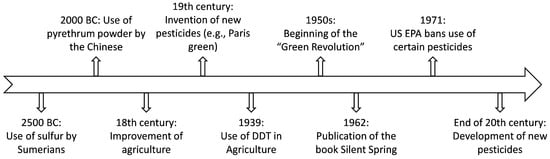
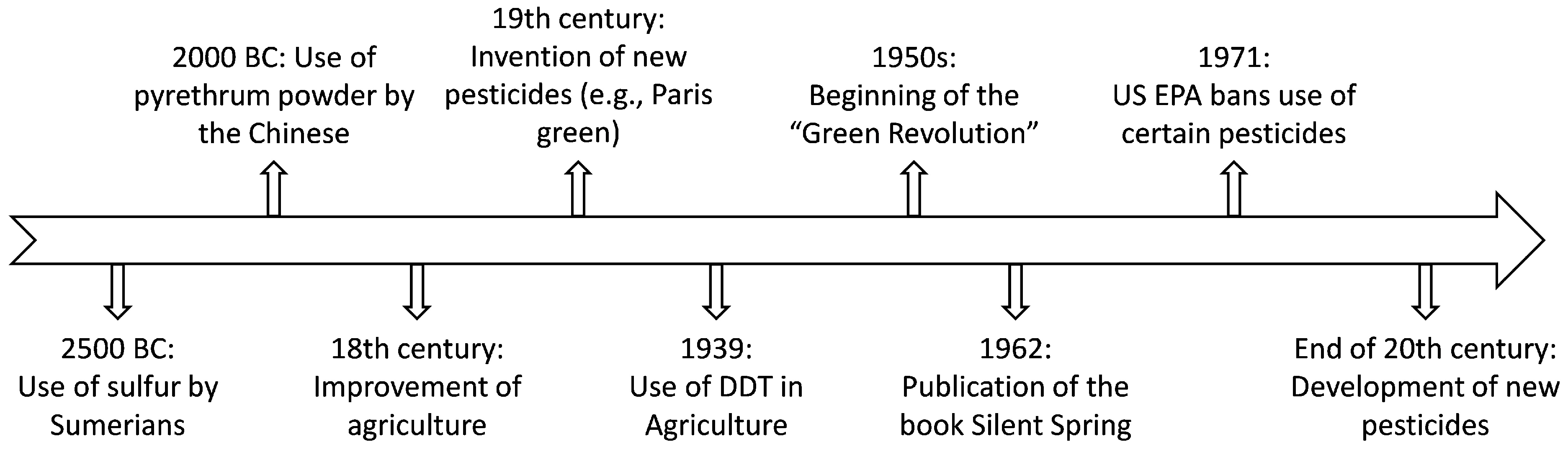
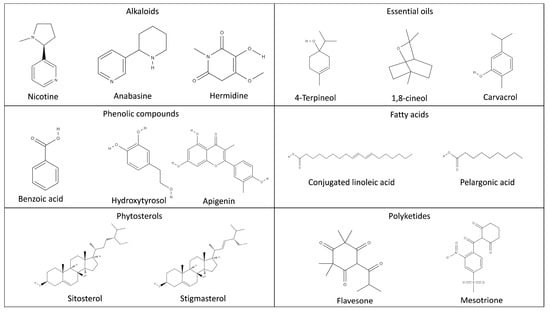
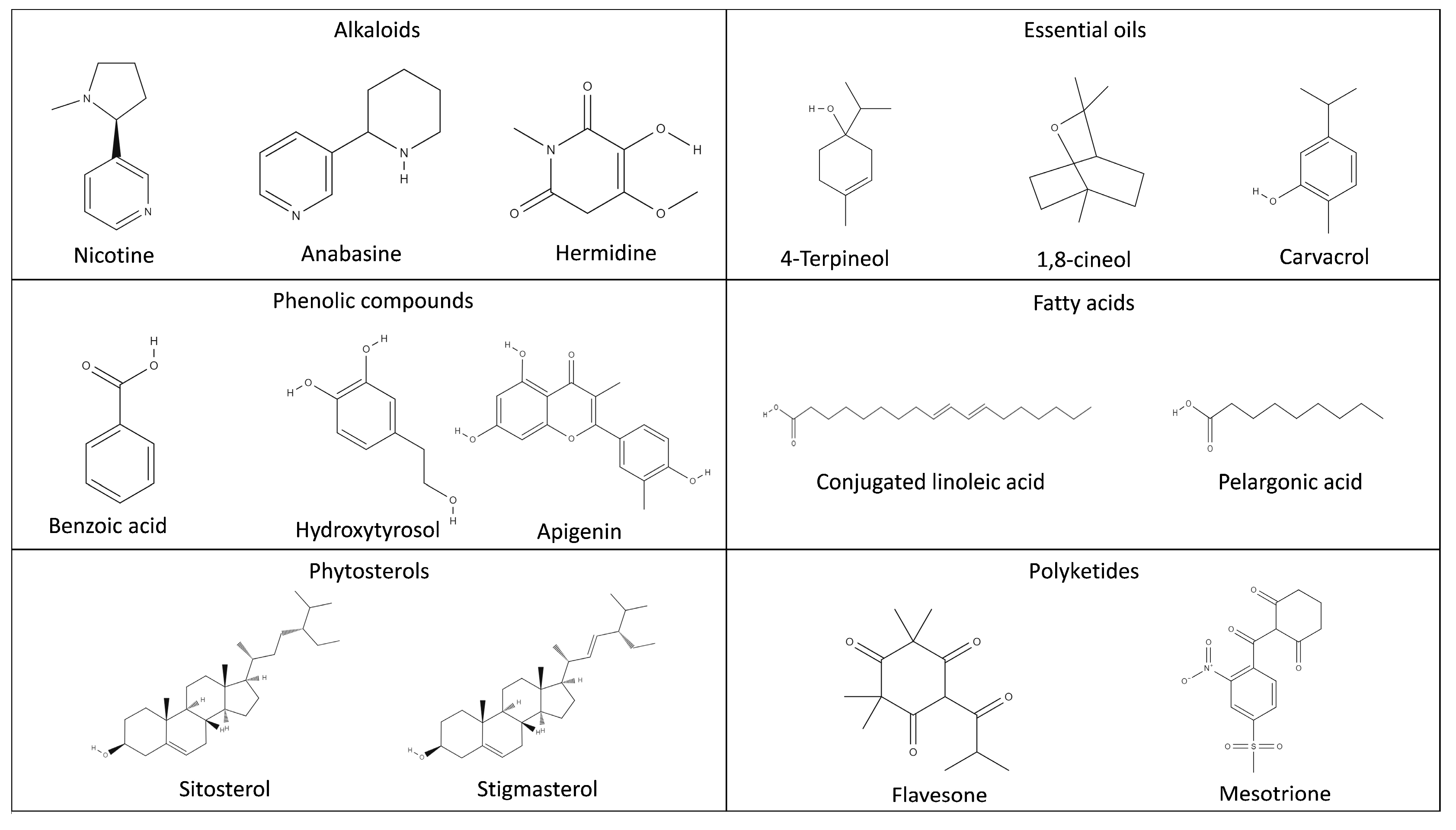
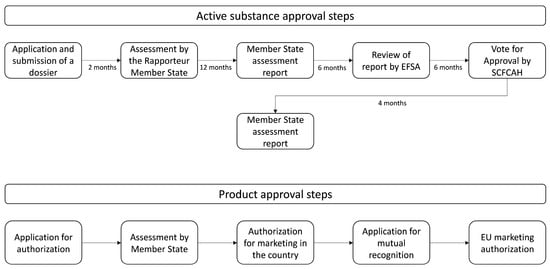
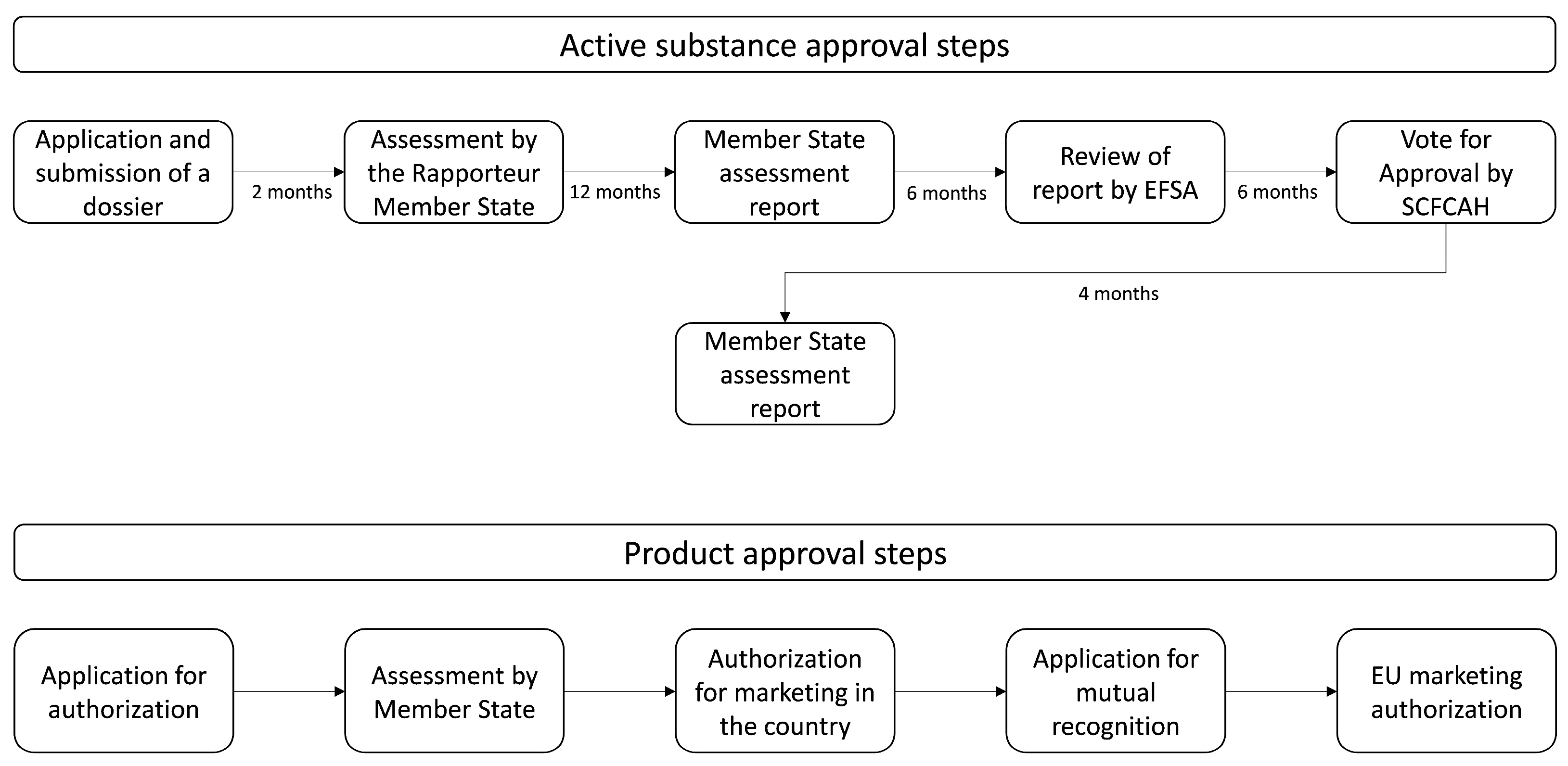
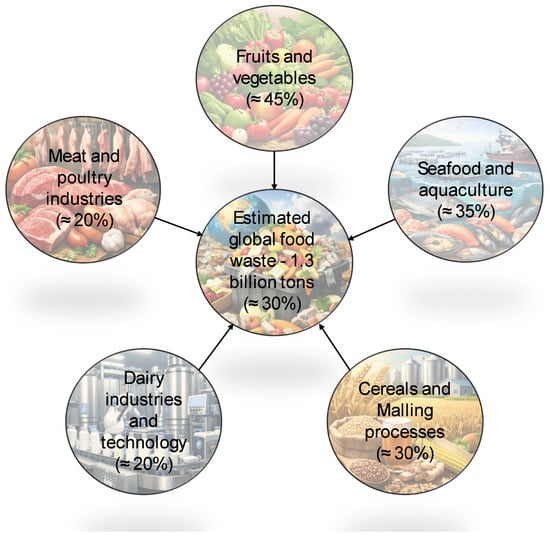
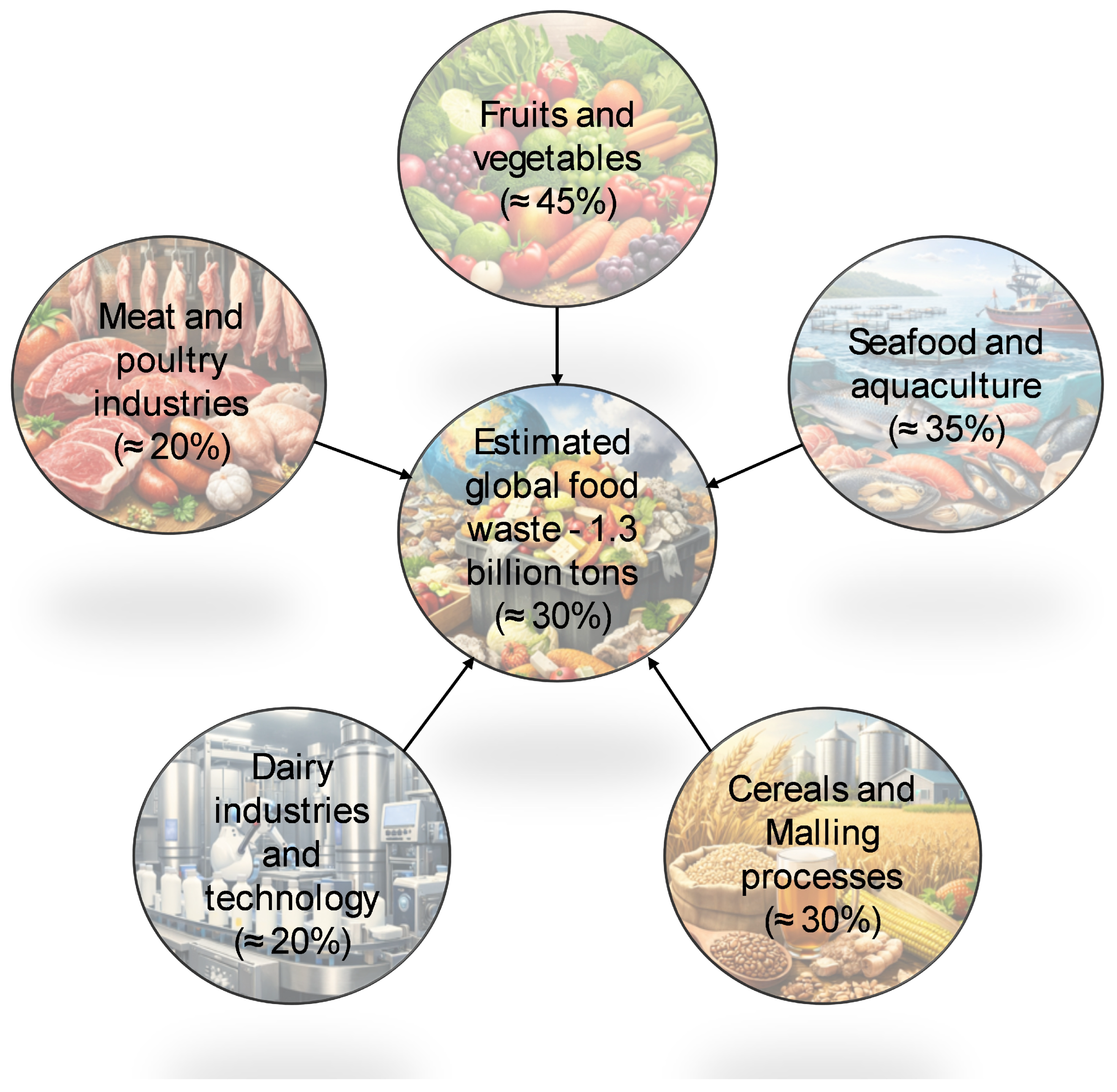

Disclaimer/Publisher’s Note: The statements, opinions and data contained in all publications are solely those of the individual author(s) and contributor(s) and not of MDPI and/or the editor(s). MDPI and/or the editor(s) disclaim responsibility for any injury to people or property resulting from any ideas, methods, instructions or products referred to in the content. |
© 2026 by the authors. Licensee MDPI, Basel, Switzerland. This article is an open access article distributed under the terms and conditions of the Creative Commons Attribution (CC BY) license.