Review

Modern Methods of Pre-Treatment of Plant Material for the Extraction of Bioactive Compounds
by
Aneta Krakowska-Sieprawska
1,2,
Anna Kiełbasa
1,
Katarzyna Rafińska
1,
Magdalena Ligor
1 and
Bogusław Buszewski
1,2,*
1
Department of Environmental Chemistry and Bioanalytics, Faculty of Chemistry, Nicolaus Copernicus University, Gagarina 7 St., PL-87100 Torun, Poland
2
Interdisciplinary Centre of Modern Technologies, Nicolaus Copernicus University, Wileńska 4 St., PL-87100 Torun, Poland
*
Author to whom correspondence should be addressed.
Molecules 2022, 27(3), 730; https://doi.org/10.3390/molecules27030730

Submission received: 31 December 2021 / Revised: 17 January 2022 / Accepted: 20 January 2022 / Published: 23 January 2022
(This article belongs to the Special Issue Isolation and Structure Determination of Bioactive Natural Products)

Abstract

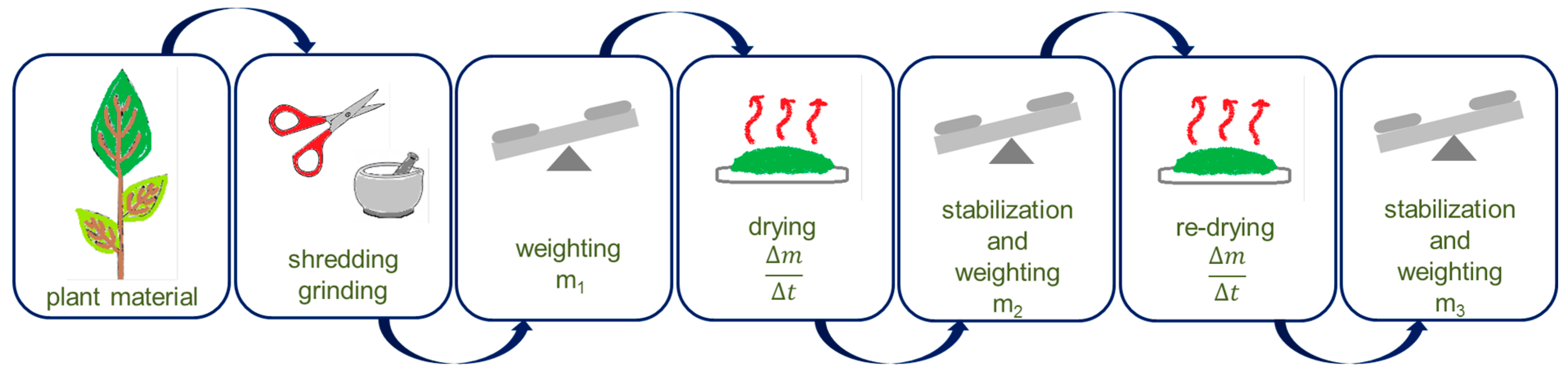
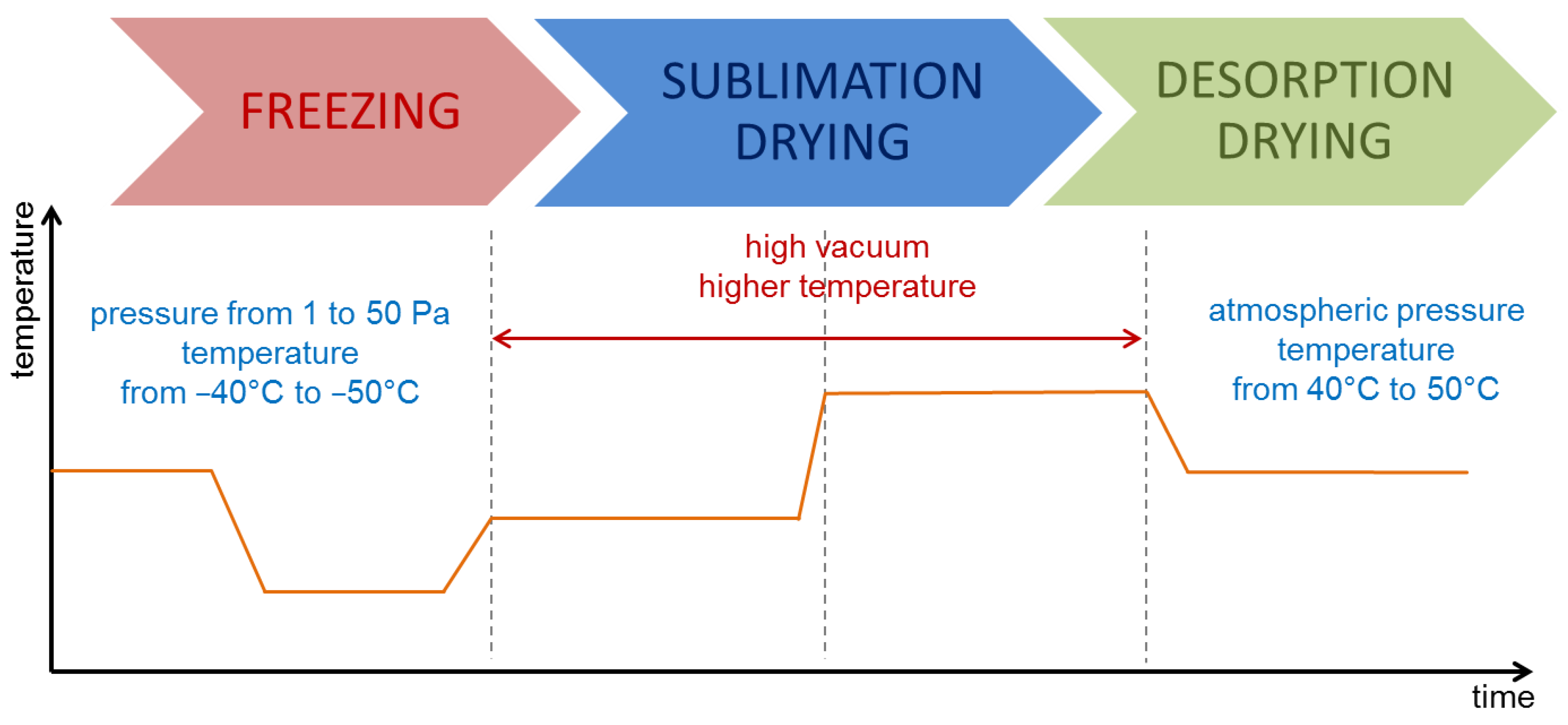
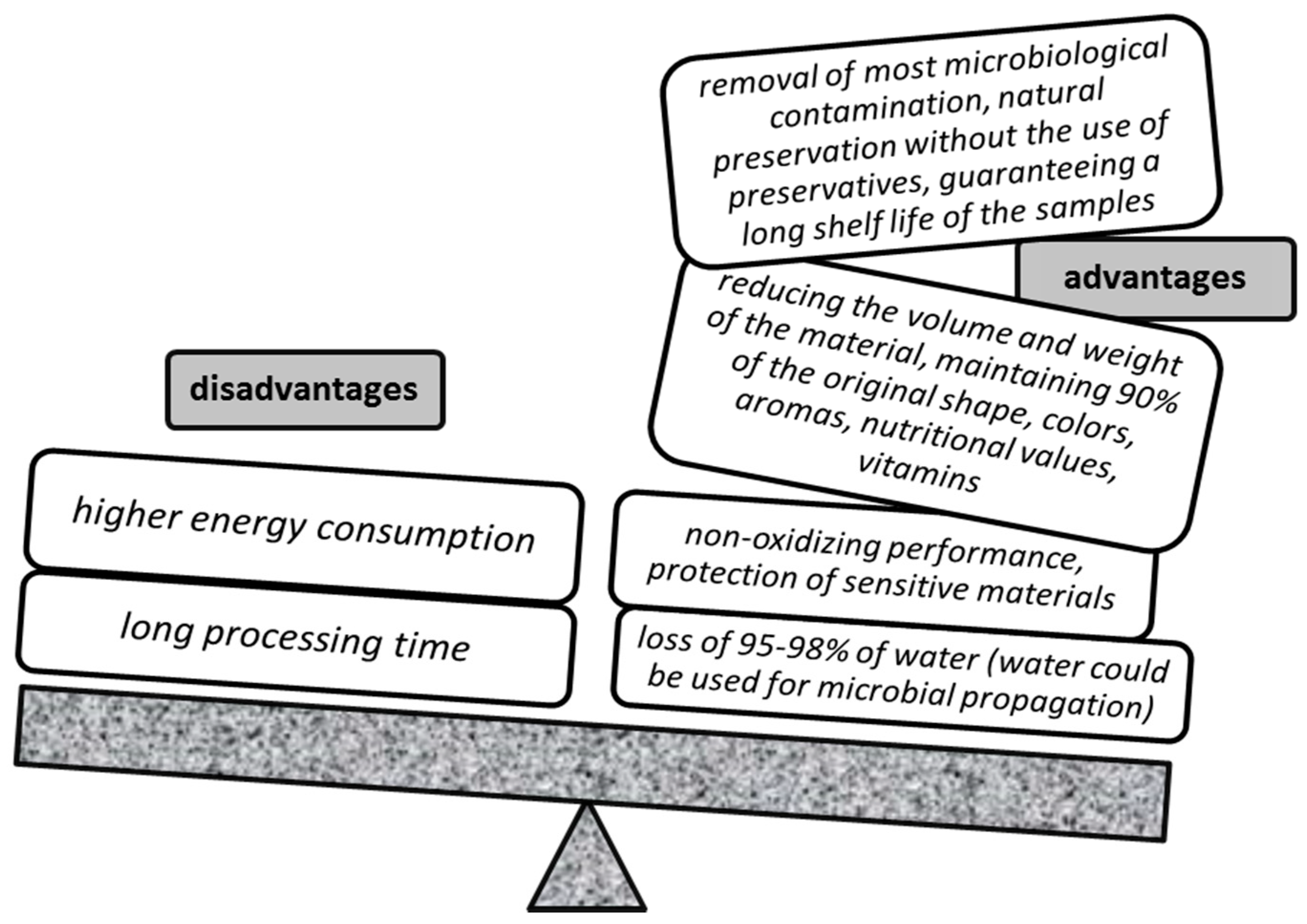
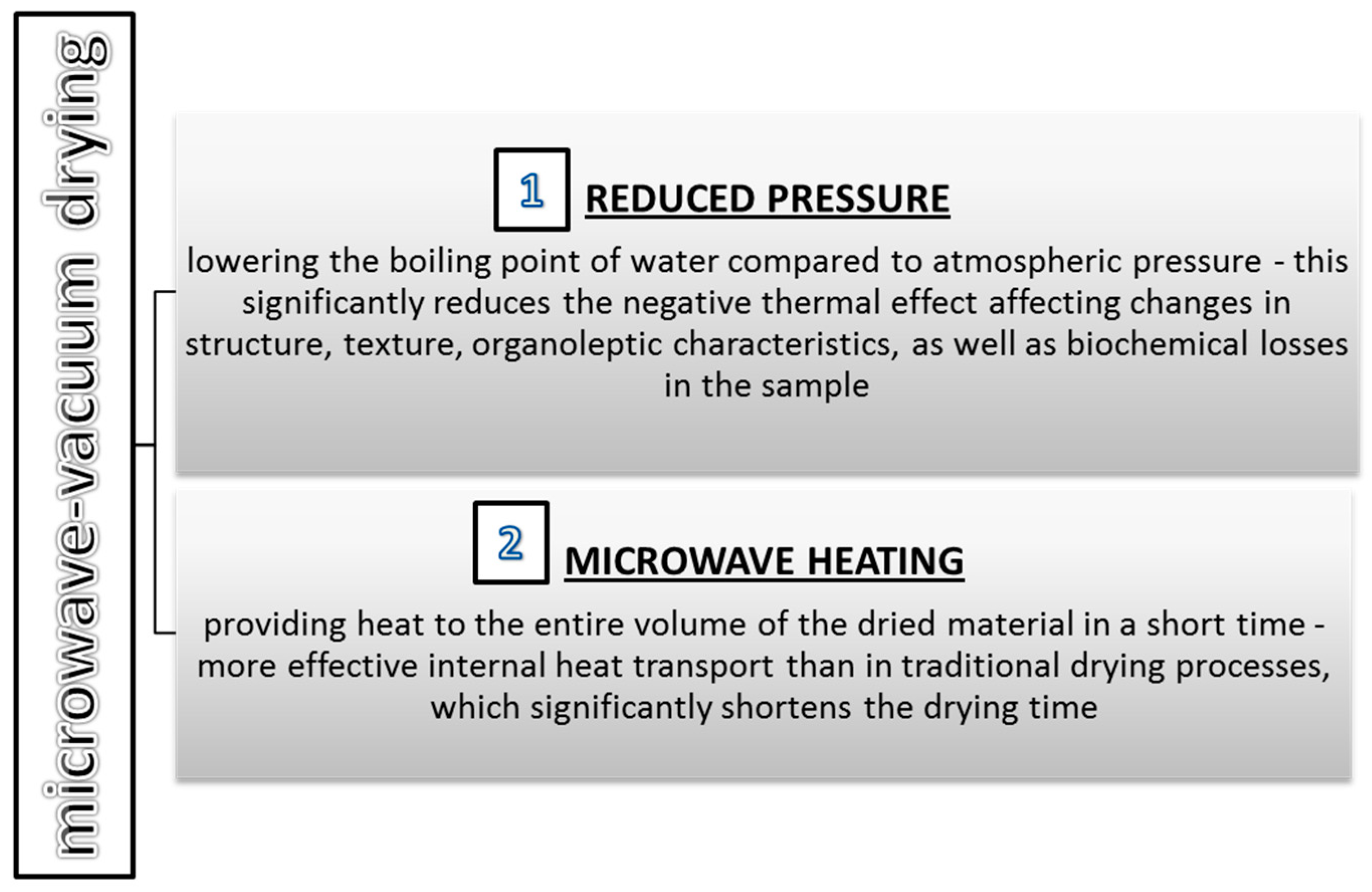
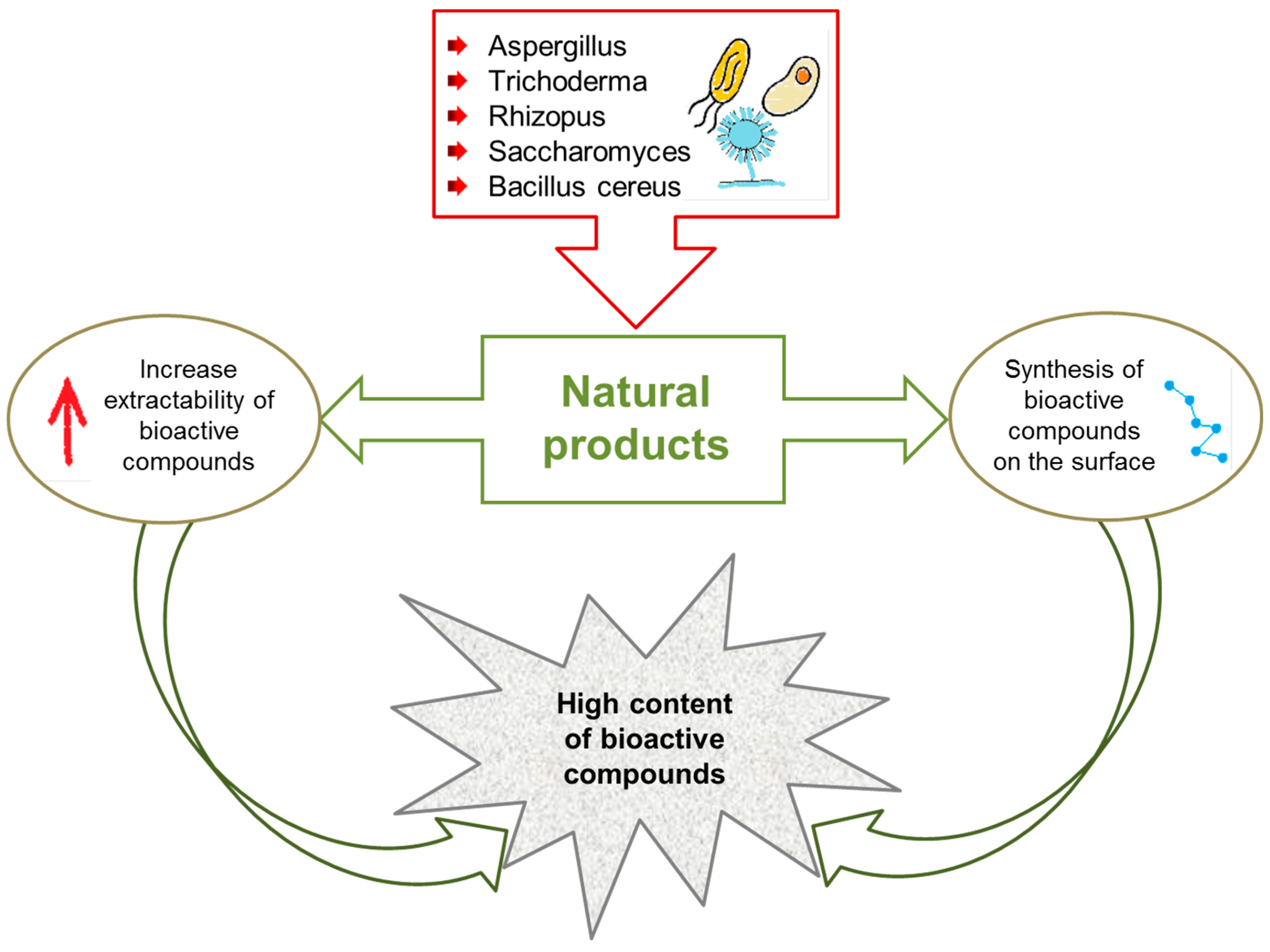
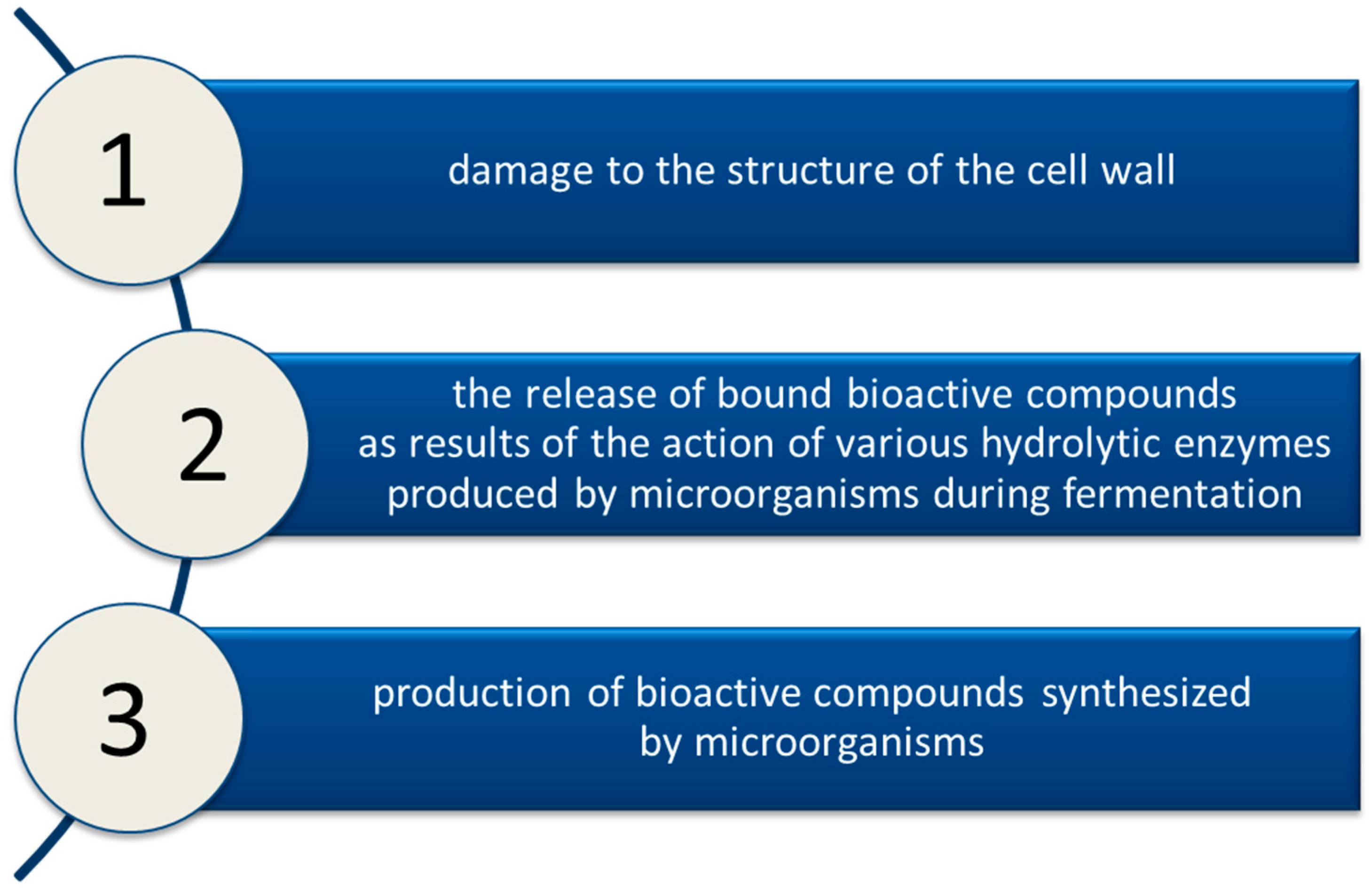
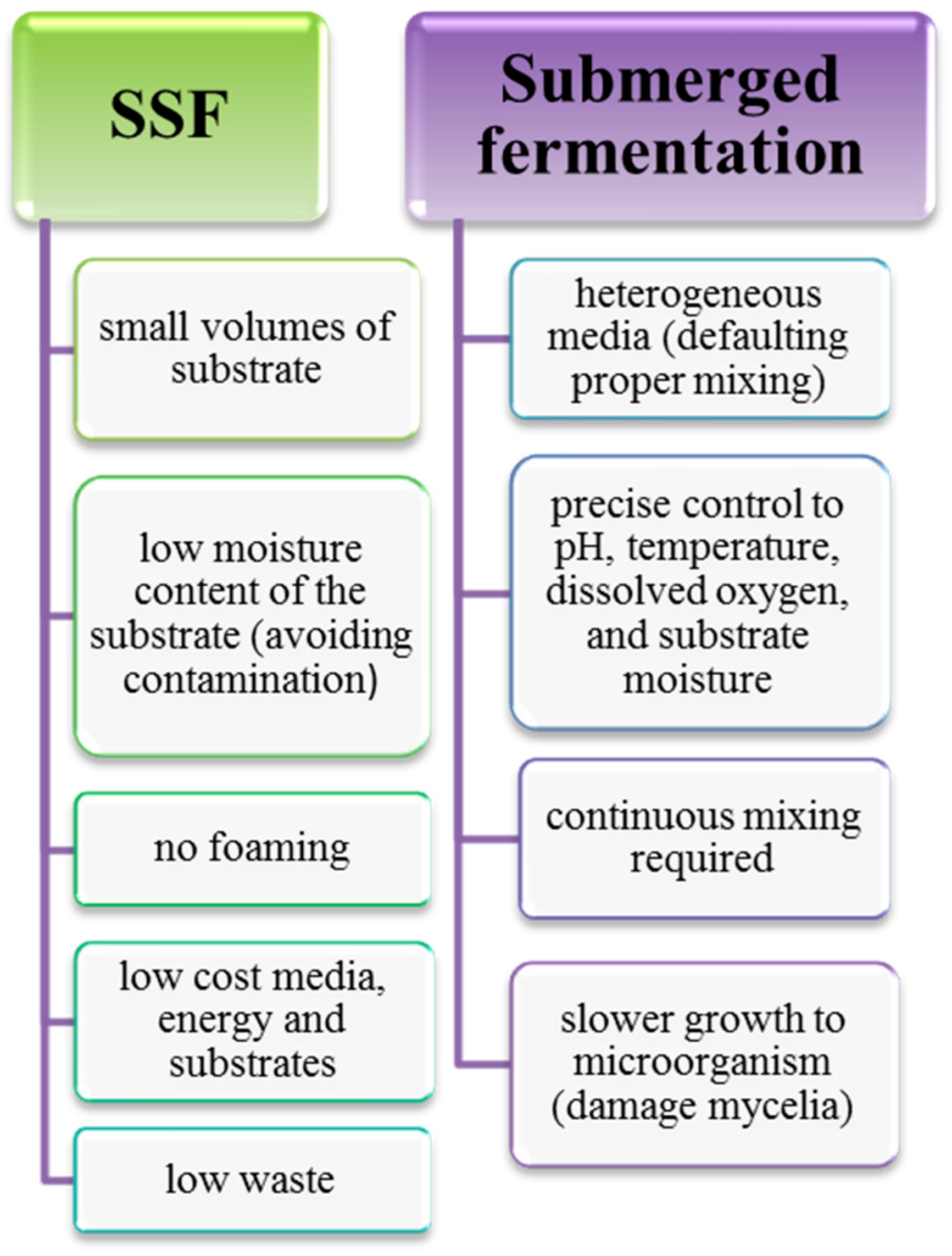
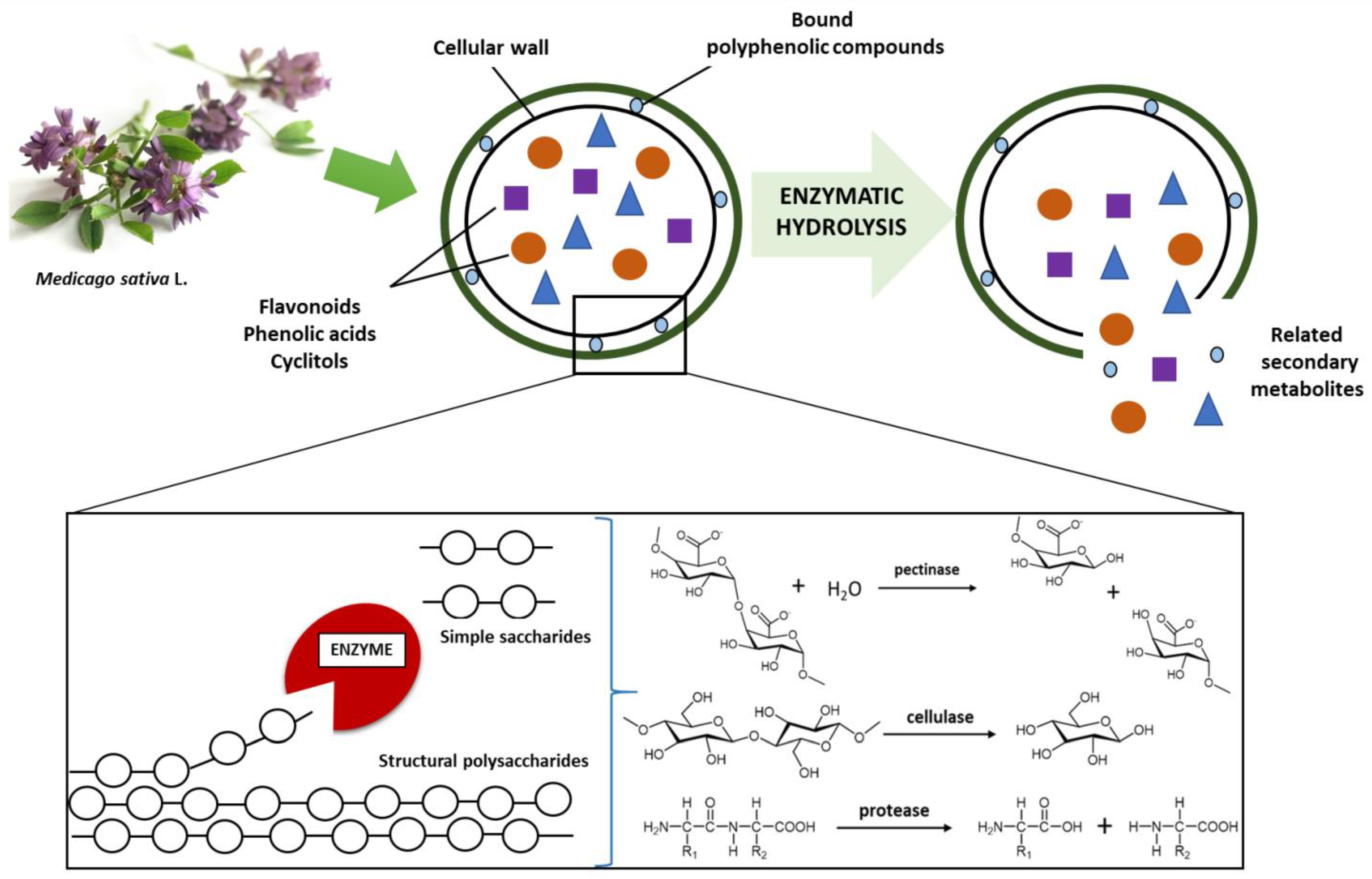
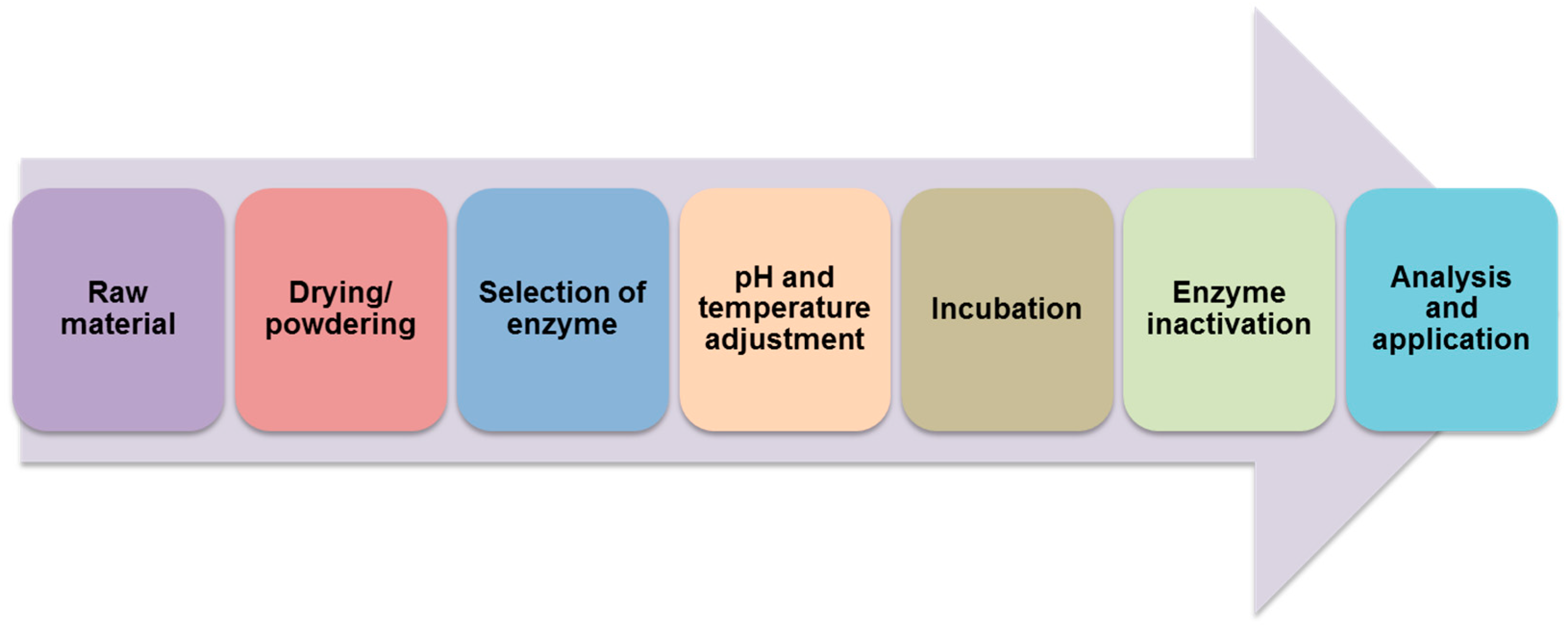
In this review, recent advances in the methods of pre-treatment of plant material for the extraction of secondary metabolites with high biological activity are presented. The correct preparation of the material for extraction is as important as the selection of the extraction method. This step should prevent the degradation of bioactive compounds as well as the development of fungi and bacteria. Currently, the methods of preparation are expected to modify the particles of the plant material in such a way that will contribute to the release of bioactive compounds loosely bonded to cell wall polymers. This review presents a wide range of methods of preparing plant material, including drying, freeze-drying, convection drying, microwave vacuum drying, enzymatic processes, and fermentation. The influence of the particular methods on the structure of plant material particles, the level of preserved bioactive compounds, and the possibility of their release during the extraction were highlighted. The plant material pre-treatment techniques used were discussed with respect to the amount of compounds released during extraction as well their application in various industries interested in products with a high content of biologically active compounds, such as the pharmaceutical, cosmetics, and food industries.
Keywords: sample preparation; plant material; drying; freeze-drying; convection drying; microwave vacuum drying; enzymatic processes; fermentation sample preparation; plant material; drying; freeze-drying; convection drying; microwave vacuum drying; enzymatic processes; fermentation