Review

Methods to Enhance the Metabolic Stability of Peptide-Based PET Radiopharmaceuticals
1
Department of Molecular Sciences, Macquarie University, Sydney, NSW 2109, Australia
2
Department of Molecular Imaging, Royal Prince Alfred Hospital, Camperdown, NSW 2050, Australia
3
Australian Nuclear Science and Technology Organisation (ANSTO), Lucas Heights, NSW 2234, Australia
*
Author to whom correspondence should be addressed.
Molecules 2020, 25(10), 2314; https://doi.org/10.3390/molecules25102314

Submission received: 1 April 2020 / Revised: 11 May 2020 / Accepted: 13 May 2020 / Published: 14 May 2020
(This article belongs to the Special Issue Radiopharmaceuticals for PET Imaging - Issue A)

Abstract

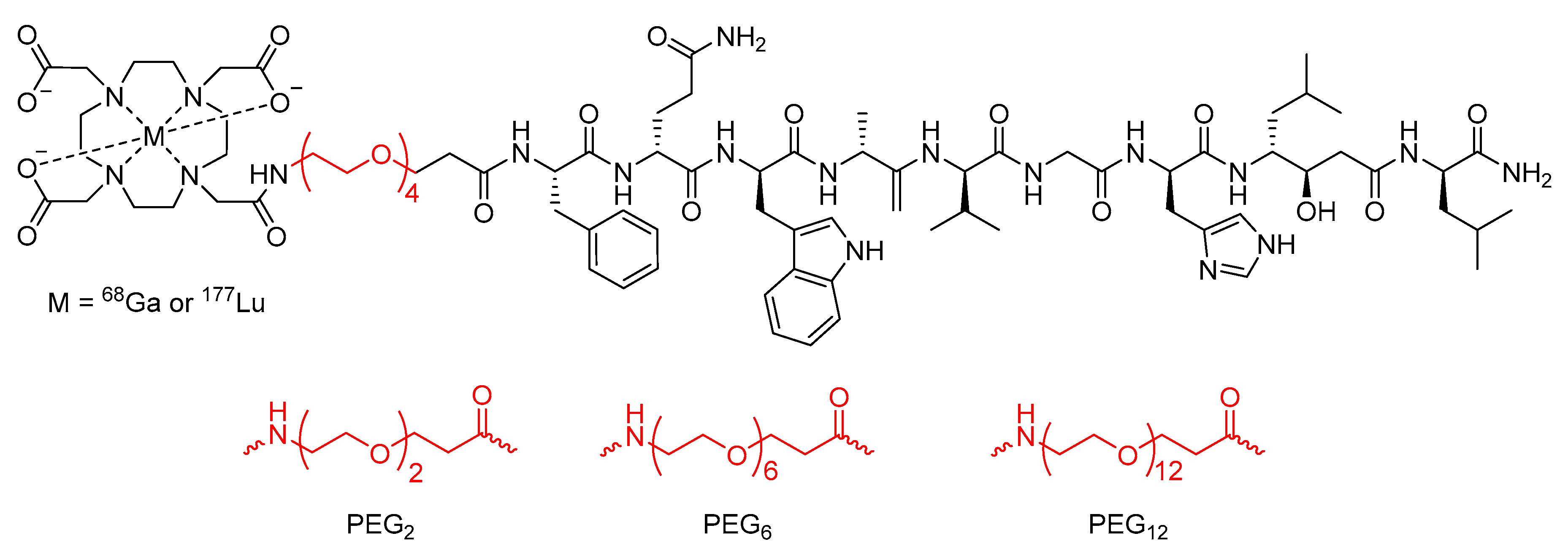
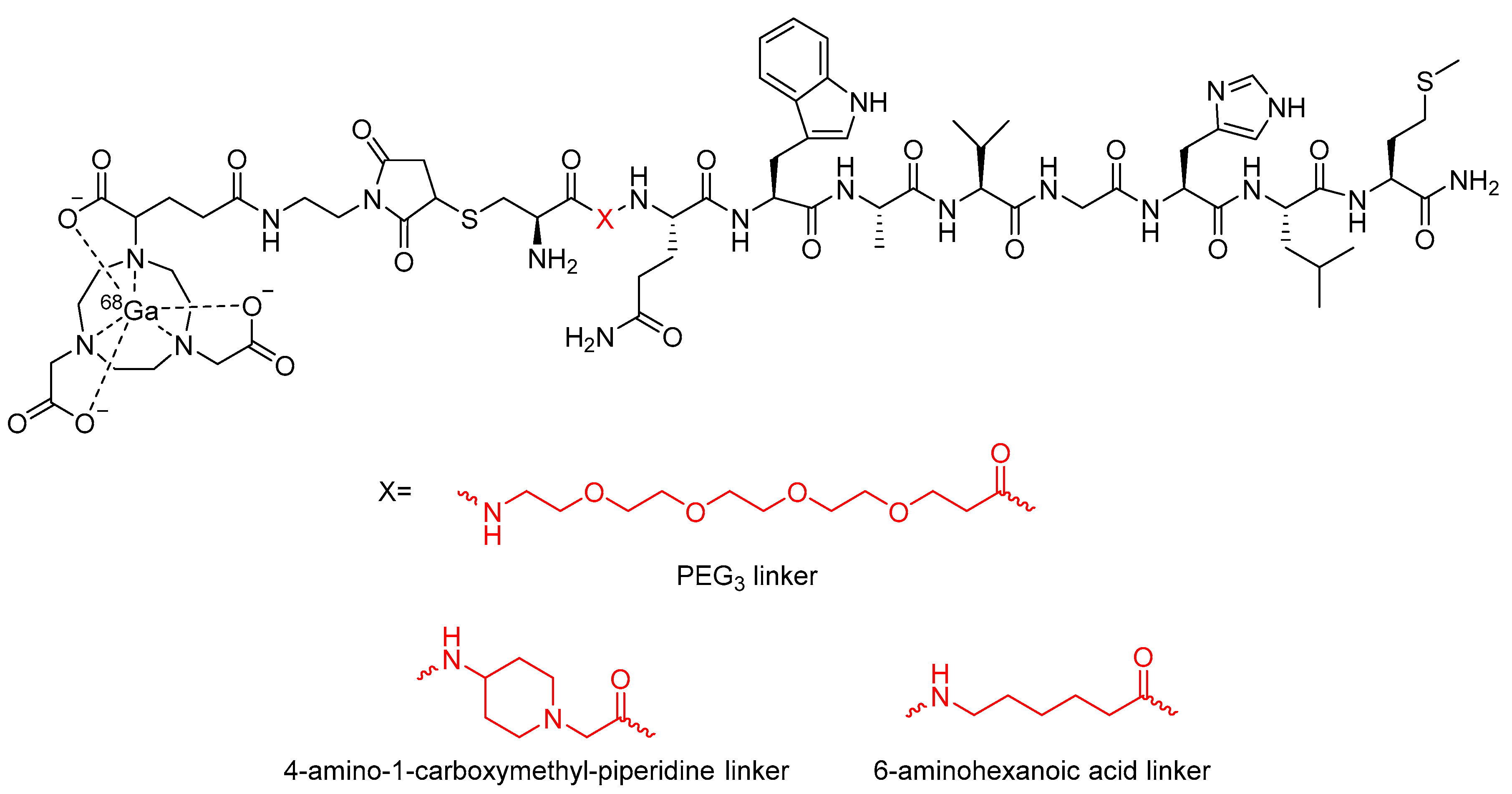
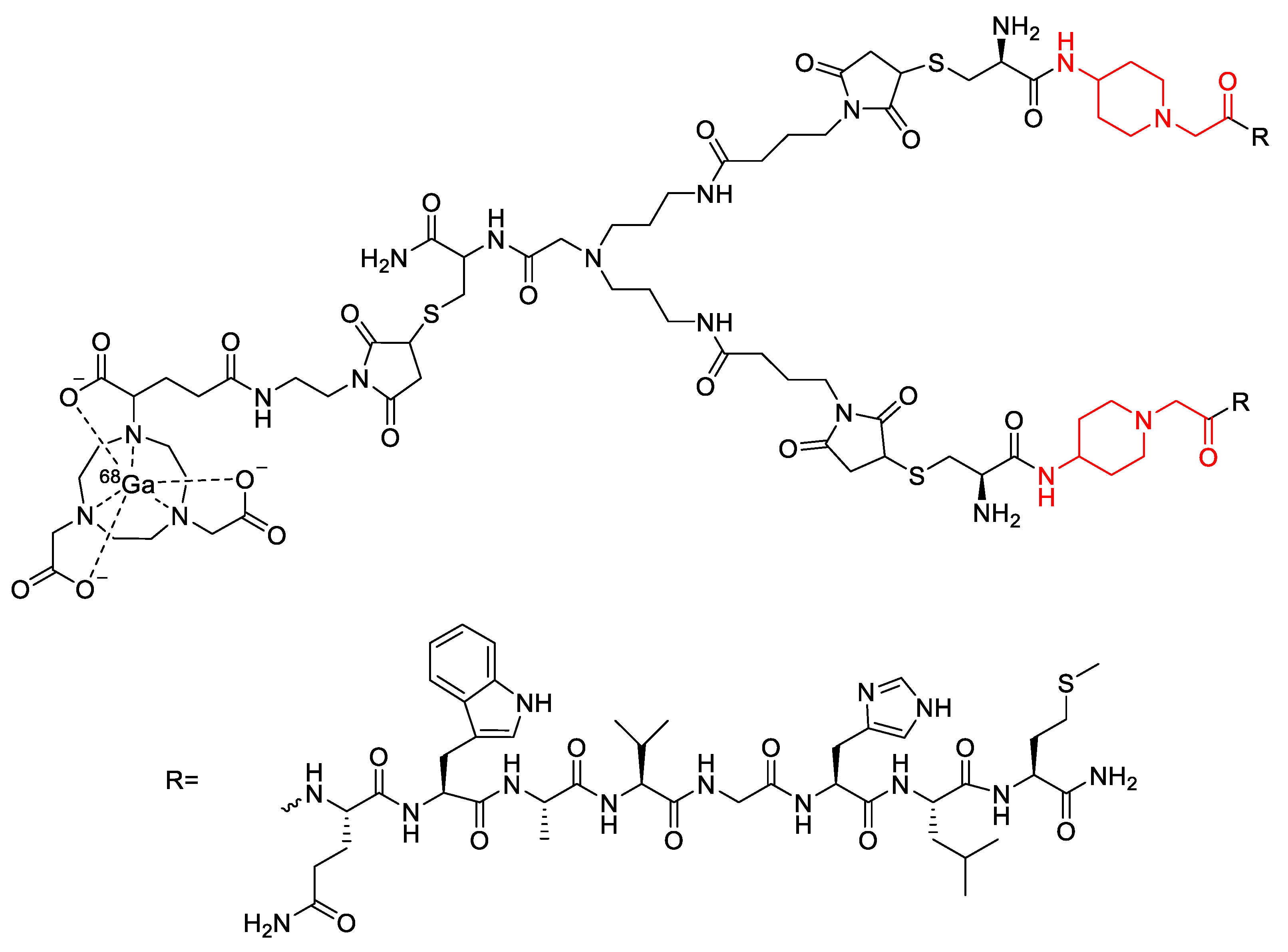
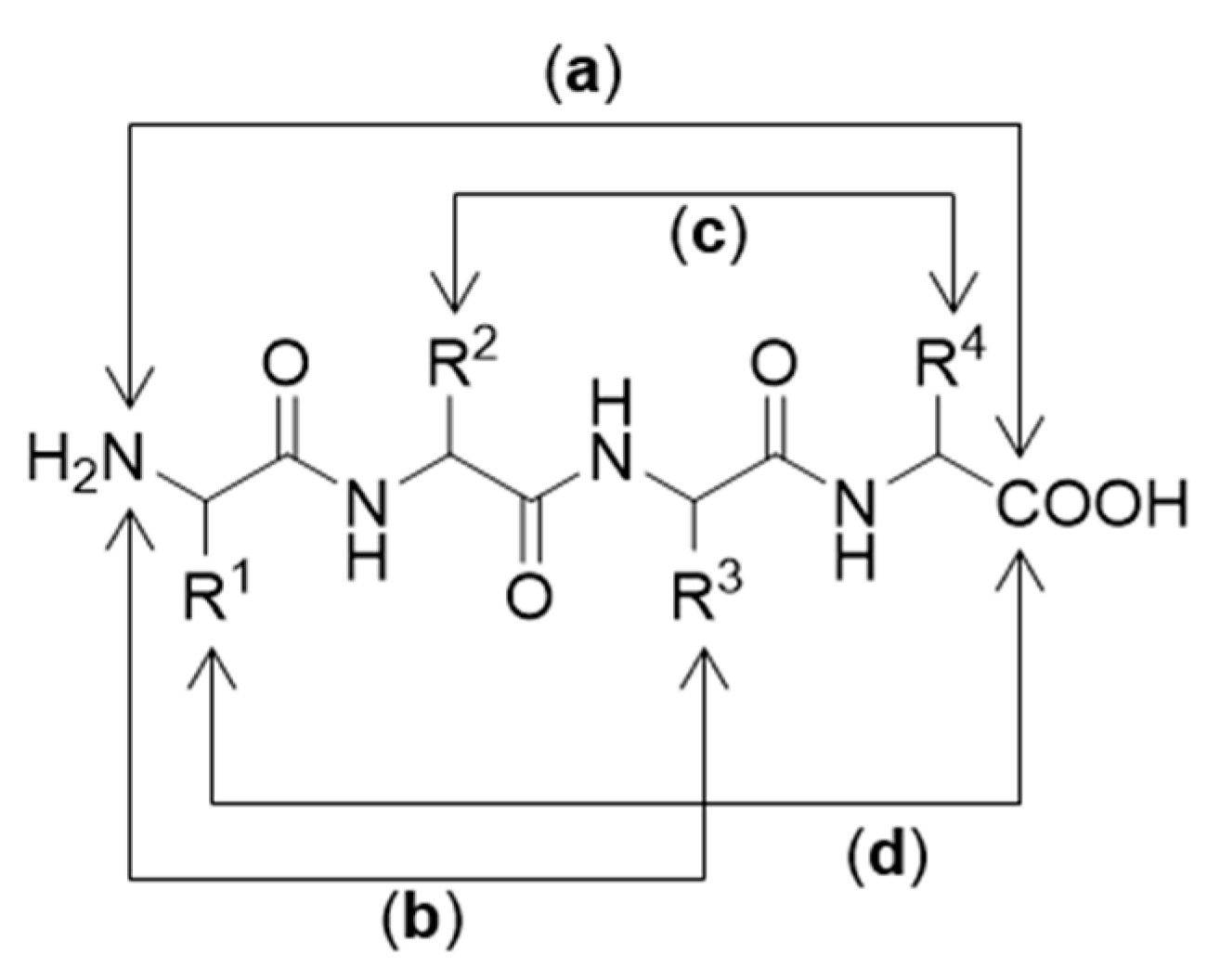
The high affinity and specificity of peptides towards biological targets, in addition to their favorable pharmacological properties, has encouraged the development of many peptide-based pharmaceuticals, including peptide-based positron emission tomography (PET) radiopharmaceuticals. However, the poor in vivo stability of unmodified peptides against proteolysis is a major challenge that must be overcome, as it can result in an impractically short in vivo biological half-life and a subsequently poor bioavailability when used in imaging and therapeutic applications. Consequently, many biologically and pharmacologically interesting peptide-based drugs may never see application. A potential way to overcome this is using peptide analogues designed to mimic the pharmacophore of a native peptide while also containing unnatural modifications that act to maintain or improve the pharmacological properties. This review explores strategies that have been developed to increase the metabolic stability of peptide-based pharmaceuticals. It includes modifications of the C- and/or N-termini, introduction of d- or other unnatural amino acids, backbone modification, PEGylation and alkyl chain incorporation, cyclization and peptide bond substitution, and where those strategies have been, or could be, applied to PET peptide-based radiopharmaceuticals.
Keywords: radiopharmaceuticals; peptides; positron emission tomography; proteolysis; metabolic stability radiopharmaceuticals; peptides; positron emission tomography; proteolysis; metabolic stability