Article

Molecular Signatures and Network Alterations Underlying GBM Progression and Recurrence

by
Andrea Pop Crisan
1,†,
Cristina Ciocan
2,†,
Radu Pirlog
3,4,
Alexandru Necula
2,5,
Darius Adin Al Hajjar
6,
Lavinia-Lorena Pruteanu
2,7,
Constantin-Ioan Busuioc
8,9,
Deo Prakash Pandey
10,11,
Aurel George Mohan
1,
Cornelia Braicu
2,* and
Ioana Berindan-Neagoe
2,12,13
1
Department of Surgical Sciences, Faculty of Medicine and Pharmacy, University of Oradea, 410073 Oradea, Romania
2
Department of Genomics, MEDFUTURE Institute for Biomedical Research, Iuliu Hațieganu University of Medicine and Pharmacy, 400347 Cluj-Napoca, Romania
3
Département de Pathologie, Hôpitaux Universitaires Henri Mondor, AP-HP, 94010 Créteil, France
4
INSERM U955, Université Paris Est Créteil, 94010 Créteil, France
5
Clinic of Neurosurgery, Cluj County Emergency Clinical Hospital, 400347 Cluj-Napoca, Romania
6
Faculty of Medicine, Iuliu Hațieganu University of Medicine and Pharmacy, 400347 Cluj-Napoca, Romania
7
Department of Chemistry and Biology, Technical University of Cluj-Napoca, North University Center at Baia Mare, Faculty of Sciences, 430122 Baia Mare, Romania
8
Department of Pathology, Saint Mary Clinical Hospital, 011172 Bucharest, Romania
9
Department of Pathology, Onco Team Diagnostic, 010719 Bucharest, Romania
10
Department of Microbiology, Rikshospitalet, Oslo University Hospital, 0372 Oslo, Norway
11
CRESCO, Centre for Embryology and Healthy Development, University of Oslo, 0372 Oslo, Norway
12
Doctoral School, Iuliu Hațieganu University of Medicine and Pharmacy, 400347 Cluj-Napoca, Romania
13
Academy of Medical Sciences, 030171 Bucharest, Romania
*
Author to whom correspondence should be addressed.
These authors contributed equally to this work.
Medicina 2026, 62(2), 336; https://doi.org/10.3390/medicina62020336
Submission received: 7 January 2026 / Revised: 29 January 2026 / Accepted: 3 February 2026 / Published: 6 February 2026
(This article belongs to the Section Pharmacology)

Abstract

Background and Objectives: Glioblastoma (GBM) is the most aggressive form of primary brain tumor, characterised by high recurrence rates and poor patient prognosis. This study aimed to identify gene-expression signatures and molecular networks associated with primary and recurrent GBM to better understand the biological mechanisms underlying tumor progression. Materials and Methods: Gene expression analysis of TCGA data was conducted to identify differentially expressed genes across tumor, recurrent, and normal brain tissues. Analysis of overlapping differentially expressed gene sets revealed both common and specific gene-expression profiles across the groups, highlighting genes potentially involved in GBM recurrence. Gene network and canonical pathway analyses were performed using Ingenuity Pathway Analysis (IPA) to identify key pathways and cellular functions altered in GBM. Results: Our data identified distinct molecular signatures in tumor, recurrent, and normal brain samples, highlighting dysregulated genes associated with cellular growth, proliferation, and movement. Transcriptomic stratification revealed progressive tumor- and recurrence-adapted states, with composite Tumor Scores (TS) and Recurrence Scores (RS) classifying samples into four classes: normal-like, proliferative, transitional, and recurrence-adapted tumor states. Conclusions: These findings provide insights into the signaling networks and biological mechanisms underlying GBM recurrence and may guide the identification of potential therapeutic targets to improve the management of this malignancy.

1. Introduction

GBM (GBM) is an incurable malignancy, accounting for approximately 15% of all intracranial neoplasms and nearly half of malignant gliomas [1,2,3]. Despite maximal surgical resection followed by concurrent radiotherapy and temozolomide chemotherapy, the median survival of GBM patients remains around 12 to 15 months, with fewer than 5% of patients surviving beyond five years, a fact unchanged for two decades [2,4]. Moreover, tumor recurrence is almost inevitable, often occurring within months of initial therapy, and recurrent GBM is typically more invasive and resistant to conventional treatments [2,5,6].
In recent years, high-throughput molecular profiling technologies, such as microarray-based gene expression analysis, next-generation sequencing, single-cell RNA sequencing, and proteomics, have revolutionized clinical research. Transcriptomic profiling has enabled researchers to classify GBM into distinct molecular subtypes (proneural, classical, and mesenchymal), each associated with unique signalling pathways, therapeutic responses, and prognostic outcomes [7]. These studies have identified key driver genes and dysregulated pathways involved in tumorigenesis, including alterations in EGFR, PTEN, TP53, and IDH1/2, as well as activation of signalling cascades such as PI3K/AKT/mTOR, MAPK, and NF-κB [5,8,9,10].
Gene expression profiling is a critical tool for elucidating the altered molecular mechanisms that differentiate primary from recurrent GBM [11]. Transcriptomic studies have revealed that recurrent GBMs often acquire novel mutations and gene-expression changes that promote enhanced cell migration, invasion, angiogenesis, and immune evasion [10,12,13]. Notably, recurrent tumors frequently overexpress genes involved in extracellular matrix remodelling, such as MMP2, MMP9, and integrins, as well as inflammatory mediators like IL-6 and STAT3, which support tumor progression and a pro-tumor microenvironment [5,14]. Stem cell-associated markers, including SOX2 and CD44, are also upregulated, reflecting an enrichment of tumor-initiating cells that drive therapy resistance [15]. In addition, recurrent GBMs exhibit elevated expression of drug-resistance-related genes that contribute to resistance to alkylating agents, chemotherapeutics, and apoptosis-inducing treatments [16]. Collectively, these molecular adaptations illustrate the plasticity of GBM cells under therapeutic pressure and underscore the challenges in achieving durable responses [5,10,12].
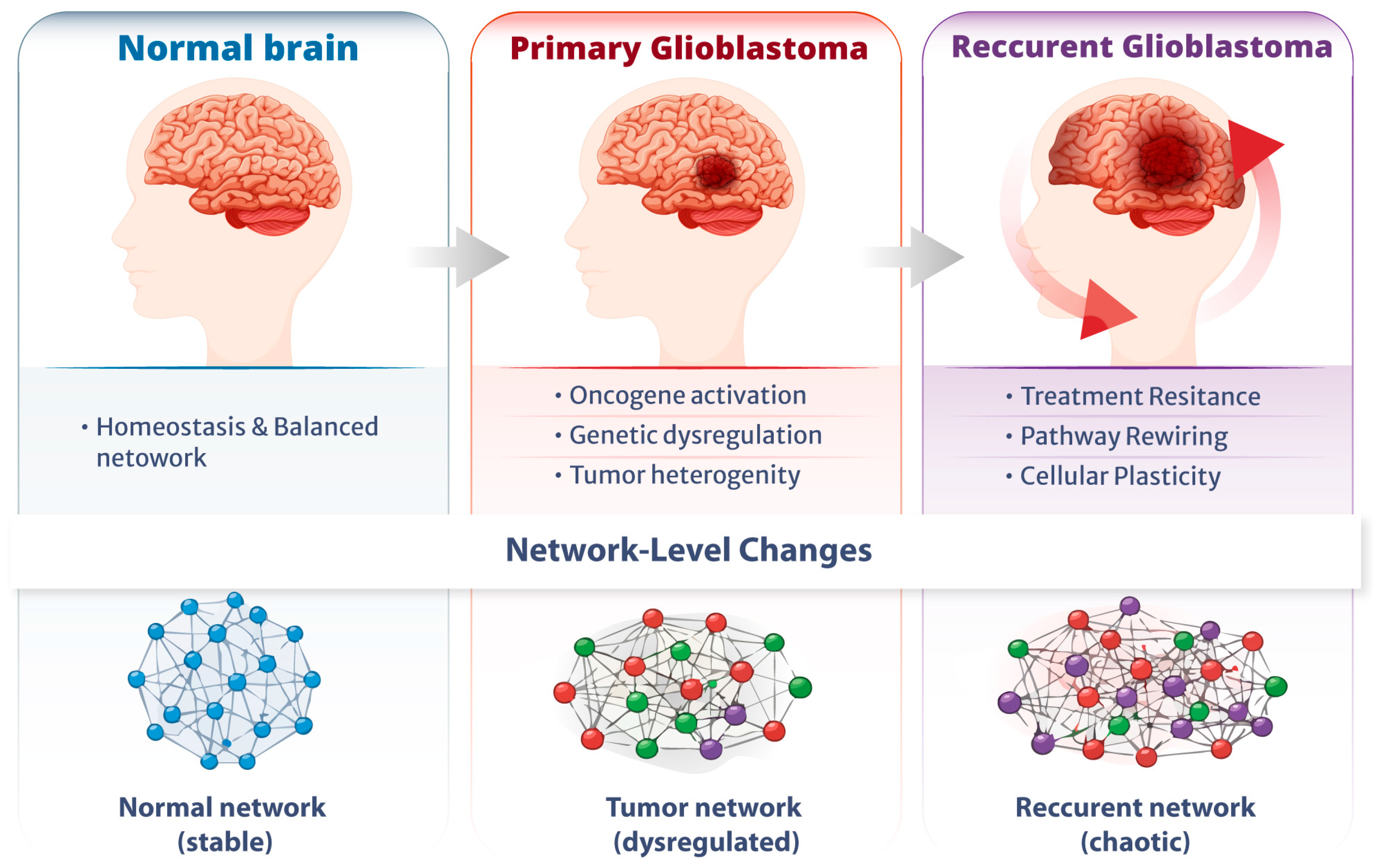
Despite significant progress in molecular characterization of GBM, the biological foundations of recurrence mechanisms remain incompletely understood. Profiling gene expression and molecular networks in primary and recurrent GBM can reveal critical pathways underlying tumor adaptation and therapeutic failure. This study aims to identify and compare gene-expression signatures and signalling networks between primary and recurrent GBM tissues. Using Ingenuity Pathway Analysis (IPA), we systematically explored disease-related pathways, molecular and cellular functions, and gene networks. Furthermore, survival data from UALCAN datasets were integrated to assess the prognostic relevance of the identified genes. By combining gene expression profiling with pathway analysis, our work provides a comprehensive understanding of the molecular mechanisms underlying GBM progression and recurrence, emphasizing network transcriptomic evolution as shown in Figure 1.

2. Materials and Methods

TCGA Data Collection. One hundred fifty-four GBM samples, along with five matched normal tissue samples and thirteen recurrent tumor tissues, were obtained from the Cancer Genome Atlas (TCGA) database (http://firebrowse.org/, accessed on 20 November 2024). Table 1 provides detailed clinical information for the patients included in this study.
Gene Spring data analysis of the TCGA dataset was conducted to provide a baseline reference for non-neoplastic transcriptional programs and to highlight tumor-associated changes in gene expression relative to normal brain. To address potential batch effects in the TCGA data, samples were processed and normalized using standard GeneSpring (Agilent Technologies, V15.5) workflows, including background correction and quantile normalization. These procedures help ensure comparability across samples and minimize technical variability. Differential expression analysis was conducted using a fold-change (FC) threshold of ≥1.5 using the Benjamini–Hochberg correction. Only genes meeting both the FC and adjusted p-value criteria were considered significantly differentially expressed.
Gene network analysis in GBM. Gene network analysis was conducted using Ingenuity Pathway Analysis (IPA) software (Ingenuity Systems, Redwood City, CA, USA). Altered genes identified in GBM were imported into Ingenuity Pathway Analysis (IPA, QIAGEN, Hilden, Germany) to generate connectivity-based interaction networks using standard IPA settings. Networks were constructed based on known molecular interactions curated in the IPA knowledge base, with network scores calculated using a right-tailed Fisher’s exact test to assess the probability of the observed gene overlap occurring by chance. Each network score reflects the degree of enrichment of the input gene set within the IPA database. Canonical pathway analysis was performed to identify significantly enriched pathways, with significance determined using a −log10(p-value) threshold derived from Fisher’s exact test. Pathways with adjusted p-values meeting standard IPA significance criteria were considered relevant to the dataset.
Additional analyses were conducted to assess overlaps among GBM-associated gene sets related to epithelial–mesenchymal transition (EMT) and drug resistance using the Venn Diagram online tool. Genes common to these overlapping sets were subsequently used to explore functional connectivity and interaction patterns within the identified networks.
Protein–protein interaction (PPI) networks were generated using the STRING database (v12.0, accessed 12 November 2025) [17]. Default STRING settings were applied, including a medium confidence interaction threshold (combined score ≥ 0.4) and integration of evidence from experimental data, curated databases, co-expression, text mining, and predicted interactions.
Gene expression-based scoring and tumor classification using tumor score (TS) and recurrence score (RS). Normalized gene expression data from normal brain, primary glioblastoma, and recurrent glioblastoma samples were analysed. Lowly expressed and non-informative genes were filtered out before analysis. Differential expression analysis was performed to identify tumor-associated genes (tumor vs. normal) and recurrence-associated genes (recurrent vs. primary tumors). These gene sets were used to construct a TS and an RS, respectively. For each sample, gene expression values were standardized, and composite scores were calculated as the mean expression of upregulated genes minus the mean expression of downregulated genes. Samples were initially classified as normal-like (Class 1) or tumor-like (Class 2) using the TS.
RS subsequently stratified tumor samples into primary tumor—proliferative core (Class 2), primary tumor—transitional (Class 3), or recurrence-adapted aggressive tumors (Class 4), reflecting increasing transcriptional activity associated with recurrence. TS and RS were constructed from differential expression signatures. For each contrast (tumor vs. normal; recurrent vs. primary), genes significantly upregulated and downregulated (FDR < 0.05) were selected, and expression values were z-score standardized. For each sample, scores were calculated as the mean z-score of upregulated signature genes minus the mean z-score of downregulated signature genes. All statistical analyses were performed using R, with significance defined as p < 0.05. We combined multiple up- and down-regulated genes using a composite score to provide a robust transcriptional program and reduce the impact of noise from individual genes, particularly in heterogeneous tumors such as glioblastoma. Limitations of this study include the small number of recurrent samples. This can affect the solidity of the recurrence-associated signature, and the classification has not yet been validated in an independent cohort. External validation in larger datasets will be needed to confirm the extent to which our study findings can be extrapolated to a larger population.

3. Results

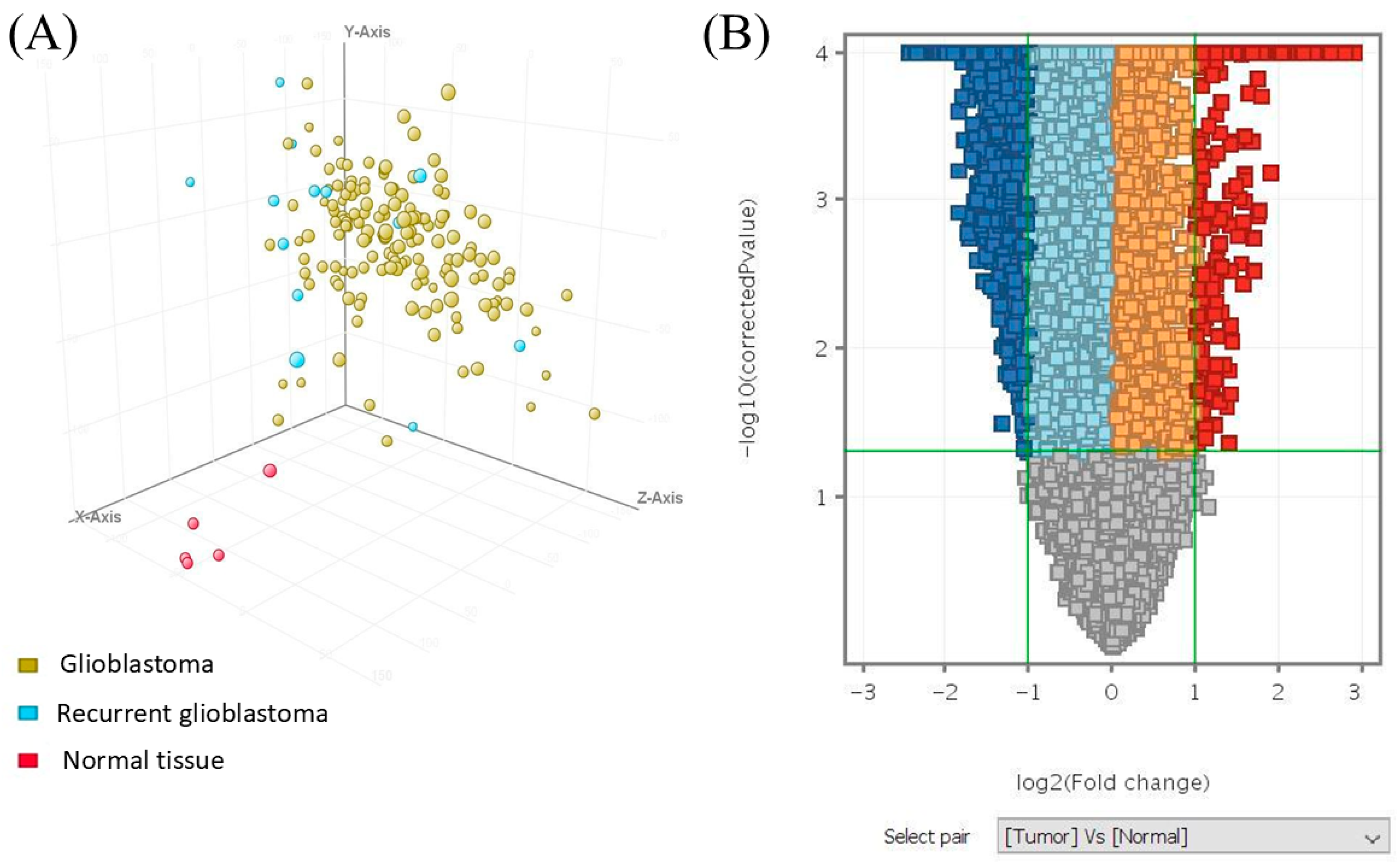
Global transcriptomic differences between GBM and normal brain tissue. Unsupervised principal component analysis revealed clear segregation between GBM, and normal brain samples based on global gene expression profiles, indicating distinct transcriptomic states associated with malignant transformation (Figure 2A). The first three principal components accounted for 12.95%, 8.13%, and 7.47% of the total variance, respectively, and GBM samples formed a distinct cluster from normal brain tissue.
Volcano plot analysis identified many significantly upregulated and downregulated genes meeting both fold-change and statistical significance thresholds, highlighting widespread alterations in gene expression accompanying GBM development (Figure 2B).
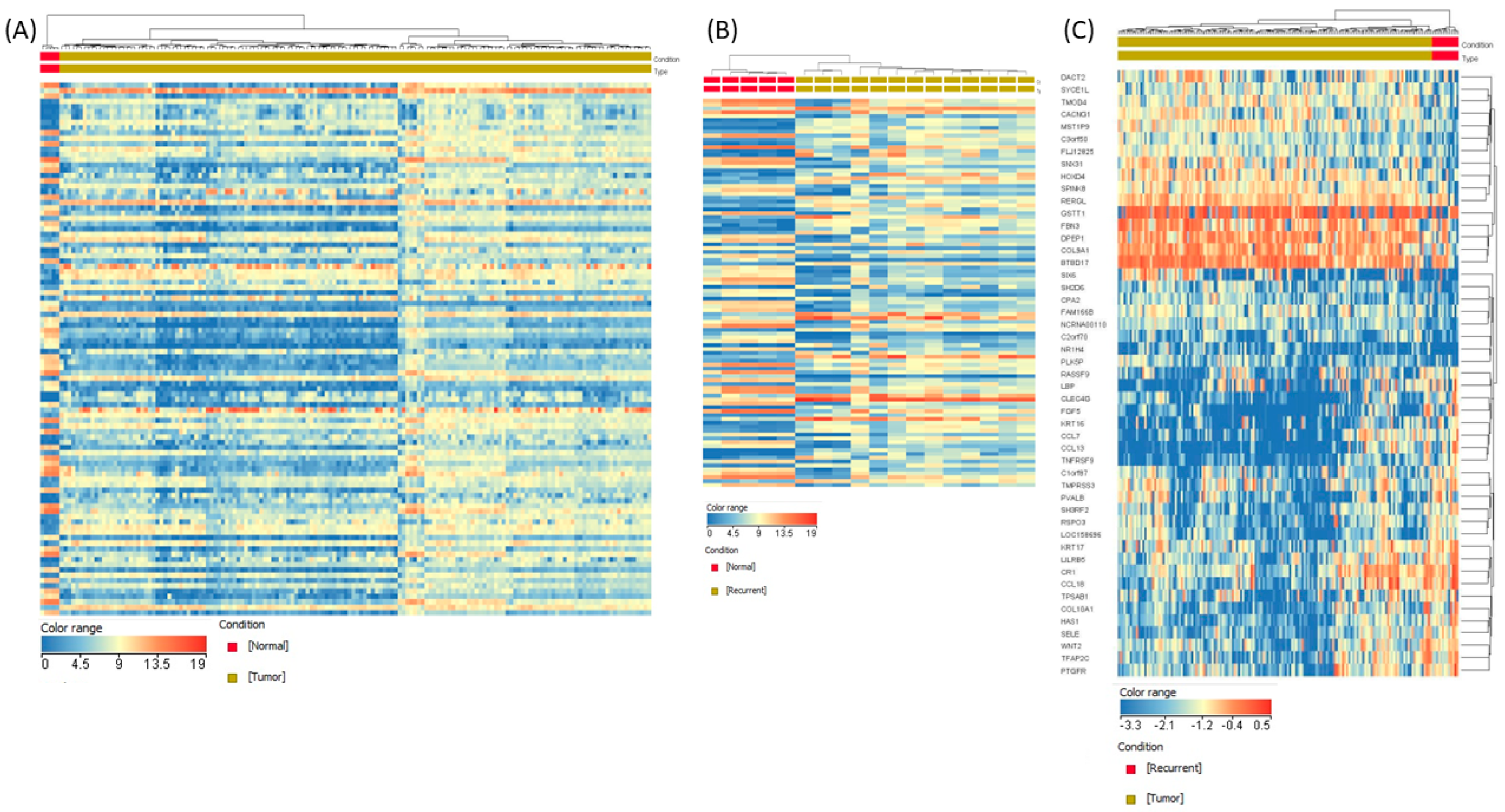
Gene expression alterations in GBM. When comparing gene expression in tumour samples to peritumoral normal tissue, the analysis revealed a high number of differentially expressed genes (3051 downregulated and 2906 upregulated, Table S1). In the case of recurrent cases versus normal tissue, 4644 genes had an altered expression level (2388 downregulated and 2256 overexpressed, Table S2), in the case of recurrent tumor versus primary tumor, 607 genes had an altered expression level (99 downregulated and 508 overexpressed, Table S3). The heatmap graphical representation of the analyzed groups is presented in Figure 3.
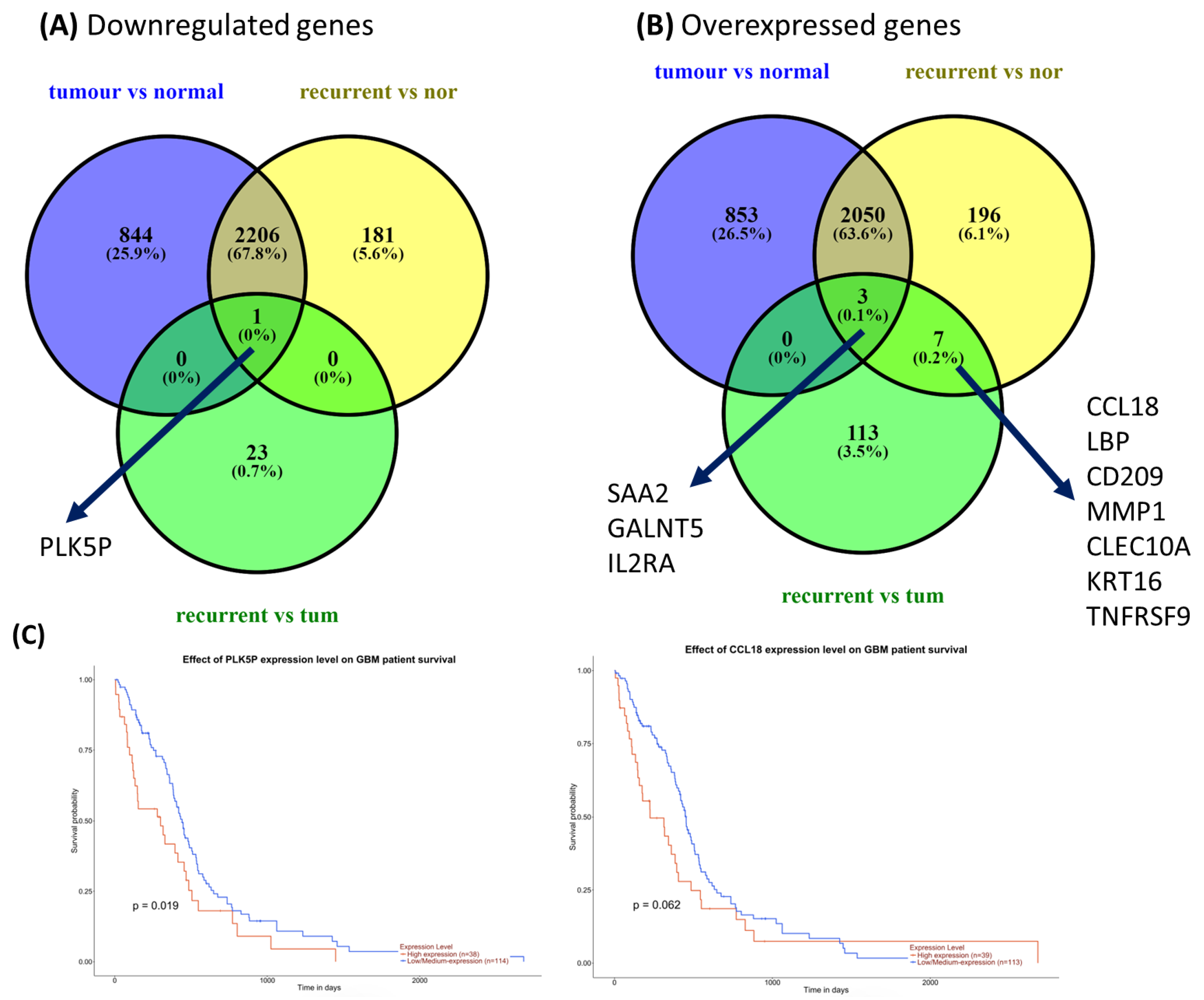
Shared and distinct gene expression signatures associated with GBM progression and survival. Comparative analysis across GBM groups identified both shared and group-specific gene expression signatures, reflecting conserved and context-dependent transcriptional programs during disease progression (Figure 4). Venn diagram analysis revealed both overlapping and unique sets of downregulated and upregulated genes between primary and recurrent tumors (Figure 4A,B). Importantly, survival analysis of the UALCAN dataset showed that expression levels of selected genes were significantly associated with overall survival, linking these transcriptional alterations to clinical outcomes and supporting their biological and prognostic relevance (Figure 4C).
Gene network and pathway alterations associated with GBM recurrence. To gain mechanistic insight into the transcriptional differences observed between GBM subgroups, gene network and pathway analyses were performed using IPA, for the top 25 overexpressed and the top 25 downregulated genes. Integration of differential expression patterns with biological interpretation enabled classification of samples into four transcriptional states ranging from normal-like to recurrence-adapted aggressive tumors, each characterized by distinct marker gene signatures reflecting neuronal identity, proliferative activity, lineage transition, and immune–extracellular matrix remodeling (Table 2).
Disease and function annotation demonstrated that comparisons between tumor and normal tissues, as well as recurrent tumor and normal tissues, were dominated by cancer-related processes, organismal injury, endocrine and neurological disorders, and pathways linked to cellular growth, proliferation, and development (Table 2). In contrast, the recurrent versus primary tumor comparison highlighted a more focused set of alterations, with enrichment for inflammatory response, cellular movement, and cell–cell signalling, suggesting adaptive transcriptional programs associated with tumor relapse.
Network-level analysis further underscored these differences, identifying high-scoring interaction networks related to DNA replication and repair, developmental programs, immune regulation, and metabolic processes across the analyzed groups (Table 3). Notably, recurrent tumors showed prominent enrichment of immune-mediated and extracellular matrix-associated networks, consistent with a shift toward a more aggressive and adaptive phenotype.
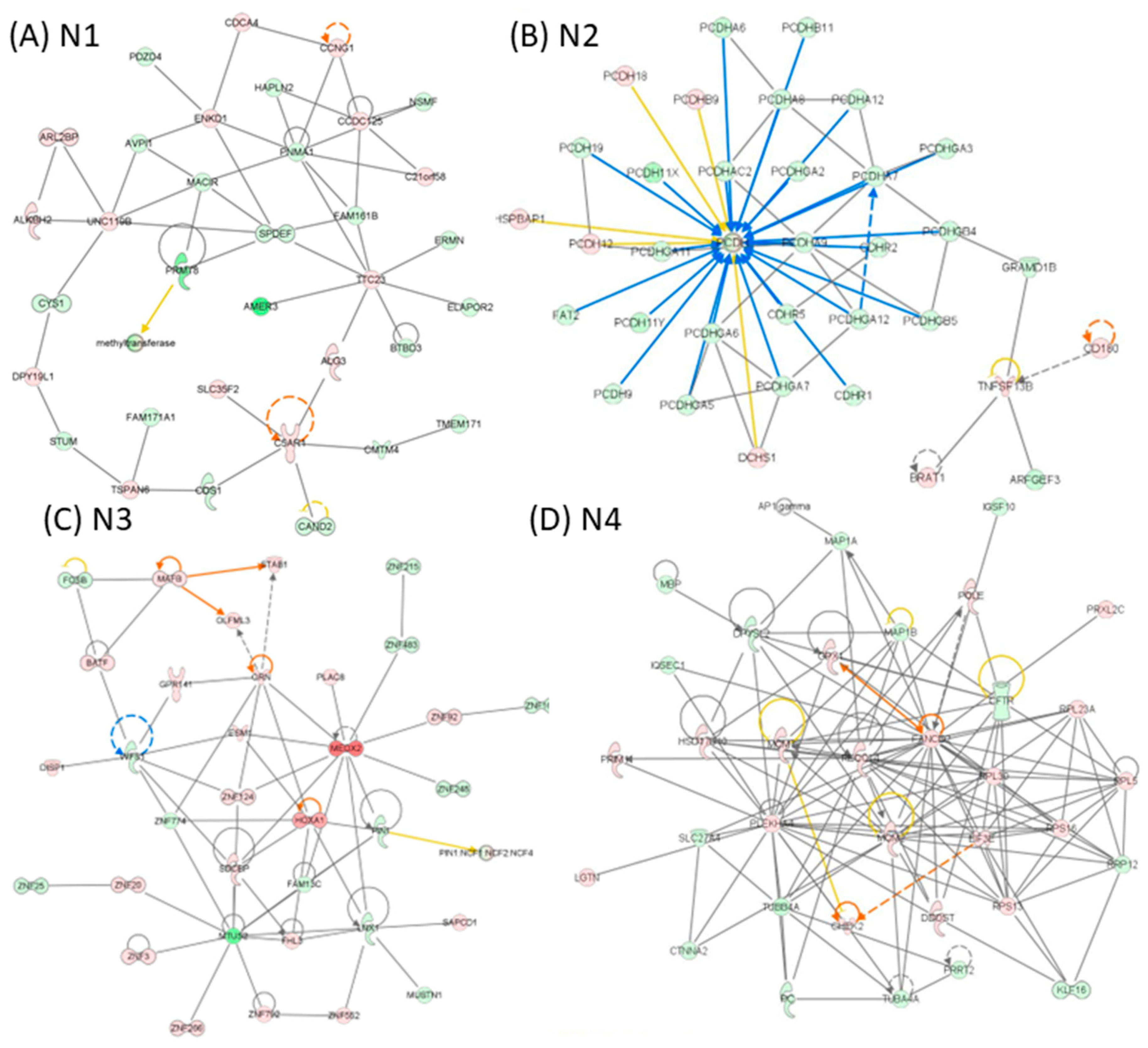
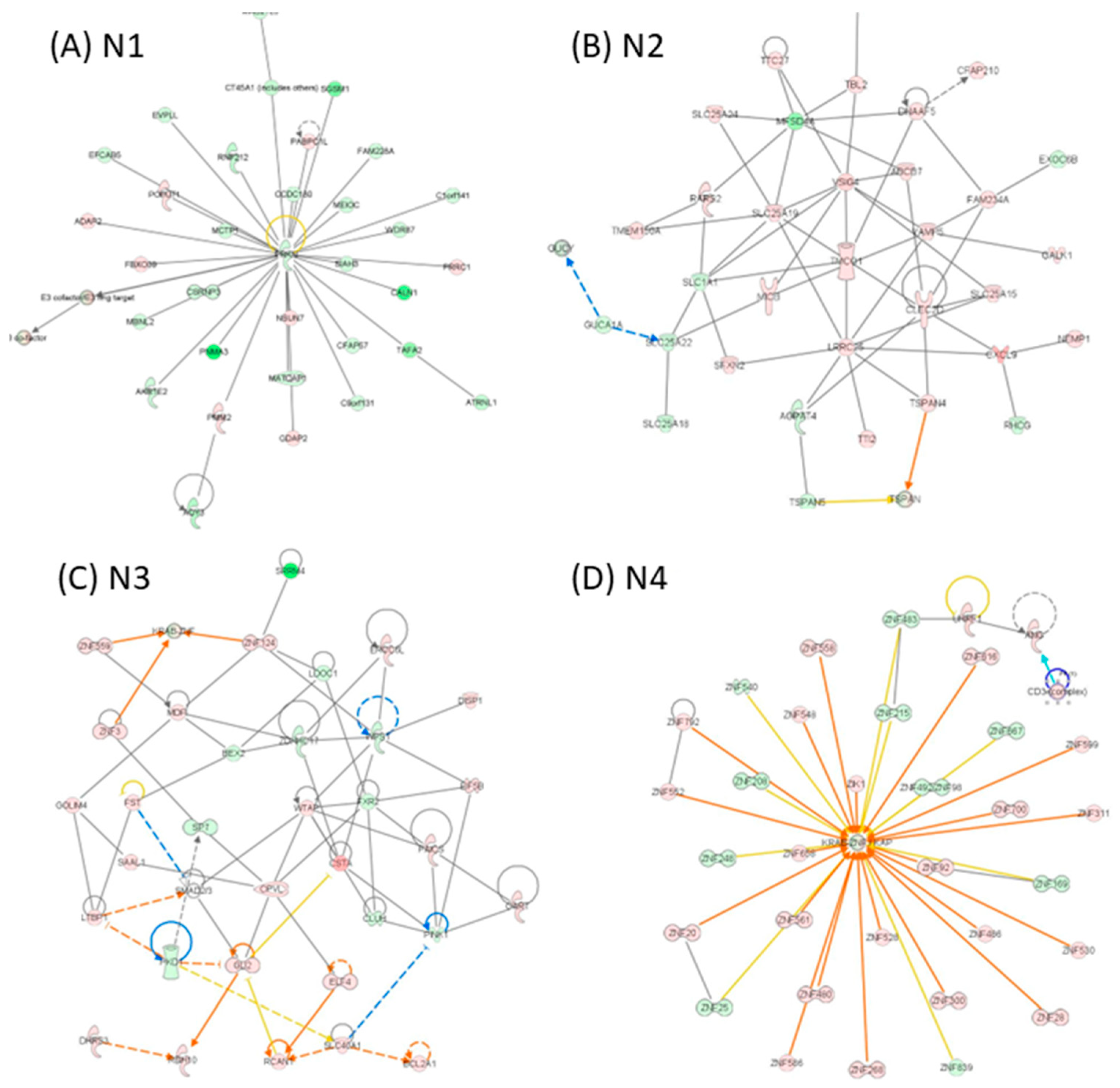
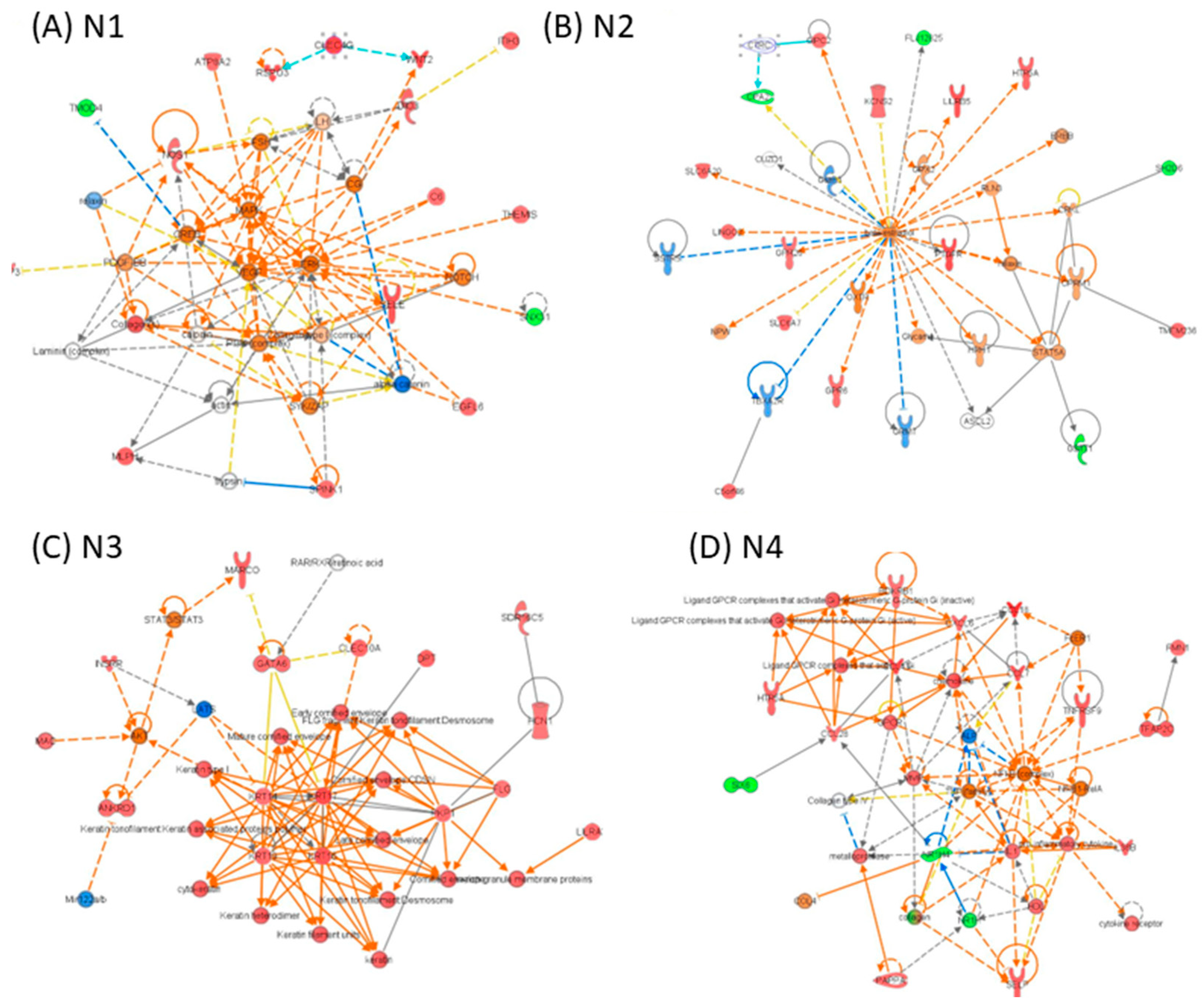
Network-level reprogramming distinguishes primary and recurrent GBM. IPA network reconstruction revealed distinct and context-specific gene interaction networks across GBM disease states (Figure 5, Figure 6 and Figure 7). In tumor versus normal tissue, the top-ranked networks were dominated by pathways related to DNA replication and repair, developmental programs, gene expression control, and cancer-associated signalling, reflecting widespread oncogenic reprogramming in primary tumors (Figure 5). In recurrent tumors compared with normal tissue, network architecture shifted toward pathways associated with immune response, cellular maintenance, metabolism, and stress adaptation, consistent with transcriptional remodeling accompanying tumor recurrence (Figure 6). Direct comparison of recurrent versus primary tumors uncovered a more focused set of networks enriched for inflammatory signalling, immune cell trafficking, cellular movement, and extracellular matrix interactions, highlighting adaptive programs linked to tumor progression and therapeutic resistance (Figure 7). Together, these network-level analyses illustrate progressive transcriptional rewiring during GBM evolution from primary disease to recurrence, reflecting adaptive responses to therapeutic pressure.
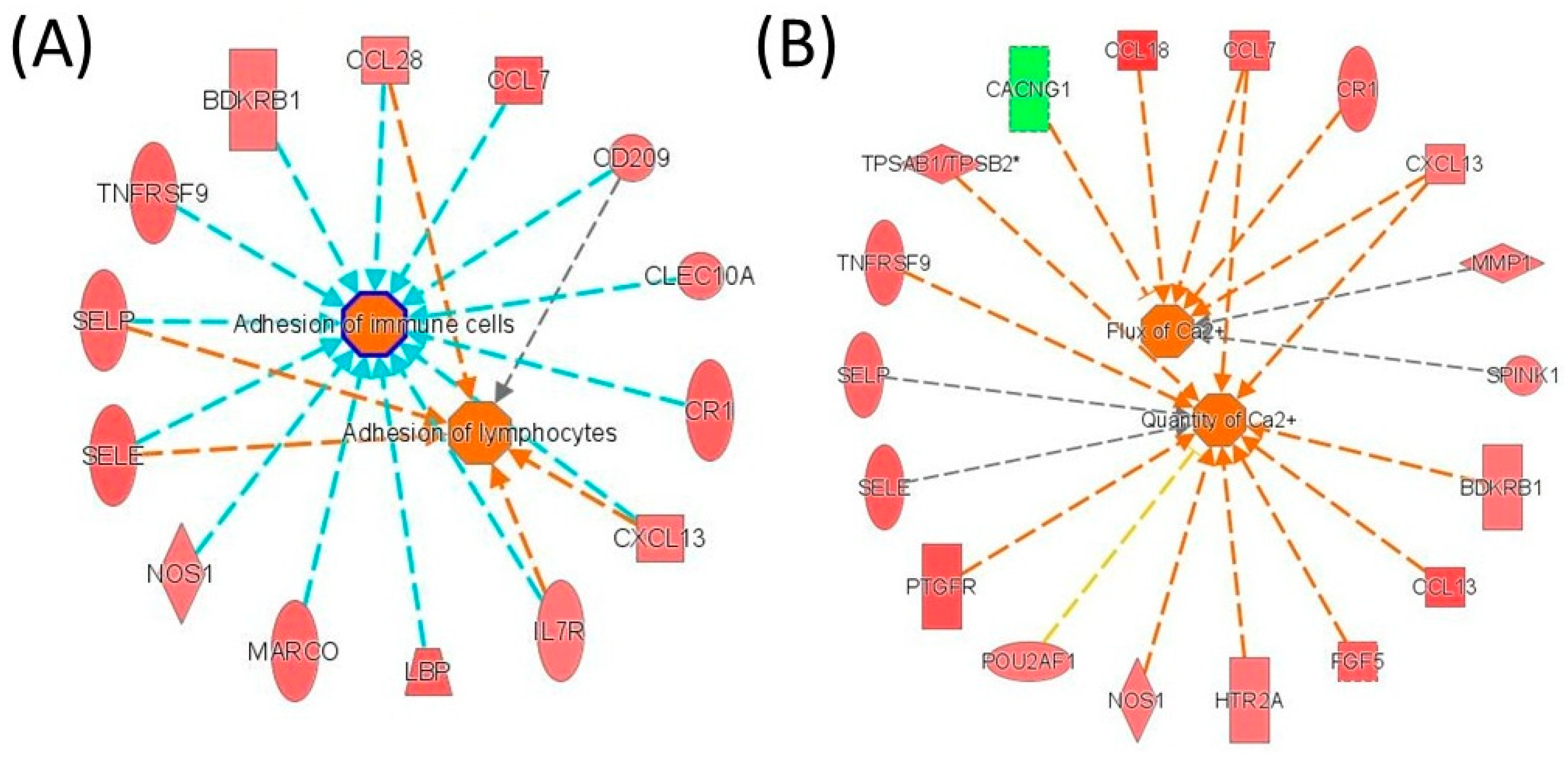
Increased cell–cell communication and calcium signalling characterize recurrent GBM. IPA network analysis comparing recurrent and non-recurrent GBM revealed coordinated activation of pathways involved in cell-to-cell communication and intracellular signalling (Figure 8). Recurrent tumors exhibited increased activation of networks associated with cellular adhesion and tumor–microenvironment interactions, suggesting enhanced intercellular communication that may contribute to aggressive behavior and therapeutic resistance (Figure 8A). In parallel, activation of calcium flux signalling networks was observed, indicating dysregulation of calcium homeostasis as a potential driver of tumor cell proliferation, survival, and adaptive stress responses in recurrent disease (Figure 8B).
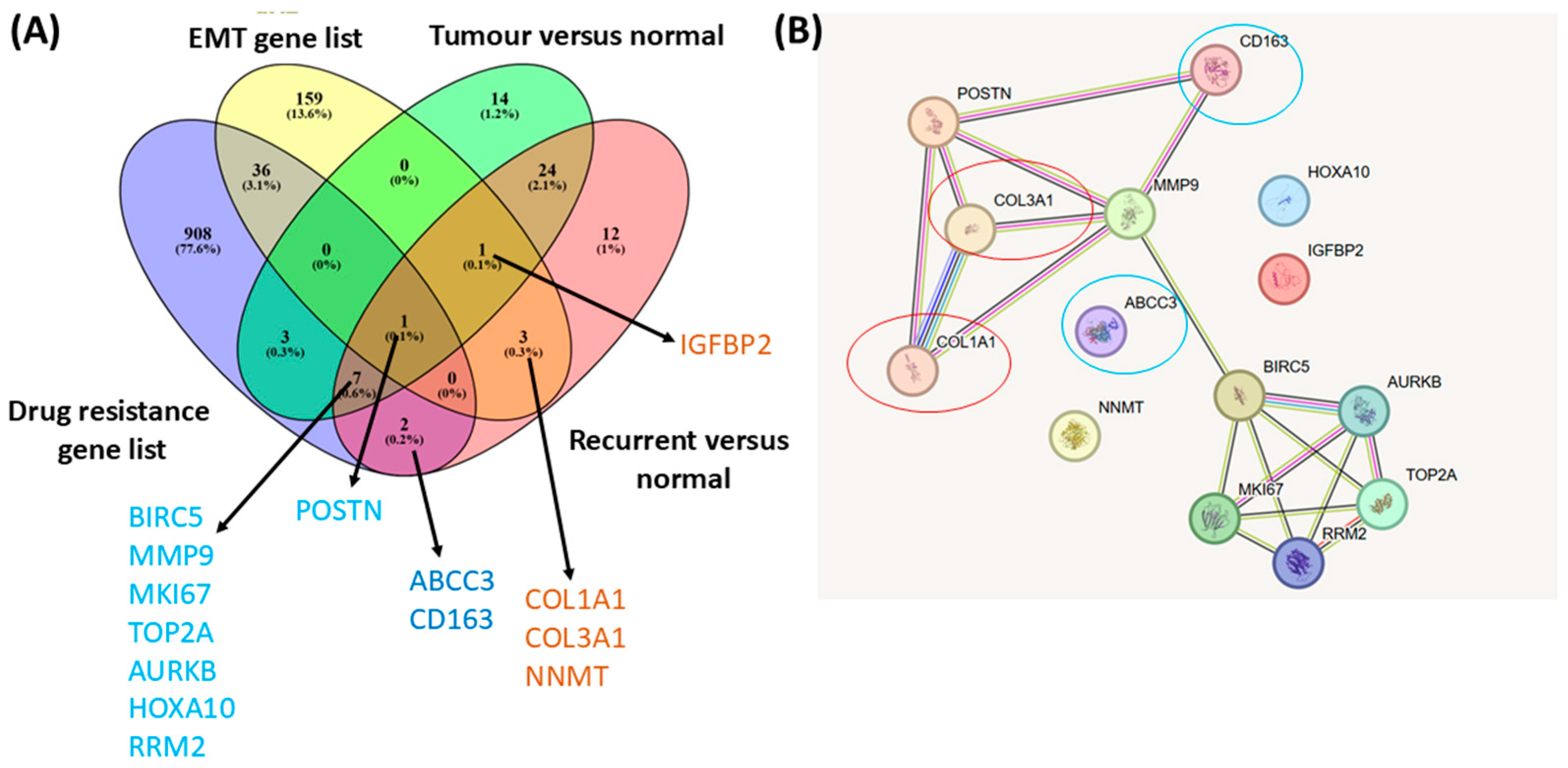
Convergence of EMT and drug resistance gene networks in recurrent GBM. Comparative analysis of GBM gene expression signatures with curated epithelial–mesenchymal transition (EMT) and drug resistance gene sets revealed both shared and recurrence-specific molecular programs (Figure 9). Venn diagram analysis identified genes uniquely associated with recurrent GBM, including COL1A1, COL3A1, and NNMT, which are linked to drug resistance, and IGFBP2, associated with EMT, while POSTN emerged as a shared mediator connecting both processes (Figure 9A). Network-based interaction analysis further demonstrated extensive connectivity between EMT- and drug resistance-related genes, highlighting coordinated activation and potential crosstalk between these pathways in recurrent tumors (Figure 9B). Together, these findings suggest that EMT and drug resistance programs are functionally intertwined and may cooperatively promote GBM progression and recurrence.
Transcriptomic stratification of GBM reveals progressive tumor and recurrence-adapted states. Differential gene expression analysis identified robust transcriptional signatures distinguishing GBM tumors from normal brain tissue and recurrent tumors from primary GBMs. These signatures were used to construct two composite metrics: a TS capturing oncogenic transformation and an RS reflecting transcriptional programs associated with tumor adaptation and relapse. Initial stratification using the TS separated samples into a normal-like group (Class 1) and tumor-like groups (Classes 2–4). Class 1 samples exhibited low TS and retained neuronal and synaptic gene expression programs, consistent with non-neoplastic brain tissue. In contrast, tumor samples showed uniformly high TS, reflecting activation of cell cycle, proliferation, and metabolic pathways (Table 4).
Further stratification of tumor samples using the RS revealed three distinct tumor states. Class 2 (Primary Tumor- Proliferative Core) displayed high TS but low RS and was characterized by strong upregulation of cell cycle regulators and mitotic genes, consistent with classical proliferative GBM biology. Class 3 (Primary Tumor-Transitional) showed intermediate RS and a mixed transcriptional phenotype, combining residual proliferative signals with emerging extracellular matrix and immune-related gene expression, suggesting early adaptive remodeling. Class 4 (Recurrence-Adapted Aggressive tumors) exhibited high TS and high RS, marked by immune-related chemokines, extracellular matrix components, and loss of proneural lineage markers, indicative of advanced tumor plasticity and recurrence-associated adaptation. Together, this hierarchical classification captures a continuum from normal brain tissue through primary tumor growth to highly adaptive, recurrence-associated GBM states.
The proposed four-class gene expression-based classification provides a practical framework for translating transcriptomic heterogeneity of glioblastoma into clinically interpretable tumor states. By reducing genome-wide expression data to compact gene signatures and composite scores, this approach enables stratification beyond conventional histopathology while remaining compatible with simplified molecular assays.

4. Discussion

The bioinformatics analysis reveals that, while GBM, both primary and recurrent, shares pathways related to cancer and organismal injury, tumor recurrence is accompanied by distinct molecular changes, particularly in immune response, metabolism, and systemic effects on other organ systems. These findings suggest that recurrent GBM may exploit different biological mechanisms. A limitation of this study is the unequal sample size across groups, particularly the relatively limited number of recurrent GBM and non-neoplastic brain samples compared with primary tumors. This imbalance largely reflects the availability of high-quality, well-annotated datasets in TCGA, in which recurrent GBM and normal brain tissues are underrepresented due to clinical and ethical constraints associated with tissue collection [18]. To address this limitation, our analyses emphasized pathway- and gene set-level changes rather than individual gene-level differences, as pathway-based approaches are generally more robust to sample size variability and better capture coordinated biological processes underlying tumor behavior.
Thus, IPA-based disease and function analysis (Table 2) revealed Cancer, Organismal Injury and Abnormalities, and Neurological Diseases as the most enriched categories, underscoring the aggressive oncogenic nature of GBM and its profound disruption of normal neural tissue. Such enrichment of organismal injury-related functions is also associated with widespread tissue damage and remodelling in the tumor microenvironment. Significantly enriched pathways at the cellular level involved in growth, proliferation, movement, and maintenance would be expected, given that GBM cells exhibit highly proliferative and invasive activity and can drive tumor infiltration, recurrence, and therapeutic resistance.
In the recurrent versus normal and recurrent versus primary tumor comparisons, additional enrichment was observed in pathways related to cell signaling, cell-to-cell communication, and inflammatory responses, consistent with the network analyses shown in Figure 5, Figure 6 and Figure 7. These pathways likely support tumor survival, adaptation, and immune evasion in the post-treatment microenvironment, where selective pressure from therapy can favor resistant clones [12]. Notably, the recurrent GBM group exhibited strong activation of immune-related networks, including cytokine signaling and leukocyte trafficking, indicating that tumor recurrence is accompanied by reprogramming of the tumor–immune interface, which may facilitate immune suppression and continued tumor growth [19]. Collectively, these findings suggest that recurrent GBM represents a biologically distinct and more aggressive phenotype, shaped by both intrinsic tumor evolution and microenvironmental remodeling [11,12,13].
Understanding these alterations in gene expression and pathways is essential for developing new targeted therapies and overcoming resistance mechanisms [20]. Several independent transcriptomic and network-based studies in GBM underpin the wider significance of the pathways featured in our analysis. Integrative RNA-seq and proteomics analysis, for example, has been utilized to identify dysregulated surfaceome signatures and immune-associated genes that correlate with clinical outcomes in GBM (e.g., CD44, HLA-DRA) [21]. We used metabolism-specific transcriptomic subtyping also to highlight the contributions of metabolic reprogramming and immune infiltration to the characterization of biologically and clinically distinct GBM subgroups [22]. Studies combining bulk and spatial transcriptomic approaches demonstrate that a diverse cell assembly, metabolism-based changes, and tumor–immune interactions drive the progression and resistance of GBM therapy [23]. Together, the independent studies support the biological significance of the pathways described in our work and add value for further understanding of transcriptomic changes in GBM: additionally, they highlight the utility of multi-cohort and network analysis in elucidating mechanisms underlying malignancy and recurrence [24,25]. Histological-based assessments provide a detailed view of the inflammatory landscape in recurrent GBM. By examining immune cell infiltration and tissue architecture, these analyses reveal key patterns of immune activation, extracellular matrix remodeling, and localized inflammatory responses. Such insights help to characterize the tumor microenvironment in recurrent GBM and may inform the development of strategies targeting immune-related pathways to improve therapeutic outcomes [26].
The Venn diagram and network analysis presented in Figure 9 provide insights into the molecular interconnectivity between EMT, drug resistance, and recurrence in GBM. The Venn diagram highlights a small but significant set of genes shared across these biological categories, suggesting that recurrent GBM evolves through coordinated molecular programs involving invasion, matrix remodeling, and therapy resistance. Among the intersecting genes, IGFBP2 and POSTN are known regulators of GBM invasiveness and angiogenesis, with elevated expression linked to poor prognosis and resistance to radiotherapy [27,28,29,30]. In addition, BIRC5 and MKI67, key markers of proliferation and treatment resistance, which are upregulated in recurrent tumors in this dataset, further indicate that recurrent GBM cells sustain proliferative signalling despite cytotoxic stress [31]. MMP9, a matrix metalloproteinase involved in ECM degradation, further supports the hypothesis that ECM remodeling facilitates tumor invasion and recurrence [32]. The identification of COL1A1, COL3A1, and NNMT as recurrent-specific genes emphasizes the importance of extracellular matrix reorganization and metabolic adaptation in tumor relapse. Collagen-related genes (COL1A1, COL3A1) contribute to structural changes in the tumor microenvironment that enhance invasiveness and therapy evasion [33], while NNMT (nicotinamide N-methyltransferase) is implicated in epigenetic reprogramming and metabolic flexibility [34], both hallmarks of recurrent GBM.
Recurrent tumors exhibit increased intercellular communication within a tumor microenvironment enriched with immune and stromal compartments, which can facilitate immune, inflammatory, and extracellular matrix-related pathways that increase the risk of therapeutic resistance. These findings emphasize the need for recurrence-specific therapeutic strategies, including microenvironment-targeted, immunomodulatory, or combination approaches. The EMT- and metabolism-associated regulators, as well as extracellular matrix components, could also contribute to invasiveness and lead to treatment failure. Drawing on retrospective transcriptomic data, this analysis highlights the importance of recurrence-specific molecular profiling to guide personalized therapeutic approaches.
We propose a gene-expression-based approach that integrates tumorigenic and recurrence-related transcriptional programs to stratify GBM into biologically meaningful states. The TS is a powerful tool that effectively divides neoplastic and non-neoplastic tissue and accounts for central oncogenic features, including cell cycle activation and metabolic rewiring, consistent with those observed in existing GBM signatures. Further delineating tumor heterogeneity, the RS shows that cancer cells undergo progressive transcriptional shifts with recurrence, including immune remodelling, extracellular matrix reorganization, and loss of lineage identity. The switch from proliferative primary tumors (Class 2) to recurrence-adapted aggressive states (Class 4) follows known patterns of GBM evolution, in which both therapeutic pressure and microenvironmental stress drive distinct phenotypic plasticity and immune interactions. This tendency to downregulate proneural markers, combined with enrichment of immune and stromal genes in recurrence-adapted tumors, is consistent with earlier studies showing that recurrence-adapted GBMs adopt mesenchymal-like and immunomodulatory programs linked with poor prognosis and enhanced treatment resistance.
This study is based on unpaired normal, primary, and recurrent GBM samples, as patient-matched longitudinal specimens were not available, limiting within-patient analysis of disease progression. Consequently, Class 3 (transitional) and Class 4 (recurrence-adapted) states represent cohort-level transcriptional programs rather than individual tumor trajectories. Despite substantial inter- and intra-patient heterogeneity in GBM, the consistent emergence of recurrence-associated gene sets supports the biological relevance of these classes as distinct tumor states. Importantly, the identification of transitional and recurrence-adapted classes highlights tumor states associated with treatment adaptation and an increased risk of recurrence. Because the classification framework is score-based rather than strictly categorical, it enables longitudinal monitoring of transcriptional shifts, providing a potential means to track tumor evolution during and after therapy. Although external validation is required, this approach represents a technically sound step toward integrating molecular stratification into GBM research and future clinical applications.

5. Conclusions

These data provide a comprehensive transcriptomic framework describing molecular changes associated with GBM progression and recurrence. Through integrative transcriptomic profiling combined with IPA-based pathway analysis, we identified coordinated alterations in gene expression linked to hallmark processes of GBM, including enhanced proliferation, invasion, immune signalling, extracellular matrix remodelling, and metabolic reprogramming. Importantly, many of the pathways and functional categories highlighted in this study (such as inflammatory signaling, immune–tumor interactions, and stress-adaptation mechanisms) are consistent with previously reported drivers of GBM aggressiveness and therapeutic resistance, lending biological plausibility to the predicted gene expression changes. Nonetheless, the present findings should be regarded as hypothesis-generating, as direct functional validation of individual genes and pathways remains necessary.
The integrative analysis further revealed a biologically coherent gene-expression-based stratification of GBM into four molecular classes, capturing progressive transitions from normal brain tissue to primary tumor states and ultimately to a recurrence-adapted phenotype. Beyond distinguishing tumor from non-tumor tissue, this classification highlights the intrinsic heterogeneity of GBM, including a transitional tumor state and a recurrence-associated program characterized by immune interaction, extracellular matrix remodelling, and loss of proneural lineage features. These observations support a dynamic model of GBM evolution driven by transcriptional plasticity rather than fixed molecular identities.
The derived minimal gene signatures offer a practical framework for sample stratification and provide a foundation for future studies integrating redox-regulated processes, miRNA-mediated regulation, and adhesion-related mechanisms. However, extensive experimental validation (using independent patient cohorts, functional assays, and in vivo models) is required to confirm the biological roles of these predicted genes and pathways. Future research should also integrate multi-omics approaches to refine these molecular classes and assess their clinical utility. Collectively, these efforts may ultimately inform precision medicine strategies aimed at improving therapeutic response and limiting recurrence in patients with GBM.

Supplementary Materials

The following supporting information can be downloaded at: https://www.mdpi.com/article/10.3390/medicina62020336/s1, Table S1 Altered gene expression in primary tumor versus normal brain tissue, Table S2 Altered gene expression in recurrent tumor versus normal brain tissue, Table S3. Altered gene expression in recurrent tumor versus primary tumor.

Author Contributions

Conceptualization, A.P.C., C.C., C.B., R.P. and I.B.-N.; methodology, A.P.C., C.C., A.N. and C.B.; formal analysis, A.P.C., C.C. and A.N.; investigation, D.A.A.H., L.-L.P., C.-I.B. and D.P.P.; data curation, A.P.C., R.P., C.C. and A.N.; writing—original draft preparation, A.P.C. and C.C.; writing—review and editing, A.G.M., C.B. and I.B.-N.; visualization, A.N. and C.B.; supervision, I.B.-N. and C.B. All authors have read and agreed to the published version of the manuscript.

Funding

This research was funded by the University of Oradea, Romania. This paper was supported by the following projects: CLOUD-type infrastructure connected to global information resources, MySMIS ID: 125371, Contract no. 249/07.05.2020, SEE 21-COP-0049: Strategic inter-university cooperation to improve research abilities for PhD students for higher educational quality. D.P.P. was supported by funding from the Health Southeast Region Agency, Norway (HSØ 2018045, HSØ 2021037, HSØ2024022 and HSØ2025082), the Research Council of Norway through its Centers of Excellence scheme, project number 332713, CRESCO.

Institutional Review Board Statement

The manuscript presents a bioinformatic study and samples were obtained from the Cancer Genome Atlas (TCGA) database (http://firebrowse.org/ accessed on 20 November 2024).Therefore, waiver from ethical approval.

Informed Consent Statement

This is a secondary study of an open data set and there is no identifiable personal information.

Data Availability Statement

The data presented in this study are available on request from the corresponding author.

Conflicts of Interest

The authors declare no conflicts of interest.

Abbreviations

The following abbreviations are used in this manuscript:
ECMExtracellular Matrix
EMTEpithelial–mesenchymal transition
FCFold change
FDRFalse discovery rate
GBMGlioblastoma multiforme
IPAIngenuity Pathway Analysis
p-valueProbability value
PCAPrincipal component analysis
PPIProtein–protein interaction
RSRecurrence score
RNARibonucleic acid
TCGAThe Cancer Genome Atlas program
TNNormal tissue
TRRecurrent tissue
TSTumor score
TTTumor tissue

References

  1. Iacob, G.; Dinca, E.B. Current data and strategy in glioblastoma multiforme. J. Med. Life 2009, 2, 386–393. [Google Scholar]
  2. Esparza-Salazar, F.; Murguiondo-Pérez, R.; Cano-Herrera, G.; Bautista-Gonzalez, M.F.; Loza-López, E.C.; Méndez-Vionet, A.; Van-Tienhoven, X.A.; Chumaceiro-Natera, A.; Simental-Aldaba, E.; Ibarra, A. Glioblastoma: A Multidisciplinary Approach to Its Pathophysiology, Treatment, and Innovative Therapeutic Strategies. Biomedicines 2025, 13, 1882. [Google Scholar] [CrossRef]
  3. Hanif, F.; Muzaffar, K.; Perveen, K.; Malhi, S.M.; Simjee Sh, U. Glioblastoma Multiforme: A Review of its Epidemiology and Pathogenesis through Clinical Presentation and Treatment. Asian Pac. J. Cancer Prev. 2017, 18, 3–9. [Google Scholar]
  4. Jezierzański, M.; Nafalska, N.; Stopyra, M.; Furgoł, T.; Miciak, M.; Kabut, J.; Gisterek-Grocholska, I. Temozolomide (TMZ) in the Treatment of Glioblastoma Multiforme—A Literature Review and Clinical Outcomes. Curr. Oncol. 2024, 31, 3994–4002. [Google Scholar] [CrossRef] [PubMed]
  5. Xu, C.; Hou, P.; Li, X.; Xiao, M.; Zhang, Z.; Li, Z.; Xu, J.; Liu, G.; Tan, Y.; Fang, C. Comprehensive understanding of glioblastoma molecular phenotypes: Classification, characteristics, and transition. Cancer Biol. Med. 2024, 21, 363–381. [Google Scholar] [CrossRef] [PubMed]
  6. Qi, D.; Li, J.; Quarles, C.C.; Fonkem, E.; Wu, E. Assessment and prediction of glioblastoma therapy response: Challenges and opportunities. Brain 2023, 146, 1281–1298. [Google Scholar] [CrossRef]
  7. Satam, H.; Joshi, K.; Mangrolia, U.; Waghoo, S.; Zaidi, G.; Rawool, S.; Thakare, R.P.; Banday, S.; Mishra, A.K.; Das, G.; et al. Next-Generation Sequencing Technology: Current Trends and Advancements. Biology 2023, 12, 997. [Google Scholar] [CrossRef]
  8. Phillips, H.S.; Kharbanda, S.; Chen, R.; Forrest, W.F.; Soriano, R.H.; Wu, T.D.; Misra, A.; Nigro, J.M.; Colman, H.; Soroceanu, L.; et al. Molecular subclasses of high-grade glioma predict prognosis, delineate a pattern of disease progression, and resemble stages in neurogenesis. Cancer Cell 2006, 9, 157–173. [Google Scholar] [CrossRef] [PubMed]
  9. Verhaak, R.G.W.; Hoadley, K.A.; Purdom, E.; Wang, V.; Qi, Y.; Wilkerson, M.D.; Miller, C.R.; Ding, L.; Golub, T.; Mesirov, J.P.; et al. Integrated Genomic Analysis Identifies Clinically Relevant Subtypes of Glioblastoma Characterized by Abnormalities in PDGFRA, IDH1, EGFR, and NF1. Cancer Cell 2010, 17, 98–110. [Google Scholar] [CrossRef]
  10. White, J.; White, M.P.J.; Wickremesekera, A.; Peng, L.; Gray, C. The tumour microenvironment, treatment resistance and recurrence in glioblastoma. J. Transl. Med. 2024, 22, 540. [Google Scholar] [CrossRef]
  11. Chiorean, R.; Berindan-Neagoe, I.; Braicu, C.; Florian, I.S.; Leucuta, D.; Crisan, D.; Cernea, V. Quantitative expression of serum biomarkers involved in angiogenesis and inflammation, in patients with glioblastoma multiforme: Correlations with clinical data. Cancer Biomark. 2014, 14, 185–194. [Google Scholar] [CrossRef]
  12. Hersh, A.M.; Gaitsch, H.; Alomari, S.; Lubelski, D.; Tyler, B.M. Molecular Pathways and Genomic Landscape of Glioblastoma Stem Cells: Opportunities for Targeted Therapy. Cancers 2022, 14, 3743. [Google Scholar] [CrossRef]
  13. Petterson, S.A.; Sørensen, M.D.; Kristensen, B.W. Expression Profiling of Primary and Recurrent Glioblastomas Reveals a Reduced Level of Pentraxin 3 in Recurrent Glioblastomas. J. Neuropathol. Exp. Neurol. 2020, 79, 975–985. [Google Scholar] [CrossRef] [PubMed]
  14. Bayona, C.; Ranđelović, T.; Ochoa, I. Tumor microenvironment in glioblastoma: The central role of the hypoxic–necrotic core. Cancer Lett. 2026, 639, 218216. [Google Scholar] [CrossRef] [PubMed]
  15. Zhou, W.; Ruan, H.; Zhu, L.; Chen, S.; Yang, M. Unveiling a Novel Glioblastoma Deep Molecular Profiling: Insight into the Cancer Cell Differentiation-Related Mechanisms. ACS Omega 2025, 10, 10230–10250. [Google Scholar] [CrossRef]
  16. Durga, Y.K.; Pusapati, R.V. Drug resistance in glioblastoma: Challenges, mechanisms and therapeutic strategies (Review). Mol. Clin. Oncol. 2026, 24, 4. [Google Scholar] [CrossRef]
  17. Szklarczyk, D.; Kirsch, R.; Koutrouli, M.; Nastou, K.; Mehryary, F.; Hachilif, R.; Gable, A.L.; Fang, T.; Doncheva, N.T.; Pyysalo, S.; et al. The STRING database in 2023: Protein-protein association networks and functional enrichment analyses for any sequenced genome of interest. Nucleic Acids Res. 2023, 51, D638–D646. [Google Scholar] [CrossRef] [PubMed]
  18. Han, J.; Puri, R.K. Analysis of the cancer genome atlas (TCGA) database identifies an inverse relationship between interleukin-13 receptor α1 and α2 gene expression and poor prognosis and drug resistance in subjects with glioblastoma multiforme. J. Neurooncol. 2018, 136, 463–474. [Google Scholar] [CrossRef]
  19. Singh, S.; Dey, D.; Barik, D.; Mohapatra, I.; Kim, S.; Sharma, M.; Prasad, S.; Wang, P.; Singh, A.; Singh, G. Glioblastoma at the crossroads: Current understanding and future therapeutic horizons. Signal Transduct. Target. Ther. 2025, 10, 213. [Google Scholar] [CrossRef]
  20. Lei, Z.N.; Tian, Q.; Teng, Q.X.; Wurpel, J.N.D.; Zeng, L.; Pan, Y.; Chen, Z.S. Understanding and targeting resistance mechanisms in cancer. MedComm 2023, 4, e265. [Google Scholar] [CrossRef]
  21. Syafruddin, S.E.; Nazarie, W.; Moidu, N.A.; Soon, B.H.; Mohtar, M.A. Integration of RNA-Seq and proteomics data identifies glioblastoma multiforme surfaceome signature. BMC Cancer 2021, 21, 850. [Google Scholar] [CrossRef]
  22. Li, J.; Wei, Y.; Liu, J.; Cheng, S.; Zhang, X.; Qiu, H.; Li, J.; He, C. Integrative analysis of metabolism subtypes and identification of prognostic metabolism-related genes for glioblastoma. Biosci. Rep. 2024, 44, BSR20231400. [Google Scholar] [CrossRef]
  23. Fu, Y.; Yi, Y.; Shao, Y.; Jiang, J.; Deng, Q. Single-cell and spatial transcriptomic insights into glioma cellular heterogeneity and metabolic adaptations. Front. Immunol. 2025, 16, 1561388. [Google Scholar] [CrossRef]
  24. Nomura, M.; Spitzer, A.; Johnson, K.C.; Garofano, L.; Nehar-belaid, D.; Galili Darnell, N.; Greenwald, A.C.; Bussema, L.; Oh, Y.T.; Varn, F.S.; et al. The multilayered transcriptional architecture of glioblastoma ecosystems. Nat. Genet. 2025, 57, 1155–1167. [Google Scholar] [CrossRef] [PubMed]
  25. Al-Dalahmah, O.; Argenziano, M.G.; Kannan, A.; Mahajan, A.; Furnari, J.; Paryani, F.; Boyett, D.; Save, A.; Humala, N.; Khan, F.; et al. Re-convolving the compositional landscape of primary and recurrent glioblastoma reveals prognostic and targetable tissue states. Nat. Commun. 2023, 14, 2586. [Google Scholar] [CrossRef] [PubMed]
  26. Dadario, N.B.; Boyett, D.M.; Teasley, D.E.; Chabot, P.J.; Winans, N.J.; Argenziano, M.G.; Sperring, C.P.; Canoll, P.; Bruce, J.N. Unveiling the Inflammatory Landscape of Recurrent Glioblastoma through Histological-Based Assessments. Cancers 2024, 16, 3283. [Google Scholar] [CrossRef]
  27. Phillips, L.M.; Zhou, X.; Cogdell, D.E.; Chua, C.Y.; Huisinga, A.; Hess, K.R.; Fuller, G.N.; Zhang, W. Glioma progression is mediated by an addiction to aberrant IGFBP2 expression and can be blocked using anti-IGFBP2 strategies. J. Pathol. 2016, 239, 355–364. [Google Scholar] [CrossRef] [PubMed]
  28. Hsieh, D.; Hsieh, A.; Stea, B.; Ellsworth, R. IGFBP2 promotes glioma tumor stem cell expansion and survival. Biochem. Biophys. Res. Commun. 2010, 397, 367–372. [Google Scholar] [CrossRef]
  29. Shang, Y.; Liang, Y.; Zhang, B.; Wu, W.; Peng, Y.; Wang, J.; Zhang, M.; Niu, C. Periostin-mediated activation of NF-κB signaling promotes tumor progression and chemoresistance in glioblastoma. Sci. Rep. 2025, 15, 13955. [Google Scholar] [CrossRef]
  30. Zhou, W.; Ke, S.Q.; Huang, Z.; Flavahan, W.; Fang, X.; Paul, J.; Wu, L.; Sloan, A.E.; McLendon, R.E.; Li, X.; et al. Periostin secreted by glioblastoma stem cells recruits M2 tumour-associated macrophages and promotes malignant growth. Nat. Cell Biol. 2015, 17, 170–182. [Google Scholar] [CrossRef]
  31. Warrier, N.M.; Krishnan, R.K.; Prabhu, V.; Hariharapura, R.C.; Agarwal, P.; Kumar, P. Survivin Inhibition by Piperine Sensitizes Glioblastoma Cancer Stem Cells and Leads to Better Drug Response. Int. J. Mol. Sci. 2022, 23, 7604. [Google Scholar] [CrossRef] [PubMed]
  32. Thanh, H.D.; Lee, S.; Nguyen, T.T.; Huu, T.N.; Ahn, E.-J.; Cho, S.-H.; Kim, M.S.; Moon, K.-S.; Jung, C. Temozolomide promotes matrix metalloproteinase 9 expression through p38 MAPK and JNK pathways in glioblastoma cells. Sci. Rep. 2024, 14, 14341. [Google Scholar] [CrossRef] [PubMed]
  33. Zhou, Y.; Jiang, Z.; Cao, L.; Yang, J. The role of various collagen types in tumor biology: A review. Front. Oncol. 2025, 15, 1549797. [Google Scholar] [CrossRef]
  34. Narayanan, A.; Saurty-Seerunghen, M.S.; Michieletto, J.; Delaunay, V.; Bruneel, A.; Dupré, T.; Ottolenghi, C.; Pontoizeau, C.; Ciccone, L.; De La Vara, A.; et al. Nicotinamide metabolism reprogramming drives reversible senescence of glioblastoma cells. Cell Mol. Life Sci. 2025, 82, 126. [Google Scholar] [CrossRef] [PubMed]
Figure 1. Network-level transcriptomic evolution in GBM. Schematic overview of GBC progression from normal brain to primary and recurrent disease. Normal tissue exhibits a stable, homeostatic gene regulatory network. Primary GBM is characterized by oncogenic activation, transcriptional dysregulation, and tumor heterogeneity, which together result in a restructured tumor network. Recurrent GBM exhibits therapy-driven network rewiring, cellular plasticity, and treatment resistance, resulting in a highly complex and unstable regulatory state.
Medicina 62 00336 g001
Figure 2. Global gene expression differences between GBM and normal brain tissue. (A) Principal component analysis (PCA) showing separation of GBM and normal brain samples based on global transcriptomic profiles. (B) Volcano plot illustrating differential gene expression between GBM and normal brain tissue. Red and blue denote significantly upregulated and downregulated genes, respectively, while grey indicates non-significant genes.
Medicina 62 00336 g002
Figure 3. Heatmap of gene expression data in GBM. (A) Primary tumor versus normal brain tissue, (B) Recurrent tumor versus normal brain tissue, (C) Recurrent tumor versus primary tumor. Red or blue colors indicate differentially up- or downregulated genes, respectively.
Medicina 62 00336 g003
Figure 4. Shared and distinct gene expression signatures in GBM. Venn diagrams depicting common and group-specific (A) downregulated genes and (B) upregulated genes across GBM groups. (C) Overall survival analysis based on gene expression levels using UALCAN datasets.
Medicina 62 00336 g004
Figure 5. IPA network analysis of altered gene expression patterns in GBM. (A) N1, (B) N2, (C) N3, and (D) N4 networks for the altered gene expression list for the group tumour versus normal; red indicates upregulated genes, while green denotes downregulated genes. Orange lines represent predicted activation, and blue lines represent predicted inhibition. Genes that lack a clear directional change prediction are shown in white. The lines connecting genes illustrate various relationships, as explained in the legend.
Medicina 62 00336 g005
Figure 6. IPA network analysis of altered gene expression patterns in group recurrent GBM versus normal. Network (A) N1, (B) N2, (C) N3, and (D) N4 for the altered gene expression list for the group recurrent versus normal; red indicates upregulated genes, while green denotes downregulated genes. Orange lines represent predicted activation, and blue lines represent predicted inhibition. Genes that lack a clear directional change prediction are shown in white. The lines connecting genes illustrate various relationships, as explained in the legend.
Medicina 62 00336 g006
Figure 7. IPA network analysis of altered gene expression patterns in recurrent versus non-recurrent GBM. (A) N1, (B) N2, (C) N3, and (D) N4 network for the altered gene expression list for the group recurrent versus tumour; red indicates upregulated genes, while green denotes downregulated genes. Orange lines represent predicted activation, and blue lines represent predicted inhibition. Genes that lack a clear directional change prediction are shown in white. The lines connecting genes illustrate various relationships, as explained in the legend.
Medicina 62 00336 g007
Figure 8. IPA network analysis of altered gene expression in recurrent versus non-recurrent GBM. IPA-derived networks illustrating (A) cell–cell adhesion and signalling and (B) calcium ion flux pathways in recurrent versus non-recurrent tumors. Red and green indicate upregulated and downregulated genes or regulatory elements, respectively.
Medicina 62 00336 g008
Figure 9. Overlap between GBM gene expression signatures, epithelial–mesenchymal transition (EMT), and drug resistance. (A) Venn diagram illustrating shared and specific gene expression signatures between GBM gene sets (tumor versus normal and recurrent versus normal) and curated EMT and drug resistance gene lists. (B) STRING-based protein–protein interaction network of overlapping genes identified specifically in the recurrent versus normal comparison. Genes associated with drug resistance are highlighted in blue, while EMT-related genes are highlighted in red.
Medicina 62 00336 g009
Table 1. Clinical data for the GBM patients included in the study.
Normal
Tissue—TN
Tumor
Tissue—TT
Recurrent Tissue—TR
515413
GenderFemale3546
Male21007
Age10–19011
20–29043
30–390134
40–492242
50–593392
60–690481
70–790180
80–89070
Histological typeUntreated primary (de novo) GBM413210
Treated primary GBM
GBM Multiforme (GBM)
1
0
12
10
3
0
Table 2. Diseases and disorders, respectively, molecular and cellular functions altered in the analysed GBM subgroups.
NameAnalysed GroupBiological Processp-Value Range# Number of
Molecules
Diseases and
Disorders
Tumor versus
normal
Cancer4.65 × 10−13–0.00 × 10−005541
Organismal Injury and Abnormalities6.95 × 10−13–0.00 × 10−005587
Gastrointestinal Disease1.96 × 10−13–4.69 × 10−2925121
Endocrine System Disorders4.65 × 10−13–9.06 × 10−2844923
Neurological Disease6.95 × 10−13–1.21 × 10−2044340
Recurrent versus normalCancer3.55 × 10−13–0.00 × 10−004346
Endocrine System Disorders3.55 × 10−13–0.00 × 10−003910
Gastrointestinal Disease2.35 × 10−13–0.00 × 10−004041
Organismal Injury and Abnormalities3.58 × 10−13–0.00 × 10−004385
Neurological Disease3.28 × 10−13–1.15 × 10−2393461
Recurrent versus tumorCancer1.41 × 10−2–5.13 × 10−13132
Organismal Injury and Abnormalities1.41 × 10−2–5.13 × 10−13133
Dermatological Diseases and Conditions1.33 × 10−2–1.76 × 10−11111
Gastrointestinal Disease1.41 × 10−2–1.46 × 10−10124
Inflammatory Response1.34 × 10−2–1.46 × 10−1058
Molecular and
Cellular Functions
Tumor versus
normal
Cellular Assembly and Organization5.50 × 10−13–2.01 × 10−831566
Cellular Function and Maintenance6.34 × 10−13–2.01 × 10−832130
Cellular Movement6.81 × 10−13–3.09 × 10−661780
Cellular Development1.33 × 10−13–8.64 × 10−662322
Cellular Growth and Proliferation1.33 × 10−13–8.64 × 10−662240
Recurrent versus normalCellular Assembly and Organization3.21 × 10−13–2.80 × 10−741347
Cellular Function and Maintenance2.29 × 10−13–2.80 × 10−741904
Cellular Development2.29 × 10−13–2.30 × 10−711852
Cellular Growth and Proliferation2.29 × 10−13–2.30 × 10−711787
Cell Morphology1.02 × 10−13–2.10 × 10−591202
Recurrent versus tumorCellular Movement1.26 × 10−2–1.77 × 10−848
Cell-To-Cell Signalling and Interaction1.41 × 10−2–1.10 × 10−638
Cell Signalling1.21 × 10−2–2.42 × 10−523
Molecular Transport1.21 × 10−2–2.42 × 10−543
Vitamin and Mineral Metabolism1.21 × 10−2–2.42 × 10−526
Table 3. The top four associated networks for the analysed GBM groups.
Analyses GroupTop Diseases and FunctionsScoreFocus
Molecules
Tumor
versus
normal
N1: Developmental Disorder, DNA Replication, Recombination, and Repair, Gene Expression3034
N2: Cancer, Organismal Injury and Abnormalities, Respiratory Disease3034
N3: Embryonic Development, Nervous System Development and Function, Organismal Development3034
N4: Cancer, Hematological Disease, Immunological Disease3034
Recurrent versus
normal
N1: Cell-mediated Immune Response, Cellular Development, Cellular Function and Maintenance3133
N2: Amino Acid Metabolism, Molecular Transport, Small Molecule Biochemistry3133
N3: Cardiovascular Disease, Congenital Heart Anomaly, Developmental Disorder3133
N4: Cancer, Gastrointestinal Disease, Organismal Injury and Abnormalities3133
Recurrent versus
tumor
N1: Gastrointestinal Disease, Ophthalmic Disease, Organismal Injury and Abnormalities3216
N2: Neurological Disease, Organismal Injury and Abnormalities, Psychological Disorders3216
N3: Dermatological Diseases and Conditions, Immunological Disease, Inflammatory Disease2915
N4: Cellular Movement, Hematological System Development and Function, Immune Cell Trafficking2915
Table 4. Gene expression-based classification with biological interpretation and marker genes.
ClassNameTSRSBiological InterpretationRepresentative Upregulated GenesRepresentative Downregulated Genes
Class 1Normal-likeLowNot applicablePreserved neuronal/synaptic programs; absence of oncogenic activationGRIN1, PRKCG, RYR2, GABRA5, SLC17A7, NEFM, SYN2, C1QL3MYBL2, UBE2C, TOP2A, CCNB2, BIRC5
Class 2Primary Tumor—Proliferative CoreHighLowCanonical tumor biology dominated by cell cycle, proliferation, and metabolic rewiringMYBL2, UBE2C, TOP2A, RRM2, PBK, DLGAP5, CCNB2, BIRC5GRIN1, PRKCG, GABRA5, NEFM
Class 3Primary Tumor—TransitionalHighIntermediateMixed phenotype with partial loss of lineage identity and emerging immune/ECM signalingMYBL2, TOP2A, RRM2 (moderate); HAS1, COL6A3 (emerging)OLIG1, OLIG2, BCAN (partial loss)
Class 4Recurrence-Adapted (Aggressive)HighHighImmune–ECM remodeling, stress adaptation, and reduced proneural lineage markersCCL18, CCL13, CD209, CR1, LILRB5, HAS1, COL6A3, LYVE1, PAPPAOLIG1, OLIG2, BCAN, ARC, HES6, SLITRK3
Disclaimer/Publisher’s Note: The statements, opinions and data contained in all publications are solely those of the individual author(s) and contributor(s) and not of MDPI and/or the editor(s). MDPI and/or the editor(s) disclaim responsibility for any injury to people or property resulting from any ideas, methods, instructions or products referred to in the content.