
Skip Content
You are currently on the new version of our website. Access the old version .
  • 52 days
    Time to First Decision

Société Internationale d’Urologie Journal
Société Internationale d’Urologie Journal (SIUJ) is an international, peer-reviewed, open access journal that covers all aspects of urology and related fields, published bimonthly online.
It is the official journal of the International Society of Urology (SIU).

All Articles (360)

Background/Objectives: Physician burnout and mental health issues are widespread, with over 50% experiencing burnout and nearly 25% suffering from depression, trends that have worsened since 2018. High-demand specialties like urology face additional stressors, including increasing workloads and technological changes. Gender disparities further exacerbate these challenges, with female urologists reporting higher burnout and work–life balance struggles. To evaluate perceptions of work–life balance, career satisfaction, and workplace experiences among urologists worldwide, and to provide potential strategies to improve physician well-being, promote gender equity, and support the sustainability of urology. Methods: A web-based, cross-sectional survey was conducted from March to June 2025, involving urologists, residents, and fellows globally. The 30-item questionnaire covered demographics, working conditions, work–life balance, and gender-related workplace issues. Data were analyzed using descriptive statistics stratified by gender, age, role, and region. Results: We received replies from 390 doctors in urology. Work-related stress was reported by 87.4% (340). A total of 17.7% (69) felt their career progression to be fully compatible with their personal life, while 42.3% (165) perceived a significant imbalance. Female urologists experienced higher perceptions of inequality in career and work–life opportunities. Over 50% expressed willingness to reduce workload for family reasons, highlighting systemic barriers. Burnout was most prevalent among younger urologists (<50 years), with persistent gender disparities across regions. Conclusions: Work–life imbalance and burnout remain major concerns for urologists globally, especially among female and early-career physicians. Addressing these issues requires institutional policies promoting flexibility, gender equity, and targeted support. Further research is needed to develop effective interventions to sustain a resilient urological workforce.

18 December 2025

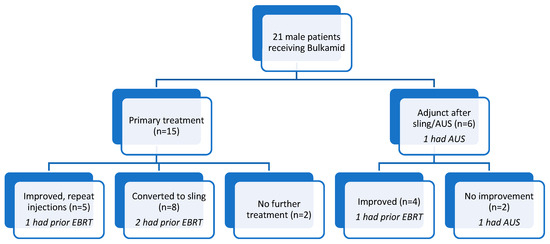
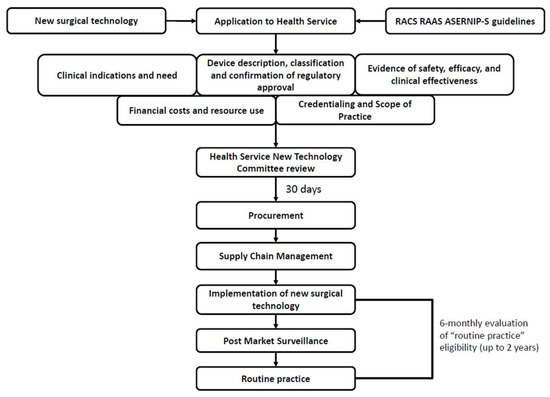
Flowchart summarizing the survey’s design, development, domains, pilot testing, dissemination, and analysis. SIU: Société Internationale d’Urologie.
  • Conference Report
  • Open Access

B2B Symposium on Innovative Technologies in Bladder Cancer

  • Peter C. Black,
  • Gautier Marcq and
  • Kilian M. Gust
  • + 1 author

The 7th Bench-to-Bedside Uro-Oncology: GU Cancers Triad Meeting, organized in conjunction with the 45th Annual Congress of the Société Internationale d’Urologie, was held on 31 October 2025, in Edinburgh, Scotland, and transmitted live on the SIU@U Congress app [...]

9 February 2026

  • Conference Report
  • Open Access

B2B: Prostate Cancer Summary

  • Caroline M. Moore,
  • Alistair Grey and
  • Jan Philipp Radtke
  • + 8 authors

The 7th Bench-to-Bedside Uro-Oncology: GU Cancers Triad Meeting, organized in conjunction with the 45th Annual Congress of the Société Internationale d’Urologie, was held on 31 October 2025, in Edinburgh, Scotland, and transmitted live on the SIU@U Congress app [...]

9 February 2026

Background/Objectives: Limited data exist on the outcomes of men with bladder stones undergoing cystolitholapaxy alone versus cystolitholapaxy with concurrent transurethral resection of the prostate (TURP). Additionally, factors associated with the need for subsequent TURP in these patients are not well defined. This study aimed to compare the clinical outcomes in men undergoing cystolitholapaxy alone with those undergoing concurrent cystolitholapaxy with TURP, and determine what factors were associated with the need for subsequent TURP. Methods: A retrospective review was conducted of men undergoing cystolitholapaxy at a single Australian hospital between 2014 and 2021. Patients were grouped into cystolitholapaxy alone (Group A) and cystolitholapaxy with concurrent TURP (Group B). Clinical outcomes compared included rates of acute urinary retention (AUR), urinary tract infection (UTI), and subsequent TURP. Prostate volume (PV), stone size, and the presence of intravesical prostatic protrusion (IPP) were evaluated as potential predictors of subsequent TURP in Group A. Results: Fifty men were included in the final analysis, with a median follow-up of 50 months (interquartile range [IQR] 24–81). Baseline characteristics did not differ significantly between groups. There was no statistically significant difference in the rates of AUR (11% vs. 13%) or UTI (22% vs. 30%) between Group A and Group B, respectively. However, 41% of Group A underwent subsequent TURP, compared to 9% in Group B (p = 0.0112). Within Group A, those requiring subsequent TURP had a significantly greater PV (65 vs. 34 cc, p = 0.0059), larger stone size (3.5 vs. 2.0 cm, p = 0.0175), and a higher prevalence of IPP (82% vs. 6%, p < 0.001). Conclusions: Cystolitholapaxy alone is a viable initial treatment for bladder stones, with comparable clinical outcomes to concurrent TURP. PV, stone size, and IPP may help identify patients likely to require future TURP, enabling more tailored treatment and potential reduction in TURP-related morbidity.

18 December 2025

News & Conferences

Issues

Open for Submission

Editor's Choice

Get Alerted

Add your email address to receive forthcoming issues of this journal.

XFacebookLinkedIn
Soc. Int. Urol. J. - ISSN 2563-6499