Encyclopedia of Heritage

A Topical Collection in Encyclopedia (ISSN 2673-8392).

Viewed by 5661

Editors


E-Mail Website
Collection Editor
Department for Cultural Heritage, Organisation of World Heritage Cities, 93047 Regensburg, Germany
Interests: heritage-based integrated urban development; heritage governance; heritage management and heritage communication; project development and strategic coordination of policies in an international environment
Special Issues, Collections and Topics in MDPI journals

Topical Collection Information

Dear Colleagues,

Encyclopedia of Heritage is a curated, peer‑reviewed Topical Collection that maps contemporary and historical knowledge across the heritage field. We welcome concise entries that introduce core concepts, survey debates, and synthesize methods in accessible language without sacrificing rigor. Contributions may address new heritage approaches (integrative, digital, decolonial), a systemic understanding of cultural heritage as a dynamic network of actors, institutions, values, flows, and feedbacks, and the historical development of heritage as concept, practice and sector. We seek articles linking heritage with sustainable development and resilience, including climate adaptation, risk, equity and wellbeing; clarifying heritage values and assessment; and offering critical reflections on power, representation and the Authorized Heritage Discourse. Entries may organize typologies (tangible/intangible; cultural/natural; urban, rural and landscape; industrial; digital), and examine democracy, participation, co‑creation and rights‑based approaches. We also invite authoritative definitions of key terms—authenticity, integrity, ensembles, setting, significance, and related terminology—cross‑referenced to complementary pages. Formats include definitions, overview essays, method notes, and short case exemplars with recommended readings. The collection aims to provide a reliable reference for scholars, practitioners and policy makers, while stimulating new, systemic perspectives on safeguarding, use and change. Submissions are reviewed on a rolling basis and updated to reflect evolving scholarship and practice.

We invite concise, rigorously referenced entries for the Topical Collection “Encyclopedia of Heritage”, which maps the state of knowledge across contemporary and historical dimensions of the heritage field. We particularly welcome contributions that: present new heritage approaches (integrative, transdisciplinary, digital, post-/decolonial); articulate a systemic understanding of cultural heritage (heritage as a dynamic system of actors, institutions, values, flows, and feedbacks across scales); trace the historical development of heritage as a concept, practice, and sector; link heritage with sustainable development and resilience (SDGs, climate adaptation/mitigation, risk, equity); clarify heritage values and value assessment; offer critical reflections (e.g., Authorized Heritage Discourse, power and representation); organize heritage typologies (tangible/intangible, cultural/natural, urban/rural/landscape, industrial, digital); address democracy, participation, co‑creation, and rights‑based approaches; survey contemporary debates alongside historical perspectives; and define key terms (e.g., authenticity, integrity, ensembles, setting, significance, conservation vs. preservation, heritage communities). Entry types may include definitions, overviews, methods notes, short case exemplars, and state‑of‑the‑art syntheses. Entries should be written in a neutral, accessible style; include cross‑references and a short list of recommended readings; and follow Encyclopedia’s citation and formatting guidance.

Dr. Matthias Ripp
Prof. Dr. Christer Gustafsson
Collection Editors

Manuscript Submission Information

Manuscripts should be submitted online at www.mdpi.com by registering and logging in to this website. Once you are registered, click here to go to the submission form. All submissions that pass pre-check are peer-reviewed. Accepted papers will be published continuously in the journal (as soon as accepted) and will be listed together on the Topical Collection website. Review articles and Entry papers are invited. For planned papers, a title and short abstract (about 250 words) can be sent to the Editorial Office for assessment.

Submitted manuscripts should not have been published previously, nor be under consideration for publication elsewhere (except conference proceedings papers). All manuscripts are thoroughly refereed through a single-anonymized peer-review process. A guide for authors and other relevant information for submission of manuscripts is available on the Instructions for Authors page. Encyclopedia is an international peer-reviewed open access monthly journal published by MDPI.

Please visit the Instructions for Authors page before submitting a manuscript. The Article Processing Charge (APC) for publication in this open access journal is 1200 CHF (Swiss Francs). Submitted papers should be well formatted and use good English. Authors may use MDPI's English editing service prior to publication or during author revisions.

Keywords

  • heritage governance
  • adaptive reuse
  • heritage values
  • authenticity
  • integrity
  • ensembles
  • setting
  • critical heritage studies
  • democracy and participation
  • rights-based approaches
  • sustainable development
  • resilience
  • risk and climate change
  • historic urban landscape (HUL)
  • FARO convention
  • intangible cultural heritage (ICH)
  • heritage economics
  • policy and law
  • typologies
  • digital heritage
  • heritage and AI
  • assessment methods
  • significance
  • conservation management

Published Papers (4 papers)

2026

26 pages, 5832 KB  
Review
Non-Muslim Cemeteries as Multicultural Urban Heritage in Istanbul: The Case of the Feriköy Protestant Cemetery
by Meryem Müzeyyen Fındıkgil, Ilke Ciritci and Semih Göksel Yıldırım
Encyclopedia 2026, 6(8), 170; https://doi.org/10.3390/encyclopedia6080170 - 12 Aug 2026
Viewed by 437
Abstract
This review examines non-Muslim cemeteries in Istanbul as multicultural urban heritage landscapes, using the Feriköy Protestant Cemetery as its principal case. Rather than treating cemeteries solely as religious or funerary spaces, it conceptualizes them as material archives of urban memory, minority presence, spatial [...] Read more.
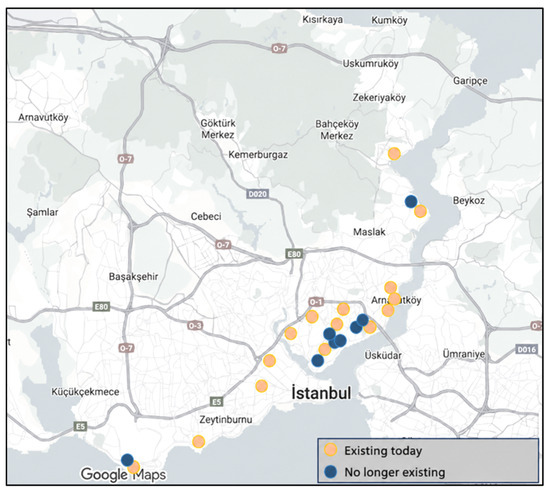
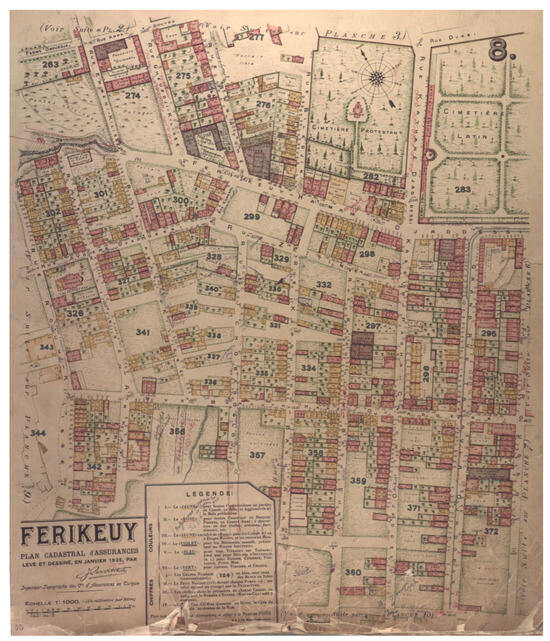
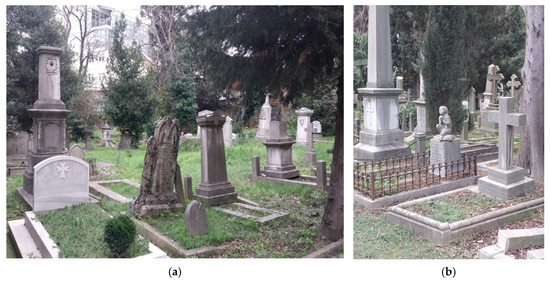
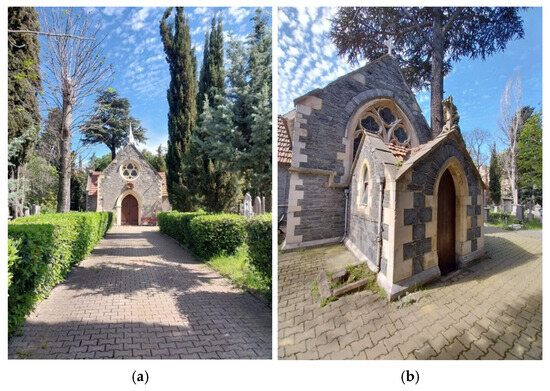
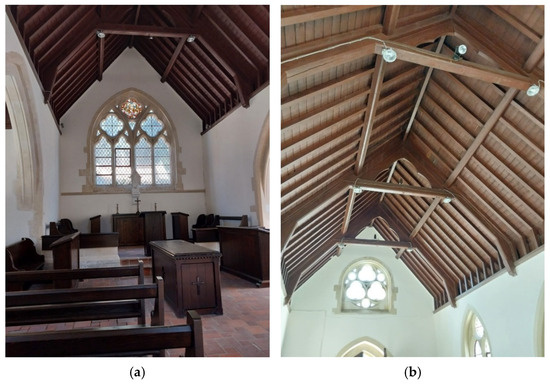
This review examines non-Muslim cemeteries in Istanbul as multicultural urban heritage landscapes, using the Feriköy Protestant Cemetery as its principal case. Rather than treating cemeteries solely as religious or funerary spaces, it conceptualizes them as material archives of urban memory, minority presence, spatial displacement, and heritage governance. Drawing on a literature review, historical documentation, spatial mapping, and field observation, the article first traces the transformation of non-Muslim cemeteries from the Ottoman period to the Republican period, with particular attention to their relocation, disappearance, and reuse within processes of urban modernization. It then analyses the Feriköy Protestant Cemetery in terms of its establishment, multinational governance structure, architectural and funerary features, transferred memorial elements, digitisation practices, and conservation initiatives. The case illustrates the layered relationships among urban development, multicultural identity, and sustainable conservation. The article argues that Istanbul’s surviving non-Muslim cemeteries should be understood as living spaces of memory and cultural landscapes whose protection requires documentation, public awareness, and multi-actor heritage governance. Full article
Show Figures

Figure 1

11 pages, 8477 KB  
Entry
Compositional Concepts and Instrumentation Frameworks for the Isan Orchestra in Thailand
by Sayam Chuangprakhon, Akapong Phulaiyaw, Arthit Khamhongsa, Warakorn Seeyo, Weerayut Seekhunlio and Narongruch Woramitmaitree
Encyclopedia 2026, 6(7), 154; https://doi.org/10.3390/encyclopedia6070154 - 10 Jul 2026
Viewed by 922
Definition
The Isan Orchestra is a large-scale homogeneous contemporary musical ensemble in Thailand that systematically integrates traditional Northeastern Thai (Isan) folk instruments using the formal structural, compositional, and architectural frameworks of a Western symphony orchestra. Consisting of 40 traditional Isan folk instruments without Western [...] Read more.
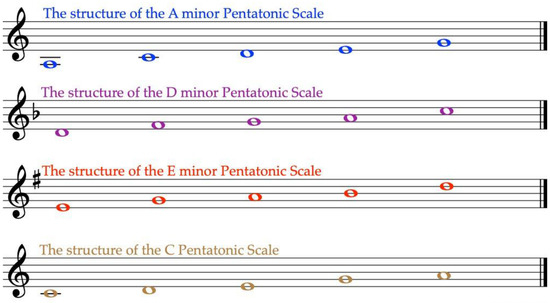
The Isan Orchestra is a large-scale homogeneous contemporary musical ensemble in Thailand that systematically integrates traditional Northeastern Thai (Isan) folk instruments using the formal structural, compositional, and architectural frameworks of a Western symphony orchestra. Consisting of 40 traditional Isan folk instruments without Western instrumentation, this ensemble achieves a multi-tonal orchestral dimension by balancing the modal melodies and unique acoustic textures of regional instruments such as the Phin (plucked lute), Whode (circular panpipe), Khaen (free-reed mouth organ), and Pong Lang (log xylophone). The ensemble achieves a multi-tonal orchestral dimension without Western instrumentation. Compositional concepts rely on extracting melodic motifs from traditional folk tunes, transforming them through Western contrapuntal methods, polyphonic textures, and harmonic voice-leading. This entry systemizes the programmatic suite architecture, orchestration grids, and physical seating layouts required to achieve acoustic balance. Through this systemization, this study achieves a fully verified, replicable prototype that successfully transitions orally transmitted regional repertoire into standardized notation. The implications of this model offer a strategic, decolonial framework for institutional safeguarding, enabling Indigenous musical traditions to achieve structural parity and international visibility within higher education. Full article
Show Figures

Figure 1

11 pages, 244 KB  
Entry
Artificial Intelligence and Heritage Management
by Adriaan De Man and Mohamed Khater
Encyclopedia 2026, 6(7), 142; https://doi.org/10.3390/encyclopedia6070142 - 1 Jul 2026
Viewed by 998
Definition
Artificial Intelligence (AI) in heritage management refers to the use of computational systems for tasks conventionally associated with human intelligence. These range from pattern recognition to prediction and language processing, among other dimensions such as image analysis or decision support, across the cultural [...] Read more.
Artificial Intelligence (AI) in heritage management refers to the use of computational systems for tasks conventionally associated with human intelligence. These range from pattern recognition to prediction and language processing, among other dimensions such as image analysis or decision support, across the cultural and creative industries. AI applications are commonly applied in daily settings, namely for site management and visitor experience enhancement. Beyond its multiple technical functions, AI acts as a mediating infrastructure that influences how heritage knowledge is produced. Consequently, AI raises epistemological, ontological, ethical, and political questions for the future of heritage management. This entry takes into account the interconnected concepts of authenticity, authority, representation, and participation. Full article
11 pages, 1637 KB  
Entry
Zhao’s Guzheng: Traditional Chinese Performance Techniques
by Yang Liu, Sayam Chuangprakhon, Warakorn Seeyo, Akapong Phulaiyaw and Arthit Khamhongsa
Encyclopedia 2026, 6(6), 117; https://doi.org/10.3390/encyclopedia6060117 - 27 May 2026
Viewed by 1263
Definition
Zhao’s Guzheng: Traditional Chinese Performance Techniques refers to a comprehensive pedagogical and performance framework within the Shandong–Northeast lineage of the Guzheng (Chinese plucked zither). This system is historically rooted in a 200-year family tradition that underwent a pivotal transition in 1953, when it [...] Read more.
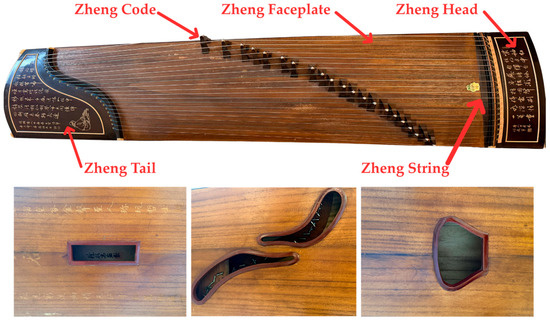
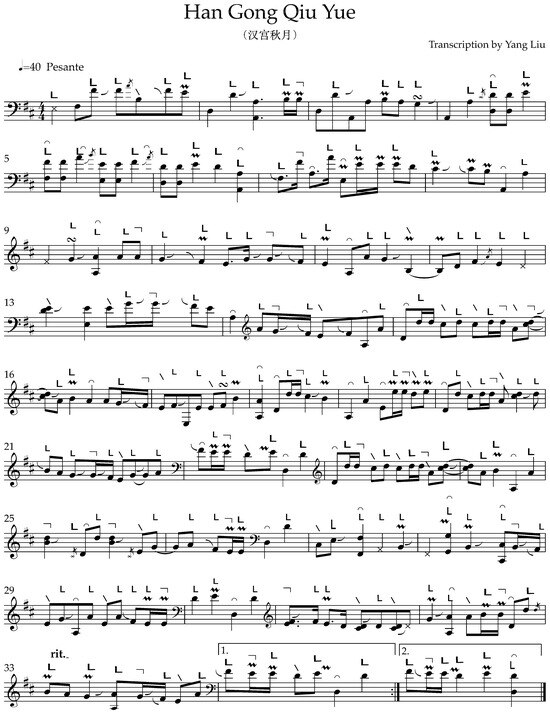
Zhao’s Guzheng: Traditional Chinese Performance Techniques refers to a comprehensive pedagogical and performance framework within the Shandong–Northeast lineage of the Guzheng (Chinese plucked zither). This system is historically rooted in a 200-year family tradition that underwent a pivotal transition in 1953, when it migrated from Shandong Province to the Shenyang Conservatory of Music in Northeast China. It is formally defined by three primary evolutionary pillars: the physical transition from 16-string silk-string folk instruments to standardized 21-string S-shaped academic models; a rigorous right-hand symbolic codification system that serves as a technical grammar for practitioners; and its status as recognized Intangible Cultural Heritage. The tradition represents a sophisticated synthesis of regional folk esthetics, noted for its robust, vigorous acoustic identity and structured conservatory training. By bridging the gap between oral folk apprenticeships and formal institutional pedagogy, the Zhao lineage maintains its specific stylistic authenticity, known as Yun Wei (musical flavor), ensuring that the technical soul of the school remains reproducible within the modern global musical landscape. Full article
Show Figures

Figure 1

Back to TopTop