


Towards Culturally Responsive Dementia Management for First Nations Australians: A Scoping Review Identifying Gaps and Opportunities
 , , ,
, , ,
Abstract
1. Introduction
2. Materials and Methods
2.1. Search Strategy
2.2. Information Sources
2.3. Study Inclusion and Exclusion Criteria
2.3.1. Inclusion Criteria
2.3.2. Exclusion Criteria
2.4. Data Screening
2.5. Data Extraction
2.6. Study Quality Assessment
2.7. Data Analysis and Synthesis
2.8. Limitations of the Study
3. Results
3.1. Prevalence and Incidence of Dementia Among First Nations People
3.2. Burden of Dementia Among First Nations People
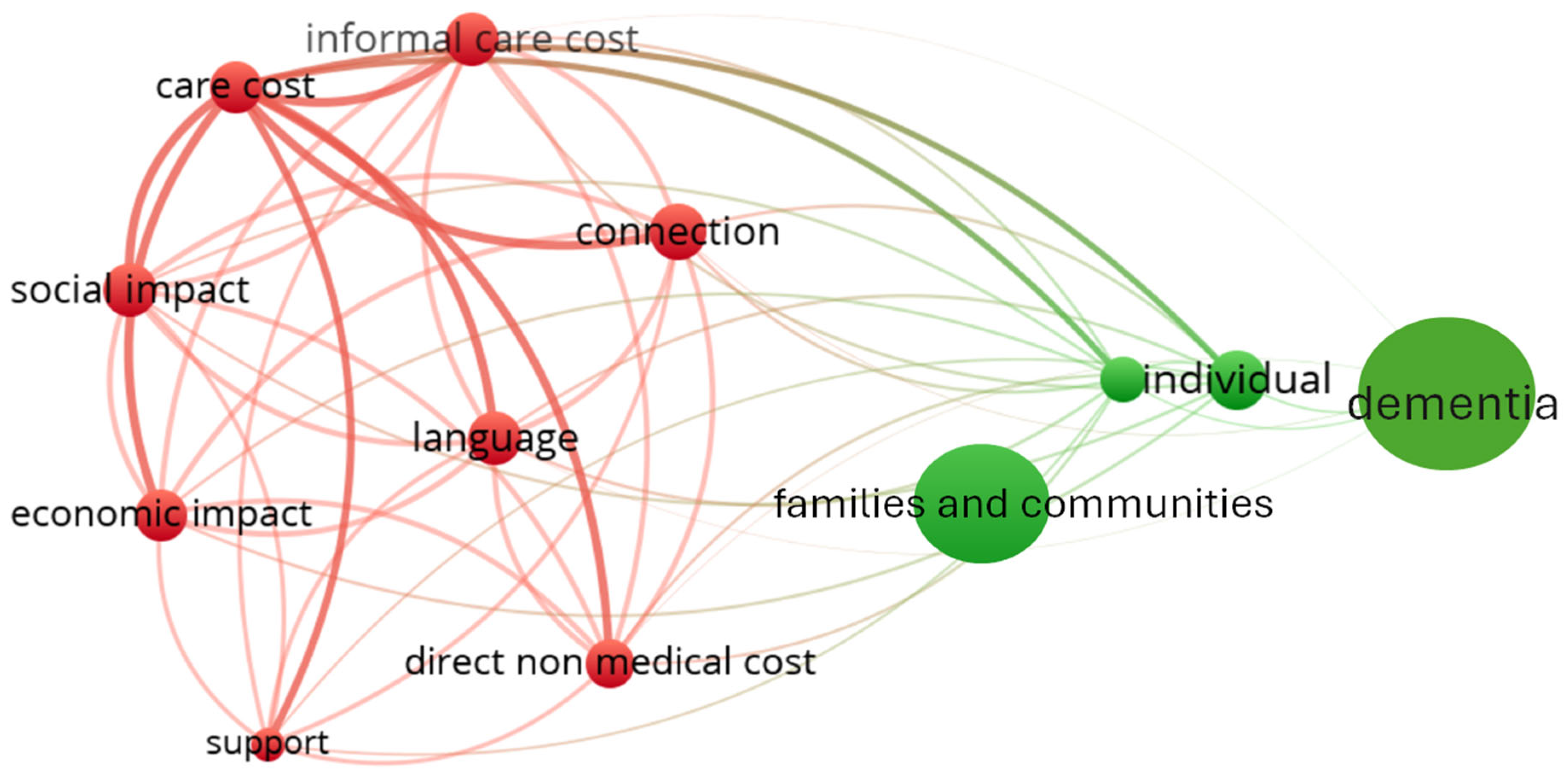
3.2.1. Impact on Individuals, Families and Communities
3.2.2. Economic Cost of Dementia
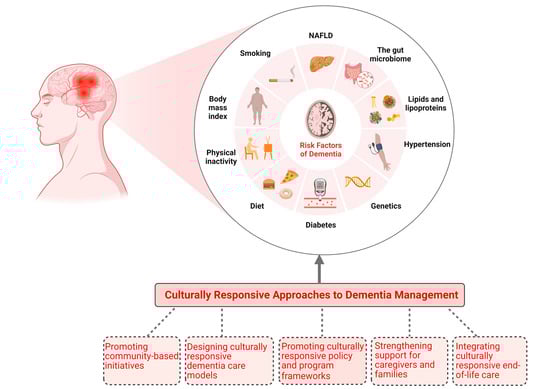
3.3. Associated Risk Factors of Dementia Among First Nation Australians
3.4. Culturally Responsive Approaches to Dementia Prevention, Intervention, and Care
3.4.1. Promoting Community-Based Initiatives
3.4.2. Designing Culturally Responsive Dementia Care Models
3.4.3. Strengthening Support for Caregivers and Families
3.5. Integrating Culturally Responsive End-of-Life Care
3.6. Promoting Culturally Responsive Policy and Programme Frameworks
3.7. Barriers to Dementia Care Among First Nations People
3.7.1. Cultural and Conceptual Barriers
3.7.2. Limited Access to Resources and Support
3.7.3. Logistical Challenges
3.7.4. Stigma and Denial
3.7.5. Systemic Healthcare Barriers
3.8. Enablers in Enhancing Dementia Care Among First Nations People
3.8.1. Culturally Appropriate Care
3.8.2. Early Detection and Diagnosis
3.8.3. Holistic and Life-Centred Approach
3.8.4. Workforce Development and Cultural Safety
3.8.5. Government Initiatives and Programmes
3.9. Recommended Strategies for Culturally Responsive Dementia Care
4. Discussion
5. Conclusions and Future Direction
Author Contributions
Funding
Data Availability Statement
Conflicts of Interest
References
- Radford, K.; Lavrencic, L.M.; Delbaere, K.; Draper, B.; Cumming, R.; Daylight, G.; Mack, H.A.; Chalkley, S.; Bennett, H.; Garvey, G.; et al. Factors Associated with the High Prevalence of Dementia in Older Aboriginal Australians. J. Alzheimers Dis. 2019, 70, S75–S85. [Google Scholar] [CrossRef] [PubMed]
- Warren, L.A.; Shi, Q.; Young, K.; Borenstein, A.; Martiniuk, A. Prevalence and incidence of dementia among indigenous populations: A systematic review. Int. Psychogeriatr. 2015, 27, 1959–1970. [Google Scholar] [CrossRef] [PubMed]
- Li, S.Q.; Guthridge, S.L.; Eswara Aratchige, P.; Lowe, M.P.; Wang, Z.; Zhao, Y.; Krause, V. Dementia prevalence and incidence among the Indigenous and non-Indigenous populations of the Northern Territory. Med. J. Aust. 2014, 200, 465–469. [Google Scholar] [CrossRef] [PubMed]
- Russell, S.G.; Quigley, R.; Thompson, F.; Sagigi, B.; LoGiudice, D.; Smith, K.; Pachana, N.; Miller, G.; Strivens, E. Prevalence of dementia in the Torres Strait. Australas. J. Ageing 2021, 40, e125–e132. [Google Scholar] [CrossRef]
- MacDonald, J.P.; Barnes, D.E.; Middleton, L.E. Implications of Risk Factors for Alzheimer’s Disease in Canada’s Indigenous Population. Can. Geriatr. J. 2015, 18, 152–158. [Google Scholar] [CrossRef]
- Walker, J.D.; O’Connell, M.E.; Pitawanakwat, K.; Blind, M.; Warry, W.; Lemieux, A.; Patterson, C.; Allaby, C.; Valvasori, M.; Zhao, Y.; et al. Canadian Indigenous Cognitive Assessment (CICA): Inter-rater reliability and criterion validity in Anishinaabe communities on Manitoulin Island, Canada. Alzheimers Dement 2021, 13, e12213. [Google Scholar] [CrossRef]
- Thompson, F.; Russell, S.; Quigley, R.; Sagigi, B.; Miller, G.; Esterman, A.; Harriss, L.R.; Taylor, S.; McDermott, R.; Strivens, E. Dementia Risk Models in an Australian First Nations Population: Cross-Sectional Associations and Preparation for Follow-Up. J. Alzheimers Dis. Rep. 2023, 7, 543–555. [Google Scholar] [CrossRef]
- Garvey, G.; Simmonds, D.; Clements, V.; O’Rourke, P.; Sullivan, K.; Gorman, D.; Curnow, V.; Wise, S.; Beattie, E. Making sense of dementia: Understanding amongst indigenous Australians. Int. J. Geriatr. Psychiatry 2011, 26, 649–656. [Google Scholar] [CrossRef]
- Racine, L.; Ford, H.; Johnson, L.; Fowler-Kerry, S. An integrative review of Indigenous informal caregiving in the context of dementia care. J. Adv. Nurs. 2022, 78, 895–917. [Google Scholar] [CrossRef]
- Jacklin, K.; Walker, J. Cultural Understandings of Dementia in Indigenous Peoples: A Qualitative Evidence Synthesis. Can. J. Aging 2020, 39, 220–234. [Google Scholar] [CrossRef]
- Jacklin, K.; Pitawanakwat, K.; Blind, M.; O’Connell, M.E.; Walker, J.; Lemieux, A.M.; Warry, W. Developing the Canadian Indigenous Cognitive Assessment for Use With Indigenous Older Anishinaabe Adults in Ontario, Canada. Innov. Aging 2020, 4, igaa038. [Google Scholar] [CrossRef] [PubMed]
- Haydon, H.M.; Caffery, L.J.; Snoswell, C.L.; Thomas, E.E.; Wright, R.; Doolan, R.; Garner, L.; Aitken, P.; Smith, A.C. Dementia ECHO: Evaluation of a telementoring programme to increase dementia knowledge and skills in First Nations-led health services. J. Telemed. Telecare 2022, 28, 757–763. [Google Scholar] [CrossRef] [PubMed]
- Forbes, D.; Blake, C.; Thiessen, E.; Finkelstein, S.; Gibson, M.; Morgan, D.G.; Markle-Reid, M.; Culum, I. Dementia Care Knowledge Sharing within a First Nations Community. Can. J. Aging 2013, 32, 360–374. [Google Scholar] [CrossRef] [PubMed]
- Adebiyi, A.O.; Fagbola, M.A.; Olakehinde, O.; Ogunniyi, A. Enacted and implied stigma for dementia in a community in south-west Nigeria. Psychogeriatrics 2016, 16, 268–273. [Google Scholar] [CrossRef] [PubMed]
- Johnston, K.; Preston, R.; Strivens, E.; Qaloewai, S.; Larkins, S. Understandings of dementia in low and middle income countries and amongst indigenous peoples: A systematic review and qualitative meta-synthesis. Aging Ment. Health 2020, 24, 1183–1195. [Google Scholar] [CrossRef]
- Shrestha, H.L.; Shrestha, L.; McArthur, M.; Rowe, R.K.; Maar, M.; Walker, J.D. Traditional healing and medicine in dementia care for Indigenous populations in North America, Australia, and New Zealand: Exploring culturally-safe dementia care policy from a global perspective. Alzheimer’s Dement. Diagn. Assess. Dis. Monit. 2024, 16, e12620. [Google Scholar] [CrossRef]
- Webkamigad, S.; Warry, W.; Blind, M.; Jacklin, K. An Approach to Improve Dementia Health Literacy in Indigenous Communities. J. Cross Cult. Gerontol. 2020, 35, 69–83. [Google Scholar] [CrossRef]
- Henderson, R.; Furlano, J.A.; Claringbold, S.S.; Cornect-Benoit, A.; Ly, A.; Walker, J.; Zaretsky, L.; Roach, P. Colonial drivers and cultural protectors of brain health among Indigenous peoples internationally. Front. Public. Health 2024, 12, 1346753. [Google Scholar] [CrossRef]
- Gamble, L.D.; Matthews, F.E.; Jones, I.R.; Hillman, A.E.; Woods, B.; Macleod, C.A.; Martyr, A.; Collins, R.; Pentecost, C.; Rusted, J.M. Characteristics of people living with undiagnosed dementia: Findings from the CFAS Wales study. BMC Geriatr. 2022, 22, 409. [Google Scholar] [CrossRef]
- Flicker, L.; Anstey, K.J.; Almeida, O.P.; Waller, M.; Fitzgerald, P.; De Crespigny, F.; Vu, T.; Dobson, A.J. Differing methodologies are required to estimate prevalence of dementia: Single study types are no longer reliable. J. Alzheimer’s Dis. 2022, 88, 943–948. [Google Scholar] [CrossRef]
- Nichols, E.; Steinmetz, J.D.; Vollset, S.E.; Fukutaki, K.; Chalek, J.; Abd-Allah, F.; Abdoli, A.; Abualhasan, A.; Abu-Gharbieh, E.; Akram, T.T. Estimation of the global prevalence of dementia in 2019 and forecasted prevalence in 2050: An analysis for the Global Burden of Disease Study 2019. Lancet Public Health 2022, 7, e105–e125. [Google Scholar] [CrossRef] [PubMed]
- Collaborators, G.; Nichols, E.; Abd-Allah, F.; Abdoli, A.; Abosetugn, A.E.; Abrha, W.A.; Abualhasan, A.; Abu-Gharbieh, E.; Akinyemi, R.O.; Alahdab, F. Global mortality from dementia: Application of a new method and results from the Global Burden of Disease Study 2019. Alzheimer’s Dement. Transl. Res. Clin. Interv. 2021, 7, e12200. [Google Scholar] [CrossRef] [PubMed]
- Dobson, A.J.; Flicker, L.; Almeida, O.P.; Waller, M.; Anstey, K. Different estimates of the prevalence of dementia in Australia, 2021. Med. J. Aust. 2023, 218, 320. [Google Scholar] [CrossRef] [PubMed]
- Welberry, H.J.; Brodaty, H.; Hsu, B.; Barbieri, S.; Jorm, L.R. Measuring dementia incidence within a cohort of 267,153 older Australians using routinely collected linked administrative data. Sci. Rep. 2020, 10, 8781. [Google Scholar] [CrossRef]
- Smith, K.; Flicker, L.; Lautenschlager, N.T.; Almeida, O.P.; Atkinson, D.; Dwyer, A.; LoGiudice, D. High prevalence of dementia and cognitive impairment in Indigenous Australians. Neurology 2008, 71, 1470–1473. [Google Scholar] [CrossRef]
- Australian Bureau of Statistics. National Aboriginal and Torres Strait Islander Health Survey, Australia, 2018–2019; Australian Bureau of Statistics: Canberra, Australia, 2019. [Google Scholar]
- Cox, T.; Hoang, H.; Goldberg, L.R.; Baldock, D. Aboriginal community understandings of dementia and responses to dementia care. Public. Health 2019, 172, 15–21. [Google Scholar] [CrossRef]
- Siette, J.; Meka, A.; Antoniades, J. Breaking the barriers: Overcoming dementia-related stigma in minority communities. Front. Psychiatry 2023, 14, 1278944. [Google Scholar] [CrossRef]
- Chowdhary, N.; Barbui, C.; Anstey, K.J.; Kivipelto, M.; Barbera, M.; Peters, R.; Zheng, L.; Kulmala, J.; Stephen, R.; Ferri, C.P. Reducing the risk of cognitive decline and dementia: WHO recommendations. Front. Neurol. 2022, 12, 765584. [Google Scholar] [CrossRef]
- Bradley, K.; Hughson, J.A.; Hyde, Z.; Atkinson, D.; Russell, S.; Quigley, R.; Bessarab, D.; Flicker, L.; Radford, K.; Smith, K.; et al. Detection of cognitive impairment, dementia and associated risk factors among Aboriginal and Torres Strait Islander peoples: Retrospective baseline audit results from a stepped-wedge cluster-randomised controlled trial. Australas. J. Ageing 2025, 44, e70007. [Google Scholar] [CrossRef]
- Kwak, Y.T.; Yang, Y.; Koo, M.-S. Anxiety in dementia. Dement. Neurocognitive Disord. 2017, 16, 33. [Google Scholar] [CrossRef]
- Aarsland, D.; Ballard, C.; Larsen, J.P.; McKeith, I. A comparative study of psychiatric symptoms in dementia with Lewy bodies and Parkinson’s disease with and without dementia. Int. J. Geriatr. Psychiatry 2001, 16, 528–536. [Google Scholar] [CrossRef] [PubMed]
- Gottesman, R.T.; Stern, Y. Behavioral and psychiatric symptoms of dementia and rate of decline in Alzheimer’s disease. Front. Pharmacol. 2019, 10, 1062. [Google Scholar] [CrossRef] [PubMed]
- AIHW (Australian Institute of Health and Welfare). Health and Wellbeing of First Nations People; AIHW: Canberra, Australia, 2024. Available online: https://www.aihw.gov.au/reports/australias-health/indigenous-health-and-wellbeing (accessed on 16 December 2025).
- Blankevoort, C.G.; Van Heuvelen, M.J.; Boersma, F.; Luning, H.; De Jong, J.; Scherder, E.J. Review of effects of physical activity on strength, balance, mobility and ADL performance in elderly subjects with dementia. Dement. Geriatr. Cogn. Disord. 2010, 30, 392–402. [Google Scholar] [CrossRef] [PubMed]
- McGough, E.L.; Logsdon, R.G.; Kelly, V.E.; Teri, L. Functional mobility limitations and falls in assisted living residents with dementia: Physical performance assessment and quantitative gait analysis. J. Geriatr. Phys. Ther. 2013, 36, 78–86. [Google Scholar] [CrossRef] [PubMed]
- Tolea, M.I.; Morris, J.C.; Galvin, J.E. Trajectory of mobility decline by type of dementia. Alzheimer Dis. Assoc. Disord. 2016, 30, 60–66. [Google Scholar] [CrossRef]
- Bauer, J.M.; Sousa-Poza, A. Impacts of informal caregiving on caregiver employment, health, and family. J. Popul. Ageing 2015, 8, 113–145. [Google Scholar] [CrossRef]
- Bom, J.; Bakx, P.; Schut, F.; Van Doorslaer, E. The impact of informal caregiving for older adults on the health of various types of caregivers: A systematic review. Gerontologist 2019, 59, e629–e642. [Google Scholar] [CrossRef]
- Pine, J.; Steffen, A.M. Intergenerational ambivalence and dyadic strain: Understanding stress in family care partners of older adults. Clin. Gerontol. 2019, 42, 90–100. [Google Scholar] [CrossRef]
- Rubin, R.M.; White-Means, S.I. Informal caregiving: Dilemmas of sandwiched caregivers. J. Fam. Econ. Issues 2009, 30, 252–267. [Google Scholar] [CrossRef]
- Ku, L.-J.E.; Pai, M.-C.; Shih, P.-Y. Economic impact of dementia by disease severity: Exploring the relationship between stage of dementia and cost of care in Taiwan. PLoS ONE 2016, 11, e0148779. [Google Scholar] [CrossRef]
- Pollitt, P. The problem of dementia in Australian Aboriginal and Torres Strait Islander communities: An overview. Int. J. Geriatr. Psychiatry 1997, 12, 155–163. [Google Scholar] [CrossRef]
- Schaller, S.; Mauskopf, J.; Kriza, C.; Wahlster, P.; Kolominsky-Rabas, P.L. The main cost drivers in dementia: A systematic review. Int. J. Geriatr. Psychiatry 2015, 30, 111–129. [Google Scholar] [CrossRef] [PubMed]
- Rice, D.P. Estimating the cost of illness. Am. J. Public Health Nations Health 1967, 57, 424–440. [Google Scholar] [CrossRef] [PubMed]
- Yousefi, M.; Arani, A.A.; Sahabi, B.; Kazemnejad, A.; Fazaeli, S. Household health costs: Direct, indirect and intangible. Iran. J. Public Health 2014, 43, 202. [Google Scholar] [PubMed]
- Hughson, J.-A.; Flicker, L.; Smith, K.; Bradley, K.; Belfrage, M.; Strivens, E.; Bessarab, D.; Atkinson, D.; Radford, K.; Russell, S.G.; et al. Let’s CHAT—Dementia: Primary care model of care to optimise detection and management of dementia in Aboriginal and Torres Strait Islander older people: Determination of the risk factor profile in this population. Alzheimer’s Dement. 2020, 16, e041319. [Google Scholar] [CrossRef]
- See, R.S.; Thompson, F.; Russell, S.; Quigley, R.; Esterman, A.; Harriss, L.R.; Hyde, Z.; Taylor, S.; Radford, K.; LoGiudice, D.; et al. Potentially modifiable dementia risk factors in all Australians and within population groups: An analysis using cross-sectional survey data. Lancet Public Health 2023, 8, e717–e725. [Google Scholar] [CrossRef]
- Chin, A.L.; Negash, S.; Hamilton, R. Diversity and disparity in dementia: The impact of ethnoracial differences in Alzheimer disease. Alzheimer Dis. Assoc. Disord. 2011, 25, 187–195. [Google Scholar] [CrossRef]
- Moceri, V.M.; Kukull, W.A.; Emanual, I.; van Belle, G.; Starr, J.R.; Schellenberg, G.D.; McCormick, W.C.; Bowen, J.D.; Teri, L.; Larson, E.B. Using census data and birth certificates to reconstruct the early-life socioeconomic environment and the relation to the development of Alzheimer’s disease. Epidemiology 2001, 12, 383–389. [Google Scholar] [CrossRef]
- Jorm, A.F.; Korten, A.E.; Henderson, A.S. The prevalence of dementia: A quantitative integration of the literature. Acta Psychiatr. Scand. 1987, 76, 465–479. [Google Scholar] [CrossRef]
- Scarmeas, N.; Luchsinger, J.A.; Schupf, N.; Brickman, A.M.; Cosentino, S.; Tang, M.X.; Stern, Y. Physical activity, diet, and risk of Alzheimer disease. Jama 2009, 302, 627–637. [Google Scholar] [CrossRef]
- Bruce, D.G.; Davis, W.A.; Casey, G.P.; Starkstein, S.E.; Clarnette, R.M.; Foster, J.K.; Almeida, O.P.; Davis, T.M. Predictors of cognitive impairment and dementia in older people with diabetes. Diabetologia 2008, 51, 241–248. [Google Scholar] [CrossRef] [PubMed]
- Livingston, G.; Sommerlad, A.; Orgeta, V.; Costafreda, S.G.; Huntley, J.; Ames, D.; Ballard, C.; Banerjee, S.; Burns, A.; Cohen-Mansfield, J.; et al. Dementia prevention, intervention, and care. Lancet 2017, 390, 2673–2734. [Google Scholar] [CrossRef] [PubMed]
- Barnes, D.E.; Yaffe, K. The projected effect of risk factor reduction on Alzheimer’s disease prevalence. Lancet Neurol. 2011, 10, 819–828. [Google Scholar] [CrossRef] [PubMed]
- Norton, S.; Matthews, F.E.; Barnes, D.E.; Yaffe, K.; Brayne, C. Potential for primary prevention of Alzheimer’s disease: An analysis of population-based data. Lancet Neurol. 2014, 13, 788–794. [Google Scholar] [CrossRef] [PubMed]
- Radford, K.; Mack, H.A.; Draper, B.; Chalkley, S.; Daylight, G.; Cumming, R.; Bennett, H.; Delbaere, K.; Broe, G.A. Prevalence of dementia in urban and regional Aboriginal Australians. Alzheimers Dement. 2015, 11, 271–279. [Google Scholar] [CrossRef]
- Radford, K.; Delbaere, K.; Draper, B.; Mack, H.A.; Daylight, G.; Cumming, R.; Chalkley, S.; Minogue, C.; Broe, G.A. Childhood Stress and Adversity is Associated with Late-Life Dementia in Aboriginal Australians. Am. J. Geriatr. Psychiatry 2017, 25, 1097–1106. [Google Scholar] [CrossRef]
- Thompson, F.; Russell, S.; Quigley, R.; Sagigi, B.; Taylor, S.; McDonald, M.; Campbell, S.; Esterman, A.; Harriss, L.R.; Miller, G.; et al. Potentially preventable dementia in a First Nations population in the Torres Strait and Northern Peninsula Area of North Queensland, Australia: A cross sectional analysis using population attributable fractions. Lancet Reg. Health West. Pac. 2022, 26, 100532. [Google Scholar] [CrossRef]
- Cargiulo, T. Understanding the health impact of alcohol dependence. Am. J. Health Syst. Pharm. 2007, 64, S5–S11. [Google Scholar] [CrossRef]
- Rehm, J.; Hasan, O.S.M.; Black, S.E.; Shield, K.D.; Schwarzinger, M. Alcohol use and dementia: A systematic scoping review. Alzheimers Res. Ther. 2019, 11, 1. [Google Scholar] [CrossRef]
- Anstey, K.J.; Mack, H.A.; Cherbuin, N. Alcohol consumption as a risk factor for dementia and cognitive decline: Meta-analysis of prospective studies. Am. J. Geriatr. Psychiatry 2009, 17, 542–555. [Google Scholar] [CrossRef]
- Thurber, K.A.; Banks, E.; Joshy, G.; Soga, K.; Marmor, A.; Benton, G.; White, S.L.; Eades, S.; Maddox, R.; Calma, T.; et al. Tobacco smoking and mortality among Aboriginal and Torres Strait Islander adults in Australia. Int. J. Epidemiol. 2021, 50, 942–954. [Google Scholar] [CrossRef] [PubMed]
- Smith, K.; Flicker, L.; Dwyer, A.; Atkinson, D.; Almeida, O.P.; Lautenschlager, N.T.; LoGiudice, D. Factors associated with dementia in Aboriginal Australians. Aust. N. Z. J. Psychiatry 2010, 44, 888–893. [Google Scholar] [CrossRef] [PubMed]
- Peters, R.; Ee, N.; Peters, J.; Booth, A.; Mudway, I.; Anstey, K.J. Air Pollution and Dementia: A Systematic Review. J. Alzheimers Dis. 2019, 70, S145–S163. [Google Scholar] [CrossRef] [PubMed]
- Livingston, G.; Huntley, J.; Sommerlad, A.; Ames, D.; Ballard, C.; Banerjee, S.; Brayne, C.; Burns, A.; Cohen-Mansfield, J.; Cooper, C.; et al. Dementia prevention, intervention, and care: 2020 report of the Lancet Commission. Lancet 2020, 396, 413–446. [Google Scholar] [CrossRef] [PubMed]
- Albanese, E.; Launer, L.J.; Egger, M.; Prince, M.J.; Giannakopoulos, P.; Wolters, F.J.; Egan, K. Body mass index in midlife and dementia: Systematic review and meta-regression analysis of 589,649 men and women followed in longitudinal studies. Alzheimer’s Dement. Diagn. Assess. Dis. Monit. 2017, 8, 165–178. [Google Scholar] [CrossRef] [PubMed]
- Zhang, J.; Chen, C.; Hua, S.; Liao, H.; Wang, M.; Xiong, Y.; Cao, F. An updated meta-analysis of cohort studies: Diabetes and risk of Alzheimer’s disease. Diabetes Res. Clin. Pract. 2017, 124, 41–47. [Google Scholar] [CrossRef]
- Cholerton, B.; Baker, L.D.; Montine, T.J.; Craft, S. Type 2 Diabetes, Cognition, and Dementia in Older Adults: Toward a Precision Health Approach. Diabetes Spectr. 2016, 29, 210–219. [Google Scholar] [CrossRef]
- Lucero, A.A.; Lambrick, D.M.; Faulkner, J.A.; Fryer, S.; Tarrant, M.A.; Poudevigne, M.; Williams, M.A.; Stoner, L. Modifiable cardiovascular disease risk factors among indigenous populations. Adv. Prev. Med. 2014, 2014, 547018. [Google Scholar] [CrossRef]
- Wang, B.; Wu, T.; Neale, M.C.; Verweij, R.; Liu, G.; Su, S.; Snieder, H. Genetic and Environmental Influences on Blood Pressure and Body Mass Index in the National Academy of Sciences-National Research Council World War II Veteran Twin Registry. Hypertension 2020, 76, 1428–1434. [Google Scholar] [CrossRef]
- Leszczak, J.; Czenczek-Lewandowska, E.; Asif, M.; Baran, J.; Mazur, A.; Wyszyńska, J. Risk factors and prevalence of hypertension in older adults from south-eastern Poland: An observational study. Sci. Rep. 2024, 14, 1450. [Google Scholar] [CrossRef]
- Wang, Z.; Knight, S.; Wilson, A.; Rowley, K.G.; Best, J.D.; McDermott, R.; Leonard, D.; Shaw, J.E.; O’Dea, K. Blood pressure and hypertension for Australian Aboriginal and Torres Strait Islander people. Eur. J. Cardiovasc. Prev. Rehabil. 2006, 13, 438–443. [Google Scholar] [CrossRef] [PubMed]
- Fulton, S.E.; Lister, J.J.; Bush, A.L.; Edwards, J.D.; Andel, R. Mechanisms of the Hearing-Cognition Relationship. Semin. Hear. 2015, 36, 140–149. [Google Scholar] [CrossRef] [PubMed]
- Ford, A.H.; Hankey, G.J.; Yeap, B.B.; Golledge, J.; Flicker, L.; Almeida, O.P. Hearing loss and the risk of dementia in later life. Maturitas 2018, 112, 1–11. [Google Scholar] [CrossRef] [PubMed]
- Haydon, H.M.; Smith, A.C.; Gleed, L.; Neuhaus, M.; Lawton, S.; Caffery, L.J. Challenges and opportunities in providing dementia care for Aboriginal and Torres Strait Islander peoples living in rural and remote areas. Dementia 2023, 22, 197–217. [Google Scholar] [CrossRef] [PubMed]
- Gee, G.; Dudgeon, P.; Schultz, C.; Hart, A.; Kelly, K. Aboriginal and Torres Strait Islander Social and Emotional Wellbeing. In Working Together: Aboriginal and Torres Strait Islander Mental Health and Wellbeing Principles and Practice; P. Dudgeon, H.M., Walker, R., Eds.; Commonwealth Government of Australia: Canberra, Australia, 2014. [Google Scholar]
- Busija, L.; Cinelli, R.; Toombs, M.R.; Easton, C.; Hampton, R.; Holdsworth, K.; BPsySc, A.M.; Nicholson, G.C.; Nasir, B.F.; Sanders, K.M.; et al. The Role of Elders in the Wellbeing of a Contemporary Australian Indigenous Community. Gerontologist 2018, 60, 513–524. [Google Scholar] [CrossRef]
- Smith, K.; Gilchrist, L.; Taylor, K.; Clinch, C.; Logiudice, D.; Edgill, P.; Ratcliffe, J.; Flicker, L.; Douglas, H.; Bradley, K.; et al. Good Spirit, Good Life: A Quality of Life Tool and Framework for Older Aboriginal Peoples. Gerontologist 2020, 61, e163–e172. [Google Scholar] [CrossRef]
- Bryant, J.; Noble, N.; Freund, M.; Rumbel, J.; Eades, S.; Sanson-Fisher, R.; Lowe, M.; Walsh, J.; Piterman, L.; Koch, S.; et al. How can dementia diagnosis and care for Aboriginal and Torres Strait Islander people be improved? Perspectives of healthcare providers providing care in Aboriginal community controlled health services. BMC Health Serv. Res. 2021, 21, 699. [Google Scholar] [CrossRef]
- Hulko, W.; Mahara, M.S.; Wilson, D.; Campbell-McArthur, G. Culturally safe dementia care: Building nursing capacity to care for First Nation Elders with memory loss. Int. J. Older People Nurs. 2021, 16, e12395. [Google Scholar] [CrossRef]
- Smith, K.; Flicker, L.; Shadforth, G.; Carroll, E.; Ralph, N.; Atkinson, D.; Lindeman, M.; Schaper, F.; Lautenschlager, N.T.; LoGiudice, D. ‘Gotta be sit down and worked out together’: Views of Aboriginal caregivers and service providers on ways to improve dementia care for Aboriginal Australians. Rural. Remote Health 2011, 11, 1650. [Google Scholar] [CrossRef]
- LoGiudice, D.; Smith, K.; Thomas, J.; Lautenschlager, N.T.; Almeida, O.P.; Atkinson, D.; Flicker, L. Kimberley Indigenous Cognitive Assessment tool (KICA): Development of a cognitive assessment tool for older indigenous Australians. Int. Psychogeriatr. 2006, 18, 269–280. [Google Scholar] [CrossRef]
- Hulko, W.; Camille, E.; Antifeau, E.; Arnouse, M.; Bachynski, N.; Taylor, D. Views of First Nation Elders on Memory Loss and Memory Care in Later Life. J. Cross-Cult. Gerontol. 2010, 25, 317–342. [Google Scholar] [CrossRef] [PubMed]
- Rooney, E.J.; Wilson, R.L.; Johnson, A. Integration of traditional therapies for First Nations people within Western healthcare: An integrative review. Contemp. Nurse 2023, 59, 294–310. [Google Scholar] [CrossRef] [PubMed]
- De Witt Jansen, B.; Brazil, K.; Passmore, P.; Buchanan, H.; Maxwell, D.; McIlfatrick, S.J.; Morgan, S.M.; Watson, M.; Parsons, C. Evaluation of the impact of telementoring using ECHO© technology on healthcare professionals’ knowledge and self-efficacy in assessing and managing pain for people with advanced dementia nearing the end of life. BMC Health Serv. Res. 2018, 18, 228. [Google Scholar] [CrossRef] [PubMed]
- Rycroft-Malone, J. The PARIHS framework—A framework for guiding the implementation of evidence-based practice. J. Nurs. Care Qual. 2004, 19, 297–304. [Google Scholar] [CrossRef] [PubMed]
- Bradley, K.; Smith, R.; Hughson, J.-a.; Atkinson, D.; Bessarab, D.; Flicker, L.; Radford, K.; Smith, K.; Strivens, E.; Thompson, S.; et al. Let’s CHAT (community health approaches to) dementia in Aboriginal and Torres Strait Islander communities: Protocol for a stepped wedge cluster randomised controlled trial. BMC Health Serv. Res. 2020, 20, 208. [Google Scholar] [CrossRef] [PubMed]
- Hughson, J.-A.; Bradley, K.; Hyde, Z.; Belfrage, M.; Strivens, E.; Flicker, L.; Quigley, R.; Russell, S.; Smith, K.; Radford, K.; et al. Preliminary results of the Let’s Chat (Community Health Approaches To) Dementia: An implementation program for detection of cognitive impairment and dementia in Aboriginal and Torres Strait Islander communities attending primary care. Australas. J. Ageing 2023, 42, S36–S37. [Google Scholar]
- Bradley, K.; Hughson, J.-a.; Blackberry, I.; Poulos, L.; Sullivan, K.; Paine, N.; Malay, R.; Cadet-James, D.; Douglas, H.; Allen, B.; et al. Process evaluation of a co-designed best practice model of dementia care in Aboriginal and Torres Strait Islander primary care: The Let’s CHAT (Community Health Approaches To) Dementia project. SSM Ment. Health 2025, 7, 100426. [Google Scholar] [CrossRef]
- Hughson, J.-a.; Hyde, Z.; Bradley, K.; Malay, R.; Douglas, H.; Rind, S.; Sullivan, K.; Poulos, L.; Allen, B.; Martin-Giles, B.; et al. Implementation of a best-practice model of care for cognitive impairment and dementia for first nations peoples attending primary care in Australia: A stepped-wedge cluster-randomised trial. Lancet Reg. Health West. Pac. 2025, 57, 101529. [Google Scholar] [CrossRef]
- Goldberg, L.R.; Cox, T.; Hoang, H.; Baldock, D. Addressing dementia with Indigenous peoples: A contributing initiative from the Circular Head Aboriginal community. Aust. New Zealand J. Public Health 2018, 42, 424–426. [Google Scholar] [CrossRef]
- Gubhaju, L.; Turner, K.; Chenhall, R.; Penny, E.; Drmota, S.; Hawea, S.; Carroll, S.L.; Hunt, K.; Eades, F.; Eades, S. Perspectives, understandings of dementia and lived experiences from Australian Aboriginal people in Western Australia. Australas. J. Ageing 2022, 41, e284–e290. [Google Scholar] [CrossRef]
- Poulos, L.; Wall, S.; Pross, E.; Daylight, G.; Delbaere, K.; Broe, G.A.; Radford, K. Caring for Spirit: Developing online dementia education and training with Aboriginal and Torres Strait Islander Australians. Alzheimer’s Dement. 2021, 17, e053769. [Google Scholar] [CrossRef]
- National Health; Medical Research Council. Roadmap for Dementia Research and Translation; National Health and Medical Research Council: Canberra, Australia, 2021. [Google Scholar]
- Goldberg, L.R.; Radford, K.; Smith, K.; LoGiudice, D.; Poulos, L.; Baldock, D.; Andersen, C.; Charles, J.; Canty, A.J.; Bessarab, D.; et al. Privileging the spirit, voices, and culture of Aboriginal and Torres Strait Islander peoples in dementia care: Education for non-Indigenous health care providers. SSM Ment. Health 2025, 7, 100395. [Google Scholar] [CrossRef]
- Caffery, L.J.; Bradford, N.K.; Wickramasinghe, S.I.; Hayman, N.; Smith, A.C. Outcomes of using telehealth for the provision of healthcare to Aboriginal and Torres Strait Islander people: A systematic review. Aust. N. Z. J. Public. Health 2017, 41, 48–53. [Google Scholar] [CrossRef] [PubMed]
- Smith, A.; Haydon, H.; Thomas, E.; Snoswell, C.; Caffery, L. Extending dementia care into Indigenous communities. Aust. J. Dement. Care 2021, 10, 19–23. [Google Scholar]
- Iso-Markku, P.; Aaltonen, S.; Kujala, U.M.; Halme, H.L.; Phipps, D.; Knittle, K.; Vuoksimaa, E.; Waller, K. Physical Activity and Cognitive Decline Among Older Adults A Systematic Review and Meta-Analysis. JAMA Netw. Open 2024, 7, e2354285. [Google Scholar] [CrossRef]
- Lalovic, A.; Dowden, G.; Markey, L.; Bynder, M.; Yappo, L.; Cox, K.L.; Mateo-Arriero, I.; Flicker, L.; Bessarab, D.; Thompson, S.; et al. Community-based dementia risk management and prevention program for Aboriginal Australians (DAMPAA): A randomised controlled trial study protocol. BMJ Open 2024, 14, e088281. [Google Scholar] [CrossRef]
- McLeod, T.; Nolan, J.; Dewing, J. The Kuranya/‘Rainbow’ service for indigenous Australians, in New South Wales: Innovative practice. Dementia 2012, 11, 703–706. [Google Scholar] [CrossRef]
- Wright, M.; Culbong, T.; Webb, M.; Sibosado, A.; Jones, T.; Guima Chinen, T.; O’Connell, M. Debakarn Koorliny Wangkiny: Steady walking and talking using first nations-led participatory action research methodologies to build relationships. Health Sociol. Rev. 2023, 32, 110–127. [Google Scholar] [CrossRef]
- Hornby-Turner, Y.C.; Russell, S.G.; Quigley, R.; Matthews, V.; Larkins, S.; Hayman, N.; Lakhan, P.; Flicker, L.; Smith, K.; McKeown, D.; et al. Safeguarding against Dementia in Aboriginal and Torres Strait Islander Communities through the Optimisation of Primary Health Care: A Project Protocol. Methods Protoc. 2023, 6, 103. [Google Scholar] [CrossRef]
- Goldberg, L.; Poulos, L.; Radford, K.; Baldock, D.; Wall, S.; Donovan, T.; Lavrencic, L. Evaluating the Culturally Responsive Elements, Effectiveness and Trasnferability of Online Dementia Education and Training with Aboriginal and Torres Strait Islander Communities. Available online: https://figshare.utas.edu.au/articles/conference_contribution/Dementia_in_Aboriginal_and_Torres_Strait_Islander_Peoples/23578170?file=41361558 (accessed on 16 December 2025).
- Russell, S.G.; Quigley, R.; Sagigi, B.; Miller, G.; Strivens, E. Collaborating with Australian Indigenous communities: A protocol to address the high rates of dementia found in aboriginal and Torres Strait Islander people. Alzheimer’s Dement. 2020, 16, e037895. [Google Scholar] [CrossRef]
- Gibson, C.; Crockett, J.; Dudgeon, P.; Bernoth, M.; Lincoln, M. Sharing and valuing older Aboriginal people’s voices about social and emotional wellbeing services: A strength-based approach for service providers. Aging Ment. Health 2020, 24, 481–488. [Google Scholar] [CrossRef] [PubMed]
- O’Brien, A.P.; Bloomer, M.J.; McGrath, P.; Clark, K.; Martin, T.; Lock, M.; Pidcock, T.; van der Riet, P.; O’Connor, M. Considering Aboriginal palliative care models: The challenges for mainstream services. Rural. Remote Health 2013, 13, 2339. [Google Scholar] [CrossRef] [PubMed]
- Bourassa, C.; Hagel, M.; Langan, J.; Legare, M.; Keewatin, M.; Peigan, B.; McKay, R.; Hotomani, M.; Spencer, O. Community-Based Respite Care: Training Caregivers and Family to Provide in-home Care for Indigenous Older Adults Living with Dementia. Turt. Isl. J. Indig. Health 2021, 1, 124–135. [Google Scholar] [CrossRef]
- Kendall, E.; Barnett, L. Principles for the development of Aboriginal health interventions: Culturally appropriate methods through systemic empathy. Ethn. Health 2015, 20, 437–452. [Google Scholar] [CrossRef]
- Leonard, R.; Paton, J.; Hinton, P.; Greenaway, S.; Thomson, J. The end-of-life needs of Aboriginal and immigrant communities: A challenge to conventional medical models. Front. Public. Health 2023, 11, 1161267. [Google Scholar] [CrossRef]
- Parrella, A.; Pearson, O.; Davy, C.; Barrie, H.; Mott, K.; Morey, K.; D’Angelo, S.; Sambo, R.; Aitken, R.; Franks, C.; et al. Understanding culturally safe aged care from the perspectives of older Aboriginal Australians in rural and remote communities. Health Promot. J. Austr 2022, 33, 566–575. [Google Scholar] [CrossRef]
- Brodie, T.; Pearson, O.; Cantley, L.; Cooper, P.; Westhead, S.; Brown, A.; Howard, N.J. Strengthening approaches to respond to the social and emotional well-being needs of Aboriginal and Torres Strait Islander people: The Cultural Pathways Program. Prim. Health Care Res. Dev. 2021, 22, e35. [Google Scholar] [CrossRef]
- Adams, J.; Valery, P.C.; Sibbritt, D.; Bernardes, C.M.; Broom, A.; Garvey, G. Use of Traditional Indigenous Medicine and Complementary Medicine Among Indigenous Cancer Patients in Queensland, Australia. Integr. Cancer Ther. 2015, 14, 359–365. [Google Scholar] [CrossRef]
- Nielsen, T.R. Cognitive Assessment in Culturally, Linguistically, and Educationally Diverse Older Populations in Europe. Am. J. Alzheimers Dis. Other Demen 2022, 37, 15333175221117006. [Google Scholar] [CrossRef]
- Gilbert, A.S.; Antoniades, J.; Croy, S.; Thodis, A.; Adams, J.; Goeman, D.; Browning, C.; Kent, M.; Ellis, K.; Brijnath, B. The experience of structural burden for culturally and linguistically diverse family carers of people living with dementia in Australia. Health Soc. Care Community 2022, 30, e4492–e4503. [Google Scholar] [CrossRef] [PubMed]
- Deroy, S.; Schütze, H. Factors supporting retention of aboriginal health and wellbeing staff in Aboriginal health services: A comprehensive review of the literature. Int. J. Equity Health 2019, 18, 70. [Google Scholar] [CrossRef] [PubMed]
- Tang, J.; Ryburn, B.; Doyle, C.; Wells, Y. The Psychology of Respite Care for People with Dementia in Australia. Aust. Psychol. 2011, 46, 183–189. [Google Scholar] [CrossRef]
- McGrath, P.D.; Holewa, H. Seven Principles for Indigenous Palliative Care Service Delivery: Research findings from Australia. Austral-Asian J. Cancer 2006, 5, 179–187. [Google Scholar]
- McGrath, P.; Holewa, H.; Kail-Buckley, S. “They should come out here …”: Research findings on lack of local palliative care services for Australian aboriginal people. Am. J. Hosp. Palliat. Care 2007, 24, 105–113. [Google Scholar] [CrossRef] [PubMed]
- McGrath, P.D.; Holewa, H. End-of-life care of Aboriginal peoples in remote locations language issues. Aust. J. Prim. Health 2007, 13, 18–27. [Google Scholar] [CrossRef]
- McGrath, P. The living model: An Australian model for aboriginal palliative care service delivery with international implications. J. Palliat. Care 2010, 26, 59–64. [Google Scholar] [CrossRef]
- Deravin, L.M.; Bramble, M.; Anderson, J.; Mahara, N. Strategies that support cultural safety for First Nations people in aged care in Australia: An integrative literature review. Australas. J. Ageing 2023, 42, 649–659. [Google Scholar] [CrossRef]
- Arkles, R.; Jankelson, C.; Radford, K.; Jackson Pulver, L. Family caregiving for older Aboriginal people in urban Australia: Disclosing worlds of meaning in the dementia experience. Dementia 2020, 19, 397–415. [Google Scholar] [CrossRef]
- Brijnath, B.; Navarro Medel, C.; Antoniades, J.; Gilbert, A.S. Culturally Adapting Evidence on Dementia Prevention for Ethnically Diverse Communities: Lessons Learnt from co-design. Clin. Gerontol. 2023, 46, 155–167. [Google Scholar] [CrossRef]
- Dodds, L.; Siette, J. Challenges, solutions and future directions for public health innovations targeting dementia prevention for rural and remote populations. Australas. J. Ageing 2022, 41, 466–472. [Google Scholar] [CrossRef]
- Bryant, J.; Freund, M.; McGhie, A.; Walsh, J.; Rumbel, J.; Davis, R.; Leigh, L.; Leask, S. Knowledge of dementia: A cross-sectional survey of Aboriginal and Torres Strait Islander community members and health-care workers providing care to Aboriginal and Torres Strait Islander people. Australas. J. Ageing 2025, 44, e13394. [Google Scholar] [CrossRef]
- Alzheimer’s Australia Northern Territory. Looking Out for Dementia [Picture]. 2009. Available online: https://catalogue.nla.gov.au/catalog/5816876 (accessed on 16 December 2025).
- Hughson, J.-A.; Belfrage, M.; Douglas, H.; Bessarab, D.; Curnow, V.; Malay, R.; McKeown, D.; Smith, R.; LoGiudice, D. Developing a best-practice guide to support care for Aboriginal and Torres Strait Islander peoples living with cognitive impairment and dementia: Prioritising inclusivity, consensus-building and cultural values. SSM Ment. Health 2025, 7, 100420. [Google Scholar] [CrossRef]
- LoGiudice, D.; Hughson, J.; Douglas, H.; Wenitong, M.; Belfrage, M. Culturally safe, trauma-informed approach to cognitive impairment and dementia in older Aboriginal and Torres Strait Islander people. Aust. J. Gen. Pract. 2023, 52, 505–511. [Google Scholar] [CrossRef]
- Australian Government Department of Health, Disability and Ageing. About the New Aged Care Act. 2024. Available online: https://www.health.gov.au/our-work/aged-care-act/about (accessed on 5 April 2025).
- McMillan, F.; Kampers, D.; Traynor, V.; Dewing, J. Person-centred care as caring for country: An indigenous Australian experience. Dement. Int. J. Soc. Res. Pract. 2010, 9, 163–167. [Google Scholar] [CrossRef]





| Approach | Aim(s) | Target | Implementation Method | Evidence Based | Cultural Considerations | Outcome(s) | Reference(s) |
|---|---|---|---|---|---|---|---|
| Education | To improve workforce capacity and access to specialist care in rural and remote settings | Primary health professionals in First Nations community settings, within QLD | Monthly videoconferencing sessions (ECHO), involving lectures and case discussions | ECHO is an effective telementoring tool in various health contexts [86] | 23 IHWs were involved in this programme. | Participants reported improved knowledge of dementia and dementia care, and less professional isolation | [12] |
| Diagnosis, Education |
|
|
| The iPARIHS framework (as used in this study) is widely supported in the literature as an effective method for implementing evidence-based practices. [87] | The programme was developed in collaboration with Indigenous communities. | Rates of concerns raised and diagnoses for cognitive impairment/dementia had doubled; rate of use of cognitive assessment tools had doubled; use of laboratory/imaging investigations doubled and tripled, respectively. | [88,89,90] |
| Diagnosis | Improved dementia detection | Older Aboriginal and Torres Strait Islander people are attending primary health care across varied geographical settings. | Implementing responsive models of cognitive care that are culturally appropriate, co-designed with Aboriginal Community Controlled Health Organisations (ACCHOs), and aligned with the Aboriginal and Torres Strait Islander Roadmap for Dementia Research and Translation | 2019 Australian Government Aboriginal and Torres Strait Islander Roadmap for Dementia Research and Translation. | The programme was developed in collaboration with twelve ACCHOs in urban, regional and remote locations across Queensland, New South Wales, Victoria and Western Australia | The findings highlight the need for improved dementia and CIND detection in Aboriginal and Torres Strait Islander patients. Culturally appropriate models of care, co-designed with ACCHOs, are required to address this need. | [91] |
| Education | To establish a set of dementia education resources to enhance rates of early diagnosis, improve overall care and wellbeing of Indigenous persons with dementia | Aboriginal healthcare and aged care workforce, as well as for the patients and their caregivers | Current gaps and educational needs were identified through interviews with community-based researchers and service providers. Infographics and other interactive multimedia resources were created to cover these educational needs | Numerous studies have indicated the need for culturally appropriate resources that can support service access, enhance care, and work towards dementia prevention [92,93] | An Aboriginal project manager led the project; Aboriginal Elders oversaw the overall project | The resources that were established from this project can be accessed here: https://caringforspirit.neura.edu.au/ accessed on 1 March 2025 | [94] |
| Education | To design and implement an online educational resource for culturally respectful care for Aboriginal and Torres Strait Islander persons with dementia | Non-Indigenous healthcare providers | A 13-week online educational unit (delivered through the University of Tasmania), including interactive yarning sessions with the Elders. | The importance of developing resources to better culturally inform and educate non-Indigenous healthcare providers has been emphasised as a key driver in delivering culturally safe care. [95] | This programme was created under the guidance of 12 Aboriginal Elders (across four states), along with the state-based Aboriginal project unit. | Both the Elders and student participants reported overall positive feedback and review of the course; notably, the presence of and discussions with the Elders throughout the course had a positive impact on the students. | [96] |
| Care, Education | To provide dementia education and training for IHWs, promote the use of KICA, and develop referral processes for telehealth for geriatrician referrals. | ATSI patients across South-West QLD and the Badu and Mabuiag islands of the Torres Strait | IHWs (Indigenous Health Workers) were employed to raise dementia awareness, promote routine cognitive assessments, and promote telehealth use | Use of telehealth has been shown to improve social and emotional well-being, clinical outcomes and overall access to healthcare by Aboriginal and Torres Strait Islander patients [97] | Project worked collaboratively with AICCHOS |
| [98] |
| Ongoing Studies/Trials with Unknown Outcomes Related to Dementia in Distinct First Nations Communities | |||||||
| Prevention | To prevent cognitive function decline in Aboriginal persons | Aboriginal persons (aged 45–90) with normal cognition, across three programme sites in WA | Twelve months of physical activity sessions and educational yarning sessions regarding dementia and its risk factors | Physical activity has been demonstrated to be a protective factor in cognitive and overall health and well-being [99] | The programme was co-designed with ACCHOs and Elders through yarning sessions. | The ongoing study protocol was published in 2024. | [100] |
| Care | To improve the care provided for Aboriginal persons with dementia | Aboriginal Australians with dementia and their families in NSW | To make payments towards the families of the patients as their “paid carers”. This programme would be delivered under the oversight of UnitingCare. | Limited evidence on whether it is pragmatic or realistic to employ family members as paid carers. | This method allows patients to stay connected to the community and the Country. | N/A—published in 2012, no follow-up report of outcomes was published | [101] |
| Care | To identify and develop deliverable strategies, programmes and resources for safeguarding against dementia in a Primary Healthcare (PHC) context | 8 PHCs within QLD, NT, WA and NSW; in urban and regional contexts. | This project will be carried out in multiple phases, including:
| The structure of this project follows the Aboriginal Participatory Action Research (APAR), a research methodology tailored for cultural sensitivity and fostering robust partnerships [102] | The project is a collaborative effort with 8 Aboriginal and Torres Strait Islander Primary Health Centres; intervention programmes will be co-developed with the community | N/A—study protocol only. | [103] |
| Education | To evaluate the effectiveness and transferability of online dementia resources, and to identify the key elements that underpin a successful resource for Aboriginal and Torres Strait Islander persons | Aboriginal community members within Northern Tasmania |
| Numerous studies have indicated the need for culturally appropriate resources that can support service access, enhance care, and work towards dementia prevention [92,93] | This project will run collaboratively with Aboriginal and Torres Strait Islander people, guided by the CREATE framework. [104] | N/A—project protocol only | [104] |
| Prevention | To investigate whether protective factors that help maintain cognitive function in older adults in the general population also benefit Indigenous populations in Australia. | Not specified- does not specify which population it wishes to target within the context of Indigenous Australians | Primary health centres to address modifiable dementia risk profiles and develop appropriate interventions | Not specific due to the scope of the study | Not specified | N/A | [105] |
| Strategy | Recommendation | Basis of Recommendation | Reference |
|---|---|---|---|
| Care, Intervention | Healthcare providers must recognise that the notion of personhood and health in Indigenous cultures differs from the Western perspective. In dementia care, an increased focus on maintaining a strong and healthy connection to their Country and community is imperative. Healthcare providers must also acknowledge that Indigenous persons’ agency lies within their community, and this must be reflected in the patient’s decision-making process. | Expert suggestion. | [131] |
| Early diagnosis, Support for Carers, Community engagement | Guideline for primary healthcare settings for early diagnosis and management of Aboriginal and Torres Strait Islander patients with dementia. Case-finding approach: Screening begins at age 50 due to higher prevalence of dementia. Culturally safe assessments: Using tools like the Kimberley Indigenous Cognitive Assessment (KICA). Holistic care: Addressing social, emotional, and physical health factors. Community and family involvement: Engaging trusted carers and cultural supports. Support for carers: Providing education, respite, and financial support. | Based on the Best Practice Guidelines established in the Let’s CHAT Project [88,89]. This guide has been endorsed by the National Aboriginal Community Controlled Health Organisation (NACCHO) and accepted as a clinical resource by the Royal Australian College of General Practitioners. | [129] |
| Improved dementia detection and management | Optimise the detection and management of dementia and cognitive impairment not dementia (CIND) in older Aboriginal and Torres Strait Islander people attending primary health care across varied geographical settings. This can be achieved by implementing responsive models of cognitive care that are culturally appropriate, co-designed with Aboriginal Community Controlled Health Organisations (ACCHOs), and aligned with the Aboriginal and Torres Strait Islander Roadmap for Dementia Research and Translation, ultimately improving patient care through timely identification of dementia, CIND, and associated risk factors. | This recommendation aligns with the Aboriginal and Torres Strait Islander Roadmap for Dementia Research and Translation, emphasising the importance of culturally appropriate and community-driven approaches to improve dementia detection and care. | [91] |
| Care | Enablers for First Nations people living well with dementia centres on cultural sensitivity in the care that is provided. This includes growing the Indigenous Health workforce, increasing the availability of culturally safe, community-controlled health and aged care services, and maintaining patients’ connections to their community and Country. | These recommendations are from the Australian Institute of Health and Welfare. | [34] |
| Care |
| These recommendations were developed through interviews with Aboriginal Community-Controlled Health Service staff members, including Indigenous Health Workers, General Practitioners, nurses, and practice managers. | [80] |
| Prevention, Care |
| Interviews were conducted with Aboriginal informal caregivers of dementia patients, community care workers and service providers in Kimberley, WA. | [82] |
| Care |
| Interviews were conducted with Aboriginal Medical Services staff, community leaders, and community members across three locations in rural and remote Queensland. | [76] |
Disclaimer/Publisher’s Note: The statements, opinions and data contained in all publications are solely those of the individual author(s) and contributor(s) and not of MDPI and/or the editor(s). MDPI and/or the editor(s) disclaim responsibility for any injury to people or property resulting from any ideas, methods, instructions or products referred to in the content. |
© 2026 by the authors. Licensee MDPI, Basel, Switzerland. This article is an open access article distributed under the terms and conditions of the Creative Commons Attribution (CC BY) license.
Share and Cite
Akefe, I.O.; Maehashi, S.; Ameh, M.; Chinaka, C.; Akanbi, A.; Abunyewah, M.; Schweitzer, D. Towards Culturally Responsive Dementia Management for First Nations Australians: A Scoping Review Identifying Gaps and Opportunities. J. Dement. Alzheimer's Dis. 2026, 3, 3. https://doi.org/10.3390/jdad3010003
Akefe IO, Maehashi S, Ameh M, Chinaka C, Akanbi A, Abunyewah M, Schweitzer D. Towards Culturally Responsive Dementia Management for First Nations Australians: A Scoping Review Identifying Gaps and Opportunities. Journal of Dementia and Alzheimer's Disease. 2026; 3(1):3. https://doi.org/10.3390/jdad3010003
Chicago/Turabian StyleAkefe, Isaac Oluwatobi, Saki Maehashi, Matthew Ameh, Chiemeka Chinaka, Afolabi Akanbi, Matthew Abunyewah, and Daniel Schweitzer. 2026. "Towards Culturally Responsive Dementia Management for First Nations Australians: A Scoping Review Identifying Gaps and Opportunities" Journal of Dementia and Alzheimer's Disease 3, no. 1: 3. https://doi.org/10.3390/jdad3010003
APA StyleAkefe, I. O., Maehashi, S., Ameh, M., Chinaka, C., Akanbi, A., Abunyewah, M., & Schweitzer, D. (2026). Towards Culturally Responsive Dementia Management for First Nations Australians: A Scoping Review Identifying Gaps and Opportunities. Journal of Dementia and Alzheimer's Disease, 3(1), 3. https://doi.org/10.3390/jdad3010003



