


Abstract
Type 2 Diabetes Mellitus (T2DM) is a recognized risk factor for Alzheimer’s Disease (AD), as epidemiological research indicates that those with T2DM have a markedly increased risk of experiencing cognitive decline and dementia. Chronic hyperglycemia and insulin resistance in T2DM hinder cerebral glucose metabolism, reducing the primary energy source for neurons and compromising synaptic function. Insulin resistance impairs signaling pathways crucial for neuronal survival and plasticity, while high insulin levels compete with amyloid-β (Aβ) for breakdown by insulin-degrading enzyme, promoting Aβ buildup. Additionally, vascular issues linked to T2DM impair blood–brain barrier functionality, decrease cerebral blood flow, and worsen neuroinflammation. Elevated oxidative stress and advanced glycation end-products (AGEs) in diabetes exacerbate tau hyperphosphorylation and mitochondrial dysfunction, worsening neurodegeneration. Collectively, these processes create a robust biological connection between T2DM and AD, emphasizing the significance of metabolic regulation as a possible treatment approach for preventing or reducing cognitive decline. Here, we review the relationship between T2DM and AD and discuss the roles insulin, hyperglycemia, and inflammation therapeutic strategies have in successful development of AD therapies. Additionally evaluated are recent therapeutic advances, especially involving the polyflavonoid anthocyanin, against T2DM-mediated AD pathology.
1. Introduction
Diabetes is a metabolic disease characterized by hyperglycemia secondary to insulin resistance or deficiency and progressive glucose intolerance. Insulin resistance/insensitivity is the body’s inability to properly respond to insulin and glucose intolerance is a pathological process often secondary to insulin resistance characterized by the inability to maintain normal glucose levels. Type 1 Diabetes Mellitus is an autoimmune process affecting pancreatic beta cells, which produce insulin. Type 2 Diabetes Mellitus (T2DM) also has pancreatic beta cell dysfunction but is broadly considered an acquired insulin resistance whose risk factors include obesity, smoking, alcohol consumption, sedentary lifestyle, and high carbohydrate diets alongside processed foods [1,2,3,4,5,6]. T2DM contributes to Alzheimer’s Disease (AD) by promoting insulin resistance, impaired glucose metabolism, oxidative stress, and amyloid-β and tau pathology, thereby accelerating cognitive decline.
Diabetes is the seventh leading cause of mortality in the US and AD is sixth [7]. Both diseases have environmental and, to a lesser degree, genetic determinations associated. Common between them is insulin resistance, which promotes cognitive decline, memory deficits, and other characteristic symptoms displayed in AD. Another feature of T2DM is impaired insulin-like growth factor signaling, inflammation, oxidative stress, and the aforementioned glucose intolerance [7,8,9,10]. Recent studies suggest that impaired insulin-like growth factors promote amyloid beta aggregation and accumulation via different signaling pathways [11,12,13].
Inflammation is a protective mechanism of the body that promotes leukocyte activation, mobilization, resource sequestration, and local or generalized in-hospitability for presumed invading microbes.
Chronic low-grade inflammation adversely affects central and peripheral organs by promoting cell death and activating microglia and astrocytes, which release proinflammatory cytokines that exacerbate amyloid beta misprocessing and tau hyperphosphorylation. Excessive reactive oxygen species (ROS) production, coupled with compromised antioxidant defenses, induces oxidative stress, damaging cellular components and activating pathways that contribute to amyloid accumulation and neurofibrillary tangles [13,14,15,16,17,18].
Recent evidence indicates that glucose intolerance and blood glucose dyshomeostasis promote abnormal tau phosphorylation, memory impairments, and cognitive decline, contributing to AD pathology [19,20,21]. This study summarizes the risk factors for T2DM, elucidates the mechanisms by which T2DM induces AD pathology, and explores how T2DM therapeutic strategies may slow or potentially halt the progression of AD-related complications.
2. Methodological Approaches
This study is motivated by our previous studies on the role of anthocyanin against different neurodegenerative diseases (APP/PSEN-1 transgenic mice and LPS-treated mice).
APP/PS1 and LPS-treated mice represent two distinct approaches to modeling neurodegeneration. APP/PS1 mice are transgenic models carrying mutations in amyloid precursor protein (APP) and presenilin-1 (PS1), leading to progressive amyloid-β plaque accumulation, synaptic dysfunction, and cognitive decline, thus closely mimicking the genetic and pathological hallmarks of AD. In contrast, LPS-treated mice are generated by systemic or intracerebral administration of lipopolysaccharide (LPS), which induces robust neuroinflammation through microglial activation and cytokine release. While they do not develop amyloid plaques or tau pathology, they are widely used to study inflammation-driven neurodegeneration and its contribution to cognitive deficits.
Here, we searched for potential research articles focusing on obesity, diabetes, and AD. In addition, to identify studies on the role of anthocyanin in obesity, diabetes, and AD, we conducted searches using the keywords “anthocyanin,” obesity,” and “diabetes” in all available and independent databases, e.g., PubMed (https://pubmed.ncbi.nlm.nih.gov, accessed on 31 May 2025), Google Scholar (https://scholar.google.co.kr, accessed on 31 May 2025), and Web of Science (https://apps.webofknowledge.com, accessed on 25 May 2025). For a clear understanding of these studies, the abstracts were fully studied and the main findings were recorded. For comparisons among the different groups, the anthocyanin-treated group was compared with the toxin treated/model group. The dose and route of administration of anthocyanin, duration of treatment, and toxic compounds used in these studies were not considered. All studies covering animal and cellular models were included.
3. Common Risk Factors for Type 2 Diabetes Mellitus (T2DM)
3.1. Obesity
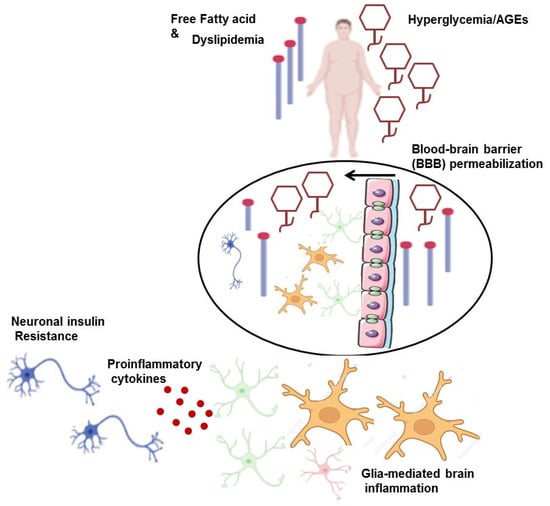
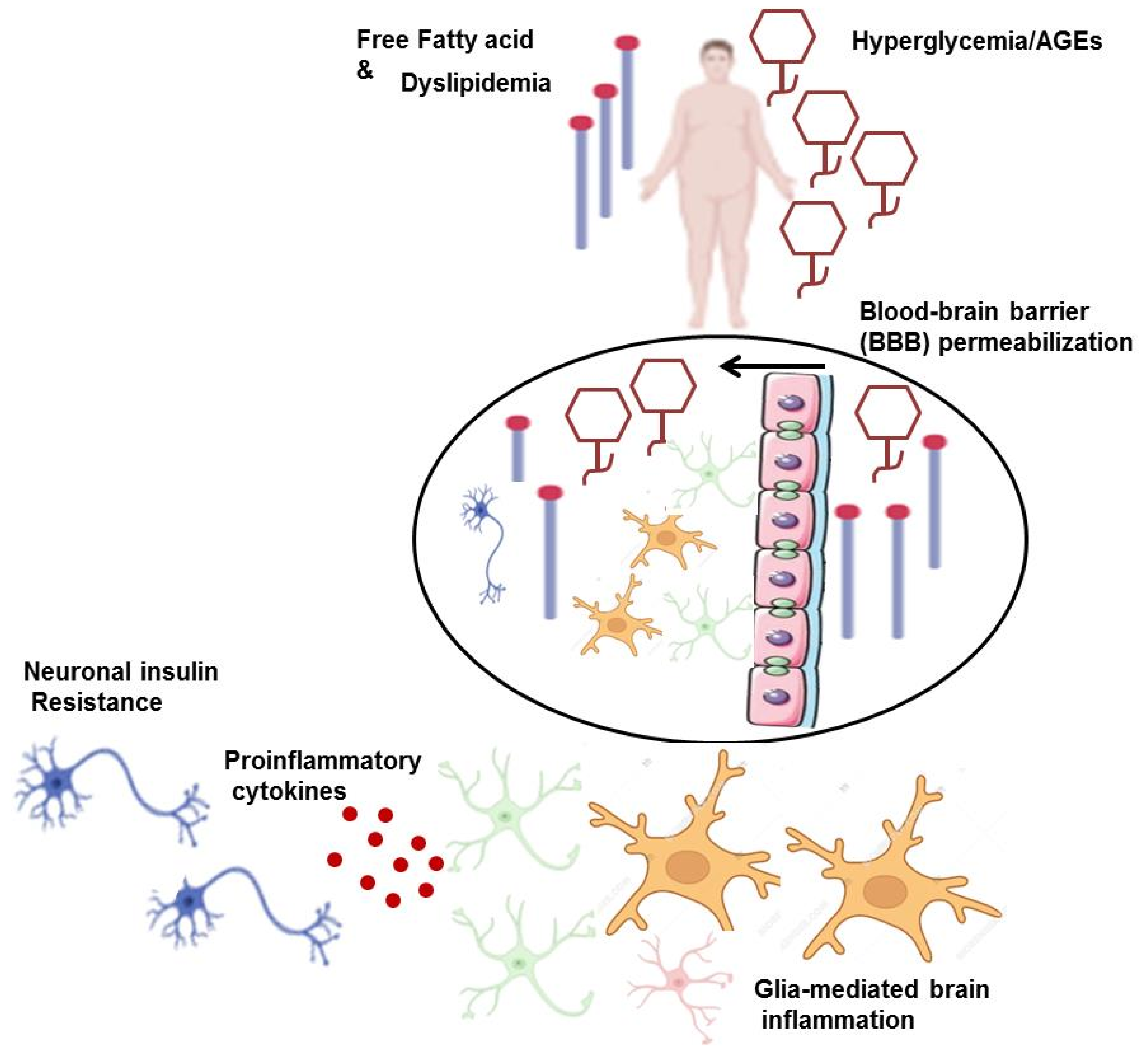
Obesity is a chronic metabolic disorder characterized by excessive accumulation of body fat that reduces overall health and increases the risk of cardiovascular disease, T2DM, and neurodegeneration. Elevated circulating free fatty acids induce chronic low-grade inflammation in peripheral and central tissues, promote lipotoxicity, and impair insulin secretion, contributing to insulin resistance. The global rise in obesity, driven by sedentary lifestyles and diets high in calories and fat but low in fiber, is a major risk factor for T2DM reported in recent studies, sharing common pathways of chronic inflammation and insulin resistance [1,22,23,24,25] (Figure 1).
Figure 1.
Figure indicates how obesity induces insulin resistance. Both chronic and acute free fatty acid induces lipotoxicity and compensates insulin insensitivity. Obesity is also involved in prostaglandins release and chronic low-grade inflammation which later on mediates insulin resistance.
3.2. Smoking, Alcohol Consumption, Sedentary Life Style/Lack of Exercise, Chronic Stress or Depression, Gut Microbiota Imbalance
Smoking is a well-established lifestyle hazard that negatively affects nearly every organ system due to both the primary addictive component, nicotine, and a myriad of carcinogens and irritants used in the manufacture and presentation of these tobacco products. Nicotine is a powerful brain stimulator, creating dependency by altering neurotransmitter release and reinforcing compulsive use. Beyond addiction, the continuous inhalation of toxins in cigarette smoke, including tar, carbon monoxide, and thousands of free radicals—directly damages the lungs, leading to chronic inflammation, tissue remodeling, and a heightened risk of chronic obstructive pulmonary disease (COPD) and lung cancer. Smoking also compromises the immune system by altering the structure and activity of immune proteins, reducing the efficiency of frontline immune cells such as macrophages and neutrophils, and diminishing the production and effectiveness of protective antibodies. As a result, smokers are more vulnerable to respiratory infections, delayed wound healing, and systemic diseases linked to immune dysregulation. The combined effects of addiction, cellular injury, and immune suppression make smoking a critical public health concern with far-reaching consequences for both individual health and societal burden.
Chronic tobacco use, including cigarette smoking, is associated with elevated COVID-19 mortality rates and contributes to metabolic disorders such as T2DM by promoting systemic inflammation and insulin resistance. Also harming to health, prolonged alcohol consumption damages liver and other organ tissues, disrupts beneficial gut microbiota leading to dysbiosis, and alters brain neurotransmitter levels potentially causing neuropsychiatric disorders like depression and anxiety, which further exacerbate metabolic syndrome, cardiovascular dysfunction, and immune system impairment [26,27,28,29,30,31,32,33,34,35,36].
Regular exercise, such as intense walking, promotes endorphin release to alleviate anxiety, depression, and pain, while mitigating metabolic disorders like insulin resistance and beta-cell dysfunction, which are linked to T2DM and AD pathology through mechanisms involving toxic ceramides and inflammatory cytokines [37,38,39,40].
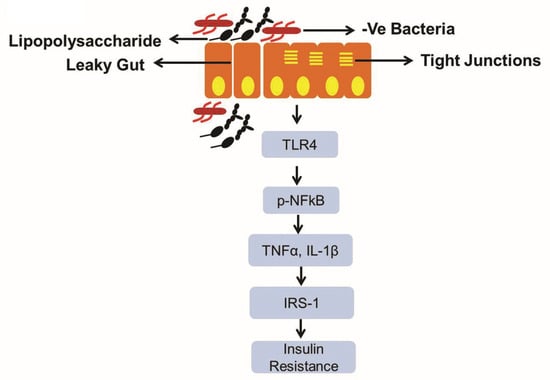
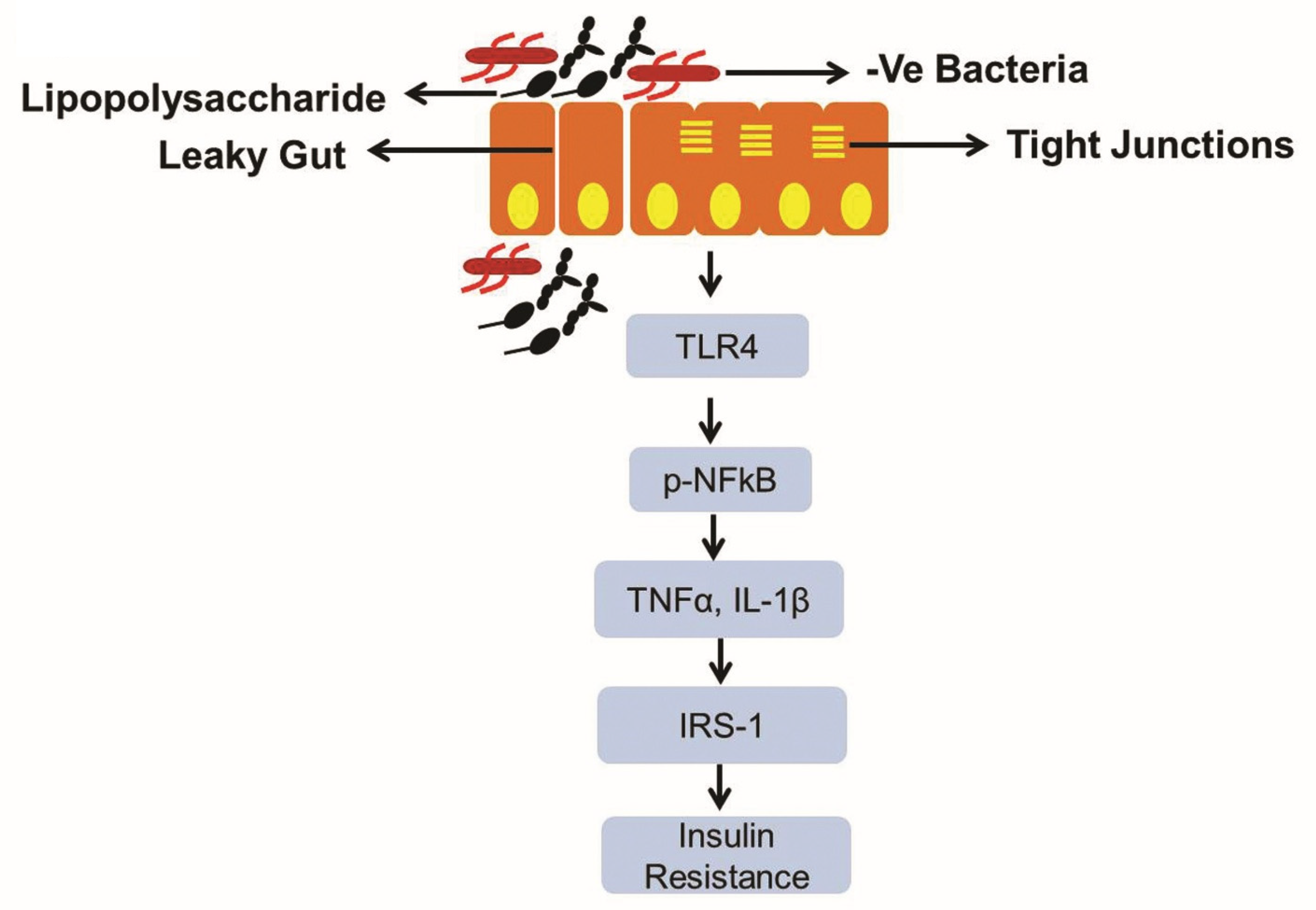
Additionally, gut dysbiosis, exacerbated by stress, sedentary lifestyles, aging (particularly over 45 years), and certain medications like antipsychotics and corticosteroids, fosters leaky gut and systemic toxin release, further driving blood glucose dyshomeostasis, insulin resistance, and metabolic syndrome, which contribute to metabolic disorders [41,42,43] (Figure 2).
Figure 2.
Figure represents how gut dysbiosis induces insulin resistance. It first activates toll like receptors which further activates transcription factor NFkB and inflammatory cytokines leading to insulin resistance.
3.3. Shared Links Between Type 2 Diabetes Mellitus (T2DM) and Alzheimer Diseases Pathology
There are several signaling pathways that potentially elaborate the mechanisms which are involved in T2DM mediated AD pathology alongside evidence that therapeutic approaches for T2DM could slow down the progressive nature of AD. Farris et al. demonstrated in a rat model that mutant insulin-degrading enzyme (IDE) leads to glucose intolerance, hyperinsulinemia, and brain insulin resistance, indicating that IDE hypofunction contributes to T2DM by impairing the degradation of amyloid-β (Aβ), amyloid precursor protein (APP) intracellular domain, and insulin. This complex interplay between insulin signaling, Aβ metabolism, and IDE dysfunction suggests that disruptions in this balance may reduce Aβ clearance, impair neuronal insulin responsiveness, and promote progressive cognitive decline associated with AD [44,45,46,47,48,49].
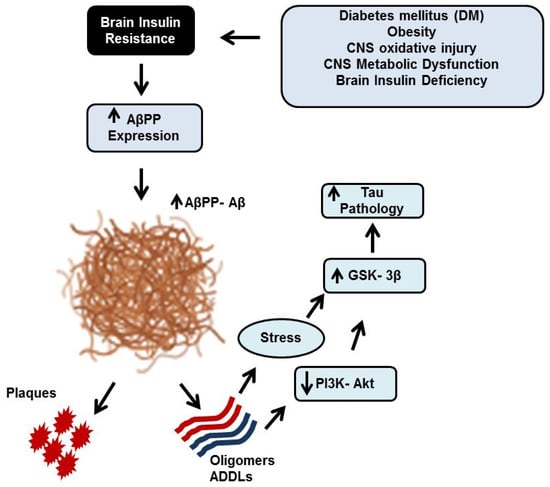
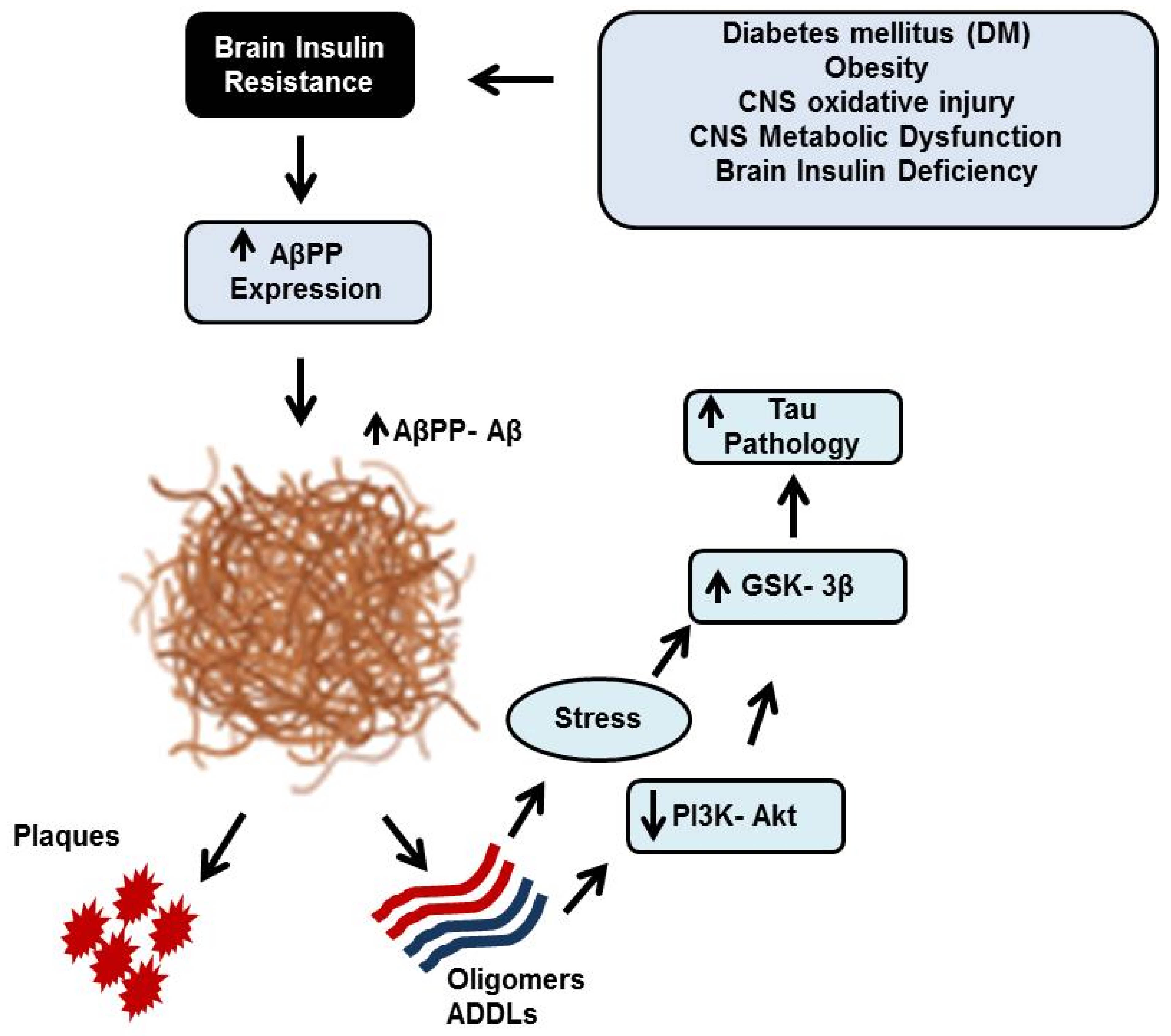
Under fresh and recent debate is the idea that neurodegeneration can occur in the setting of brain insulin resistance through the inability to stimulate the clearance of Aβ, resulting in its accumulation inside neuronal cells [40,44,50,51,52,53]. Recent evidence indicates that impaired brain insulin signaling—often accompanied by neuroinflammation and oxidative stress—can promote Aβ accumulation, but the mechanisms are complex and context-dependent. Experimentally, insulin is known to accelerate APP/Aβ egress from the trans-Golgi network to the plasma membrane, which in some models reduces intraneuronal Aβ and increases extracellular Aβ secretion (i.e., promoting trafficking/secretion rather than intracellular build-up). Insulin signaling influences APP processing and secretase function, meaning that interference with insulin receptor pathways can alter APP cleavage towards more amyloidogenic results. IDE is a legitimate Aβ-degrading protease found in brain tissue and its activity can be influenced by insulin signaling, although this connection is complex. While insulin can enhance IDE in certain situations, persistent hyperinsulinemia or insulin resistance may hinder IDE-driven Aβ clearance (partially due to insulin and Aβ vying for IDE as substrates and potential changes in IDE expression/activity in diseases). Ultimately, oxidative stress and inflammation—frequent partners of metabolic dysfunction—adversely impact various Aβ clearance mechanisms (such as proteolytic degradation, receptor-mediated transport, autophagy, and microglial phagocytosis), resulting in insulin signaling disruption generally leading to diminished clearance and heightened amyloid accumulation in vivo [47,54,55,56]. Besides insulin signaling, various other receptors are crucial in modulating tau phosphorylation and expression. Among these, the peroxisome proliferator-activated receptor gamma (PPARγ) affects neuronal survival and glucose metabolism, and its activation has demonstrated a reduction in abnormal tau phosphorylation by regulating inflammatory and oxidative stress pathways. Likewise, insulin-like growth factor 1 (IGF-1) signaling promotes neuronal development and synaptic plasticity, while also offering protective effects against tau hyperphosphorylation via the PI3K/Akt and MAPK pathways. Dysregulation of these receptors disrupts the metabolic and inflammatory balance within the brain and plays a role in tau pathology, thereby connecting metabolic dysfunction to the advancement of AD [40,44,50,51,56,57,58,59,60] (Figure 3).
Figure 3.
Figure illustrates insulin resistance in the brain and the accumulation and harmful effects of APP-A. Insulin resistance in the brain, resulting from peripheral insulin resistance conditions or primary toxic and neurodegenerative brain processes, fosters neuroinflammation and heightened APP expression. Through the activity of Beta and Gamma secretases, AbPP is cut to produce an overabundance of 40–42 kD APP-A peptides that cluster and create insoluble fibrils and plaques, or oligomers and diffusible ligands derived from APP-A (ADDLs), which are harmful to neurons. APP-A oligomers and ADDLs induce oxidative stress and heightened activation of kinases that result in Tau hyperphosphorylation, followed by its ubiquitination, misfolding, and aggregation. APP-A oligomers and ADDLs might hinder insulin receptor activity and lead to insulin resistance. Individuals with the ApoE e4 allele or Presenilin mutations are at risk for heightened and atypical APP cleavage, leading to APP-A accumulation, aggregation, and fibril development, which is associated with elevated rates and familial instances of AD.
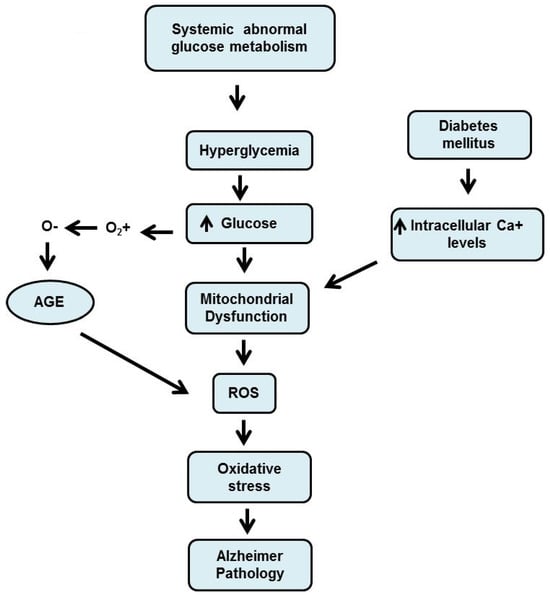
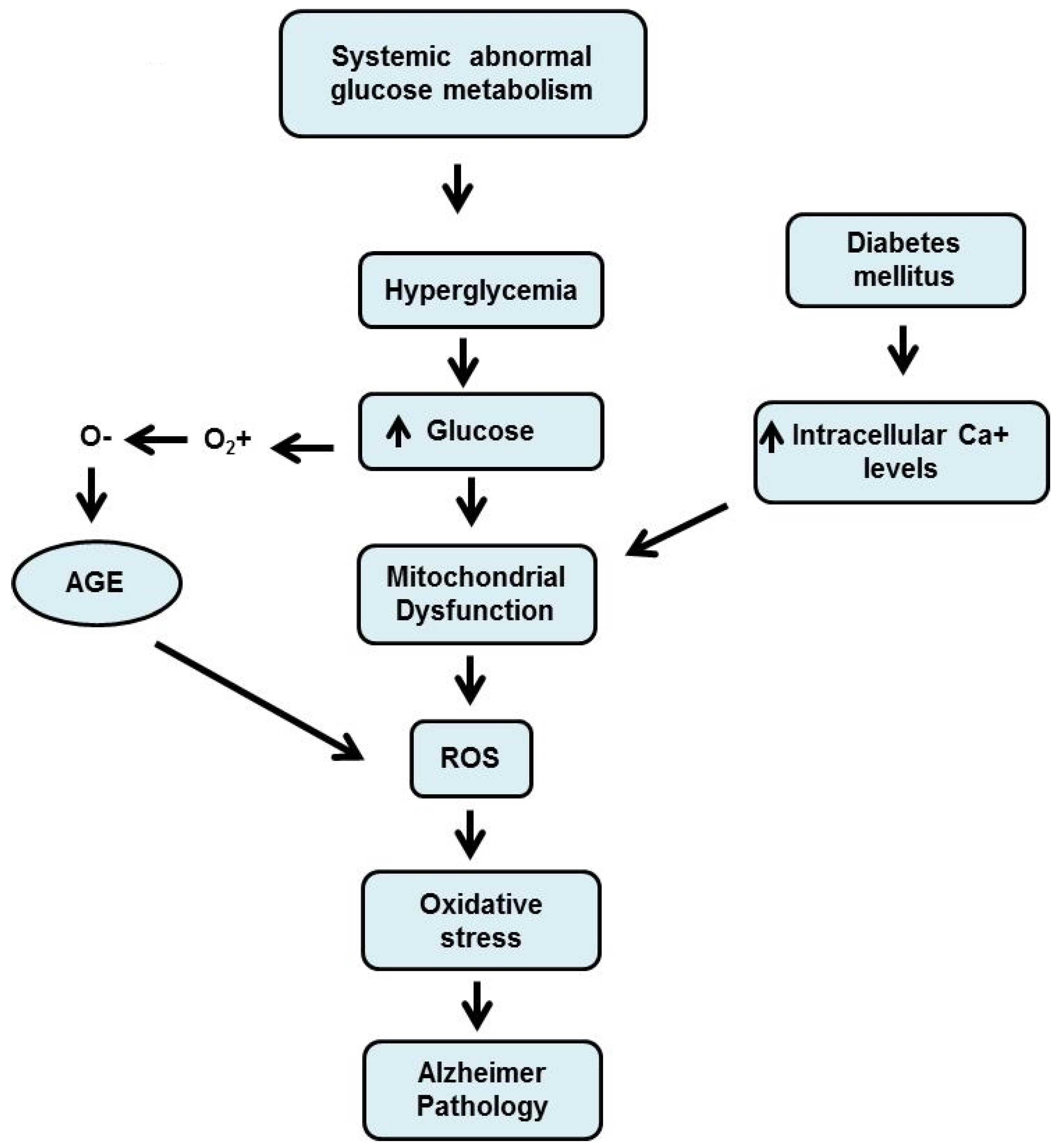
There have been many recent studies that implicate glucose deregulation and chronic hyperglycemia inducing oxidative stress in brain cells. It is well established that oxidative stress accelerates microgliosis, astrogliosis, and activates some stress kinases such as c-Jun N-terminal kinase (JNK). The activation of stress kinase JNK signal activates transcription factors such as NFkB which in turn activates the release of proinflammatory cytokines such as TNFα, IL-1β. NFkB is also involved in the deregulation of BACE1 which abnormally cleaved the APP and induces Aβ accumulation. However, inflammatory cytokines accelerate the aggregation of Aβ inside neuronal cells and thus induces neurodegeneration and AD like pathology (Figure 4) [1,41,61,62].
Figure 4.
Figure illustrates how hyperglycemia induces AD like pathology through mitochondrial dysfunctional, oxidative stress, calcium overload. Oxidative stress will then lead to Alzheimer’s Disease lie pathology.
The mitogen-activated protein kinase (MAPK) pathway is a highly conserved signaling network that processes extracellular signals like growth factors, cytokines, oxidative stress, and metabolic changes into intracellular responses that control cell survival, proliferation, differentiation, and immune function. Among the three primary MAPK families—extracellular signal-regulated kinases (ERKs), c-Jun N-terminal kinases (JNKs), and p38 MAPKs—p38 and JNK are notably responsive to stress signals and inflammatory substances. In hyperglycemia, prolonged increases in glucose levels lead to an overproduction of ROS, such as hydrogen peroxide (H2O2), which serve as secondary messengers to stimulate both protein kinase C (PKC) and upstream kinases like the MAPK kinase (MKK) family. Phosphorylation events that depend on PKC enhance MAPK signaling, resulting in the activation of p38 MAPK and JNK, which subsequently adjust transcription factors such as NF-κB and AP-1, facilitating the expression of pro-inflammatory cytokines (e.g., TNF-α, IL-1β, IL-6) and adhesion molecules that worsen vascular and neuronal inflammation. Moreover, hyperglycemia increases the expression of Src homology region 2 domain-containing phosphatase-1 (SHP-1), which is a negative regulator of receptor tyrosine kinase signaling. Uncontrolled SHP-1 removes phosphate groups from the platelet-derived growth factor receptor-β (PDGFR-β), hindering downstream survival mechanisms like PI3K/Akt and leading to apoptosis in endothelial and neuronal cells. At the same time, the buildup of advanced glycation end products (AGEs) enhances oxidative stress and MAPK activation by interacting with the receptor for AGEs (RAGE), establishing a detrimental cycle of ROS generation, kinase activation, and neuroinflammatory signaling. Together, these mechanisms connect metabolic imbalance in diabetes to neuronal damage, synaptic impairment, and the advancement of neurodegenerative diseases like Alzheimer’s [63,64,65,66,67]. Adiponectin, a protein hormone secreted by white adipocytes, regulates insulin sensitivity, fatty acid oxidation, and glucose homeostasis while exerting anti-inflammatory effects. It acts through AdipoR1 and AdipoR2 receptors, activating AMPK and other signaling pathways to enhance glucose uptake, improve insulin sensitivity, and maintain metabolic and energy homeostasis [68,69,70].
In T2DM, gene mutations and transcription factors are crucial in making patients susceptible to AD by linking metabolic issues to neurodegenerative processes. Transcription factors like NF-κB, FOXO, and CREB are dysfunctional in T2DM: NF-κB remains continuously activated by high blood sugar and advanced glycation end products (AGEs), promoting proinflammatory gene expression and ongoing neuroinflammation; FOXO transcription factors, typically protective against oxidative stress, become inappropriately activated during insulin resistance, resulting in pro-apoptotic signaling; and CREB, vital for learning and memory, is hindered by defective insulin/PI3K/AKT signaling, leading to diminished synaptic plasticity. Other regulators such as PPARγ and Nrf2, which typically mitigate oxidative stress and inflammation, are functionally compromised, intensifying neuronal susceptibility. At the same time, gene mutations associated with familial or sporadic AD—including those in APP, PSEN1, and PSEN2 (which lead to abnormal amyloid precursor protein processing and increased Aβ plaque formation)—interact with metabolic stress from T2DM to worsen the pathology. Moreover, the APOE ε4 allele, the most significant genetic risk factor for late-onset AD, exacerbates insulin resistance, hinders Aβ clearance, and hastens lipid dysregulation in individuals with diabetes. Variants in IDE are essential, as diminished IDE activity in T2DM obstructs insulin and Aβ degradation, resulting in their harmful buildup. Altered transcriptional regulation combined with mutations in susceptibility genes establishes a feedback loop of insulin resistance, inflammation, amyloid accumulation, and tau hyperphosphorylation, thus clarifying the increased risk and severity of Alzheimer’s disease in patients with type 2 diabetes mellitus [71,72,73,74,75,76,77,78,79].
3.4. Potential Therapeutic Strategies and Approaches
Adipose tissue hormones, including leptin, adiponectin, and resistin, collectively known as adipokines, regulate body metabolism, and their dysregulation, particularly elevated leptin and resistin levels in obesity, promotes insulin resistance (IR) and contributes to T2DM Hyperglycemia-induced ROS production, driven by oxidative stress, is a critical mechanism in T2DM pathogenesis, exacerbating disease progression, while insulin-sensitizing interventions may mitigate T2DM through multiple pathways [80,81]. The pathophysiology of diseases linked to diabetes mellitus is largely influenced by deregulation of the antioxidant defense system and an imbalance in the generation of reactive oxygen species. Therefore, controlling oxidative stress may help prevent diabetes mellitus and other neurodegenerative illnesses, either by increasing the body’s natural antioxidant system or by preventing oxidative stress. According to earlier research, administering anthocyanins derived from wild Chinese blueberries to pancreatic β-cells significantly decreased ROS and increased the body’s natural antioxidant defense system, which in turn controlled the glucolipotoxicity brought on by hyperglycemia. In streptozotocin-induced diabetic rats, anthocyanins were shown to reduce oxidative stress by lowering malondialdehyde levels and restoring the activities of key antioxidant enzymes such as superoxide dismutase and catalase [82,83,84,85,86,87,88]. Rat studies revealed that anthocyanin-rich grape-bilberry juice could lower leptin and resistin levels. Furthermore, it was demonstrated that grape-bilberry juice increased the percentage of polyunsaturated fatty acids and decreased the amounts of SFAs in rat plasma. The anthocyanin rich fruits and vegetables are listed in Figure 5.
Figure 5.
Natural dietary Anthocyanin sources. Various fruits and vegetables are rich sources of natural dietary anthocyanin. Horizontally from top left to bottom right: Grapes, Grapefruits, Blueberries, Strawberries, Cranberry, Watermelons, Eggplants, Peaches, Avocadoes.
Several studies indicated that anthocyanin could significantly prevent metabolic disorders including IR and T2DM. Since beneficial bacteria in the gut ferment complex carbohydrates produce short-chain fatty acids (SCFAs) and contribute to the synthesis of various vitamins and amino acids, increasing the number of beneficial bacteria and controlling gut dysbiosis is another strategy that may address T2DM-associated complications. It is widely reported that anthocyanins can raise the concentrations of gut-microbiome supportive bacteria like Lactobacillus-Enterococcus and Bifidobacterium. Emerging evidence indicates that hyperglycemia, glucose intolerance, and insulin resistance are defining features of T2DM, where persistent hyperglycemia promotes neuroinflammation and oxidative stress, thereby triggering neuronal apoptotic pathways and contributing to neurodegeneration; both oxidative stress and neuroinflammation are also central to the pathogenesis of AD (Table 1 and Table 2).
Table 1.
Comparative table of therapeutic strategies.
Table 2.
The benefits and challenges of anthocyanins versus FDA-approved drugs for Alzheimer’s Disease (AD).
Vitamins with antioxidant properties, such as B complex, C, and K, and anthocyanins regulate glucose metabolism, reduce hyperglycemia, and lower the risk of T2DM in prediabetic individuals while mitigating AD pathogenesis and diabetes-induced neuroinflammation [89,90,91,92,93,94,95,96,97,98]. Additionally, anthocyanins enhance insulin sensitivity, improve pancreatic β-cell function, and inhibit insulin resistance-driven dysregulation of insulin-degrading enzyme (IDE), which impairs Aβ clearance and exacerbates AD-related neurodegeneration [99,100,101,102,103,104,105,106,107,108,109,110,111,112,113,114,115].
Anthocyanins mitigate AD pathology by acting as potent antioxidants, scavenging reactive oxygen species (ROS), enhancing endogenous antioxidant enzymes (e.g., superoxide dismutase, catalase, glutathione peroxidase), and suppressing neuroinflammation through inhibition of microglial activation and pro-inflammatory cytokine production via NF-κB and MAPK pathway modulation. They also reduce Aβ accumulation by inhibiting β-secretase (BACE1) activity, promoting clearance via IDE and neprilysin, attenuating tau hyperphosphorylation through kinase regulation (e.g., GSK-3β, CDK5), and preserving mitochondrial function, synaptic plasticity, neurotrophic signaling (e.g., BDNF/TrkB), cerebral blood flow, and insulin sensitivity to mitigate cognitive decline [116,117,118].
The pharmacokinetics of anthocyanin metabolites are central to understanding their therapeutic potential in AD and T2DM After oral ingestion, anthocyanins are rapidly absorbed in the stomach and small intestine, though their parent forms show poor bioavailability (<1% of intake detected in plasma). Instead, the majority undergo extensive metabolism by intestinal enzymes, phase II conjugation (methylation, glucuronidation, sulfation), and colonic microbiota degradation into smaller phenolic acids (e.g., protocatechuic acid, ferulic acid, vanillic acid). These metabolites, instead of the whole anthocyanins, primarily explain their systemic biological effects. Pharmacokinetic research indicates that intact anthocyanins reach peak plasma concentrations within 1–2 h, while microbial metabolites emerge later and last longer, providing continuous bioactivity. Significantly, various metabolites derived from anthocyanins have the ability to penetrate the blood–brain barrier, where they influence PI3K/AKT signaling, decrease amyloid-β aggregation, and inhibit neuroinflammation associated with AD. Simultaneously, peripheral metabolites enhance insulin sensitivity, block α-glucosidase, promote GLUT4 translocation, and decrease oxidative stress, which are vital for managing DM. Nonetheless, variation in absorption, swift metabolism, and unique differences in gut microbiota makeup present significant obstacles for uniform pharmacological effects. Approaches like nanoparticle transport, combined use with stabilizers, and dietary enhancement are being investigated to boost anthocyanin bioavailability, thus increasing their practical potential for addressing AD and DM [118,119,120,121,122].
Lipopolysaccharide (LPS) from Gram-negative bacteria during gut dysbiosis triggers systemic inflammation, pancreatic β-cell dysfunction, insulin resistance, and elevated cytokines, which cross the blood–brain barrier to promote Aβ pathology, neuroinflammation, and neuronal loss in AD. Daily anthocyanin consumption counteracts these effects by fostering beneficial gut microbiota, suppressing LPS-induced inflammation, enhancing insulin sensitivity via AMPK activation, and inhibiting AD pathogenesis by reducing β-secretase activity and tau hyperphosphorylation [123,124,125,126,127,128,129,130,131,132,133,134,135].
Anthocyanins have demonstrated considerable therapeutic promise in both in vitro and in vivo diabetes-mediated AD models, attributable to their noted antioxidant, anti-inflammatory, and neuroprotective characteristics. In vitro research involving neuronal and glial cultures subjected to elevated glucose or Aβ reveals that anthocyanins decrease oxidative stress, diminish NF-κB–driven inflammatory signaling, and prevent tau hyperphosphorylation, thus maintaining synaptic integrity and cell survival. They further regulate insulin signaling pathways, recovering PI3K/AKT activity compromised by diabetic states. In vivo, anthocyanin supplementation in diabetic or transgenic AD animal models enhances cognitive function, decreases amyloid plaque accumulation, and hinders neuroinflammation by reducing microglial activation and cytokine production. Moreover, anthocyanins boost insulin sensitivity, support glucose regulation, and enhance mitochondrial performance, which together alleviate the metabolic and neurodegenerative issues connecting T2DM to AD pathology. These results emphasize anthocyanins as a versatile natural approach with possible applications for neurodegeneration linked to diabetes [136,137,138].
Anthocyanins exhibit comparatively low oral bioavailability due to their instability at physiological pH, swift metabolism in the intestine and liver, and additional degradation by gut microbiota; generally, less than 1% of the consumed parent compounds are present in plasma, with their conjugated and microbial metabolites constituting the majority of systemic activity. Nonetheless, both intact anthocyanins and their metabolites have been identified in the brain, suggesting a restricted yet meaningful potential to penetrate the blood–brain barrier (BBB), where they produce antioxidant, anti-inflammatory, and neuroprotective effects pertinent to AD. While effective dosage is still not standardized, animal studies frequently utilize 50–500 mg/kg/day, whereas human trials commonly use 300–600 mg/day of anthocyanin-rich extracts (such as those from blueberries or blackcurrants), which have demonstrated benefits in memory, glucose metabolism, and vascular function. Anthocyanins are regarded as safe and generally well accepted, with few documented adverse effects; mild stomach upset or diarrhea may happen at elevated supplemental amounts. The primary issues are their low bioavailability and individual variability, which has led to investigations into nanoparticle formulations and combined dietary approaches to improve their clinical effectiveness [120,139,140].
Intranasal insulin, GLP-1 receptor agonists, and anti-inflammatory medications have arisen as potential treatment options for T2DM-related AD. Intranasal insulin transcends the blood–brain barrier and directly boosts central insulin signaling, enhancing synaptic plasticity, glucose usage, and memory performance while decreasing tau phosphorylation and Aβ accumulation. GLP-1 receptor agonists like liraglutide and exenatide improve insulin sensitivity in the periphery while also providing neuroprotective benefits by stimulating PI3K/AKT signaling, boosting neuronal survival, lowering oxidative stress, and aiding in amyloid clearance. Simultaneously, anti-inflammatory drugs—such as NSAIDs, TNF-α inhibitors, and new microglial modulators—address chronic neuroinflammation caused by insulin resistance related to T2DM and advanced glycation end products, consequently reducing NF-κB activation, cytokine secretion, and synaptic damage. Collectively, these methods seek to address the metabolic, inflammatory, and signaling disruptions linking T2DM and AD, providing a comprehensive strategy to slow or avert neurodegeneration in individuals with diabetes [141,142,143].
Anthocyanins, pigmented flavonoids abundant in berries and grapes, are favored over other polyphenols for their potent antioxidant and anti-inflammatory properties, ability to cross the blood–brain barrier for neuroprotection, and broad metabolic benefits, including enhanced vascular function, glucose homeostasis, and mitochondrial health. Their accessibility in common dietary sources and roles as UV-protective and signaling molecules further enhance their therapeutic potential for cognitive health and metabolic disorders [144,145,146].
4. Conclusions
Prediabetes signifies a transitional phase between normal glucose processing and explicit Type 2 Diabetes Mellitus. During this stage, blood glucose levels can stay within the normal limits because of compensatory hyperinsulinemia, since pancreatic β-cells enhance insulin release to counteract insulin resistance in peripheral tissues like muscle, liver, and adipose tissue. Despite the maintenance of normoglycemia, the increased demand for insulin puts pressure on β-cells, ultimately resulting in their dysfunction and failure. With time, the failure of β-cells to maintain compensatory secretion leads to poor glucose tolerance and the advancement to clinical T2DM.
T2DM continues to be a significant worldwide health issue, strongly associated with inactive lifestyles, unhealthy eating patterns, and metabolic disorders that make individuals more susceptible to neurodegenerative problems like AD. Increasing data underscore the significance of gut microbiota and metabolites from nutrients in sustaining metabolic and neurological well-being, whereas dysbiosis and oxidative stress worsens disease progression. Among natural phytonutrients, anthocyanins have demonstrated notable potential owing to their capacity to lessen oxidative stress, regulate inflammatory pathways, improve endogenous antioxidant defenses, and promote metabolic equilibrium. Crucially, their neuroprotective effects could reduce the increased likelihood of dementia and AD in individuals with diabetes. Therefore, consistently consuming fruits and vegetables high in anthocyanins could serve as a safe and readily available preventive approach to combat metabolic and neurodegenerative diseases linked to diabetes. Ongoing research is vital to clarify the molecular processes driving these effects and to convert these discoveries into successful treatment strategies [87,147,148].
Author Contributions
M.S.K., A.A., and S.N. collection of the literature, writing, reviewing and editing the manuscript, J.C.B. substantive supervision and revision over the article. All authors have read and agreed to the published version of the manuscript.
Funding
This work was supported by the National Institutes of Health [grant HL138093 (JCB), and NIH/NHLBI T32 HL007446-41].
Informed Consent Statement
Not applicable.
Data Availability Statement
No new data was created or analyzed in this study. Data sharing is not applicable to this article.
Conflicts of Interest
The authors declare no conflicts of interest.
References
- Khan, M.S.; Ikram, M.; Park, T.J.; Kim, M.O. Pathology, Risk Factors, and Oxidative Damage Related to Type 2 Diabetes-Mediated Alzheimer’s Disease and the Rescuing Effects of the Potent Antioxidant Anthocyanin. Oxid. Med. Cell Longev. 2021, 2021, 4051207. [Google Scholar] [CrossRef] [Scilit] [PubMed]
- American Diabetes Association. Diagnosis and classification of diabetes mellitus. Diabetes Care 2009, 32, S62–S69. [Google Scholar] [CrossRef]
- Sami, W.; Ansari, T.; Butt, N.S.; Ab Hamid, M.R. Effect of diet on type 2 diabetes mellitus: A review. Int. J. Health Sci. 2017, 11, 65–71. [Google Scholar]
- Lee, S.H.; Park, S.Y.; Choi, C.S. Insulin Resistance: From Mechanisms to Therapeutic Strategies. Diabetes Metab. J. 2022, 46, 15–37. [Google Scholar] [CrossRef] [Scilit]
- Gauglitz, G.G.; Herndon, D.N.; Jeschke, M.G. Insulin resistance postburn: Underlying mechanisms and current therapeutic strategies. J. Burn. Care Res. 2008, 29, 683–694. [Google Scholar] [CrossRef] [Scilit] [PubMed]
- Hu, F.B. Globalization of diabetes: The role of diet, lifestyle, and genes. Diabetes Care 2011, 34, 1249–1257. [Google Scholar] [CrossRef] [Scilit] [PubMed]
- Nguyen, T.T. Type 3 Diabetes and Its Role Implications in Alzheimer’s Disease. Int. J. Mol. Sci. 2020, 21, 3165. [Google Scholar] [CrossRef] [Scilit]
- Abdalla, M.M.I. Insulin resistance as the molecular link between diabetes and Alzheimer’s disease. World J. Diabetes 2024, 15, 1430–1447. [Google Scholar] [CrossRef] [Scilit]
- Kciuk, M.; Kruczkowska, W.; Gałęziewska, J.; Wanke, K.; Kałuzińska-Kołat, Ż.; Aleksandrowicz, M.; Kontek, R. Alzheimer’s Disease as Type 3 Diabetes: Understanding the Link and Implications. Int. J. Mol. Sci. 2024, 25, 11955. [Google Scholar] [CrossRef] [Scilit]
- Jayaraj, R.L.; Azimullah, S.; Beiram, R. Diabetes as a risk factor for Alzheimer’s disease in the Middle East and its shared pathological mediators. Saudi J. Biol. Sci. 2020, 27, 736–750. [Google Scholar] [CrossRef] [Scilit]
- Kim, B.; Elzinga, S.E.; Henn, R.E.; McGinley, L.M.; Feldman, E.L. The effects of insulin and insulin-like growth factor I on amyloid precursor protein phosphorylation in in vitro and in vivo models of Alzheimer’s disease. Neurobiol. Dis. 2019, 132, 104541. [Google Scholar] [CrossRef] [Scilit]
- Rad, S.K.; Arya, A.; Karimian, H.; Madhavan, P.; Rizwan, F.; Koshy, S.; Prabhu, G. Mechanism involved in insulin resistance via accumulation of beta-amyloid and neurofibrillary tangles: Link between type 2 diabetes and Alzheimer’s disease. Drug Des. Devel Ther. 2018, 12, 3999–4021. [Google Scholar]
- Sun, Y.; Koyama, Y.; Shimada, S. Inflammation From Peripheral Organs to the Brain: How Does Systemic Inflammation Cause Neuroinflammation? Front. Aging Neurosci. 2022, 14, 903455. [Google Scholar] [CrossRef] [Scilit]
- Escobar, A.P.; Bonansco, C.; Cruz, G.; Dagnino-Subiabre, A.; Fuenzalida, M.; Negrón, I.; Sotomayor-Zárate, R.; Martínez-Pinto, J.; Jorquera, G. Central and Peripheral Inflammation: A Common Factor Causing Addictive and Neurological Disorders and Aging-Related Pathologies. Int. J. Mol. Sci. 2023, 24, 10083. [Google Scholar] [CrossRef] [Scilit]
- Trzeciak, A.; Lerman, Y.V.; Kim, T.-H.; Kim, M.R.; Mai, N.; Halterman, M.W.; Kim, M. Long-Term Microgliosis Driven by Acute Systemic Inflammation. J. Immunol. 2019, 203, 2979–2989. [Google Scholar] [CrossRef] [Scilit]
- Muzio, L.; Viotti, A.; Martino, G. Microglia in Neuroinflammation and Neurodegeneration: From Understanding to Therapy. Front. Neurosci. 2021, 15, 742065. [Google Scholar] [CrossRef] [Scilit] [PubMed]
- Craft, J.M.; Watterson, D.M.; Van Eldik, L.J. Human amyloid beta-induced neuroinflammation is an early event in neurodegeneration. Glia 2006, 53, 484–490. [Google Scholar] [CrossRef] [Scilit]
- Kinney, J.W.; Bemiller, S.M.; Murtishaw, A.S.; Leisgang, A.M.; Salazar, A.M.; Lamb, B.T. Inflammation as a central mechanism in Alzheimer’s disease. Alzheimer’s Dement. Transl. Res. Clin. Interv. 2018, 4, 575–590. [Google Scholar] [CrossRef] [Scilit]
- Zhang, S.; Zhang, Y.; Wen, Z.; Yang, Y.; Bu, T.; Bu, X.; Ni, Q. Cognitive dysfunction in diabetes: Abnormal glucose metabolic regulation in the brain. Front. Endocrinol. 2023, 14, 1192602. [Google Scholar] [CrossRef] [Scilit]
- Wu, J.; Zhou, S.-L.; Pi, L.-H.; Shi, X.-J.; Ma, L.-R.; Chen, Z.; Qu, M.-L.; Li, X.; Nie, S.-D.; Liao, D.-F.; et al. High glucose induces formation of tau hyperphosphorylation via Cav-1-mTOR pathway: A potential molecular mechanism for diabetes-induced cognitive dysfunction. Oncotarget 2017, 8, 40843–40856. [Google Scholar] [CrossRef] [Scilit]
- Maggiore, A.; Latina, V.; D’eRme, M.; Amadoro, G.; Coccurello, R. Non-canonical pathways associated to Amyloid beta and tau protein dyshomeostasis in Alzheimer’s disease: A narrative review. Ageing Res. Rev. 2024, 102, 102578. [Google Scholar] [CrossRef] [Scilit]
- Sanchez, C.; Colson, C.; Gautier, N.; Noser, P.; Salvi, J.; Villet, M.; Fleuriot, L.; Peltier, C.; Schlich, P.; Brau, F.; et al. Dietary fatty acid composition drives neuroinflammation and impaired behavior in obesity. Brain Behav. Immun. 2024, 117, 330–346. [Google Scholar] [CrossRef] [Scilit]
- Mathew, M.; Tay, E.; Cusi, K. Elevated plasma free fatty acids increase cardiovascular risk by inducing plasma biomarkers of endothelial activation, myeloperoxidase and PAI-1 in healthy subjects. Cardiovasc. Diabetol. 2010, 9, 9. [Google Scholar] [CrossRef] [Scilit]
- Zhou, H.; Urso, C.J.; Jadeja, V. Saturated Fatty Acids in Obesity-Associated Inflammation. J. Inflamm. Res. 2020, 13, 1–14. [Google Scholar] [CrossRef] [Scilit]
- Kotlyarov, S.; Kotlyarova, A. Involvement of Fatty Acids and Their Metabolites in the Development of Inflammation in Atherosclerosis. Int. J. Mol. Sci. 2022, 23, 1308. [Google Scholar] [CrossRef] [Scilit]
- Jiloha, R.C. Biological basis of tobacco addiction: Implications for smoking-cessation treatment. Indian. J. Psychiatry 2010, 52, 301–307. [Google Scholar] [CrossRef] [Scilit] [PubMed]
- Gould, T.J. Epigenetic and long-term effects of nicotine on biology, behavior, and health. Pharmacol. Res. 2023, 192, 106741. [Google Scholar] [CrossRef] [Scilit]
- Qiu, F.; Liang, C.-L.; Liu, H.; Zeng, Y.-Q.; Hou, S.; Huang, S.; Lai, X.; Dai, Z. Impacts of cigarette smoking on immune responsiveness: Up and down or upside down? Oncotarget 2017, 8, 268–284. [Google Scholar] [CrossRef] [Scilit]
- Jiang, C.; Chen, Q.; Xie, M. Smoking increases the risk of infectious diseases: A narrative review. Tob. Induc. Dis. 2020, 18, 60. [Google Scholar] [CrossRef] [Scilit]
- Saint-André, V.; Charbit, B.; Biton, A.; Rouilly, V.; Possémé, C.; Bertrand, A.; Rotival, M.; Bergstedt, J.; Patin, E.; Albert, M.L.; et al. Smoking changes adaptive immunity with persistent effects. Nature 2024, 626, 827–835. [Google Scholar] [CrossRef] [Scilit]
- Johnston, E.; Bains, M.; Hunter, A.; Langley, T. The Impact of the COVID-19 Pandemic on Smoking, Vaping, and Smoking Cessation Services in the United Kingdom: A Qualitative Study. Nicotine Tob. Res. 2023, 25, 339–344. [Google Scholar] [CrossRef] [Scilit]
- Gupta, A.K.; Nethan, S.T.; Mehrotra, R. Tobacco use as a well-recognized cause of severe COVID-19 manifestations. Respir. Med. 2021, 176, 106233. [Google Scholar] [CrossRef] [Scilit]
- Puebla Neira, D. Smoking and risk of COVID-19 hospitalization. Respir. Med. 2021, 182, 106414. [Google Scholar] [CrossRef] [Scilit]
- Chen, G.; Shi, F.; Yin, W.; Guo, Y.; Liu, A.; Shuai, J.; Sun, J. Gut microbiota dysbiosis: The potential mechanisms by which alcohol disrupts gut and brain functions. Front. Microbiol. 2022, 13, 916765. [Google Scholar] [CrossRef] [Scilit]
- Valenzuela, C.F. Alcohol and neurotransmitter interactions. Alcohol. Health Res. World 1997, 21, 144–148. [Google Scholar]
- Kumar, A.; Pramanik, J.; Goyal, N.; Chauhan, D.; Sivamaruthi, B.S.; Prajapati, B.G.; Chaiyasut, C. Gut Microbiota in Anxiety and Depression: Unveiling the Relationships and Management Options. Pharmaceuticals 2023, 16, 565. [Google Scholar] [CrossRef] [Scilit] [PubMed]
- Craft, L.L.; Perna, F.M. The Benefits of Exercise for the Clinically Depressed. Prim. Care Companion J. Clin. Psychiatry 2004, 6, 104–111. [Google Scholar] [CrossRef] [Scilit] [PubMed]
- Hossain, M.N. The impact of exercise on depression: How moving makes your brain and body feel better. Phys. Act. Nutr. 2024, 28, 43–51. [Google Scholar] [CrossRef] [Scilit]
- Lu, X.; Xie, Q.; Pan, X.; Zhang, R.; Zhang, X.; Peng, G.; Zhang, Y.; Shen, S.; Tong, N. Type 2 diabetes mellitus in adults: Pathogenesis, prevention and therapy. Signal Transduct. Target. Ther. 2024, 9, 262. [Google Scholar] [CrossRef] [Scilit]
- de la Monte, S.M. Brain insulin resistance and deficiency as therapeutic targets in Alzheimer’s disease. Curr. Alzheimer Res. 2012, 9, 35–66. [Google Scholar] [CrossRef] [Scilit]
- Khan, M.S.; Ikram, M.; Park, J.S.; Park, T.J.; Kim, M.O. Gut Microbiota, Its Role in Induction of Alzheimer’s Disease Pathology, and Possible Therapeutic Interventions: Special Focus on Anthocyanins. Cells 2020, 9, 853. [Google Scholar] [CrossRef] [Scilit]
- Wang, P.; Wang, R.; Zhao, W.; Zhao, Y.; Wang, D.; Zhao, S.; Ge, Z.; Ma, Y.; Zhao, X. Gut microbiota-derived 4-hydroxyphenylacetic acid from resveratrol supplementation prevents obesity through SIRT1 signaling activation. Gut Microbes 2025, 17, 2446391. [Google Scholar] [CrossRef] [Scilit]
- Daily, J.W.; Park, S. Sarcopenia Is a Cause and Consequence of Metabolic Dysregulation in Aging Humans: Effects of Gut Dysbiosis, Glucose Dysregulation, Diet and Lifestyle. Cells 2022, 11, 338. [Google Scholar] [CrossRef] [Scilit] [PubMed]
- Farris, W.; Mansourian, S.; Chang, Y.; Lindsley, L.; Eckman, E.; Frosch, M.P.; Eckman, C.B.; Tanzi, R.E.; Selkoe, D.J.; Guénette, S. Insulin-degrading enzyme regulates the levels of insulin, amyloid beta-protein, and the beta-amyloid precursor protein intracellular domain in vivo. Proc. Natl. Acad. Sci. USA 2003, 100, 4162–4167. [Google Scholar] [CrossRef] [Scilit]
- Tian, Y.; Jing, G.; Zhang, M. Insulin-degrading enzyme: Roles and pathways in ameliorating cognitive impairment associated with Alzheimer’s disease and diabetes. Ageing Res. Rev. 2023, 90, 101999. [Google Scholar] [CrossRef] [Scilit] [PubMed]
- Kulas, J.A.; Franklin, W.F.; Smith, N.A.; Manocha, G.D.; Puig, K.L.; Nagamoto-Combs, K.; Hendrix, R.D.; Taglialatela, G.; Barger, S.W.; Combs, C.K. Ablation of amyloid precursor protein increases insulin-degrading enzyme levels and activity in brain and peripheral tissues. Am. J. Physiol. Endocrinol. Metab. 2019, 316, E106–E120. [Google Scholar] [CrossRef] [Scilit]
- Cerasuolo, M. Understanding the Insulin-Degrading Enzyme: A New Look at Alzheimer’s Disease and Abeta Plaque Management. Int. J. Mol. Sci. 2025, 26, 6693. [Google Scholar] [CrossRef] [Scilit] [PubMed]
- Li, H.; Wu, J.; Zhu, L.; Sha, L.; Yang, S.; Wei, J.; Ji, L.; Tang, X.; Mao, K.; Cao, L.; et al. Insulin degrading enzyme contributes to the pathology in a mixed model of Type 2 diabetes and Alzheimer’s disease: Possible mechanisms of IDE in T2D and AD. Biosci. Rep. 2018, 38, BSR20170862. [Google Scholar] [CrossRef] [Scilit]
- Malito, E.; Hulse, R.E.; Tang, W.J. Amyloid beta-degrading cryptidases: Insulin degrading enzyme, presequence peptidase, and neprilysin. Cell. Mol. Life Sci. 2008, 65, 2574–2585. [Google Scholar] [CrossRef] [Scilit]
- Ling, X.; Martins, R.N.; Racchi, M.; Craft, S.; Helmerhorst, E. Amyloid beta antagonizes insulin promoted secretion of the amyloid beta protein precursor. J. Alzheimer’s Dis. 2002, 4, 369–374. [Google Scholar] [CrossRef] [Scilit]
- Zheng, W.H.; Kar, S.; Quirion, R. Insulin-like growth factor-1-induced phosphorylation of the forkhead family transcription factor FKHRL1 is mediated by Akt kinase in PC12 cells. J. Biol. Chem. 2000, 275, 39152–39158. [Google Scholar] [CrossRef] [Scilit]
- Mao, Y.F.; Guo, Z.; Zheng, T.; Jiang, Y.; Yan, Y.; Yin, X.; Chen, Y.; Zhang, B. Intranasal insulin alleviates cognitive deficits and amyloid pathology in young adult APPswe/PS1dE9 mice. Aging Cell 2016, 15, 893–902. [Google Scholar] [CrossRef] [Scilit]
- Yamamoto, N.; Ishikuro, R.; Tanida, M.; Suzuki, K.; Ikeda-Matsuo, Y.; Sobue, K. Insulin-signaling Pathway Regulates the Degradation of Amyloid beta-protein via Astrocytes. Neuroscience 2018, 385, 227–236. [Google Scholar] [CrossRef] [Scilit]
- Maciejczyk, M.; Zebrowska, E.; Chabowski, A. Insulin Resistance and Oxidative Stress in the Brain: What’s New? Int. J. Mol. Sci. 2019, 20, 874. [Google Scholar] [CrossRef] [Scilit]
- Stohr, O.; Schilbach, K.; Moll, L.; Hettich, M.M.; Freude, S.; Wunderlich, F.T.; Ernst, M.; Zemva, J.; Brüning, J.C.; Krone, W.; et al. Insulin receptor signaling mediates APP processing and beta-amyloid accumulation without altering survival in a transgenic mouse model of Alzheimer’s disease. Age 2013, 35, 83–101. [Google Scholar] [CrossRef] [Scilit]
- Gasparini, L.; Gouras, G.K.; Wang, R.; Gross, R.S.; Beal, M.F.; Greengard, P.; Xu, H. Stimulation of beta-amyloid precursor protein trafficking by insulin reduces intraneuronal beta-amyloid and requires mitogen-activated protein kinase signaling. J. Neurosci. 2001, 21, 2561–2570. [Google Scholar] [CrossRef] [Scilit]
- Delikkaya, B. Altered expression of insulin-degrading enzyme and regulator of calcineurin in the rat intracerebral streptozotocin model and human apolipoprotein E-epsilon4-associated Alzheimer’s disease. Alzheimers Dement 2019, 11, 392–404. [Google Scholar] [CrossRef] [Scilit]
- Mittal, K.; Mani, R.J.; Katare, D.P. Type 3 Diabetes: Cross Talk between Differentially Regulated Proteins of Type 2 Diabetes Mellitus and Alzheimer’s Disease. Sci. Rep. 2016, 6, 25589. [Google Scholar] [CrossRef] [Scilit]
- Kroner, Z. The relationship between Alzheimer’s disease and diabetes: Type 3 diabetes? Altern. Med. Rev. 2009, 14, 373–379. [Google Scholar]
- Talbot, K.; Wang, H.-Y.; Kazi, H.; Han, L.-Y.; Bakshi, K.P.; Stucky, A.; Fuino, R.L.; Kawaguchi, K.R.; Samoyedny, A.J.; Wilson, R.S.; et al. Demonstrated brain insulin resistance in Alzheimer’s disease patients is associated with IGF-1 resistance, IRS-1 dysregulation, and cognitive decline. J. Clin. Investig. 2012, 122, 1316–1338. [Google Scholar] [CrossRef] [Scilit]
- Gonzalez, P. Hyperglycemia and Oxidative Stress: An Integral, Updated and Critical Overview of Their Metabolic Interconnections. Int. J. Mol. Sci. 2023, 24, 9352. [Google Scholar] [CrossRef] [Scilit]
- Muriach, M.; Flores-Bellver, M.; Romero, F.J.; Barcia, J.M. Diabetes and the brain: Oxidative stress, inflammation, and autophagy. Oxid. Med. Cell Longev. 2014, 2014, 102158. [Google Scholar] [CrossRef] [Scilit]
- Cargnello, M.; Roux, P.P. Activation and function of the MAPKs and their substrates, the MAPK-activated protein kinases. Microbiol. Mol. Biol. Rev. 2011, 75, 50–83. [Google Scholar] [CrossRef] [Scilit]
- Du, W.; Hu, H.; Zhang, J.; Bao, G.; Chen, R.; Quan, R. The Mechanism of MAPK Signal Transduction Pathway Involved with Electroacupuncture Treatment for Different Diseases. Evid. Based Complement. Alternat Med. 2019, 2019, 8138017. [Google Scholar] [CrossRef] [Scilit]
- Fiorentino, T.V.; Prioletta, A.; Zuo, P.; Folli, F. Hyperglycemia-induced oxidative stress and its role in diabetes mellitus related cardiovascular diseases. Curr. Pharm. Des. 2013, 19, 5695–5703. [Google Scholar] [CrossRef] [Scilit]
- Jubaidi, F.F.; Zainalabidin, S.; Taib, I.S.; Hamid, Z.A.; Anuar, N.N.M.; Jalil, J.; Nor, N.A.M.; Budin, S.B. The Role of PKC-MAPK Signalling Pathways in the Development of Hyperglycemia-Induced Cardiovascular Complications. Int. J. Mol. Sci. 2022, 23, 8582. [Google Scholar] [CrossRef] [Scilit]
- Chen, X.; Xie, N.; Feng, L.; Huang, Y.; Wu, Y.; Zhu, H.; Tang, J.; Zhang, Y. Oxidative stress in diabetes mellitus and its complications: From pathophysiology to therapeutic strategies. Chin. Med. J. 2025, 138, 15–27. [Google Scholar] [CrossRef] [Scilit]
- Ali, T.; Rehman, S.U.; Khan, A.; Badshah, H.; Bin Abid, N.; Kim, M.W.; Jo, M.H.; Chung, S.S.; Lee, H.-G.; Rutten, B.P.F.; et al. Adiponectin-mimetic novel nonapeptide rescues aberrant neuronal metabolic-associated memory deficits in Alzheimer’s disease. Mol. Neurodegener. 2021, 16, 23. [Google Scholar] [CrossRef] [Scilit]
- Begum, M.; Choubey, M.; Tirumalasetty, M.B.; Arbee, S.; Mohib, M.M.; Wahiduzzaman; Mamun, M.A.; Uddin, M.B.; Mohiuddin, M.S. Adiponectin: A Promising Target for the Treatment of Diabetes and Its Complications. Life 2023, 13, 2213. [Google Scholar] [CrossRef] [Scilit]
- Polito, R.; Monda, V.; Nigro, E.; Messina, A.; Di Maio, G.; Giuliano, M.T.; Orrù, S.; Imperlini, E.; Calcagno, G.; Mosca, L.; et al. The Important Role of Adiponectin and Orexin-A, Two Key Proteins Improving Healthy Status: Focus on Physical Activity. Front. Physiol. 2020, 11, 356. [Google Scholar] [CrossRef] [Scilit]
- Moll, L.; Schubert, M. The Role of Insulin and Insulin-Like Growth Factor-1/FoxO-Mediated Transcription for the Pathogenesis of Obesity-Associated Dementia. Curr. Gerontol. Geriatr. Res. 2012, 2012, 384094. [Google Scholar] [CrossRef] [Scilit]
- Mao, Z.; Gong, M.; Sun, X.; Yang, C. Mechanisms of IGF1R signaling in type 2 diabetes-related neurodegeneration and therapeutic implications of exercise. Eur. J. Med. Res. 2025, 30, 825. [Google Scholar] [CrossRef] [Scilit]
- Oli, V.; Gupta, R.; Kumar, P. FOXO and related transcription factors binding elements in the regulation of neurodegenerative disorders. J. Chem. Neuroanat. 2021, 116, 102012. [Google Scholar] [CrossRef] [Scilit]
- Hamzé, R.; Delangre, E.; Tolu, S.; Moreau, M.; Janel, N.; Bailbé, D.; Movassat, J. Type 2 Diabetes Mellitus and Alzheimer’s Disease: Shared Molecular Mechanisms and Potential Common Therapeutic Targets. Int. J. Mol. Sci. 2022, 23, 15287. [Google Scholar] [CrossRef] [Scilit]
- Momen, Y.S.; Mishra, J.; Kumar, N. Brain-Gut and Microbiota-Gut-Brain Communication in Type-2 Diabetes Linked Alzheimer’s Disease. Nutrients 2024, 16, 2558. [Google Scholar] [CrossRef] [Scilit]
- Zheng, M.; Wang, C.; Hu, M.; Li, Q.; Li, J.; Quan, S.; Zhang, X.; Gu, L. Research progress on the association of insulin resistance with type 2 diabetes mellitus and Alzheimer’s disease. Metab. Brain Dis. 2024, 40, 35. [Google Scholar] [CrossRef] [Scilit] [PubMed]
- Li, T.; Cao, H.X.; Ke, D. Type 2 Diabetes Mellitus Easily Develops into Alzheimer’s Disease via Hyperglycemia and Insulin Resistance. Curr. Med. Sci. 2021, 41, 1165–1171. [Google Scholar] [CrossRef] [Scilit] [PubMed]
- Burillo, J.; Marqués, P.; Jiménez, B.; González-Blanco, C.; Benito, M.; Guillén, C. Insulin Resistance and Diabetes Mellitus in Alzheimer’s Disease. Cells 2021, 10, 1236. [Google Scholar] [CrossRef] [Scilit]
- Tong, M.; Neusner, A.; Longato, L.; Lawton, M.; Wands, J.R.; de la Monte, S.M. Nitrosamine exposure causes insulin resistance diseases: Relevance to type 2 diabetes mellitus, non-alcoholic steatohepatitis, and Alzheimer’s disease. J. Alzheimer’s Dis. 2009, 17, 827–844. [Google Scholar] [CrossRef]
- Rausch, J.; Horne, K.E.; Marquez, L. The Effects of Adipose Tissue Dysregulation on Type 2 Diabetes Mellitus. Biomedicines 2025, 13, 1770. [Google Scholar] [CrossRef] [Scilit] [PubMed]
- Dilworth, L.; Facey, A.; Omoruyi, F. Diabetes Mellitus and Its Metabolic Complications: The Role of Adipose Tissues. Int. J. Mol. Sci. 2021, 22, 7644. [Google Scholar] [CrossRef] [Scilit]
- Baynes, J.W.; Thorpe, S.R. Role of oxidative stress in diabetic complications: A new perspective on an old paradigm. Diabetes 1999, 48, 1–9. [Google Scholar] [CrossRef] [Scilit]
- Spinola, V.; Llorent-Martinez, E.J.; Castilho, P.C. Polyphenols of Myrica faya inhibit key enzymes linked to type II diabetes and obesity and formation of advanced glycation end-products (in vitro): Potential role in the prevention of diabetic complications. Food Res. Int. 2019, 116, 1229–1238. [Google Scholar] [CrossRef] [Scilit]
- Ikram, M.; Ullah, R.; Khan, A.; Kim, M.O. Ongoing Research on the Role of Gintonin in the Management of Neurodegenerative Disorders. Cells 2020, 9, 1464. [Google Scholar] [CrossRef] [Scilit]
- Liu, J.; Gao, F.; Ji, B.; Wang, R.; Yang, J.; Liu, H.; Zhou, F. Anthocyanins-rich extract of wild Chinese blueberry protects glucolipotoxicity-induced INS832/13 beta-cell against dysfunction and death. J. Food Sci. Technol. 2015, 52, 3022–3029. [Google Scholar] [CrossRef] [Scilit] [PubMed]
- Nizamutdinova, I.T.; Jin, Y.C.; Chung, J.I.; Shin, S.C.; Lee, S.J.; Seo, H.G.; Lee, J.H.; Chang, K.C.; Kim, H.J. The anti-diabetic effect of anthocyanins in streptozotocin-induced diabetic rats through glucose transporter 4 regulation and prevention of insulin resistance and pancreatic apoptosis. Mol. Nutr. Food Res. 2009, 53, 1419–1429. [Google Scholar] [CrossRef] [Scilit] [PubMed]
- Ikram, M. Hesperetin Confers Neuroprotection by Regulating Nrf2/TLR4/NF-kappaB Signaling in an Abeta Mouse Model. Mol. Neurobiol. 2019, 56, 6293–6309. [Google Scholar] [CrossRef] [Scilit] [PubMed]
- Badshah, H.; Ikram, M.; Ali, W.; Ahmad, S.; Hahm, J.R.; Kim, M.O. Caffeine May Abrogate LPS-Induced Oxidative Stress and Neuroinflammation by Regulating Nrf2/TLR4 in Adult Mouse Brains. Biomolecules 2019, 9, 719. [Google Scholar] [CrossRef] [Scilit]
- Ouchi, N.; Parker, J.L.; Lugus, J.J.; Walsh, K. Adipokines in inflammation and metabolic disease. Nat. Rev. Immunol. 2011, 11, 85–97. [Google Scholar] [CrossRef] [Scilit]
- Graf, D.; Seifert, S.; Jaudszus, A.; Bub, A.; Watzl, B. Anthocyanin-Rich Juice Lowers Serum Cholesterol, Leptin, and Resistin and Improves Plasma Fatty Acid Composition in Fischer Rats. PLoS ONE 2013, 8, e66690. [Google Scholar] [CrossRef] [Scilit]
- Hidalgo, M.; Oruna-Concha, M.J.; Kolida, S.; Walton, G.E.; Kallithraka, S.; Spencer, J.P.E.; Gibson, G.R.; de Pascual-Teresa, S. Metabolism of anthocyanins by human gut microflora and their influence on gut bacterial growth. J. Agric. Food Chem. 2012, 60, 3882–3890. [Google Scholar] [CrossRef] [Scilit] [PubMed]
- Marques, C.; Fernandes, I.; Meireles, M.; Faria, A.; Spencer, J.P.E.; Mateus, N.; Calhau, C. Gut microbiota modulation accounts for the neuroprotective properties of anthocyanins. Sci. Rep. 2018, 8, 11341. [Google Scholar] [CrossRef] [Scilit] [PubMed]
- Pan, P.; Lam, V.; Salzman, N.; Huang, Y.-W.; Yu, J.; Zhang, J.; Wang, L.-S. Black Raspberries and Their Anthocyanin and Fiber Fractions Alter the Composition and Diversity of Gut Microbiota in F-344 Rats. Nutr. Cancer 2017, 69, 943–951. [Google Scholar] [CrossRef] [Scilit]
- Valdes-Ramos, R. Vitamins and type 2 diabetes mellitus. Endocr. Metab. Immune Disord. Drug Targets 2015, 15, 54–63. [Google Scholar] [CrossRef] [Scilit]
- Sanlier, N.; Gokcen, B.B.; Sezgin, A.C. Health benefits of fermented foods. Crit. Rev. Food Sci. Nutr. 2019, 59, 506–527. [Google Scholar] [CrossRef] [Scilit]
- Higashi-Okai, K.; Nagino, H.; Yamada, K.; Okai, Y. Antioxidant and prooxidant activities of B group vitamins in lipid peroxidation. J. UOEH 2006, 28, 359–368. [Google Scholar] [CrossRef] [Scilit]
- Morowitz, M.J.; Carlisle, E.M.; Alverdy, J.C. Contributions of intestinal bacteria to nutrition and metabolism in the critically ill. Surg. Clin. N. Am. 2011, 91, 771–785. [Google Scholar] [CrossRef] [Scilit] [PubMed]
- Vervoort, L.M.; Ronden, J.E.; Thijssen, H.H. The potent antioxidant activity of the vitamin K cycle in microsomal lipid peroxidation. Biochem. Pharmacol. 1997, 54, 871–876. [Google Scholar] [CrossRef] [Scilit]
- Agostinho, P.; Cunha, R.A.; Oliveira, C. Neuroinflammation, oxidative stress and the pathogenesis of Alzheimer’s disease. Curr. Pharm. Des. 2010, 16, 2766–2778. [Google Scholar] [CrossRef] [Scilit]
- Bahniwal, M.; Little, J.P.; Klegeris, A. High Glucose Enhances Neurotoxicity and Inflammatory Cytokine Secretion by Stimulated Human Astrocytes. Curr. Alzheimer Res. 2017, 14, 731–741. [Google Scholar] [CrossRef] [Scilit]
- Castro-Acosta, M.L.; Smith, L.; Miller, R.J.; McCarthy, D.I.; Farrimond, J.A.; Hall, W.L. Drinks containing anthocyanin-rich blackcurrant extract decrease postprandial blood glucose, insulin and incretin concentrations. J. Nutr. Biochem. 2016, 38, 154–161. [Google Scholar] [CrossRef] [Scilit]
- Dludla, P.V.; Joubert, E.; Muller, C.J.; Louw, J.; Johnson, R. Hyperglycemia-induced oxidative stress and heart disease-cardioprotective effects of rooibos flavonoids and phenylpyruvic acid-2-O-beta-D-glucoside. Nutr. Metab. 2017, 14, 45. [Google Scholar] [CrossRef] [Scilit]
- King, G.L.; Loeken, M.R. Hyperglycemia-induced oxidative stress in diabetic complications. Histochem. Cell Biol. 2004, 122, 333–338. [Google Scholar] [CrossRef] [Scilit]
- Matsui, T.; Ebuchi, S.; Kobayashi, M.; Fukui, K.; Sugita, K.; Terahara, N.; Matsumoto, K. Anti-hyperglycemic effect of diacylated anthocyanin derived from Ipomoea batatas cultivar Ayamurasaki can be achieved through the alpha-glucosidase inhibitory action. J. Agric. Food Chem. 2002, 50, 7244–7248. [Google Scholar] [CrossRef] [Scilit]
- Muhammad, T.; Ali, T.; Ikram, M.; Khan, A.; Alam, S.I.; Kim, M.O. Melatonin Rescue Oxidative Stress-Mediated Neuroinflammation/ Neurodegeneration and Memory Impairment in Scopolamine-Induced Amnesia Mice Model. J. Neuroimmune Pharmacol. 2019, 14, 278–294. [Google Scholar] [CrossRef] [Scilit]
- Rom, S.; Zuluaga-Ramirez, V.; Gajghate, S.; Seliga, A.; Winfield, M.; Heldt, N.A.; Kolpakov, M.A.; Bashkirova, Y.V.; Sabri, A.K.; Persidsky, Y. Hyperglycemia-Driven Neuroinflammation Compromises BBB Leading to Memory Loss in Both Diabetes Mellitus (DM) Type 1 and Type 2 Mouse Models. Mol. Neurobiol. 2019, 56, 1883–1896. [Google Scholar] [CrossRef] [Scilit]
- Solleiro-Villavicencio, H.; Rivas-Arancibia, S. Effect of Chronic Oxidative Stress on Neuroinflammatory Response Mediated by CD4(+)T Cells in Neurodegenerative Diseases. Front. Cell Neurosci. 2018, 12, 114. [Google Scholar] [CrossRef] [Scilit]
- Takahashi, A.; Okazaki, Y.; Nakamoto, A.; Watanabe, S.; Sakaguchi, H.; Tagashira, Y.; Kagii, A.; Nakagawara, S.; Higuchi, O.; Suzuki, T.; et al. Dietary anthocyanin-rich Haskap phytochemicals inhibit postprandial hyperlipidemia and hyperglycemia in rats. J. Oleo Sci. 2014, 63, 201–209. [Google Scholar] [CrossRef] [Scilit] [PubMed]
- Zhao, B.; Ren, B.; Guo, R.; Zhang, W.; Ma, S.; Yao, Y.; Yuan, T.; Liu, Z.; Liu, X. Supplementation of lycopene attenuates oxidative stress induced neuroinflammation and cognitive impairment via Nrf2/NF-kappaB transcriptional pathway. Food Chem. Toxicol. 2017, 109, 505–516. [Google Scholar] [CrossRef] [Scilit]
- Belwal, T.; Nabavi, S.F.; Nabavi, S.M.; Habtemariam, S. Dietary Anthocyanins and Insulin Resistance: When Food Becomes a Medicine. Nutrients 2017, 9, 1111. [Google Scholar] [CrossRef] [Scilit]
- Hong, S.H.; Heo, J.-I.; Kim, J.-H.; Kwon, S.-O.; Yeo, K.-M.; Bakowska-Barczak, A.M.; Kolodziejczyk, P.; Ryu, O.-H.; Choi, M.-K.; Kang, Y.-H.; et al. Antidiabetic and Beta cell-protection activities of purple corn anthocyanins. Biomol. Ther. 2013, 21, 284–289. [Google Scholar] [CrossRef] [Scilit]
- Li, R.; Zhang, Y.; Rasool, S.; Geetha, T.; Babu, J.R. Effects and Underlying Mechanisms of Bioactive Compounds on Type 2 Diabetes Mellitus and Alzheimer’s Disease. Oxid. Med. Cell Longev. 2019, 2019, 8165707. [Google Scholar] [CrossRef] [Scilit]
- Rugină, D.; Diaconeasa, D.Z.; Coman, C.; Bunea, A.; Socaciu, C.; Pintea, A. Chokeberry Anthocyanin Extract as Pancreatic beta-Cell Protectors in Two Models of Induced Oxidative Stress. Oxid. Med. Cell Longev. 2015, 2015, 429075. [Google Scholar] [CrossRef] [Scilit]
- Tsuda, T. Regulation of adipocyte function by anthocyanins; possibility of preventing the metabolic syndrome. J. Agric. Food Chem. 2008, 56, 642–646. [Google Scholar] [CrossRef] [Scilit]
- Pugazhenthi, S.; Qin, L.; Reddy, P.H. Common neurodegenerative pathways in obesity, diabetes, and Alzheimer’s disease. Biochim. Biophys. Acta Mol. Basis Dis. 2017, 1863, 1037–1045. [Google Scholar] [CrossRef] [Scilit]
- Afzal, M.; Redha, A.; AlHasan, R. Anthocyanins Potentially Contribute to Defense against Alzheimer’s Disease. Molecules 2019, 24, 4255. [Google Scholar] [CrossRef] [Scilit]
- Naik, R.A.; Mir, M.N.; Malik, I.A.; Bhardwaj, R.; Alshabrmi, F.M.; Mahmoud, M.A.; Alhomrani, M.; Alamri, A.S.; Alsanie, W.F.; Hjazi, A.; et al. The Potential Mechanism and the Role of Antioxidants in Mitigating Oxidative Stress in Alzheimer’s Disease. Front. Biosci.-Landmark 2025, 30, 25551. [Google Scholar] [CrossRef] [Scilit] [PubMed]
- Bayazid, A.B.; Lim, B.O. Therapeutic Effects of Plant Anthocyanin against Alzheimer’s Disease and Modulate Gut Health, Short-Chain Fatty Acids. Nutrients 2024, 16, 1554. [Google Scholar] [CrossRef] [Scilit] [PubMed]
- de Ferrars, R.M.; Czank, C.; Zhang, Q.; Botting, N.P.; Kroon, P.; Cassidy, A.; Kay, C. The pharmacokinetics of anthocyanins and their metabolites in humans. Br. J. Pharmacol. 2014, 171, 3268–3282. [Google Scholar] [CrossRef] [Scilit] [PubMed]
- Ayvaz, H.; Cabaroglu, T.; Akyildiz, A.; Pala, C.U.; Temizkan, R.; Ağçam, E.; Ayvaz, Z.; Durazzo, A.; Lucarini, M.; Direito, R.; et al. Anthocyanins: Metabolic Digestion, Bioavailability, Therapeutic Effects, Current Pharmaceutical/Industrial Use, and Innovation Potential. Antioxidants 2022, 12, 48. [Google Scholar] [CrossRef] [Scilit]
- Franco-San Sebastiaán, D.F.-S.; Alaniz-Monreal, S.; Rabadán-Chávez, G.; Vázquez-Manjarrez, N.; Hernández-Ortega, M.; Gutiérrez-Salmeán, G. Anthocyanins: Potential Therapeutic Approaches towards Obesity and Diabetes Mellitus Type 2. Molecules 2023, 28, 1237. [Google Scholar] [CrossRef] [Scilit]
- Noman, A.M.; Sultan, M.T.; Maaz, M.; Mazhar, A.; Tariq, N.; Imran, M.; Hussain, M.; Mujtaba, A.; Abdelgawad, M.A.; Mostafa, E.M.; et al. Nutraceutical Potential of Anthocyanins: A Comprehensive Treatise. Food Sci. Nutr. 2025, 13, e70164. [Google Scholar] [CrossRef] [Scilit] [PubMed]
- Alasmari, F.; Alshammari, M.A.; Alasmari, A.F.; Alanazi, W.A.; Alhazzani, K. Neuroinflammatory Cytokines Induce Amyloid Beta Neurotoxicity through Modulating Amyloid Precursor Protein Levels/Metabolism. Biomed. Res. Int. 2018, 2018, 3087475. [Google Scholar] [CrossRef] [Scilit]
- Bergland, A.K. Effects of Anthocyanin Supplementation on Serum Lipids, Glucose, Markers of Inflammation and Cognition in Adults With Increased Risk of Dementia—A Pilot Study. Front. Genet. 2019, 10, 536. [Google Scholar] [CrossRef] [Scilit]
- Burton-Freeman, B.; Brzeziński, M.; Park, E.; Sandhu, A.; Xiao, D.; Edirisinghe, I. A Selective Role of Dietary Anthocyanins and Flavan-3-ols in Reducing the Risk of Type 2 Diabetes Mellitus: A Review of Recent Evidence. Nutrients 2019, 11, 841. [Google Scholar] [CrossRef] [Scilit]
- Hsieh, P.; Chan, J.Y.; Shyu, J.; Chen, Y.; Loh, C. Mild portal endotoxaemia induces subacute hepatic inflammation and pancreatic beta-cell dysfunction in rats. Eur. J. Clin. Invest. 2008, 38, 640–648. [Google Scholar] [CrossRef] [Scilit] [PubMed]
- Jayarathne, S.; Stull, A.J.; Park, O.; Kim, J.H.; Thompson, L.; Moustaid-Moussa, N. Protective Effects of Anthocyanins in Obesity-Associated Inflammation and Changes in Gut Microbiome. Mol. Nutr. Food Res. 2019, 63, e1900149. [Google Scholar] [CrossRef] [Scilit] [PubMed]
- Kowalski, K.; Mulak, A. Brain-Gut-Microbiota Axis in Alzheimer’s Disease. J. Neurogastroenterol. Motil. 2019, 25, 48–60. [Google Scholar] [CrossRef] [Scilit]
- Liang, H.; E Hussey, S.; Sanchez-Avila, A.; Tantiwong, P.; Musi, N. Effect of lipopolysaccharide on inflammation and insulin action in human muscle. PLoS ONE 2013, 8, e63983. [Google Scholar] [CrossRef] [Scilit]
- Lin, L.; Zheng, L.J.; Zhang, L.J. Neuroinflammation, Gut Microbiome, and Alzheimer’s Disease. Mol. Neurobiol. 2018, 55, 8243–8250. [Google Scholar] [CrossRef] [Scilit]
- Lukiw, W.J. Bacteroides fragilis Lipopolysaccharide and Inflammatory Signaling in Alzheimer’s Disease. Front. Microbiol. 2016, 7, 1544. [Google Scholar] [CrossRef] [Scilit]
- Putta, S.; Yarla, N.S.; Kumar, E.K.; Lakkappa, D.B.; Kamal, M.A.; Scotti, L.; Scotti, M.T.; Ashraf, G.M.; Barreto, G.E.; Rao, B.S.B.; et al. Preventive and Therapeutic Potentials of Anthocyanins in Diabetes and Associated Complications. Curr. Med. Chem. 2018, 25, 5347–5371. [Google Scholar] [CrossRef] [Scilit]
- Wang, W.-Y.; Tan, M.-S.; Yu, J.-T.; Tan, L. Role of pro-inflammatory cytokines released from microglia in Alzheimer’s disease. Ann. Transl. Med. 2015, 3, 136. [Google Scholar] [PubMed]
- Zhan, X.; Stamova, B.; Jin, L.-W.; DeCarli, C.; Phinney, B.; Sharp, F.R. Gram-negative bacterial molecules associate with Alzheimer disease pathology. Neurology 2016, 87, 2324–2332. [Google Scholar] [CrossRef] [Scilit]
- Zhao, Y.; Jaber, V.; Lukiw, W.J. Secretory Products of the Human GI Tract Microbiome and Their Potential Impact on Alzheimer’s Disease (AD): Detection of Lipopolysaccharide (LPS) in AD Hippocampus. Front. Cell Infect. Microbiol. 2017, 7, 318. [Google Scholar] [CrossRef] [Scilit] [PubMed]
- Zaa, C.A.; Marcelo, Á.J.; An, Z.; Medina-Franco, J.L.; Velasco-Velázquez, M.A. Anthocyanins: Molecular Aspects on Their Neuroprotective Activity. Biomolecules 2023, 13, 1598. [Google Scholar] [CrossRef] [Scilit] [PubMed]
- Winter, A.N.; Bickford, P.C. Anthocyanins and Their Metabolites as Therapeutic Agents for Neurodegenerative Disease. Antioxidants 2019, 8, 333. [Google Scholar] [CrossRef] [Scilit]
- Naseem, S.; Ismail, H. In vitro and in vivo evaluations of antioxidative, anti-Alzheimer, antidiabetic and anticancer potentials of hydroponically and soil grown Lactuca sativa. BMC Complement. Med. Ther. 2022, 22, 30. [Google Scholar] [CrossRef] [Scilit]
- Du, L.; Ding, X.; Tian, Y.; Chen, J.; Li, W. Effect of anthocyanins on metabolic syndrome through interacting with gut microbiota. Pharmacol. Res. 2024, 210, 107511. [Google Scholar] [CrossRef] [Scilit]
- Zhang, S.; Xu, M.; Sun, X.; Liu, X.; Choueiry, F.; Xu, R.; Shi, H.; Zhu, J. Black raspberry extract shifted gut microbe diversity and their metabolic landscape in a human colonic model. J. Chromatogr. B Analyt Technol. Biomed. Life Sci. 2022, 1188, 123027. [Google Scholar] [CrossRef] [Scilit]
- Woodfield, A.; Gonzales, T.; Helmerhorst, E.; Laws, S.; Newsholme, P.; Porter, T.; Verdile, G. Current Insights on the Use of Insulin and the Potential Use of Insulin Mimetics in Targeting Insulin Signalling in Alzheimer’s Disease. Int. J. Mol. Sci. 2022, 23, 15811. [Google Scholar] [CrossRef] [Scilit] [PubMed]
- Freiherr, J.; Hallschmid, M.; Frey, W.H.; Brünner, Y.F.; Chapman, C.D.; Hölscher, C.; Craft, S.; De Felice, F.G.; Benedict, C. Intranasal insulin as a treatment for Alzheimer’s disease: A review of basic research and clinical evidence. CNS Drugs 2013, 27, 505–514. [Google Scholar] [CrossRef] [Scilit] [PubMed]
- Al Qassab, M.; Mneimneh, M.; Jradi, A.; Derbas, B.; Dabboussi, D.; Baini, J.K.; Katrib, N.; Chaarani, N.; Attieh, P.; Kanaan, A.; et al. The Expanding Role of GLP-1 Receptor Agonists: Advancing Clinical Outcomes in Metabolic and Mental Health. Curr. Issues Mol. Biol. 2025, 47, 285. [Google Scholar] [CrossRef] [Scilit]
- Mattioli, R.; Francioso, A.; Mosca, L.; Silva, P. Anthocyanins: A Comprehensive Review of Their Chemical Properties and Health Effects on Cardiovascular and Neurodegenerative Diseases. Molecules 2020, 25, 3809. [Google Scholar] [CrossRef] [Scilit] [PubMed]
- Khoo, H.E.; Azlan, A.; Tang, S.T.; Lim, S.M. Anthocyanidins and anthocyanins: Colored pigments as food, pharmaceutical ingredients, and the potential health benefits. Food Nutr. Res. 2017, 61, 1361779. [Google Scholar] [CrossRef] [Scilit]
- Nuszkiewicz, J.; Wróblewska, J.; Wróblewski, M.; Woźniak, A. Anthocyanin-Rich Purple Plant Foods: Bioavailability, Antioxidant Mechanisms, and Functional Roles in Redox Regulation and Exercise Recovery. Nutrients 2025, 17, 2453. [Google Scholar] [CrossRef] [Scilit]
- Muhammad, T. Hesperetin, a Citrus Flavonoid, Attenuates LPS-Induced Neuroinflammation, Apoptosis and Memory Impairments by Modulating TLR4/NF-kappaB Signaling. Nutrients 2019, 11, 648. [Google Scholar] [CrossRef] [Scilit]
- Ali, T.; Kim, T.; Rehman, S.U.; Khan, M.S.; Amin, F.U.; Khan, M.; Ikram, M.; Kim, M.O. Natural Dietary Supplementation of Anthocyanins via PI3K/Akt/Nrf2/HO-1 Pathways Mitigate Oxidative Stress, Neurodegeneration, and Memory Impairment in a Mouse Model of Alzheimer’s Disease. Mol. Neurobiol. 2018, 55, 6076–6093. [Google Scholar] [CrossRef] [Scilit]



Disclaimer/Publisher’s Note: The statements, opinions and data contained in all publications are solely those of the individual author(s) and contributor(s) and not of MDPI and/or the editor(s). MDPI and/or the editor(s) disclaim responsibility for any injury to people or property resulting from any ideas, methods, instructions or products referred to in the content. |
© 2026 by the authors. Licensee MDPI, Basel, Switzerland. This article is an open access article distributed under the terms and conditions of the Creative Commons Attribution (CC BY) license.