Article

Utilizing Student Crowdsourcing to Facilitate Natural Product Discovery and Biotechnology Collaborations


Department of Biological Sciences, Bowling Green State University, Bowling Green, OH 43403, USA
*
Author to whom correspondence should be addressed.
Drugs Drug Candidates 2026, 5(2), 36; https://doi.org/10.3390/ddc5020036
Submission received: 27 April 2026 / Revised: 29 May 2026 / Accepted: 3 June 2026 / Published: 5 June 2026
(This article belongs to the Special Issue Microbes and Medicines)

Abstract

Background/Objectives: Course-based Undergraduate Research Experiences (CUREs) represent a form of student crowdsourcing in which individuals perform authentic discovery-based research in a class setting with interest to outside stakeholders. Here, the renowned Tiny Earth (TE) CURE is being utilized to teach microbiology and perform natural product discovery research by students in the course. Methods: In our TE CURE, students collect soil samples from their hometown and characterize bacteria that can inhibit plant and animal pathogens. This unique growing collection of isolates from across Ohio has provided opportunities to facilitate drug discovery and establish biotechnology collaborations. Results: In this study, we describe two outcomes using our environmental strain collection that initiated biotechnology collaborations and identified bacterial candidates for drug discovery. Results from one project led to a partnership with an aquaculture company. A novel biosynthetic gene cluster involved in antagonistic activity was identified, whose product inhibits Aeromonas pathogens, which cause disease in freshwater fish. The other project involves a collaboration with a global commercial cleaning and equipment company to identify lipase activity among Bacillus strains for its potential use in bioremediation. Conclusions: The unique strain collection generated by students in the CURE led to collaboration with biotechnology companies, which contributed to natural product discovery of an antimicrobial product and active enzymatic activity, all of which benefit education and scientific discovery.

1. Introduction

Course-based undergraduate research experiences (CUREs) represent a teaching format in which students learn a subject matter and perform authentic research, with undetermined results, that has interest to outside stakeholders [1,2,3]. Compared to traditional lecture and laboratory courses, CUREs have been shown to be more beneficial for student learning, engagement, a sense of belonging in science, and retention in their major [4,5,6]. Hallmarks of a well-developed CURE include authenticity of the research, iteration of work, ownership of the project, relevance to society, discovery, and dissemination of the results [7]. These principles also represent tasks performed by researchers, thus exposing students to the foundations of a career in science. A variety of different CUREs have been developed to teach a range of topics [8].
Multidrug-resistant (MDR) bacterial infections are predicted to cause 10 million deaths per year by 2050, surpassing cancer [9]. A recent study predicted that ~7 million deaths were attributed to bacterial infections in 2019, indicating an unanticipated close proximity to 10 million deaths than previously expected [10]. Thus, the need for new antibiotics is urgent to treat plant, animal, and human infections. Tiny Earth (TE) is a renowned and well-developed CURE where students learn about microbiology and perform research that may lead to novel antibiotic discovery [3]. Research performed by students in the TE network is directly relevant to the global antibiotic crisis through the potential discovery of novel compounds that inhibit bacteria. In the TE CURE, students collect soil samples, identify bacteria by 16S rRNA analysis, perform an antibiotic production assay, and then use biochemical methods to isolate the active compound [11]. From its success in student learning and engagement, more than 300 institutions across the United States implement this CURE, which involves about 16,000 individuals per semester [3]. The TE network represents an immense student-driven effort for antibiotic discovery. Candidate strains that may produce novel products are subject to further analysis by the TE Chemistry Hub. To date, the Chemistry Hub has identified almost 30 active compounds from student-isolated bacteria within the TE network [12].
We have utilized the TE workflow to build a unique strain collection that consists of environmental bacteria, including Bacillus and Pseudomonas strains, and adapted the CURE to identify genes involved in desirable traits. Here, we report two examples in which our student-driven strain collection has promoted utility for compound discovery and biotechnology collaborations. One project involves the identification of environmental Pseudomonas strains that inhibit the growth of Aeromonas fish pathogens for use as biocontrol in aquaculture. Although the use of molecular tools in environmental bacteria is notoriously difficult, likely due to mechanisms that prevent lateral gene transfer [13], we adapted the CURE workflow to identify strains amenable to molecular work, thus allowing the identification of genes involved in a particular trait. Using this approach, we identified a novel biosynthetic gene cluster (BGC) involved in antagonistic activity by utilizing transposon (tn) mutagenesis in the environmental Pseudomonas strain TE50-2, which inhibits three species of Aeromonas fish pathogens. The other project involves a collaboration with a global commercial cleaning and equipment company that utilizes Bacillus strains in some of their products for eco-friendly applications. From the student-driven bacterial collection, we identified Bacillus strains that are active in lipase activity for their potential use in bioremediation. Biotechnology companies use a variety of lipase-producing bacteria to break down recalcitrant compounds [14]. Thus, our CURE promotes student learning, advances natural product discovery, and engages community collaborations, which have been shown to benefit both students and companies.

2. Results

2.1. Utilizing Student Crowdsourcing to Build a Unique Environmental Strain Collection

The TE workflow involves the isolation and characterization of bacteria from soil [11]. Prior to the start of the Introduction to Microbiology fall semester course at Bowling Green State University (BGSU), we request that students collect a soil sample from their hometown, thus contributing to a unique strain collection from distinct locations across the United States. We adapted the CURE to focus on the isolation of Pseudomonas by selection on cetrimide agar and other predominant soil bacteria, including Bacillus, by culturing samples on nutrient-rich medium [15]. Since 2015, we have obtained at least 100 strains per year for a total of over 900 isolates. Of these strains, about 500 are Pseudomonas and 400 are predicted to be from other soil-adapted bacteria, including Bacillus. We focus on Pseudomonas and Bacillus since these two genera are known to exhibit inter- and intra-species diversity and thus produce a variety of different compounds [16,17,18,19]. As a result, these bacteria are used in a variety of applications, including biotechnology and agriculture, and are a model organism for research [20,21,22,23]. We have previously shown that environmental Pseudomonas strains inhibit a variety of plant [24] and human [25] pathogens. Below, we provide two examples in which our student-derived collection of strains has been utilized to advance research and collaborations that have produced benefits for students, faculty, and industry.

2.2. A CURE for Aquaculture

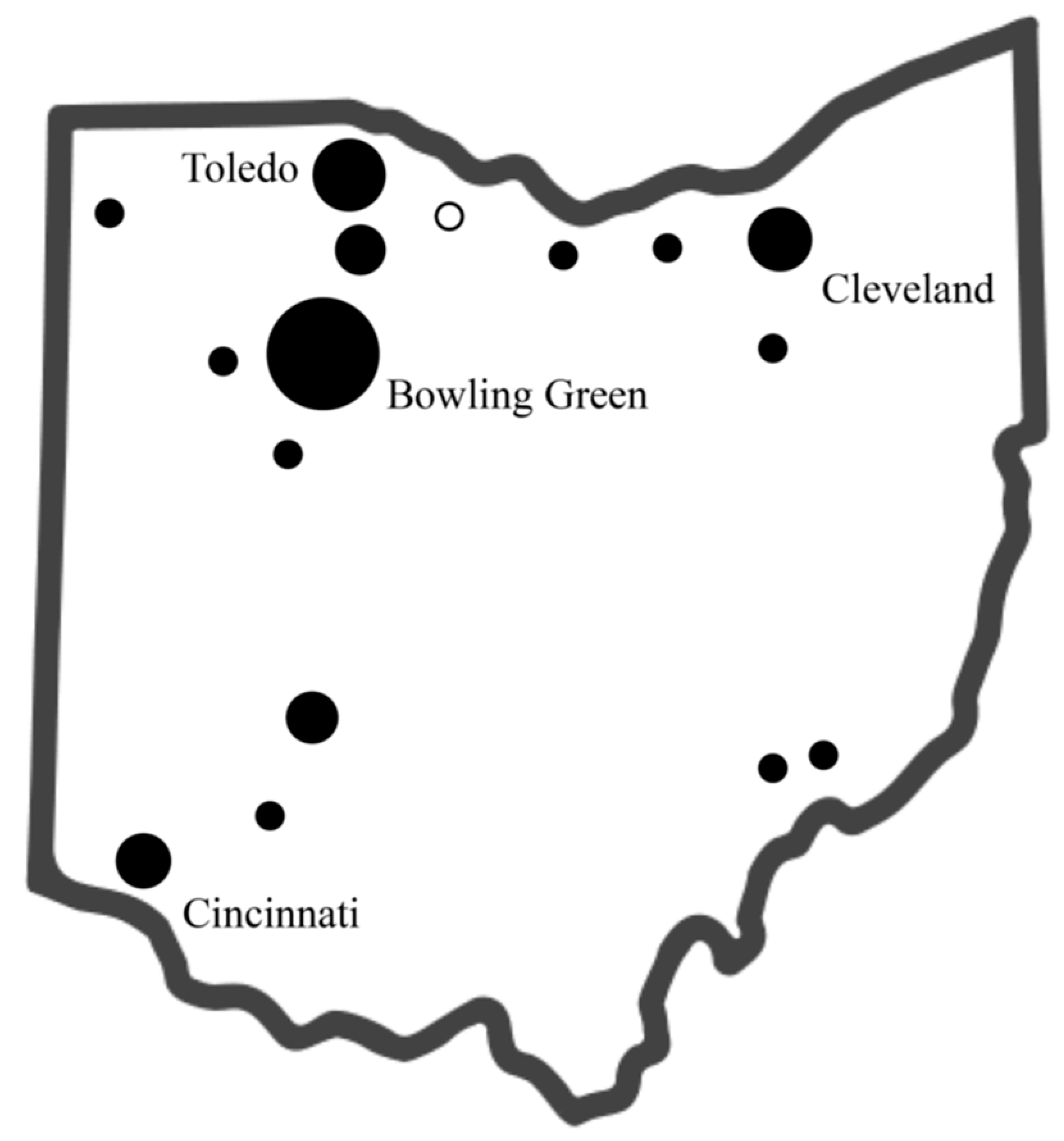
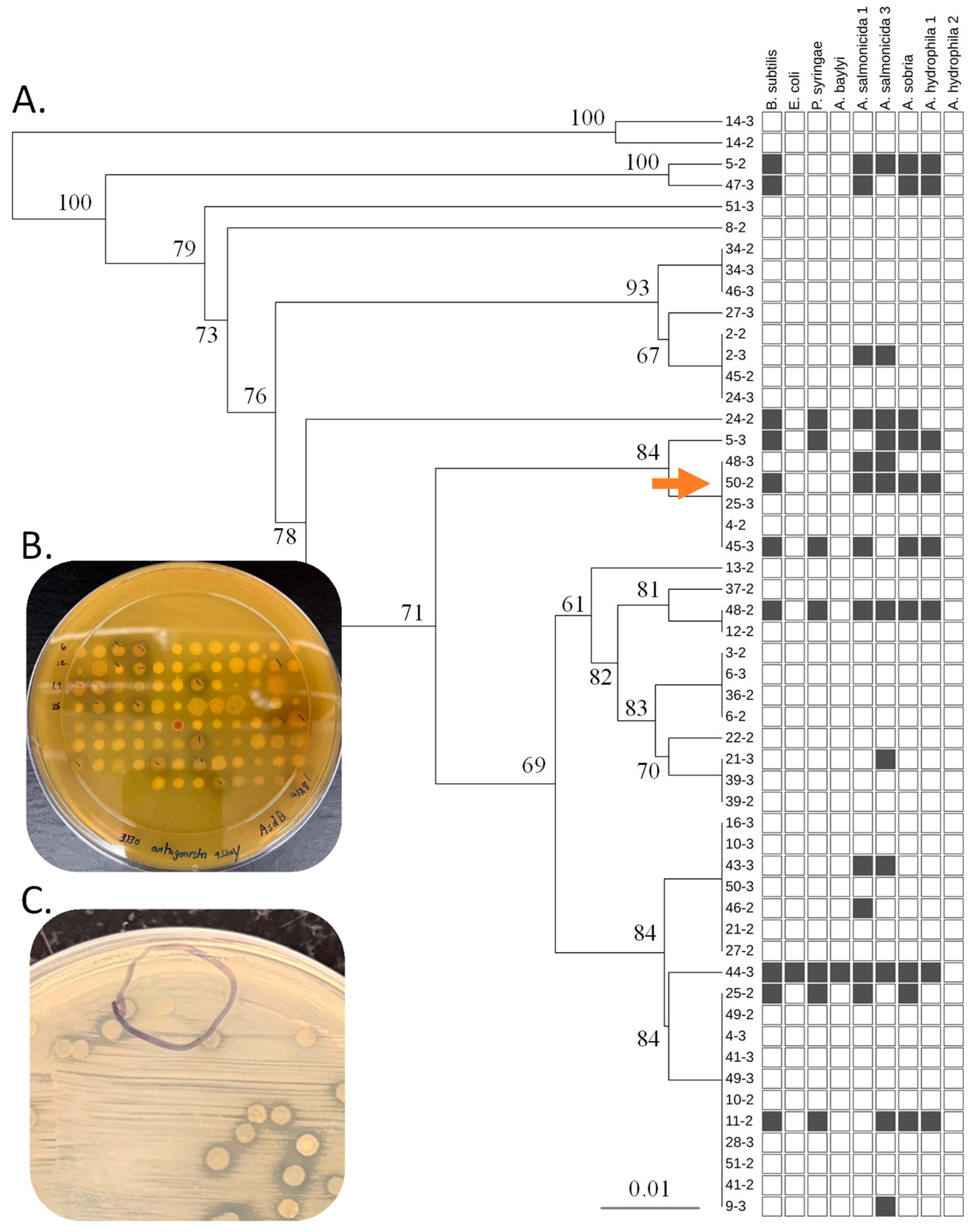
Aquaculture is a reliable source of fish farming and can assist in the demands of food supply [26,27]. However, outbreaks involving fish pathogens are a serious threat and detrimental to production and profit [28]. As reported by the World Bank [29], disease in aquaculture results in an estimated economic impact of $6 billion annually on a global scale. Unfortunately, there are limited antibiotic and chemical options that can be used to treat bacterial outbreaks [30]. For a freshwater biocontrol solution, we modified the TE CURE to identify environmental bacteria that could inhibit Aeromonas fish pathogens, including Aeromonas hydrophila, Aeromonas salmonicida, and Aeromonas sobria. To obtain strains that may inhibit these pathogens, 46 students in the Fall 2022 Introduction to Microbiology course isolated bacteria on cetrimide medium from their soil samples (Figure 1). All isolates were subject to 16S rRNA gene analysis. National Center of Biotechnology Information (NCBI) BLAST (version 2.15.0) results confirmed that 52 strains were Pseudomonas, and a phylogenetic tree was constructed to determine relatedness (Figure 2A). An antagonistic plate assay was then utilized to identify inhibitory activity (Figure 2B) against strains which included the model research strains Escherichia coli K12 and Bacillus subtilis ATCC 6051, the plant pathogen Pseudomonas syringae ATCC 39254, Acinetobacter baylyi ATCC 33305, and five Aeromonas fish pathogens, including A. hydrophila ARS131-14, A. hydrophila (WADDL) 2014-10509-28.27, A. sobria PAQ09104-20, A. salmonicida MT423, and A. salmonicida sp. Sixteen Pseudomonas strains were able to inhibit at least one pathogen and 10 had the ability to inhibit four or more strains (Figure 2A).
Unfortunately, the identification of natural products remains unknown without chemical or molecular analysis. To identify antagonistic strains amenable to molecular work, all isolates were screened for conjugation efficiency using the pBAM1 vector [31]. Strain TE50-2 was chosen for tn mutagenesis since it was efficient at conjugation and able to inhibit four Aeromonas strains and Bacillus subtilis (Figure 2A). Tn mutagenesis was optimized in the CURE to identify genes involved in activity [15]. In total, 460 plates were screened (~10 per student), resulting in over 10,000 tn mutants, and four loss-of-inhibition (LOI) candidates were identified (Figure 2C). At this point in the course, the semester ended and the LOI mutants were verified for loss of activity and further analyzed by graduate students. Thus, students’ efforts in the CURE directly contributed to the research. Whole-genome sequencing of the wildtype strain and arbitrary PCR [32] of the LOI mutants was performed to identify tn-mutated loci.
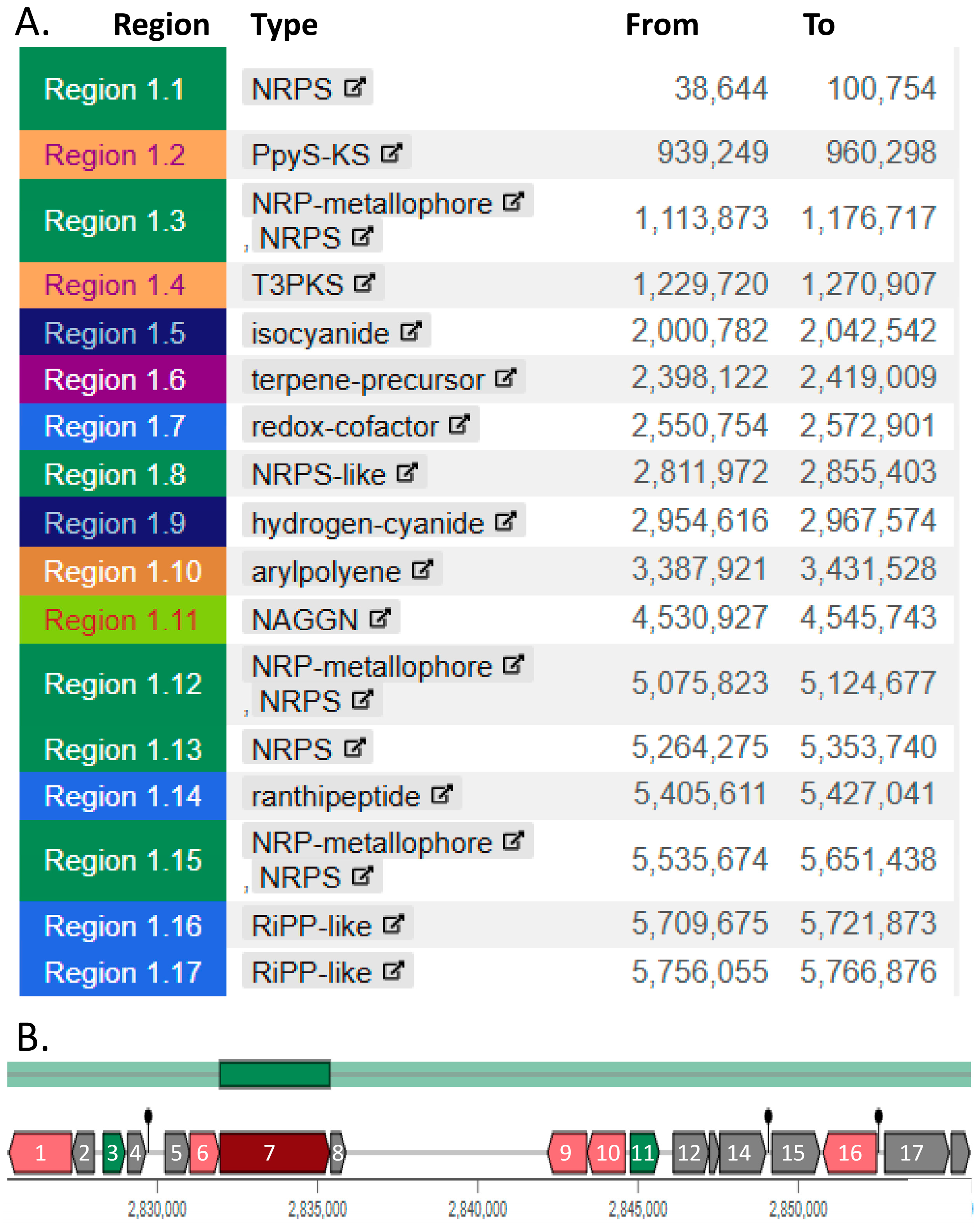
Antibiotics and other secondary metabolites are usually encoded by BGCs [33,34]. These gene clusters are relatively large in size, ranging from 20 to 100 kb, and usually consist of genes involved in the regulation, biosynthesis, and export of the product. Seventeen BGCs were identified in strain TE50-2 (Figure 3A) using antiSMASH [35,36], and a tn-disrupted BGC suggested that its product is involved in antagonistic activity. From the four LOI mutants (Table S1), one had a tn-disrupted NRPS-like amino acid adenylation domain-containing protein, which was within a 43.4 kb BGC (Figure 3B). antiSMASH and MIBiG [37] results showed that the identified BGC had 13%, 37%, and 25% homologous gene content of other BGCs, which were predicted to encode nematophin [38], fragin [39], and ambactin [40], respectively (Table 1), all of which have antagonistic activity. Only 19 genomes exhibited a >90% nucleotide coverage and >88% similarity of the BGC sequence in the NCBI database, thus suggesting that few strains carry this gene region. To our knowledge, this is the first report that suggests the antagonistic activity encoded by this BGC. As a result of this work, collaborations with aquaculture companies were established to study the biocontrol of Aeromonas in freshwater tanks.

2.3. A CURE for Industry

Betco is an established worldwide biotechnology company headquartered in Bowling Green, OH, which specializes in cleaning and equipment solutions for home and industrial use. EnviroZyme, a subsidiary of Betco, leverages the power of natural microbes for bioremediation, thus offering an environmentally friendly alternative for breaking down harmful pollutants. As with Pseudomonas, Bacillus strains are used in a wide variety of applications [20,41], and some members of this group are used in Betco cleaning products. Since our student-derived collection also consists of bacteria isolated on non-selective nutrient agar medium, these strains were likely Bacillus since this group persists in soil habitats. As a result of this collection, we partnered with Betco to identify (i) what strains were Bacillus and (ii) if they produced enzymatic activity beneficial for bioremediation.
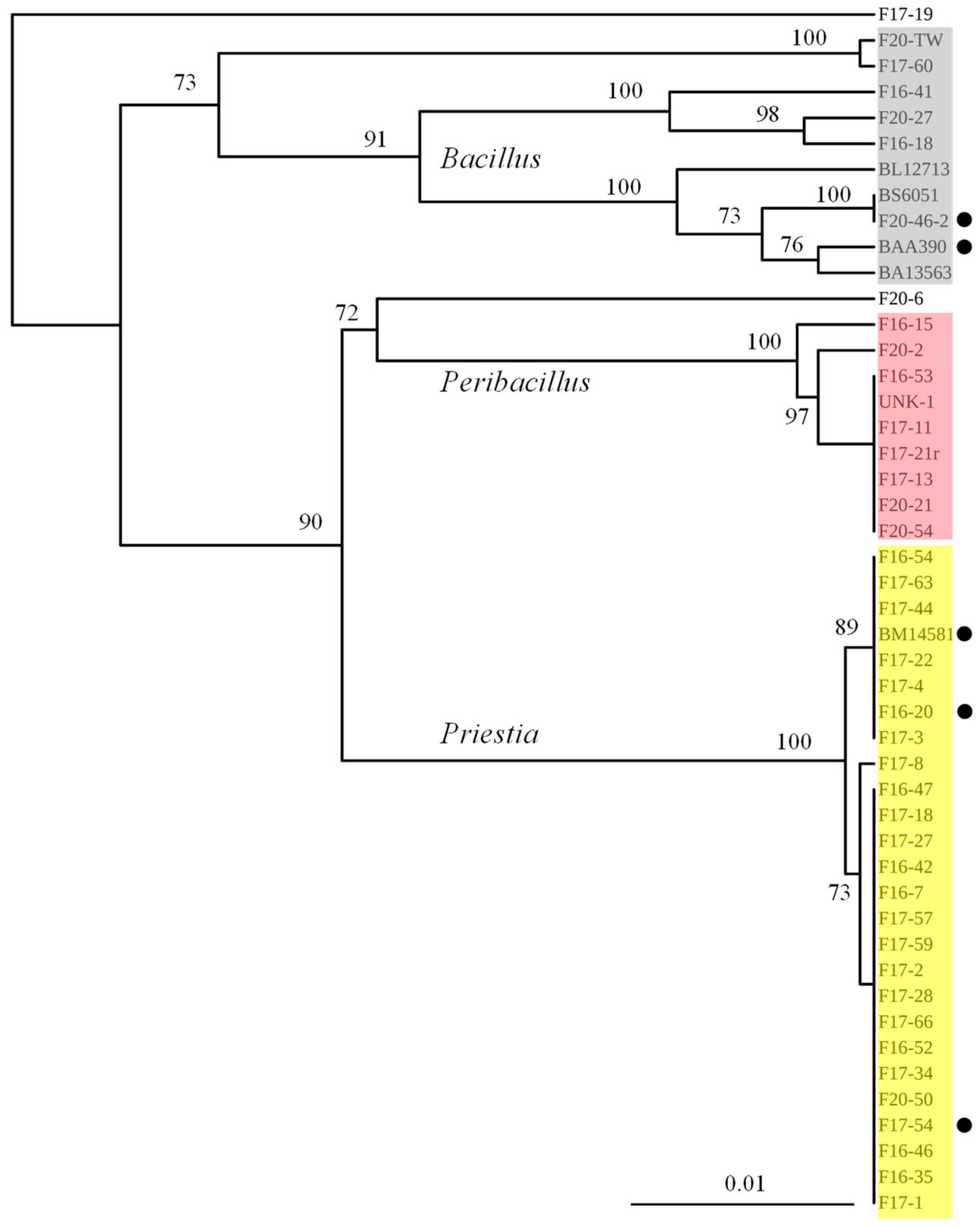
To determine if Bacillus strains were present in our student-derived collection, we randomly chose 70 strains that were isolated on nutrient agar medium from 2016 to 2020. The 16S rRNA genes were sequenced and subject to NCBI BLAST analysis. Forty-seven isolates were identified as Bacillus or close relatives (Figure 4), and the other 23 were non-related strains (Table S2). Phylogenetic tree construction with Bacillus strains B. amyloliquefaciens ATCC BAA390, B. licheniformis ATCC 12713, B. subtilis ATCC 6051, and a Priestia megaterium ATCC 14581 was used to assist in strain identification. Three clades emerged, consisting of Bacillus, Priestia, and Peribacillus isolates. Members of Priestia and Peribacillus have also been used in biotechnology for molecule production [42] and in agriculture for promoting plant growth [43], respectively, and were previously classified within the Bacillus clade. Since Bacillus and Priestia strains have shown promise in bioremediation and lipase activity [44,45,46,47], we tested B. amyloliquefaciens ATCC BAA390, P. megaterium ATCC 14581, and three of our natural isolates identified as Priestia sp. F16-20, Priestia sp. F17-54, and Bacillus sp. F20-46-2 for lipase activity. Priestia sp. F17-54 showed more than a 2–5-fold increase in activity compared to the other strains (Table S3). Results suggest that our student-driven strain collection provides a source of strains with enzymatic activity that may be beneficial for use in biotechnology and industry.

3. Discussion

While CUREs benefit student learning and education [2,3,5], these courses may be time- and labor-intensive for faculty to teach, which can be a major challenge for implementation into a curriculum [48,49]. A productive solution is to adapt a CURE to the instructor’s or a colleague’s own research program so that students’ results advance their work. We adapted the acclaimed TE CURE [3] to complement our research goals, establish community collaborations, and to facilitate drug discovery. This adapted CURE follows the traditional TE workflow with strain isolation by students, 16S BLAST analysis for genus identification, and an antagonistic assay [11], thus building student ownership and interest in the project. Because Pseudomonas is the model organism for our research laboratory, we modified the CURE for the selection of, and research with, these natural isolates. In the latter part of the semester, our course transitions from individual projects toward a collaborative team effort where tn mutagenesis is optimized with one strain followed by a large-scale mutant hunt [50]. The CURE goal is to assist in the identification of BGCs involved in antagonistic activity, which is also a focus of our laboratory research [25,50,51].
An important aspect of our CURE involves the isolation and characterization of environmental bacteria, including Pseudomonas, for drug discovery. First, students collected soil samples from their hometown, which resulted in a unique bacterial collection from across Ohio (Figure 1). Second, Pseudomonas strains are used as a model organism in this CURE. Antimicrobial products are usually expressed by BGCs [52,53]. Since pseudomonads usually encode 10–20 BGCs per genome, as observed in TE50-2 (Figure 3A and [54]), this group of bacteria is ideal for natural product discovery. Third, our optimized workflow allows the use of tn mutagenesis in wild bacteria for the identification of genes involved in antagonistic activity (Figure 2C and Figure 3B). Knowing the genes that encode a product facilitates biochemical purification and identification of natural compound discovery. Fourth, antagonistic activity of the Pseudomonas strains was tested against plant and fish pathogens (Figure 2A,B), which provides an opportunity for biocontrol application and has established collaborations with industry and aquaculture companies.
From this CURE, the Fall 2022 class was able to isolate and identify Pseudomonas strains from soil (Figure 1 and Figure 2A), demonstrate inhibitory activity against fish pathogens (Figure 2B), and optimize tn mutagenesis to identify LOI mutants (Figure 2C), during which time the semester ended. Subsequently, graduate students in the laboratory identified the tn-mutated loci by performing arbitrary PCR of the mutants and whole-genome sequencing of the wildtype strain. Four genes were identified that were involved in antagonistic activity, as suggested by the LOI phenotype (Table S1): glutamine synthetase, glucokinase, NRPS-like product, and a two-component regulatory system. All loci were in different locations of the chromosome and have been previously shown to be involved in antibiotic production. First, a gene encoding an NRPS was identified and located in the Region 1.8 BGC (Figure 3). NRPSs are complex enzymes that link amino acids together [55] and are the source of production for most antibiotics [56]. Thus, this BGC likely produces the primary antimicrobial product.
The other identified genes involved in antagonistic activity were located outside of the BGC (Table S1). Indeed, other non-BGC loci have been shown to regulate BGC expression [57,58]. Glutamine synthetase is an enzyme that converts ammonia and glutamate into glutamine. It has been shown to be involved in phenazine production in Pantoea agglomerans [59] and in Streptomyces coelicolor, and the noncoding RNA of glutamine synthetase regulates antibiotic production [60]. Glucokinase is an enzyme involved in the first step of glycolysis, which converts glucose to glucose-6-phosphate. Since antibiotics may be composed of sugars, the enzyme has been linked to antibiotic production through carbon catabolite regulation [61]. A gene encoding a response regulator of a two-component regulatory system was also identified. These systems have been shown to regulate a variety of downstream genes, including virulence and antibiotic production [62]. While these four loci were identified, other mutants may have been missed by students when being screened for the LOI phenotype. These results have established a collaboration with an aquaculture company for its possible use in the biocontrol of Aeromonas fish pathogens.
In addition to the selection of environmental Pseudomonas in our TE, students also isolated strains on rich media, and most of these have been identified as Bacillus [15,63]. Bacillus strains are used in a variety of applications in medicine, industry, and agriculture [20], promoting plant health [41,64], and as probiotics in shrimp aquaculture [65]. Bacillus produces a variety of enzymes used in biodegradation [66]. Thus, our Bacillus collection of natural isolates was of interest to and established a collaboration with EnviroZyme (Figure 4). In addition to the lipase production that we reported, some of the other Bacillus strains are being further studied for their activity. Not only did Betco fund the research (Figure 4 and Tables S2 and S3), but the company has established paid internship lines and job opportunities for our students, thus providing real-world biotechnology experience for our undergraduates. When we initially contacted the companies discussed in this study, we found that they were eager to partner with faculty and provide support to our students, all of which was established by the CURE and our environmental bacterial strain collection. From an instructor’s viewpoint, much time and effort are required to teach most CUREs; however, we have shown that when these courses are adapted to faculty research, projects can be advanced by undergraduate involvement and promote industry and community collaborations.

4. Materials and Methods

4.1. Strain Isolation and Growth Conditions

Soil samples were collected in Ohio from students’ home yards in August of 2016–2022. One gram of soil was resuspended in 5 mL sterile 0.85% NaCl, homogenized, and serially diluted in sterile 0.85% NaCl and spread-plated onto nutrient broth (NB, Becton Dickinson, Franklin Lakes, NJ, USA) medium with 1.5% agar (Becton Dickinson) or cetrimide agar (Sigma-Aldrich, Burlington, MA, USA). Cultures were incubated at 23 °C for 48 h. Single colonies were picked and streaked for isolation. All environmental and tester strains for antagonistic activity were cultured at 23 °C in Tryptic Soy liquid or on agar plates (TSA, Becton Dickinson). For transposon mutagenesis, Escherichia coli strain CC118 λpir with the pBAM1 vector was cultured in LB Lennox (LB, Becton Dickinson) with 50 µg/mL kanamycin and 150 µg/mL ampicillin. E. coli strain HB101 with the pRK600 vector was cultured in LB with 30 µg/mL chloramphenicol. Both E. coli strains were incubated at 37 °C. Aeromonas fish pathogens were kindly shared by Deborah Bouchard at the University of Maine. Aeromonas strains were cultured on TSA and incubated at 23 °C. All strains were stored at −80 °C in medium with 20% v/v glycerol.

4.2. Strain Identification and Phylogenetic Analysis

For gene sequencing, bacterial strains were streaked onto NB and cultured for two days at 24 °C and PCR was performed. A colony was used as a genomic DNA template for PCR. Taq DNA polymerase, standard Taq Mg-free buffer, and dNTPs (New England Biolabs, Ipswich, MA, USA) were used with primers targeting the 16S rRNA gene (16S 27 forward primer: 5′-AGR GTT TGA TCM TGG CTC A-3′; 16S 1492 reverse primer: 5′-TAC GGY TAC CTT GTT AYG ACT T-3′) in a 20 µL reaction to amplify a region about 1465 bp in size. PCR conditions were 92 °C denaturing for 10 s, 50 °C annealing for 30 s, and elongation at 72 °C for 90 s for 29 cycles. PCR products were cleaned up using ExoSAP-IT according to the manufacturer’s specifications (ThermoFisher Scientific, Cincinnati, OH, USA). PCR products were outsourced to the University of Chicago DNA Sequencing Facility for Sanger Sequencing and the 27 forward primer was used for sequencing. An NCBI BLAST analysis using the 16S rRNA gene sequence was performed to identify each strain. A nucleotide alignment was generated from 880 bp of the 16S rRNA gene, the alignment was edited, and a maximum-likelihood tree was then constructed in CLC Main Workbench (CLC bio, Qiagen, Venlo, The Netherlands). All 16S rRNA gene sequences were submitted to GenBank and have accession numbers PP727019-PP727070 and PP727071-PP727118 for the Pseudomonas and Bacillus-related strains, respectively.

4.3. Whole-Genome Sequencing

The genomic DNA of strain TE50-2 was extracted according to Promega Wizard Genomic DNA Purification Kit (Promega, Madison, WI, USA) specifications for Gram-positive bacteria. Genomes were outsourced for sequencing using Oxford Nanopore technology to the SeqCenter in Pittsburgh, PA. Libraries were prepared according to ONT’s Ligation Sequencing kit specifications (SQK-LSK109, Oxford, UK). Quality control and adapter trimming were performed using Porechop (Version 0.2.3) (https://github.com/rrwick/Porechop, accessed on 1 December 2022) and assembly statistics were performed with QUAST (Version 4.0) [67]. The genome was submitted to GenBank and JGI GOLD [68] for annotation and has the submission number JBFNXN000000000.1 and the genome ID number 2993254755, respectively. Predicted BGCs were annotated using antiSMASH (Version 6.0) [36,69].

4.4. Antagonistic Activity

Environmental Pseudomonas strains were cultured for 20 h in TSB medium at 23 °C with shaking in a 96-well plate (Axygen, Union City, CA, USA) prior to the assay. To generate a bacterial lawn of the tester strain, 100 µL of a culture was spread on 150 × 15 mm TSA agar plates. Nine tester strains were used for the assay. Subsequently, 1 µL of each environmental strain was transferred to the lawn using a 96-pin replicator (Boekel Microplate Replicator, Feasterville-Trevose, PA, USA). Strains were co-cultured at 23 °C for 24 h. Antagonistic activity was scored as positive for a given environmental Pseudomonas if a zone of clearing of at least 1 mm was produced on the tester strain lawn. Antagonistic assays were performed in triplicate.

4.5. Transposon (Tn) Mutagenesis

Triparental mating was used to deliver the Tn5 mini-transposon from pBAM1 in E. coli strain CC118 λpir with HB101 carrying the helper vector pRK600 to Pseudomonas strain TE50-2 [31]. E. coli and Pseudomonas strains were cultured overnight as described above. An amount of 1 mL of cells was washed with 10 mM MgSO4 to remove any traces of antibiotics. A total of 100 µL of each strain was mixed together in a 1:1:1 ratio and centrifuged. The pelleted cells were resuspended in 10 µL of 10 mM MgSO4, spotted on NB, and incubated at 30 °C for 24 h. The cells were scraped from the plate, resuspended in 200 µL of 10 mM MgSO4, and 100 µL was plated onto solid cetrimide agar with 50 μg/mL of kanamycin to select for Pseudomonas transconjugants. Transconjugants were replica-plated onto a sensitive Aeromonas pathogen and screened for mutants exhibiting a loss-of-inhibition (LOI) phenotype.

4.6. Arbitrary (ARB) PCR and Tn-Mutated Gene Identification

Genomic DNA was extracted from the TE50-2 mutant strains using the Wizard Genomic DNA Purification kit (Promega, Madison, WI, USA). ARB-PCR was used to amplify the genomic DNA flanking the tn insert [31,32]. Two PCR cycles were performed. ARB-PCR I was performed using 2 μL of genomic DNA and 5 μM primer ARB6 (GGCACGCGTCGACTAGTACNNNNNNNNNNACGCC) in combination with 5 μmol/L primer ME-I-extR (CTCGTTTCACGCTGAATATGGCTC) or 5 μmol/L primer ME-O-extF (CGGTTTACAAGCATAACTAGTGCGGC). The conditions for the ARB-PCR I reaction were 5 min at 95 °C, six cycles of 30 s at 95 °C, 30 s at 30 °C and 90 s at 72 °C, 30 cycles of 30 s at 95 °C, 30 s at 45 °C, and 90 s at 72 °C, followed by an extension period of 4 min at 72 °C. For the second round of ARB-PCR, 1 μL of ARB-PCR I product was used as the template. ARB-PCR II was performed using 1 μL of ARB-PCR I product and 5 μmol/L primer ARB2 (GGCACGCGTCGACTAGTAC) in combination with 5 μmol/L primer ME-I-intR (CAGTTTTATTGTTCATGATGATATA) or 5 μmol/L primer ME-O-intF (AGAGGATCCCCGGGTACCGAGCTCG). The conditions for ARB-PCR II reaction were 60 s at 95 °C, followed by 30 cycles of 30 s at 95 °C, 30 s at 52 °C and 90 s at 72 °C, followed by an extension period of 4 min at 72 °C. PCR purification was performed on each ARB-PCR II product using NucleoSpin Gel (Macherey-Nagel, Duren, Germany) and PCR clean-up kit (Macherey-Nagel). Samples were sequenced at the University of Chicago Comprehensive Cancer Center DNA Sequencing and Genotyping facility using either ME-I intR primer or ME-O intF primer. ARB-PCR products were aligned to the whole genome of the wildtype strain using NCBI BLAST to identify the tn insert location and mutated gene.

4.7. Lipase Production Assay

The lipase activity of Bacillus strains F16-20, F17-54, F20-46-2, B. megaterium ATCC 14581, and B. amyloliquefaciens (DSL) 135C3 was determined according to Lipase Activity Assay Kit specifications (Sigma-Aldrich). The assay was performed at 37 °C and activity was measured every 120 s for 90 min at 540 nm using a BioTek Synergy HT microplate reader (Overland Park, TX, USA).

Supplementary Materials

The following supporting information can be downloaded at: https://www.mdpi.com/article/10.3390/ddc5020036/s1, Table S1: Tn mutated genes involved in antagonistic activity.; Table S2: Genus identification of soil strains.; Table S3. Lipase activity of Bacillus strains.

Author Contributions

Conceptualization, H.W.; methodology, H.W.; formal analysis, T.L., N.Z. and D.R.; data curation, T.L., N.Z. and D.R.; writing—original draft preparation, H.W.; writing—review and editing, M.F., N.S. and H.W.; supervision, H.W.; funding acquisition, H.W. All authors have read and agreed to the published version of the manuscript.

Funding

Funding was provided by Betco and NIH award #R15GM124585.

Institutional Review Board Statement

Not applicable.

Informed Consent Statement

Not applicable.

Data Availability Statement

The original contributions presented in this study are included in the article/Supplementary Materials. Further inquiries can be directed to the corresponding author.

Acknowledgments

We would like to sincerely thank Betco for their continued support and experience that they provide to our students. We also would like to thank Jo Handelsman, Sarah Miller, and the Tiny Earth network for their continued support.

Conflicts of Interest

The authors declare no conflicts of interest.

References

  1. Walker, J.P.; Allen, W.E.; Clevenger, L.; Hosbein, K.N.; Kennedy, A.M.; Vance-Chalcraft, H.; Whiting, B. Course-based undergraduate research experiences as a community of practice (CoP). J. Chem. Educ. 2023, 100, 2520–2528. [Google Scholar] [CrossRef] [Scilit]
  2. Dolan, E.L. Course-based Undergraduate Research Experiences: Current Knowledge and Future Directions. 2016. Available online: https://share.google/BV9NnO7onMUgw1V5R (accessed on 1 May 2026).
  3. Hurley, A.; Chevrette, M.G.; Acharya, D.D.; Lozano, G.L.; Garavito, M.; Heinritz, J.; Balderrama, L.; Beebe, M.; DenHartog, M.L.; Corinaldi, K.; et al. Tiny Earth: A big idea for STEM education and antibiotic discovery. mBio 2021, 12, e03432-20. [Google Scholar] [CrossRef] [Scilit] [PubMed]
  4. Brownell, S.E.; Hekmat-Scafe, D.S.; Singla, V.; Chandler Seawell, P.; Conklin Imam, J.F.; Eddy, S.L.; Stearns, T.; Cyert, M.S. A high-enrollment course-based undergraduate research experience improves student conceptions of scientific thinking and ability to interpret data. CBE Life Sci. Educ. 2015, 14, ar21. [Google Scholar] [CrossRef] [Scilit]
  5. Bangera, G.; Brownell, S.E. Course-based undergraduate research experiences can make scientific research more inclusive. CBE Life Sci. Educ. 2014, 13, 602–606. [Google Scholar] [CrossRef] [Scilit] [PubMed]
  6. Fendos, J.; Cai, L.; Yang, X.; Ren, G.; Li, L.; Yan, Z.; Lu, B.; Pi, Y.; Ma, J.; Guo, B.; et al. A Course-Based Undergraduate Research Experience improves outcomes in mentored research. CBE Life Sci. Educ. 2022, 21, ar49. [Google Scholar] [CrossRef] [Scilit]
  7. Auchincloss, L.C.; Laursen, S.L.; Branchaw, J.L.; Eagan, K.; Graham, M.; Hanauer, D.I.; Lawrie, G.; McLinn, C.M.; Pelaez, N.; Rowland, S.; et al. Assessment of course-based undergraduate research experiences: A meeting report. CBE Life Sci. Educ. 2014, 13, 29–40. [Google Scholar] [CrossRef] [Scilit]
  8. Dolan, E.; Micklos, D.; Trautmann, N. CUREnet: Course-based Undergraduate Research Experience Network. Available online: https://serc.carleton.edu/curenet/about.html (accessed on 1 May 2026).
  9. CDC. Antibiotic Resistance Threats in the United States. 2019; pp. 1–1380. Available online: https://www.cdc.gov/antimicrobial-resistance/media/pdfs/2019-ar-threats-report-508.pdf (accessed on 1 May 2026).
  10. Antimicrobial Resistance Collaborators. Global burden of bacterial antimicrobial resistance in 2019: A systematic analysis. Lancet 2022, 399, 629–655. [Google Scholar] [CrossRef] [Scilit]
  11. Hernandez, S.; Tsang, T.; Bascom-Slack, C.; Broderick, N.; Handelsman, J. Tiny Earth—A Research Guide to Studentsourcing Antibiotic Discovery; XanEdu: Livonia, MI, USA, 2020. [Google Scholar]
  12. Tiny Earth. Available online: https://tepi.tinyearth.wisc.edu/ (accessed on 1 May 2026).
  13. Rocha, E.P.C.; Bikard, D. Microbial defenses against mobile genetic elements and viruses: Who defends whom from what? PLoS Biol. 2022, 20, e3001514. [Google Scholar] [CrossRef] [Scilit]
  14. Chandra, P.; Enespa; Singh, R.; Arora, P.K. Microbial lipases and their industrial applications: A comprehensive review. Microb. Cell Fact. 2020, 19, 169. [Google Scholar] [CrossRef] [Scilit]
  15. Davis, E.; Sloan, T.; Aurelius, K.; Barbour, A.; Bodey, E.; Clark, B.; Dennis, C.; Drown, R.; Fleming, M.; Humbert, A.; et al. Antibiotic discovery throughout the Small World Initiative: A molecular strategy to identify biosynthetic gene clusters involved in antagonistic activity. MicrobiologyOpen 2017, 6, e00435. [Google Scholar] [CrossRef] [Scilit]
  16. Gross, H.; Loper, J.E. Genomics of secondary metabolite production by Pseudomonas spp. Nat. Prod. Rep. 2009, 26, 1408–1446. [Google Scholar] [CrossRef] [Scilit]
  17. Hesse, C.; Schulz, F.; Bull, C.T.; Shaffer, B.T.; Yan, Q.; Shapiro, N.; Hassan, K.A.; Varghese, N.; Elbourne, L.D.H.; Paulsen, I.T.; et al. Genome-based evolutionary history of Pseudomonas spp. Environ. Microbiol. 2018, 20, 2142–2159. [Google Scholar] [CrossRef] [Scilit]
  18. Brito, P.H.; Chevreux, B.; Serra, C.R.; Schyns, G.; Henriques, A.O.; Pereira-Leal, J.B. Genetic competence drives genome diversity in Bacillus subtilis. Genome Biol. Evol. 2017, 10, 108–124. [Google Scholar] [CrossRef] [Scilit]
  19. Put, H.; Gerstmans, H.; Vande Capelle, H.; Fauvart, M.; Michiels, J.; Masschelein, J. Bacillus subtilis as a host for natural product discovery and engineering of biosynthetic gene clusters. Nat. Prod. Rep. 2024, 41, 1113–1151. [Google Scholar] [CrossRef] [Scilit] [PubMed]
  20. Su, Y.; Liu, C.; Fang, H.; Zhang, D. Bacillus subtilis: A universal cell factory for industry, agriculture, biomaterials and medicine. Microb. Cell Fact. 2020, 19, 173. [Google Scholar] [CrossRef] [Scilit]
  21. Silby, M.W.; Winstanley, C.; Godfrey, S.A.; Levy, S.B.; Jackson, R.W. Pseudomonas genomes: Diverse and adaptable. FEMS Microbiol. Rev. 2011, 35, 652–680. [Google Scholar] [CrossRef] [Scilit] [PubMed]
  22. Herrmann, L.W.; Letti, L.A.J.; Penha, R.d.O.; Soccol, V.T.; Rodrigues, C.; Soccol, C.R. Bacillus genus industrial applications and innovation: First steps towards a circular bioeconomy. Biotechnol. Adv. 2024, 70, 108300. [Google Scholar] [CrossRef] [Scilit]
  23. Khan, A.R.; Mustafa, A.; Hyder, S.; Valipour, M.; Rizvi, Z.F.; Gondal, A.S.; Yousuf, Z.; Iqbal, R.; Daraz, U. Bacillus spp. as bioagents: Uses and application for sustainable agriculture. Biology 2022, 11, 1763. [Google Scholar] [CrossRef] [Scilit]
  24. Wagner, A.; Norris, S.; Chatterjee, P.; Morris, P.F.; Wildschutte, H. Aquatic pseudomonads inhibit oomycete plant pathogens of Glycine max. Front. Microbiol. 2018, 9, 1007. [Google Scholar] [CrossRef] [Scilit] [PubMed]
  25. Basalla, J.; Chatterjee, P.; Burgess, E.; Khan, M.; Verbrugge, E.; Wiegmann, D.D.; LiPuma, J.J.; Wildschutte, H. Loci encoding compounds potentially active against drug-resistant pathogens amidst a decreasing pool of novel antibiotics. Appl. Environ. Microbiol. 2019, 85, e01438-19. [Google Scholar] [CrossRef] [Scilit] [PubMed]
  26. Garlock, T.; Asche, F.; Anderson, J.; Ceballos-Concha, A.; Love, D.C.; Osmundsen, T.C.; Pincinato, R.B.M. Aquaculture: The missing contributor in the food security agenda. Glob. Food Secur. 2022, 32, 100620. [Google Scholar] [CrossRef] [Scilit]
  27. Verdegem, M.; Buschmann, A.H.; Latt, U.W.; Dalsgaard, A.J.T.; Lovatelli, A. The contribution of aquaculture systems to global aquaculture production. J. World Aquac. Soc. 2023, 54, 206–250. [Google Scholar] [CrossRef] [Scilit]
  28. Cain, K. The many challenges of disease management in aquaculture. J. World Aquac. Soc. 2022, 53, 1080–1083. [Google Scholar] [CrossRef] [Scilit]
  29. Reducing Disease Risks in Aquaculture. World Bank Report #88257-GLB. 2014. Available online: https://documents.worldbank.org/en/publication/documents-reports/documentdetail/110681468054563438 (accessed on 1 May 2026).
  30. U.S. Fish and Wildlife Service. Approved Drugs for Use in Aquaculture, 3rd ed.; U.S. Fish and Wildlife Service: Washington, DC, USA, 2020.
  31. Martinez-Garcia, E.; Calles, B.; Arevalo-Rodriguez, M.; de Lorenzo, V. pBAM1: An all-synthetic genetic tool for analysis and construction of complex bacterial phenotypes. BMC Microbiol. 2011, 11, 38. [Google Scholar] [CrossRef] [Scilit] [PubMed]
  32. Das, S.; Noe, J.C.; Paik, S.; Kitten, T. An improved arbitrary primed PCR method for rapid characterization of transposon insertion sites. J. Microbiol. Methods 2005, 63, 89–94. [Google Scholar] [CrossRef] [Scilit] [PubMed]
  33. Jensen, P.R. Natural Products and the Gene Cluster Revolution. Trends Microbiol. 2016, 24, 968–977. [Google Scholar] [CrossRef] [Scilit] [PubMed]
  34. Wei, B.; Du, A.Q.; Zhou, Z.Y.; Lai, C.; Yu, W.C.; Yu, J.B.; Yu, Y.L.; Chen, J.W.; Zhang, H.W.; Xu, X.W.; et al. An atlas of bacterial secondary metabolite biosynthesis gene clusters. Environ. Microbiol. 2021, 23, 6981–6992. [Google Scholar] [CrossRef] [Scilit]
  35. Blin, K.; Medema, M.H.; Kottmann, R.; Lee, S.Y.; Weber, T. The antiSMASH database, a comprehensive database of microbial secondary metabolite biosynthetic gene clusters. Nucleic Acids Res. 2017, 45, D555–D559. [Google Scholar] [CrossRef] [Scilit]
  36. Medema, M.H.; Blin, K.; Cimermancic, P.; de Jager, V.; Zakrzewski, P.; Fischbach, M.A.; Weber, T.; Takano, E.; Breitling, R. antiSMASH: Rapid identification, annotation and analysis of secondary metabolite biosynthesis gene clusters in bacterial and fungal genome sequences. Nucleic Acids Res. 2011, 39, W339–W346. [Google Scholar] [CrossRef] [Scilit]
  37. Kautsar, S.A.; Blin, K.; Shaw, S.; Navarro-Munoz, J.C.; Terlouw, B.R.; van der Hooft, J.J.J.; van Santen, J.A.; Tracanna, V.; Suarez Duran, H.G.; Pascal Andreu, V.; et al. MIBiG 2.0: A repository for biosynthetic gene clusters of known function. Nucleic Acids Res. 2020, 48, D454–D458. [Google Scholar] [CrossRef] [Scilit]
  38. Cai, X.; Challinor, V.L.; Zhao, L.; Reimer, D.; Adihou, H.; Grün, P.; Kaiser, M.; Bode, H.B. Biosynthesis of the antibiotic nematophin and its elongated derivatives in entomopathogenic bacteria. Org. Lett. 2017, 19, 806–809. [Google Scholar] [CrossRef] [Scilit]
  39. Jenul, C.; Sieber, S.; Daeppen, C.; Mathew, A.; Lardi, M.; Pessi, G.; Hoepfner, D.; Neuburger, M.; Linden, A.; Gademann, K.; et al. Biosynthesis of fragin is controlled by a novel quorum sensing signal. Nat. Commun. 2018, 9, 1297. [Google Scholar] [CrossRef] [Scilit]
  40. Schimming, O.; Fleischhacker, F.; Nollmann, F.I.; Bode, H.B. Yeast homologous recombination cloning leading to the novel peptides ambactin and xenolindicin. ChemBioChem 2014, 15, 1290–1294. [Google Scholar] [CrossRef] [Scilit]
  41. Saxena, A.K.; Kumar, M.; Chakdar, H.; Anuroopa, N.; Bagyaraj, D.J. Bacillus species in soil as a natural resource for plant health and nutrition. J. Appl. Microbiol. 2020, 128, 1583–1594. [Google Scholar] [CrossRef] [Scilit] [PubMed]
  42. Biedendieck, R.; Knuuti, T.; Moore, S.J.; Jahn, D. The “beauty in the beast”-the multiple uses of Priestia megaterium in biotechnology. Appl. Microbiol. Biotechnol. 2021, 105, 5719–5737. [Google Scholar] [CrossRef] [Scilit] [PubMed]
  43. Manetsberger, J.; Caballero Gómez, N.; Soria-Rodríguez, C.; Benomar, N.; Abriouel, H. Simply versatile: The use of Peribacillus simplex in sustainable agriculture. Microorganisms 2023, 11, 2540. [Google Scholar] [CrossRef] [Scilit] [PubMed]
  44. Lee, L.P.; Karbul, H.M.; Citartan, M.; Gopinath, S.C.; Lakshmipriya, T.; Tang, T.H. Lipase-secreting Bacillus species in an oil-contaminated habitat: Promising strains to alleviate oil pollution. Biomed. Res. Int. 2015, 2015, 820575. [Google Scholar] [CrossRef] [Scilit]
  45. Ali, S.; Khan, S.A.; Hamayun, M.; Lee, I.J. The recent advances in the utility of microbial lipases: A review. Microorganisms 2023, 11, 510. [Google Scholar] [CrossRef] [Scilit]
  46. Sundaramahalingam, M.A.; Vijayachandran, P.; Rajeshbanu, J.; Sivashanmugam, P. Production of lipase from Priestia endophytica SSP strain and its potential application in deinking of printed paper. Biomass Convers. Biorefinery 2022, 14, 13861–13875. [Google Scholar] [CrossRef] [Scilit]
  47. Siddiqui, Z.; Grohmann, E.; Malik, A. Degradation of alkane hydrocarbons by Priestia megaterium ZS16 and sediments consortia with special reference to toxicity and oxidative stress induced by the sediments in the vicinity of an oil refinery. Chemosphere 2023, 317, 137886. [Google Scholar] [CrossRef] [Scilit]
  48. DeChenne-Peters, S.E.; Scheuermann, N.L. Faculty experiences during the implementation of an introductory biology Course-based Undergraduate Research Experience (CURE). CBE Life Sci. Educ. 2022, 21, ar70. [Google Scholar] [CrossRef] [Scilit] [PubMed]
  49. Shortlidge, E.E.; Bangera, G.; Brownell, S.E. Faculty perspectives on developing and teaching Course-based Undergraduate Research Experiences. BioScience 2015, 66, 54–62. [Google Scholar] [CrossRef] [Scilit]
  50. Chatterjee, P.; Davis, E.; Yu, F.; James, S.; Wildschutte, J.H.; Wiegmann, D.D.; Sherman, D.H.; McKay, R.M.; LiPuma, J.J.; Wildschutte, H. Environmental pseudomonads inhibit cystic fibrosis patient-derived Pseudomonas aeruginosa. Appl. Environ. Microbiol. 2017, 83, e02701-16. [Google Scholar] [CrossRef] [Scilit] [PubMed]
  51. Burks, D.J.; Norris, S.; Kauffman, K.M.; Joy, A.; Arevalo, P.; Azad, R.K.; Wildschutte, H. Environmental vibrios represent a source of antagonistic compounds that inhibit pathogenic Vibrio cholerae and Vibrio parahaemolyticus strains. MicrobiologyOpen 2017, 6, e00504. [Google Scholar] [CrossRef] [Scilit]
  52. Cimermancic, P.; Medema, M.H.; Claesen, J.; Kurita, K.; Wieland Brown, L.C.; Mavrommatis, K.; Pati, A.; Godfrey, P.A.; Koehrsen, M.; Clardy, J.; et al. Insights into secondary metabolism from a global analysis of prokaryotic biosynthetic gene clusters. Cell 2014, 158, 412–421. [Google Scholar] [CrossRef] [Scilit] [PubMed]
  53. Tran, P.N.; Yen, M.R.; Chiang, C.Y.; Lin, H.C.; Chen, P.Y. Detecting and prioritizing biosynthetic gene clusters for bioactive compounds in bacteria and fungi. Appl. Microbiol. Biotechnol. 2019, 103, 3277–3287. [Google Scholar] [CrossRef] [Scilit]
  54. Alam, K.; Islam, M.M.; Li, C.; Sultana, S.; Zhong, L.; Shen, Q.; Yu, G.; Hao, J.; Zhang, Y.; Li, R.; et al. Genome mining of Pseudomonas species: Diversity and evolution of metabolic and biosynthetic potential. Molecules 2021, 26, 7524. [Google Scholar] [CrossRef] [Scilit]
  55. Wang, H.; Sivonen, K.; Fewer, D.P. Genomic insights into the distribution, genetic diversity and evolution of polyketide synthases and nonribosomal peptide synthetases. Curr. Opin. Genet. Dev. 2015, 35, 79–85. [Google Scholar] [CrossRef] [Scilit]
  56. Felnagle, E.A.; Jackson, E.E.; Chan, Y.A.; Podevels, A.M.; Berti, A.D.; McMahon, M.D.; Thomas, M.G. Nonribosomal peptide synthetases involved in the production of medically relevant natural products. Mol. Pharm. 2008, 5, 191–211. [Google Scholar] [CrossRef] [Scilit]
  57. Kwon, M.J.; Steiniger, C.; Cairns, T.C.; Wisecaver, J.H.; Lind, A.L.; Pohl, C.; Regner, C.; Rokas, A.; Meyer, V. Beyond the biosynthetic gene cluster paradigm: Genome-wide coexpression networks connect clustered and unclustered transcription factors to secondary metabolic pathways. Microbiol. Spectr. 2021, 9, e0089821. [Google Scholar] [CrossRef] [Scilit]
  58. Santamaria, G.; Liao, C.; Lindberg, C.; Chen, Y.; Wang, Z.; Rhee, K.; Pinto, F.R.; Yan, J.; Xavier, J.B. Evolution and regulation of microbial secondary metabolism. eLife 2022, 11, e76119. [Google Scholar] [CrossRef] [Scilit]
  59. Galbraith, M.D.; Giddens, S.R.; Mahanty, H.K.; Clark, B. Role of glutamine synthetase in phenazine antibiotic production by Pantoea agglomerans Eh1087. Can. J. Microbiol. 2004, 50, 877–881. [Google Scholar] [CrossRef] [Scilit]
  60. D’Alia, D.; Nieselt, K.; Steigele, S.; Müller, J.; Verburg, I.; Takano, E. Noncoding RNA of glutamine synthetase I modulates antibiotic production in Streptomyces coelicolor A3(2). J. Bacteriol. 2010, 192, 1160–1164. [Google Scholar] [CrossRef] [Scilit] [PubMed]
  61. Sánchez, S.; Chávez, A.; Forero, A.; García-Huante, Y.; Romero, A.; Sánchez, M.; Rocha, D.; Sánchez, B.; Avalos, M.; Guzmán-Trampe, S.; et al. Carbon source regulation of antibiotic production. J. Antibiot. 2010, 63, 442–459. [Google Scholar] [CrossRef] [Scilit]
  62. Song, H.; Li, Y.; Wang, Y. Two-component system GacS/GacA, a global response regulator of bacterial physiological behaviors. Eng. Microbiol. 2023, 3, 100051. [Google Scholar] [CrossRef] [Scilit] [PubMed]
  63. Basalla, J.; Harris, R.; Burgess, E.; Zeedyk, N.; Wildschutte, H. Expanding Tiny Earth to genomics: A bioinformatics approach for an undergraduate class to characterize antagonistic strains. FEMS Microbiol. Lett. 2020, 367, fnaa018. [Google Scholar] [CrossRef] [Scilit] [PubMed]
  64. Dobrzynski, J.; Jakubowska, Z.; Dybek, B. Potential of Bacillus pumilus to directly promote plant growth. Front. Microbiol. 2022, 13, 1069053. [Google Scholar] [CrossRef] [Scilit]
  65. Sanchez-Diaz, R.; Molina-Garza, Z.J.; Cruz-Suarez, L.E.; Selvin, J.; Kiran, G.S.; Gomez-Gil, B.; Galaviz-Silva, L.; Ibarra-Gamez, J.C. Draft genome sequences of Bacillus pumilus 36R ATNSAL and B. safensis 13L LOBSAL, two potential candidate probiotic strains for shrimp aquaculture. J. Glob. Antimicrob. Resist. 2022, 31, 304–308. [Google Scholar] [CrossRef] [Scilit]
  66. Yagnik, S.M.; Arya, P.S.; Raval, V.H. Chapter 24-Biotechnology of Microbial Enzymes. Production, Biocatalysis, and Industrial Applications. In Biotechnology of Microbial Enzymes, 2nd ed.; Brahmachari, G., Ed.; Academic Press: New York, NY, USA, 2023; pp. 685–708. [Google Scholar]
  67. Gurevich, A.; Saveliev, V.; Vyahhi, N.; Tesler, G. QUAST: Quality assessment tool for genome assemblies. Bioinformatics 2013, 29, 1072–1075. [Google Scholar] [CrossRef] [Scilit]
  68. Liolios, K.; Chen, I.M.; Mavromatis, K.; Tavernarakis, N.; Hugenholtz, P.; Markowitz, V.M.; Kyrpides, N.C. The Genomes On Line Database (GOLD) in 2009: Status of genomic and metagenomic projects and their associated metadata. Nucleic Acids Res. 2010, 38, D346–D354. [Google Scholar] [CrossRef] [Scilit]
  69. Weber, T.; Blin, K.; Duddela, S.; Krug, D.; Kim, H.U.; Bruccoleri, R.; Lee, S.Y.; Fischbach, M.A.; Muller, R.; Wohlleben, W.; et al. antiSMASH 3.0—A comprehensive resource for the genome mining of biosynthetic gene clusters. Nucleic Acids Res. 2015, 43, W237–W243. [Google Scholar] [CrossRef] [Scilit]
Figure 1. Location of student soil samples collected across Ohio. Larger circles represent greater quantities of obtained soil samples. The white circle represents the collection site for strain TE50-2 from Oak Harbor.
Ddc 05 00036 g001
Figure 2. Antagonistic activity of environmental Pseudomonas. (A) The 16S rRNA gene was used to create a phylogenetic tree. Scale bar and bootstrap values are indicated at the bottom of the tree and at the nodes, respectively. Pseudomonas strain TE50-2 is indicated by the orange arrow. (B) An antagonistic plate assay was performed on nine tester strains to identify which environment isolates exhibit an inhibitory phenotype. Antagonistic activity was scored as positive if at least a 1 mm zone of inhibition was observed around the spotted colony. Results were overlaid on the tree, indicated by the shaded grey squares. Tester strain abbreviations: B. subtilis, Bacillus subtilis ATCC 6051; E. coli, Escherichia coli K12; P. syringae, Pseudomonas syringae ATCC 39254; A. baylyi, Acinetobacter baylyi ATCC 33305; A. salmonicida 1, A. salmonicida sp.; A. salmonicida 3, A. salmonicida MT423A; A. sobria, A. sobria PAQ09104-20; A. hydrophila 1, A. hydrophila ARS131-14; A. hydrophila 2, A. hydrophila (WADDL) 2014-10509-28.27. (C) Close-up photo of tn mutants selected on a cetrimide and kanamycin medium. The circled colony exhibits a loss-of-inhibition (LOI) phenotype.
Ddc 05 00036 g002
Figure 3. Identified BGCs in strain TE50-2. (A) antiSMASH identified 17 BGCs in the genome. (B) The 43.4 kb BGC in Region 1.8 was identified by tn mutagenesis as a locus that contributes to antagonistic activity. Genome coordinates are shown below the ORFs. The dark green box along the top indicates that ORF 7 encodes an NRPS; the light green box indicates other loci may play a role in the regulation and modification of the product. ORF numbers correspond to Table 1 and colored ORFs predict the following functions: pink, additional biosynthetic gene; grey, other gene; green, regulatory gene; maroon, NRPS-like core biosynthetic gene.
Ddc 05 00036 g003
Figure 4. Phylogenetic tree of environmental Bacillus and related strains based on the 16S rRNA gene. Clades of Bacillus, Peribacillus, and Priesta are shaded grey, pink, and yellow, respectively. Strains F17-19 and F20-6 were identified as Lysinibacillus and Neobacillus isolates. Scale bar and bootstrap values are indicated at the bottom of the tree and at the nodes, respectively. Black circles indicate strains tested for lipase activity.
Ddc 05 00036 g004
Table 1. Genes within the identified BGC and predicted activity.
ORFnt LengthAA LengthBGC Predicted FunctionPredicted Product* Genes in Other BGCs
11947648additional biosyntheticcyclic di-GMP receptor-
2693230othercysteine protease-
3693230regulatorytranscriptional regulator-
4567188otherhypothetical-
5777258otherDUF30350 domain-containing proteinBGC0001599 Fragin
6930309additional biosyntheticdiiron oxygenaseBGC0001599 Fragin
734321143regulatoryNRPS-
8468155otherSRPBCC family proteinBGC0001599 Fragin
91221406additional biosyntheticCaiB Co-A transferase-
101182393additional biosyntheticacetyl-CoA dehydrogenase-
11900299regulatoryLysR transcriptional regulator-
121122373otherNAD(P) transhydrogenaseBGC0001692
Nematophin &
BGC0001131 Ambactin
13315104otherNAD(P) transhydrogenase-
141437478otherNAD(P) transhydrogenaseBGC0001692
Nematophin &
BGC0001131
Ambactin
151494497otheracetyl-CoA transferase-
161668555additional biosyntheticphosphodiesterase-
172010669otherDNA helicase-
18573190otherphosphoribosyltransferase-
* MIBiG BGC accession number of the homologous genes in another BGC, followed by that strain’s predicted product.
Disclaimer/Publisher’s Note: The statements, opinions and data contained in all publications are solely those of the individual author(s) and contributor(s) and not of MDPI and/or the editor(s). MDPI and/or the editor(s) disclaim responsibility for any injury to people or property resulting from any ideas, methods, instructions or products referred to in the content.