Article

Methodology for Determining the Territories Where Scheduled Public Transport Should Be Changed to DRT


by
Rasa Ušpalytė-Vitkūnienė
*,
Andrius Samuilovas
* and
Justina Ranceva
Road Department, Vilnius Gediminas Technical University, 10223 Vilnius, Lithuania
*
Authors to whom correspondence should be addressed.
Future Transp. 2025, 5(4), 189; https://doi.org/10.3390/futuretransp5040189

Submission received: 11 October 2025 / Revised: 21 November 2025 / Accepted: 27 November 2025 / Published: 4 December 2025

Abstract

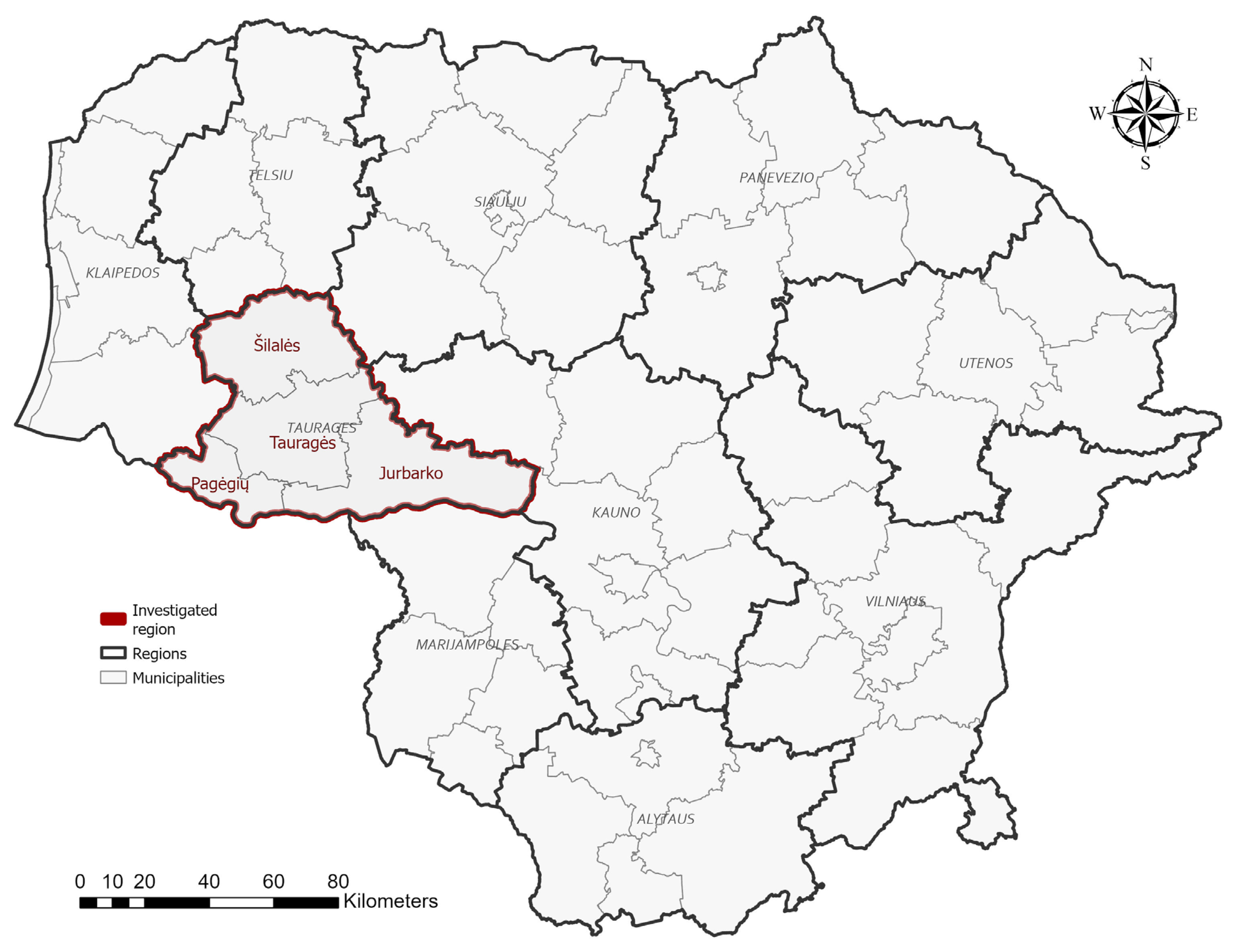
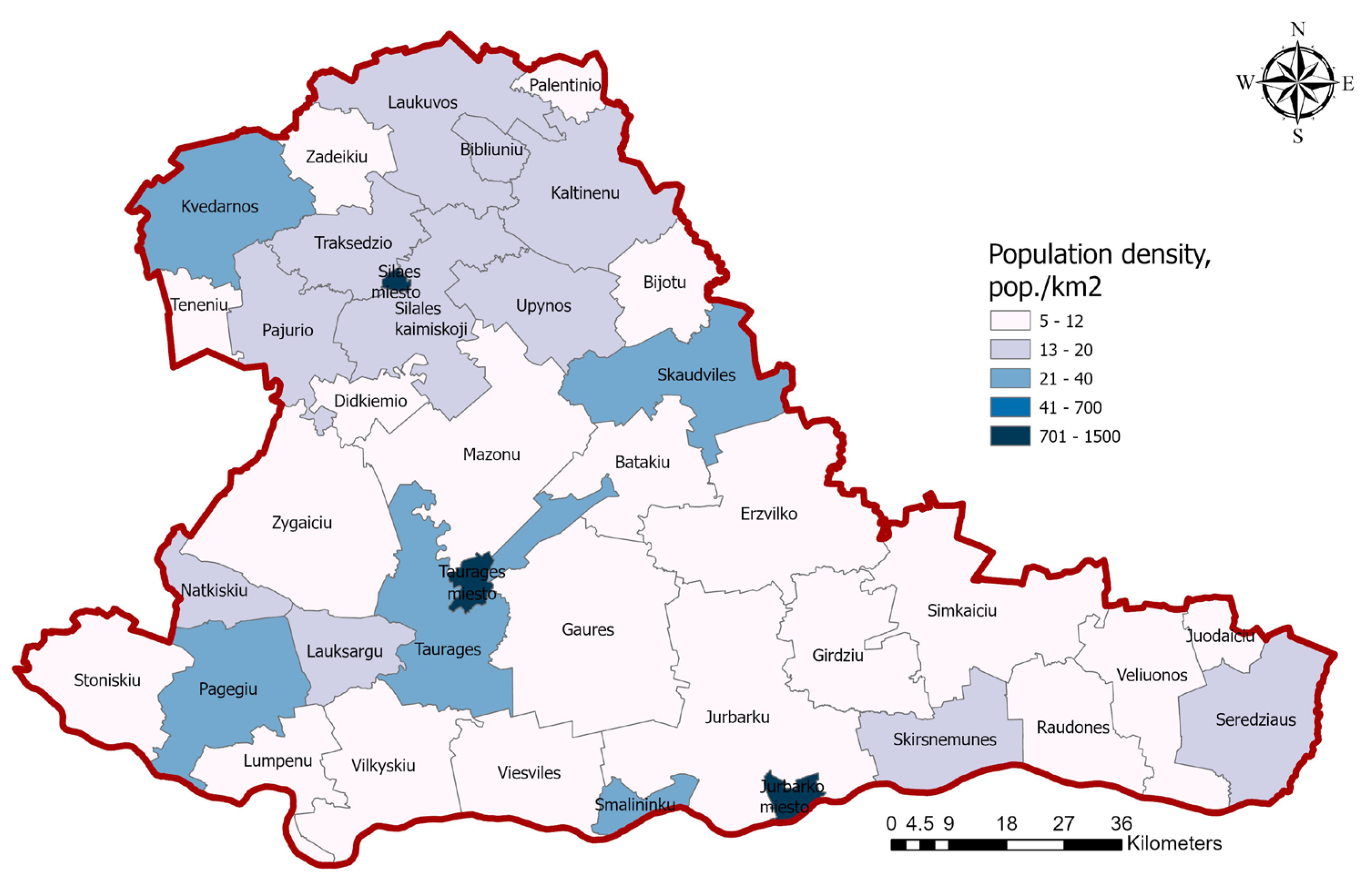
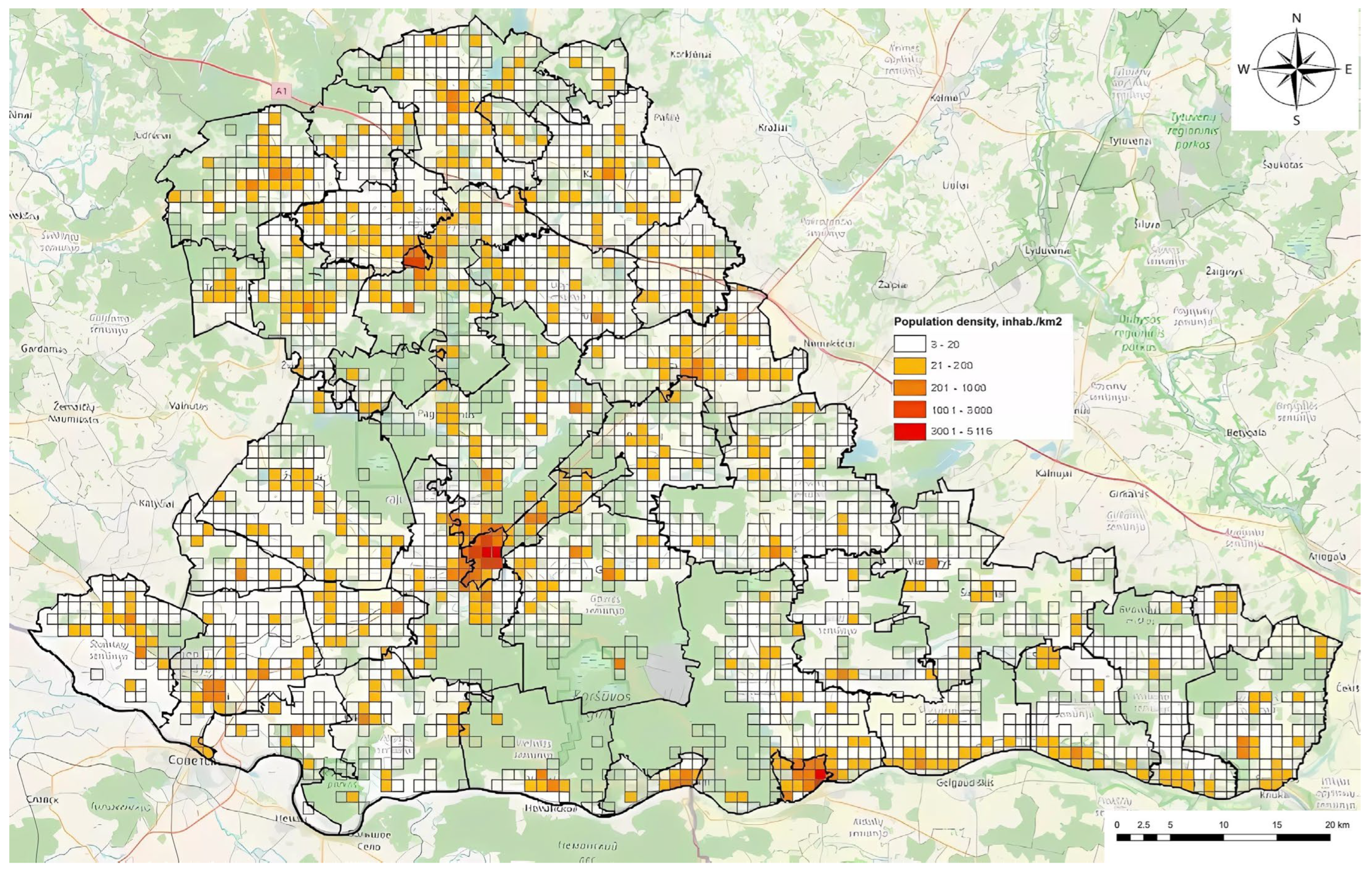
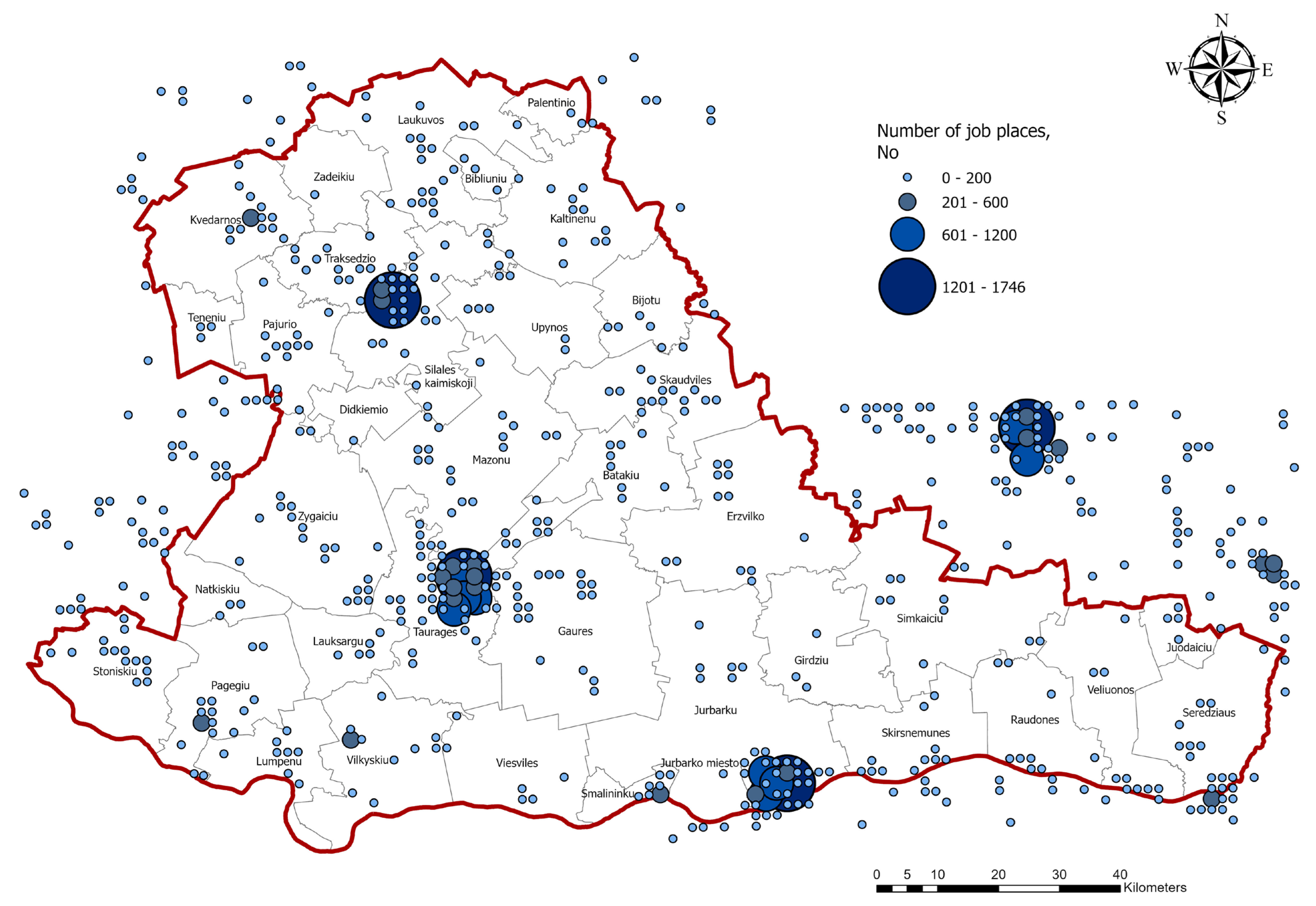
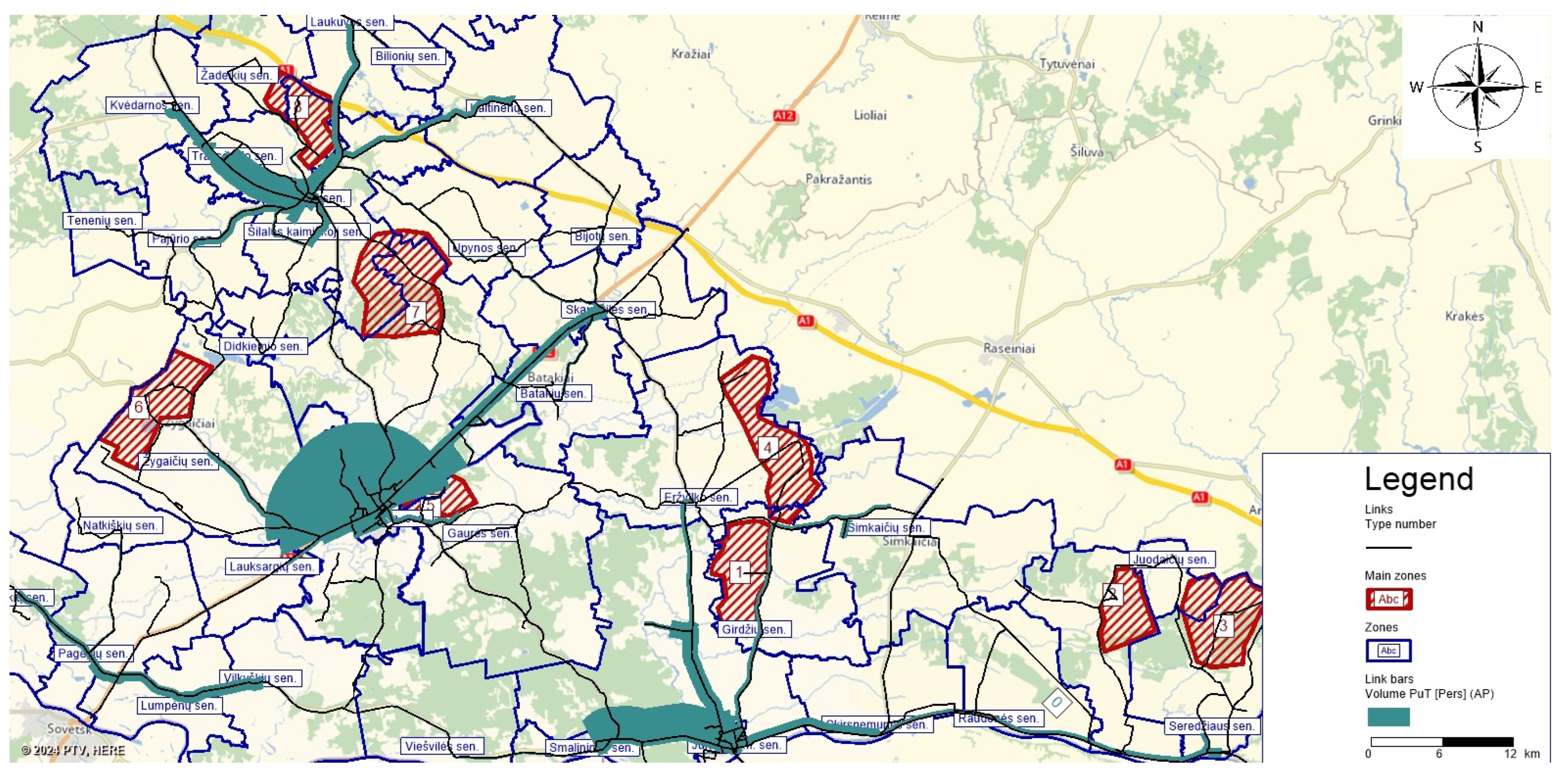
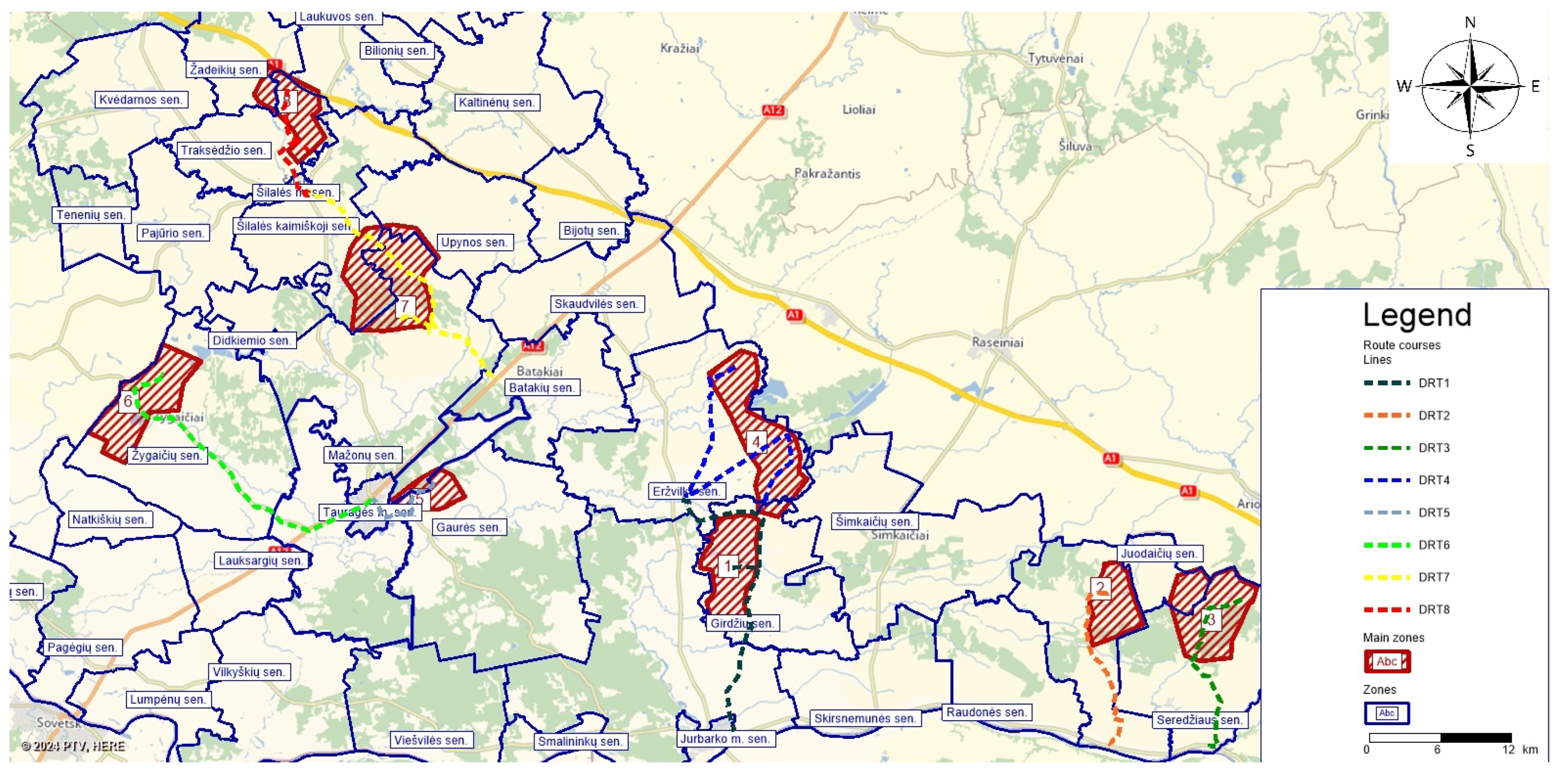
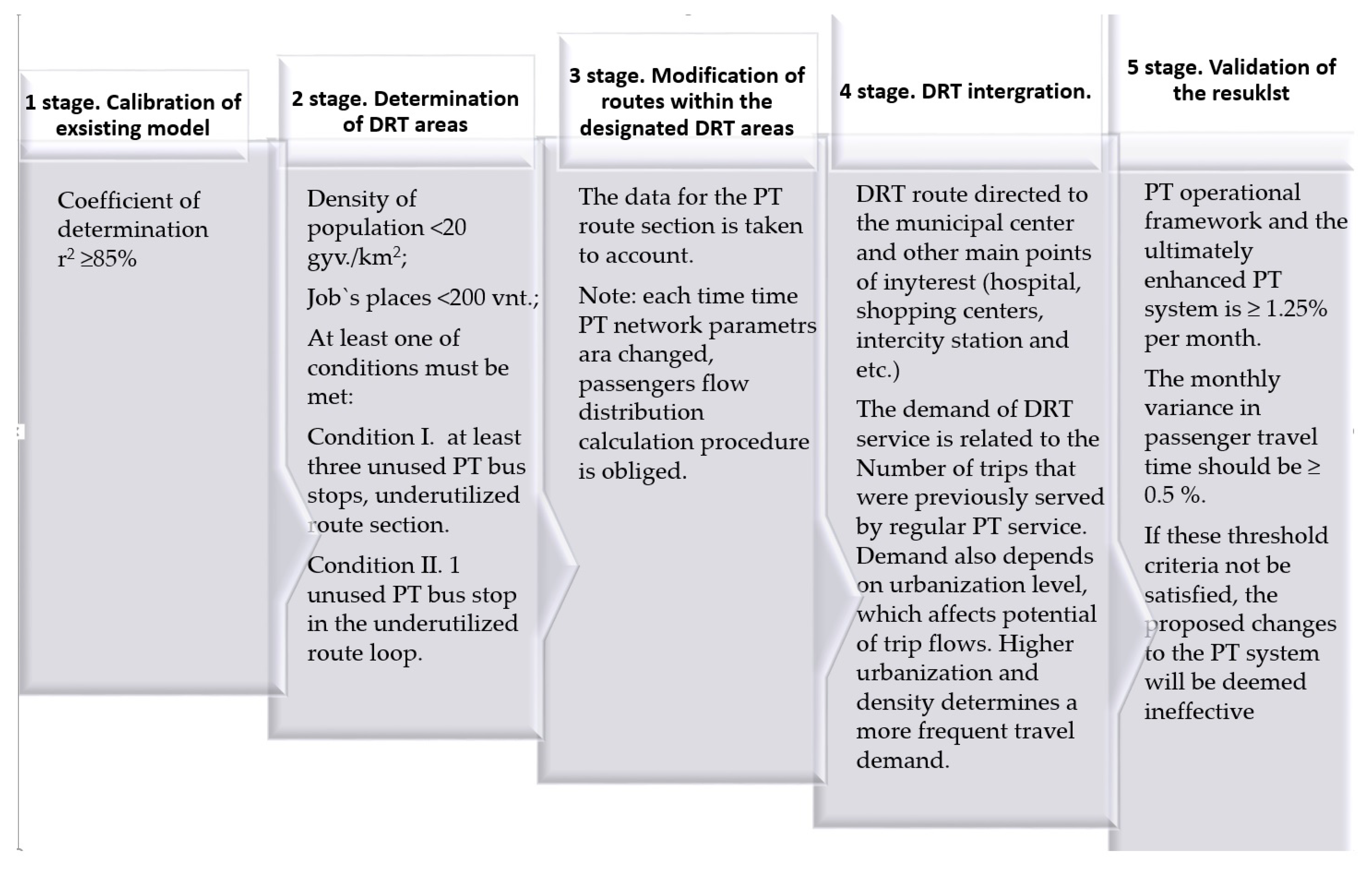
To address the evolving mobility requirements of local (suburban) and regional public transportation systems, it is imperative to employ service models capable of adapting to low-density and variable demand. This paper develops and tests a practical methodology aimed at identifying regions optimally suited for demand-responsive transport (DRT) and integrating DRT into regional public transport frameworks. At the beginning, a review of DRT system implementation practices in other countries is presented, and an analysis of international public transport macro-models is provided, which reveals structural differences between urban and regional environments. Then, the article describes the development and verification of a public transport macro-model for a selected region. With the help of the model, potential DRT territories in the analyzed region are defined and, using the macro-modeling of the PTV Vissum program, the implementation and results of DRT are evaluated. The fourth section of the article describes the refined methodology for selecting DRT territories and its transferability and parameterization for the wider application in other regions. The proposed methodology integrates multi-criteria spatial assessment, clustering techniques, and service scenario testing to identify low-demand zones, measure accessibility deficiencies, and select DRT designs that are appropriate for specific needs. The results showed that after changing the organization of the public transport service, the total bus mileage decreased from 287,684.18 km per month to 284,078.27 km/month (which is 1.25%), and the total time spent by passengers on trips decreased by 0.5% (the difference is 118 h 11 min).
Keywords: demand-responsive transport (DRT); low-density areas; modeling demand-responsive transport (DRT); low-density areas; modeling