Article

Path Planning for Autonomous Vehicle Control in Analogy to Supersonic Compressible Fluid Flow—An Obstacle Avoidance Scenario in Vehicular Traffic Flow

1
FLOW and Fluid Physics Laboratory, Department of Engineering Mechanics, KTH, 100 44 Stockholm, Sweden
2
School of Engineering, RMIT University, Melbourne, VIC 3000, Australia
*
Author to whom correspondence should be addressed.
Future Transp. 2025, 5(4), 173; https://doi.org/10.3390/futuretransp5040173

Submission received: 4 October 2025 / Revised: 29 October 2025 / Accepted: 5 November 2025 / Published: 10 November 2025

Abstract

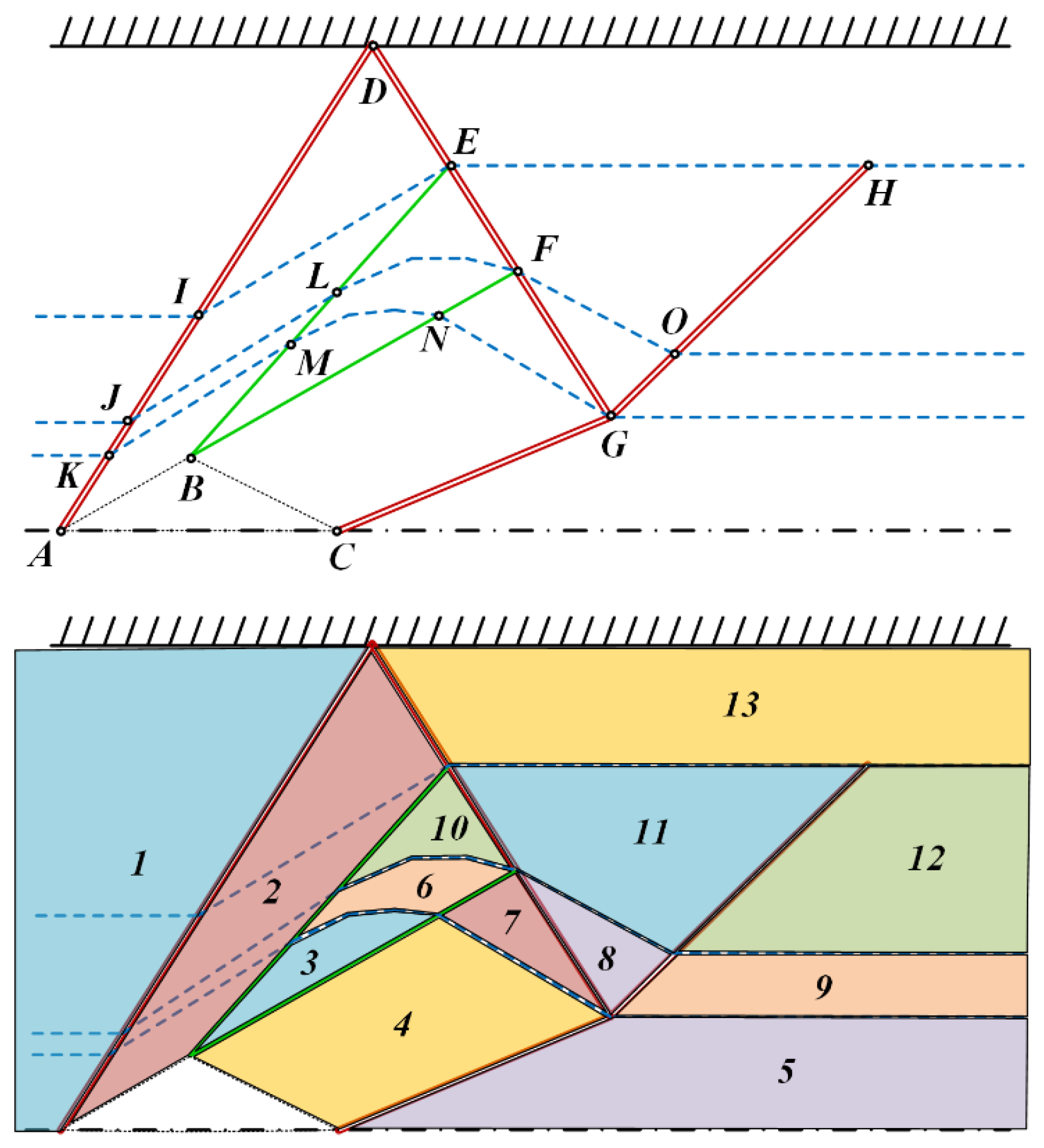
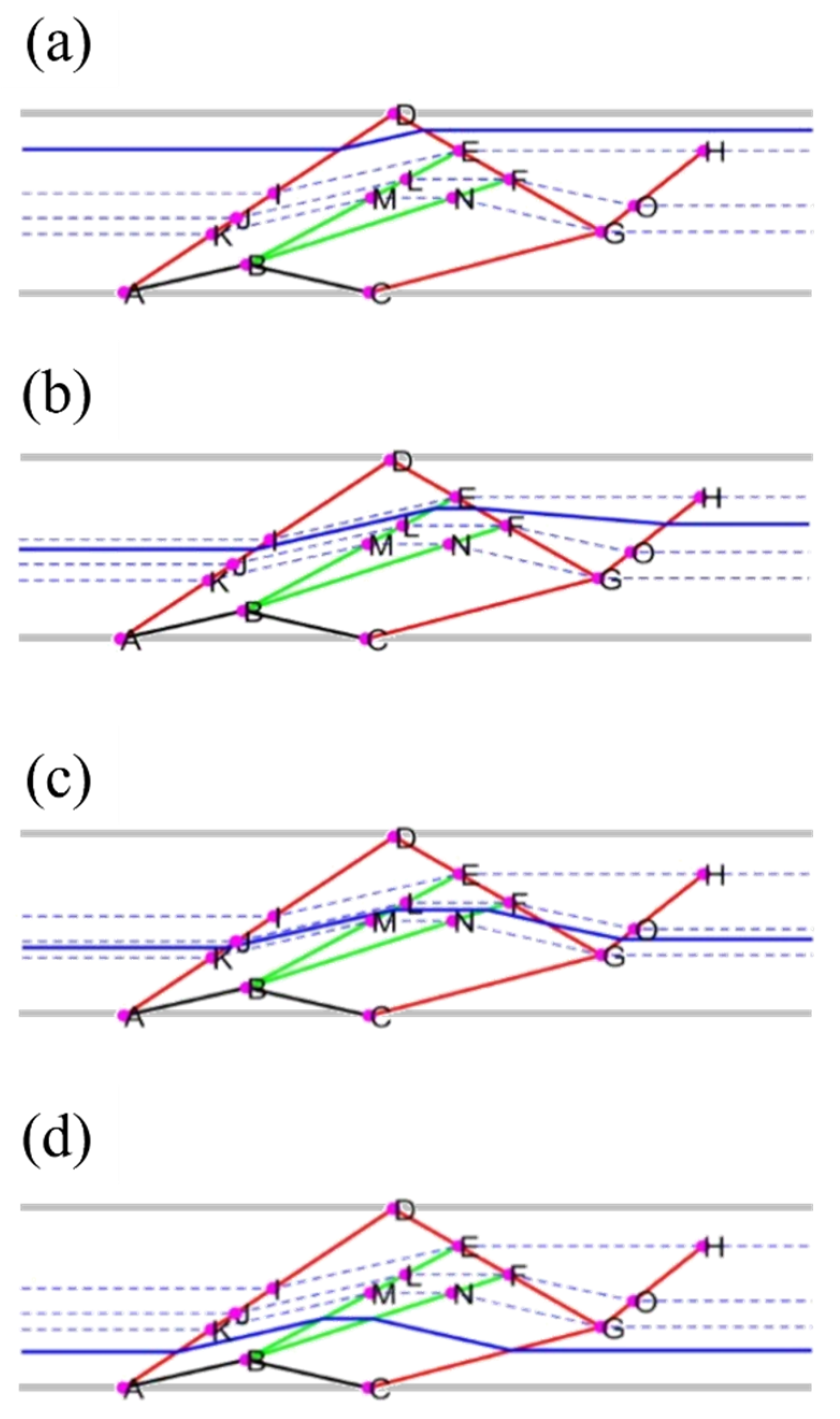
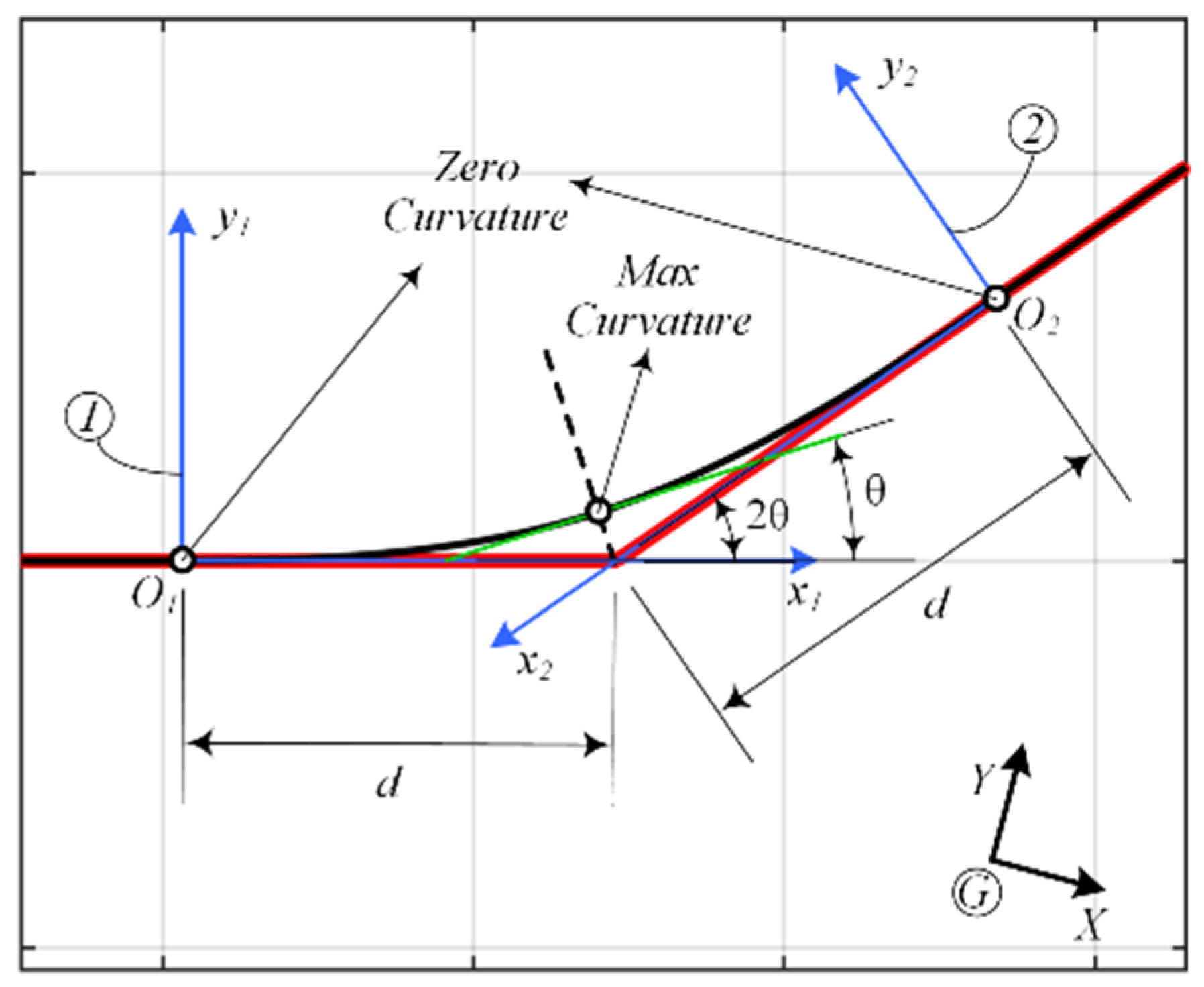
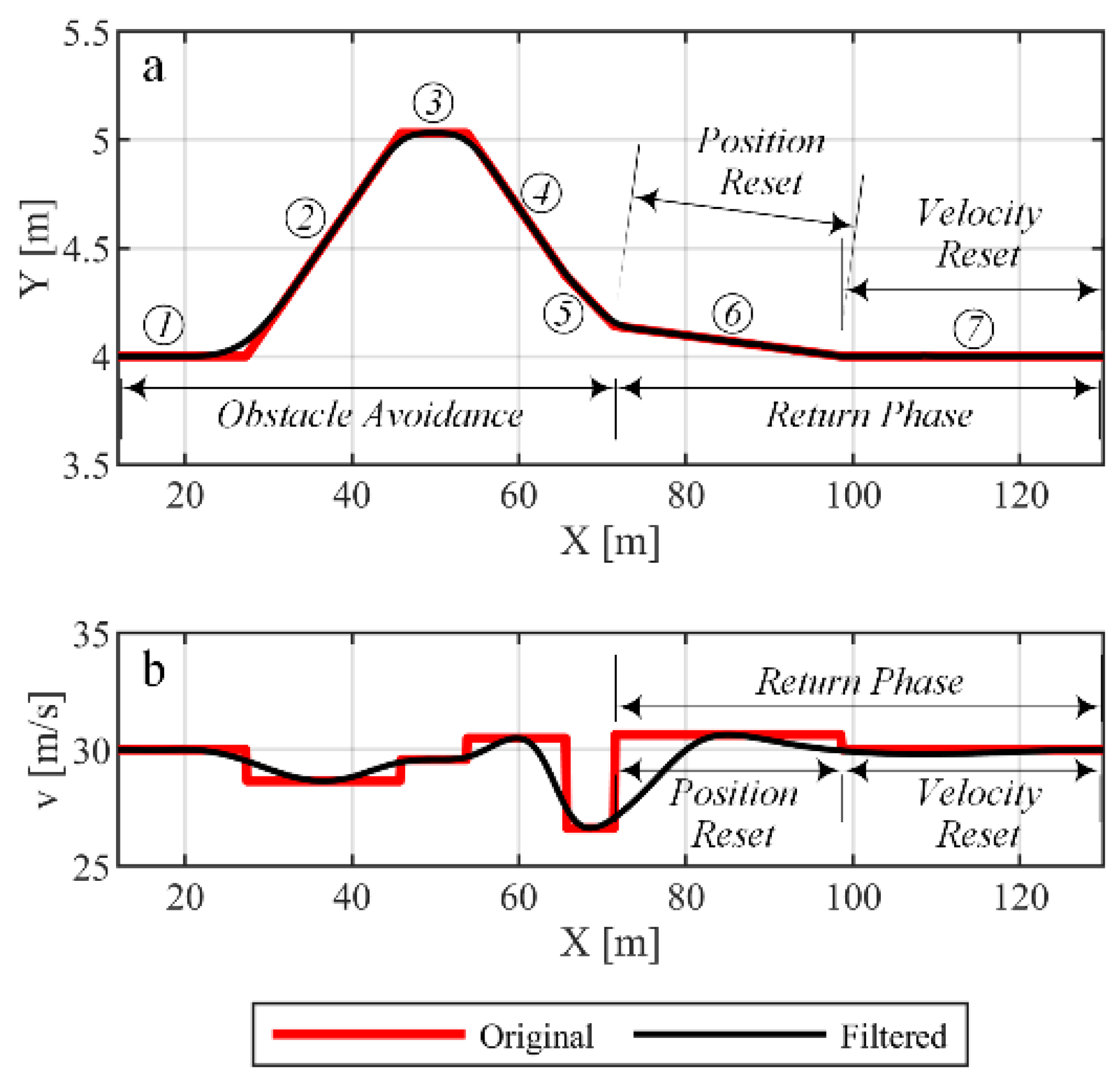
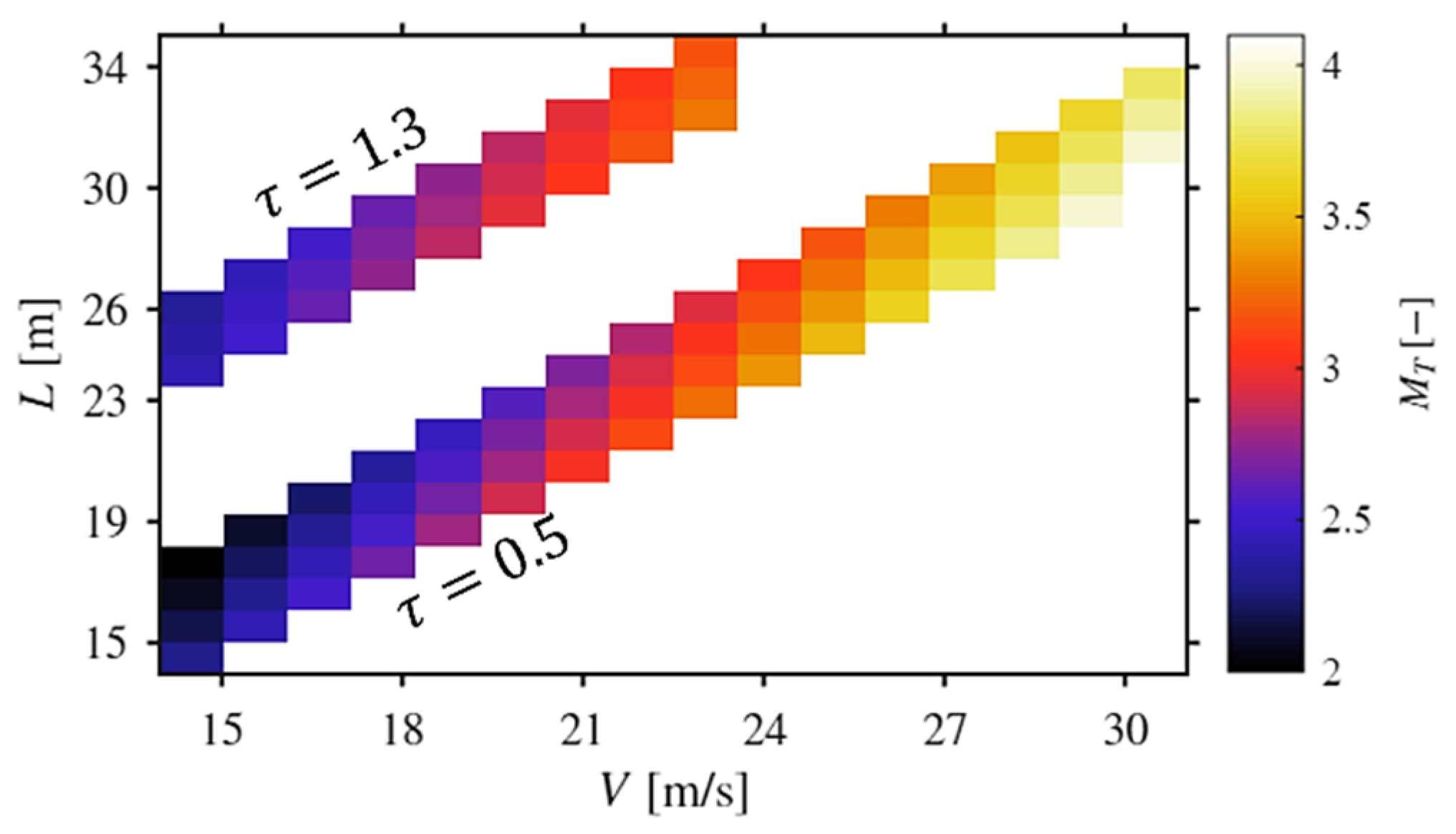
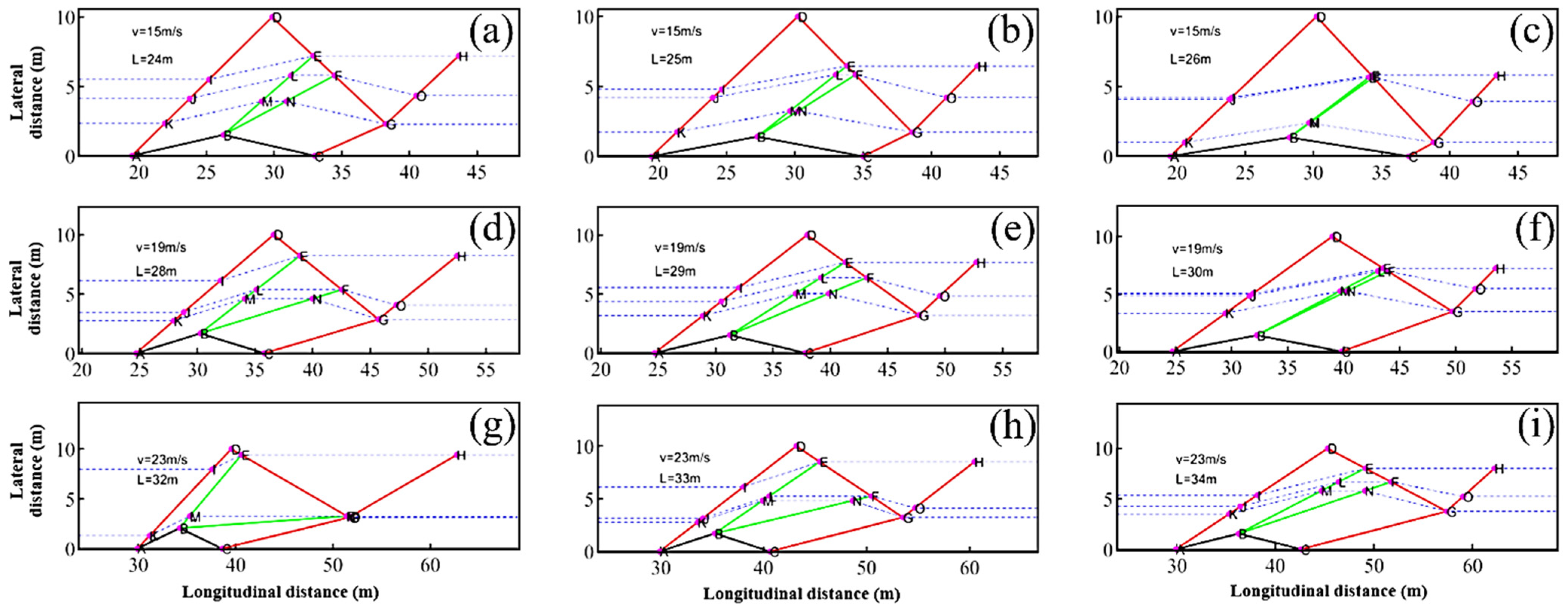
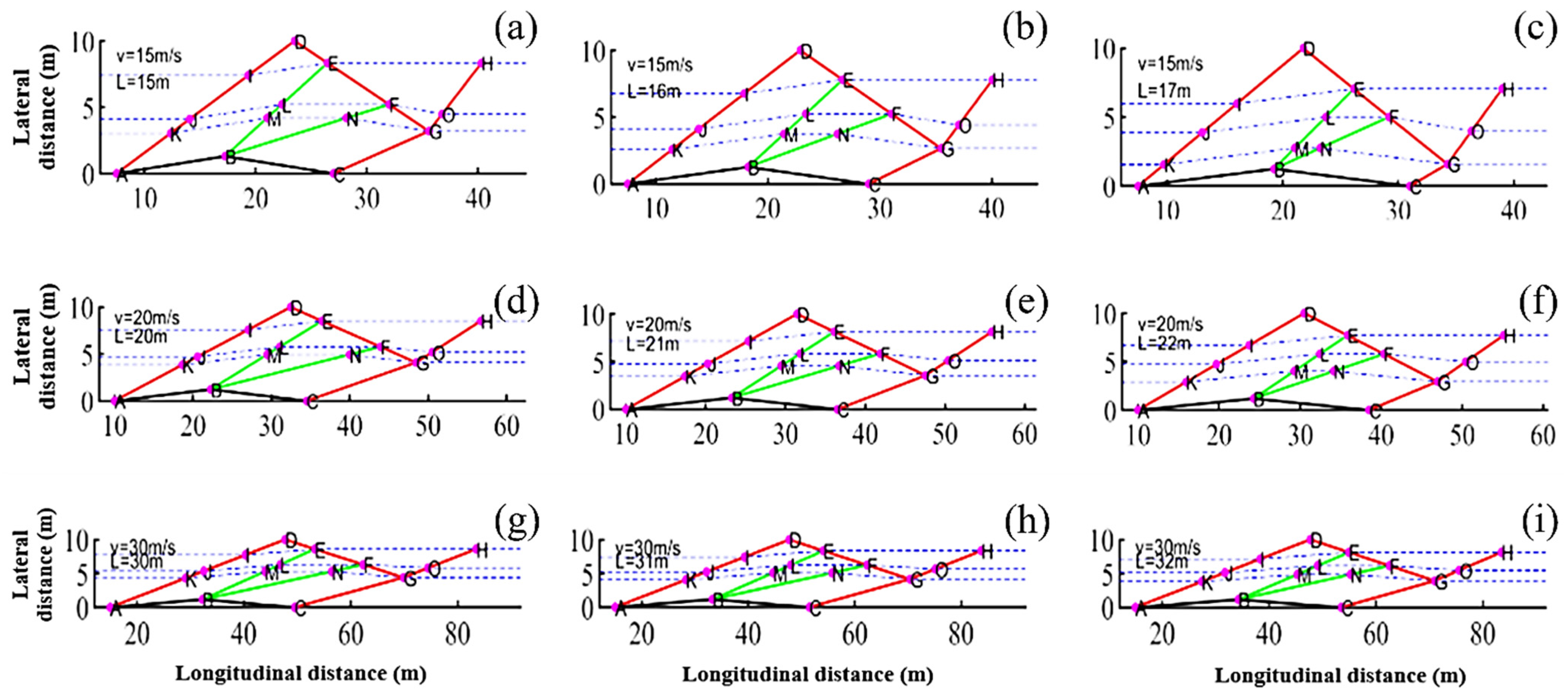
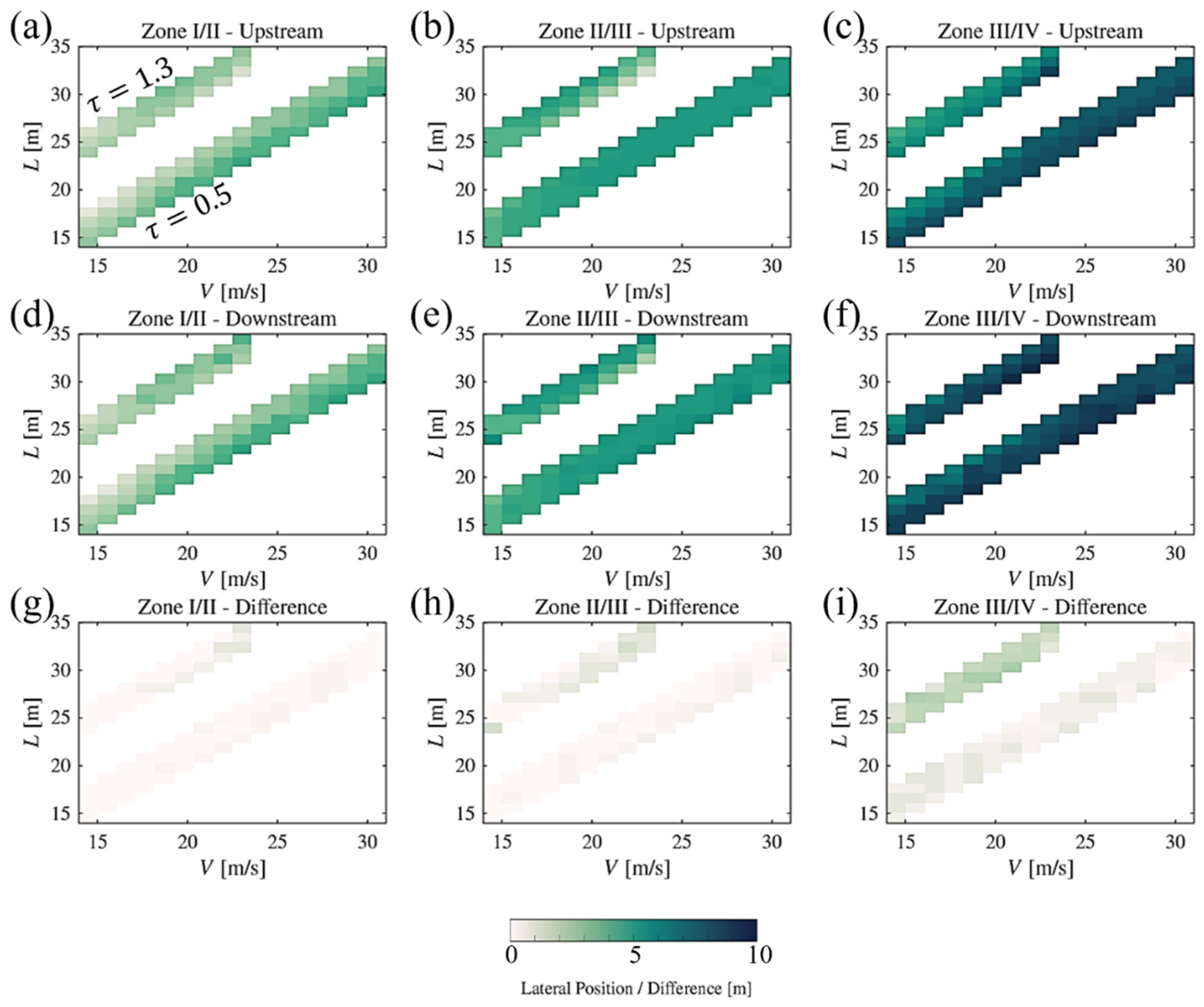
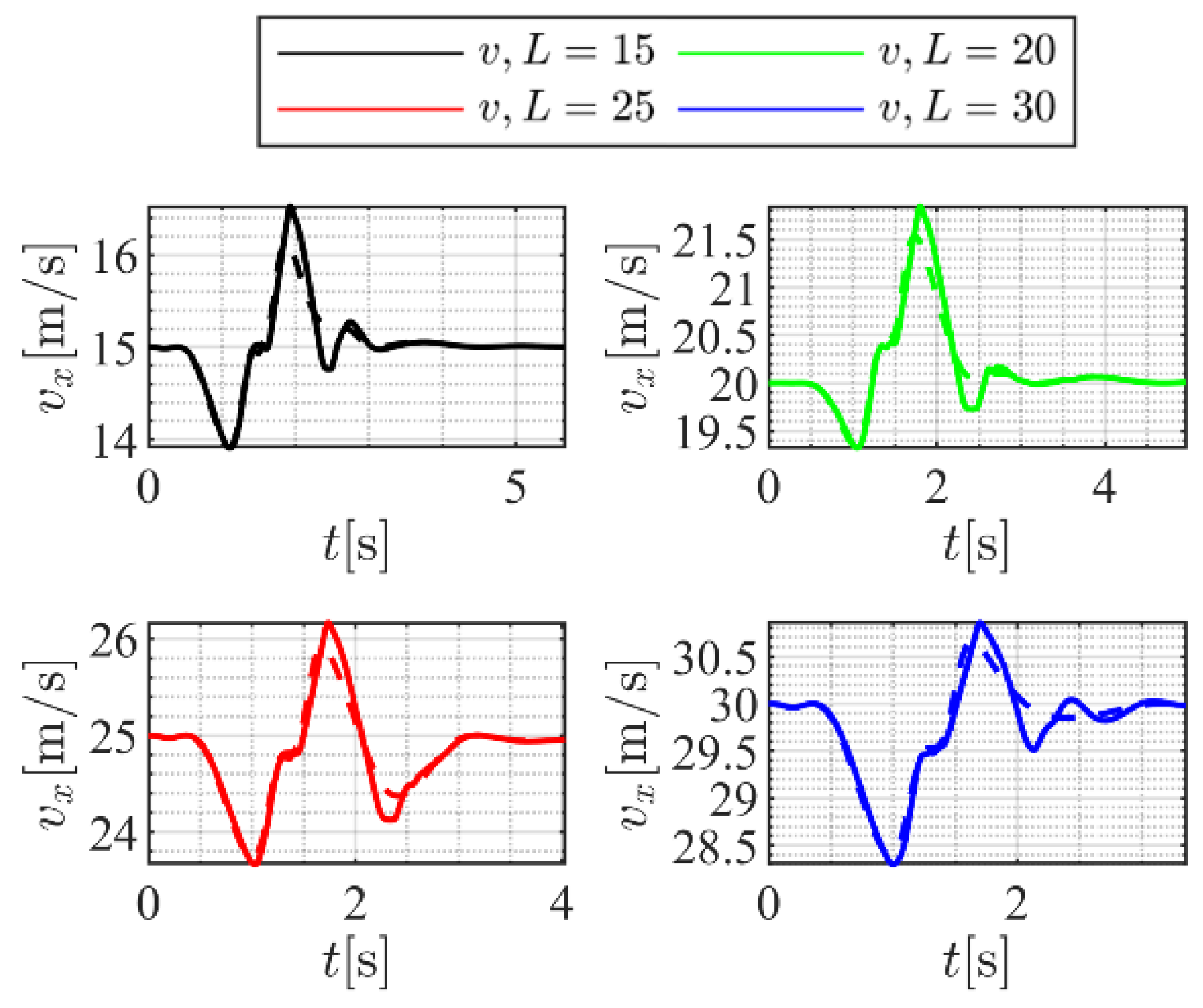
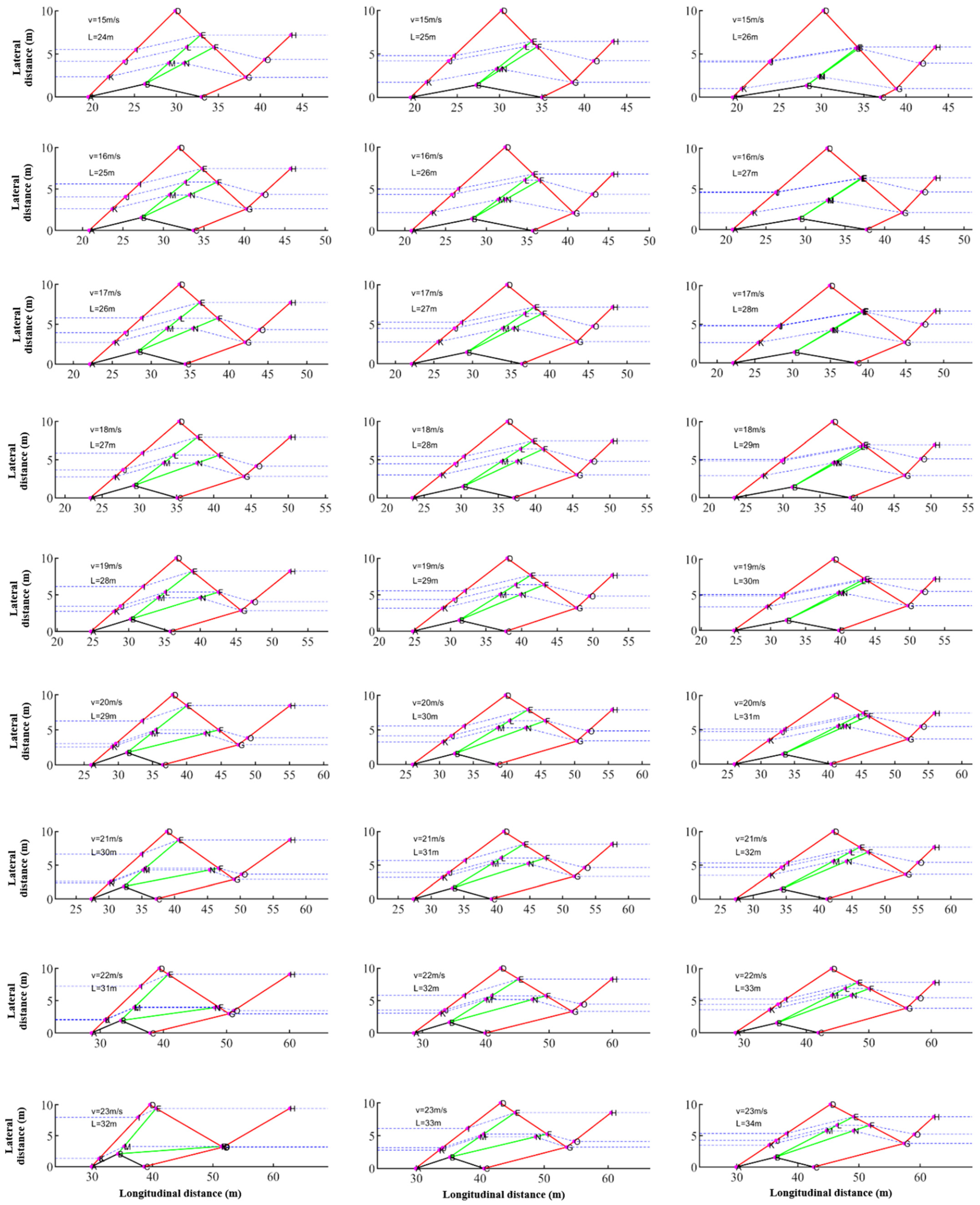
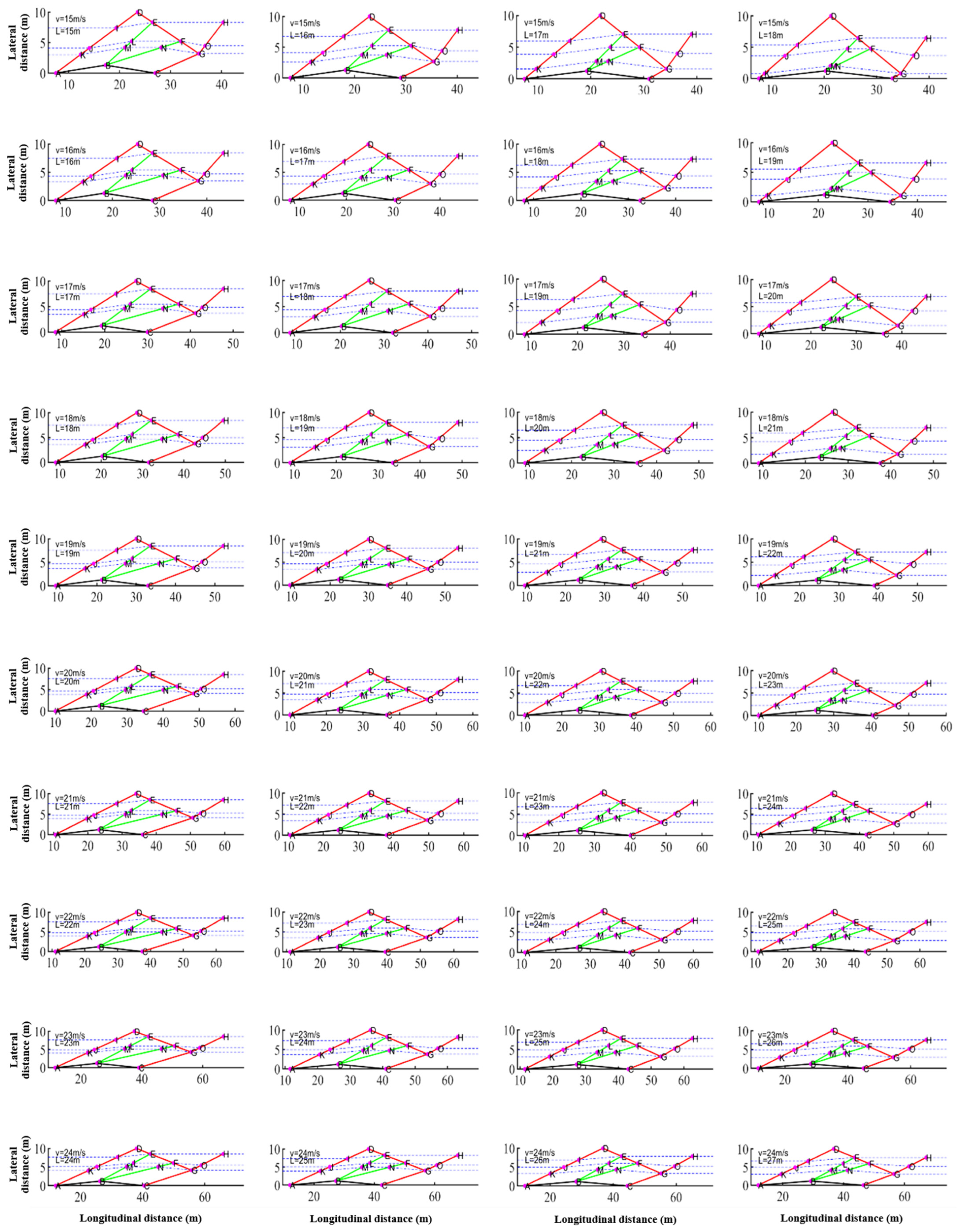
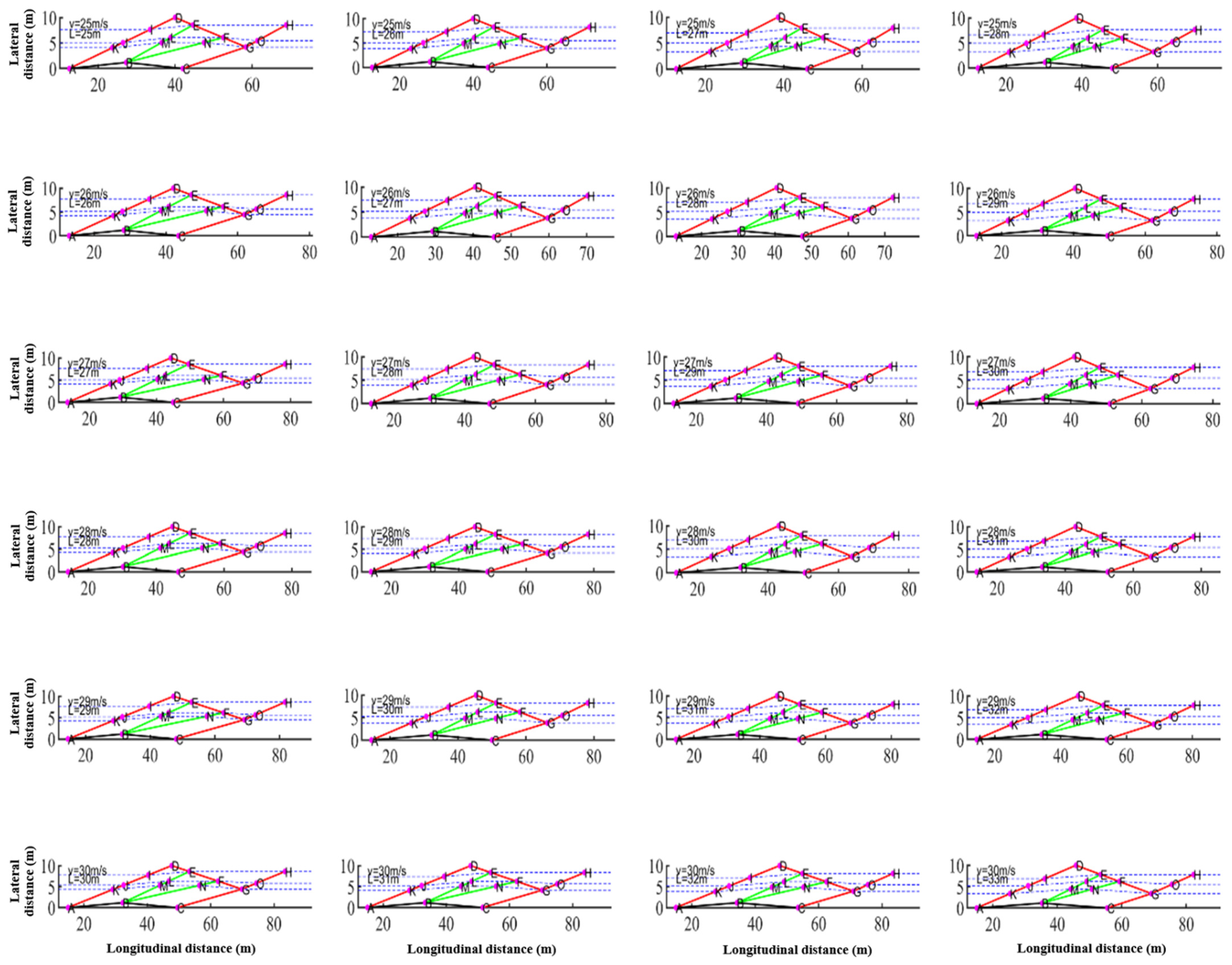
There have been many attempts to model the flow of vehicular traffic in analogy to the flow of fluids. Given the evident change in distance between vehicles driving in platoons, the compressibility of traffic flow is inferred and, considering the reaction time-scales of the driver (human or autonomous), it is argued that this compressibility is increased as relative velocities increase—giving the lag in imposed redirection by the driver and the controller units a higher relative importance. Therefore, a supersonic compressible flow field has been opted for as the most analogous base flow. On this point, added to by the overall extreme similarities of the two above-mentioned flows, the non-dimensional group of the traffic Mach number MT has been defined in the present research, providing the possibility of calculating a suggested flow field and its corresponding shockwave systems, for any given obstacle ahead of the traffic flow. This suggested flow field is then taken as the basis to obtain trajectories designed for avoiding collision with the obstacle, and in compliance with the physics of the underlying analogous fluid flow phenomena, namely the internal supersonic compressible flow around a double wedge. It should be noted that herein we do not model the traffic flow but propose these trajectories for more optimal collision avoidance, and therefore the above-mentioned similarities (explained in detail in the manuscript) suffice, without the need to rely on full analogies between the two flows. The manuscript further analyzes the applicability of the proposed analogy in the path-planning process for an autonomous passenger vehicle, through dynamics and control of a full-planar vehicle model with an autonomous path-tracking controller. Simulations are performed using realistic vehicle parameters and the results show that the fluid flow analogy is compatible with the vehicle dynamics, as it is able to follow the target path generated by fluid flow calculations with minor deviations. Simulation results demonstrate that the proposed method produces smooth and dynamically consistent trajectories that remain stable under varying traffic scenarios. The controller achieves accurate path tracking and rapid convergence, confirming the feasibility of the fluid-flow analogy for real-time vehicle control.
Keywords: collision avoidance; supersonic compressible fluid flow; gas dynamics; vehicle control; path planning collision avoidance; supersonic compressible fluid flow; gas dynamics; vehicle control; path planning