Review

Lactic Acid Bacteria: From Bioprocessing to Nanomedicine

1
Department of Life and Environmental Sciences, University of Cagliari, Cittadella Universitaria di Monserrato, Monserrato, 09124 Cagliari, Italy
2
Advanced Nanobiotechnology and Nanomedicine Research Group (ANNRG), Iran University of Medical Sciences, Tehran 14496-4535, Iran
3
Department of Biomedical Sciences, Arthur A. Dugoni School of Dentistry, University of the Pacific, San Francisco, CA 94103, USA
*
Author to whom correspondence should be addressed.
Submission received: 31 October 2025 / Revised: 15 January 2026 / Accepted: 21 January 2026 / Published: 27 January 2026
(This article belongs to the Special Issue Feature Papers in BioChem, 2nd Edition)

Abstract

Background/Objectives: Lactic acid bacteria have long been recognized as pivotal microorganisms in food fermentation and health promotion. However, their significance has recently grown due to innovative applications in various fields, particularly at the intersection of biotechnology and nanotechnology. This study aimed to provide a comprehensive overview of these emerging applications. Methods: The latest scientific literature was drawn from online databases and thoroughly reviewed. The new nomenclature system based on the post-2020 reclassification was used for reports. Results: The current study highlighted the evolving role of lactic acid bacteria, beyond their traditional use as starter cultures for food fermentation, in newer challenges, including the production of high-value bioactive compounds through bioprocessing under optimal conditions to enhance the yield, underlining the involved genes and pathways. Furthermore, this review addressed the beneficial effects of lactic acid bacteria as probiotics, postbiotics, and paraprobiotics in the treatment of various diseases and disorders, their application in the production of functional foods, and the encapsulation of their bioproducts to produce advanced health-promoting functional ingredients. The potential use of lactic acid bacteria to synthesize metallic nanoparticles, minicells, and carbon dots was also explored, promising significant advancements in nanomedicine. Conclusions: This review could open a new horizon for leveraging the potential of lactic acid bacteria in biotechnology, food science, and nanomedicine. The multilateral perspective offered here would provide a foundation for future research and development to exploit the capabilities of lactic acid bacteria across these innovative fields.

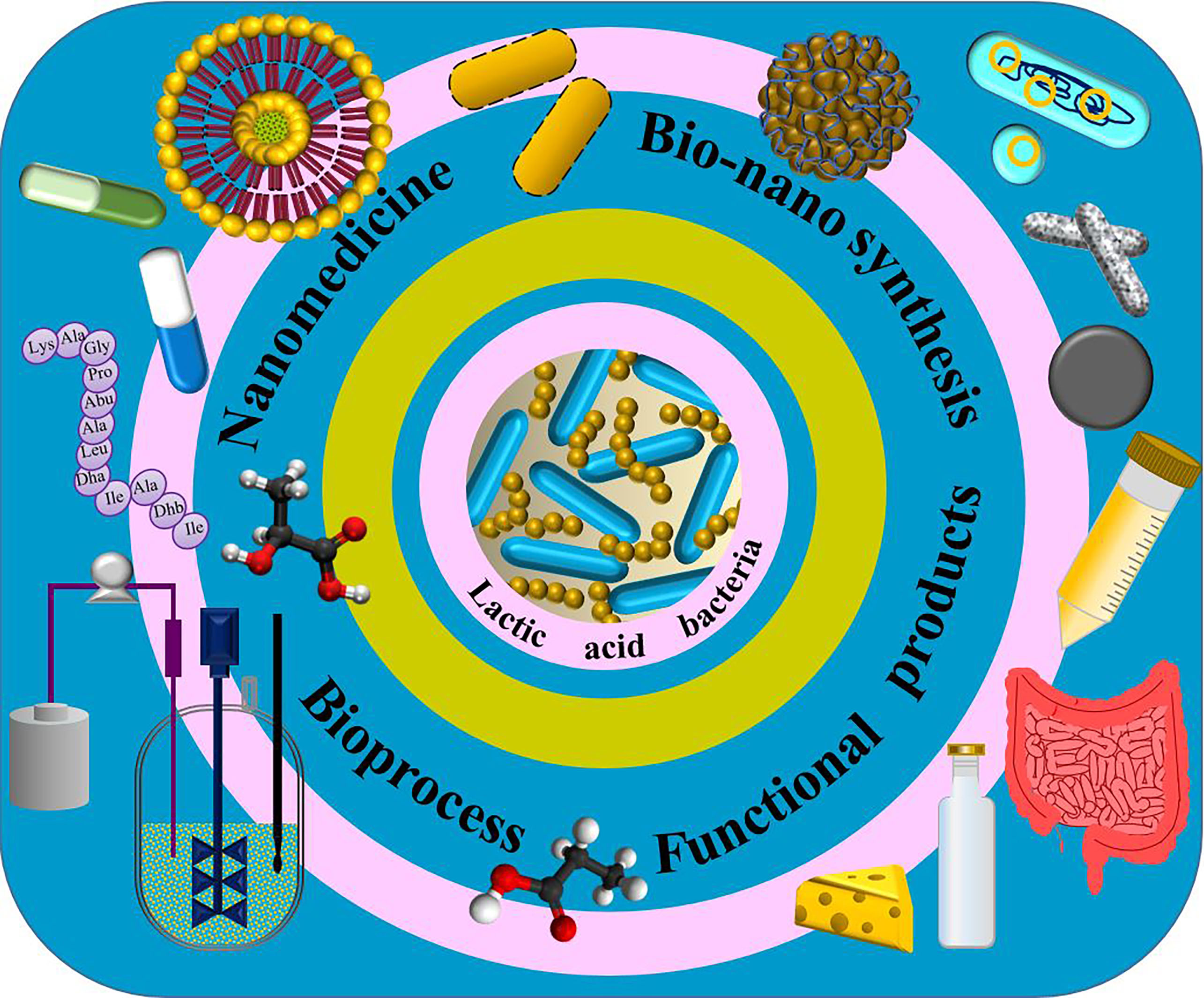
Graphical Abstract

1. Introduction

Lactic acid bacteria (LAB) are Gram-positive, catalase-negative, acid-tolerant, non-motile, non-sporulating, aerotolerant, and non-respiring microorganisms that can exist in rod-shaped or cocci forms [1]. Their primary characteristic is the production of lactic acid via the fermentation of carbohydrates, which serve as their main carbon source. LAB comprise the genera of Lactobacillus, Lactococcus, Pediococcus, Streptococcus, Leuconostoc, Aerococcus, Carnobacterium, Alloiococcus, Enterococcus, Dolosigranulum, Oenococcus, Weissella, Vagococcus, and Tetragenococcus [2].
Traditionally, the classification of LAB was based on biochemical and physiological characteristics. Recently, techniques such as 16S rRNA gene sequencing, random amplified polymorphic DNA profiling, soluble protein patterns, PCR-based fingerprinting, and other molecular characterization methods have been employed to identify and classify LAB [3]. Advances in bacterial taxonomy have been driven by the development of whole-genome sequencing and improved computational capacities, enabling the rapid comparison of entire bacterial genomes [4]. In 1901, Beijerinck proposed the genus Lactobacillus, which includes Gram-positive, facultatively anaerobic, non-spore-forming, and fermentative bacteria [5]. For decades, the most newly discovered bacteria of this type were routinely added to this genus. By March 2020, Lactobacillus encompassed 261 species that exhibited diversity at genotypic, ecological, and phenotypic levels. In April 2020, Zheng et al. [5] reclassified the Lactobacillus genus and proposed an emendation to describe the Lactobacillaceae family, incorporating all genera previously classified under the Lactobacillaceae and Leuconostocaceae families. Through this taxonomic reorganization of LAB, over 300 species, formerly categorized within seven genera and two families, were reclassified into the Lactobacillaceae family, comprising 31 genera including Lactobacillus, Pediococcus, Paralactobacillus, Leuconostoc, Fructobacillus, Weissella, Oenococcus, and Convivina, as well as 23 newly established genera [5,6]. The proposed novel genera include Bombilactobacillus, Amylolactobacillus, Holzapfelia, Companilactobacillus, Lapidilactobacillus, Agrilactobacillus, Loigolactobacillus, Schleiferilactobacillus, Latilactobacillus, Lacticaseibacillus, Dellaglioa, Liquorilactobacillus, Lactiplantibacillus, Ligilactobacillus, Paucilactobacillus, Furfurilactobacillus, Fructilactobacillus, Limosilactobacillus, Acetilactobacillus, Apilactobacillus, Lentilactobacillus, Secundilactobacillus, and Levilactobacillus [5]. This revised taxonomy has streamlined regulatory approval processes and opened new avenues for scientific exploration. Since 2020, several new species have been described, aligning with the metabolic and ecological traits of the proposed genera [6]. The key Lactobacillus species studied in this review and their updated names (post-2020 revision) are presented in Table 1.
LAB have been extensively used in the food industry for centuries due to their vital role in fermentation. They ferment food carbohydrates, promote the decomposition of lipids and proteins, and contribute to product flavor development by producing various organic acids, ketones, aldehydes, alcohols, and esters. Additionally, they can improve the product texture and serve as bioprotective cultures by producing antimicrobial compounds. In recent decades, the importance of LAB has expanded beyond their traditional role in producing various fermented foods. They have garnered considerable attention for their crucial contributions to biotechnology, nanotechnology, and the development of functional foods and health-promoting products, such as probiotic- and symbiotic-based products. Probiotics are live microorganisms that confer health benefits to the host when administered in adequate amounts. A product containing at least 106 CFU/g of these viable microorganisms may be considered a probiotic-containing product [7]. In symbiotic-based products, probiotic LAB are combined with prebiotics—nondigestible dietary carbohydrates that promote the growth or metabolic activity of beneficial intestinal microorganisms. Combining probiotics with prebiotics, such as fructooligosaccharides, inulin, and galactooligosaccharides, can enhance their effectiveness [8]. The primary mechanism behind the health benefits of probiotics is their ability to colonize the human gut and interact with the complex ecosystem of the gastrointestinal tract. Therefore, probiotics speed up gastrointestinal transit, modulate the gastrointestinal microbiota, and inhibit the growth of pathogenic microorganisms by competing for essential nutrients and limiting their colonization and adhesion to the gastrointestinal mucosa. Moreover, probiotics regulate lipid metabolism, synthesize vitamins within the gastrointestinal tract, improve electrolyte absorption in the intestine, neutralize toxins, decrease the production of pro-inflammatory cytokines, and promote immune system function [9,10]. Recently, postbiotics and paraprobiotics have emerged as promising alternatives to traditional probiotics, particularly for immunocompromised individuals [11].
Paraprobiotics, also known as inactivated or ghost probiotics, are nonviable microbial cells or crude cell extracts that still confer health-promoting effects when administered in adequate amounts [12]. By contrast, postbiotics are soluble products or metabolites secreted by live bacteria or released during bacterial cell lysis, which exert health benefits [13]. However, in many cases, the term postbiotics has been used to describe both paraprobiotics and postbiotics [14].
Functional foods can be defined as foods containing bioactive compounds, offering health benefits beyond basic nutrition [15]. A recently proposed definition for functional foods refers to formulated foods that contain live microorganisms or substances that provide health benefits at safe and adequately high concentrations for the intended advantage [16]. Optimizing culture conditions to maximize yield is critical when producing functional bioproducts by LAB. These bioactive compounds can be incorporated directly into functional products during bioprocessing or added afterward. Encapsulation techniques are frequently employed to prevent undesirable interactions between these bioactive compounds and other components of functional products while improving their bioavailability [17].
LAB’s ability to synthesize nanoparticles (NPs) opens new avenues for applications in drug delivery, as well as biosensing and therapeutic interventions, positioning these bacteria as critical players in emerging nanomedicine.
This review will focus on these exciting and innovative aspects, particularly highlighting recent achievements.

2. Methodology

A comprehensive search was conducted using the online databases, PubMed, Scopus, MEDLINE, and Google Scholar to select relevant English language articles published between 2016 and 2025. The articles were then independently screened for quality and validity, with the scientific findings from the highest-quality studies incorporated into the review. In this process, expert opinions, compendiums, symposia, conference proceedings, and letters to the editor were excluded. The inclusion criteria focused on observational, longitudinal, in vitro and in vivo studies, review articles, systematic reviews, and book chapters. The new nomenclature system, following the 2020 revision, was used for reports.

3. The Role of LAB in Bioprocessing

3.1. LAB-Mediated Bioprocess for Lactic Acid Production

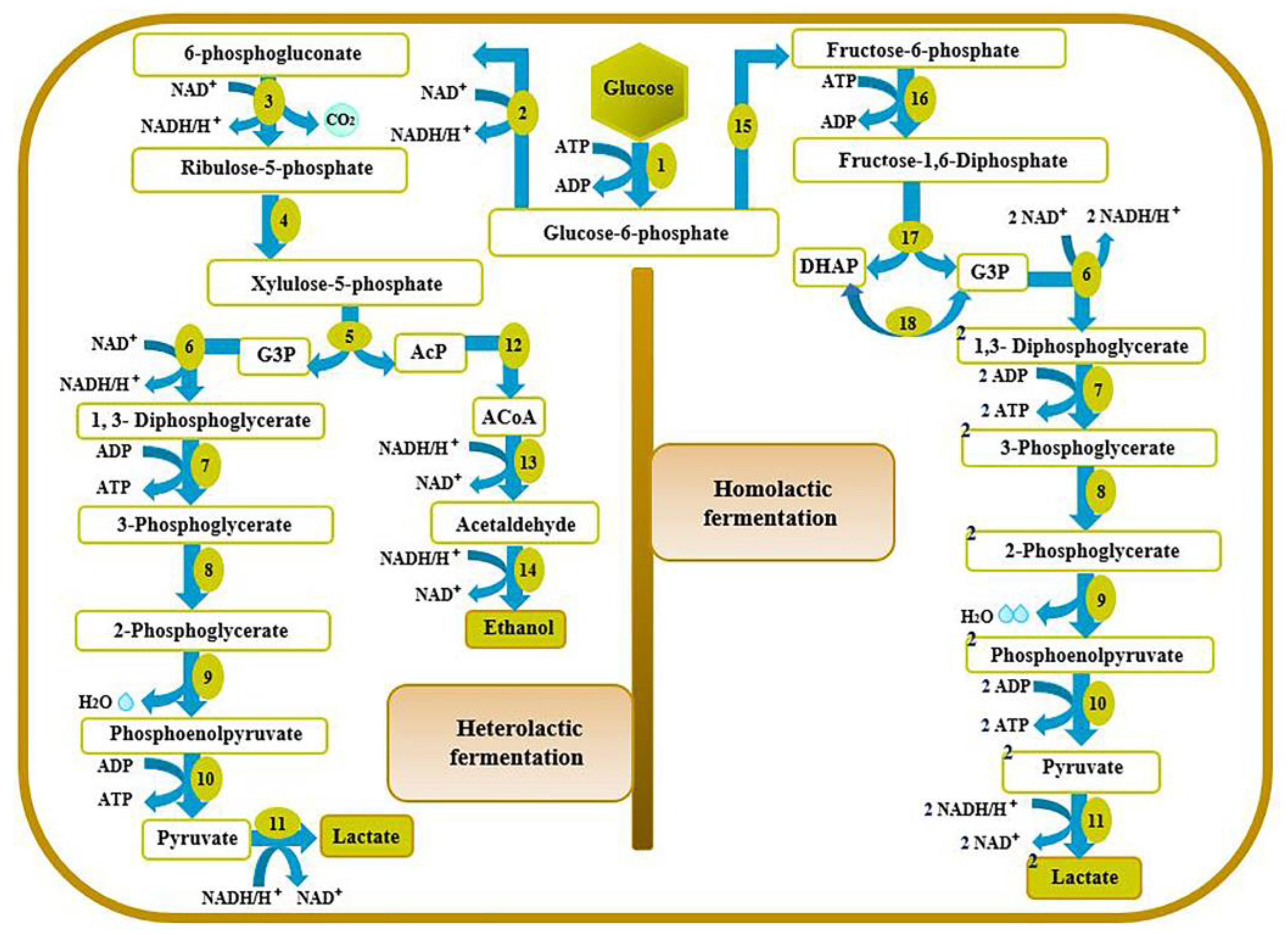
LAB function as biofactories for various metabolites. Through the fermentation of carbohydrates, LAB generate lactic acid as the primary product. Based on their carbohydrate fermentation capabilities, LAB can be categorized as homofermentative or heterofermentative bacteria. Homolactic fermentation, carried out by genera such as Streptococcus and Lactococcus, produces two lactate molecules for every glucose molecule. By contrast, heterofermentative genera, such as Weissella and Leuconostoc, convert one glucose molecule into lactate, ethanol, and carbon dioxide (Figure 1) [3].
The conversion of glucose into end-products in homofermentative LAB is mediated by the Embden–Meyerhof pathway (EMP). By contrast, heterofermentative LAB use the phosphoketolase pathway (PKP) to generate lactic acid and by-products [18]. The enzymes involved in these pathways are illustrated in Figure 1. Lactate dehydrogenase (LDH), the key enzyme in lactic acid production, catalyzes the conversion of pyruvate into lactate [19]. Genomic analyses have revealed that the lactate dehydrogenase gene (ldh) plays a crucial role in lactic acid production, and its expression can be increased through genetic engineering to achieve high industrial lactate production [20].

3.2. LAB-Mediated Bioprocess for Fatty Acid Production

LAB can produce short-chain fatty acids (SCFAs), carboxylic acids with fewer than six carbon atoms, primarily acetate, propionate, and butyrate [21]. The production of these SCFAs is closely linked to the activity of genes such as pdhA (pyruvate dehydrogenase A), pdhB, pdhC, pdhD, ldh, acyP (acylphosphatase P), and adhE (alcohol/acetaldehyde dehydrogenase) within the glycolysis/gluconeogenesis pathway. Specifically, the acyP, pdhA, and pdhB genes were reported to be associated with acetate formation from pyruvate, while adhE was shown to be implicated in butyrate production [22].
Moreover, conjugated linoleic acid (CLA) can be synthesized during fermentation from precursors such as linoleic, ricinoleic, and vaccenic acids or from oils rich in these fatty acids. CLA, a polyunsaturated fatty acid, is well-known for its health-promoting properties, including anticarcinogenic, anti-obesity, and anti-osteoporotic effects, as well as its ability to reduce blood lipid levels and lower the risk of cardiovascular diseases [23]. Although the precise mechanism of CLA production has remained unclear, it is hypothesized to be a bacterial detoxification strategy to counter the inhibitory effects of elevated free linoleic acid on bacterial growth [24]. The biosynthesis of CLA is conducted by multiple enzymes, including CLA hydratase (CLA-HY), CLA short-chain dehydrogenase (CLA-DH), and CLA acetoacetate decarboxylase (CLA-DC). These enzymes catalyze hydration, dehydration, and isomerization reactions, respectively [25]. Some studies suggest that activation of multiple genes in a multiple-step reaction as a stress response triggers CLA production [26]. The genes lp_0139 (cla-hy), lp_0060 (cla-dh), and lp_0061 (cla-dc) encode the enzymes CLA-HY, CLA-DH, and CLA-DC, respectively [25]. A correlation was reported between the CLA yield in Lactiplantibacillus plantarum and the transcriptional maintenance ability of the involved genes [27].

3.3. LAB-Mediated Bioprocess for Bacteriocin Production

Bacteriocins are active, ribosomally synthesized peptides known for their antimicrobial properties. These compounds can be categorized into three main classes: class I, small (<5 kDa), post-translationally modified peptides or lantibiotics; class II, small (<10 kDa), post-translationally unmodified peptides; and class III, large (>30 kDa) macromolecules [28]. LAB produce a variety of protease-sensitive, heat-stable bacteriocins [29]. Ongoing efforts aim to develop new LAB-induced bacteriocins and antimicrobial peptides. Commercialization of bacteriocins requires process optimization and purification. Some of the commercially available bacteriocins include nisin (class I), marketed under names such as Nisaplin® (Danisco, Copenhagen, Denmark), Delvo® Nis (DSM, Delft, The Netherlands), and Nisin Z® (Handary, Brussel, Belgium), as well as pediocin PA-1/AcH (class II), available under ALTA™ 2341 (Quest International, Sarasota, FL, USA) and MicroGARD™ (Gillco, San Marcos, CA, USA) [30,31]. Class I lantibiotics undergo post-translational modifications and involve supplementary enzyme-encoding genes, making them more complex than class II bacteriocins. In bacteriocin biosynthesis, structural genes play a pivotal role. Nisin is the most well-characterized class I bacteriocin. The nisin gene cluster comprises 11 genes nisABTCIPRKFEG, which are involved in regulation, biosynthesis, maturation, and immunity. During nisin biosynthesis, nisA encodes pre-nisin, while nisB and nisC encode the enzymes required for post-translational modification. The modified pre-nisin is transported out of the cell via a transport protein encoded by nisT and the cleavage of pre-nisin to release active nisin A is carried out by a membrane-bound serine protease encoded by nisP. The genes nisI, nisF, nisE, and nisG encode immunity proteins, while nisK and nisR encode the involved proteins in the regulation of nisin synthesis. The pediocin AcH operon includes papA, which encodes pre-pediocin; papB, which encodes the immunity protein; and papC and papD, which encode the transport protein [32,33].

3.4. LAB-Mediated Bioprocess for γ-Aminobutyric Acid (GABA) Production

LAB can also produce GABA in response to abiotic stress, enabling them to survive in harsh environments [34]. GABA is a bioactive compound that promotes sleep and exhibits physiological functions such as antidepressant and anti-hypertensive effects. Several LAB species, including Lactobacillus delbrueckii subsp. Bulgaricus, Lactobacillus helveticus, Levilactobacillus brevis, Limosilactobacillus fermentum, Lacticaseibacillus paracasei, Lentilactobacillus buchneri, Lactiplantibacillus plantarum, Lactococcus lactis, and Streptococcus thermophilus are known to produce GABA. They can be utilized in the production of functional foods. Recently, some species from the genera Leuconostoc, Enterococcus, Weissella, and Pediococcus have also been reported to produce GABA [35]. This compound is synthesized through the decarboxylation of glutamic acid by the enzyme glutamate decarboxylase (GAD). In LAB, the gad operon consists of gadR (encoding the transcriptional regulator), gadB (encoding GAD), and gadC (encoding the glutamate/GABA antiporter) [36].

3.5. LAB-Mediated Bioprocess for Exopolysaccharide (EPS) Production

EPSs synthesized by LAB have demonstrated various biological activities, including antimicrobial, antioxidant, anticarcinogenic, immunomodulatory, gut microbiome modulating, prebiotic, and cholesterol-lowering effects. These properties make EPS a promising ingredient for functional foods. Additionally, EPSs are critical in improving the sensorial and rheological properties and thermal stability of food products. Their unique characteristics, such as film- and gel-forming abilities, as well as biodegradability and biocompatibility, have made them valuable for encapsulating bioactive substances in both functional foods and drug delivery systems in biomedicine. The encapsulation process can be optimized by tailoring these EPSs to achieve specific charge, size, and porosity [37,38,39].
The eps gene cluster responsible for EPS biosynthesis typically includes the genes epsA, epsB, epsC, epsD and epsE, as well as the flippase wzx, polymerase wzy, and genes encoding glucosyltransferase or other polymer-modifying enzymes. The genes epsE, wzy, wzx, and epsA are involved in the polysaccharide assembly machinery, while epsBCD are modulatory genes [40]. Many LAB, including certain Lactococcus and Streptococcus species, biosynthesize heteropolysaccharide-type EPSs through the Wzx/Wzy-dependent pathway [41]. This pathway involves several key steps, including the transportation and phosphorylation of monosaccharides and disaccharides, the formation of sugar nucleotides, the synthesis of repeating subunits, and the translocation from the cytoplasmic to the extracellular side of the membrane, facilitated by flippase (Wzx). The final step, polymerization of the repeating subunits, is catalyzed by the polymerization protein (Wzy), leading to the release of long-chain polymers into the extracellular space. However, some LAB genera, such as Leuconostoc, Weissella, and Pediococcus, produce EPSs through an extracellular synthesis pathway. They generate homopolysaccharides through enzymatic polymerization of monosaccharides derived from the hydrolysis of substrates like sucrose. The resulting polymers are directly released into the extracellular environment [41,42].

3.6. LAB-Mediated Bioprocess for Vitamin Production

LAB commonly exhibit vitamin auxotrophy. However, some LAB strains have the genetic capacity to biosynthesize B-group vitamins, such as riboflavin (vitamin B2) and folates (vitamin B9). Enhancing the production of these vitamins can be achieved through genetic modification of LAB strains. B-group vitamins are essential for maintaining energy levels, cellular metabolism, and brain function. Since the body cannot store these vitamins, they must be replenished daily [43].
Riboflavin is crucial as a precursor to the redox-active coenzymes, FAD (flavin adenine dinucleotide) and FMN (flavin mononucleotide). The biosynthesis of riboflavin from ribulose-5-phosphate and guanosine triphosphate (GTP) is catalyzed by enzymes encoded by the ribG, ribB, ribA, and ribH genes, which are organized in an operon. However, the order of genes and enzymatic reactions can vary. The ribA, the third gene in this operon, encodes GTP cyclohydrolase II, the enzyme that catalyzes the first step in the riboflavin biosynthesis pathway. Additionally, this gene encodes the enzyme that converts ribulose-5-phosphate into a four-carbon unit in a later step of the biosynthesis pathway. The second and third steps of riboflavin biosynthesis are controlled by pyrimidine deaminase and pyrimidine reductase, encoded by the ribG gene, the first gene in the operon. The final two steps are catalyzed by lumazine synthase and riboflavin synthase, encoded by ribH and ribB, respectively. In certain LAB strains with disrupted operons, riboflavin must be present in the culture medium for the strain to grow [44].
LAB’s ability to produce folate is strain-dependent and affected by fermentation conditions, as well as the availability of folate or its precursors in the medium. In general, folate-producing LAB show a tendency for consumption of the available folate rather than its synthesis. Some LAB strains can produce tetrahydrofolate and methyl-tetrahydrofolate as the predominant forms of folate [45]. 6-hydroxymethyl-7,8-dihydropterin pyrophosphate (DHPPP), p-aminobenzoic acid (PABA), and glutamate are essential for folate biosynthesis. Since most LAB cannot synthesize glutamate and PABA, these compounds must be added to the growth medium. The folate synthetic pathway in LAB is conducted by genes folE, folQ, folB, folK, folP, folC1, and folA, which encode GTP cyclohydrolase I, dITP/XTP pyrophosphatase, dihydroneopterin aldolase, hydroxymethyl dihydropterin pyrophosphokinase, dihydropteroate synthase, dihydrofolate synthase, and dihydrofolate reductase, respectively. These enzymes catalyze the conversion of GTP into tetrahydrofolate. The folC2 gene encodes folylpolyglutamate synthase, which adds glutamate residues to the monoglutamate form of tetrahydrofolate, resulting in the formation of tetrahydrofolate polyglutamate [46].
Some LAB species have also been shown to produce other B-group vitamins, such as cobalamin (vitamin B12). Genomic analysis of Pediococcus pentosaceus L51, Levilactobacillus brevis G31, and Lactococcus lactis E32, isolated from Chlorella vulgaris grown in tubular photobioreactors, revealed the presence of key genes involved in cobalamin biosynthesis, including cobC, cobD, cbiT, and hemL. Among these species, Pediococcus pentosaceus L51, harboring additional genes such as pduV, pduU, and cobA, provided evidence for the presence of the cobalamin operon [47].

3.7. Optimization of LAB-Mediated Bioprocesses

The LAB-induced multiple-product process can be optimized to enhance the production of lactic acid and other by-products. For example, the dark fermentation of raw ovine whey, rich in LAB, conducted in a 2 L bioreactor at 39 ± 1 °C, 150 rpm and a controlled pH of 5.5, resulted in the highest lactic acid concentration (47.9 g L−1) after 53 h of fermentation. At this point, SCFAs, including acetic, propionic, and butyric acids, were undetectable. Following this peak, a second fermentation phase began, characterized by lactic acid degradation and biogas (H2 and CO2) and SCFA production, continuing for up to 80 h [48]. Another example of such a bioprocess optimization was reported for a fed-batch fermentation using free/immobilized Lentilactobacillus buchneri ATCC 4005 with xylose as the substrate, at pH 4 and under anoxic conditions. The process yielded 32 g L−1 of acetic acid and 67 g L−1 lactic acid (as high concentration levels) without inhibiting cell growth. Notably, fermentation with immobilized cells resulted in higher acetic and lactic acid production rates than free-cell fermentation [49]. The study on the large-scale fermentation using Limosilactobacillus reuteri KMP-P4-S03 in 5 L and 50 L bioreactors at 37 °C with sucrose as the carbon source (without requiring beef extract as a nitrogen source) achieved a lactate/acetate concentration ratio of 6.9:1.1 after 12 h. Generally, Limosilactobacillus reuteri KMP-P4-S03 produced more lactic acid than acetic acid. Other SCFAs, such as propionic acid and butyric acid, were undetectable [50]. In a study, optimum fermentation conditions for improved SCFA production by Limosilactobacillus fermentum ATCC9338, Limosilactobacillus fermentum 19 SH, and Lactobacillus acidophilus ATCC4356 were reported as 30 °C, pH 6, and a low salt concentration of 2% [51].
In a separate study, fed-batch fermentation using a metabolically engineered Lactococcus lactis F44 in a 5 L bioreactor at 30 °C and 100 rpm for 30 h was optimized for the co-production of nisin and GABA. A two-stage pH control strategy was employed: the pH was maintained at 6.0 for the first 16 h to maximize nisin production, followed by adjustment to pH 4.8 to enhance GABA production. This approach resulted in a GABA yield of 9.12 g L−1, which is 2.2 times higher than in constant pH fermentation [52].
The maximum biomass of Lactobacillus acidophilus ATCC 4356 and cost-effective generation of Acidocin 4356, a bacteriocin used to combat Pseudomonas aeruginosa infections, were achieved in a lab-scale fermenter. This study was performed under optimal conditions of 40 °C and the concentrations of 4 g L−1 yeast extract and 8 g L−1 peptone. A basal medium consisting of 40 g L−1 whey and 5 g L−1 sodium acetate was used. Bacteriocin production was successfully scaled up under optimized conditions at a constant pH 5 in a 3 L fermenter [53]. Another study examined bacteriocin-like inhibitory substances produced by Pediococcus pentosaceus ATCC 43200 in a bioreactor under anaerobic conditions at 30 °C and 200 rpm for 24 h. These substances exhibited potential as bio-preservative agents in the food industry, demonstrating 50% and 100% inhibition of Listeria seeligeri and Listeria innocua, respectively [54]. Similarly, leucocin produced by Leuconostoc lactis SM2 in shake flasks at 37 °C and pH 7.0, as the optimum conditions, effectively inhibited the growth of Escherichia coli, Bacillus subtilis, Staphylococcus aureus, Serratia, Klebsiella, and Pseudomonas putida [55].
Lactococcus lactis NCDO 2118, cultivated in a 2 L bioreactor with a complex medium containing 0.3 M NaCl at 30 °C and pH 6.6 for 11 h, followed by adjustment to pH 4.6, produced 413 mM of GABA after 56 h. The findings indicated that GABA production was influenced by the nature of salts added to the medium, with no direct relationship between GABA production and osmolarity. The data showed that chloride ions were the most significant factor in enhancing GABA production under acidic stress, whereas sulfate ions had no stimulatory effect. Chloride ions caused an increase in gadBC expression and GAD synthesis [34].
Tarhana is a cereal-based traditional Turkish fermented food with yogurt as an ingredient, rich in LAB species [56]. In a study, strains of Lactiplantibacillus plantarum (PFC308, PFC309, PFC310, PFC311, PFC312, PFC313), isolated from Tarhana, were cultivated in a 2 L bioreactor at 30 °C, pH 6, and 100 rpm and were found to produce ropy EPSs [57]. Research revealed that co-culturing LAB with yeast could influence metabolism and enhance EPS generation in a strain-dependent manner. A co-culture fermentation using Lacticaseibacillus rhamnosus and Saccharomyces cerevisiae was performed in 1 L bioreactors containing supplemented whey permeate medium and was inoculated at 1% (v/v) for 48 h at 37 °C with an agitation rate of 200 rpm. EPS production increased by 49%, 42%, and 39% for Lacticaseibacillus rhamnosus ATCC 9595, Lacticaseibacillus rhamnosus RW-9595M, and Lacticaseibacillus rhamnosus R0011, respectively, compared to their monoculture fermentation. The results indicated that co-culture fermentation of Lacticaseibacillus rhamnosus RW-9595M with yeast led to overexpression of key genes compared to monoculture, thereby increasing EPS production under acid stress. The gene co-expression network analysis revealed direct correlations between the expression of the EPS-associated genes and stress response, as well as sugar and lipid metabolism and amino acid biosynthesis [58].
The optimal conditions for CLA production by Lactiplantibacillus plantarum through the conversion of linoleic acid were pH 6.5 and 40 °C, which resulted in a yield of 37.5 μg mL−1 after 48 h. Supplementing the MRS broth with a mixture of yeast extract and glucose increased the production rate to 76.6 μg mL−1 [59]. Furthermore, it was reported that the biomass and CLA production yields of Lactiplantibacillus plantarum were influenced by the carbon source used for bacterial growth. The highest CLA concentration (37.08 μg mL−1) and biomass (3.66 g L−1) were achieved when a combined lactose–glucose mixture (1:1, v:v) was used as the carbon source in biofilm reactors. Supplementing the fermentation broth with the combined glucose–lactose mixture and introducing thin perforated and wavy metal sheets into the bioreactor as metal support for bacterial self-immobilization led to biofilm accumulation, producing a high amount of CLA isomers. The CLA isomers identified in the fermentation broth were cis-9, trans-11 C18:2 and trans-9, trans-11 C18:2, at concentrations of 22.12 μg mL−1 and 14.96 μg mL−1, respectively [60].
Various LAB have been detected in a traditional Korean fermented vegetable product, most often made of seasoned and salted cabbage or radish—kimchi [61]. Amongst these bacteria, Lactiplantibacillus plantarum HY7715 demonstrated an ability to overproduce riboflavin due to the high expression of the ribA, ribB, ribC, ribH, and ribG operon genes. HY7715 was cultivated in a 3 L bioreactor using four different media at various temperatures (25 °C to 37 °C) and pH values (4.5, 5, 5.5 and 6). The highest riboflavin production was achieved using a medium containing 1% (v/w) soy peptone and 3% (v/w) yeast extract as nitrogen sources. The optimal temperature and pH for riboflavin production by HY7715 were 35 °C and 5.5, respectively. Under these optimal conditions, mass cultivation of HY7715 led to the production of 34.5 ± 2.41 mg L−1 of riboflavin within 24 h [62]. The results of another study revealed that fol gene expression and folate production by Streptococcus gallolyticus subsp. Macedonicus CRL415 increased when glucose was used as the primary carbon source under optimal conditions of 42 °C and a controlled pH of six in a 2 L fermentor with 100 rpm agitation [63].

4. The Role of LAB in the Production of Functional Products

4.1. LAB-Derived Functional Products

Growing consumer awareness of the relationship between diet and health has driven specialists to design and develop various functional products. LAB are the most important probiotics and numerous studies have demonstrated their potential as ingredients for functional foods with therapeutic and bioprotective properties [64]. For example, Lactobacillus delbrueckii subsp. lactis LL10 and Limosilactobacillus reuteri LR12, isolated from pineapple puree, showed promising potential for functional food production. These strains exhibited acid and bile tolerance, the ability to adhere to the intestinal epithelial cells, antioxidant activity, and potent antibiofilm effect against Bacillus cereus, Staphylococcus aureus and Enterococcus faecalis. Adding pineapple puree (up to 3%) to goat milk as a starter culture for yogurt production did not negatively affect the sensorial or physical properties of the yogurt in comparison to the control. These probiotic strains survived well during cold storage [65]. Among the LAB strains isolated from microalga Chlorella vulgaris cultures, Pediococcus pentosaceus L51 produced the highest cobalamin levels (28.2 ± 2.3 pg mL−1). It also exhibited the highest resilience against harsh gastrointestinal conditions, suggesting its potential for developing functional products with high cobalamin content and probiotic activity [47]. Weissella confusa, isolated from pozol, a nixtamalized fermented maize product, showed promising traits for developing novel functional foods with new strains [66]. Another study on Weissella confusa (KR780676), isolated from Idli batter, an Indian rice-based food, revealed its tolerance to simulated gastrointestinal conditions and potential for adhesion to intestinal cells. This strain also demonstrated antioxidant and cholesterol removal properties, as well as an antibiofilm effect against pathogenic Pseudomonas aeruginosa KT266804. Furthermore, it showed no gelatinase, DNase, or hemolytic activity. Weissella confusa (KR780676) exhibited good probiotic and safety characteristics and technological traits such as thermostability and the ability to produce β-galactosidase and proteolytic enzymes, making it a promising candidate for functional food development [67].
Fermentation of cashew apple juice by Lacticaseibacillus casei, Lactobacillus acidophilus, Lactiplantibacillus plantarum, and Leuconostoc mesenteroides was conducted at 37 °C for 48 h to enhance the production of B-group vitamins and prebiotic oligosaccharides. Fermentation with Lacticaseibacillus casei and Lactobacillus acidophilus produced higher levels of B vitamins, by 23.1% and 19.3%, respectively. All fermented products experienced a decrease in thiamine (vitamin B1) levels during fermentation; however, Lactobacillus acidophilus was able to maintain a higher level of thiamine by the end of fermentation, suggesting that this strain may not require thiamine for growth. Additionally, all products showed an upward trend in nicotinamide (vitamin B3) content during fermentation. Fermentation with Lacticaseibacillus casei increased pyridoxine (vitamin B6) content in the product, while fermentations by Leuconostoc mesenteroides and Lactobacillus acidophilus led to decreases, possibly due to the requirement of these LAB for pyridoxine during growth. The highest cobalamin levels were observed in fermentation with Lactiplantibacillus plantarum (41.6 mg L−1), followed by Lacticaseibacillus casei (36.1 mg L−1), and Lactobacillus acidophilus (35.7 mg L−1), which were achieved after 24, 48, and 24 h, respectively. Riboflavin levels did not differ significantly among the various probiotic-fermented products. Higher levels of prebiotic oligosaccharides were found in cashew apple juice fermented by Lactobacillus acidophilus and Lactiplantibacillus plantarum, with the former showing the highest level of fructooligosaccharides and the latter showing the highest level of raffinose family oligosaccharides [68].
Given the human body’s inability to produce folate—essential for DNA replication, repair and methylation, and amino acid metabolism—the fortification of food products with LAB-generated folate has been proposed to prevent disorders arising from insufficient intake of this vitamin. For instance, Streptococcus gallolyticus subsp. macedonicus CRL415 produced folate-enriched fermented milk when inoculated (at 2% v/v) in reconstituted non-fat powdered milk and incubated at 42 °C. This strain showed potential as a probiotic and functional starter culture in the dairy industry due to its resistance to simulated gastrointestinal conditions, proper adhesion to intestinal cells, and antibiotic susceptibility [63].
Among the LAB isolated from Mexican milk kefir grains, Lentilactobacillus kefiri BIOTEC014, Leuconostoc pseudomesenteroides BIOTEC012, Lactococcus lactis BIOTEC008, BIOTEC007, and BIOTEC006 demonstrated GABA production capacity, which was classified as medium [69]. Furthermore, incorporating Lactobacillus acidophilus (ATCC 4356) as a probiotic into ice cream resulted in viable bacterial counts exceeding 106 CFU/g (the target level) after 90 days of cold storage in the samples that experienced a kind of fermentation before freezing. This approach was proposed to develop low-fat ice cream with health-promoting properties [70].
Table 2 summarizes the culture conditions for producing some of the LAB’s bioactive compounds and their use in some functional/model products.

4.2. Encapsulated LAB as Functional Ingredients

Despite the well-documented health benefits of probiotic LAB, several challenges remain regarding their use in producing functional products. These bacteria should not negatively affect the food products’ sensorial, technological, or physicochemical properties during processing and storage. To fully harness the health-promoting effects of LAB, these bacteria must survive throughout the food processing stages, storage, and their transit through the gastrointestinal tract. To address these challenges, encapsulation has been proposed to protect LAB from environmental stresses and prevent any undesirable effects from directly adding probiotics to food matrices.
Encapsulation of LAB serves multiple purposes. For example, Lactococcus lactis QMF 11 and Lactiplantibacillus paraplantarum FT-259, when encapsulated in casein/pectin microparticles, were used as bioprotective cultures to control pathogens in fresh Minas cheese, showing significant antilisterial activity. Micro-encapsulation improved the viability of these bacterial strains, maintaining counts of more than 6.2 log CFU/g after 3 months of refrigerated storage. Encapsulating bacterial strains with simultaneous probiotic and antagonistic properties can facilitate the development of bio-preserved green functional products [75]. In a study evaluating the effect of alginate-based encapsulation on the survivability of Lactiplantibacillus plantarum during storage, food processing, and passage through the gastrointestinal tract and also on the production of bioactive compounds, various combinations of alginate with denatured whey protein, skim milk, dextrin, and chitosan were tested. The results showed that micro-encapsulation with alginate–skim milk preserved the viability of Lactiplantibacillus plantarum above the minimum recommended dose of probiotic bacteria under conditions such as pasteurization, frozen storage, simulated gastrointestinal conditions, and varying NaCl concentrations. Microencapsulated Lactiplantibacillus plantarum did not exhibit differences in the generation of EPSs and antibacterial compounds compared to unencapsulated ones [76]. The viability of Limosilactobacillus reuteri in the gastrointestinal tract of mice was maintained through encapsulation in poly-γ-glutamic acid, which had a positive effect on gut microbiota and SCFA content [77]. Similarly, the micro-encapsulation of Lactobacillus acidophilus in carrageenan and sodium alginate to develop probiotic yogurt resulted in improved bacterial viability in yogurt and simulated gastrointestinal conditions, demonstrating its potential for producing functional foods [78].

4.3. Encapsulated LAB-Derived Bioproducts as Functional Ingredients

Directly adding bioproducts generated by LAB to food matrices as functional ingredients often encounters several challenges, such as the loss of bioactivity, interactions with other components of the formulation, low physicochemical stability, and undesirable effects on the properties of the food product [79]. Additionally, various factors, including oxygen, light, and heat, can negatively affect the functionality of LAB-generated bioactive ingredients during industrial processing or storage of functional foods. These compounds may also be susceptible to degradation during gastrointestinal digestion. Micro- and nano-encapsulation have been proposed to address these challenges and protect these bioactive compounds, ensuring their stability and preventing breakdown before reaching their target site. For instance, the encapsulation of the pediocin, extracted from Pediococcus pentosaceus KC692718, in nanoliposomes significantly improved its stability, enhanced its controlled release, and exhibited an inhibitory effect against Listeria monocytogenes, a foodborne pathogen, during 48 h of incubation in tryptic soy broth with yeast extract. This encapsulation process achieved 89% encapsulation efficiency and retained 50% of pediocin activity [80]. Similarly, incorporating plantaricin, an extracellular bacteriocin produced by Lactiplantibacillus plantarum, into silver NPs reduced the minimum inhibitory concentration (MIC) and increased antibacterial activity against Listeria monocytogenes. It extended the refrigerated stability period from 5 days for the nonencapsulated bacteriocin to 60 days for the encapsulated version [81]. Nisin-loaded multi-component colloidosomes, which consisted of an alginate–chitosan multi-layer around the nanoliposomes, exhibited higher encapsulation efficiency, stability, and antibacterial activity against Enterococcus faecalis, Listeria monocytogenes, and Staphylococcus aureus compared to both nisin-loaded nanoliposomes and free nisin. These colloidosomes demonstrated biocompatibility, promoted controlled release, and offered promising potential for incorporating bacteriocins into functional foods [82].
The application of EPS-LN60, an EPS produced by Lactiplantibacillus plantarum DF60Mi, for coating alginate capsules containing Lactobacillus acidophilus LA-3, led to enhanced protection and improved probiotic survival during refrigerated storage and under simulated gastrointestinal conditions. EPS-LN60 also demonstrated antioxidant activity and exhibited an inhibitory effect on tumor cell growth. Additionally, its prebiotic capacity was higher than the commercial fructooligosaccharide. These results revealed the bioactivity of this EPS and its potential as a functional ingredient for probiotic encapsulation in the food industry [83]. KM01 EPS, produced by Leuconostoc holzapfelii KM01, isolated from the Thai fermented dessert, had a molecular weight of 500 kDa and could form aggregates with molecular weights exceeding 2000 kDa in an aqueous solution. This EPS could form hydrogels and NPs without exhibiting cytotoxicity. Quercetin, a potent antioxidant with limited applications due to poor solubility, was effectively encapsulated by KM01 EPS, with an efficiency of 7.8 mg quercetin/g EPS. The solubility of quercetin was enhanced 2.5-fold using 1% (w/v) KM01 EPS [84].
CLA’s oily taste, low oxidative stability, and hydrophobic nature hinder the direct fortification of yogurt with this bioactive compound. To address this challenge, reassembled casein micelles were used to encapsulate CLA. The resulting NPs effectively protected CLA against UV-induced oxidation. Fortification of yogurt with encapsulated CLA did not negatively affect sensory properties or acid development during storage. The fortified yogurt maintained acceptable quality with an even distribution of encapsulated CLA [85].
Biotechnological hyalonutriosomes, which encapsulated fermented whey enriched in lactic acid, showed excellent stability in a simulated gastric environment. These hyalonutriosomes promoted the proliferation of the human commensal bacterium Streptococcus salivarius and were effectively internalized by Caco-2 cells, protecting them against oxidative stress. This demonstrated their significant potential for promoting intestinal health [48].
Table 3 highlights the advantages of encapsulating probiotic LAB and their key bacteriocins.

5. Paraprobiotics and Postbiotics of LAB

While probiotic bacteria offer numerous health benefits, their administration has raised several safety concerns and limitations. These include the potential for developing antibiotic resistance, risks of systemic infections, unknown molecular mechanisms, short action duration, and the need for maintaining stability and viability during the production process and storage. These challenges have led to the exploration of probiotic derivatives—paraprobiotics and postbiotics—as alternatives for harnessing health benefits. These derivatives address many of the risks associated with probiotics and can extend the shelf-life of products without requiring cold storage to maintain probiotic viability. Additionally, paraprobiotics and postbiotics have demonstrated various therapeutic effects, including wound healing and antitumor, antimicrobial, anti-inflammatory, and immunomodulatory properties (Table 4).
The cell-free supernatant of Limosilactobacillus fermentum demonstrated potential as an antiaging agent by alleviating senescence markers such as P38 mitogen-activated protein kinase (p38MAPK), senescence-associated β-galactosidase (SA-β-gal), cyclooxygenase-2 (COX-2), inducible nitric oxide synthase (iNOS), Nuclear factor kappa-light-chain-enhancer of activated B cells (NF-κB), p21WAF1, p53, reactive oxygen species (ROS), and DNA damage response [105].
Peptidoglycan produced by Lacticaseibacillus rhamnosus CRL1505 retained the unique immunomodulatory characteristics of viable probiotic bacteria. Nasal administration of this peptidoglycan to malnourished mice improved the innate and adaptive immune response against Streptococcus pneumoniae infection [106].
The free cultural supernatant of dietary Lacticaseibacillus casei, containing varying levels of CLA, demonstrated potential gastrointestinal health-promoting and significant antitumor effects on colorectal cancer cells. Daily administration of dietary Lacticaseibacillus casei to mice for one week led to the modulation of gut microflora composition and a reduction in sulfidogenic bacteria abundance. Both these probiotic bacteria and their free cultural supernatant exhibited antioxidant and anti-inflammatory properties [107].
Heat-inactivated Lacticaseibacillus paracasei and Levilactobacillus brevis induced apoptosis in human colon adenocarcinoma cells and inhibited their growth, with Levilactobacillus brevis showing greater cytotoxic and antiproliferative effects than Lacticaseibacillus paracasei [108].
Administration of both probiotic Lacticaseibacillus rhamnosus GG and their paraprobiotics (heat-inactivated bacteria) to rats with diet-induced nonalcoholic fatty liver disease partially prevented oxidative stress and inflammation. However, hepatic triglyceride content was more effectively reduced by probiotics than paraprobiotics [109].

6. LAB-Mediated Synthesis of NPs

6.1. Metallic NPs

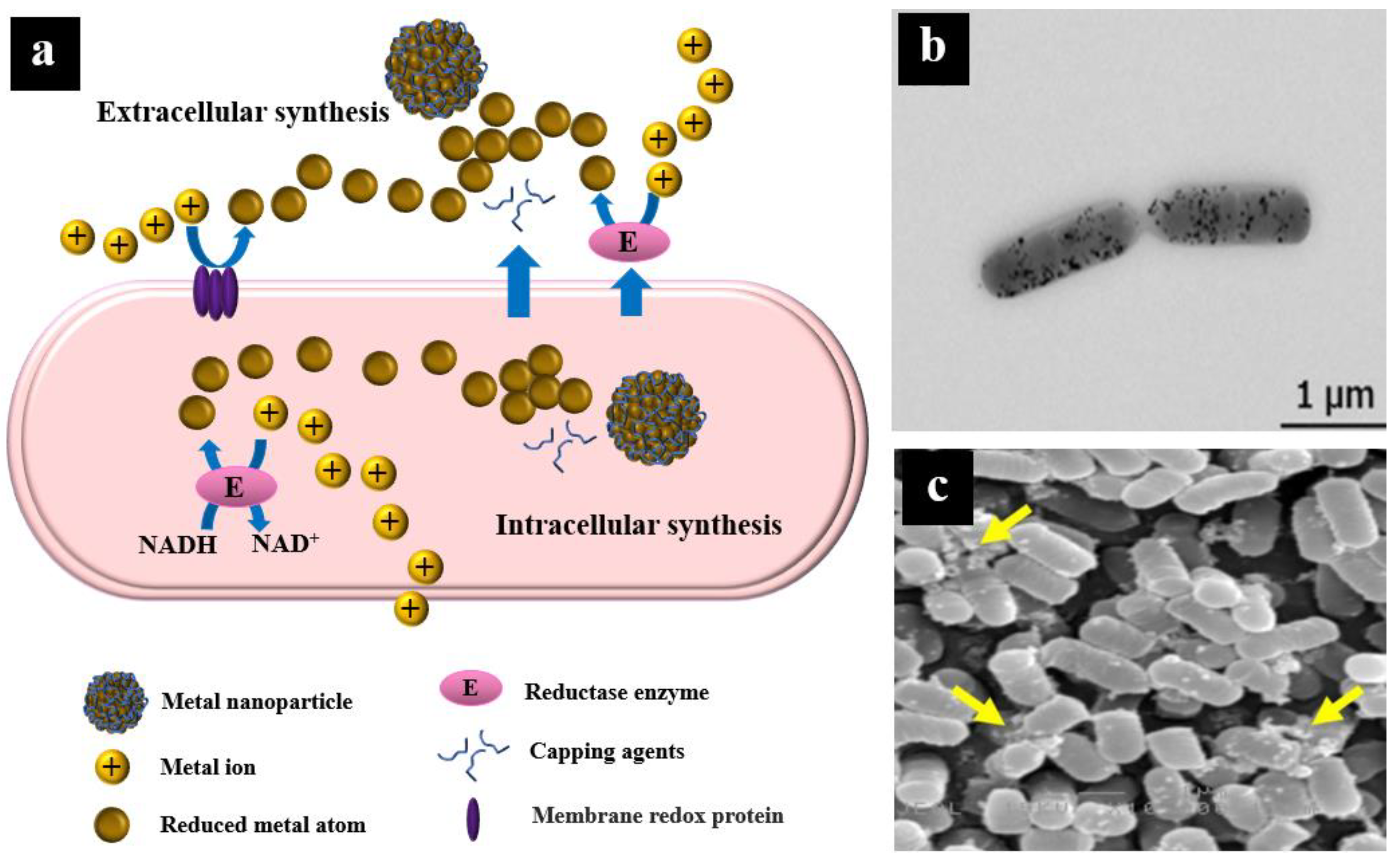
In addition to the previously discussed nanotechnology applications, LAB can be a microbial cell factory for generating metallic NPs. The unique chemical, electronic, and optical properties of these microbial metallic NPs and their cost-effective and eco-friendly production methods compared to conventional chemical and physical techniques have garnered significant scientific interest. The metallic NPs have promising applications in the food industry, cosmetics, and nanomedicine. They exhibit antioxidant, anticancer, antibacterial, neurotherapeutic, biosensing, and wound-healing effects. Metallic NPs can be biosynthesized through either extracellular or intracellular mechanisms [110]. In the extracellular mechanism, biosynthesis is induced by reducing metal ions into their atomic forms by secreted molecules or by enzymatic reduction on the bacterial cell surface. The intracellular mechanism involves the transport of ions into the bacterial cell, where they are reduced into their elemental forms through enzymatic activity, electrostatic interactions, and subsequent NP formation within the bacterial cell (Figure 2).
Bacterial biomolecules act as reducing, chelating, stabilizing, and capping agents during NP biosynthesis. Proteins, peptides, amino acids, enzymes, polysaccharides, and carboxylic acids play key roles as bioreducing agents. Furthermore, they prevent the aggregation of NPs and help their long-term stability by providing natural capping [113]. Al-Asbahi and colleagues [114] demonstrated the contribution of the capping proteins produced by Lactobacillus species (sensu lato, including species now classified into new genera) isolated from milk to the synthesis and stability of silver NPs. El. Fadly and colleagues [115] reported that the electrostatic interactions between the biosynthetic silver NPs produced by Lactobacillus acidophilus and Lactobacillus delbrueckii and the carbonyl groups of peptides help stabilize the NPs by forming a coating layer. Amino acids, as well, can serve as capping agents via interaction of their side chain residues with other compounds [116]. Histidine was reported as the best reducing and capping agent for the synthesis of gold NPs [117]. The microbial enzymes, such as reductases, participate in the synthesis of metal NPs by bioreduction of metal ions [118]. Glutathione reductase in some LAB strains is involved in the synthesis of selenoNPs [119]. Polysaccharides, including bacterial EPSs, are capable of reducing metal ions to form NPs and act as capping agents to stabilize them [120]. Various monomers of LAB-produced EPSs, including galactose, mannose, glucose and fructose, are involved in redox reactions to synthesize silver NPs [121]. Furthermore, the carboxylic acid molecules participate in the biosynthesis of the metal NPs as reducing and stabilizing agents [122]. However, the exact components and mechanism of this biosynthesis are not completely elucidated and require more investigation for clarification in the near future.
Several studies have focused on optimizing the biosynthesis of metallic NPs to produce uniform and stable NPs with small sizes and controlled morphology [123]. LAB have been reported to biosynthesize gold, silver, and gold–silver alloy nanocrystals, within their cells [124]. Silver NPs biosynthesized using the culture filtrate of the LAB strain LCM5, isolated from brined cucumbers, were small and spherical particles with proper dispersion. These NPs exhibited antifungal activity, showing a larger growth inhibition zone for Penicillium expansum and smaller zones for Aspergillus ochraceus and Aspergillus flavus. Their highest antimicrobial activity was observed against Chromobacterium violaceum, a Gram-negative bacterium [125]. Silver NPs biosynthesized by mixing the culture supernatant of Lacticaseibacillus rhamnosus with silver nitrate solution were used to target biofilm formation and virulence factors mediated by quorum sensing, offering a novel approach to combat antimicrobial resistance. These NPs significantly inhibited the generation of prodigiosin by Serratia marcescens, violacein by Chromobacterium violaceum and pyocyanin, LasA protease, LasB elastase, rhamnolipid and pyoverdine by Pseudomonas aeruginosa. Additionally, the ability of tested Gram-negative bacteria to form biofilms, produce EPS, and exhibit swimming motility was notably reduced in the presence of these silver NPs [126].
Exposing the cell-free culture supernatant of Lactiplantibacillus plantarum, Limosilactobacillus fermentum, Lacticaseibacillus paracasei, and Lacticaseibacillus casei to chloroauric acid (HAuCl4) led to the biosynthesis of gold NPs [127]. Korean kimchi-isolated Secundilactobacillus kimchicus DCY51T was used for the biosynthesis of gold NPs through the intracellular membrane-bound mechanism. The obtained spherical NPs showed biocompatibility, antioxidant activity, and long-term stability in biological media and physiological buffers [128].
The cell-biomass and cell-free supernatant of Lactiplantibacillus plantarum TA4 were used as reducing agents for the biosynthesis of zinc oxide NPs, resulting in the formation of NPs with an irregular shape and flowerlike pattern, respectively. These zinc oxide NPs exhibited concentration-dependent antibacterial effects on pathogenic Escherichia coli, Salmonella, Staphylococcus aureus, and Staphylococcus epidermidis [129]. Zinc oxide NPs synthesized by LAB isolated from cow milk displayed biocompatibility and effective antifungal and antibacterial activities, with potent bactericidal effects on Clostridium perfringens and Escherichia coli [130]. Limosilactobacillus fermentum-synthesized zinc oxide NPs exhibited the highest antimicrobial activity against Vibrio harveyi at 20 mM concentration [131].
Iron oxide NPs produced using Lactiplantibacillus plantarum extracellular product solution as a reducing and stabilizing agent showed potent antibacterial activity against Pseudomonas aeruginosa [132]. Furthermore, Lacticaseibacillus casei cytoplasmic extract was used to green synthesize iron oxide nanocrystals through an efficient, simple, cost-effective, and biologically safe method with potential applications in targeted drug delivery [133].
Metallic NPs synthesized by bacteria have shown a wide range of biomedical applications [134]. Silver and gold NPs produced in this manner have demonstrated promising potential for photothermal therapy, an effective cancer treatment. These NPs induce localized hyperthermia under near-infrared (NIR) light, effectively ablating cancer cells. For instance, DCY51T–gold NPs, generated by Secundilactobacillus kimchicus DCY51T through the intracellular membrane-bound mechanism, were used for the delivery of ginsenoside compound K. These gold NPs, non-covalently bioconjugated to the drug, showed in vitro photothermal effect and anticancer activity against stomach, colon, and lung adenocarcinoma cells. Upon NIR laser irradiation, these ginsenoside-loaded gold NPs enhanced apoptosis in cancer cells more effectively than cells treated with drug-gold NPs alone [135].
LAB-synthesized metal NPs also contributed to the photocatalytic processes, wherein electron excitation from the valence band to the conduction band occurs under light irradiation with energy exceeding the band gap of the photocatalytic substance. This electron movement creates a positive electron hole on the valence band. The reaction of these positive holes and negative electrons with dissolved oxygen generates ROS, which in turn inactivate pathogens and degrade pollutant compounds [136]. Gold NPs synthesized using Lactobacillus acidophilus supernatant exhibited antimicrobial activity against multi-drug-resistant strains of enteroaggregative Escherichia coli and methicillin-resistant Staphylococcus aureus. These probiosynthesized NPs showed a photocatalytic disinfection effect (within 120 min) on multi-drug-resistant bacterial strains and photocatalytic degradation of cationic methylene blue (within 60 min), indicating potential use in antibiotic removal and environmental bioremediation [137]. Similarly, silver NPs produced by Lactobacillus sensu lato species isolated from cow milk caused photocatalytic degradation of methylene red dye. These biosynthesized NPs exhibited cytotoxic effects on human colon cancer cells and antimicrobial activity against pathogens [138]. Moreover, silver NPs have shown the ability to dye degradation through redox potential techniques. Silver NPs stabilized by Leuconostoc lactis EPS exhibited excellent thermal stability and facilitated the degradation of Congo red and Methyl orange (azo dyes), offering a promising potential for treating industrial textile effluent. The dye degradation was attributed to the destruction of the chromophore structure through electron transfer from the reducing agent to the dye molecule via NPs [121].
Furthermore, metallic NPs have shown great potential in managing infected wounds, utilizing the controlled release of metal ions with antimicrobial effects. For instance, silver NPs biosynthesized using Lactiplantibacillus plantarum supernatant demonstrated the ability to promote wound healing and exhibited significant antibacterial activity against human infectious pathogens [139].

6.2. Minicells

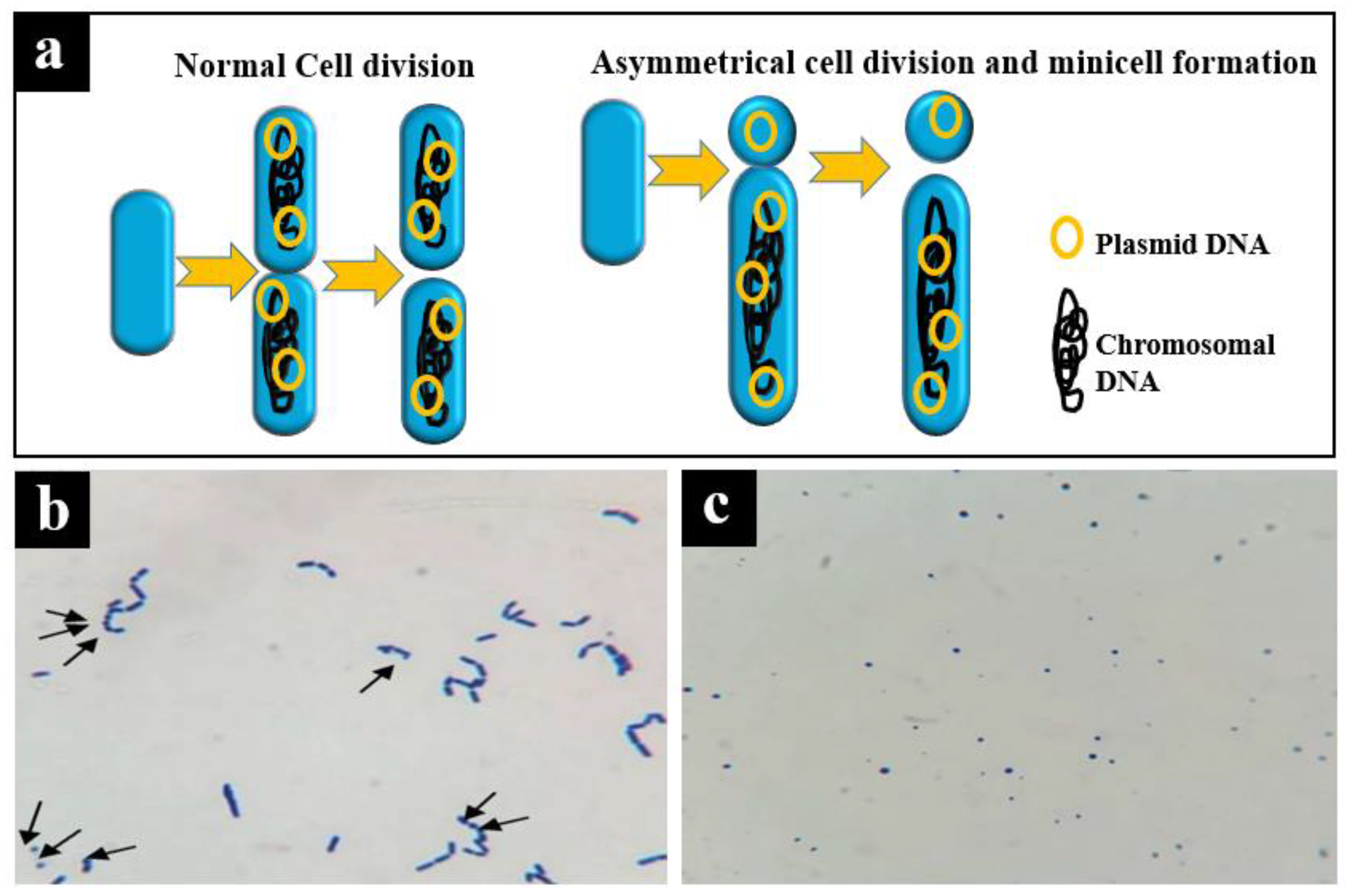
Minicells, emerging as nanometric cells, are generated through abnormal bacterial division, primarily due to mutations in associated genes [140]. Although minicells retain some components of their parent cells—such as RNA, protein, ribosomes, and peptidoglycan—they lack chromosomal DNA (Figure 3).
Minicells derived from bacteria offer several advantages, including biocompatibility, biodegradability, safety, high drug-loading capacity, surface modifiability, reduced immunogenicity, and site-specific targeting. They can be employed to deliver therapeutics to treat different diseases [142]. For example, minicells generated by Lactobacillus acidophilus can facilitate the delivery of both hydrophobic and hydrophilic therapeutics without undergoing phagocytosis [143]. In a study, Lactobacillus acidophilus VTCC-B-871 produced a significant number of minicells in modified MRS broth with 10 g L−1 of fructose as the carbon source, highlighting the effect of the carbon source on minicell production by this strain. These minicells demonstrated the ability to encapsulate paclitaxel and cephalosporin after varying incubation times [144]. Lactobacillus acidophilus ATCC 4356 minicells, generated using sugar stress, demonstrated containing ability of a significant amount of chloroquine, an anti-malaria and anticancer agent. This drug could be bound to the cell wall of the minicells and could be released in a prolonged manner. These minicells were proposed as a novel targeted drug delivery system to mitigate the toxicity of long-term use and high doses of chloroquine [141]. Additionally, nanosized minicells produced by Leuconostoc mesenteroides VTCC B-871 encapsulated tinidazole to 90% efficiency and led to faster absorption than free tinidazole in fed mice models without interference from food intake. The rate of tinidazole release from these minicells was higher in acidic pH than in basic medium, possibly due to the involvement of the acidic environment in hydrolyzing the bond between tinidazole and the minicells [145].

6.3. Carbon Dots

Carbon dots are another type of NP synthesized from LAB, showing great potential for effectively inactivating resistant pathogens. Hydrothermally synthesized carbon dots from Lactobacillus acidophilus supernatant demonstrated antibacterial effects against Listeria monocytogenes and Escherichia coli. An antimicrobial/UV protective nanopaper was developed by embedding photoluminescent carbon dots into nanocellulose, resulting in a fluorescent appearance with potential application in forgery-proof packaging. These nanopapers were more effective in inhibiting Listeria monocytogenes than Escherichia coli and exhibited superior ultraviolet-blocking properties, flexibility, and stretchability compared to nanocellulose [146]. Carbon dots synthesized from Lactiplantibacillus plantarum biomass through one-step hydrothermal carbonization showed antibiofilm activity against Escherichia coli and exhibited biocompatibility, addressing the cytotoxicity concerns of current antibiofilm agents [147]. Similarly, carbon dots synthesized from Lactobacillus acidophilus via the hydrothermal method displayed antibacterial activity against carbapenem-resistant Klebsiella pneumonia, with an MIC of 50 mg mL−1 [148].
Carbon dots can also be used in photodynamic therapy as novel photosensitizers or as carriers for other photosensitizers [149]. Under NIR irradiation, photosensitizers can generate ROS, leading to the inactivation of bacterial or cancer cells through mechanisms such as DNA damage, lipid peroxidation, protein denaturation, or cell membrane destruction [150]. Additionally, the ability of carbon dots to convert light into heat has made them valuable as photothermal agents for innovative antibacterial and antitumor applications [151].

7. Conclusions

LAB have demonstrated tremendous potential in bioprocessing, producing a wide range of valuable bioactive compounds, including lactic acid, SCFAs, CLA, bacteriocins, vitamins, and EPSs. The optimized production of these bioactive compounds has significantly expanded the market of functional products. Using LAB as probiotics, postbiotics and paraprobiotics have established these bacterial strains as unparalleled microorganisms across diverse fields. Additionally, the future of nanomedicine is poised to be significantly influenced by LAB-biosynthesized NPs. Integrating biotechnology and nanotechnology through the exploitation of LAB offers numerous advantages and has garnered significant interest. Ongoing efforts in this area are expected to yield significant advances across various fields, ranging from food science to nanomedicine. The biological origin of biosynthesized NPs may confer greater biocompatibility and biodegradability than physically or chemically synthesized NPs, thereby reducing the risk of in vivo toxicity. However, the safety of nanomaterials remains a crucial challenge, especially concerning their long-term use. Despite using safe substances and synthesis methods, the bioaccumulation of NPs in tissues, along with their potential cytotoxicity and genotoxicity, are among the critical concerns, which can arise from repeated administration and the interactions between NPs and cells. Unintended immunogenicity is also a challenge that can lead to immune dysregulation and chronic inflammation. However, completely assessing these risks for new nanodelivery platforms is not feasible due to the limitations in systematic long-term data. Addressing these concerns will require more robust legislation, testing standards, and inspections to ensure their safe application in industrial and medical contexts.

Author Contributions

M.R.: conceptualization, investigation, writing—original draft, writing—review and editing; M.M.: writing—review and editing; N.D.: writing—review and editing. All authors have read and agreed to the published version of the manuscript.

Funding

This research received no external funding.

Data Availability Statement

Data sharing is not applicable.

Conflicts of Interest

The authors declare no conflicts of interest.

References

  1. Coelho, M.C.; Malcata, F.X.; Silva, C.C. Lactic acid bacteria in raw-milk cheeses: From starter cultures to probiotic functions. Foods 2022, 11, 2276. [Google Scholar] [CrossRef]
  2. Tang, H.; Huang, W.; Yao, Y.F. The metabolites of lactic acid bacteria: Classification, biosynthesis and modulation of gut microbiota. Microb. Cell 2023, 10, 49–62. [Google Scholar] [CrossRef]
  3. Ayivi, R.D.; Gyawali, R.; Krastanov, A.; Aljaloud, S.O.; Worku, M.; Tahergorabi, R.; Silva, R.C.; Ibrahim, S.A. Lactic acid bacteria: Food safety and human health applications. Dairy 2020, 1, 202–232. [Google Scholar] [CrossRef]
  4. Oberg, T.S.; McMahon, D.J.; Culumber, M.D.; McAuliffe, O.; Oberg, C.J. Invited review: Review of taxonomic changes in dairy-related lactobacilli. J. Dairy Sci. 2022, 105, 2750–2770. [Google Scholar] [CrossRef]
  5. Zheng, J.; Wittouck, S.; Salvetti, E.; Franz, C.M.; Harris, H.M.; Mattarelli, P.; O’Toole, P.W.; Pot, B.; Vandamme, P.; Walter, J.; et al. A taxonomic note on the genus Lactobacillus: Description of 23 novel genera, emended description of the genus Lactobacillus Beijerinck 1901 and union of Lactobacillaceae and Leuconostocaceae. Int. J. Syst. Evol. Microbiol. 2020, 70, 2782–2858. [Google Scholar] [CrossRef]
  6. Qiao, N.; Wittouck, S.; Mattarelli, P.; Zheng, J.; Lebeer, S.; Felis, G.E.; Gänzle, M.G. After the storm—Perspectives on the taxonomy of Lactobacillaceae. JDS Commun. 2022, 3, 222–227. [Google Scholar] [CrossRef]
  7. Seyirt, S.; Tezel, B.U.; Şanlıbaba, P. Shelf-life dynamics of key probiotic populations in dairy formulations: A temporal stability assessment. Food Biol. 2025, 14, 6–11. [Google Scholar] [CrossRef]
  8. Martínez-Miranda, J.G.; Chairez, I.; Durán-Páramo, E. Mannitol production by heterofermentative lactic acid bacteria: A review. Appl. Biochem. Biotechnol. 2022, 194, 2762–2795. [Google Scholar] [CrossRef]
  9. Gomes, I.A.; Venâncio, A.; Lima, J.P.; Freitas-Silva, O. Fruit-based non-dairy beverage: A new approach for probiotics. Adv. Biol. Chem. 2021, 11, 302–330. [Google Scholar] [CrossRef]
  10. Maftei, N.M.; Raileanu, C.R.; Balta, A.A.; Ambrose, L.; Boev, M.; Marin, D.B.; Lisa, E.L. The potential impact of probiotics on human health: An update on their health-promoting properties. Microorganisms 2024, 12, 234. [Google Scholar] [CrossRef]
  11. Mehta, J.P.; Ayakar, S.; Singhal, R.S. The potential of paraprobiotics and postbiotics to modulate the immune system. Rev. Microbiol. Res. 2023, 275, 127449. [Google Scholar] [CrossRef]
  12. Siciliano, R.A.; Reale, A.; Mazzeo, M.F.; Morandi, S.; Silvetti, T.; Brasca, M. Paraprobiotics: A new perspective for functional foods and nutraceuticals. Nutrients 2021, 13, 1225. [Google Scholar] [CrossRef]
  13. Aguilar-Toalá, J.E.; Garcia-Varela, R.; Garcia, H.S.; Mata-Haro, V.; González-Córdova, A.F.; Vallejo-Cordoba, B.; Hernández-Mendoza, A. Postbiotics: An evolving term within the functional foods field. Trends Food Sci. Technol. 2018, 75, 105–114. [Google Scholar] [CrossRef]
  14. Nataraj, B.H.; Ali, S.A.; Behare, P.V.; Yadav, H. Postbiotics-parabiotics: The new horizons in microbial biotherapy and functional foods. Microb. Cell Factories 2020, 19, 168. [Google Scholar] [CrossRef]
  15. Sik, B.; Székelyhidi, R.; Lakatos, E.; Kapcsándi, V.; Ajtony, Z. Analytical procedures for determination of phenolics active herbal ingredients in fortified functional foods: An overview. Eur. Food Res. Technol. 2022, 248, 329–344. [Google Scholar] [CrossRef]
  16. Temple, N.J. A rational definition for functional foods: A perspective. Front. Nutr. 2022, 9, 957516. [Google Scholar] [CrossRef]
  17. Rezvani, M.; Hesari, J.; Peighambardoust, S.H.; Manconi, M.; Hamishehkar, H.; Escribano-Ferrer, E. Potential application of nanovesicles (niosomes and liposomes) for fortification of functional beverages with Isoleucine-Proline-Proline: A comparative study with central composite design approach. Food Chem. 2019, 293, 368–377. [Google Scholar] [CrossRef]
  18. Vivek, N.; Hazeena, S.H.; Rajesh, R.O.; Godan, T.K.; Anjali, K.B.; Nair, L.M.; Mohan, B.; Nair, S.C.; Sindhu, R.; Pandey, A.; et al. Genomics of lactic acid bacteria for glycerol dissimilation. Mol. Biotechnol. 2019, 61, 562–578. [Google Scholar] [CrossRef]
  19. Bleckwedel, J.; Mohamed, F.; Mozzi, F.; Raya, R.R. Major role of lactate dehydrogenase D-LDH1 for the synthesis of lactic acid in Fructobacillus tropaeoli CRL 2034. Appl. Microbiol. Biotechnol. 2020, 104, 7409–7426. [Google Scholar] [CrossRef]
  20. Fang, S.; Song, X.; Cui, L.; Bai, J.; Lu, H.; Wang, S. The lactate dehydrogenase gene is involved in the growth and metabolism of Lacticaseibacillus paracasei and the production of fermented milk flavor substances. Front. Microbiol. 2023, 14, 1195360. [Google Scholar] [CrossRef]
  21. Fusco, W.; Lorenzo, M.B.; Cintoni, M.; Porcari, S.; Rinninella, E.; Kaitsas, F.; Lener, E.; Mele, M.C.; Gasbarrini, A.; Collado, M.C.; et al. Short-chain fatty-acid-producing bacteria: Key components of the human gut microbiota. Nutrients 2023, 15, 2211. [Google Scholar] [CrossRef]
  22. Yang, M.; Meng, F.; Gu, W.; Fu, L.; Zhang, F.; Li, F.; Tao, Y.; Zhang, Z.; Wang, X.; Yang, X.; et al. Influence of polysaccharides from Polygonatum kingianum on short-chain fatty acid production and quorum sensing in Lactobacillus faecis. Front. Microbiol. 2021, 12, 758870. [Google Scholar] [CrossRef]
  23. Badawy, S.; Liu, Y.; Guo, M.; Liu, Z.; Xie, C.; Marawan, M.A.; Ares, I.; López-Torres, B.; Martínez, M.; Maximiliano, J.E.; et al. Conjugated linoleic acid (CLA) as a functional food: Is it beneficial or not? Food Res. Int. 2023, 172, 113158. [Google Scholar] [CrossRef]
  24. Yang, B.; Gao, H.; Stanton, C.; Ross, R.P.; Zhang, H.; Chen, Y.Q.; Chen, H.; Chen, W. Bacterial conjugated linoleic acid production and their applications. Prog. Lipid Res. 2017, 68, 26–36. [Google Scholar] [CrossRef]
  25. Iorizzo, M.; Di Martino, C.; Letizia, F.; Crawford, T.W., Jr.; Paventi, G. Production of conjugated linoleic acid (CLA) by Lactiplantibacillus plantarum: A review with emphasis on fermented foods. Foods 2024, 13, 975. [Google Scholar] [CrossRef]
  26. Salsinha, A.S.; Pimentel, L.L.; Fontes, A.L.; Gomes, A.M.; Rodríguez-Alcalá, L.M. Microbial production of conjugated linoleic acid and conjugated linolenic acid relies on a multienzymatic system. Microbiol. Mol. Biol. Rev. 2018, 82, e00019-18. [Google Scholar] [CrossRef]
  27. Liu, X.X.; Zhang, H.Y.; Song, X.; Yang, Y.; Xiong, Z.Q.; Xia, Y.J.; Ai, L.Z. Reasons for the differences in biotransformation of conjugated linoleic acid by Lactobacillus plantarum. J. Dairy Sci. 2021, 104, 11466–11473. [Google Scholar] [CrossRef]
  28. Darbandi, A.; Asadi, A.; Mahdizade, A.M.; Ohadi, E.; Talebi, M.; Zadeh, M.H.; Emamie, A.D.; Ghanavati, R.; Kakanj, M. Bacteriocins: Properties and potential use as antimicrobials. J. Clin. Lab. Anal. 2022, 36, e24093. [Google Scholar] [CrossRef]
  29. Bhattacharya, D.; Nanda, P.K.; Pateiro, M.; Lorenzo, J.M.; Dhar, P.; Das, A.K. Lactic acid bacteria and bacteriocins: Novel biotechnological approach for biopreservation of meat and meat products. Microorganisms 2022, 10, 2058. [Google Scholar] [CrossRef]
  30. Guitián, M.V.; Ibarguren, C.; Soria, M.C.; Hovanyecz, P.; Banchio, C.; Audisio, M.C. Anti-Listeria monocytogenes effect of bacteriocin-incorporated agar edible coatings applied on cheese. Int. Dairy J. 2019, 97, 92–98. [Google Scholar] [CrossRef]
  31. Soltani, S.; Zirah, S.; Rebuffat, S.; Couture, F.; Boutin, Y.; Biron, E.; Subirade, M.; Fliss, I. Gastrointestinal stability and cytotoxicity of bacteriocins from Gram-positive and Gram-negative bacteria: A comparative in vitro study. Front. Microbiol. 2022, 12, 780355. [Google Scholar] [CrossRef]
  32. Sidhu, P.K.; Nehra, K. Bacteriocins of lactic acid bacteria as potent antimicrobial peptides against food pathogens. In Biomimetics; Wiley: Hoboken, NJ, USA, 2021; p. 10. [Google Scholar] [CrossRef]
  33. Wu, J.; Zang, M.; Wang, S.; Zhao, B.; Bai, J.; Xu, C.; Shi, Y.; Qiao, X. Nisin: From a structural and meat preservation perspective. Food Microbiol. 2023, 111, 104207. [Google Scholar] [CrossRef]
  34. Laroute, V.; Mazzoli, R.; Loubière, P.; Pessione, E.; Cocaign-Bousquet, M. Environmental conditions affecting GABA production in Lactococcus lactis NCDO 2118. Microorganisms 2021, 9, 122. [Google Scholar] [CrossRef]
  35. Cui, Y.; Miao, K.; Niyaphorn, S.; Qu, X. Production of gamma-aminobutyric acid from lactic acid bacteria: A systematic review. Int. J. Mol. Sci. 2020, 21, 995. [Google Scholar] [CrossRef]
  36. Valenzuela, J.A.; Flórez, A.B.; Vázquez, L.; Vasek, O.M.; Mayo, B. Production of γ-aminobutyric acid (GABA) by lactic acid bacteria strains isolated from traditional, starter-free dairy products made of raw milk. Benef. Microbes 2019, 10, 579–587. [Google Scholar] [CrossRef]
  37. Jurášková, D.; Ribeiro, S.C.; Silva, C.C. Exopolysaccharides produced by lactic acid bacteria: From biosynthesis to health-promoting properties. Foods 2022, 11, 156. [Google Scholar] [CrossRef]
  38. Liu, W.; Wei, Y.; Xiang, R.; Dong, B.; Yang, X. Lactic Acid Bacteria Exopolysaccharides Unveiling Multifaceted Insights from Structure to Application in Foods and Health Promotion. Foods 2025, 14, 823. [Google Scholar] [CrossRef]
  39. Saadat, Y.R.; Khosroushahi, A.Y.; Gargari, B.P. A comprehensive review of anticancer, immunomodulatory and health beneficial effects of the lactic acid bacteria exopolysaccharides. Carbohydr. Polym. 2019, 217, 79–89. [Google Scholar] [CrossRef]
  40. Zeidan, A.A.; Poulsen, V.K.; Janzen, T.; Buldo, P.; Derkx, P.M.; Øregaard, G.; Neves, A.R. Polysaccharide production by lactic acid bacteria: From genes to industrial applications. FEMS Microbiol. Rev. 2017, 41, 168–200. [Google Scholar] [CrossRef]
  41. Zhang, J.; Xiao, Y.; Wang, H.; Zhang, H.; Chen, W.; Lu, W. Lactic acid bacteria-derived exopolysaccharide: Formation, immunomodulatory ability, health effects and structure-function relationship. Microbiol. Res. 2023, 274, 127432. [Google Scholar] [CrossRef]
  42. Zhou, Y.; Cui, Y.; Qu, X. Exopolysaccharides of lactic acid bacteria: Structure, bioactivity and associations: A review. Carbohydr. Polym. 2019, 207, 317–332. [Google Scholar] [CrossRef]
  43. Hanna, M.; Jaqua, E.; Nguyen, V.; Clay, J. B Vitamins: Functions and Uses in Medicine. Perm. J. 2022, 26, 89–97. [Google Scholar] [CrossRef]
  44. Thakur, K.; Tomar, S.K.; De, S. Lactic acid bacteria as a cell factory for riboflavin production. Microb. Biotechnol. 2016, 9, 441–451. [Google Scholar] [CrossRef]
  45. Mahara, F.A.; Nuraida, L.; Lioe, H.N. Folate in milk fermented by lactic acid bacteria from different food sources. Prev. Nutr. Food Sci. 2021, 26, 230. [Google Scholar] [CrossRef]
  46. Mahara, F.A.; Nuraida, L.; Lioe, H.N.; Nurjanah, S. The occurrence of folate biosynthesis genes in lactic acid bacteria from different sources. Food Technol. Biotechnol. 2023, 61, 226–237. [Google Scholar] [CrossRef]
  47. Ribeiro, M.; Maciel, C.; Cruz, P.; Darmancier, H.; Nogueira, T.; Costa, M.; Laranjeira, J.; Morais, R.M.S.C.; Teixeira, P. Exploiting Potential Probiotic Lactic Acid Bacteria Isolated from Chlorella vulgaris Photobioreactors as Promising Vitamin B12 Producers. Foods 2023, 12, 3277. [Google Scholar] [CrossRef]
  48. Manconi, M.; Rezvani, M.; Manca, M.L.; Escribano-Ferrer, E.; Fais, S.; Orrù, G.; Lammers, T.; Asunis, F.; Muntoni, A.; Spiga, D.; et al. Bridging biotechnology and nanomedicine to produce biogreen whey-nanovesicles for intestinal health promotion. Int. J. Pharm. 2023, 633, 122631. [Google Scholar] [CrossRef]
  49. Veeravalli, S.S.; Mathews, A.P. Continuous fermentation of xylose to short chain fatty acids by Lactobacillus buchneri under low pH conditions. Chem. Eng. J. 2018, 337, 764–771. [Google Scholar] [CrossRef]
  50. Boontun, C.; Vatanyoopaisarn, S.; Hankla, S.; Kuraya, E.; Tamaki, Y. Modification of media using food-grade components for the fermentation of Bifidobacterium and Lactobacillus strains in large-scale bioreactors. Prep. Biochem. Biotechnol. 2021, 54, 1017–1027. [Google Scholar] [CrossRef]
  51. Hadinia, N.; Dovom, M.R.; Yavarmanesh, M. The effect of fermentation conditions (temperature, salt concentration and pH) with Lactobacillus strains for producing short chain fatty acids. LWT 2022, 165, 113709. [Google Scholar] [CrossRef]
  52. Liu, J.; Meng, F.; Du, Y.; Nelson, E.; Zhao, G.; Zhu, H.; Caiyin, Q.; Zhang, Z.; Qiao, J. Co-production of nisin and γ-aminobutyric acid by engineered Lactococcus lactis for potential application in food preservation. Front. Microbiol. 2020, 11, 49. [Google Scholar] [CrossRef]
  53. Modiri, S.; Kermanshahi, R.K.; Soudi, M.R.; Dad, N.; Ebadi, M.; Zahiri, H.S.; Akbari Noghabi, K. Growth optimization of Lactobacillus acidophilus for production of antimicrobial peptide acidocin 4356: Scale up from flask to lab-scale fermenter. Iran. J. Biotechnol. 2021, 19, 2686. [Google Scholar] [CrossRef]
  54. Azevedo, P.O.D.S.; Converti, A.; Gierus, M.; Oliveira, R.P.D.S. Antimicrobial activity of bacteriocin-like inhibitory substance produced by Pediococcus pentosaceus: From shake flasks to bioreactor. Mol. Biol. Rep. 2019, 46, 461–469. [Google Scholar] [CrossRef]
  55. Lahiri, D.; Chakraborti, S.; Jasu, A.; Nag, M.; Dutta, B.; Dash, S.; Ray, R.R. Production and purification of bacteriocin from Leuconostoc lactis SM 2 strain. Biocatal. Agric. Biotechnol. 2020, 30, 101845. [Google Scholar] [CrossRef]
  56. Mitaf, N.A.; Kirca, D.S.; Simsek, O. The metagenomic properties of Uşak tarhana dough. Fermentation 2024, 10, 620. [Google Scholar] [CrossRef]
  57. Şentürk, D.Z.; Dertli, E.; Erten, H.; Şimşek, Ö. Structural technological characterization of ropy exopolysaccharides produced by Lactobacillus plantarum strains isolated from Tarhana. Food Sci. Biotechnol. 2020, 29, 121–129. [Google Scholar] [CrossRef]
  58. Bertsch, A.; Roy, D.; LaPointe, G. Enhanced exopolysaccharide production by Lactobacillus rhamnosus in co-culture with Saccharomyces cerevisiae. Appl. Sci. 2019, 9, 4026. [Google Scholar] [CrossRef]
  59. Devi, P.U.M.; Rashmi, H.K. Effect of physico-chemical factors on the production of conjugated linoleic acid by Lactobacillus plantarum. Asian J. Microbiol. Biotechnol. Environ. Sci. 2017, 19, 412–418. [Google Scholar]
  60. Razmjooei, M.; Shad, E.; Nejadmansouri, M.; Safdarianghomsheh, R.; Delvigne, F.; Khalesi, M. Effect of metal support and different carbon sources on CLA production using Lactobacillus plantarum. Biochem. Eng. J. 2020, 162, 107715. [Google Scholar] [CrossRef]
  61. Park, J.; Heo, S.; Lee, G.; Hong, S.W.; Jeong, D.W. Bacterial diversity of baechu-kimchi with seafood based on culture-independent investigations. Food Sci. Biotechnol. 2024, 33, 1661–1670. [Google Scholar] [CrossRef]
  62. Kim, J.Y.; Choi, E.J.; Lee, J.H.; Yoo, M.S.; Heo, K.; Shim, J.-J.; Lee, J.-L. Probiotic potential of a novel vitamin B2-overproducing Lactobacillus plantarum strain, HY7715, isolated from Kimchi. Appl. Sci. 2021, 11, 5765. [Google Scholar] [CrossRef]
  63. Laiño, J.E.; Levit, R.; LeBlanc, A.D.M.; Giori, G.S.; LeBlanc, J.G. Characterization of folate production and probiotic potential of Streptococcus gallolyticus subsp. macedonicus CRL415. Food Microbiol. 2019, 79, 20–26. [Google Scholar] [CrossRef]
  64. Erginkaya, Z.; Konuray-Altun, G. Potential biotherapeutic properties of lactic acid bacteria in foods. Food Biosci. 2022, 46, 101544. [Google Scholar] [CrossRef]
  65. Al-Dhabi, N.A.; Arasu, M.V.; Vijayaraghavan, P.; Esmail, G.A.; Duraipandiyan, V.; Kim, Y.O.; Kim, H.; Kim, H.-J. Probiotic and antioxidant potential of Lactobacillus reuteri LR12 and Lactobacillus lactis LL10 isolated from pineapple puree and quality analysis of pineapple-flavored goat milk yoghurt during storage. Microorganisms 2020, 8, 1461. [Google Scholar] [CrossRef]
  66. Hernández-Oaxaca, D.; López-Sánchez, R.; Lozano, L.; Wacher-Rodarte, C.; Segovia, L.; Munguía, A.L. Diversity of Weissella confusa in pozol and its carbohydrate metabolism. Front. Microbiol. 2021, 12, 629449. [Google Scholar] [CrossRef]
  67. Sharma, S.; Kandasamy, S.; Kavitake, D.; Shetty, P.H. Probiotic characterization and antioxidant properties of Weissella confusa KR780676, isolated from an Indian fermented food. LWT Food Sci. Technol. 2018, 97, 53–60. [Google Scholar] [CrossRef]
  68. Kaprasob, R.; Kerdchoechuen, O.; Laohakunjit, N.; Somboonpanyakul, P. B vitamins and prebiotic fructooligosaccharides of cashew apple fermented with probiotic strains Lactobacillus spp., Leuconostoc mesenteroides and Bifidobacterium longum. Process. Biochem. 2018, 70, 9–19. [Google Scholar] [CrossRef]
  69. Hurtado-Romero, A.; Toro-Barbosa, M.; Gradilla-Hernández, M.S.; Garcia-Amezquita, L.E.; García-Cayuela, T. Probiotic properties, prebiotic fermentability and GABA-producing capacity of microorganisms isolated from Mexican milk kefir grains: A clustering evaluation for functional dairy food applications. Foods 2021, 10, 2275. [Google Scholar] [CrossRef]
  70. Arslan, A.A.; Gocer, E.M.C.; Demir, M.; Atamer, Z.; Hinrichs, J.; Kücükcetin, A. Viability of Lactobacillus acidophilus ATCC 4356 incorporated into ice cream using three different methods. Dairy Sci. Technol. 2016, 96, 477–487. [Google Scholar] [CrossRef]
  71. Özer, C.O.; Kılıç, B. Optimization of pH, time, temperature, variety and concentration of the added fatty acid and the initial count of added lactic acid Bacteria strains to improve microbial conjugated linoleic acid production in fermented ground beef. Meat Sci. 2021, 171, 108303. [Google Scholar] [CrossRef]
  72. Papiran, R.; Hamedi, J. Adaptive evolution of Lactococcus lactis to thermal and oxidative stress increases biomass and nisin production. Appl. Biochem. Biotechnol. 2021, 193, 3425–3441. [Google Scholar] [CrossRef]
  73. Halid, N.A.; Ibrahim, M.F.; Haryani, Y.; Zaini, N.S.; Hasan, H. Scaling Up Co-cultivation Fermentation of Lactococcus lactis ATCC 11454 and Lactobacillus rhamnosus ATCC 7469 with Various Feeding Strategies. J. Biochem. Microbiol. Biotechnol. 2024, 12, 96–99. [Google Scholar] [CrossRef]
  74. Sharma, P.; Sharma, A.; Singh, J.; Singh, N.; Singh, S.; Tomar, G.S.; Nain, P.K.S.; Khare, S.K.; Nain, L. Co-production of gamma amino butyric acid (GABA) and lactic acid using Lactobacillus plantarum LP-9 from agro-residues. Environ. Technol. Innov. 2021, 23, 101650. [Google Scholar] [CrossRef]
  75. Ribeiro, L.L.S.M.; Araújo, G.P.; Ribeiro, K.O.; Torres, I.M.S.; Martinis, E.C.P.; Marreto, R.N.; Alves, V.F. Use of encapsulated lactic acid bacteria as bioprotective cultures in fresh Brazilian cheese. Braz. J. Microbiol. 2021, 52, 2247–2256. [Google Scholar] [CrossRef]
  76. Mahmoud, M.; Abdallah, N.A.; El-Shafei, K.; Tawfik, N.F.; El-Sayed, H.S. Survivability of alginate-microencapsulated Lactobacillus plantarum during storage, simulated food processing and gastrointestinal conditions. Heliyon 2020, 6, e03541. [Google Scholar] [CrossRef]
  77. Jang, W.J.; Oh, D.N.; Lee, E.J.; Lee, J.M. Encapsulation of probiotics with poly-γ-glutamic acid alters gut microbiota and short-chain fatty acid content by maintaining cell viability in the gastrointestinal tract. Food Hydrocoll. 2024, 147, 109328. [Google Scholar] [CrossRef]
  78. Afzaal, M.; Khan, A.U.; Saeed, F.; Ahmed, A.; Ahmad, M.H.; Maan, A.A.; Tufail, T.; Anjum, F.M.; Hussain, S. Functional exploration of free and encapsulated probiotic bacteria in yogurt and simulated gastrointestinal conditions. Food Sci. Nutr. 2019, 7, 3931–3940. [Google Scholar] [CrossRef]
  79. Rezvani, M.; Hesari, J.; Peighambardoust, S.H.; Manconi, M.; Hamishehkar, H. Development and characterization of nanostructured pharmacosomal mesophases: An innovative delivery system for bioactive peptides. Adv. Pharm. Bull. 2018, 8, 609. [Google Scholar] [CrossRef]
  80. Suganthi, V.; Ethiraj, S.; Anbalagan, N.; Siddique, J.F.; Vaithilingam, M. Encapsulation of purified pediocin of Pediococcus pentosaceus into liposome based nanovesicles and its antilisterial effect. Protein Pept. Lett. 2021, 28, 1115–1126. [Google Scholar] [CrossRef]
  81. Amer, S.A.; Abushady, H.M.; Refay, R.M.; Mailam, M.A. Enhancement of the antibacterial potential of plantaricin by incorporation into silver nanoparticles. J. Genet. Eng. Biotechnol. 2021, 19, 13–16. [Google Scholar] [CrossRef]
  82. Niaz, T.; Shabbir, S.; Noor, T.; Abbasi, R.; Raza, Z.A.; Imran, M. Polyelectrolyte multicomponent colloidosomes loaded with nisin Z for enhanced antimicrobial activity against foodborne resistant pathogens. Front. Microbiol. 2018, 8, 2700. [Google Scholar] [CrossRef]
  83. Neto, J.H.P.L.; Soares, S.; Leite, K.S.; Campos, M.I.F.; Grisi, C.V.B.; Ribeiro, J.E.S.; Sobral, M.V.; Amorim, G.M.W.; Luciano, W.A.; Gadelha, T.S.; et al. Bioactivity evaluation of microbial exopolysaccharide and its use as an encapsulating agent for Lactobacillus acidophilus (LA-3). Food Biosci. 2023, 55, 102946. [Google Scholar] [CrossRef]
  84. Charoenwongpaiboon, T.; Wangpaiboon, K.; Pichyangkura, R.; Nepogodiev, S.A.; Wonganan, P.; Mahalapbutr, P.; Field, R.A. Characterization of a nanoparticulate exopolysaccharide from Leuconostoc holzapfelii KM01 and its potential application in drug encapsulation. Int. J. Biol. Macromol. 2021, 187, 690–698. [Google Scholar] [CrossRef]
  85. Soliman, T.N.; Elaaser, M.M. Fortification of Yoghurt with Conjugated Linoleic Acid (CLA) Encapsulated in Reassembled Casein. Egypt. J. Chem. 2022, 65, 1559–1565. [Google Scholar] [CrossRef]
  86. Mei, L.; Zhang, D.; Shao, H.; Hao, Y.; Zhang, T. Injectable and Self-Healing Probiotics-Loaded Hydrogel for Promoting Superbacteria-Infected Wound Healing. ACS Appl. Mater. Interfaces 2022, 14, 20538–20550. [Google Scholar] [CrossRef]
  87. Adeel, M.; Afzaal, M.; Saeed, F.; Ahmed, A.; Mahmood, K.; Abbas shah, Y.; Ateeq, H.; Sibat, A.; Khan, M.R.; Busquets, R. Encapsulation of probiotic bacteria using polyelectrolytes stabilized nanoliposomes for improved viability under hostile conditions. J. Food Sci. 2023, 88, 3839–3849. [Google Scholar] [CrossRef]
  88. Yilmaz, M.T.; Taylan, O.; Karakas, C.Y.; Dertli, E. An alternative way to encapsulate probiotics within electrospun alginate nanofibers as monitored under simulated gastrointestinal conditions and in kefir. Carbohydr. Polym. 2020, 244, 116447. [Google Scholar] [CrossRef]
  89. Ajalloueian, F.; Guerra, P.R.; Bahl, M.I.; Torp, A.M.; Hwu, E.T.; Licht, T.R.; Boisen, A. Multi-layer PLGA-pullulan-PLGA electrospun nanofibers for probiotic delivery. Food Hydrocoll. 2022, 123, 107112. [Google Scholar] [CrossRef]
  90. García-Toledo, J.A.; Torrestiana-Sánchez, B.; Martínez-Sánchez, C.E.; Tejero-Andrade, J.M.; García-Bórquez, A.; Mendoza-García, P.G. Nanoencapsulation of a bacteriocin from Pediococcus acidilactici ITV26 by microfluidization. Food Bioprocess Technol. 2019, 12, 88–97. [Google Scholar] [CrossRef]
  91. Wang, H.; Yang, B.; Sun, H. Pectin-Chitosan polyelectrolyte complex nanoparticles for encapsulation and controlled release of nisin. Am. J. Polym. Sci. Technol. 2017, 3, 82. [Google Scholar] [CrossRef]
  92. Zimet, P.; Mombrú, Á.W.; Faccio, R.; Brugnini, G.; Miraballes, I.; Rufo, C.; Pardo, H. Optimization and characterization of nisin-loaded alginate-chitosan nanoparticles with antimicrobial activity in lean beef. LWT 2018, 91, 107–116. [Google Scholar] [CrossRef]
  93. Çelen, T.; Anumudu, C.; Miri, T.; Onyeaka, H.; Fernandez-Trillo, P. Pathogen-responsive delivery of Nisin. Food Hydrocoll. 2024, 154, 110076. [Google Scholar] [CrossRef]
  94. Jung, H.S.; Lee, N.K.; Paik, H.D. Heat-killed LatiLactobacillus sakei CNSC001WB and Lactobacillus pentosus WB693 have an anti-inflammatory effect on LPS-stimulated RAW 264.7 cells. Probiotics Antimicrob. Proteins 2023, 16, 1875–1885. [Google Scholar] [CrossRef]
  95. Salas-Lais, A.G.; Robles-Contreras, A.; Balderas-López, J.A.; Lucio, V.M.B. Immunobiotic and paraprobiotic potential effect of Lactobacillus casei in a systemic toxoplasmosis murine model. Microorganisms 2020, 8, 113. [Google Scholar] [CrossRef] [PubMed]
  96. Elham, N.; Naheed, M.; Elahe, M.; Hossein, M.M.; Majid, T. Selective cytotoxic effect of probiotic, paraprobiotic and postbiotics of L. casei strains against colorectal cancer cells: Invitro studies. Braz. J. Pharm. Sci. 2022, 58, e19400. [Google Scholar] [CrossRef]
  97. Batista, V.L.; De Jesus, L.C.; Tavares, L.M.; Barroso, F.L.; Fernandes, L.J.; Freitas, A.D.; Americo, M.F.; Drumond, M.M.; Mancha-Agresti, P.; Ferreira, E.; et al. Paraprobiotics and postbiotics of Lactobacillus delbrueckii CIDCA 133 mitigate 5-FU-induced intestinal inflammation. Microorganisms 2022, 10, 1418. [Google Scholar] [CrossRef]
  98. Mahdi, L.H.; Mahdi, N.Z.; Sajet, R.M.; Auda, I.G.; Mater, H.N.; Zwain, L.A.H.; Kadhem, B.M.; Alsaadi, L.G. Anticariogenic and antibiofilm of purified bacteriocin of Lactobacillus curvatus and immunomodulatory effect of L. curvatus in str eptococcal bacteremia. Rev. Med. Microbiol. 2019, 30, 26–35. [Google Scholar] [CrossRef]
  99. Giani, A.D.; Bovio, F.; Forcella, M.; Fusi, P.; Sello, G.; Di Gennaro, P. Identification of a bacteriocin-like compound from Lactobacillus plantarum with antimicrobial activity and effects on normal and cancerogenic human intestinal cells. AMB Express 2019, 9, 88. [Google Scholar] [CrossRef]
  100. İncili, G.K.; Karatepe, P.; Akgöl, M.; Güngören, A.; Koluman, A.; İlhak, O.İ.; Kanmaz, H.; Kaya, B.; Hayaloğlu, A.A. Characterization of lactic acid bacteria postbiotics, evaluation in-vitro antibacterial effect, microbial and chemical quality on chicken drumsticks. Food Microbiol. 2022, 104, 104001. [Google Scholar] [CrossRef]
  101. Toushik, S.H.; Park, J.H.; Kim, K.; Ashrafudoulla, M.; Ulrich, M.S.I.; Mizan, M.F.R.; Roy, P.K.; Shim, W.-B.; Kim, Y.-M.; Park, S.H.; et al. Antibiofilm efficacy of Leuconostoc mesenteroides J. 27-derived postbiotic and food-grade essential oils against Vibrio parahaemolyticus, Pseudomonas aeruginosa and Escherichia coli alone and in combination and their application as a green preservative in the seafood industry. Food Res. Int. 2022, 156, 111163. [Google Scholar] [CrossRef]
  102. Mohammadi, R.; Moradi, M.; Tajik, H.; Molaei, R. Potential application of postbiotics metabolites from bioprotective culture to fabricate bacterial nanocellulose based antimicrobial packaging material. Int. J. Biol. Macromol. 2022, 220, 528–536. [Google Scholar] [CrossRef] [PubMed]
  103. Watanabe, J.; Hashimoto, N.; Yin, T.; Sandagdorj, B.; Arakawa, C.; Inoue, T.; Suzuki, S. Heat-killed Lactobacillus brevis KB290 attenuates visceral fat accumulation induced by high-fat diet in mice. J. Appl. Microbiol. 2021, 131, 1998–2009. [Google Scholar] [CrossRef]
  104. Toushik, S.H.; Kim, K.; Park, S.H.; Park, J.H.; Ashrafudoulla, M.; Ulrich, M.S.I.; Mizan, M.F.R.; Hossain, M.I.; Shim, W.-B.; Kang, I.; et al. Prophylactic efficacy of Lactobacillus curvatus B67-derived postbiotic and quercetin, separately and combined, against Listeria monocytogenes and Salmonella enterica ser. Typhimurium on processed meat sausage. Meat Sci. 2023, 197, 109065. [Google Scholar] [CrossRef] [PubMed]
  105. Kumar, R.; Sharma, A.; Gupta, M.; Padwad, Y.; Sharma, R. Cell-free culture supernatant of probiotic Lactobacillus fermentum protects against H2O2-induced premature senescence by suppressing ROS-Akt-mTOR axis in murine preadipocytes. Probiotics Antimicrob. 2020, 12, 563–576. [Google Scholar] [CrossRef] [PubMed]
  106. Kolling, Y.; Salva, S.; Villena, J.; Alvarez, S. Are the immunomodulatory properties of Lactobacillus rhamnosus CRL1505 peptidoglycan common for all Lactobacilli during respiratory infection in malnourished mice? PLoS ONE 2018, 13, e0194034. [Google Scholar] [CrossRef]
  107. Peng, M.; Lee, S.H.; Rahaman, S.O.; Biswas, D. Dietary probiotic and metabolites improve intestinal homeostasis and prevent colorectal cancer. Food Funct. 2020, 11, 10724–10735. [Google Scholar] [CrossRef]
  108. Ardestani, S.K.; Tafvizi, F.; Ebrahimi, M.T. Heat-killed probiotic bacteria induce apoptosis of HT-29 human colon adenocarcinoma cell line via the regulation of Bax/Bcl2 and caspases pathway. Hum. Exp. Toxicol. 2019, 38, 1069–1081. [Google Scholar] [CrossRef]
  109. Arellano-García, L.; Trepiana, J.; Martínez, J.A.; Portillo, M.P.; Milton-Laskibar, I. Beneficial effects of viable and heat-inactivated Lactobacillus rhamnosus GG administration on oxidative stress and inflammation in diet-induced NAFLD in rats. Antioxidants 2023, 12, 717. [Google Scholar] [CrossRef]
  110. Kato, Y.; Suzuki, M. Synthesis of metal nanoparticles by microorganisms. Crystals 2020, 10, 589. [Google Scholar] [CrossRef]
  111. Kikuchi, F.; Kato, Y.; Furihata, K.; Kogure, T.; Imura, Y.; Yoshimura, E.; Suzuki, M. Formation of gold nanoparticles by glycolipids of Lactobacillus casei. Sci. Rep. 2016, 6, 34626. [Google Scholar] [CrossRef]
  112. Yusof, H.M.; Rahman, N.A.A.; Mohamad, R.; Zaidan, U.H. Microbial mediated synthesis of silver nanoparticles by Lactobacillus Plantarum TA4 and its antibacterial and antioxidant activity. Appl. Sci. 2020, 10, 6973. [Google Scholar] [CrossRef]
  113. Singh, P.; Kim, Y.J.; Zhang, D.; Yang, D.C. Biological synthesis of nanoparticles from plants and microorganisms. Trends Biotechnol. 2016, 34, 588–599. [Google Scholar] [CrossRef]
  114. Al-Asbahi, M.G.; Al-Ofiry, B.A.; Saad, F.A.; Alnehia, A.; Al-Gunaid, M.Q. Silver nanoparticles biosynthesis using mixture of Lactobacillus sp. and Bacillus sp. growth and their antibacterial activity. Sci. Rep. 2024, 14, 10224. [Google Scholar] [CrossRef] [PubMed]
  115. El Fadly, E.B.; Salah, A.S.; Abdella, B.; Al Ali, A.; AlShmrany, H.; ElBaz, A.M.; Abdelatty, N.S.; Khamis, E.F.; Maagouz, O.F.; Salamah, M.A.; et al. Mapping a sustainable approach: Biosynthesis of lactobacilli-silver nanocomposites using whey-based medium for antimicrobial and bioactivity applications. Microb. Cell Factories 2024, 23, 195. [Google Scholar] [CrossRef]
  116. Báez-Cruz, R.; Baptista, L.A.; Ntim, S.; Manidurai, P.; Espinoza, S.; Ramanan, C.; Cortes-Huerto, R.; Sulpizi, M. Role of pH in the Synthesis and Growth of Gold Nanoparticles Using L-Asparagine: A Combined Experimental and Simulation Study. J. Physics Condens. Matter 2021, 33, 254005. [Google Scholar] [CrossRef]
  117. Sidhu, A.K.; Verma, N.; Kaushal, P. Role of biogenic capping agents in the synthesis of metallic nanoparticles and evaluation of their therapeutic potential. Front. Nanotechnol. 2022, 3, 801620. [Google Scholar] [CrossRef]
  118. Ovais, M.; Khalil, A.T.; Ayaz, M.; Ahmad, I.; Nethi, S.K.; Mukherjee, S. Biosynthesis of metal nanoparticles via microbial enzymes: A mechanistic approach. Int. J. Mol. Sci. 2018, 19, 4100. [Google Scholar] [CrossRef]
  119. Martínez, F.G.; Moreno-Martin, G.; Pescuma, M.; Madrid-Albarrán, Y.; Mozzi, F. Biotransformation of selenium by lactic acid bacteria: Formation of seleno-nanoparticles and seleno-amino acids. Front. Bioeng. Biotechnol. 2020, 8, 506. [Google Scholar] [CrossRef]
  120. Escárcega-González, C.E.; Garza-Cervantes, J.A.; Vázquez-Rodríguez, A.; Morones-Ramírez, J.R. Bacterial exopolysaccharides as reducing and/or stabilizing agents during synthesis of metal nanoparticles with biomedical applications. Int. J. Polym. Sci. 2018, 2018, 7045852. [Google Scholar] [CrossRef]
  121. Saravanan, C.; Rajesh, R.; Kaviarasan, T.; Muthukumar, K.; Kavitake, D.; Shetty, P.H. Synthesis of silver nanoparticles using bacterial exopolysaccharide and its application for degradation of azo-dyes. Biotechnol. Rep. 2017, 15, 33–40. [Google Scholar] [CrossRef]
  122. Hazbar, A.M.; Mohammed Noori Jassim, A.; Taha Mohammed, M. Green Synthesis of Gold Nanoparticles using Eruca Sativa Plant Extracts. J. Nanostruct. 2025, 15, 158–167. [Google Scholar] [CrossRef]
  123. Bahrulolum, H.; Nooraei, S.; Javanshir, N.; Tarrahimofrad, H.; Mirbagheri, V.S.; Easton, A.J.; Ahmadian, G. Green synthesis of metal nanoparticles using microorganisms and their application in the agrifood sector. J. Nanobiotechnol. 2021, 19, 86–112. [Google Scholar] [CrossRef]
  124. Ghosh, S.; Ahmad, R.; Zeyaullah, M.; Khare, S.K. Microbial nano-factories: Synthesis and biomedical applications. Front. Chem. 2021, 9, 626834. [Google Scholar] [CrossRef]
  125. Matei, A.; Matei, S.; Matei, G.M.; Cogălniceanu, G.; Cornea, C.P. Biosynthesis of silver nanoparticles mediated by culture filtrate of lactic acid bacteria, characterization and antifungal activity. EuroBiotech J. 2020, 4, 97–103. [Google Scholar] [CrossRef]
  126. Awadelkareem, A.M.; Siddiqui, A.J.; Noumi, E.; Ashraf, S.A.; Hadi, S.; Snoussi, M.; Badraoui, R.; Bardakci, F.; Ashraf, M.S.; Danciu, C.; et al. Biosynthesized silver nanoparticles derived from probiotic Lactobacillus rhamnosus (AgNPs-LR) targeting biofilm formation and quorum sensing-mediated virulence factors. Antibiotics 2023, 12, 986. [Google Scholar] [CrossRef] [PubMed]
  127. Miran, S.B.; Ali, F.A. Biosynthesis of gold nanoparticles with four different Lactobacillus species. Eurasian J. Sci. Eng. 2023, 9, 47–56. [Google Scholar] [CrossRef]
  128. Markus, J.; Mathiyalagan, R.; Kim, Y.J.; Abbai, R.; Singh, P.; Ahn, S.; Perez, Z.E.J.; Hurh, J.; Yang, D.C. Intracellular synthesis of gold nanoparticles with antioxidant activity by probiotic Lactobacillus kimchicus DCY51T isolated from Korean kimchi. Enzym. Microb. Technol. 2016, 95, 85–93. [Google Scholar] [CrossRef]
  129. Yusof, H.M.; Rahman, N.A.A.; Mohamad, R.; Zaidan, U.H.; Samsudin, A.A. Biosynthesis of zinc oxide nanoparticles by cell-biomass and supernatant of Lactobacillus plantarum TA4 and its antibacterial and biocompatibility properties. Sci. Rep. 2020, 10, 19996. [Google Scholar] [CrossRef]
  130. Suba, S.; Vijayakumar, S.; Vidhya, E.; Punitha, V.N.; Nilavukkarasi, M. Microbial mediated synthesis of ZnO nanoparticles derived from Lactobacillus spp.: Characterizations, antimicrobial and biocompatibility efficiencies. Sens. Int. 2021, 2, 100104. [Google Scholar] [CrossRef]
  131. Shanmugam, R.; Munusamy, T.; Jayakodi, S.; Al-Ghanim, K.A.; Nicoletti, M.; Sachivkina, N.; Govindarajan, M. Probiotic-bacteria (Lactobacillus fermentum)-wrapped zinc oxide nanoparticles: Biosynthesis, characterization and antibacterial activity. Fermentation 2023, 9, 413. [Google Scholar] [CrossRef]
  132. Qasim, M.A.; Yaaqoob, L.A. Evaluation of antibacterial activity of iron oxide nanoparticles synthesis by extracellular Lactobacillus against pseudomonas aeruginosa. J. Med. Chem. Sci. 2023, 6, 1100. [Google Scholar] [CrossRef]
  133. Torabian, P.; Ghandehari, F.; Fatemi, M. Biosynthesis of iron oxide nanoparticles by cytoplasmic extracts of bacteria Lactobacillus casei. Asian J. Green. Chem. 2018, 2, 171–280. [Google Scholar] [CrossRef]
  134. Shao, M.; Xiong, G.; He, G. Bacterial synthesis of metallic nanoparticles for biomedical applications. Mater. Chem. Horiz. 2023, 2, 303–313. [Google Scholar] [CrossRef]
  135. Kim, Y.J.; Perumalsamy, H.; Markus, J.; Balusamy, S.R.; Wang, C.; Kang, S.H.; Lee, S.; Park, S.Y.; Kim, S.; Castro-Aceituno, V.; et al. Development of Lactobacillus kimchicus DCY51T-mediated gold nanoparticles for delivery of ginsenoside compound K: In vitro photothermal effects and apoptosis detection in cancer cells. Artif. Cells Nanomedicine Biotechnol. 2019, 47, 30–44. [Google Scholar] [CrossRef]
  136. Ganguly, P.; Byrne, C.; Breen, A.; Pillai, S.C. Antimicrobial activity of photocatalysts: Fundamentals, mechanisms, kinetics and recent advances. Appl. Catal. B 2018, 225, 51–75. [Google Scholar] [CrossRef]
  137. Abishad, P.; Vergis, J.; Arya, P.R.; Unni, V.; Vinod, V.K.; Juliet, S.; Kurkure, N.V.; Barbuddhe, S.B.; Byrappa, K.; Rawool, D.B. Facile one-pot synthesis of gold nanoparticles using Lactobacillus acidophilus as a potential photocatalytic agent against multi-drug-resistant pathogens of public health importance. Biomass Convers. Biorefinery 2023, 14, 29787–29794. [Google Scholar] [CrossRef]
  138. Suba, S.; Vijayakumar, S.; Nilavukkarasi, M.; Vidhya, E.; Punitha, V.N. Eco synthesized silver nanoparticles as a next generation of nanoproduct in multidisciplinary applications. Environ. Toxicol. Chem. 2022, 4, 13–19. [Google Scholar] [CrossRef]
  139. Vijayakumar, G.; Kim, H.J.; Rangarajulu, S.K. In Vitro antibacterial and wound healing activities evoked by silver nanoparticles synthesized through probiotic bacteria. Antibiotics 2023, 12, 141. [Google Scholar] [CrossRef] [PubMed]
  140. Feng, Z.; Wang, Y.; Xu, H.; Guo, Y.; Xia, W.; Zhao, C.; Zhao, X.; Wu, J. Recent advances in bacterial therapeutics based on sense and response. Acta Pharm. Sin. B 2023, 13, 1014–1027. [Google Scholar] [CrossRef]
  141. Ho, T.M.; Tran, Y.T.H.; Nguyen, T.H.K. Study on chloroquine containing ability of minicells derived from Lactobacillus acidophilus ATCC 4356. J. Appl. Pharm. Sci. 2024, 14, 91–96. [Google Scholar] [CrossRef]
  142. Ali, M.K.; Liu, Q.; Liang, K.; Li, P.; Kong, Q. Bacteria-derived minicells for cancer therapy. Cancer Lett. 2020, 491, 11–21. [Google Scholar] [CrossRef]
  143. Nguyen, H.N.; Jovel, S.R.; Nguyen, T.H. Nanosized minicells generated by lactic acid bacteria for drug delivery. J. Nanomater. 2017, 2017, 6847297. [Google Scholar] [CrossRef]
  144. Vinh, D.T.; Khue, N.T. Study on Minicell Generation of Lactobacillus acidophilus VTCC-B-871 for Drug Delivery. J. Appl. Pharm. Sci. 2013, 3, 33–36. [Google Scholar] [CrossRef]
  145. Kinh, L.; Nguyen, D.; Jovel, S.R.; Khue, T.N.H. Tinidazole Delivery Improved by Nanosized Minicells Originated from Leuconostoc mesenteroides. J. Nanomater. 2019, 2019, 7684795. [Google Scholar] [CrossRef]
  146. Kousheh, S.A.; Moradi, M.; Tajik, H.; Molaei, R. Preparation of antimicrobial/ultraviolet protective bacterial nanocellulose film with carbon dots synthesized from lactic acid bacteria. Int. J. Biol. Macromol. 2020, 155, 216–225. [Google Scholar] [CrossRef]
  147. Lin, F.; Li, C.; Chen, Z. Bacteria-derived carbon dots inhibit biofilm formation of Escherichia coli without affecting cell growth. Front. Microbiol. 2018, 9, 259. [Google Scholar] [CrossRef]
  148. Shamkhali, L.; Mobarez, A.M.; Siadat, S.D.; Pajavand, H. Comparing the production of carbon dots synthesized from Lactobacillus acidophilus and Bifidobacterium bifidum and investigating their antibacterial effects. J. Nanomed. Res. 2024, 9, 80–89. [Google Scholar] [CrossRef]
  149. Sun, L.; Zhao, Y.; Peng, H.; Zhou, J.; Zhang, Q.; Yan, J.; Liu, Y.; Guo, S.; Wu, X.; Li, B. Carbon dots as a novel photosensitizer for photodynamic therapy of cancer and bacterial infectious diseases: Recent advances. J. Nanobiotechnol. 2024, 22, 210. [Google Scholar] [CrossRef] [PubMed]
  150. Rezvani, M. Oxidative Stress-Induced Gastrointestinal Diseases: Biology and Nanomedicines—A Review. BioChem 2024, 4, 189–216. [Google Scholar] [CrossRef]
  151. Balou, S.; Shandilya, P.; Priye, A. Carbon dots for photothermal applications. Front. Chem. 2022, 10, 1023602. [Google Scholar] [CrossRef]
Figure 1. Schematic representation of metabolic pathways of heterofermentative and homofermentative lactic acid bacteria. 1: Hexokinase; 2: Glucose-6-phosphate dehydrogenase; 3: 6-Phosphogluconate dehydrogenase; 4: Ribulose-5-phosphate epimerase; 5: Phosphoketolase; 6: Glyceraldehyde-3-phosphate dehydrogenase; 7: Phosphoglycerate kinase; 8: Phosphoglycerate mutase; 9: Enolase; 10: Pyruvate kinase; 11: Lactate dehydrogenase; 12: Phosphate acetyltransferase; 13: Acetaldehyde dehydrogenase; 14: Alcohol dehydrogenase; 15: Phosphoglucose isomerase; 16: Phosphofructokinase; 17: Aldolase; 18: Triosephosphate isomerase; AcP: Acetyl-phosphate; G3P: Glyceraldehyde-3- phosphate; ACoA: Acetyl-Coenzyme A; DHAP: Dihydroxyacetone-phosphate.
Biochem 06 00003 g001
Figure 2. Schematic illustration of the intracellular and extracellular synthesis of metal nanoparticles (a), TEM image of gold nanoparticles intracellularly synthesized by Lacticaseibacillus casei (b), and SEM micrograph of silver nanoparticles extracellularly synthesized by Lactiplantibacillus plantarum demonstrated by the yellow arrows (c). Parts b and c are reproduced under the CC BY 4.0 license from Kikuchi et al., 2016 [111] and Mohd Yusof et al., 2020 [112], respectively.
Biochem 06 00003 g002
Figure 3. Schematic representation of minicell generation: asymmetrical cell division and minicell formation versus normal cell division (a); Gram staining of minicell formation (black arrows) by Lactobacillus acidophilus (b); and isolated minicells of Lactobacillus acidophilus (c) observed under a light microscope at 100× magnification. Parts b and c are reproduced under the CC BY 3.0 license from Ho et al., 2024 [141].
Biochem 06 00003 g003
Table 1. Updated Lactobacillus species nomenclature following the 2020 reclassification.
BasionymNew NameNomenclature
Status
Lactobacillus caseiLacticaseibacillus caseiChanged
Lactobacillus paracaseiLacticaseibacillus paracaseiChanged
Lactobacillus fermentumLimosilactobacillus fermentumChanged
Lactobacillus brevisLevilactobacillus brevisChanged
Lactobacillus rhamnosusLacticaseibacillus rhamnosusChanged
Lactobacillus kefiriLentilactobacillus kefiriChanged
Latilactobacillus sakeiLatilactobacillus sakeiChanged
Lactobacillus reuteriLimosilactobacillus reuteriChanged
Lactobacillus pentosusLactiplantibacillus pentosusChanged
Lactobacillus plantarumLactiplantibacillus plantarumChanged
Lactobacillus curvatusLatilactobacillus curvatusChanged
Lactobacillus kimchicusSecundilactobacillus kimchicusChanged
Lactobacillus paraplantarumLactiplantibacillus paraplantarumChanged
Lactobacillus buchneriLentilactobacillus buchneriChanged
Lactobacillus delbrueckiiLactobacillus delbrueckiiUnchanged
Lactobacillus helveticusLactobacillus helveticusUnchanged
Lactobacillus acidophilusLactobacillus acidophilusUnchanged
Table 2. Cultural conditions to produce LAB’s bioproducts, their production yield, and their use in some functional/model products.
Lactic Acid BacteriaBioproductConditionsProduction YieldFunctional/Model ProductRef.
Lactiplantibacillus plantarum AB20-961CLApH: 7.9, T: 37 °C, t:
79 h, 8 log CFU/g initial count and 5% added safflower free fatty acids
7.9 mg g−1 fatFermented ground beef[71]
Lactiplantibacillus plantarum DSM 2601pH: 7.7, T: 37 °C, t: 73 h, 8 CFU/g initial count and 5% added safflower free fatty acidslog 38.3 mg g−1 fat
Lactococcus lactis UTMC 109 NisinpH: 7–7.2, T: 37 °C, t: 24 h, agitation rate: 200 rpm 27.5 IU mL−1 h−1-[72]
Co-cultivation of Lactococcus lactis ATCC 11454 and Lacticaseibacillus rhamnosus ATCC 7469NisinSequential fed-batch fermentation, pH: 6.5, T: 37 °C, flow rate of MRS: 10 mL/min, pump speed: 30 rpm, pump duration: 25 min38.4 ng mL−1 at 10 h-[73]
Riboflavin9 mm and 10 mm inhibition zone: against Listeria monocytogenes and Bacillus subtilis, respectively-
Lactiplantibacillus plantarum LP-9GABApH: 6.0, T: 35 °C; t: 96 h
in MRS broth + 1% w/v MSG (without sugar)
1.14–1.30 g L−1Saccharified agro residues[74]
1.14–1.39 g L−1Saccharified cassava
Lactic acid22.83–29.82 g L−1Saccharified agro residues
22.83–31.76 g L−1Saccharified cassava
CLA: conjugated linoleic acid; GABA: γ-aminobutyric acid; MRS: De Man, Rogosa and Sharpe; MSG: monosodium glutamate.
Table 3. The effect of encapsulation on the functionality of probiotics and bacteriocins.
Encapsulated
Probiotic/Bacteriocin
Encapsulant SystemAdvantagesRef.
Lacticaseibacillus rhamnosusHyaluronate-adipic dihydrazide/aldehyde-terminated pluronic F127/fucoidan hydrogelProbiotics-loaded hydrogel promoted antibacterial activity with a significant inhibitory effect on inflammation and pseudomonas aeruginosa infection, improved collagen formation and re-epithelialization, and accelerated the healing of full-thickness superbug-infected wounds.[86]
Lactobacillus acidophilusGelatin–chitosan polyelectrolyte-coated nanoliposomesEncapsulation significantly promoted the viability of probiotics when exposed to simulated gastrointestinal conditions. Nanoliposomes were proposed as effective delivery systems for probiotics to produce functional foods.[87]
Lacticaseibacillus paracasei KS-199Alginate-based electrospun nanofiber matsEncapsulation enhanced the survival of the bacterial strain in kefir and simulated gastric juice.[88]
Lacticaseibacillus rhamnosus GGMulti-layer PLGA-pullulan-PLGA electrospun nanofibersEncapsulation facilitated the intestine delivery of viable probiotic strain and its colonization in the cecum and jejunum.[89]
PediocinNanoliposomePediocin produced by Pediococcus acidilactici ITV26 remained stable when encapsulated in liposomes and was released in a controlled manner across all tested pH values (4.0, 5.0, 6.0, and 6.8). The best release occurred at pH 4, resulting in a 2.5 log reduction in Listeria innocua AST-062.[90]
NisinPectin–chitosan polyelectrolyte complex nanoparticlesThe antibacterial activity of encapsulated nisin was more effective against Staphylococcus aureus than free nisin. The release rate of the nisin from nanoparticles was higher at pH 3 compared to pH 6.[91]
Alginate–chitosan nanoparticlesNanoparticles released nisin in a sustained manner, extending its antilisterial activity in vacuum-sealed refrigerated beef.[92]
Pathogen-responsive polyion complex nanoparticlesNisin release from nanoparticles was selective, occurring preferentially in the presence of Staphylococcus aureus (a hyaluronidase-producing pathogen) while showing minimal inhibitory effect on Bacillus cereus (a non-hyaluronidase-producing bacterium) in culture and milk.[93]
PLGA: polylactic-co-glycolic acid.
Table 4. Advantages of using paraprobiotics and postbiotics of lactic acid bacteria in various models.
Lactic Acid BacteriaPostbiotics/
Paraprobiotics
ModelAdvantagesRef.
Latilactobacillus sakei CNS001WB and Lactiplantibacillus pentosus WB693Heat-killed bacteriaLPS-stimulated RAW 264.7 cellsExhibiting anti-inflammatory and antioxidant effects, reduction in nitric oxide production, and expression of cyclooxygenase-2 and pro-inflammatory cytokines, inhibition of the NF-κB and MAPK pathways and ROS production[94]
Lacticaseibacillus caseiHeat-killed bacteriaCD1 male mice infected with tachyzoites of Toxoplasma gondii RH strainRemote immunostimulation, increase in generation of MCP-1 and T CD4+ CD44+ lymphocytes, macrophage activation and tachyzoites destruction by intracellular nitric oxide production, reduction in parasitic load of tachyzoites, and increase in animal survival [95]
Lacticaseibacillus caseiiHeat-killed bacteria and cell-free supernatant *Caco-2 and MRC5 cell linesCytotoxic effects on colorectal cancer cells, greater effectiveness of live cells and cell-free supernatant of Lacticaseibacillus casei on Caco-2 cells compared to heat-killed bacterial cells[96]
Lactobacillus delbrueckii CIDCA 133Heat-killed bacteria and cell-free supernatant *Mouse model of 5-Fluorouracil drug-induced mucositisReduction in neutrophil infiltration into the small intestinal mucosa, downregulation of inflammatory markers, upregulation of immunoregulatory and epithelial barrier markers, reduction in inflammatory damage[97]
Latilactobacillus curvatusCurvatcin LHM (Bacteriocin)Streptococcus mutans and Streptococcus sanguinisEradication of streptococci from the biofilm, exhibiting antibacterial, antibiofilm, and anti-cariogenic activities[98]
Lactiplantibacillus plantarum PBS067 Plantaricin P1053 (Bacteriocin)Staphylococcus aureus ATCC 6538, Escherichia coli ATCC 25922, Enterococcus faecalis ATCC 2922, Pseudomonas aeruginosa ATCC 9027, Healthy human cell line CCD 841, colon cancer E705 cell lineExhibiting antimicrobial activity against Gram-negative and Gram-positive bacteria, enhancing the viability of healthy cells, reducing carcinogenic intestinal cell proliferation[99]
Pediococcus acidilactici, Latilactobacillus sakei/Streptococcus xylosusPostbiotics containing 19 different phenolic and flavonoidsListeria monocytogenes, Salmonella Typhimurium, total mesophilic aerobic bacteria Demonstrating vigorous antioxidant activity, exhibiting bacteriostatic effect against Salmonella Typhimurium and bactericidal effect against Listeria monocytogenes, showing potential for extending shelf-life of meat and poultry meat products[100]
Leuconostoc mesenteroides J27Postbiotic (soluble by-products)Vibrio parahaemolyticus, Pseudomonas aeruginosa, and Escherichia coliExhibiting antibiofilm activity on seafood and relevant processing surfaces (combined with essential oils), retaining antibacterial activity at high temperatures (100 and 121 °C) and low pH (pH 1–6), and during storage (30 days), showing good potential for use as a preservative in the seafood industry[101]
Lacticaseibacillus rhamnosus, Lacticaseibacillus paracaseiPostbiotics containing different antibacterial and antifungal substancesListeria monocytogenes, Staphylococcus aureus, Escherichia coli, Salmonella Typhimurium, Aspergillus flavus, Penicillium citrinumSuccessfully incorporating in bacterial nanocellulose, showing antimicrobial activity with the highest effect on Listeria monocytogenes and the least antifungal effect on Penicillium citrinum[102]
Levilactobacillus brevis KB290Heat-killed bacteriaC57BL/6J mice fed with high-fat dietReduction in diet-induced visceral fat accumulation, improving intestinal microbiota modifications and diet-induced metabolic symptoms, suggesting potential as a novel paraprobiotic for developing functional foods targeting visceral fat reduction[103]
Latilactobacillus curvatus B67Postbiotic (soluble by-products containing organic acids, lactic acid, and acetic acid)Listeria monocytogenes, Salmonella enterica serovar TyphimuriumExhibiting antibacterial and antibiofilm activity on processed pork sausage and meat-processing surfaces in combination with quercetin, maintaining stability across diverse pH (1–6) and temperature (40–121 °C) ranges, proposing potential as bioprotective agents in the meat industry[104]
NF-κB: nuclear factor kappa-light-chain-enhancer of activated B cells; MAPK: mitogen-activated protein kinase; ROS: reactive oxygen species; MCP-1: monocyte chemoattractant protein. *: Representing combined experimental approaches rather than conceptual overlap.
Disclaimer/Publisher’s Note: The statements, opinions and data contained in all publications are solely those of the individual author(s) and contributor(s) and not of MDPI and/or the editor(s). MDPI and/or the editor(s) disclaim responsibility for any injury to people or property resulting from any ideas, methods, instructions or products referred to in the content.