1. Introduction
Acne vulgaris is a chronic inflammatory skin condition that affects up to 95% of adolescents in Western populations and may persist into adulthood in approximately 12% of women and 3% of men (1). Its clinical spectrum ranges from comedonal to nodulocystic forms, often resulting in both physical and psychological scarring [
1,
2]. Inflammatory acne lesions, which include papules, pustules, and nodules, are generally more persistent in females and are frequently influenced by hormonal fluctuations [
1].
The pathogenesis of acne is multifactorial, involving increased sebum production, follicular hyperkeratinization, colonization by
Cutibacterium acnes (formerly
Propionibacterium acnes), and an exaggerated inflammatory response [
3,
4].
C. acnes contributes to inflammation through the release of lipases, reactive oxygen species, and other proinflammatory mediators, including interleukin-1 and leukotriene B4 [
5,
6]. These processes activate Toll-like receptors (TLR-2 and TLR-4) on keratinocytes and immune cells, amplifying the local immune response [
7].
Acne severity is clinically assessed through the evaluation of lesion type, distribution, and psychosocial impact. Among the various systems available, the Global Acne Grading System (GAGS) is widely used, though it includes truncal involvement and may not always reflect aesthetic or site-specific concerns such as facial acne [
8]. For facially focused assessment, alternative grading tools have been proposed, especially in aesthetic dermatology, where the treatment aim is not only medical improvement but also cosmetic enhancement [
9].
Inflammatory acne arises from chronic inflammation of the pilosebaceous unit, triggered by follicular hyperkeratinization, seborrhea, and Cutibacterium acnes proliferation. According to the 2024 American Academy of Dermatology (AAD) guidelines, current therapeutic strategies prioritize topical combination therapies (retinoids such as adapalene, tretinoin, tazarotene, or trifarotene; benzoyl peroxide; and topical antibiotics) as first-line treatment to target multiple pathogenic factors and mitigate antimicrobial resistance. Systemic antibiotics (e.g., doxycycline, limited to 3 months and combined with topical benzoyl peroxide), hormonal therapies in females, and oral isotretinoin for severe or refractory cases complete the armamentarium, with no routine hematologic monitoring required in otherwise healthy young patients [
10,
11,
12,
13]. These guidelines further emphasize fixed-dose topical combinations (e.g., adapalene/benzoyl peroxide) over monotherapy to optimize efficacy and safety profiles, while introducing clascoterone cream as a novel antiandrogenic option for hormonal acne. Such recommendations align seamlessly with European and Italian (SIDeMaST) practices, promoting antibiotic stewardship and multimodal approaches to minimize relapse and scarring [
14,
15]. However, the increasing prevalence of
Cutibacterium acnes resistance to antibiotics, along with the potential adverse effects associated with systemic therapies, has led to a growing interest in non-pharmacological alternatives [
16]. While conventional approaches remain the cornerstone of treatment, the limitations of pharmacological interventions have stimulated the development and clinical adoption of energy-based technologies—most notably, fractional microneedling radiofrequency (RF-MN)—as promising adjunctive or standalone therapeutic options.
RF-MN has emerged as a promising technology in the treatment of acne vulgaris. RF-MN combines the mechanical stimulation of microneedling with the thermal effects of bipolar radiofrequency, delivering controlled dermal heating and targeting sebaceous glands while sparing the epidermis [
17]. In addition to promoting neocollagenesis, this technology modulates sebaceous activity and reduces inflammation by thermally altering sebaceous gland activity and inducing collagen remodeling. RF-MN is thought to improve both active inflammatory lesions and residual acne scars [
18]. Early studies have demonstrated significant clinical improvements in acne severity scores with favorable safety profiles and minimal downtime [
19].
The aim of this observational study reporting on five clinical cases is to clinically evaluate the benefits of a novel RF-MN device in the management of moderate to severe inflammatory acne vulgaris. This assessment is conducted through five selected clinical cases, featuring high-resolution photographic documentation from multiple angles and blinded evaluations by two experienced operators using a customized facial acne grading scale (adapted F-GAGS).
2. Materials and Methods
This case report study involved patients presenting with moderate to severe acne vulgaris, who were treated using the RF-MN device Focus Dual® (Med & Tech, Italy). Patients were treated in a private dental clinic (Societa’ Di Medicina Odontostomatologica S.r.l. Como, Italy 22100) from January to September 2025.
The device utilized (Focus Dual, Med & Tech) holds CE certification for dermatological indications and is routinely employed in clinical settings for acne management. The investigation was strictly observational, lacking a control group, randomization, or any experimental interventions, with all procedures adhering to established standard clinical protocols.
Ethical review and approval were waived by the scientific ethics committee, as the study involved the use of a CE-certified medical device applied exclusively in line with its designated clinical purpose. Patients received comprehensive information regarding the treatment’s mechanism of action, procedure details, application, expected benefits, and contraindications. Treatments were conducted solely by experienced clinicians, and all participants provided written informed consent for the intervention, protection of privacy, and utilization of anonymized clinical data and photographic documentation for scientific publication. No deviations from standard practice or additional risks to participants were introduced.
The study adhered to national and institutional regulations governing non-interventional observational research, in full compliance with the principles of the Declaration of Helsinki.
2.1. Standard Inclusion and Exclusion Criteria
Inclusion criteria comprised healthy male and female individuals diagnosed with moderate to severe active acne vulgaris, based on the Global Acne Grading System (GAGS).
Exclusion criteria included: pregnancy or lactation, known bleeding disorders, active cutaneous infections, history of keloid formation, ongoing immunosuppressive therapy, recent treatment with systemic retinoids, topical or systemic antibiotics, or ablative/non-ablative laser treatments within 6 months, recent intralesional corticosteroid injections, surgical excision, facial surgery procedures, aesthetic medicine treatments or photodynamic therapy within 1 month.
2.2. Biological Effect, Characteristics and Mechanism of Action of Focus Dual
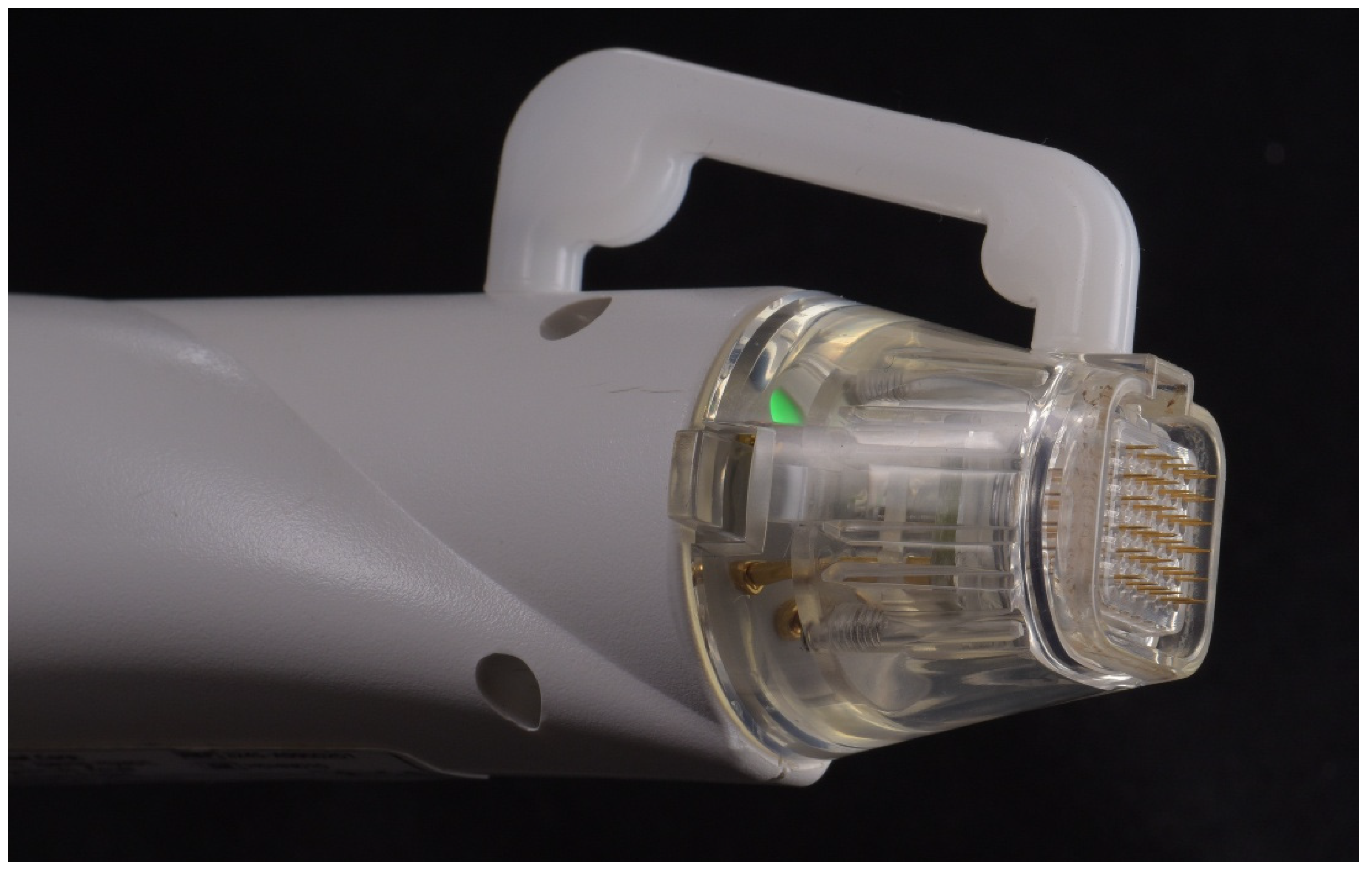
The Focus Dual is a fractional microneedling radiofrequency (RF-MN) device that incorporates an advanced system combining fractional microneedling with bipolar radiofrequency to enhance dermal regeneration through synergistic mechanical and thermal stimulation. In microneedling mode, the system utilizes sterile, gold-plated insulated or non-insulated micro-needles that precisely penetrate the dermis at adjustable depths from 0.5 mm to 3.5 mm, depending on clinical needs (
Figure 1). The controlled mechanical insertion of the needles, thanks to the integrated vacuum pump that precisely aspirates the selected skin, triggers a localized inflammatory response that stimulates collagen and elastin production, while bipolar RF energy is simultaneously delivered through the needles, producing targeted volumetric heating of the deep dermis—reaching up to 60–67 °C—thereby inducing controlled collagen denaturation, fibroblast activation, and subsequent tissue remodeling. In acne patients with different degrees of severity, the Focus Dual simultaneously targets several key pathophysiological mechanisms. It induces thermal ablation of sebaceous glands, as the RF-generated heat (60–70 °C) in the deep dermis downregulates sebaceous activity, thereby reducing the substrate necessary for
Cutibacterium acnes proliferation. Additionally, it exerts local anti-inflammatory effects, with significant reductions observed in pro-inflammatory cytokines such as IL-8, TNF-α, and RANTES.” [
19,
20]. Dermal regeneration is also promoted through the activation of fibroblasts, which initiates neocollagenesis and neoelastogenesis, contributing to improved skin quality and a reduced risk of atrophic scarring.
The Focus Dual system supports both insulated and non-insulated needle types, each offering distinct clinical applications. Insulated needles are coated along the shaft, exposing only the tip to deliver RF energy precisely in the deep dermis while preserving the epidermis and upper dermis, thus minimizing the risk of surface damage and post-inflammatory hyperpigmentation; this makes them particularly suitable for medium-to-dark skin types (Fitzpatrick IV–VI), areas with deep dermal laxity, sensitive zones such as the periorbital region and neck, and for low-downtime procedures. In contrast, non-insulated needles—also known as full-length needles—deliver RF energy along their entire length, enabling diffuse heating through multiple dermal layers and offering broader stimulation; these are preferred in the treatment of acne scars or post-surgical scars, thick or photo-damaged skin, and in fair skin types (Fitzpatrick I–III), though they carry a higher risk of surface reactions like erythema or superficial irritation. The choice between insulated and non-insulated needles is guided by treatment objectives, anatomical location, skin type, and the desired depth of thermal action. The Focus Dual system allows customizable adjustment of three core parameters: needle penetration depth (0.5–3.5 mm), pulse duration, and RF intensity, which are essential in tailoring treatment to individual skin characteristics and clinical indications. Needle penetration depth defines how deep the micro-needles reach, determining the dermal layer targeted by both mechanical and thermal stimuli; shallow depths (0.5–1.0 mm) are ideal for delicate areas such as periorbital skin, superficial rejuvenation, or early aging signs; intermediate depths (1.0–2.5 mm) are suited to moderate wrinkles, skin laxity, or acne scars; and deeper insertions (2.5–3.5 mm) are preferred for severe atrophic scars, deep wrinkles, and significant laxity in thicker skin areas like the cheeks or jawline. Pulse duration refers to the length of RF energy delivery once the needles are in place; shorter pulses (50–100 ms) generate controlled, focal heating with minimal collateral tissue impact, making them ideal for sensitive skin and lower phototypes, whereas longer pulses (up to 200–300 ms) permit greater thermal diffusion and enhanced collagen remodeling, albeit with increased risk of erythema and inflammation. RF intensity, indicating the power output during each pulse, may be expressed in energy levels or watts, depending on the interface, and ranges from low (for maintenance or sensitive skin) to moderate or high (to target aging signs, textural irregularities, or scarring); higher intensities, especially when combined with greater needle depth, amplify collagen induction but necessitate close monitoring to prevent overtreatment, particularly in darker phototypes. By fine-tuning these three parameters—depth, duration, and intensity—clinicians can create personalized treatment protocols targeting specific skin structures, optimizing therapeutic outcomes while minimizing adverse effects, and ultimately enhancing both safety and efficacy.
2.3. Protocol
Patients in the treatment group received two sessions of RF-MN using the Focus Dual, at baseline (T1) and at 4-week intervals (T2). The treatments were performed by an experienced operator (T.T). Clinical evaluations were conducted blindly by two independent operators (O.R. and G.P.) using standardized photographic assessments. Before starting the treatment, facial photographs were taken (T0), focusing specifically on the forehead, cheeks, and chin areas. The Focus Dual® device delivers bipolar RF energy through 25 microneedles arranged in a high-precision matrix. The microneedle penetration depth was adjustable from 0.5 mm to 3.5 mm, with 0.1 mm accuracy. Treatments were customized for each patient according to the severity and distribution of lesions, with a typical penetration depth set between 1.5 and 2.5 mm, and energy intensity adapted based on tolerance and clinical response.
Prior to each session, the entire face was cleansed using a gentle cleanser and 70% isopropyl alcohol. A topical eutectic anesthetic cream (containing 2.5% lidocaine and 2.5% prilocaine) was applied for 60 min. In patients with a history of herpes simplex infection, prophylactic antiviral therapy with valacyclovir (500 mg/day) was prescribed for 3 days starting 1 day before the procedure.
Each session included two full-face passes, with a third pass over areas with more severe inflammatory lesions. The RF conduction mode included controlled delivery time for each pulse and minimal thermal diffusion to reduce the risk of post-inflammatory hyperpigmentation.
After treatment, patients were instructed to apply a non-comedogenic moisturizer several times daily for 3–5 days, avoid sun exposure, and use broad-spectrum sunscreen. They were advised not to use any topical or systemic antibiotics or retinoids throughout the treatment period.
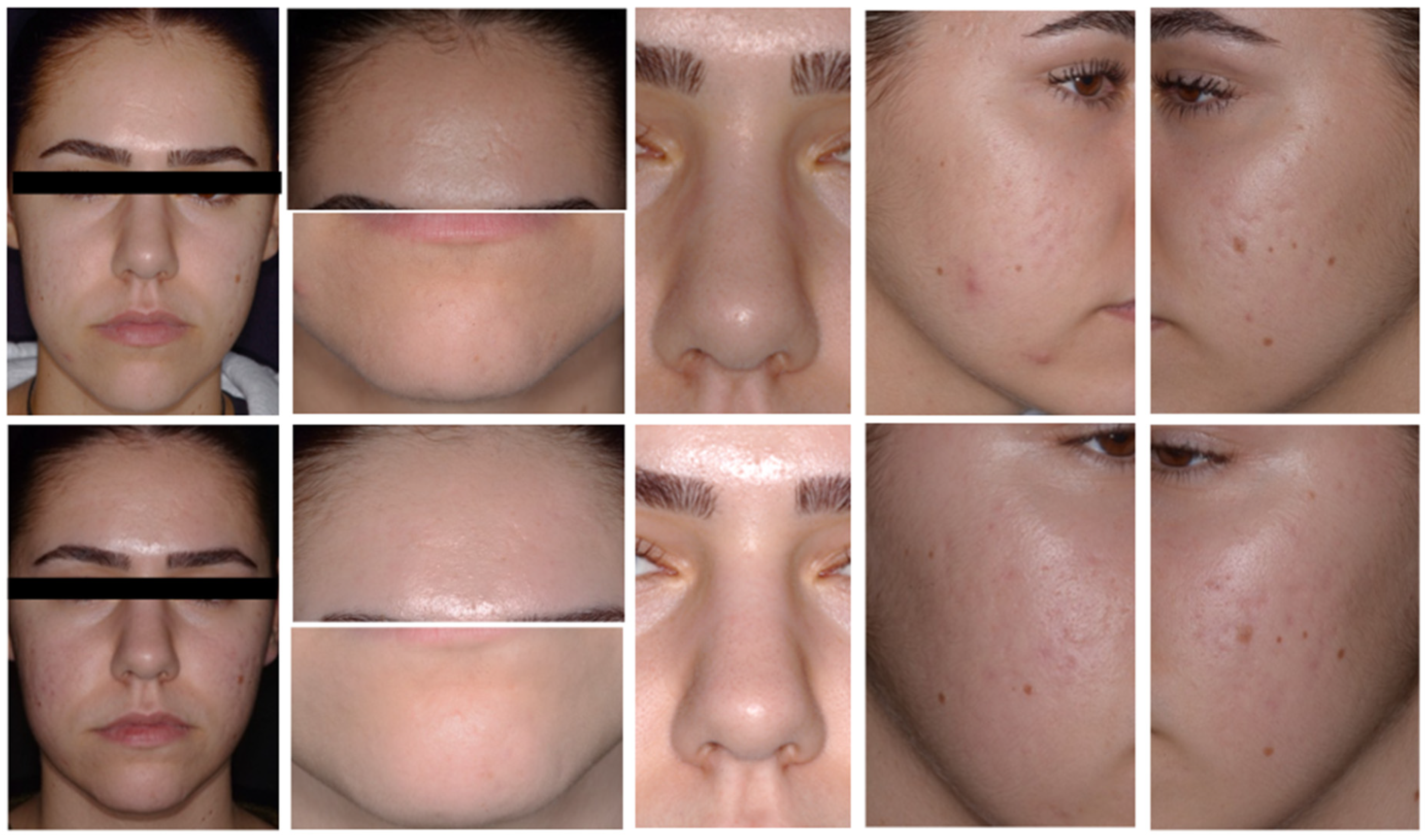
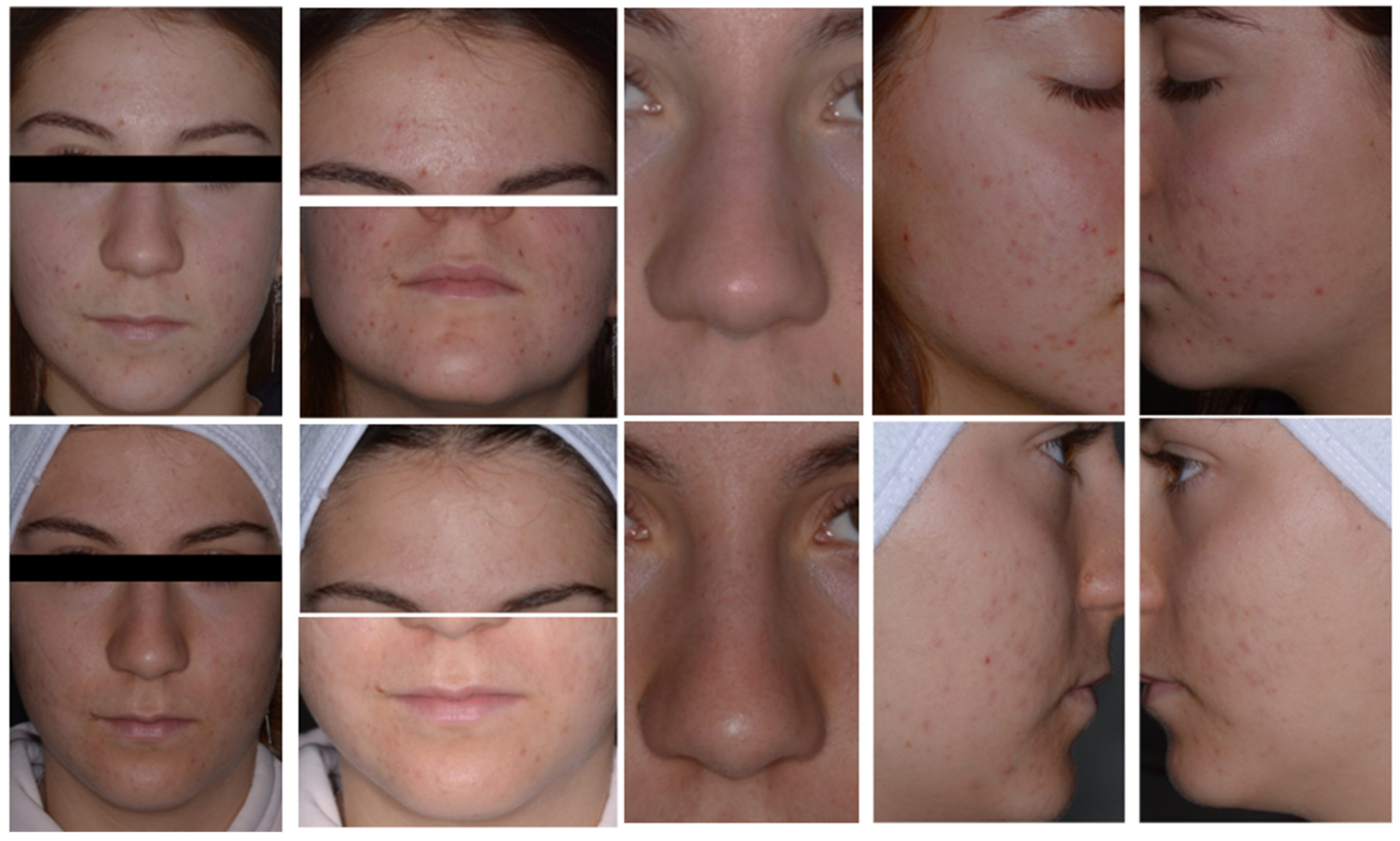
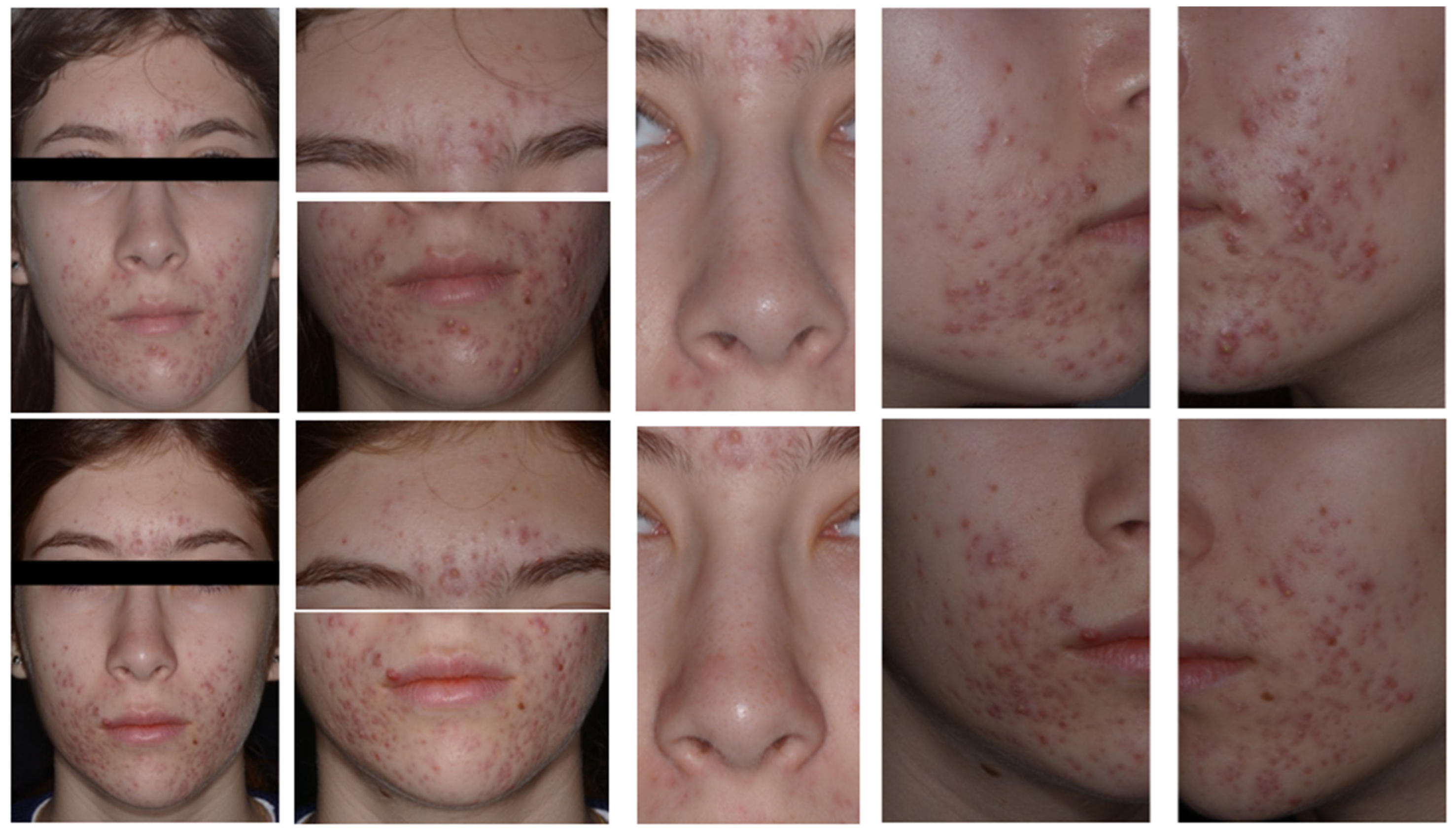
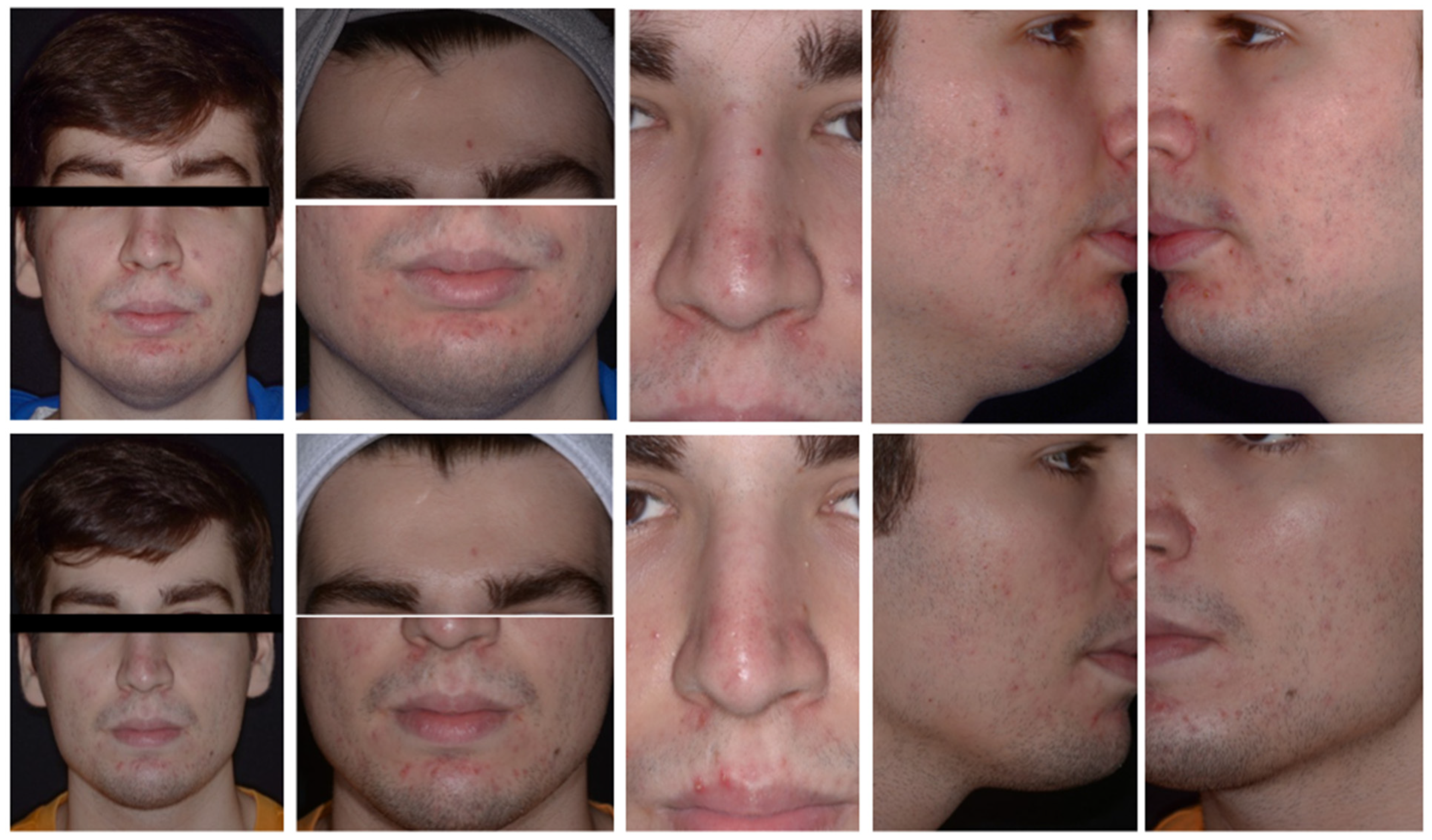
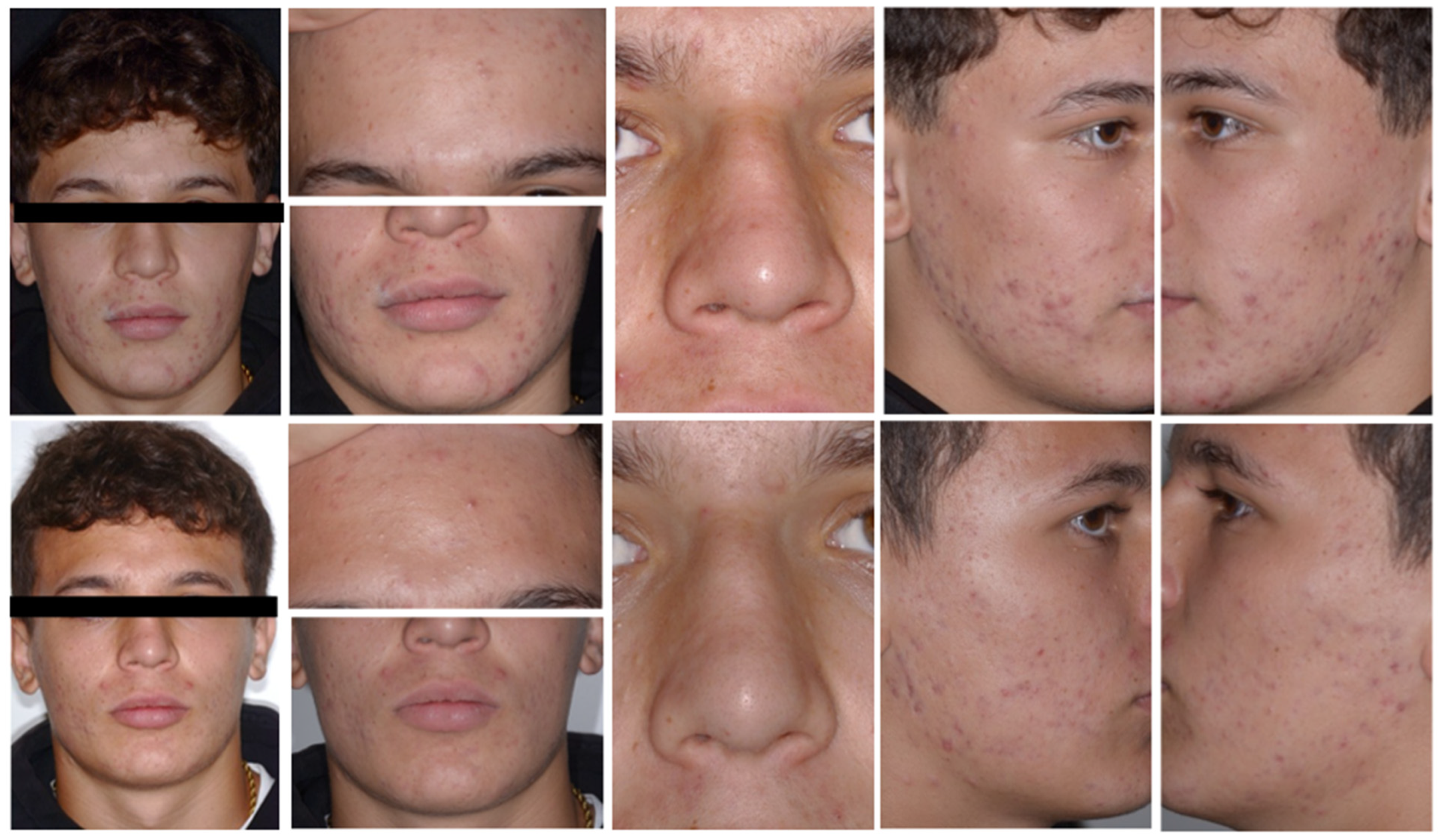
Photographs of each patient were taken using the same camera with fixed camera settings (Reflex Nikon D7200, Nikon Corporation, Tokyo, Japan, ISO 200, f/8, 1/125s) at baseline and at second session (T2) (weeks 4), under consistent lighting and patient positioning with a custom headrest. For each patient, one frontal photograph and five additional photographs were acquired to capture the five facial regions under analysis: forehead, nose, and chin in frontal projection, and both cheeks in lateral three-quarter projection. This photographic protocol was applied uniformly for all patients and at all time points as part of a standardized photographic assessment, ensuring reproducibility and comparability of images. Lesions were manually counted at each visit and marked using a skin-safe colored pen to ensure accuracy.
2.4. Evaluation Through the Face Global Acne Grading System and the Global Improvement Scale
Clinical improvement was evaluated using the
Face Global Acne Grading System (F-GAGS), a customized adaptation of the original Global Acne Grading System (GAGS) [
21] developed by the authors to focus exclusively on the facial region, which evaluates five anatomical regions (forehead, nose, right cheek, left cheek and chin), assigns a weight factor to each, and scores the lesion types as follows:
Comedones = 1 point;
Papules = 2 points;
Pustules = 3 points;
Nodules = 4 points.
The regional score is calculated by multiplying the most severe lesion score by the area factor (1 for nose, 2 for cheeks, 3 for forehead and chin). The total F-GAGS score classifies acne severity as:
Mild: 1–15;
Moderate: 16–25;
Severe: 26–30;
Very severe: ≥31.
Two independent aesthetic specialists (G.P and O.R), blinded to treatment time points, assessed and scored photographs in a randomized, non-chronological order using both F-GAGS and a 5-point
To objectively assess clinical improvement in acne severity, the Global Improvement Scale (GIS) (18) was employed. This validated scale enables standardized evaluation based on photographic comparison. Two aesthetic specialists (G.P and O.R) independently and blindly reviewed standardized facial photographs taken at baseline and after treatment. Images were presented in a randomized, non-chronological order to minimize potential bias. Each dermatologist assigned a GIS grade based on the percentage of improvement observed, considering both the number and severity of inflammatory acne lesions, as well as the overall skin condition (including acne scarring, pore size, tone, and texture). The GIS grades were defined as follows:
Grade 0: worsened
Grade 1: 0–25% (minimal improvement)
Grade 2: 26–50% (moderate improvement)
Grade 3: 51–75% (marked improvement)
Grade 4: >75% (near-total clearance)
Adverse effects, including bleeding, erythema, scaling, crusting, dyschromia, and infection, were recorded after each session and again at the final 6-month follow-up.
2.5. Statistical Analysis
All statistical analyses were performed using SPSS version 22 (IBM Corp., Armonk, NY, USA). Categorical data were analyzed using frequency and percentage. Given the very small sample size, continuous variables are presented descriptively by reporting the individual values for each patient. No inferential statistical tests were performed, and the analysis was limited to a descriptive evaluation of pre- and post-treatment findings.
3. Case Description and Results
A total of 5 patients (2 males and 3 females; age range 19–28 years; Fitzpatrick skin types II and III) meeting the inclusion and exclusion criteria were treated with the RF-MN device Focus Dual
® (Med & Tech, Italy). Baseline patient characteristics, including age, sex, and clinical diagnosis, are summarized in
Table 1.
A 18-year-old female (Fitzpatrick II) presented with moderate papular acne localized predominantly on the forehead and bilateral cheeks, with scattered comedones on the chin. Baseline F-GAGS scores were 16 (G.P.) and 20 (O.R.), corresponding to moderate severity. Treatment parameters included needle depth 1.5–2.0 mm, RF intensity level 3, and pulse duration of 100 ms. At 4 weeks after the second session (T2), visible clinical improvement was observed with marked reduction in erythema, papules, and pustules. Post-treatment scores decreased to 13 for both raters, shifting the case to mild acne. GIS evaluation indicated Grade 1 (G.P., 18.75%) and Grade 2 (O.R., 35%) improvement. The patient reported only mild transient erythema lasting <24 h and no downtime.
A 22-year-old female (Fitzpatrick III) presented with severe pustular and nodular acne affecting the cheeks, chin, and jawline, with evident post-inflammatory erythema and early scarring. Baseline F-GAGS was 29 for both raters, consistent with severe acne. Treatment was performed using non-insulated needles (depth 2.5–3.0 mm; RF intensity 4; pulse duration 150 ms). At T2, significant reduction in pustules and nodules was evident, with post-inflammatory erythema fading and fewer new lesions forming. Scores decreased to 18 (G.P.) and 21 (O.R.), shifting to moderate severity. GIS evaluation yielded Grade 2 for both raters, corresponding to 37.93% and 30.59% improvement, respectively. The patient tolerated treatment well, with only mild edema for 24 h. No post-inflammatory hyperpigmentation (PIH) or secondary infection occurred.
A 25-year-old female (Fitzpatrick II) presented with mild-to-moderate mixed acne (comedonal and papulopustular) localized mainly to the lower cheeks and perioral area. Baseline F-GAGS scores were 12 (G.P.) and 12 (O.R.), indicating mild acne. Treatment was conducted with insulated needles at 1.5 mm depth, RF intensity 2, pulse 100 ms. Four weeks after the second session, mild improvement in texture and reduced inflammation were noted; scores decreased to 10 (G.P.) and 11 (O.R.), maintaining a mild classification. GIS evaluations were Grade 1 for both raters (16.67% and 8.33%), corresponding to minimal improvement. The patient reported only transient erythema resolving within 12 h, and no adverse reactions were observed.
A 28-year-old male (Fitzpatrick III) presented with severe pustular acne localized on the cheeks and chin, with occasional nodules on the jawline. Baseline F-GAGS scores were 22 (G.P.) and 20 (O.R.), indicating moderate acne. RF-MN was performed using non-insulated needles (depth 2.5–3.0 mm; RF level 4; pulse 150 ms). At T2, a clear reduction in nodular and pustular lesions was observed, with improved skin tone and texture. Post-treatment scores decreased to 15 (G.P.) and 13 (O.R.), shifting to mild acne. GIS grading was Grade 2 (28.82% and 35%), indicating moderate clinical improvement. The patient reported no discomfort aside from transient erythema and pinpoint bleeding resolving within 24 h.
A 22-year-old male (Fitzpatrick II) with severe pustular and nodular acne presented with widespread involvement of the cheeks, temples, and chin, with mild scarring. Baseline F-GAGS scores were 19 (G.P.) and 22 (O.R.), classifying the condition as moderate-to-severe. The treatment used non-insulated needles (depth 2.0–2.5 mm; RF level 3; pulse 150 ms). Four weeks after the second session, lesion count decreased markedly, and inflammation subsided. Scores decreased to 13 and 15, corresponding to mild acne. GIS grading indicated Grade 2 (31.58% and 28.57%), confirming moderate clinical improvement. No adverse events occurred, and the patient expressed high satisfaction with the procedure.
The outcomes of both the F-GAGS and GIS assessments are summarized in
Table 2 and
Table 3, Standardized clinical photographs of all patients, taken before treatment (T0) and 4 weeks after the second session (T2), are shown in
Figure 2,
Figure 3,
Figure 4,
Figure 5 and
Figure 6.
4. Discussion
These 5 case reports highlight the potential efficacy and safety of RF-MN in the management of moderate to severe inflammatory acne localized to the face. All five treated patients exhibited clinical improvement following two RF-MN sessions; however, four patients demonstrated a clinically significant reduction in acne severity, while one patient (Patient 3) showed only minimal changes in lesion count and severity, as documented by reductions in F-GAGS scores (
Table 2) and GIS (
Table 3) assessed by two independent evaluators. The minimal improvement observed in Patient 3 can be attributed to the baseline mild-to-moderate acne severity, which inherently limits the measurable change in F-GAGS score. Additionally, the predominance of comedonal and papular lesions, which are less responsive to RF-MN compared to inflammatory pustules or nodules, likely contributed to the modest clinical response. Furthermore, conservative treatment parameters were applied, with a shallow needle depth (1.5 mm) and low RF intensity (level 2), appropriate for mild lesions but potentially limiting the extent of visible improvement. Overall, F-GAGS scores decreased from baseline to T2, reflecting a reduction in acne severity across patients. The greatest improvements were observed in patients with more pronounced inflammatory lesions, particularly nodules and pustules (Patient 2), where F-GAGS scores indicated a shift from severe to moderate. Patients 1, 4, and 5 also experienced improvements, with their acne severity decreasing from moderate to mild [
9,
17].
The GIS evaluations confirmed these findings, with both blinded assessors assigning grades ranging from 1 to 2 (minimal to moderate improvement) for all cases. Patient 2, who presented with very severe pustular and nodular acne, achieved a reduction of over 30% according to both evaluators. Even in milder cases, such as Patient 3, a slight decrease in lesion count and visible improvement in skin texture were noted, suggesting that RF-MN may offer dual benefits: reduction in active inflammatory lesions and early improvement in overall skin quality [
16,
18].
These findings are consistent with previous studies conducted on larger patient cohorts [
19]. Multiple investigations have validated the use of RF microneedling (RF-MN) for the treatment of active acne, both as monotherapy and in combination with systemic pharmacological agents. Kim et al. conducted a prospective study involving 25 patients with moderate-to-severe active acne who received three monthly RF-MN sessions, reporting significant reductions in both inflammatory and comedonal lesions, along with subjective improvements in skin texture and no serious adverse events [
17]. A randomized controlled trial published in 2023 compared RF-MN combined with isotretinoin to isotretinoin alone in 40 patients with nodulocystic acne. The combined treatment group demonstrated a faster reduction in lesion count, a lower incidence of scarring, and fewer relapses at the 6-month follow-up [
22]. Furthermore, a retrospective multicenter study conducted in 2024 on a cohort of 139 patients showed that RF-MN significantly reduced acne recurrence rates compared to conventional therapies, with sustained remission observed in 76% of patients treated with RF-MN, versus 33% in the isotretinoin group [
22,
23].
RF-MN integrates microneedling with the delivery of either bipolar or monopolar radiofrequency energy, producing controlled dermal heating. Beyond inducing neocollagenesis, this technique modulates sebaceous gland activity and exerts potent anti-inflammatory effects. As a result, RF microneedling represents a safe and effective therapeutic option for patients with moderate-to-severe active acne, both as a standalone intervention and in combination with pharmacological treatments. Current evidence supports its efficacy in reducing active lesions, lowering sebum production, minimizing the risk of scarring, and extending the duration of clinical remission [
16,
17,
18,
19,
20,
21,
22].
The pathophysiological rationale for RF-MN in acne treatment lies in its ability to thermally modulate sebaceous gland activity while sparing the epidermis. This targeted approach reduces inflammation, decreases sebum production, and promotes dermal remodeling through collagen stimulation [
3,
4]. Unlike ablative laser modalities, RF-MN penetrates deeper skin layers with minimal epidermal damage, making it particularly suitable for long-term acne management and scar prevention and minimizing downtime and the risk of post-inflammatory hyperpigmentation—particularly important in patients with Fitzpatrick skin types II–III, as included in this series [
17,
18].
The absence of significant adverse events in these 5 case reports support the favorable safety profile of the procedure. All patients tolerated the treatment well, with no cases of infection, scarring, or pigmentary changes observed during the treatment period [
17].
These findings align with previous reports indicating that RF-MN is generally well tolerated, with only minimal and transient side effects, such as erythema, edema, and pinpoint bleeding. No significant post-inflammatory hyperpigmentation or secondary infections have been reported. A temporary acne flare or purging phase may occur in some patients within 2–4 weeks post-treatment due to transient sebaceous stimulation [
17].
It is also noteworthy that inter-rater variability between the two blinded evaluators (G.P. and O.R.) remained minimal, further validating the reliability of both the adapted F-GAGS scoring system and the GIS used in this setting. This suggests that RF-MN outcomes are perceptible and consistent, even when assessed by different clinicians [
9].
Given the rising concern over antibiotic resistance and the limited tolerability of systemic treatments such as isotretinoin, RF-MN represents an appealing non-pharmacologic alternative. Its mechanical and thermal mechanisms address multiple pathogenic factors of acne, including inflammation, sebaceous activity, and textural irregularities, making it particularly suitable for aesthetic dermatology settings [
9,
15].
5. Limitations of the Study
These 5 case reports present some limitations inherent to their observational design. The absence of a control group, randomization, and objective measurement devices limits the ability to definitively attribute improvements to the intervention and quantify changes precisely. Additionally, the small sample size and short follow-up period preclude definitive conclusions regarding long-term efficacy or recurrence rates. Future studies should incorporate tools for enhanced objectivity such as histological evaluation or objective sebum quantification and employ controlled trials with larger cohorts, extended follow-up, and adjunctive imaging techniques (e.g., high-frequency ultrasound or dermoscopy) to further validate these findings [
9,
17].
Regarding the use RF-MN in active vulgaris acne, evidence remains limited, with few studies demonstrating its safety and efficacy in this context—such as Katz et al. (2019) [
24], which reported significant lesion reduction without adverse events—necessitating further research to confirm these findings.
Further studies are warranted to confirm long-term efficacy, optimize treatment protocols, and assess outcomes in diverse patient populations. Although no adverse events were observed in the present study, recent FDA warning letters (2024–2025) to RF-MN device manufacturers highlight potential risks including second- to third-degree burns, prolonged downtime, post-inflammatory hyperpigmentation, and neuropathy when used with excessive energy settings or by unqualified operators, underscoring the need for standardized protocols, device-specific training, and specialized training of operators in microneedling techniques and aesthetic medicine.