Next Article in Journal
Examining Cross-Industry Clusters among Airline and Tourism Industries
Previous Article in Journal
Cape Verde: Islands of Vulnerability or Resilience? A Transition from a MIRAB Model into a TOURAB One?
 
 
Correction published on 4 September 2026, see Tour. Hosp. 2026, 7(9), 282.
Article

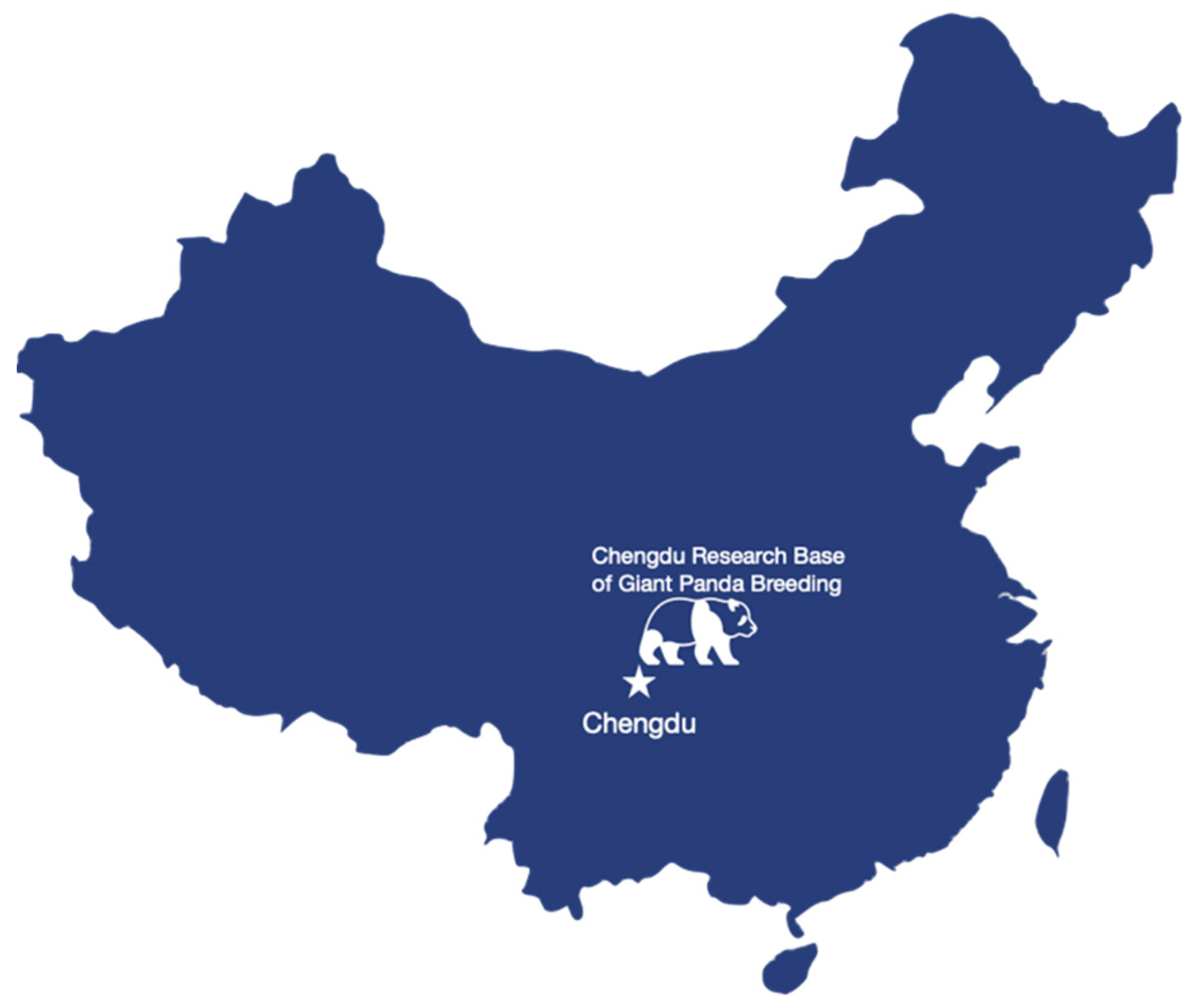
Codes of Conduct at Zoos: A Case Study of the Chengdu Research Base of Giant Panda Breeding

1
Geography and Tourism Studies, Brock University, St. Catharines, ON L2S 3A1, Canada
2
Tourism Department, Chengdu Research Base of Giant Panda Breeding, Chengdu 610081, China
*
Author to whom correspondence should be addressed.
Tour. Hosp. 2024, 5(1), 95-111; https://doi.org/10.3390/tourhosp5010007
Submission received: 10 November 2023 / Revised: 12 January 2024 / Accepted: 29 January 2024 / Published: 5 February 2024 / Corrected: 4 September 2026
(This article belongs to the Special Issue Managing Tourism and Recreation in Parks and Protected Areas)

Abstract

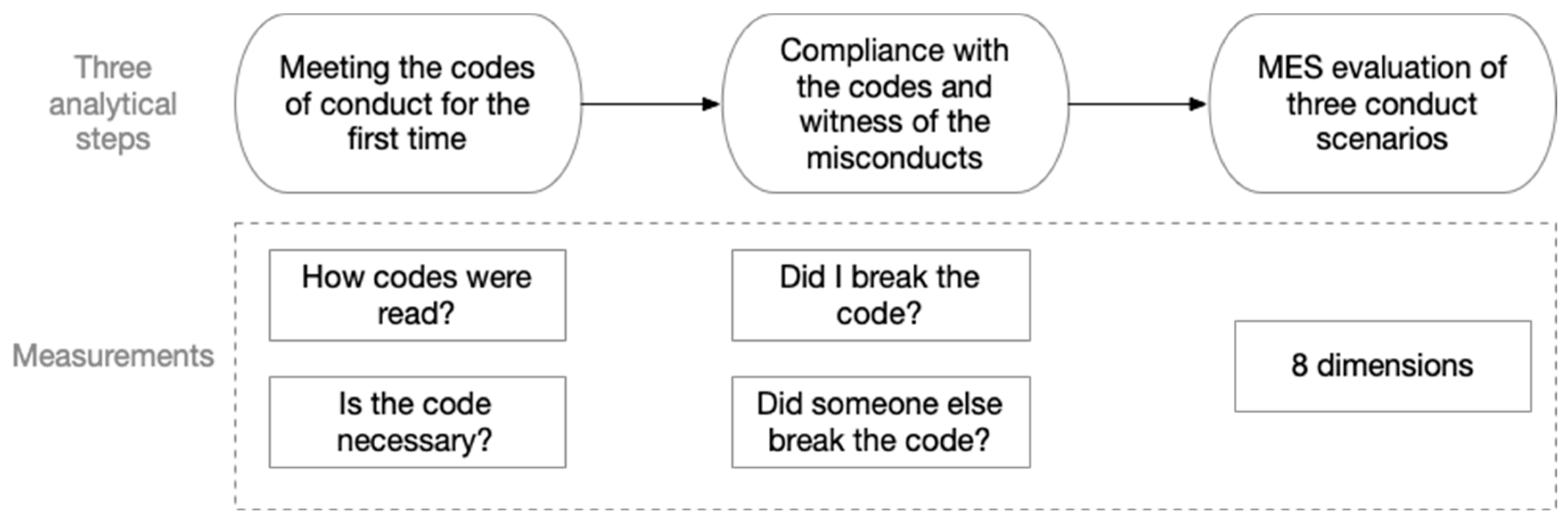
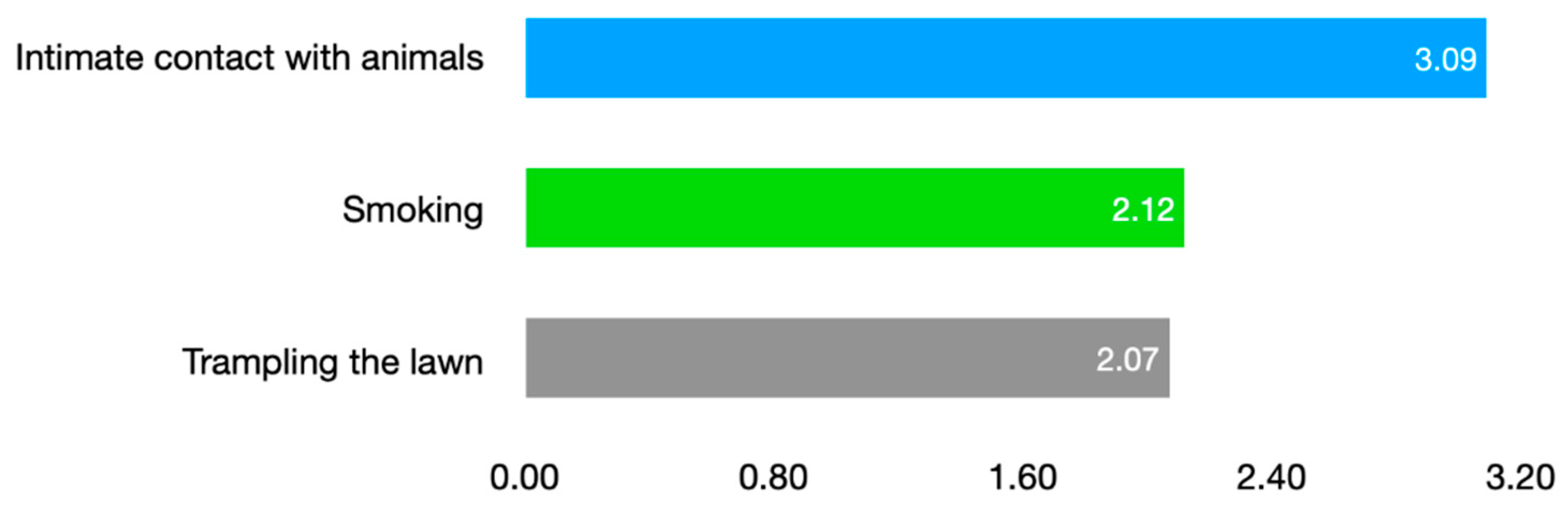
Zoos consistently implement codes of conduct in efforts to manage visitor behaviour. However, few studies have examined the use of the codes of conduct in zoos, even though they carry significant ethical implications regarding the relationship between humans and animals in society. This study provides an explorative investigation into the use of codes of conduct at the Chengdu Research Base of Giant Panda Breeding (Panda Base). Positioning the Panda Base as a place to negotiate the boundaries between humans and animals, this study surveyed visitors’ initial engagement with the Base’s code of conduct, their compliance with the code, and their assessment of the code. The findings point to a significant disparity between how visitors engage with and perceive the value of the code, which failed to prevent visitors from having close contact with animals at the Panda Base. We argue that Foucault’s philosophy on taboos in modern society can help us understand the ineffectiveness of the codes of conduct in zoos. However, Kant’s philosophy can orient human-animal interactions more ethically and provide an opportunity to consider the significance of codes of conduct in zoos. Suggestions for improving the effectiveness of codes of conduct at zoos are provided.

Keywords: codes of conduct; zoos; animal-human interaction; giant panda codes of conduct; zoos; animal-human interaction; giant panda