
Article

Disinformation and Journalistic Routines in Health Reporting: A Study of Professional Practices in the Coverage of Health Content Aimed at People over 74


by
Mario Benito-Cabello
,
Gustavo Montes-Rodríguez
and
Casandra López-Marcos
*
Department of Communication and Sociology, Faculty of Communication Sciences, Rey Juan Caros University (URJC), 28943 Fuenlabrada, Madrid, Spain
*
Author to whom correspondence should be addressed.
Journal. Media 2026, 7(1), 18; https://doi.org/10.3390/journalmedia7010018
Submission received: 9 December 2025 / Revised: 12 January 2026 / Accepted: 16 January 2026 / Published: 28 January 2026
(This article belongs to the Special Issue Reimagining Journalism in the Era of Digital Innovation)

Abstract

This article analyses the professional routines of health journalists in Spain, and their role in tackling disinformation in health reporting targeted at people over the age of 74. It is based on the premise that this age group, being highly exposed to health issues and particularly vulnerable to health-related misinformation, requires content that is tailored, reliable and easy to understand. The research adopts an exploratory-descriptive approach through a self-administered questionnaire addressed to health journalists belonging to professional associations and working in both general and specialist media outlets. As this is an ongoing study, the preliminary results indicate that these professionals report applying rigorous verification mechanisms, which suggests a trend within the surveyed group towards the consolidation of practices against disinformation. The findings also reveal a preference for informative styles that avoid sensationalism and prioritise clarity, although there remains a tendency towards high-impact topics and those linked to media figures. In contrast, attention to the informational needs of older adults is limited and addressed only occasionally. The study concludes that, although the interviewed professionals consider that health journalism in Spain maintains high standards of rigor, it still faces the challenge of systematically adapting its communicative practices to the needs of vulnerable audiences.

1. Introduction

Health journalism, like general or other forms of specialized journalism, takes place in a context of rapid change within the media ecosystem, characterized by the proliferation of online content and the growing circulation of disinformation. More specifically, health reporting aimed at people over the age of 74 is of particular relevance due to their frequent interaction with the healthcare system and their exposure to false narratives that may affect their wellbeing and generate unnecessary alarm. Analyzing how journalists organize their work routines, what criteria they use to select and verify stories (news values), their role in combating disinformation and conducting fact-checking, both internal and external, and how they take into account the needs of this demographic group, provides insight into the current tensions between professional rigor, the demands of the information market, and social responsibility.

1.1. Professional Routines and Specialized Journalism

Professional or journalistic routines are the individual and collective processes that enable media professionals—journalists—to carry out their work as creators and disseminators of information with a certain degree of assurance and efficiency. These guarantees are, however, increasingly difficult to uphold, as the media ecosystem has been profoundly transformed and subjected to countless rapid changes that, far from having stabilised, continue to reshape the journalistic profession (Lecheler & Kruikemeier, 2015; Benito Cabello & Pérez Cuadrado, 2019).
This notion of assurance and efficiency in journalistic practice is reflected, in some way, in one of the earliest and most frequently cited definitions of “professional routines”:
[professional or journalistic routines are] standardised procedures that journalists use to cope with limitations of time, space and resources, enabling them to transform unpredictable events into recognisable news products.
This conceptualisation appears in one of the landmark studies on media production processes aimed at analysing long-term media effects: Making News: A Study in the Construction of Reality, by Gaye Tuchman (1978), published in Spanish in 1983 as La producción de la noticia. Conducted by the American sociologist in the late 1960s, the study used participant observation in two newspapers and in the New York City Hall press office, along with in-depth interviews with journalists and editors, to demonstrate that events are transformed into news through work processes carried out by journalists within the framework of a media organisation. News is constructed (Tuchman, 1983; Fishman, 1980; Alsina, 1989; López, 1995; Preston, 2009; Domingo & Paterson, 2011; Boydstun, 2022). It does not exist as an independent reality until it is “manufactured” in a newsroom.
Tuchman’s pioneering research shows how the way newsrooms are organised influences journalists’ work pace, the time and space devoted to each story, access to sources, and consequently the selection of topics covered by each outlet (Retegui, 2017, p. 108). This conclusion is shared by Humanes (2003), who notes: “The level of organisation includes the study of key functions and the individuals who perform them in newsrooms, the objectives, and how they are carried out”. This has been a central idea since the earliest studies on professional routines, such as Fishman’s (1980) work, translated into Spanish in 1983 as La fabricación de la noticia, another study, like Tuchman’s, based on participant observation.
Three levels can be identified in relation to journalistic professional routines: (a) an individual level, specific to each journalist, where professional experience, training, and access to sources determine how effectively they perform their work; (b) an editorial or organisational level, corresponding to the media outlet, which sets standards and defines the internal structure and teamwork processes under the supervision of section editors (Golding & Elliott, 1979; Humanes, 2003); and, (c) a social level, which legitimises or delegitimises certain journalistic practices, conferring greater or lesser prestige and acceptance (Ekström, 2002). At this social level, Ortega and Humanes (2000, p. 48) even functionally compare journalistic practices to scientific paradigms, though, as they note, without producing knowledge per se, but rather as “interactive rituals”. Shoemaker and Reese (1996) proposed a multilevel model positioning routines as an intermediate level where individual factors (the journalist’s beliefs) converge with structural ones (market, ideology, organisation), while Mont’Alverne and Marques (2019) also advocate studying them through a convergence of perspectives.

1.2. News Values

Since the earliest academic studies on journalism (Lippmann, 1922), it has been evident that, when faced with a reality too vast to cover in its entirety, the media select certain aspects of it to turn into news. This mediation process involves applying a series of criteria to make that selection, which have been conceptualised as news values (Gans, 1979). Journalistic routines are therefore directly linked to what are known as news values in leading media outlets:
News values provide the criteria in the routine practices of journalism which enable journalists, editors and newsmen to decide routinely and regularly which stories are ‘newsworthy’ and which are not, which stories are major ‘lead’ stories and which are relatively insignificant, which stories to run and which to drop.
Harcup and O’Neill (2001, 2017) offered a clear definition in 2001 focusing on the criteria used by journalists to consider an event newsworthy, a definition they later expanded in 2017 to include not only journalists but also media editors.
News values can be defined as the professional judgments and informal conventions that guide journalists and editors in deciding what events, people or topics are considered newsworthy and therefore selected for coverage.
Among these criteria, Golding and Elliott (1979), in one of the pioneering studies on news values, identified twelve parameters that determine whether an event is more or less newsworthy: frequency or timing (when it occurred), amplitude (or intensity), clarity (lack of ambiguity), meaningfulness (cultural proximity, relevance to the audience), consonance (alignment with established criteria or expectations), unexpectedness (surprise factor), continuity (follow-up of previously reported events), composition (relation to other events), reference (to elite people or countries), negativity (negative events are more newsworthy), and personalisation (directly linked to the reference criterion).
Various authors have proposed alternatives to Golding and Elliott’s (1979) sociological and critical model, which focuses on the role of the media in social control, using different criteria to determine news value—such as Martini (2000), in the context of digital journalism; Harcup and O’Neill (2001), highlighting emotional and visual elements in news selection; Redondo (2011), analysing sensationalism; or Piotrkowicz et al. (2017), who researched news values on social networks such as Facebook and Twitter (now X).
In short, news values are, or should be, reflected in the journalistic routines that aim to counter disinformation and deliver content that meets the specific interests and needs of the target audience, particularly, in the context of the present study, those related to health and quality of life among people over the age of 74.

1.3. Specialised Journalism

Journalistic routines, especially those concerning health information, cannot be fully understood without addressing the issue of specialisation among journalists. These practices and processes require professionals with the training and experience necessary to produce and disseminate information on the subjects they cover.
Specialisation in journalism has been examined in academic research not as a distinct genre, but as “a modality that employs classical genres to provide the public with information on specific sectors of social reality” (Martínez Albertos, 1993). This modality is primarily intended to reduce the complexity of information—particularly in areas that are difficult to understand or require in-depth coverage that must be simplified and clearly explained for non-expert audiences, without compromising rigour—as is the case with health reporting (Barrera Páez, 2016; Catalán-Matamoros & Peñafiel-Saiz, 2019).
Health information is among the most sensitive types of information, as an erroneous, misinterpreted, or inadequately verified report can cause public alarm or even result in a public health issue.
These elements of complexity, the particularly sensitive nature of the information, and the potential risk of generating social alarm are even more pronounced in audiences composed of older adults, as in the case of our study (Chaudhuri et al., 2013; Sharkiya, 2023; Knotnerus et al., 2024).

1.4. Disinformation, Fact-Checking, and Quality of Information

A key factor in combating disinformation is the authority of established media outlets and experienced journalists with strong personal brands. Disinformation, it should be stressed, is a phenomenon that must now be addressed more deeply and systematically than in the past, because although it has existed since the beginning of human communication, the rise of the internet and social media has led to its exponential growth (Wardle & Derakhshan, 2017; Salaverría et al., 2020; Elías & Teira, 2021). Algorithms prioritise what has been termed “virality”, defined as the ability of a message to spread rapidly among social media users, similar to the way viruses propagate (Rushkoff, 1996). This means that false or misleading information—particularly on health topics, which can generate public alarm—can spread from one user to another faster than verified news or debunked false claims.
From an academic perspective, the term disinformation has been subject to “multiple meanings and its evolution has changed” (Sánchez Duarte & Magallón Rosa, 2023, p. 237). Fetzer (2004) highlighted, in one of the key definitions, the intentional intent to deceive as a defining characteristic of disinformation: “[disinformation is] the dissemination of incomplete, inaccurate or misleading information with the intent or purpose of deliberately deceiving others about the truth” (p. 228). This is entirely contrary to professional journalistic routines aimed at quality, as Carlos Elías reminds us when he equates journalism with the scientific method as “the pursuit of truth in order to make it public” (Elías, 2021, p. 25). Despite the multiple definitions of the concept, the element of intent is present in almost all scientific literature (European Union, 2018; Tandoc et al., 2020; Søe, 2021).
This consensus around the intentional nature of disinformation is what leads Wardle and Derakhshan (2017), in their report for the Council of Europe, and Ireton and Posetti (2018), for UNESCO, to prefer the term “information disorders” and to establish a classification of these disorders distinguishing between disinformation—“false, inaccurate, or out-of-context information that is deliberately spread to deceive” (Wardle & Derakhshan, 2017, p. 20); misinformation—false information spread by mistake, without intent to deceive, often due to poor professional practice; and malinformation—malicious information that, while true, is disseminated not for its social interest or relevance but to cause harm to individuals or institutions.
Professional routines grounded in journalistic rigour provide one of the guarantees for high-quality information. Beyond creating and disseminating their own news in pursuit of the truth, the growing phenomenon of disinformation also requires journalists and media outlets to take on a verification role for stories that go viral with false or dubious content. This practice is known as fact-checking (Graves & Amazeen, 2019). These authors distinguish between two main types of fact-checking: internal verification, which refers to the actions incorporated into classic journalistic routines to ensure that all aspects of the information being published are accurate; and external verification, which focuses on performing these checks on reports from other journalistic organisations or on information circulating on social media.
Fact-checking has an additional and increasingly common sense referring to an evaluation of a claim or a text that is already public, rather than something one intends to make public. Such external or “political” fact-checking thus entails not only verification but also, potentially, confrontation: the fact-checker here publicly endorses or challenges the truthfulness of another individual or organization. While practitioners of the new genre describe their missions in different ways, their goal broadly speaking is to combat misinformation, for instance by persuading the reader not to believe a false rumor or inducing politicians to speak more carefully.
An increasing number of organizations are dedicated exclusively to this task—the latest annual census by the Duke Reporters’ Lab records 417 professional fact-checking actors active worldwide in 2023—distributed across more than one hundred countries and in 69 languages (Duke Reporters’ Lab, 2023). The most recent report from the International Fact-Checking Network (IFCN) indicates that in 2024, 175 fact-checking organizations were adhering to its Code of Principles (IFCN, 2025). In the case of Spain, there are five well-established professional projects: Maldita.es, EFE Verifica, Newtral, Verificat, and Infoveritas, which in 2022 approved the European Code of Standards for Independent Fact-Checking Organizations (AFP, 2022; EFCSN), and which also appear—except for Infoveritas, which is currently listed as a public application—as signatories of the IFCN Code of Principles (IFCN, 2023). Beyond these organizations, the journalistic routines of other media professionals, including journalists specialized in health information, must incorporate external verification (internal verification is taken for granted in professional journalism) and leverage their prestige, experience, access to top-level sources, and scientific information as a guarantee of informational quality.

2. Methodology

Building on the conclusions presented in the theoretical framework of this research, journalistic routines concerning health content are analysed, with a focus on practices aimed at containing disinformation, particularly in relation to the population aged over 74. This age group accounts for higher attendance at Primary Care consultations, alongside paediatric patients aged 0 to 4 years (Ministerio de Sanidad, 2023). However, for this study, minors are excluded, as the focus is on understanding journalistic practices surrounding health information, and it is assumed that children under four do not have the reading skills or interest to engage with this type of content.
In the Spanish context, the population aged 74 and over shows significantly higher levels of frailty, worse self-perceived health and more limitations in activities of daily living than the 65–73 age group, which allows this segment to be considered a particularly vulnerable collective in terms of health and care (IMSERSO, 2024; Instituto Nacional de Estadística (INE), 2023; Universitat Oberta de Catalunya, 2024). In addition, the digital divide increases sharply from the age of 75: while a majority of those aged 65–74 use the internet on a regular basis, only a minority of people aged 75 and over go online and they do so with much more restricted uses, which heightens their risk of informational exclusion (Instituto Nacional de Estadística (INE), 2023; Universitat Oberta de Catalunya, 2024). For this reason, this study focuses on the 74+ population rather than on the 65–73 group, since the former concentrates to a greater extent the vulnerability factors that are relevant for analysing how health journalism adapts to vulnerable audiences (IMSERSO, 2024; Instituto Nacional de Estadística (INE), 2023; Universitat Oberta de Catalunya, 2024).
Exposure to health information can have positive effects on older adults, as shown by Villar et al. (2013), who found that they are receptive to consuming health-related content. It can also have negative effects, as Cáceres et al. (2011) note, especially when the information is inaccurate, alarming, unreliable, or sensationalist, leading to incorrect health decisions or, as Herrera-Tejedor (2017) indicates, fosters specific attitudes and behaviours regarding the use of healthcare services.
Against this backdrop, the main objective of this study is to analyse journalistic routines associated with the production of health content, with particular attention to practices aimed at preventing disinformation, especially in relation to health information directed at the population aged over 74.

2.1. Objectives and Hypotheses

The general objective of this research is broken down into several specific objectives. The first specific objective (SO1) is to examine the routines for producing health news, including publication frequency, production time, and the use of information sources. The second specific objective (SO2) is to identify the verification mechanisms employed by journalists to prevent the dissemination of disinformation in health content. The third specific objective (SO3) is to determine which journalistic practices are oriented towards producing news for audiences aged over 74 and to assess journalists’ perceptions of the informational needs of this population regarding health, as well as the challenges they face when addressing this age group.
The research hypotheses presented below are formulated based on previous studies, whose empirical support provides a comparative reference framework and lends external validity to the analysis conducted in this work (Casás et al., 2025; Martín Serrano, 2008).
H1. 
Journalists specialising in health topics follow a highly rigorous verification system before publishing content, and their main sources are typically professionals with sector expertise.
H2. 
The population aged over 74 is taken into careful consideration when producing health information content, both in terms of thematic focus and formal adaptations.
H3. 
The style of the journalists under study is fundamentally explanatory, with visual elements and a clear intention to avoid clickbait or sensationalist content.
H4. 
Health journalists tend to give greater importance to health information concerning novel scientific findings and to those related to serious illnesses affecting well-known individuals.

2.2. Quantitative and Qualitative Methodology

This study adopts an exploratory-descriptive approach with the aim of analysing journalistic routines and practices within the scope already described. To this end, a self-administered questionnaire was used, designed in digital format using Microsoft Forms. The questionnaire is structured and contains closed questions, both ordinal and dichotomous scales, as well as semi-open items that allow respondents to incorporate qualitative nuances.
The self-administered questionnaire considered six blocks of applied variables, which are detailed in Table 1.
The sample is composed of two groups of journalists specialised in health:
  • First, contact was made with the 634 journalists who are members of the National Association of Health Reporters (ANIS), who work in media outlets focused on health or in institutional communication offices within the healthcare sector.
  • Second, the sample was expanded through direct contact with 60 additional journalists who, while not ANIS members, work as specialised health journalists in either general or specialised media. These profiles were identified using data from the General Media Study (EGM) and a review of media outlets considered reference sources for health information, according to criteria commonly applied by various institutional communication offices consulted.
Although no complete and reliable database exists to precisely define the total population of health-specialist journalists in Spain, the 694 professionals contacted represent a sufficiently broad sample to ensure valid and quality responses, both from a statistical perspective and from the qualitative and expert knowledge viewpoint of the sector. To date, responses have been received from 30 active journalists from different media outlets (press, radio, television, or institutional offices).
While the number of responses received (n = 30) may appear limited, this sample is appropriate given the methodological design adopted and the study objectives. Firstly, it should be noted that the population of health-specialist journalists in Spain is not clearly defined. In the preparatory work for the methodological design of this research, no public, updated, and verifiable database was identified that allows their precise number to be established. Therefore, as indicated above, a purposive sampling strategy was adopted combining two approaches: contact with the 634 active members of the National Association of Health Reporters (ANIS) and inclusion of 60 journalists identified according to thematic specialisation, professional trajectory, and affiliation with relevant media, based on EGM data and the recommendations of communication managers from various healthcare centres in the Community of Madrid.
Secondly, the study is at an exploratory stage, aimed at identifying patterns, routines, and professional criteria in health reporting and strategies against disinformation. Within this framework, statistical representativeness is not a priority; rather, the focus is on the diversity and quality of the profiles surveyed, all of whom are active journalists with proven experience in general, specialised, or institutional healthcare media.
Thirdly, it should be noted that a point of theoretical saturation has been reached in the responses collected, in the sense that no substantial new variations are observed in the data provided (Crouch & McKenzie, 2006; Guest et al., 2006). This reinforces the validity of the study in terms of internal consistency and sample sufficiency for exploratory or qualitative research.
Consequently, the current sample is relevant and functional for the purposes of the study, allowing inferences to be drawn based on the participants’ direct professional experience and the logic of empirical saturation, beyond classical statistical representativeness criteria.

3. Results

The administered questionnaire strictly guarantees the anonymity of the participants, in accordance with the criteria established by our University’s Ethics Committee. For this reason, we cannot provide specific information about each of the journalists who responded. As detailed in the Methodology section, a portion of the participants were recruited through the National Association of Health Journalists (ANIS), which distributed the questionnaire among its 634 members. The specific data of these professionals and their respective media outlets cannot be disclosed, as they form part of the association’s internal database and are subject to strict privacy criteria. The questionnaire was also sent to a second group of journalists specialized in health reporting. Within the ethical and confidentiality limits, we can offer as supplementary information that this group includes professionals working in various types of media: news agencies, general and specialized newspapers and magazines, both print and digital, as well as news programmes and shows broadcast by radio and television networks. The specific media outlets are: Europa Press, EFE, Colpisa, Agencia de Ciencia y Salud (news agencies); El País, El Mundo, La Razón, ABC, La Vanguardia, El Confidencial, El Español, OK Diario, El Periódico de España, El Periódico de Catalunya (print and digital newspapers); Mujer Hoy, 65 y Más, Artículo 14; Redacción Médica, Gaceta Médica, IMMédico, IMÓpticas, Diario Médico, ISanidad, Infosalus, Medicina Responsable, ConSalud (specialized print and digital outlets); Cadena SER, Onda Cero, EsRadio, Onda Madrid (radio stations); and TVE, Antena 3, Telemadrid (television channels).
As a first finding of this research, the data obtained regarding the profile of the journalists interviewed and their professional routines show that those working in digital media and/or news agencies publish more frequently than those in other types of media. According to responses from the journalists participating in the study, those working in digital outlets report publishing daily, whereas television journalists indicate that they mostly publish several times a week. Furthermore, digital journalists tend to devote less specific attention to older adults (mostly marking “rarelyin the self-administered questionnaire), in contrast with some traditional media journalists who report considering them “sometimes” or “always”. Considering experience, the most veteran journalists (more than 20 years’ experience) tend to focus on substantial topics (public health impact, informational balance) and work in conventional media (print and television), whereas less experienced journalists integrate topics with a more engaging and collaborative approach and work in digital media. Regarding the use of sources, print and digital journalists more regularly rely on scientific sources and press releases, while television and radio journalists, probably due to the specific characteristics of these media, make more use of live interviews. It should be noted that future studies will need to determine whether the characteristics and formats of each type of media might shape these trends.
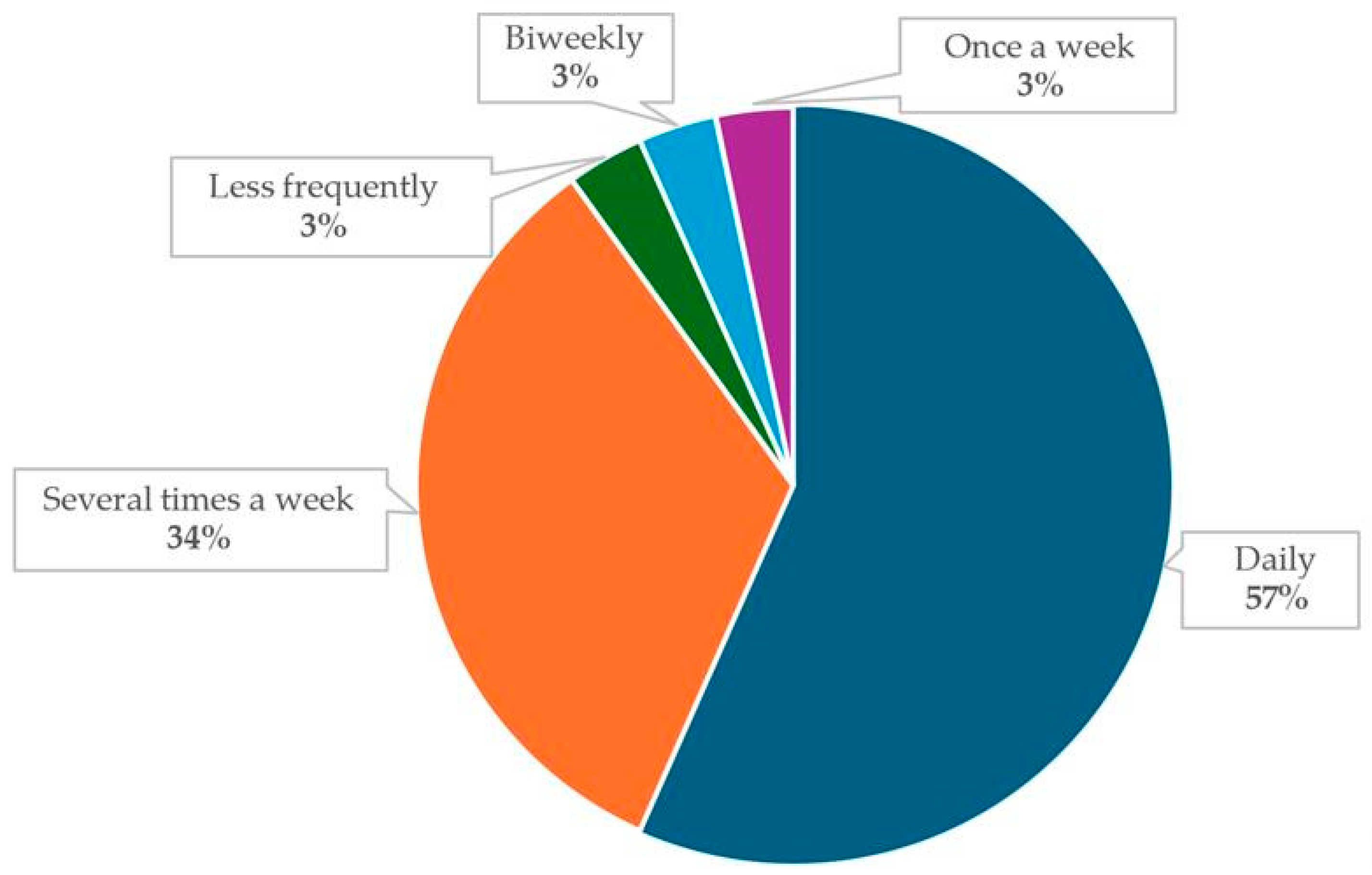
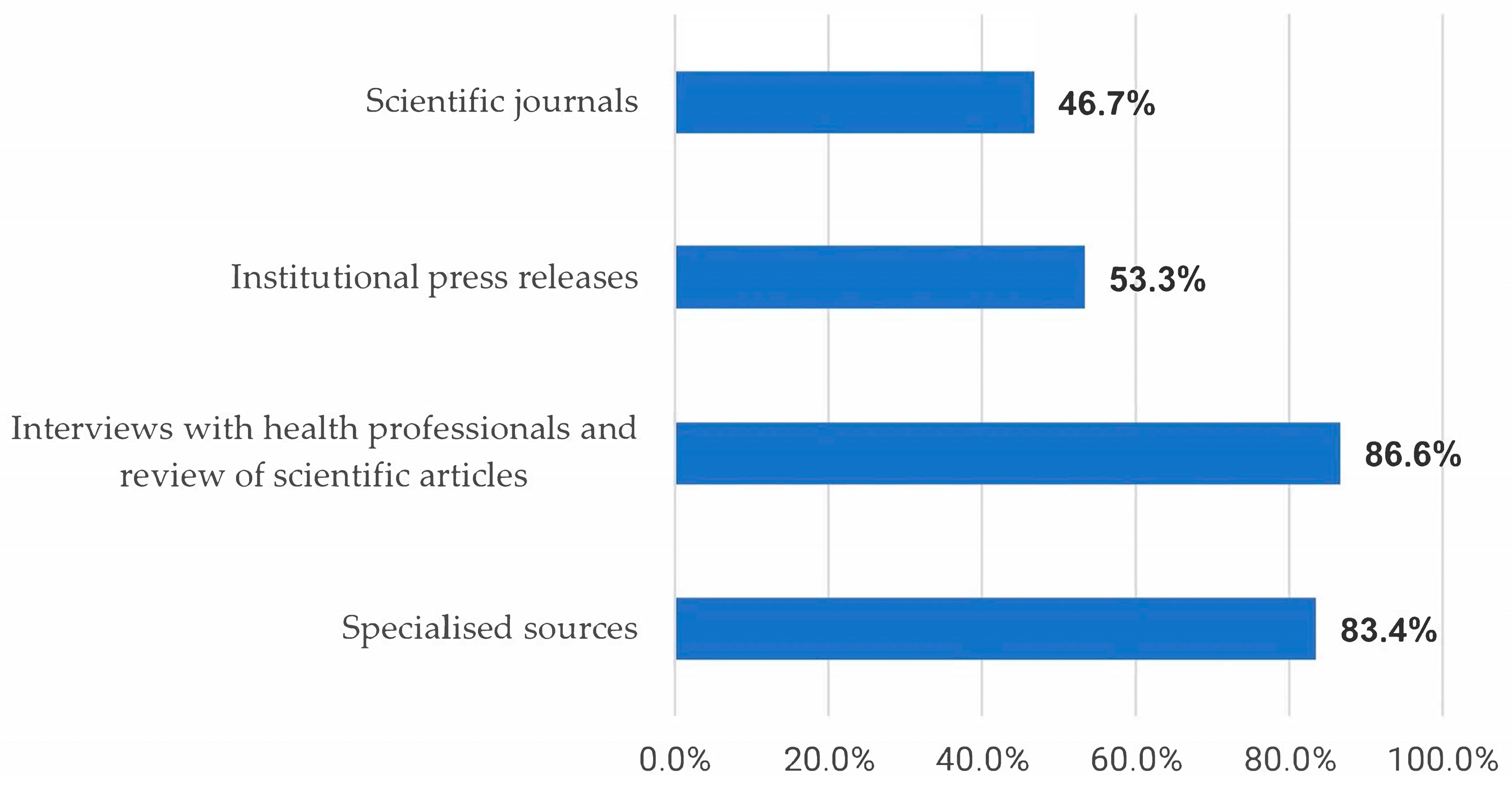
From a quantitative perspective, the results indicate that the surveyed journalists publish on health topics frequently (Figure 1). The majority (57%) report publishing daily, 33% several times a week, and only a small proportion less frequently (biweekly or weekly). The average time spent preparing each news item tends to be moderate: 60% dedicate 2–4 h, 23% spend 8–16 h, and just 17% less than 2 h. Regarding the types of sources used (see Figure 2), specialised health sources stand out. A large majority of respondents stated that they use these types of sources in their work (83.4%) on a regular basis: frequently (46.7%) or always (36.7%). Within this category, the sources they most often draw on (over 45% of the time) are scientific journals (54.5%), institutional press releases (51.5%) and interviews with healthcare professionals (45.5%). Other sources consulted regularly account for smaller percentages: medical conferences and congresses (42.4%), scientific studies (21.2%) and social media (6.1%).
Regarding formal styles and elements in reporting, the journalists surveyed show a preference for mixed approaches that combine “scientific/technical” and “popular/scientific communication” styles. Specifically, 31% indicate a preference for the “scientific/technical” style, while 29% opt for the “popular/science communication” approach. Additionally, 24% incorporate a “human/emotional” perspective in their coverage. In headline writing, clarity and accuracy are prioritized (33%), as well as avoiding sensationalist narratives (13%), although 21% report using attention-grabbing or striking formulas to engage the audience. Concerning visual resources, 57% frequently include such elements (charts, videos, etc.): 30% do so always and 27% frequently.
With respect to fact-checking, a large majority of respondents report applying rigorous practices. 96% state that they cross-check information with experts, and many use official databases (26%); reviewing scientific studies is reported by 66.3% of respondents. Collaboration among journalists when producing a news item is less common: 37% do so occasionally, 27% frequently, and only 13% always. In line with the journalistic practices applied to counter disinformation, most of the routines carried out by the journalists in this study can be linked to what is considered good journalistic practice, helping to combat disinformation. Almost all verify information with multiple specialised sources: 71% consult experts, use official databases, or employ specialised fact-checkers. Reviewing scientific studies is also used, though to a lesser extent (29%). A critical approach is emphasised: almost none rely on sensationalist headlines; indeed, 66.7% stated they always avoid sensationalism in their reporting. In the open-ended responses of the self-administered questionnaire, several participants stressed the importance of providing context and accurate figures to avoid unnecessary alarm among the population. These practices (verifying with experts/data, ensuring balanced reporting) align with anti-disinformation strategies focused on the use of reliable sources and critical content analysis.
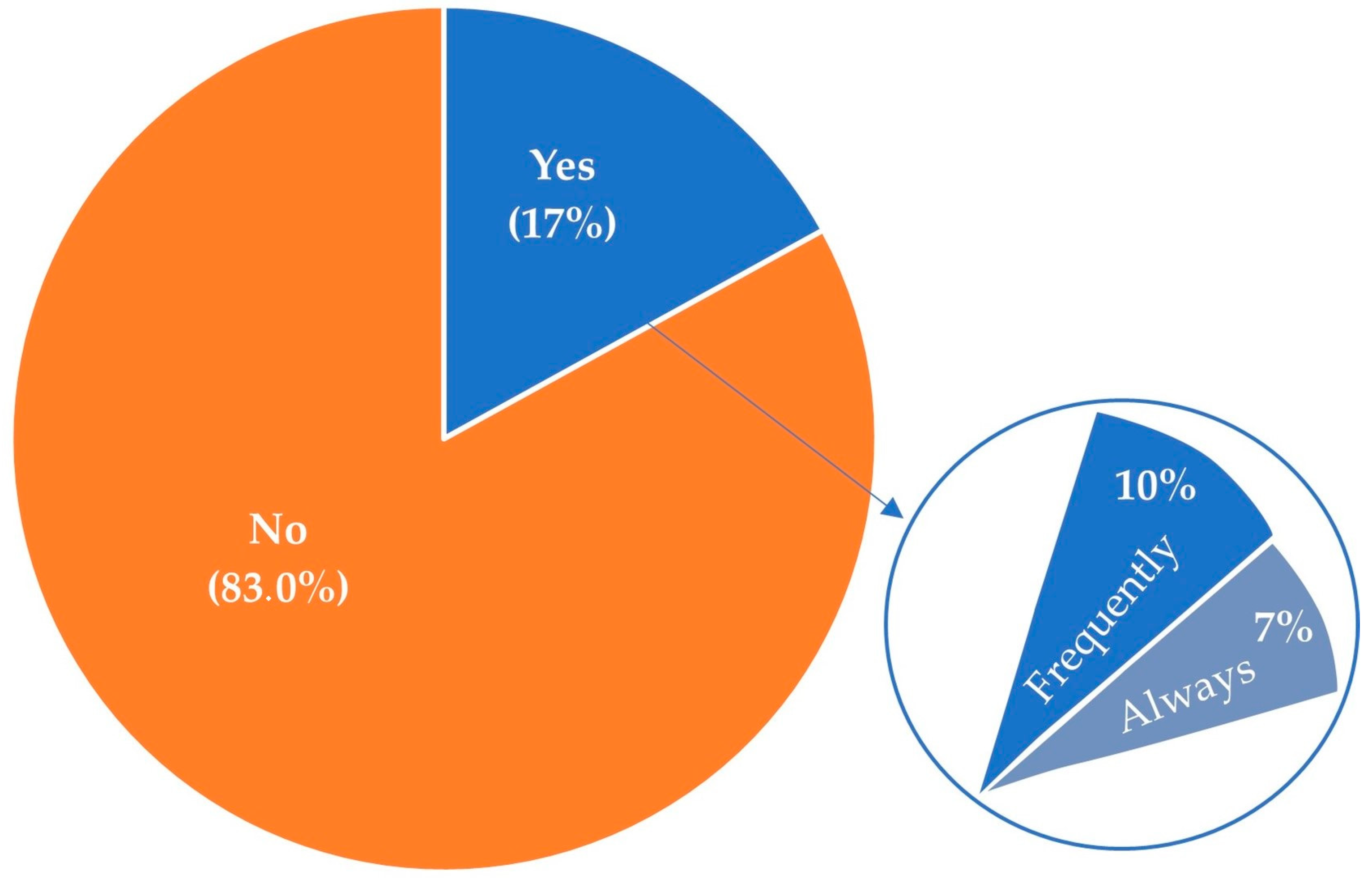
Only 17% of respondents report taking the over-74 audience into account when producing content (7% always and 10% frequently), compared with 19% who acknowledge making no special adaptations for this type of audience (Figure 3). Despite these figures, several strategies for adapting journalistic content to this age group emerge in the open-ended responses. The most frequently mentioned is the coverage of specific health topics (28%), followed by the simplification of technical language and the inclusion of examples relevant to older adults (each cited by 20%). Journalists who stated that they adapt content for adults over 74 (for example, by simplifying language or consulting geriatric specialists—only 13% report consulting experts) demonstrate an explicit awareness of the potential levels of health media literacy within this segment of the audience. In the same vein, one journalist emphasises: “It is essential to avoid myths about ailments, lifestyle, and quality of life. This is a population that is difficult to reach”. Another professional identifies the main challenges as “understanding the content, their perception of it, and their trust in the media”.
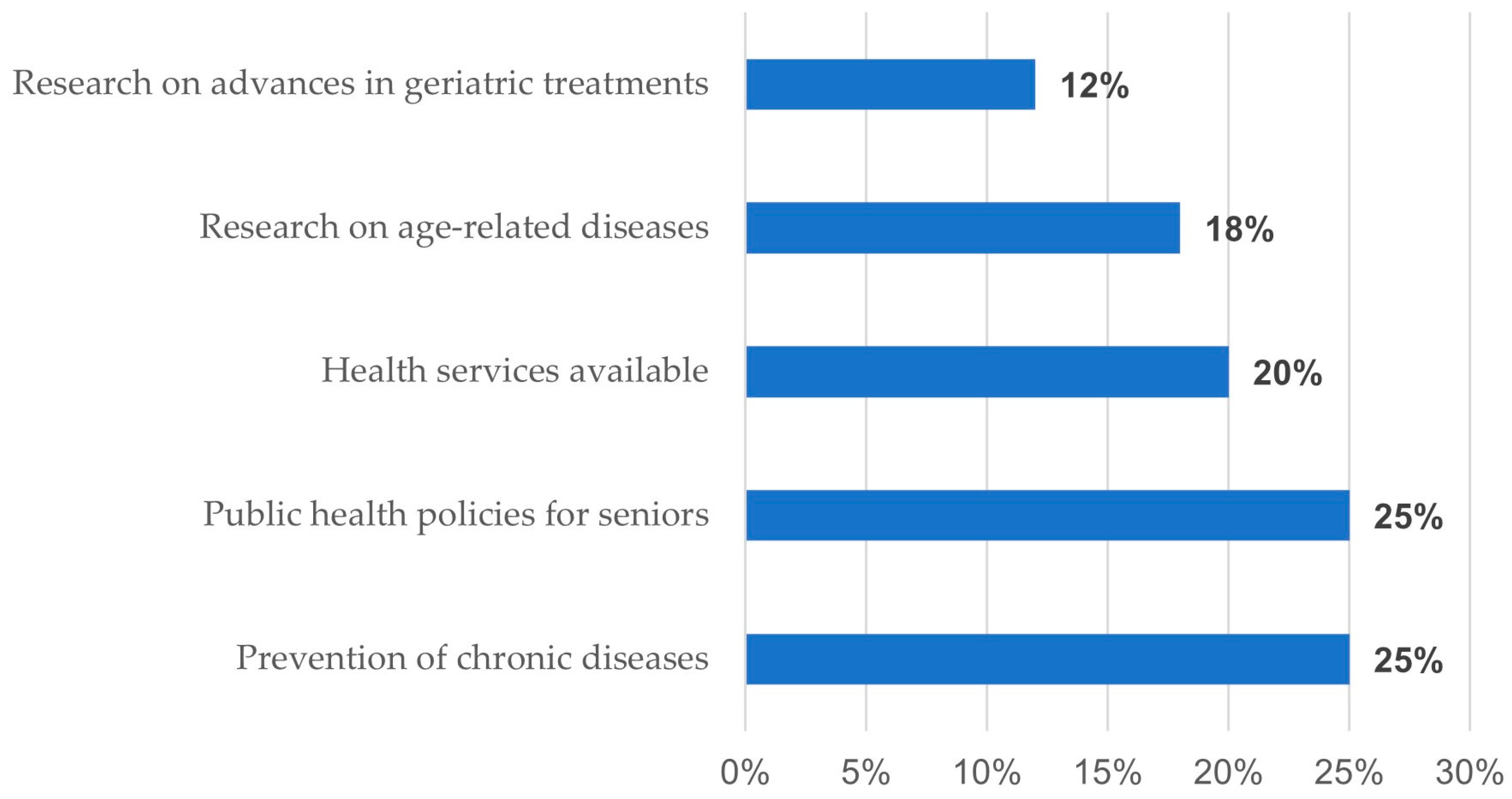
Regarding the information needs attributed to this group, respondents (Figure 4) highlight chronic disease prevention (25%) and public health policies targeting older adults (25%) as the top priorities, followed by information on available healthcare services (20%) and the dissemination of research on ageing-related diseases (18%). Lastly, information on advances in geriatric treatments ranks lowest (12%).
Regarding the main challenges of reporting to this population segment, the open-ended responses highlight difficulties in capturing their attention, adapting language, and avoiding sensationalism, especially on health topics that could cause alarm. One journalist puts it as follows: “To me, the main challenges include understanding the content, the perception they may have of it, and trust in the media”. Another stresses the need to avoid alarmist approaches when covering sensitive issues: “Avoiding alarmism and false expectations, and reporting with rigour and clarity”.

4. Discussion and Conclusions

4.1. Verifying the Hypotheses

Based on the data obtained through questionnaires directed at journalists specializing in health, as well as the review of prior literature, a summary can be drawn that contrasts the initial hypotheses with the actual findings and also provides an overview of the challenges and opportunities currently facing health journalism. This section interprets the results in the light of the available scientific literature and the social implications arising from journalistic practice around health information.
H1. 
Journalists specializing in health topics follow a highly rigorous verification system before publishing content, and their main sources are typically professionals with sector expertise.
First, with regard to the initial hypothesis (H1), the results broadly support this assumption. Since the data are based on self-administered questionnaires, it is true that there is a risk of social desirability bias, as journalists are often reluctant to self-criticize when responding to surveys, especially regarding their own professional verification practices. Taking this into account, the journalists surveyed report work routines that include systematic consultation with experts, the use of verified scientific sources, and access to official databases as an essential part of their news production process. In their responses, they emphasize the importance of providing context, accuracy, and reliable data as mechanisms to counter falsehoods and disinformation narratives. Verification appears not only as an incorporated practice, but also as a professional hallmark of those working in health journalism, highlighting the role of specialization as a guarantor of informational quality. Comparison with previous literature, which emphasizes the role of fact-checking in combating disinformation, confirms that in health journalism these practices are more deeply internalized than in other thematic areas. It can therefore be concluded that the first hypothesis is validated, and that health journalism possesses a methodological framework that enables it to address the challenge of disinformation with comparatively strong foundations.
H2. 
The population aged over 74 is taken into careful consideration when producing health information content, both in terms of thematic focus and formal adaptations.
The second hypothesis finds partial support in the course of the research. Although some journalists acknowledge that they adapt language or select topics specifically related to ageing, the fact remains that most do not implement systematic strategies aimed explicitly at people over 74 years old. This reveals a gap between the objective relevance of this audience—marked by their high exposure to health issues and significant interaction with the healthcare system—and the attention they receive in communicative terms. The journalists’ responses point to the difficulty of reaching this segment of the population, due both to media consumption habits and the digital divide, which reduces incentives for professionals to invest in specific adaptations. Nevertheless, several respondents indicate that when efforts are made—such as simplifying language, providing context for common health conditions, and including geriatric specialists as sources—a more accessible product is achieved, potentially enhancing media literacy. This suggests that, although the hypothesis cannot be considered fully confirmed, it does highlight the need to move towards greater personalization of information according to the audience’s age-related and cognitive characteristics—a challenge that remains outstanding for health journalism.
H3. 
The style of the journalists under study is fundamentally explanatory, with visual elements and a clear intention to avoid clickbait or sensationalist content.
The results largely confirm this assumption, while always bearing in mind the potential bias inherent in self-administered questionnaires, which we have highlighted when addressing H1 in this same section. The professionals show a clear preference for mixed approaches that combine technical and engaging styles, with an emphasis on clarity and precision of language. They consistently reject the use of alarmist headlines and demonstrate a conscious intention to avoid clickbait, aware of the negative consequences that exaggeration can have in an area as sensitive as health. The inclusion of visual resources is seen as a useful complement to facilitate understanding, although their use is not as widespread as might be expected in today’s society, immersed in visual hypermediation. This finding suggests that, although the intention to avoid sensationalism is firmly established, there is room for improvement in terms of narrative innovation and the use of multimedia tools that could enhance content transparency. The main aspect of the hypothesis is therefore validated, although the results invite some qualification, highlighting the need for greater incorporation of visual elements and formal adaptations for different audiences.
H4. 
Health journalists tend to give greater importance to health information concerning novel scientific findings and to those related to serious illnesses affecting well-known individuals.
The fourth hypothesis also receives considerable support from the data obtained. Newsworthiness criteria continue to be guided by factors such as novelty, social relevance, and audience proximity, which explains the prominence of recent scientific findings and cases involving public figures. This bias reflects the logic of traditional news values but raises questions about the capacity of health journalism to also address the everyday issues of the general population, particularly older adults. The preference for spectacular or high-impact stories may result in the relative invisibility of chronic, recurring, and day-to-day health management issues, which have the greatest impact on the quality of life of those over the age of 74.

4.2. Detailed Discussion of the Results

4.2.1. Rigor in Verification

Beyond the validation or refutation of the hypotheses, the study makes it possible to point to certain preliminary trends in health journalism in Spain. One notable aspect is the high level of professionalism in verification, which places this journalistic sector in a privileged position in the fight against disinformation. In a social context where rumors about vaccines, treatments, or epidemics spread rapidly, the fact that health journalists report maintaining rigorous fact-checking routines constitutes a symbolic and practical asset of enormous value. This awareness of rigor not only provides a guarantee for the public but also a social responsibility which, when assumed by professionals, reinforces trust in specialized media.

4.2.2. Specialization as a Guarantee of Quality

Another noteworthy aspect is the importance of specialization in consolidating high-quality reporting practices. Health journalism, due to the direct consequences information can have on personal and collective decision-making, requires technical knowledge that generalist journalists do not always possess. The results highlight that those working specifically in this field develop a particular sensitivity to the demands of accuracy, clarity, and social responsibility. This finding confirms the need to strengthen academic and professional training in health journalism, as well as to promote media literacy initiatives that enable the public to interpret messages with greater competence.

4.2.3. The Need for Professional Cooperation

It should also be noted that collaboration between journalists is not widespread. Although some acknowledge working together on certain occasions, the norm is for each professional to carry out their work relatively independently. This situation limits the possibility of cross-checking perspectives and enriching coverage with multiple viewpoints. In a complex field such as health, where scientific, political, social, and cultural dimensions converge, collaboration and interdisciplinarity represent opportunities to strengthen information quality. Promoting spaces for cooperation, both among journalists and with experts from other disciplines, could be a way to improve the resilience of the information system against disinformation.

4.2.4. Ethical Implications

This study also highlights the existence of tensions between the ethical commitment of health journalism and market dynamics that push towards sensationalism, although the journalists surveyed largely reject sensationalist approaches. This dilemma reflects an inherent contradiction within the media ecosystem: on the one hand, there is the obligation to communicate responsibly in a sensitive field; on the other, the need to compete in a market where visibility and audience attention are scarce resources. The way journalists navigate this tension will largely determine the future quality of health journalism.

4.2.5. Need for Specific Strategies for People over the Age of 74

Regarding the relationship with the audience over 74, the findings reveal a lack of adaptation that should be addressed in the future. People over 74 comprise a group that is highly vulnerable to disinformation, both because of the central role health plays in their daily lives, and of the potential limitations in accessing digital technologies. However, the research shows that journalists do not always systematically consider their needs or design specific communication strategies for them. Simplifying language, selecting topics relevant to older age, or consulting geriatric specialists appear as occasional practices rather than standard policies. This represents an important area for development for those seeking to enhance journalism’s social role for this segment of the population, as tailored coverage could help strengthen autonomy in health-related decision-making.
The challenges journalists face when reporting to this age group, according to their testimonies, include difficulty capturing their attention, the need to adapt language, and the risk of causing alarm. While these difficulties partly explain the lack of systematic attention to this audience, they should not justify the absence of adaptation. On the contrary, they highlight the urgency of developing new narrative and educational strategies that enable the delivery of high-quality information without compromising understanding or relevance. In this regard, health journalism could benefit from experiences in community communication, health education initiatives, and collaboration with professionals in the medical and social fields specializing in people over 74.

4.3. Study Limitations

The study’s limitations, explicitly acknowledged within it, should be reflected in the conclusions. The lack of a clear delineation of the universe of health-specialist journalists in Spain, the preliminary nature of the results, and the impossibility of qualitatively expanding responses in the self-administered questionnaire are factors that constrain statistical representativeness and, consequently, the generalization of the findings. As has been highlighted throughout the different parts of this article, the main limitation of this study is related to the limited size of the sample (30 responses from a total universe of 694). We are fully aware of this circumstance and explicitly acknowledge it with complete transparency from the Abstract onwards, as well as in the Methodology, Results, and Discussion and Conclusions sections. Nevertheless, the exploratory value of the research lies precisely in having reached a point of theoretical saturation, which allows the identification of significant patterns and the formulation of working hypotheses for future studies. To overcome these limitations, future research should complement the results of this exploratory study with qualitative techniques, such as in-depth face-to-face or synchronous interviews. Additionally, the ongoing research is working on interpreting the results of two parallel focus groups, aimed at contrasting the perspectives of journalists (the content producers) with those of the study’s target audience (people over 74). This contrast will be fundamental to validate or refine the collected data, especially regarding H2 (adaptation to the audience).

4.4. Summary of Conclusions

As a synthesis of our findings and a guideline for future journalistic practice, the study concludes that health journalism in Spain possesses undeniable strengths in terms of rigor and professionalization, while simultaneously facing considerable challenges regarding the personalization of messages and the attention given to vulnerable audiences. The validation of hypotheses concerning verification and the rejection of sensationalism reaffirms the robustness of the field, whereas the partial focus on people over 74 indicates an area for improvement. Combining the already rigorous verification practices with the development and implementation of storytelling strategies tailored to the needs and comprehension challenges of vulnerable audiences will strengthen the informational resilience of older adults against health-related hoaxes and disinformation. The implications of these conclusions are manifold: academically, they confirm the need to continue researching the relationship between journalism and health in contexts of population ageing; professionally, they suggest the need to reinforce training, collaboration, and narrative innovation; and socially, they underline the crucial role of accurate health information in combating disinformation and promoting public wellbeing.

Author Contributions

Conceptualization, M.B.-C., G.M.-R. and C.L.-M.; methodology, M.B.-C., G.M.-R. and C.L.-M.; software, M.B.-C., G.M.-R. and C.L.-M.; validation, M.B.-C., G.M.-R. and C.L.-M.; formal analysis, M.B.-C., G.M.-R. and C.L.-M.; investigation, M.B.-C., G.M.-R. and C.L.-M.; resources, M.B.-C., G.M.-R. and C.L.-M.; data curation, M.B.-C., G.M.-R. and C.L.-M.; writing—original draft preparation, M.B.-C., G.M.-R. and C.L.-M.; writing—review and editing, M.B.-C., G.M.-R. and C.L.-M.; visualization, M.B.-C., G.M.-R. and C.L.-M.; supervision, M.B.-C., G.M.-R. and C.L.-M.; project administration, G.M.-R. and C.L.-M.; funding acquisition, G.M.-R. and C.L.-M. All authors have read and agreed to the published version of the manuscript.

Funding

This research was funded by the 2024 Convocatoria de Proyectos Impulso a la Investigación (Research Promotion Projects Call) of Universidad Rey Juan Carlos, grant number 2024/SOLCON-136175. This paper forms part of the research project Efectos y consumo de la información sanitaria en los medios de comunicación de la población madrileña de más de 74 años* (ECIS+74) (*Effects and Consumption of Health Information in the Media among the Population of Madrid Aged Over 74).

Institutional Review Board Statement

This study was was conducted in accordance with the Declaration of Helsinki, and approved by the Universidad Rey Juan Carlos Ethics Committee under the code 070320252022025 and dated 2 April 2025.

Informed Consent Statement

The voluntary participation of subjects in the study required informed consent, which was included in the self-administered form described in the methodology section. This included the purpose of the study, how to contact the research team, how personal data would be kept confidential and handled securely, and the right to withdraw consent at any time. Informed consent and the research project were previously approved by the Universidad Rey Juan Carlos Ethics Committee with the data (code and date) detailed in the preceding item.

Data Availability Statement

Due to the sensitive nature of the information collected and ethical restrictions regarding participant confidentiality, the datasets generated during this study are not available in a public repository. Data access requests may be discussed with the corresponding author, provided that appropriate ethical approvals are obtained.

Acknowledgments

The authors of this research gratefully acknowledge the selfless collaboration of the Asociación Nacional de Informadores de la Salud (ANIS).

Conflicts of Interest

The authors declare no conflicts of interest.

References

  1. AFP. (2022, September 15). Las organizaciones europeas de fact-checking aprueban un código de normas profesionales. AFP. Available online: https://www.afp.com/es/lagence/notre-actualite/lactualite-de-lafp/las-organizaciones-europeas-de-fact-checking-aprueban-un (accessed on 19 April 2025).
  2. Alsina, R. (1989). La construcción de la noticia. Paidós. [Google Scholar]
  3. Barrera Páez, L. (2016). El periodismo especializado en salud: Una reseña histórica = Health Journalism: A historical overview. Revista Española de Comunicación en Salud, 15–22. [Google Scholar] [CrossRef]
  4. Benito Cabello, M. F., & Pérez Cuadrado, P. (2019). Rutinas profesionales en las redacciones en crisis de los diarios españoles 2008–2018. Caso de estudio: El Mundo del siglo XXI de Madrid (Unidad Editorial). El Argonauta Español, 16. [Google Scholar] [CrossRef]
  5. Boydstun, A. E. (2022). Making the news: Politics, the media & agenda setting. University of Chicago Press. [Google Scholar]
  6. Casás, J., López-García, X., & Silva-Rodríguez, A. (2025). Fact-checking en Europa: El periodismo de datos como punta de lanza en la lucha contra la desinformación sobre COVID-19. Revista Latina de Comunicación Social, 83, 1–30. [Google Scholar] [CrossRef]
  7. Catalán-Matamoros, D., & Peñafiel-Saiz, C. (2019). Specialty matters. Analysis of health journalists’ coverage about vaccines. Profesional de la Información, 28(2), e280201. [Google Scholar] [CrossRef]
  8. Cáceres, M. D., Ruiz San Román, J. A., & Brändle, G. (2011). El uso de la televisión en un contexto multipantallas. Anàlisi: Quaderns de Comunicació i Cultura, 43, 21–44. Available online: https://raco.cat/index.php/Analisi/article/view/248753 (accessed on 15 January 2026).
  9. Chaudhuri, S., Le, T., White, C., Thompson, H. J., & Demiris, G. (2013). Examining health information–Seeking behaviors of older adults. CIN: Computers, Informatics, Nursing, 31, 547–553. [Google Scholar] [CrossRef]
  10. Crouch, M., & McKenzie, H. (2006). The logic of small samples in interview-based qualitative research. Social Science Information, 45(4), 483–499. [Google Scholar] [CrossRef]
  11. Domingo, D., & Paterson, C. (Eds.). (2011). Making online news volume 2. Newsroom ethnography in the second decade of internet journalism. Peter Lang Group AG. [Google Scholar]
  12. Duke Reporters’ Lab. (2023). Fact-checking census 2023. Poynter. Available online: https://reporterslab.org/2023/06/21/misinformation-spreads-but-fact-checking-has-leveled-off/ (accessed on 12 April 2025).
  13. Ekström, M. (2002). Epistemologies of TV journalism: A theoretical framework. Journalism, 3(3), 259–282. [Google Scholar] [CrossRef]
  14. Elías, C. (2021). El periodismo como herramienta contra las fake-news. In C. Elías, & D. Teira (Eds.), Manual de periodismo y verificación de noticias en la era de las “fake news” (pp. 19–57). Editorial UNED. [Google Scholar]
  15. Elías, C., & Teira, D. (Eds.). (2021). Manual de periodismo y verificación de noticias en la era de las “fake news”. Editorial UNED. [Google Scholar]
  16. European Union. (2018). A multi-dimensional approach to disinformation: Report of the independent high level group on fake news and online disinformation. Available online: https://op.europa.eu/en/publication-detail/-/publication/6ef4df8b-4cea-11e8-be1d-01aa75ed71a1/language-en (accessed on 18 June 2025).
  17. Fetzer, J. H. (2004). Information: Does it have to be true? Minds and Machines, 14(2), 223–229. [Google Scholar] [CrossRef]
  18. Fishman, M. (1980). Manufacturing the news. University of Texas Press. [Google Scholar] [CrossRef]
  19. Gans, H. J. (1979). Deciding what’s news: A study of CBS evening news, NBC nightly news, newsweek, and time. Pantheon. [Google Scholar]
  20. Golding, P., & Elliott, P. (1979). Making the news. Longman. [Google Scholar]
  21. Graves, L., & Amazeen, M. (2019, February 25). Fact-checking as idea and practice in journalism. Oxford Research Encyclopedia of Communication. [Google Scholar] [CrossRef]
  22. Guest, G., Bunce, A., & Johnson, L. (2006). How many interviews are enough? An experiment with data saturation and variability. Field Methods, 18(1), 59–82. [Google Scholar] [CrossRef]
  23. Hall, S., Critcher, C., Jefferson, T., Clarke, J., & Roberts, B. (1978). Policing the crisis: Mugging, the state, and law and order. Macmillan. [Google Scholar]
  24. Harcup, T., & O’Neill, D. (2001). What is news? Galtung and ruge revisited. Journalism Studies, 2(2), 261–280. [Google Scholar] [CrossRef]
  25. Harcup, T., & O’Neill, D. (2017). What is news? News values revisited (again). Journalism Studies, 18(12), 1470–1488. [Google Scholar] [CrossRef]
  26. Herrera-Tejedor, J. (2017). Preferencias de las personas muy mayores sobre la atención sanitaria. Revista Española de Geriatría y Gerontología, 52(4), 209–215. [Google Scholar] [CrossRef] [PubMed]
  27. Humanes, M. L. (2003). Cultura y modelos profesionales del periodismo. Telos: Cuadernos de Comunicación, Tecnología y Sociedad, 54, 48–55. Available online: https://telos.fundaciontelefonica.com/archivo/numero054/cultura-y-modelos-profesionales-del-periodi... (accessed on 25 June 2025).
  28. IMSERSO. (2024). Informe anual 2023 del instituto de mayores y servicios sociales. Instituto de Mayores y Servicios Sociales. Available online: https://drive.google.com/file/d/1G2lLACHKfhHIf6UNZb9tVtElz3-MyY3x/view (accessed on 8 January 2026).
  29. Instituto Nacional de Estadística (INE). (2023). Encuesta sobre equipamiento y uso de tecnologías de información y comunicación en los hogares 2023. Available online: https://www.ine.es/prensa/tich_2023.pdf (accessed on 8 January 2026).
  30. International Fact-Checking Network (IFCN). (2023). Infoveritas—Application details. IFCN Code of Principles. Available online: https://ifcncodeofprinciples.poynter.org/application/public/infoveritas/661a8b0fba7689d48142b9c2 (accessed on 3 September 2025).
  31. International Fact-Checking Network (IFCN). (2025, March). Facts report 2024: State of the fact-Checkers report. Poynter. Available online: https://www.poynter.org/wp-content/uploads/2025/03/2.Facts-Report-March-2025-.pdf?utm_source=chatgpt.com (accessed on 3 September 2025).
  32. Ireton, C., & Posetti, J. (2018). Journalism, ‘Fake News’ & disinformation: Handbook for journalism education and training. Unesco Publishing. Available online: https://unesdoc.unesco.org/ark:/48223/pf0000265552.locale=en (accessed on 23 April 2025).
  33. Knotnerus, H. R., Ngo, H. T. N., Maarsingh, O. R., & Van Vugt, V. A. (2024). Understanding older adults’ Experiences with a digital health communication platform: A qualitative study. JMIR Aging, 7(1), e59168. [Google Scholar] [CrossRef] [PubMed]
  34. Lecheler, S., & Kruikemeier, S. (2015). Re-evaluating journalistic routines in a digital age: A review of research on the use of online sources. New Media & Society, 18(1), 156–171. [Google Scholar] [CrossRef]
  35. Lippmann, W. (1922). Public opinion. Harcourt, Brace and Company. Available online: https://archive.org/details/publicopinionhar0000walt/page/n7/mode/2up (accessed on 16 April 2025).
  36. López, M. (1995). Cómo se fabrican las noticias. Fuentes, selección y planificación. Paidós. [Google Scholar]
  37. Martini, S. (2000). Periodismo, noticia y noticiabilidad. Norma. [Google Scholar]
  38. Martín Serrano, M. (2008). La mediación social. Akal. [Google Scholar]
  39. Martínez Albertos, J. L. (1993). Curso general de redacción periodística. Ariel. [Google Scholar]
  40. Ministerio de Sanidad. (2023). Informe anual del sistema nacional de salud 2022. Available online: https://bit.ly/3TcG0w8 (accessed on 19 April 2025).
  41. Mont’Alverne, C., & Marques, F. (2019). News Production Routines. In The international encyclopedia of journalism studies (pp. 1–7). John Wiley & Sons, Inc. [Google Scholar] [CrossRef]
  42. Ortega, F., & Humanes, M. L. (2000). Algo más que periodistas: Sociología de una profesión. Ariel. [Google Scholar]
  43. Piotrkowicz, A., Dimitrova, V., Otterbacher, J., & Markert, K. (2017). The impact of news values and linguistic style on the popularity of headlines on Twitter and Facebook. Proceedings of the International AAAI Conference on Web and Social Media, 11(1), 767–774. [Google Scholar] [CrossRef]
  44. Preston, P. (2009). Making the news. Journalism and news cultures in Europe. Routledge. [Google Scholar] [CrossRef]
  45. Redondo, M. M. (2011). El sensacionalismo y su penetración en el sistema mediático español [Doctoral thesis, Faculty of Philosophy and Letters, Universidad de Valladolid (Spain)]. [Google Scholar] [CrossRef]
  46. Retegui, L. (2017). La construcción de la noticia desde el lugar del emisor. Una revisión del newsmaking. Revista Mexicana de Opinión Pública, (23), 103–121. [Google Scholar] [CrossRef]
  47. Rushkoff, D. (1996). Media virus!: Hidden agendas in popular culture. Ballantine Books. [Google Scholar]
  48. Salaverría, R., Buslón, N., López-Pan, F., León, B., López-Goñi, I., & Erviti, M. C. (2020). Desinformación en tiempos de pandemia: Tipología de los bulos sobre la COVID-19. Profesional de la Información, 29(3), e290315. [Google Scholar] [CrossRef]
  49. Sánchez Duarte, J. M., & Magallón Rosa, R. (2023). Disinformation. Eunomía. Revista en Cultura de la Legalidad, 24, 236–249. [Google Scholar] [CrossRef]
  50. Sharkiya, S. H. (2023). Quality communication can improve patient-centred health outcomes among older patients: A rapid review. BMC Health Services Research, 23, 886. [Google Scholar] [CrossRef] [PubMed]
  51. Shoemaker, P. J., & Reese, S. D. (1996). Mediating the message. Theories of influences on mass media content. Longman. [Google Scholar]
  52. Søe, S. O. (2021). A unified account of information, misinformation, and disinformation. Synthese, 198, 5929–5949. [Google Scholar] [CrossRef]
  53. Tandoc, E. C., Jr., Lim, D., & Ling, R. (2020). Diffusion of disinformation: How social media users respond to fake news and why. Journalism, 21(3), 381–398. [Google Scholar] [CrossRef]
  54. Tuchman, G. (1983). La producción de la noticia. Estudio sobre la construcción de la realidad. Gustavo Gili. [Google Scholar]
  55. Universitat Oberta de Catalunya. (2024). Desigualdad digital y vejez: La brecha digital que todavía hay que cerrar. Available online: https://bit.ly/3Z6YHTQ (accessed on 23 September 2025).
  56. Villar, F., López, O., & Celdrán, M. (2013). La generatividad en la vejez y su relación con el bienestar. Anales de Psicología, 29(3), 897–906. [Google Scholar] [CrossRef]
  57. Wardle, C., & Derakhshan, H. (2017). Information Disorder: Toward an interdisciplinary framework for research and policy making. Council of Europe. Available online: https://rm.coe.int/information-disorder-report/1680764666 (accessed on 13 May 2025).
Figure 1. Frequency of publication of health-related news by the professionals consulted. Compiled by the authors.
Journalmedia 07 00018 g001
Figure 2. Sources of information used by the health journalists to prepare their articles. Compiled by the authors.
Journalmedia 07 00018 g002
Figure 3. Do health information professionals take into account the population over 74 years of age when developing their content? Compiled by the authors.
Journalmedia 07 00018 g003
Figure 4. Information needs attributed to people over 74 years of age according to the professionals surveyed. Compiled by the authors.
Journalmedia 07 00018 g004
Table 1. Variables of the self-administered questionnaire.
CategoryVariables
Sociodemographic and professional
Age
Gender
Experience in journalism
Experience in health journalism
Media type
Current position
Professional routines
Sources of information
Publication frequency
Preparation time
Use of social media
Degree of specialization
News values
Screening criteria
Relevance factors
Headline elements
Aspects prioritized
Preferred approach
Audience over 74 years old
Consideration of age group
Adaptation strategies
Perceived needs
Social responsibility and ethics
Handling sensitive information
Ethical considerations
Verification of sources
Treatment in health crises
Challenges and opportunities
Main challenges
Perceived opportunities
Impact of new technologies
Future outlooks
Compiled by the authors.
Disclaimer/Publisher’s Note: The statements, opinions and data contained in all publications are solely those of the individual author(s) and contributor(s) and not of MDPI and/or the editor(s). MDPI and/or the editor(s) disclaim responsibility for any injury to people or property resulting from any ideas, methods, instructions or products referred to in the content.