Article

Experimental Study of Methanol Leak and Diffusion in Open-Channel Flow

1
PipeChina Institute of Science and Technology, Tianjin 300450, China
2
College of Mechanical and Transportation Engineering, China University of Petroleum (Beijing), Beijing 102249, China
*
Author to whom correspondence should be addressed.
Pollutants 2026, 6(3), 40; https://doi.org/10.3390/pollutants6030040

Submission received: 15 April 2026 / Revised: 27 July 2026 / Accepted: 28 July 2026 / Published: 4 August 2026
(This article belongs to the Section Water Pollution)

Abstract

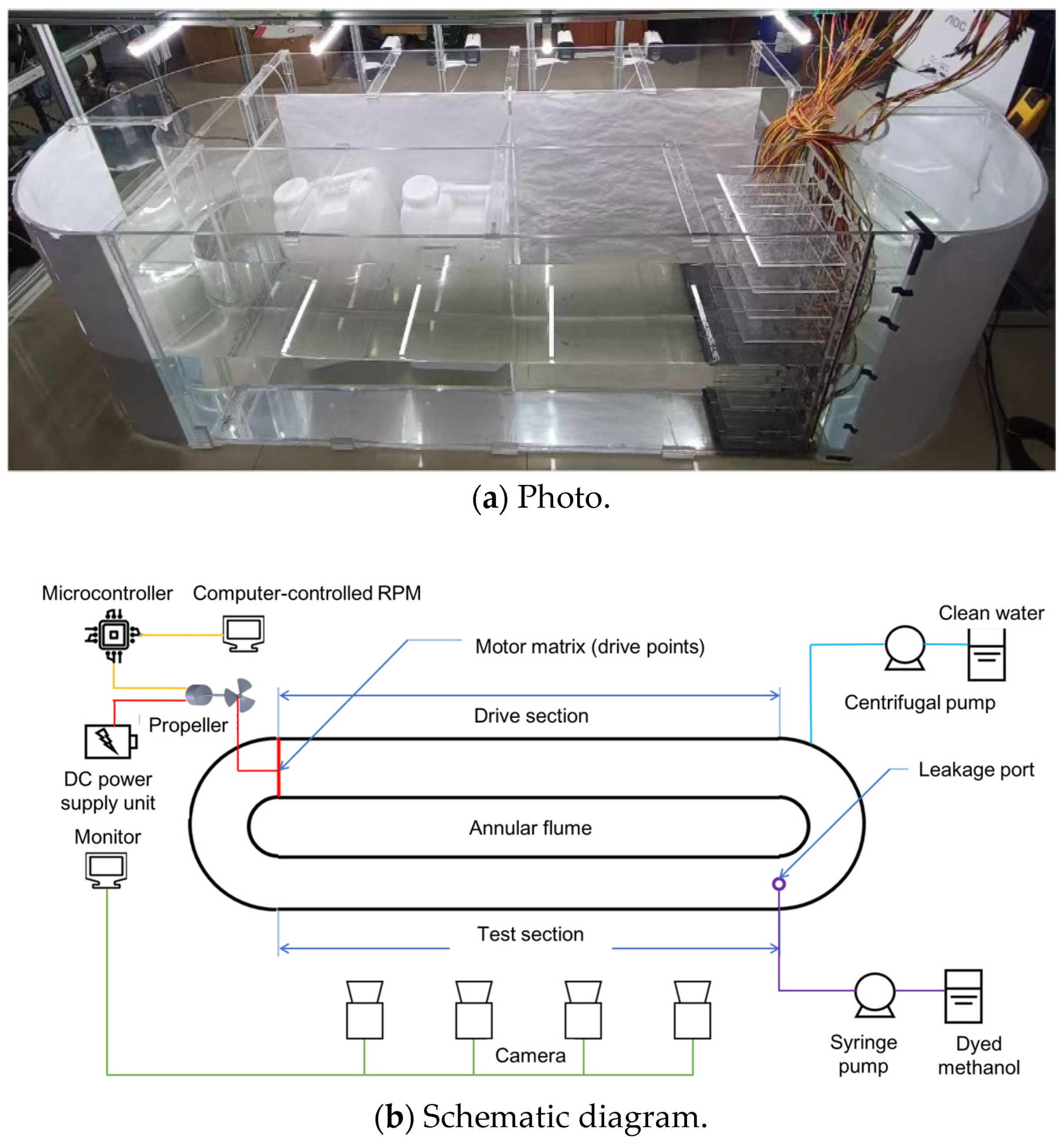
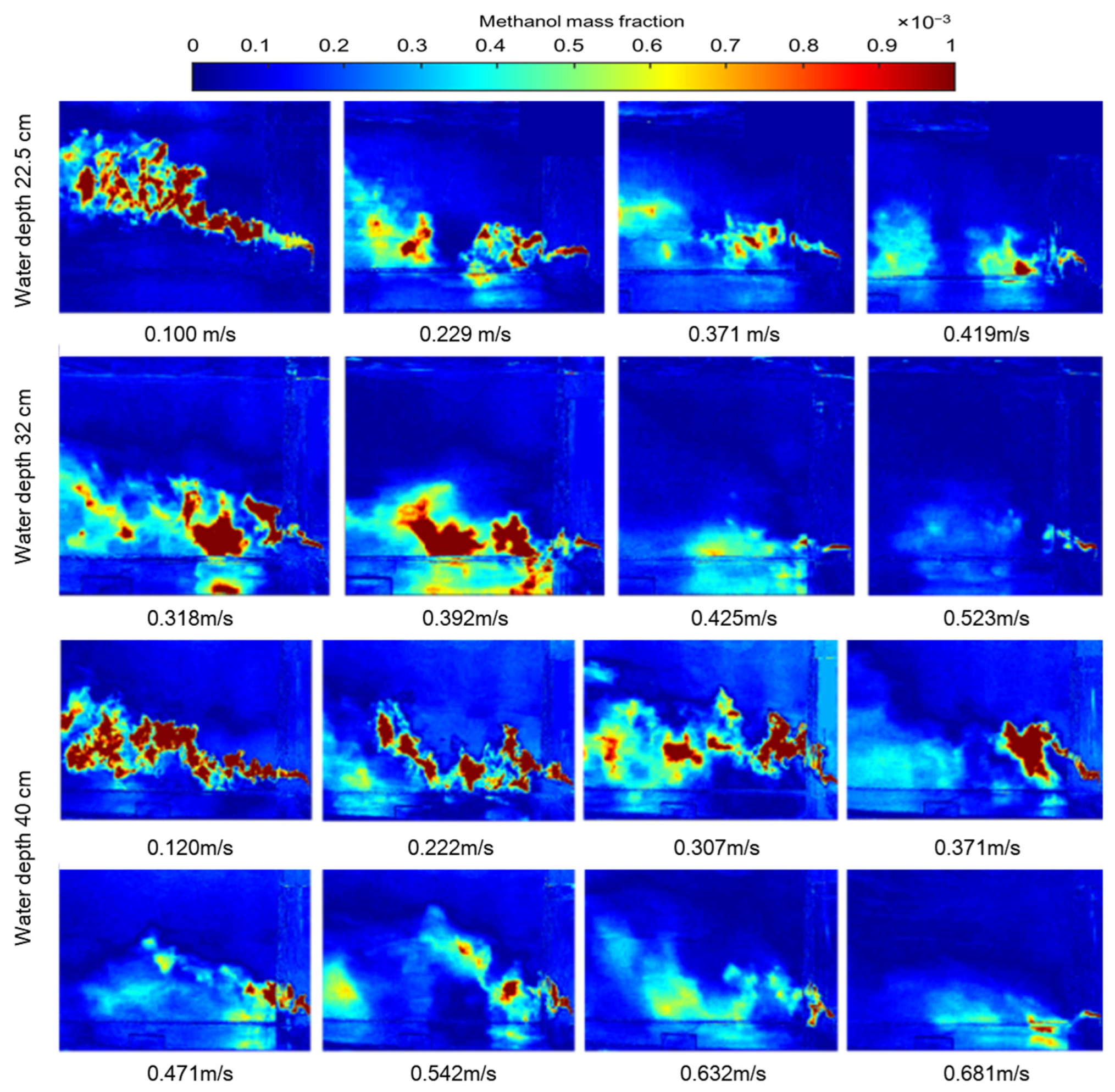
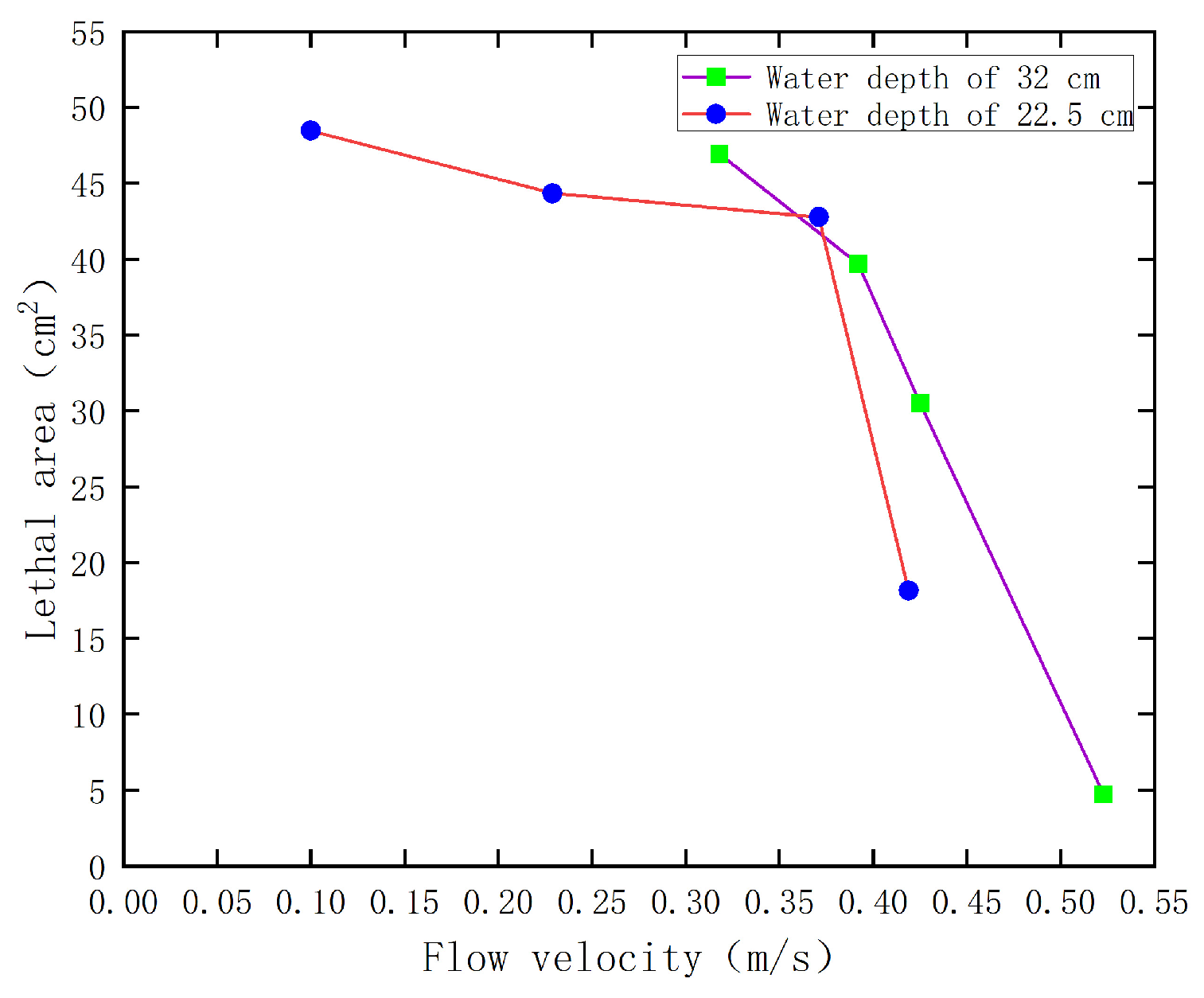
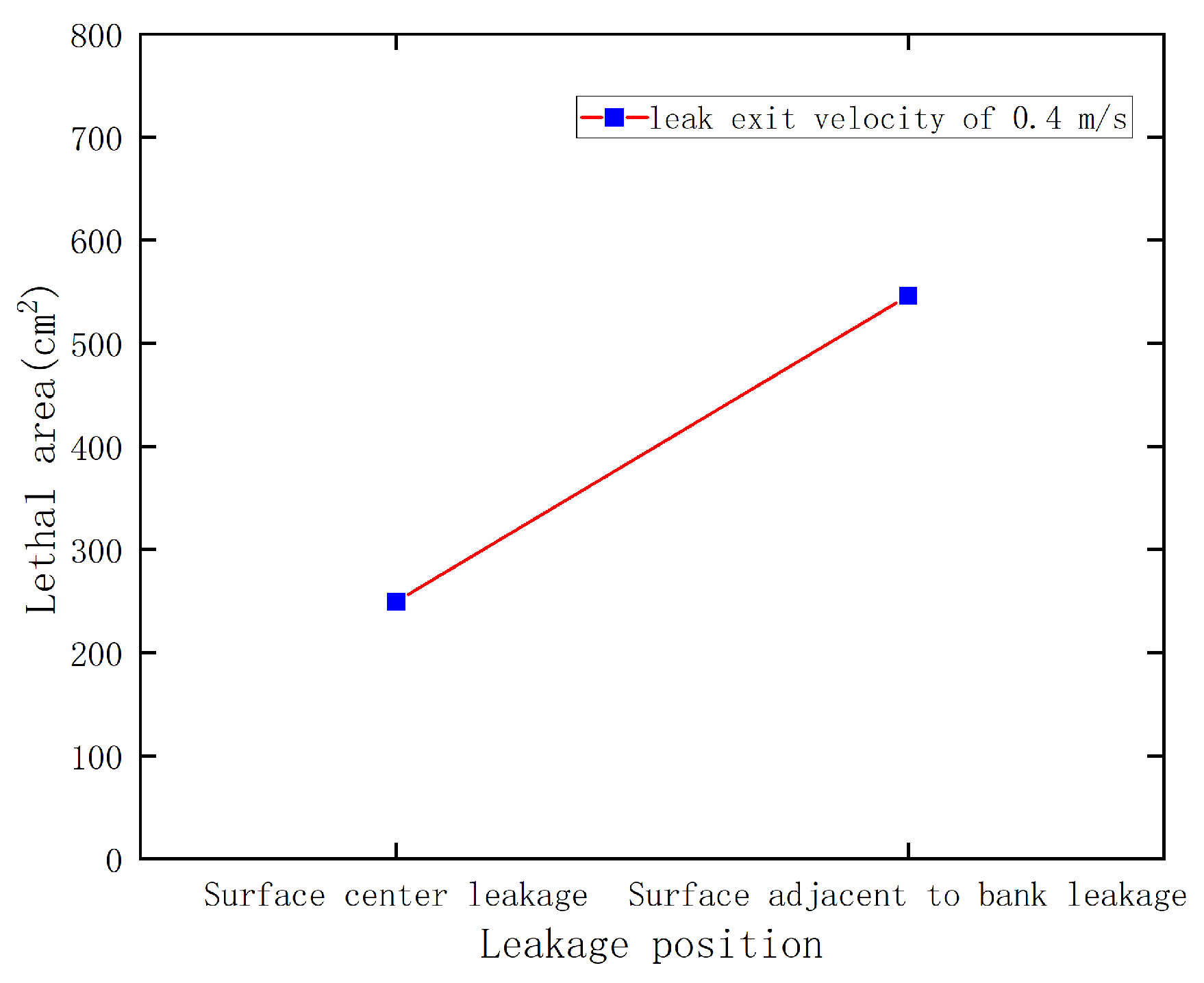
Methanol is highly soluble and with spreads quickly in natural water bodies, which could bring about serious environmental risks if leaked. In the present work, the transport and diffusion behavior of methanol in an open-channel flume under controlled hydraulic conditions is investigated experimentally. A closed-loop experimental system was designed to mimic the pipeline leakage scenarios and image-based reconstruction methods were applied to quantify the spatiotemporal evolution of the methanol concentration fields. Systematic analysis was performed on the effects of flow velocity, water depth, leakage rate and leakage location. The results indicate that flow velocity is the dominant factor controlling the downstream advective transport, with increasing velocity significantly reducing the downstream extent of high-concentration zones. Water depth affects vertical mixing and dilution capacity, with deeper flows maintaining more persistent plume structures. Higher leak rates result in higher local concentrations and larger near-field contaminated regions. The position of the leakage is also very important for the plume morphology: the boundary effects lead to a limited and asymmetric dispersion when the leakage is close to the boundary, while the dispersion is more symmetric when the leakage is in the middle of the domain. The study highlights the combined roles of advection, turbulent mixing and boundary confinement in governing methanol plume evolution. The results provide experimental evidence for the understanding of soluble pollutant transport mechanisms in open-channel flows under simplified hydraulic conditions.
Keywords: methanol; leak; river; diffusion methanol; leak; river; diffusion