Proceeding Paper

Experimental Study on the Impact of Variable Concentration of Graphite Nanoparticles on the Tribological Behaviour of 15W40 Lubricating Oil †
1
Production and Industrial Engineering Department, Punjab Engineering College, Chandigarh 160012, India
2
University School of Automation and Robotics, Guru Gobind Singh Indraprastha University, Delhi 110092, India
3
School of Robot Engineering, Wenzhou University of Technology, Wenzhou 325000, China
4
School of Mechanical Engineering, Shandong University of Technology, Zibo 255000, China
5
Department of Mechanical Engineering, Delhi Technological University, Delhi 110042, India
6
Clean Energy Technologies Research Institute (CETRI), Process Systems Engineering, Faculty of Engineering and Applied Science, University of Regina, 3737 Wascana Parkway, Regina, SK S4S 0A2, Canada
*
Authors to whom correspondence should be addressed.
Presented at the 1st International Conference on Industrial, Manufacturing, and Process Engineering (ICIMP-2024), Regina, Canada, 27–29 June 2024.
Eng. Proc. 2024, 76(1), 112; https://doi.org/10.3390/engproc2024076112
Published: 15 January 2026

Abstract

An experiment examined the impact of 0.2% to 1.0% w/w graphite nanoparticles in 15W40 lubricating oil on tribological and rheological behaviour. Analysis, conducted with a pin-on-disc machine and four-ball tester, revealed improved tribological properties and a 30% reduction in friction coefficient compared to fresh 15W40. Wear was negligible, and extreme-pressure performance increased by approximately 20%. SEM morphology confirmed the presence of graphite nanoparticles on the tribo-pair surface, indicating enhanced lubricant performance.

1. Introduction

Lubricating oil is used at the interface of tribo-pairs to reduce friction and wear rate. The constituents of lubricant influence the rheological properties and finally affect the tribological behaviour of the mating surfaces. The nanoparticles blended homogeneously in the lubricating oil act as rigid bodies with rolling action between the tribo-pairs. Researchers have been working hard to utilize the properties of nanoparticles to develop a lubricant possessing better service life and improved tribological properties. The structure of nanoparticles enables high surface reactivity compared to the macroparticles which can be utilized to improve mechanical, chemical and thermal properties of a base fluid [1]. Choi and Eastman [2] reported an enhancement of thermal conductivity by blending nanoparticles in the conventional fluid for a heat exchanger. Researchers are exploring the potential of nanofluids for their research fields such as electronics, refrigerators, heat exchangers, IC engines, solar water heaters, fuel cells, etc. Nanoparticles have shown very promising results in the improvement of the properties of base fluid [3,4,5,6,7,8,9,10,11]. Lubricant used in internal combustion engines reduces the frictional loss and wear of parts and prevents corrosion [12]. Tribological advancement in new engine technology has enabled engines to have high power and decreased the different losses [13,14]. Guo et al. [15] used nanolubricant in an engine to improve the service life and tribological properties. Dubey et al. [16] reported reduced friction due to the rolling effect and the generation of anti-wear nano-shields over the surfaces.
Researchers have blended different nanoparticles with lubricants and studied their performance. Incorporating copper nano-powder into SAE 30 motor oil resulted in reduced friction at elevated loads and higher sliding velocities [17,18]. Graphite nanosheets in paraffin oil tested on a four-ball tester reduced wear and friction considerably [19,20]. Nanoparticles of SiO2 increased anti-wear and anti-friction properties of SAE 40 lubricating oil [21]. Diamond nanoparticles improved wear resistance, reduced friction, increased load-carrying capacity, and enhanced scuffing resistance [22]. ZnO nanoparticles minimized wear in the contact area by depositing on the sliding surfaces, forming a lubricating layer on the moving parts. This also enhanced the anti-wear and anti-friction characteristics [23,24]. Hexagonal Boron Nitride (HBN) nanoparticles decreased both the coefficient of friction and wear diameter, while also demonstrating resistance to high temperatures and heavy loads [25]. Fe nanoparticles, Cu nanoparticles, and combined Fe & Cu nanoparticles in SAE 10 were tested in a four-ball tester, and they reduced frictional torque up to 39%, 20% and 59%, respectively [26]. Mg/Al/Ce layered double hydroxide (LDH) nanoparticles, when incorporated into diesel engine oil (CD 15W-40) and tested using a four-ball tester, reduced the coefficient of friction and wear scar size, thereby offering better protection to the rubbed surface compared to the unblended lubricant [27]. Graphite nanoparticles showed improved mechanical, thermal and tribological properties [28]. In this paper, an experimental investigation of the effect of blending graphite nanoparticles with 15W40 lubricating oil is discussed.

2. Test Setup

The experiment involved the uniform dispersion of nanoparticles in the lubricant, which was accomplished using a magnetic stirrer and a sonicator. Rheological analysis was performed using a rheometer, while tribological testing was conducted on a pin-on-disc tribometer and a four-ball tester.

2.1. Preparation of Nanolubricant

Graphite nanoparticles with sizes ranging from 40 to 60 nm were obtained from Nanopar-tech Limited, India, and were dispersed in 15W40 lubricating oil. The blending process was carried out using a magnetic stirrer at 1800 rpm and 70 °C for 2 h. To enhance the suspension quality, the fluid underwent ultrasonication at a frequency of 20 kHz, with a power input of 400 W and full pulse mode, for two consecutive 60 min cycles. Five distinct nanofluid compositions were prepared, varying from 0.2% to 1.0% by weight, in increments of 0.2%.

2.2. Tribological Characterization

Tribological evaluation of the nanolubricant was conducted using a pin-on-disc tribometer and a four-ball tester.

2.2.1. Pin-on-Disc Test Rig

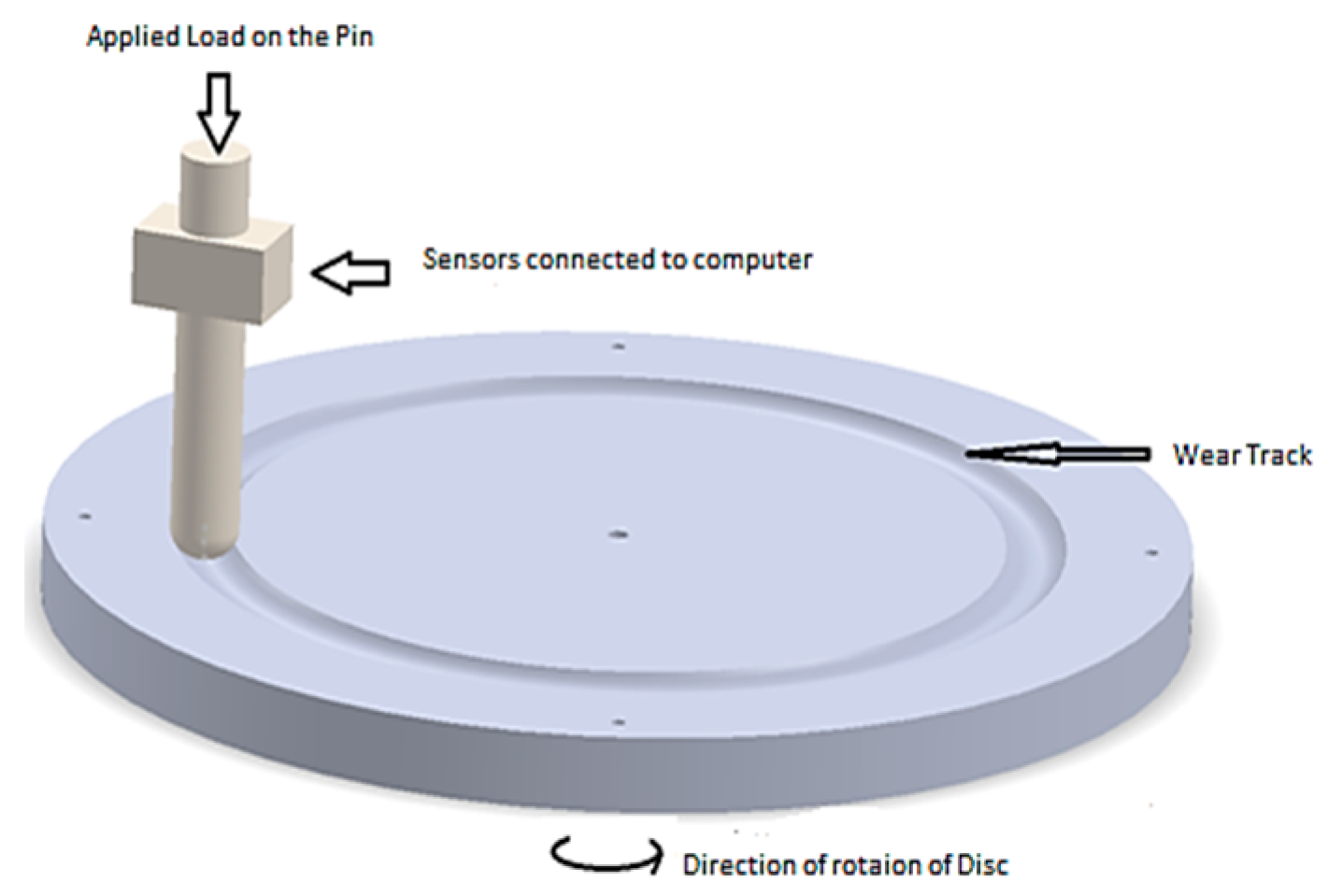
The tribological properties of the tribo-pair were evaluated using a pin-on-disc tribometer (ASTM G-99), as illustrated in Figure 1. The mild steel disc, with a diameter of 165 mm and thickness of 10 mm, was initially cast and subsequently surface-ground to improve its finish. Lapping procedures were then employed to achieve a surface roughness of less than 2 μm. The disc’s rotational speed varied between 200 rpm and 2000 rpm. The counter pin, made from cast iron, was a solid cylindrical pin with a diameter of 10 mm and a length of 30 mm. Spectroscopic analysis of the pin’s composition revealed the following percentages: C—3.55%; Cr—1.04%; Mn—0.59%; Si—2.92%; Fe—91.9%. A bell crank lever with a 1:1 leverage ratio applied a gravity-assisted force vertically on the pin. Lubricant recirculation was facilitated by pumping, supplying the tribo-pair interface through a dedicated pipe.

2.2.2. Four-Ball Tester

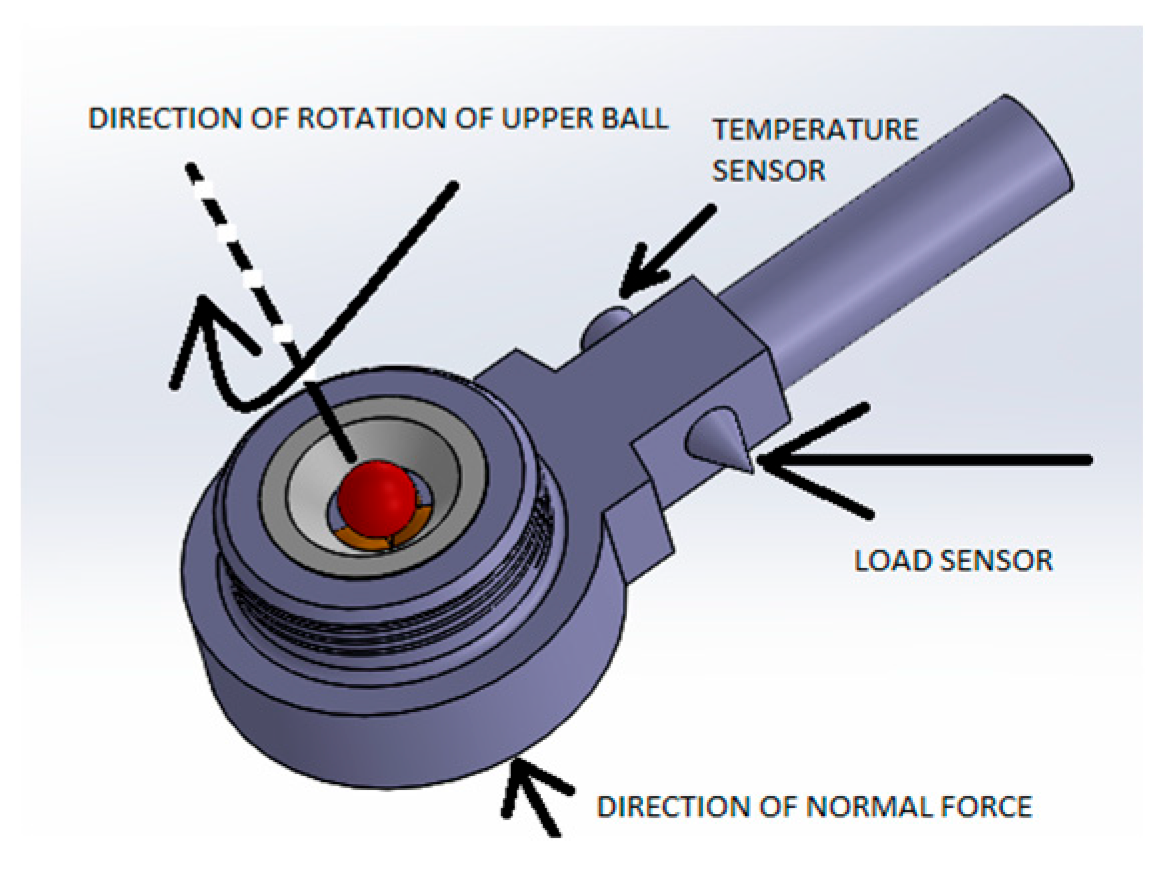
The four-ball tester, depicted in Figure 2, was employed to evaluate the extreme-pressure properties (ASTM-DIN 51350 [29]) as well as the friction and wear characteristics (ASTM-D4172 [30]) of the lubricating oil. The test parameters are provided in Table 1.

3. Results and Discussion

The performance of the nanolubricant was investigated through rheological analysis using a rheometer, and tribological evaluation was conducted on both a pin-on-disc tribometer and a four-ball tester.

3.1. Rheological Analysis of Nanolubricant

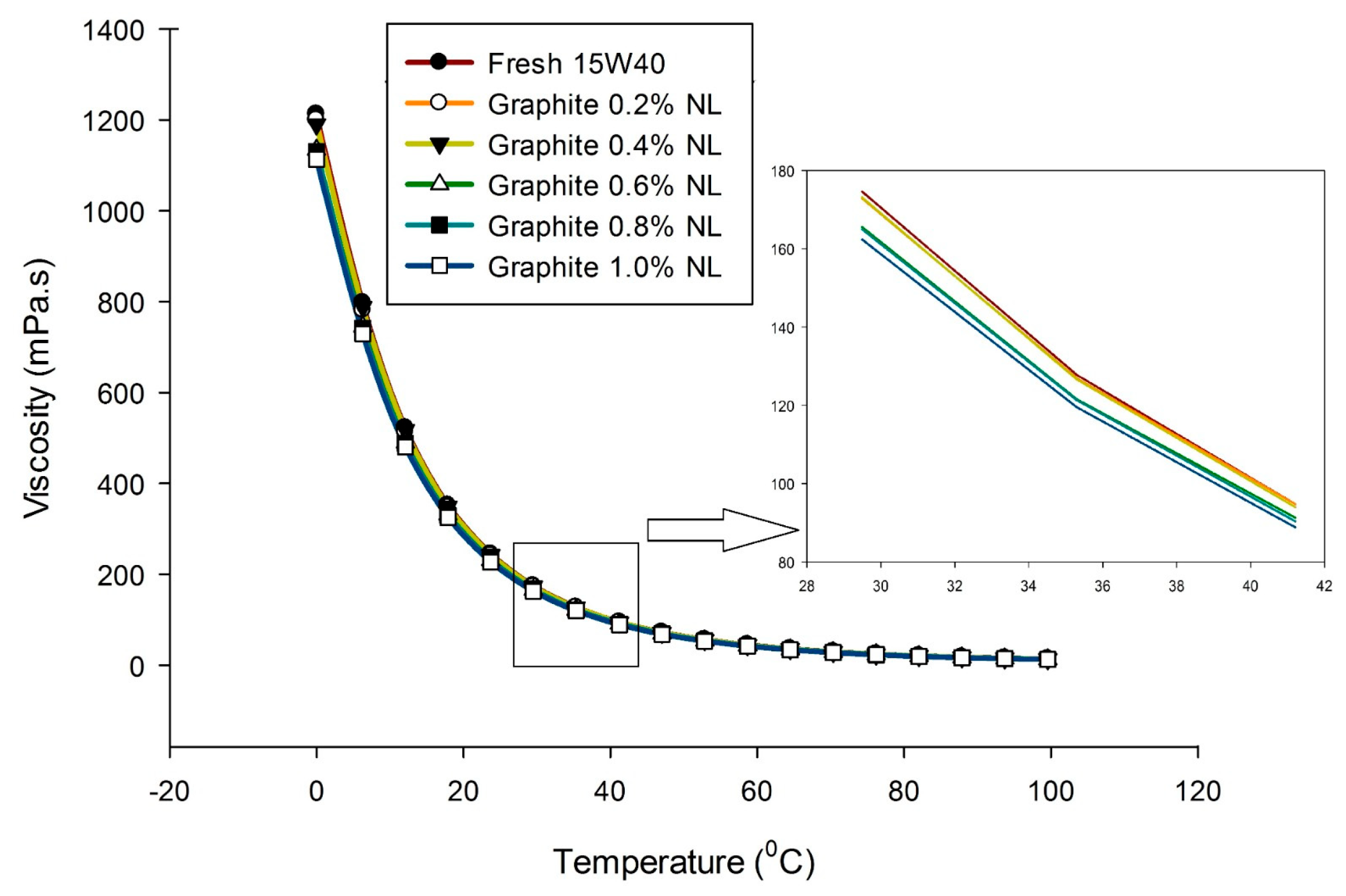
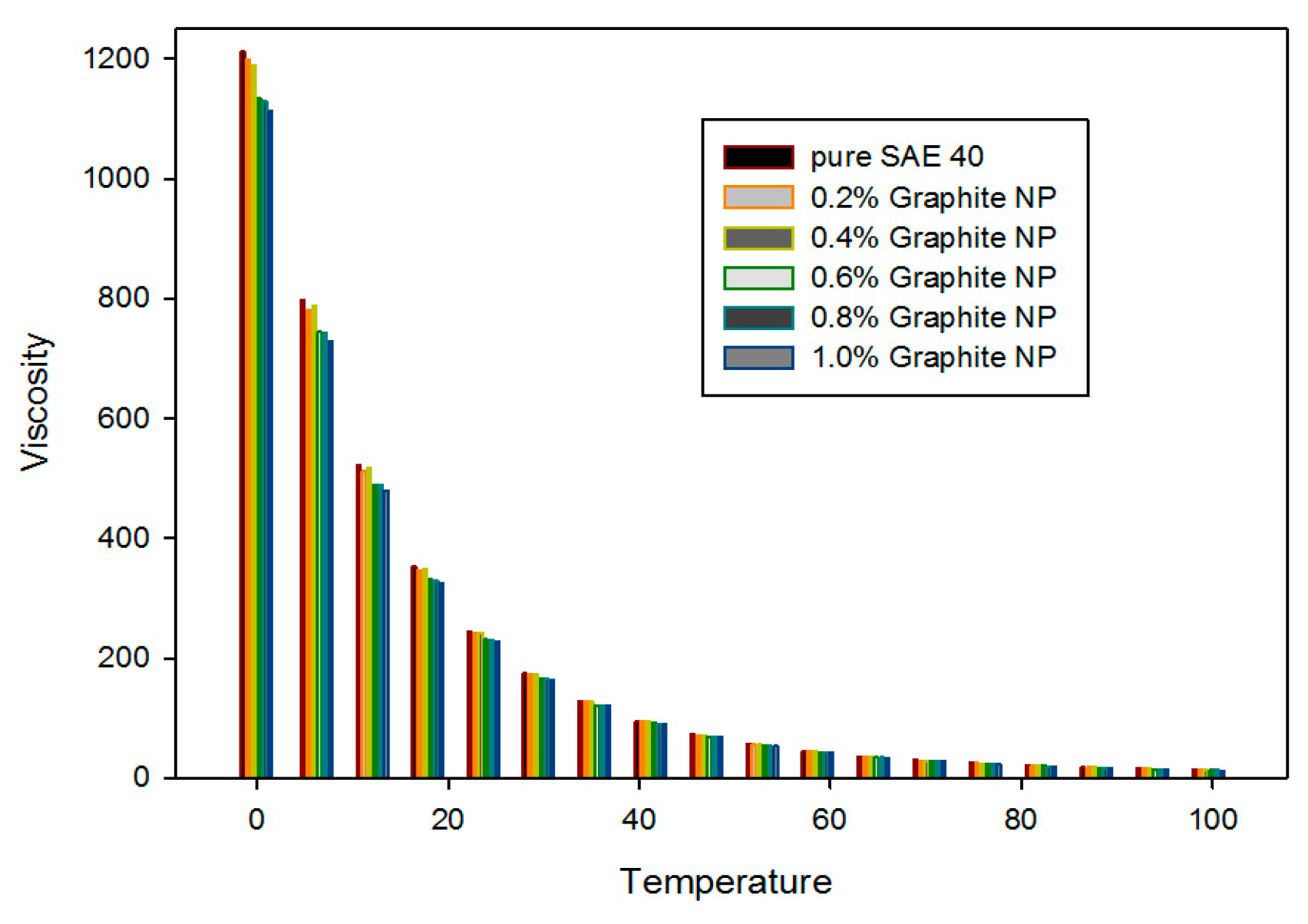
The rheological study was conducted in accordance with ASTM D 7552-09, at a shear rate of 20 s−1, over a temperature range of 0 °C to 100 °C. The rheological behaviour of the nanolubricant exhibited a trend similar to that of fresh 15W40, as shown in Figure 3. As the nanoparticle concentration in the nanolubricant increased, the viscosity decreased. This viscosity reduction was observed to be 4–6% at lower temperatures and 8–9% at higher temperatures, as illustrated in Figure 4. The mathematical relationship derived from the best-fit method indicated that viscosity and temperature followed a non-linear (quantum) functional dependence, with viscosity decreasing significantly as the temperature rose.
Relation between temperature and viscosity (obtained by best fit method):
y = −8 × 10⁻⁷ T5 + 0.001 T4 − 0.033 T3 + 2.205 T2 − 73.82 T + 1128.
The viscosity (y), in mPa·s and temperature (T), in °C relationship was described by a non-linear (quantum) function, where the viscosity decreased significantly as the temperature increased.

3.2. Tribological Study on Pin-on-Disc Machine

The test was performed under a constant load of 40 N, with varying sliding speeds of 3.663 m/s, 5.2631 m/s, 7.3260 m/s, 10.4712 m/s, and 13.6054 m/s. The ambient temperature during the experiment was 28 °C. Both fully flooded and starved lubrication conditions were investigated. The specific wear rate was calculated as the ratio of wear loss volume (m3) to the product of load (N) and sliding distance (m). The coefficient of friction was defined as the friction force per unit of the applied load at different speeds.

3.2.1. Study of Coefficient of Friction

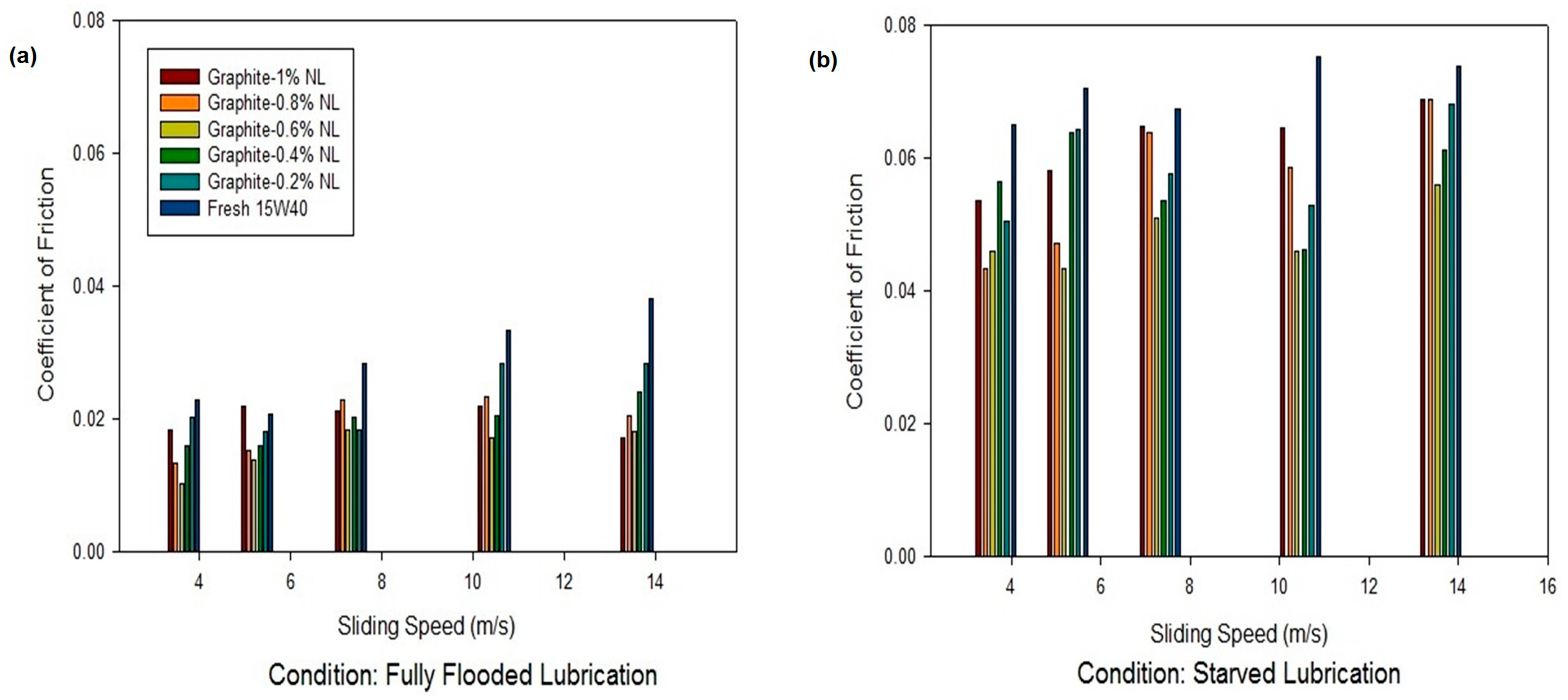
Figure 5 presents the variation in the coefficient of friction with speed at a constant load of 40 N for different nanoparticle concentrations in the lubricant (1%, 0.8%, 0.6%, 0.4%, 0.2%, and fresh 15W40) under both fully flooded and starved lubrication conditions.
In fully flooded lubrication, the coefficient of friction decreased as the nanoparticle concentration increased, reaching its lowest value at 0.6%, likely due to the rolling effect facilitated by the nanoparticles. However, beyond 0.6%, higher nanoparticle concentrations caused sliding obstructions in the tribo-pair, leading to increased friction. Under starved lubrication conditions, the coefficient of friction was higher compared to fully flooded lubrication. It decreased up to 0.6% nanoparticle concentration, but further increases in concentration resulted in an elevated coefficient of friction.

3.2.2. Analysis of Specific Wear Rate

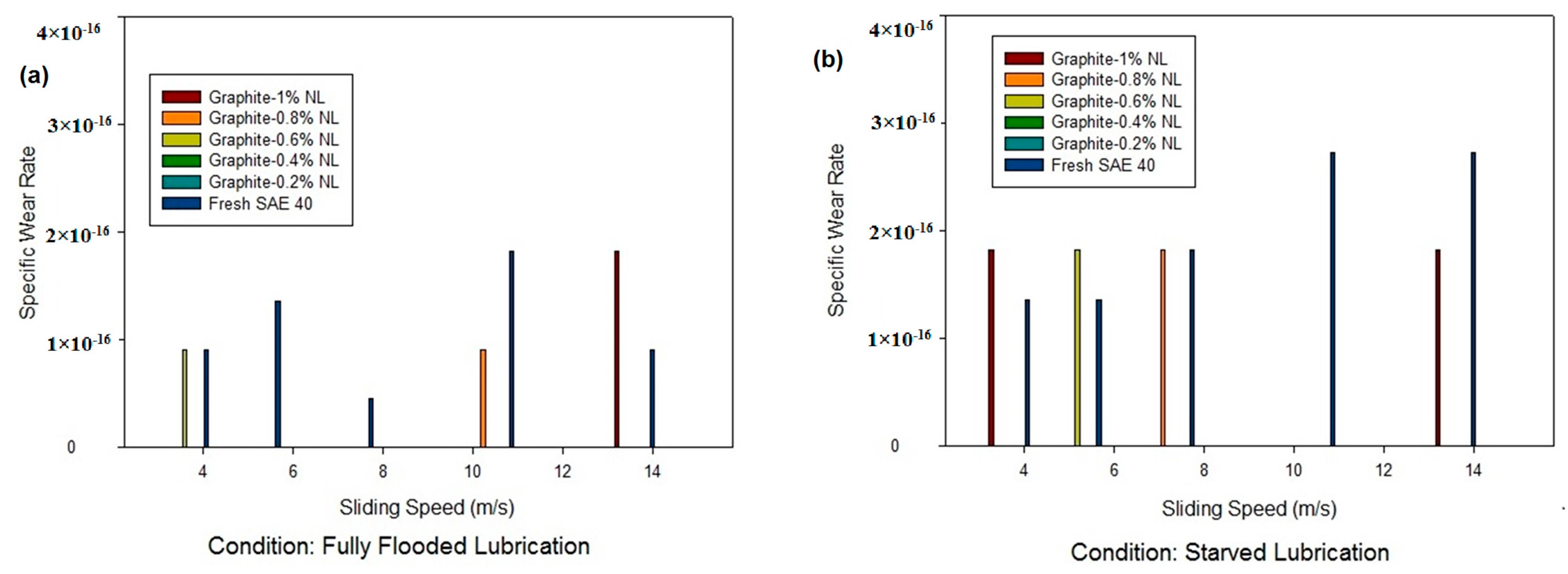
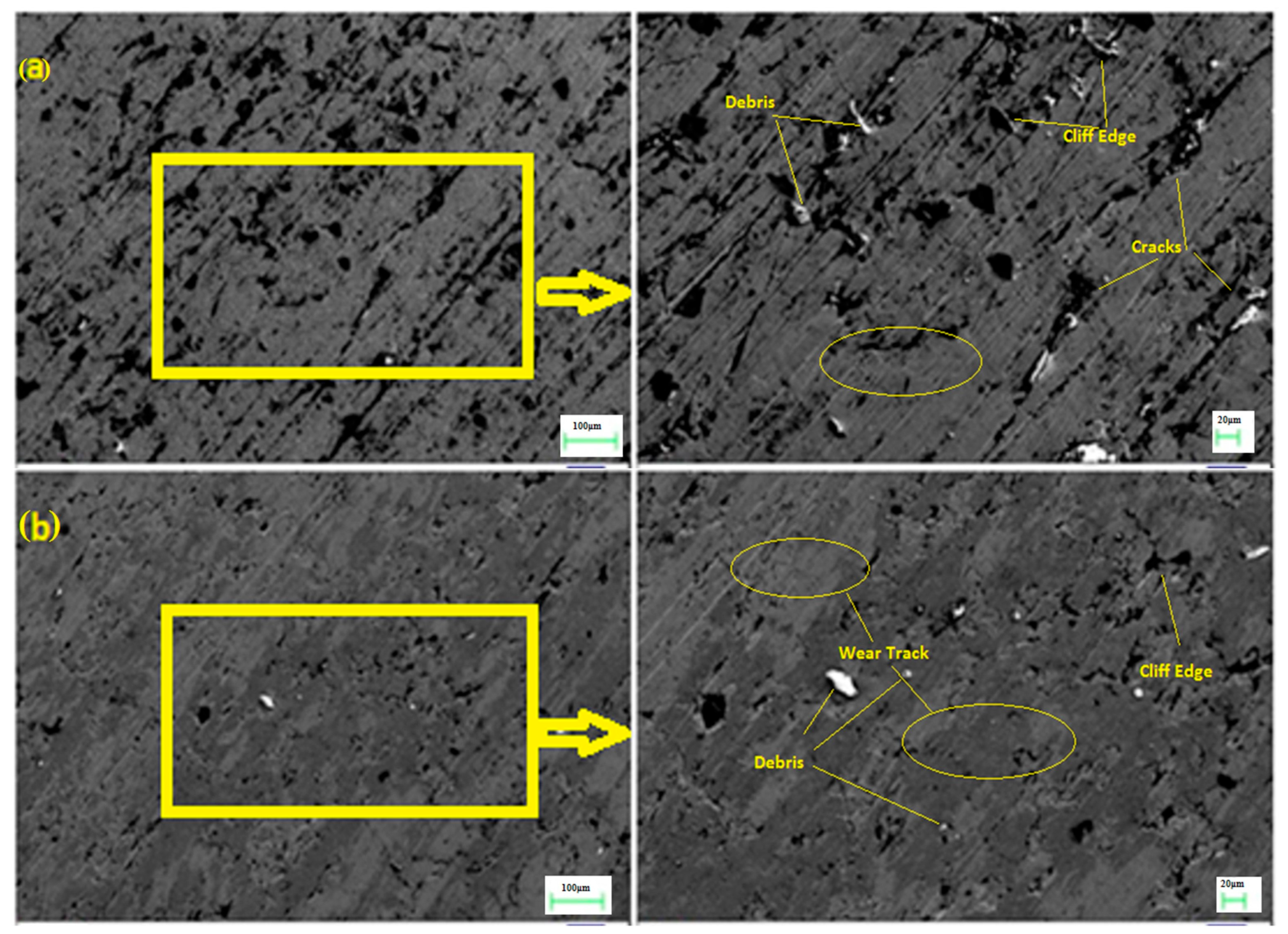
Figure 6 illustrates the variation in specific wear rate with sliding speed at a constant load of 40 N for various nanoparticle concentrations in the lubricant (1%, 0.8%, 0.6%, 0.4%, 0.2%, and fresh 15W40) under both fully flooded and starved lubrication conditions. Under fully flooded conditions, lower specific wear rates were observed due to the formation of a stable lubricating film between the tribo-pairs. The specific wear rate for the nanolubricant was nearly negligible, indicating minimal wear on the contact surfaces. Figure 7 shows SEM micrographs of the pin material, which reveal a layer of graphite nanoparticles acting as a protective shield over the surface. This layer minimized metal-to-metal contact, thereby reducing material wear.

3.3. Tribological Study on Four-Ball Tester

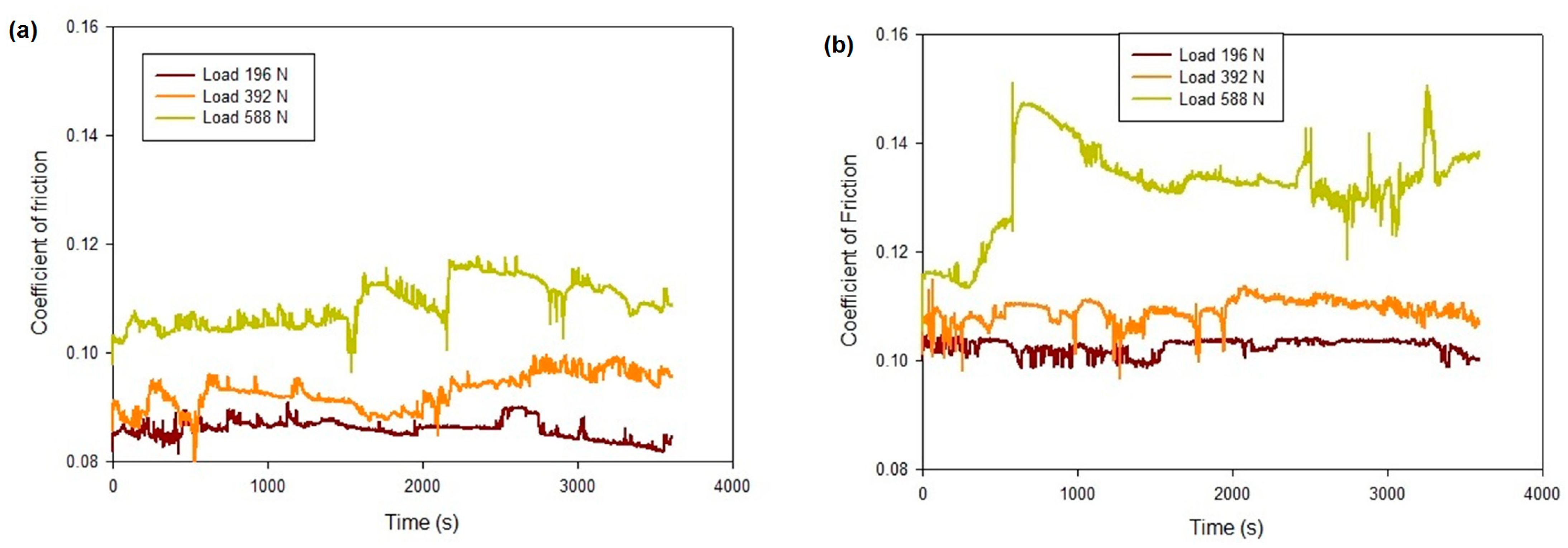
The graphite nanolubricant (0.6% w/w) was tested on the four-ball tester in accordance with ASTM-D4172 for anti-wear characteristics and ASTM-DIN 51350 for weld load determination. Figure 8 illustrates the variation in the coefficient of friction under different load conditions. The coefficient of friction decreased by approximately 15–18%, while the wear scar diameter reduced by approximately 45–57% with the use of graphite nanolubricant as shown in Table 2. This improvement can be attributed to the rolling and polishing action of nanoparticles at the interfacial region of the balls. Additionally, the weld load increased by 20% with the inclusion of graphite nanoparticles, likely due to the enhanced extreme-pressure-bearing capacity of the lubricant and the improved thermal conductivity of the nanolubricant.

4. Conclusions

The graphite nanolubricant, prepared using magnetic and ultrasonic stirring methods, demonstrated rheological stability and was evaluated in accordance with ASTM D 7552-09. The experimental investigation was performed on a pin-on-disc test rig (ASTM G-99) under a constant load of 40 N and varying sliding speeds. The key observations and findings are summarized as follows:
  • Under starved lubrication conditions, both the coefficient of friction and specific wear rate were higher compared to fully flooded conditions, emphasizing the critical role of adequate lubrication in reducing friction and wear.
  • The coefficient of friction exhibited a non-linear trend with varying nanoparticle composition in the lubricant. A decrease was observed from 0% to 0.4%, followed by a relatively stable phase up to 0.8%, with the minimum coefficient of friction occurring at 0.6% graphite nanoparticles. Beyond 0.8%, the coefficient of friction started to increase.
  • The specific wear rate was significantly reduced in the lubricating oil enriched with nanoparticles compared to the fresh lubricant. This implies the effectiveness of graphite nanoparticles in minimizing wear. The author observed that the incorporation of nanoparticles improved the tribological properties of the lubricant without compromising its service life.
  • Coefficient of friction and wear decreased by up to 30% on the four-ball tester for the graphite nanolubricant compared to fresh 15W40 oil, as per ASTM-D4172.
  • The nanolubricant exhibited a 20% improvement in extreme-pressure performance, as tested according to ASTM-DIN 51350. This indicates the lubricant’s enhanced ability to withstand high-pressure conditions.
  • Scanning electron microscope (SEM) analysis revealed a deposition of nanoparticles on the surfaces of tribo-pairs. This nanoparticle layer acted as a protective barrier, reducing wear on the pin. Additionally, nanoparticles were found to heal cracks present on the surfaces of the tribo-pairs.

Author Contributions

Conceptualization, methodology, data curation, writing—original draft preparation: S.D., S.C. and S.A.; writing—review and editing, supervision: Y.T. and R.C.S.; writing—review and editing, formal analysis, funding acquisition: M.Y. and H.I. All authors have read and agreed to the published version of the manuscript.

Funding

The authors are thankful to CETRI, University of Regina, Canada, for providing resources in conducting this research.

Institutional Review Board Statement

Not applicable.

Informed Consent Statement

Not applicable.

Data Availability Statement

Data are contained within the article.

Conflicts of Interest

The authors declare no conflicts of interest.

References

  1. Dubey, M.K.; Bijwe, J.; Ramakumar, S. PTFE based nano-lubricants. Wear 2013, 306, 80–88. [Google Scholar] [CrossRef]
  2. Choi, S.U.S.; Eastman, J.A. Enhancing Thermal Conductivity of Fluids with Nanoparticles; American Society of Mechanical Engineers: New York, NY, USA, 1995; pp. 99–105. [Google Scholar]
  3. Yadav, G.; Tiwari, S.; Jain, M. Tribological analysis of extreme pressure and anti-wear properties of engine lubricating oil using four ball tester. Mater. Today Proc. 2018, 5, 248–253. [Google Scholar] [CrossRef]
  4. Naphon, P.; Klangchart, S.; Wongwises, S. Numerical investigation on the heat transfer and flow in the mini-fin heat sink for CPU. Int. Commun. Heat Mass Transf. 2009, 36, 834–840. [Google Scholar] [CrossRef]
  5. Jiang, W.; Ding, G.; Peng, H. Measurement and model on thermal conductivities of carbon nanotube nanorefrigerants. Int. J. Therm. Sci. 2009, 48, 1108–1115. [Google Scholar] [CrossRef]
  6. Bi, S.-S.; Shi, L.; Zhang, L.-L. Application of nanoparticles in domestic refrigerators. Appl. Therm. Eng. 2008, 28, 1834–1843. [Google Scholar] [CrossRef]
  7. Natarajan, E.; Sathish, R. Role of nanofluids in solar water heater. Int. J. Adv. Manuf. Technol. 2009, 1–5. [Google Scholar] [CrossRef]
  8. Pantzali, M.; Mouza, A.; Paras, S. Investigating the efficacy of nanofluids as coolants in plate heat exchangers (PHE). Chem. Eng. Sci. 2009, 64, 3290–3300. [Google Scholar] [CrossRef]
  9. Buongiorno, J.; Hu, L.-W. Innovative Technologies: Two-Phase Heat Transfer in Water-Based Nanofluids for Nuclear Applications Final Report; Massachusetts Institute of Technology: Cambridge, MA, USA, 2009; pp. 1–347. [Google Scholar]
  10. Rostek, E.; Babiak, M.; Wróblewski, E. The Influence of Oil Pressure in the Engine Lubrication System on Friction Losses. Procedia Eng. 2017, 192, 771–776. [Google Scholar] [CrossRef]
  11. Lee, S.; Bae, C. Design of a heat exchanger to reduce the exhaust temperature in a spark-ignition engine. Int. J. Therm. Sci. 2008, 47, 468–478. [Google Scholar] [CrossRef]
  12. Erdemir, A. Review of engineered tribological interfaces for improved boundary lubrication. Tribol. Int. 2005, 38, 249–256. [Google Scholar] [CrossRef]
  13. Singh, R.C.; Pandey, R.K.; Maji, S. Experimental Studies for Accessing the Influence of Micro-Dimple Area Density on Tribological Performance of Mating Contacts. Int. J. Adv. Res. Innov. 2013, 1, 10–22. [Google Scholar] [CrossRef]
  14. Tharajak, J.; Palathai, T.; Sombatsompop, N. Recommendations for h-BN loading and service temperature to achieve low friction coefficient and wear rate for thermal-sprayed PEEK coatings. Surf. Coatings Technol. 2017, 321, 477–483. [Google Scholar] [CrossRef]
  15. Guo, D.; Xie, G.; Luo, J. Mechanical properties of nanoparticles: Basics and applications. J. Phys. D Appl. Phys. 2013, 47, 013001. [Google Scholar] [CrossRef]
  16. Dubey, M.K.; Bijwe, J.; Ramakumar, S. Nano-PTFE: New entrant as a very promising EP additive. Tribol. Int. 2015, 87, 121–131. [Google Scholar] [CrossRef]
  17. Tarasov, S.; Kolubaev, A.; Belyaev, S.; Lerner, M.; Tepper, F. Study of friction reduction by nanocopper additives to motor oil. Wear 2002, 252, 63–69. [Google Scholar] [CrossRef]
  18. Wang, S.; Han, S.; Xin, G.; Lin, J.; Wei, R.; Lian, J.; Sun, K.; Zu, X.; Yu, Q. High-quality graphene directly grown on Cu nanoparticles for Cu-graphene nanocomposites. Mater. Des. 2018, 139, 181–187. [Google Scholar] [CrossRef]
  19. Mishra, D.; Sonia, F.J.; Srivastava, D.; Ganesha, G.N.; Singha, U.; Mukhopadhyay, A. Wear damage and effects of gra-phene-based lubricants/coatings during linear reciprocating sliding wear at high contact pressure. Wear 2018, 400–401, 144–155. [Google Scholar] [CrossRef]
  20. Huang, H.; Tu, J.; Gan, L.; Li, C. An investigation on tribological properties of graphite nanosheets as oil additive. Wear 2006, 261, 140–144. [Google Scholar] [CrossRef]
  21. Chaudhary, S.; Singh, R.C.; Chaudhary, R. Experimental Investigation of Influence of SiO2 Nanoparticles on the Tribological and Rheological properties of 15W40 Lubricating Oil. Int. J. Eng. Technol. 2017, 9, 4307–4314. [Google Scholar] [CrossRef]
  22. Bai, L.; Srikanth, N.; Korznikova, E.A.; Baimova, J.A.; Dmitriev, S.V.; Zhou, K. Wear and friction between smooth or rough diamond-like carbon films and diamond tips. Wear 2017, 372–373, 12–20. [Google Scholar] [CrossRef]
  23. Guo, J.; Barber, G.C.; Schall, D.J.; Zou, Q.; Jacob, S.B. Tribological properties of ZnO and WS 2 nanofluids using different surfactants. Wear 2017, 382–383, 8–14. [Google Scholar] [CrossRef]
  24. Roknian, M.; Fattah-alhosseini, A.; Gashti, S.O.; Keshavarz, M.K. Study of the effect of ZnO nanoparticles addition to PEO coatings on pure titanium substrate: Microstructural analysis, antibacterial effect and corrosion behavior of coatings in Ringer’s physiological solution. J. Alloys Compd. 2018, 740, 330–345. [Google Scholar] [CrossRef]
  25. Abdullah, M.I.H.C.; Abdollah, M.F.B.; Amiruddin, H.; Tamaldin, N.; Nuri, N.R.M. Optimization of tribological per-formance of hBN/AL2O3 nanoparticles as engine oil additives. Procedia Eng. 2013, 68, 313–319. [Google Scholar] [CrossRef]
  26. Padgurskas, J.; Rukuiza, R.; Prosyčevas, I.; Kreivaitis, R. Tribological properties of lubricant additives of Fe, Cu and Co nanoparticles. Tribol. Int. 2013, 60, 224–232. [Google Scholar] [CrossRef]
  27. Li, S.; Qin, H.; Zuo, R.; Bai, Z. Tribological performance of Mg/Al/Ce layered double hydroxides nanoparticles and intercalated products as lubricant additives. Appl. Surf. Sci. 2015, 353, 643–650. [Google Scholar] [CrossRef]
  28. Sengupta, R.; Bhattacharya, M.; Bandyopadhyay, S.; Bhowmick, A.K. A review on the mechanical and electrical properties of graphite and modified graphite reinforced polymer composites. Prog. Polym. Sci. 2011, 36, 638–670. [Google Scholar] [CrossRef]
  29. ASTM-DIN 51350; Testing of Lubricants—Testing in the Four-Ball Tester—Part 1: General Working Principles. Deutsches Institut für Normung (DIN): Berlin, Germany, 2015.
  30. ASTM-D4172; Standard Test Method for Wear Preventive Characteristics of Lubricating Fluid (Four-Ball Method). ASTM International: West Conshohocken, PA, USA, 2010.
Figure 1. Pin-on-disc schematic.
Engproc 76 00112 g001
Figure 2. Four-ball tester schematic.
Engproc 76 00112 g002
Figure 3. Rheological behaviour of lubricant.
Engproc 76 00112 g003
Figure 4. Comparison of rheological behaviour of nanolubricant with fresh 15W40.
Engproc 76 00112 g004
Figure 5. Variation in coefficient of friction with sliding speed for various compositions of nanofluid in (a) fully flooded lubrication and (b) starved lubrication.
Engproc 76 00112 g005
Figure 6. Variation in specific wear rate with sliding speed for different nanofluid compositions under (a) fully flooded lubrication and (b) starved lubrication conditions.
Engproc 76 00112 g006
Figure 7. SEM micrographs of the pin material: (a) fresh 15W40 lubricant and (b) lubricant containing graphite nanoparticles.
Engproc 76 00112 g007
Figure 8. Tribological testing on four-ball tester: (a) lubricant with graphite nanoparticles, (b) fresh 15W40.
Engproc 76 00112 g008
Table 1. Parameters of four-ball tester.
ParametersWear TestExtreme-Pressure Test
StandardASTM-D4172 [30]ASTM-DIN 51350 [29]
Ball SpecimenSteel balls, diameter 12.7 mm, Ra = 0.04 microns, hardness RC 65Steel balls, diameter 12.7 mm, Ra = 0.04 microns, hardness RC 65
Oil Specimen15W40 and 15W40 blended with graphite nanoparticles15W40 and 15W40 blended with graphite nanoparticles
Load196 N, 392 N, 588 NIncremental load starting from 2000 N
Rotational Speed of Top Ball1200 rpm1450 rpm
Temperature75 °CAmbient
Test Duration60 min60 s
Table 2. Percentage change in COF and WSD using graphite nanolubricant.
Output ParameterLoad 196 NLoad 392 NLoad 588 N
Percent decrease in COF16.23%15.4%17.72%
Percent decrease in COF45.32%56.82%50.73%
Disclaimer/Publisher’s Note: The statements, opinions and data contained in all publications are solely those of the individual author(s) and contributor(s) and not of MDPI and/or the editor(s). MDPI and/or the editor(s) disclaim responsibility for any injury to people or property resulting from any ideas, methods, instructions or products referred to in the content.