Proceeding Paper

Load Forecasting of an Optimized Green Residential System Using Machine Learning Algorithm †
1
Department of Electrical Engineering, University of Management and Technology, Lahore 54770, Pakistan
2
Department of Electrical Engineering, Minhaj University Lahore, Lahore 54770, Pakistan
*
Author to whom correspondence should be addressed.
Presented at the 1st International Conference on Energy, Power and Environment, Gujrat, Pakistan, 11–12 November 2021.
Eng. Proc. 2021, 12(1), 22; https://doi.org/10.3390/engproc2021012022

Published: 23 December 2021
(This article belongs to the Proceedings of The 1st International Conference on Energy, Power and Environment)

Abstract

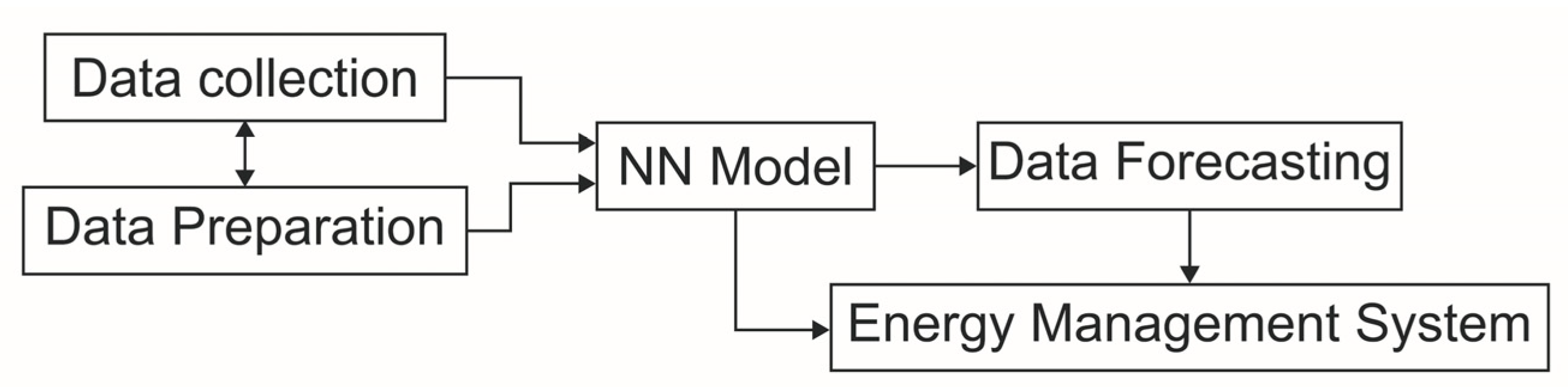
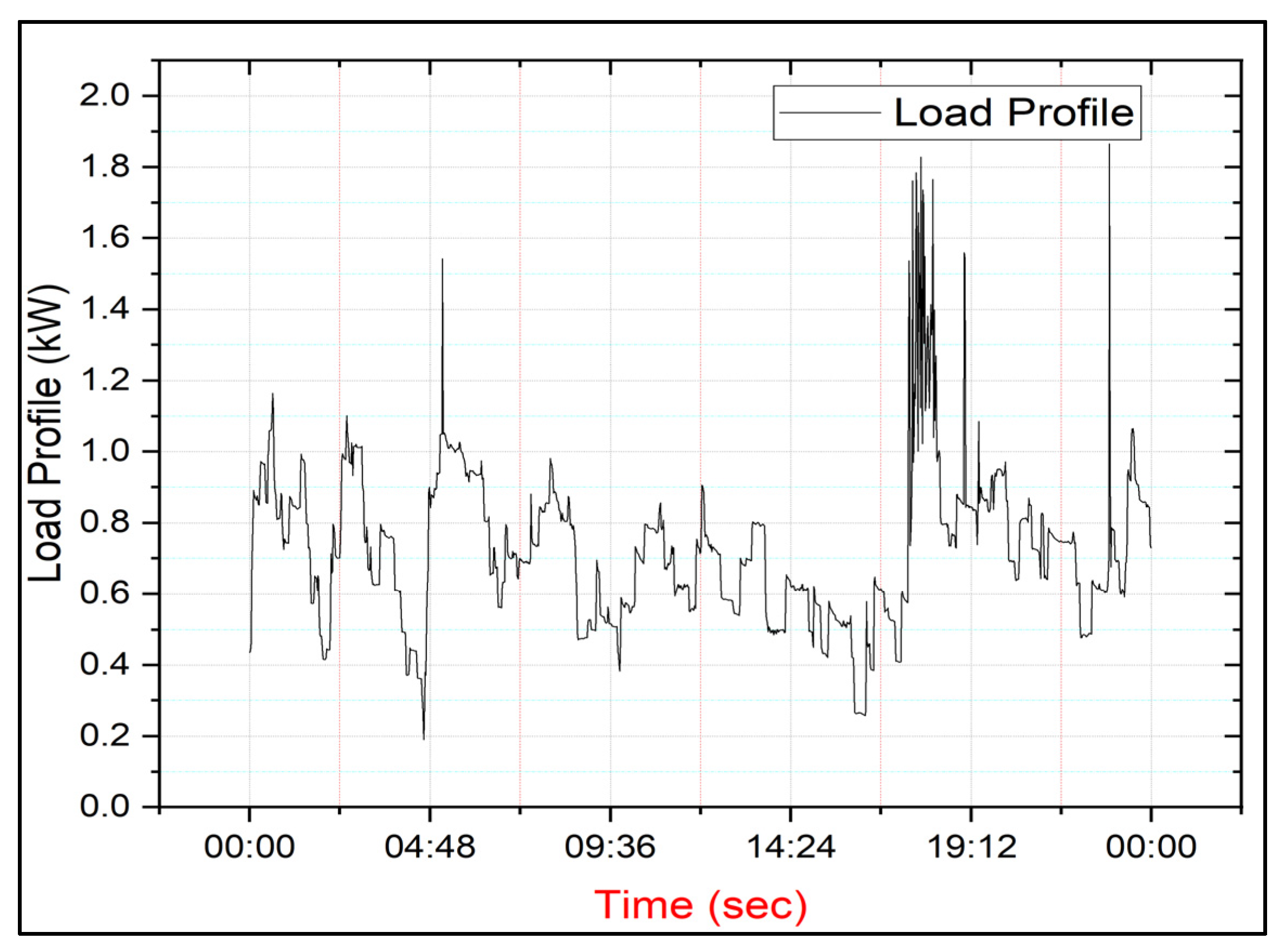
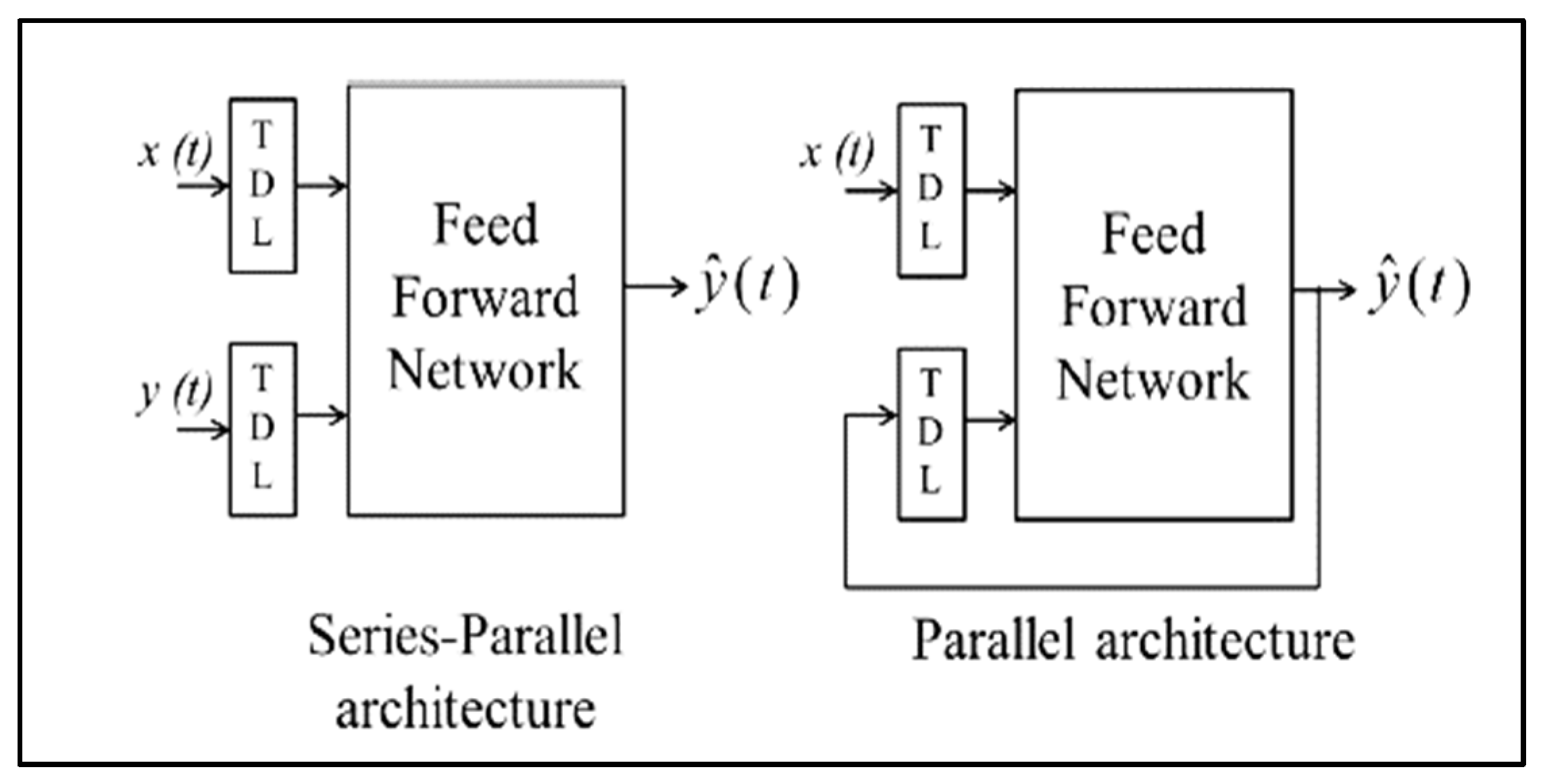
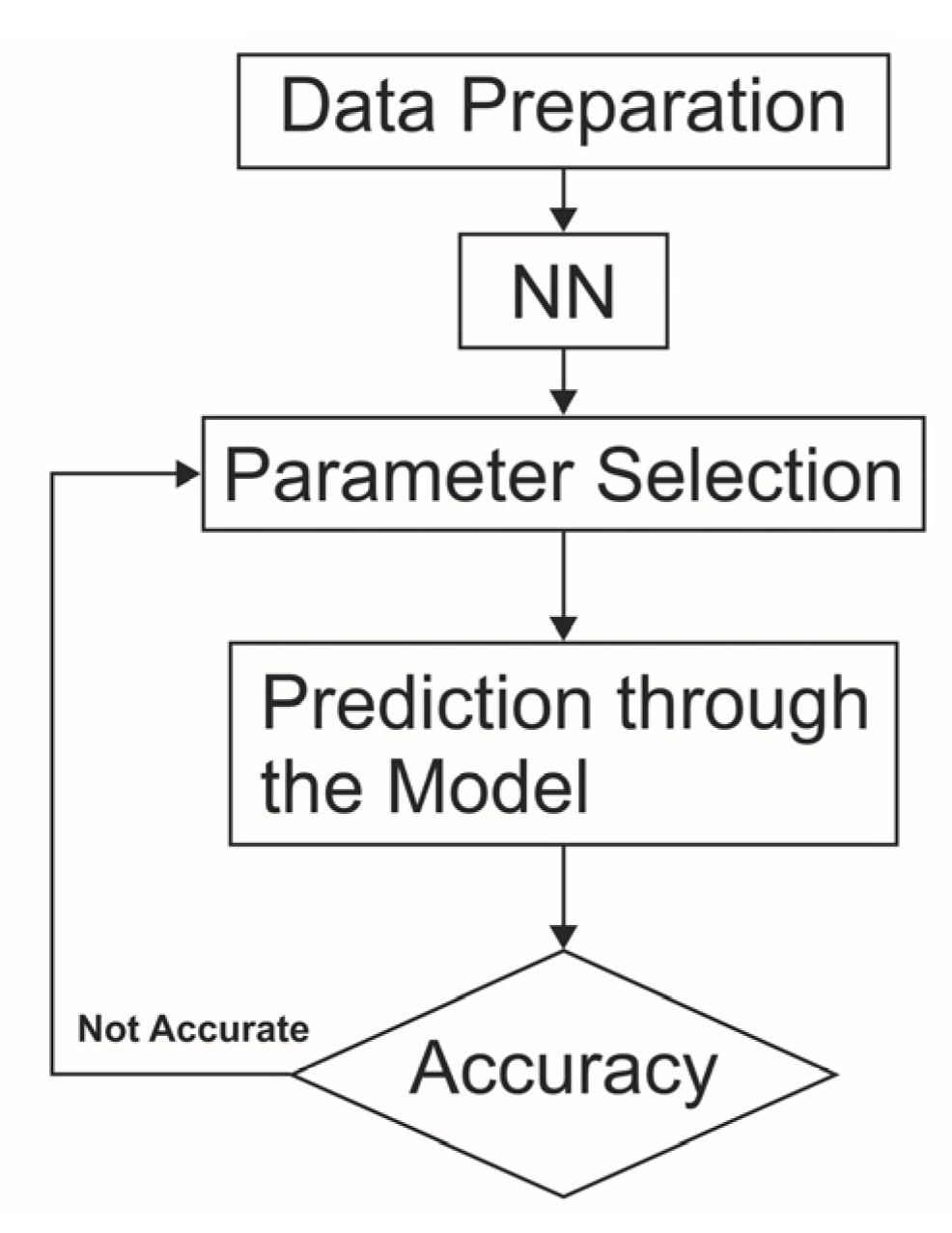
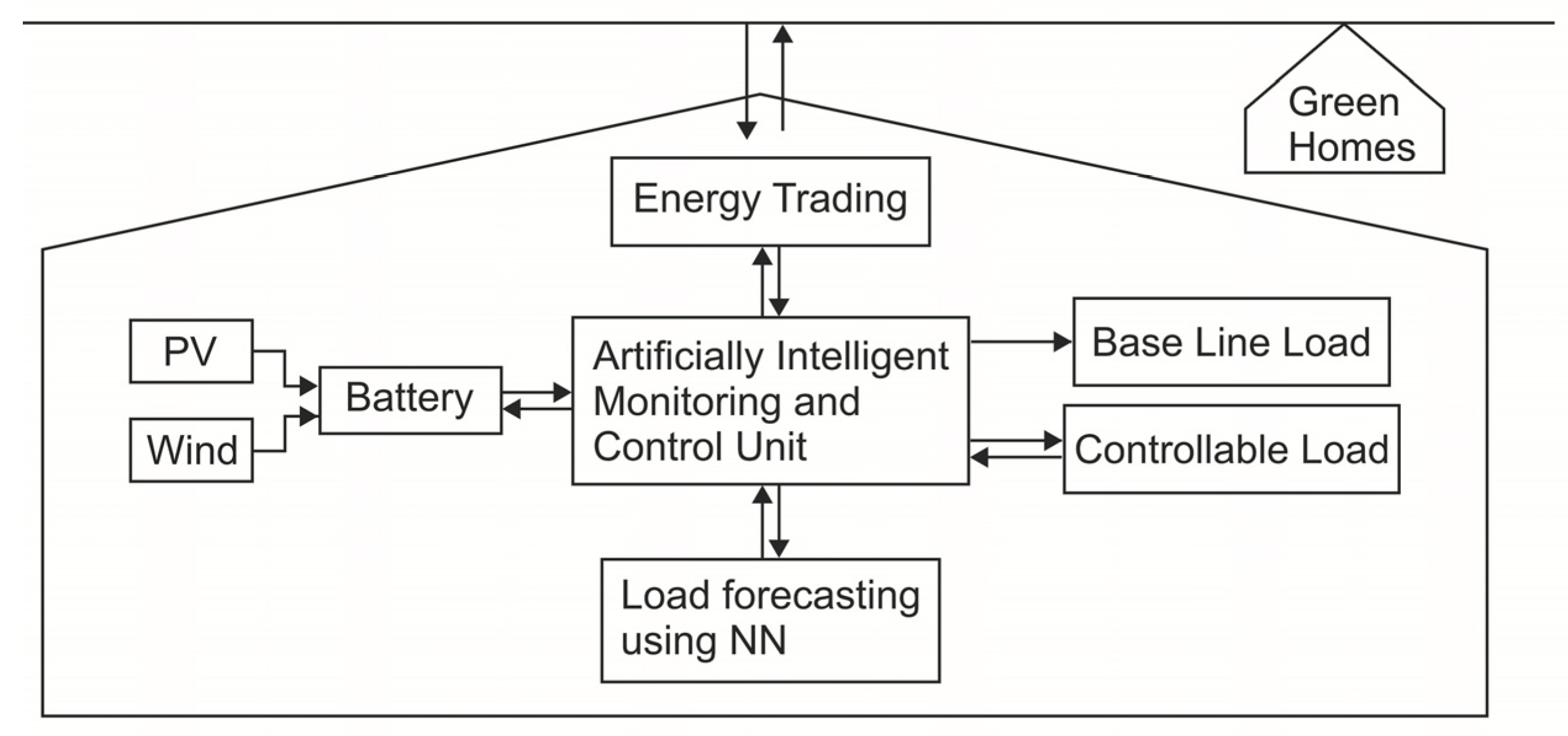
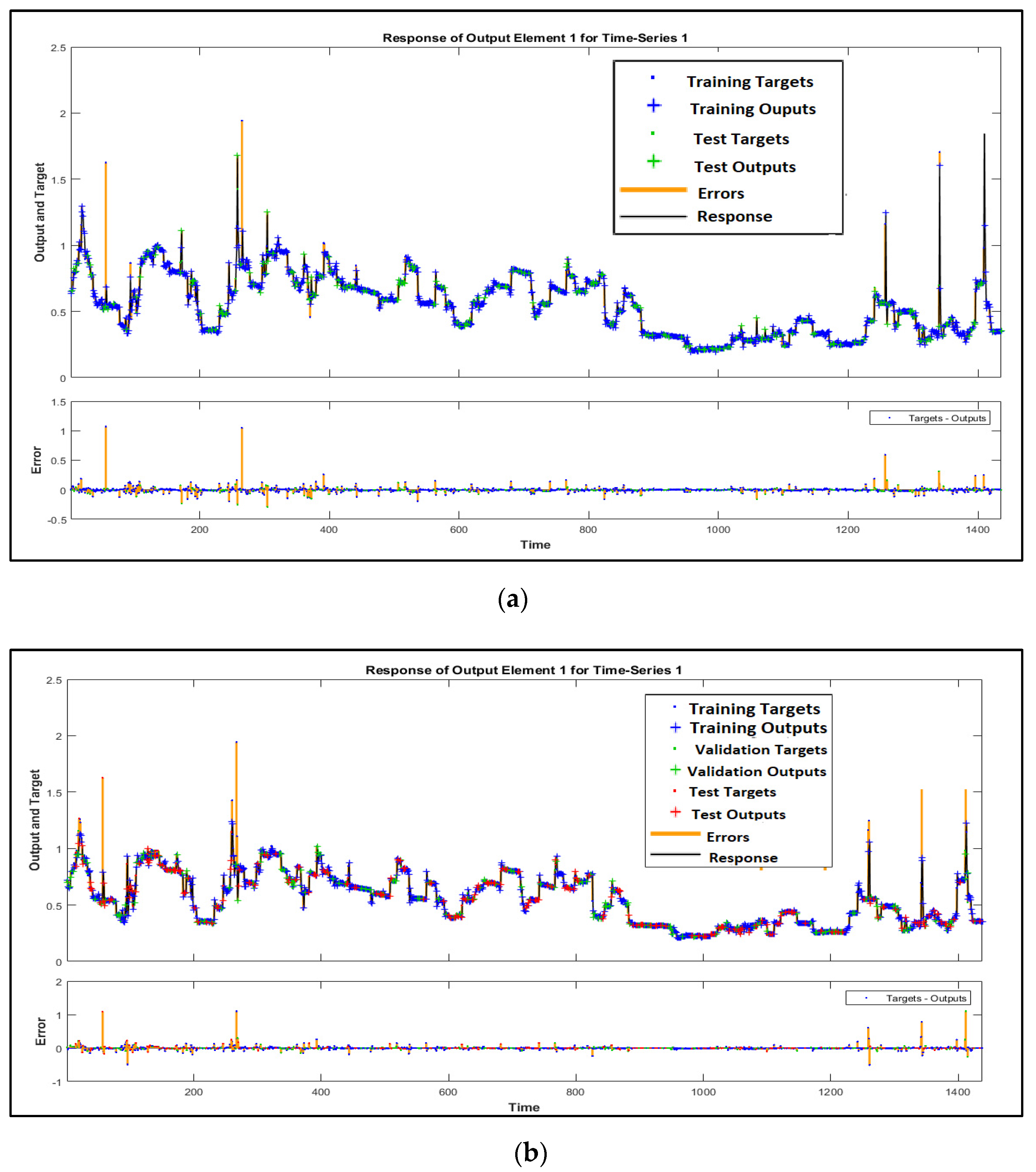
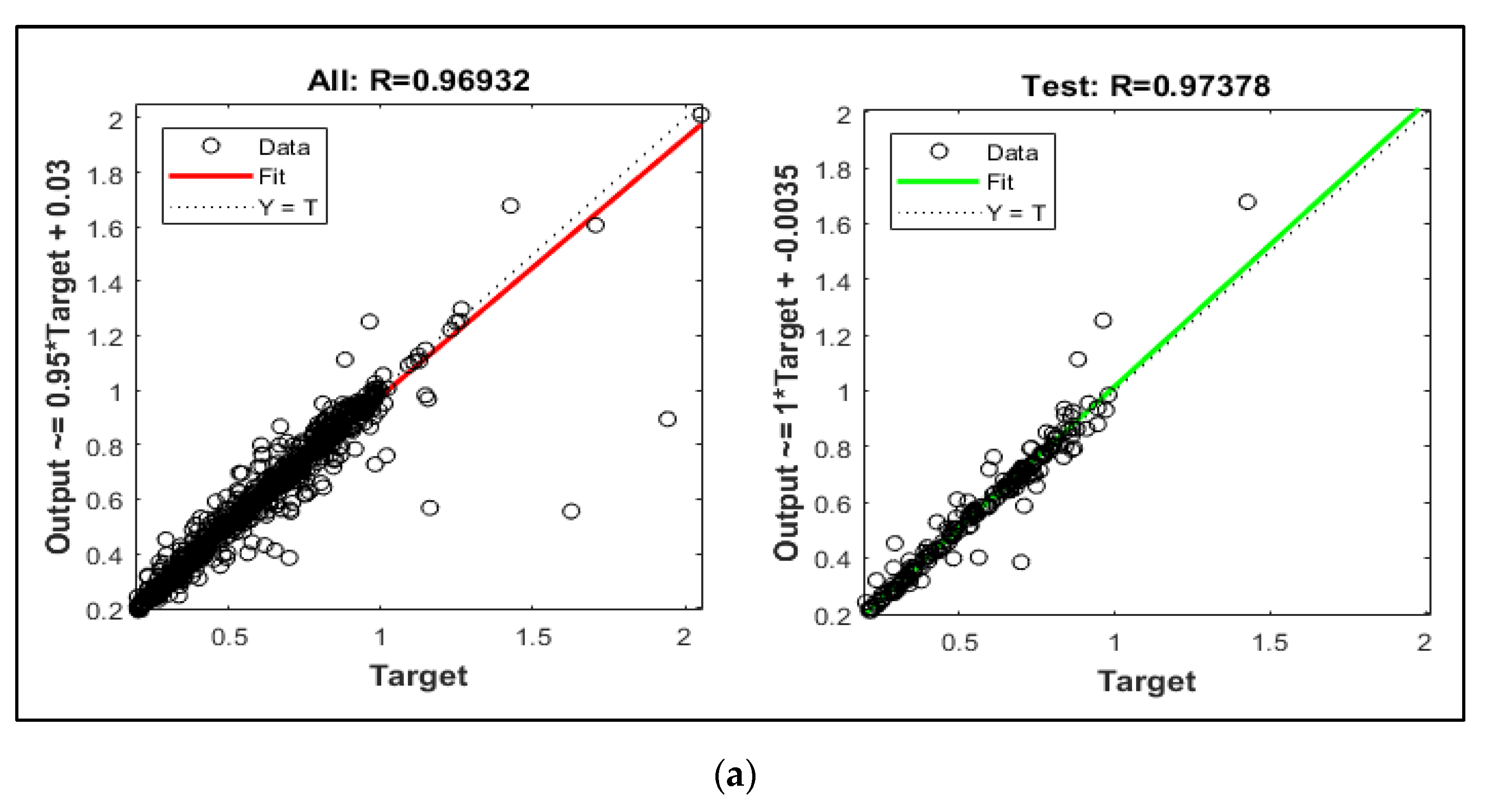
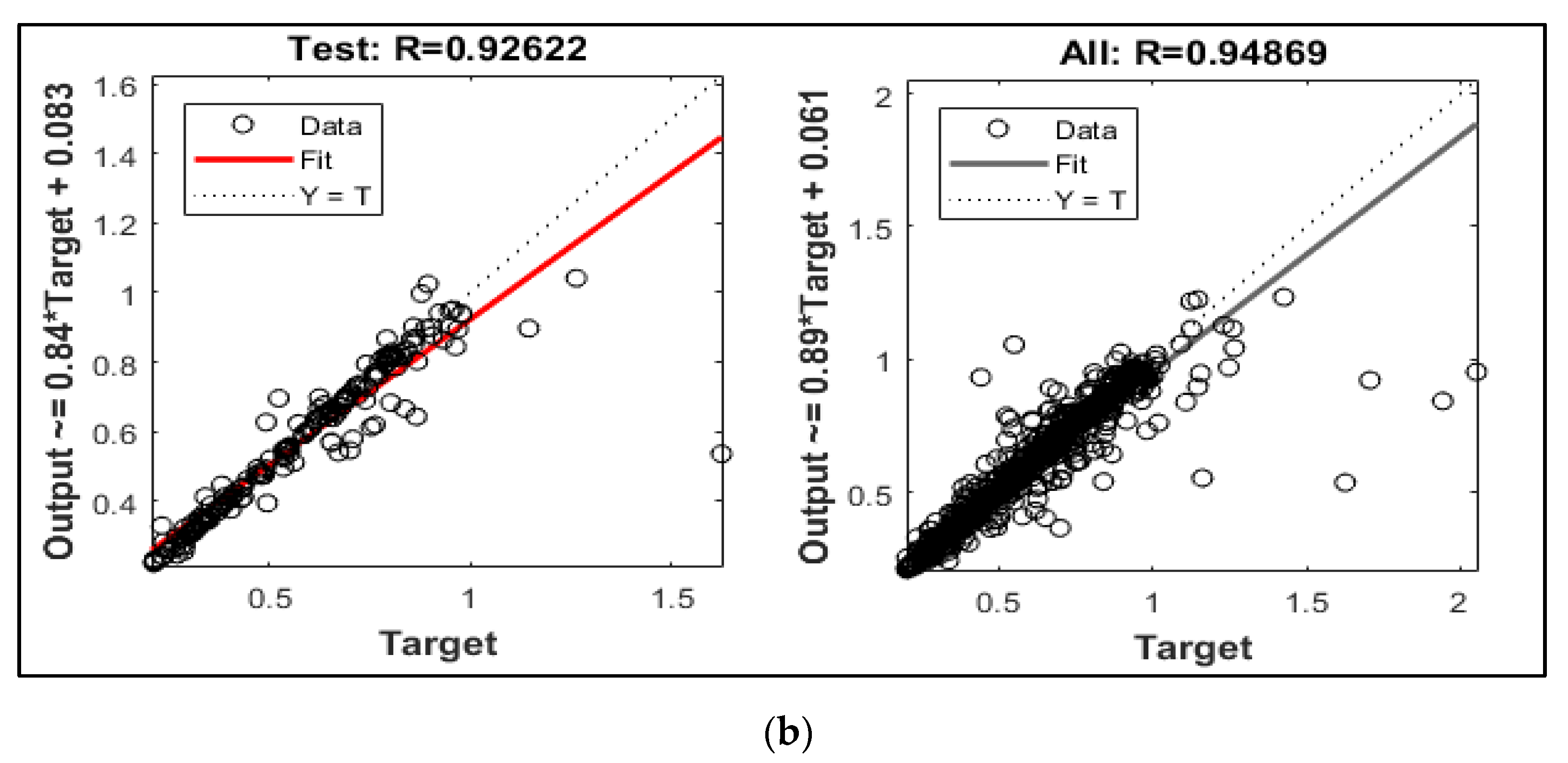
Load forecasting of a micro-grid system has become a challenging task due to its high volatile nature and uncertainty. Residential energy consumption is one of the most talked-about and confusing topics among different electricity loads in terms of future information and is mainly affected by irregular human activity and changing weather conditions. Therefore, techniques and algorithms are needed to reduce energy consumption and enhance the smartness of the system. Load forecasting of an optimized residential system using a machine learning (ML) algorithm is proposed for an islanded green residential system. The load profile of residential electricity consumption is developed by real-time data collected. Photovoltaic (PV) and wind energy (WE) units are considered renewable energy sources in batteries to entertain the residential loads in the proposed prototype. An efficient energy management system (EMS) is introduced to create a balance between power generation and consumption with the help of intelligent appliances under a controlled framework and to overcome peak time consumption. Prediction of load and proper energy utilization are presented to ensure the stability and durability of the system. For efficient micro-grid energy management, the residential load is forecasted using a ML algorithm named non-linear autoregressive exogenous (NARX) neural network (NN) with a minute mean absolute percentage square error of 0.226% which is far less than that of previous work performed in different forecasting scenarios. As a result, an efficient model is designed for a standalone DC micro-grid.
Keywords: load forecasting (LF); micro-grid (MG); energy management system (EMS); non-linear autoregressive exogenous (NARX); neural network (NN) load forecasting (LF); micro-grid (MG); energy management system (EMS); non-linear autoregressive exogenous (NARX); neural network (NN)