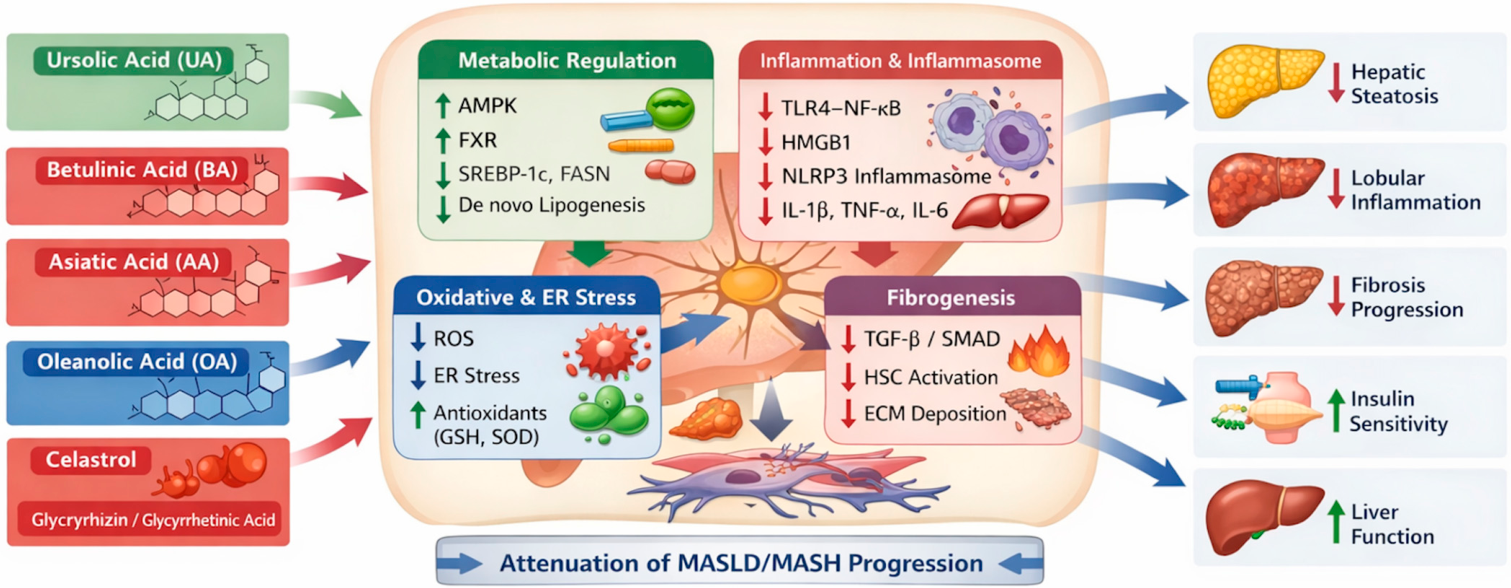

Update on the Potential Use of Natural Triterpenes for the Treatment of Metabolic-Dysfunction-Associated Steatotic Liver Disease (MASLD) and Metabolic-Dysfunction-Associated Steatohepatitis (MASH)

 , and
, and
Abstract
1. Introduction
2. Methods
3. Results
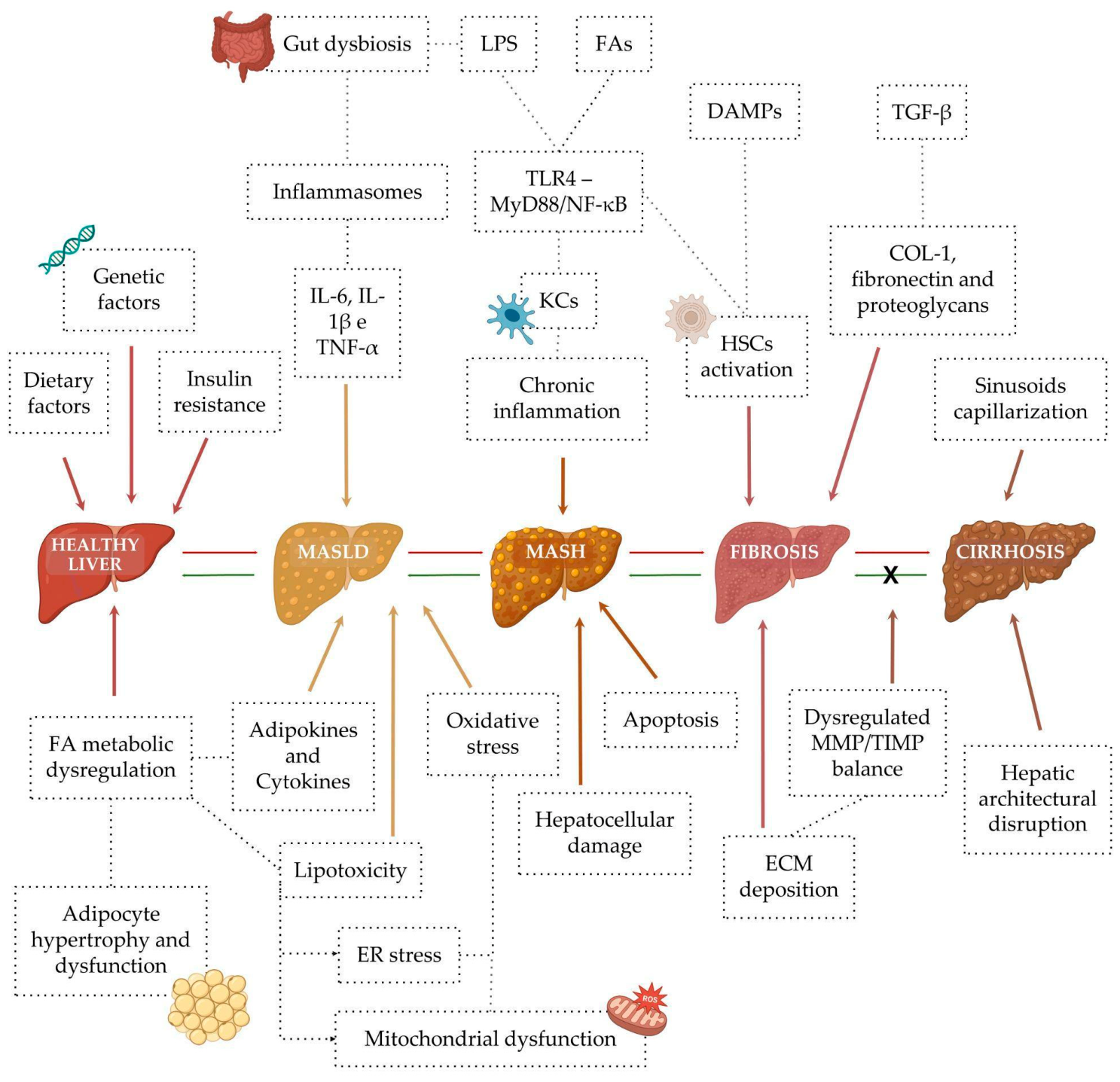
3.1. Mechanisms of Metabolic-Dysfunction-Associated Steatotic Liver Disease (MASLD) and Metabolic-Dysfunction-Associated Steatohepatitis (MASH)
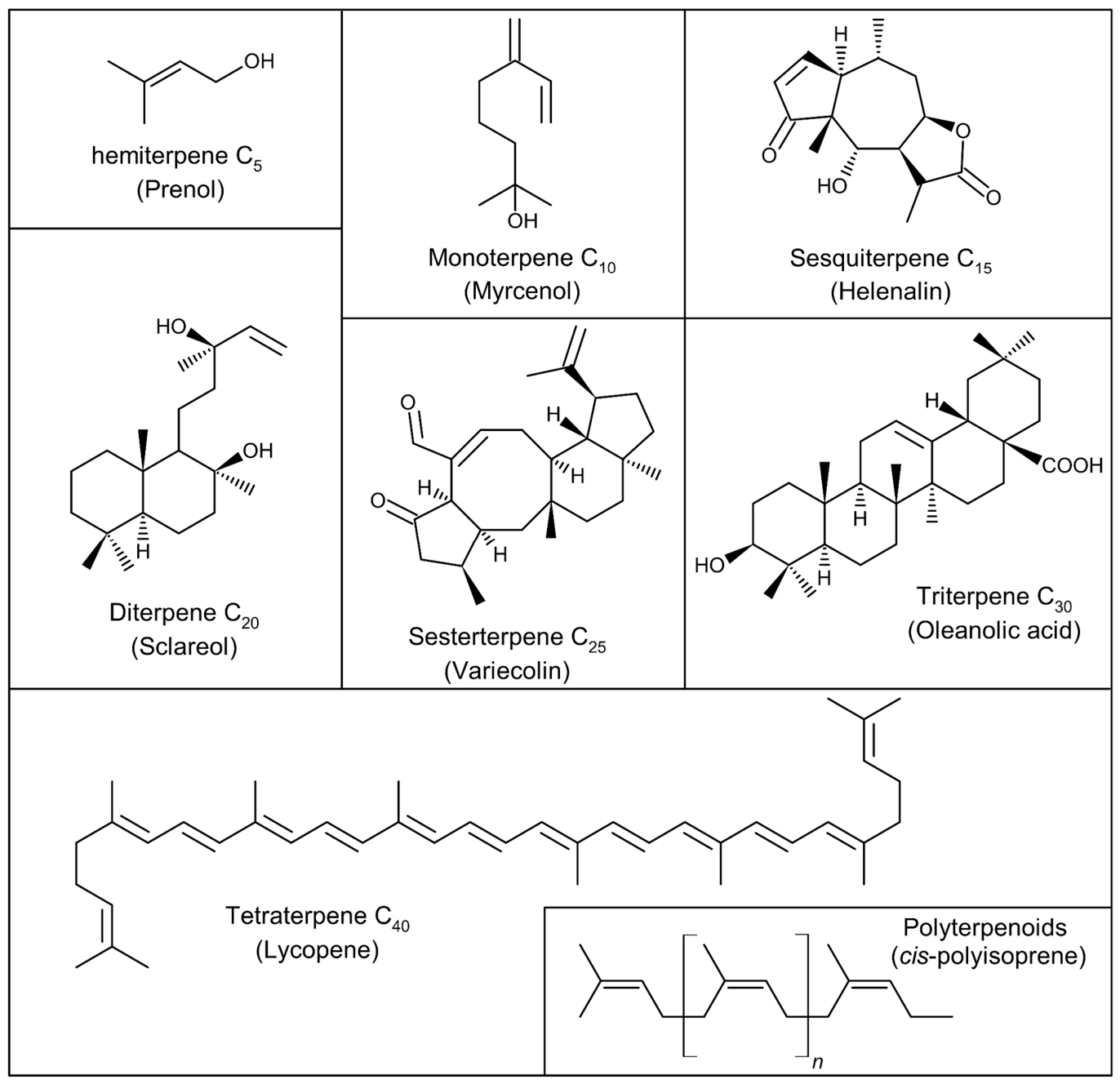
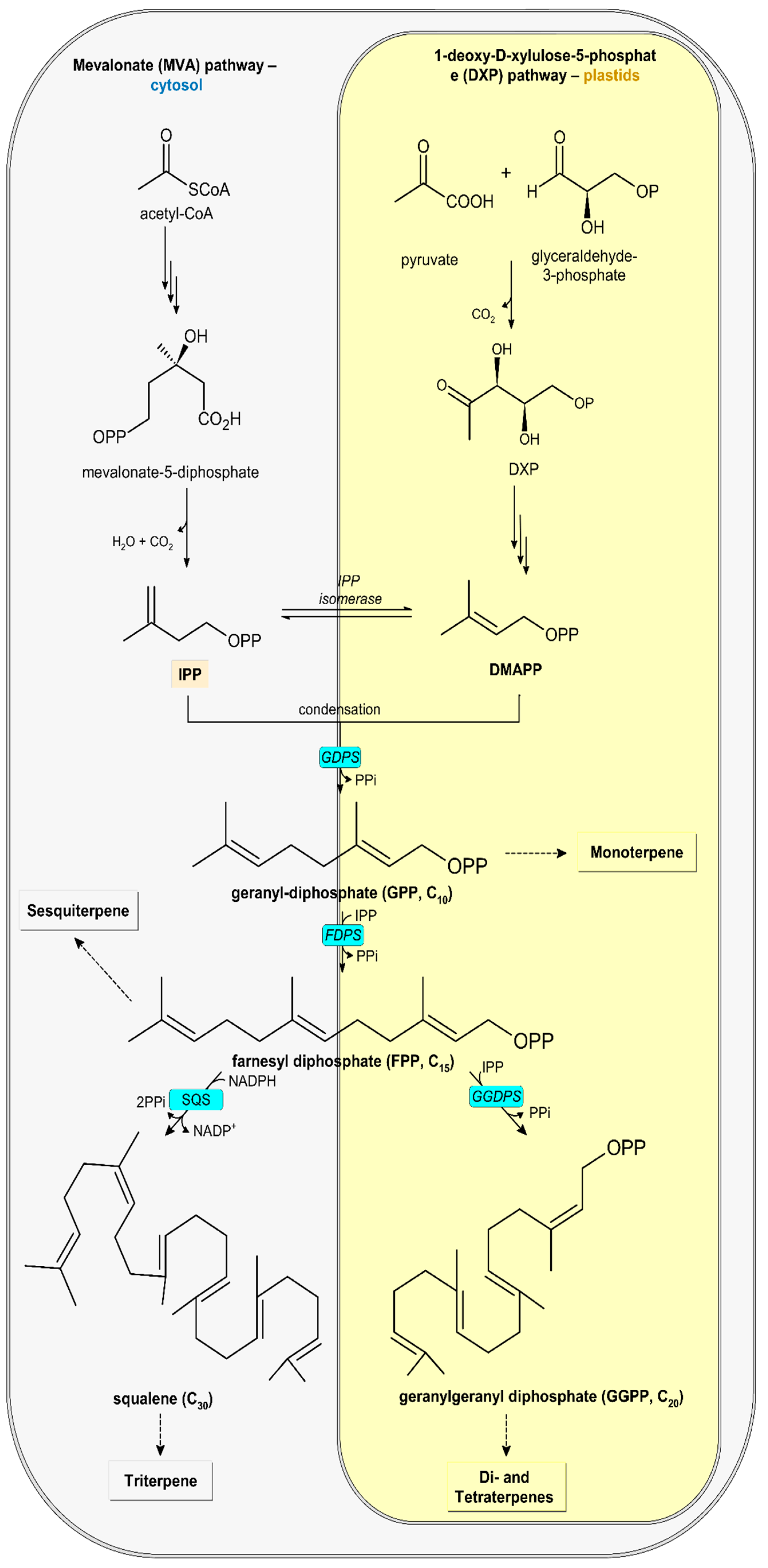
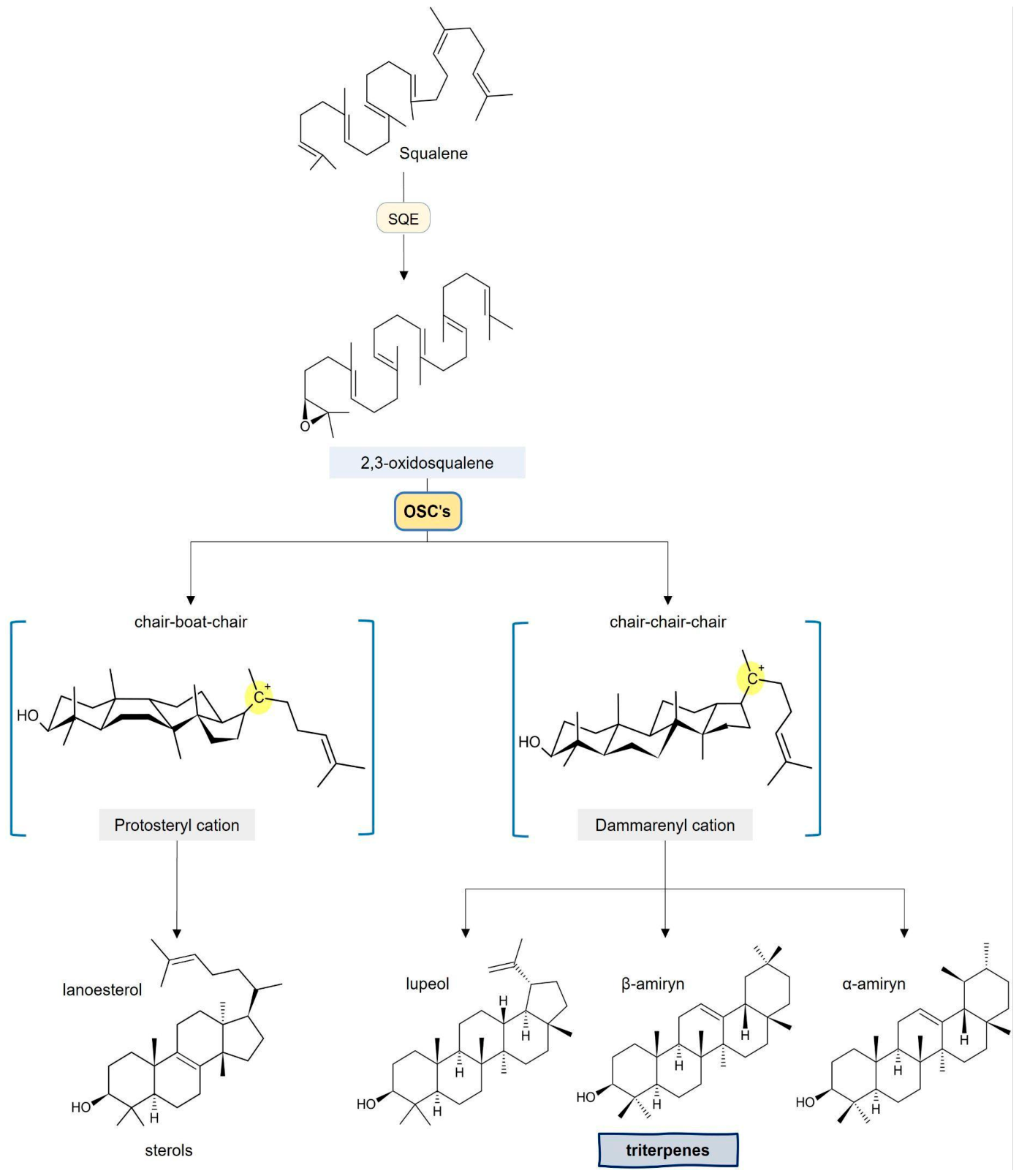
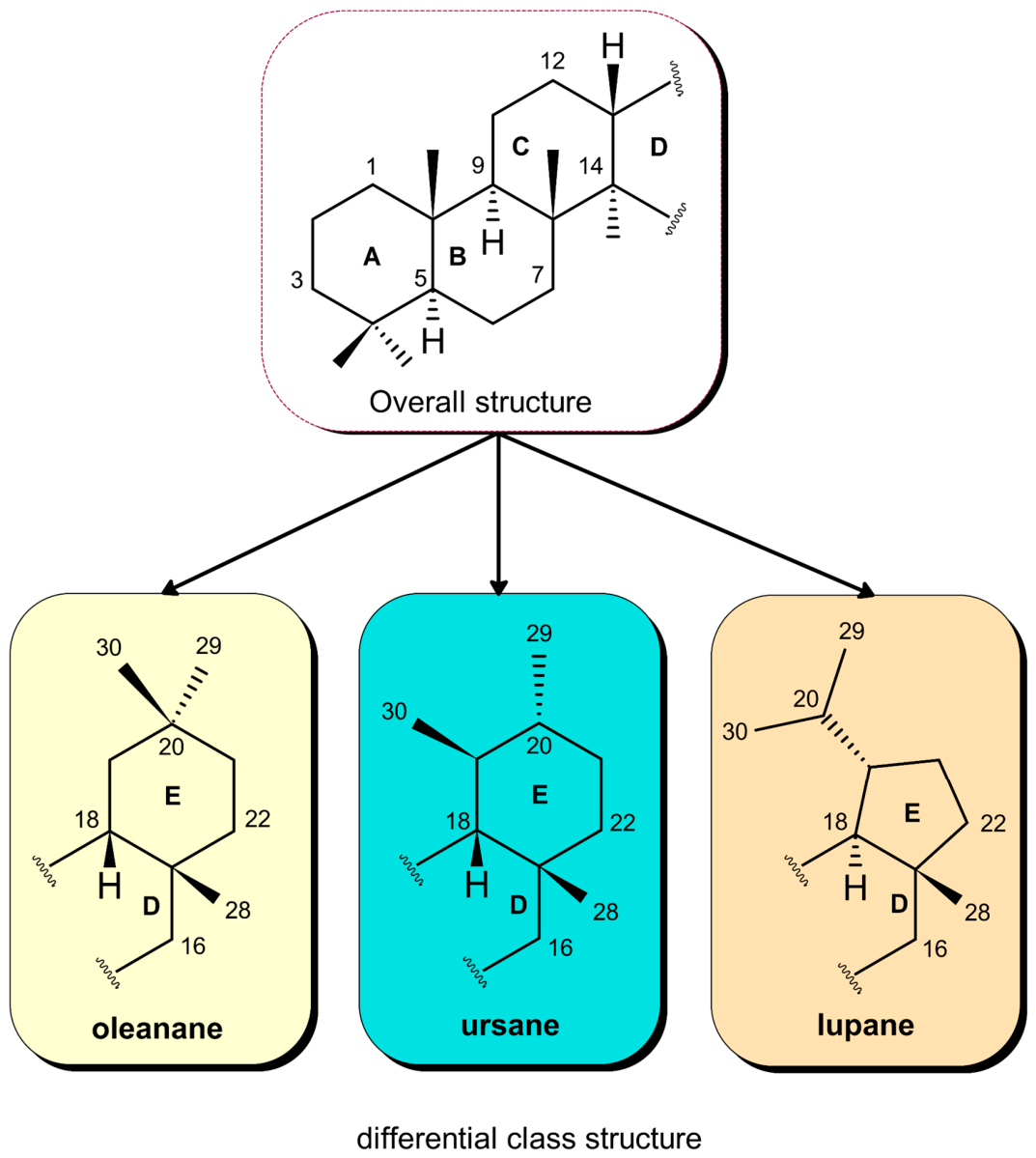
3.2. Classification and Structural Characteristics of Pentacyclic Triterpenes
4. Bioactivity of Triterpenes
4.1. Anti-Inflammatory Action
4.2. Antioxidant Activity
4.3. Antiadipogenic Activity and T2DM Control
4.4. Antifibrotic Activity
4.5. Antitumor Activity
5. Current Applications of Triterpenes for MASLD and MASH
5.1. Ursolic Acid (UA)
5.2. Betulinic Acid (BA)
5.3. Asiatic Acid (AA)
5.4. Oleanolic Acid (OA)
5.5. Celastrol
5.6. Glycyrrhizin and Glycyrrhetinic Acid
6. Current Clinical Status of Triterpenes
7. Toxicological Considerations of Triterpenes
8. Strategies for Enhancing Triterpenes Bioavailability and Efficacy
9. Conclusions and Future Perspectives
Author Contributions
Funding
Institutional Review Board Statement
Informed Consent Statement
Data Availability Statement
Conflicts of Interest
References
- European Association for the Study of the Liver (EASL); European Association for the Study of Diabetes (EASD); European Association for the Study of Obesity (EASO); Tacke, F.; Horn, P.; Wai-Sun Wong, V.; Ratziu, V.; Bugianesi, E.; Francque, S.; Zelber-Sagi, S.; et al. EASL–EASD–EASO Clinical Practice Guidelines on the management of metabolic dysfunction-associated steatotic liver disease (MASLD). J. Hepatol. 2024, 81, 492–542. [Google Scholar] [CrossRef] [Scilit] [PubMed]
- Bansal, S.K.; Bansal, M.B. Pathogenesis of MASLD and MASH—Role of insulin resistance and lipotoxicity. Aliment. Pharmacol. Ther. 2024, 59, S10–S22. [Google Scholar] [CrossRef] [Scilit]
- Phoolchund, A.G.S.; Khakoo, S.I. MASLD and the Development of HCC: Pathogenesis and Therapeutic Challenges. Cancers 2024, 16, 259. [Google Scholar] [CrossRef] [Scilit] [PubMed]
- Jalan, R.; D’Amico, G.; Trebicka, J. New clinical and pathophysiological perspectives defining the trajectory of cirrhosis. J. Hepatol. 2021, 75, S14–S26. [Google Scholar] [CrossRef] [Scilit] [PubMed]
- Buzzetti, E.; Pinzani, M.; Tsochatzis, E.A. The multiple-hit pathogenesis of non-alcoholic fatty liver disease. Metabolism 2016, 65, 1038–1048. [Google Scholar] [CrossRef] [Scilit]
- Caligiuri, A.; Gentilini, A.; Marra, F. Molecular Pathogenesis of NASH. Int. J. Mol. Sci. 2016, 17, 1575. [Google Scholar] [CrossRef] [Scilit]
- Keam, S.J. Resmetirom: First Approval. Drugs 2024, 84, 729–735. [Google Scholar] [CrossRef] [Scilit] [PubMed]
- Sanyal, A.J.; Newsome, P.N.; Kliers, I.; Østergaard, L.H.; Long, M.T.; Kjær, M.S.; Cali, A.M.G.; Bugianesi, E.; Rinella, M.E.; Roden, M.; et al. Phase 3 Trial of Semaglutide in Metabolic Dysfunction–Associated Steatohepatitis. N. Engl. J. Med. 2025, 392, 2089–2099. [Google Scholar] [CrossRef] [Scilit]
- Thimmappa, R.; Geisler, K.; Louveau, T.; O’Maille, P.; Osbourn, A. Triterpene Biosynthesis in Plants. Annu. Rev. Plant Biol. 2014, 65, 225–257. [Google Scholar] [CrossRef] [Scilit] [PubMed]
- Bishop, G.J.; Koncz, C. Brassinosteroids and Plant Steroid Hormone Signaling. Plant Cell 2002, 14, S97–S110. [Google Scholar] [CrossRef] [Scilit]
- Dzhemileva, L.U.; Tuktarova, R.A.; Dzhemilev, U.M.; D’yakonov, V.A. Pentacyclic Triterpenoids-Based Ionic Compounds: Synthesis, Study of Structure–Antitumor Activity Relationship, Effects on Mitochondria and Activation of Signaling Pathways of Proliferation, Genome Reparation and Early Apoptosis. Cancers 2023, 15, 756. [Google Scholar] [CrossRef] [Scilit]
- Li, Y.; Wang, J.; Li, L.; Song, W.; Li, M.; Hua, X.; Wang, Y.; Yuan, J.; Xue, Z. Natural products of pentacyclic triterpenoids: From discovery to heterologous biosynthesis. Nat. Prod. Rep. 2023, 40, 1303–1353. [Google Scholar] [CrossRef] [Scilit]
- Hodon, J.; Borkova, L.; Pokorny, J.; Kazakova, A.; Urban, M. Design and synthesis of pentacyclic triterpene conjugates and their use in medicinal research. Eur. J. Med. Chem. 2019, 182, 111653. [Google Scholar] [CrossRef] [Scilit] [PubMed]
- Cheng, J.; Liu, Y.; Liu, Y.; Liu, D.; Liu, Y.; Guo, Y.; Wu, Z.; Li, H.; Wang, H. Ursolic acid alleviates lipid accumulation by activating the AMPK signaling pathway in vivo and in vitro. J. Food Sci. 2020, 85, 3998–4008. [Google Scholar] [CrossRef] [Scilit]
- Liou, C.-J.; Dai, Y.-W.; Wang, C.-L.; Fang, L.-W.; Huang, W.-C. Maslinic acid protects against obesity-induced nonalcoholic fatty liver disease in mice through regulation of the Sirt1/AMPK signaling pathway. FASEB J. 2019, 33, 11791–11803. [Google Scholar] [CrossRef] [Scilit] [PubMed]
- Quan, H.Y.; Kim, D.Y.; Kim, S.J.; Jo, H.K.; Kim, G.W.; Chung, S.H. Betulinic acid alleviates non-alcoholic fatty liver by inhibiting SREBP1 activity via the AMPK–mTOR–SREBP signaling pathway. Biochem. Pharmacol. 2013, 85, 1330–1340. [Google Scholar] [CrossRef] [Scilit]
- Xue, J.; Liu, Y.; Liu, B. Celastrus orbiculatus extracts and celastrol alleviate NAFLD by preserving mitochondrial function. Front. Pharmacol. 2024, 15, 1444117. [Google Scholar] [CrossRef] [Scilit] [PubMed]
- Zhou, L.; Yi, Y.; Lin, B. Glycyrrhizic acid mitigates hepatocyte steatosis and inflammation via AMPK activation. Eur. J. Pharmacol. 2025, 1002, 177817. [Google Scholar] [CrossRef] [Scilit]
- Zhang, X.; Zhao, W.; Liu, X.; Huang, Z.; Shan, R.; Huang, C. Celastrol ameliorates inflammatory pain and modulates HMGB1/NF-κB signaling pathway in dorsal root ganglion. Neurosci. Lett. 2019, 692, 83–89. [Google Scholar] [CrossRef] [Scilit]
- Fatima, I.; Sahar, A.; Tariq, A.; Naz, T.; Usman, M. Exploring the Role of Licorice and Its Derivatives in Cell Signaling Pathway NF-κB and MAPK. J. Nutr. Metab. 2024, 2024, 9988167. [Google Scholar] [CrossRef] [Scilit]
- Lim, J.; Lee, H.; Hong, S.; Lee, J.; Kim, Y. Comparison of the Antioxidant Potency of Four Triterpenes of Centella asiatica Against Oxidative Stress. Antioxidants 2024, 13, 483. [Google Scholar] [CrossRef] [Scilit]
- Ostapiuk, A.; Kurach, Ł.; Strzemski, M.; Kurzepa, J.; Hordyjewska, A. Evaluation of Antioxidative Mechanisms In Vitro and Triterpenes Composition of Extracts from Silver Birch (Betula pendula Roth) and Black Birch (Betula obscura Kotula) Barks by FT-IR and HPLC-PDA. Molecules 2021, 26, 4633. [Google Scholar] [CrossRef] [Scilit] [PubMed]
- Wan, Y.; Zhang, W.; Huang, C. Ursolic acid alleviates Kupffer cells pyroptosis in liver fibrosis by the NOX2/NLRP3 inflammasome signaling pathway. Int. Immunopharmacol. 2022, 113, 109321. [Google Scholar] [CrossRef] [Scilit]
- Wang, X.; Ikejima, K.; Kon, K.; Arai, K. Ursolic Acid Ameliorates Hepatic Fibrosis in the Rat by Specific Induction of Apoptosis in Hepatic Stellate Cells. J. Hepatol. 2011, 55, 379–387. [Google Scholar] [CrossRef] [Scilit] [PubMed]
- Dong, M.-S.; Jung, S.-H.; Kim, H.; Kim, J.-R.; Zhao, L.-X.; Lee, E.-S.; Lee, E.-J.; Yi, J.B.; Lee, N.; Cho, Y.-B.; et al. Structure-related cytotoxicity and anti-hepatofibric effect of asiatic acid derivatives in rat hepatic stellate cell-line, HSC-T6. Arch. Pharmacal Res. 2004, 27, 512–517. [Google Scholar] [CrossRef] [Scilit]
- Xu, J.-H.; Yu, Y.-Y.; Xu, X.-Y. Management of Chronic Liver Diseases and Cirrhosis: Current Status and Future Directions. Chin. Med. J. 2020, 133, 2647–2649. [Google Scholar] [CrossRef] [Scilit]
- Roehlen, N.; Crouchet, E.; Baumert, T.F. Liver Fibrosis: Mechanistic Concepts and Therapeutic Perspectives. Cells 2020, 9, 875. [Google Scholar] [CrossRef] [Scilit]
- Targher, G.; Byrne, C.D.; Tilg, H. MASLD: A systemic metabolic disorder with cardiovascular and malignant complications. Gut 2024, 73, 691–702. [Google Scholar] [CrossRef] [Scilit]
- Mladenić, K.; Lenartić, M.; Marinović, S. The Domino Effect in MASLD: The Inflammatory Cascade of Steatohepatitis. Eur. J. Immunol. 2024, 54, e2149641. [Google Scholar] [CrossRef] [Scilit]
- Lekakis, V.; Papatheodoridis, G.V. Natural History of Metabolic Dysfunction-Associated Steatotic Liver Disease. Eur. J. Intern. Med. 2024, 122, 3–10. [Google Scholar] [CrossRef] [Scilit] [PubMed]
- Israelsen, M.; Johansen, S.; Torp, N. Steatotic Liver Disease. Lancet 2024, 404, 1761–1778. [Google Scholar] [CrossRef] [Scilit]
- Bessone, F.; Razori, M.V.; Roma, M.G. Molecular pathways of nonalcoholic fatty liver disease development and progression. Cell. Mol. Life Sci. 2019, 76, 99–128. [Google Scholar] [CrossRef] [Scilit]
- Tourkochristou, E.; Assimakopoulos, S.F.; Thomopoulos, K. NAFLD and HBV interplay—Related mechanisms underlying liver disease progression. Front. Immunol. 2022, 13, 965548. [Google Scholar] [CrossRef] [Scilit]
- Shu, B.; Zhou, Y.-X.; Li, H.; Zhang, R.-Z.; He, C.; Yang, X. The METTL3/MALAT1/PTBP1/USP8/TAK1 axis promotes pyroptosis and M1 polarization of macrophages and contributes to liver fibrosis. Cell Death Discov. 2021, 7, 368. [Google Scholar] [CrossRef] [Scilit] [PubMed]
- Zhang, K.; Shi, Z.; Zhang, M.; Dong, X.; Zheng, L.; Li, G.; Han, X.; Yao, Z.; Han, T.; Hong, W. Silencing lncRNA Lfar1 alleviates the classical activation and pyroptosis of macrophage in hepatic fibrosis. Cell Death Dis. 2020, 11, 132. [Google Scholar] [CrossRef] [Scilit] [PubMed]
- Berumen, J.; Baglieri, J.; Kisseleva, T.; Mekeel, K. Liver fibrosis: Pathophysiology and clinical implications. WIREs Mech. Dis. 2021, 13, e1499. [Google Scholar] [CrossRef] [Scilit]
- Hammerich, L.; Tacke, F. Hepatic inflammatory responses in liver fibrosis. Nat. Rev. Gastroenterol. Hepatol. 2023, 20, 633–646. [Google Scholar] [CrossRef] [Scilit] [PubMed]
- Kurzepa, J.; Mądro, A.; Czechowska, G.; Kurzepa, J.; Celiński, K.; Kazmierak, W.; Słomka, M. Role of MMP-2 and MMP-9 and their natural inhibitors in liver fibrosis, chronic pancreatitis and non-specific inflammatory bowel diseases. Hepatobiliary Pancreat. Dis. Int. 2014, 13, 570–579. [Google Scholar] [CrossRef] [Scilit]
- Sabir, U.; Gu, H.M.; Zhang, D.W. Extracellular matrix turnover: Phytochemicals target and modulate MMPs in liver fibrosis. Phytother. Res. 2023, 37, 4932–4962. [Google Scholar] [CrossRef] [Scilit]
- Sharma, B.; John, S. Hepatic Cirrhosis; StatPearls Publishing: Treasure Island, FL, USA, 2022. Available online: https://www.ncbi.nlm.nih.gov/books/NBK482419/ (accessed on 28 December 2025).
- Yoshiji, H.; Nagoshi, S.; Akahane, T.; Asaoka, Y.; Ueno, Y.; Ogawa, K.; Kawaguchi, T.; Kurosaki, M.; Sakaida, I.; Shimizu, M.; et al. Evidence-based clinical practice guidelines for Liver Cirrhosis 2020. J. Gastroenterol. 2021, 56, 593–619. [Google Scholar] [CrossRef] [Scilit]
- Benedé-Ubieto, R.; Cubero, F.J.; Nevzorova, Y.A. Breaking the barriers: The role of gut homeostasis in Metabolic-Associated Steatotic Liver Disease (MASLD). Gut Microbes 2024, 16, 2331460. [Google Scholar] [CrossRef] [Scilit]
- Liu, Q.; Liu, L.-X.; Li, B.-M.; Zhang, W.; Zhang, Y.; Chen, P.; Huang, C.-K.; Nie, Y.; Zhu, X. Exploring the mechanism of ursolic acid in preventing liver fibrosis and improving intestinal microbiota based on NOX2/NLRP3 inflammasome signaling pathway. Chem.-Biol. Interact. 2025, 405, 111305. [Google Scholar] [CrossRef] [Scilit] [PubMed]
- Fortea, J.I.; Crespo, J.; Puente, Á. Cirrhosis, a Global and Challenging Disease. J. Clin. Med. 2022, 11, 6512. [Google Scholar] [CrossRef] [Scilit] [PubMed]
- Engelmann, C.; Clària, J.; Szabo, G. Pathophysiology of Decompensated Cirrhosis. J. Hepatol. 2021, 75, S49–S66. [Google Scholar] [CrossRef] [Scilit]
- Goddard, Z.R.; Searcey, M.; Osbourn, A. Advances in triterpene drug discovery. Trends Pharmacol. Sci. 2024, 45, 964–968. [Google Scholar] [CrossRef] [Scilit]
- Tarasova, E.V.; Luchnikova, N.A.; Grishko, V.V.; Ivshina, I.B. Actinomycetes as Producers of Biologically Active Terpenoids: Current Trends and Patents. Pharmaceuticals 2023, 16, 872. [Google Scholar] [CrossRef] [Scilit] [PubMed]
- Krivoruchko, A.; Nielsen, J. Production of natural products through metabolic engineering of Saccharomyces cerevisiae. Curr. Opin. Biotechnol. 2015, 35, 7–15. [Google Scholar] [CrossRef] [Scilit]
- Silva, F.C.; Duarte, L.P.; Filho, S.A.V. Celastraceae Family: Source of Pentacyclic Triterpenes with Potential Biological Activity. Rev. Virtual Quím. 2014, 6, 1205–1220. [Google Scholar] [CrossRef] [Scilit]
- Sato, T. Unique Biosynthesis of Sesquarterpenes (C35 Terpenes). Biosci. Biotechnol. Biochem. 2013, 77, 1155–1159. [Google Scholar] [CrossRef] [Scilit]
- Ninkuu, V.; Zhang, L.; Yan, J.; Fu, Z.; Yang, T.; Zeng, H. Biochemistry of Terpenes and Recent Advances in Plant Protection. Int. J. Mol. Sci. 2021, 22, 5710. [Google Scholar] [CrossRef] [Scilit]
- Silva, F.C.O.; Ferreira, M.K.A.; Silva, A.W.d.; Matos, M.G.C.; Magalhães, F.E.A.; Silva, P.T.d.; Bandeira, P.N.; de Menezes, J.E.S.A.; Santos, H.S. Bioativities of plant-isolated Triterpenes: A brief review. Rev. Virtual Quím. 2020, 12, 234–247. [Google Scholar] [CrossRef] [Scilit]
- Kirby, J.; Keasling, J.D. Biosynthesis of Plant Isoprenoids: Perspectives for Microbial Engineering. Annu. Rev. Plant Biol. 2009, 60, 335–355. [Google Scholar] [CrossRef] [Scilit]
- Thibodeaux, C.J.; Liu, H. The type II isopentenyl Diphosphate:Dimethylallyl diphosphate isomerase (IDI-2): A model for acid/base chemistry in flavoenzyme catalysis. Arch. Biochem. Biophys. 2017, 632, 47–58. [Google Scholar] [CrossRef] [Scilit]
- Phillips, D.R.; Rasbery, J.M.; Bartel, B.; Matsuda, S.P.T. Biosynthetic diversity in plant triterpene cyclization. Curr. Opin. Plant Biol. 2006, 9, 305–314. [Google Scholar] [CrossRef] [Scilit] [PubMed]
- Parveen, S.; Misra, R.; Sahoo, S.K. Nanoparticles: A boon to drug delivery, therapeutics, diagnostics and imaging. Nanomed. Nanotechnol. Biol. Med. 2012, 8, 147–166. [Google Scholar] [CrossRef] [Scilit] [PubMed]
- Ames, T.R.; Halsall, T.G.; Jones, E.R.H. 98. The chemistry of the triterpenes. Part VII. An interrelationship between the lupeol and the β-amyrin series. Elucidation of the structure of lupeol. J. Chem. Soc. 1951, 450–457. [Google Scholar] [CrossRef] [Scilit]
- Halsall, T.G.; Aplin, R.T. A Pattern of Development in the Chemistry of Pentacyclic Triterpenes. In Fortschritte der Chemie Organischer Naturstoffe/Progress in the Chemistry of Organic Natural Products/Progrès dans la Chimie des Substances Organiques Naturelles; Springer: Berlin/Heidelberg, Germany, 1964; pp. 153–202. [Google Scholar] [CrossRef] [Scilit]
- Kimble, B.J.; Maxwell, J.R.; Philp, R.P.; Eglinton, G.; Albrecht, P.; Ensminger, A.; Arpino, P.; Ourisson, G. Tri- and tetraterpenoid hydrocarbons in the Messel oil shale. Geochim. Cosmochim. Acta 1974, 38, 1165–1181. [Google Scholar] [CrossRef] [Scilit]
- Safayhi, H.; Sailer, E.-R. Anti-Inflammatory Actions of Pentacyclic Triterpenes. Planta Med. 1997, 63, 487–493. [Google Scholar] [CrossRef] [Scilit] [PubMed]
- Liu, L.; Li, H.; Hu, K.; Xu, Q.; Wen, X.; Cheng, K.; Chen, C.; Yuan, H.; Dai, L.; Sun, H. Synthesis and anti-inflammatory activity of saponin derivatives of δ-oleanolic acid. Eur. J. Med. Chem. 2021, 209, 112932. [Google Scholar] [CrossRef] [Scilit]
- Yu, J.-Y.; Ha, J.; Kim, K.-M.; Jung, Y.-S.; Jung, J.-C.; Oh, S. Anti-Inflammatory Activities of Licorice Extract and Its Active Compounds, Glycyrrhizic Acid, Liquiritin and Liquiritigenin, in BV2 Cells and Mice Liver. Molecules 2015, 20, 13041–13054. [Google Scholar] [CrossRef] [Scilit]
- Pastorino, G.; Cornara, L.; Soares, S.; Rodrigues, F.; Oliveira, M.B.P.P. Liquorice (Glycyrrhiza glabra): A phytochemical and pharmacological review. Phytother. Res. 2018, 32, 2323–2339. [Google Scholar] [CrossRef] [Scilit] [PubMed]
- Bisht, D.; Rashid, M.; Arya, R.K.K.; Kumar, D.; Chaudhary, S.K.; Rana, V.S.; Sethiya, N.K. Revisiting liquorice (Glycyrrhiza glabra L.) as anti-inflammatory, antivirals and immunomodulators: Potential pharmacological applications with mechanistic insight. Phytomedicine Plus 2022, 2, 100206. [Google Scholar] [CrossRef] [Scilit] [PubMed]
- Bhattacharjee, S.; Bhattacharjee, A.; Majumder, S.; Majumdar, S.B.; Majumdar, S. Glycyrrhizic acid suppresses Cox-2-mediated anti-inflammatory responses during Leishmania donovani infection. J. Antimicrob. Chemother. 2012, 67, 1905–1914. [Google Scholar] [CrossRef] [Scilit]
- Houssen, M.E.; Ragab, A.; Mesbah, A.; El-Samanoudy, A.Z.; Othman, G.; F.Moustafa, A.; Badria, F.A. Natural anti-inflammatory products and leukotriene inhibitors as complementary therapy for bronchial asthma. Clin. Biochem. 2010, 43, 887–890. [Google Scholar] [CrossRef] [Scilit]
- Račková, L.; Jančinová, V.; Petríková, M.; Drábiková, K.; Nosáľ, R.; Štefek, M.; Košťálová, D.; Prónayová, N.; Kováčová, M. Mechanism of anti-inflammatory action of liquorice extract and glycyrrhizin. Nat. Prod. Res. 2007, 21, 1234–1241. [Google Scholar] [CrossRef] [Scilit]
- Oh, H.; Choi, A.; Seo, N.; Lim, J.S.; You, J.S.; Chung, Y.E. Protective effect of glycyrrhizin, a direct HMGB1 inhibitor, on post-contrast acute kidney injury. Sci. Rep. 2021, 11, 15625. [Google Scholar] [CrossRef] [Scilit]
- Yan, C.-Y.; Ouyang, S.-H.; Wang, X.; Wu, Y.-P.; Sun, W.-Y.; Duan, W.-J.; Liang, L.; Luo, X.; Kurihara, H.; Li, Y.-F.; et al. Celastrol ameliorates Propionibacterium acnes/LPS-induced liver damage and MSU-induced gouty arthritis via inhibiting K63 deubiquitination of NLRP3. Phytomedicine 2021, 80, 153398. [Google Scholar] [CrossRef] [Scilit]
- Zeng, L.; Yu, G.; Yang, K.; He, Q.; Hao, W.; Xiang, W.; Long, Z.; Chen, H.; Tang, X.; Sun, L. Exploring the mechanism of Celastrol in the treatment of rheumatoid arthritis based on systems pharmacology and multi-omics. Sci. Rep. 2024, 14, 1604. [Google Scholar] [CrossRef] [Scilit]
- Sethi, G.; Ahn, K.S.; Pandey, M.K.; Aggarwal, B.B. Celastrol, a novel triterpene, potentiates TNF-induced apoptosis and suppresses invasion of tumor cells by inhibiting NF-κB–regulated gene products and TAK1-mediated NF-κB activation. Blood 2007, 109, 2727–2735. [Google Scholar] [CrossRef] [Scilit]
- Zhang, Y.; Li, X.; Ciric, B.; Curtis, M.T.; Chen, W.-J.; Rostami, A.; Zhang, G.-X. A dual effect of ursolic acid to the treatment of multiple sclerosis through both immunomodulation and direct remyelination. Proc. Natl. Acad. Sci. USA 2020, 117, 9082–9093. [Google Scholar] [CrossRef] [Scilit] [PubMed]
- Mortiboys, H.; Aasly, J.; Bandmann, O. Ursocholanic acid rescues mitochondrial function in common forms of familial Parkinson’s disease. Brain 2013, 136, 3038–3050. [Google Scholar] [CrossRef] [Scilit] [PubMed]
- Kim, E.Y.; Sudini, K.; Singh, A.K.; Haque, M.; Leaman, D.; Khuder, S.; Ahmed, S. Ursolic acid facilitates apoptosis in rheumatoid arthritis synovial fibroblasts by inducing SP1-mediated Noxa expression and proteasomal degradation of Mcl-1. FASEB J. 2018, 32, 6174–6185. [Google Scholar] [CrossRef] [Scilit] [PubMed]
- Alqahtani, A.; Hamid, K.; Kam, A.; Wong, K.H.; Abdelhak, Z.; Razmovski-Naumovski, V.; Chan, K.; Li, K.M.; Groundwater, P.W.; Li, G.Q. The Pentacyclic Triterpenoids in Herbal Medicines and Their Pharmacological Activities in Diabetes and Diabetic Complications. Curr. Med. Chem. 2013, 20, 908–931. [Google Scholar] [CrossRef] [Scilit]
- Xu, H.; Zhang, M.; Li, X.-L.; Li, H.; Yue, L.-T.; Zhang, X.-X.; Wang, C.-C.; Wang, S.; Duan, R.-S. Low and high doses of ursolic acid ameliorate experimental autoimmune myasthenia gravis through different pathways. J. Neuroimmunol. 2015, 281, 61–67. [Google Scholar] [CrossRef] [Scilit] [PubMed]
- Xu, T.; Wang, X.; Zhong, B.; Nurieva, R.I.; Ding, S.; Dong, C. Ursolic Acid Suppresses Interleukin-17 (IL-17) Production by Selectively Antagonizing the Function of RORγt Protein. J. Biol. Chem. 2011, 286, 22707–22710. [Google Scholar] [CrossRef] [Scilit]
- Zhao, M.; Wu, F.; Tang, Z.; Yang, X.; Liu, Y.; Wang, F.; Chen, B. Anti-inflammatory and antioxidant activity of ursolic acid: A systematic review and meta-analysis. Front. Pharmacol. 2023, 14, 1256946. [Google Scholar] [CrossRef] [Scilit]
- Ammon, H. Boswellic Acids in Chronic Inflammatory Diseases. Planta Med. 2006, 72, 1100–1116. [Google Scholar] [CrossRef] [Scilit]
- Ma, J.-Q.; Zhang, Y.-J.; Tian, Z.-K. Anti-oxidant, anti-inflammatory and anti-fibrosis effects of ganoderic acid A on carbon tetrachloride induced nephrotoxicity by regulating the Trx/TrxR and JAK/ROCK pathway. Chem.-Biol. Interact. 2021, 344, 109529. [Google Scholar] [CrossRef] [Scilit]
- Figueroa-Suárez, M.Z.; Christen, J.G.; Cardoso-Taketa, A.T.; Villafuerte, M.d.C.G.; Rodríguez-López, V. Anti-inflammatory and antihistaminic activity of triterpenoids isolated from Bursera cuneata (Schldl.) Engl. J. Ethnopharmacol. 2019, 238, 111786. [Google Scholar] [CrossRef] [Scilit]
- Li, M.-M.; Su, X.-Q.; Sun, J.; Gu, Y.-F.; Huang, Z.; Zeng, K.-W.; Zhang, Q.; Zhao, Y.-F.; Ferreira, D.; Zjawiony, J.K.; et al. Anti-inflammatory Ursane- and Oleanane-Type Triterpenoids from Vitex negundo var. cannabifolia. J. Nat. Prod. 2014, 77, 2248–2254. [Google Scholar] [CrossRef] [Scilit]
- Recio, M.d.C.; Giner, R.; Máñez, S.; Ríos, J. Structural Requirements for the Anti-Inflammatory Activity of Natural Triterpenoids. Planta Med. 1995, 61, 182–185. [Google Scholar] [CrossRef] [Scilit] [PubMed]
- Allouche, Y.; Beltrán, G.; Gaforio, J.J.; Uceda, M.; Mesa, M.D. Antioxidant and antiatherogenic activities of pentacyclic triterpenic diols and acids. Food Chem. Toxicol. 2010, 48, 2885–2890. [Google Scholar] [CrossRef] [Scilit]
- Wang, R.; Wang, W.; Wang, L.; Liu, R.; Ding, Y.; Du, L. Constituents of the flowers of Punica granatum. Fitoterapia 2006, 77, 534–537. [Google Scholar] [CrossRef] [Scilit]
- Mamadalieva, N.Z.; Youssef, F.S.; Hussain, H.; Zengin, G.; Mollica, A.; Musayeib, N.M.A.; Ashour, M.L.; Westermann, B.; Wessjohann, L.A. Validation of the Antioxidant and Enzyme Inhibitory Potential of Selected Triterpenes Using In Vitro and In Silico Studies, and the Evaluation of Their ADMET Properties. Molecules 2021, 26, 6331. [Google Scholar] [CrossRef] [Scilit]
- Melo, C.L.d.; Queiroz, M.G.R.; Filho, A.C.V.A.; Rodrigues, A.M.; de Sousa, D.F.; Almeida, J.G.L.; Pessoa, O.D.L.; Silveira, E.R.; Menezes, D.B.; Melo, T.S.; et al. Betulinic Acid, a Natural Pentacyclic Triterpenoid, Prevents Abdominal Fat Accumulation in Mice Fed a High-Fat Diet. J. Agric. Food Chem. 2009, 57, 8776–8781. [Google Scholar] [CrossRef] [Scilit]
- Sarjeant, K.; Stephens, J.M. Adipogenesis. Cold Spring Harb. Perspect. Biol. 2012, 4, a00841. [Google Scholar] [CrossRef] [Scilit]
- Peng, X.-R.; Wang, Q.; Su, H.-G.; Zhou, L.; Xiong, W.-Y.; Qiu, M.-H. Anti-Adipogenic Lanostane-Type Triterpenoids from the Edible and Medicinal Mushroom Ganoderma applanatum. J. Fungi 2022, 8, 331. [Google Scholar] [CrossRef] [Scilit] [PubMed]
- Mohsen G, A.-M.; Abu-Taweel, G.M.; Rajagopal, R.; Sun-Ju, K.; Kim, H.-J.; Kim, Y.O.; Mothana, R.A.; Kadaikunnan, S.; Khaled, J.M.; Siddiqui, N.A.; et al. Betulinic acid lowers lipid accumulation in adipocytes through enhanced NCoA1–PPARγ interaction. J. Infect. Public Health 2019, 12, 726–732. [Google Scholar] [CrossRef] [Scilit] [PubMed]
- Betancur, L.I.; Muñoz, D.L.; Guillen, A.; Echeverri, L.F.; Balcazar, N.; Acín, S. Major triterpenoids from Eucalyptus tereticornis have enhanced beneficial effects in cellular models when mixed with minor compounds present in raw extract. An. Acad. Bras. Ciênc. 2021, 93. [Google Scholar] [CrossRef] [Scilit]
- Acín, S.; Muñoz, D.L.; Guillen, A.; Soscue, D.; Castaño, A.; Echeverri, F.; Balcazar, N. Triterpene-enriched fractions from Eucalyptus tereticornis ameliorate metabolic alterations in a mouse model of diet-induced obesity. J. Ethnopharmacol. 2021, 265, 113298. [Google Scholar] [CrossRef] [Scilit]
- Bermudes-Contreras, J.D.; Gutiérrez-Velázquez, M.V.; Delgado-Alvarado, E.A.; Torres-Ricario, R.; Cornejo-Garrido, J. Hypoglycemic and Hypolipidemic Effects of Triterpenoid Standardized Extract of Agave durangensis Gentry. Plants 2025, 14, 894. [Google Scholar] [CrossRef] [Scilit]
- Zaitone, S.A.; Barakat, B.M.; Bilasy, S.E.; Fawzy, M.S.; Abdelaziz, E.Z.; Farag, N.E. Protective effect of boswellic acids versus pioglitazone in a rat model of diet-induced non-alcoholic fatty liver disease: Influence on insulin resistance and energy expenditure. Naunyn-Schmiedeberg’s Arch. Pharmacol. 2015, 388, 587–600. [Google Scholar] [CrossRef] [Scilit] [PubMed]
- Han, Z.; Wu, W.; Bai, Z.; Xiu, Y.; Zhou, D. Beta-boswellic Acid Facilitates Diabetic Wound Healing by Targeting STAT3 and Inhibiting Ferroptosis in Fibroblasts. Front. Pharmacol. 2025, 16, 1578625. [Google Scholar] [CrossRef] [Scilit]
- Reish, R.G.; Eriksson, E.; Galiano, R.D.; Dobryansky, M.; Levine, J.P.; Gurtner, G.C. Scars: A Review of Emerging and Currently Available Therapies. Plast. Reconstr. Surg. 2008, 122, 1068–1078. [Google Scholar] [CrossRef] [Scilit] [PubMed]
- Richmond, N.A.; Maderal, A.D.; Vivas, A.C. US-National Institutes of Health-Funded Research for Cutaneous Wounds in 2012. Wound Repair Regen. 2013, 21, 789–792. [Google Scholar] [CrossRef] [Scilit] [PubMed]
- Allen, R.J.; Porte, J.; Braybrooke, R.; Flores, C.; Fingerlin, T.E. Genetic Variants Associated with Susceptibility to Idiopathic Pulmonary Fibrosis in People of European Ancestry. Lancet Respir. Med. 2017, 5, 869–880. [Google Scholar] [CrossRef] [Scilit]
- Friedman, S.L. Hepatic stellate cells: Protean, multifunctional, and enigmatic cells of the liver. Physiol. Rev. 2008, 88, 125–172. [Google Scholar] [CrossRef] [Scilit]
- Inagaki, Y.; Okazaki, I.; Sanjo, A. Emerging Insights into Transforming Growth Factor β/Smad Signal in Hepatic Fibrogenesis. Gut 2007, 56, 284–292. [Google Scholar] [CrossRef] [Scilit]
- Tang, L.X.; Wu, W.J.; Chen, X.H.; Li, Q. Asiatic Acid Inhibits Liver Fibrosis by Blocking TGF-β/Smad Signaling. PLoS ONE 2012, 7, e31350. [Google Scholar] [CrossRef] [Scilit]
- Ueberham, E.; Löw, R.; Ueberham, U.; Schönig, K.; Bujard, H.; Gebhardt, R. Conditional Tetracycline–Regulated Expression of Tgf–β1 in Liver of Transgenic Mice Leads to Reversible Intermediary Fibrosis. Hepatology 2003, 37, 1067–1078. [Google Scholar] [CrossRef] [Scilit]
- Ma, X.; Zhang, M.; Fang, G.; Cheng, C.; Wang, M.; Han, Y.; Hou, X.; Hao, E.; Hou, Y.; Bai, G. Ursolic acid reduces hepatocellular apoptosis and alleviates alcohol-induced liver injury via irreversible inhibition of CASP3 in vivo. Acta Pharmacol. Sin. 2021, 42, 1101–1110. [Google Scholar] [CrossRef] [Scilit]
- Wei, J.; Zhu, H.; Komura, K.; Lord, G.; Tomcik, M.; Wang, W.; Doniparthi, S.; Tamaki, Z.; Hinchcliff, M.; Distler, J.H.W.; et al. A synthetic PPAR-γ agonist triterpenoid ameliorates experimental fibrosis: PPAR-γ-independent suppression of fibrotic responses. Ann. Rheum. Dis. 2014, 73, 446–454. [Google Scholar] [CrossRef] [Scilit] [PubMed]
- Batteux, F.; Kavian, N.; Servettaz, A. New insights on chemically induced animal models of systemic sclerosis. Curr. Opin. Rheumatol. 2011, 23, 511–518. [Google Scholar] [CrossRef] [Scilit]
- Liao, D.; Liu, Z.; Wrasidlo, W.J.; Luo, Y.; Nguyen, G.; Chen, T.; Xiang, R.; Reisfeld, R.A. Targeted Therapeutic Remodeling of the Tumor Microenvironment Improves an HER-2 DNA Vaccine and Prevents Recurrence in a Murine Breast Cancer Model. Cancer Res. 2011, 71, 5688–5696. [Google Scholar] [CrossRef] [Scilit] [PubMed]
- Akhmetshina, A.; Palumbo, K.; Dees, C.; Bergmann, C.; Venalis, P.; Zerr, P.; Horn, A.; Kireva, T.; Beyer, C.; Zwerina, J.; et al. Activation of canonical Wnt signalling is required for TGF-β-mediated fibrosis. Nat. Commun. 2012, 3, 735. [Google Scholar] [CrossRef] [Scilit]
- Chang, M.-L.; Lin, Y.-T.; Kung, H.-N.; Hou, Y.-C.; Liu, J.-J.; Pan, M.-H.; Chen, H.-L.; Yu, C.-H.; Tsai, P.-J. A Triterpenoid-Enriched Extract of Bitter Melon Leaves Alleviates Hepatic Fibrosis by Inhibiting Inflammatory Responses in Carbon Tetrachloride-Treated Mice. Food Funct. 2021, 12, 7805–7815. [Google Scholar] [CrossRef] [Scilit]
- Thannickal, V.J.; Zhou, Y.; Gaggar, A. Fibrosis: Ultimate and proximate causes. J. Clin. Investig. 2014, 124, 4673–4677. [Google Scholar] [CrossRef] [Scilit]
- Li, X.; Wang, Y.; Zhang, Y.; Chen, J.; Li, H.; Sun, Q.; Zhao, Y.; Wang, X.; Zhang, L. Betulinic Acid Attenuated Bleomycin-Induced Pulmonary Fibrosis by Effectively Intervening Wnt/β-Catenin Signaling. Phytomedicine 2021, 81, 153428. [Google Scholar] [CrossRef] [Scilit]
- Hanahan, D.; Weinberg, R.A. Hallmarks of cancer: The next generation. Cell 2011, 144, 646–674. [Google Scholar] [CrossRef] [Scilit] [PubMed]
- Razboršek, M.; Voncina, D.; Doleček, V.; Voncina, E. Determination of Oleanolic, Betulinic and Ursolic Acid in Lamiaceae and Mass Spectral Fragmentation of Their Trimethylsilylated Derivatives. Chromatographia 2008, 67, 433–440. [Google Scholar] [CrossRef] [Scilit]
- Cantley, L.C.; Baselga, J. The Era of Cancer Discovery. Cancer Discov. 2011, 1, 1–4. [Google Scholar] [CrossRef] [Scilit] [PubMed]
- Yasui, W. Future Perspectives of Gastric Cancer Treatment—From Bench to Bedside. Pathobiology 2011, 78, 293–294. [Google Scholar] [CrossRef] [Scilit]
- Muffler, K.; Leipold, D.; Scheller, M.C.; Haans, C.; Steingroewer, J.; Bley, T.; Neuhaus, H.E.; Mirata, M.A.; Schrader, J.; Ulber, R. Biotransformation of Triterpenes. Process Biochem. 2011, 46, 1–15. [Google Scholar] [CrossRef] [Scilit]
- Huang, L.; Chen, T.; Ye, Z.; Chen, G. Use of Liquid Chromatography–Atmospheric Pressure Chemical Ionization–Ion Trap Mass Spectrometry for Identification of Oleanolic Acid and Ursolic Acid in Anoectochilus roxburghii. J. Mass Spectrom. 2007, 42, 910–917. [Google Scholar] [CrossRef] [Scilit]
- Shang, J.-H.; Sun, W.-J.; Zhu, H.-T.; Wang, D.; Yang, C.-R.; Zhang, Y.-J. New Hydroperoxylated and 20,24-Epoxylated Dammarane Triterpenes from the Rot Roots of Panax notoginseng. J. Ginseng Res. 2020, 44, 405–412. [Google Scholar] [CrossRef] [Scilit]
- Xie, J. Anti-inflammatory and Analgesic Effects and the Mechanism of Actions of Ginsenoside Rg1. Chin. J. Hosp. Pharm. 2013, 33, 1592. [Google Scholar]
- Ahn, S.; Siddiqi, M.H.; Noh, H.Y.; Kim, Y.J.; Jin, C.G.; Yang, D.C. Anti-inflammatory Activity of Ginsenosides in LPS-Stimulated RAW264.7 Cells. Sci. Bull. 2015, 60, 773–784. [Google Scholar] [CrossRef] [Scilit]
- He, W.; Li, X.; Xia, S. Lupeol Triterpene Exhibits Potent Antitumor Effects in A427 Human Lung Carcinoma Cells. J. BUON 2018, 23, 635–640. [Google Scholar] [PubMed]
- Ali, S.; Khan, M.A.; Khan, M.R.; Anwar, F.; Khan, A.; Shah, N.; Ullah, R.; Rahman, A. Evaluation of the Cytotoxic Potential of a New Pentacyclic Triterpene from Rhododendron arboreum Stem Bark. Pharm. Biol. 2017, 55, 1927–1930. [Google Scholar] [CrossRef] [Scilit]
- Hsu, Y.-L.; Kuo, P.-L.; Lin, L.-T.; Lin, C.-C. Proliferative Inhibition, Cell-Cycle Dysregulation, and Induction of Apoptosis by Ursolic Acid in Human Non-Small Cell Lung Cancer A549 Cells. Life Sci. 2004, 75, 2303–2316. [Google Scholar] [CrossRef] [Scilit]
- Martin-Aragón, S.; de las Heras, B.; Sanchez-Reus, M.I.; Benedi, J. Pharmacological Modification of Endogenous Antioxidant Enzymes by Ursolic Acid on Tetrachloride-Induced Liver Damage in Rats and Primary Cultures of Rat Hepatocytes. Exp. Toxicol. Pathol. 2001, 53, 199–206. [Google Scholar] [CrossRef] [Scilit]
- Saravanan, R.; Viswanathan, P.; Pugalendi, K.V. Protective Effect of Ursolic Acid on Ethanol-Mediated Experimental Liver Damage in Rats. Life Sci. 2006, 78, 713–718. [Google Scholar] [CrossRef] [Scilit]
- Gu, M.; Zhao, P.; Zhang, S.; Fan, S. Betulinic acid alleviates ER stress-mediated NAFLD through activation of farnesoid X receptors. Br. J. Pharmacol. 2019, 176, 847–863. [Google Scholar] [CrossRef] [Scilit]
- Mu, Q.; Wang, H.; Tong, L.; Fang, Q. Betulinic acid improves NAFLD through YY1/FAS signaling pathway. FASEB J. 2020, 34, 13033–13048. [Google Scholar] [CrossRef] [Scilit]
- Wang, D.; Lao, L.; Pang, X.; Qiao, Q. Asiatic acid alleviates non-alcoholic fatty liver by regulating ER stress and lipid metabolism. Int. Immunopharmacol. 2018, 65, 256–267. [Google Scholar] [CrossRef] [Scilit]
- Yan, S.L.; Yang, H.T.; Lee, Y.J.; Lin, C.C.; Chang, M.H.; Yin, M.C. Asiatic acid ameliorates hepatic lipid accumulation and insulin resistance in mice consuming a high-fat diet. J. Agric. Food Chem. 2014, 62, 4625–4631. [Google Scholar] [CrossRef] [Scilit]
- Wei, L.; Chen, Q.; Guo, A.; Fan, J. Asiatic acid attenuates CCl4-induced liver fibrosis in rats via PI3K/AKT/mTOR signaling. Int. Immunopharmacol. 2018, 60, 1–8. [Google Scholar] [CrossRef] [Scilit] [PubMed]
- Lin, Y.N.; Chang, H.Y.; Wang, C.C.N. Oleanolic acid inhibits liver X receptor alpha and pregnane X receptor. J. Agric. Food Chem. 2018, 66, 10964–10976. [Google Scholar] [CrossRef] [Scilit] [PubMed]
- Liu, Q.; Liu, L.X.; Li, B.M. Oleanolic acid diminishes fructose-induced fatty liver in rats. Evid.-Based Complement. Altern. Med. 2013, 2013, 534084. [Google Scholar] [CrossRef] [Scilit]
- Xue, C.; Li, Y.; Lv, H. Oleanolic acid targets the gut–liver axis to alleviate metabolic disorders. J. Agric. Food Chem. 2021, 69, 7884–7897. [Google Scholar] [CrossRef] [Scilit]
- Hu, M.; Yang, J.; Chen, Y.; Zhang, Y. Celastrol ameliorates metabolic dysfunction-associated steatohepatitis by regulating the CYP7B1-mediated bile acid pathway. Phytomedicine 2025, 147, 157172. [Google Scholar] [CrossRef] [Scilit]
- Zhang, X.; Wang, Y.; Ge, H.Y. Celastrol reverses palmitic acid-induced insulin resistance via disrupting MD2 signaling. J. Cell. Physiol. 2018, 233, 6814–6824. [Google Scholar] [CrossRef] [Scilit] [PubMed]
- Yamamoto, M.; Takeuchi, N.; Kotani, S.; Kumagai, A. Effects of glycyrrhizin and cortisone on cholesterol metabolism in the rat. Endocrinol. Jpn. 1970, 17, 339–348. [Google Scholar] [CrossRef] [Scilit]
- Shi, L.; Guo, S.; Zhang, S.; Gao, X.; Liu, A.; Wang, Q.; Zhang, T.; Zhang, Y.; Wen, A. Glycyrrhetinic acid attenuates disturbed vitamin A metabolism in non-alcoholic fatty liver disease through AKR1B10. Eur. J. Pharmacol. 2020, 883, 173167. [Google Scholar] [CrossRef] [Scilit]
- Zhou, L.; Chen, S.; Wei, Y. Glycyrrhizic acid restores hepatic ACE2 signaling in steatohepatitis. Eur. J. Pharmacol. 2024, 967, 176365. [Google Scholar] [CrossRef] [Scilit] [PubMed]
- Ma, X.H.; Zhao, Y.C.; Yin, L.; Xu, R.L.; Han, D.W.; Wang, M.S. Studies on the preventive and therapeutic effects of ursolic acid (UA) on acute hepatic injury in rats. Yao Xue Xue Bao 1986, 21, 332–335. [Google Scholar]
- Zheng, Y.; Huang, C.; Zhao, L.; Chen, Y.; Liu, F. Regulation of Decorin by Ursolic Acid Protects against Non-Alcoholic Steatohepatitis. Biomed. Pharmacother. 2021, 143, 112166. [Google Scholar] [CrossRef] [Scilit] [PubMed]
- Mukonowenzou, N.C.; Dangarembizi, R.; Chivandi, E.; Nkomozepi, P.; Erlwanger, K.H. Administration of ursolic acid to new-born pups prevents dietary fructose-induced non-alcoholic fatty liver disease in Sprague Dawley rats. J. Dev. Orig. Health Dis. 2021, 12, 101–112. [Google Scholar] [CrossRef] [Scilit]
- Wan, S.; Huang, C.; Wang, A.; Zhu, X. Ursolic Acid Improves the Bacterial Community Mapping of the Intestinal Tract in Liver Fibrosis Mice. PeerJ 2020, 8, e9050. [Google Scholar] [CrossRef] [Scilit]
- Gan, D.; Zhang, W.; Huang, C.; Chen, J.; He, W.; Wang, A.; Li, B.; Zhu, X. Ursolic Acid Ameliorates CCl4-Induced Liver Fibrosis through the NOXs/ROS Pathway. J. Cell. Physiol. 2018, 233, 6799–6813. [Google Scholar] [CrossRef] [Scilit]
- Zhao, H.; Wu, L.; Zhang, Y.; Feng, S.; Ding, Y. Betulinic acid prevents liver fibrosis by binding Lck and suppressing HSC activation. J. Ethnopharmacol. 2022, 296, 115459. [Google Scholar] [CrossRef] [Scilit] [PubMed]
- Kim, K.D.; Jung, H.Y.; Ryu, H.G.; Kim, B. Betulinic acid inhibits high-fat diet-induced obesity and improves energy balance by activating AMPK. Nutr. Metab. Cardiovasc. Dis. 2019, 29, 409–420. [Google Scholar] [CrossRef] [Scilit] [PubMed]
- Wan, Y.; Wu, Y.L.; Lian, L.H.; Xie, W.X.; Li, X.; OuYang, B.Q.; Bai, T.; Li, Q.; Yang, N.; Nan, J.X. The anti-fibrotic effect of betulinic acid is mediated through the inhibition of NF-κB nuclear protein translocation. Chem.-Biol. Interact. 2012, 195, 215–223. [Google Scholar] [CrossRef] [Scilit]
- Zhang, C.; Liu, Y.; Wang, Y.; Ge, X.; Jiao, T.; Yin, J.; Wang, K.; Li, C.; Guo, S.; Xie, X.; et al. Discovery of betulinic acid derivatives as potent intestinal farnesoid X receptor antagonists to ameliorate nonalcoholic steatohepatitis. J. Med. Chem. 2022, 65, 13452–13472. [Google Scholar] [CrossRef] [Scilit]
- Kim, C.K.; Kim, J.H.; Park, K.M.; Oh, K.H.; Oh, U.; Hwang, S.J. Preparation and evaluation of a titrated extract of Centella asiatica injection in the form of an extemporaneous micellar solution. Int. J. Pharm. 1997, 146, 63–70. [Google Scholar] [CrossRef] [Scilit]
- Lu, Y.H.; Chen, M.C.; Liu, F.; Xu, Z.; Tian, X.T.; Xie, Y.; Huang, C.G. Synthesis and cytotoxic activity of novel C-23-modified asiatic acid derivatives. Molecules 2020, 25, 3709. [Google Scholar] [CrossRef] [Scilit]
- Li, J.F.; Huang, R.Z.; Yao, G.Y.; Ye, M.Y.; Wang, H.S.; Pan, Y.M.; Xiao, J.T. Synthesis and biological evaluation of novel aniline-derived asiatic acid derivatives as potential anticancer agents. Eur. J. Med. Chem. 2014, 86, 175–188. [Google Scholar] [CrossRef] [Scilit]
- Jing, Y.; Wang, G.; Ge, Y.; Xu, M.; Gong, Z. Synthesis, anti-tumor and anti-angiogenic activity evaluations of asiatic acid amino acid derivatives. Molecules 2015, 20, 7309–7324. [Google Scholar] [CrossRef] [Scilit]
- Jew, S.S.; Yoo, C.H.; Lim, D.Y.; Kim, H.; Mook-Jung, I.; Jung, M.W.; Choi, H.; Jung, Y.H.; Kim, H.; Park, H.G. Structure-activity relationship study of asiatic acid derivatives against beta amyloid (Aβ)-induced neurotoxicity. Bioorg. Med. Chem. Lett. 2000, 10, 119–121. [Google Scholar] [CrossRef] [Scilit]
- Nyakudya, T.T.; Mukwevho, E.; Nkomozepi, P.; Erlwanger, K.H. Neonatal intake of oleanolic acid attenuates the development of fructose-induced NAFLD in rats. J. Dev. Orig. Health Dis. 2018, 9, 500–510. [Google Scholar] [CrossRef] [Scilit] [PubMed]
- Djeziri, F.Z.; Belarbi, M.; Murtaza, B.; Hichami, A.; Benammar, C.; Khan, N.A. Oleanolic acid improves diet-induced obesity by modulating fat preference and inflammation in mice. Biochimie 2018, 152, 110–120. [Google Scholar] [CrossRef] [Scilit]
- Wang, X.; Liu, R.; Zhang, W. Oleanolic acid improves hepatic insulin resistance via antioxidant and anti-inflammatory effects. Mol. Cell. Endocrinol. 2013, 376, 70–80. [Google Scholar] [CrossRef] [Scilit] [PubMed]
- Gamede, M.; Mabuza, L.; Ngubane, P. Plant-derived oleanolic acid ameliorates markers associated with NAFLD. Diabetes Metab. Syndr. Obes. 2019, 12, 1953–1962. [Google Scholar] [CrossRef] [Scilit]
- Yao, L.; Wang, M.; Zhang, J. Oleanolic acid inhibits SCD1 gene expression to ameliorate fructose-induced hepatosteatosis. Mol. Nutr. Food Res. 2023, 67, e2200533. [Google Scholar] [CrossRef] [Scilit] [PubMed]
- Pi, X.; Zuo, H.; Wang, Y. Oleanolic acid alleviates ischemia–reperfusion injury via KEAP1/NRF2/ARE signaling. Int. Immunopharmacol. 2024, 138, 112617. [Google Scholar] [CrossRef] [Scilit]
- Pi, Y.; Wang, Y.; Guo, Q.; Zheng, W.; Zhou, H.; Deng, L.; Xu, N.; Song, H. Oleanolic acid alleviates intestinal injury after hepatic ischemia–reperfusion under steatosis via PPARG-dependent M2 macrophage polarization. Int. Immunopharmacol. 2026, 171, 116162. [Google Scholar] [CrossRef] [Scilit]
- Li, D.; Chen, J.; Ye, C.; Lin, B. Celastrol ameliorates fibrosis in Western diet-induced NASH by suppressing Notch signaling. Phytomedicine 2025, 137, 156369. [Google Scholar] [CrossRef] [Scilit]
- Luo, M.; Wang, Y.; Ma, Y. Celastrol stabilizes glycolipid metabolism in hepatic steatosis via PPARγ signaling. Metabolites 2024, 14, 64. [Google Scholar] [CrossRef] [Scilit]
- Han, L.P.; Sun, B.; Li, C.J. Effect of celastrol on toll-like receptor 4 mediated inflammatory response in HepG2 cells. Int. J. Mol. Med. 2018, 42, 2053–2061. [Google Scholar] [CrossRef] [Scilit]
- Kim, J.E.; Lee, M.H.; Nam, D.H. Celastrol improves insulin resistance and attenuates renal injury in db/db mice. PLoS ONE 2013, 8, e62068. [Google Scholar] [CrossRef] [Scilit] [PubMed]
- Ma, X.; Xu, L.; Alberobello, A.T. Celastrol protects against obesity and metabolic dysfunction through HSF1–PGC1α activation. Cell Metab. 2015, 22, 695–708. [Google Scholar] [CrossRef] [Scilit]
- Canová, N.; Šípková, J.; Arora, M. Effects of celastrol on liver metabolic dysfunction in a mouse model of MASLD. Front. Pharmacol. 2025, 16, 1476994. [Google Scholar] [CrossRef] [Scilit]
- Benmouna, M.; Benammar, C.; Khan, A.S. Celastrol improves fatty acid preference and inflammation in obese mice. Nutrients 2025, 17, 1308. [Google Scholar] [CrossRef] [Scilit] [PubMed]
- Sun, J.; Wang, H.J.; Yu, J. Protective effect of celastrol on type 2 diabetes with NAFLD in mice. Food Sci. Nutr. 2020, 8, 6207–6216. [Google Scholar] [CrossRef] [Scilit] [PubMed]
- Zhang, Y.; Geng, C.; Liu, X. Celastrol ameliorates liver metabolic damage through Sirt1. Mol. Metab. 2017, 6, 138–147. [Google Scholar] [CrossRef] [Scilit] [PubMed]
- Negishi, M.; Irie, A.; Nagata, N.; Ichikawa, A. Specific binding of glycyrrhetinic acid to the rat liver membrane. Biochim. Biophys. Acta 1991, 1066, 77–82. [Google Scholar] [CrossRef] [Scilit]
- Lim, W.Y.; Chia, Y.Y.; Liong, S.Y.; Ton, S.H.; Kadir, K.A.; Husain, S.N. Lipoprotein lipase expression, serum lipid and tissue lipid deposition in orally administered glycyrrhizic acid-treated rats. Lipids Health Dis. 2009, 8, 31. [Google Scholar] [CrossRef] [Scilit]
- Eu, C.H.; Lim, W.Y.; Ton, S.H.; Abdul Kadir, K. Glycyrrhizic acid improved lipoprotein lipase expression, insulin sensitivity, serum lipid and lipid deposition in high-fat diet-induced obese rats. Lipids Health Dis. 2010, 9, 81. [Google Scholar] [CrossRef] [Scilit]
- Yaw, H.P.; Ton, S.H.; Chin, H.F.; Karim, M.K.; Fernando, H.A.; Kadir, K.A. Modulation of lipid metabolism in glycyrrhizic acid-treated rats fed on a high-calorie diet and exposed to short- or long-term stress. Int. J. Physiol. Pathophysiol. Pharmacol. 2015, 7, 61–75. [Google Scholar]
- Yao, P.; Liu, Y. Terpenoids: Natural Compounds for Non-Alcoholic Fatty Liver Disease (NAFLD) Therapy. Molecules 2022, 28, 272. [Google Scholar] [CrossRef] [Scilit]
- Sato, H.; Goto, W.; Yamamura, J.; Kurokawa, M.; Kageyama, S.; Takahara, T.; Watanabe, A.; Shiraki, K. Therapeutic basis of glycyrrhizin on chronic hepatitis B. Antivir. Res. 1996, 30, 171–177. [Google Scholar] [CrossRef] [Scilit] [PubMed]
- Rehman, M.U.; Farooq, A.; Ali, R.; Bashir, S.; Bashir, N.; Majeed, S.; Taifa, S.; Ahmad, S.B.; Arafah, A.; Sameer, A.S.; et al. Preclinical Evidence for the Pharmacological Actions of Glycyrrhizic Acid: A Comprehensive Review. Curr. Drug Metab. 2020, 21, 436–465. [Google Scholar] [CrossRef] [Scilit]
- Liu, J.; Lu, Y.; Wu, Q.; Xu, S.; Shi, F.; Klaassen, C.D. Oleanolic acid reprograms the liver to protect against hepatotoxicants, but is hepatotoxic at high doses. Liver Int. 2019, 39, 427–439. [Google Scholar] [CrossRef] [Scilit]
- Fernández-Aparicio, Á.; Schmidt-RioValle, J.; Perona, J.S.; Correa-Rodríguez, M.; Castellano, J.M.; González-Jiménez, E. Potential Protective Effect of Oleanolic Acid on the Components of Metabolic Syndrome: A Systematic Review. J. Clin. Med. 2019, 8, 1294. [Google Scholar] [CrossRef] [Scilit]
- Oboh, M.; Govender, L.; Siwela, M.; Mkhwanazi, B.N. Anti-Diabetic Potential of Plant-Based Pentacyclic Triterpene Derivatives: Progress Made to Improve Efficacy and Bioavailability. Molecules 2021, 26, 7243. [Google Scholar] [CrossRef] [Scilit]
- Santos-Lozano, J.M.; Rada, M.; Lapetra, J.; Guinda, Á.; Jiménez-Rodríguez, M.C.; Cayuela, J.A.; Ángel-Lugo, A.; Vilches-Arenas, Á.; Gómez-Martín, A.M.; Ortega-Calvo, M.; et al. Prevention of type 2 diabetes in prediabetic patients by using functional olive oil enriched in oleanolic acid: The PREDIABOLE study, a randomized controlled trial. Diabetes Obes. Metab. 2019, 21, 2526–2534. [Google Scholar] [CrossRef] [Scilit]
- Luo, H.Q.; Shen, J.; Chen, C.P.; Ma, X.; Lin, C.; Ouyang, Q.; Xuan, C.-X.; Liu, J.; Sun, H.-B.; Liu, J. Lipid-lowering effects of oleanolic acid in hyperlipidemic patients. Chin. J. Nat. Med. 2018, 16, 339–346. [Google Scholar] [CrossRef] [Scilit]
- Ramírez-Rodríguez, A.M.; González-Ortiz, M.; Martínez-Abundis, E.; Acuña Ortega, N. Effect of Ursolic Acid on Metabolic Syndrome, Insulin Sensitivity, and Inflammation. J. Med. Food 2017, 20, 882–886. [Google Scholar] [CrossRef] [Scilit]
- Chong, N.J.; Aziz, Z. A Systematic Review of the Efficacy of Centella asiatica for Improvement of the Signs and Symptoms of Chronic Venous Insufficiency. Evid.-Based Complement. Altern. Med. 2013, 2013, 627182. [Google Scholar]
- Lou, J.S.; Dimitrova, D.M.; Murchison, C.; Arnold, G.C.; Belding, H.; Seifer, N.; Le, N.; Andrea, S.B.; Gray, N.E.; Wright, K.M.; et al. Centella asiatica triterpenes for diabetic neuropathy: A randomized, double-blind, placebo-controlled, pilot clinical study. Esper. Dermatol. 2018, 20, 12–22. [Google Scholar] [CrossRef] [Scilit]
- Tawanwongsri, W.; Mordmuang, A.; Phenwan, T.; Siri-archawawat, D. Efficacy and safety of Centella asiatica (L.) Urb. [Apiaceae] as a dietary supplement for glycemic control and lipid regulation in patients with type 2 diabetes: A randomized controlled trial in Thailand. Front. Pharmacol. 2025, 16, 1680647. [Google Scholar] [CrossRef] [Scilit]
- Yamauchi, Y.; Kinoshita, T.; Fukumitsu, S.; Aida, K.; Maruyama, K.; Saito, I.; Yamamoto, N. Pharmacokinetics and effect of maslinic acid with physical exercise on grip strength and trunk muscle mass in healthy Japanese individuals. J. Clin. Biochem. Nutr. 2023, 72, 23–25. [Google Scholar] [CrossRef] [Scilit]
- Shirai, T.; Myoenzono, K.; Kawai, E.; Yamauchi, Y.; Suzuki, K.; Maeda, S.; Takagi, H.; Takemasa, T. Effects of maslinic acid supplementation on exercise-induced inflammation and oxidative stress in water polo athletes: A randomized, double-blind, crossover, and placebo-controlled trial. J. Int. Soc. Sports Nutr. 2023, 20, 2239196. [Google Scholar] [CrossRef] [Scilit] [PubMed]
- Nagai, N.; Yagyu, S.; Hata, A.; Nirengi, S.; Kotani, K.; Moritani, T.; Sakane, N. Maslinic acid derived from olive fruit in combination with resistance training improves muscle mass and mobility functions in the elderly. J. Clin. Biochem. Nutr. 2019, 64, 224–230. [Google Scholar] [CrossRef] [Scilit]
- Yoshino, T.; Shimada, S.; Homma, M.; Makino, T.; Mimura, M.; Watanabe, K. Clinical risk factors of licorice-induced pseudoaldosteronism based on glycyrrhizin-metabolite concentrations: A narrative review. Front. Nutr. 2021, 8, 719197. [Google Scholar] [CrossRef] [Scilit]
- Ceccuzzi, G.; Rapino, A.; Perna, B.; Costanzini, A.; Farinelli, A.; Fiorica, I.; Marziani, B.; Cianci, A.; Rossin, F.; Cesaro, A.E.; et al. Liquorice toxicity: A comprehensive narrative review. Nutrients 2023, 15, 3866. [Google Scholar] [CrossRef] [Scilit]
- Luís, Â.; Domingues, F.; Pereira, L. Metabolic changes after licorice consumption: A systematic review with meta-analysis and trial sequential analysis of clinical trials. Phytomedicine 2018, 39, 17–24. [Google Scholar] [CrossRef] [Scilit]
- National Institute of Diabetes and Digestive and Kidney Diseases Licorice. LiverTox: Clinical and Research Information on Drug-Induced Liver Injury. 2023. Available online: https://www.ncbi.nlm.nih.gov/books/NBK590484/ (accessed on 11 February 2026).
- Song, J.; He, G.N.; Dai, L. A comprehensive review on celastrol, triptolide and triptonide: Insights on their pharmacological activity, toxicity, combination therapy, new dosage form and novel drug delivery routes. Biomed. Pharmacother. 2023, 162, 114705. [Google Scholar] [CrossRef] [Scilit] [PubMed]
- Wu, M.; Chen, W.; Yu, X.; Ding, D.; Zhang, W.; Hua, H.; Xu, M.; Meng, X.; Zhang, X.; Zhang, Y.; et al. Celastrol aggravates LPS-induced inflammation and injuries of liver and kidney in mice. Am. J. Transl. Res. 2018, 10, 2078–2088. [Google Scholar]
- Geng, S.; Wen, J.; Shen, C.; Liu, L.; Jiang, Y.; Fu, J.; Guan, Y.; Ye, Z.; Wu, Y.; Li, C.; et al. Dose-dependent immunotoxic mechanisms of celastrol via modulation of the PI3K–Akt signaling pathway. Front. Pharmacol. 2025, 16, 1567193. [Google Scholar] [CrossRef] [Scilit] [PubMed]
- Geerlofs, L.; He, Z.; Xiao, S.; Xiao, Z.C. Repeated dose (90 days) oral toxicity study of ursolic acid in Han-Wistar rats. Toxicol. Rep. 2020, 7, 610–618. [Google Scholar] [CrossRef] [Scilit]
- Qian, Z.; Wang, X.; Song, Z.; Zhang, H.; Zhou, S.; Zhao, J.; Wang, H. A phase i trial to evaluate the multiple-dose safety and antitumor activity of ursolic acid liposomes in subjects with advanced solid tumors. BioMed Res. Int. 2015, 2015, 809714. [Google Scholar] [CrossRef] [Scilit] [PubMed]
- Ou-Yang, Q.; Xuan, C.X.; Wang, X.; Luo, H.Q.; Liu, J.E.; Wang, L.L.; Li, T.T.; Chen, Y.P.; Liu, J. 3-Acetyl-oleanolic acid ameliorates non-alcoholic fatty liver disease in high fat diet-treated rats by activating AMPK-related pathways. Acta Pharmacol. Sin. 2018, 39, 1284–1293. [Google Scholar] [CrossRef] [Scilit]
- Wang, J.; Zhang, Y.; Shen, Q.; Wu, J.; Li, J.X. Oleanolic acid derivative HA-20 inhibits adipogenesis in a manner involving PPARγ-FABP4/aP2 pathway. J. Mol. Endocrinol. 2021, 66, 245–258. [Google Scholar] [CrossRef] [Scilit]
- Ma, H.; Bao, Y.; Niu, S.; Wang, S.; Li, Y.; He, H.; Zhang, N.; Fang, W. Structure optimization of 12β-O-γ-glutamyl oleanolic acid derivatives resulting in potent FXR antagonist/modulator for NASH therapy. Pharmaceuticals 2023, 16, 758. [Google Scholar] [CrossRef] [Scilit]
- Radwan, M.O.; Kadasah, S.F.; Aljubiri, S.M.; Alrefaei, A.F.; El-Maghrabey, M.H.; El Hamd, M.A.; Tateishi, H.; Otsuka, M.; Fujita, M. Harnessing oleanolic acid and its derivatives as modulators of metabolic nuclear receptors. Biomolecules 2023, 13, 1465. [Google Scholar] [CrossRef] [Scilit]
- de Oliveira Eloy, J.; Saraiva, J.; de Albuquerque, S.; Marchetti, J.M. Solid dispersion of ursolic acid in Gelucire 50/13: A strategy to enhance drug release and trypanocidal activity. AAPS PharmSciTech 2012, 13, 1436–1445. [Google Scholar] [CrossRef] [Scilit] [PubMed]
- Zheng, L.; Sun, C.; Zhu, X.; Xu, W.; Yu, J.; Zhang, Q.; Dushkin, A.V.; Su, W. Inositol hexanicotinate self-micelle solid dispersion is an efficient drug delivery system in the mouse model of non-alcoholic fatty liver disease. Int. J. Pharm. 2021, 602, 120576. [Google Scholar] [CrossRef] [Scilit]
- Soica, C.; Oprean, C.; Borcan, F.; Danciu, C.; Trandafirescu, C.; Coricovac, D.; Crăiniceanu, Z.; Dehelean, C.A.; Munteanu, M. The synergistic biologic activity of oleanolic and ursolic acids in complex with hydroxypropyl-γ-cyclodextrin. Molecules 2014, 19, 4924–4940. [Google Scholar] [CrossRef] [Scilit] [PubMed]
- Li, M.; Hu, D.; Zhang, D.; Xu, G.; Wu, D.; Gao, C.; Meng, L.; Feng, X.; Cheng, W.; Wang, Z.; et al. Encapsulation of oleanolic acid into cyclodextrin metal-organic frameworks by co-crystallization. Food Res. Int. 2025, 204, 115936. [Google Scholar] [CrossRef] [Scilit] [PubMed]
- Zhou, X.J.; Hu, X.M.; Yi, Y.M.; Wan, J. Preparation and body distribution of freeze-dried powder of ursolic acid phospholipid nanoparticles. Drug Dev. Ind. Pharm. 2009, 35, 305–310. [Google Scholar] [CrossRef] [Scilit]
- Zhang, H.; Li, X.; Ding, J.; Xu, H.; Dai, X.; Hou, Z.; Zhang, K.; Sun, K.; Sun, W. Delivery of ursolic acid in polymeric nanoparticles promotes apoptosis of gastric cancer cells. Int. J. Pharm. 2013, 441, 261–268. [Google Scholar] [CrossRef] [Scilit]
- Lopes, S.C.d.A.; Novais, M.V.M.; Teixeira, C.S.; Honorato-Sampaio, K.; Pereira, M.T.; Ferreira, L.A.M.; Braga, F.C.; Oliveira, M.C. Preparation, physicochemical characterization, and cell viability evaluation of long-circulating and pH-sensitive liposomes containing ursolic acid. BioMed Res. Int. 2013, 2013, 467147. [Google Scholar] [CrossRef] [Scilit] [PubMed]
- Dong, H.; Yang, X.; Xie, J.; Xiang, L.; Li, Y.; Ou, M.; Chi, T.; Liu, Z.; Yu, S.; Gao, Y.; et al. UP12, a novel ursolic acid derivative with potential for targeting multiple signaling pathways in hepatocellular carcinoma. Biochem. Pharmacol. 2015, 93, 151–162. [Google Scholar] [CrossRef] [Scilit]
- Gao, Y.; Li, Z.; Xie, X.; Wang, C.; You, J.; Mo, F.; Jin, B.; Chen, J.; Shao, J.; Chen, H.; et al. Dendrimeric anticancer prodrugs for targeted delivery of ursolic acid to folate receptor-expressing cancer cells. Eur. J. Pharm. Sci. 2015, 70, 55–63. [Google Scholar] [CrossRef] [Scilit]
- Alvarado, H.L.; Abrego, G.; Garduño-Ramirez, M.L.; Clares, B.; Calpena, A.C.; García, M.L. Design and optimization of oleanolic/ursolic acid-loaded nanoplatforms for ocular anti-inflammatory applications. Nanomedicine 2015, 11, 521–530. [Google Scholar] [CrossRef] [Scilit] [PubMed]
- Zhang, H.; Zheng, D.; Ding, J.; Xu, H.; Li, X.; Sun, W. Efficient delivery of ursolic acid by poly(N-vinylpyrrolidone)-block-poly(ε-caprolactone) nanoparticles for inhibiting the growth of hepatocellular carcinoma in vitro and in vivo. Int. J. Nanomed. 2015, 10, 1909–1920. [Google Scholar] [CrossRef] [Scilit]
- Jin, H.; Pi, J.; Yang, F.; Wu, C.; Cheng, X.; Bai, H.; Huang, D.; Jiang, J.; Cai, J.; Chen, Z.W. Ursolic acid-loaded chitosan nanoparticles induce anti-angiogenesis in tumor. Appl. Microbiol. Biotechnol. 2016, 100, 6643–6652. [Google Scholar] [CrossRef] [Scilit] [PubMed]
- Pi, J.; Liu, Z.; Wang, H.; Gu, X.; Wang, S.; Zhang, B.; Luan, H.; Zhu, Z. Ursolic acid nanocrystals for dissolution rate and bioavailability enhancement. Curr. Drug Deliv. 2016, 13, 1358–1366. [Google Scholar] [CrossRef] [Scilit]
- Baishya, R.; Nayak, D.K.; Kumar, D.; Sinha, S.; Gupta, A.; Ganguly, S.; Debnath, M.C. Ursolic acid loaded PLGA nanoparticles for tumor targeting. Pharm. Res. 2016, 33, 2691–2703. [Google Scholar] [CrossRef] [Scilit]
- Fan, N.; Zhao, J.; Zhao, W.; Shen, Y.; Song, Q.; Shum, H.C.; Wang, Y.; Rong, J. Biodegradable celastrol-loaded albumin nanoparticles ameliorate inflammation and lipid accumulation. Biomater. Sci. 2022, 10, 984–996. [Google Scholar] [CrossRef] [Scilit]
- Zheng, T.; Gan, X.; Luo, J.; Shi, Z.; Zhao, Y.; Wang, Y.; Chen, J.; Yu, C. Hyaluronic acid act as drug self-assembly chaperone and co-assembled with celastrol for ameliorating non-alcoholic steatohepatitis. Int. J. Biol. Macromol. 2024, 282, 137289. [Google Scholar] [CrossRef] [Scilit]
- Pan, Y.; Zhang, Y.; Ouyang, H.; Gong, T.; Zhang, Z.; Cao, X.; Fu, Y. Targeted delivery of celastrol via hybrid micelles for alleviating NAFLD. ACS Appl. Bio Mater. 2023, 6, 4877–4893. [Google Scholar] [CrossRef] [Scilit] [PubMed]
- Xu, C.; Zhu, H.; Wang, K.; Hu, H.; Wei, X.; Xu, D.; Zhang, J.; Liu, Y.; Chen, J.; Shen, Y.; et al. Oral celastrol micelles targeting hepatocytes for MASLD treatment. Adv. Sci. 2025, 12, e00854. [Google Scholar] [CrossRef] [Scilit] [PubMed]
- Sasaki, K.; Yonebayashi, S.; Yoshida, M.; Shimizu, K.; Aotsuka, T.; Takayama, K. Improvement in the bioavailability of glycyrrhizin via alternative administration routes. Int. J. Pharm. 2003, 265, 95–102. [Google Scholar] [CrossRef] [Scilit] [PubMed]



| Compound | Triterpene Class | Main Molecular Mechanisms | Experimental Model | Main Outcomes | Key References |
|---|---|---|---|---|---|
| Ursolic acid | Ursane | AMPK activation; inhibition of TGF-β/SMAD and NLRP3; antioxidant effects | HFD, MCD, CCl4, TAA MASLD/MASH models | Reduced steatosis, inflammation, fibrosis; improved liver enzymes | [12,123,124] |
| Betulinic acid | Lupane | AMPK and FXR activation; inhibition of SREBP-1c, YY1/FAS; antifibrotic | HFD- and MCD-fed mice; TAA/CCl4 fibrosis | Attenuation of steatosis, insulin resistance, and fibrosis | [16,125,126] |
| Asiatic acid | Ursane | NF-κB and PI3K/AKT/mTOR inhibition; ER stress reduction | HFD-fed mice; CCl4-induced MASH | Reduced lipid accumulation, inflammation, and oxidative stress | [127,128,129] |
| Oleanolic acid | Oleanane | PPARα activation; NF-κB inhibition; lipogenesis suppression | High-fructose and HFD steatosis models | Improved insulin sensitivity; reduced hepatic lipid content | [130,131,132] |
| Celastrol | Quinone methide triterpenoid | AMPK activation; SREBP-1c/FASN suppression; NLRP3 and HMGB1/NF-κB inhibition | Diet-induced MASH mouse models | Reduced steatosis, inflammation, and fibrosis | [17,133,134] |
| Glycyrrhizin/Glycyrrhetinic acid | Oleanane-type saponin/ metabolite | NF-κB, MAPK, and NLRP3 inhibition; bile acid homeostasis modulation | MCD-induced MASH; chronic hepatitis clinical use | Attenuation of inflammation and fibrosis; hepatoprotection | [18,135,136,137] |
| Triterpenes | Clinical Use Established | Clinical Phase | Disease/Condition | References |
|---|---|---|---|---|
| Glycyrrhizin | Traditional medicine use (Japan) | Phase I/II | Chronic hepatitis, fibrosis, metabolic syndrome | NCT03349008 NCT00384384 NCT04028869 NCT03813914 |
| Oleanolic acid | Traditional medicine use (China) | Phase I/II | Hepatoprotection, toxic hepatitis, metabolic syndrome | NCT06030544 NCT05049304 [179] |
| Ursolic acid | No | Phase I/II | Obesity, metabolic syndrome | NCT02337933 NCT05776862 [180] |
| Celastrol | No | Phase I | Safety assessment | NCT05494112 NCT05413226 |
| Asiatic acid | No | Phase I/II | T2DM, inflammation | NCT00608439 [181,182,183] |
| Betulinic acid | No | Phase I/II | Tumor | NCT00346502 |
| Maslinic acid | No | Phase I | Obesity, metabolic syndrome | NCT06484543 [184,185,186] |
Disclaimer/Publisher’s Note: The statements, opinions and data contained in all publications are solely those of the individual author(s) and contributor(s) and not of MDPI and/or the editor(s). MDPI and/or the editor(s) disclaim responsibility for any injury to people or property resulting from any ideas, methods, instructions or products referred to in the content. |
© 2026 by the authors. Licensee MDPI, Basel, Switzerland. This article is an open access article distributed under the terms and conditions of the Creative Commons Attribution (CC BY) license.
Share and Cite
Santiago, I.d.C.; de Alcântara Lemos, J.; Maulaz Silva, I.; Maciel de Faria Mota Oliveira, A.E.; dos Santos Ferreira, D. Update on the Potential Use of Natural Triterpenes for the Treatment of Metabolic-Dysfunction-Associated Steatotic Liver Disease (MASLD) and Metabolic-Dysfunction-Associated Steatohepatitis (MASH). Livers 2026, 6, 48. https://doi.org/10.3390/livers6030048
Santiago IdC, de Alcântara Lemos J, Maulaz Silva I, Maciel de Faria Mota Oliveira AE, dos Santos Ferreira D. Update on the Potential Use of Natural Triterpenes for the Treatment of Metabolic-Dysfunction-Associated Steatotic Liver Disease (MASLD) and Metabolic-Dysfunction-Associated Steatohepatitis (MASH). Livers. 2026; 6(3):48. https://doi.org/10.3390/livers6030048
Chicago/Turabian StyleSantiago, Izabela de Castro, Janaina de Alcântara Lemos, Ivan Maulaz Silva, Anna Eliza Maciel de Faria Mota Oliveira, and Diego dos Santos Ferreira. 2026. "Update on the Potential Use of Natural Triterpenes for the Treatment of Metabolic-Dysfunction-Associated Steatotic Liver Disease (MASLD) and Metabolic-Dysfunction-Associated Steatohepatitis (MASH)" Livers 6, no. 3: 48. https://doi.org/10.3390/livers6030048
APA StyleSantiago, I. d. C., de Alcântara Lemos, J., Maulaz Silva, I., Maciel de Faria Mota Oliveira, A. E., & dos Santos Ferreira, D. (2026). Update on the Potential Use of Natural Triterpenes for the Treatment of Metabolic-Dysfunction-Associated Steatotic Liver Disease (MASLD) and Metabolic-Dysfunction-Associated Steatohepatitis (MASH). Livers, 6(3), 48. https://doi.org/10.3390/livers6030048