
Article

Effects of Multi-Modality on the Dynamic Stability in Milling of Typical Thin-Walled Structural Components

1
School of Mechanical Engineering, Lanzhou Petrochemical University of Vocational Technology, Lanzhou 730060, China
2
School of Mechanical and Electrical Engineering, Lanzhou University of Technology, Lanzhou 730050, China
*
Author to whom correspondence should be addressed.
Eng 2026, 7(9), 487; https://doi.org/10.3390/eng7090487 (registering DOI)
Submission received: 20 August 2026 / Revised: 17 September 2026 / Accepted: 18 September 2026 / Published: 20 September 2026
(This article belongs to the Special Issue Emerging Trends and Technologies in Manufacturing Engineering)

Abstract

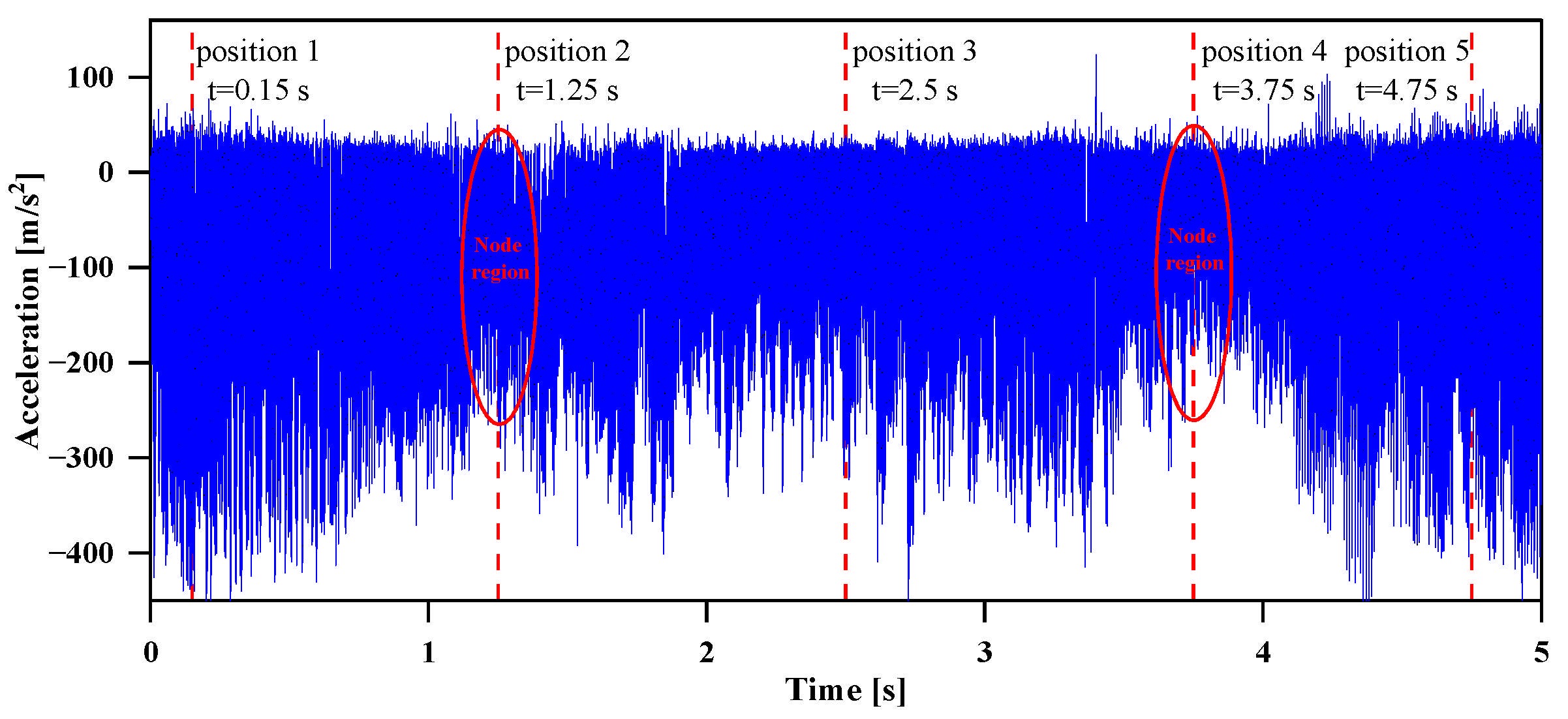
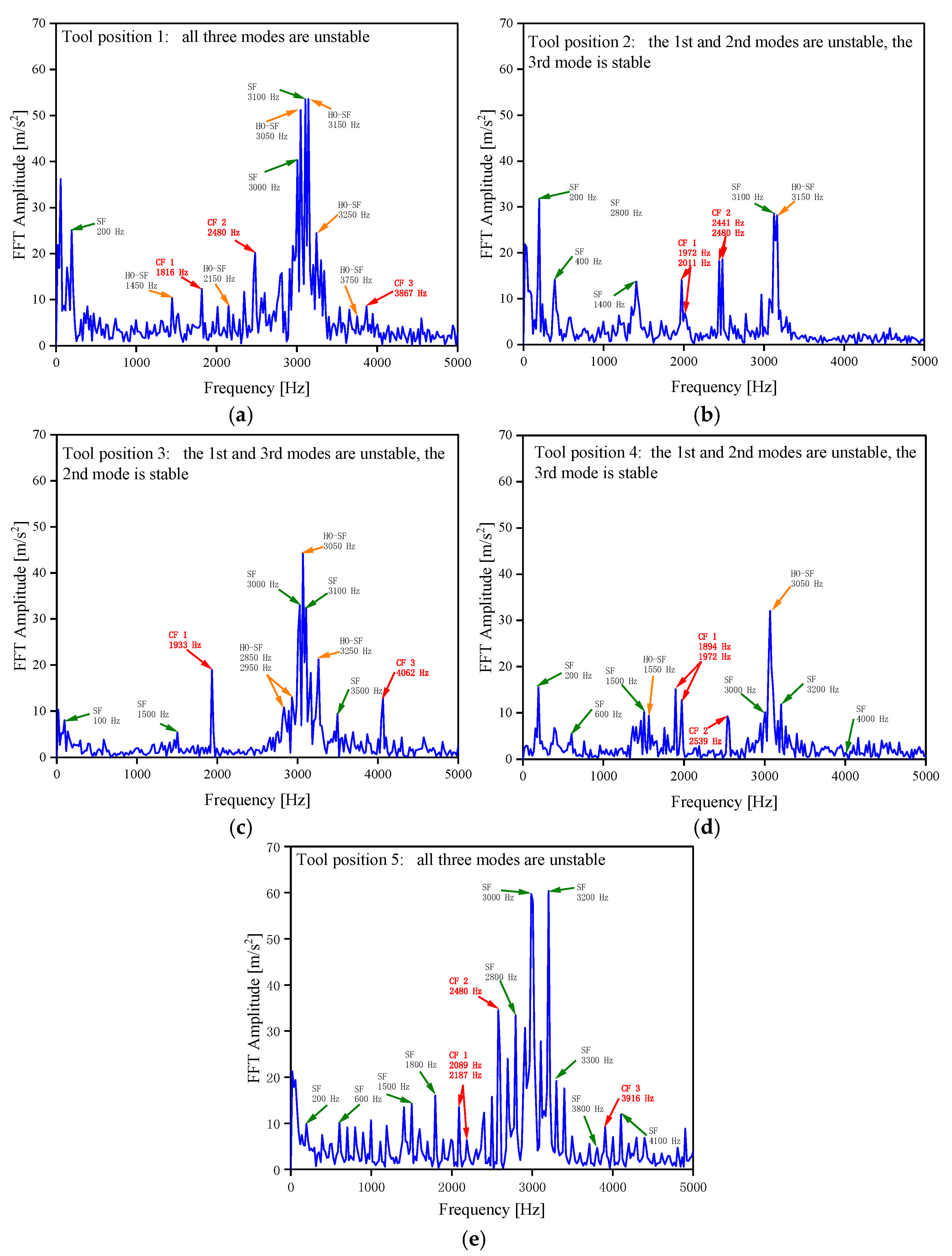
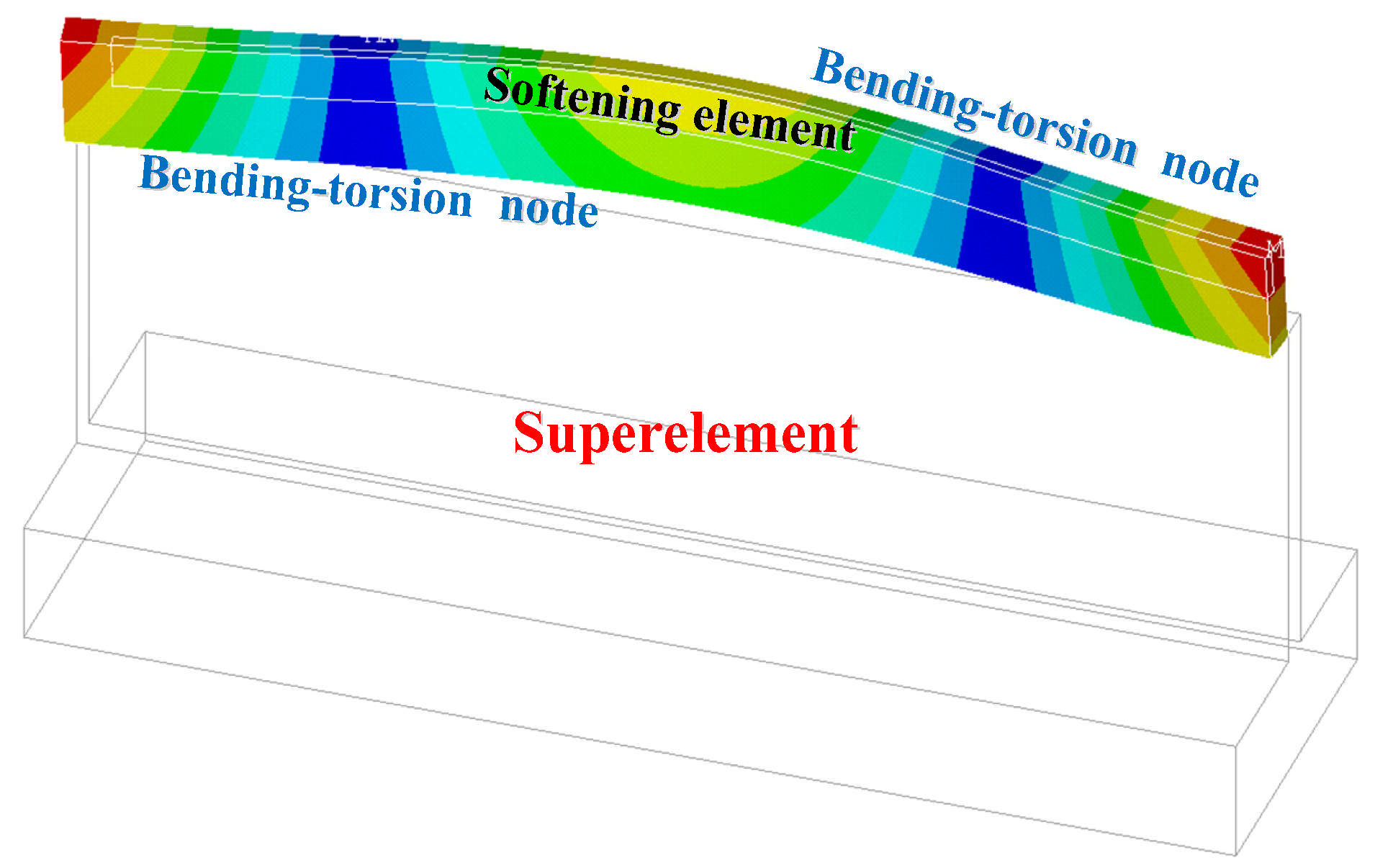
Thin-walled structural components possess low structural stiffness and are prone to regenerative chatter in milling, while continuous material removal leads to time-varying dynamic characteristics during machining. For traditional methods concerning multi-modal stability analysis, neither the minimum envelope method nor the comprehensive modal method is capable of accurately predicting the specific chatter mode within a given cutting region prior to machining. Against this background, this study focuses on the identification of individual modal contributions before machining, aiming to reveal the influence mechanism of different modes on the stability of typical thin-walled structures within a given cutting region. A discretization-based stability lobe prediction model is constructed, which integrates multi-node contact characteristics within the tool–workpiece interaction region and considers the time-varying evolution of dynamic parameters induced by both material removal and variable tool positions. Stability prediction is individually performed for the first three dominant modes under different machining stages and tool positions to quantitatively distinguish the independent contribution of each mode. Milling experiments on typical rectangular thin-walled components are conducted, and the multi-modal stability mechanism is comprehensively illustrated through surface roughness analysis, real-time vibration analysis, and FFT spectra of the signals analysis. The results suggest that the second-order torsional node and the third-order bending–torsion nodes can effectively suppress the corresponding chatter modes within the given cutting region. Further validation demonstrates that multimodal effects are indispensable for reliable stability prediction in thin-walled component milling.
Keywords: thin-walled structural components; effects of multi-modality; milling stability; time-varying characteristics of dynamic parameters thin-walled structural components; effects of multi-modality; milling stability; time-varying characteristics of dynamic parameters