Article

Multi-Physics Digital Twin Models for Predicting Thermal Runaway and Safety Failures in EV Batteries


by
Vinay Kumar Ramesh Babu
1,
Arigela Satya Veerendra
1,*,
Srinivas Gandla
2 and
Yarrigarahalli Reddy Manjunatha
3
1
Department of Electrical and Electronics Engineering, Manipal Institute of Technology, Manipal Academy of Higher Education, Manipal 576104, Karnataka, India
2
Department of Aeronautical and Automobile Engineering, Manipal Institute of Technology, Manipal Academy of Higher Education, Manipal 576104, Karnataka, India
3
Department of Electrical Engineering, University of Visvesvaraya College of Engineering, Bengaluru 560001, Karnataka, India
*
Author to whom correspondence should be addressed.
Automation 2025, 6(4), 92; https://doi.org/10.3390/automation6040092

Submission received: 23 September 2025 / Revised: 14 November 2025 / Accepted: 25 November 2025 / Published: 12 December 2025
(This article belongs to the Section Automation in Energy Systems)

Abstract

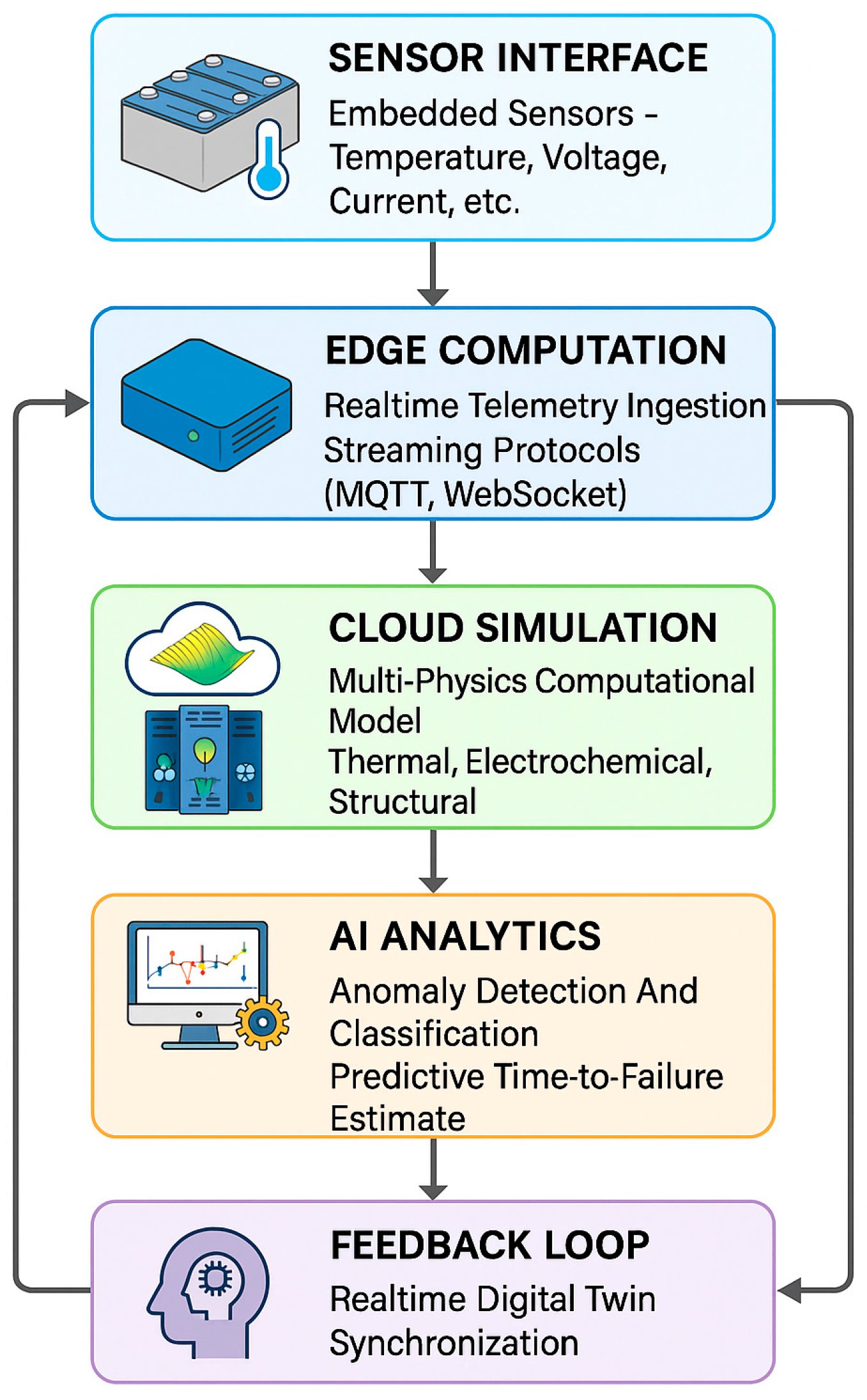
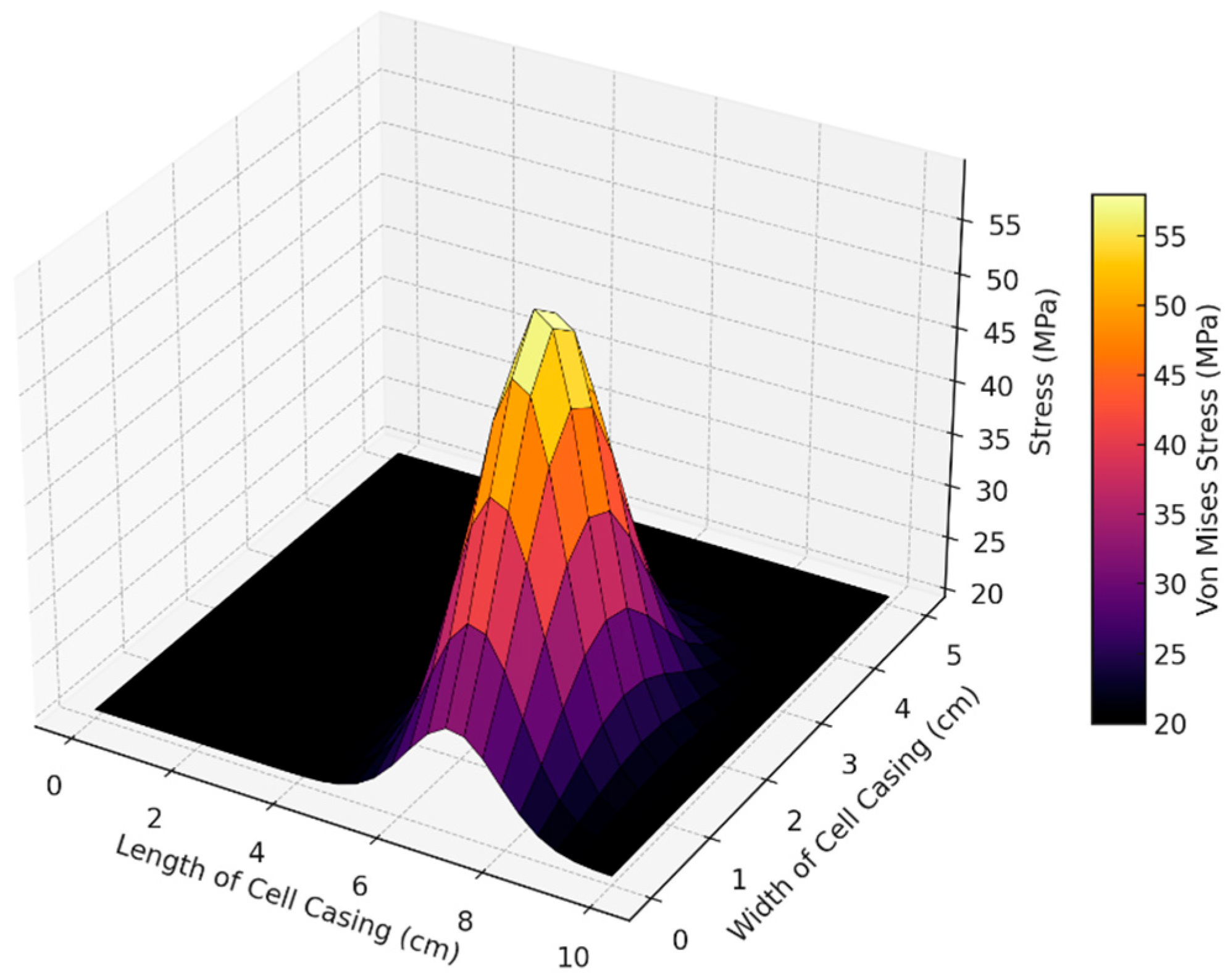
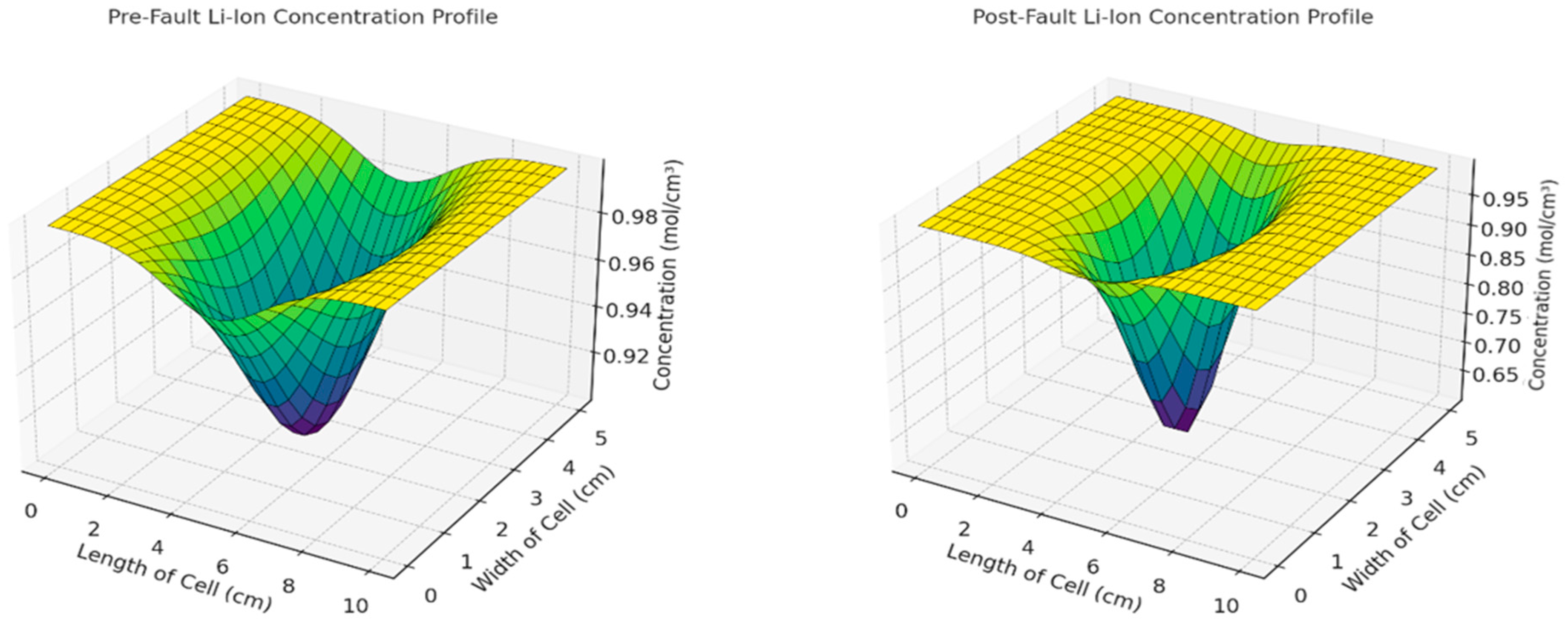
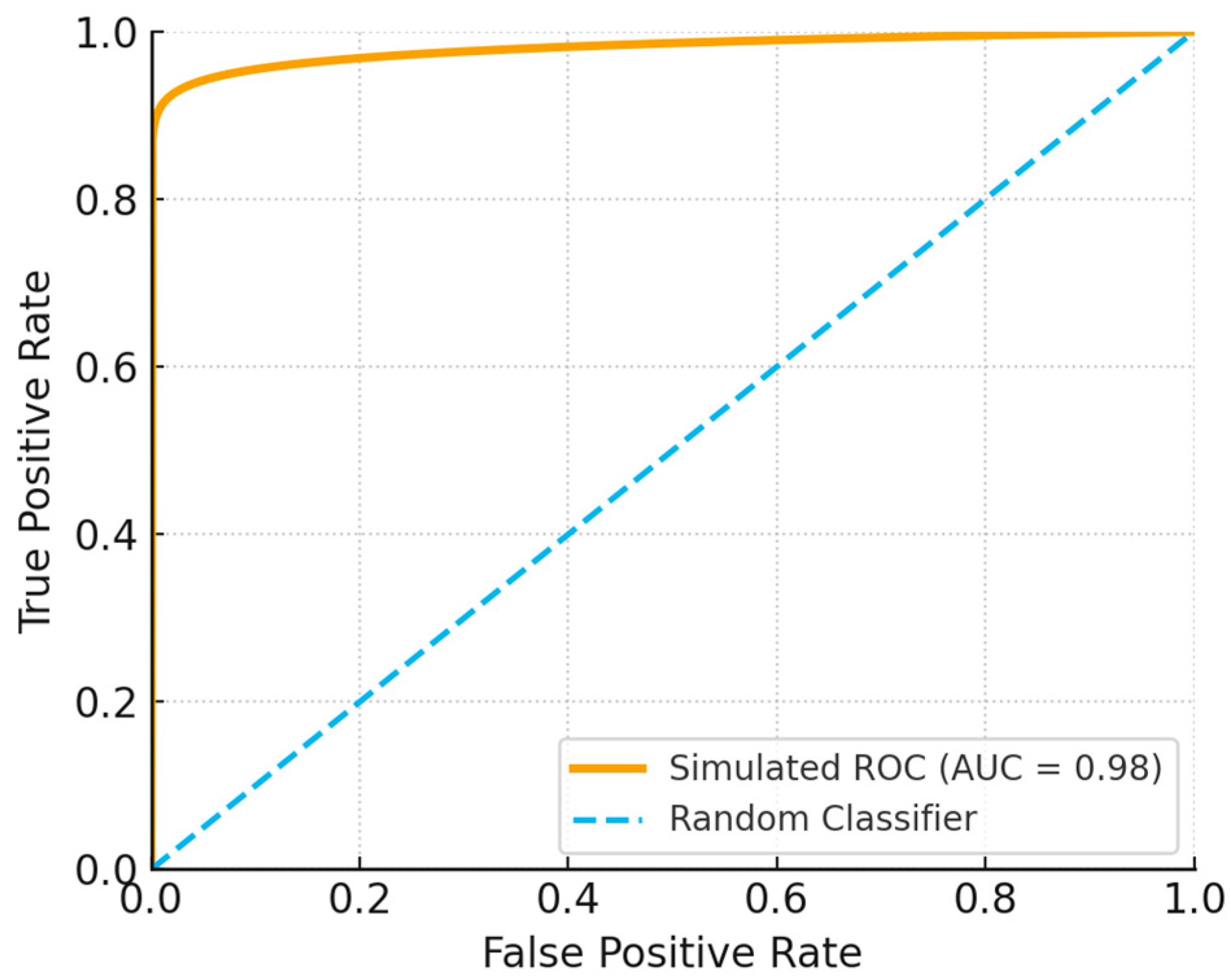
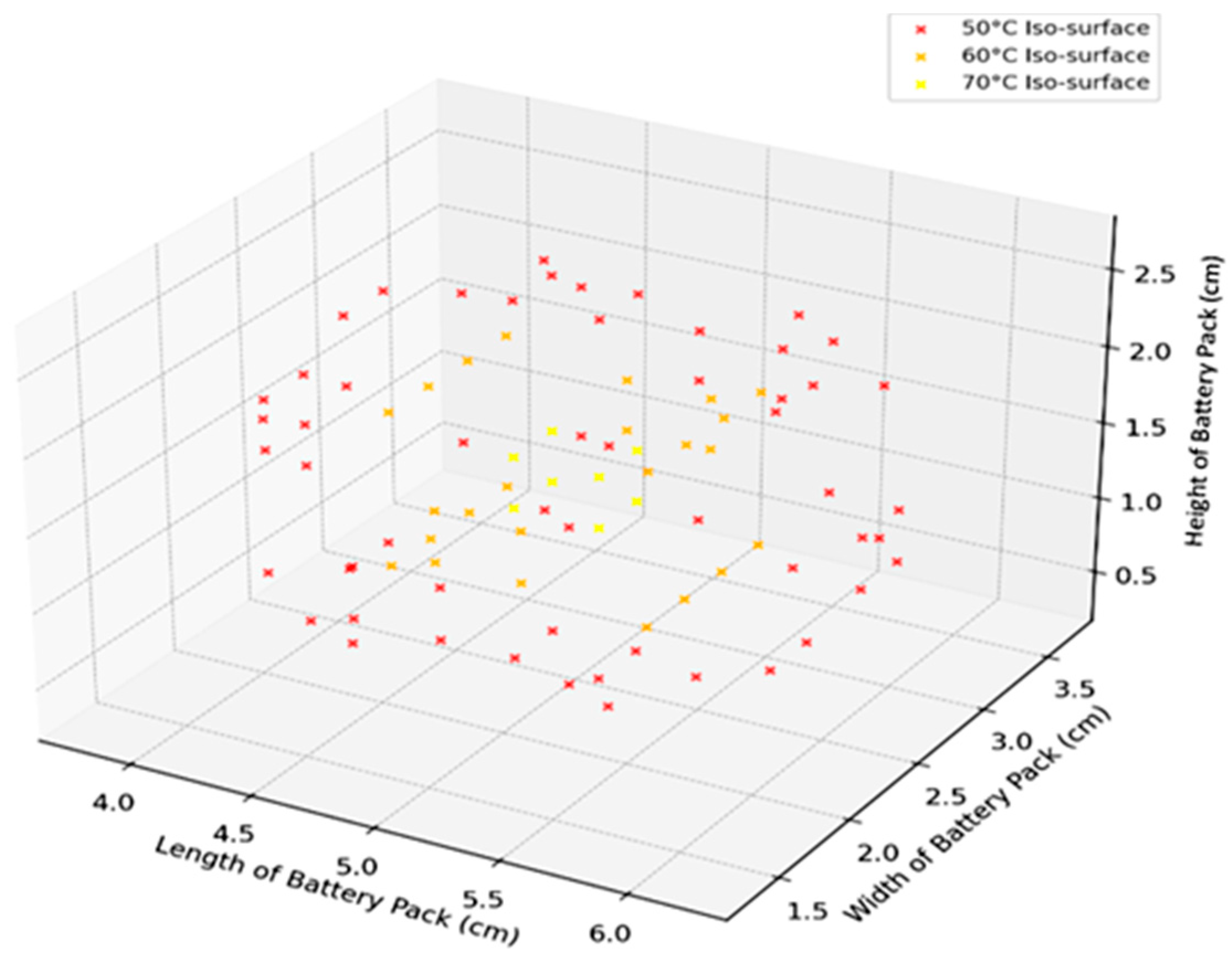
The rise in thermal runaway events within electric vehicle (EV) battery systems requires anticipatory models to predict critical safety failures during operation. This investigation develops a multi-physics digital twin framework that links electrochemical, thermal, and structural domains to replicate the internal dynamics of lithium-ion packs in both normal and faulted modes. Coupled simulations distributed among MATLAB 2024a, Python 3.12-powered three-dimensional visualizers, and COMSOL 6.3-style multi-domain solvers supply refined spatial resolution of temperature, stress, and ion concentration profiles. While the digital twin architecture is designed to accommodate different battery chemistries and pack configurations, the numerical results reported in this study correspond specifically to a lithium NMC-based 4S3P cylindrical cell module. Quantitative benchmarks show that the digital twin identifies incipient thermal deviation with 97.4% classification accuracy (area under the curve, AUC = 0.98), anticipates failure onset within a temporal margin of ±6 s, and depicts spatial heat propagation through three-dimensional isothermal surface sweeps surpassing 120 °C. Mechanical models predict casing strain concentrations of 142 MPa, approaching polymer yield strength under stress load perturbations. A unified operator dashboard delivers diagnostic and prognostic feedback with feedback intervals under 1 s, state-of-health (SoH) variance quantified by a root-mean-square error of 0.027, and mission-critical alerts transmitting with a mean latency of 276.4 ms. Together, these results position digital twins as both diagnostic archives and predictive safety envelopes in the evolution of next-generation EV architectures.
Keywords: digital twin; electric vehicle battery; thermal runaway; multi-physics simulation; electrochemical–thermal coupling; structural stress; real-time fault prediction; lithium-ion safety; COMSOL simulation; battery management system (BMS) digital twin; electric vehicle battery; thermal runaway; multi-physics simulation; electrochemical–thermal coupling; structural stress; real-time fault prediction; lithium-ion safety; COMSOL simulation; battery management system (BMS)