Article

Stimuli-Induced Equilibrium Point-Based Algorithm for Motion Planning of a Heavy-Load Servo System


1
College of Mechanical and Electrical Engineering, Hunan Agricultural University, Changsha 410128, China
2
Department of Mechanical Engineering, National University of Singapore, Singapore 117575, Singapore
3
College of Intelligence Science and Technology, National University of Defense Technology, Changsha 410073, China
*
Author to whom correspondence should be addressed.
Automation 2025, 6(1), 3; https://doi.org/10.3390/automation6010003

Submission received: 18 August 2024 / Revised: 30 December 2024 / Accepted: 3 January 2025 / Published: 7 January 2025

Abstract

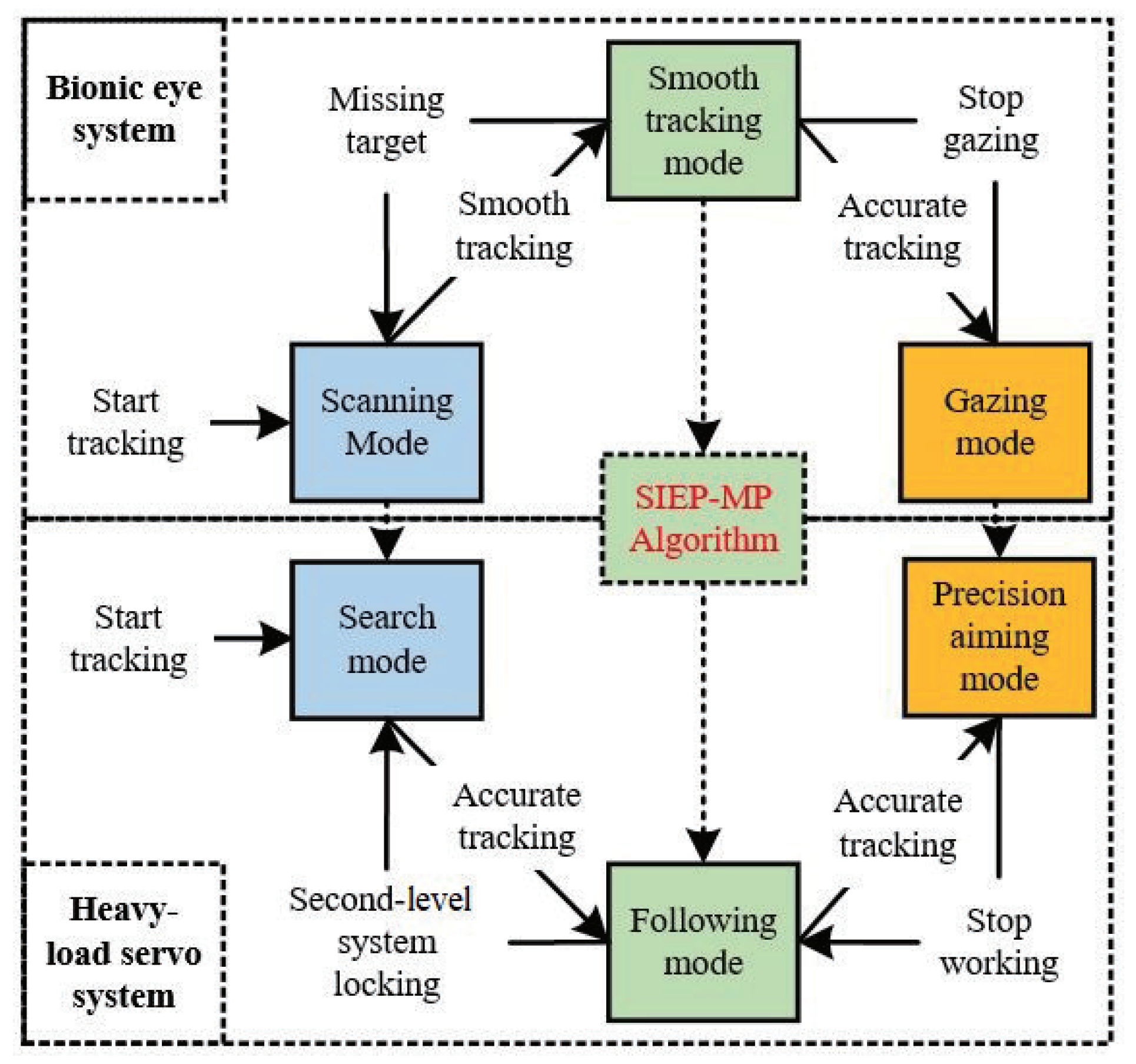
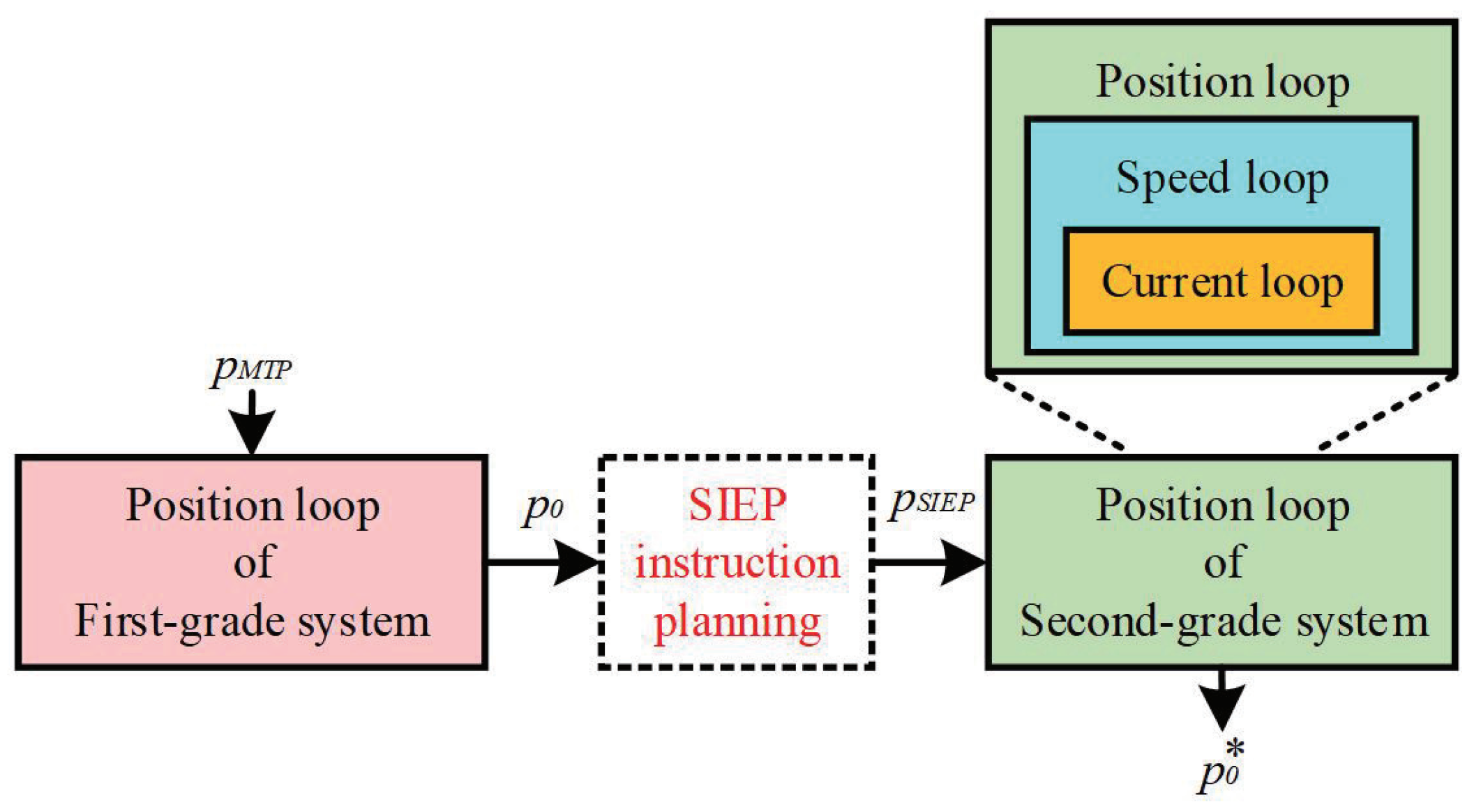
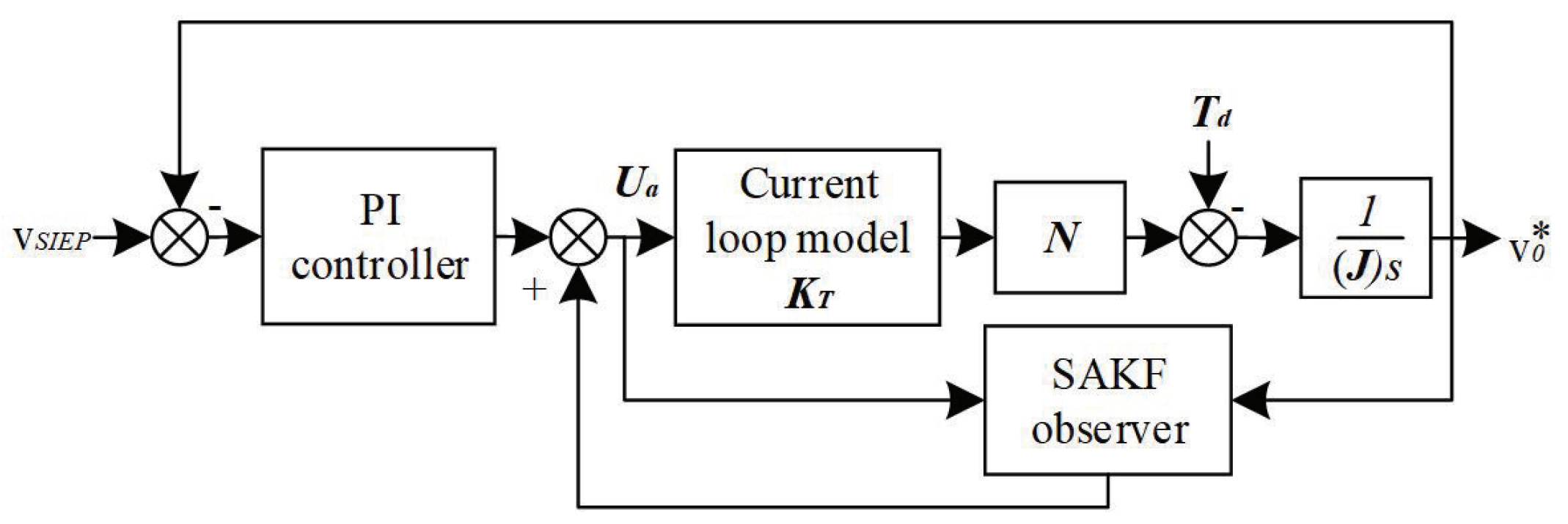
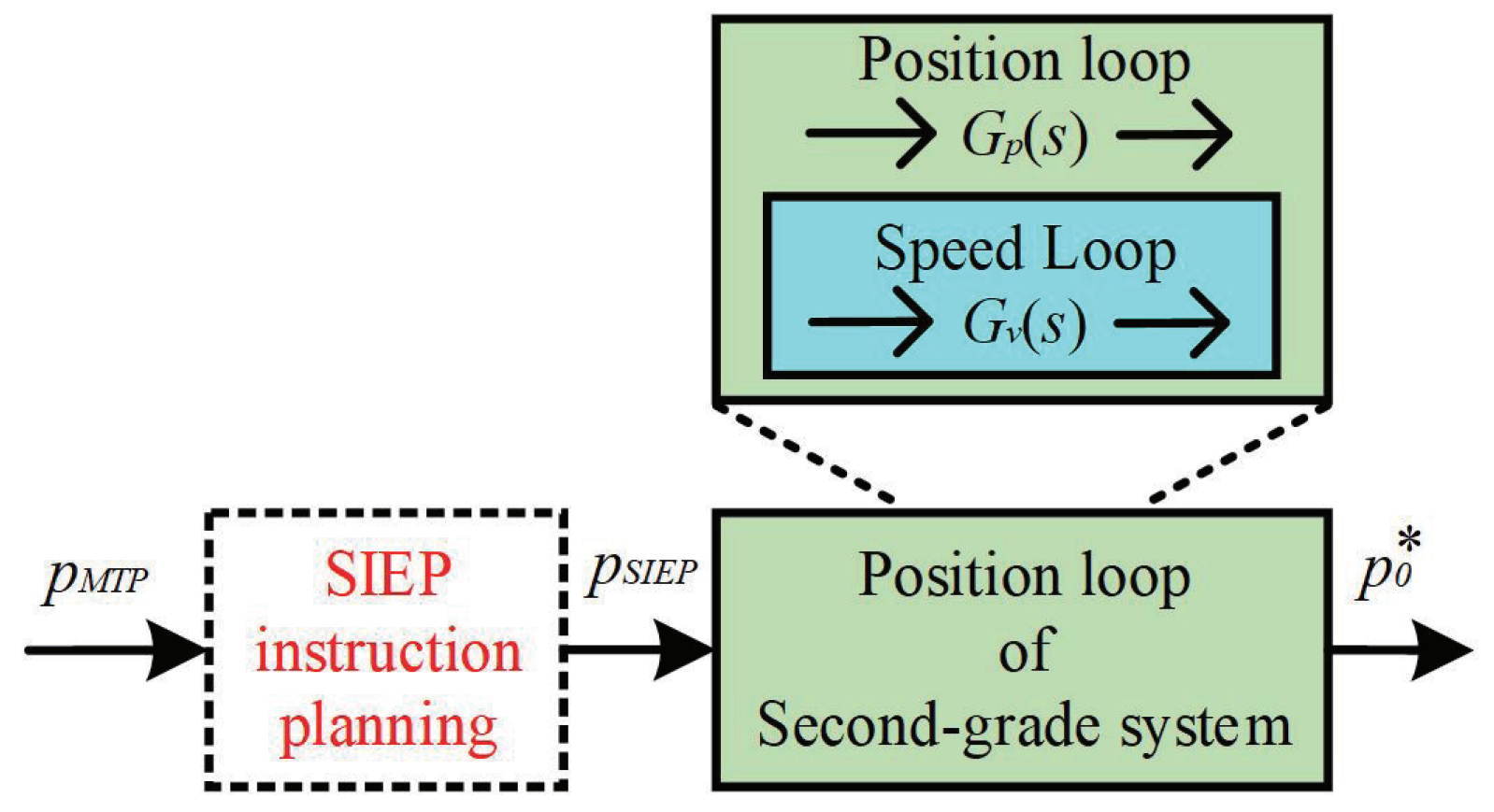
To tackle the problems of power saturation and high energy consumption of the heavy-load servo system in a servo process, we propose a motion planning algorithm based on the stimuli-induced equilibrium point (SIEP), named the SIEP-MP algorithm. First, we explore the correlation between various modes of the bionic eye system and the heavy-load servo system through head-eye motion control theory and derive the core formula of the SIEP-MP algorithm from psychological field theory. Then, we design a speed loop of the heavy-load servo system by combining a speed controller and a disturbance observer. Furthermore, we create a position loop of the heavy-load servo system by combining a position controller and a feed-forward controller. We verify the low-pass filtering and range-limiting functions of the SIEP-MP algorithm by building the experimental platform, designing the target trajectory, and setting the control parameters. Experimental results demonstrate similar command filtering, elimination of power saturation, and energy-saving functions compared to low-pass filters, and the algorithm has a better mode-switching performance. The proposed SIEP-MP algorithm can ensure the optimal tracking performance of the heavy-load servo system in different modes through mode switching.
Keywords: stimuli-induced equilibrium point; motion planning algorithm; head-eye motion control; psychological field theory stimuli-induced equilibrium point; motion planning algorithm; head-eye motion control; psychological field theory