Article

Optimization of Wastewater Treatment Through Machine Learning-Enhanced Supervisory Control and Data Acquisition: A Case Study of Granular Sludge Process Stability and Predictive Control


1
Research and Education Centre “Water Supply and Wastewater Treatment”, Moscow State University of Civil Engineering, 26, Yaroslavskoye Highway, 129337 Moscow, Russia
2
Department of Information Systems, Technologies and Automation in Construction, Moscow State University of Civil Engineering, 26, Yaroslavskoye Highway, 129337 Moscow, Russia
*
Author to whom correspondence should be addressed.
Automation 2025, 6(1), 2; https://doi.org/10.3390/automation6010002

Submission received: 8 November 2024 / Revised: 11 December 2024 / Accepted: 15 December 2024 / Published: 27 December 2024

Abstract

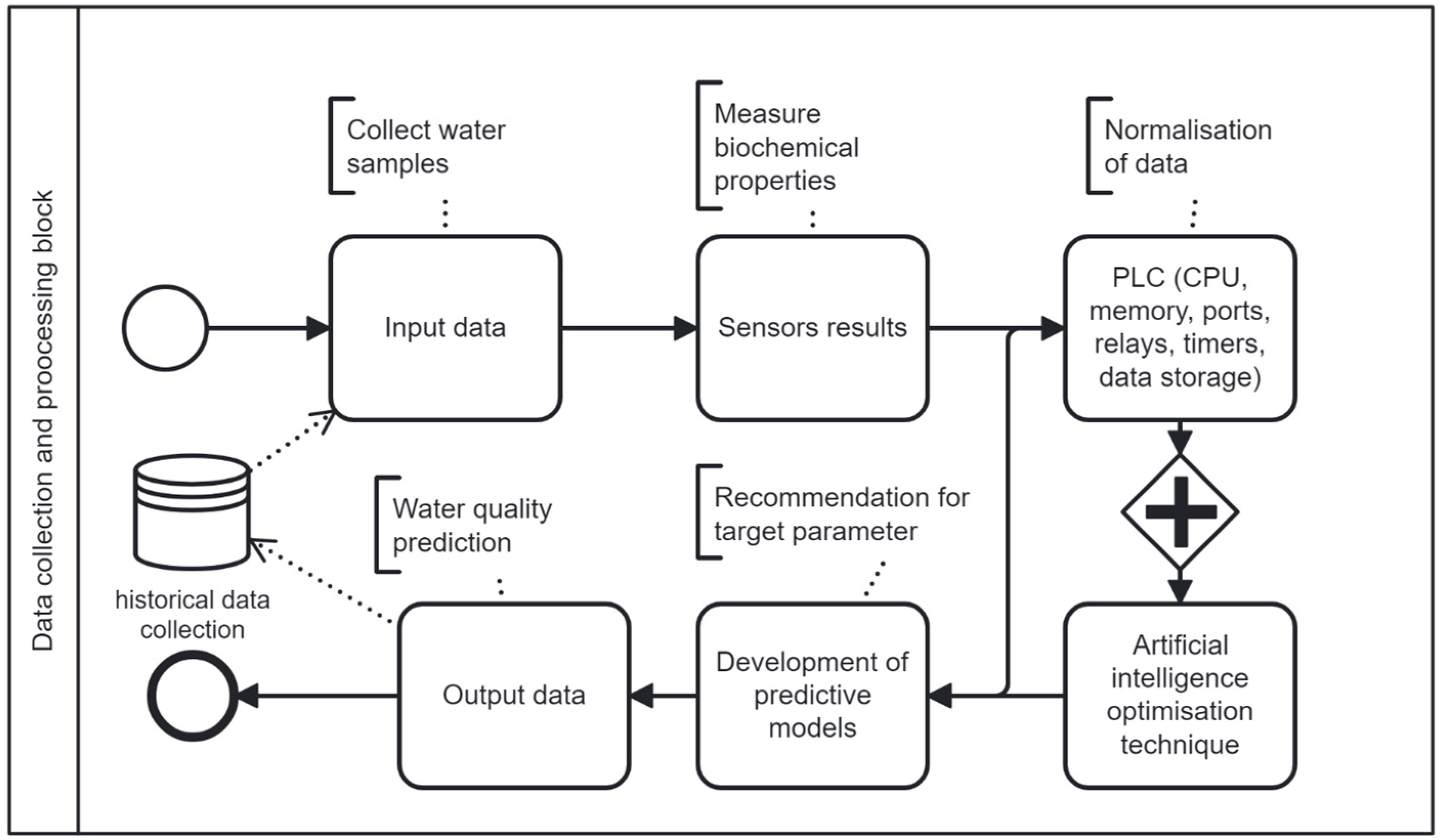
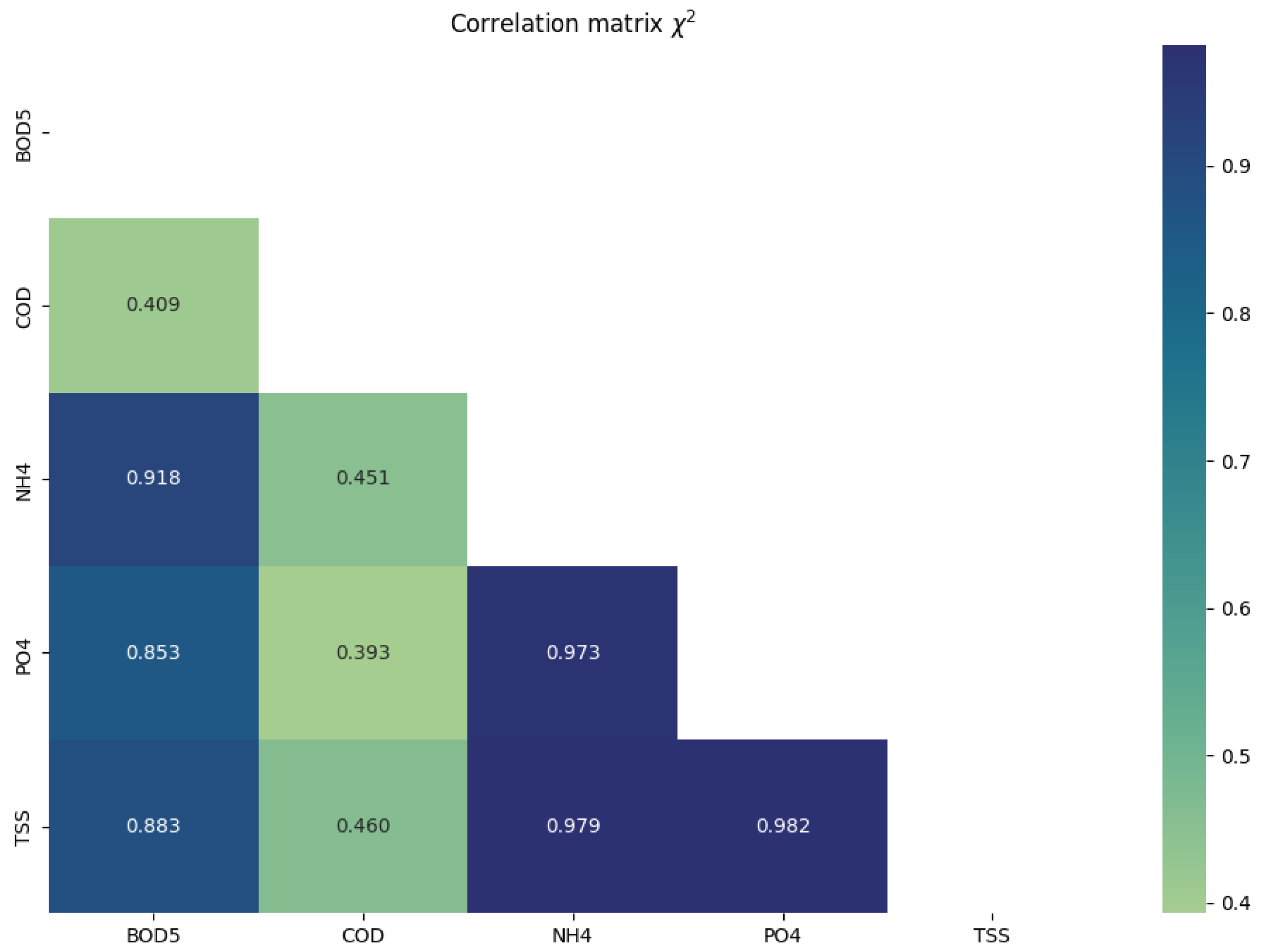
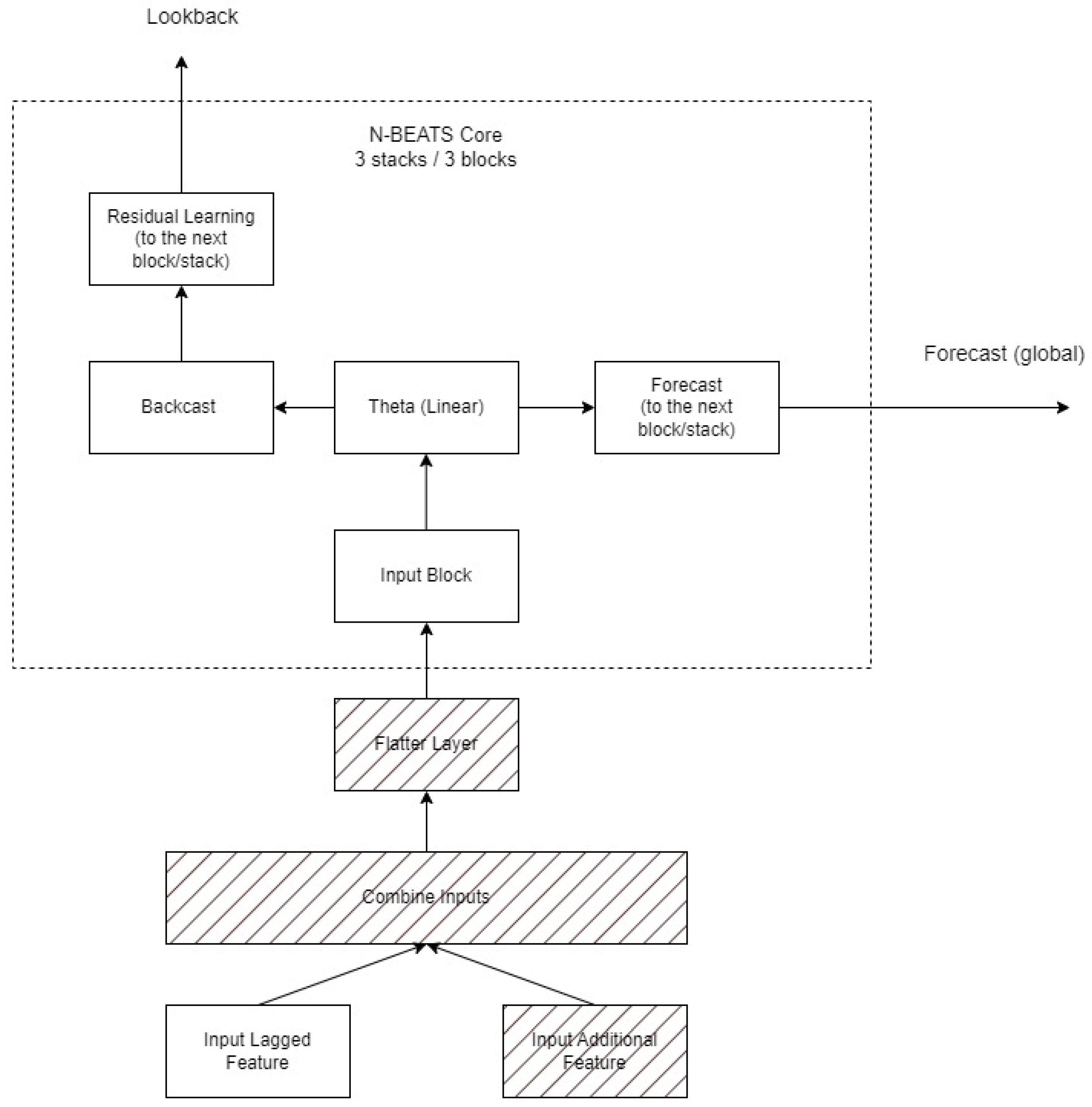
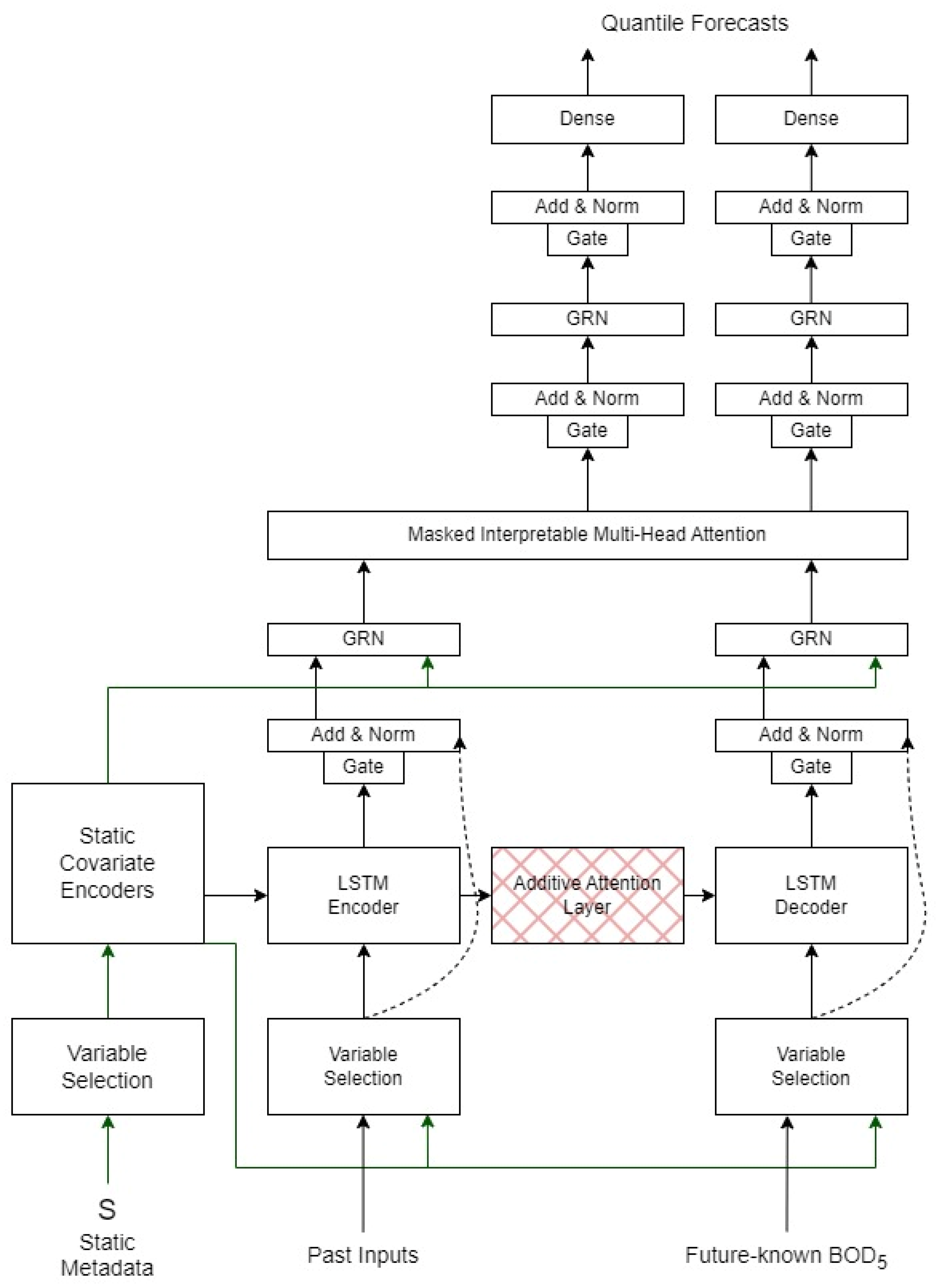
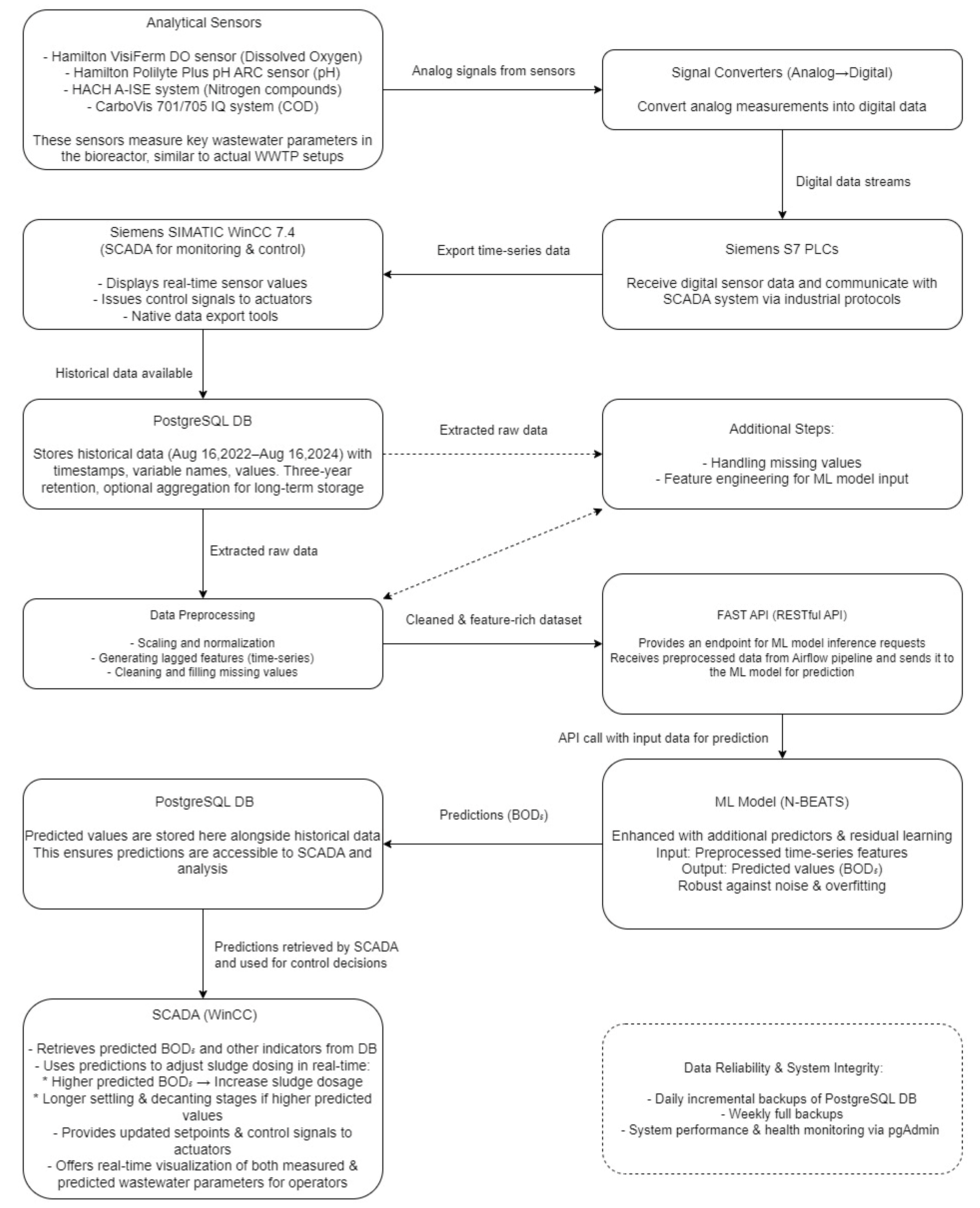
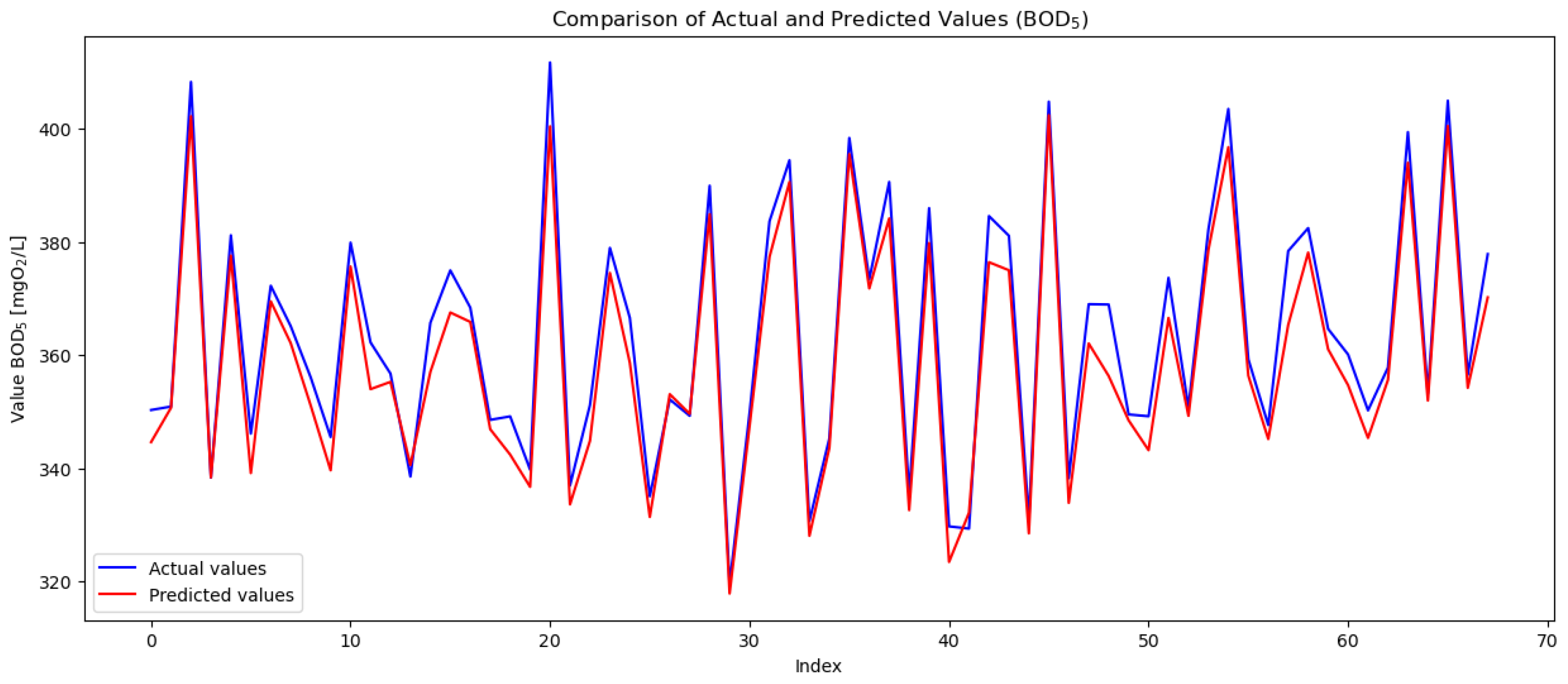
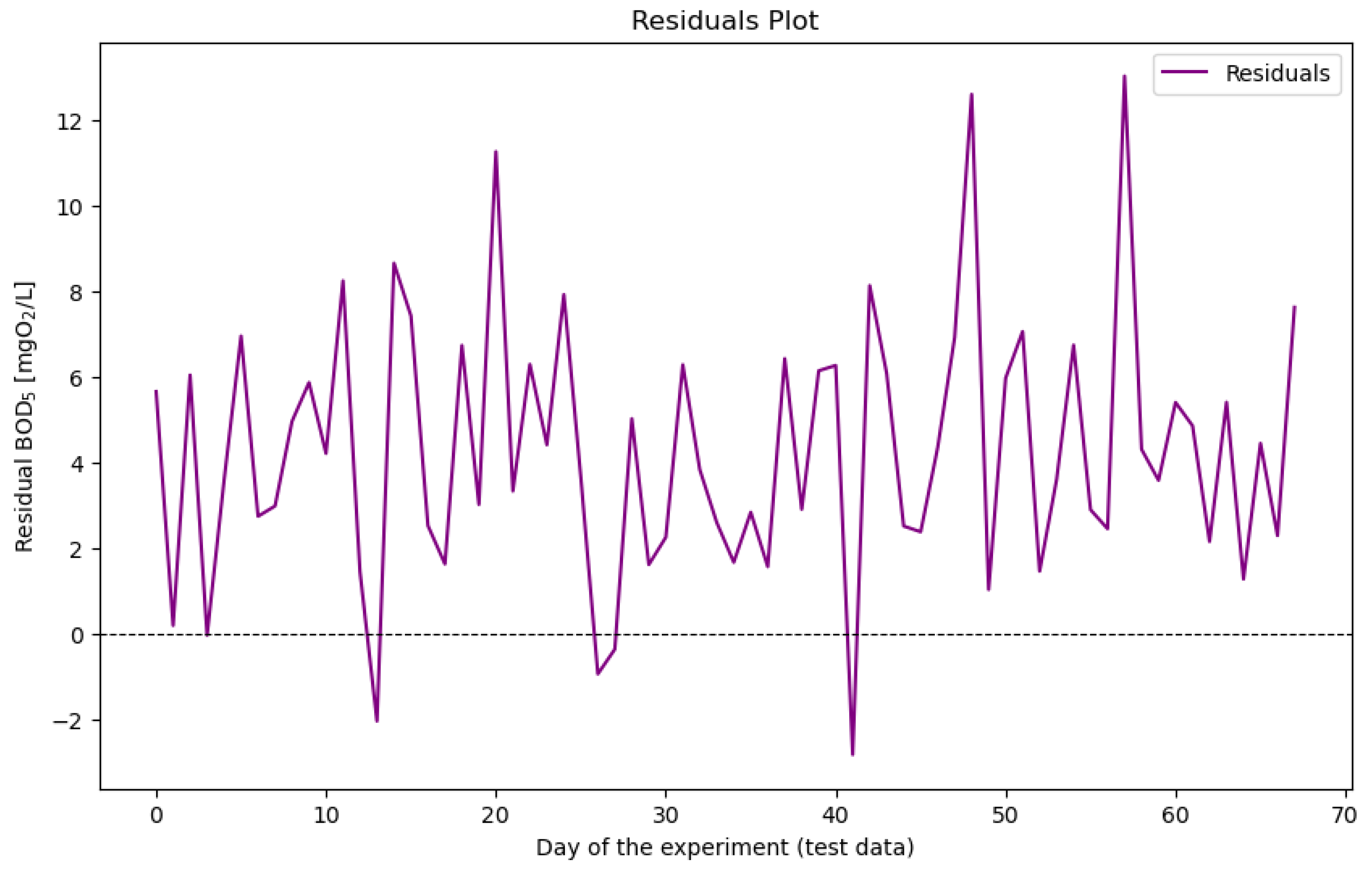
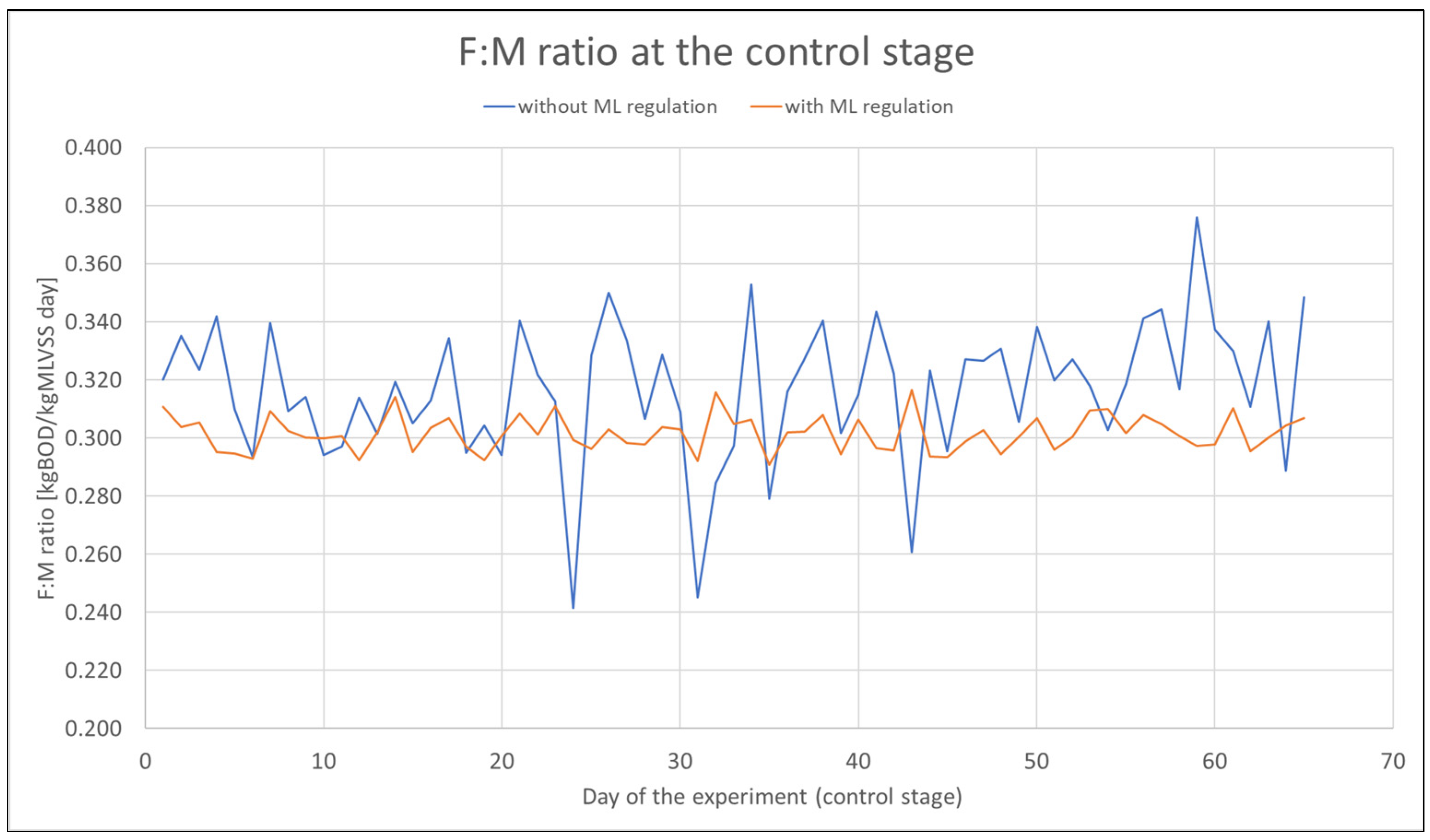
This study presents an automated control system for wastewater treatment, developed using machine learning (ML) models integrated into a Supervisory Control and Data Acquisition (SCADA) framework. The experimental setup focused on a laboratory-scale Aerobic Granular Sludge (AGS) reactor, which utilized synthetic wastewater to model real-world conditions. The machine learning models, specifically N-BEATS and Temporal Fusion Transformers (TFTs), were trained to predict Biological Oxygen Demand (BOD5) values using historical data and real-time influent contaminant concentrations obtained from online sensors. This predictive approach proved essential due to the absence of direct online BOD5 measurements and an inconsistent relationship between BOD5 and Chemical Oxygen Demand (COD), with a correlation of approximately 0.4. Evaluation results showed that the N-BEATS model demonstrated the highest accuracy, achieving a Mean Absolute Error (MAE) of 0.988 and an R2 of 0.901. The integration of the N-BEATS model into the SCADA system enabled precise, real-time adjustments to reactor parameters, including sludge dose and aeration intensity, leading to significant improvements in granulation stability. The system effectively reduced the standard deviation of organic load fluctuations by 2.6 times, from 0.024 to 0.006, thereby stabilizing the granulation process within the AGS reactor. Residual analysis suggested a minor bias, likely due to the limited number of features in the model, indicating potential improvements through additional data inputs. This research demonstrates the value of machine learning-driven predictive control for wastewater treatment, offering a resilient solution for dynamic environments. By facilitating proactive management, this approach supports the scalability of wastewater treatment technologies while enhancing treatment efficiency and operational sustainability.
Keywords: machine learning; SCADA systems; wastewater treatment; automated control; sustainability; predictive analytics; environmental impact machine learning; SCADA systems; wastewater treatment; automated control; sustainability; predictive analytics; environmental impact