Article

A Comparative Benchmark of Scale-Up and Scale-Out MIMO Architectures for 5G and Prospective 6G Networks


by
Samuel Otero Rebolo
and
Victor Monzon Baeza
*
Faculty of Computer Science, Multimedia and Telecommunications, Universitat Oberta de Catalunya (UOC), Rambla del Poblenou 156, 08018 Barcelona, Spain
*
Author to whom correspondence should be addressed.
Telecom 2026, 7(2), 38; https://doi.org/10.3390/telecom7020038

Submission received: 4 March 2026 / Revised: 25 March 2026 / Accepted: 1 April 2026 / Published: 3 April 2026

Abstract

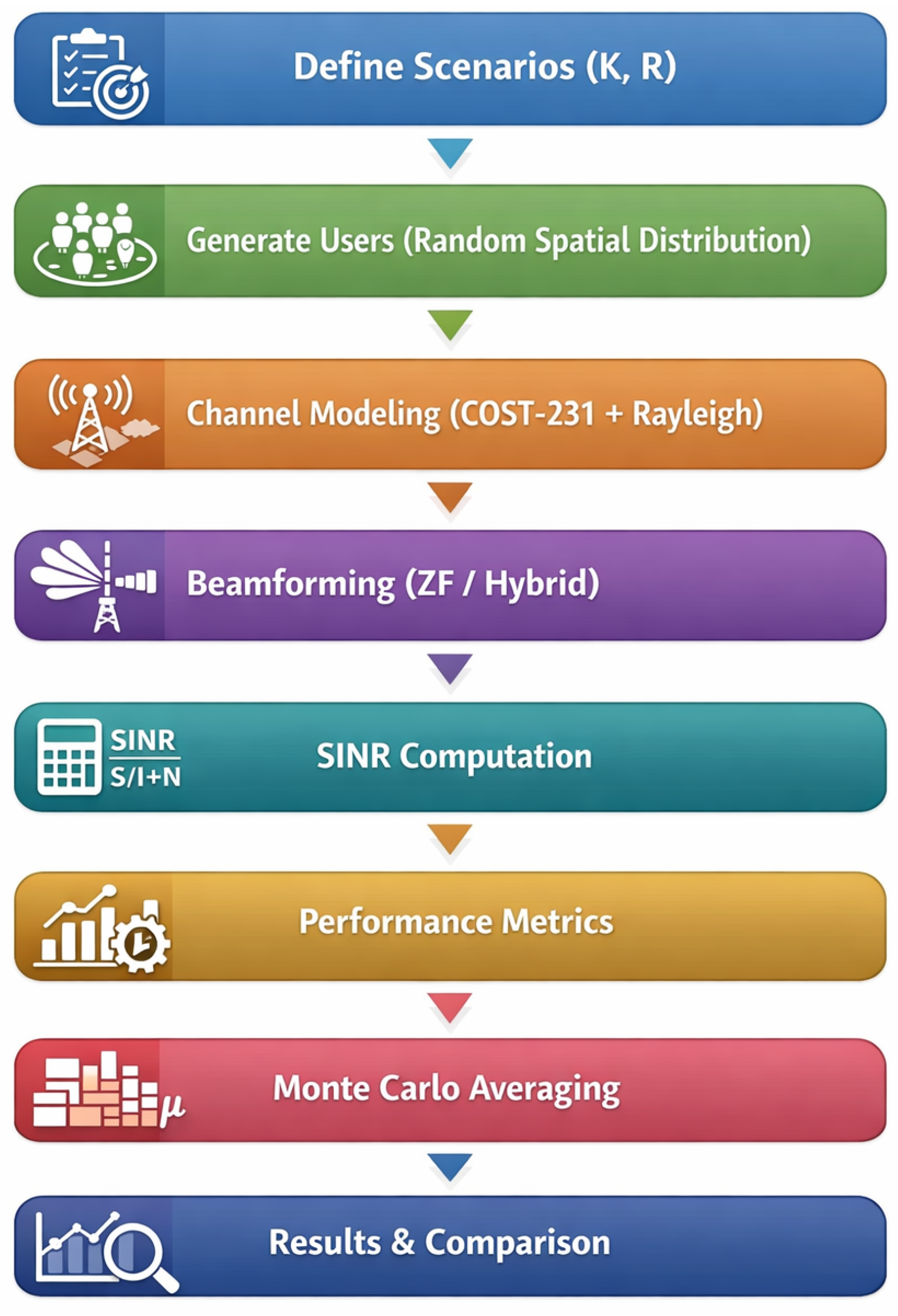
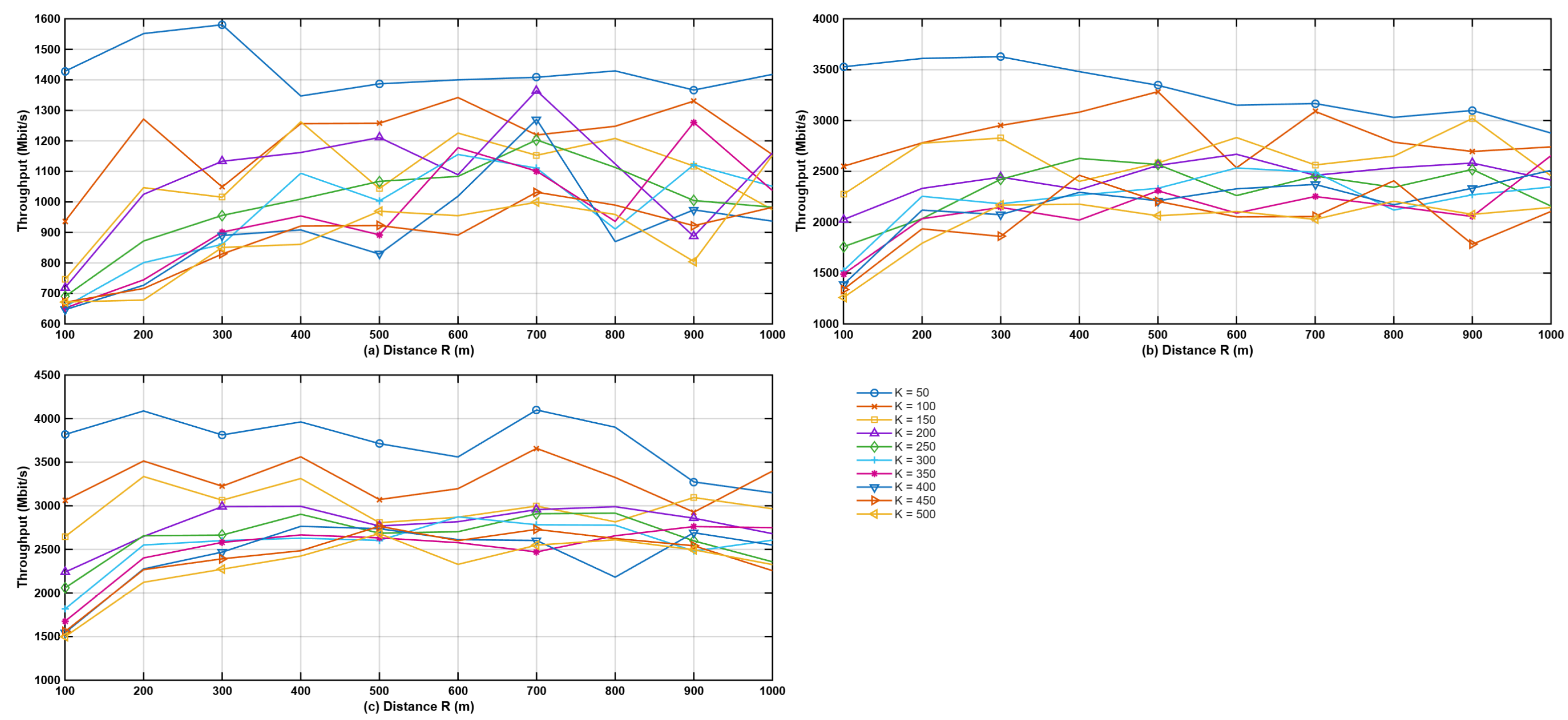
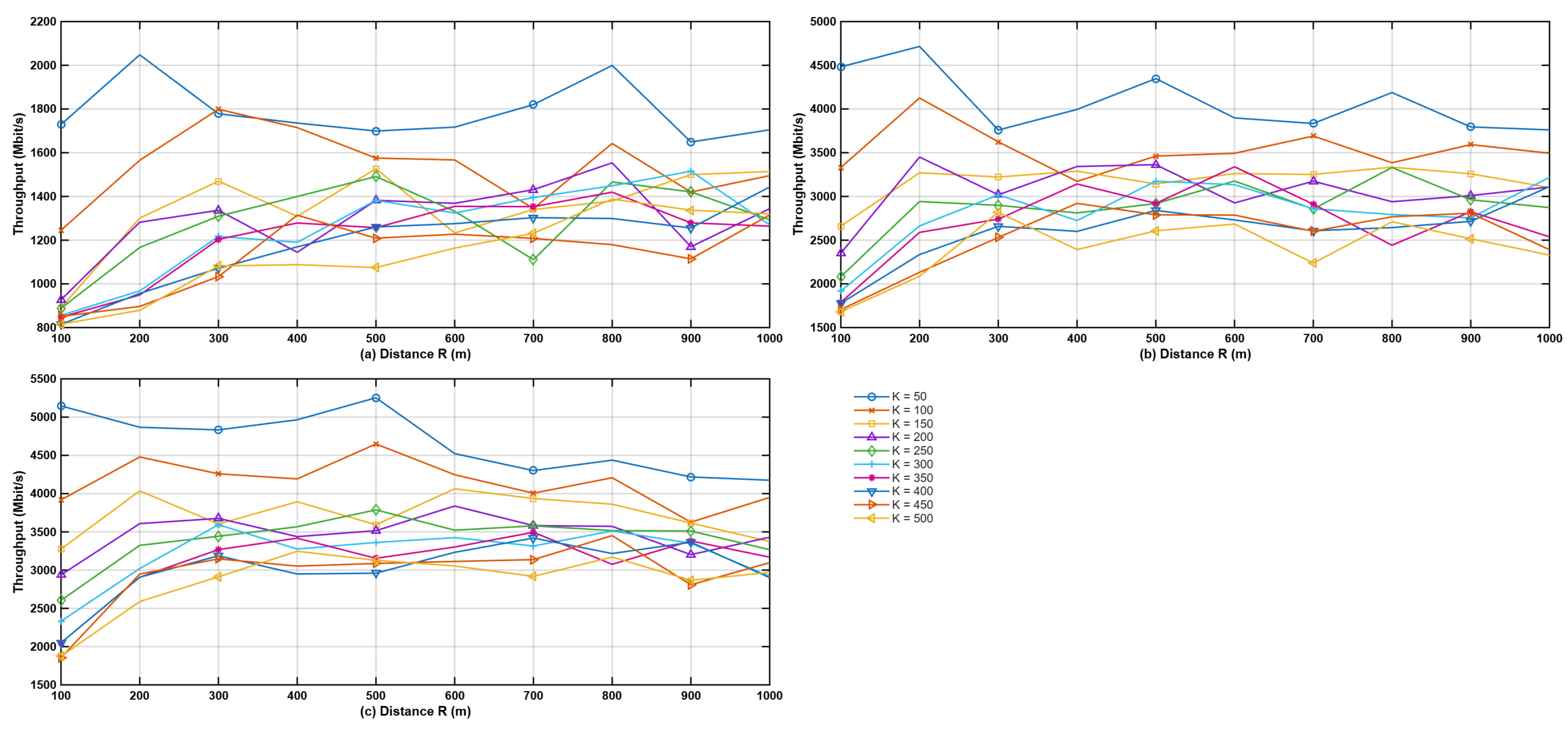
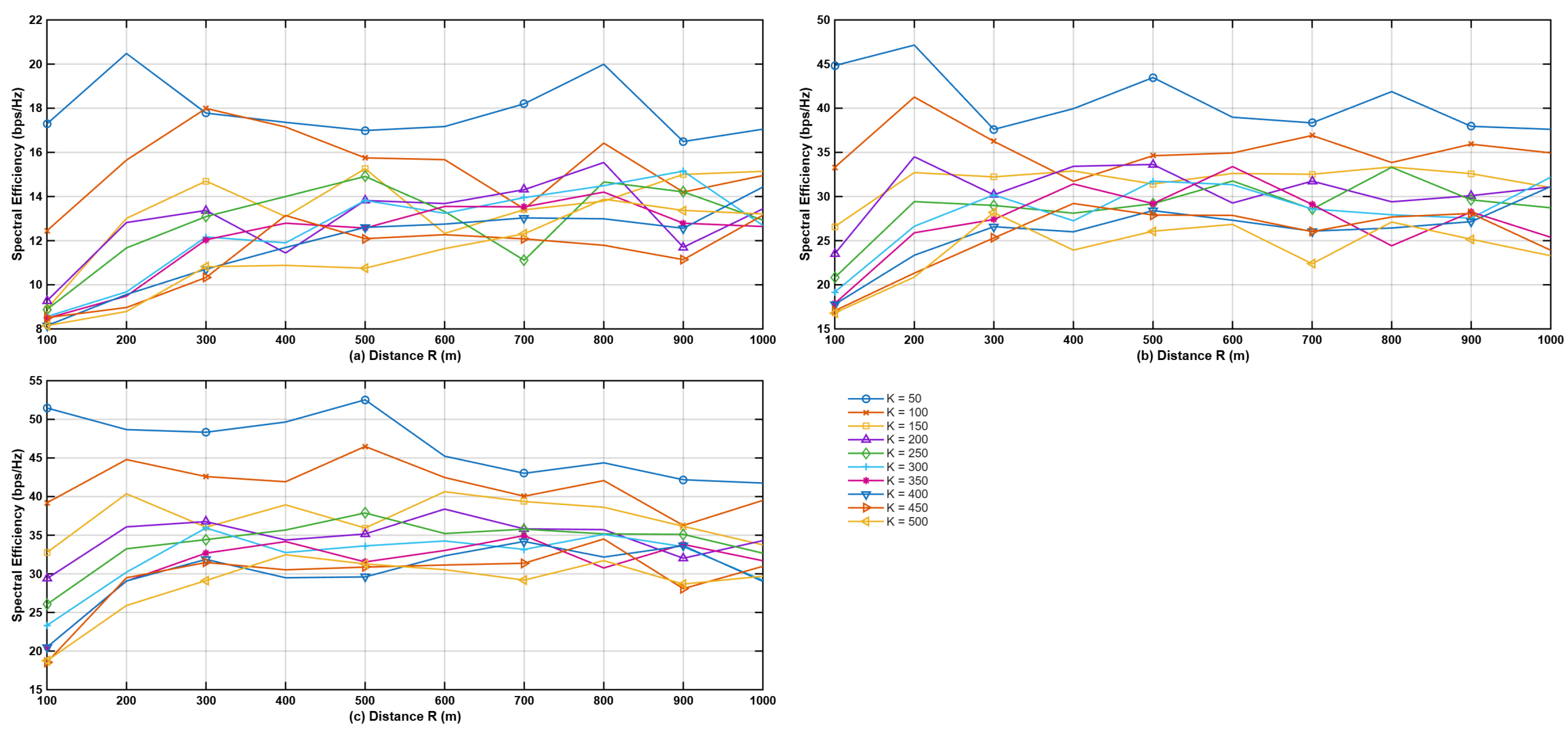
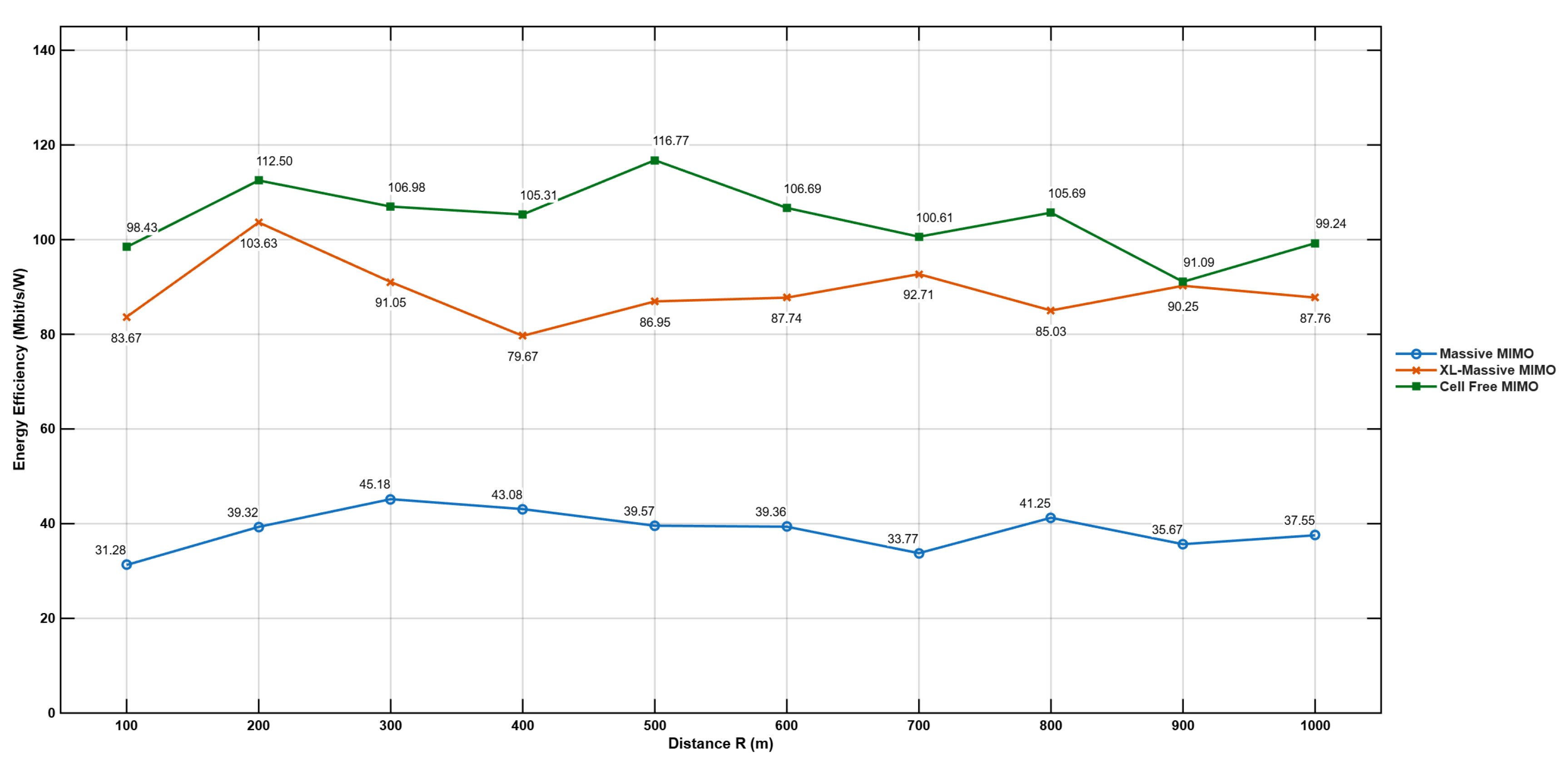
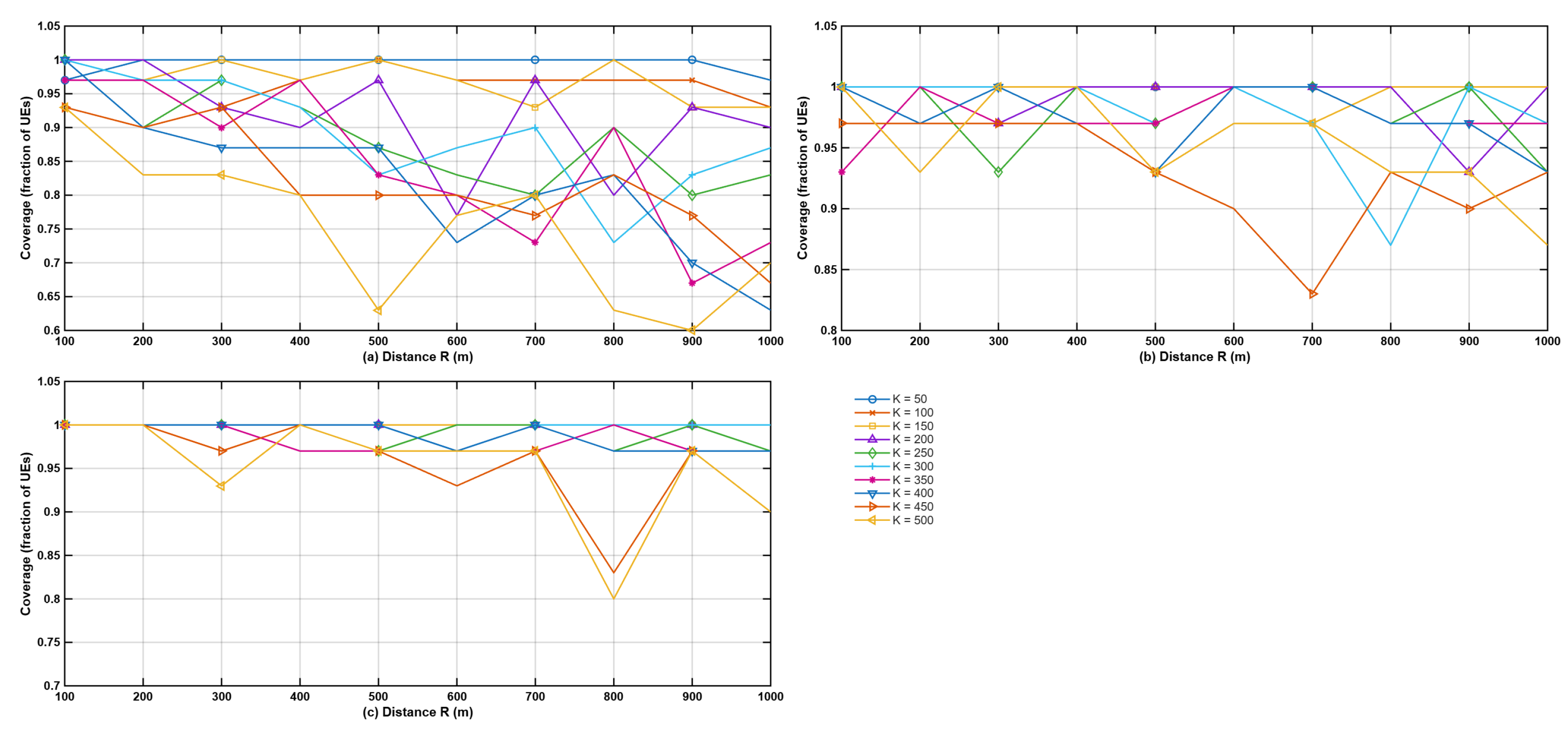
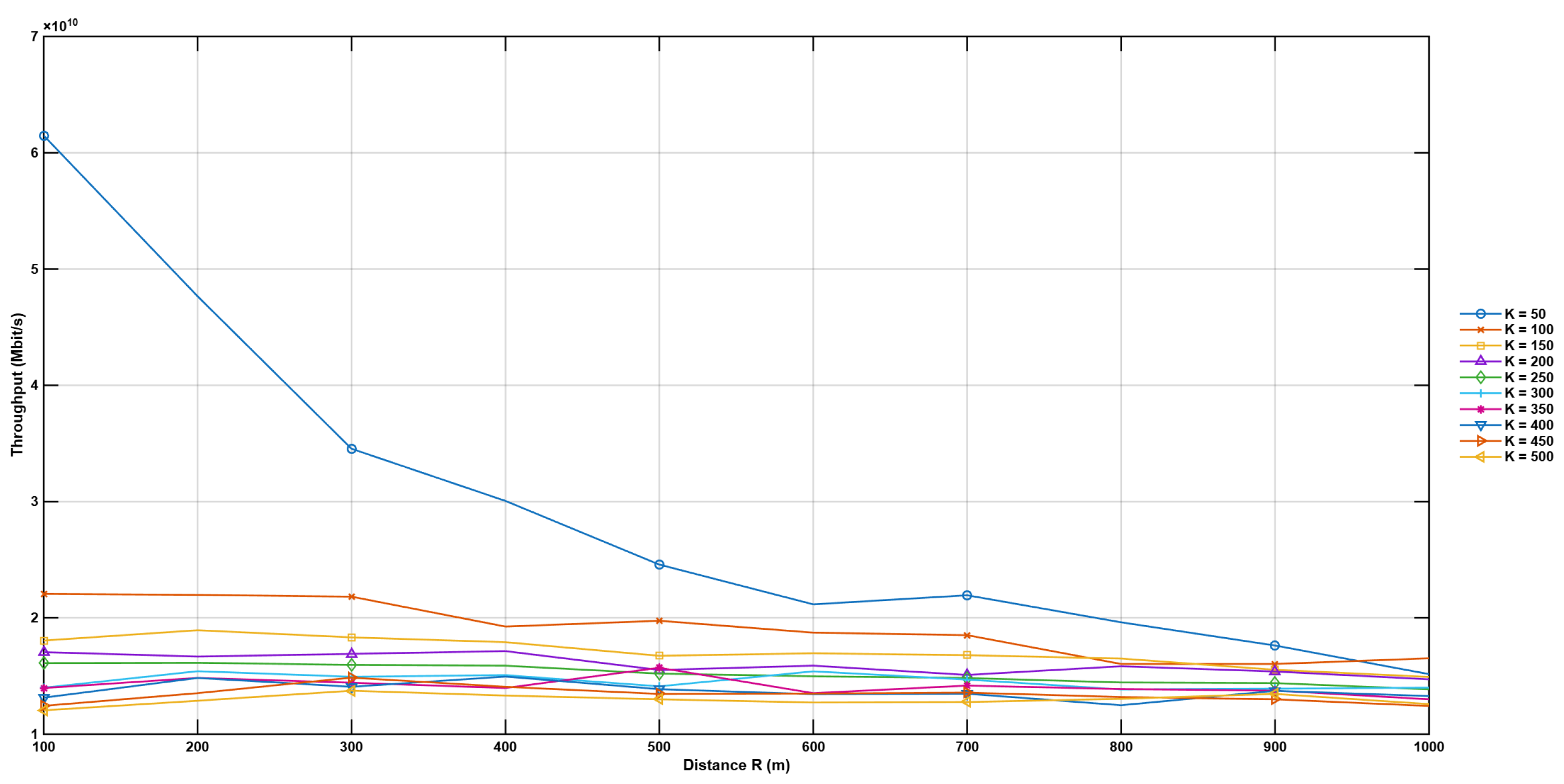
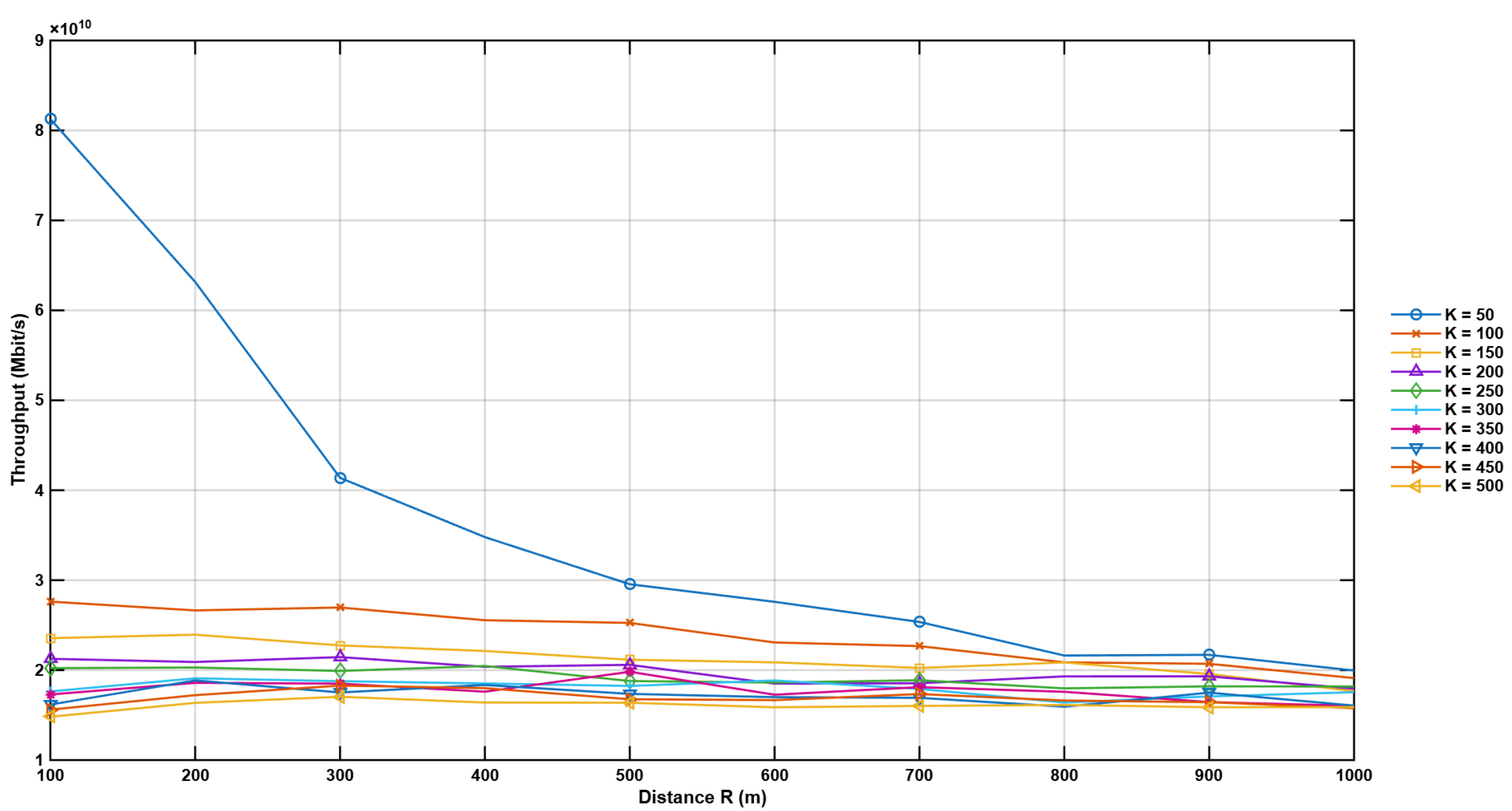
The evolution toward prospective sixth-generation (6G) wireless networks is expected to significantly increase user density, bandwidth demand, and architectural complexity, reinforcing the need for scalable multiple-input multiple-output (MIMO) deployments. In this context, two fundamentally different design strategies have emerged: scaling up centralized antenna arrays and scaling out distributed cooperative infrastructures. This paper presents a system-level comparative benchmark of scale-up and scale-out MIMO architectures under identical operating conditions of three representative downlink deployments: centralized Massive MIMO, centralized XL-Massive MIMO, and distributed Cell-Free MIMO. All architectures are assessed under identical urban channel conditions, transmit power, bandwidth, and traffic assumptions, considering sub-6 GHz (3.5 GHz) and millimeter-wave (28 GHz) frequency bands as proxies for 5G and prospective 6G operation. A unified Monte Carlo simulation framework is employed to jointly evaluate aggregate throughput, spectral efficiency, coverage performance, interference behavior, and energy efficiency over a wide range of user densities and service radii. The results highlight the distinct architectural trade-offs between centralized and distributed deployments: XL-Massive MIMO maximizes aggregate throughput and spatial reuse in dense hotspot scenarios, whereas Cell-Free MIMO provides superior coverage uniformity and improved energy efficiency in wide-area deployments. By isolating the impact of architectural scaling under consistent assumptions, the presented benchmark offers quantitative guidance for 6G network design and deployment planning.
Keywords: Massive MIMO; XL-Massive MIMO; Cell-Free MIMO; 5G; 6G; wireless network architecture; system-level evaluation; performance benchmarking; network design Massive MIMO; XL-Massive MIMO; Cell-Free MIMO; 5G; 6G; wireless network architecture; system-level evaluation; performance benchmarking; network design