Article

Biomechanical and Functional Outcomes in Transtibial Amputees Using the Transtibial Mercer Universal Prosthesis (MUP®): A 1-Year Longitudinal Study


by
Trung T. Le
1,2,*,
Craig T. McMahan
3,
Ha V. Vo
1,4 and
Scott C. E. Brandon
2
1
Department of Biomedical Engineering, School of Engineering, Mercer University, Macon, GA 31207, USA
2
Department of Interdisciplinary Engineering, College of Engineering, University of Guelph, Guelph, ON N1G 2W1, Canada
3
Office of Mercer On Mission, College of Liberal Art and Sciences, Mercer University, Macon, GA 31207, USA
4
Department of Orthopedic Surgery, School of Medicine, Mercer University, Macon, GA 31207, USA
*
Author to whom correspondence should be addressed.
Prosthesis 2026, 8(7), 69; https://doi.org/10.3390/prosthesis8070069
Submission received: 10 April 2026 / Revised: 29 May 2026 / Accepted: 13 June 2026 / Published: 1 July 2026
(This article belongs to the Section Orthopedics and Rehabilitation)

Abstract

Background: The Mercer Universal Prosthesis (MUP), designed with a default “neutral” (vertical) socket alignment, was developed to simplify transtibial prosthetic fitting, reduce labor costs, and improve access to prosthetic care in low-resource settings. Methods: This present longitudinal study evaluated biomechanical and functional outcomes at baseline, 6 months, and 12 months in 20 transtibial amputees fitted with the MUP. Results: Functional outcomes, assessed using the SF-36, showed significant improvement in overall health scores at 12 months (p < 0.001), while physical function and energy/fatigue domains remained unchanged (p = 0.686 and p = 0.211, respectively). Biomechanically, sagittal kinematics, measured using inertial motion capture, revealed significant limb × time interactions for hip flexion, knee flexion, and ankle plantarflexion. At 6 months, maximum hip flexion (−7°, p = 0.008) and knee flexion (−11°, p = 0.005) of the prosthetic limb were decreased versus baseline. At 12 months, the only observed difference was increased maximum ankle plantarflexion of the intact limb (+5° vs. baseline, p = 0.016). Muscle effort, quantified via the integral of EMG throughout the gait cycle, did not differ significantly between prosthetic and intact limbs across time points. Gait symmetry index (GSI) scores for hip, knee, and ankle range of motion trended toward gradual improvement but without statistical significance (p > 0.05). Conclusions: The MUP performance was maintained over 12 months, with stable biomechanical performance and meaningful quality-of-life gains. These findings support its potential as a cost-effective solution to expand prosthetic accessibility in low- and middle-income countries.

1. Introduction

According to the 2017 Global Burden of Disease study, an estimated 65 million individuals worldwide live with limb amputation, primarily resulting from traumatic injuries, chronic diseases (e.g., diabetes and hypertension), and landmine-related injuries [1]. In addition, approximately 64% of these individuals (around 41.6 million) reside in low- and middle-income countries (LMICs), where trauma-related amputations are more prevalent due to traffic accidents, occupational hazards, and the tremendous impact of past conflicts [2]. Despite the significant global burden, access to prosthetic services in LMICs remains critically limited. Only an estimated 5–15% of amputees in these regions can obtain prosthetic care [3], a disparity driven by insufficient funding, a global shortage of approximately 40,000 trained prosthetists, and logistical challenges in reaching remote areas [2,4,5]. These barriers continuously hinder proper access to prosthetic rehabilitation, reinforcing the urgent need for scalable and cost-effective prosthetic solutions [6,7]. The cost of prosthetic services is influenced by both the cost of prosthetic devices and the labor expense of skilled technicians. Studies from the mid-2000s to early 2010s estimate that lower-limb prosthesis device costs in Vietnam range from $125 to $1875 USD [6,7]. In Cambodia, support from organizations such as Exceed Worldwide and the International Committee of the Red Cross (ICRC) enables the production of locally manufactured prosthetic legs costing $100–$500 USD, with standardized models available for $150–$200 USD [8]. However, even these reduced device costs remain prohibitive for many individuals, particularly in rural and low-income communities.
Training of prosthetic professionals remains a major obstacle in LMICs, further limiting access to quality prosthetic care. In Vietnam, the Vietnamese Training Centre for Orthopaedic Technologies, supported by the ICRC, provides essential training for local staff. However, the absence of a national orthotics and prosthetics (O&P) education program prevents the scale-up of trained professionals. Training a single prosthetist, often through NGO sponsorship, may cost $5000–$10,000 USD and includes participation in international workshops [4,6]. Upon completion, trained prosthetists typically earn between $300–800 USD per month in public or private practice [8]. Similarly, in Cambodia, the Cambodian School of Prosthetics and Orthotics (CSPO), supported by the Nippon Foundation, offers short-term courses (3–12 months) costing $2000–5000 USD per trainee [8]. Graduates typically earn monthly salaries ranging from $200–600 USD, with experienced clinicians earning up to $1000 USD [9]. Despite these efforts, a shortage of trained personnel continues to hinder access, particularly in remote and underserved areas. These conditions underscore the need for alternative prosthetic service models that reduce dependence on specialized labor and high training costs.
In response to the high cost and limited accessibility of prosthetic services in LMICs, particularly in Vietnam, the Mercer Universal Prosthesis (MUP®) was developed as a standardized, cost-effective alternative [10,11,12]. The MUP utilizes a universal design with standardized transtibial socket sizes and volumes, combined with a “neutral” socket alignment that simplifies clinical fitting. This approach minimizes the need for fitting sessions with highly skilled prosthetists and reduces production costs. Priced at approximately $150 USD, the MUP has been fitted on over 23,000 amputees in rural regions of Vietnam and Cambodia (only at Preah Vihear) since 2009, distributed free of charge through Mercer On Mission (MOM), a service-learning initiative by Mercer University [9,10,11,12]. Vo et al. (2018) demonstrated the MUP’s effectiveness in increasing accessibility without compromising functionality, enabling non-specialist personnel, such as MOM students, to participate in the fitting process [10]. This innovation aligns with the urgent need for scalable, low-cost prosthetic solutions in LMICs.
Longitudinal studies are necessary to assess the biomechanical and functional outcomes of lower-limb prostheses. Our previous short-term study showed that, immediately post-fitting, the MUP provides comparable temporospatial and kinematic performance to conventional prostheses (CVPs) that rely on a labor-intensive “dynamic alignment” process [11]. Furthermore, MUP users exhibited significantly greater hip and knee range of motion (ROM) in the prosthetic limb, which may improve gait symmetry over time. However, these assessments in the initial study were conducted within hours after fitting and thus did not account for potential gait adaptation [13,14]. For example, Zhang et al. (2019) found changes in gait speed (m/s) and cadence (steps/min) within 1 h after transtibial amputees were fitted with a new prosthetic foot design, but these changes disappeared over the following hours, this study emphasizes that, in lower-limb amputees, reliable gait outcomes generally emerge after a minimum of 10 weeks to 3 months of prosthetic use [15]. In another gait adaptation study with new prosthetic components, Schmalz et al. (2014) tested a new prosthetic knee component in a transfemoral amputee immediately after fitting and 3 months after, this study did not find any significant kinematic changes in walking on a ramp and stair descent at the two observed timepoints (0 and 3 months), but observed changes in knee flexion (about 12°) and hip flexion (about 6°) during stair ascent at 3 months [16]. On the other hand, the outcome of gait adaptation will be extended if the changes of prosthetic components require the learning of a new motion pattern. The result from Schmalz’s study also suggests that a 3-month period may be appropriate to investigate the changes in amputees’ biomechanical outcomes because of gait adaptation. Therefore, longitudinal research is essential to determine whether the MUP can sustain biomechanical benefits over time, particularly as amputees adapt to varied terrains and occupational demands.
In addition to functional performance, evaluating the MUP’s impact on quality of life (QoL) is essential for an in-depth understanding of its utility. In LMICs such as Vietnam and Cambodia, where prosthetic users often face social, economic, and geographic barriers, the success of a prosthetic device must also be measured by its contribution to users’ well-being [6,17]. Sinha et al. (2014) concluded that the use of an artificial limb plays a key role in determining QoL among individuals with limb loss, their study examined the influence of sociodemographic, medical, and amputation-related factors on the relationship between adjustment to artificial limb use and QoL, the result from Sinha’s study indicated a positive trend in improving QoL as a product of amputee gait adaptation [18]. Importantly, Sinha et al. also emphasized the need for longitudinal studies involving larger populations to provide deeper insight into how artificial limb use affects long-term adjustment and quality of life. Many factors that influence QoL such as socket discomfort, mechanical failure, or wear and tear, can diminish user satisfaction over time. Thus, QoL assessments must be integrated into longitudinal studies to determine whether the MUP improves daily function, reduces pain, and supports amputees’ social integration [18]. By monitoring outcomes over extended periods, these studies can inform iterative design improvements and advocate for wider adoption of the MUP as a cost-effective, durable, and user-centered prosthetic solution in resource-limited settings.
In this context, the purpose of the study was to conduct a 1-year longitudinal evaluation of the MUPs in transtibial amputees in Vietnam. Participants were assessed at baseline (0 months), 6 months, and 12 months using both biomechanical and functional outcomes. Biomechanical outcomes were measured using inertial motion capture (IMoCap) to capture kinematics, muscle effort (surface electromyography, EMG), and temporospatial parameters. Functional outcomes were assessed through a Quality-of-Life (QoL) survey (Medical Outcomes Study 36-Item Short-Form Health Survey, SF-36) and knee joint X-ray imaging. This study aims to provide critical evidence supporting the MUP’s efficacy and guide future prosthetic service models in LMICs. It is hypothesized that participants using the MUP device over a 1-year duration will exhibit progressive improvements in gait symmetry, demonstrating adaptation to the prosthesis and ultimately enhancing their overall quality of life.

2. Materials and Methods

2.1. Participants

The study recruited 27 Vietnamese transtibial amputees currently wearing prostheses (25 males and 2 females; mean age: 61 ± 7 years) through the Mercer On Mission (MOM)–Vietnam prosthetic program at Mercer University. Screening took place during a MOM trip at the Association of the Poor in Ben Tre province, Vietnam. To be eligible, participants had to satisfy these inclusion criteria: (1) >1 year prior experience using a transtibial prosthesis, specifically a conventional custom-made prosthetic device (CVP) fitted using the dynamic alignment (DA) method by trained prosthetic technicians, and including International Committee of the Red Cross (ICRC) technology such as a SACH foot; (2) ability to walk independently without additional assistive devices, highlighting their mobility; (3) residual limb length measuring 12 and 15 cm, a critical anatomical requirement; and (4) no major complications, infected wounds, or localized pain in the residual limb, ensuring stable health for reliable outcomes. Before giving informed consent, all participants received clear written and oral explanations of the experimental procedures and potential risks.

2.2. Study Design

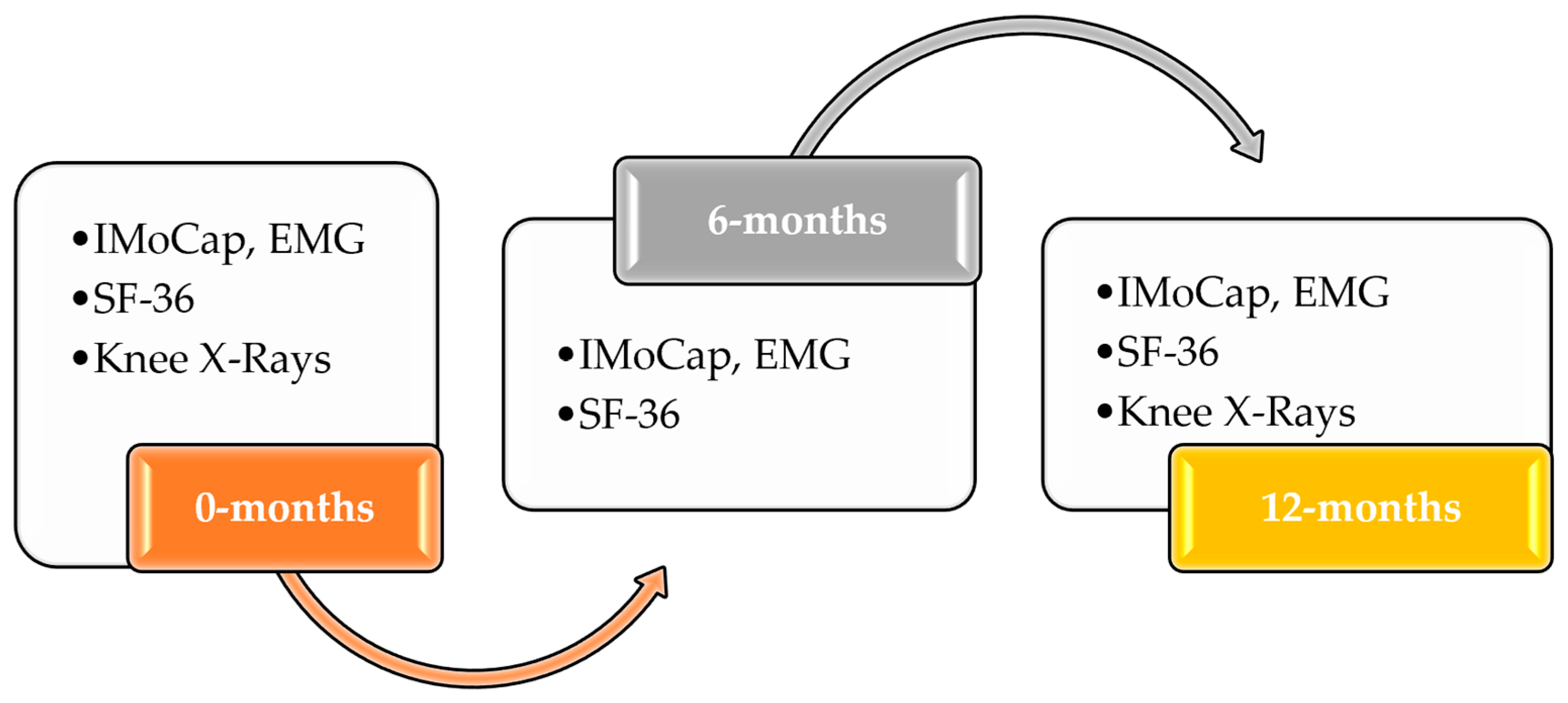
To comprehensively assess the performance of the MUP device over a one-year period, this study implemented a prospective design, enrolling participants fitted with the MUP. Evaluations were conducted at three predetermined time points: baseline (0 months, immediately following fitting), 6 months, and 12 months (Figure 1). Each assessment included both inertial motion capture (IMoCap), surface electromyography (EMG) and a quality-of-life (QoL) survey (Medical Outcomes Study Short Form-36, SF-36). Additionally, bilateral frontal-plane radiographic knee images (X-rays) were acquired at baseline and 12 months to detect the presence of knee osteoarthritis, as part of a regular check-up recommended by the local hospital; X-rays were omitted at 6 months to minimize radiation exposure. Participants were encouraged to wear the MUP for a minimum of 10 h daily and self-report usage throughout the study period. This methodological approach was structured to validate the MUP’s performance in a real-world setting while establishing a robust framework for longitudinal gait adaptation and quality-of-life outcome assessment of the device.

2.3. Design of Transtibial MUPs

The Mercer Universal Prosthesis (MUP) represents an innovative modular lower-limb prosthetic system designed to enhance accessibility and functionality, particularly in resource-limited settings [11]. The incorporation of a default “neutral alignment” in the MUP which is characterized by zero degrees of anterior or lateral socket tilt in both sagittal and frontal planes, represents a key innovation for cost reduction in prosthetic fitting and ongoing service [10,11]. Unlike conventional prostheses, which typically require iterative bench, static, and dynamic alignment adjustments (often starting from +5° socket flexion and adduction) to optimize individual gait and comfort, the MUP’s standardized neutral alignment eliminates the need for extensive tuning of the dynamic alignment [19,20]. This simplification streamlines the fitting process, reduces reliance on highly skilled prosthetists, minimizes follow-up visits for realignment, and lowers overall service expenses, particularly in resource-limited environments.
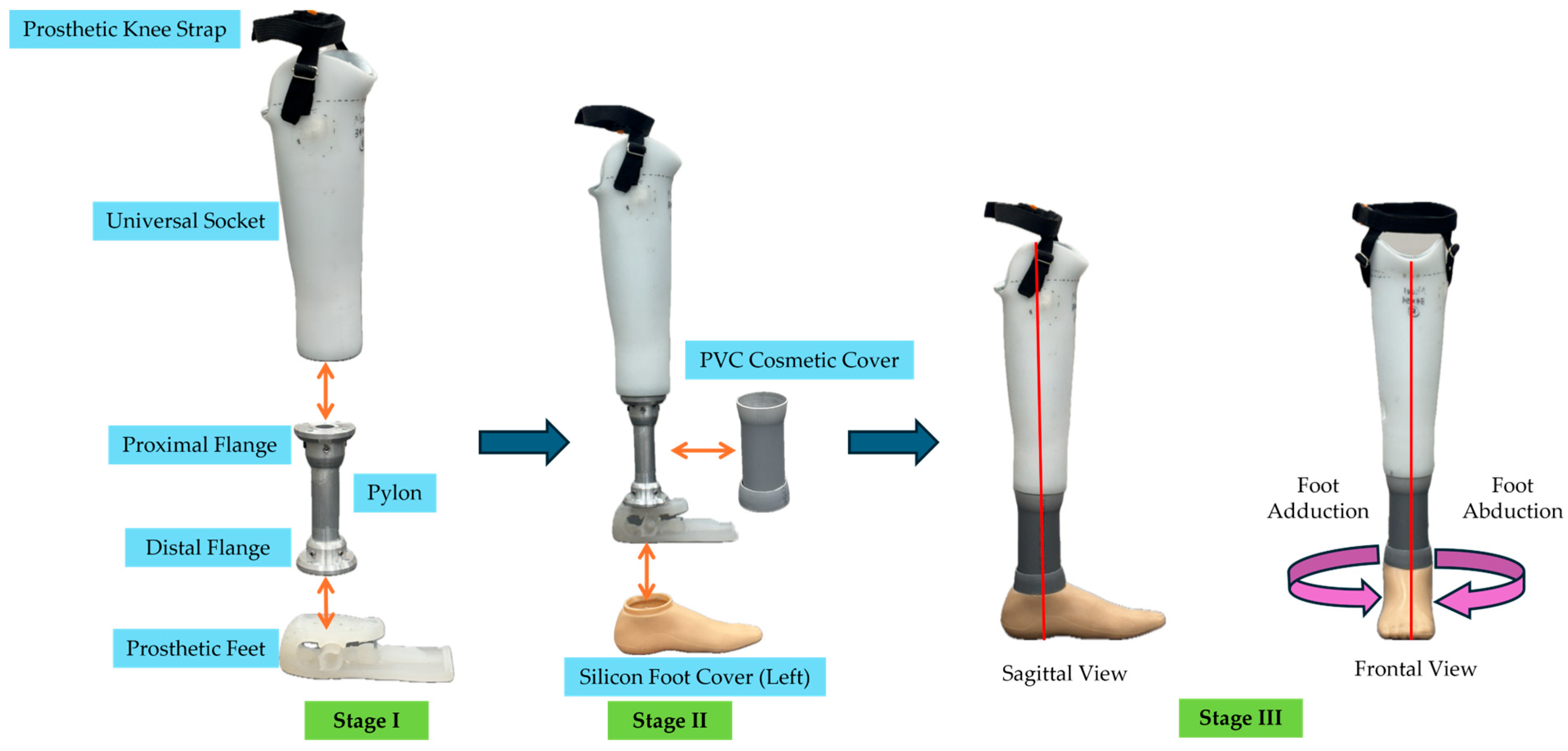
The MUP assembly process progresses in three distinct stages (Figure 2): Stage I integrates core structural components, including the universal socket with prosthetic knee strap suspension, proximal and distal flanges, pylon for structural support, and prosthetic foot; Stage II adds cosmetic enhancements, including a PVC cover over the pylon and a silicone foot cover for natural appearance and tactile realism; and Stage III yields a fully aligned prosthesis with improved cosmetic appearance and sealing of the distal end for water resistance. This cost-effective, lightweight design prioritizes modularity, durability, and aesthetic integration, offering a viable alternative to custom conventional prostheses for transtibial amputations while promoting equitable prosthetic rehabilitation [10,11,12].

2.4. Clinical Gait Analysis

Gait analysis and surface electromyography (EMG) were conducted using the Noraxon Ultium™ Portable Lab system (Noraxon Inc., Scottsdale, AZ, USA) to evaluate kinematic and muscular activity outcomes. At each time point (Figure 1), participants were instructed to walk at a self-selected pace along a 15 m walkway, with inertial motion capture (IMoCap) kinematics and surface EMG data collected bilaterally on the lower extremities.
The Noraxon UltiumTM Inertial Measurement Unit (IMU) system, integrated within the Portable Lab, utilized eight sensors strategically positioned on the lower thorax, pelvis, bilateral thighs, shanks, and feet to stream 3D gait data at a sampling rate of 200 Hz. Prior to recording, an advanced walking calibration protocol, embedded in MyoResearch 3.20 software, employed accelerometer-based techniques to adjust course alignments and scale the IMU-based body model according to each participant’s height, ensuring accurate kinematic representation. To mitigate sensor drift, an onboard signal processing algorithm incorporating a Kalman filter was applied in real time to remove low-frequency drift, stabilize course angles, and optimize IMU-derived data. Joint angles were calculated in accordance with the International Society of Biomechanics (ISB) guidelines [21]. The Noraxon IMU system’s validity for measuring joint kinematics with able-bodied-walking gait has been established in prior studies, demonstrating sagittal plane joint angles comparable to optical motion capture (OMC), with hip flexion/extension differences within 5–10°, knee flexion/extension 3–7° and ankle dorsiflexion/plantarflexion 5–12°, affirming its reliability for this investigation [21,22,23].
Concurrently, surface electromyography (EMG) was integrated into the Noraxon Ultium™ Portable Lab to assess muscle activation patterns (2000 Hz). Electrodes were placed bilaterally on the biceps femoris and rectus femoris muscles of both the intact and prosthetic limbs, with additional electrodes positioned on the tibialis anterior and lateral gastrocnemius muscles of the sound limb, following SENIAM (Surface Electromyography for the Non-Invasive Assessment of Muscles) electrode placement guidelines [24]. Recognizing the challenges in establishing maximum voluntary contraction (MVC) measurements for each participant, particularly given the prosthetic limb’s limitations, this study opted to collect EMG data without MVC normalization [25,26].

2.5. Quality-of-Life Outcome Assessment

Amputees’ QoL was assessed using the SF-36 form [27], which consists of 36 items that assess 8 health domains: physical functioning (limitations in physical activities like walking or climbing stairs), role limitations due to physical health (impact on work or daily activities), role limitations due to emotional problems (effect on social or work roles), energy/fatigue (vitality), emotional well-being (mental health), social functioning (interference with social activities), bodily pain (intensity and impact), and general health perceptions [27]. The last health domain was used to assess the overall health change. Responses are scored on a 0–100 scale, where higher scores reflect better health status. The SF-36 also generates two summary measures: the Physical Component Summary (PCS) and the Mental Component Summary (MCS), which aggregate the physical and mental health domains, respectively. In low-income settings like Vietnam, the SF-36’s simplicity and low cost make it a practical choice for longitudinal studies, enabling the evaluation of cost-effective devices like the MUP in improving QoL. By tracking changes over 12 months, it can assess whether kinematic improvements (e.g., greater hip/knee ROM) translate to sustained QoL gains, informing healthcare strategies in resource-limited regions. Longitudinal SF-36 assessment enables evaluation of time-dependent changes in QoL and supports distinction between short-term post-fitting effects and longer-term functional outcomes. Thus, the SF-36 provides a robust, standardized framework to evaluate the holistic impact of prosthetic interventions on amputee QoL, bridging physical rehabilitation and psychosocial outcomes.

2.6. Radiographic Joint Health Assessment

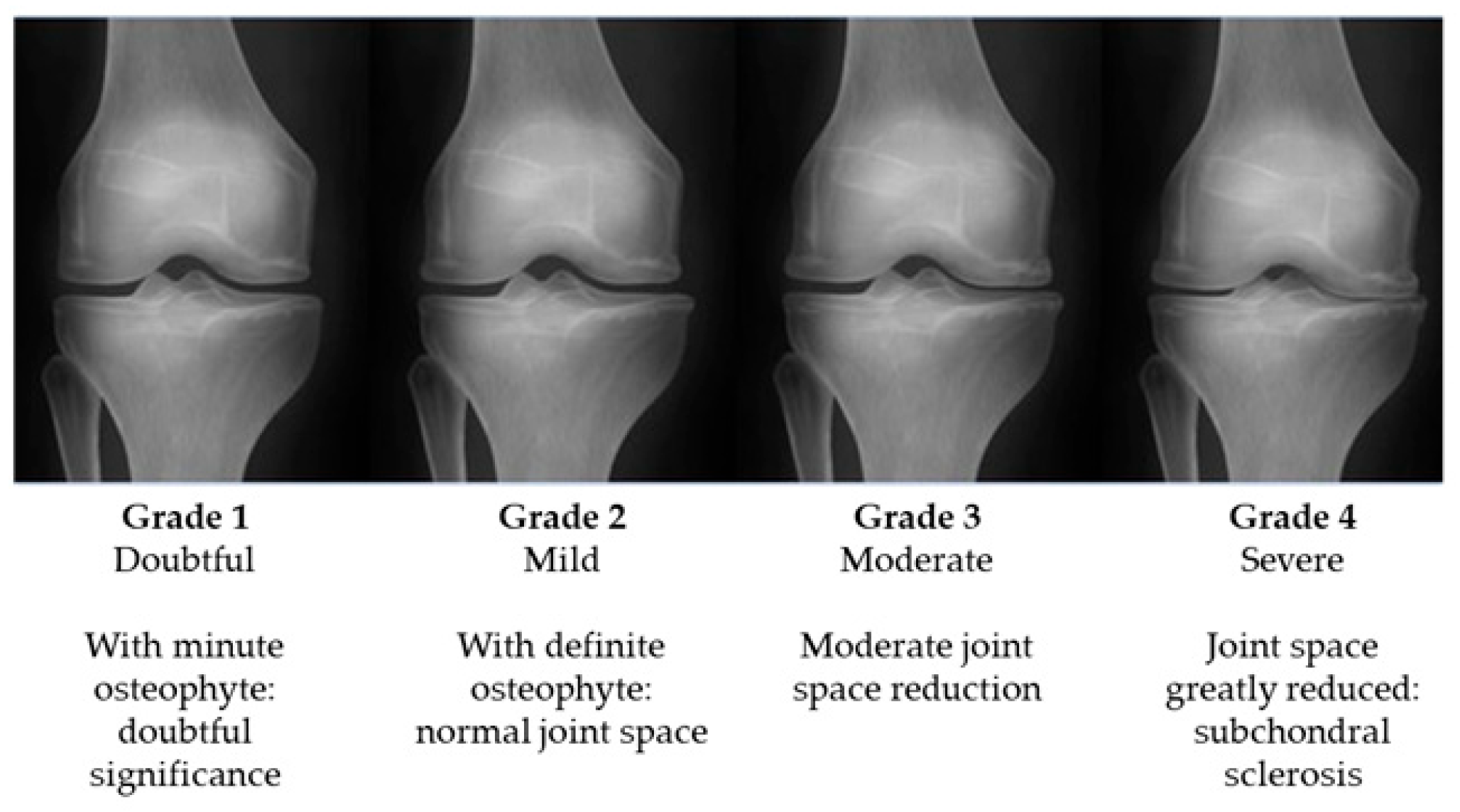
Medical imaging of the knee joint was performed to evaluate changes in amputees’ joint health as part of this longitudinal study, conducted at two time points: baseline (0 months) and 12 months post-fitting. Imaging was carried out using standard X-ray radiography, with anteroposterior (AP) and lateral views obtained for both the intact and prosthetic-side knees. Participants were positioned with the knee fully extended in the AP view to ensure consistent imaging, using a standardized protocol at the local hospital in Vietnam. All X-ray images were independently scored and evaluated by a certified radiologist and a trained orthopedic surgeon, blinded to the time point of each image to minimize bias in the process of evaluating joint space narrowing, osteophyte formation, subchondral sclerosis, and other signs of osteoarthritis or degeneration. Quantitative measurements of joint space width were recorded, and qualitative findings were scored using the Kellgren–Lawrence (KL) grading scale (see Figure 3) [28]; discrepancies between evaluators were resolved through consensus.

2.7. Data Processing

Kinematic data from subjects were processed by MATLAB (R2022a, MathWorks, Natick, MA, USA). Data were segmented into strides (heel-strike to heel-strike) based on automated gait event detection via shank angular acceleration signals [29,30], then time-normalized (0–100%) for each stride using cubic spline interpolation. For each stride, the local maximum (Max), minimum (Min), and range of motion (ROM) (degrees) for the sagittal joint angles (i.e., hip flexion/extension, knee flexion/extension and ankle plantarflexion/dorsiflexion) were computed. These kinematic outcome measures were averaged across all strides (approximately 10–20 strides per leg, per trial) for each subject, separately for intact and prosthetic limbs. Based on the heel marker positions estimated by the IMU foot sensors, spatial–temporal outcome measures were also computed, including gait speed (m/s), cadence (step/min), stance and swing duration (s), stride length (m), and step length (m).
EMG signal processing was performed using MyoResearch 3.20 software, employing a finite impulse response (FIR) bandpass filter (50–350 Hz) to remove noise, followed by smoothing with a root mean square (RMS) method over a 100 ms moving window (~4.4 Hz low-pass envelope) [26,31]. Filtered EMG data were segmented into strides based on the same gait events as kinematic data and time-normalized to 100% gait for each stride. In MATLAB, EMG data were magnitude-normalized using the “dynamic mean normalization” method, where each muscle’s activation was expressed as a percentage (%) of the mean activation across all strides for each testing session [25].
Dynamic mean normalization was selected as an alternative approach for longitudinal field-based data collection to substitute for the absence of MVC. However, this method does not permit direct physiological interpretation of absolute muscle activation amplitudes across sessions. The integral of magnitude-normalized EMG (iEMG) was calculated throughout each stride (0–100% gait), divided by 100 to yield a value between 0% (inactive) and 100% (fully active for the entire stride), then averaged across strides to provide a metric of cumulative muscle effort at each time point [26]. Although not definitive due to uncertainty associated with magnitude normalization, in this study a higher integral was considered to represent elevated muscle effort due to a combination of elevated peak activation and/or duration of activation.

2.8. Statistical Analysis

Statistical analysis was performed using JASP software version 0.95.4.0 [32,33], with a significance threshold (α) of 0.05. Repeated measures ANOVAs with 2 factors (Limb × Time), with subject as a random variable, were used to determine limb effects (intact, prosthetic) and time effects (0 months, 6 months, and 12 months) on temporal/spatial, sagittal kinematic, and EMG measures within the TTA population. When significant Limb (2 levels) × Time (3 levels) interactions were detected, pairwise post hoc analyses were conducted using a Bonferroni–Holm [34] correction for multiple comparisons.
To test the hypothesis of gait symmetry of the TTA wearing MUPs, all kinematic (Max, Min, ROM) and temporal spatial gait parameters were normalized using a gait symmetry index (GSI) [34,35]. Paired t-tests were used to compare the GSI of the temporal–spatial and kinematic data between subjects’ intact and prosthetic limbs. The GSI score was calculated using the equation below
G S I = ( X p r o s t h e t i c X i n t a c t 0.5 ( X p r o s t h e t i c + X i n t a c t ) ) × 100 %
where
  • XProsthetic is the value of the gait parameter for the prosthetic limb.
  • Xintact is the value of the gait parameter for the intact limb.
The GSI score was used to quantify similarity of movements between limbs, where
  • GSI = 0% indicates perfect symmetry (i.e., no difference between prosthetic and intact limbs).
  • GSI > 0% indicates asymmetry, where X p r o s t h e t i c > X i n t a c t .
  • GSI < 0% indicates asymmetry, where X p r o s t h e t i c < X i n t a c t .
Scores from each scale of the physical and mental components of the QoL assessment (SF-36 survey) were averaged for each subject, yielding summary scores for physical, mental, and final health outcomes at each time point. Repeated measures ANOVAs were used to test for changes over time. Pairwise post hoc analyses were conducted using a Bonferroni–Holm correction for multiple comparisons. Given the exploratory nature of this longitudinal investigation and the relatively small sample size, statistical findings should be interpreted cautiously, particularly for secondary outcome measures involving multiple comparisons.
Radiographic knee joint evaluations were compared between baseline and 12 months using the Wilcoxon signed-rank test, as the data were not normally distributed (Shapiro–Wilk test, p < 0.05). To evaluate changes over the 12-month study, both KL grades between intact and prosthetic limbs were grouped by baseline and 12 months.

3. Results

3.1. Demographics

Across three designated time points, 0 months, 6 months, and 12 months, 20 selected participants completed both gait analysis (IMoCap) and quality-of-life assessment (QoL). Surface electromyography (EMG) was evaluated only for 13 of the 20 subjects due to battery life constraints of the EMG sensors (including 12 males and 1 female). Joint health was assessed in 19/20 subjects through medical imaging (X-rays) conducted at 0 and 12 months (see Table A1: Summary of demographic and methodological assessment for the participants within 1-year study). One female subject underwent a residual stump revision prior to the 12-month data collection, rendering X-ray imaging infeasible for that time point; this participant’s X-ray data was also removed from the baseline dataset.

3.2. Kinematics and Temporal/Spatial

Regarding the main effect of the limb (prosthetic vs. intact), statistically significant differences were observed between the prosthetic and intact limbs across all kinematic variables and temporal–spatial parameters (p < 0.001) at all three assessment periods (0, 6, and 12 months). This finding underscores the presence of kinematic asymmetry between the prosthetic and intact limbs in this population of transtibial amputees.
Regarding the time factor, significant changes were observed in several kinematic parameters such as ankle plantarflexion, hip flexion, knee flexion, hip ROM, knee ROM, and ankle ROM (p <0.05) (see Table 1). Temporal parameters also exhibited significant differences over time, with stance time decreased (p = 0.005) and swing time increased (p = 0.002) in the prosthetic limb (see Table 2). These significant changes helped to improve the symmetry between the prosthetic and intact limbs in MUP users over the 1-year study.
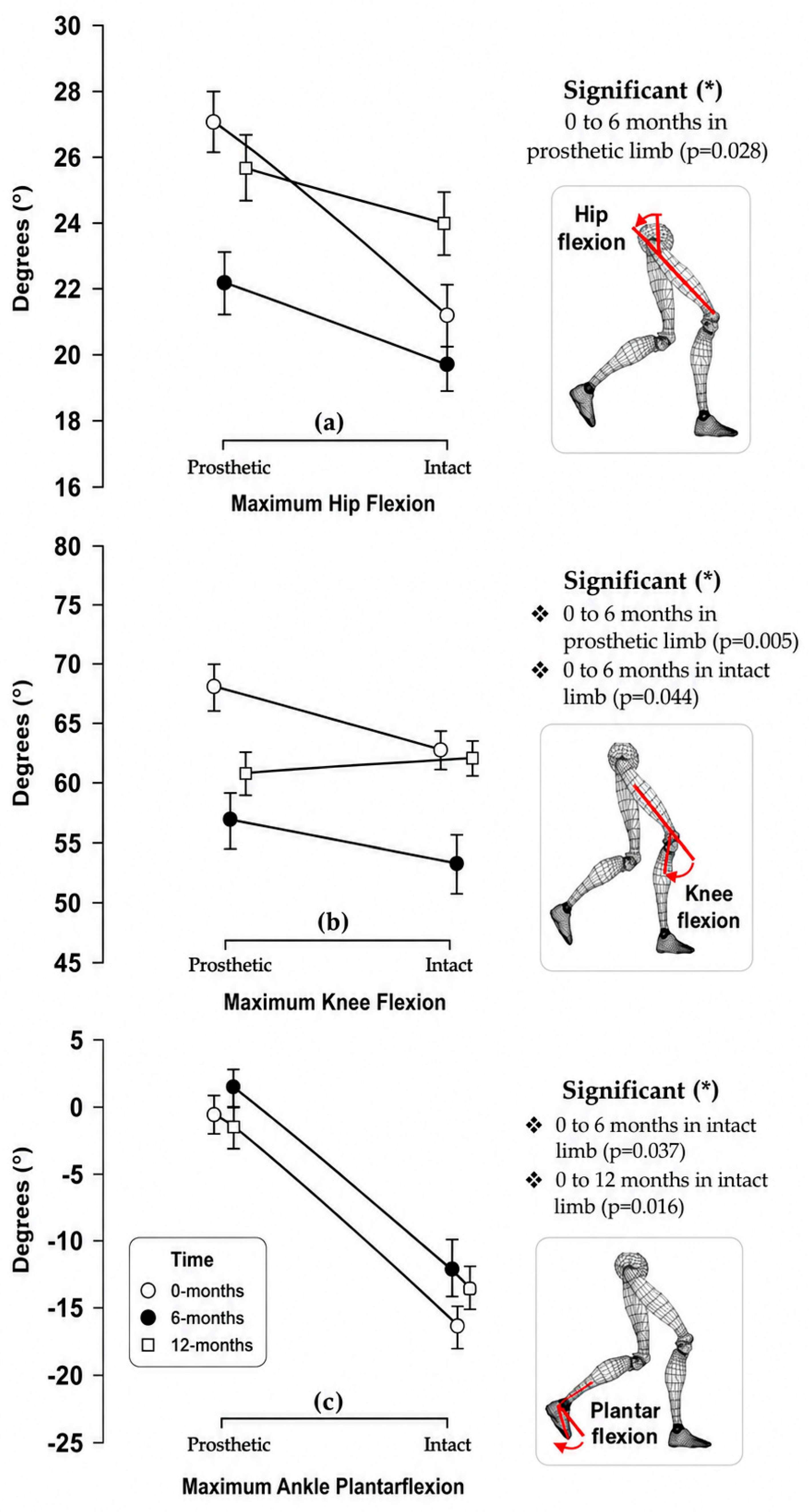
Post hoc analyses identified limb × time changes primarily between baseline and 6 months, including hip flexion, knee flexion and ankle plantarflexion (Figure 4). The most pronounced effect was observed in maximum knee flexion, with a significant reduction in the prosthetic limb from 0 to 6 months (−11°, p = 0.005) and a smaller but significant reduction in the intact limb (−9°, p = 0.044) (Table 3). Hip flexion showed a modest overall reduction from 0 to 6 months (−3°, p = 0.037) (Table 3). Ankle plantarflexion demonstrated significant increases over time, with a notable intact limb increase from 0 to 6 months (+6°, p = 0.037) and sustained gains at 12 months (+6°, p = 0.016) (see Table 3).
In addition, knee flexion increased significantly in the intact limb (+6°, p = 0.031), while prosthetic-side knee angles did not show significant difference from 6 to 12 months. Knee ROM decreased significantly from 0 to 6 months (−10°, p < 0.001) and remained lower at 12 months compared with the baseline (−4°, p = 0.037) (Table 3). Hip and ankle ROM changes were smaller and largely non-significant, although intact-limb hip ROM increased modestly from 6 to 12 months (+1°, p = 0.045) (Table 3).

3.3. Gait Symmetry Index (GSI)

A one-factor (time) repeated measures ANOVA revealed no statistically significant changes in kinematic GSI scores across the three time points (0, 6, and 12 months). The largest GSI, indicating the largest asymmetry, was seen at ankle dorsiflexion and ankle plantarflexion because of the prosthetic foot. Qualitatively, GSI calculated based on range of motion (ROM) for the hip and knee joints trended toward improved symmetry between the prosthetic and intact limbs (GSI closer to 0); however, these changes did not reach statistical significance (Table 4).
Similarly, most temporal–spatial gait parameters showed no significant differences in GSI scores across the one-year period. An exception was stride-length, which demonstrated a significant main effect of time (p < 0.01) (see Table 5). Post hoc analysis further elucidated that stride length GSI scores significantly differed between 0 and 6 months (p < 0.001) and between 6 and 12 months (p < 0.001), though no significant difference was observed between 0 and 12 months (p = 0.146). These findings suggest that while kinematic symmetry remained relatively stable, specific temporal–spatial adaptations, particularly in stride length, occurred over the course of the study.

3.4. iEMG (Integral EMG) Muscle Effort

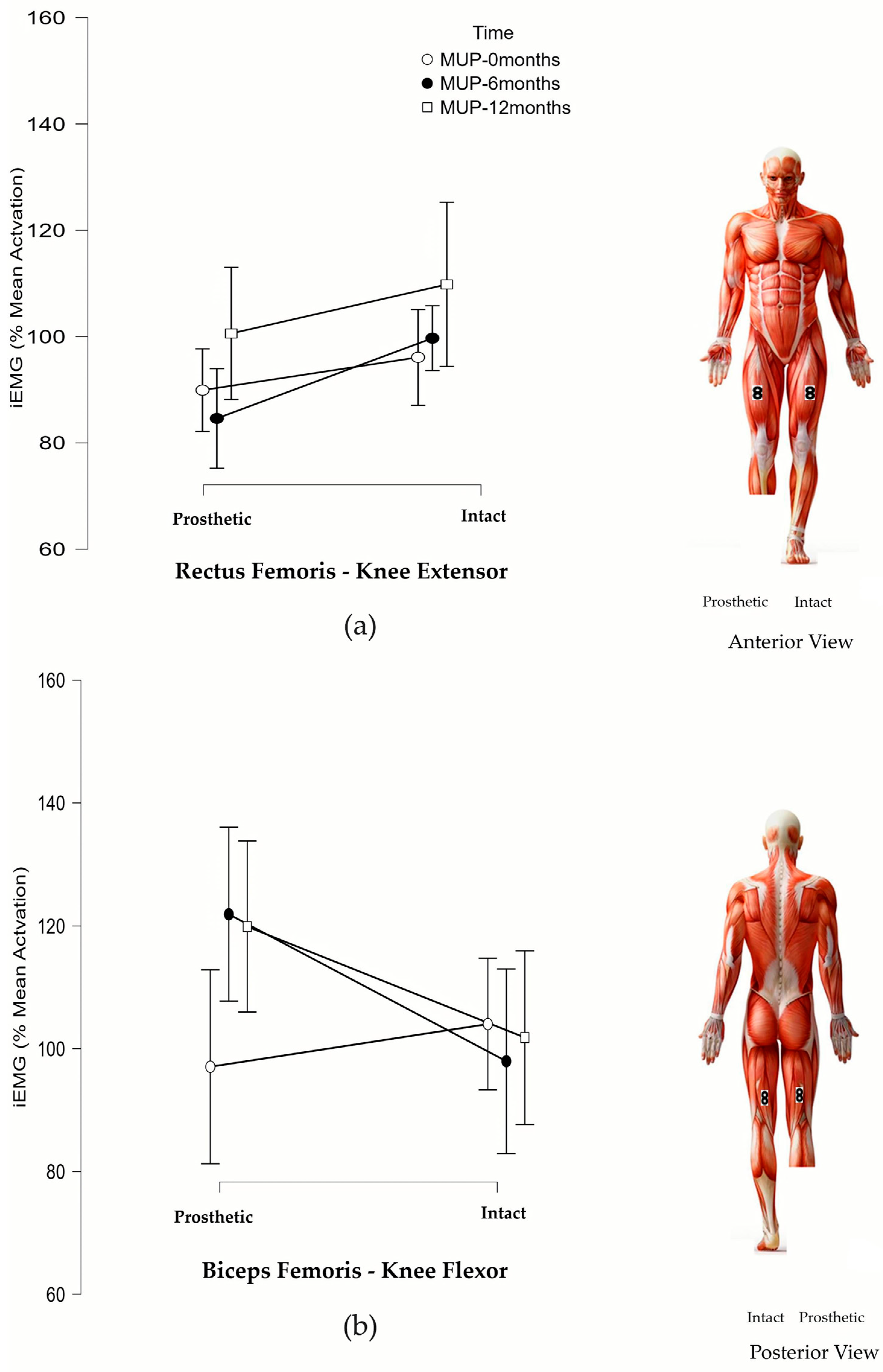
The gait-cycle integral of mean-normalized surface electromyography (iEMG) was utilized to quantify muscle effort, reflecting the total muscle effort during ambulation with the MUP prosthetic device at each time point (0, 6, and 12 months). A two-factor (limb × time) repeated measures ANOVA assessed knee extensor (rectus femoris) and knee flexor (biceps femoris) effort (see Figure 5). Overall, no significant changes were detected in EMG for knee flexors and extensors (see Table 6). Qualitatively, rectus femoris showed a larger integral in the intact limb, while biceps femoris initially (0 months) showed lesser prosthetic limb iEMG, which was subsequently elevated at 6 and 12 months.
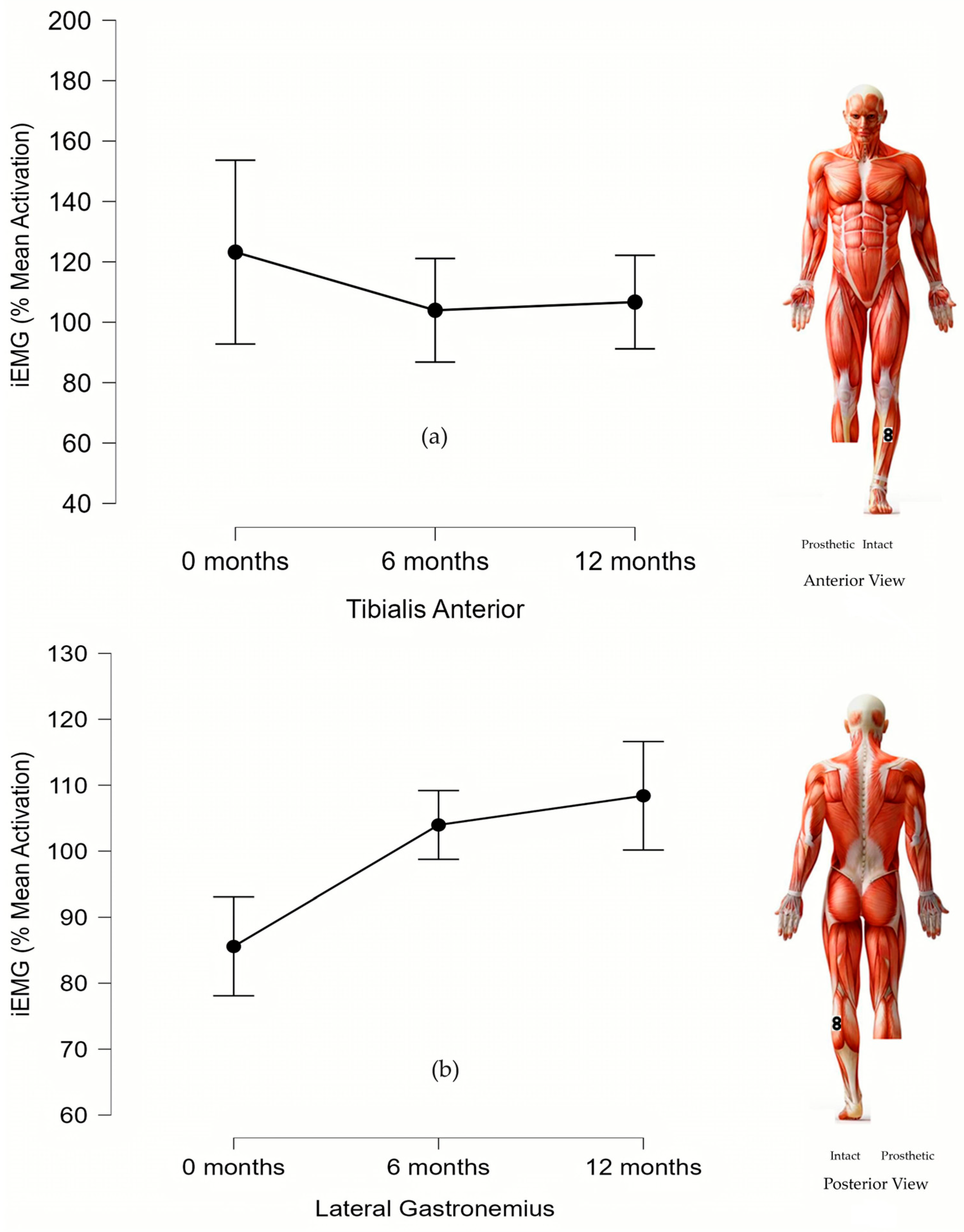
Separately, a one-factor (time) repeated measures ANOVA evaluated intact ankle plantarflexor (lateral gastrocnemius) and dorsiflexor (tibialis anterior) iEMG, showing no significant changes over time (lateral gastrocnemius, p = 0.170; tibialis anterior, p = 0.673) (see Table 7 and Figure 6). These findings suggest that longitudinal changes in the muscle effort are minimal, potentially reflecting stable biomechanical adaptation to the MUP.

3.5. Quality of Life (QoL)

Within the physical component summary (PCS), statistically significant enhancements were observed in three key domains: role limitations due to physical health (p < 0.001), bodily pain (p = 0.005), and general health (p < 0.001) (see Table 8). Physical functioning also trended toward improvement over time, reflecting enhanced mobility and independence; however, this change did not approach statistical significance (p = 0.686). In the mental component summary (MCS), significant improvements were noted in social functioning (p = 0.002), role limitations due to emotional problems (p = 0.003), and emotional well-being (p < 0.001), underscoring the positive psychological impact of prosthetic use on social engagement, emotional resilience, and overall mental health. In contrast, there was change detected in the energy/fatigue scale (p = 0.211). The overall health change score, which is a measure of perceived overall health improvement, demonstrated a robust and statistically significant increase over the year (p < 0.001), reflecting a strong subjective sense of progress among amputees and highlighting the MUP’s role in enhancing amputees’ QoL outcomes.

3.6. Joint Health Assessment

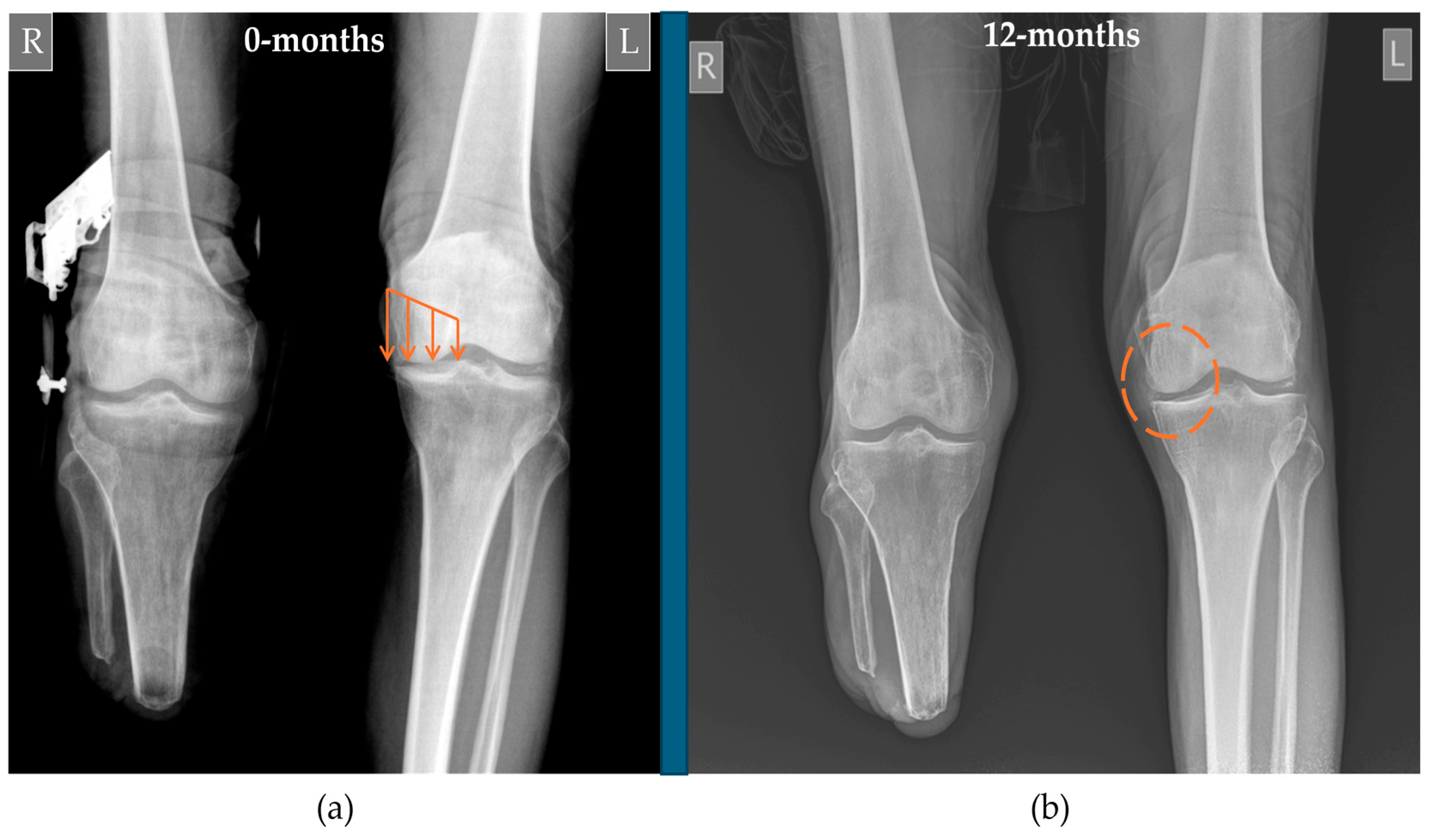
At baseline (at 0 months), 90% of participants exhibited doubtful (KL grade 1) or mild (KL grade 2) osteoarthritis (OA), while 10% showed moderate joint space reduction (KL grade 3) (for details see Table A2: Result of Kellgren–Lawrence (KL) grading to evaluate the knee OA among the MUP’s prosthetic users at 0 and 12 months, an example of noticeable in in KL grade is shown in the Figure 7 below). Over the study period, slight positive results in joint health (reduced KL scores) were observed in 26% of intact limbs, 21% of prosthetic limbs, and 5% of both limbs. Wilcoxon signed-rank tests indicated a statistically significant reduction in radiographic OA progression (KL scores) for both intact (p = 0.037) and prosthetic (p = 0.037) limbs, although no knee changed grade by more than one KL level. However, 48% of participants displayed no change in KL scores for either limb (Table 9), suggesting that joint health remained largely stable over 1-year study among most MUP users.

4. Discussion

The Mercer Universal Prosthesis (MUP) was developed with a universal socket and standardized “neutral” alignment concept to simplify the transtibial fitting process, reduce the required training for prosthetic fitters, and lower the overall cost of prosthetic services. The present longitudinal study evaluated the MUP’s long-term biomechanical and functional performance in transtibial amputees over a one-year period of continuous device use. By assessing gait kinematics, muscle effort, quality of life (QoL), and radiographic joint health, the study sought to determine the biomechanical and functional outcomes of the MUP in an extended period of use (1-year). Results from this study not only support the functional outcomes of the MUPs, but also support its cost-effectiveness and accessibility in the low- and middle-income countries (LMICs) context, specifically in Vietnam. In general, results showed little-to-no change in gait symmetry index, which partially refuted the hypothesis that MUP users would exhibit progressive improvements in gait symmetry over the duration of the study. Small but positive changes, however, were observed across kinematic, temporal/spatial, overall QoL, and radiographic joint health measures across both intact and prosthetic limbs.
Demographic analysis revealed that over 95% of study participants were Vietnamese males, with the majority being agriculture laborers. Landmine explosions were identified as the primary cause of amputation among this population. Most participants demonstrated a high functional mobility level (K3–K4) (see Table A1: Summary of demographic and methodological assessment for the participants within 1-year study), as they were predominantly farmers who required active ambulation for their daily agricultural labor. This active lifestyle made them well-suited for evaluating the MUP device under realistic and physically demanding conditions. The participants’ background and activity levels underscore the relevance of assessing MUP performance in a population representative of rural amputees in low-resource settings. As a result, all participants complied with study requirements, and they reported using the MUP device for a minimum of 10 h per day throughout the study.
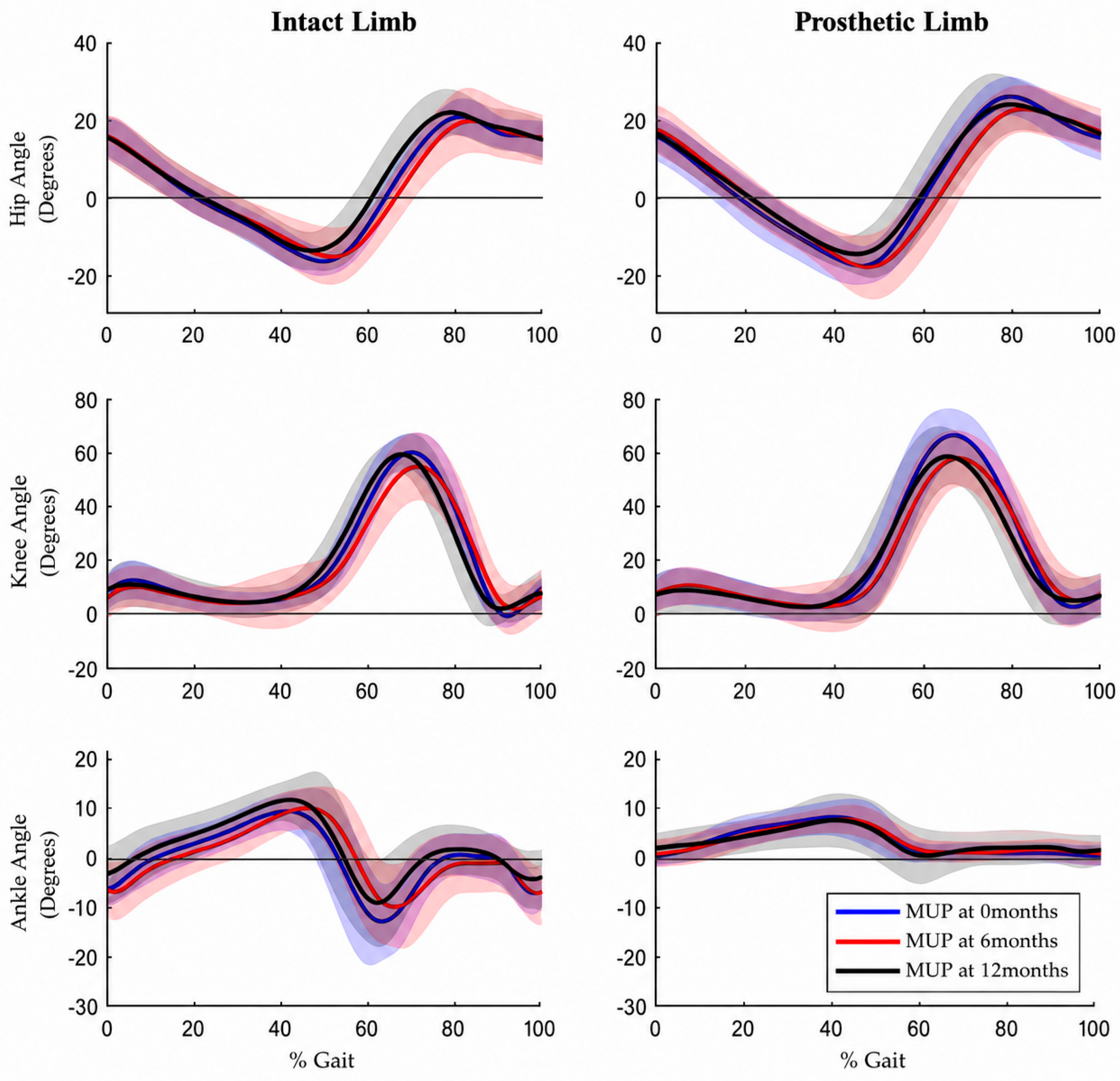
The sagittal plane kinematics of MUP users demonstrated notable changes in kinematics over time, particularly at the 6-month follow-up. Reductions in hip and knee flexion contributed to a decreased overall range of motion (ROM) during gait at 6 months post-fitting (see Figure 8). These mid-term changes may reflect seasonal variations in activity. The 6-month data collection took place in December 2023, coinciding with Vietnam’s agricultural off-season, during which participants, most of whom are farmers, experience lower physical activity levels. This seasonal decline may possibly explain the observed reductions in joint mobility, stride length, and walking speed [36]. These findings align with prior work by Nolan et al. (2003), who reported that decreased activity in amputees could lead to reductions in stride length and gait speed by 10–15% [36]. By 12 months, most joint angles that had decreased at 6 months (hip and knee flexion) returned to baseline levels in both limbs, although these improvements were not statistically significant.
Overall, the most pronounced kinematic adaptation occurred in the prosthetic-limb knee joint, likely due to its role in compensatory strategies. However, gait symmetry index (GSI) scores were largely unchanged over the one-year period, suggesting maintained symmetry between limbs (see Table 4). Importantly, most of the changes in sagittal joint angles were less than 5–10°, which is within the limits of reliability of the IMU technology in measuring kinematics [21,22]. Therefore, it is important to acknowledge that these observed kinematic changes might be the products of the measurement error within the IMU system.
Muscle effort analysis (using iEMG approach) was successfully completed on 13 out of 20 participants (see Table A1: Summary of demographic and methodological assessment for the participants within 1-year study). Over the 1-year period, gradual changes in muscle recruitment patterns were observed between the prosthetic and intact limbs, although these trends did not reach statistical significance. At baseline (0 months), both the rectus femoris (knee main extensor) and biceps femoris long head (knee main flexor) showed 6–7% higher activation in the intact limb compared to the prosthetic limb, indicating prolonged muscle activation in intact limb use soon after fitting with the MUP device (see Table 6), consistent with early compensatory strategies in which the intact limb often takes more load, and prosthetic-side knee muscles are less engaged initially, commonly reported in transtibial amputees shortly after prosthetic fitting [37]. By 12 months, activation in the prosthetic limb increased (knee flexors: +19%; knee extensors: +11%), reducing the between-limb difference to 4–5% (see Figure 5). This trend toward more symmetrical knee muscle activation aligns with longitudinal studies of conventional prostheses in the transtibial amputees, where gradual reductions in asymmetry are typically observed [38,39].
In the ankle muscles, the intact limb showed a 13% decrease in tibialis anterior activation and a 21% increase in lateral gastrocnemius activation by 12 months (see Table 7), suggesting mild compensatory adjustments to support for missing ankle dorsiflexor/plantarflexor muscles in the prosthetic limb that are also frequently described in the literature for the sound limb in unilateral transtibial amputees [40]. The increased muscle effort in the prosthetic limb’s knee extensors and flexors over time supports the potential benefit of the lightweight MUP design in promoting greater muscle engagement on the prosthetic side. It is unfortunate that complete iEMG data were available for only 13 participants, limiting the strength of these observations; future studies should prioritize larger samples and longer-term EMG follow-up. This longitudinal study acknowledges that the EMG analysis method did not include normalization to maximum voluntary contraction (MVC) values. Therefore, the EMG findings should be interpreted primarily as descriptive indicators of longitudinal activation patterns rather than definitive measures of physiological muscle effort. Although relative iEMG (% mean activation) showed consistent patterns across trials and time points, this approach may not fully capture absolute muscle effort. Nevertheless, the observed trends are broadly consistent with previously reported patterns in transtibial amputees using passive prostheses [38,39].
The SF-36 quality-of-life (QoL) assessments indicated a positive trend across both physical and mental health domains over the one-year follow-up. Although no statistically significant changes were observed in the physical function and energy/fatigue subscales from 0 to 12 months, limiting conclusive claims about physical or mental improvements, a notable finding emerged in the health change subscale. Specifically, the health change score, which reflected participants’ perceived overall health improvement, showed a statistically significant increase over the study period (p < 0.001) (see Table 8). By 12 months, the average health change score reached 52.38%, suggesting that participants perceived a moderate improvement in their overall health status. This finding implies that despite limited statistical changes in specific physical function metrics, participants were able to maintain daily physical activities and labor tasks using the MUPs, which may have contributed to a sustained or improved sense of well-being. Participants’ ability to maintain income-generating activities, particularly in agricultural settings, supports the functional utility of the MUP in real-world, physically demanding environments. Because this study did not include a longitudinal control group using conventional prostheses, the observed biomechanical and quality-of-life changes cannot be exclusively attributed to the MUP device. Factors including natural prosthetic adaptation, variability in physical activity, occupational demands, and rehabilitation exposure may also have contributed to the longitudinal outcomes observed in this study.
Assessment of knee joint mechanics using the Kellgren–Lawrence (KL) for Knee Osteoarthritis (KL score) revealed a significant change for both prosthetic and intact limbs from 0 to 12 months (p < 0.05) (see Table 9). However, it is important to note that X-ray imaging was performed at different clinical sites at the initial assessment (at 0 months) and final assessment (at 12 months), which may have introduced variability in setup and imaging quality and affected the interpretation of KL scores [41]. Therefore, caution is warranted when drawing definitive conclusions about joint health based on these imaging results. Even though the KL grade was significantly reduced at 12 months, the KL score only changed by 1 grade level, and the changes occurred between grade 2 and 3 (See Table A2 and Table 9). This is considered a mild change where both grades are similar in OA morphology [28,42]. Thus, the knee radiographic results in this study only suggest that extended use of the MUP device did not contribute to knee joint deterioration over time. Given the known variability of radiographic joint space measurements, the limited sample size, and absence of a control group, the present findings do not support definitive conclusions regarding structural joint improvement or osteoarthritis progression.

5. Limitations

This study has several limitations that should be acknowledged. Most notably, the absence of a control group precludes direct comparison of the effectiveness and quality-of-life outcomes of the MUP with standard custom-made prostheses over the one-year period. Additionally, the absence of a comparator group using conventional prostheses limits causal interpretation of the findings and precludes determination of whether the observed longitudinal outcomes were specific to the MUP device or reflective of general adaptation to prosthetic ambulation over time. Although several SF-36 domains demonstrated statistically significant improvement, the magnitude of change in some subscales was moderate and should be interpreted cautiously due to the limited sample size and multiple outcome testing. Validation and reliability testing of the IMoCap system used in this study should be performed to confirm that the observed significant kinematic changes within 1 year represent true effects from gait adjustment using the prosthetic device. Furthermore, standardization of data collection protocols, particularly for surface electromyography (EMG) and medical imaging (e.g., radiographs), will be critical to strengthen the reliability and reproducibility of biomechanical and functional outcome measures in future investigations.

6. Conclusions and Suggestions

Over the 12-month assessment period, users of the Mercer Universal Prosthesis (MUP) demonstrated measurable, but well-tolerated, changes in gait. All participants complied with the study’s requirement to ambulate for at least 10 h daily using the MUP device throughout the study period. Significant alterations in hip, knee and ankle joint flexion angles were observed at 6 months following the initial fitting, likely due to the seasonal agricultural break that led to reduced physical activity; therefore, this imposed a significant reduction in hip, knee and ankle flexion angles. By the 12-month follow-up, gait parameters had returned to baseline levels, and gait symmetry was maintained. EMG activation patterns remained consistent over 1-year of using MUPs, and there was no clear radiographic evidence of accelerated knee joint deterioration over the study period. Continued engagement in physical labor appeared to positively influence participants’ quality of life. Overall, the MUP, featuring a “neutral” socket alignment, proved functional and sustained biomechanical performance over 1 year. Future studies with larger sample sizes are encouraged to further validate these findings.

7. Patents

Mercer Universal Prostheses-US patent number: US20110320010A1 and US8870968B2.

Author Contributions

Conceptualization, H.V.V., S.C.E.B. and T.T.L.; methodology, T.T.L. and S.C.E.B.; software, T.T.L. and S.C.E.B.; validation, H.V.V., T.T.L. and S.C.E.B.; formal analysis, S.C.E.B. and T.T.L.; investigation, H.V.V., C.T.M., S.C.E.B. and T.T.L.; resources, H.V.V., C.T.M.; data curation, T.T.L. and S.C.E.B.; writing—original draft preparation, T.T.L.; writing—review and editing, H.V.V., C.T.M., S.C.E.B. and T.T.L.; visualization, T.T.L.; supervision, C.T.M., H.V.V. and S.C.E.B.; project administration, C.T.M. and H.V.V.; funding acquisition, C.T.M. All authors have read and agreed to the published version of the manuscript.

Funding

This research was funded by Office of Mercer On Mission–Prosthetic Program and by the Natural Sciences and Engineering Research Council of Canada (NSERC-DG 2018-04696).

Institutional Review Board Statement

The study was conducted in accordance with the Declaration of Helsinki, and approved by the Institutional Review Board (or Ethics Committee) of Mercer University (H2303062 approved on 28 March 2023) and the Research Ethics Board at the University of Guelph (2304011 approved on 27 April 2023) for studies involving humans.

Informed Consent Statement

Informed consent was obtained from all subjects involved in the study. Written informed consent has been obtained from the patients to publish this paper.

Data Availability Statement

The raw data supporting the conclusions of this article will be made available by the authors on request.

Acknowledgments

This study was sponsored and supported by the Health Department and Association of the Poor in BenTre Province, Vietnam, to approve the fitting of MUP devices for all participants via the MOM program.

Conflicts of Interest

Ha V. Vo is an inventor for US Patents: US20110320010A1 and US8870968B2. Craig T. McMahan is the director of the Mercer On Mission (MOM) program; Ha. V. Vo is the program director of the MOM-Vietnam Prosthetic program, Trung T. Le is a research assistant at the Mercer Prosthetic Centre. The authors declare no additional conflicts of interest.

Appendix A

Table A1. Summary of demographic and methodological assessment for the participants within 1-year study (☒ indicates missing data).
Prosthesis 08 00069 i001
Table A2. Result of Kellgren–Lawrence (KL) grading to evaluate the knee OA among the MUP’s users at 0 and 12 months.
Prosthesis 08 00069 i002

References

  1. Ghebreyesus, T.A.; Murray, C.J.L. Findings from the Global Burden of Disease Study 2017. Geneva, December 2017. Available online: https://www.healthdata.org/research-analysis/library/findings-global-burden-disease-study-2017 (accessed on 13 May 2025).
  2. Strait, E. Prosthetics in Developing Countries. Prosthet. Resid. 2006, 1, 1–3. [Google Scholar]
  3. Marino, M.; Pattni, S.; Greenberg, M.; Miller, A.; Hocker, E.; Ritter, S.; Mehta, K. Access to prosthetic devices in developing countries: Pathways and challenges. In Proceedings of the 5th IEEE Global Humanitarian Technology Conference, GHTC 2015; Institute of Electrical and Electronics Engineers Inc.: New York, NY, USA, 2015; pp. 45–51. [Google Scholar] [CrossRef]
  4. Arifin, N.; Hasbollah, H.R.; Hanafi, M.H.; Ibrahim, A.H.; Wan Abdul Rahman, W.A.; Che Aziz, R. Provision of prosthetic services following lower limb amputation in Malaysia. Malays. J. Med. Sci. 2017, 24, 106–111. [Google Scholar] [CrossRef] [PubMed]
  5. Condie, E.; Dip Phys, G.; Scott, H.; Treweek, S. Lower Limb Prosthetic Outcome Measures: A Review of the Literature 1995 to 2005. 2006. Available online: http://journals.lww.com/jpojournal (accessed on 20 February 2025).
  6. Rexhaj, B. Patients with Lower Limb Amputation in Vietnam A Quantitative Study on Patients’ Satisfaction with Their Given Prosthetic Device and Service. Jnkping University. 2017. Available online: https://dissertation.com/abstract/2195950 (accessed on 21 January 2026).
  7. Blough, D.K.; Hubbard, S.; McFarland, L.V.; Smith, D.G.; Gambel, J.M.; Reiber, G.E. Prosthetic cost projections for servicemembers with major limb loss from vietnam and OIF/OEF. J. Rehabil. Res. Dev. 2010, 47, 387–402. [Google Scholar] [CrossRef] [PubMed]
  8. Van Brakel, W.H. User satisfaction and use of prostheses in ICRC’S special fund for the disabled project in Vietnam. Asia Pac. Disabil. Rehabil. J. 2010, 21, 70–91. [Google Scholar]
  9. WorldSalaries. (n.d.). Average prosthetist salary in Cambodia. Available online: https://worldsalaries.com/average-prosthetist-salary-in-cambodia/ (accessed on 27 March 2026).
  10. Vo, H.V.; Nguyen, B.N.; Le, T.T.; McMahan, C.T.; O’Brien, E.M.; Kunz, R.K. The novel design of the mercer universal prosthesis. In IFMBE Proceedings; Springer: Berlin/Heidelberg, Germany, 2018; pp. 197–204. [Google Scholar] [CrossRef]
  11. Le, T.T.; McMahan, C.T.; Vo, H.V.; Brandon, S.C.E. Gait Assessment in the Transtibial Mercer Universal Prosthesis Designed with a ‘Neutral Alignment’ Socket. Prosthesis 2025, 7, 31. [Google Scholar] [CrossRef]
  12. Arora, A.A.; Nguyen, B.E.; Le, T.E.; Lian, B.; Webb, L.X.; Vo, H.V. HMSR RESEARCH Clinical Using 2D Gait Motion Analysis to Evaluate the Mercer Universal Prosthetic Device in a Vietnamese Population. Harvard Medical Student Review 2018. Available online: https://static1.squarespace.com/static/57e561738419c29418bd7e3b/t/5bb574df4192025957c71968/1538618611517/Mercer+Universal+Prosthetic.pdf (accessed on 27 March 2026).
  13. Barnett, C.; Vanicek, N.; Polman, R.; Hancock, A.; Brown, B.; Smith, L.; Chetter, I. Kinematic gait adaptations in unilateral transtibial amputees during rehabilitation. Prosthet. Orthot. Int. 2009, 33, 135–147. [Google Scholar] [CrossRef] [PubMed]
  14. Sanderson, D.J.; Martin, P.E. Lower extremity kinematic and kinetic adaptations in unilateral below-knee amputees during walking. Gait Posture 1997, 6, 126–136. [Google Scholar] [CrossRef]
  15. Zhang, X.; Fiedler, G.; Liu, Z. Evaluation of gait variable change over time as transtibial amputees adapt to a new prosthesis foot. BioMed Res. Int. 2019, 2019, 9252368. [Google Scholar] [CrossRef] [PubMed]
  16. Schmalz, T.; Bellmann, M.; Proebsting, E.; Blumentritt, S. Effects of adaptation to a functionally new prosthetic lower-limb component: Results of biomechanical tests immediately after fitting and after 3 months of use. J. Prosthet. Orthot. 2014, 26, 134–143. [Google Scholar] [CrossRef]
  17. DadeMatthews, O.O.; Roper, J.A.; Vazquez, A.; Shannon, D.M.; Sefton, J.E.M. Prosthetic device and service satisfaction, quality of life, and functional performance in lower limb prosthesis clients. Prosthet. Orthot. Int. 2024, 48, 422–430. [Google Scholar] [CrossRef] [PubMed]
  18. Sinha, R.; Van Den Heuvel, W.J.A.; Arokiasamy, P.; Van Dijk, J.P. Influence of adjustments to amputation and artificial limb on quality of life in patients following lower limb amputation. Int. J. Rehabil. Res. 2014, 37, 74–79. [Google Scholar] [CrossRef] [PubMed]
  19. Kobayashi, T.; Orendurff, M.S.; Boone, D.A. Dynamic alignment of transtibial prostheses through visualization of socket reaction moments. Prosthet. Orthot. Int. 2015, 39, 512–516. [Google Scholar] [CrossRef] [PubMed]
  20. Chen, C.W.J.; Heim, W.; Fairley, K.; Clement, R.J.; Biddiss, E.; Torres-Moreno, R.; Andrysek, J. Evaluation of an instrument-assisted dynamic prosthetic alignment technique for individuals with transtibial amputation. Prosthet. Orthot. Int. 2016, 40, 475–483. [Google Scholar] [CrossRef] [PubMed]
  21. Park, S.; Yoon, S. Validity evaluation of an inertial measurement unit (IMU) in gait analysis using statistical parametric mapping (SPM). Sensors 2021, 21, 3667. [Google Scholar] [CrossRef] [PubMed]
  22. Berner, K.; Cockcroft, J.; Morris, L.D.; Louw, Q. Concurrent validity and within-session reliability of gait kinematics measured using an inertial motion capture system with repeated calibration. J. Bodyw. Mov. Ther. 2020, 24, 251–260. [Google Scholar] [CrossRef] [PubMed]
  23. Al-Amri, M.; Nicholas, K.; Button, K.; Sparkes, V.; Sheeran, L.; Davies, J.L. Inertial measurement units for clinical movement analysis: Reliability and concurrent validity. Sensors 2018, 18, 719. [Google Scholar] [CrossRef] [PubMed]
  24. Hermens, H.J.; Freriks, B.; Disselhorst-Klug, C.; Rau, G. Development of recommendations for SEMG sensors and sensor placement procedures. J. Electromyogr. Kinesiol. 2000, 10, 361–374. [Google Scholar] [CrossRef] [PubMed]
  25. Burden, A.M.; Trew, M.; Baltzopoulos, V. Normalisation of gait EMGs: A re-examination. J. Electromyogr. Kinesiol. 2003, 13, 519–532. [Google Scholar] [CrossRef] [PubMed]
  26. Burden, A.; Bartlett, R. Normalisation of EMG amplitude: An evaluation and comparison of old and new methods. Med. Eng. Phys. 1999, 21, 247–257. [Google Scholar] [CrossRef] [PubMed]
  27. Hisam, A.; Ashraf, F.; Rana, M.N.; Waqar, Y.; Karim, S.; Irfan, F. Health Related Quality of Life in Patients with Single Lower Limb Amputation. J. Coll. Physicians Surg. Pak. 2016, 26, 851–854. [Google Scholar] [PubMed]
  28. Antony, J.; McGuinness, K.; Connor, N.E.O.; Moran, K. Quantifying Radiographic Knee Osteoarthritis Severity using Deep Convolutional Neural Networks. arXiv 2016, arXiv:1609.02469. [Google Scholar]
  29. Aftab, Z. Validity of Dual-Minima Algorithm for Heel-Strike and Toe-Off Prediction for the Amputee Population. Prosthesis 2022, 4, 224–233. [Google Scholar] [CrossRef]
  30. Aftab, Z.; Shad, R. Estimation of gait parameters using leg velocity for amputee population. PLoS ONE 2022, 17, e0266726. [Google Scholar] [CrossRef] [PubMed]
  31. Clancy, E.A.; Morin, E.L.; Hajian, G.; Merletti, R.; Tutorial. Surface electromyogram (sEMG) amplitude estimation: Best practices. J. Electromyogr. Kinesiol. 2023, 72, 102807. [Google Scholar] [CrossRef] [PubMed]
  32. Goss-Sampson, M.A. Statistical Analysis in JASP: A Guide for Students, 6th ed.; University of Greenwich: London, UK, 2024; Available online: https://jasp-stats.org/wp-content/uploads/2024/06/Statistical-Analysis-in-JASP-2024.pdf (accessed on 25 May 2026).
  33. Love, J.; Selker, R.; Marsman, M.; Jamil, T.; Dropmann, D.; Verhagen, J.; Ly, A.; Gronau, Q.F.; Smíra, M.; Epskamp, S.; et al. JASP: Graphical statistical software for common statistical designs. J. Stat. Softw. 2019, 88, 1–17. [Google Scholar] [CrossRef]
  34. Rábago, C.A.; Whitehead, J.A.; Wilken, J.M. Evaluation of a powered ankle-foot prosthesis during slope ascent gait. PLoS ONE 2016, 11, e0166815. [Google Scholar] [CrossRef] [PubMed]
  35. HERZOG, W.; NIGG, B.M.; READ, L.J.; OLSSON, E. Asymmetries in ground reaction force patterns in normal human gait. Med. Sci. Sports Exerc. 1989, 21, 110–114. [Google Scholar] [CrossRef] [PubMed]
  36. Nolan, L.; Wit, A.; Dudziñ, K.; Lees, A.; Lake, M.; Wychowañ, M. Adjustments in gait symmetry with walking speed in trans-femoral and trans-tibial amputees. Gait Posture 2003, 17, 142–151. [Google Scholar] [PubMed]
  37. Sobh, K.N.M.; Abd Razak, N.A.; Abu Osman, N.A. Investigation of EMG parameter for transtibial prosthetic user with flexion and extension of the knee and normal walking gait: A preliminary study. Proc. Inst. Mech. Eng. H. 2021, 235, 419–427. [Google Scholar] [CrossRef] [PubMed]
  38. Fey, N.P.; Silverman, A.K.; Neptune, R.R. The influence of increasing steady-state walking speed on muscle activity in below-knee amputees. J. Electromyogr. Kinesiol. 2010, 20, 155–161. [Google Scholar] [CrossRef] [PubMed]
  39. Silverman, A.K.; Fey, N.P.; Portillo, A.; Walden, J.G.; Bosker, G.; Neptune, R.R. Compensatory mechanisms in below-knee amputee gait in response to increasing steady-state walking speeds. Gait Posture 2008, 28, 602–609. [Google Scholar] [CrossRef] [PubMed]
  40. Fey, N.P.; Klute, G.K.; Neptune, R.R. The influence of energy storage and return foot stiffness on walking mechanics and muscle activity in below-knee amputees. Clin. Biomech. 2011, 26, 1025–1032. [Google Scholar] [CrossRef] [PubMed]
  41. Macri, E.; Runhaar, J.; Damen, J.; Oei, E.; Bierma-Zeinstra, S. Kellgren & Lawrence grading in the check cohort: Methods matter. Osteoarthr. Cartil. 2020, 28, S382–S383. [Google Scholar] [CrossRef]
  42. Emrani, P.; Katz, J.; Kessler, C.; Reichmann, W.; Wright, E.; McAlindon, T.; Losina, E. Joint space narrowing and Kellgren-Lawrence progression in knee osteoarthritis: An analytic literature synthesis. Osteoarthr. Cartil. 2008, 16, 873–882. [Google Scholar] [CrossRef] [PubMed]
Figure 1. Schematic assessment of the MUP device’s biomechanical and functional outcomes. Assessments included inertial motion capture (IMoCap), electromyography (EMG), quality-of-life survey (SF-36), and knee X-rays. Note that knee X-rays were omitted at 6 months to minimize radiation exposure; it is unlikely to detect possible radiographic knee OA changes in only 6 months.
Prosthesis 08 00069 g001
Figure 2. Assembly of the transtibial Mercer Universal Prostheses (MUP) with standard “Neutral” socket alignment. Stage I shows an assembly of the universal socket with the prosthetic foot via modular proximal and distal flange components; the pylon can be cut for prosthetic length adjustment. Stage II includes a Silicon foot cover (either Left or Right foot) and PVC cosmetic cover for the pylon and flanges to enhance the aesthetic of the prosthetic device and reduce water leaking inside of the prosthetic foot. Stage III shows the completed MUP device with the “neutral alignment” axis or mechanical axis indicated as a red line. The MUP only provides adjustments of foot adduction/abduction in the transverse plane.
Prosthesis 08 00069 g002
Figure 3. Kellgren–Lawrence (KL) grading scale of the knee osteoarthritis assessment [28].
Prosthesis 08 00069 g003
Figure 4. Interaction plots of (a) maximum hip flexion angle, (b) maximum knee flexion angle, and (c) minimum ankle angle (negative = plantarflexion). * indicates significant differences (p < 0.05), such as hip and knee flexion between 0 vs. 6 months in prosthetic limb, or ankle plantarflexion between 0 vs. 6 months and 0 vs. 12. months in the intact limb.
Prosthesis 08 00069 g004
Figure 5. Interaction Plots of the muscle effort (%) showing the interaction between prosthetic and intact limb happening in the MUP over 0, 6 and 12 months. (a) Rectus femoris–-knee main extensor. (b) Biceps femoris (long head)–knee main flexor. Overall, no significant changes were detected in EMG for knee flexors and extensors.
Prosthesis 08 00069 g005
Figure 6. Interaction plots of the muscle effort (%) showing the interaction of the ankle plantarflexor/dorsiflexor in the intact limb when using the MUP at 0.6 and 12 months. (a) Ankle dorsiflexor—tibialis anterior. (b) Ankle plantar flexor–lateral gastrocnemius.
Prosthesis 08 00069 g006
Figure 7. X-ray imaging (Bilateral knee AP view) shows an example of an MUP prosthetic user at 0 and 12 month assessment. (a) Radiologist confirmed the result with a moderate knee OA in the intact limb (KL = 3 with evidence of narrowing joint space) at 0 months. (b) Radiologist confirmed the result with a mild knee OA in the intact limb (KL = 2, joint space improved) with medical interpretation at 12 months suggested. (i) Medial joint space of the left knee (intact limb) increased by ~1 mm compared to baseline measurements. (ii) No clinical signs of joint effusion or instability were presented. In all cases, only small radiographic differences were observed between 0 and 12 months.
Prosthesis 08 00069 g007
Figure 8. Plot of average hip, knee and ankle joint angles between intact limb and prosthetic limb in the MUP’s user. Blue (±SD), red (±SD), and black (±SD) represent 0, 6, and 12 months respectively.
Prosthesis 08 00069 g008
Table 1. Kinematic results for transtibial amputees walking with the MUPs at 0, 6 and 12 months. The main effect of limb (prosthetic vs. intact) is not presented in this table, but was significant for each parameter (p < 0.001).
Joint AngleLimbsMean (Std)2-Factor Repeated ANOVA
0-Month6-Month12-Month
Time × LimbTime
Max Hip Angle (°)
(Hip Flexion)
Prosthetic26.9(4.8)22.2(5.7)25.6 (6.8)0.040 *0.008 **
Intact21.2 (4.9)19.9 (6.4)23.9 (5.7)
Max Knee Angle (°)
(Knee Flexion)
Prosthetic68.4 (9.3)57.0(11.3)60.5 (10.1)0.042 *<0.001 **
Intact62.1 (5.9)53.6 (12.0)61.7 (6.3)
Max Ankle Angle (°)
(Ankle Dorsiflexion)
Prosthetic9.3 (4.1)8.4 (2.8)9.9 (6.3)0.3450.074
Intact12.8 (4.4)13.3 (4.4)15.8 (4.5)
Min Hip Angle (°)
(Hip Extension)
Prosthetic−18.6 (4.1)−16.0 (7.4)−15.6 (3.6)0.4770.074
Intact−17.2(3.9)−15.5 (5.5)−14.7(5.0)
Min Knee Angle (°)
(Knee Extension)
Prosthetic5.5(3.8)3.9 (8.7)5.9 (4.8)0.0870.640
Intact5.7(3.7)9.0 (7.4)5.5 (4.3)
Min Ankle Angle (°)
(Ankle Plantarflexion)
Prosthetic0.32(2.2)1.28 (2.2)0.32 (4.4)0.037 *0.003 **
Intact−17.6 (7.8)−11.5 (8.2)−12.2 (9.4)
Hip ROM (°)Prosthetic45.5 (5.3)42.5 (6.6)41.2 (7.0)0.0840.032 **
IntactIntact38.4 (4.2)35.4 (8.8)38.6
Knee ROM (°)Prosthetic62.9 (9.5)54.6 (15.9)54.6 (10.5)0.068<0.001 **
Intact56.4 (5.3)44.5 (15.7)56.3 (6.1)
Ankle ROM (°)Prosthetic9.0 (3.4)7.8 (2.9)9.5 (5.0)0.1670.016 **
Intact30.5 (6.5)24.8 (7.4)28.0 (7.4)
Note: * = p < 0.05 and ** = p < 0.001.
Table 2. Spatiotemporal results for transtibial amputees walking with the MUPs at 0, 6 and 12 months.
SpatiotemporalLimbsMean (Std)2-Factor Repeated ANOVA (p < 0.05)
0-Month6-Month12-Month
Limb × TimeTime
Stride Time (s)Prosthetic1.32 (0.22)1.32 (0.14)1.34 (0.13)0.3450.920
Intact1.34 (0.25)1.31 (0.15)1.32 (0.24)
Stance Time (s)Prosthetic0.74 (0.14)0.74 (0.13)0.63 (0.11)0.1850.005 **
Intact0.72 (0.17)0.83 (0.25)0.76 (0.13)
Swing Time (s)Prosthetic0.61 (0.12)0.66 (0.16)0.64 (0.17)0.2540.002 **
Intact0.54 (0.03)0.52(0.04)0.66 (0.14)
Speed (m/s)Prosthetic0.72 (0.27)0.73 (0.24)0.63 (0.15)0.7820.113
Intact0.76 (0.24)0.81 (0.23)0.76 (0.17)
Stride Length (m)Prosthetic0.95 (0.23)0.88(0.22)0.82 (0.14)<0.001 **0.495
Intact0.96 (0.22)0.84 (0.21)0.81 (0.15)
Step Length (m)Prosthetic0.42 (0.14)0.45 (0.26)0.44 (0.17)0.2870.046 *
Intact0.55 (0.11)0.53 (0.21)0.58 (0.13)
Note: * = p < 0.05 and ** = p < 0.01.
Table 3. Summary of the post hoc analysis (p-Holm) of kinematic (hip flexion/extension, knee flexion/extension, ankle dorsiflexion/plantarflexion and ROMs) joint angles.
Kinematic ParameterPost Hoc (Limb × Time, p-Holm < 0.05)
LimbMonthsChange (°)p-Value
(Holm)
Hip FlexionProsthetic0 to 6−5°0.028 *
0 to 12−1°0.830
6 to 12+3°0.158
Intact0 to 6−2°0.933
0 to 12+3°0.711
6 to 12+4°0.262
Knee FlexionProsthetic0 to 6−11°0.005 **
0 to 12−8°0.050
6 to 12+4°1.000
Intact0 to 6−9°0.044 *
0 to 12−1°1.000
6 to 12+8°0.127
Ankle PlantarflexionProsthetic0 to 6+1°0.258
0 to 121.000
6 to 12−1°1.000
Intact0 to 6+6°0.037 *
0 to 12+6°0.016 *
6 to 12−1°1.000
Hip ExtensionProsthetic0 to 6+30.830
0 to 12+30.212
6 to 12+01.000
Intact0 to 6+21.000
0 to 12+20.782
6 to 12+11.000
Knee ExtensionProsthetic0 to 6−21.000
0 to 12+01.000
6 to 12+21.000
Intact0 to 6+30.457
0 to 12+01.000
6 to 12−41.000
Ankle DorsiflexionProsthetic0 to 6−11.000
0 to 12+11.000
6 to 12+21.000
Intact0 to 6+11.000
0 to 12+30.016 **
6 to 12−30.058
Hip ROMProsthetic0 to 6−30.156
0 to 12−40.059
6 to 12−10.656
Intact0 to 6−30.554
0 to 12+00.849
6 to 12+30.554
Knee ROMProsthetic0 to 6−80.092
0 to 12−80.063
6 to 12+01.000
Intact0 to 6−110.039 *
0 to 12+01.000
6 to 12+120.092
Ankle ROMProsthetic0 to 6−10.502
0 to 12+10.658
6 to 12+20.502
Intact0 to 6−60.124
0 to 12−20.377
6 to 12+30.502
Note: * = p < 0.05 and ** = p < 0.001.
Table 4. Result of gait symmetry index (GSI)—kinematic parameters (degrees).
Kinematic ParametersMean %GSI (SEM)Repeated ANOVA
p < 0.05
0 Months6 Months12 Months
Hip Flexion (°)−33(10.9)−45.6(6.1)−53.8(13.9)0.386
Knee Flexion (°)24.2(5.5)16.0(6.8)8.7(3.9)0.111
Ankle Dorsiflexion (°)−33(10.9)−45.6(6.1)−53.8(13.9)0.386
Hip Extension (°)9.1(4.8)1.7(5.8)15.2(6.4)0.101
Knee Extension (°)−0.2(22.8)−2.6(23.9)14.4(24.2)0.845
Ankle Plantarflexion (°)−163.8(46.0)−58.6(51.0)−211.3(95.0)0.549
Hip ROM (°)17.1(2.9)10.5(4.0)9.6(2.1)0.107
Knee ROM (°)10.9(3.3)8.0(6.5)−1.9(3.6)0.124
Ankle ROM (°)−109.4(6.4)−109.3(6.4)−105.7(7.0)0.896
Note: %GSI = 0% indicates perfect symmetry. Negative or positive %GSI indicates prosthetic and intact limb are functioning with asymmetry.
Table 5. Gait symmetry index (GSI)—temporal and spatial parameters.
Temporal/Spatial
Parameters
Mean %GSI (SEM)Repeated ANOVA
p < 0.05
0 Months6 Months12 Months
Stride Duration (s)0.08(0.2)−0.10(0.6)0.09(0.5)0.281
Stance Duration (s)−1.7(1.4)−2.82(5.3)−0.86(2.3)0.226
Swing Duration (s)1.88(1.3)1.32(2.6)0.68(2.8)0.218
Speed (m/s)−0.26(1.2)−0.51(1.6)−0.58(0.7)0.687
Stride Length (m)−0.08(1.3)−4.39(3.2)−0.57(0.7)<0.01
Step Length (m)−1.60(8.3)−5.83(14.7)−5.96(9.9)0.319
Note: %GSI = 0% indicates perfect symmetry. Negative or positive %GSI indicates prosthetic and intact Limb are functioning with asymmetry.
Table 6. Result of muscle effort (%) both intact and prosthetic limb—knee extensors and knee flexors.
Muscle GroupLimbs0-Month6-Month12-MonthRepeated ANOVA (p-Value)
Time × LimbTimeLimb
Rectus Femoris (%)Prosthetic89.9(23.5)84.6 (24.8)100.6 (43.1)0.7400.1650.504
Intact96.1(44.4)99.7 (39.1)109.8 (66.2)
Biceps Femoris (%)Prosthetic97.1(50.9)121.9 (52.6)119.9 (48.1)0.3020.3880.576
Intact104.1(52.6)97.9 (61.9)101.8 (51.4)
Table 7. Result of iEMG (%Mean Activation) of intact limb, both ankle dorsiflexion (Tibialis Anterior) and ankle plantarflexion (Lateral Gastrocnemius).
Muscle GroupDescriptive Statistics: Mean (Std)Repeated ANOVA
p-Value
0-Months6-Months12-Months
Tibialis Anterior (%)123.2 (28.4)104.0 (41.0)106.7 (43.8)0.673
Lateral Gastrocnemius (%)85.6 (19.5)104.0 (37.7)108.4 (59.0)0.170
Table 8. Result of quality-of-life (QoL) assessment using functional SF-36 survey on participants using MUPs at 0.6 and 12 months.
Summary MeasuresScalesMean Score (SEM)p-ValueInterpretation at the Time of Study Conclusion
0 Months6 Months12 Months
Physical ComponentPhysical Function81.0 (3.65)82.6 (2.86)84.3 (3.95)0.686Improved, Not significant
Physical Health28.6 (6.05)72.6 (8.95)91.7 (5.27)<0.001Improved, Significant
Pain72.5 (5.22)83.5 (4.93)89.3 (3.39)0.005Improved, Significant
General Health47.9 (5.65)61.7 (5.29)64.1 (3.43)<0.001Improved, Significant
Mental ComponentSocial Function78.0 (4.56)95.2 (2.92)87.5 (3.34)0.002Improved, Significant
Emotional63.5 (8.58)95.2 (3.48)85.7 (7.83)0.003Improved, Significant
Emotional Well-being79.6 (4.09)94.3 (2.46)85.3 (1.78)<0.001Improved, Significant
Energy Fatigue72.9 (3.43)82.4 (5.27)77.4 (3.6)0.211Improved, Not significant
Quality of Life (QoL)Health Change33.3 (4.67)33.3 (3.59)52.4 (2.94)<0.001Improved, Significant above average QoL at 12 months
Table 9. Summary of knee radiographic assessment over 1-year period.
Knee Radiographic over 1-Year Study
KL Reduced (1-KL Level)KL Grade Unchanged
Prosthetic LimbIntact LimbBoth Limbs9/19 subjects
4/19 subjects5/19 subjects1/19 subjects
Disclaimer/Publisher’s Note: The statements, opinions and data contained in all publications are solely those of the individual author(s) and contributor(s) and not of MDPI and/or the editor(s). MDPI and/or the editor(s) disclaim responsibility for any injury to people or property resulting from any ideas, methods, instructions or products referred to in the content.