Article

Blood Loss Management in Total Knee Arthroplasty: Bipolar Sealer System vs. Fibrin Sealant: A New Fast-Track Protocol


by
Lorenzo Moretti
1,
Antonio Spinarelli
2,
Giuseppe Danilo Cassano
1,
Alessandro Scarpino
1,
Elvira Ruggiero
1,*,
Alessandro Geronimo
1,
Biagio Moretti
1 and
Giuseppe Solarino
1
1
Orthopedics and Traumatology Unit, Residency Program in Orthopedics and Traumatology, Department of Basic Medical Sciences, Neuroscience and Sense Organs (DiBraiN), AOU Policlinico, University of Bari ‘Aldo Moro’, 70124 Bari, Italy
2
UOSVD Orthopedics and Traumatology, Vittorio Emanuele II Hospital, 76011 Bisceglie, Italy
*
Author to whom correspondence should be addressed.
Prosthesis 2026, 8(3), 31; https://doi.org/10.3390/prosthesis8030031
Submission received: 12 January 2026 / Revised: 23 February 2026 / Accepted: 9 March 2026 / Published: 17 March 2026
(This article belongs to the Section Orthopedics and Rehabilitation)

Abstract

Background/Objectives: Total knee arthroplasty (TKA) is often associated with extensive bleeding and the need for intraoperative and postoperative blood transfusions. Due to concern about the risks associated with them, a push has been made in surgery toward the development of new intraoperative blood management devices and innovative postoperative care strategies. Tranexamic acid (TXA), fibrin sealant and standard electrocautery are widely used in orthopedic surgery, since several studies provided evidence about their efficacy and safety. A new device, the bipolar sealer system (BSS), provides hemostasis at lower temperature (<100°) than conventional electrocautery. It does not produce smoke, necrosis or burn tissue. Methods: In this study, we retrospectively analyzed data from 480 patients who underwent TKA between January 2017 and December 2024. The cohort was divided into two groups based on the hemostatic protocol adopted. The control group enrolled 240 patients who received the standard protocol with TXA and fibrin sealant, while the study group enrolled 240 patients who followed protocol with Aquamantys BSS and TXA. Hematological parameters, including hemoglobin (Hb), hematocrit (HCT) and red blood cells (RBCs) were analyzed preoperatively (T0) and postoperatively: immediately after surgery (T1), at day one (T2) and day three (T3). Results: Changes in hemoglobin from baseline to postoperative follow-up were significantly lower among patients who received TXA plus BSS and those receiving TXA plus fibrin sealant, with p-values of 0.0003 at T1 (immediately after surgery), 0.027 at T2 (one day post-op), and 0.0001 at T3 (three days post-op). Comparable results were observed for HCT and RBC values. Conclusions: These data demonstrate that Aquamantys is more effective than fibrin glue in controlling blood loss after knee replacement surgery, not only immediately after the procedure but also in the following days.

1. Introduction

Total knee arthroplasty is associated with significant blood loss, subsequent anemia, and the need for intraoperative or postoperative blood transfusions [1]. In a recent systemic review, postoperative anemia was found in 51% ± 10% of TKA procedures performed [2].
Postoperative anemia is of significant concern to surgeons given the increased morbidity and mortality [3], length of hospitalization and duration of inpatient rehabilitation after arthroplasty [4].
Increasing awareness of issues associated with blood products administration has led to the adoption of new technologies and strategies aimed at reducing the incidence of perioperative blood loss and the need for transfusion.
Modern optimized perioperative treatments, in terms of reducing surgical blood loss, include: spinal analgesia due to reduced operating time, reduced need for transfusion and reduced incidence of thromboembolic disease [5], controlled hypotension, the use of tourniquets along with Esmark band, systemic administration of tranexamic acid (TXA) [6], fibrin sealants on exposed bone and soft tissue surfaces [7], the use of cautery systems and applying compression bandage at the end of surgery [8].
Tranexamic acid is an antifibrinolytic drug that prevents the conversion of plasminogen to plasmin on fibrin surfaces and consequently inhibits the process of fibrinolysis, which ultimately results in clot stabilization and reduces blood loss [9].
Traditionally, TXA is administered intravenously in surgical settings, and several studies have provided level I evidence that intravenous TXA reduces blood loss and the need for transfusion [10] but does not increase the risk of thromboembolic complications such as deep vein thrombosis (DVT), pulmonary embolism (PE), cerebral vascular accident (CVA), or myocardial infarction [11].
Moreover, topical TXA was introduced for the prevention of bleeding in orthopedic procedures. Compared with intravenous TXA distributed throughout the whole circulating volume, topically applied TXA is predominantly distributed in the joint cavity and thus reaches a higher therapeutic concentration at the site of bleeding [12].
Fibrin sealant (FS), or fibrin glue, is a mixture of fibrinogen and thrombin that is used to control bleeding, reduce blood transfusions, improve tissue healing and reduce postoperative recovery time following various surgical procedures [13]. Numerous studies have investigated the efficacy and safety of FS in TKA [14,15,16,17] and found that FS can safely and effectively reduce hemoglobin decline after TKA, together with anemia and the need for transfusion. Moreover, it does not increase the incidence of wound infection, hematoma, DVT or PE.
Another important method of reducing preoperative blood loss for TKA is represented by a new device, the bipolar sealer, which provides hemostasis at lower temperatures (<100 °C) than conventional electrocautery and it is already utilized in general surgery and gynecological surgery, with favorable results demonstrated [18,19,20,21]. Bipolar sealer devices utilize radiofrequency energy combined with continuous saline irrigation to achieve effective hemostasis. This technology facilitates the denaturation of elastin and collagen within the vessel walls, leading to vascular contraction and subsequent occlusion. By maintaining a target temperature below 100 °C, the system ensures efficient soft tissue sealing while minimizing the risk of thermal necrosis associated with traditional electrocautery. This leads to a decrease in thermal injuries, burns, tissue necrosis and smoke production. It reduces time of operation, blood loss and transfusion requirements, with no systemic morbidity risks and the absence of foreign material left at the surgical site [22,23].
This study was undertaken due to the limited number of publications in the literature addressing this specific comparison, as well as the fact that the available evidence is dated and lacks recent contributions.

2. Materials and Methods

This retrospective observational study was carried out at the Orthopedics and Traumatology Unit of the University Hospital of Bari. A total of 480 patients diagnosed with knee osteoarthritis who underwent total knee arthroplasty between January 2017 and December 2024 were consecutively enrolled.
Eligibility criteria included: (1) confirmed diagnosis of knee osteoarthritis and (2) age over 18 years.
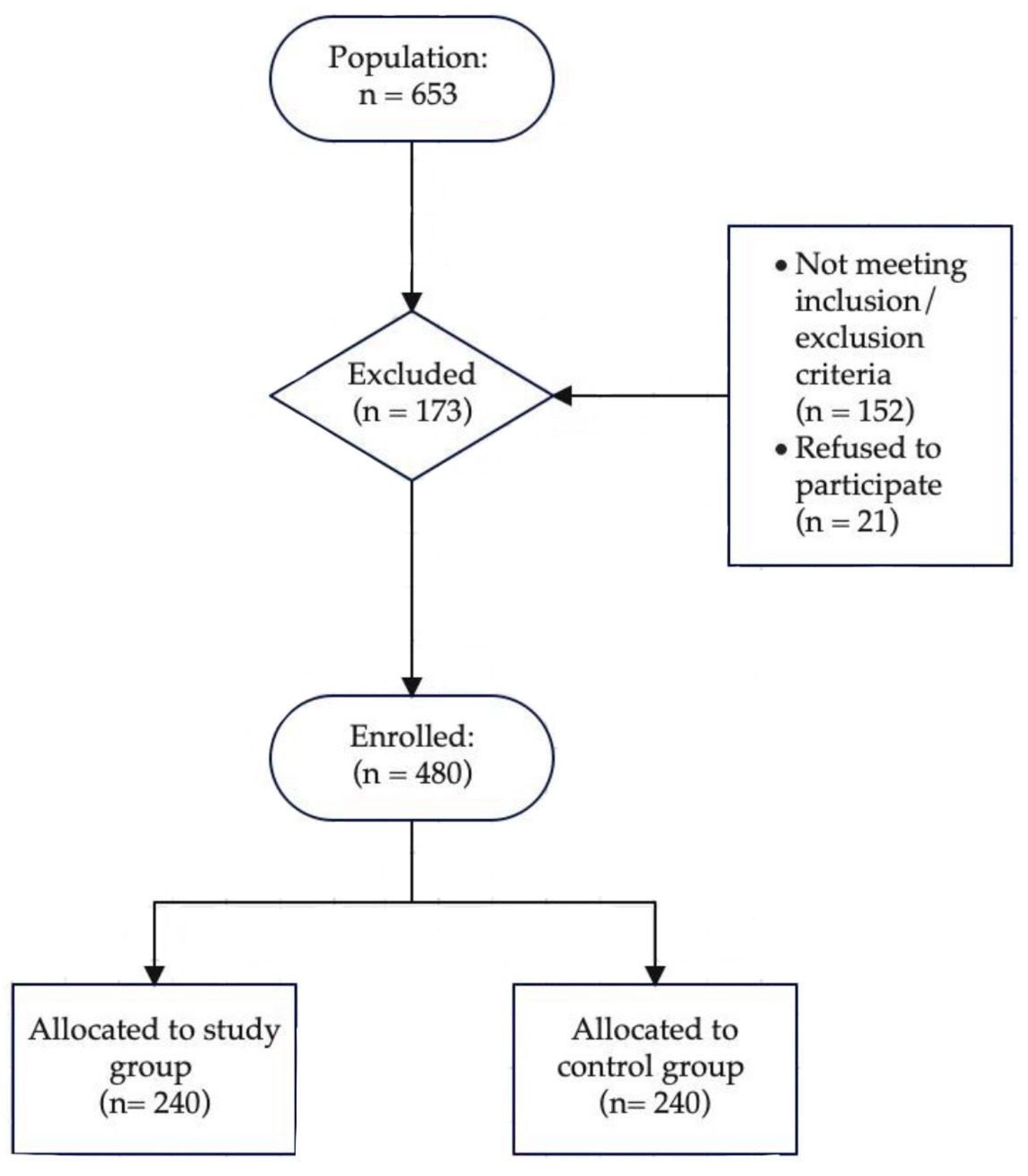
Patients were excluded if they presented with any of the following: (1) coagulation disorders; (2) renal disease; (3) preoperative anemia; (4) history of venous thrombosis; or (5) current use of anticoagulants or antiplatelet medications (Figure 1).
All participants provided written informed consent in accordance with the principles of the Declaration of Helsinki.
A population of 480 patients was enrolled in this study and divided in two groups based on the following protocols. The control group received the standard hemostasis protocol involving tranexamic acid and fibrin sealant Evicel (Ethicon Sarl, Neuchâtel, Switzerland), while the study group was treated with a modified protocol incorporating tranexamic acid and the Aquamantys bipolar sealer (Medtronic, Portsmouth, NH, USA).
The intervention protocol for the study group included the following steps: intravenous administration of 1 g of tranexamic acid (diluted in 100 mL saline) 30 min before surgical incision; tourniquet application; use of the Aquamantys bipolar sealer for hemostasis of the posterior capsule and exposed bone surfaces; sealing of the femoral medullary canal with a bone plug; intra-articular injection of 3 g of tranexamic acid post-capsule closure; and an additional intravenous dose of 1 g tranexamic acid administered three hours postoperatively.
In contrast, the control group followed an identical protocol with the exception of using fibrin sealant in place of the Aquamantys device. Following tourniquet release, standard electrocautery was used for hemostasis.
All procedures were performed using a parapatellar surgical approach. Implants utilized included the Persona Posterior Stabilized (PS) and the NextGen system with tantalum tibial baseplate (Zimmer-Biomet, Warsaw, IN, USA). No surgical drains were used in either group. Data collection for each participant included demographic information, anthropometric measurements, laboratory results, and operative time.
Anthropometric data included:
  • Body weight (kg) measured using a Seca® 861 scale (Seca GmbH & Co. KG, Hamburg, Germany) with the patient unclothed.
  • Height (m), assessed with a Kawe® 222 wall-mounted stadiometer (Kirchner & Wilhelm GmbH & Co. KG, Asperg, Germany) with the patient standing barefoot and upright.
  • Body Mass Index (BMI), calculated as weight divided by the square of height (kg/m2).
Laboratory parameters such as hemoglobin (Hb), hematocrit (HCT), and red blood cell (RBC) counts were measured at four time points: preoperatively (T0), immediately post-surgery (T1), and on postoperative days one (T2) and three (T3). The need for allogeneic blood transfusion was also documented, with transfusion indicated for Hb levels below 8 g/dL or HCT below 24% by the third postoperative day. The primary outcome of the study was the postoperative hemoglobin drop, while secondary outcomes included transfusion rates. All evaluations were conducted by the same surgeon to reduce inter-observer variability. Complete preoperative demographic and clinical variables of the study and control groups are described in detail in Table 1 and Table 2.
Data were collected and analyzed using Microsoft Excel (version 2021, Microsoft Corp., Redmond, WA, USA) and SPSS IBM Statistics (version 29.0, IBM Corp., Armonk, NY, USA).
Statistical analysis was performed to evaluate the baseline comparability between the study group (bipolar sealer) and the control group (fibrin sealant). Categorical variables, including sex distribution, were presented as numbers and compared using Pearson’s chi-square test. Continuous variables, such as age, weight, height, and Body Mass Index (BMI), were presented as mean ± standard deviation (SD). Hematological parameters (hemoglobin, hematocrit, and red blood cell count) were presented as mean and range (min–max). The continuous parameters were analyzed using t-test study. A p-value of <0.05 was considered statistically significant. The data presented in this study are available on request from the corresponding author.

3. Results

The total cohort consisted of 480 subjects, distributed between the two groups (n = 240). The study group comprised 186 females and 54 males, with a mean age of 71.20 ± 9.1 years, a mean weight of 67.48 ± 5.0 kg, a mean height of 1.57 ± 0.7 m, and a BMI of 25.8 ± 1.6 kg/m2. In the control group, there were 197 females and 43 males, with a mean age of 70.149 ± 3.3 years, a weight of 69.72 ± 4.9 kg, a height of 1.58 ± 0.5 m, and a BMI of 26.4 ± 2.4 kg/m2 (Table 1).
Regarding weight-related parameters, the control group showed a significantly higher mean weight compared to the study group (69.72 ± 4.9 vs. 67.48 ± 5.0 kg; p < 0.001), which was consistently reflected in the Body Mass Index (BMI) values (26.4 ± 2.4 vs. 25.8 ± 1.6 kg/m2; p < 0.001). Despite the statistical significance, both groups fell within the same clinical category of being slightly overweight.
As regards the study group, the Hb, the percentage of HCT and the RBC number value are reported in Table 2. As regards the control group, the Hb, the percentage of HCT and the RBC number value are reported in Table 3. Preoperative hematological parameters were assessed to determine baseline comparability between the study group and the control group. At the preoperative baseline, no statistically significant differences were observed between the two cohorts regarding Hb levels (13.2 g/dL vs. 13.5 g/dL; p-value = 0.12), HCT (39.45% vs. 40.2%; p-value = 0.08), or RBCc (4.82 × 10⁶ U/L vs. 4.80 × 10⁶ U/L; p-value = 0.45). These findings confirm the homogeneity of the study population at baseline.
Regarding transfusion requirements, 12 out of 240 patients in the BSS group (5.0%) required a single unit of packed red blood cells, compared to 19 out of 240 patients in the fibrin glue group (7.9%).
Data analysis showed a statistically significant difference between blood loss in group 1 compared to the control group (p = 0.0003) in the immediate postoperative period. This difference decreases in the first postoperative day (p = 0.027). On the third postoperative day, however, a statistically significant difference was again shown between the two groups (p = 0001). These data highlight a proven greater efficacy in the management of blood loss after knee replacement surgery of Aquamantys compared to fibrin glue in the immediate postoperative period, which is also confirmed in the days following surgery.

4. Discussion

4.1. How to Manage Blood Loss

Effective management of postoperative blood loss is crucial in TKA to minimize complications and promote recovery. TKA relied on several key techniques to control bleeding such as spinal anesthesia [5], controlled hypotension, the use of tourniquets in combination with the Esmark bandage, TXA [6], standard cautery devices and the application of compression bandages post-surgery to prevent bleeding [8]. Currently, fibrin glue is employed as a biological agent to enhance hemostasis and vessel sealing at the operative site, leveraging the body’s natural clotting mechanisms to enhance hemostasis during surgery [17]. Advancements have introduced devices like BSS, which utilizes radiofrequency energy combined with saline to achieve precise and efficient hemostatic sealing of soft tissue and bone during surgery [23].

4.2. Blood Loss (HB and Hct) in Various Studies

The clinical utility of fibrin sealants in orthopedic surgery has been substantiated by several investigations, notably those involving total joint arthroplasty. Sabatini et al. [17] in 2012 published a study which measured Hb levels before and after surgery. Patients treated with fibrin adhesive experienced a smaller hemoglobin drop (2.6 g/dL) compared to the control group (3.8 g/dL), showing a 1.2 g/dL difference in favor of the adhesive group (p < 0.0001). This suggests that the fibrin adhesive helped preserve red blood cells, reducing the risk of anemia. In this study, as a result of lower blood loss and better hemoglobin preservation, the need for blood transfusions was significantly lower. Only 6 out of 35 patients (17%) in the fibrin adhesive group required a transfusion, compared to 17 out of 35 (49%) in the control group. This represents a 66% reduction in transfusion rates for patients who received the adhesive.
In a randomized trial, Wang et al. [24] included 53 patients with knee osteoarthritis who underwent primary unilateral TKA. Patients receiving fibrin glue (n = 25) showed a significantly smaller reduction in hemoglobin from baseline (2.01 g/dL vs. 2.73 g/dL, p < 0.005) and required fewer blood transfusions (9 vs. 14 patients) compared to those managed with standard care (n = 28).
In a larger comparative study, Molloy et al. [25] assessed 150 patients randomized to receive either fibrin glue, intravenous TXA, or no pharmacologic intervention (n = 50 per group). Both the fibrin glue and TXA groups demonstrated significantly reduced total blood loss compared to the control group (fibrin glue: 1190 mL, TXA: 1225 mL, control: 1415 mL; p < 0.05). While the hemoglobin drop was numerically lower in the treatment groups (fibrin glue: 2.68 g/dL; TXA: 2.75 g/dL; control: 3.20 g/dL), and transfusion needs were also reduced (fibrin glue: 7, TXA: 5, control: 11), no significant difference was observed between fibrin glue and TXA, suggesting comparable efficacy.
Altogether, these studies highlight the measurable advantages of fibrin sealants in orthopedic procedures, confirming their role in improving hemostasis, minimizing blood transfusion needs, and potentially enhancing recovery trajectories in joint arthroplasty. Different studies have demonstrated that the use of BSS results in significant reductions in intraoperative blood loss, as evidenced by higher Hb and Hct levels postoperatively.
Rosenberg et al. [26], in 2007, published a review that examines the effectiveness of saline-coupled bipolar sealing technology in reducing blood loss during total joint arthroplasty, particularly in total knee arthroplasty (TKA) and total hip arthroplasty (THA). One of the key findings comes from a randomized study of 50 TKA patients by Marulanda et al. in 2005 [22]. This research demonstrated that patients treated with the bipolar sealer lost 296 mL of blood on average, whereas those in the electrocautery group lost 424.5 mL, marking a 30% reduction. Another study by Isabell and Weeden, involving 100 patients undergoing minimally invasive TKA, found that the hemoglobin drop was lower in the bipolar sealer group (3.3 g/dL vs. 3.9 g/dL, p = 0.0085). Additionally, these patients were less likely to need a blood transfusion, with autologous transfusion rates cut by more than half (16% vs. 44%, p < 0.001) and allogeneic transfusion rates reduced by almost two thirds (8% vs. 22%, p < 0.001). A separate randomized study by Pierson et al., involving 90 TKA patients, further confirmed these findings. The preoperative hemoglobin levels in both groups were 13.8 g/dL, but the postoperative drop was significantly smaller in the bipolar sealer group (3.3 g/dL vs. 3.8 g/dL, p = 0.01). This suggests that patients receiving treatment with the bipolar sealer experienced less bleeding and better hemoglobin preservation, reducing the likelihood of requiring transfusions.
The benefits of the bipolar sealer extend beyond TKA to THA. In 2008, in a study of 50 THA patients, Marulanda et al. reported that intraoperative blood loss was 32% lower (427 mL vs. 626 mL, p = 0.001) in patients in the bipolar sealer group. The need for transfusions was also significantly reduced, with only 5 out of 25 bipolar sealer patients requiring transfusions, compared to 13 out of 25 in the electrocautery group (p = 0.005) [23].
In summary, the saline-coupled bipolar sealer has been shown to be a highly effective tool for blood management in orthopedic surgery. By reducing intraoperative bleeding, preserving hemoglobin levels, and decreasing the need for blood transfusions, this technology improves surgical safety, enhances recovery, and may even accelerate rehabilitation. The significant reduction in postoperative pain and swelling, likely due to less hemarthrosis and soft tissue trauma, makes it an especially valuable addition in joint replacement.
Considering these findings, the data emerging from the existing body of research reported favorable outcomes associated with the use of bipolar sealer systems and fibrin glue in total knee arthroplasty, considered independently. The findings of our study demonstrated statistically significant differences in postoperative hemoglobin, hematocrit, and red blood cell levels, indicating that the use of the BSS resulted in more effective blood loss control compared to fibrin sealant. Taken together, our data and prior evidence support the superiority of BSS as an effective strategy for perioperative blood conservation in TKA.
In our study, we observed a statistically significant difference in mean weight and BMI between the two groups (p < 0.001). However, this difference—amounting to approximately 2.2 kg—is likely a reflection of the high statistical power of our large sample size (N = 480) rather than a clinical disparity. Crucially, baseline hematological values were homogeneous across both cohorts. Therefore, the fact that the control group showed a more pronounced postoperative decline in Hb despite a slightly higher mean body weight suggests that the protective effect observed in the study group is independent of body mass.
Our results are consistent with the current body of literature; however, the present study offers a more extensive dataset based on a larger sample size compared to previous reports.

4.3. Length of Hospital Stay

The adoption of BSS and fibrin glue has been associated with shorter hospital stays due to more effective hemostasis and reduced complications. A study indicated that patients who entered the rehabilitation program with higher hemoglobin levels required shorter hospital stays and regain faster functional skills and independence (FIM) [4].
Nevertheless, in the context of our healthcare system, the impact of reduced transfusion requirements on the length of hospital stay cannot be accurately evaluated. This is due to the standard postoperative protocol, which involves transferring patients to rehabilitation facilities following surgery. As a result, the duration of hospitalization is largely determined by the availability of beds in these rehabilitation clinics, rather than being a direct reflection of the patient’s clinical condition or recovery trajectory.

4.4. Recovery and Activity

The existing literature lacks direct comparisons between BSS and fibrin glue regarding specific recovery metrics like Range of Motion (ROM) and Functional Independence Measure (FIM) scores. Notably, Sabatini et al. [17] demonstrated that minimized blood loss and reduced transfusion requirements are positively correlated with superior ROM and FIM outcomes. Consequently, the capacity of fibrin tissue adhesive to limit postoperative hemorrhage may serve as a primary driver for the improved functional recovery observed in this cohort.

4.5. Costs: Is It Worth the Investment Considering Its Advantages?

A comparative analysis of the costs associated with the use of the Aquamantys Bipolar Sealer System and fibrin sealants in TKA reveals notable differences in both direct and indirect expenditures. The Aquamantys system entails a higher initial investment, requiring a generator and single-use disposable handpieces that typically range from $400 to $800 per procedure. While this represents a significant upfront cost, several studies [23,27] suggest that its use can lead to a meaningful reduction in intraoperative and postoperative blood loss, thereby lowering the need for allogeneic blood transfusions and potentially reducing complication rates. These clinical benefits may translate into long-term cost savings, particularly in high-volume surgical settings. In contrast, fibrin sealants have a lower per-use cost—approximately $300 to $600 per vial, depending on the required dosage—but their efficacy in sustained blood loss control appears more limited [28]. A health economic evaluation by Steuten et al. (2009) [28] indicated that, while fibrin sealants can be cost-effective under certain conditions, their economic impact is highly sensitive to the volume used and the extent to which they reduce hospital length of stay. Moreover, data from the Open Orthopedics Journal noted that the cost of a single 5 mL vial of fibrin sealant (£389) may exceed the cost of a unit of transfused blood when additional hospital costs are considered [29].
Although direct comparisons are complicated by differences in institutional pricing and healthcare systems, the evidence suggests that the Aquamantys system, despite its higher initial cost, may offer superior cost-effectiveness in blood management during TKA due to its greater impact on reducing transfusion requirements and related complications.

5. Limitations of the Study

Despite the significant sample size and the robustness of the hematological trends observed, some limitations should be acknowledged. First, this study primarily focused on hemoglobin, hematocrit, and RBC counts; other parameters, such as drain output and calculated blood loss, were not included in the present analysis, which could have provided further insights into blood loss management. Second, the follow-up was limited to the first three postoperative days; a longer observation period might be necessary to evaluate the long-term recovery of the erythrocyte mass. Consequently, these results might not be directly comparable with studies utilizing different surgical drainage strategies. However, it should be noted that our institutional protocol does not involve the use of postoperative drainage, reflecting our specific approach to patient recovery and blood management. Finally, while our findings provide strong evidence of clinical efficacy, further large-scale prospective randomized controlled trials are warranted to confirm these results and to standardize the protocol across different surgical settings.

6. Conclusions

In conclusion, both BSS and fibrin glue appear to be effective strategies for perioperative blood loss management in total knee arthroplasty. Supported by a substantial patient cohort, our study suggests that, while fibrin glue provides a reliable biological tool, BSS exhibits a technology-driven alternative associated with higher hemostatic efficacy and superior cost-efficiency. Furthermore, our analysis indicates an association between both modalities and a reduced length of hospital stay, as well as improved recovery metrics (ROM and FIM). However, given the retrospective nature of this study, the presence of potential residual confounding cannot be entirely excluded, and these findings should be interpreted as correlations rather than direct causation. Ultimately, the selection between these modalities should be guided by a balanced consideration of clinical efficacy, institutional resources, and individualized patient needs.

Author Contributions

Conceptualization, L.M. and A.G.; methodology, A.G.; software, A.G.; validation, G.S., L.M. and A.S. (Antonio Spinarelli); formal analysis, G.D.C.; investigation, E.R. and A.S. (Alessandro Scarpino); resources, A.S. (Antonio Spinarelli); data curation, A.S. (Antonio Spinarelli); writing—original draft preparation, A.S. (Alessandro Scarpino) and E.R.; writing—review and editing, E.R.; visualization, G.S.; supervision, B.M.; project administration, A.S. (Antonio Spinarelli); funding acquisition, G.S. All authors have read and agreed to the published version of the manuscript.

Funding

This research received no external funding.

Institutional Review Board Statement

The study was conducted in accordance with the Declaration of Helsinki and approved by the Local Ethics Committee IRCCS Istituto Oncologico “Gabriella Serio” (protocol code 2434/CEL 8 September 2025).

Informed Consent Statement

Patient consent was waived because this retrospective study used previously collected health data obtained for diagnostic and therapeutic purposes. Data were analyzed in accordance with the general consent provided by the patients at the time of treatment. Specific informed consent for this study was not obtained, as the study was not planned at the time of data collection and involved a large number of patients, making re-contact impracticable; moreover, some patients may no longer be alive. All data processing was conducted in compliance with applicable data protection regulations, ensuring confidentiality and the protection of patients’ rights.

Data Availability Statement

The datasets presented in this article are not readily available because the data are part of an ongoing study. Requests to access the datasets should be directed to the authors.

Conflicts of Interest

The authors declare no conflicts of interest.

Abbreviations

The following abbreviations are used in this manuscript:
TKATotal Knee Arthroplasty
TXATranexamic Acid
BSSBipolar Sealer System
HbHemoglobin
HctHematocrit
RBCsRed Blood Cells
DVTDeep Vein Thrombosis
PEPulmonary Embolism
CVACerebral Vascular Accident
FSFibrin Sealant
THATotal Hip Arthroplasty
ROMRange Of Motion
FIMFunctional Independence Measure

References

  1. Cushner, F.D.; Scott, W.N. Evolution of blood transfusion management for a busy knee practice. Orthopedics 1999, 22, S145–S147. [Google Scholar] [CrossRef]
  2. Spahn, D.R. Anemia and patient blood management in hip and knee surgery: A systematic review of the literature. Anesthesiology 2010, 113, 482–495. [Google Scholar] [CrossRef]
  3. Dunne, J.R.; Malone, D.; Tracy, J.K.; Gannon, C.; Napolitano, L.M. Perioperative anemia: An independent risk factor for infection, mortality, and resource utilization in surgery. J. Surg. Res. 2002, 102, 237–244. [Google Scholar] [CrossRef]
  4. Diamond, P.T.; Conaway, M.R.; Mody, S.H.; Bhirangi, K. Influence of Hemoglobin Levels on Inpatient Rehabilitation Outcomes after Total Knee Arthroplasty. J. Arthroplast. 2006, 21, 636–641. [Google Scholar] [CrossRef] [PubMed]
  5. Hu, S.; Zhang, Z.Y.; Hua, Y.Q.; Li, J.; Cai, Z.D. A comparison of regional and general anaesthesia for total replacement of the hip or knee: A meta-analysis. J. Bone Jt. Surg. Ser. B 2009, 91, 935–942. [Google Scholar] [CrossRef] [PubMed]
  6. Alshryda, S.; Sarda, P.; Sukeik, M.; Nargol, A.; Blenkinsopp, J.; Mason, J.M. Tranexamic acid in total knee replacement: A systematic review and meta-analysis. J. Bone Jt. Surg. Ser. B 2011, 93, 1577–1585. [Google Scholar] [CrossRef]
  7. Ulrich, S.D.; Kyle, B.; Johnson, A.J.; Zywiel, M.G.; Mont, M.A. Strategies to reduce blood loss in lower extremity total joint arthroplasty. Surg. Technol. Int. 2010, 20, 341–347. [Google Scholar]
  8. Charalambides, C.; Beer, M.; Melhuish, J.; Williams, R.J.; Cobb, A.G. Bandaging technique after knee replacement. Acta Orthop. Scand. 2005, 76, 89–94. [Google Scholar] [CrossRef] [PubMed]
  9. Seviciu, A.; Gross, I.; Fathima, S.; Walsh, S.M. Effects of tranexamic acid and bipolar sealer alone or in combination in primary total knee arthroplasty: A prospective, randomized, controlled trial. Arthroplast. Today 2016, 2, 77–82. [Google Scholar] [CrossRef]
  10. Dai, W.L.; Zhou, A.G.; Zhang, H.; Zhang, J. Most Effective Regimen of Tranexamic Acid for Reducing Bleeding and Transfusions in Primary Total Knee Arthroplasty: A Meta-Analysis of Randomized Controlled Trials. J. Knee Surg. 2018, 31, 654–663. [Google Scholar] [CrossRef]
  11. Ho, K.M.; Ismail, H. Use of intravenous tranexamic acid to reduce allogeneic blood transfusion in total hip and knee arthroplasty: A meta-analysis. Anaesth. Intensive Care 2003, 31, 529–537. [Google Scholar] [CrossRef]
  12. Wong, J.; Abrishami, A.; El Beheiry, H.; Mahomed, N.N.; Davey, J.R.; Gandhi, R.; Syed, K.A.; Hasan, S.M.O.; De Silva, Y.; Chung, F. Topical application of tranexamic acid reduces postoperative blood loss in total knee arthroplasty: A randomized, controlled trial. J. Bone Jt. Surg. 2010, 92, 2503–2513. [Google Scholar] [CrossRef]
  13. Dhillon, S.; Papacharalabous, E.N. Fibrin Sealant (Evicel® [Quixil®/Crosseal™]) A Review of Its Use as Supportive Treatment for Haemostasis in Surgery. Drugs 2011, 71, 1893–1915. [Google Scholar] [CrossRef]
  14. Kluba, T.; Fiedler, K.; Kunze, B.; Ipach, I.; Suckel, A. Fibrin sealants in orthopaedic surgery: Practical experiences derived from use of QUIXIL® in total knee arthroplasty. Arch. Orthop. Trauma Surg. 2012, 132, 1147–1152. [Google Scholar] [CrossRef]
  15. McConnell, J.S.; Shewale, S.; Munro, N.A.; Shah, K.; Deakin, A.H.; Kinninmonth, A.W.G. Reducing blood loss in primary knee ar-throplasty: A prospective randomised controlled trial of tranexamic acid and fibrin spray. Knee 2012, 19, 295–298. [Google Scholar] [CrossRef]
  16. Notarnicola, A.; Moretti, L.; Martucci, A.; Spinarelli, A.; Tafuri, S.; Pesce, V.; Moretti, B. Comparative efficacy of different doses of fibrin sealant to reduce bleeding after total knee arthroplasty. Blood Coagul. Fibrinolysis 2012, 23, 278–284. [Google Scholar] [CrossRef]
  17. Sabatini, L.; Trecci, A.; Imarisio, D.; Uslenghi, M.D.; Bianco, G.; Scagnelli, R. Fibrin tissue adhesive reduces postoperative blood loss in total knee arthroplasty. J. Orthop. Traumatol. 2012, 13, 145–151. [Google Scholar] [CrossRef] [PubMed][Green Version]
  18. Sundaram, C.P.; Rehman, J.; Venkatesh, R.; Lee, D.; Rageb, M.M.; Kibel, A.; Landman, J. Hemostatic laparoscopic partial nephrectomy assisted by a water-cooled, high-density, monopolar device without renal vascular control. Urology 2003, 61, 906–909. [Google Scholar] [CrossRef] [PubMed]
  19. Adamina, M.; Champagne, B.J.; Hoffman, L.; Ermlich, M.B.; Delaney, C.P. Randomized clinical trial comparing the cost and effec-tiveness of bipolar vessel sealers versus clips and vascular staplers for laparoscopic colorectal resection. Br. J. Surg. 2011, 98, 1703–1712. [Google Scholar] [CrossRef] [PubMed]
  20. Kaibori, M.; Matsui, K.; Ishizaki, M.; Sakaguchi, T.; Matsushima, H.; Matsui, Y.; Kwon, A.-H. A prospective randomized controlled trial of hemostasis with a bipolar sealer during hepatic transection for liver resection. Surgery 2013, 154, 1046–1052. [Google Scholar] [CrossRef]
  21. Aytan, H.; Nazik, H.; Narin, R.; Api, M.; Tok, E.C. Comparison of the Use of LigaSure, HALO PKS Cutting Forceps, and ENSEAL Tissue Sealer in Total Laparoscopic Hysterectomy: A Randomized Trial. J. Minim. Invasive Gynecol. 2014, 21, 650–655. [Google Scholar] [CrossRef]
  22. Marulanda, G.A.; Ragland, P.S.; Seyler, T.M.; Mont, M.A. Reductions in blood loss with use of a bipolar sealer for hemostasis in primary total knee arthroplasty. Surg. Technol. Int. 2005, 14, 281–286. [Google Scholar] [PubMed]
  23. Marulanda, G.A.; Ulrich, S.D.; Seyler, T.M.; Delanois, R.E.; Mont, M.A. Reductions in blood loss with a bipolar sealer in total hip arthroplasty. Expert Rev. Med. Devices 2008, 5, 125–131. [Google Scholar] [CrossRef]
  24. Wang, G.J.; Hungerford, D.S.; Savory, C.G.; Rosenberg, A.G.; Mont, M.A.; Burks, S.G.; Mayers, S.L.; Spotnitz, W.D. Use of fibrin sealant to reduce bloody drainage and hemoglobin loss after total knee arthroplasty: A brief note on a randomized prospective trial. J. Bone Jt. Surg. 2001, 83, 1503–1505. [Google Scholar] [CrossRef] [PubMed]
  25. Molloy, D.O.; Archbold, H.A.P.; Ogonda, L.; McConway, J.; Wilson, R.K.; Beverland, D.E. Comparison of topical fibrin spray and tranexamic acid on blood loss after total knee replacement: A prospective, randomised controlled trial. J. Bone Jt. Surg. Ser. B 2007, 89, 306–309. [Google Scholar] [CrossRef]
  26. Rosenberg, A.G. Reducing Blood Loss in Total Joint Surgery with a Saline-Coupled Bipolar Sealing Technology. J. Arthroplast. 2007, 22, 82–85. [Google Scholar] [CrossRef] [PubMed]
  27. Marulanda, G.A.; Krebs, V.E.; Bierbaum, B.E. Hemostasis using a bipolar sealer in primary unilateral total knee arthroplasty. Am. J. Orthop. 2009, 38, 179–183. [Google Scholar]
  28. Steuten, L.; Vallejo-Torres, L.; Bastide, P.; Buxton, M. Analysing uncertainty around costs of innovative medical technologies: The case of fibrin sealant (QUIXIL®) for total knee replacement. Health Policy 2009, 89, 46–57. [Google Scholar] [CrossRef]
  29. Ghoz, A.; Al-Khateeb, H.; Rajkumar, S.; Tavares, S.; Andrade, A. Use of a Thrombin Fibrin Sealant in Reducing Blood Loss in Revision Hip Arthroplasty. Open Orthop. J. 2015, 9, 511–514. [Google Scholar] [CrossRef]
Figure 1. Flow diagram for enrollment and analysis.
Prosthesis 08 00031 g001
Table 1. Participants characteristics.
VariablesStudy Group (n = 240)Control Group (n = 240)p-Value
Sex (F/M)186/54197/430.211
Mean age (years)71.20 ± 9.170.149 ± 3.30.093
Mean weight (kg)67.48 ± 5.069.72 ± 4.9<0.001
Mean height (m)1.57 ± 0.071.58 ± 0.050.857
Mean BMI (kg/m2)25.8 ± 1.626.4 ± 2.4<0.001
Table 2. Study group analysis.
VariablesPre-opPost-op1 PO3 PO
Hb (g/dL)13.2 (10–16)12.1 (8.7–15.5)11.2 (8.1–14.2)10.7 (7.9–13.9)
HCT (%)39.45 (32–49)36.35 (29.7–43.6)33.4 (23.3–43.2)32.5 (23.5–42.9)
RBC value
(×106 U/L)
4.82 (3.3–5.88)4.23 (3.12–5.42)4.00 (3.1–4.8)3.72 (3.07–4.74)
Table 3. Control group analysis.
VariablesPre-opPost-op1 PO3 PO
Hb (g/dL)13.5 (10.7–15.6) 11.2 (8.7–14.1)10.9 (8.1–13.0)10.1 (7.4–13.2)
HCT (%)40.2 (31.2–46.7)34.2 (26.9–42.7)30.14 (25.2–31.2)27.45 (21.2–37.8)
RBC value
(×106 U/L)
4.8 (4.25–5.82)4.11 (3.32–5.25)3.9 (3.2–5.2)3.7 (3.1–4.55)
Disclaimer/Publisher’s Note: The statements, opinions and data contained in all publications are solely those of the individual author(s) and contributor(s) and not of MDPI and/or the editor(s). MDPI and/or the editor(s) disclaim responsibility for any injury to people or property resulting from any ideas, methods, instructions or products referred to in the content.