Review

Redox-Responsive Theranostic Nanoplatforms in Oncology: Linking Tumor Microenvironment Biology, Proteasome Targeting, and Clinical Translation


1
School of Life Sciences, Pharmacy and Chemistry, Kingston University London, London KT1 2EE, UK
2
Department of Biochemistry, School of Medicine, Marmara University, Istanbul 34854, Türkiye
3
Department of Genetics and Bioengineering, Faculty of Engineering, Yeditepe University, Istanbul 34755, Türkiye
4
Department of Biochemistry, School of Medicine, Recep Tayyip Erdogan University, Rize 53100, Türkiye
5
Division of Medical Oncology, Goztepe Memorial Hospital Cancer Center, Istanbul 34634, Türkiye
*
Author to whom correspondence should be addressed.
J. Nanotheranostics 2026, 7(3), 18; https://doi.org/10.3390/jnt7030018
Submission received: 5 June 2026 / Revised: 17 July 2026 / Accepted: 28 July 2026 / Published: 31 July 2026
(This article belongs to the Special Issue Feature Review Papers in Nanotheranostics)

Abstract

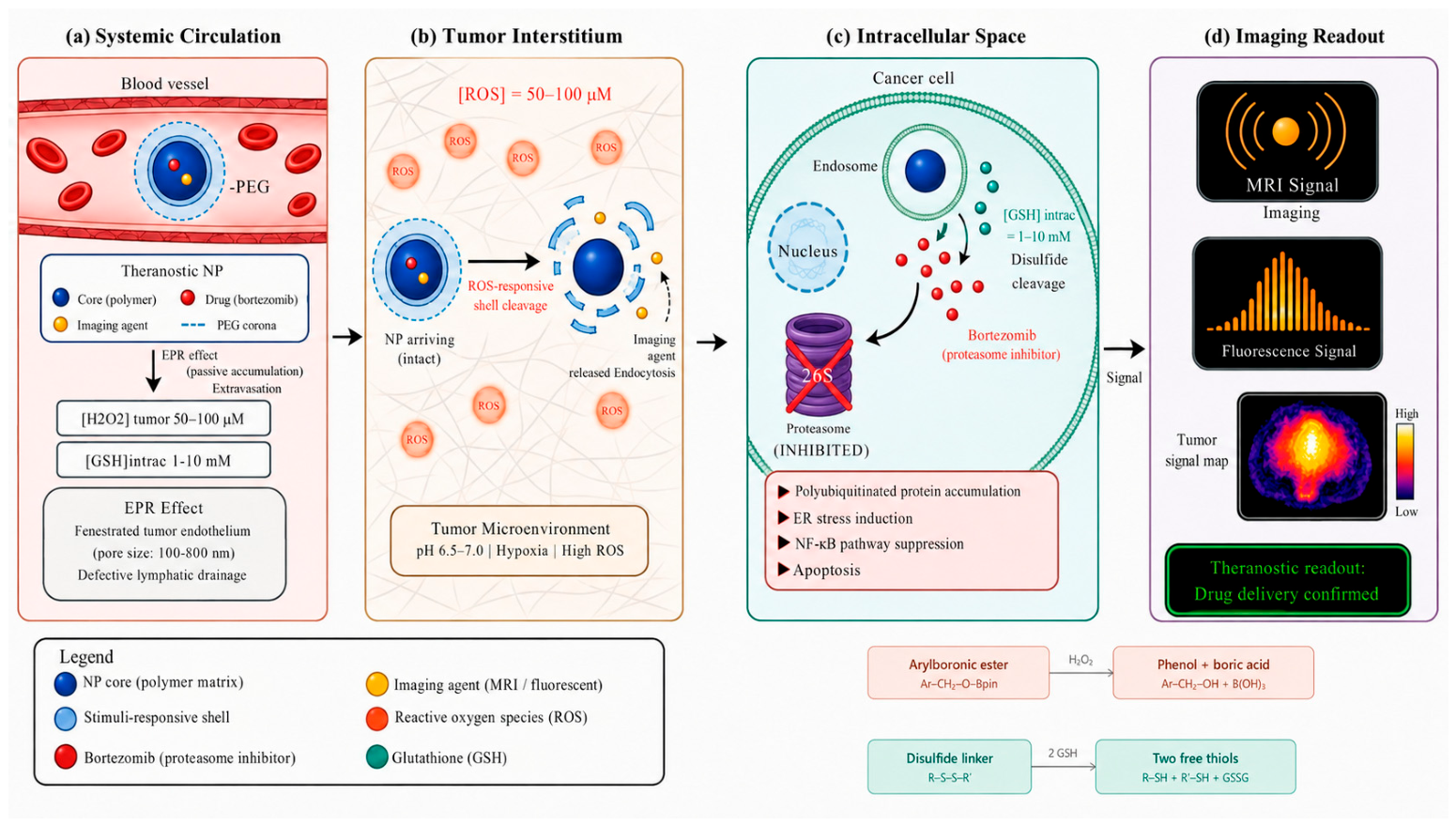
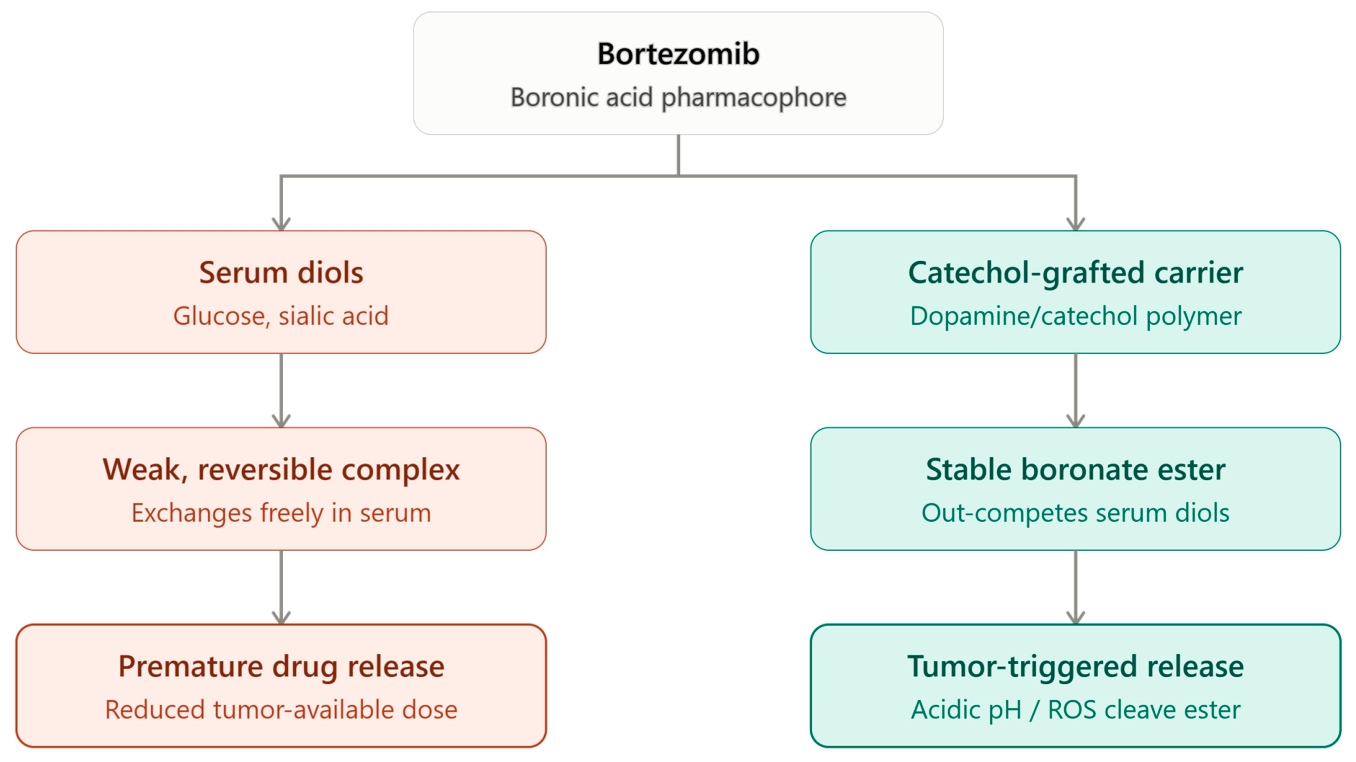
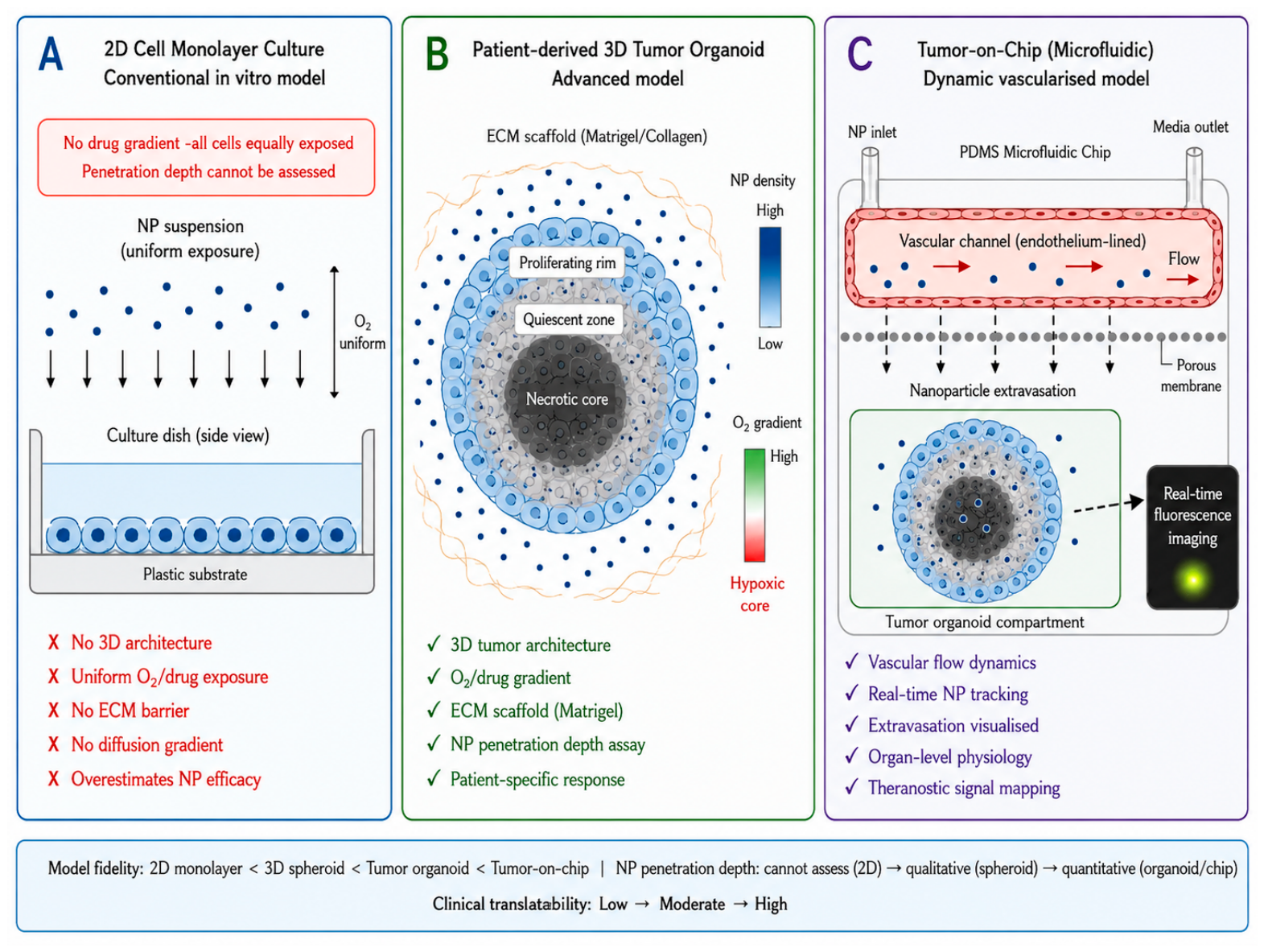
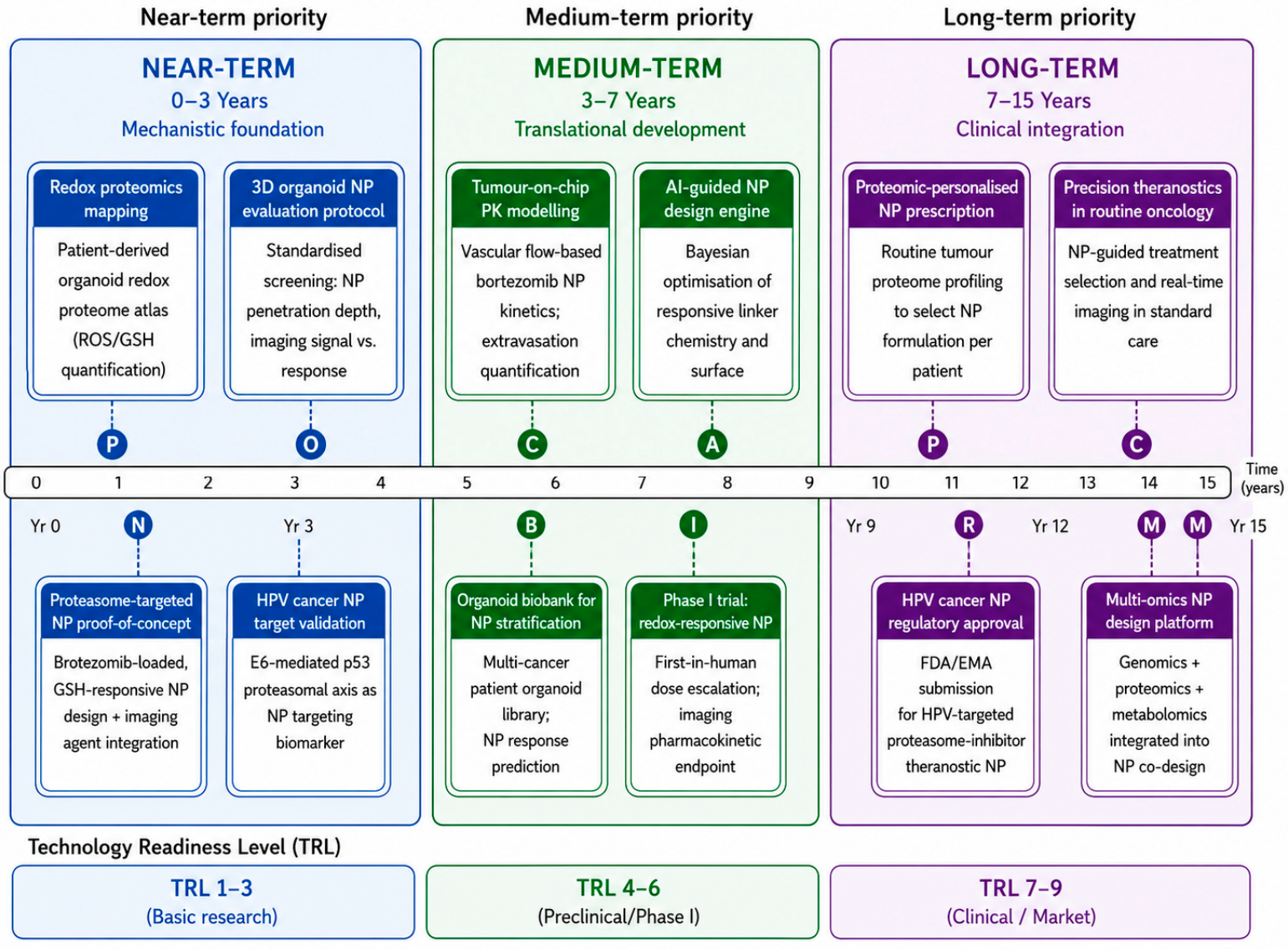
Theranostic nanoparticles, which integrate diagnostic imaging and therapeutic delivery within a single nanoplatform, represent a transformative paradigm in oncological nanomedicine. Despite substantial preclinical progress, the field faces persistent gaps in rational nanoparticle design informed by tumor biology, preclinical model fidelity, and clinical translation. This review critically synthesizes theranostic nanoparticle research across three underexplored domains. First, we examine tumor microenvironment features—reactive oxygen species dynamics, glutathione gradients, hypoxia, and proteasomal dysregulation—as mechanistic drivers of nanoparticle responsiveness. Second, we evaluate redox-responsive and proteasome-targeted nanoplatforms that exploit these cues for stimuli-triggered drug release and simultaneous imaging readout. Third, we address the unmet need for three-dimensional organoid and microfluidic tumor models as predictive preclinical testing environments, given the well-documented limitations of conventional two-dimensional cultures. Cancer subtype-specific applications are discussed for breast cancer, HPV-associated malignancies, colorectal cancer, and prostate cancer. Clinical translation barriers—including pharmacokinetic constraints, protein corona formation, immune clearance, anti-PEG antibodies, complement activation-related pseudoallergy, and FDA/EMA regulatory pathways—are addressed from a clinical oncology perspective. The review concludes with a research roadmap integrating proteomics-guided nanoparticle engineering, patient-derived organoid biobanks, and artificial intelligence-assisted design as priority areas for next-generation oncological theranostics.
Keywords: theranostic nanoparticles; tumor microenvironment; redox-responsive nanomedicine; proteasome inhibitors; tumor organoids; cancer nanomedicine; clinical translation theranostic nanoparticles; tumor microenvironment; redox-responsive nanomedicine; proteasome inhibitors; tumor organoids; cancer nanomedicine; clinical translation