1. Introduction
Mosaics, which most often adorned the floors and walls of buildings, offer valuable insights into the past by depicting everyday life, mythology, and religious beliefs. They reveal the aesthetic values, social structures, and economic conditions of past civilisations. The style, technique, and motifs of mosaics enable their dating and attribution to specific cultures, while their study helps researchers reconstruct destroyed architecture and better understand historical ways of life. Analysis of materials and production techniques further provides insight into technological development and craftsmanship across different periods.
As archaeological cultural heritage objects, mosaics are often damaged, poorly preserved, or inaccessible. In such cases, digital graphic reconstructions can present their most complete appearance and motifs. These reconstructions are based on archaeological context, site studies, and an understanding of the circumstances of their creation, using digital graphic tools to redraw, correct, and repeat elements, motifs, and symbols. The aim is partial or complete visual completion, offering a clearer representation of the original mosaic. Graphic reconstruction serves as an important visual aid for researchers, restorers, historians, archaeologists, and the wider public, facilitating a better understanding of the original appearance of mosaics and their message.
1.1. Roman Mosaic with Animal Emblems
A Roman villa once stood on what is now Zgornji Breg in Ptuj, Slovenia (Poetovio in Roman times), serving as a symbol of power and authority. The villa, featuring mosaics, was discovered in 1893 during excavations led by S. Jenny; one of the mosaics depicts animals in emblem motifs [
1]. It is believed that the original mosaic measured 790 cm × 725 cm, while the preserved section, which is not accessible today, is estimated at 400 cm × 350 cm. The mosaic tesserae range in size from 4 to 14 mm [
2].
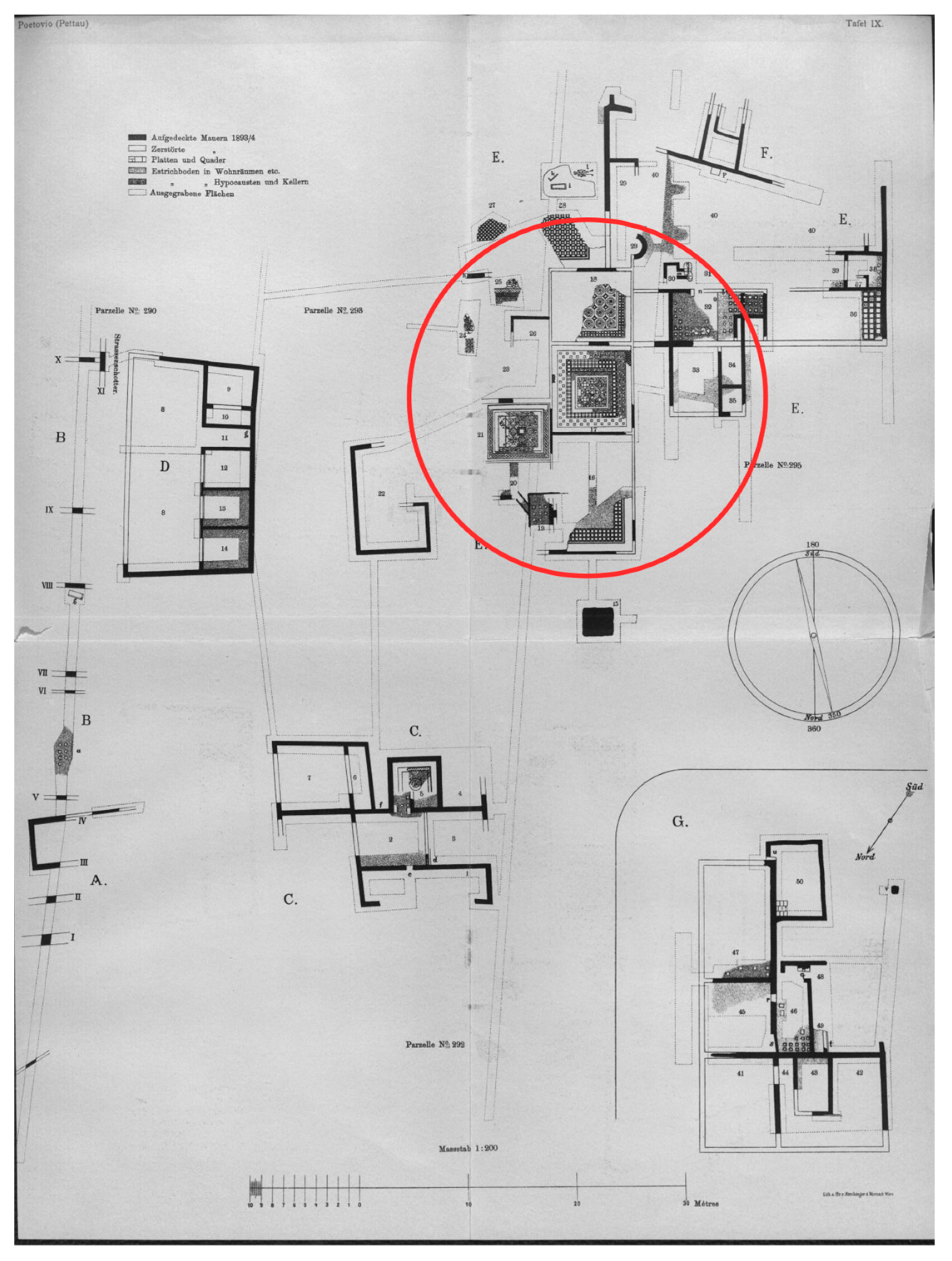
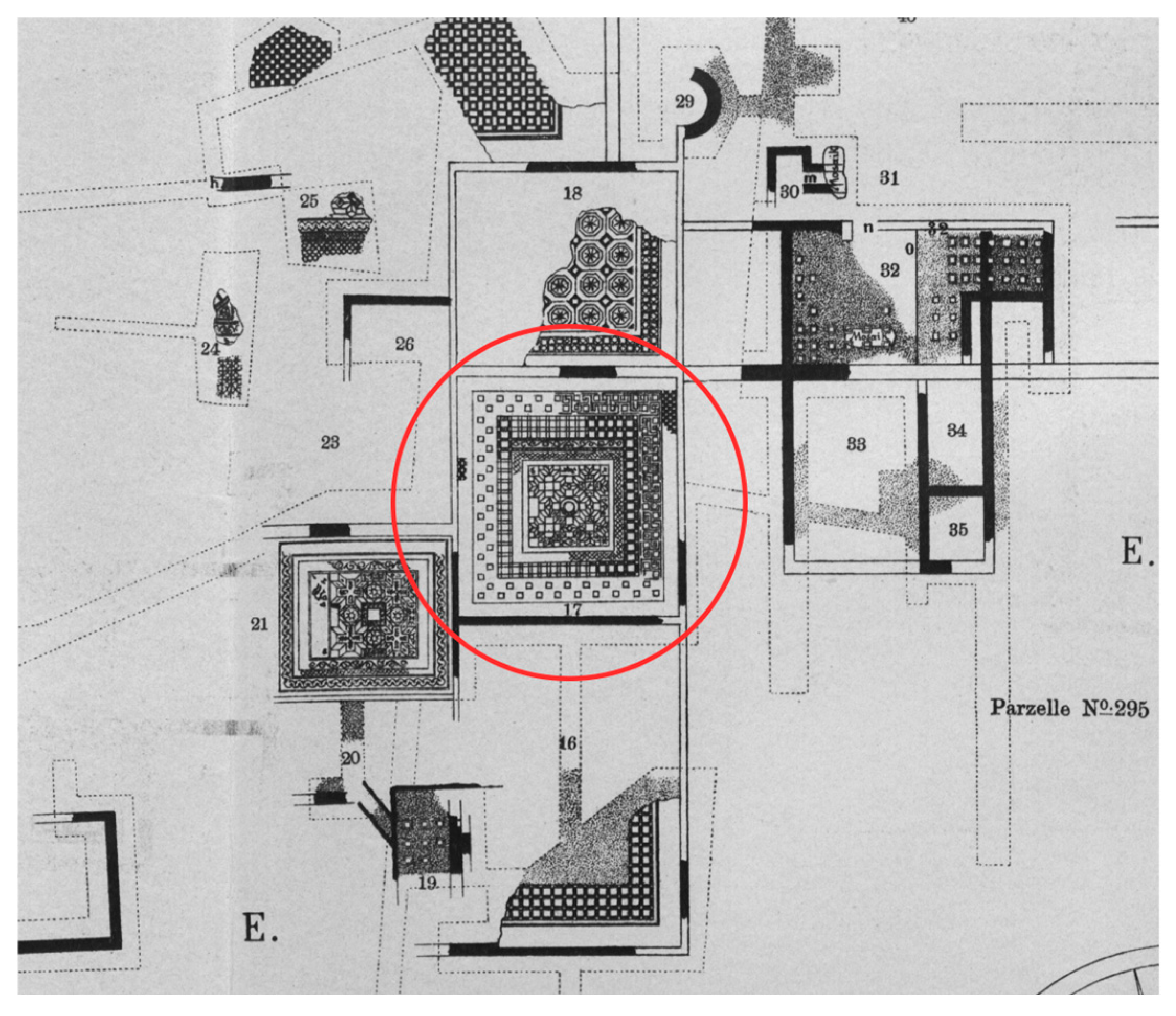
Figure 1 shows the ground plan of the excavated villa site, and
Figure 2 shows the room containing the mosaic with animal emblems. The mosaic was created between the second half of the 3rd century and the mid-4th century [
3].
According to the studies of S. Jenny, the floor of Room 17, shown in
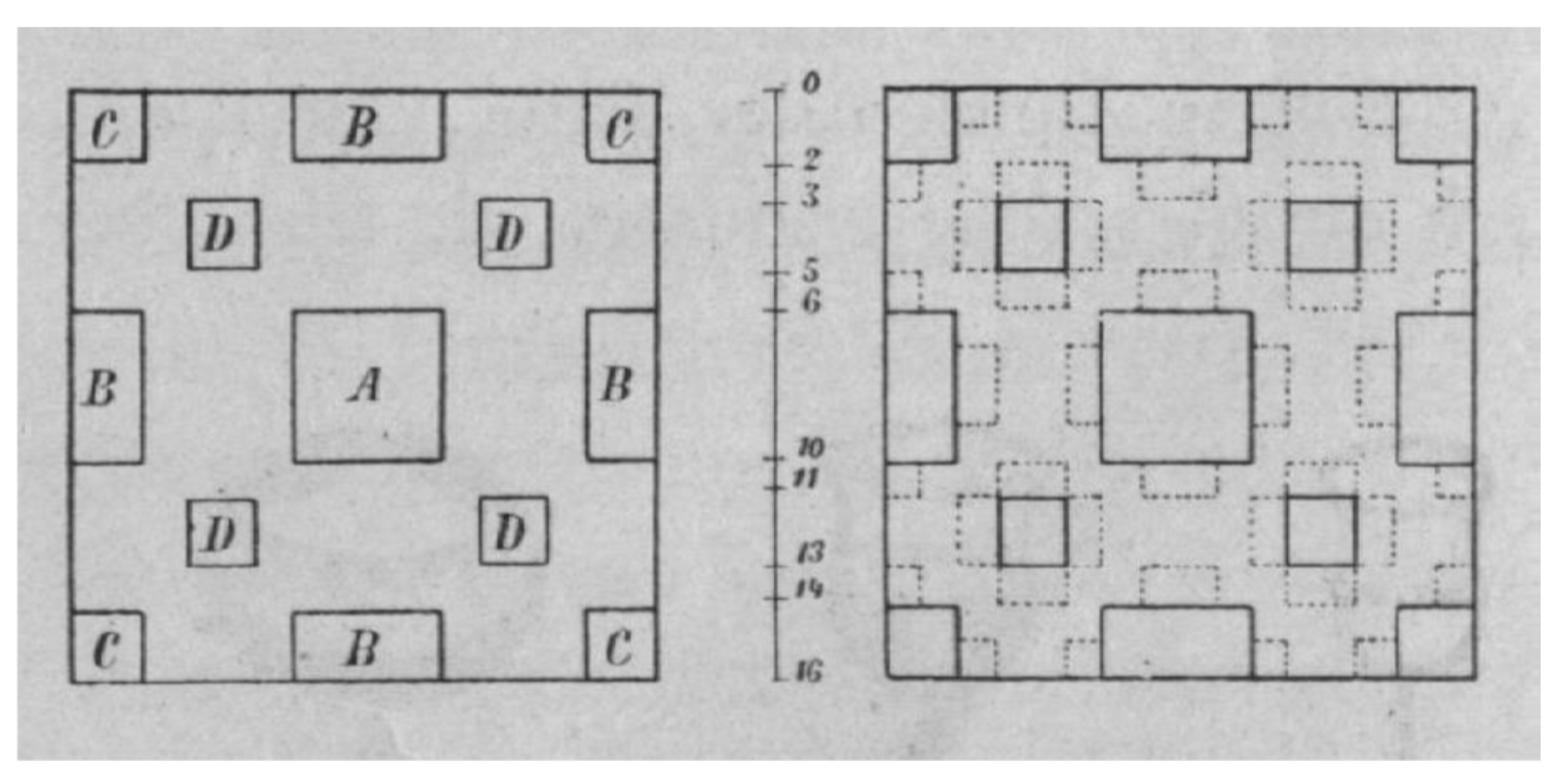
Figure 2, is adorned with a mosaic, more than half of which was preserved at the time of the archaeological excavations in 1893. In the central part of the mosaic (a schematic representation is shown in
Figure 3), a square marked A occupies the centre, where a meander ornament encircles the now-destroyed but, according to the researcher, most remarkable part of the mosaic. The further construction derives from this square: four sides form the edge of a large square, at the centre of which four rectangles B are inserted, each with a side measuring half the length of square A. Four small squares C of identical dimensions are placed in the corners, along with equally sized squares D positioned along the diagonal. With these elements, all corner points are established, and their connection creates four star-shaped figures that give the inner field of the mosaic its richly dynamic character.
Figure 3 shows the basic scheme of the central part of the mosaic [
1].
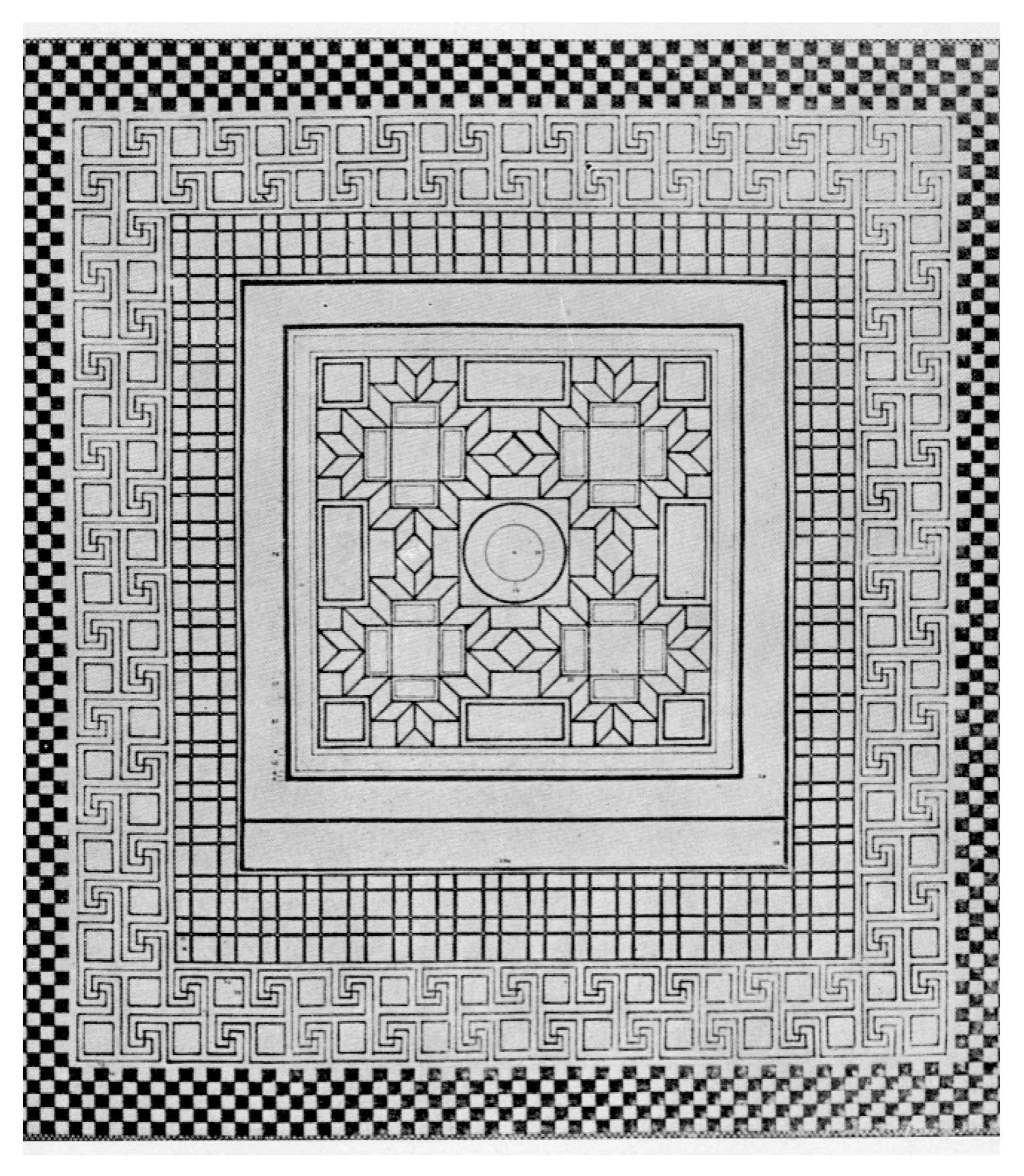
Figure 4 shows a schematic drawing of the mosaic presented by Djurić [
2].
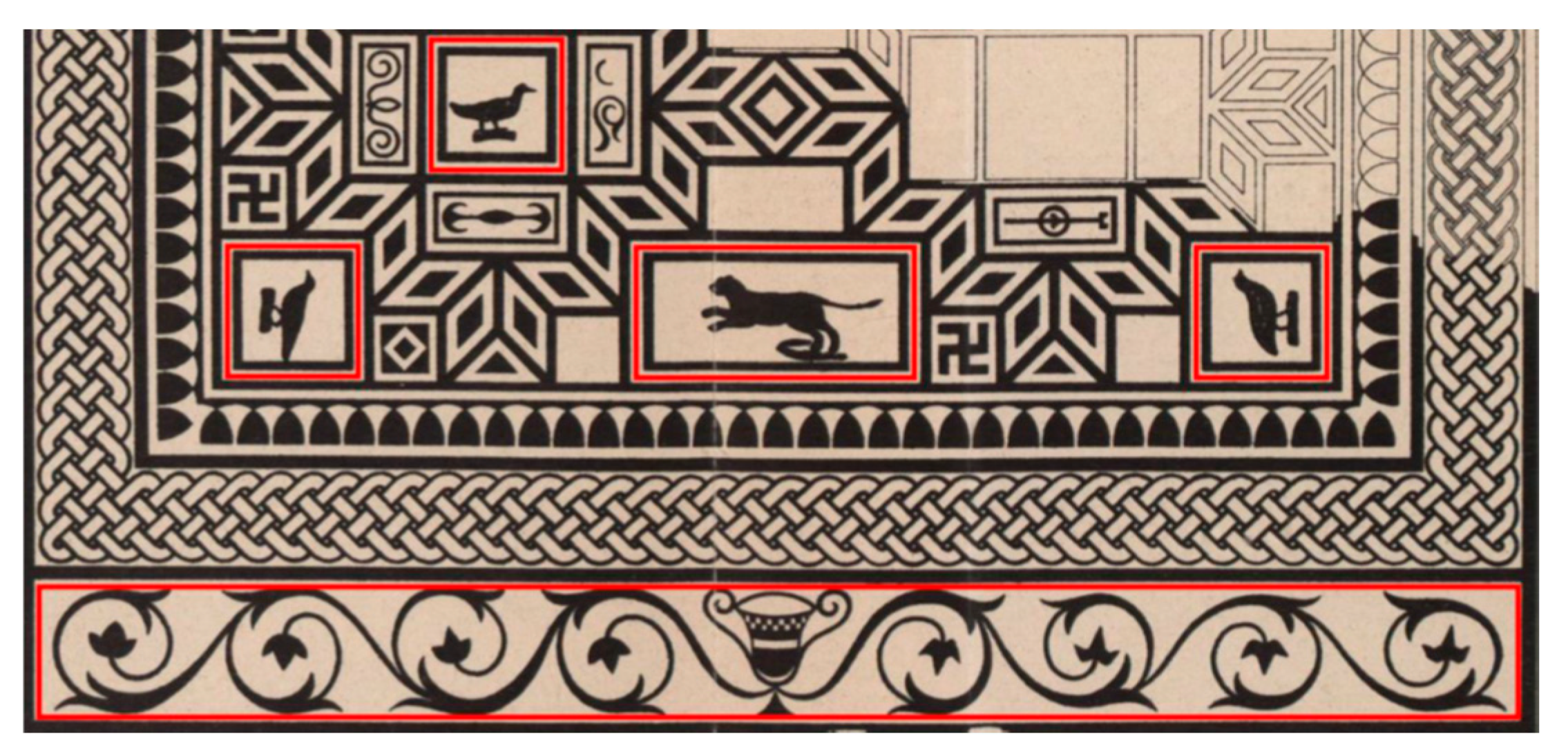
The figural decoration features plant and geometric motifs. Among these are an ivy tendril growing from a chalice, and colored panels with birds and a tiger. To emphasise the relatively small colored animal motifs, all other parts of the mosaic are rendered exclusively in black and white. The figural panels, or emblems, are oriented in different directions, guiding the viewer in a circular path (1).
The mosaic decoration is characterized by a distinctive Roman visual narrative—a play of meanings and allusions that easily shifts from one layer of significance to another, guiding the viewer toward a hidden message. In the villa of a wealthy Roman from Poetovio, the mosaic could be interpreted as the owner’s invitation to the guest to honor Dionysus during the meal while simultaneously transcending mere sensory pleasures [
3,
4].
Figure 5 shows an approximate section of Jenny’s drawing of the mosaic [
1], with the animal emblems and the ivy tendril growing from the chalice marked in red. The figural decoration featuring a cup and an ivy tendril likely indicates the entrance to the room from the south.
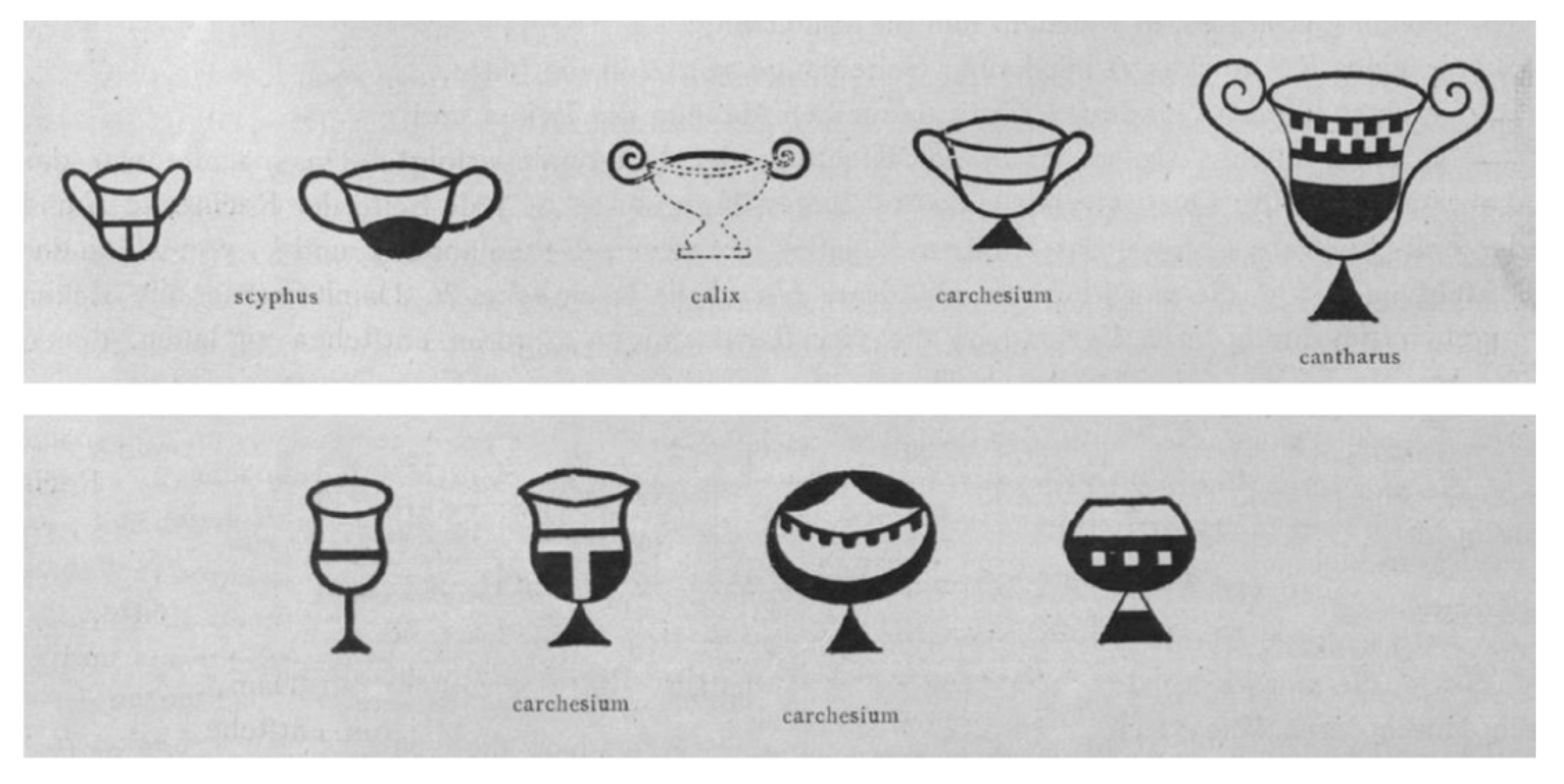
According to S. Jenny’s research, the motifs of the mosaic are likely related to the summer dining room (
triclinium). In several places, drinking vessels (
chalices) of various shapes appear, symbolising the
triclinium [
1], where Dionysus is honoured with food and drink (
Figure 6).
The triclinium, or dining room, was one of the most important reception spaces in the residence. As such, it featured high-quality decorative elements, including mosaics, wall paintings, and stuccoes, alongside movable luxury items such as artworks and furniture. The visual impact of the mosaic was enhanced by painted wall decorations and, in some cases, by the semantic reinforcement of themes through mosaics in adjacent rooms. Imagery associated with Dionysus was also popular on objects used for serving and drinking wine [
5,
6].
Access to the dining room was controlled; entry was restricted and required an invitation. The consumption of food and drink in Roman times was an important social event, commonly known as a
convivium or
banquet, designed to engage all the senses [
7].
The Roman banquet was not merely a meal, but a carefully designed spectacle intended to display the host’s wealth, status, and sophistication to the guests, and ideally to surpass the lavish banquets of elite friends and peers. The purpose of the food and drink served was not only to satisfy hunger, but also to enhance the theatricality of the event while conveying symbolic or spiritual significance [
3].
1.2. Digital Reconstruction of the Mosaics
Digital reconstruction methods have been used for many years in the preservation and presentation of cultural heritage objects, including mosaics [
8,
9,
10]. Traditionally, mosaic reconstructions for documentation relied on drawings, plans, and photographs, if available. In addition to laser scanning methods, which provide a 3D approach to capturing geometry but not image information, the use of Structure from Motion (SFM) algorithms is considered more optimal [
11,
12]. For mosaic reconstructions, the advantage of photogrammetry over laser scanning is primarily the color and white balance calibration of images that occurs before photogrammetric processing. This results in chromatic adaptations that are much closer to the true colorimetric appearance of the mosaic.
In addition, photogrammetry uses standard cameras to create high-quality 3D models with color information, proving to be a valuable tool for in-depth mosaic research. The results are high-resolution orthographic images, demonstrating the effectiveness of SFM for detailed mosaic documentation. Technological advances and user-oriented software have made photogrammetry an accessible and efficient tool in cultural heritage, particularly for mosaic documentation and reconstruction. Automated 3D reconstruction from photographs underscores its significance in mosaic preservation and study [
11,
12,
13]. SFM photogrammetry enables the creation of accurate, metrically consistent 3D models, point clouds, and orthophotos of mosaics for analysis and preservation [
14].
Photogrammetry is widely used to record mosaics at various scales, including data capture with drones [
15], material identification, and analysis of tesserae and decorative patterns [
16,
17].
Digital models support preservation, interpretation, and restoration planning by integrating geometry, texture, dimensions, and color information essential for conservation [
18,
19].
Monti and Maina [
20] presented a simple mosaic reconstruction method that is not metrically precise. This non-metric approach captured mosaics without using photogrammetry or laser scanning. Digital capture was performed with a standard digital camera. For larger mosaics, multiple photographs with overlapping edges were taken and then merged into a full-size, high-resolution image necessary to display mosaic details and print quality. During the 2011 excavations in the Ravenna market, five rooms with mosaic floors, likely dating from the early Roman Empire (1st–2nd century CE), were discovered [
1]. The mosaics were removed for restoration and museum display, but due to extensive lost areas, they could not be incorporated into the traditional restoration process without creating hypothetical reconstructions. Therefore, a digital reconstruction was undertaken in a non-invasive manner, without touching the mosaics. Simple, freely available software was used for the reconstruction. The goal of the digital workflow was to provide a virtual processing example useful for conservators and restorers, and researchers such as archaeologists and historians. The study demonstrated that such a reconstruction can be carried out without specialized Information Technology (IT) or computing knowledge. The reconstruction was performed based on the geometric patterns that compose the preserved mosaic, which provided the most reliable basis for hypothetically reassembling the mosaic’s motifs and patterns.
1.3. Use of Digital Data
Recent developments in digital technologies have created new opportunities for using visual data in the interactive presentation and interpretation of cultural heritage. The results of capturing visual information, including photogrammetry of mosaic sections and three-dimensional cultural heritage objects, can be combined with augmented reality (AR) environments for interactive visualizations. Gherardini et al. [
21] developed an AR application that enables the completion of missing areas of a mosaic. The approach combines photogrammetric documentation of the preserved sections with a virtual reconstruction based on Giuseppe Graziosi’s polychrome watercolor, created in 1897 as contemporaneous archaeological documentation. Since parts of the mosaic were later lost, the watercolor serves as a key reference for reconstructing the missing motifs. The reconstructed mosaic is generated by integrating a high-resolution photograph of the watercolor with the mosaic orthophotograph and visualized within an AR environment, allowing users to experience the complete mosaic.
In addition to reconstructing the colors of the mosaic, the relief of the mosaic must also be included in the reconstruction, as it represents an important morphological aspect. Incorporating relief is necessary when the reconstruction requires higher resolution and quality for further research or for a more accurate presentation to museum and gallery visitors. For relief reconstruction, simpler approaches using maps—such as image templates representing relief data (bump maps and normal maps)—can be employed to simulate relief visually (at the optical level). Alternatively, approaches affecting the geometry of digital models, and thus the visualization of the mosaic surface height Digital Elevation Map (DEM), can be used [
22]. Tomography and ultrasound techniques are also applied to reveal seemingly hidden subsurface details and deep patterns [
23].
For the reconstruction of the Veliki Pitiunt fortress, Glazov et al. [
24] developed a method based on only 10% of the known mosaic remains; that is, only 10% of the mosaic covering the interior of the temple was available for study. The mosaic reconstruction relied on available sources, excavation records, photogrammetry, aerial images of the temple remains, ortho maps, and Digital Terrain Models (DTMs). Using initial references and photographs, smaller portions of the large mosaic were reconstructed in plan view for individual sections of the building. Mosaic motifs could be reconstructed in areas where patterns were more uniform, and their completion was possible based on studies of mosaic construction from the period in which the mosaic was created. The authors report that the reconstruction of almost the entire mosaic was possible, as it did not contain highly complex patterns. They also provided guidelines for reconstructing architectural mosaics from the studied period.
Mosaic reconstruction was also part of the research conducted by Fazia and Lo Brutto [
25], who determined that the mosaic covers part of the floor of the studied building, specifically the complex of the Isis Sanctuary in Lilybaeum, in the ancient city of Marsala (southern Italy). The study employed a combination of digital and 3D approaches (2D mosaic reconstruction, 3D modelling) for reconstructing the mosaic and situating it within space, alongside terrestrial laser scanning and photogrammetric images for virtual reconstruction purposes. A detailed and high-quality 2D reconstruction of the mosaic floor was made possible through close-range photogrammetry, providing researchers with precise data on size, geometry, and color. Since the mosaic contained relatively simple, repeating patterns, the reconstruction of the entire mosaic was not complex and was achieved by assembling the basic motifs.
1.4. Use of Automated Methods for Mosaic Reconstruction
Automated methods are increasingly used for mosaic reconstruction, enabled by analysing images of mosaics with simple, repeating motifs. For more complex mosaics, artificial intelligence (AI) methods are now also available. In recent years, AI-supported approaches have been developed to automate, accelerate, and qualitatively improve the analysis and reconstruction of mosaics. Functions such as prediction, classification, image completion, variation in image solutions, and automatic description of
tesserae are among the automation capabilities enabled by deep learning-based methods. These approaches represent an important first step in mosaic analysis and facilitate better cataloguing, preservation and interpretation of cultural heritage [
26,
27].
Gil, Gomis, and Pérez [
28] presented a vector-based, computer-assisted approach for the automatic image analysis of mosaics. The approach relies on group symmetry theory and perceptual psychology, allowing the extraction of information about mosaic patterns, repetition, and motif arrangement. The method suitable for mosaics with simple, repeating motifs is divided into three main stages:
Reconstruction, aimed at obtaining data on missing parts of the mosaic.
Unification, in which decisions are made among different motifs, and standardization, in which motifs are positioned precisely along a symmetry axis.
Motif centre, around which the segment of the motif is then rotated.
This method is suitable for mosaics with simple, repeating motifs.
Brutto and Dardanelli [
29] investigated the effectiveness of photogrammetry and computer vision for 3D reconstruction in archaeology, particularly for mosaics requiring high-precision measurements (sub-millimeter). The authors assessed the development of the approach by capturing 3D data on three mosaics of different sizes located in Italian museums. The aim was to evaluate the potential and limitations of the technique, particularly regarding camera calibration for creating detailed 3D models and the suitability of the resulting full-scale orthographic images for documentation and restoration purposes.
The study by Moral-Andrés et al. [
30] demonstrates that AI approaches are becoming increasingly relevant for inclusion in mosaic reconstruction workflows. The research analyzed the tool DALL·E for reconstructing images of both mosaics with complex motifs (humans, animals, etc.) and mosaics with simpler, repeating elements (patterns). The tool proved reliable for reconstruction solutions, appropriately supplementing missing parts of mosaic images, such as parts of human or animal bodies and interactions between human and animal motifs. It was particularly successful in reconstructing and completing simple, repeating patterns. However, the study also found that the use of the tool during the research period did not reach the level of manual editing and mosaic reconstruction. Limitations included inaccurate or incorrect interpretations and depictions of human body parts, the addition of inappropriate elements (e.g., clothed bodies instead of nude), and the placement of motif elements in illogical locations (e.g., extra limbs of humans and animals). The authors concluded in 2024 that AI-supported processes can assist in interpreting missing mosaic sections by providing suggestions that researchers can use to make final reconstruction decisions.
The reconstruction of the mosaic with animal emblems required the establishment of a scope of work with defined phases and their sequence to achieve optimal results. The research team comprised graphic designers, specialists in computer-generated visualizations and digital graphic content, and archaeologists, who played a central role in ensuring that all reconstruction steps were properly verified and justified from an archaeological perspective. During all graphic steps of the mosaic’s design reconstruction (moving, scaling, rotating elements, completing, drawing, placing in sequence, and arranging motifs), the archaeologist empirically confirmed the reasonableness of the intervention or proposed a more sensible solution based on his knowledge of mosaic construction.
The aim of this research was to examine sources related to a mosaic with animal emblems from a Roman villa in Ptuj, Slovenia, and to create its digital graphic reconstruction. This enables interpretative visualizations of the standalone mosaic and offers possibilities for future presentation within the context of the ancient building or individual room. The reconstruction also supports further archaeological research, creative exploration of mosaic heritage, and digital presentation solutions that enhance visitor experiences in museums and galleries.
At the time of the excavation of the mosaic during the Austro-Hungarian Empire, the central museum for this region was located in Graz. Consequently, the remains of the mosaic are still preserved today at the Universalmuseum Joanneum in Graz, Austria. In the same year, a museum was also established in Ptuj, Slovenia. The mosaic is currently inaccessible, so the reconstruction had to rely solely on the preserved documentation and archival sources.
Interdisciplinary collaboration among experts in archaeology, graphic design, Information and Communication Technology (ICT), and media studies brought the following research objectives:
Review of archival sources and other existing material on the mosaic.
Digital capture of the available material and acquisition of new data.
Execution of a graphic reconstruction of the mosaic with animal emblems based on the collected sources.
Integration of the digitally reconstructed mosaic in an interactive AR application.
The novelty of the research is the scientific interest in the Roman mosaic with animal emblems, the reconstruction of which contributes to the understanding of the meaning of the worship of most probably god Dionysus, but possibly also Orpheus. The motifs, a play of meanings and allusions, shift from one layer of significance to another, guiding the viewer toward a message that alludes to Dionysus. The applied contribution of the research is further demonstrated by the introduction of the graphic reconstruction into an interactive AR environment and an application through which the user can visualize and experience the mosaic and its elements through engaging functionality. The originality lies in both the archaeological and graphic reconstruction fields, as it presents a reconstruction based on theoretical sources and supported by hypothetical assumptions regarding the placement, design, arrangement, and correspondence of individual mosaic bands, and the placement and arrangement of motifs. This approach can serve as a guiding framework for mosaics with similarly preserved input data. It should be emphasized that this framework is only a starting point, and each mosaic is a unique work of art that requires a specific reconstruction approach, even when depicting the same deities, as was the case in our research with Dionysus.
2. Materials and Methods
The defined workflow included:
Review of the literature on the mosaic with animal emblems.
Implementation of the mosaic reconstruction using a drawing as the basis. The drawing was supplemented and corrected according to data obtained from older photographs of the mosaic and other reliable sources. Where data were insufficient, we completed the geometric motifs of the mosaic according to the arrangement of known geometric motifs from the available material.
Data capture with the basic lines of the mosaic drawn on polyvinyl foil (scale 1:1) in sections in the controlled photographic conditions studio (acquisition of metric information).
Processing and assembling overlapping photographs into a complete image.
Capturing the data about the mosaic line contour on polyvinyl foil using a drone.
Analysis of the redrawn basic mosaic lines on the captured photograph of the polyvinyl foil.
Corrections of motifs and other mosaic elements according to a scale of 1:1.
Supplementing emblems with animal motifs based on drawings with precisely rendered details at the level of mosaic stones, and placing emblems in the overall reconstruction
Planning, design and development of the AR application Mozaik AR, including User Interface (UI) layout and interaction design, enabling placement, movement, rotation and scaling of the mosaic in physical space, step-by-step visualization through reconstruction layers, hotspot markers with information panels, a tutorial interface, and switching between two reconstructed mosaics.
The mosaic is no longer physically accessible. It was reconstructed based on a drawing by S. Jenny [
1], older photographs from the 1970s [
2] of the section of the mosaic that was still accessible at that time, and a redrawing of the basic lines of the mosaic onto polyvinyl foil.
Adobe Photoshop 2024 and Adobe Illustrator 2024 (Adobe Inc., San Jose, CA, USA) were used. In the studio, the polyvinyl foil with the redrawn basic lines of the mosaic in sections was photographed using a Nikon D780 (FX) SLR camera (Nikon Corporation, Tokyo, Japan), and for precise capture of the foil, a DJI Mavic 3 Pro (SZ DJI Technology Co., Ltd., Shenzhen, Guangdong, China) drone was used, and images were captured in 12-bit RAW format and resolution 5280 px × 3956 px.
The animation showing the reconstruction steps was created in Adobe After Effects 2024 (Adobe Inc., San Jose, CA, USA).
The AR application Mozaik AR was developed in Unity 6.0 (Unity Software Inc. dba Unity Technologies, San Francisco, CA, USA) using AR Foundation and ARCore. The reconstructed mosaic and intermediate layers were exported from Adobe Illustrator and Photoshop and imported into Unity as separate textures. Interaction elements (slider, buttons and hotspot markers) were designed in Illustrator. The application was tested on AR-compatible Android devices.
Methodology
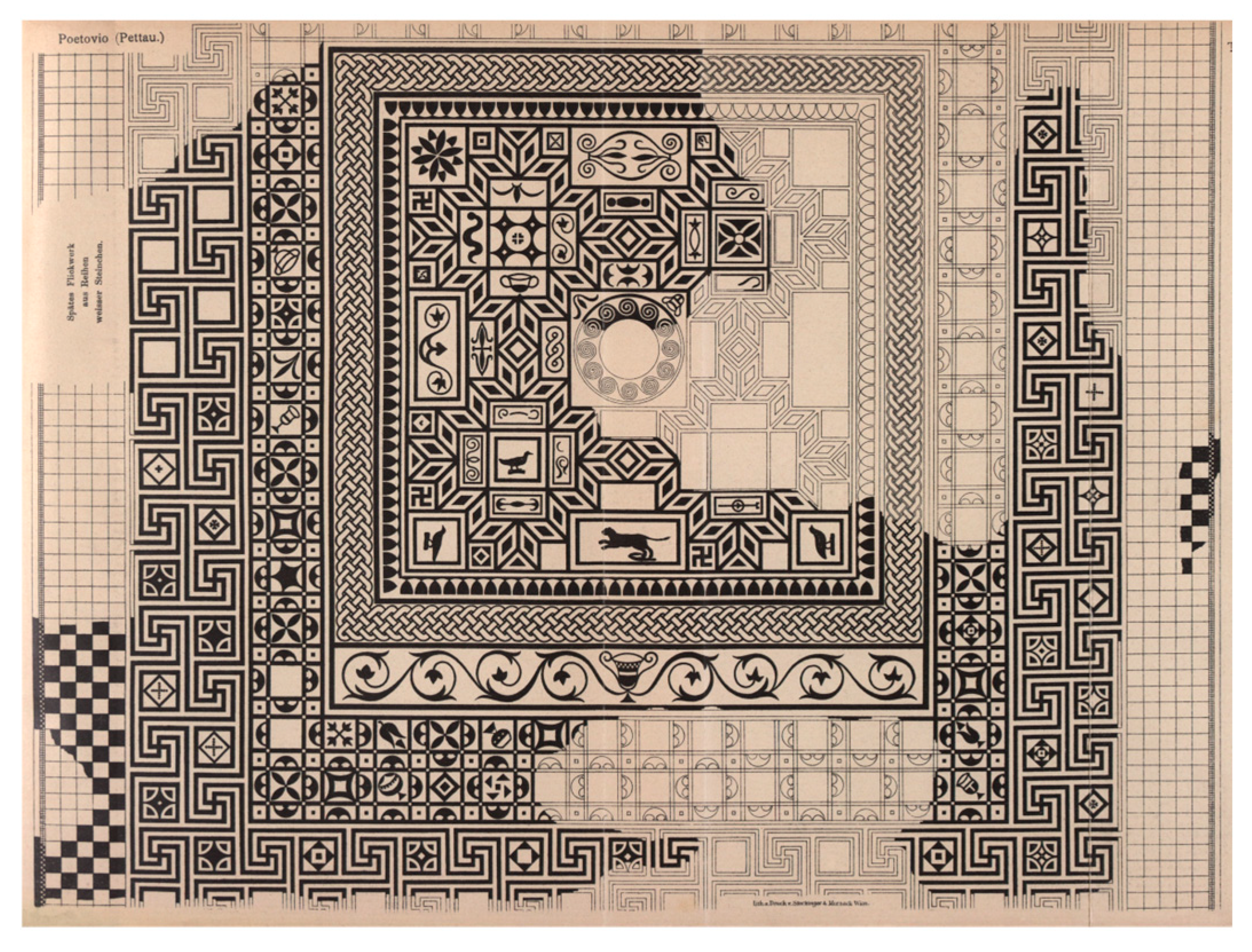
The drawing of a mosaic with animal emblems (
Figure 7) served as a good basis on which pictorial data from various sources were built and supplemented.
The most important source for determining the elements of the mosaic was the photographs of the source [
2], which enabled the identification of errors in the drawing and completed some missing elements.
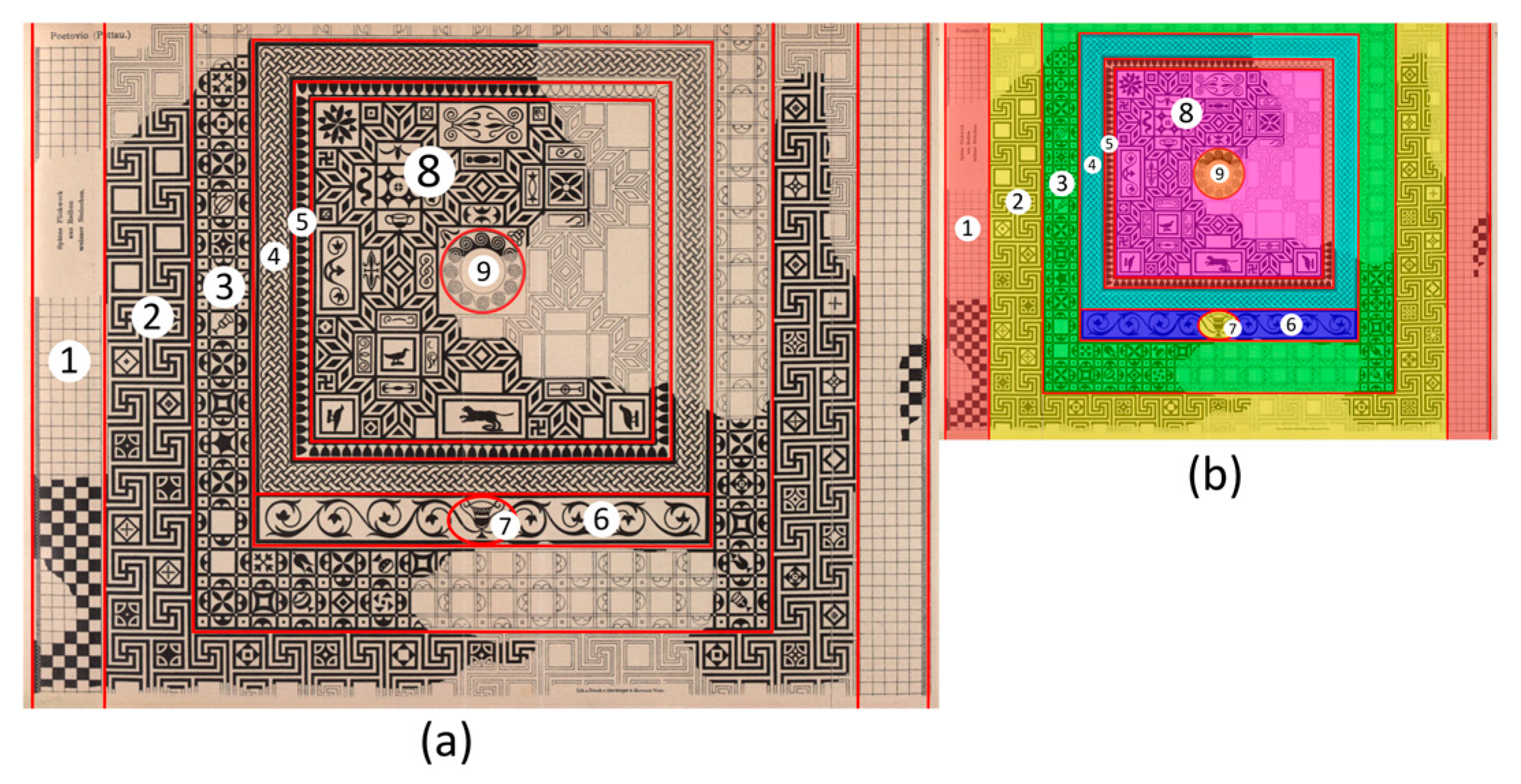
Analysis of the mosaic showed that it can be divided into several parts or bands, which were followed during the reconstruction. The ornamental field (the central part of the mosaic) is surrounded by a triple frame band, marked in
Figure 8 with the numbers 1–3, whose visual value increases inward. The outer frame band, featuring a checkerboard scheme and marked with 1, is followed by a band of linear meander under the number 2, which includes square fields containing curved and straight squares with smaller geometric motifs, executed in the “weaving” technique, as filling motifs. Next is a band of an orthogonal linear grid of squares and rectangles, marked with the number 3, filled with figural, plant, and geometric motifs. The ornamental square field, with a band of five-striped black and white braid under the number 4 and a band of intersecting semicircles under the number 5. A band depicting a volute ivy tendril, marked with the number 6 and connected to a centrally placed chalice (
kantharos), marked with the number 7, is likely supplemented on the entrance side. The essentially non-conclusive scheme of the ornamental field, through the internal division of the square fields and with intermediate cross-shaped fields, is equally divided into a square and four rectangles with an arrangement of filling motifs under the number 8. In the central square, a round central field with a border of stylized waves is drawn under the number 9, i.e., the central motif, where the main character of the mosaic narrative was usually depicted, while in other larger square and rectangular fields, figural (birds, tiger), plant, and geometric motifs are depicted. The marked parts of the mosaic are shown in
Figure 8 [
2].
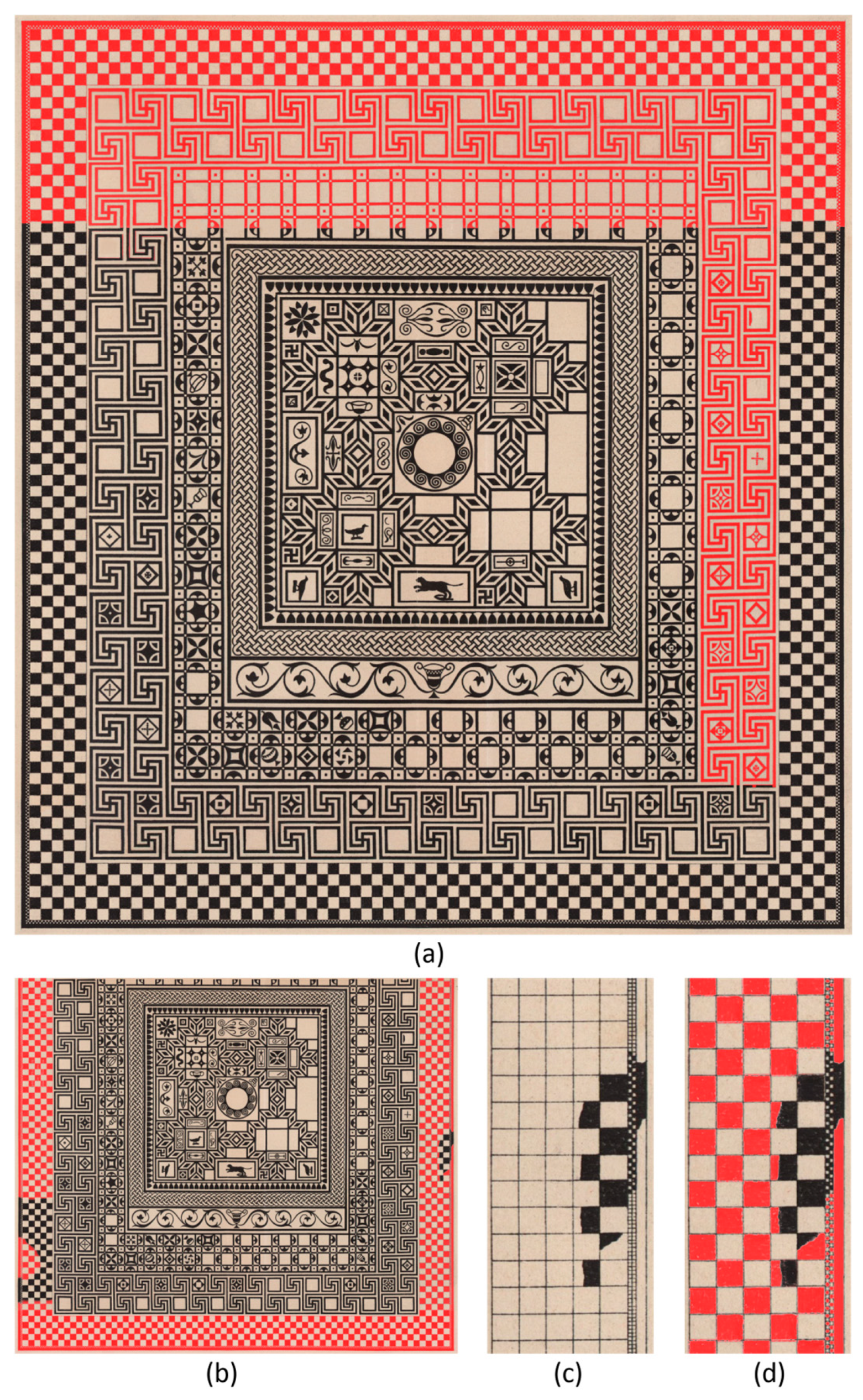
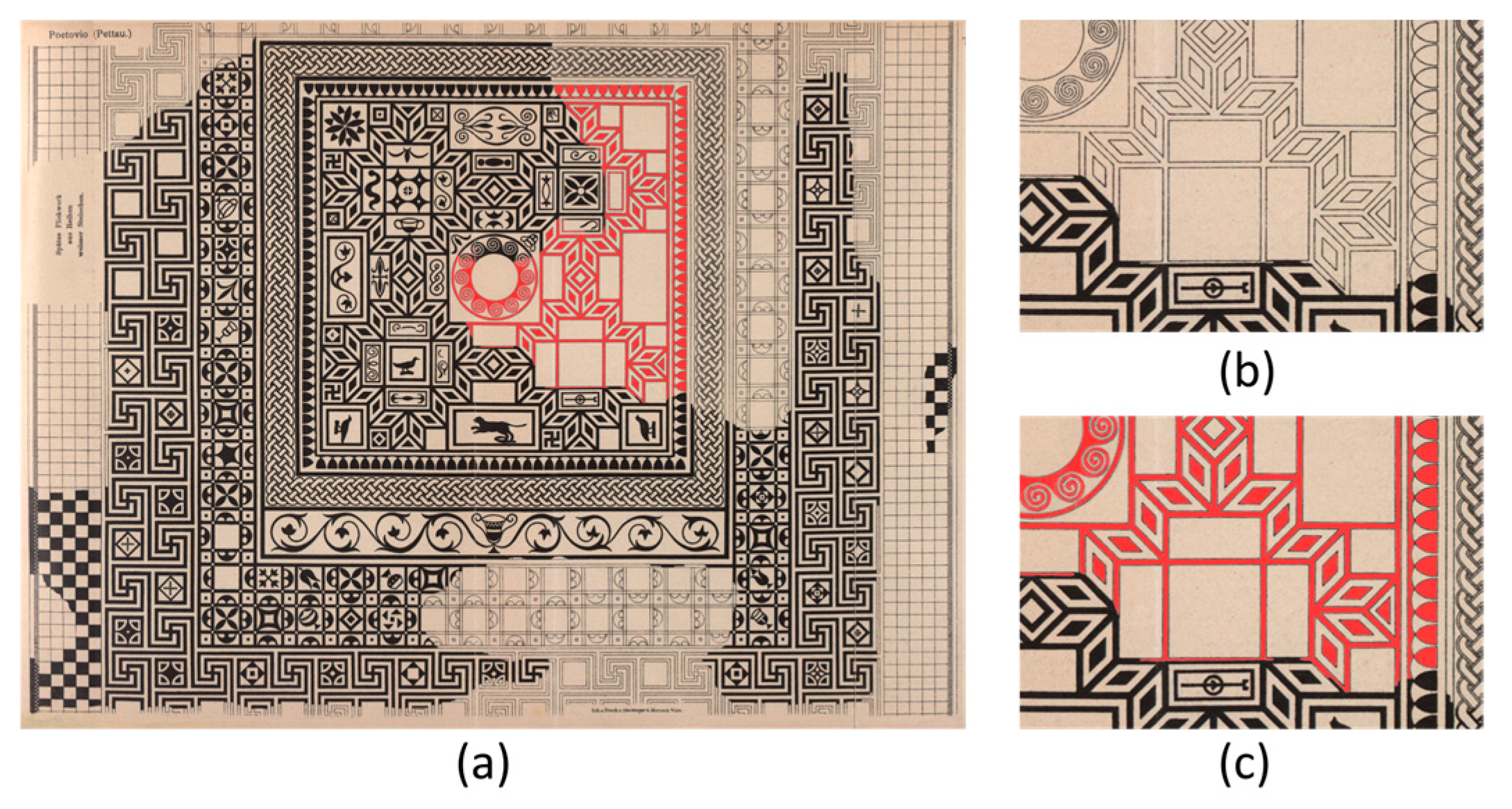
Based on the sketched edges of the drawing and the anticipated geometric patterns, the central parts of the mosaic were largely completed by mirroring and complementing, including a circular central field with a border of stylized waves and a band of intersecting semicircles. The complemented area is marked in red in
Figure 9.
This required mirroring the existing knit section and adjusting and correcting it as needed to achieve a good match.
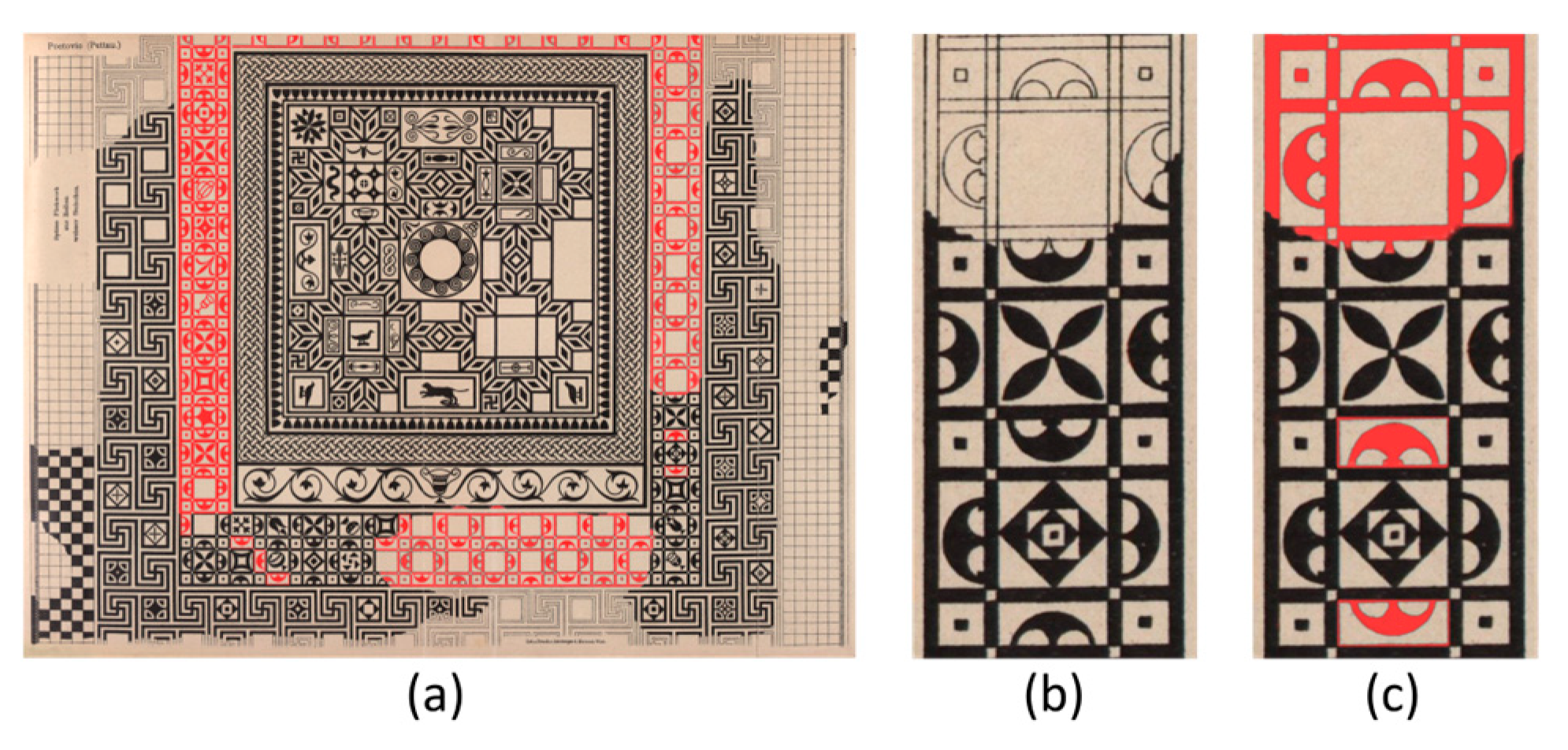
The subsequent phases of graphic reconstruction were: completing the belt of the orthogonal linear grid of squares and rectangles, filled with figural, plant, and geometric motifs; correcting the orientation of individual pelts so that they follow a meaningful sequence; and coordinating the elements according to the directions of the mosaic (left, right, up, and down).
Figure 10 shows a drawing with the completed knit section and further corrections.
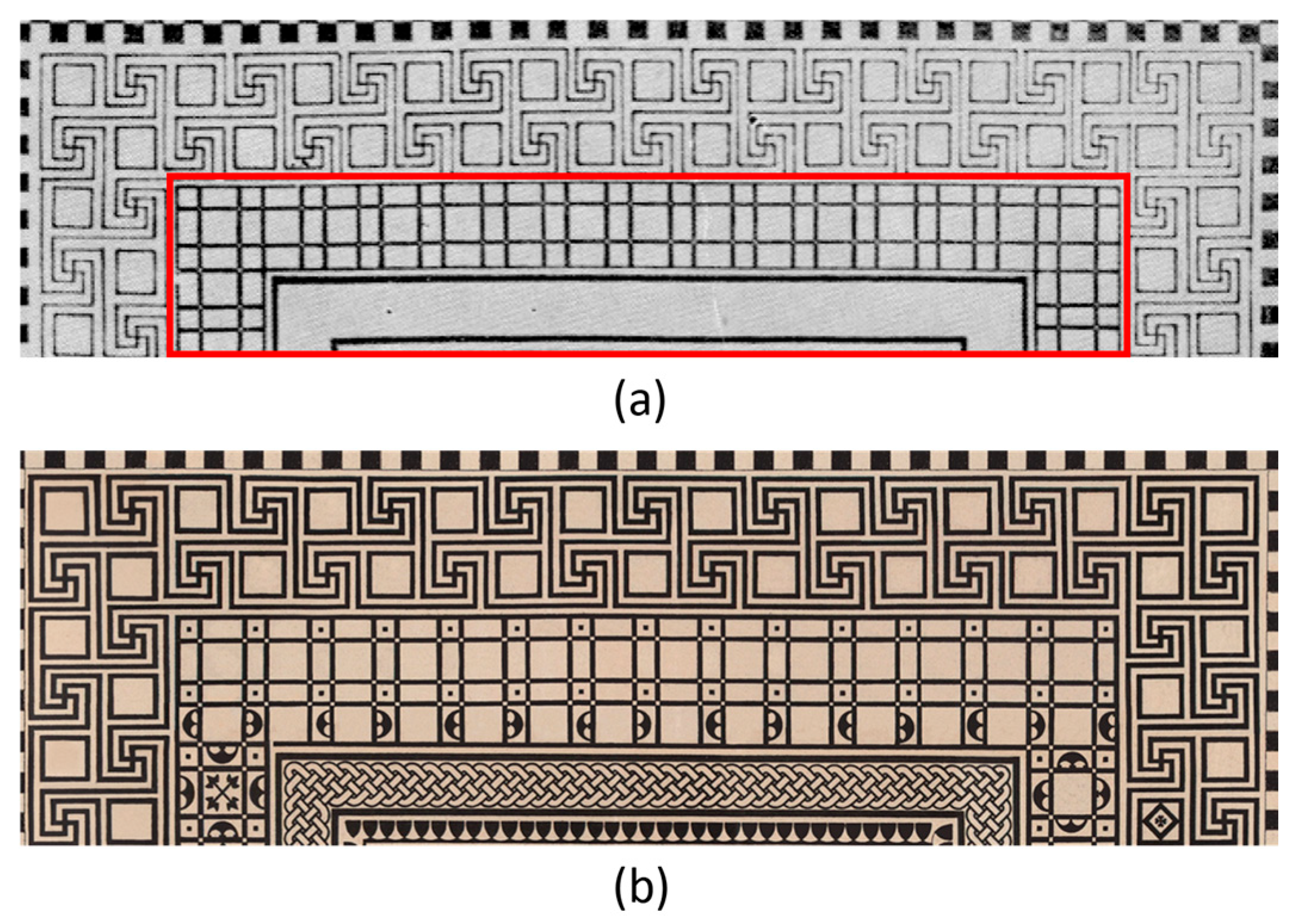
The completion of the linear meander with the included square fields and the completed checkerboard is shown in
Figure 11.
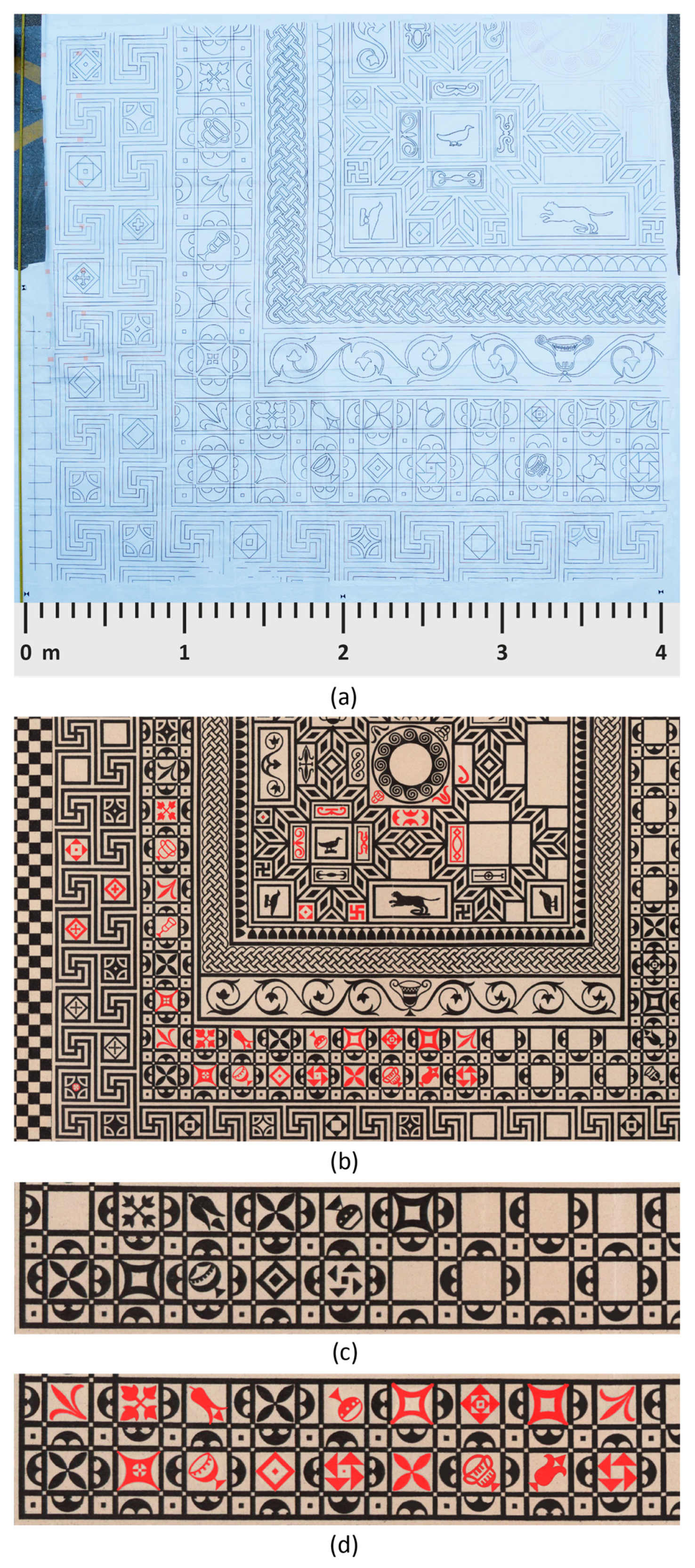
To complete the dataset, additional information on the mosaic and its motifs was obtained from ground-level images taken by a drone of the full-scale (1:1) drawing executed on transparent polyvinyl foil, stored at the Universalmuseum Joanneum in Graz. The 1:1 documentation is a fundamental part of the workflow, as it provides a metrically accurate and comprehensive record of the mosaic’s outlines and features, serving as a reliable reference for further analytical and conservation procedures. The photograph is shown in
Figure 12.
Figure 13 shows an example of creating a motif from both reference sources and meaningfully placing it into the whole.
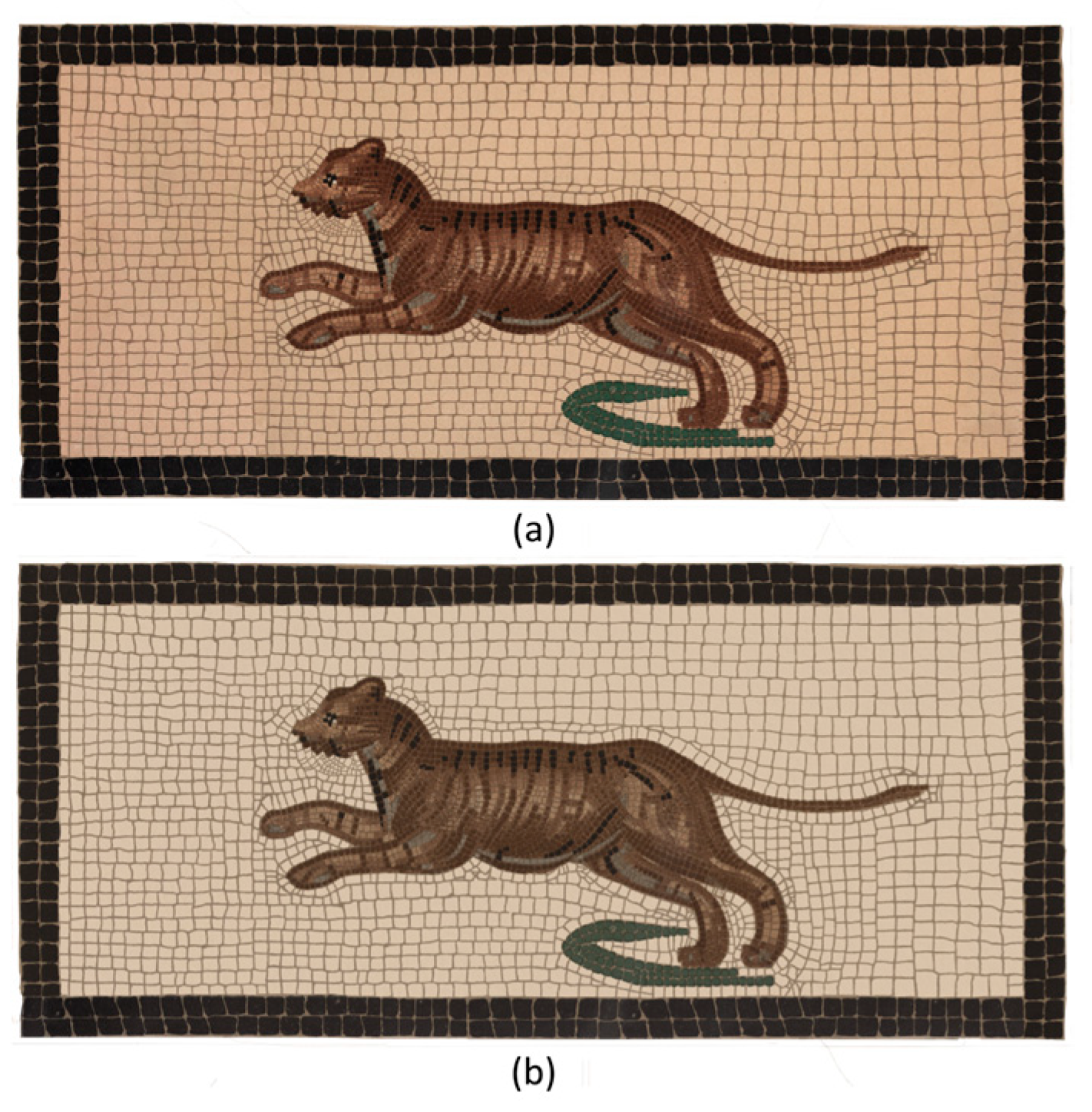
An important part of the mosaic is the animal emblems, which S. Jenny specifically documented in his drawings. In the case of the quail, duck and tiger motifs, it was necessary to add areas of lighter tesserae that represented the background of the motifs and to complete the black border so that the dimensions of the individual emblems, completed as a whole, matched those in the photographs and polyvinyl foil. The drawings of the dove and tiger emblems differed in color from the other two motifs, so they had to be brightened and the colors visually adjusted so that the emblems matched the others better.
Figure 14 shows the color reconstruction steps for arranging the mosaic tesserae in the tiger emblem, based on sources about the mosaic and visual comparison with nearby elements.
During the excavations, S. Jenny also noticed a depiction of a fourth bird, for which there was not enough information to reconstruct the bird. Given the recognized shape of the bird and the richly colored tail, S. Jenny assumed that this emblem depicted a pheasant or peacock.
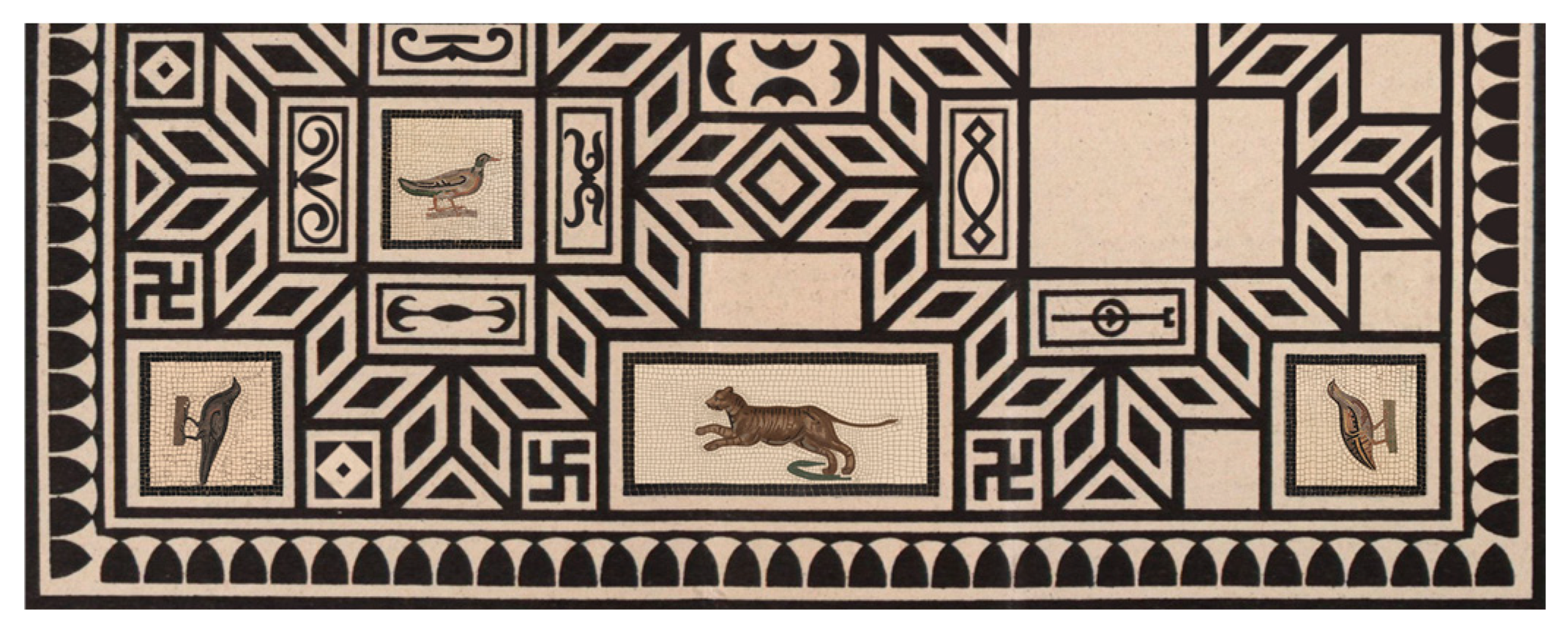
Figure 15 shows a detail of the reconstructed drawing of the mosaic with the placed emblems with animal motifs. The reconstruction used archival material kept by the Universalmuseum Joanneum in Graz (polyvinyl drawing), Steiermarkische Landesarchiv in Graz (the bird—pigeon).
3. Results and Discussion
According to the archaeologist involved in the research, the photograph provides the most accurate information about the mosaic, followed by the section on the foil (
Figure 12a). The drawing (
Figure 7) is the least accurate but still includes important hypothetical information that could not be obtained from the photograph or the foil. In
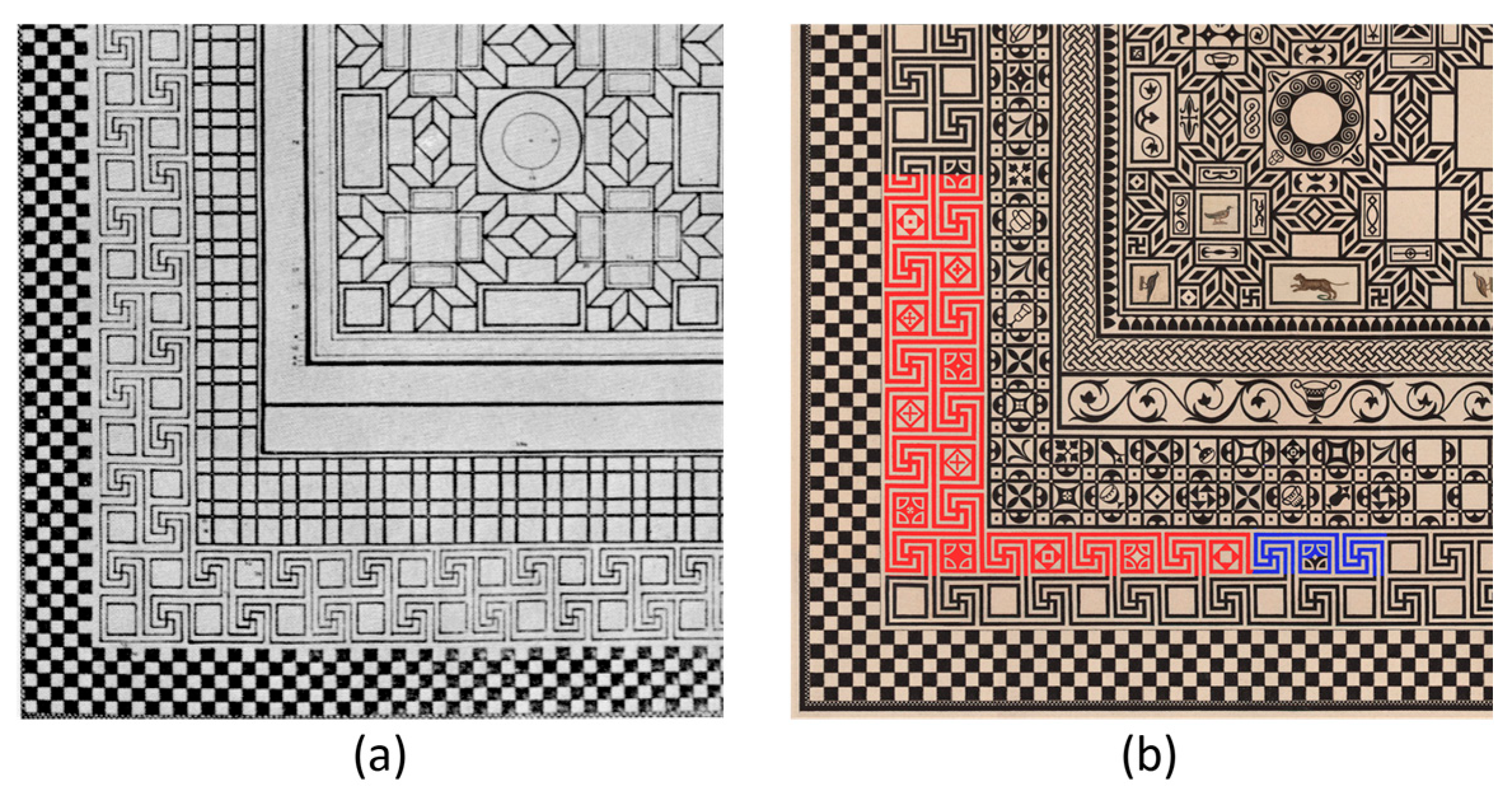
Figure 16b, the parts reconstructed from the photograph are highlighted in red, and those from the foil are highlighted in blue, along with the main reconstruction from the illustration (in black color).
Hypothetical reconstruction approaches are illustrated using a line meander band (
Figure 8, band 2) and a band with an orthogonal grid of squares and rectangles filled with motifs (
Figure 8, band 3).
A line meander band (
Figure 8, band 2) was aligned with the layout scheme in
Figure 16a. The band element was stretched and adjusted, and the squares that were hypothetically completed both vertically and horizontally into a meaningful whole were counted. The emblems within the squares of the band were completed using the basic drawing.
Reconstructing band 3 in
Figure 8 was also challenging. This band features an orthogonal grid of squares and rectangles filled with motifs and was drawn according to the scheme shown in
Figure 17. However, it had to be coordinated with the other mosaic bands to achieve a match.
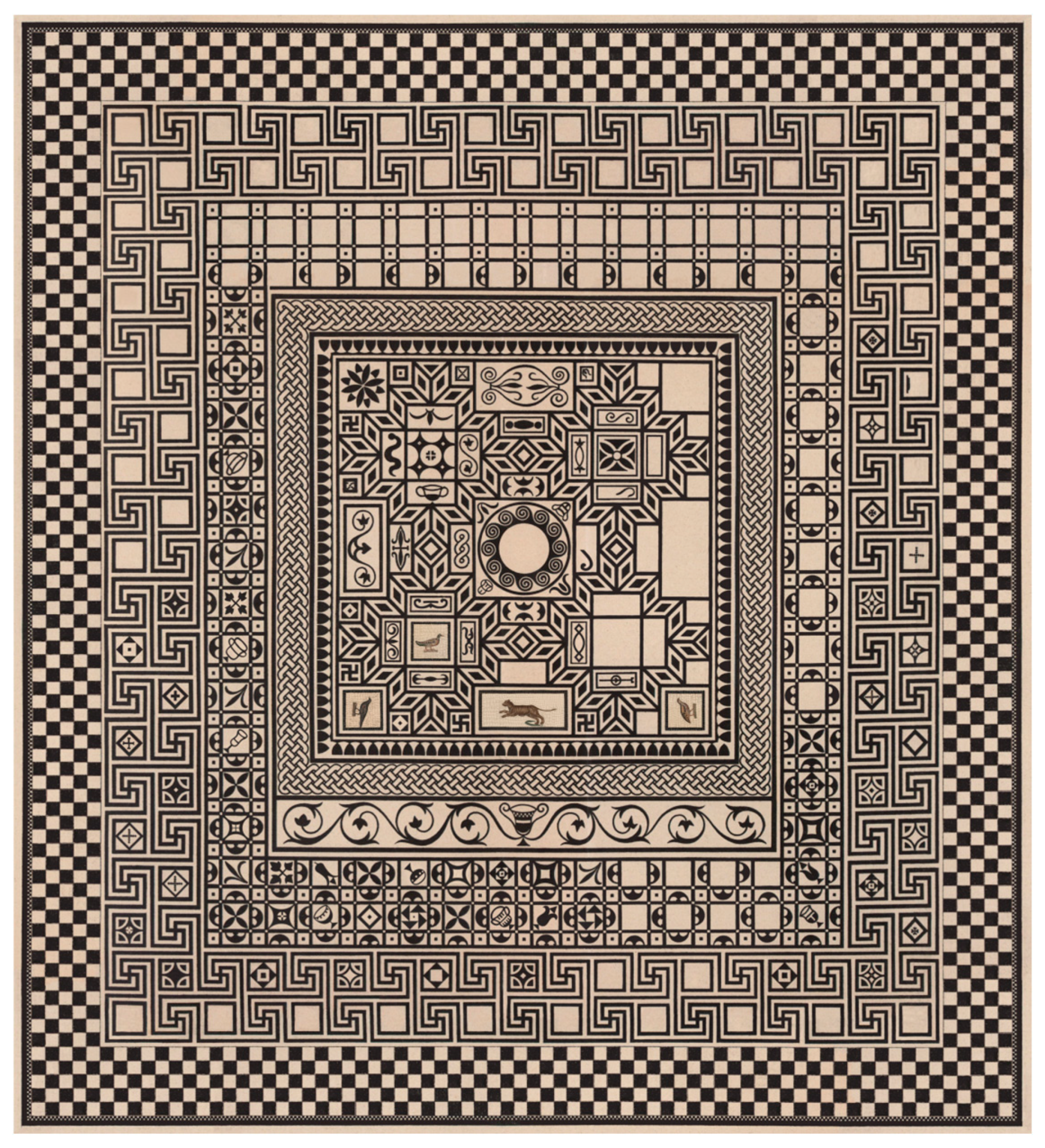
The reconstructed mosaic is not completely filled with motifs, as full graphic reconstruction was not possible due to the available sources and the level of preservation. Although the reconstruction process was accompanied by archaeological study at every stage, it was not possible to complete all the motifs. Each mosaic is unique, so the motifs cannot be copied from other similar mosaics. The final reconstruction of the mosaic is shown in
Figure 18.
The mosaic, characterized by a typical Roman visual narrative—a play of meanings and allusions—easily shifts from one interpretation to another, guiding the viewer towards a hidden message. The geometric decoration, especially the arrangement of rhombic surfaces, creates the illusion of the floor’s plasticity. Incorporating floral motifs, it symbolises the celestial sphere and life, adding a new dimension to the floor, which serves as the frame in which the emblems with animal motifs are set. The decoration alludes to Dionysus and the glory of life. In the villa of the wealthy man from Petoviona, the mosaic could be seen as the owner’s invitation for the visitor to honour Dionysus with a meal. The cult of Dionysus in the mysteries included carnival, intoxication, and sensual exaltation, representing the transcendence of human nature and opening the way to the divine. Dionysus personifies the natural forces of fertility, the laws of life cycles, and general cosmic renewal. He celebrates the eternal cycle of life and its endless transformations, where death is the logical conclusion of life and at the same time a new beginning [
3].
3.1. Presentations of the Graphic Reconstruction of the Mosaic
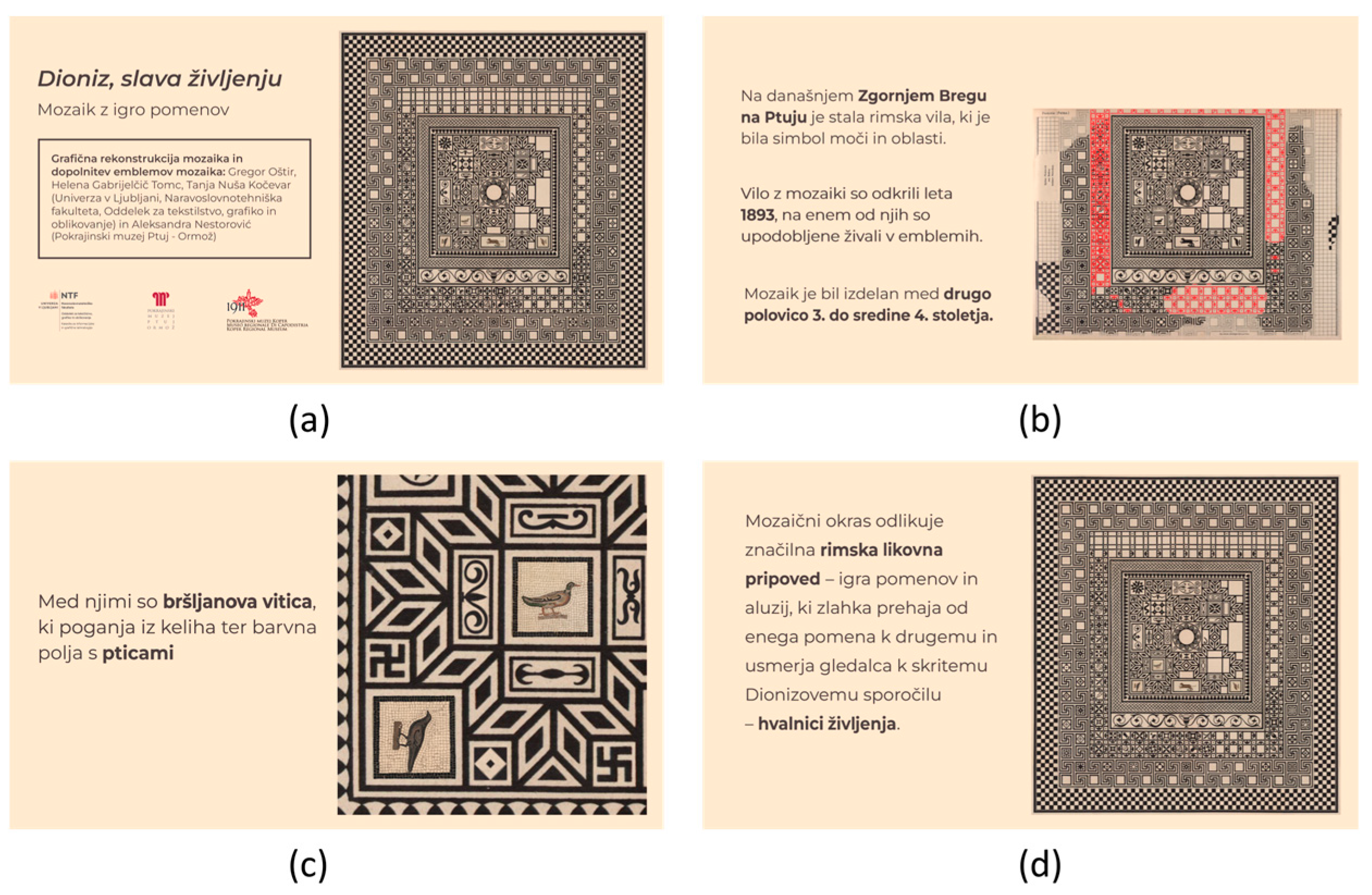
A presentation and explanatory animation (
Figure 19) was created for exhibition purposes. The frames of the animation show the gradual reconstruction of the mosaic bands, with close-up views and details. The opening and closing shots present the final reconstruction of the mosaic, while the remaining shots display explanatory text on the left describing the procedure and elements of the mosaic, and visual representations on the right showing the mosaic (individual bands, motifs, or the whole). The animation will be published on the websites of Slovenian museums as part of the travelling exhibition and online catalogue [
31].
Figure 19 shows the texts in the original language as they were presented at the exhibition, with their translations provided below:
(a) opening credits with the title and author information
Dionysus, Glory to Life: A Mosaic with a Play of Meanings
Graphic reconstruction of the mosaic and completion of mosaic emblems: Gregor Ostir, Helena Gabrijelčič Tomc, Tanja Nuša Kočevar (University of Ljubljana, Faculty of Natural Sciences and Engineering, Department of Textiles, Graphic Arts and Design) and Aleksandra Nestorović (Ptuj–Ormož Regional Museum).
(b) display of the gradual completion of the mosaic with accompanying text
In today’s Zgornji Breg in Ptuj, there stood a Roman villa that was a symbol of power and authority.
The villa with mosaics was discovered in 1893; on one of them, animals are depicted in emblems.
The mosaic was created between the second half of the 3rd and the middle of the 4th century.
(c) display of the completed animal emblems
(d) the final reconstruction of the mosaic with text
3.2. AR Application
As an extension of the mosaic reconstruction project, an interactive mobile application titled Mozaik AR was developed to enhance the presentation and interpretation of reconstructed Roman mosaics. The application enables users to project a digital reconstruction directly into physical space using AR, allowing the mosaic to be viewed in its actual scale and proportions. This creates a more intuitive understanding of its composition and spatial layout than traditional two-dimensional representations.
The app is based on reconstruction layers created during the analytical and restoration process. These layers are organized into a progressive reconstruction sequence that can be explored through a slider—enabling the user to follow the development of the mosaic through successive interpretative and visual reconstruction stages, from initial analytical inputs to the final digital reconstruction. This approach effectively communicates the methodology and decision-making that underlie the reconstruction process.
The current version of Mozaik AR includes two reconstructed mosaics (Both from the same late Roman period AR architectural complex), between which the user can switch within the same interface. Additional interactive features include:
- 4.
Manual AR placement: Users can position the mosaic onto any detected horizontal surface in their environment, enabling flexible viewing conditions across different physical environments.
- 5.
Movement, rotation, and scaling: The mosaic is initially placed at a reduced scale to allow easy positioning within the user’s environment. After placement, the mosaic can be freely repositioned, rotated, and resized through intuitive touch gestures. A dedicated 1:1 scale button restores the mosaic to its exact natural dimensions, ensuring spatial accuracy and allowing users to experience the work at its original size.
- 6.
Progressive reconstruction slider: A step-by-step reconstruction sequence allows users to explore how the mosaic develops through successive interpretative and visual reconstruction stages. Each step represents a clearly defined phase of the reconstruction process, progressing from initial conceptual or analytical inputs to the final digital visualization.
- 7.
Hotspot markers with contextual panels: Selectable markers highlight specific motifs or areas of interest. Each marker opens an information panel containing iconographic, stylistic, or contextual explanations relevant to the designated area of the mosaic.
- 8.
Dynamic size indicator: The application displays the mosaic’s physical dimensions in real time within the AR environment. When the mosaic reaches its exact natural scale, a visual indicator confirms the 1:1 ratio.
- 9.
On-screen tutorial: A built-in tutorial introduces the essential interactions of the application and supports accessibility for first-time users.
- 10.
Switching between mosaics: The current version supports two reconstructed mosaics, enabling users to switch between them through the interface.
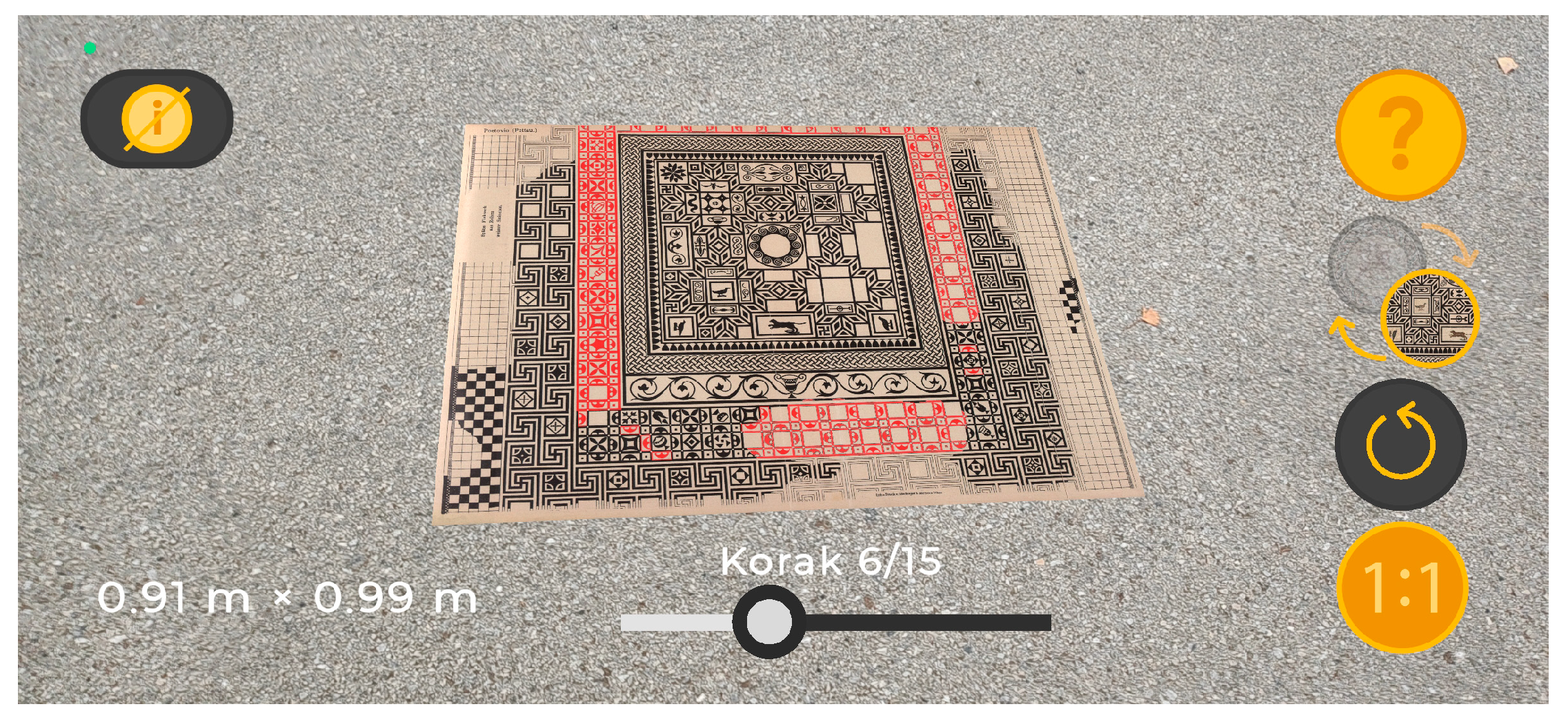
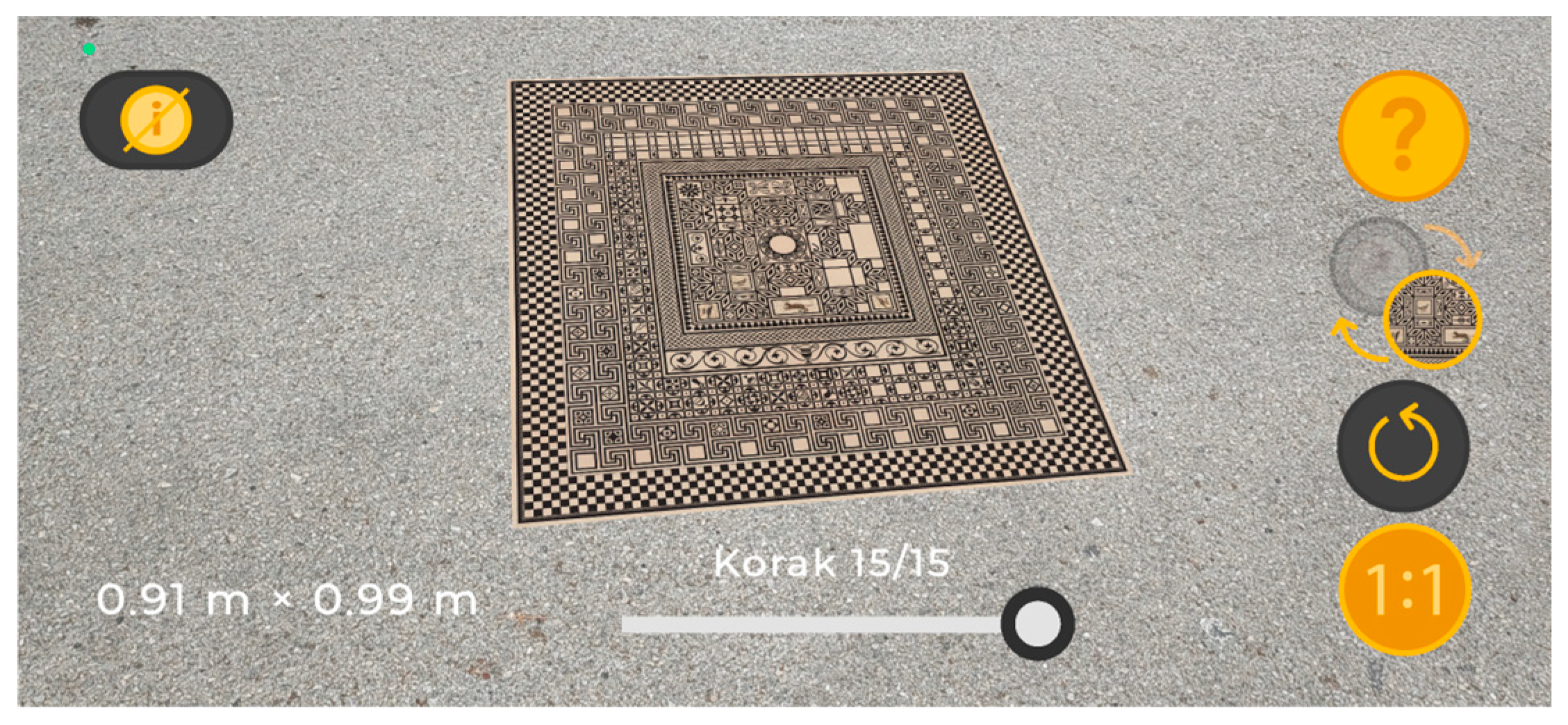
Figure 20 shows the placement of the reconstructed mosaic in the AR environment. Once the AR system detects a horizontal surface, the user can tap to place the mosaic and subsequently move, scale, or rotate it using touch gestures. The interface additionally provides controls for switching mosaics, navigating reconstruction steps, and accessing additional information.
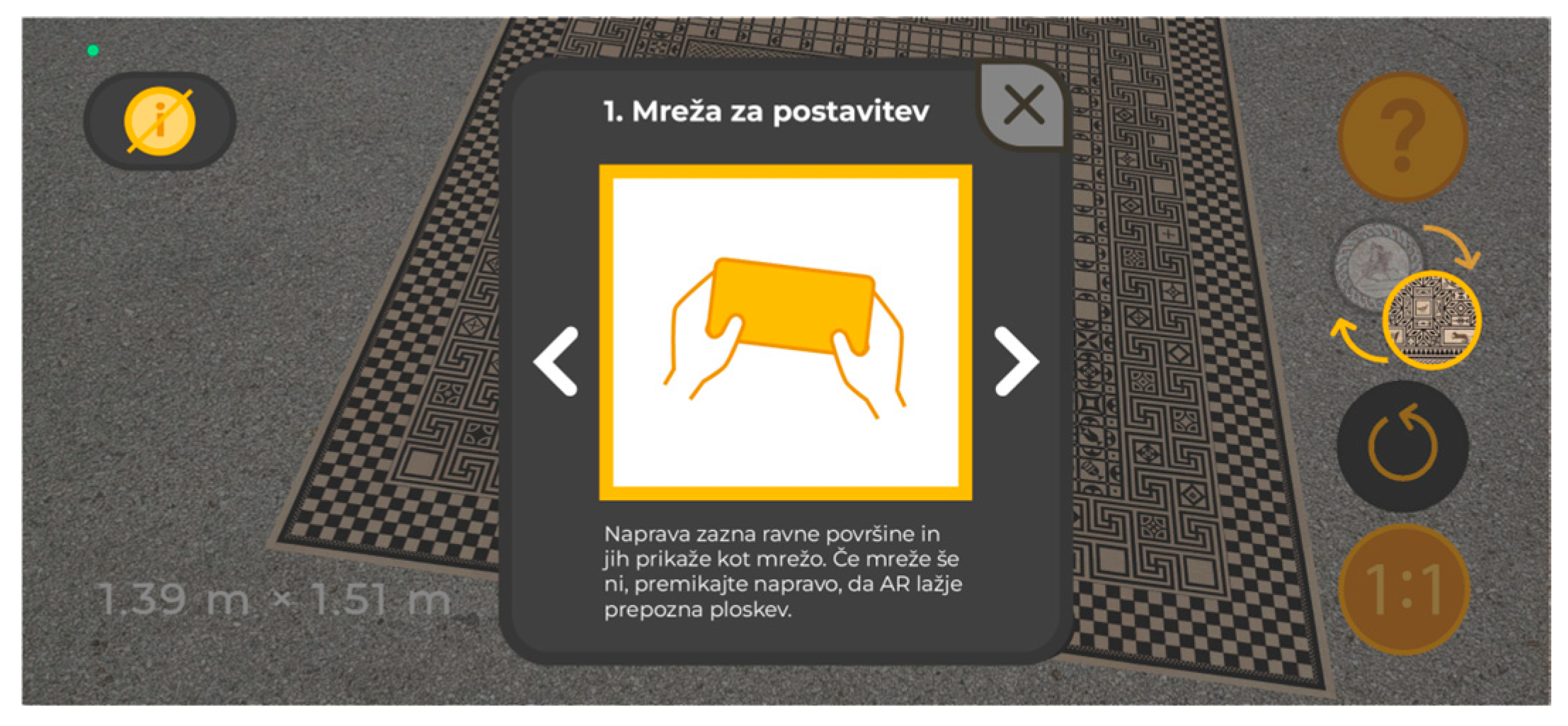
To improve usability and support first-time users, the application includes a short on-screen tutorial describing the main interactions and interface elements. The tutorial enables users to quickly understand how to place, manipulate, and explore the mosaic in AR.
Figure 21 shows an example of the tutorial interface.
A key interpretative functionality is the reconstruction slider, which presents the mosaic through successive reconstruction stages.
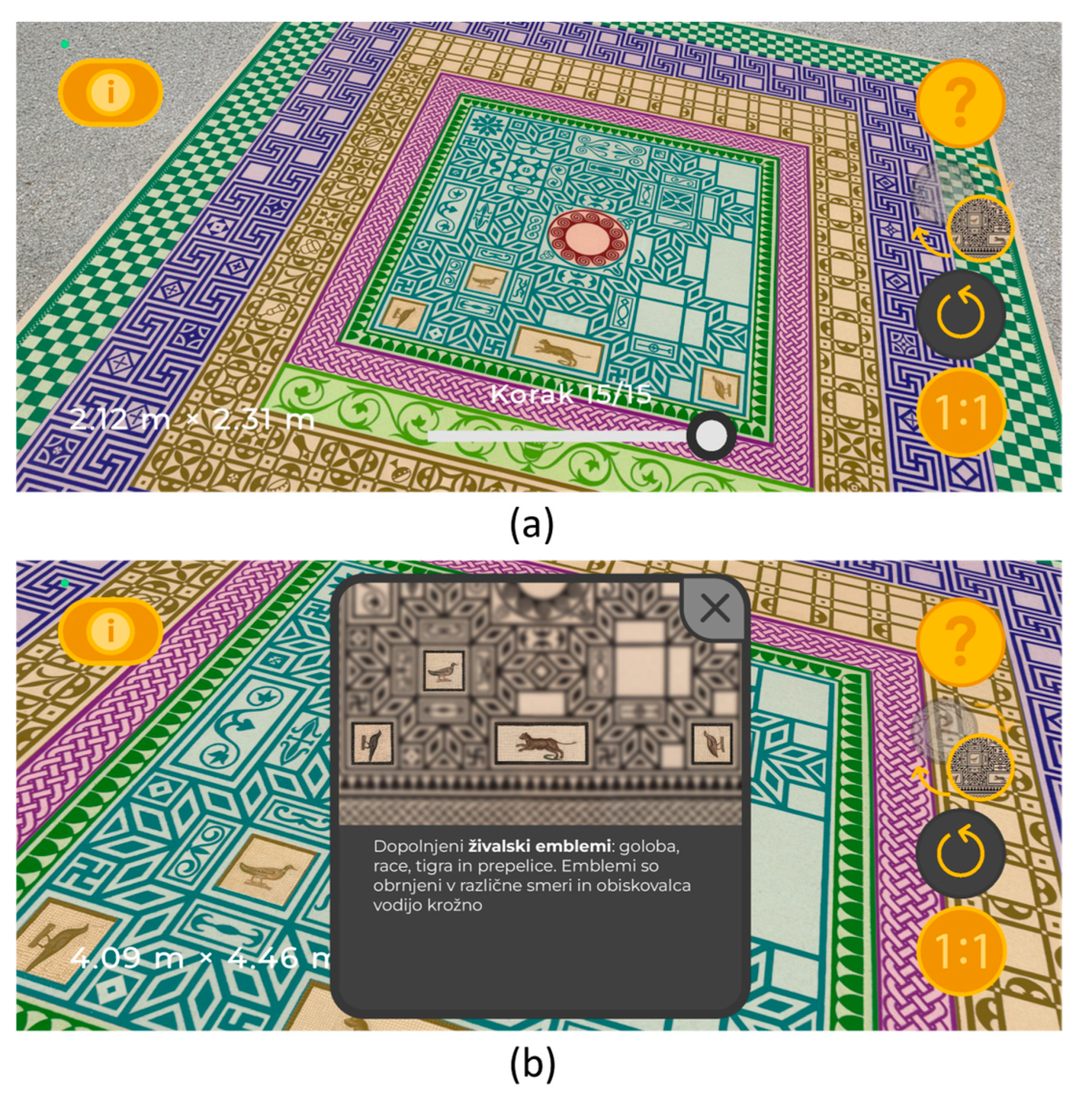
Figure 22 demonstrates how users can follow the development of the mosaic from its early reconstructive stages to the final digital reconstruction.
To support the interpretation of individual motifs, hotspot markers highlight selected areas of the mosaic. When tapped, they open contextual information panels with additional explanatory content.
Figure 23 shows the hotspots and an example of an opened information panel.
Through the integration of AR technology, visual communication and user-experience design, Mozaik AR offers a contemporary and interactive approach to cultural-heritage interpretation. It provides an accessible tool for education, research and museum presentation, expanding the possibilities of how reconstructed mosaics can be experienced and understood. Including two mosaics demonstrates the scalability of the system and its potential for broader use in museum environments or future research projects.
4. Conclusions
The paper addresses the digital reconstruction of a mosaic, most probably dedicated to Dionysus, with animal emblems, which is uniquely important for understanding the content, motifs, and placement of the floor mosaic in the Roman building of the ancient city of Petovio (present-day Slovenia). The research is distinctive in that the mosaic survives only in a few unassembled fragments, currently held in the Universalmuseum Joanneum in Graz, Austria. The pictorial sources for the mosaic are hypothetical, as are the illustrated references for its most significant elements, namely the motifs, their sequence, and the animal emblems. Although existing studies on the design, placement, and proportions of the mosaic motifs and animal emblems suggest possible solutions, these remain hypothetical. This underlines the significance of the present research, which seeks to comprehensively compile the design and meaning of the mosaic in question. The most objective link to the mosaic is provided by hand-drawn sections on transparent foil, maybe created during the relocation of mosaics in the museum at the time of the mosaic’s discovery, from which the actual dimensions, placement, and arrangement of the mosaic elements can be determined.
The scientific novelty of this research lies in its dual contribution to archaeological and graphic reconstruction. It presents a methodology based on theoretical sources and supported by hypothetical assumptions about the spatial arrangement, design, and correspondence of mosaic bands and motifs. Although this approach offers a scalable framework for mosaics with similar data, it serves as a foundational starting point. As shown by our study of Dionysian imagery, each mosaic is a unique masterpiece that requires a tailored reconstruction strategy, even when depicting the same themes.
The applied research contribution lies in the development of a working framework for the study, digitization, and step-by-step reconstruction of the Roman mosaic, with researchers relying primarily on hypothetical reference sources. This framework serves as a guideline for the reconstruction and presentation of the mosaic and can also be applied to other mosaics and cultural heritage research sites.
The research results offer further applied value, focusing on the user and the methods for presenting the digital reconstruction of the mosaic. The entire mosaic was presented through an AR solution, which, via an interactive user path, enables a virtual experience of viewing and learning about the mosaic’s elements and details. In this way, participants are immersed in the visual interaction of all the mosaic’s elements, and its individual motifs and animal emblems. The emphasis is on experiencing the colors, composition, texture, and arrangement of the individual details of this mosaic heritage.
Author Contributions
Conceptualization, A.N., T.N.K. and H.G.T.; methodology, A.N., T.N.K. and H.G.T.; software, G.O. and J.G.; UX and UI design: G.O. and J.G.; validation, T.N.K. and H.G.T.; formal analysis, A.N., T.N.K. and H.G.T.; investigation, T.N.K. and H.G.T.; resources, G.O., T.N.K. and A.N.; data curation, G.O.; writing—original draft preparation, G.O., T.N.K., A.N. and H.G.T.; writing—review and editing, T.N.K. and H.G.T.; visualization, G.O. and T.N.K.; supervision, T.N.K. and H.G.T.; funding acquisition, J.G. All authors have read and agreed to the published version of the manuscript.
Funding
The authors acknowledge the financial support from the Slovenian Research Agency (research core funding No. P2-0450).
Data Availability Statement
The original contributions presented in this study are included in the article. Further inquiries can be directed to the corresponding author.
Acknowledgments
We would like to thank our colleagues Veronika Štampfl and Andrej Učakar for their contribution to the research, as they took photographs and recorded video of the foil mosaic.
Conflicts of Interest
The authors declare no conflicts of interest.
Abbreviations
The following abbreviations are used in this manuscript:
| ICT | Information and Communication Technology |
| SFM | Structure from Motion |
| CE | Common Era |
| IT | Information Technology |
| AR | Augmented Reality |
| DEM | Digital Elevation Map |
| DTM | Digital Terrain Models |
| AI | Artificial Intelligence |
| UI | User Interface |
References
- Jenny, S. Poetovio. Mitteilungen der K.K. Zentral-Kommission für Erforschung und Erhaltung Kunst- und Historischen Denkmale, Wien, Published by Schroll, 1896. pp. 1–22. Available online: https://archive.org/details/mitteilungenser3vol2kkze (accessed on 21 February 2026).
- Djurić, B. Antični mozaiki na ozemlju SR Slovenije. Arheol. Vestn. 1976, 27, 537–625. [Google Scholar]
- Nestorović, A. Dioniz, slava življenju, Mozaik z upodobitvijo emblemov z živalmi/Dionysos, or the glory of Life, Mosaic with animal emblemata. In Dediščina in Moč Mitov—Materialna Kultura in Njena Interpretacija Skozi Mite in Pripovedi/Heritage and the Power of the Myths—Material Culture and Its Interpretation Through Myths and Tales; Saccara, M., Ed.; Pokrajinski Muzej, Ptuj-Ormož: Ptuj, Slovenia; Pokrajinski Muzej, Koper: Koper, Slovenia, 2025. [Google Scholar]
- Henig, M. The Art of Roman Britain; Batsford: London, UK, 1995. [Google Scholar]
- Raff, K. The Roman Banquet—The Metropolitan Museum of Art. Available online: https://www.metmuseum.org/essays/the-roman-banquet (accessed on 21 February 2026).
- Witts, P. Mosaics and Room Function: The Evidence from Some Fourth-Century Romano-British Villas. Britannia 2000, 31, 291–324. [Google Scholar] [CrossRef]
- Djurić, B. Dionysos in the Province. Dionysian Motifs on a Poetovian Monument. In A Step into the Past: Approaches to Identity, Communications and Material Culture in South-Eastern European Archaeology; Papers dedicated to Petar Popović for His 78th Birthday; Institute of Archaeology: Belgrade, Serbia, 2023; pp. 315–324. [Google Scholar]
- Manferdini, A.M.; Cipriani, L.; Kniffitz, L. Methodologies for Digital 3D Acquisition and Representation of Mosaics. In Videometrics, Range Imaging, and Applications XI; Remondino, F., Shortis, M.R., Eds.; SPIE: Munich, Germany, 2011; p. 808504. [Google Scholar]
- Giannotta, M.T.; Gabellone, F. New Data from Buried Archives and 3D Reconstruction The Late Roman Mosaic in Otranto (Italy). In Proceedings of the 20th International Conference on Cultural Heritage and New Technologies—CHNT 20, Vienna, Austria, 2–4 November 2015. [Google Scholar]
- Lavric, M. 3D Reconstruction of a Balneum in a Roman Villa Rustica, Mošnje, Slovenia. In Proceedings of the 2015 Digital Heritage; IEEE: Granada, Spain, 2015; pp. 727–730. [Google Scholar]
- Ajioka, O.; Hori, Y. Application of SFM and Laser Scanning Technology to the Description of Mosaics Piece by Piece. Int. Arch. Photogramm. Remote Sens. Spat. Inf. Sci. 2014, XL-5, 23–28. [Google Scholar] [CrossRef]
- Schenk, T. Introduction to Photogrammetry; Department of Civil and Environmental Engineering and Geodetic Science, The Ohio State University: Columbus, OH, USA, 2005; pp. 79–95. [Google Scholar]
- Aicardi, I.; Chiabrando, F.; Maria Lingua, A.; Noardo, F. Recent Trends in Cultural Heritage 3D Survey: The Photogrammetric Computer Vision Approach. J. Cult. Herit. 2018, 32, 257–266. [Google Scholar] [CrossRef]
- Eltner, A.; Sofia, G. Structure from motion photogrammetric technique. In Developments in Earth Surface Processes; Tarolli, P., Mudd, S., Eds.; Elsevier: Amsterdam, The Netherlands, 2020; Volume 23, pp. 1–24. [Google Scholar]
- Gabellone, F.; Chiffi, M.; Tanasi, D.; Decker, M. Integrated Technologies for Indirect Documentation, Conservation and Engagement of the Roman Mosaics of Piazza Armerina (Enna, Italy). In Proceedings of the 2nd International and Interdisciplinary Conference on Image and Imagination. IMG 2019. Advances in Intelligent Systems and Computing; Springer: Cham, Switzerland, 2020; Volume 1140. [Google Scholar]
- Fioretti, G.; Acquafredda, P.; Calò, S.; Cinelli, M.; Germanò, G.; Laera, A.; Moccia, A. Study and Conservation of the St. Nicola’s Basilica Mosaics (Bari, Italy) by Photogrammetric Survey: Mapping of Polychrome Marbles, Decorative Patterns and Past Restorations. Stud. Conserv. 2020, 65, 160–171. [Google Scholar] [CrossRef]
- Fang, K.; Zhang, J.; Tang, H.; Hu, X.; Yuan, H.; Wang, X.; An, P.; Ding, B. A Quick and Low-Cost Smartphone Photogrammetry Method for Obtaining 3D Particle Size and Shape. Eng. Geol. 2023, 322, 107170. [Google Scholar] [CrossRef]
- Del Pozzo, D.; Scala, B.; Adami, A. Geometry and information for the preservation of a roman mosaic through a HBIM approach. ISPRS Ann. Photogramm. Remote Sens. Spat. Inf. Sci. 2021, VIII-M-1-2021, 73–79. [Google Scholar] [CrossRef]
- Alberghina, M.F.; Barraco, R.; Basile, S.; Brai, M.; Pellegrino, L.; Prestileo, F.; Schiavone, S.; Tranchina, L. Mosaic Floors of Roman Villa Del Casale: Principal Component Analysis on Spectrophotometric and Colorimetric Data. J. Cult. Herit. 2014, 15, 92–97. [Google Scholar] [CrossRef]
- Monti, M.; Maino, G. Non-Metric Digital Reconstruction of Roman Mosaics Excavated in the City of Ravenna (Italy). Virtual Archaeol. Rev. 2018, 9, 66. [Google Scholar] [CrossRef]
- Gherardini, F.; Santachiara, M.; Leali, F. Enhancing Heritage Fruition through 3D Virtual Models and Augmented Reality: An Application to Roman Artefacts. Virtual Archaeol. Rev. 2019, 10, 67. [Google Scholar] [CrossRef]
- Ozebek, K. Recreation of Roman Domus 3D Model in Virtual Reality. Master’s Thesis, Faculty for Natural Sciences and Engineering, University of Ljubljana, Ljubljana, Slovenia, 2019. [Google Scholar]
- Amanatiadis, S.; Karagiannis, G.; Mimis, E. Non-Destructive 3D Reconstruction of an Hagia Sophia Clone Mosaic Utilizing Ultrasonography Combined with an Accurate Motion Planning. Tech. Ann. 2022, 1, 36–44. [Google Scholar] [CrossRef]
- Glazov, K.; Trebeleva, G.; Abornev, I.; Kizilov, A.; Yurkov, V.; Yurkov, G. Reconstruction and Visualization of the Mosaic Floor of the Temple of Pitiunt Hillfort. Appl. Sci. 2023, 13, 6210. [Google Scholar] [CrossRef]
- Fazio, L.; Lo Brutto, M. 3D Survey for the Archaeological Study and Virtual Reconstruction of the “Sanctuary of Isis” in the Ancient Lilybaeum (Italy). Virtual Archaeol. Rev. 2020, 11, 1–14. [Google Scholar] [CrossRef]
- Felicetti, A.; Albiero, A.; Gabrielli, R.; Pierdicca, R.; Paolanti, M.; Zingaretti, P.; Malinverni, E.S. Automatic Mosaic Digitalization: A Deep Learning Approach to Tessera Segmentation. In Proceedings of the 2018 Metrology for Archaeology and Cultural Heritage (MetroArchaeo), Cassino, Italy, 22–24 October 2018; IEEE: New York, NY, USA, 2020; pp. 132–136. [Google Scholar]
- Ghosh, M.; Obaidullah, S.M.; Gherardini, F.; Zdimalova, M. Classification of Geometric Forms in Mosaics Using Deep Neural Network. J. Imaging 2021, 7, 149. [Google Scholar] [CrossRef] [PubMed]
- Gil, F.A.; Gomis, J.M.; Pérez, M. Reconstruction Techniques for Image Analysis of Ancient Islamic Mosaics. Int. J. Virtual Real. 2009, 8, 5–12. [Google Scholar] [CrossRef]
- Lo Brutto, M.; Dardanelli, G. Vision Metrology and Structure from Motion for Archaeological Heritage 3D Reconstruction: A Case Study of Various Roman Mosaics. Acta Imeko 2017, 6, 35–44. [Google Scholar] [CrossRef]
- Moral-Andrés, F.; Merino-Gómez, E.; Reviriego, P.; Lombardi, F. Can Artificial Intelligence Reconstruct Ancient Mosaics? Stud. Conserv. 2024, 69, 313–326. [Google Scholar] [CrossRef]
- Dediščina in Moč Mitov—Materialna Kultura in Njena Interpretacija Skozi Mite in Pripovedi—Spletne Razstave|Pomorski Muzej Sergej Mašera Piran. Available online: https://pomorskimuzej.si/sl/spletne-razstave/dediscina-in-moc-mitov-materialna-kultura-in-njena-interpretacija-skozi-mite-in-pripovedi (accessed on 19 January 2026).
Figure 1.
Floor plan of the entire site (after Jenny) where the mosaic with animal emblems was discovered (Object E). The red circle indicates the part of the building complex in which the mosaic was located [
1].
Figure 1.
Floor plan of the entire site (after Jenny) where the mosaic with animal emblems was discovered (Object E). The red circle indicates the part of the building complex in which the mosaic was located [
1].
Figure 2.
Floor plan of the villa with Room 17 marked, where the mosaic with animal emblems was located (after Jenny). The red circle indicates the part of the main building where the mosaic was located [
1].
Figure 2.
Floor plan of the villa with Room 17 marked, where the mosaic with animal emblems was located (after Jenny). The red circle indicates the part of the main building where the mosaic was located [
1].
Figure 3.
Basic scheme of the central part of the mosaic with animal emblems (after Jenny) [
1].
Figure 3.
Basic scheme of the central part of the mosaic with animal emblems (after Jenny) [
1].
Figure 4.
Schematic drawing (after Djurić) [
2].
Figure 4.
Schematic drawing (after Djurić) [
2].
Figure 5.
Approximate section of Jenny’s drawing of the mosaic (2), with the animal emblems and the ivy tendril growing from the chalice highlighted in red (schematic plan of the mosaic, adapted from Jenny and Djurić) [
1,
2].
Figure 5.
Approximate section of Jenny’s drawing of the mosaic (2), with the animal emblems and the ivy tendril growing from the chalice highlighted in red (schematic plan of the mosaic, adapted from Jenny and Djurić) [
1,
2].
Figure 6.
Jenny’s studies of drinking vessels (
chalices) of various shapes (after Jenny) [
1].
Figure 6.
Jenny’s studies of drinking vessels (
chalices) of various shapes (after Jenny) [
1].
Figure 7.
Drawing of a mosaic with animal emblems [
1].
Figure 7.
Drawing of a mosaic with animal emblems [
1].
Figure 8.
Labelled and numbered parts of the mosaic with animal emblems (a) and colored parts (b): checkerboard band (1), line meander band (2), band of orthogonal line grid of squares and rectangles filled with motifs (3), ornamental square field with a band of five-stripe braid (4), band of intersecting semicircles (5), ivy tendril (6), chalice (7), central part of the mosaic (8), round central field with a border of stylized waves (9).
Figure 8.
Labelled and numbered parts of the mosaic with animal emblems (a) and colored parts (b): checkerboard band (1), line meander band (2), band of orthogonal line grid of squares and rectangles filled with motifs (3), ornamental square field with a band of five-stripe braid (4), band of intersecting semicircles (5), ivy tendril (6), chalice (7), central part of the mosaic (8), round central field with a border of stylized waves (9).
Figure 9.
Drawing with the completed central part of the mosaic, including the round figural field with a border of stylized waves and a band of intersecting semicircles (a), an approximate section before completion (b), and after completion (c).
Figure 9.
Drawing with the completed central part of the mosaic, including the round figural field with a border of stylized waves and a band of intersecting semicircles (a), an approximate section before completion (b), and after completion (c).
Figure 10.
Drawing with a completed belt of a five-stripe knit; drawing with a completed and corrected belt of an orthogonal linear grid of squares and rectangles (a), an approximate section of the belt before completion and corrections (b), and after completion and corrections (c).
Figure 10.
Drawing with a completed belt of a five-stripe knit; drawing with a completed and corrected belt of an orthogonal linear grid of squares and rectangles (a), an approximate section of the belt before completion and corrections (b), and after completion and corrections (c).
Figure 11.
Drawing with the right part of the linear meander strip aligned and the upper part of the mosaic completed (a), drawing with completed checkerboard strip (b), approximate part of the existing checkerboard before completion (c) and after completion (d).
Figure 11.
Drawing with the right part of the linear meander strip aligned and the upper part of the mosaic completed (a), drawing with completed checkerboard strip (b), approximate part of the existing checkerboard before completion (c) and after completion (d).
Figure 12.
(a) Photograph of polyvinyl foil (authors of the photograph: Gregor Oštir and Andrej Učakar), where the basic lines of the mosaic are traced, captured by an unmanned aerial vehicle, additions to the motifs according to the photographs of the mosaic and polyvinyl foil (b), an approximate part of the mosaic with motifs before additions and corrections (c) and after additions and corrections (d).
Figure 12.
(a) Photograph of polyvinyl foil (authors of the photograph: Gregor Oštir and Andrej Učakar), where the basic lines of the mosaic are traced, captured by an unmanned aerial vehicle, additions to the motifs according to the photographs of the mosaic and polyvinyl foil (b), an approximate part of the mosaic with motifs before additions and corrections (c) and after additions and corrections (d).
Figure 13.
Process of creating a motif based on a photograph (a) and a drawing of the basic lines of the mosaic on polyvinyl foil (b), designing the motif in Adobe Illustrator (c) and placing it in the mosaic drawing (d).
Figure 13.
Process of creating a motif based on a photograph (a) and a drawing of the basic lines of the mosaic on polyvinyl foil (b), designing the motif in Adobe Illustrator (c) and placing it in the mosaic drawing (d).
Figure 14.
Display of the digital reconstruction of the tiger emblem: (a) before color adjustment and (b) after color adjustment.
Figure 14.
Display of the digital reconstruction of the tiger emblem: (a) before color adjustment and (b) after color adjustment.
Figure 15.
Part of a mosaic drawing with placed emblems with animal motifs.
Figure 15.
Part of a mosaic drawing with placed emblems with animal motifs.
Figure 16.
Mosaic band scheme (a), which served as the starting point for reconstructing the mosaic bands, along with a presentation of the reconstruction of a line meander band (b). Parts reconstructed from the photograph are shown in red, and parts reconstructed from the drawing on the foil are shown in blue.
Figure 16.
Mosaic band scheme (a), which served as the starting point for reconstructing the mosaic bands, along with a presentation of the reconstruction of a line meander band (b). Parts reconstructed from the photograph are shown in red, and parts reconstructed from the drawing on the foil are shown in blue.
Figure 17.
Reconstruction of a band with an orthogonal grid of squares and rectangles, marked with red rectangle (a), filled with motifs (b), which was reconstructed according to the initial scheme (above) after adjusting the number of squares.
Figure 17.
Reconstruction of a band with an orthogonal grid of squares and rectangles, marked with red rectangle (a), filled with motifs (b), which was reconstructed according to the initial scheme (above) after adjusting the number of squares.
Figure 18.
Final graphic reconstruction of the Roman mosaic with animal motifs.
Figure 18.
Final graphic reconstruction of the Roman mosaic with animal motifs.
Figure 19.
Key frames from the animation presented at the exhibition at the Koper Regional Museum: opening credits with the title and author information (a), display of the gradual completion of the mosaic with accompanying text (b), display of the completed animal emblems (c), and the final reconstruction of the mosaic with text (d).
Figure 19.
Key frames from the animation presented at the exhibition at the Koper Regional Museum: opening credits with the title and author information (a), display of the gradual completion of the mosaic with accompanying text (b), display of the completed animal emblems (c), and the final reconstruction of the mosaic with text (d).
Figure 20.
Placement of the reconstructed mosaic in the AR environment.
Figure 20.
Placement of the reconstructed mosaic in the AR environment.
Figure 21.
Tutorial interface guiding the user through the main functionalities of the Mozaik AR application.
Figure 21.
Tutorial interface guiding the user through the main functionalities of the Mozaik AR application.
Figure 22.
Step-by-step reconstruction displayed through the slider interface.
Figure 22.
Step-by-step reconstruction displayed through the slider interface.
Figure 23.
Mosaic with hotspot markers enabled (a), example of an opened contextual information panel (b).
Figure 23.
Mosaic with hotspot markers enabled (a), example of an opened contextual information panel (b).
| Disclaimer/Publisher’s Note: The statements, opinions and data contained in all publications are solely those of the individual author(s) and contributor(s) and not of MDPI and/or the editor(s). MDPI and/or the editor(s) disclaim responsibility for any injury to people or property resulting from any ideas, methods, instructions or products referred to in the content. |





 ,
,