Article

Radiocarbon Dating of Lime Mortar to Determine the Age of Three Visigothic and Early Medieval Buildings of Controversial Age in the Northern Iberian Peninsula


by
Carmen Alonso-Fernández
1,
Luis Ángel Ortega
2,*,
Javier Jiménez-Echevarría
1 and
Maria Cruz Zuluaga
2
1
Cronos S.C. Arqueología y Patrimonio, C/Aparicio y Ruiz 16 4º, 09003 Burgos, Spain
2
Department of Geology, University of the Basque Country (UPV/EHU), Sarriena s/n, 48940 Leioa, Bizkaia, Spain
*
Author to whom correspondence should be addressed.
Heritage 2026, 9(1), 1; https://doi.org/10.3390/heritage9010001
Submission received: 27 October 2025 / Revised: 4 December 2025 / Accepted: 17 December 2025 / Published: 19 December 2025

Abstract

The age of the first construction of the churches of Nuestra Señora de las Viñas (Quintanilla de las Viñas, Burgos), Santa María de Rute (Ventas Blancas, La Rioja), and San Juan Bautista (Barbadillo del Mercado, Burgos) of the northern Iberian Peninsula has been subject to debate for decades. Some scholars date the construction of the churches to the Visigothic period (6th and 7th centuries), while others attribute them to the early Middle Ages (9th and 10th centuries). To shed light on this controversy, the 14C dating of the binder fraction of mortars of the earliest construction phases was carried out. To determine the suitability of the mortars for 14C dating, the mineral composition of the binder was determined by X-ray diffraction (XRD) and thermogravimetric analysis (TGA). Samples were dated using 14C Accelerator Mass Spectrometry (AMS). Binder mineralogy precludes some samples from radiocarbon dating. Radiocarbon dating of the Nuestra Señora de las Viñas mortars yielded ages of 534–640 cal AD and 584–658 cal AD. Santa María de Rute yielded ages of 564–650 cal AD, corresponding to Visigothic ages. The San Juan Bautista sample yielded an age of 876–995 AD, although a mortar stratigraphically below results was not suitable for dating.

1. Introduction

Mortar is a mixture of aggregates, binders, and water that is used to render walls and set stones, bricks, and other building materials in place. The composition of the mortar and the manufacturing process are related to the geographical location of the building and the historical and cultural 2period of the building’s construction [1]. The study of mortars provides information about the nature and provenance of the raw materials and also the manufacturing technology used [2]. In addition, mortars allow for determining the chronological sequence of construction [3] and the radiocarbon dating of buildings [4,5,6]. Lime was traditionally the most widely used binder. Lime mortars allow for obtaining carbonate fractions for radiocarbon dating [7]. The basics consist of the lime cycle, which begins with the burning of limestone. During limestone calcination, the calcium carbonate (CaCO3) breaks down, releasing carbon dioxide (CO2) and forming calcium oxide (CaO), also known as quicklime. Then, the quicklime is slaked with water and mixed with aggregates to produce the mortar. The setting of the mortar takes place through a reaction with atmospheric carbon dioxide, forming calcite (CaCO3) [8].
The process seems relatively simple, as atmospheric carbon dioxide is fixed into the calcite of the binder during the mortar setting. However, discrepancies between radiocarbon ages and expected ages are often observed as a result of the addition of “dead” carbon of different origins to the system. The nature of the aggregates is a potential source of dead carbon. Aggregates of carbonate nature are a source of contamination. Dolomitic, magnesian limestone, or impure limestone aggregates produce natural hydraulic lime yielding layered double hydroxide phases (LDHs) [9,10,11]. During the production of quicklime from limestone, fragments of unburned carbonate may remain, adding dead carbon to the system. The use of charcoal in the production of lime can introduce complications into radiocarbon dating due to the ‘old wood effect’ [12,13].
Lime lumps are a common component of mortars and are inhomogeneities formed by the poor mixing of quicklime. Since lumps mainly consist of pure binder and are often used for radiocarbon dating [14,15,16]. However, lumps can be difficult to distinguish from geogenic carbonates and may contain an incompletely burnt limestone core [14]. The success of radiocarbon dating of a building hinges on extracting pure binder without any contamination from these sources of dead carbon.
The dating of buildings constructed in the north of the Iberian Peninsula between the Late Antiquity and Early Middle Ages periods has been the subject of intense debate among scholars for decades. Several churches in La Rioja, Álava, and Burgos changed from Visigothic (between the 6th and 7th centuries) to the Early Medieval Ages (between the 9th and 10th centuries) [17]. The change in age attribution is based on the new interpretation of the floor plans, walls, techniques, and decorations, all of which are unified by the common element of the vault on pendentives [18]. The churches of Nuestra Señora de las Viñas (Quintanilla de las Viñas, Burgos), Santa María de Rute (Ventas Blancas, La Rioja), and San Juan Bautista (Barbadillo del Mercado, Burgos) are among those involved in the discussion [19].
A complete stratigraphic study was carried out to sequence the architectural stages of the buildings from their construction to the present day. To shed light on the controversy surrounding the construction date, 14C dating of the earliest construction phases was carried out. To this end, the binder fraction of mortars from stratigraphic units (SU) corresponding to the oldest construction phases was dated.

2. Archaeological Frame

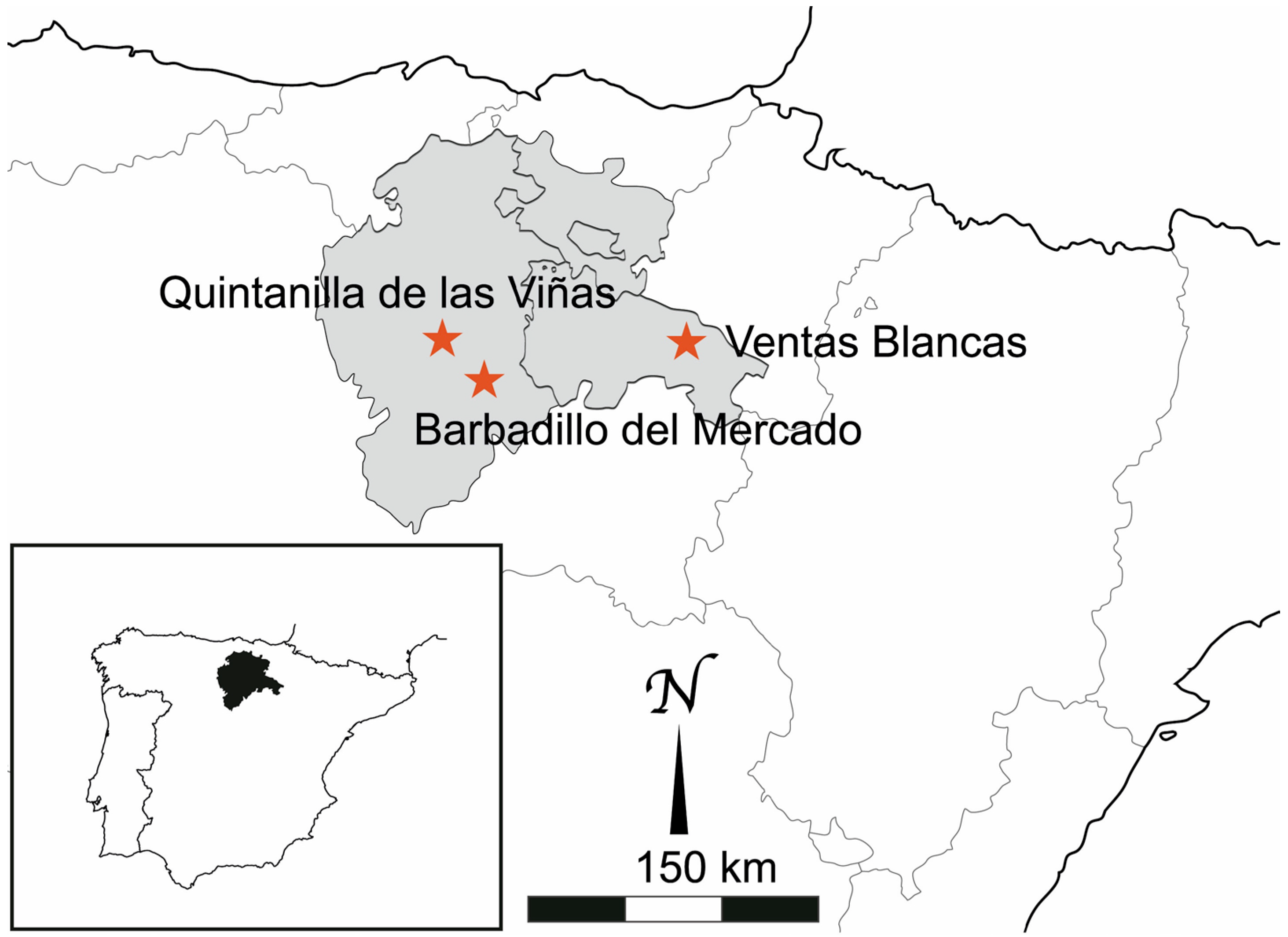
The buildings studied correspond to three churches located in the north of the Iberian Peninsula, for which the age of the first construction is subject to debate (Figure 1).

2.1. Nuestra Señora de las Viñas (Quintanillas de las Viñas, Burgos)

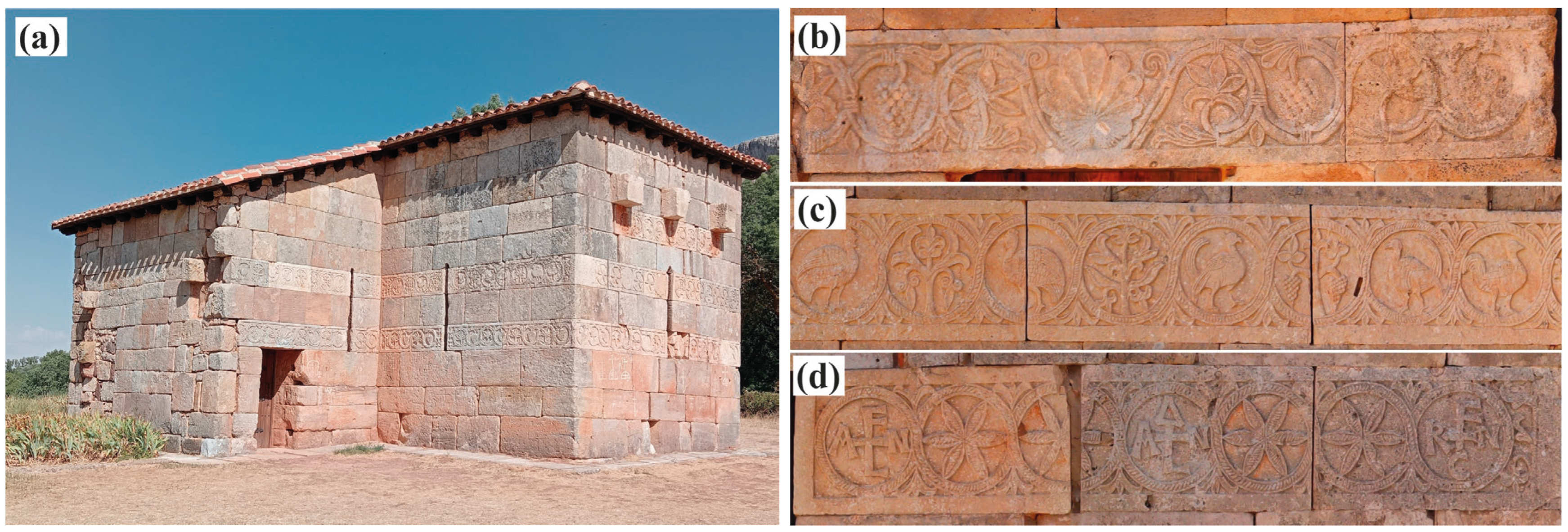
The church of Nuestra Señora de las Viñas is an ashlar masonry building with double walls, and approximately one-third still stands, specifically the quadrangular apse and the transept (Figure 2a). Notable architectural features include the horseshoe arches leading to the apse and to the transept arms. The vault on pendentives, supporting which covered the apse and at least one room in the nave, is also significant. One of the most distinctive features is the exceptional decorative design with oriental influences (Figure 2b) [20,21]. Inscriptions also adorn both the exterior and interior of the building [22]. Nuestra Señora de las Viñas is one of the most emblematic examples of Spanish peninsular art due to the exceptional architecture and rich sculptural and decorative repertoire. However, the construction date, either in the Visigothic period (7th–8th centuries) or the early Middle Ages (9th–10th centuries), is the subject of intense debate among scholars [23,24].
The most noteworthy decorations are the cruciform monograms with letters attached at the ends of the cross arms (Figure 2d). This type of monogram appeared during the reign of Chindasuinth (from 642 to 653 AD) and without continuity in the Early Middle Ages [22,25].
The stratigraphic analysis of the walls allowed for the identification of several phases in the construction sequence. The apse and transept, including the horseshoe apse arch, the remains of a horseshoe arch, and the bases of the rooms flanking the transept, correspond to Phase I (the original building). Phase II includes vaults on pendentives and changes to the communication between the transept and the naves, achieved by opening two horseshoe-arched doors. One feature used to date this phase is the carving on the arch of one of the doors. The carving on the intrados of the lower voussoir and the keystone was performed with a fine chisel using oblique strokes on a reused ashlar.

2.2. Santa María de Rute (Ventas Blancas, La Rioja)

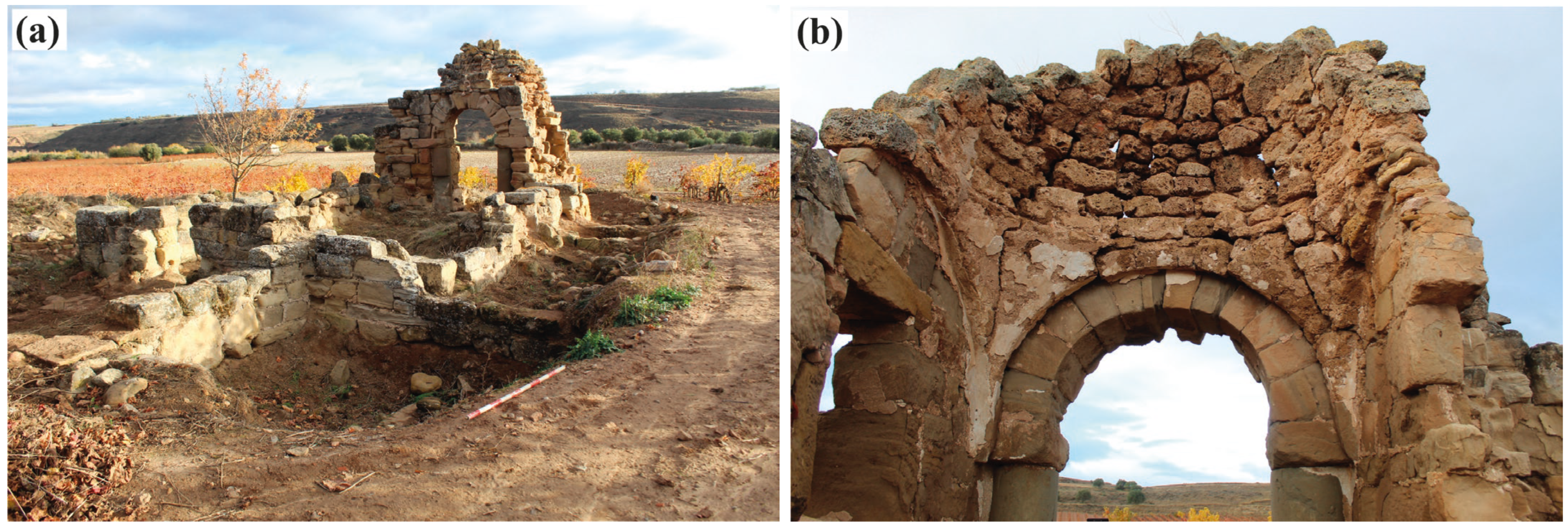
The remains of the Santa María de Rute Church consist of an east–west building constructed in ashlar masonry, with a rectangular nave, a free-standing square apse covered with a vault on pendentives, and other rooms. The preserved structures correspond to the foundations and some courses of the walls, although the elevation at the head of the church exceeds 2 m (Figure 3a). The apse arch is also preserved, resting on columns without bases or capitals and slightly horseshoe-shaped (Figure 3b).
Historiography has attributed the building of a chronology to both the Visigothic period (6th–7th centuries) and the early Middle Ages (9th–10th centuries) [23,26]. One interpretative theory suggests that the floor plan, stonework, and moderate horseshoe arch are characteristic of late Hispano-Visigothic architecture. However, it cannot be ruled out that building techniques were passed down over time, meaning that the vaulted ceiling may have been constructed in the 10th century [24].
Archaeological excavation and stratigraphic analysis of the walls allowed for the identification of four construction phases. To determine the age of the first construction, the study focused on Phases I and II.
Phase I includes the nave and the small rooms near the chevet and others to the west and south of the nave. The walls are made of sandstone ashlar and consist of single-leaf false walls, consisting of rows of one leaf using large ashlars, and rows of two leaves alternating through ashlars. Single ashlars are used at the corners and jambs. Archaeological excavations uncovered the remains of two opus signinum pavements in the nave, but only one is preserved in the apse.
Phase II involves renovating the chevet, including the apse arch on columns and the vault on pendentives. The walls consist of a double wall of sandstone ashlar with alternating compacted shales. The apse arch features fine chisel carvings of oblique lines and concave chiselling. The vault is constructed of tuff stone masonry joined with lime mortar. The floor of the nave contains remains of an opus signinum pavement superimposed on the Phase I pavement. However, the Phase I pavement is absent at the head of the church due to the comprehensive architectural renovations.

2.3. San Juan Bautista (Barbadillo del Mercado, Burgos)

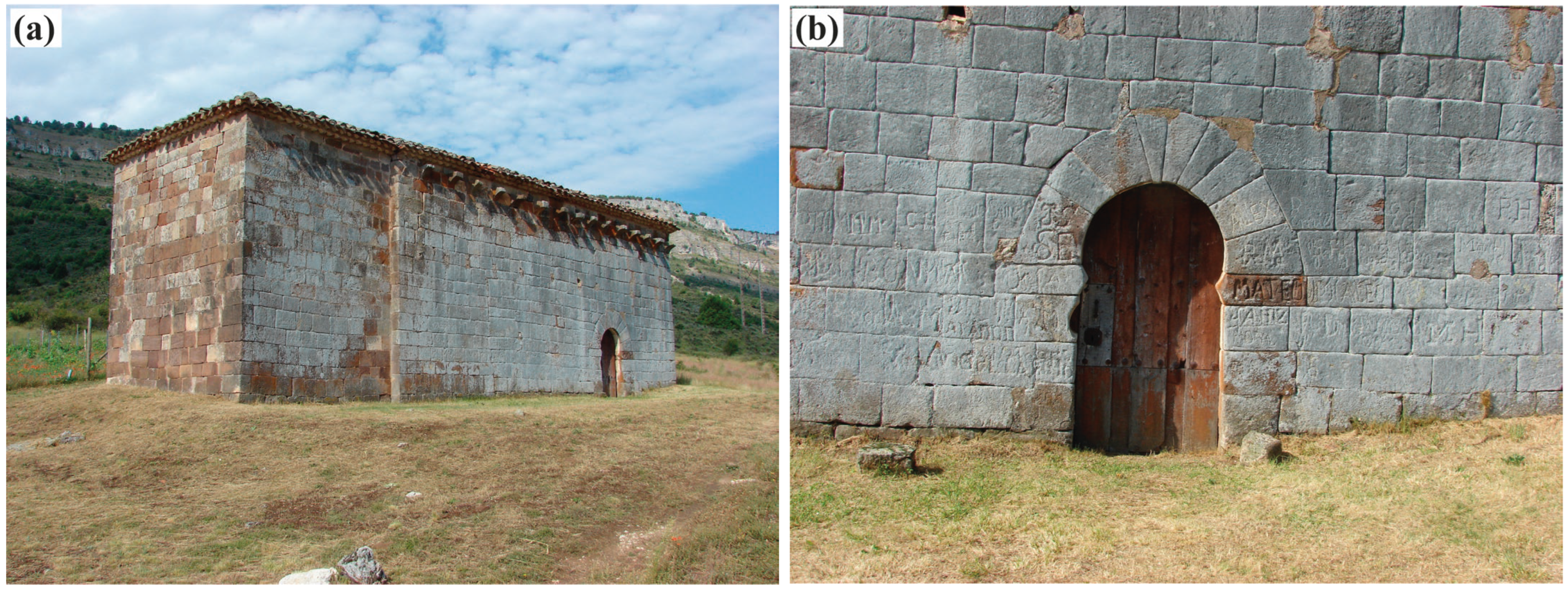
San Juan Bautista is an ashlar masonry building with double walls, consisting of a slightly trapezoidal nave oriented east–west and a square apse. The apse is free-standing to the north and aligned with the width of the nave to the south and is covered with a barrel vault. The nave shows corbels adorned with schematic anthropomorphic figures, and the chevet boasts a slightly pointed apse arch (Figure 4a).
Archaeological work and stratigraphy analysis of walls identified two pre-Romanesque phases (Phases I and II) and two Romanesque phases (Phases III and IV), and minor later alterations. Phase I (9th century) includes most of the nave and the two horseshoe arch entrance doors built in white and reddish sandstone masonry. The horseshoe arch of the first door shows Visigothic and Caliphate features, indicating a period of transition. In Phase II (end of 9th–10th centuries), the nave and chancel were enlarged, modifying the intrados of the south horseshoe arch to a semicircular arch. The construction techniques and materials used were similar to the previous phase, but some tuff blocks were laid. At that time, the perimeter of the building was already being used as a necropolis.
In Phase III (the second half of the 11th century), the width of the apse was increased using reddish ashlar masonry. This phase shows stylistic features of the Romanesque period, and the first stonemason’s marks appear. In Phase IV (12th–first half of 13th centuries), the apse was modified, and the barrel vault was constructed, acquiring the current appearance. The construction techniques used are typical of the High Romanesque period, and a new stonemason’s mark appears.

3. Materials and Methods

3.1. Materials

The dated churches are classified as Assets of Cultural Interest, so the number of mortar samples collected was very limited. The mortars were carefully selected based on the interpretation of the architectural sequence. The samples studied correspond to the earliest phases because the aim is to determine the first construction date of the churches. Approximately 40 to 100 g of mortar sample mass was collected to provide enough material for mineralogical characterisation, binder extraction, and AMS radiocarbon dating. To avoid exposure to weathering agents and prevent recrystallisation and biogenic alteration processes, the samples were collected from inside the buildings.
Two samples were collected in Nuestra Señora de las Viñas (Burgos), corresponding to Construction Phases I and II. Sample QdV184 was collected on the extrados of the horseshoe arch, near the timber beam. Sample QdV201 was collected from the inner leaf of the wall separating the transept arm and the north sacristy. Three samples were collected from Santa María de Rute (La Rioja), also corresponding to the Construction Phases I and II. Samples MC-4, MC-5B, and MC-5C were collected from the apse, the vault on the pendentive, and the foundation of the nave, avoiding mortar fragments exposed to weathering and removing the most superficial portions. Two samples (SJBM-122 and SJBM-616) were collected in San Juan Bautista (Burgos), also corresponding to the foundation of the nave (Table 1).
All mortars exhibit similar macroscopic and microscopic features and are composed of mica-rich sand aggregates with scarce unburned limestone fragments and varying amounts of lime lumps. No macroscopic remains of charcoal or other vegetable material were observed.

3.2. Methods

To determine the suitability of the mortars for 14C dating < 2 μm binder fractions were extracted by settling [7,27]. The extraction procedure is based on the principle that particle size is indicative of mechanical or chemical origin. Particles of mechanical origin always have a grain size of over 1 μm, whereas chemical reactions produce colloids that flocculate and regrow to generate finer particles [28,29,30]. This method ensures that all the separated carbonate was generated by slaked lime carbonation, providing a record of the construction date of the building. The mortar samples are manually crumbled to prevent the formation of small particles of geogenic calcite. First, the binder was purified by removing aggregates and other components of particle grain size larger than 20 µm. The carbonate binder fractions were extracted via a centrifugation sequence in distilled water buffered to pH 8. To obtain a fraction of < 20 µm, the sample was suspended in a volume of 150 mL of water, and after 5 min of settling, the uppermost 50 mL was collected. To obtain an adequate amount for radiometric dating, this process is repeated 24–60 times, depending on the productivity of each mortar, to achieve a sufficient mass of target fraction (particle size <2 µm). The enriched binder fraction was resuspended in 65 mL and centrifuged at 1000 rpm for 100 s. The uppermost 15 mL, corresponding to a grain size fraction of <2 µm, was then collected. This process was repeated as many times as necessary until sufficient material had been obtained for mineralogical study and dating.
The mineral composition of the binder was determined by X-ray diffraction (XRD) analysis of a powder sample using a Philips X’Pert diffractometer (Malvern PANalytical, Almelo, The Netherlands) equipped with a monochromatic Cu-kα1 X-radiation operating at 40 kV and 20 mA. Data acquisition was performed by a continuous scanning in the range of 5 to 70 [2° theta] at an acquisition rate of 0.02 per second [2° theta]. The interpretation of the diffraction patterns and the semi-quantitative calculation were carried out using X’Pert HighScore Plus 3.0 software (Malvern PANalytical, Almelo, The Netherlands) by using a PANalytical based on the characteristic space of each mineral by reconstructing the mineral profiles of the compounds and comparing the experimental peaks with the experimental patterns in the ICDD and ICSD diffraction databases.
However, X-ray diffraction cannot always detect all the minerals present in the binder, particularly when the quantity is close to or below the detection limit. Thermogravimetric analysis (TGA) can help identify other mineral phases present in the binder. Thermogravimetric analysis (TGA) was performed in a TA SDT 2960 TG-DSC simultaneous instrument (TA Instruments, New Castle, DE, USA). Pt crucibles containing 5 mg to 7 mg of the sample were heated from room temperature to 1000 °C at 5 °C min−1 under a dry oxidising atmosphere.
Samples were dated using the 14C Accelerator Mass Spectrometry (AMS) at Beta Analytic Inc. (Miami, FL, USA). Conventional 14C ages were calibrated by using OxCal v4.4 software [31,32] and an IntCal20 atmospheric calibration curve [33].

4. Results

The procedure for preparing samples for radiocarbon dating is based on the principle that the size of the particles is decisive in distinguishing between newly formed carbonate (atmospheric carbon) during setting and geogenic carbonate (dead carbon). Therefore, the selected techniques were used to recognise the presence of carbon-containing minerals in the <2 µm fraction, except calcite. The mineralogical analysis of the binder was carried out to assess the viability of the extracted fractions for dating.

4.1. Nuestra Señora de las Viñas Mortars

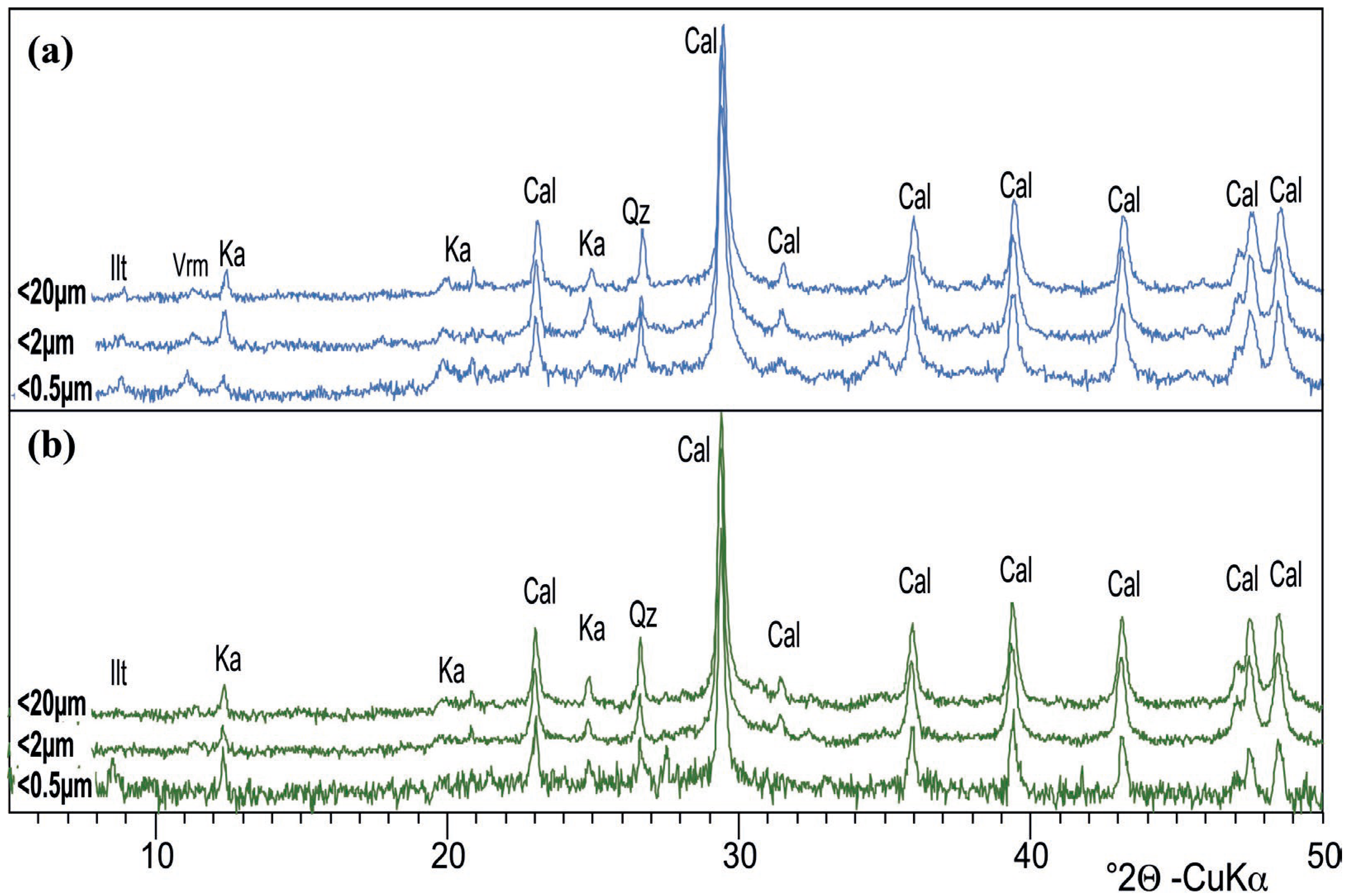
The mineralogical analysis of the binder fraction determined by XRD consists mainly of calcite, with some quartz and small amounts of phyllosilicates such as illite, kaolinite, and vermiculite. However, vermiculite was only detected in the QdV201 mortar (Figure 5).
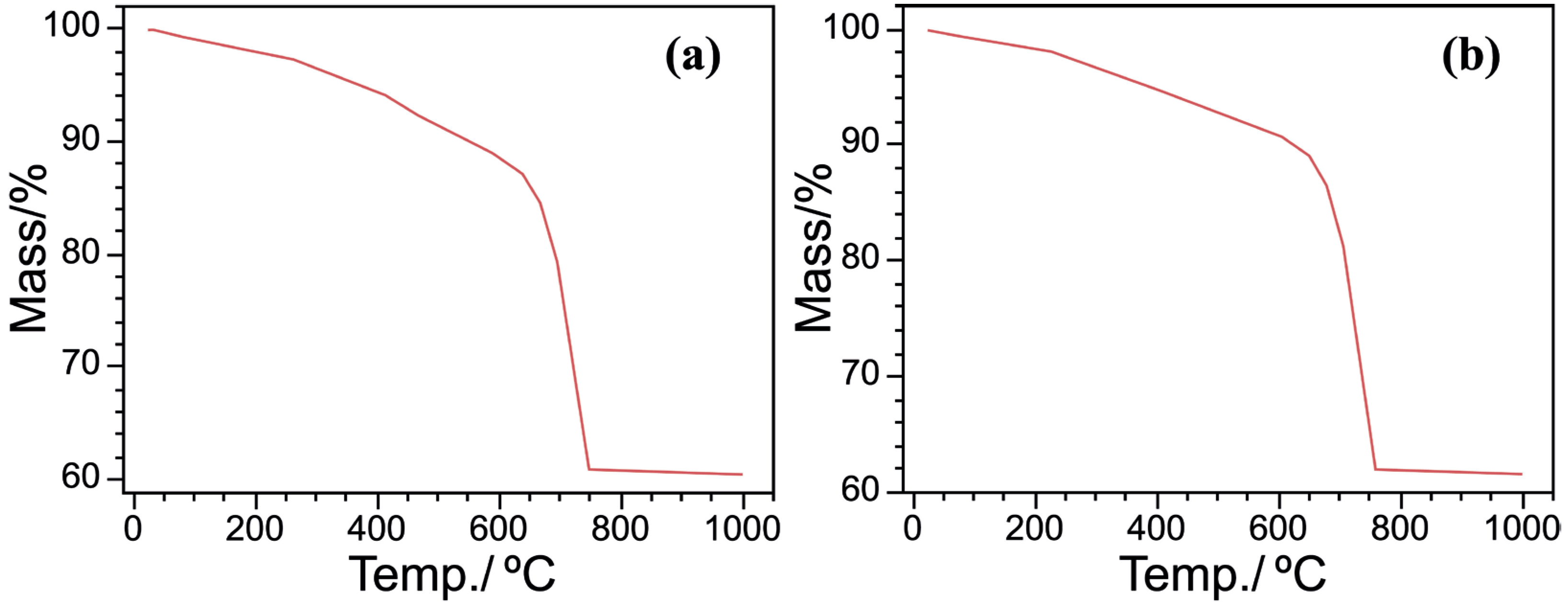
Thermogravimetric analysis (TGA) was used to assess the presence of additional mineral phases within the binder below the detection limits of XRD (Figure 6). TGA of the <2 µm binder fraction of both samples showed a significant mass loss between approximately 600 °C and 750 °C, corresponding to the decomposition of calcium carbonate into CO2 and CaO. The decomposition of calcite at temperatures below 750 °C is due to the small size of the analysed particles. The mass loss of pure calcium carbonate decomposition is about 44%. The lower percentages of mass loss observed in both samples are attributed to the presence of variable amounts of other compounds, such as phyllosilicates and quartz. Therefore, the mineralogical composition of the binder does not affect the suitability of mortars for 14C dating since the identified phases do not incorporate dead carbon.
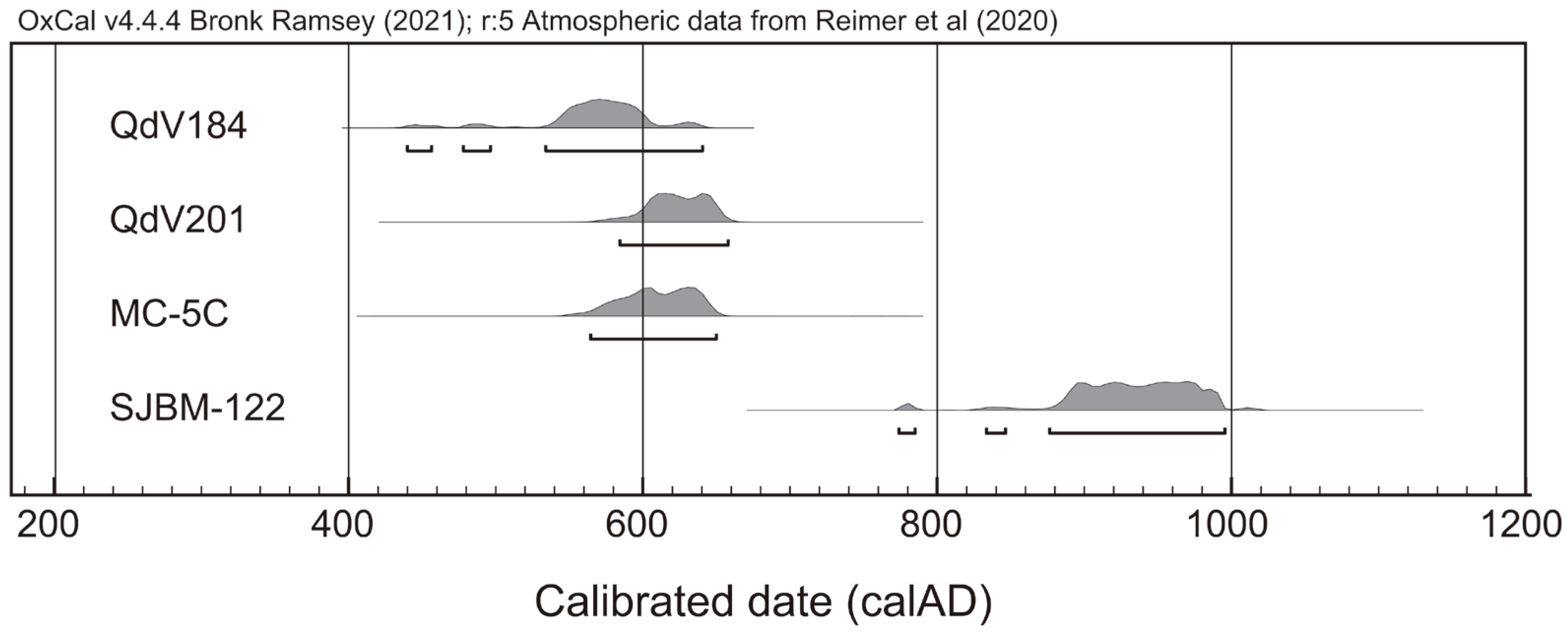
Radiocarbon dating of the Nuestra Señora de las Viñas mortars yielded ages of 534–640 cal AD (89.5%) or 478–496 (3.6%) or 440–456 (2.4%) in QdV184 mortar and 584–658 cal AD (95.4%) in QdV201 mortar (Table 2, Figure 7), both within the range of the historical written sources.

4.2. Santa Maria de Rute Mortar

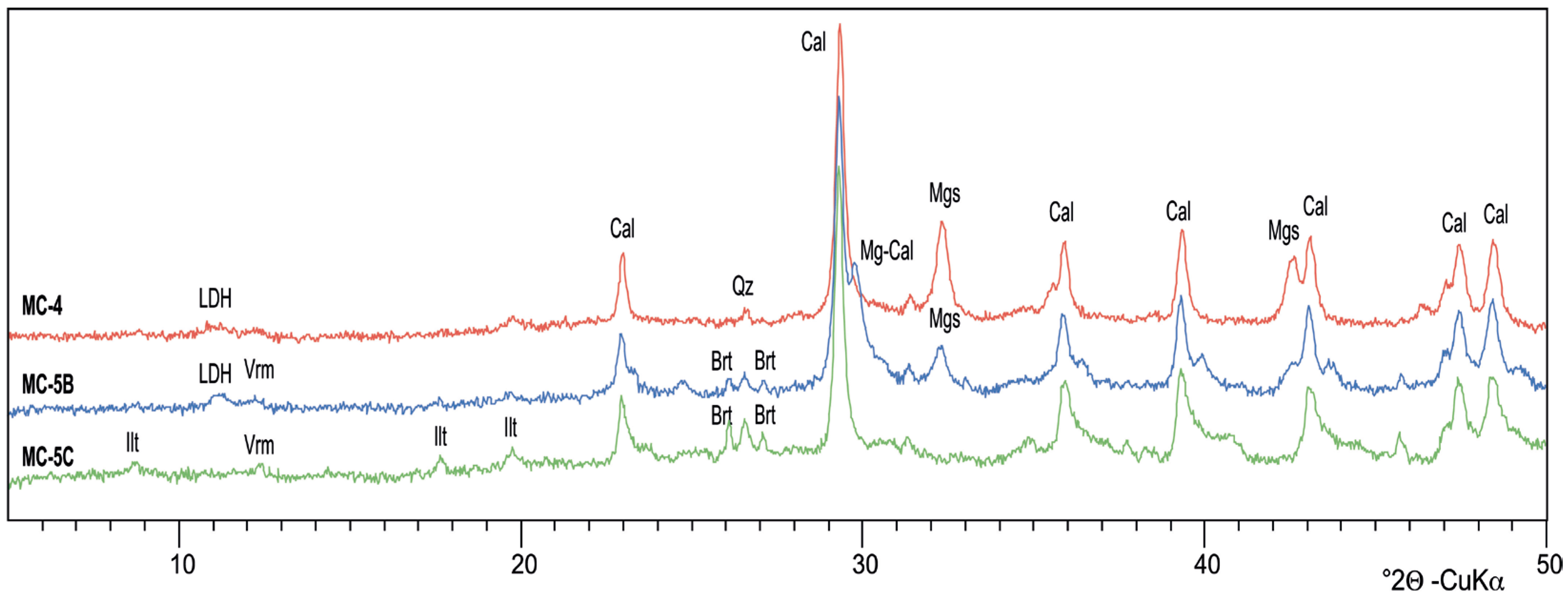
XRD analysis of the extracted binder fraction showed a mineralogy consisting mainly of calcite, with small amounts of quartz and phyllosilicates, such as illite and vermiculite (Figure 8). Traces of double-layered hydroxide mineral phases (LDHs) and magnesium calcites were also detected in the binders of samples MC-4 and MC-5B. The LDHs and the Mg-calcite constitute a potential contaminant mineral phase for lime mortar radiocarbon dating and prevent obtaining reliable radiocarbon ages in samples MC-4 and MC-5B [7,34].
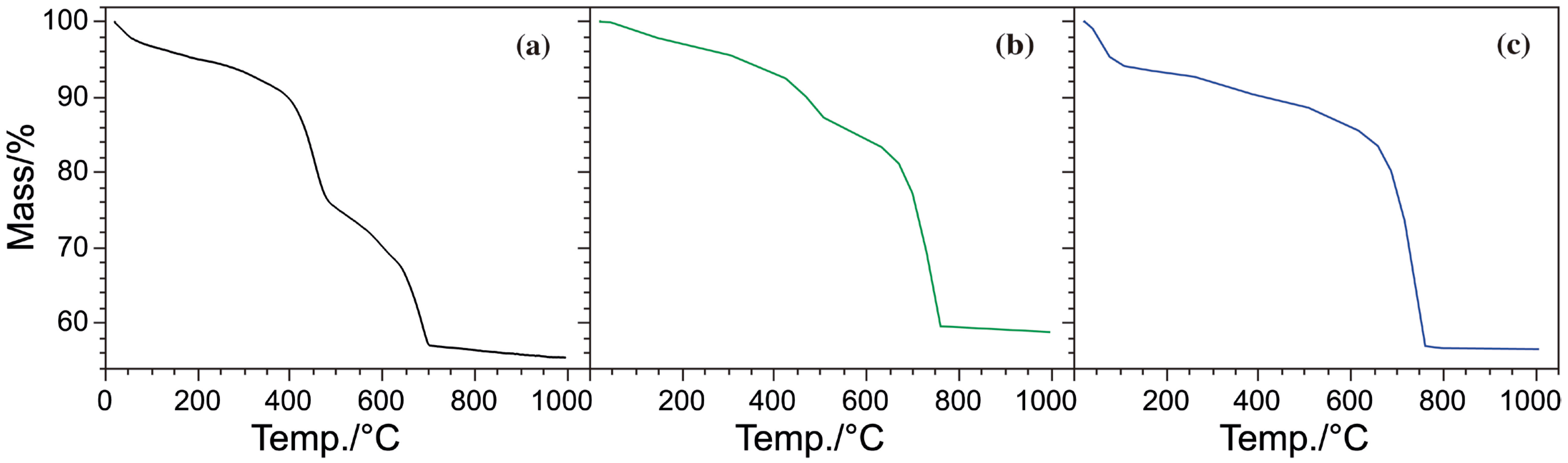
A thermogravimetric analysis (TGA) was performed to confirm the presence or absence of the LDH phase. Samples MC-4 and MC-5B show a stepwise mass loss pattern, whereas sample MC-5C shows a more continuous mass loss (Figure 9). The mass loss observed at around 400–500 °C in samples MC-4 and MC-5B is attributed to the layered double hydroxides (LDHs) [35,36] (Figure 9a,b).
Sample MC-5C shows a mass loss between 200 °C and 600 °C corresponding to the decomposition of the phyllosilicates and clay minerals and is attributed to the hydroxyl (OH) groups. The mass loss of around 40% between 600 °C and 750 °C corresponds to calcium carbonate decomposition (Figure 9c).
Therefore, the mineralogical analysis of the mortar binders from Santa María de Rute ruled out samples MC-4 and MC-5B from 14C dating. In contrast, the MC-5C mortar was found to be suitable for obtaining reliable radiocarbon dates. The presence of LDH phases can be attributed to the use of different raw materials in lime production.
Radiocarbon dating of the Santa María de Rute mortar yielded ages of 564–650 cal AD at 95.4% probability (Table 2, Figure 7). The MC-5C mortar sample was collected from the foundations of the nave inside the building. The obtained ages indicate the wall was built in the Visigothic period, between the last third of the 6th century and the first half of the 7th century.

4.3. San Juan Bautista Mortars

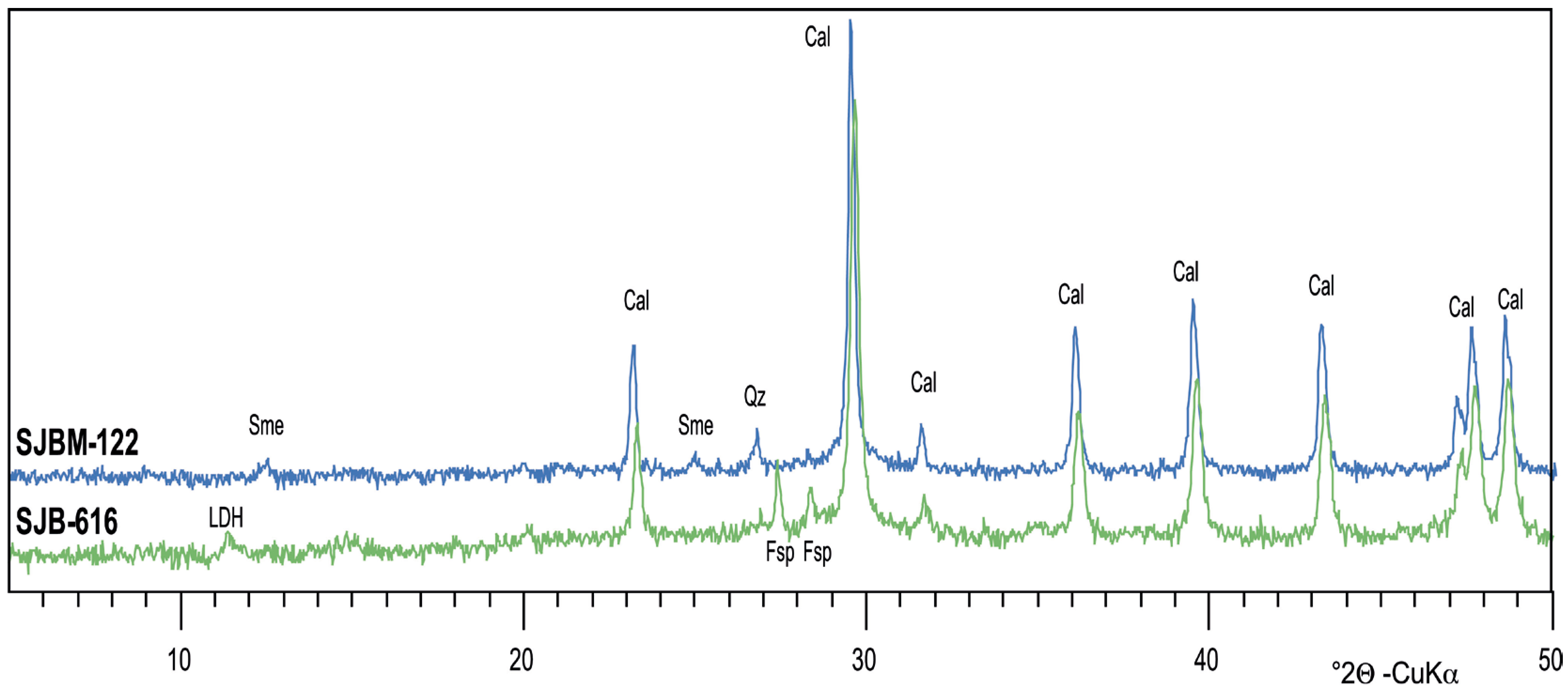
XRD analysis of the binder fraction shows different mineralogical compositions in the two samples. Sample SJBM-122 is mainly composed of calcite with minor amounts of quartz and smectite-like clay minerals. In contrast, sample SJBM-616 consists of magnesian calcite with minor amounts of hydrotalcite and feldspars (Figure 10).
Thermogravimetric analysis (TGA) shows patterns similar to the mortars of the Santa Maria de Rute. Sample SJBM-616 shows a stepped pattern showing a mass loss observed at around 400–500 °C in samples MC-4 and MC-5B is attributed to the layered double hydroxides (LDHs). On the contrary, sample SJBM-122 shows a more continuous pattern with a mass loss of around 40% between 600 °C and 750 °C corresponds to calcium carbonate decomposition. The mass loss of calcium carbonate lower than 44% is attributed to variable amounts of phyllosilicates, quartz, and LDHs. The mineralogical results indicate that only sample SBJM-122 is suitable for dating, yielding ages of 876–995 cal AD at 92.3% probability (Table 2, Figure 7).

5. Discussion

The construction dates of several churches in the north of the Iberian Peninsula have been debated in recent decades based on various architectural features, particularly the presence of limestone tufa vaults on pendentives. The vault on pendentives is the unifying feature of an eclectic group of churches in La Rioja, Álava, and Burgos with diverse floor plans, elevations, techniques, and decorations. This group includes the churches of Nuestra Señora de Quintanilla de las Viñas and Santa María de Rute, dating from the 9th to the early 10th century [17,18]. The presence of vaults on pendentives does not necessarily indicate the age of construction of the church but may instead indicate a renovation of an earlier building. In order to shed light on this matter, mortars from the walls of the oldest construction phases were dated.
Not all of the samples selected for 14C dating were suitable for obtaining reliable ages (Table 1). The mineralogy of only four of the seven samples confirmed the suitability of mortars for radiocarbon dating (Table 2). The ages obtained from the mortars at Nuestra Señora de las Viñas and Santa Maria de Rute attribute the construction to the Visigothic period. In contrast, the age of construction of San Juan Bautista corresponds to the Early Middle Ages. However, archaeological excavations revealed the remains of an earlier building attributed to the Visigothic period.
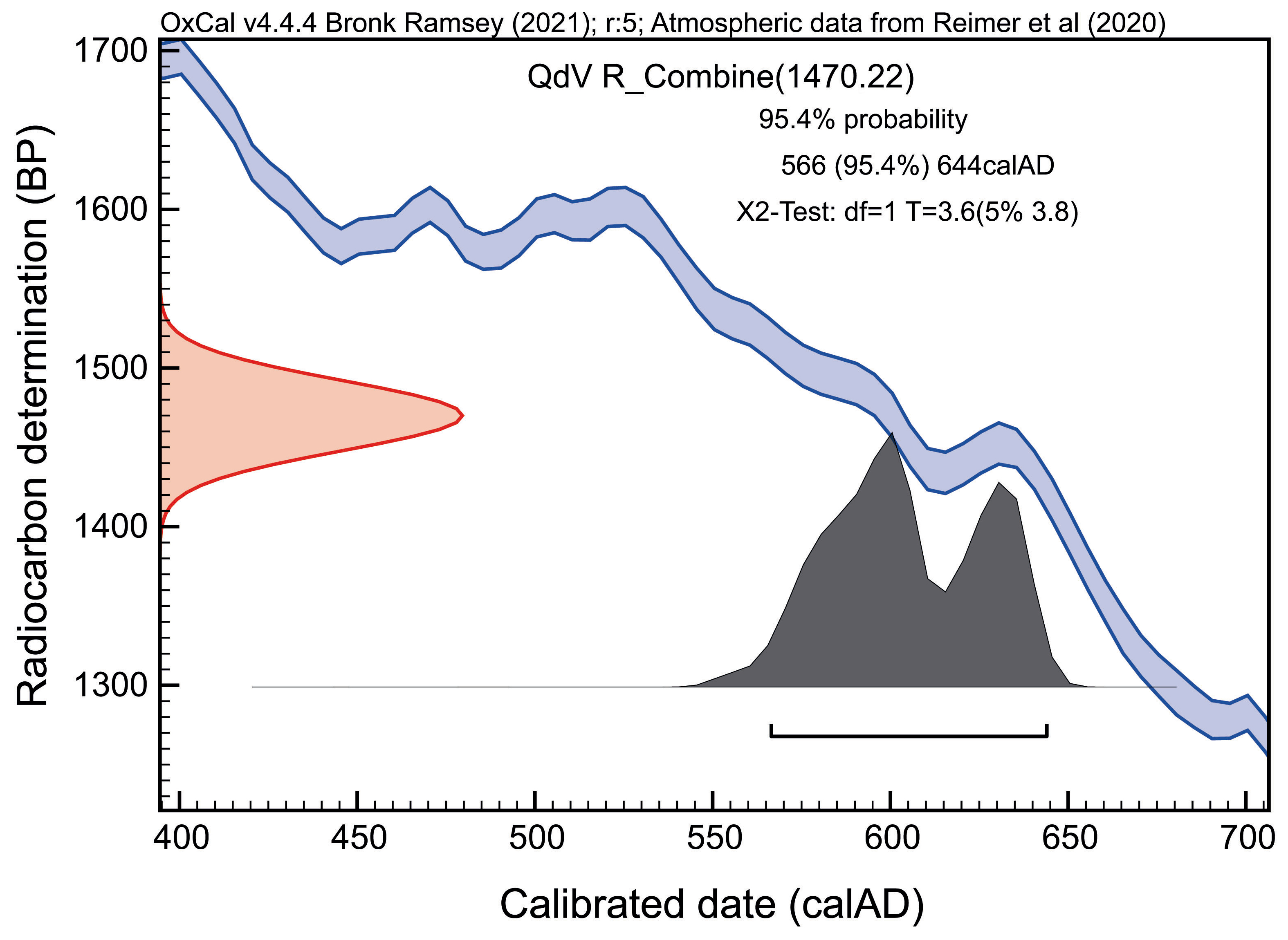
Radiocarbon ages of the Nuestra Señora de las Viñas church are in accordance with dendrochronological analysis and 14C dating of the outer ring of the Scots pine (Pinus sylvestris) timber preserved in the spandrels of the apse arch yield an age of 476–536 cal AD post quem [37]. The radiocarbon dates from the samples in Quintanilla de las Viñas were combined due to strong statistical agreement between the samples and the assumption that the samples were part of the same construction unit, as indicated by the materials and construction techniques used. Combining the dates improves the accuracy of the radiocarbon age estimate and reduces calibration uncertainties. Figure 11 shows the calibrated result of the two radiocarbon dates and provides a construction period for the walls of the ancient phase of 566–644 cal AD (95.4%).
The 14C dating of the foundations of the Santa María de Rute church is consistent with the remains of an opus signinum floor and fragments of Visigothic pottery. Therefore, the vault on pendentives, considered as a “key fossil” for establishing the time frame of the churches in question, does not indicate the date of construction but rather a period of renovation of previous buildings.
Phase I of San Juan Bautista was not dated because the mineralogy of the binder was not suitable for obtaining a reliable age. The radiocarbon dating of Phase II yielded an age between the mid-9th and end of the 10th centuries, consistent with the 14C dating of an individual from the necropolis yielding ages of 890–1020 cal AD at 95.4% probability (Beta-650664). However, given the materials used, construction techniques, and characteristics of the access door arch, Phase I should be very close in chronology to Phase II.

6. Conclusions

In order to shed light on the controversy surrounding the construction dates of the churches under study, the 14C dating of the binder fraction of the mortar from the earliest construction phases was conducted. However, mineralogical characterisation of the selected lime mortars reveals that not all of them are suitable for radiocarbon dating. The radiocarbon dates obtained at Nuestra Señora de las Viñas and Santa María de Rute attribute the construction to the Visigothic period. In contrast, the construction date at San Juan Bautista corresponds to the Early Middle Ages, although the remains of an earlier Visigothic building are found. The architectural elements considered to be ‘key fossils’ and used to suggest a change in time frame, from the Visigothic period to the early Middle Ages, may in fact be the result of later renovation work.

Author Contributions

Conceptualization, M.C.Z., L.Á.O., C.A.-F. and J.J.-E.; methodology, L.Á.O. and M.C.Z.; investigation, M.C.Z. and L.Á.O.; resources, M.C.Z., L.Á.O., J.J.-E. and C.A.-F.; writing—original draft preparation, C.A.-F., M.C.Z. and L.Á.O.; writing—review and editing, M.C.Z., L.Á.O., C.A.-F. and J.J.-E.; funding acquisition, M.C.Z., L.Á.O., J.J.-E. and C.A.-F. All authors have read and agreed to the published version of the manuscript.

Funding

This research was funded by the Basque Country Government, grant number IT1442-22. This research was funded by the Government of La Rioja, the Provincial Council of Burgos, and the town councils of Mambrillas de Lara and Barbadillo del Mercado.

Data Availability Statement

The original contributions presented in this study are included in the article. Further inquiries can be directed to the corresponding author.

Acknowledgments

The authors would like to thank the anonymous reviewers for their constructive comments and suggestions, which improved the manuscript.

Conflicts of Interest

Authors Carmen Alonso Fernández and Javier Jiménez Echevarría are employees of Cronos S.C. Arqueología y Patrimonio. The paper reflects the views of the scientists and not the company.

References

  1. Artioli, G.; Secco, M.; Addis, A. The Vitruvian legacy: Mortars and binders before and after the Roman world. EMU Notes Mineral. 2019, 20, 151–202. [Google Scholar]
  2. Ortega, L.A.; Zuluaga, M.C.; Alonso-Olazabal, A.; Insausti, M.; Ibáñez, A. Geochemical characterization of archaeological lime mortars: Provenance inputs. Archaeometry 2008, 50, 387–408. [Google Scholar] [CrossRef]
  3. Miriello, D.; Bloise, A.; Crisci, G.M.; De Luca, R.; De Nigris, B.; Martellone, A.; Osanna, M.; Pace, R.; Pecci, A.; Ruggieri, N. New compositional data on ancient mortars and plasters from Pompeii (Campania—Southern Italy): Archaeometric results and considerations about their time evolution. Mater. Charact. 2018, 146, 189–203. [Google Scholar] [CrossRef]
  4. Hajdas, I.; Ascough, P.; Garnett, M.H.; Fallon, S.J.; Pearson, C.L.; Quarta, G.; Spalding, K.L.; Yamaguchi, H.; Yoneda, M. Radiocarbon dating. Nat. Rev. Methods Primers 2021, 1, 62. [Google Scholar] [CrossRef]
  5. Marzaioli, F.; Nonni, S.; Passariello, I.; Capano, M.; Ricci, P.; Lubritto, C.; De Cesare, N.; Eramo, G.; Quirós Castillo, J.A.; Terrasi, F. Accelerator mass spectrometry 14C dating of lime mortars: Methodological aspects and field study applications at CIRCE (Italy). Nucl. Instrum. Methods Phys. Res. Sect. B Beam Interact. Mater. At. 2013, 294, 246–251. [Google Scholar] [CrossRef]
  6. Hajdas, I.; Lindroos, A.; Heinemeier, J.; Ringbom, A.; Marzaioli, F.; Terrasi, F.; Passariello, I.; Capano, M.; Artioli, G.; Addis, A.; et al. Preparation and Dating of Mortar Samples-Mortar Dating Inter-Comparison Study (MODIS). Radiocarbon 2017, 59, 1845–1858. [Google Scholar] [CrossRef]
  7. Ponce-Antón, G.; Ortega, L.A.; Zuluaga, M.C.; Alonso-Olazabal, A.; Solaun, J.L. Hydrotalcite and hydrocalumite in mortar binders from the medieval castle of portilla (Álava, north Spain): Accurate mineralogical control to achieve more reliable chronological ages. Minerals 2018, 8, 326. [Google Scholar] [CrossRef]
  8. Boynton, R.S. Chemistry and Technology of Lime and Limestone; John Wiley & Sons: Hoboken, NJ, USA; Interscience Publishers: New York, NY, USA, 1980; p. 592. [Google Scholar]
  9. Guo, Q.; Reardon, E.J. Calcined Dolomite: Alternative to Lime for Minimizing Undesirable Element Leachability from Fly Ash. Ind. Eng. Chem. Res. 2012, 51, 9106–9116. [Google Scholar] [CrossRef]
  10. Montoya, C.; Lanas, J.; Arandigoyen, M.; Navarro, I.; García Casado, P.J.; Alvarez, J.I. Study of ancient dolomitic mortars of the church of Santa María de Zamarce in Navarra (Spain): Comparison with simulated standards. Thermochim. Acta 2003, 398, 107–122. [Google Scholar] [CrossRef]
  11. Ponce-Antón, G.; Zuluaga, M.C.; Ortega, L.A.; Mauleon, J.A. Multi-analytical approach for chemical-mineralogical characterization of reaction rims in the lime mortars from Amaiur Castle (Navarre, Spain). Microchem. J. 2020, 152, 104303. [Google Scholar] [CrossRef]
  12. Thacker, M. Dating Medieval Masonry Buildings by Radiocarbon Analysis of Mortar-Entrapped Relict Limekiln Fuels—A Buildings Archaeology. J. Archaeol. Method Theory 2020, 27, 381–438. [Google Scholar] [CrossRef]
  13. Warner, R.B. A Proposed Adjustment for the «Old-Wood Effect». In Proceedings of the 2nd Symposium of 14C & Archaeology, Groningen; Council of Europe: Strasbourg, France; PACT Belgium: Rixensart, Belgium, 1990; pp. 159–172. [Google Scholar]
  14. Lindroos, A.; Ringbom, Å.; Heinemeier, J.; Hodgins, G.; Sonck-Koota, P.; Sjöberg, P.; Lancaster, L.; Kaisti, R.; Brock, F.; Ranta, H.; et al. Radiocarbon Dating Historical Mortars: Lime Lumps and/or Binder Carbonate? Radiocarbon 2018, 60, 875–899. [Google Scholar] [CrossRef]
  15. Pesce, G.; Quarta, G.; Calcagnile, L.; D’Elia, M.; Cavaciocchi, P.; Lastrico, C.; Guastella, R. Radiocarbon dating of lumps from aerial lime mortars and plasters: Methodological issues and results from San Nicolò of Capodimonte Church (Camogli, Genoa, Italy). Radiocarbon 2009, 51, 867–872. [Google Scholar] [CrossRef]
  16. Pesce, G.L.A.; Ball, R.J.; Quarta, G.; Calcagnile, L. Identification, Extraction, and Preparation of Reliable Lime Samples for 14C Dating of Plasters and Mortars with the “Pure Lime Lumps” Technique. Radiocarbon 2012, 54, 933–942. [Google Scholar] [CrossRef]
  17. Caballero Zoreda, L. Aportación a la arquitectura medieval española: Definición de un grupo de iglesias castellanas, riojanas y vascas. In Proceedings of the V Congreso de Arqueología Medieval Española, Valladolid, Spain, 22–27 March 1999; pp. 221–235. [Google Scholar]
  18. Utrero Agudo, M.Á. Iglesias Tardoantiguas y Altomedievales en la Península Ibérica. Análisis Arqueológico y Sistemas de Abovedamiento; Universidad Autónoma de Madrid: Madrid, Spain, 2005. [Google Scholar]
  19. Caballero, L.; Mateos, P. Visigodos y Omeyas. Un debate entre la Antigüedad Tardía y la Alta Edad Media; Consejo Superior de Investigaciones Científicas (CSIC): Madrid, Spain, 2000; Volume 23. [Google Scholar]
  20. Andrés Ordax, S.; Abasolo Álvarez, J.A. La ermita de Santa María. Quintanilla de las Viñas (Burgos); Caja de Ahorros Municipal de Burgos: Burgos, Spain, 1980; p. 87. [Google Scholar]
  21. Barroso Cabrera, R.; Morín de Pablos, J. La iglesia de Santa María de Quintanilla de las Viñas; Ediciones B.M.M. & P: Madrid, Spain, 2001. [Google Scholar]
  22. Castresana López, A. Corpus Inscriptionum Christianarum et Mediaevalium Provinciae Burgensis; Archaeopress Publishing Ltd.: Oxford, UK, 2015; p. 546. [Google Scholar]
  23. Caballero Zoreda, L. Un conjunto constructivo altomedieval. Quintanilla de Las Viñas y las iglesias con cúpulas sobre pechinas de piedra toba de las provincias de Álava, La Rioja y Burgos. Arqueol. De La Arquit. 2015, 12, e028. [Google Scholar] [CrossRef]
  24. Arbeiter, A. Alegato por la riqueza del inventario monumental hispanovisigodo. In Visigodos y Omeyas. Un debate entre la Antigüedad Tardía y la Alta Edad Media; Caballero, L., Mateos, P., Eds.; Anejos de AEspA; Consejo Superior de Investigaciones Científicas (CSIC): Madrid, Spain, 2000; Volume 23, pp. 249–263. [Google Scholar]
  25. Pliego, R. Kings’ Names on Visigothic Bronze Coins: A New from Ispali in the Name of Leovigild. Am. J. Numis. 2018, 30, 245–258. [Google Scholar]
  26. Sales Carbonell, J. Edilicia Cristiana Hispana de la Antigüedad Tardía: La” Tarraconensis”; Universitat de Barcelona: Barcelona, Spain, 2011; p. 464. [Google Scholar]
  27. Ortega, L.A.; Zuluaga, M.C.; Alonso-Olazabal, A.; Murelaga, X.; Insausti, M.; Ibañez-Etxeberria, A. Historic lime-mortar 14C dating of Santa María la real (Zarautz, northern Spain): Extraction of suitable grain size for reliable 14C dating. Radiocarbon 2012, 54, 23–36. [Google Scholar] [CrossRef]
  28. Wilson, R.; Spengler, J.D. Particles in Our Air: Concentrations and Health Effects; Harvard University Press: Cambridge, MA, USA, 1996. [Google Scholar]
  29. Davis, J.; Kent, D.B. Surface complexation modeling in aqueous geochemistry. In Mineral-Water Interface Geochemistry; Hichella, M., White, A., Eds.; Mineralogical Society of America: Chantilly, VA, USA, 1990; pp. 177–248. [Google Scholar]
  30. Salama, A.I.A. Mechanical Techniques: Particle size separation. In Encyclopedia of Separation Science; Wilson, I.D., Ed.; Academic Press: Oxford, UK, 2000; pp. 3277–3289. [Google Scholar]
  31. Bronk Ramsey, C. OxCal, v. 4.4, OxCal. html, 2021. Available online: https://c14.arch.ox.ac.uk/oxcal (accessed on 28 November 2025).
  32. Bronk Ramsey, C. Development of the Radiocarbon Calibration Program. Radiocarbon 2001, 43, 355–363. [Google Scholar] [CrossRef]
  33. Reimer, P.J.; Austin, W.E.N.; Bard, E.; Bayliss, A.; Blackwell, P.G.; Bronk Ramsey, C.; Butzin, M.; Cheng, H.; Edwards, R.L.; Friedrich, M.; et al. The IntCal20 Northern Hemisphere Radiocarbon Age Calibration Curve (0–55 cal kBP). Radiocarbon 2020, 62, 725–757. [Google Scholar] [CrossRef]
  34. Ricci, G.; Secco, M.; Marzaioli, F.; Terrasi, F.; Passariello, I.; Addis, A.; Lampugnani, P.; Artioli, G. The Cannero Castle (Italy): Development of Radiocarbon Dating Methodologies in the Framework of the Layered Double Hydroxide Mortars. Radiocarbon 2020, 62, 617–631. [Google Scholar] [CrossRef]
  35. Yang, W.; Kim, Y.; Liu, P.K.T.; Sahimi, M.; Tsotsis, T.T. A study by in situ techniques of the thermal evolution of the structure of a Mg–Al–CO3 layered double hydroxide. Chem. Eng. Sci. 2002, 57, 2945–2953. [Google Scholar] [CrossRef]
  36. León, M.; Díaz, E.; Bennici, S.; Vega, A.; Ordóñez, S.; Auroux, A. Adsorption of CO2 on Hydrotalcite-Derived Mixed Oxides: Sorption Mechanisms and Consequences for Adsorption Irreversibility. Ind. Eng. Chem. Res. 2010, 49, 3663–3671. [Google Scholar] [CrossRef]
  37. Rodríguez Trobajo, E. Procedencia y uso de madera de pino silvestre y pino laricio en edificios históricos de Castilla y Andalucía. Arqueol. De La Arquit. 2008, 5, 33–53. [Google Scholar] [CrossRef]
Figure 1. Geographical location of the dated churches.
Heritage 09 00001 g001
Figure 2. (a) Image of Nuestra Señora de las Viñas Church and details of the decoration; (b) floral decoration; (c) trees of life and birds; (d) monograms.
Heritage 09 00001 g002
Figure 3. (a) Preserved remains of the Church of Santa María de Rute; (b) vault on pendentives.
Heritage 09 00001 g003
Figure 4. (a) Image of San Juan Bautista Church; (b) north entrance gate.
Heritage 09 00001 g004
Figure 5. X-ray diffraction patterns of extracted binder fractions (<20 µm, <2 µm and <0.5 µm) of Nuestra Señora de las Viñas. (a) QdV201 sample (b) QdV184 sample. Cal: calcite, Qz: quartz, Ilt: illite, Ka: Kaolinite, Vrm: Vermiculite.
Heritage 09 00001 g005
Figure 6. Thermo-gravimetric analyses of <2 µm fractions of binder of mortars from Nuestra Señora de las Viñas. (a) TGA curve of QdV184 binder sample; (b) TGA curve of QdV201 binder sample.
Heritage 09 00001 g006
Figure 7. Calibrated dates of the 14C measurements of mortar samples by means of OxCal v4.4 software [31,32] and IntCal20 atmospheric calibration curve [33].
Heritage 09 00001 g007
Figure 8. X-ray diffraction patterns of extracted binder fractions of Santa María de Rute: Cal: calcite, Mg-Cal: Mg-calcite, Qz: quartz, Ill: illite, Vrm: vermiculite, Mgs: magnesite, Brt: barite, LDH: double layered hydroxide.
Heritage 09 00001 g008
Figure 9. Thermogravimetric analyses of 2–0.5 µm fractions of binder of mortars form Santa María de Rute: (a) TGA curve of MC-4 binder sample; (b) TGA curve of MC-5B binder sample; (c) TGA curve of MC-5C binder sample.
Heritage 09 00001 g009
Figure 10. X-ray diffraction patterns of extracted binder fractions <2 µm of San Juan Bautista. Cal: calcite, Qz: quartz, Sme: smectite, LDH: double-layered hydroxide. Fsp: feldspars.
Heritage 09 00001 g010
Figure 11. Calibrated combined radiocarbon dates for Qdv184 and QdV201 binder samples from Nuestra Señora de Quintanilla de las Viñas church, providing an estimate of the age range for the walls of the older construction phase [31,33].
Heritage 09 00001 g011
Table 1. Mortar samples selected for radiocarbon dating.
SampleSiteMortars LocationConstruction Phase
QdV184Nuestra Señora de las Viñas Extrados of the horseshoe arch, near the wooden beamI–II
QdV201Nuestra Señora de las Viñas Interior wall between the transept arm and the sacristyI
MC-4Santa María de RuteThe apseI
MC-5BSanta María de RuteVault on pendentives II
MC-5CSanta María de Rute Foundation of the naveI
SJBM-616San Juan Bautista Foundation of the nave I
SJBM-122San Juan Bautista Foundation of second phase of the naveII
Table 2. Results of radiocarbon dating of mortars.
Ref. Lab.SampleRadiocarbon Age, BP ± 1σRanges cal AD 2σ
Beta-722619QdV1841510 ± 30534 (89.5%) 640
478 (3.6%) 496
440 (2.4%) 456
Beta-722618QdV2011430 ± 30584 (95.4%) 658
Beta-676524MC-5C1460 ± 30564 (95.4%) 650
Beta-514121SJBM-1221120 ± 30774 (1.8%) 785
833 (1.4%) 846
876 (92.3%) 995
QdV: Nuestra Señora de Quintanilla de las Viñas; MC: Santa María de Rute; SJBM: San Juan Bautista.
Disclaimer/Publisher’s Note: The statements, opinions and data contained in all publications are solely those of the individual author(s) and contributor(s) and not of MDPI and/or the editor(s). MDPI and/or the editor(s) disclaim responsibility for any injury to people or property resulting from any ideas, methods, instructions or products referred to in the content.