Article

Painting the Past in the 19th Century: Materials, Methods, and Perspectives in Watercolour Replicas


1
Material Studies Laboratory, Department of History of Art, University College London, London WC1H 0AW, UK
2
Bruker Nano GmbH, 12489 Berlin, Germany
*
Author to whom correspondence should be addressed.
Heritage 2024, 7(8), 4300-4322; https://doi.org/10.3390/heritage7080203

Submission received: 16 July 2024 / Revised: 1 August 2024 / Accepted: 7 August 2024 / Published: 10 August 2024
(This article belongs to the Section Artistic Heritage)

Abstract

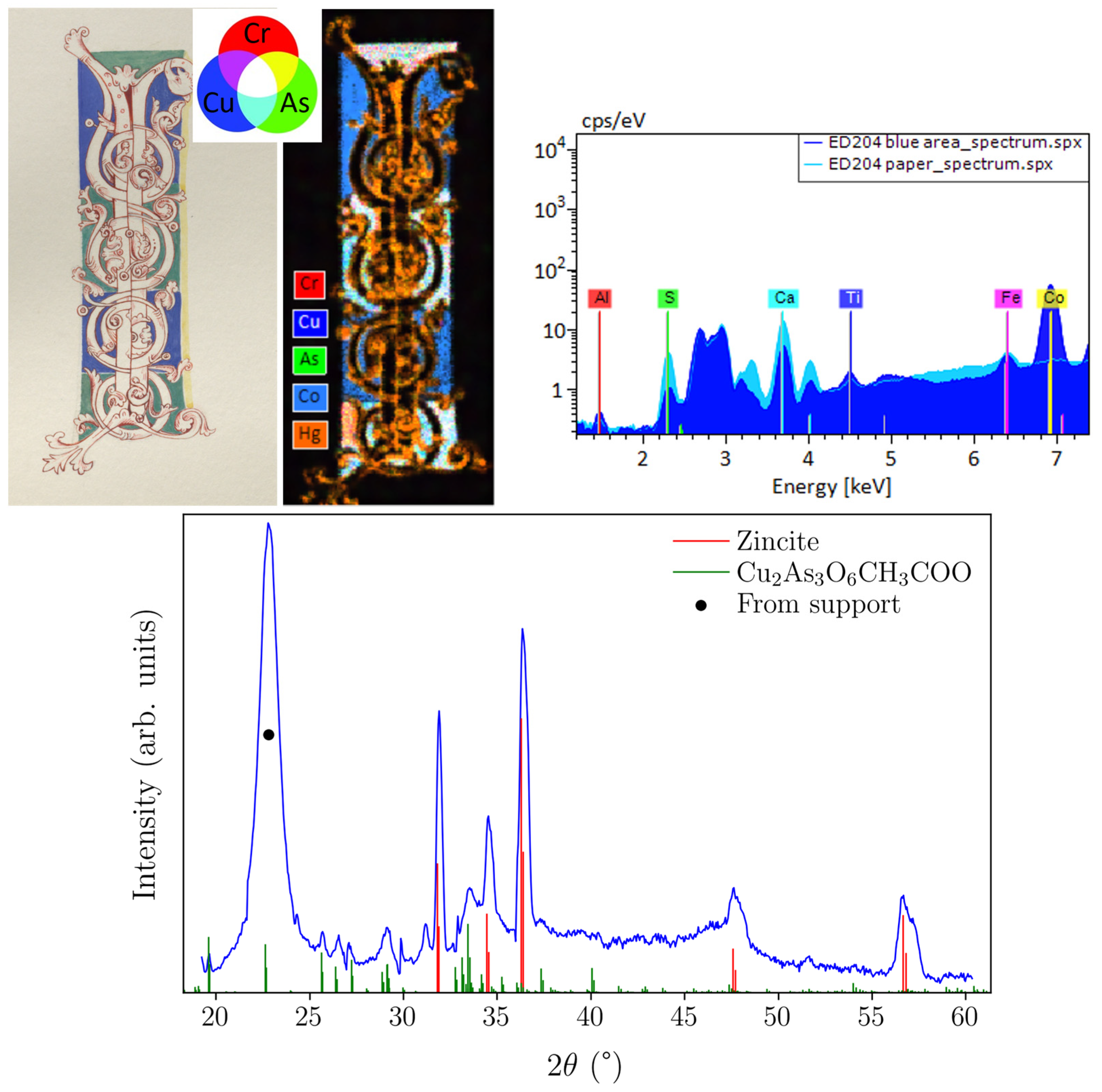
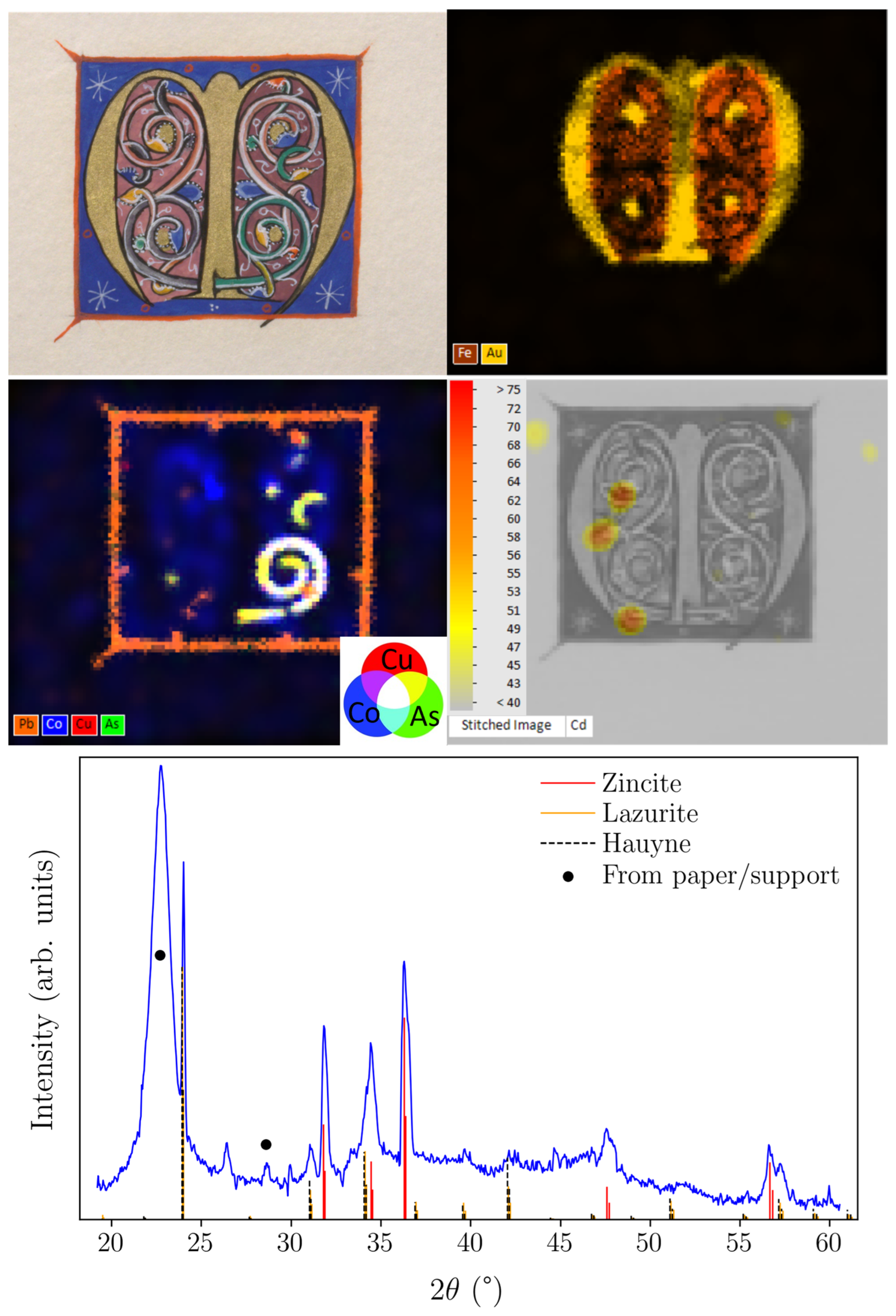
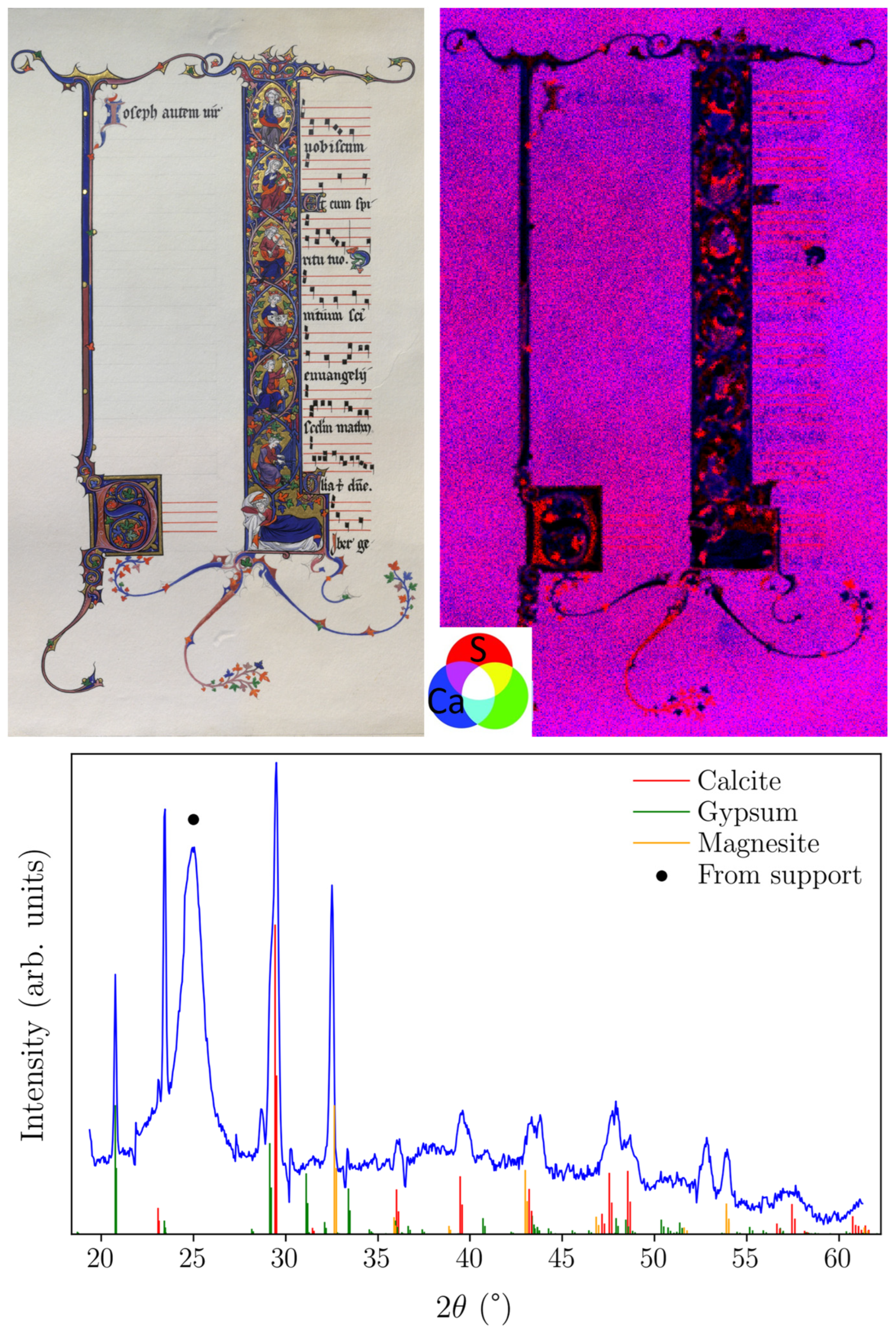
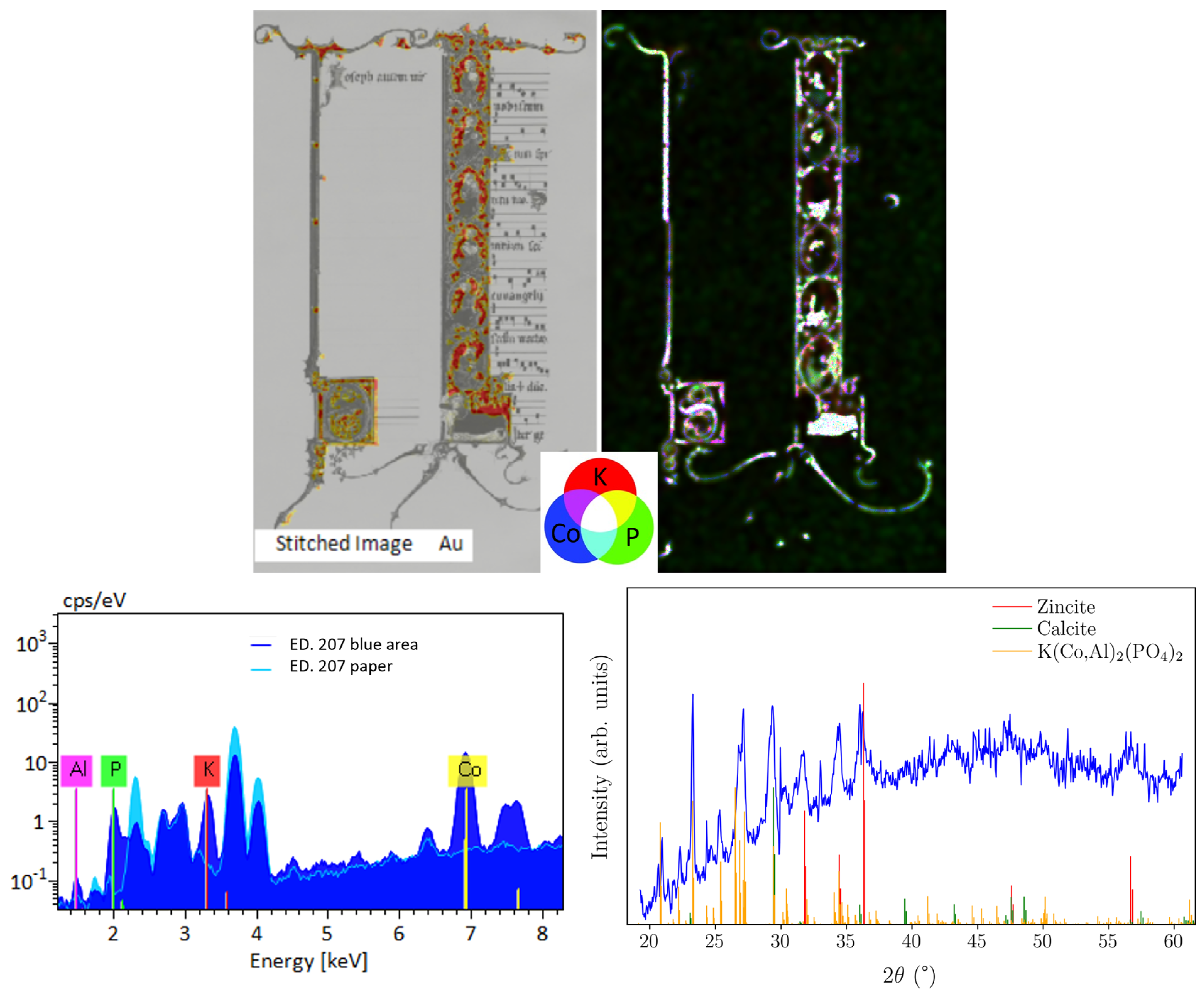
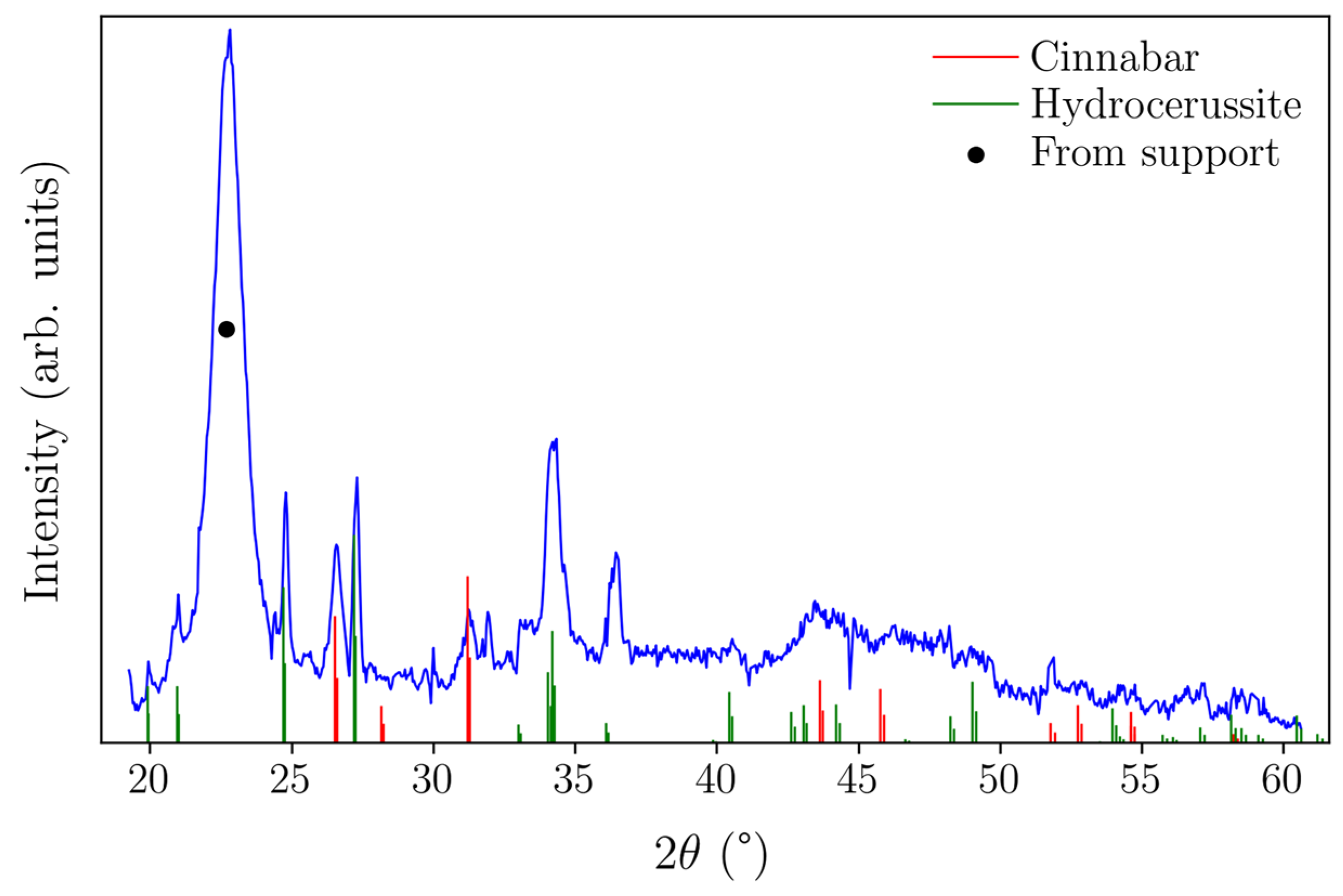
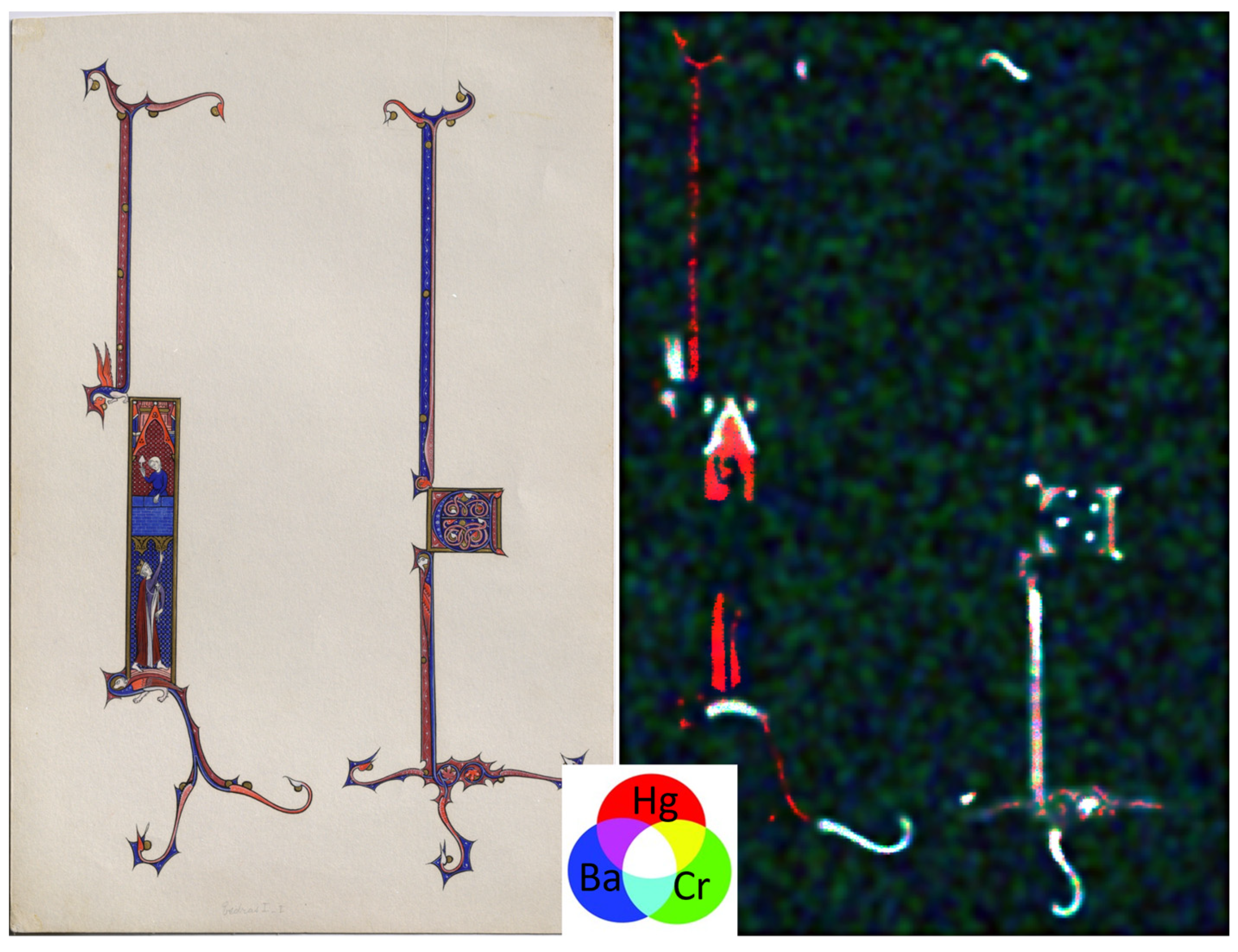
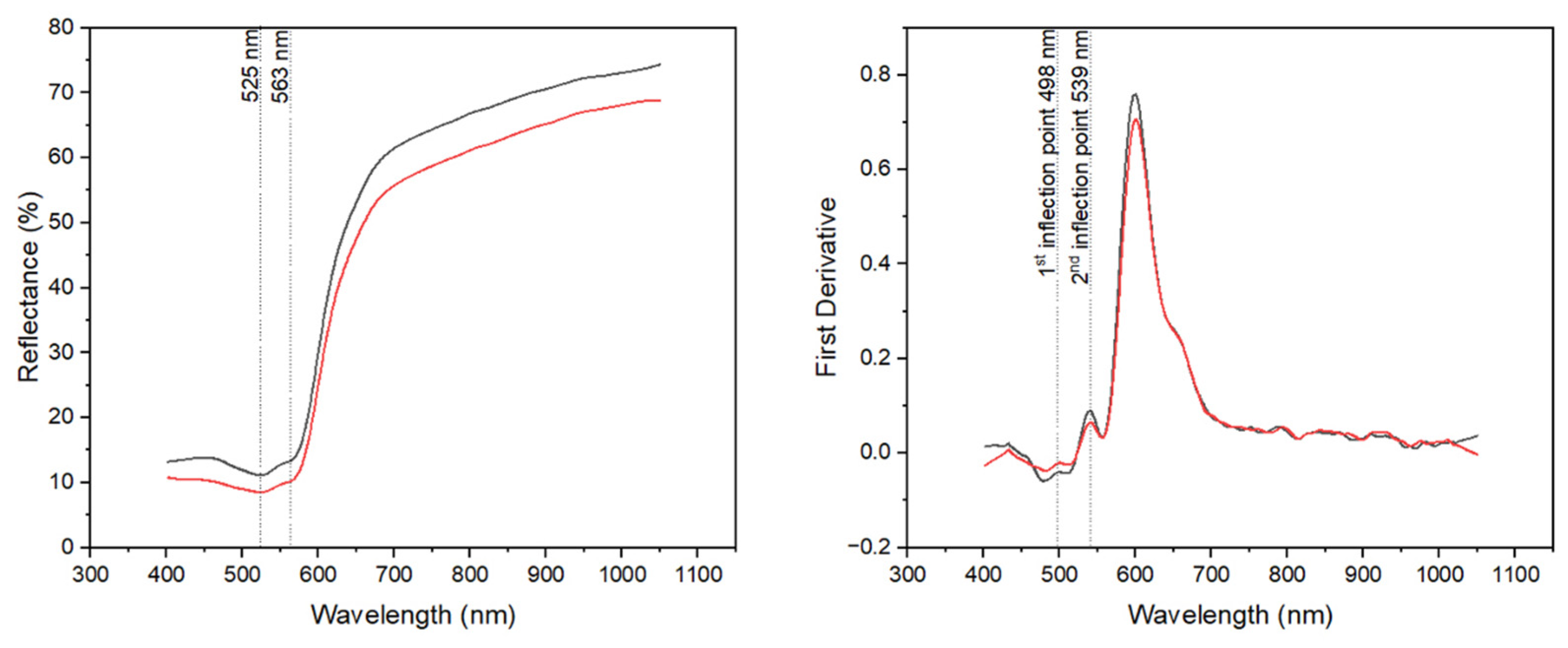
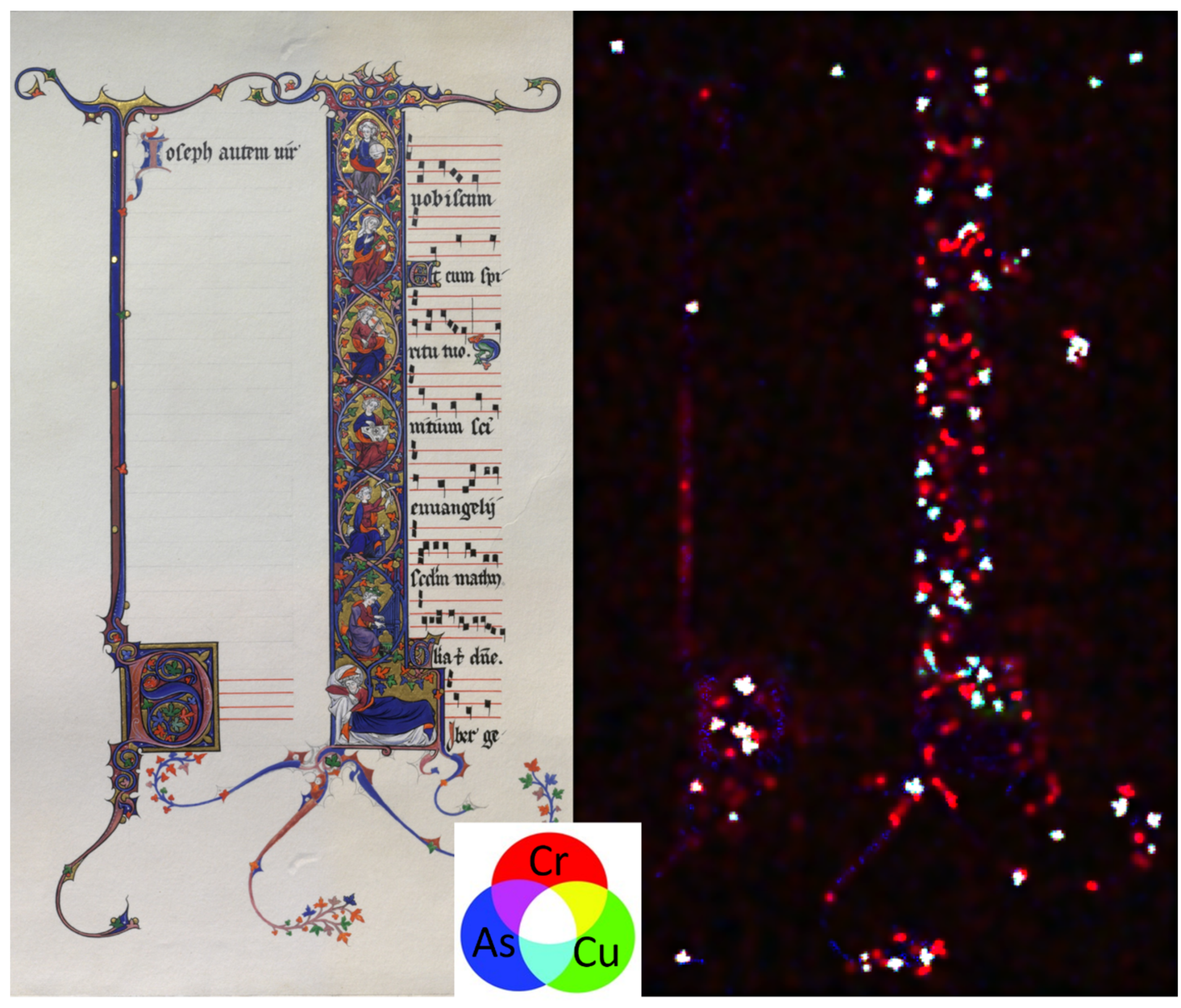
This study focuses on the material characterisation of a collection of 19th-century watercolour replicas that reproduce ancient Egyptian mural paintings and illuminated decorations from medieval manuscripts. Non-contact analyses, including macro-X-ray fluorescence (MA-XRF), X-ray diffraction (XRD), and fibre-optic reflectance spectroscopy (FORS), were employed to examine the composition of the painting materials, particularly the pigments. The findings are contextualised through archival research into 19th-century technical sources on historical painting and illuminating practices, as well as contemporaneous pigment catalogues that reported commercial prices. Ultimately, this research aimed to explore whether 19th-century artists engaged with historical material practices beyond mere visual representation in their depictions of historical subjects. The results obtained from the replicas of medieval illuminations are groundbreaking, as they challenge prevailing scholarly assumptions. Notably, the use of pigments such as minium and ultramarine blue, which were held in high regard during the Middle Ages, along with the use of chalk in the preparation of the support, suggest that, in an industrialised world where engagement with material culture was increasingly driven by commercial profit, some academic circles still sought to explore and preserve selected historical material practices in the art of painting.
Keywords: pigment analysis; replicas; 19th century; watercolour; illuminated manuscripts; material culture; MA-XRF; XRD; FORS pigment analysis; replicas; 19th century; watercolour; illuminated manuscripts; material culture; MA-XRF; XRD; FORS