
Article

On the Efficiency Enhancement of an Actively Tunable MEMS Energy Harvesting Device
by
Mortaza Aliasghary
1,
Saber Azizi
2,3,
Hadi Madinei
3 and
Hamed Haddad Khodaparast
3,*
1
Electrical Engineering Department, Faculty of Industrial Technologies, Urmia University of Technology, Urmia 5716693188, Iran
2
Mechanical Engineering Department, Faculty of Renewable Energies, Urmia University of Technology, Urmia 5716693188, Iran
3
Faculty of Science and Engineering, Swansea University, Swansea SA1 8EN, UK
*
Author to whom correspondence should be addressed.
Vibration 2022, 5(3), 603-612; https://doi.org/10.3390/vibration5030035

Submission received: 22 June 2022 / Revised: 1 September 2022 / Accepted: 2 September 2022 / Published: 6 September 2022
(This article belongs to the Topic Dynamical Systems: Theory and Applications)

Abstract

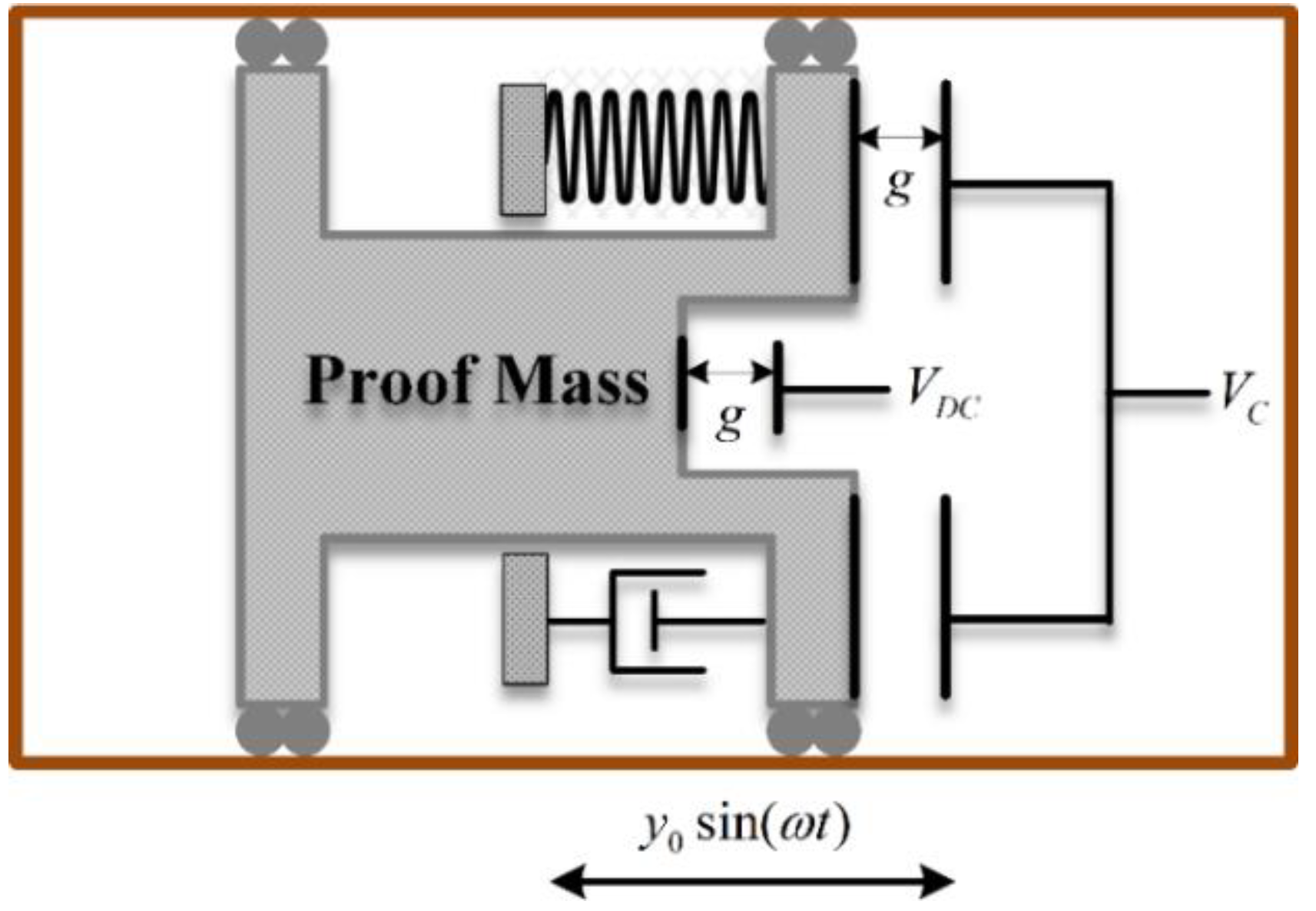
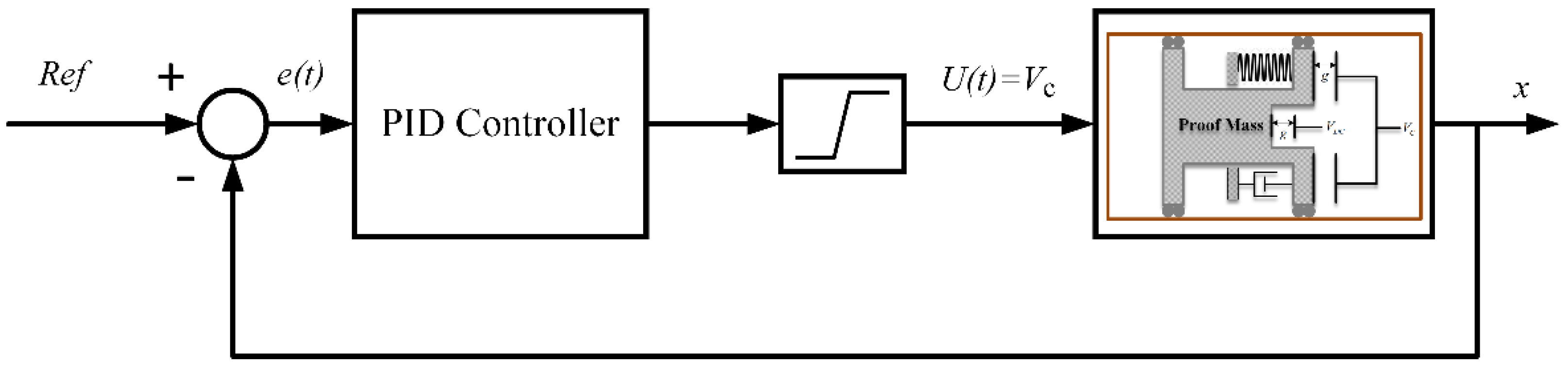
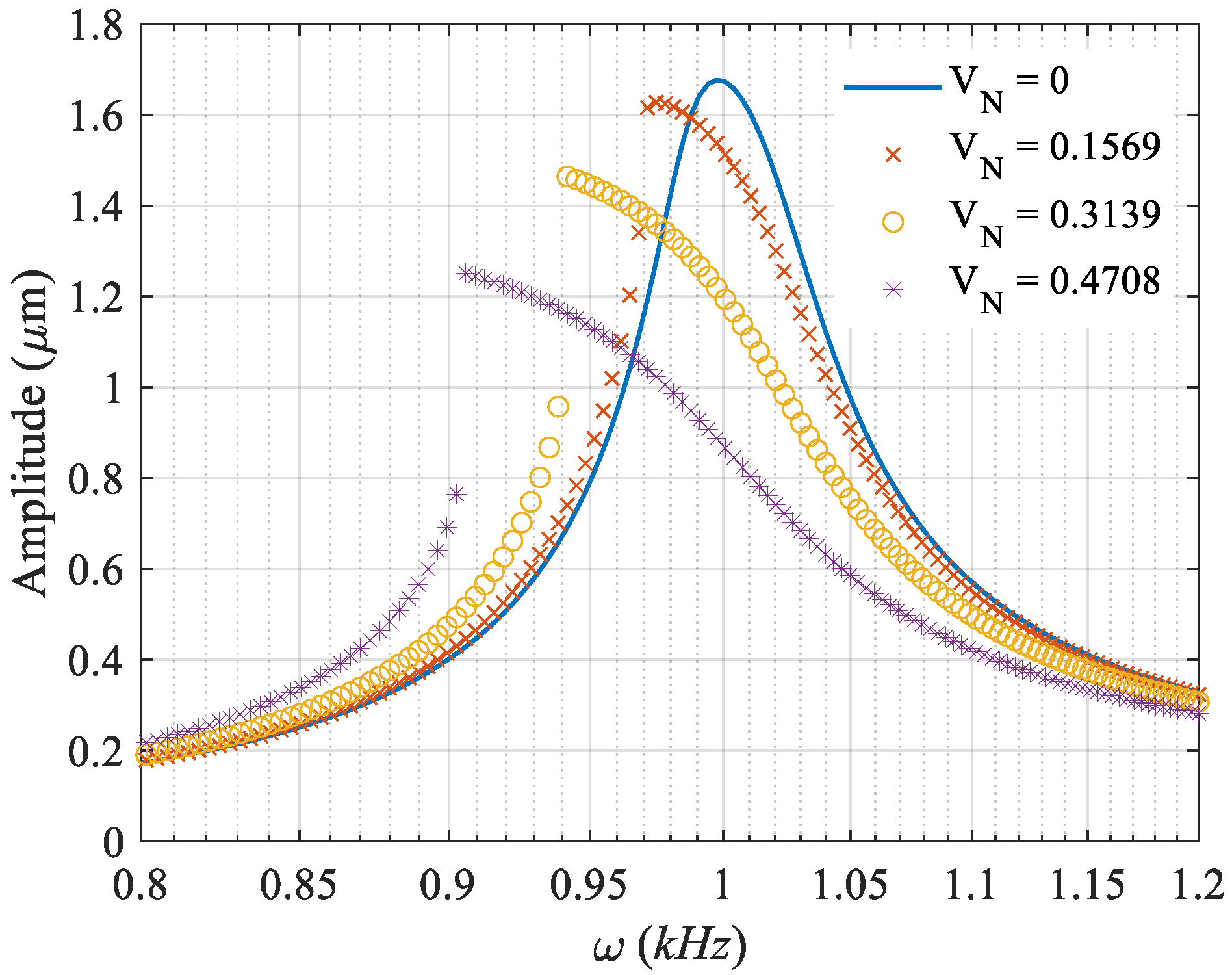
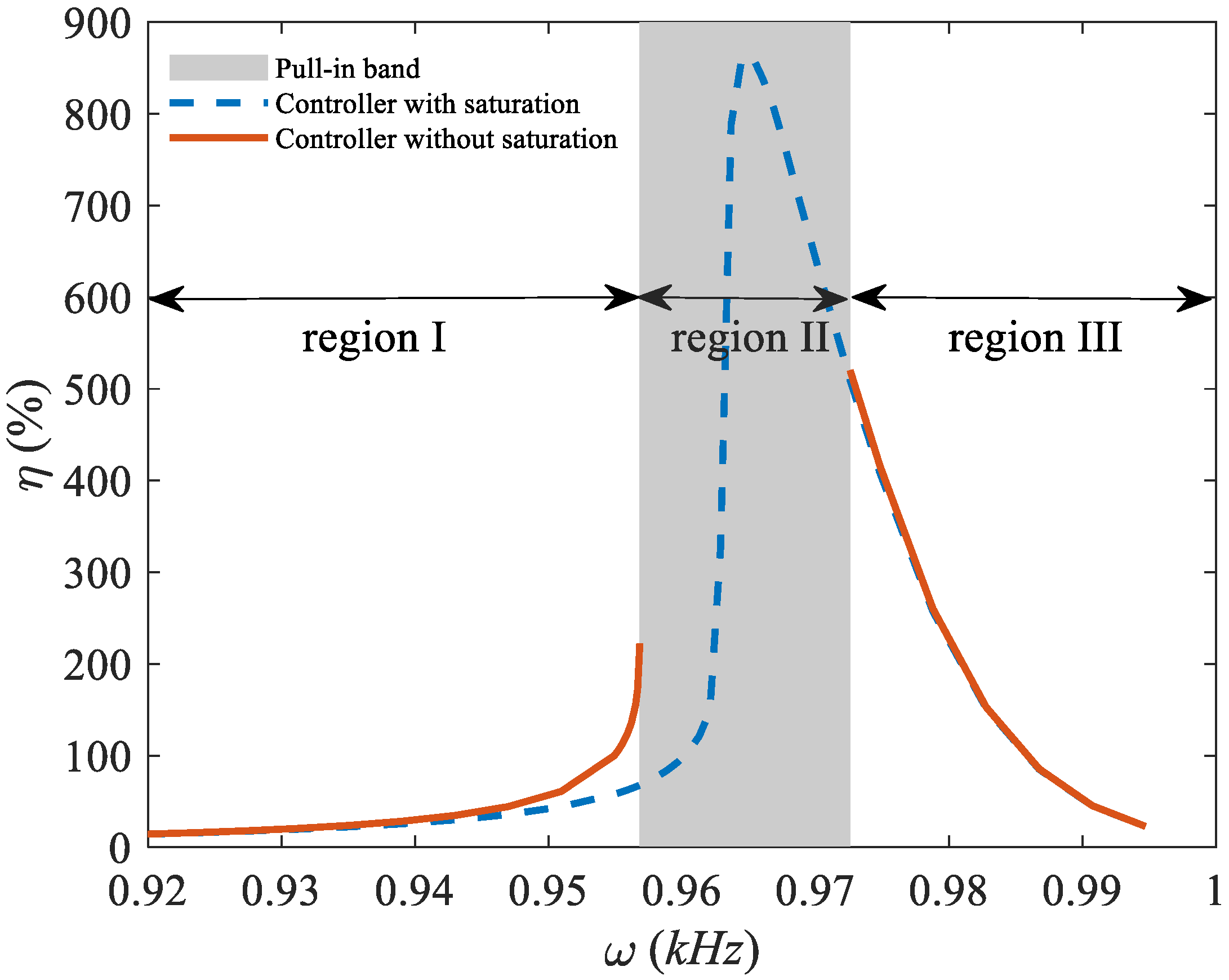
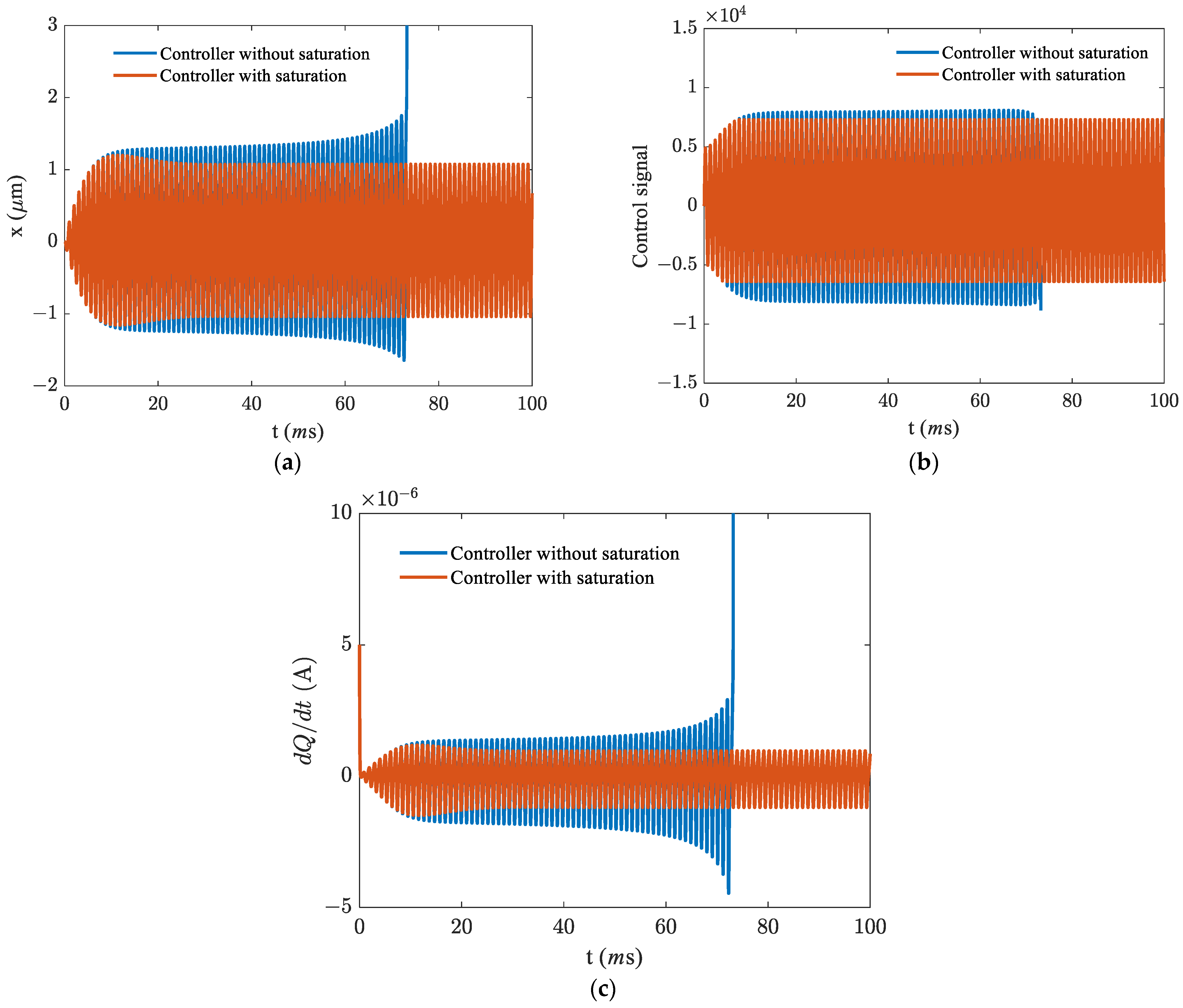
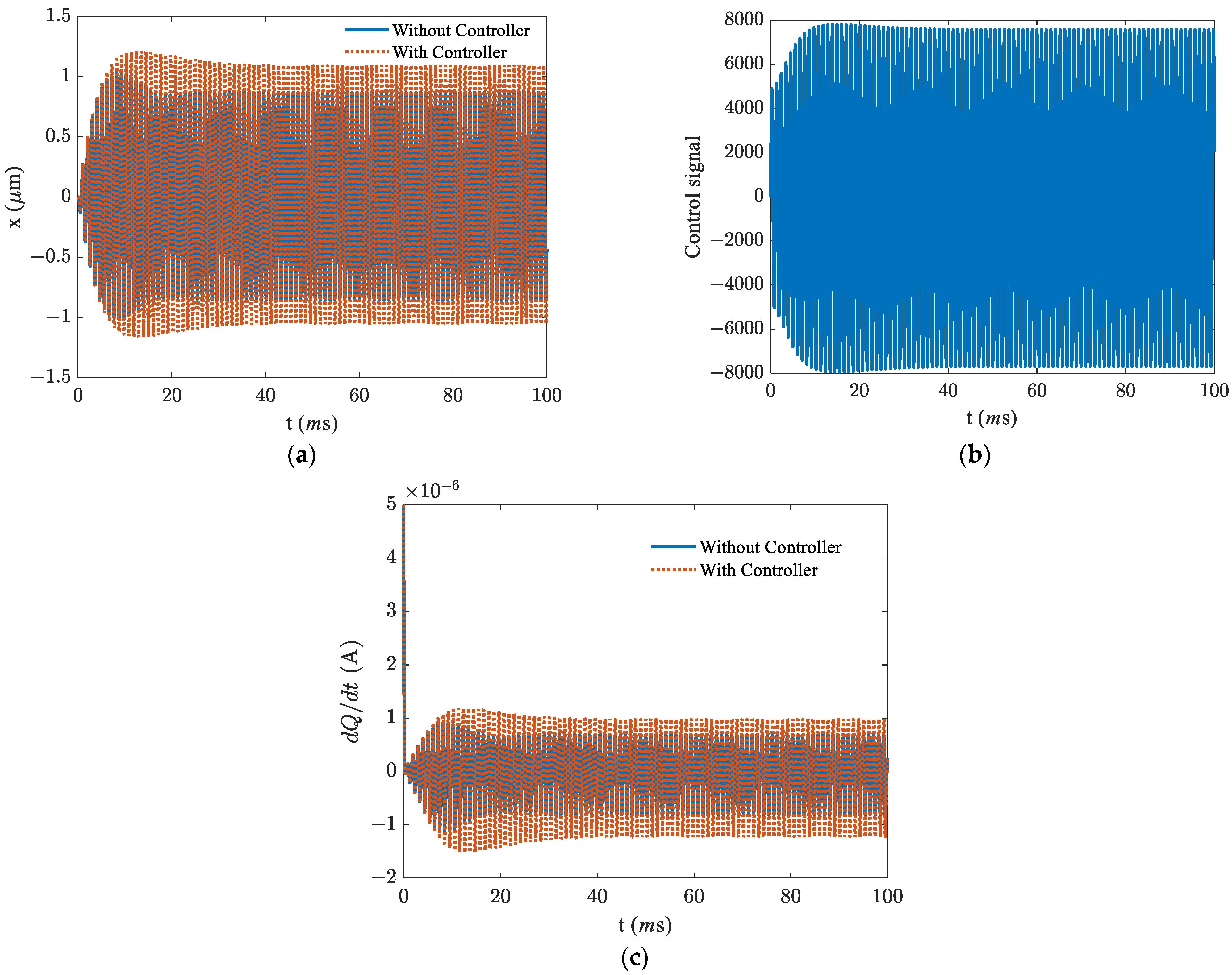
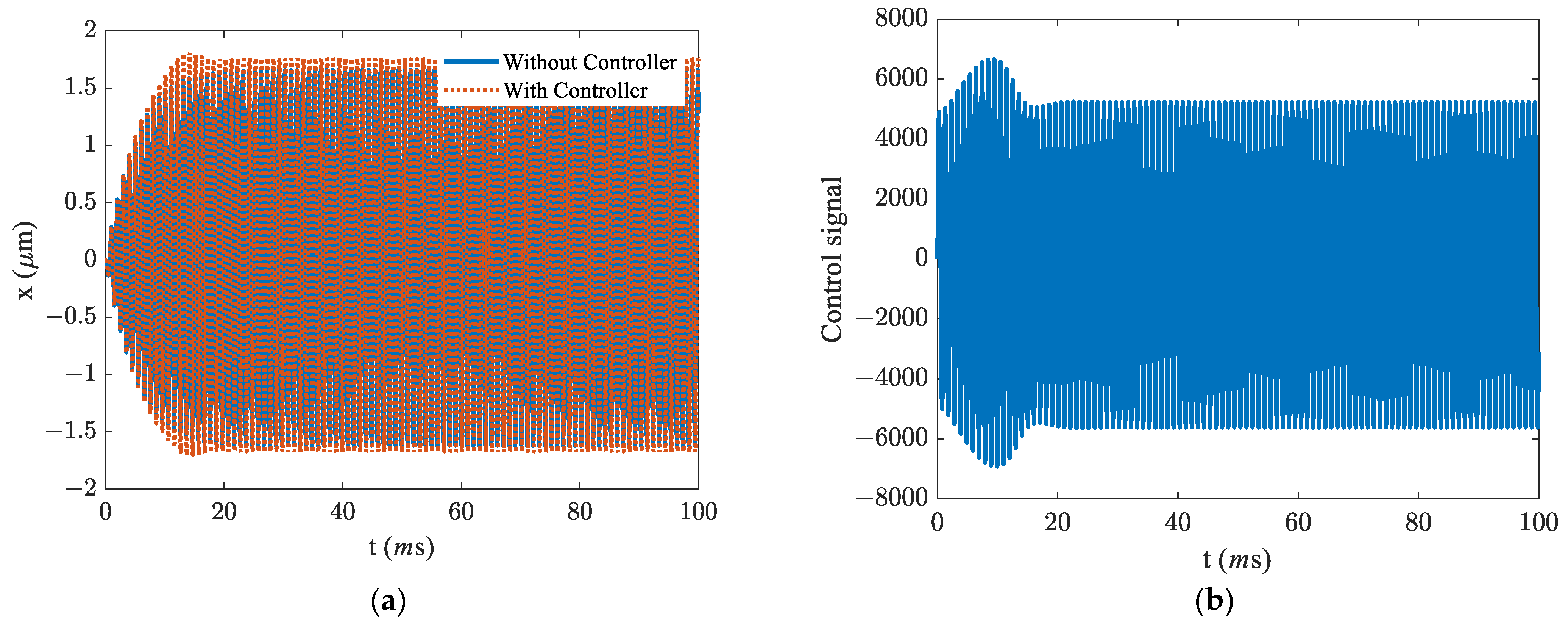
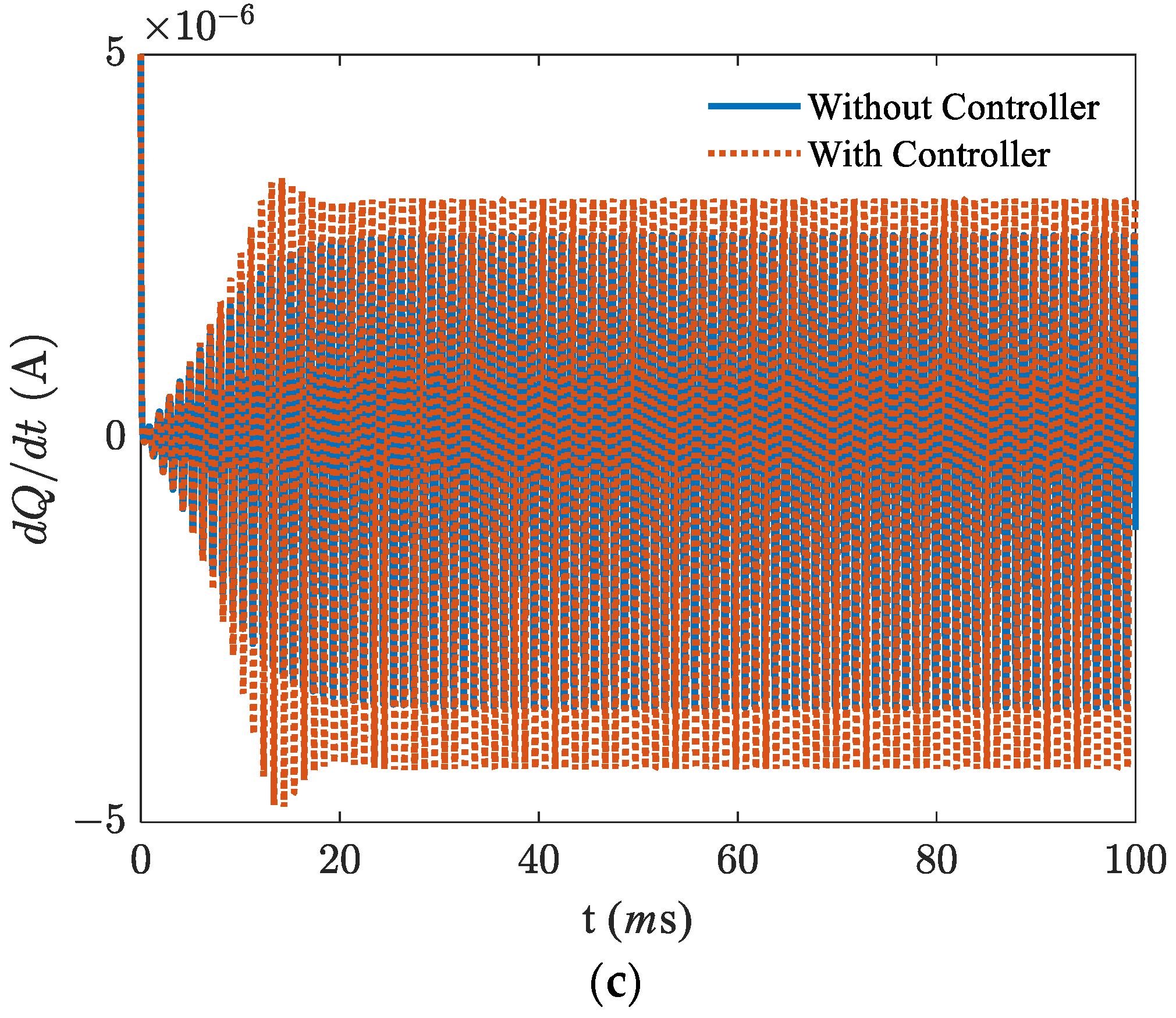
In this paper, we propose an active control method to adjust the resonance frequency of a capacitive energy harvester. To this end, the resonance frequency of the harvester is tuned using an electrostatic force, which is actively controlled by a voltage source. The spring softening effect of the electrostatic force is used to accommodate the dominant frequency of the ambient mechanical vibration within the bandwidth of the resonance region. A single degree of freedom is considered, and the nonlinear equation of motion is numerically integrated over time. Using a conventional proportional–integral–derivative (PID) control mechanism, the results demonstrated that our controller could shift the resonance frequency leftward on the frequency domain and, as a result, improve the efficiency of the energy harvester, provided that the excitation frequency is lower than the resonance frequency of the energy harvester. Application of the PID controller in the resonance zone resulted in pull-in instability, adversely affecting the harvester’s performance. To tackle this problem, we embedded a saturation mechanism in the path of the control signal to prevent a sudden change in motion amplitude. Outside the pull-in band, the saturation of the control signal resulted in the reduction of harvested power compared to the non-saturated signal; this is a promising improvement in the design and analysis of energy harvesting devices.
Keywords: capacitive energy harvesting; MEMS; PID controller; tunability; base excitation capacitive energy harvesting; MEMS; PID controller; tunability; base excitation