
Article

Experimental and Analytical Study on the Combustion and Explosion Characteristics of Multi-Component Natural Gas During Blended Transportation

1
PipeChina West Pipeline Co., Ltd., Beijing 100020, China
2
College of Safety and Ocean Engineering, China University of Petroleum (Beijing), Beijing 102249, China
3
Key Laboratory of Oil and Gas Production Safety and Emergency Technology, Ministry of Emergency Management, Beijing 102249, China
*
Author to whom correspondence should be addressed.
Fire 2026, 9(3), 102; https://doi.org/10.3390/fire9030102
Submission received: 4 January 2026 / Revised: 6 February 2026 / Accepted: 11 February 2026 / Published: 26 February 2026
(This article belongs to the Special Issue Fire and Explosion Safety with Risk Assessment and Early Warning)

Abstract

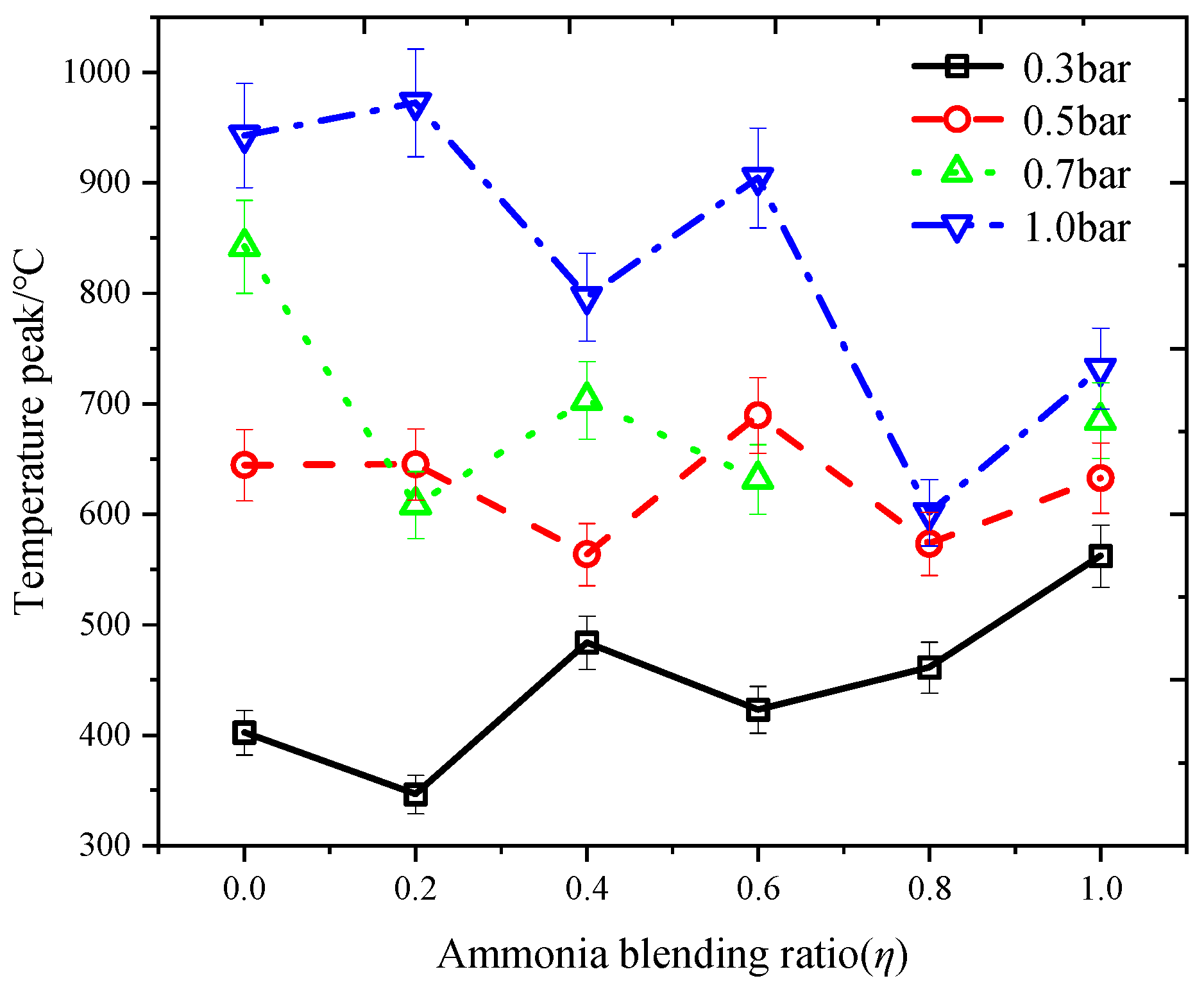
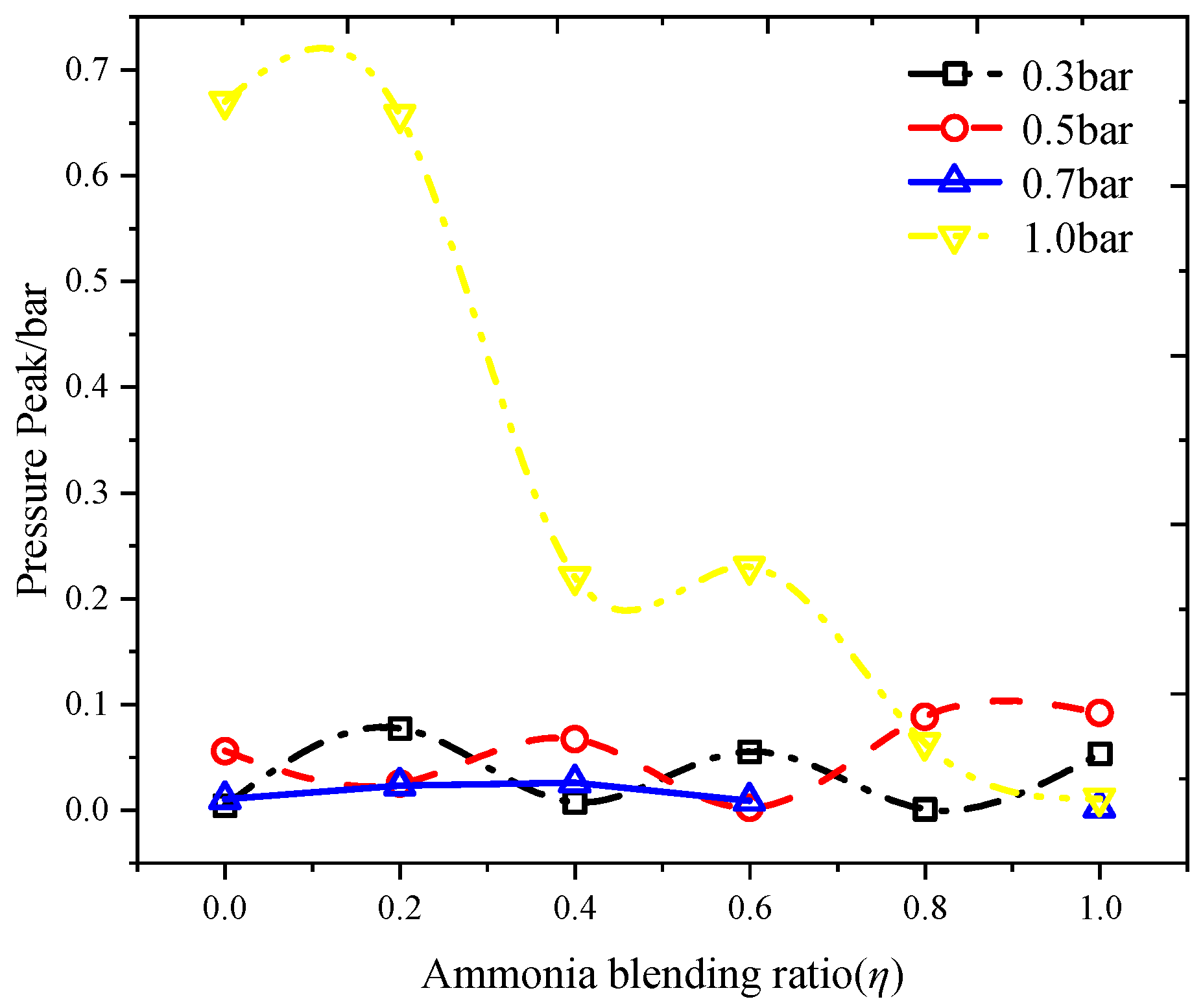
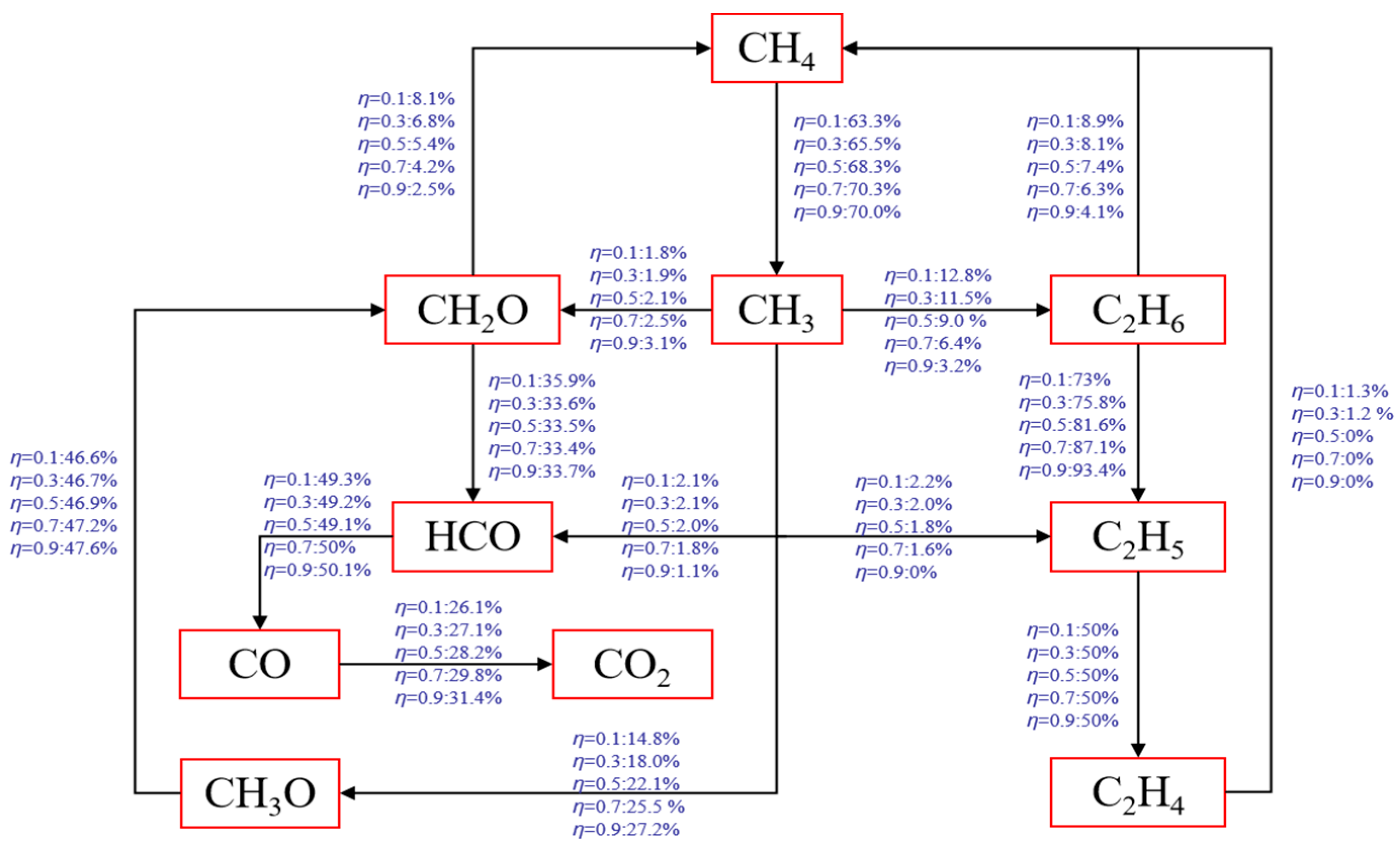
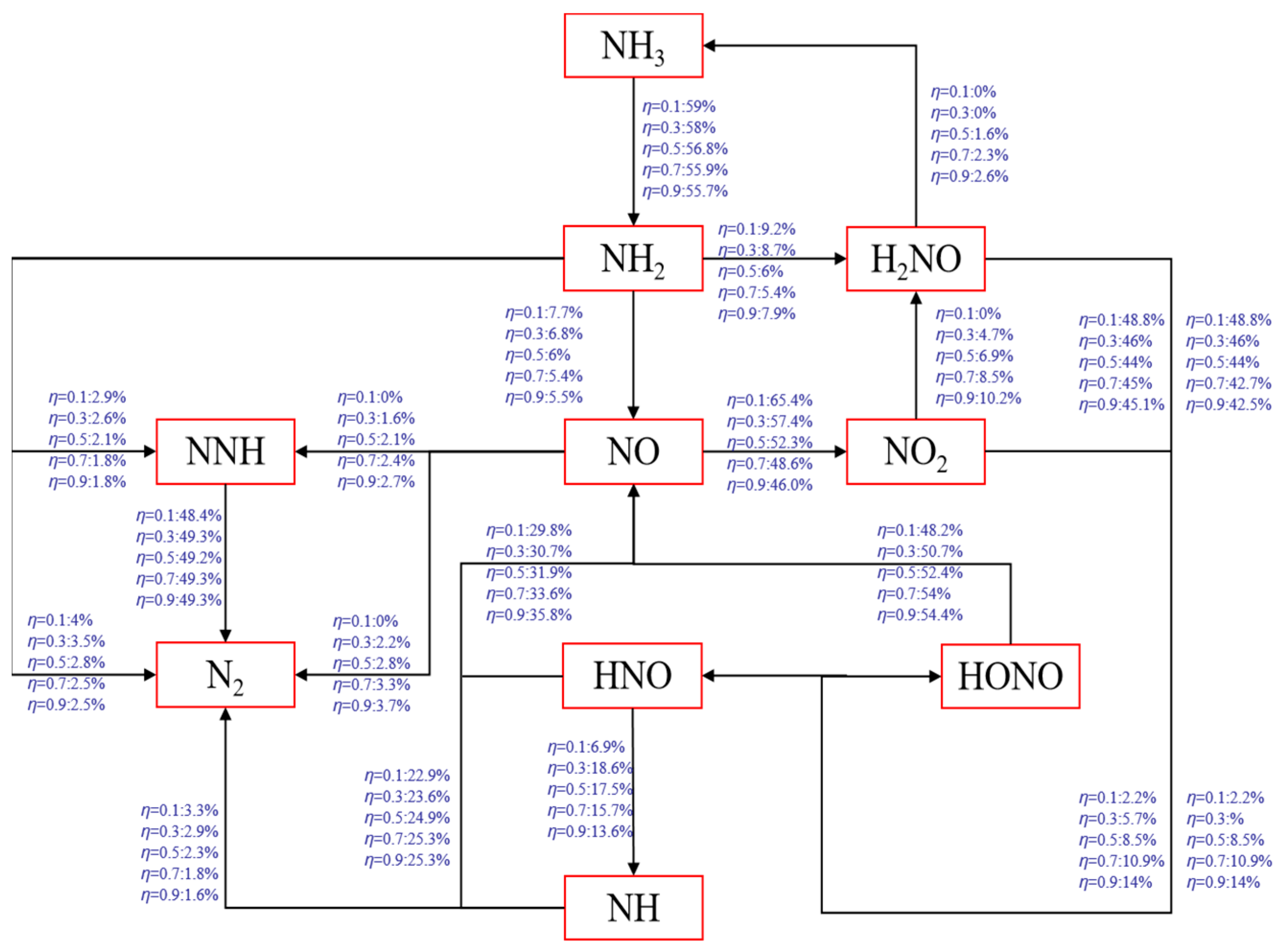
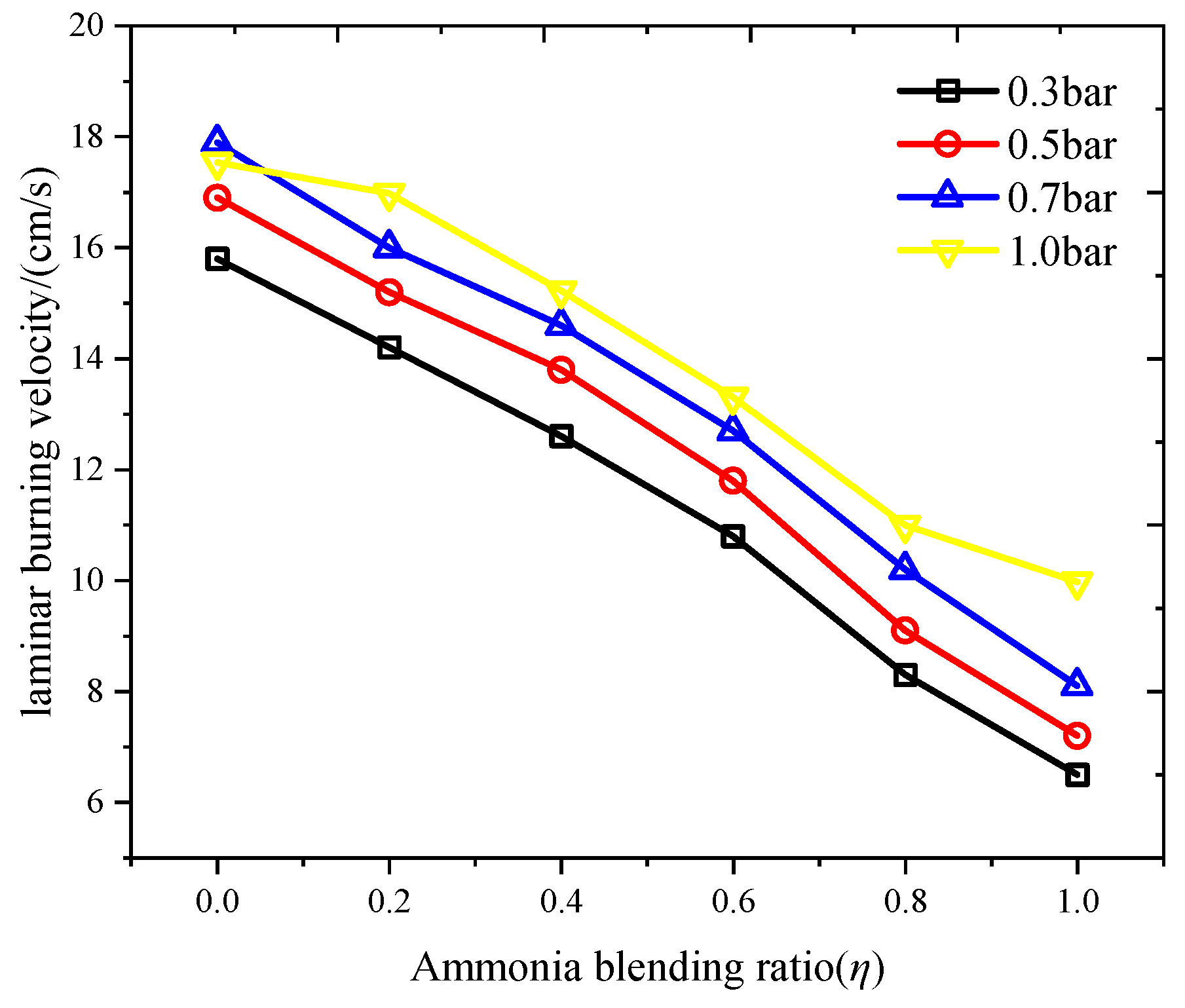
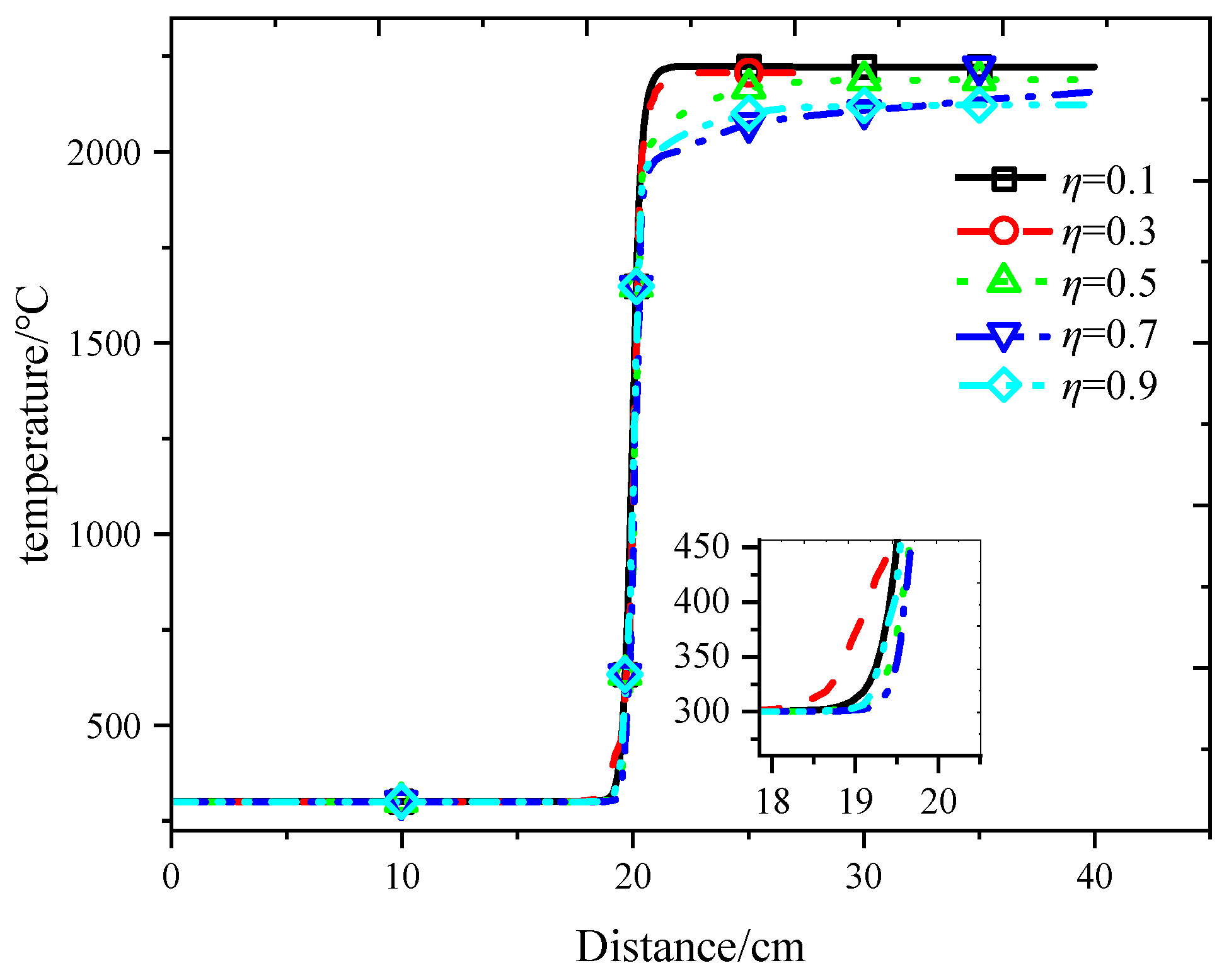
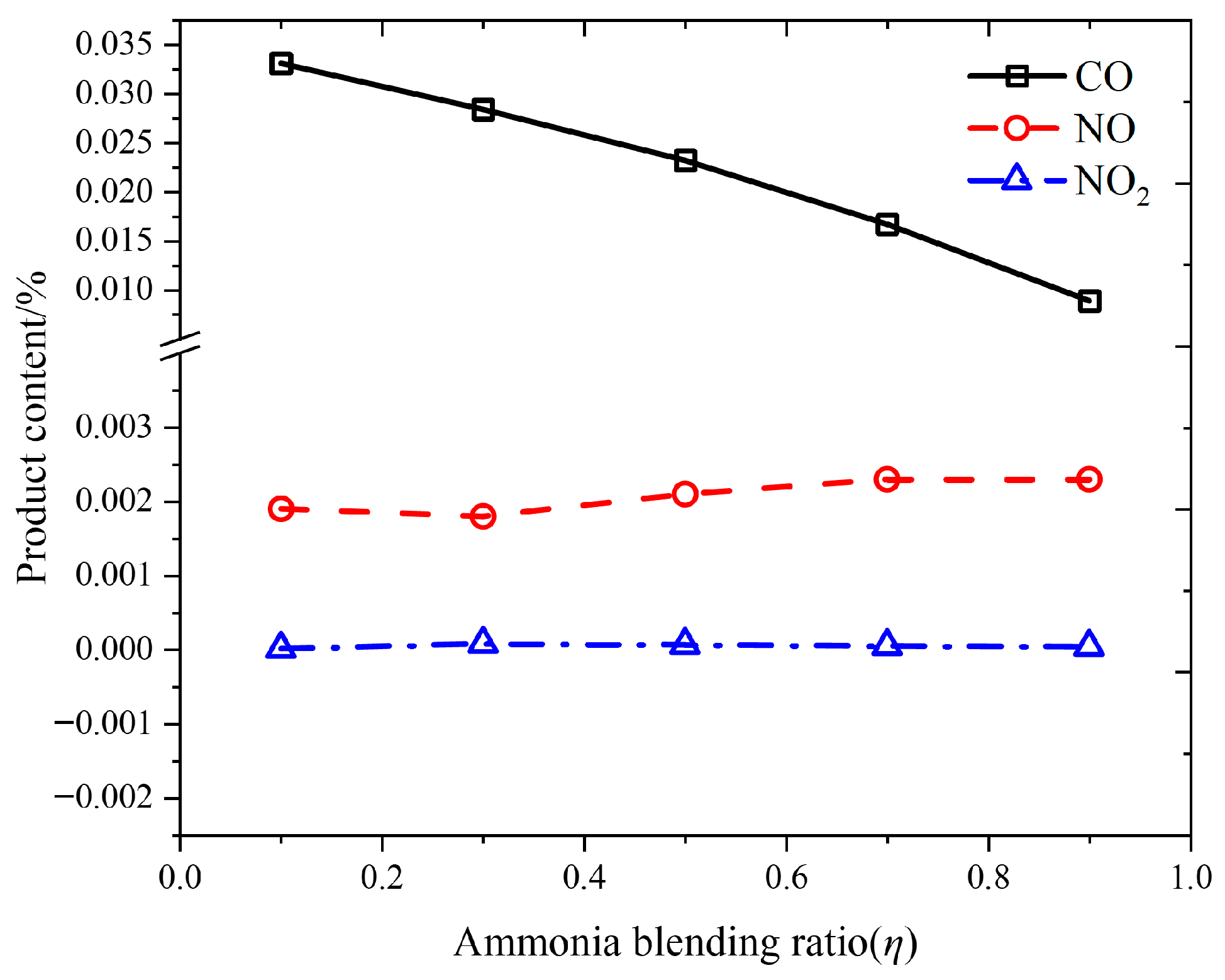
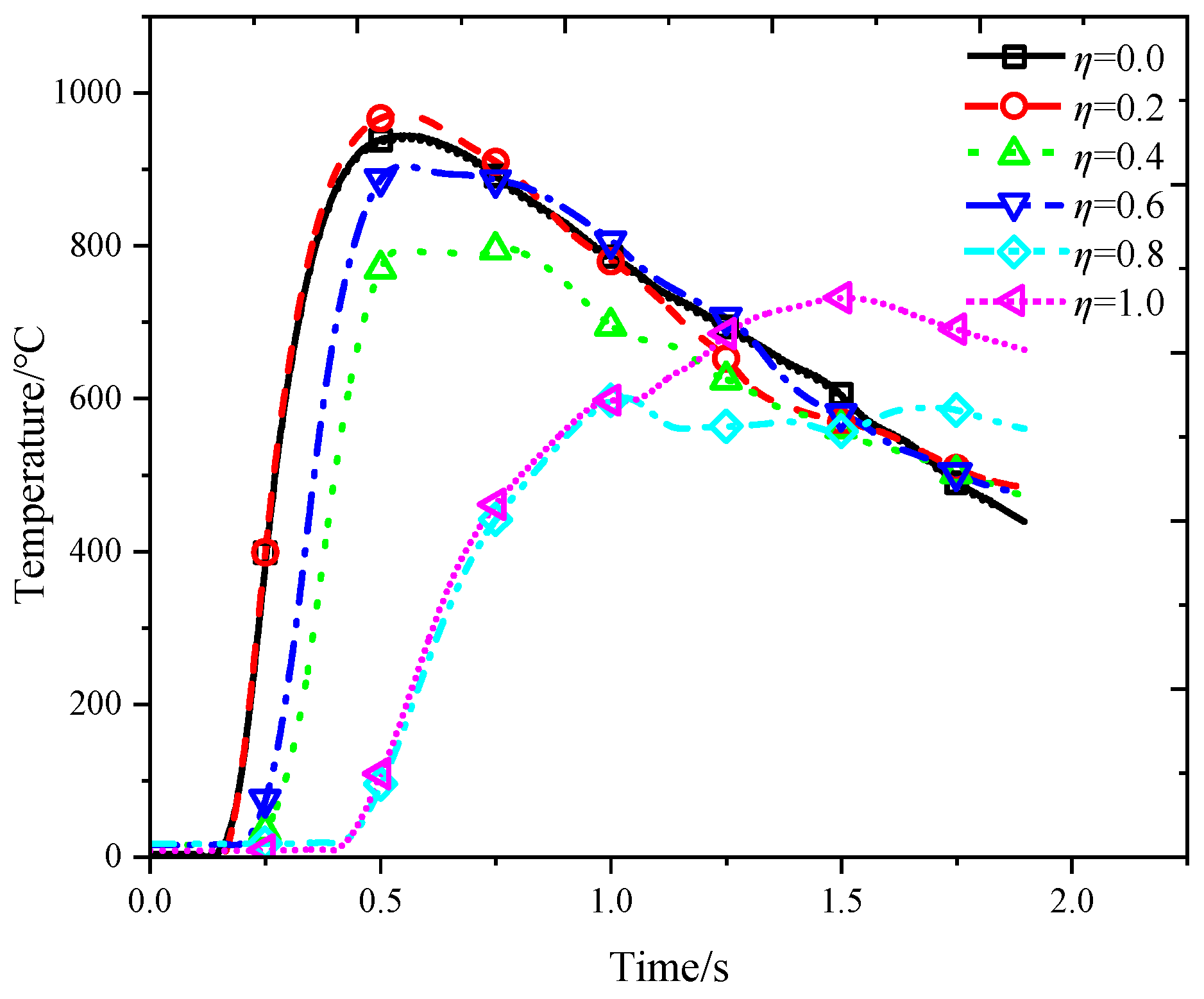
Ammonia has great potential as a clean energy alternative and can contribute to reducing carbon emissions from conventional fossil fuels. To investigate the combustion characteristics of ammonia-doped natural gas and to evaluate its feasibility for practical applications, this study experimentally and numerically examined the temperature and pressure variations of ammonia-doped natural gas mixtures under different initial pressures. In addition, the combustion products corresponding to different ammonia doping ratios were simulated and analyzed. The results indicate that, with increasing ammonia doping ratio, both combustion temperature and pressure decrease to varying degrees. Under atmospheric pressure, the combustion temperature generally decreases by approximately 25%, while the peak pressure reduction reaches up to 87.85% in certain cases. Furthermore, under negative pressure conditions, a relatively low ammonia doping ratio enhances the combustion intensity of the mixture, and the peak combustion temperature occurs at lower ammonia concentrations. From an environmental perspective, the variation in combustion products with ammonia doping ratio was further analyzed. The results show that the CO concentration in the combustion products decreases progressively by approximately 71.11% as the ammonia doping ratio increases. In contrast, the NO concentration increases to a maximum value and then remains nearly constant, whereas the NO2 concentration initially increases and subsequently decreases after reaching a peak value of 0.813 ppm. Overall, these findings provide experimental and theoretical support for understanding the combustion characteristics of mixed gaseous fuels and offer a scientific basis for the application and safety assessment of ammonia-doped natural gas.
Keywords: natural gas doped with ammonia; combustion characteristics; reaction paths; combustion products natural gas doped with ammonia; combustion characteristics; reaction paths; combustion products