
Article

Green Synthesis of AgNP-Modified TiO2-Fe3O4 Magnetic Spheres for Aqueous Organic Pollutant Removal

by
José Adalberto Castillo-Robles
*,
Rubí Maria Cobos-Ramos
,
Jesús Emmanuel López-Zúñiga
,
Eddie Nahúm Armendáriz-Mireles
and
Enrique Rocha-Rangel
*
Research and Postgraduate Department, Victoria Polytechnic University, Science and Technology Park, Victoria City 87138, Mexico
*
Authors to whom correspondence should be addressed.
Ceramics 2026, 9(6), 55; https://doi.org/10.3390/ceramics9060055 (registering DOI)
Submission received: 22 April 2026 / Revised: 22 May 2026 / Accepted: 27 May 2026 / Published: 29 May 2026
(This article belongs to the Special Issue Advances in Ceramics, 3rd Edition)

Abstract

This work reports the synthesis, characterization, and photocatalytic performance of multifunctional spheres based on AgNP-doped TiO2-Fe3O4 embedded in an alginate–chitosan biopolymeric matrix for the removal of organic contaminants from water. The composite powders exhibited a nanocrystalline structure composed of anatase TiO2 (~20 nm) and magnetite (~25 nm), with homogeneously dispersed Ag nanoparticles, as observed by SEM. The spheres presented a mainly submicrometric particle size distribution (0.55–0.92 µm), favoring high surface area and colloidal stability. Under simulated solar irradiation, the material achieved efficient photocatalytic degradation of methylene blue, with a pseudo-first-order rate constant of 0.112 h−1 and ~46% decolorization after 5 h. UV-Vis spectra showed progressive attenuation of the dye absorption band without accumulation of intermediates. Magnetic recovery tests confirmed rapid separation and reuse without performance loss. The enhanced activity is attributed to the synergistic interaction among plasmonic Ag, photocatalytic TiO2, redox-active Fe3O4, and the adsorptive carbon–biopolymer matrix. The material exhibited strong antibacterial activity, achieving over 90% removal of fecal coliforms after 5 h of irradiation. Therefore, the developed AgNP-doped TiO2-Fe3O4 spheres represent a sustainable, reusable, and efficient material for solar-assisted water sanitation.

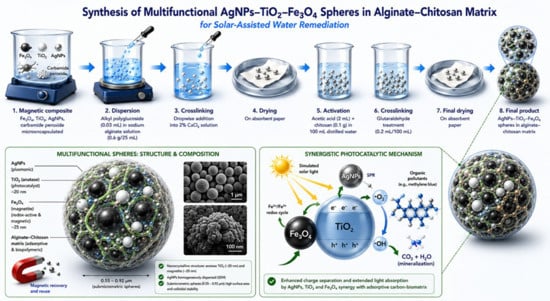
Graphical Abstract

1. Introduction

The contamination of water bodies by persistent organic compounds represents one of the most significant environmental challenges today, due to their high chemical stability, toxicity, and resistance to conventional treatment processes [1,2]. Dyes, pharmaceuticals, pesticides, and other emerging contaminants can remain in aqueous solutions for long periods, negatively affecting aquatic ecosystems and human health. In this context, the development of advanced materials capable of efficiently removing and degrading these pollutants has gained increasing interest, particularly those based on advanced oxidation processes and sustainable technologies [3]. Recent advances in semiconductor-based photocatalytic systems have focused on the design of multifunctional composites capable of simultaneously enhancing light harvesting, charge separation, and material recovery after treatment. In particular, TiO2-based heterostructures combined with magnetic phases such as Fe3O4 have attracted considerable attention due to their ability to integrate photocatalytic activity with magnetic separability, improving operational practicality and catalyst reusability in water remediation applications [4]. Current research trends also emphasize the incorporation of noble metals and transition-metal modifiers to extend visible-light absorption and suppress charge carrier recombination through interfacial electronic interactions [5]. Among these strategies, silver has emerged as one of the most effective modifiers because of its strong surface plasmon resonance effect, excellent electron-trapping capability, and well-documented antimicrobial properties, offering advantages over other cations such as Cu2+, Zn2+, or Ni2+, which may present lower plasmonic efficiency or reduced antimicrobial performance [6]. Heterogeneous photocatalysis has established itself as a promising alternative for water treatment, as it allows the degradation of organic pollutants through the generation of reactive oxygen species, mainly hydroxyl radicals (•OH), without the need to add external chemical reagents [7,8,9]. Among the photocatalytic semiconductors studied, titanium dioxide (TiO2) stands out as the reference material due to its high chemical stability, low cost, non-toxicity, and high oxidative power [10,11]. However, its limited absorption in the visible region of the electromagnetic spectrum and the rapid recombination of photoinduced electron–hole pairs restrict its photocatalytic efficiency, which has led to the modification of TiO2 through doping, coupling with other materials and the design of hybrid systems [12]. An effective strategy for improving the performance of TiO2 consists of coupling it with magnetite (Fe3O4), which acts as a redox co-catalyst capable of facilitating electron transfer and promoting the in situ generation of highly oxidizing species through heterogeneous Fenton-type mechanisms [13,14]. The reversible alternation between the Fe2+/Fe3+ states promote the continuous production of hydroxyl radicals, which synergizes with the photocatalysis of TiO2 and accelerates the degradation of organic pollutants. Additionally, the presence of Fe3O4 confers magnetic properties to the system, allowing for the efficient recovery of the material after use [15]. Hetero-multicomponent metal oxide catalysts represent an emerging and versatile platform for addressing the complexity of modern wastewater streams [16], and doping with metallic silver nanoparticles (AgNPs) is another key strategy for enhancing the photocatalytic and functional activity of the system. The formation of a Schottky junction at the TiO2-Ag interface promotes the trapping of photoexcited electrons, inhibiting electron–hole recombination and extending the photoactive response toward the visible region of the spectrum [17,18]. In addition, AgNPs provide intrinsic antimicrobial activity, contributing to the inactivation of microorganisms present in aqueous solutions [19]. It is important to note that the use of silver in controlled concentrations and its immobilization in a solid matrix minimize the risks associated with its release into the environment [20]. In order to maximize the efficiency and safety of the system, the integration of adsorbent materials and biopolymers is essential. Activated carbon acts as a concentrator of organic pollutants, adsorbing them on its surface and promoting their proximity to active photocatalytic sites, thus increasing the probability of degradation [14]. Meanwhile, chitosan provides structural stability, biocompatibility and additional antimicrobial properties, while sodium alginate is used as an encapsulating matrix for the synthesis of semiconductor spheres [21,22]. The use of biopolymers allows for the creation of biodegradable, non-toxic, and mechanically stable structures, preventing the direct dispersion of nanoparticles in the aqueous medium. This paper reports on the synthesis of TiO2-Fe3O4 semiconductor spheres doped with AgNPs based on biopolymers, with the aim of removing organic contaminants from aqueous solutions. The innovation of the system lies in the integration of photocatalysis, adsorption, antimicrobial activity, and magnetic recovery in a single reusable and environmentally safe material. The presence of magnetite allows for the rapid separation of spheres using an external magnetic field, facilitating their reuse and reducing the generation of secondary waste [15]. The objective of this work is to manufacture AgNP-doped TiO2-Fe3O4 composite contained within a biopolymeric alginate–chitosan matrix, as a low-cost and green alternative for water sanitation.

2. Materials and Methods

2.1. Spheres Manufacturing Process

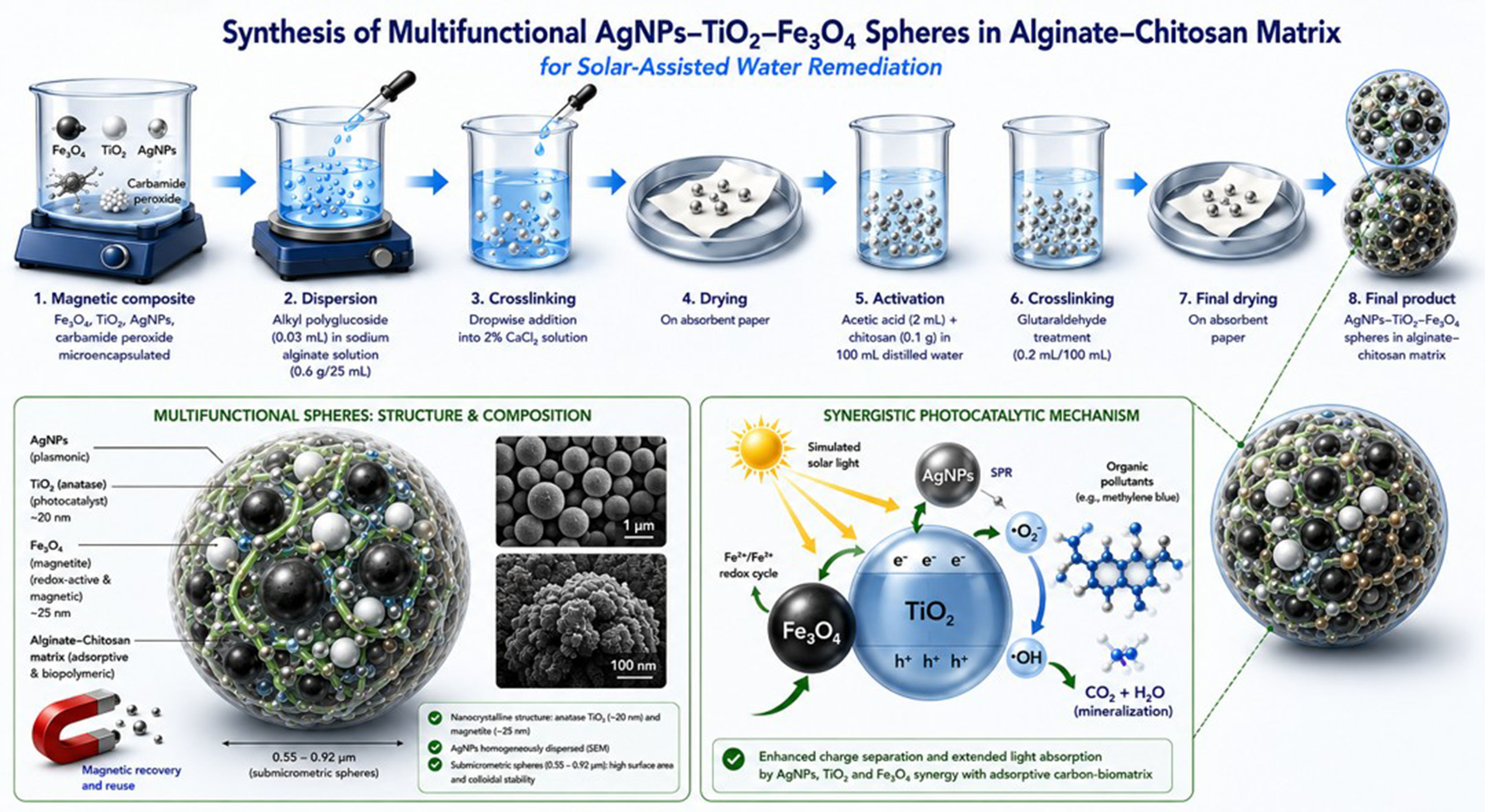
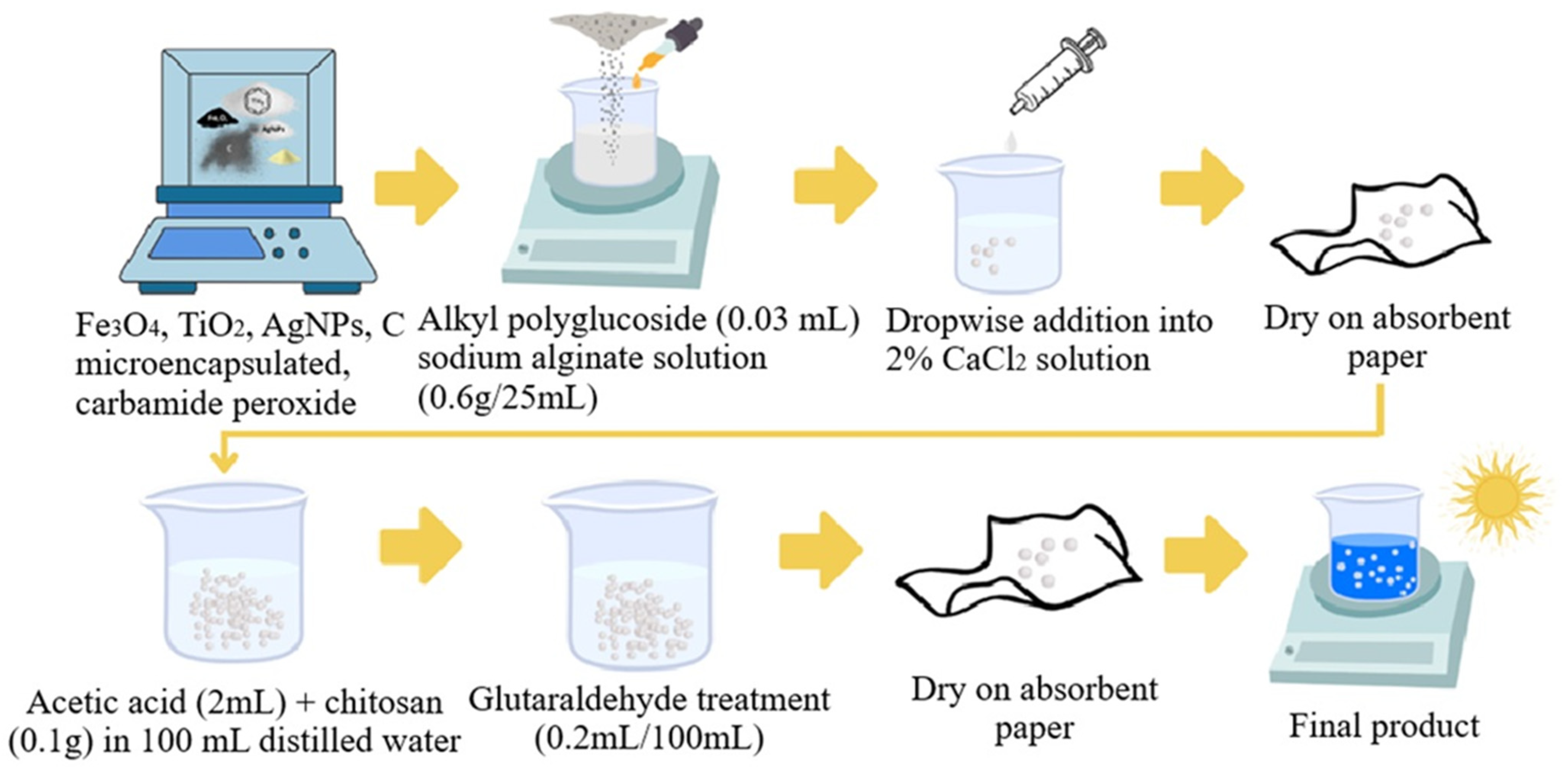
The sphere manufacturing process begun with the selection and precise dosing of raw materials, including TiO2 in the anatase phase (0.10 g), Fe3O4 (0.06 g), powdered activated carbon (0.10 g), silver nanoparticles (AgNPs, 0.010 g), microencapsulated carbamide peroxide (Azumex, CDMX, México), sodium alginate (0.75 g, Alday Ingredientes, Puebla, México), chitosan (0.10 g, Encapsuladoras México, CDMX, México), distilled water (25 mL), calcium chloride (CaCl2 at 2% w/v), glacial acetic acid (Quimiconsult, Nuevo Leon, México) to prepare a 1% v/v solution, and glutaraldehyde diluted (Labessa, CDMX, México) to 0.05% w/v. In parallel, auxiliary solutions were prepared: an alginate solution (25 mL of distilled water heated to 45 °C), a chitosan coating solution (100 mL of distilled water with 2 mL of acetic acid and 0.1 g of chitosan), a glutaraldehyde reinforcement solution (100 mL of distilled water with 0.2 mL of glutaraldehyde), and a CaCl2 gelation solution (100 mL of distilled water with 2 g of CaCl2). Subsequently, the powders of TiO2 (3 μm, 99.9%, Sigma-Aldrich, St. Louis, MO, USA), Fe3O4 (5 μm, 99.9%, Sigma-Aldrich, St. Louis, MO, USA), activated carbon (<100 nm, 99.9%, Bulk Superfoods, CDMX, México), AgNPs (<100 nm, 99.9%, SkySpring Nanomaterials, Inc., Houston, TX, USA), and microencapsulated carbamide peroxide were homogenized by high-energy planetary ball milling using a PM 100 mill (Retsch, Haan, Germany). The milling process was carried out under dry conditions for 6 h at a rotational speed of 300 rpm, employing 0.05 mL isopropyl alcohol as a process control agent and maintaining a ball-to-powder weight ratio of 10:1. This powder mixture was then incorporated into the previously heated and homogenized alginate solution (using 0.6 g of sodium alginate), forming a uniform suspension, to which 0.03 mL of alkyl polyglucoside (Sigma-Aldrich, St. Louis, MO, USA) was added. The resulting suspension was loaded into a needle-free insulin syringe and dropped into the CaCl2 solution, where the droplets instantly gel to form spheres, which were kept in the solution for 15 min to ensure complete crosslinking. The spheres were then recovered using a magnet (due to the presence of magnetite) and dried on absorbent paper for 30 min to 2 h at room temperature (~25 °C). Once dried, the spheres were coated by immersion in the chitosan solution for 2–3 min, followed by drying in air for approximately 20 min, and subsequently treated with the glutaraldehyde solution for 2–3 min to reinforce the matrix, followed by a final drying step under the same conditions. After this process, the obtained spheres had an approximated 3 mm size and were ready for use in aqueous water sanitation tests.
Figure 1 shows the flow diagram of the methodology used to prepare spheres containing AgNP-doped TiO2-Fe3O4. The figure presents the sequential stages involved in the synthesis process, including precursor preparation, incorporation of Ag nanoparticles into the TiO2-Fe3O4 matrix, sphere formation, and post-treatment steps leading to the final composite material. Key processing conditions at each stage are summarized to provide a clear overview of the fabrication route.

2.2. Powder Characterization

Once the powders were homogenized and before encapsulating them with chitosan, the particle size distribution was determined by laser diffraction using a Mastersizer 2000 system (Malvern Panalytical, Almelo, The Netherlands). The morphological characteristics of the powders were examined by scanning electron microscopy (SEM) using a JEOL 6300 microscope (Akishima, Tokyo, Japan). The crystalline structure was analyzed by X-ray diffraction (XRD) employing a Bruker D8 Advance diffractometer (Billerica, MA, USA). Data were collected over a 2θ range of 20–80°, with a step size of 0.016° and a counting time of 10 s per step. The resulting diffraction patterns were analyzed using X’Pert HighScore Plus software (version 2.2b).

2.3. Absorbance Measurements

Optical absorbance measurements were performed using a deuterium lamp as the UV-Vis light source. All optical analyses were carried out with a compact CCD spectrometer (Thorlabs CCS200, Newton, NJ, USA) operating in the 200–1000 nm wavelength range. Absorbance was determined by first recording the transmission spectrum of distilled water in a standard quartz cuvette with an optical path length of 10 mm, which served as the reference. Subsequently, the transmission spectra of AgNP-doped TiO2-Fe3O4 suspensions in distilled water, contained in identical quartz cuvettes, were acquired. Optical absorbance was then calculated using the spectrometer software based on the reference and sample measurements. The photocatalytic activity of AgNP-doped TiO2-Fe3O4 was evaluated via the degradation of organic contaminants in aqueous solution under natural solar irradiation for 5 h. The experiments were conducted in a glass beaker containing 200 mL of distilled water, 0.01 g of the AgNP-doped TiO2-Fe3O4 photocatalyst and 0.05 mL of methylene blue as a model pollutant. The suspension was magnetically stirred at 400 rpm throughout the experiment and was exposed to light for 5 h with the help of a solar simulator. Aliquots were collected at 60 min intervals to monitor the degradation kinetics and evaluate the water decontamination efficiency.

2.4. Microbiological Test

Microbiological analyses were performed at 0 and 150 min, following the procedures established by Mexican standards [23], to evaluate the effect of the photocatalytic material on water decontamination. Water samples collected before and after treatment were stored at refrigerated conditions (5 +/− 2 °C) and protected from sunlight to preserve their integrity. All microbiological determinations were carried out within 1 h after sample collection.

3. Results

3.1. Structure X-Ray Diffraction

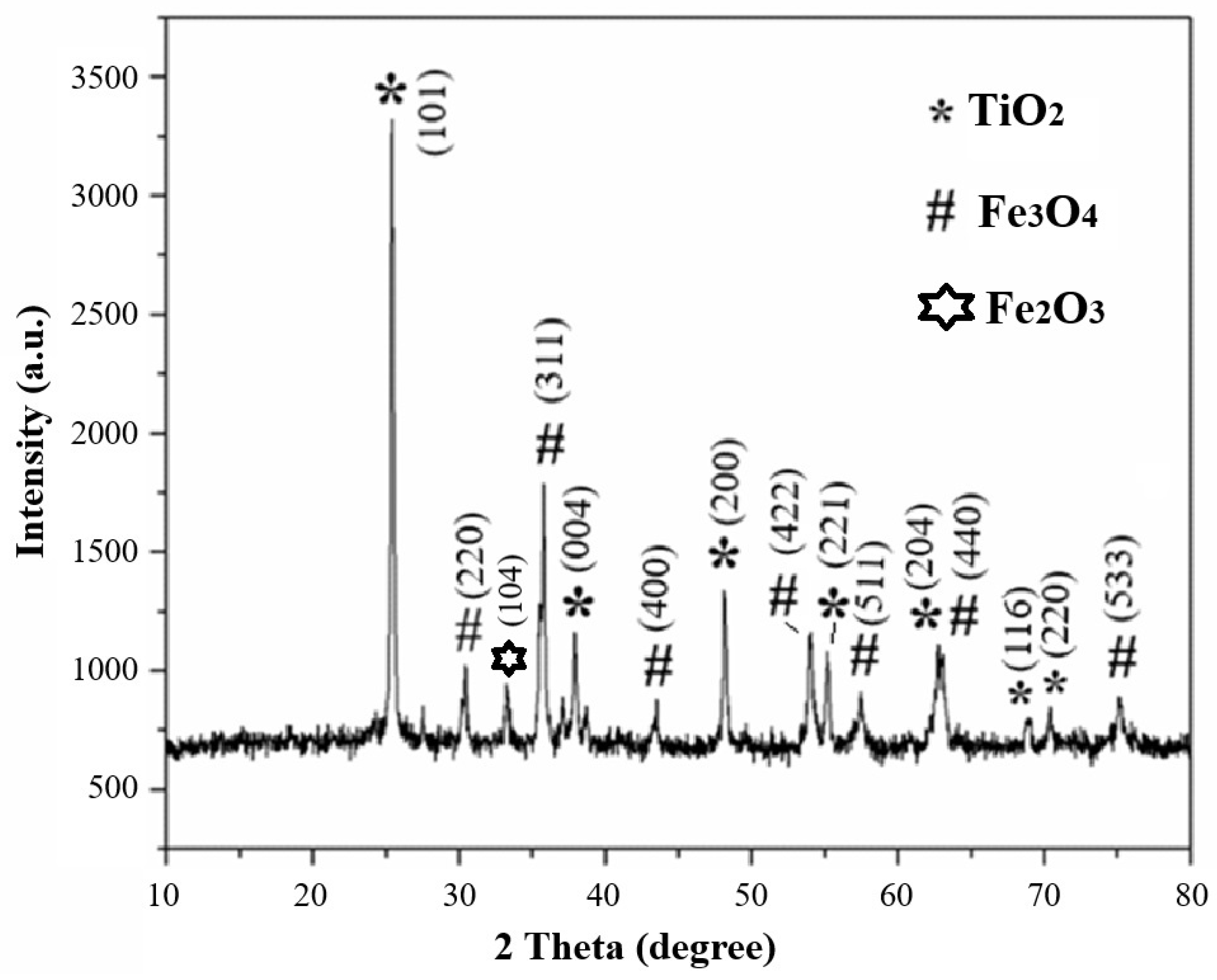
Figure 2 shows the X-ray diffraction (XRD) pattern corresponding to the mixture of TiO2 + Fe3O4 powders. The diffractogram identifies the characteristic peaks of the anatase phase of TiO2, which can be indexed to the crystallographic planes (101), (103), (004), (200), (211), (204), (116), and (220). The most intense peak, located at 2θ ~25.3°, corresponds to the (101) plane, with an interplanar spacing d ~3.52 Å, consistent with the tetragonal crystal structure of anatase (JCPDS card No. 21-1272). Additionally, the pattern exhibits peaks corresponding to the inverse spinel cubic crystal structure of magnetite (Fe3O4), identified at 2θ ~30. 1° (220), 35.5° (311), 43.2° (400/422), 57.0° (511), and 62.6° (440), in good agreement with JCPDS card No. 19-0629. In addition, a peak is observed at an angle of 33.3°, which corresponds to the (104) plane of hematite; the presence of this peak may be due to partial oxidation of the magnetite during the synthesis of the material, which involved some low-temperature heat treatments. The presence of these peaks confirms the coexistence of the ferrimagnetic phase within the system. The average crystallite size was estimated from the broadening of the most intense peak of each phase using the Scherrer equation, obtaining values of 20 nm for anatase and 25 nm for magnetite, indicating a nanocrystalline microstructure favorable for functional applications. The coexistence of TiO2 in the anatase phase and magnetite is particularly attractive for photocatalysis applications, since anatase provides high photocatalytic activity under UV–visible irradiation, while magnetite can promote efficient charge separation and enable magnetic recovery of the material, facilitating its reuse in environmental treatment processes. Silver cannot be observed in the diffraction pattern because its content in the TiO2 + Fe3O4 mixture is below the detection limits of the diffraction equipment.

3.2. Particle Size Distribution

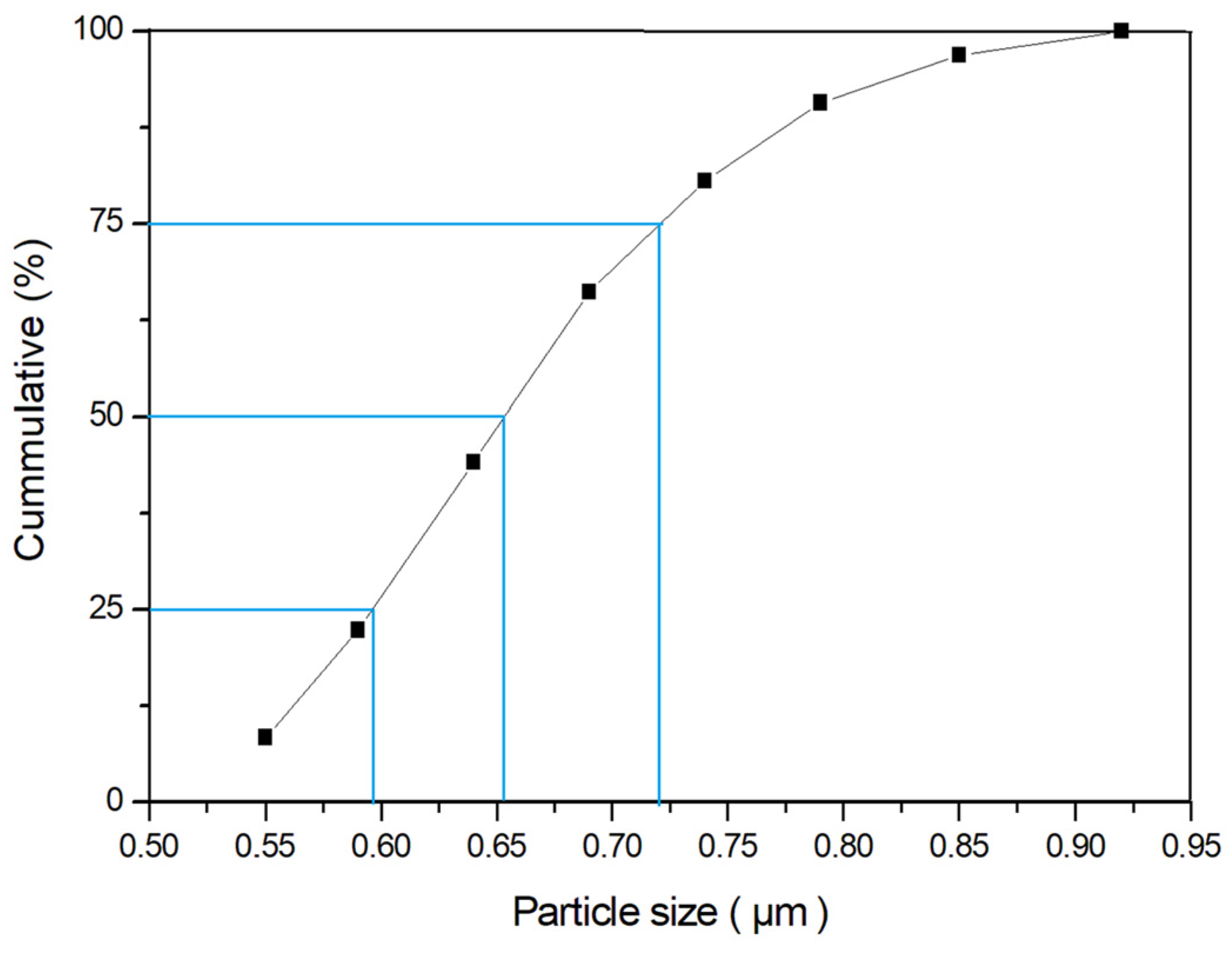
Figure 3 shows the particle size distribution and cumulative fraction of the AgNP-doped TiO2-Fe3O4 powders before manufacturing the spheres. The particle size is mainly within the submicrometric range (0.55–0.92 µm). The cumulative curve indicates that ~75% of the particles lie between 0.55 and 0.72 µm, confirming the predominance of fine particles. About 25% of the particles are smaller than 0.60 µm, indicating an ultrafine fraction, while ~25% exceed 0.72 µm, corresponding to the coarse tail. The continuous unimodal distribution suggests homogeneous milling without bimodality. The prevalence of fine submicrometric particles is advantageous for photocatalysis, as it increases specific surface area and dispersion stability in aqueous media, thereby enhancing photocatalytic performance.

3.3. Powder Morphology

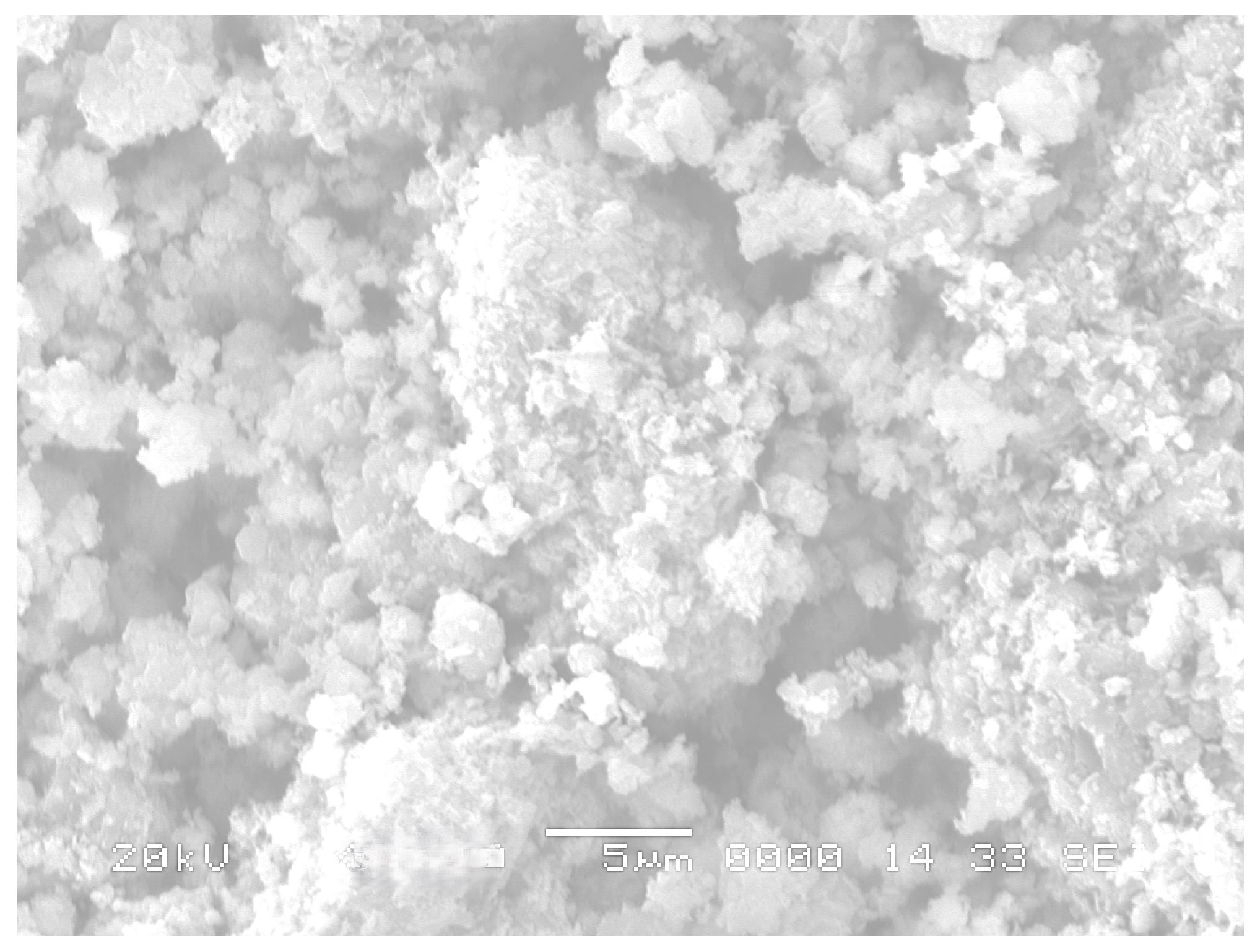
Scanning electron microscopy (SEM) micrograph (Figure 4, scale = 5 µm) reveals that the synthesized powders consist of irregular submicrometric aggregates with a highly textured, cauliflower-like surface. These entities correspond to compact secondary particles formed by the coalescence of much smaller primary nanometric domains, which are not individually resolved at this magnification but are evidenced by the granular surface and diffuse boundaries of the aggregates. This hierarchical architecture is consistent with the particle size distribution (Figure 3), where the dominant fraction lies within the 0.55–0.92 µm range. Therefore, the measured particle size reflects the dimensions of the secondary aggregates observed in SEM rather than individual crystallites.
Morphologically, three structural levels can be distinguished: (i) primary nanoparticles forming the nanogranular surface; (ii) submicrometric aggregates (~0.5–0.9 µm) representing the predominant entities in both SEM and granulometry; and (iii) larger agglomerates (>1 µm) arising from the association of several aggregates. The prevalence of isolated aggregates within the submicrometric interval supports the cumulative fraction (~75% between 0.55 and 0.72 µm), whereas the tail toward larger sizes is explained by the clustered regions visible in the micrograph. Such limited agglomeration is typical for powders containing Fe3O4, whose magnetic interactions promote interparticle association during drying without destroying aggregate integrity.
The absence of faceted crystals and the predominance of rounded to irregularly spherical aggregates indicate a formation mechanism governed by multiple nucleation events followed by isotropic growth and controlled aggregation. This mechanism simultaneously accounts for the quasi-spherical morphology, the relatively narrow particle size distribution, and the nanogranular surface texture expected for AgNP-doped TiO2-Fe3O4 spheres. Consequently, the SEM observations validate the granulometric results: the particle size analysis quantifies the same submicrometric aggregates visualized morphologically, while the observed aggregation state explains the distribution profile. This distribution suggests effective interfacial contact between the phases, which is favorable for enhancing synergistic effects in catalytic and photocatalytic applications by increasing the active surface area and facilitating charge transfer processes.

3.4. Mappings

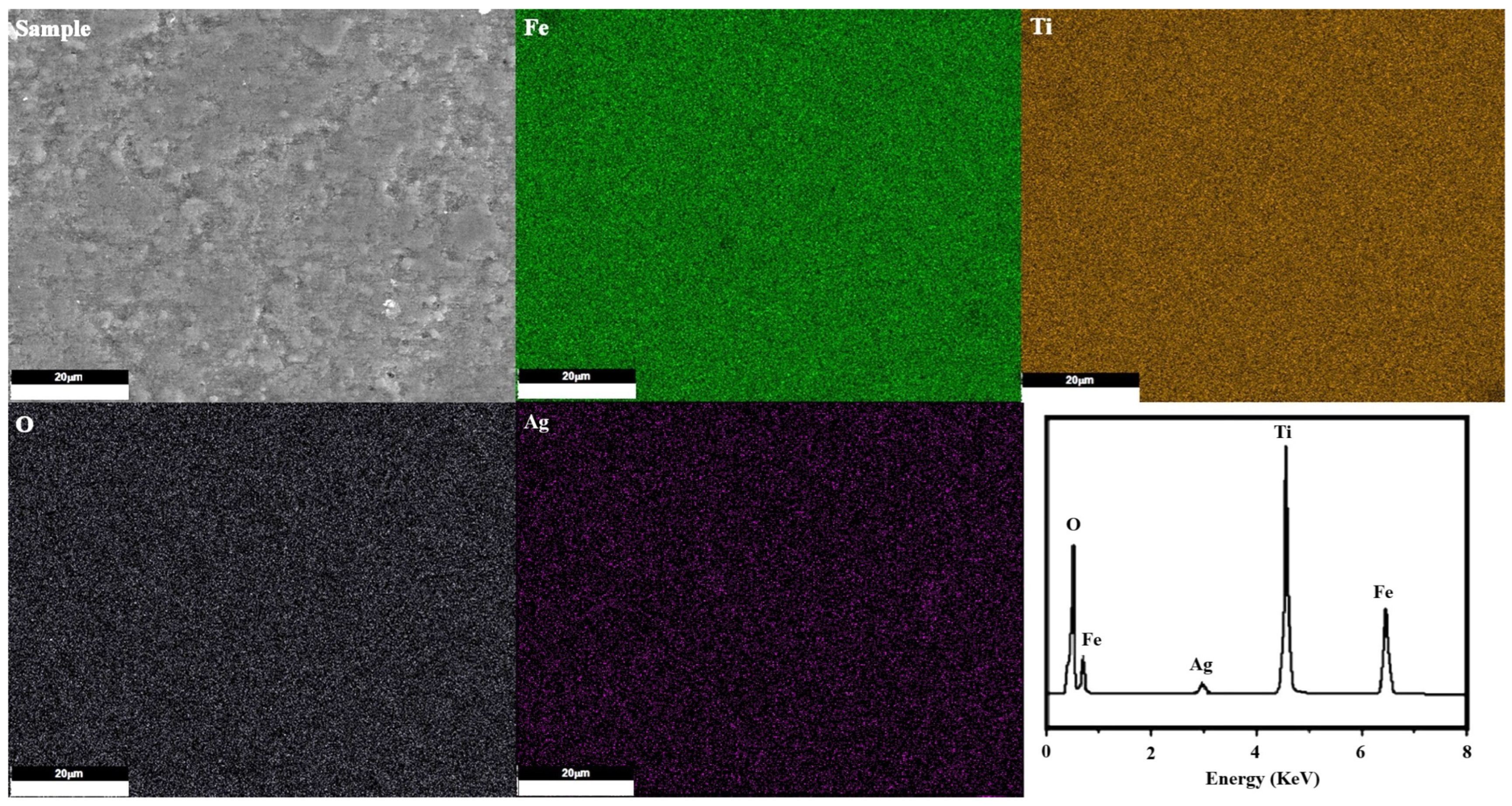
Figure 5 illustrates the elemental mapping of the TiO2 + Fe3O4 powder mixture with AgNPs, where the characteristic signals of Ti, Fe, and O are clearly identified, confirming that the intrinsic chemical structure of both TiO2 and Fe3O4 phases remains intact after the modification process. Additionally, the Ag signal is distinctly observed in the modified samples, indicating its successful incorporation into the system; this analysis therefore unequivocally confirms the presence of silver within the material. Although the Ag content is relatively low, its uniform spatial distribution across the analyzed region suggests that the synthesis method promotes effective dispersion of the modifier, reducing the possibility of segregated phases and enabling a homogeneous modification of the TiO2/Fe3O4 surface. Moreover, the absence of extraneous elemental signals implies that no significant impurities were introduced during synthesis, supporting the chemical purity of the composite. The elemental maps further reveal a strong spatial correlation between Ti and O, as well as Fe and O, consistent with the expected stoichiometry of TiO2 and Fe3O4, respectively. In contrast, the Ag signal appears finely and evenly distributed rather than concentrated in specific regions, which is advantageous for enhancing surface-related properties such as photocatalytic activity. Complementary EDS spectra support these observations by showing the characteristic peaks of Ti, Fe, and O along with the detectable presence of Ag, thereby confirming the formation of a TiO2/Fe3O4-Ag composite system. Overall, these results demonstrate that the synthesis approach is effective in incorporating silver nanoparticles into the TiO2/Fe3O4 matrix while preserving structural integrity and ensuring a uniform distribution of the modifier.

3.5. Irradiation System

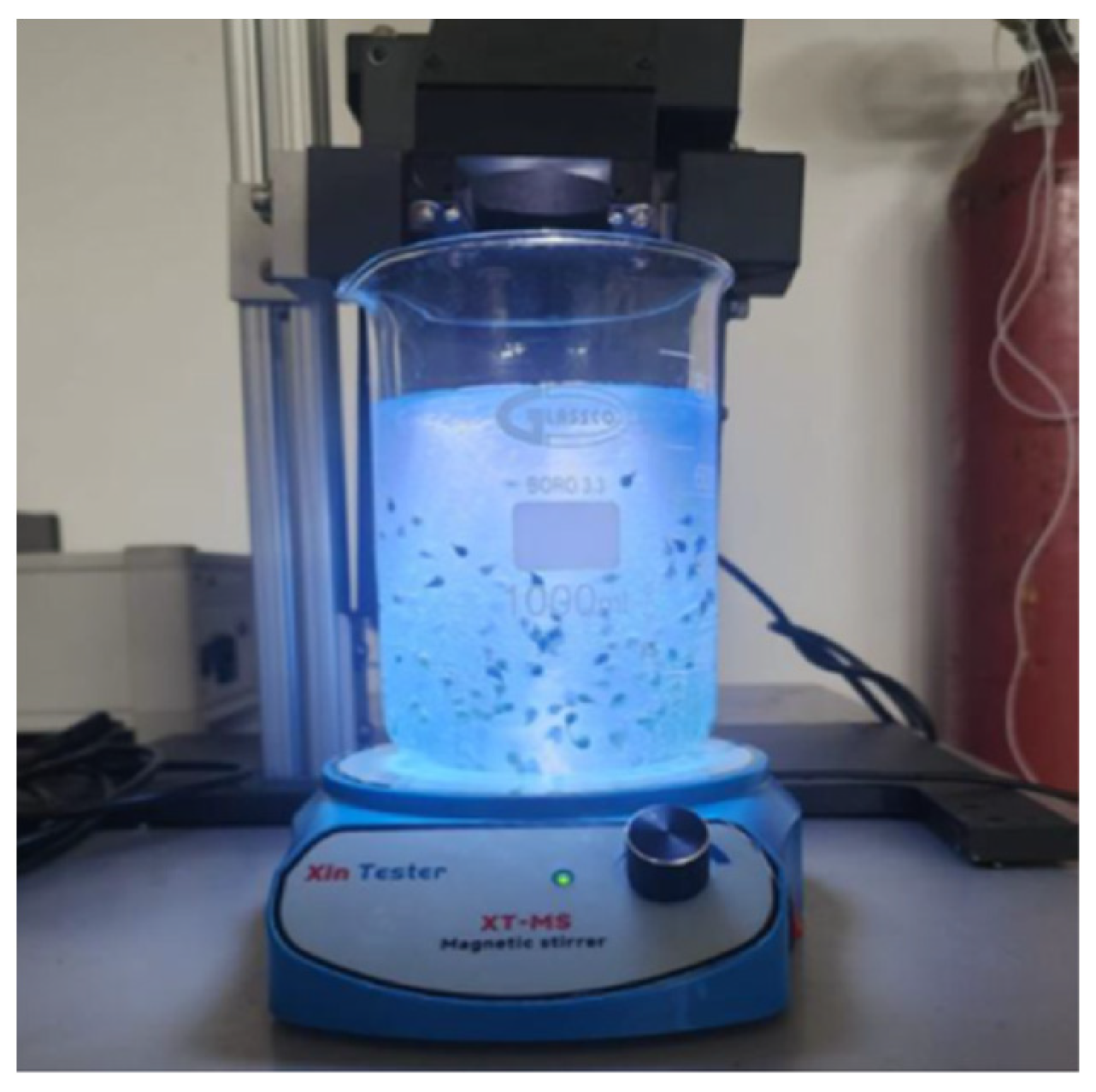
Figure 6 shows the experimental system in operation inside a sunlight simulator, designed to reproduce the spectrum and intensity of solar radiation in a controlled manner. During the process, the spheres are kept in homogeneous suspension by continuous magnetic agitation, which promotes effective and constant contact between the contaminants present in the aqueous solution and the active catalytic surface of the spheres. Irradiation with artificial light similar to sunlight activates the photocatalytic properties of AgNP-doped TiO2-Fe3O4 spheres, promoting the generation of reactive species (such as hydroxyl and superoxide radicals). These species play a key role in the degradation and mineralization of organic compounds and dyes, significantly accelerating oxidation reactions and improving the efficiency of the removal process.
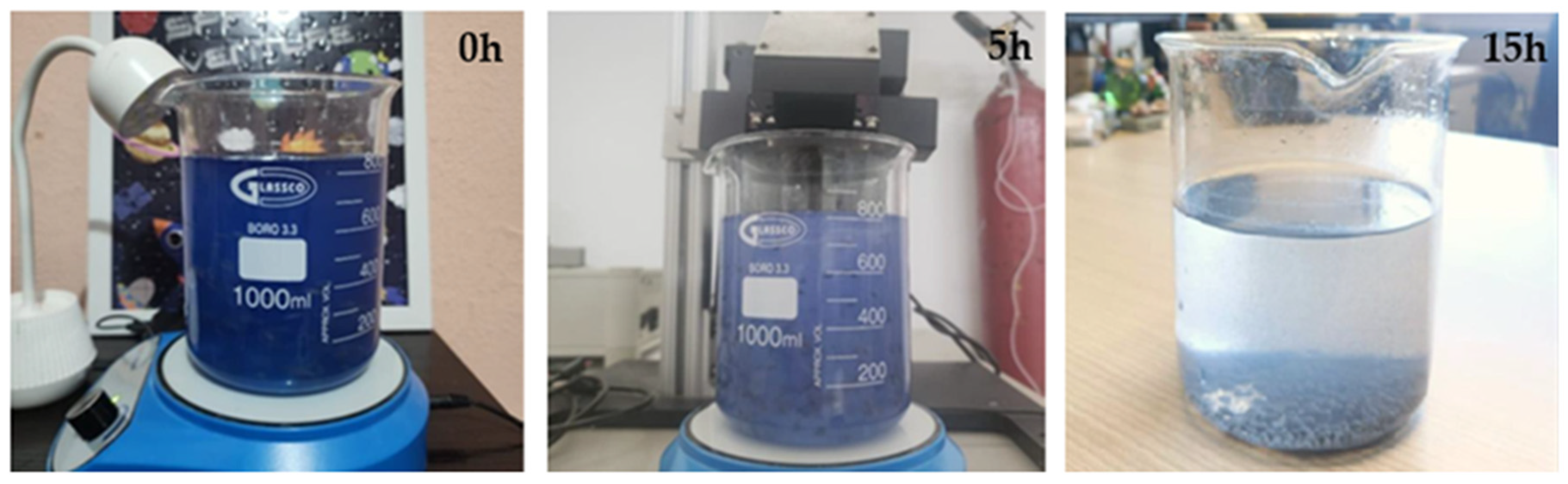
Figure 7 shows representative images of water subjected to photocatalytic treatment for 5 h of exposure to radiation from the solar simulator. After this period, the liquid still exhibits slight traces of coloration and turbidity; however, a clear visual reduction is observed compared with the initial untreated sample. This decrease indicates the progressive transformation of the contaminants present in the aqueous medium, reflected in the reduction in species responsible for optical absorption. It is important to note that, based on the visual and absorbance evidence, this effect may be associated with a combination of chromophore decolorization, partial photocatalytic degradation of the organic dye molecules, and possible adsorption phenomena on the catalyst surface. Therefore, the observed reduction should be interpreted as evidence of contaminant removal and structural modification rather than complete mineralization of the dye. The same figure includes an image corresponding to a sample treated for 15 h of irradiation, in which water initially contaminated with dirt, soap, stagnant water, and methylene blue shows a notable improvement in its transparency and clarity. The marked reduction in coloration and turbidity suggests more advanced photodegradation of dyes and organic compounds, as well as possible partial mineralization of these compounds. These qualitative results demonstrate the efficiency of the photocatalytic system, particularly under prolonged irradiation times, and confirm the material’s ability to promote the removal of complex contaminants in aqueous solutions through photoinduced processes.
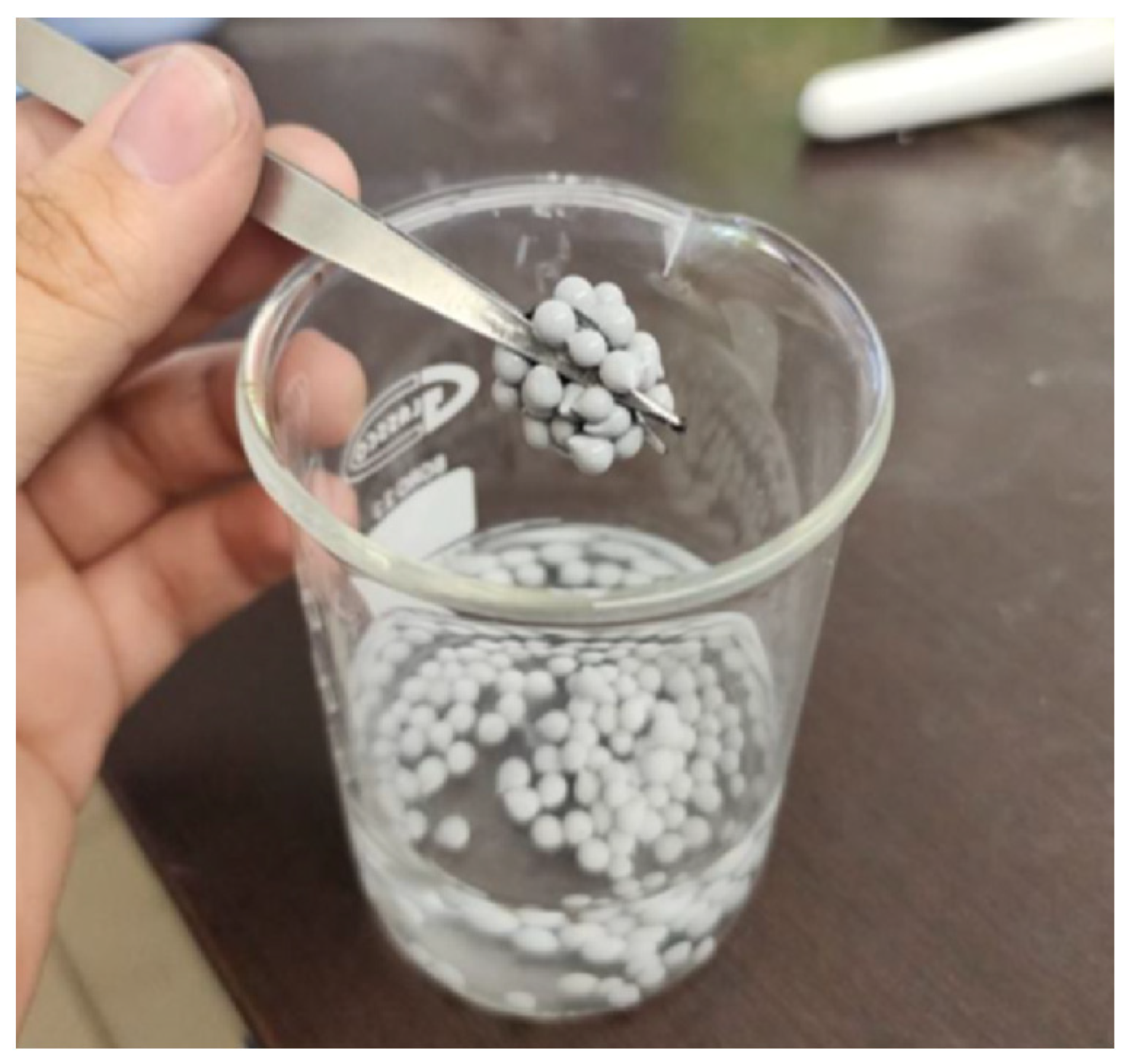
The recovery of the spheres after the treatment process was successful, as shown in Figure 8. Thanks to the incorporation of magnetite (Fe3O4) in their composition, the spheres exhibit magnetic behavior that allows for their rapid and efficient separation from the aqueous medium through the application of an external magnetic field. This feature significantly facilitates the recovery and reuse of the material in successive treatment cycles, contributing to the operational viability and sustainability of the process, without any significant loss of photocatalytic efficiency.

3.6. Photocatalytic Activity

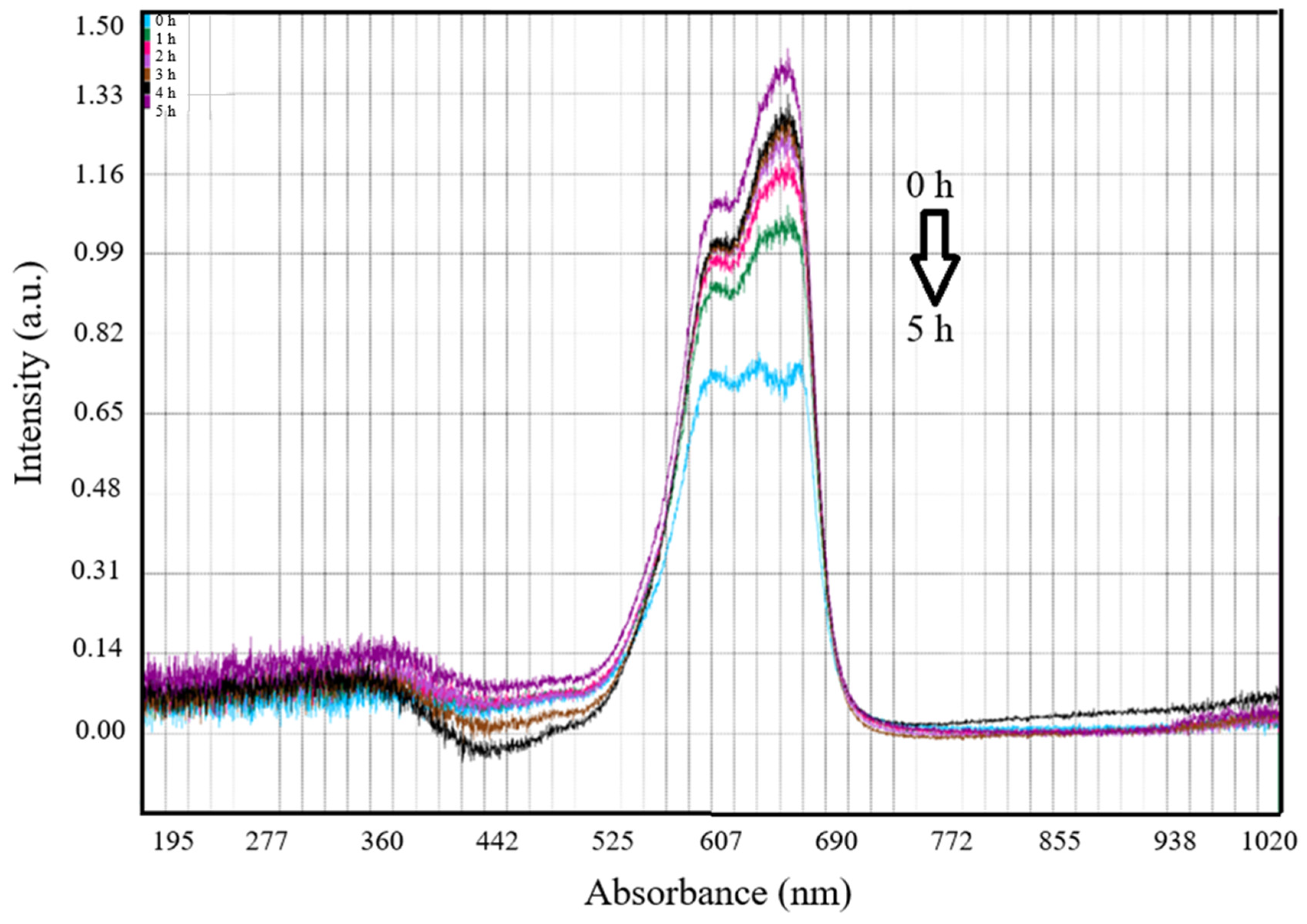
The UV–Vis absorbance spectra recorded during solar irradiation in the presence of AgNP-doped TiO2-Fe3O4 spheres, shown in Figure 9, exhibit a pronounced absorption band in the 600–690 nm region, associated with the chromophoric structure of the organic contaminant in solution. As irradiation time increases, a systematic decrease in the maximum absorbance intensity is observed, indicating progressive photocatalytic degradation and disruption of the conjugated molecular system responsible for coloration. The absence of significant peak shifts suggests that the dominant process corresponds primarily to dye concentration reduction rather than the accumulation of stable strongly absorbing intermediates. Likewise, the gradual flattening of the visible region at longer irradiation times indicates near-complete decolorization. Minor spectral variations observed in the short-wavelength region (<500 nm) may tentatively be associated with transient degradation intermediates and/or scattering effects caused by suspended catalyst particles; however, no complementary chemical analysis was performed in this study to confirm these assignments. In general, the spectral evolution confirms the photocatalytic activity of the AgNP-doped TiO2–Fe3O4 composite under solar irradiation potentially associated with synergistic effects reported for analogous Ag/TiO2-based magnetic heterostructures, where Ag nanoparticles have been shown to improve visible-light harvesting and suppress charge recombination, while Fe3O4 incorporation may promote interfacial charge separation and facilitate magnetic recovery of the photocatalyst [24,25]. Nevertheless, direct confirmation of these mechanistic contributions would require further experimental investigation, such as photoluminescence, electrochemical impedance spectroscopy, or reactive species trapping experiments. During the test pH and solar irradiation measurements were monitored the result wat that this both variables did not vary significantly over the course of the tests; the average values were 6.8 ± 0.2 and 961 +/− 19 W/m2, respectively. Distance from the solarimeter to water was 20 cm.

3.7. Absorbance Rate

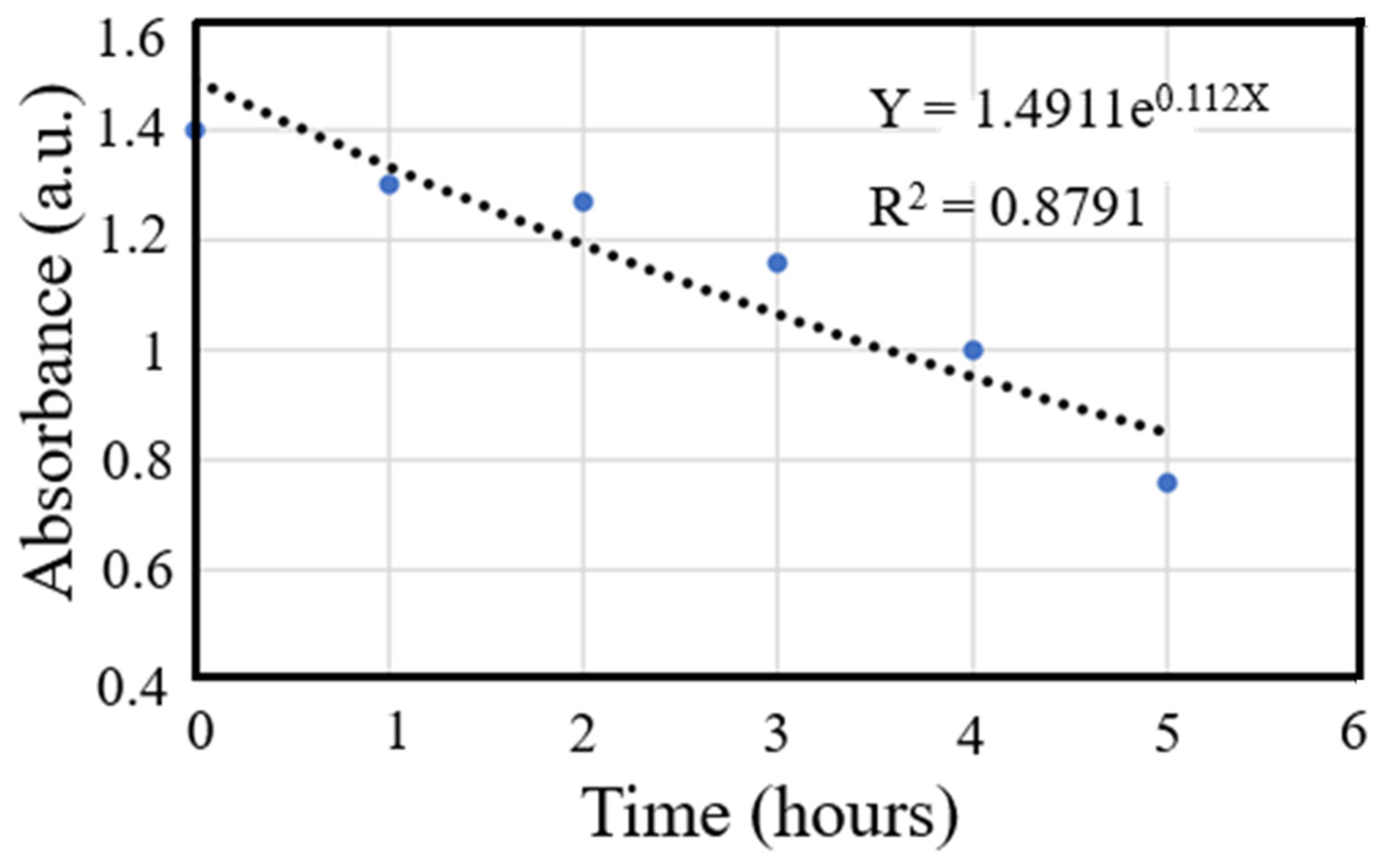
The decrease in absorbance with irradiation time (Figure 10) follows an exponential tendency (A = 1.491·e^(−0.112·t); R2 = 0.8791), indicating that the photodegradation of the contaminant over AgNP-doped TiO2-Fe3O4 spheres obeys pseudo-first-order kinetics consistent with the Langmuir–Hinshelwood model at low dye concentrations [26]. The apparent rate constant (kapp = 0.112 h−1) and the ~46% decolorization after 5 h of solar exposure fall within the range reported for Ag-modified TiO2 photocatalysts operating under natural or simulated solar light, confirming efficient visible-light utilization and suppressed electron–hole recombination due to the plasmonic effect of Ag nanoparticles. Moreover, the sustained decay without kinetic plateau suggests stable availability of active sites, while the Fe3O4 phase likely facilitates interfacial electron transfer and enables magnetic recovery of the catalyst, contributing to the overall photocatalytic performance. Similar kinetic behavior and synergistic mechanisms in Ag/TiO2 and TiO2-Fe3O4 heterostructures for solar-driven dye degradation have been widely documented in the recent literature [6,27,28].
Based on the approximate absorbance values shown in your figure (A0 ≈ 1.40 at t = 0 h), the photocatalytic kinetics can be expressed using the Langmuir–Hinshelwood pseudo-first-order kinetic model, using the following equation:
l n A 0 A t = k t
where A0 is the initial absorbance, At is the absorbance at time t, and k is the apparent rate constant.
Based on the estimated points on the graph of Figure 10.
The linear fit of the standard plot of ln(A0/At) versus time yields approximately:
ln(A0/At) = 0.113t − 0.060
where R2 ≈ 0.89.
And an apparent kinetic constant:
k ≈ 0.113 h−1
The photocatalytic degradation kinetics were evaluated using the standard pseudo-first-order model by plotting ln(A0/Aₜ) as a function of irradiation time. A linear relationship was obtained, confirming that the degradation process follows pseudo-first-order kinetics according to the Langmuir–Hinshelwood model. The apparent rate constant was calculated as 0.113 h−1, with a correlation coefficient of 0.89, indicating an adequate fit of the experimental data to the kinetic model.

3.8. Photocatalytic Antibacterial Activity

Table 1 presents the microbiological results obtained for contaminated water after 5 h of solar irradiation in the presence of AgNP-doped TiO2-Fe3O4. A marked reduction in bacterial indicators was observed, with total coliforms decreasing by 87% and fecal coliforms by more than 93% relative to the untreated control. These results confirm the strong antibacterial efficiency of the composite under solar-driven photocatalytic conditions and its effectiveness in improving microbiological water quality. The high inactivation efficiency is associated with the synergistic interaction among Ag, TiO2, and Fe3O4, whose crystalline phases were confirmed by XRD. As noted, the diffraction patterns showed the characteristic reflections of anatase TiO2 (tetragonal structure) and magnetite Fe3O4 (cubic inverse spinel), indicating that the synthesis preserved the photocatalytically active anatase phase and the magnetic phase without structural degradation. As mentioned, anatase provides high surface reactivity and efficient charge generation, while Fe3O4 promotes interfacial electron transfer, reducing electron–hole recombination. Ag nanoparticles act as electron sinks and enhance visible-light absorption, while released Ag+ ions contribute intrinsic antimicrobial effects, consistent with recent reports on Ag-TiO2 antibacterial photocatalysts and magnetically recoverable TiO2-Fe3O4 disinfection systems [21,22].
Under solar irradiation, these structural and electronic features favor the generation of reactive oxygen species (ROS), such as •OH and O2, which oxidatively damage bacterial membranes and intracellular components. The greater reduction observed for fecal coliforms suggests higher susceptibility of enteric bacteria to oxidative stress and silver toxicity. Overall, achieving >90% fecal coliform removal within 5 h demonstrates that the structurally confirmed AgNP-doped TiO2-Fe3O4 compound is an effective photocatalyst for solar-assisted water disinfection, combining strong antibacterial activity with magnetic recoverability.

4. Discussion

The XRD results confirmed the successful coexistence of anatase TiO2 and magnetite Fe3O4 without the formation of secondary phases, preserving both the photocatalytic active and magnetic functionalities. The nanocrystalline nature of the material (20–25 nm) is favorable for enhancing surface reactivity and charge carrier generation. Although Ag was not detected by XRD, its presence is inferred as highly dispersed nanoparticles, consistent with its role as a surface modifier.
Particle size analysis and SEM observations revealed a homogeneous unimodal distribution in the submicrometric range, composed of hierarchical aggregates formed by primary nanoparticles. This morphology provides a high specific surface area and promotes effective interfacial contact between phases, which is essential for improving photocatalytic performance. Limited agglomeration, likely influenced by magnetic interactions, does not hinder active site accessibility.
The photocatalytic tests demonstrated a progressive degradation of contaminants under simulated solar irradiation, with significant decolorization of and reduction in turbidity over time. UV-Vis spectra confirmed a decrease in absorbance without peak shifts, indicating direct degradation rather than accumulation of intermediates. The process followed pseudo-first-order kinetics, consistent with the Langmuir–Hinshelwood model, with a rate constant comparable to similar Ag-modified TiO2 systems under solar light.
The enhanced photocatalytic activity is attributed to the synergistic interaction among TiO2, Fe3O4, and AgNPs, where TiO2 acts as the photoactive matrix, Fe3O4 facilitates charge transfer, and Ag nanoparticles improve visible-light absorption and suppress electron-hole recombination. Additionally, the incorporation of Fe3O4 enables efficient magnetic recovery, improving the reusability and sustainability of the system.
Finally, the material exhibited strong antibacterial activity, achieving over 90% removal of fecal coliforms after 5 h of irradiation. This effect is associated with the combined action of reactive oxygen species and Ag+ ions, highlighting the multifunctional capability of the composite for simultaneous pollutant degradation and water disinfection.

5. Conclusions

  • Multifunctional spheres containing AgNP-doped TiO2-Fe3O4 were successfully synthesized through ionic gelation and biopolymer coating, integrating photocatalytic, adsorptive, antimicrobial, and magnetic recovery functionalities in a single reusable material with structural stability.
  • Structural and morphological analyses confirmed the coexistence of nanocrystalline anatase TiO2 and magnetite phases with finely dispersed Ag nanoparticles and a predominantly submicrometric particle size distribution, providing high surface area and favorable interfacial charge transfer for photocatalytic processes.
  • Photocatalytic experiments under simulated solar irradiation demonstrated effective degradation of methylene blue following pseudo-first-order kinetics (kapp ~0.112 h−1), evidencing enhanced visible-light activity and reduced electron–hole recombination due to the synergistic interaction of AgNPs, TiO2, and Fe3O4.
  • The spheres exhibited antibacterial performance, achieving reductions of 87% in total coliforms and >93% in fecal coliforms after 5 h of irradiation, confirming their dual capability for organic contaminant removal and solar-driven water disinfection.
  • The incorporation of magnetite facilitated the rapid magnetic recovery and reuse of the spheres while preserving their functional performance, highlighting the potential of AgNP-doped TiO2-Fe3O4 spheres as an efficient, low-cost, and photocatalytic platform for solar-driven water treatment applications.

Author Contributions

Conceptualization, R.M.C.-R., J.E.L.-Z., and E.R.-R.; methodology, R.M.C.-R. and J.E.L.-Z.; validation, J.A.C.-R. and E.N.A.-M.; formal analysis, J.A.C.-R. and E.N.A.-M.; investigation, R.M.C.-R. and J.E.L.-Z.; resources, R.M.C.-R., J.E.L.-Z., and E.R.-R.; data curation, J.A.C.-R. and E.N.A.-M.; writing—original draft preparation, R.M.C.-R. and J.E.L.-Z.; writing—review and editing, E.R.-R.; visualization, J.A.C.-R. and E.N.A.-M.; supervision, E.R.-R.; project administration, E.R.-R.; funding acquisition, R.M.C.-R., J.E.L.-Z., and E.R.-R. All authors have read and agreed to the published version of the manuscript.

Funding

This research received no external funding.

Institutional Review Board Statement

Not applicable.

Informed Consent Statement

Not applicable.

Data Availability Statement

The original contributions presented in this study are included in the article. Further inquiries can be directed to the corresponding authors.

Conflicts of Interest

The authors declare no conflicts of interest.

Abbreviations

The following abbreviations are used in this manuscript:
AgNPsSilver nanoparticles
•OHHydroxyl radicals
O2superoxide anion
SEMScanning electron microscopy
XRDX-ray diffraction
kappApparent rate constant
ROSReactive oxygen species

References

  1. UNESCO. The United Nations World Water Development Report 2023: Partnerships and Cooperation for Water; UNESCO: Paris, France, 2023. [Google Scholar]
  2. Hübner, U.; Spahr, S.; Lutze, H.; Wieland, A.; Rüting, S.; Gernjak, W.; Wenk, J. Advanced oxidation processes for water and wastewater treatment—Guidance for systematic future research. Helyon 2024, 10, e30402. [Google Scholar] [CrossRef]
  3. Chong, M.N.; Jin, B.; Chow, C.W.K.; Saint, C. Current Status and Future Prospects of Photocatalytic Technology for Water Sterilization. Catalysts 2026, 16, 40. [Google Scholar] [CrossRef]
  4. Abdel-Hady, N.A.; Badawy, M.I.; Attia, M.S.; Gad-Allah, T.A. Magnetic self-doped TiO2−x/Fe3O4@g-C Solardriven Photocatalytic Composite for Water Decontamination. RSC Adv. 2024, 14, 33666–33680. [Google Scholar] [CrossRef]
  5. Yang, N.; He, T.; Xinqi, C.; He, Y.; Zhou, T.; Zhang, G.; Liu, Q. TiO2-based Heterojunctions for Photocatalytic Hydrogen Evolution Reaction. Microstructures 2024, 4, 2024042. [Google Scholar] [CrossRef]
  6. Boudechiche, N.; Morante, N.; Sannino, D.; Monzillo, K.; Trari, M.; Sadaoui, Z. Enhanced Visible-Light Photocatalysis Activity of TiO2/Ag Nanocomposites Prepared by the Ultrasound-Assisted Sol–Gel Method: Characterization and Degradation–Mineralization of Cationic and Anionic Dyes. Catalysts 2024, 14, 883. [Google Scholar] [CrossRef]
  7. Nematov, D. Titanium Dioxide and Photocatalysis: A Detailed Overview of the Synthesis, Applications, Challenges, Advances and Prospects for Sustainable Development. J. Mod. Green Energy 2024, 3, 6. [Google Scholar] [CrossRef]
  8. Gatou, M.A.; Syrrakou, A.; Lagopati, N.; Pavlatou, E.A. Photocatalytic TiO2-Based Nanostructures as a Promising Material for Diverse Environmental Applications: A Review. Reactions 2024, 5, 135–194. [Google Scholar] [CrossRef]
  9. Jabbar, Z.H.; Graimed, B.H.; Ammar, S.H.; Sabit, D.A.; Najim, A.A.; Radeef, A.Y.; Taher, A.G. Environmental The latest progress in the design and application of semiconductor photocatalysis systems for degradation of environmental pollutants in wastewater: Mechanism insight and theoretical calculations. Mater. Sci. Semicond. Process. 2024, 173, 108153. [Google Scholar] [CrossRef]
  10. Wang, J.; Tang, J. Fe-based Fenton-like catalysts for water treatment: Catalytic mechanisms and applications. J. Mol. Liq. 2021, 332, 115755. [Google Scholar] [CrossRef]
  11. Armaković, S.J.; Savanović, M.M.; Armaković, S. Titanium Dioxide as the Most Used Photocatalyst for Water Purification: An Overview. Catalysts 2023, 13, 26. [Google Scholar] [CrossRef]
  12. Khan, H.; Ul Hassan Shah, M. Modification strategies of TiO2 based photocatalysts for enhanced visible light activity and energy storage ability: A review. J. Environ. Chem. Eng. 2023, 11, 2023. [Google Scholar] [CrossRef]
  13. Mallah, S.; Mchaouri, M.E.; Boumya, W.; Machrouhi, A.; Elmoubarki, R.; Barka, N.; Elhalil, A. Recent advances and modification strategies of TiO2 semiconductors for the photocatalytic remediation of water-containing organic pollutants. Euro-Mediterr. J. Environ. Integr. 2025, 10, 4849–4884. [Google Scholar] [CrossRef]
  14. Qiu, P.; Xiong, J.; Lu, M.; Liu, L.; Li, W.; Wen, Z.; Li, W.; Chen, R.; Cheng, G. Integrated p-n/Schottky junctions for efficient photocatalytic hydrogen evolution upon Cu@TiO2-Cu2O ternary hybrids with steering charge transfer. J. Colloid Interface Sci. 2022, 622, 924–937. [Google Scholar] [CrossRef]
  15. Dube, E.; Okuthe, G.E. Silver Nanoparticle-Based Antimicrobial Coatings: Sustainable Strategies for Microbial Contamination Control. Microbiol. Res. 2025, 16, 110. [Google Scholar] [CrossRef]
  16. Onoriode-Afunezie, M.-A.O.; Krutkevičius, J.; Šulčiūtė, A. Design and Application of Hetero-Multicomponent Metal Oxide Photocatalysts for Wastewater Treatment: Ti–Cu–Zn Catalysts and Future Research Directions. Molecules 2026, 31, 299. [Google Scholar] [CrossRef]
  17. López-Herrera, A.; Gómez-Merino, F.C.; Zavaleta-Mancera, H.A.; Avalos-Borja, M.; García-Nava, J.R.; Trejo-Téllez, L.-I. Effect of Silver Nanoparticles (AgNPs) on Aquatic and Wetland Plants. Environments 2024, 11, 297. [Google Scholar] [CrossRef]
  18. Bansal, R.C.; Goyal, M. Activated Carbon Adsorption; CRC Press: Boca Raton, FL, USA, 2005. [Google Scholar] [CrossRef]
  19. Aranaz, I.; Alcántara, A.R.; Civera, M.C.; Arias, C.; Elorza, B.; Heras-Caballero, A.; Acosta, N. Chitosan: An Overview of Its Properties and Applications. Polymers 2021, 13, 3256. [Google Scholar] [CrossRef] [PubMed]
  20. Deng, Y.; Yang, N.; Okoro, O.V.; Shavandi, A.; Nie, L. Alginate-Based Composite and Its Biomedical Applications. In Properties and Applications of Alginates; InTech Open: London, UK, 2021. [Google Scholar] [CrossRef]
  21. Alvarez-Ramirez, J.; Ochoa-Tapia, J.A.; Viveros, T. Langmuir–Hinshelwood kinetics: A singular value decomposition perspective on the quasi-steady state assumption. React. Kinet. Mech. Catal. 2026, 139, 71–97. [Google Scholar] [CrossRef]
  22. Sendão, R.M.S.; Algarra, M.; Lázaro-Martínez, J.; Brandão, A.T.S.C.; Gil, A.; Pereira, C.; Esteves da Silva, J.C.G.; Pinto da Silva, L. Visible-light-driven photocatalytic degradation of organic dyes using a TiO2 and waste-based carbon dots nanocomposite. Colloids Surf. A Physicochem. Eng. Asp. 2025, 713, 136475. [Google Scholar] [CrossRef]
  23. NOM-210-SSA1; Microbiological Test Methods. 2014. Available online: https://www.dof.gob.mx/nota_detalle_popup.php?codigo=5398468 (accessed on 26 May 2026).
  24. Bowker, M.; O’Rourke, C.; Mills, A. The Role of Metal Nanoparticles in Promoting Photocatalysis by TiO2. Top. Curr. Chem. (Z) 2022, 380, 17. [Google Scholar] [CrossRef]
  25. Fang, M.; Tan, X.; Liu, Z.; Hu, B.; Wang, X. Recent Progress on Metal-Enhanced Photocatalysis: A Review on the Mechanism. Research 2021, 2021, 9794329. [Google Scholar] [CrossRef] [PubMed]
  26. Pham, T.A.; Ping, Y.; Galli, G. Modelling heterogeneous interfaces for solar water splitting. Nat. Mater. 2017, 16, 401–408. [Google Scholar] [CrossRef]
  27. Monfort, O.; Wu, Y. Photocatalytic Processes for Environmental Applications. Processes 2021, 9, 2080. [Google Scholar] [CrossRef]
  28. Keeley, M.; Kisslinger, K.; Adamson, C.; Furlan, P.Y. Magnetically Recoverable and Reusable Titanium Dioxide Nanocomposite for Water Disinfection. J. Mar. Sci. Eng. 2021, 9, 943. [Google Scholar] [CrossRef]
Figure 1. Schematic representation of the synthesis and surface modification of the multifunctional spheres via ionic gelation and subsequent chitosan coating.
Ceramics 09 00055 g001
Figure 2. X-ray diffraction pattern of the TiO2 + Fe3O4 powder mixture, where the characteristic peaks of the anatase phase of TiO2 (tetragonal structure) and magnetite Fe3O4 (cubic inverse spinel structure) are identified, evidencing the coexistence of both crystalline phases with potential application in photocatalytic processes.
Ceramics 09 00055 g002
Figure 3. Particle cumulative size distribution. The blue lines in the figure represent the quartiles.
Ceramics 09 00055 g003
Figure 4. SEM micrograph of the TiO2 + Fe3O4 powder mixture with AgNPs, showing a heterogeneous morphology with micrometric agglomerates of oxides and the dispersion of AgNPs on its surface.
Ceramics 09 00055 g004
Figure 5. EDS element distribution maps of TiO2 + Fe3O4 powder mixture with AgNPs.
Ceramics 09 00055 g005
Figure 6. Irradiation purification system in a solar simulator that activates photocatalysis.
Ceramics 09 00055 g006
Figure 7. Images of water subjected to photocatalytic treatment for different times of exposure to radiation from the solar simulator.
Ceramics 09 00055 g007
Figure 8. Magnetic recovery of AgNP-doped TiO2-Fe3O4 spheres using an external magnet after photocatalytic treatment.
Ceramics 09 00055 g008
Figure 9. Water absorbance spectra of contaminated water treated with photocatalytic spheres as a function of time. Samples were taken every 60 min.
Ceramics 09 00055 g009
Figure 10. Evolution of methylene blue absorbance in the presence of the AgNP-doped TiO2-Fe3O4 photocatalyst under solar irradiation. The dotted line shows the trend in absorbance over time.
Ceramics 09 00055 g010
Table 1. Microbiological analysis.
ContaminantOriginal
(NMP/100 mL)
Treated
(NMP/100 mL)
Total coliforms62942
Fecal coliforms53<1.3
Disclaimer/Publisher’s Note: The statements, opinions and data contained in all publications are solely those of the individual author(s) and contributor(s) and not of MDPI and/or the editor(s). MDPI and/or the editor(s) disclaim responsibility for any injury to people or property resulting from any ideas, methods, instructions or products referred to in the content.