3.1. Investigating the Stability of Emulsions
The experimental phase of this work focused on optimizing the formulation of stable, low-concentration emulsions. A series of tests was performed to assess emulsion stability and identify the emulsifier content that ensures maximum colloidal stability of the dispersed system. The destabilization kinetics of the formulated emulsions were analyzed using a Turbiscan LAB stability analyzer. Turbiscan LAB is capable of detecting very small changes. A signal change of ±0.1–0.2% is often considered the threshold for significance.
Emulsion stability studies were conducted to determine the optimal emulsifier content. A base dispersion system of 1 vol.% diesel in distilled water was used for this purpose.
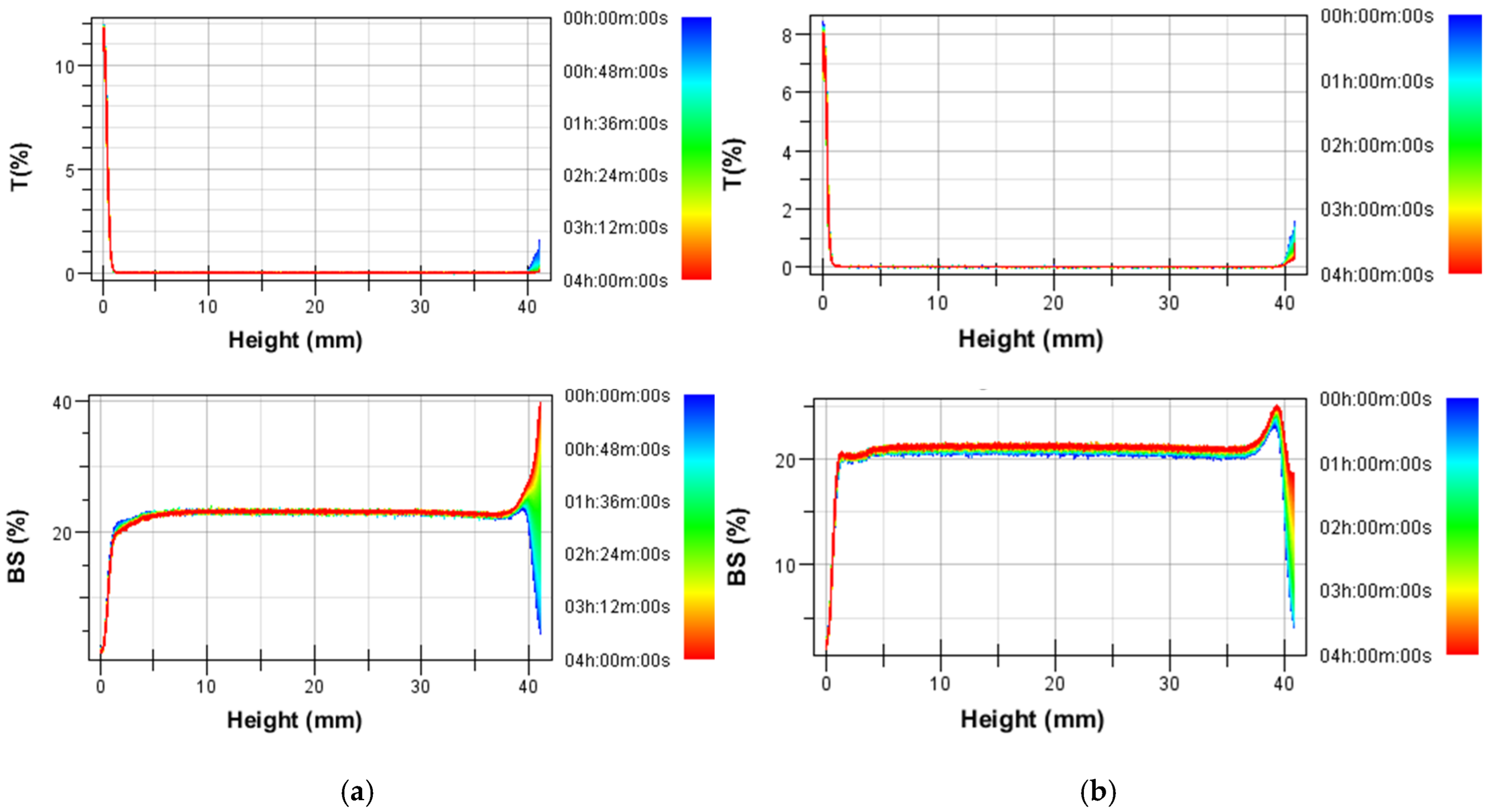
Figure 2 presents exemplary transmission and backscattering profiles for emulsifier concentrations of 0.05 and 0.2 vol.%. The transmission and backscattering profiles for these emulsions remained relatively stable over time. The profiles demonstrated the highest temporal stability at an emulsifier content of 0.2%. Visually, all studied emulsions appeared stable, as no significant changes compared to the initial state (Day 1) were observed during long-term storage, and the overall homogeneity of all samples was maintained.
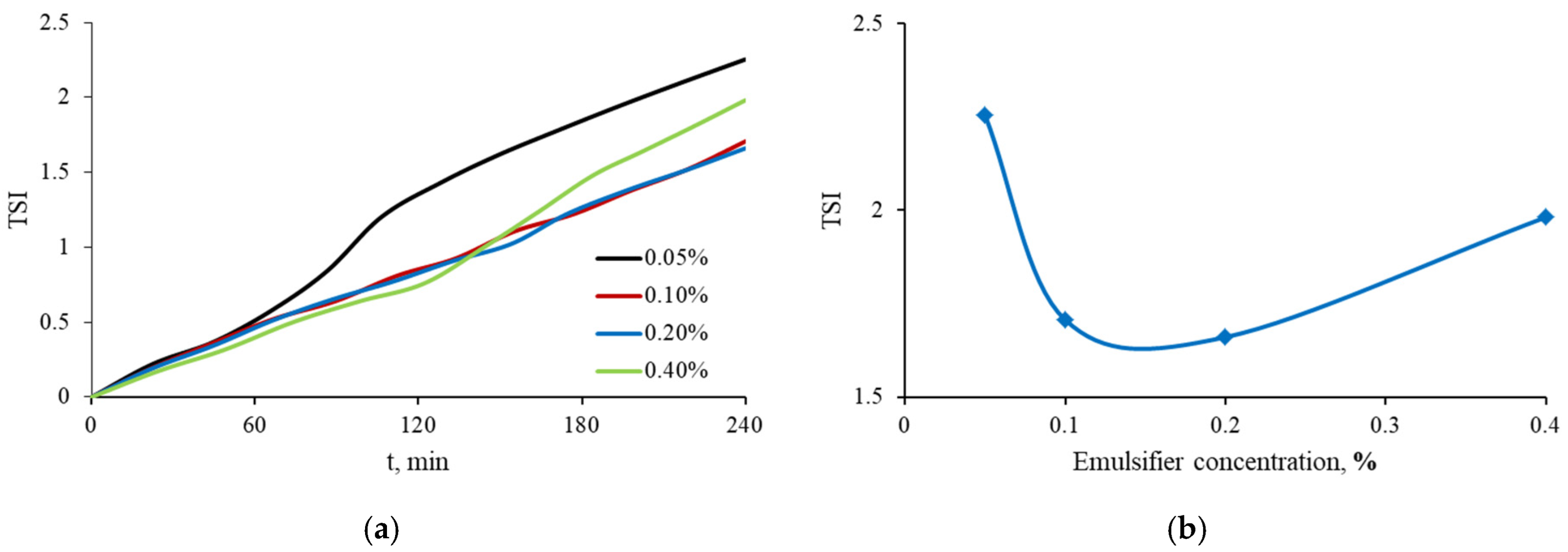
The thermodynamic Stability Index (TSI), an integral parameter, was used to quantify the kinetics of coalescence in the emulsion systems. This index is a key metric in multiple light scattering analysis. It is calculated by mathematically integrating the differences in the light transmission or backscattering profiles over the entire height of the sample cell between two points in time. The absolute TSI value directly correlates with the intensity of sedimentation, creaming, and coalescence processes. Consequently, a lower TSI value over a given time interval indicates higher colloidal stability of the dispersed system.
In this study, a series of experiments was conducted to monitor the change in TSI over time for emulsion samples with varying emulsifier concentrations. The resulting kinetic curves clearly demonstrate the influence of emulsifier content on the system’s destabilization rate. Analysis of the data presented in
Figure 3 allows for the determination of the optimal stabilizer concentration that ensures maximum stability, as well as the identification of general patterns governing the destabilization process for this system.
The minimum of the emulsifier concentrations considered had practically no effect compared to the base emulsion; the stratification occurred monotonously with lightening at the bottom of the vial and the uniformity throughout the volume changed slightly, but more noticeably compared to the concentrations of 0.1 and 0.2 vol.%. A significant stabilizing effect was evident for emulsifier concentrations of 0.1 and 0.2 vol.% (
Figure 3b), which indicates that the critical content of micelle formation is not reached at 0.05 percent of the emulsifier, i.e., the emulsifier cannot fully prevent the coalescence of droplets of the hydrocarbon phase. Since the effect is quite high at a content of 0.1 vol.%, the use of higher concentrations is impractical as leading to excessive consumption of the emulsifier.
It is obvious from
Figure 3b, that the content of 0.4% has a stabilizing effect, but less impactful than the lower concentrations. This can be explained by the fact that when the critical content of micelle formation is exceeded, some of the surfactants compete at the phase interface, leading to the coalescence of phase droplets. This reduces the effectiveness of the emulsifier as a component that should increase the stability of the system.
As a result of the measurements, it has been determined that the most effective content of emulsifier is 0.1 vol.%, since it is with this amount of stabilizer that a sufficient reduction in destabilization processes is achieved. In cases of extreme points over the range of concentrations studied, the stratification processes are most intense, while even at high values of 0.4 vol.%, positive dynamics is observed to increase the stability of dispersed systems.
The analysis of the results of a series of experiments has shown that it is the ratio of the amounts of emulsifier to the HC phase rather than an increase in the emulsifier content that has the greater effect on the stability of emulsions, since excessive amounts of emulsifier may lead to the coalescence of phase droplets and accelerate the destruction of the emulsion.
3.3. Investigating the Wetting Edge Angle and Interfacial Tension of Emulsions
The review [
28] extensively discussed the issue of measuring wettability changes. Several basic wettability measurement methods are presented in the literature: contact angle measurements, spontaneous imbibition, surface imaging (scanning electron microscopy (SEM), atomic force microscopy (AFM), and nuclear magnetic resonance (NMR), and surface zeta potential measurements.
Contact angle can be used to analyze changes in surface wettability because it measures the shift in the affinity of a rock surface for one liquid to another. Contact angle measurement methods can be as simple as taking contact angle readings using photographs with a digital camera [
29,
30] or as complex as obtaining high-resolution images using an environmental scanning electron microscope [
31]. However, there is no strictly established protocol for how to conduct contact angle measurements.
Wettability and interfacial tension measurements were performed using an IFT-820-P automated tensiometer (Temco, Inc., Minden, LA, USA), following the procedure detailed in [
32]. The measurement error did not exceed ±0.2 mN/m for IFT and ±2° for contact angle. Representative droplet images are presented in
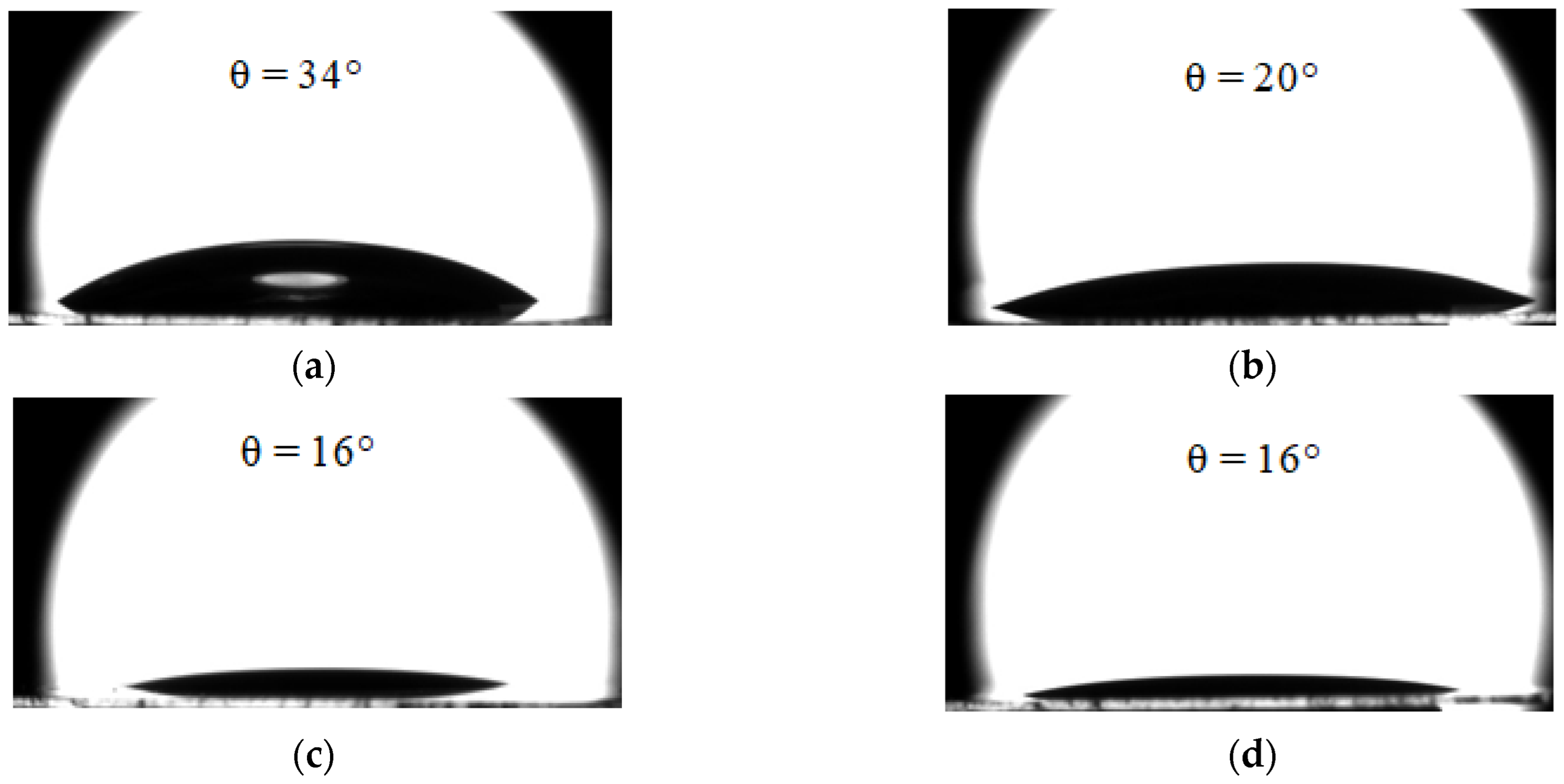
Figure 5. A visual assessment clearly indicates that increasing the emulsifier content leads to a significant reduction in the contact angle on the substrate.
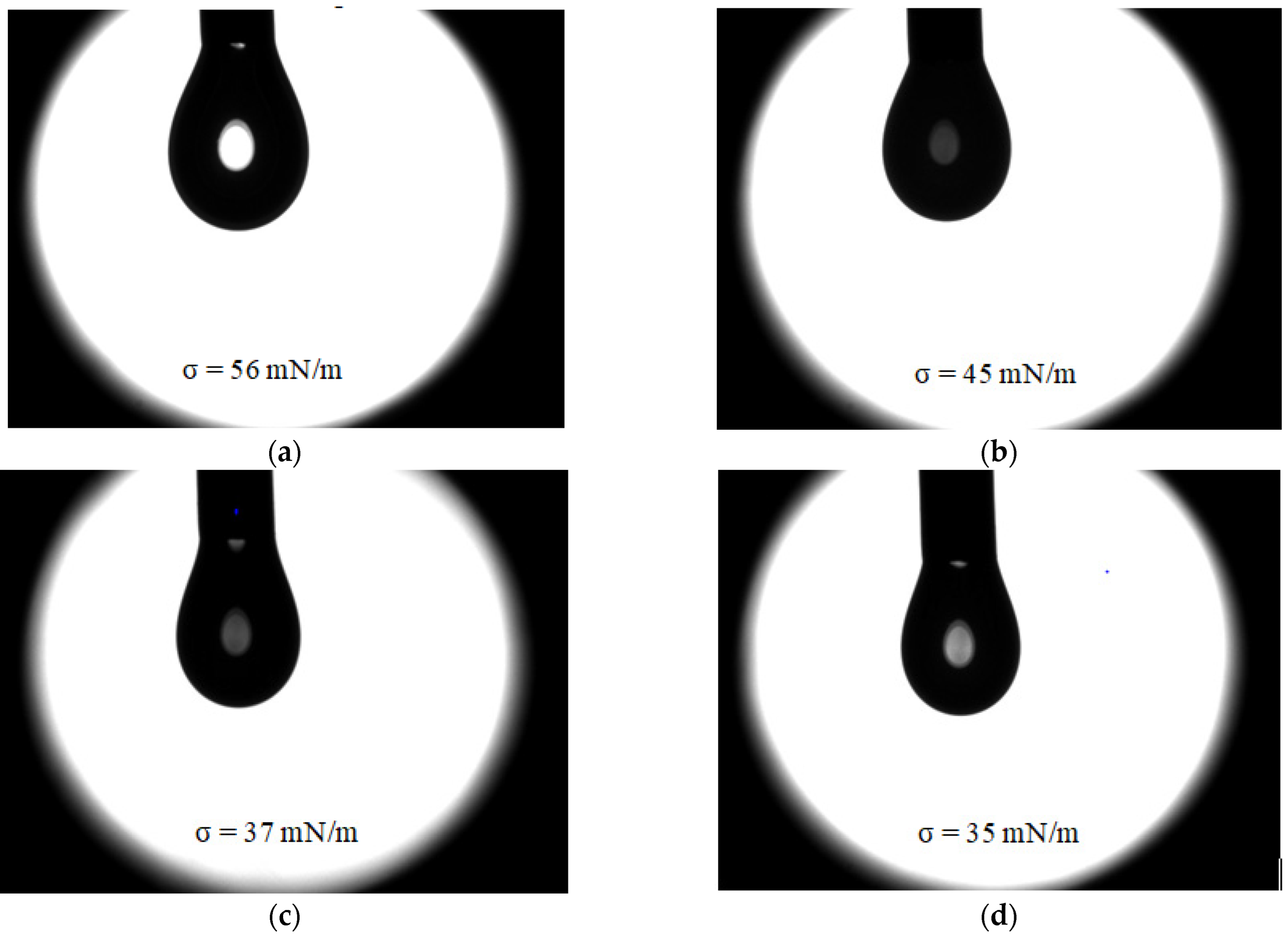
The surface tension of the studied nanoemulsions was measured by the “Pendant Drop” method. The photos is shown in
Figure 6. Visualization of the drop over time corresponds to the obtained values of changes in surface tension.
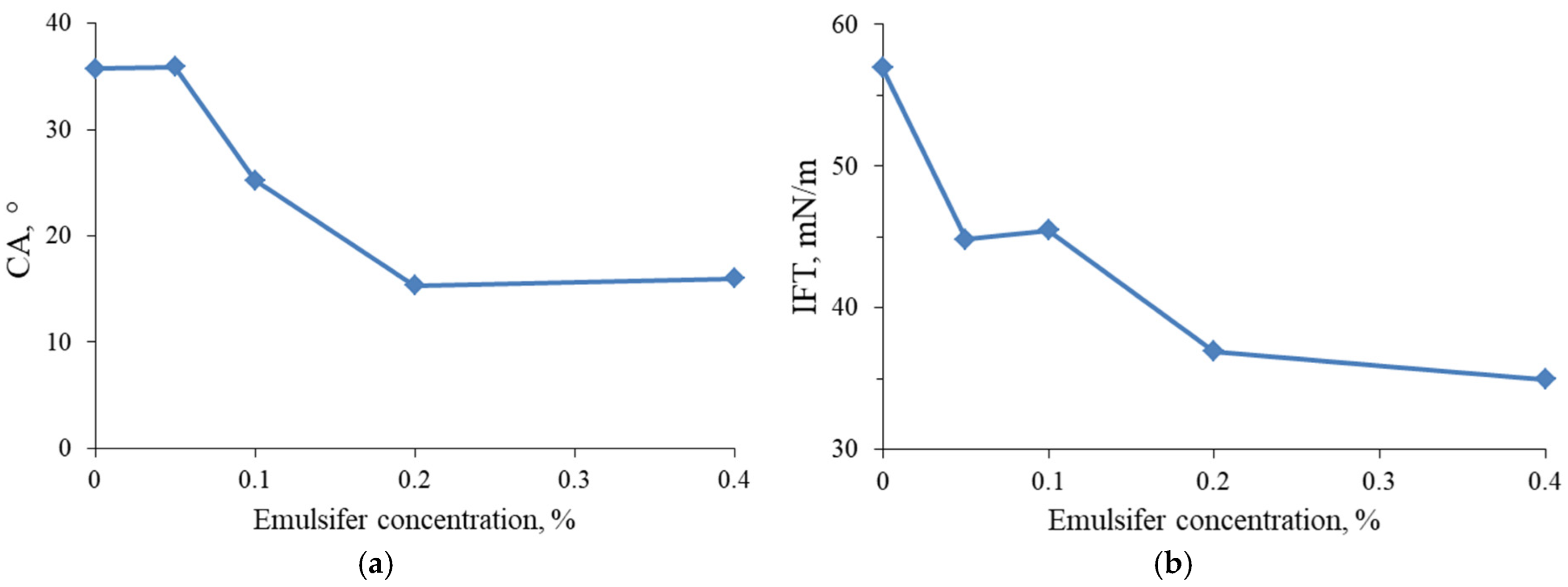
Figure 7 shows the final average values of the dependence of the surface tension coefficient and the contact angle of quartz glass plates with nanoemulsion on the emulsifier content, measured by the pending and sessile drop method. With an increase in the concentration of the emulsifier, the wettability of the emulsion is shown to improve. The wetting angle decreased from 35° to 16°, indicating a favorable shift towards water-wetting conditions that enhances oil detachment from the pore walls. Furthermore, the IFT was reduced by nearly half, which also promotes more efficient oil displacement.
Nanoemulsions can alter wettability in two ways: by surfactant molecules and by structural disjoining pressure. Surfactants in nanoemulsions can alter wettability through ion pair formation, adsorption, and micellar solubilization [
33]. Another mechanism that alters wettability when using nanoemulsions is structural disjoining pressure. The concept of oil separation from a solid surface by structural disjoining pressure was first proposed in [
34]. The smaller the oil droplets, the higher their concentration and structural disjoining pressure [
35]; therefore, the IFT reduction effect is more pronounced. Thus, the diesel fuel nanoemulsion with the PC501 emulsifier combines both proposed IFT reduction mechanisms. Moreover, the ratio of the emulsifier and diesel fuel concentrations to the particle size of the oil phase in the emulsion determines the contribution of each mechanism to the overall enhanced oil recovery.
3.4. Investigating the Rate of Capillary Impregnation of Oil-Saturated Cores with Nanoemulsions
The objective of this article is to study the effect of the concentration of diesel and emulsifier on the rate of spontaneous displacement of oil by nanoemulsions. The spontaneous imbibition test measures the ability of a wetting phase to displace a non-wetting phase under static conditions and demonstrates the contribution of capillary and gravitational forces to wettability changes. The imbibition curve is used to interpret the wetting properties of core samples. The spontaneous imbibition rate increases with time, indicating a change in core wettability [
28]. Many relevant studies of wettability change processes in enhanced oil recovery problems have been conducted using the spontaneous imbibition method [
30,
36].
Experiments on capillary impregnation employed emulsions prepared on the basis of water, added with diesel, with different contents of diesel and emulsifier (hereinafter EM). Based on the preliminary results of studies of the physico-chemical properties, several promising emulsion solutions were selected for considering during capillary impregnation on cores. In addition, an aqueous solution without diesel, but with the addition of 0.1% emulsifier, was considered for comparison.
Table 1 provides a description and compositions of the liquids used.
In preparation for oil displacement experiments, a comprehensive core preparation procedure was implemented. Cylindrical core plugs with a diameter of 25 mm, sourced from standard Berea sandstone blocks (Clear Birmingham Buff and Castle Gate, USA), were used as the model porous medium.
Berea Clear Birmingham Buff sandstone is a fine- to medium-grained quartz sandstone characterized by high grain sorting and roundness, resulting in isotropic flow properties. Its clay-carbonate cement influences specific interactions with reservoir fluids. The homogeneous structure of this sandstone makes it a benchmark material for studying displacement processes in high-permeability reservoirs.
Berea Castle Gate sandstone also has a quartz composition but features a more variable grain size distribution and the presence of micro-heterogeneities, making it suitable for modeling more complex reservoirs.
The use of these standardized rocks minimizes the impact of natural geological heterogeneity and ensures the comparability of results in international studies on fundamental flow processes. Core preparation included drying at 100 °C until constant mass was achieved to remove residual moisture and hydrocarbons. This was followed by precise measurement of geometric parameters, mass, and petrophysical properties (absolute porosity and gas permeability). Oil saturation was performed in a vacuum chamber for 48 h under controlled temperature and pressure. The pore volume (PV) and oil saturation level were determined gravimetrically after the process.
For the flooding experiments, core plugs with standardized dimensions of 2.54 cm in diameter and 15 cm in length were used. The average petrophysical properties were as follows: permeability 440 mD and porosity 21.3%. The physicochemical properties of the model oil under reservoir conditions included a viscosity of 67 mPa·s and a density of 864 kg/m
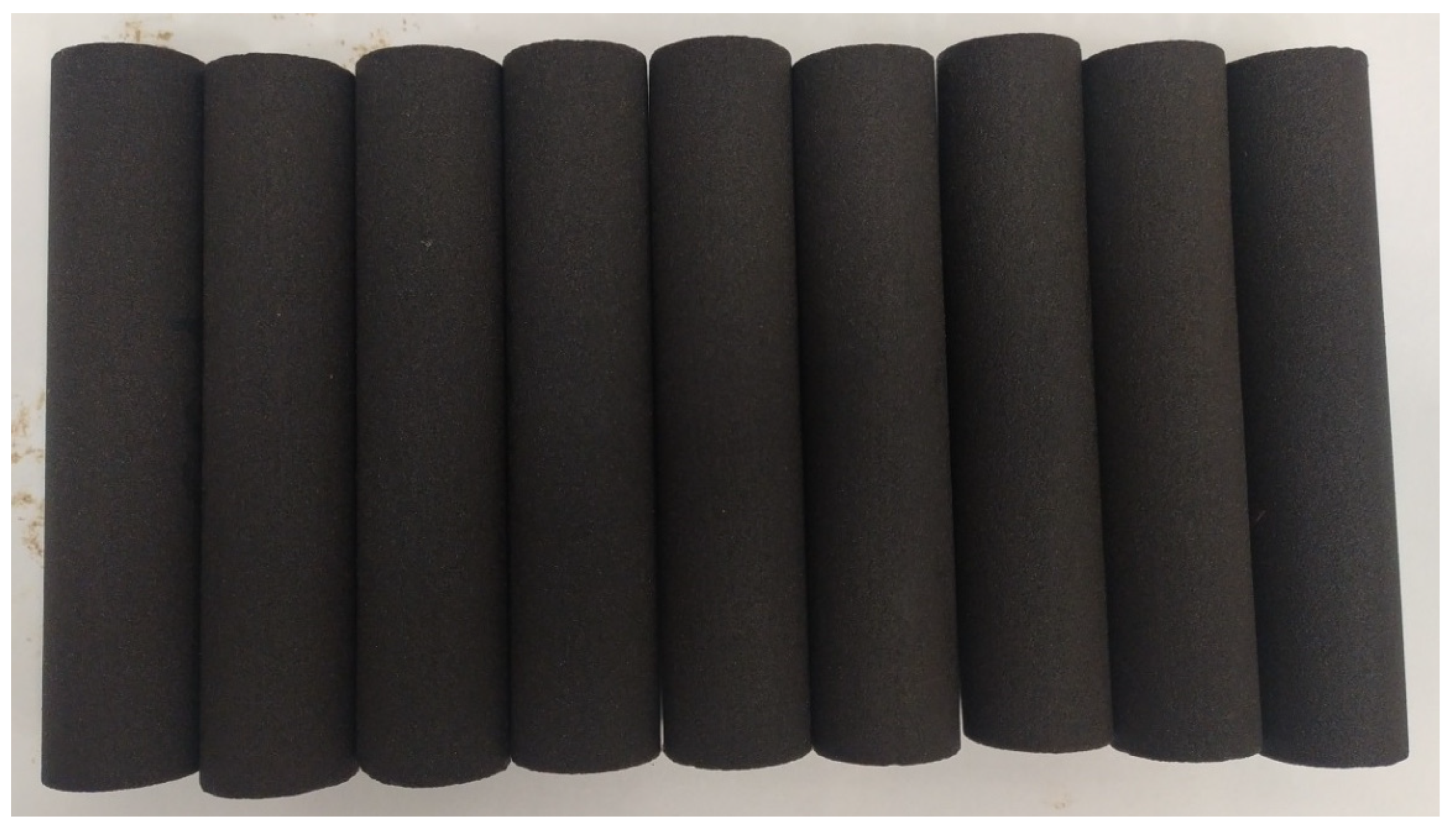
3. Visual confirmation of complete saturation is provided in
Figure 8.
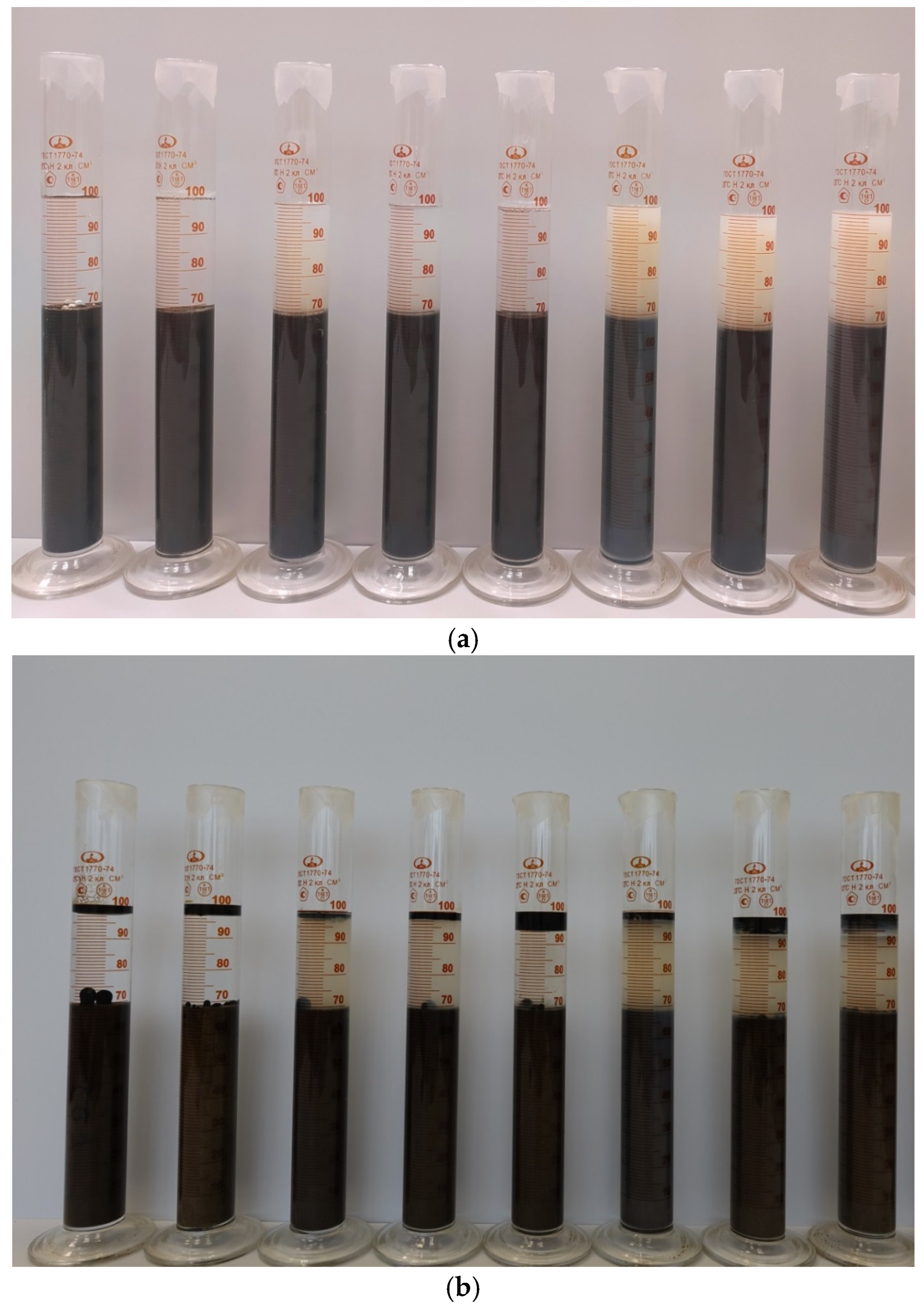
To investigate the role of capillary forces in oil displacement from the core’s pore space, a series of spontaneous imbibition experiments was conducted. The experimental procedure was as follows: a core sample, pre-saturated with oil, was immersed in the displacing fluid. Over time, capillary-driven imbibition resulted in the displacement of oil by the aqueous phase (
Figure 9). The spontaneous imbibition process was visually monitored, and the volume of recovered oil was quantified. Capillary imbibition experiments are long-term (14 days) and are conducted on large individual cores, maintained at ambient temperature (25 °C) in an Amott cell. The oil recovery results from the spontaneous imbibition experiments are presented in
Figure 9. Following immersion, oil droplets emerged on the core surface and subsequently migrated upwards. As shown, the cumulative oil volume recovered by the 0.5% DF + 0.4% EM and 0.5% DF + 0.2% EM nanoemulsions exceeded that of other displacing fluids. The lowest EOR was observed in the waterflooding experiment.
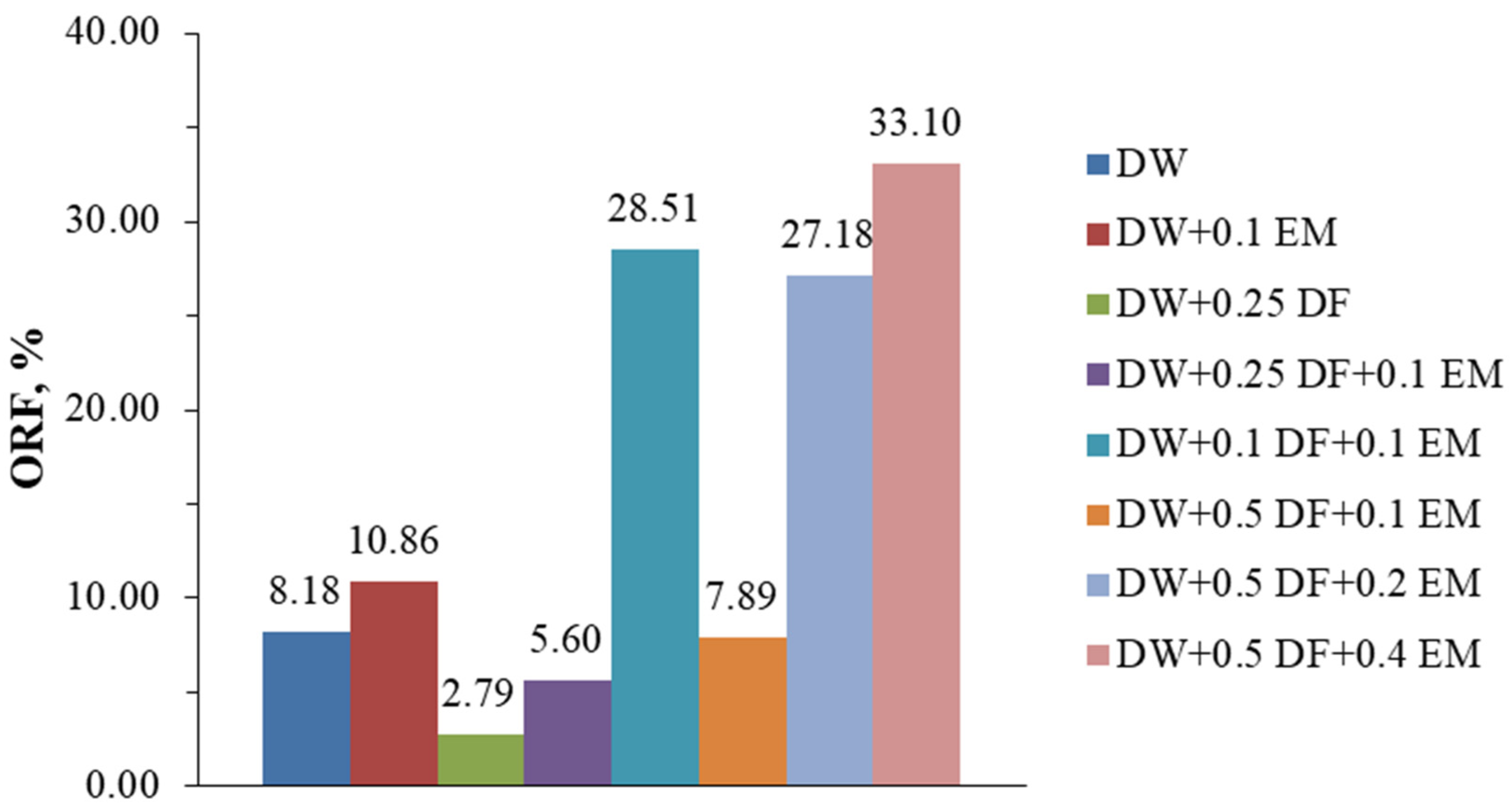
Figure 10 presents the EOR factor for cores saturated with model oil using various displacing fluids. Capillary imbibition with water yielded an ORF of 11%. The highest ORF was achieved with diesel-based emulsifier-containing nanoemulsions, specifically reaching 33% for the 0.5% DF + 0.4% EM formulation. Thus, as a result of tests on the cores of the selected emulsion solutions, their high efficiency has been confirmed. Nanoemulsions are shown to significantly (up to 22%) increase the factor of EOR from the cores. At the same time, an increase in the content of the emulsifier in the emulsion is found to enable further increase in the ORF. With the growth of the concentration, the EOR increases monotonously. Thus, an increase in the content of emulsifier from 0.2 to 0.4% in diesel-based emulsions increases the recovery factor from 16 to 22.0%, respectively. At the same time, the use of an aqueous emulsifier solution with a content of 0.1% in an emulsion without a hydrocarbon phase increases the EOR by 4.0%. In addition, low concentrations of diesel, both with and without emulsifier, do not lead to a significant increase in the EOR as a result of capillary impregnation.
The mechanism of the influence of emulsion on capillary impregnation is related to its effect on capillary pressure. Nanoemulsions can change the pore surface from oil-wet to water-wet, thereby enhancing oil displacement by spontaneous imbibition [
37]. Oil is retained in the rock by capillary forces due to capillary pressure
p = 2σcosθ/R, where σ is the interfacial tension, θ is the contact angle, and R is the average pore radius. As can be seen from the data in
Figure 7, the nanoemulsion reduces IFT and wettability, which helps reduce capillary pressure and better displace oil during capillary impregnation.
3.5. Investigating Oil Displacement from Microfluidic Chips, Imitating Rock, Using Emulsions
This study provides the first comprehensive experimental investigation of oil displacement efficiency in a microfluidic porous medium using low-concentration diesel-based nanoemulsions. The novelty of this work lies in employing these formulations for EOR at the pore scale.
The object of study was a heavy oil, selected as a model for hard-to-recover reserves, with characteristic properties of 901.3 kg/m3 density and 79.3 mPa·s dynamic viscosity under reservoir conditions. The model porous medium was a microfluidic chip (Dolomite: 3200284) with a deterministic pore channel geometry that accurately replicates key morphological parameters of natural reservoirs, including pore space heterogeneity, a polymodal pore throat size distribution, and the presence of narrow constrictions. This platform provides a relevant physical model for screening EOR agents, as it enables the visualization and quantification of displacement mechanisms at the pore scale under controlled conditions. The microfluidic approach ensures high reproducibility of results due to precise control over the pore space geometry and experimental parameters, representing a significant advantage over the use of natural core samples.
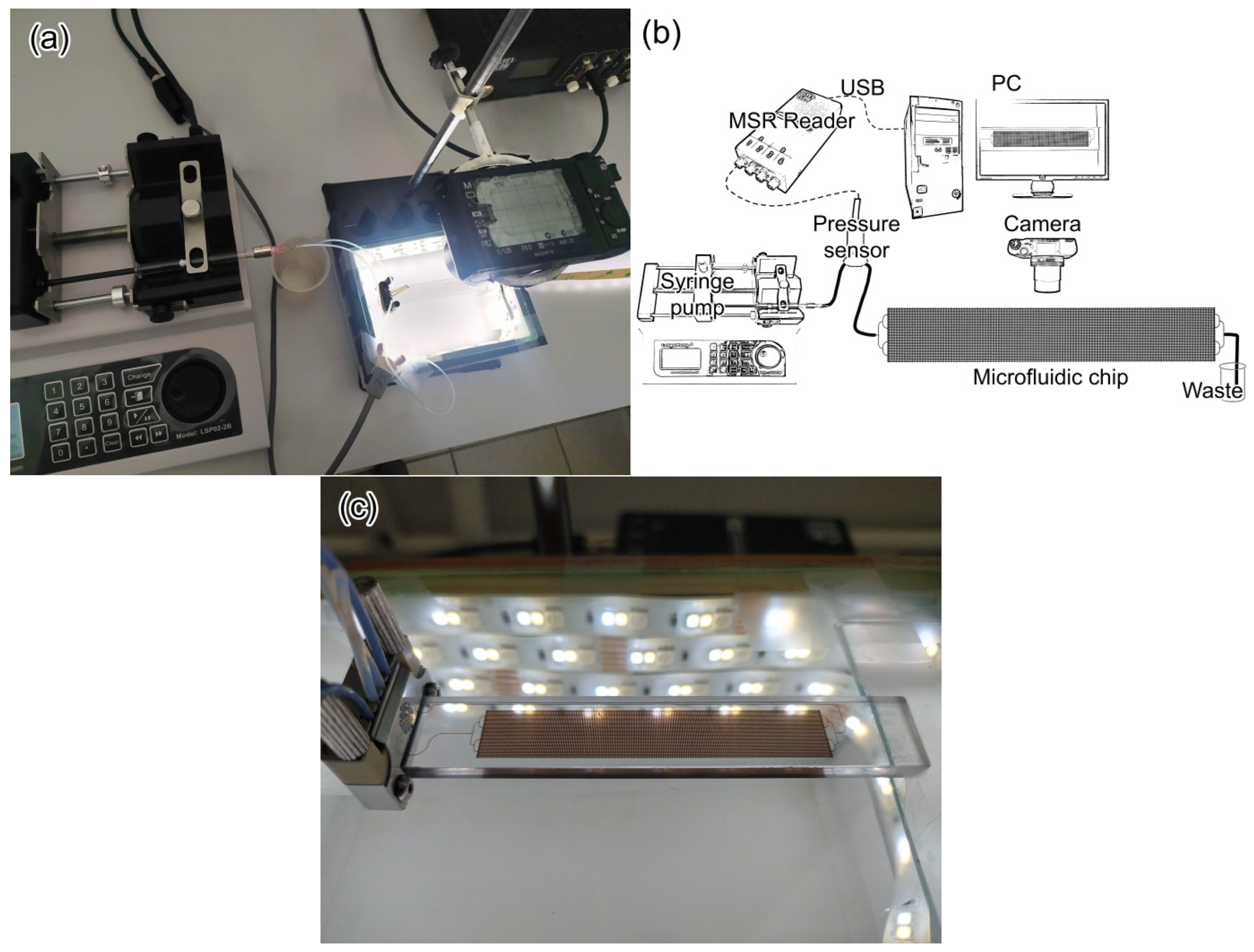
The experimental setup, schematically shown in
Figure 11, comprised a suite of high-precision instruments ensuring controlled test conditions. Precise fluid delivery was achieved using a two-channel syringe pump (model LSP02-2B)(Longer Precision Pump Co., Baoding, China), which maintained a stable flow rate in the microliter-per-minute range. The injection pressure was monitored in real time by a high-precision Elveflow pressure sensor with a measurement range from −15 to 30 psi (2068.2 mbar), featuring metrological characteristics that include an accuracy of ±0.2% of the full scale and high result repeatability. All displacement experiments were performed at conducted under standard ambient conditions (atmospheric pressure, temperature 25 °C). The injections were carried out at a constant flow rate of 0.5 μL/min. Pore-scale visualization of the displacement processes was provided by a high-speed camera, which recorded the fluid dynamics and displacement fronts. A set of image analysis techniques based on color space transformation and machine vision algorithms was employed to process the experimental results, enabling quantitative evaluation of the displacement parameters with minimal error. The integrity of the flow system was verified by reference tests, which confirmed the stability of the operating parameters throughout the entire experimental series.
The experimental methodology, based on a previously developed and detailed protocol [
18,
19], was implemented as follows. The microfluidic chip was prepared by fully saturating it with the model oil to establish initial oil saturation. The chip was then mounted on a specialized backlit platform providing uniform, shadow-free illumination essential for subsequent high-resolution image analysis. The flow system was connected to the chip’s inlet port via leak-tight fittings. A calibrated pressure sensor and a 1 mL syringe filled with the displacing fluid and installed on the syringe pump were connected in series to the inlet. A critical experimental condition was maintaining a constant injection flow rate of 0.5 µL/min to ensure capillary-dominated displacement. Data acquisition from the pressure sensor and video recording were synchronized to ensure correct timing of all measured parameters for subsequent comprehensive analysis of the process dynamics.
The endpoint of each experimental run was determined based on objective criteria reflecting the conclusion of the active displacement phase. The experiment was terminated when two key conditions were met simultaneously: (1) the attainment of a plateau on the pressure curve, and (2) no observable fluid movement for at least 10 min of continuous monitoring, as confirmed by real-time analysis of the high-speed camera video stream. This approach eliminated subjectivity in determining the process completion time and ensured the comparability of results in terms of the final EOR for the entire experimental series.
The acquired video data underwent post-processing, which included decomposing the video stream into discrete frames using the FFmpeg library. The oil displacement efficiency was quantified through automated image analysis based on converting the original RGB color space to the HSV (Hue, Saturation, Value) space, which offers greater robustness to variations in lighting conditions. The analysis algorithm was implemented in the BlackBox Component Builder environment using the FreeImage computer vision library. This software package enabled accurate segmentation of the pore space, identifying areas occupied by oil and the displacing agent at each timestep. From the data obtained, the EOR was plotted against the volume of injected displacing agent, allowing for a comparative analysis of the efficiency of various nanoemulsion compositions. The accuracy of the technique was verified by calibrating the recognition system on reference images with a known phase distribution.
This work presents a comprehensive suite of flooding experiments designed to establish a correlation between the emulsifier content in nanoemulsions and the displacement efficiency of the hydrocarbon phase from a microfluidic pore space model. Filtration tests on microfluidic chips allow not only to obtain oil displacement efficiency values but also to evaluate the oil displacement process in real time, observe fluid flow in a porous medium, and observe the effects of oil washout after the breakthrough of the displacing agent and the steady-state flow regime. The use of microfluidic chips and in situ visualization of oil displacement makes it possible to elucidate, refine, and confirm the influence of the mechanisms of enhanced oil recovery by nanoemulsions at the microscopic level. The use of microfluidic chips is widely used in oil recovery studies [
38,
39].
The study aimed to determine the optimal formulation parameters for the displacing fluid to maximize the EOR. A baseline analysis was performed through a control experiment involving the displacement of the model oil by a conventional agent-water. This provided reference data on the displacement process and established a benchmark for an objective comparative assessment of the efficacy of the new formulations.
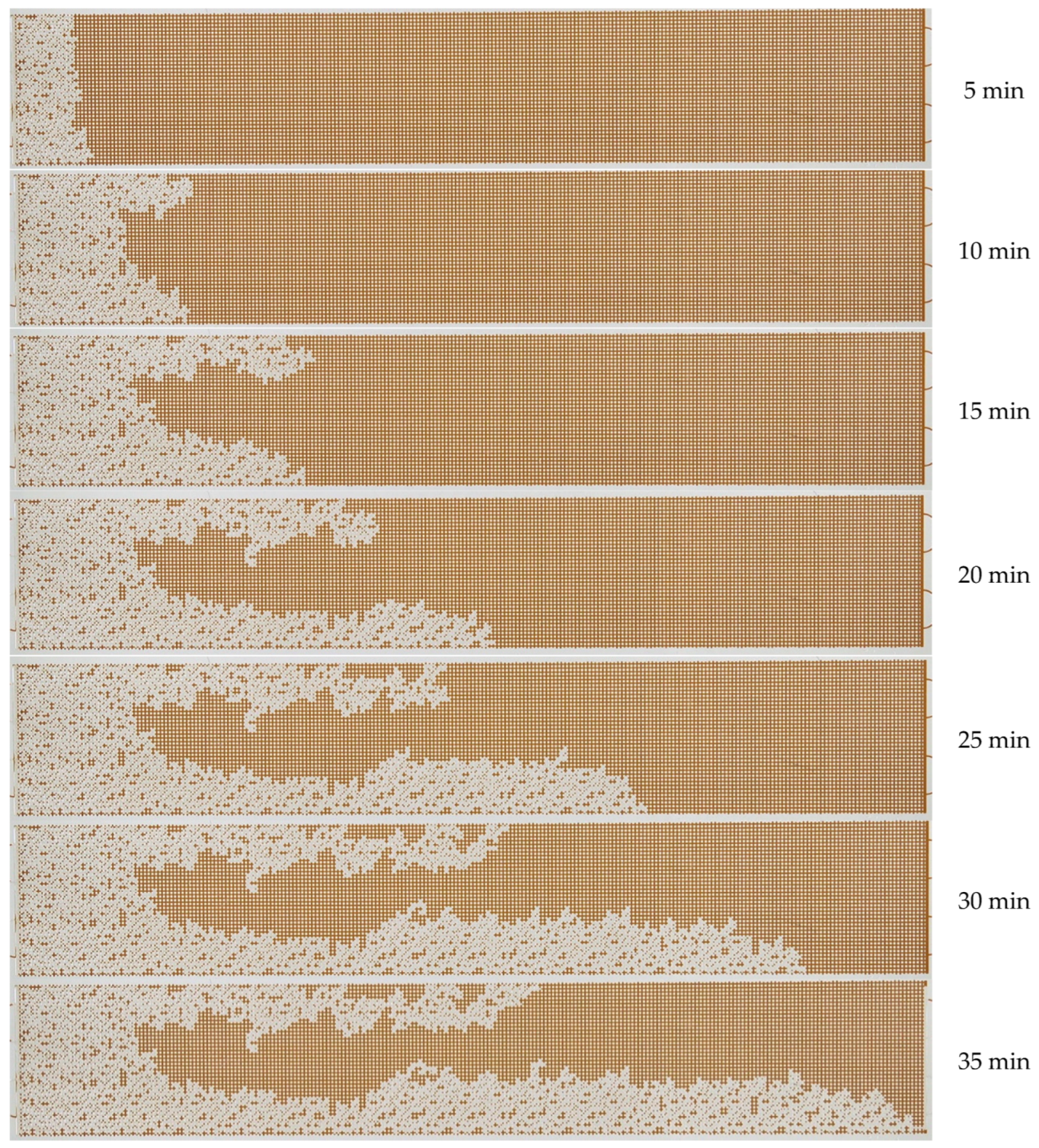
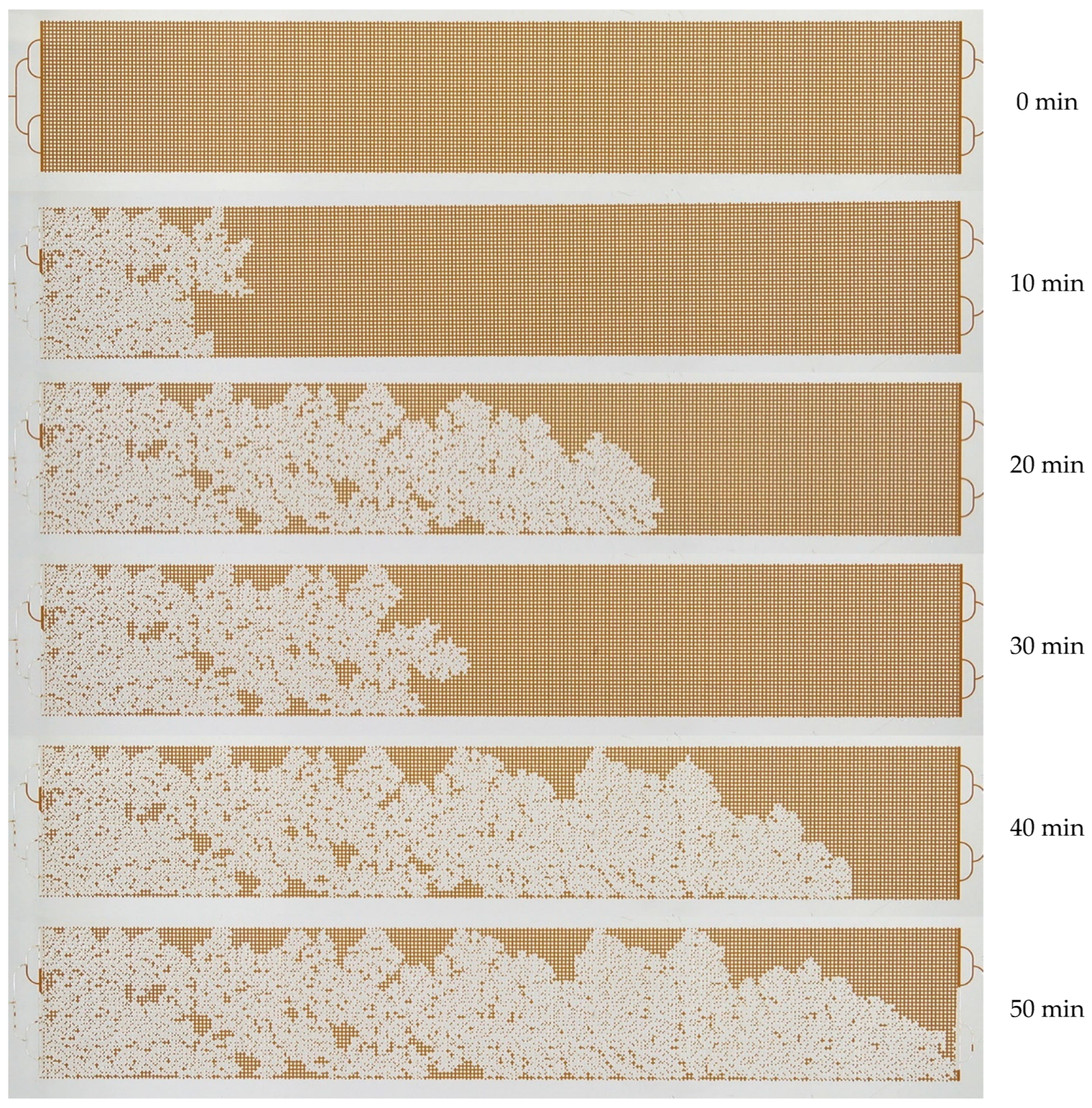
A visual analysis of the displacement kinetics is presented in
Figure 12 as a series of time-lapse images showing characteristic stages of front evolution. During the initial stage of the experiment, a uniform frontal advance is observed. As the process continues, however, front instability is recorded, leading to the formation of distinct branched structures—viscous fingers. The progressive branching of these viscous fingers results in premature breakthrough of the displacing agent at the model outlet and the formation of extensive zones of capillary-trapped residual oil. A detailed analysis of the viscous finger morphology reveals two dominant development mechanisms: capillary-dominated branching at the initial stage and viscosity-dominated fingering at later stages.
Breakthrough of the displacing phase at the outlet occurred at approximately the 35-min mark of the experiment, after which the process dynamics did not change significantly. Subsequent displacement is characterized primarily by a droplet entrainment mechanism, involving the periodic detachment and transport of isolated residual oil droplets within the aqueous phase. However, observations indicate that this mechanism does not substantially alter the overall fluid distribution pattern or significantly reduce the volume of residual oil.
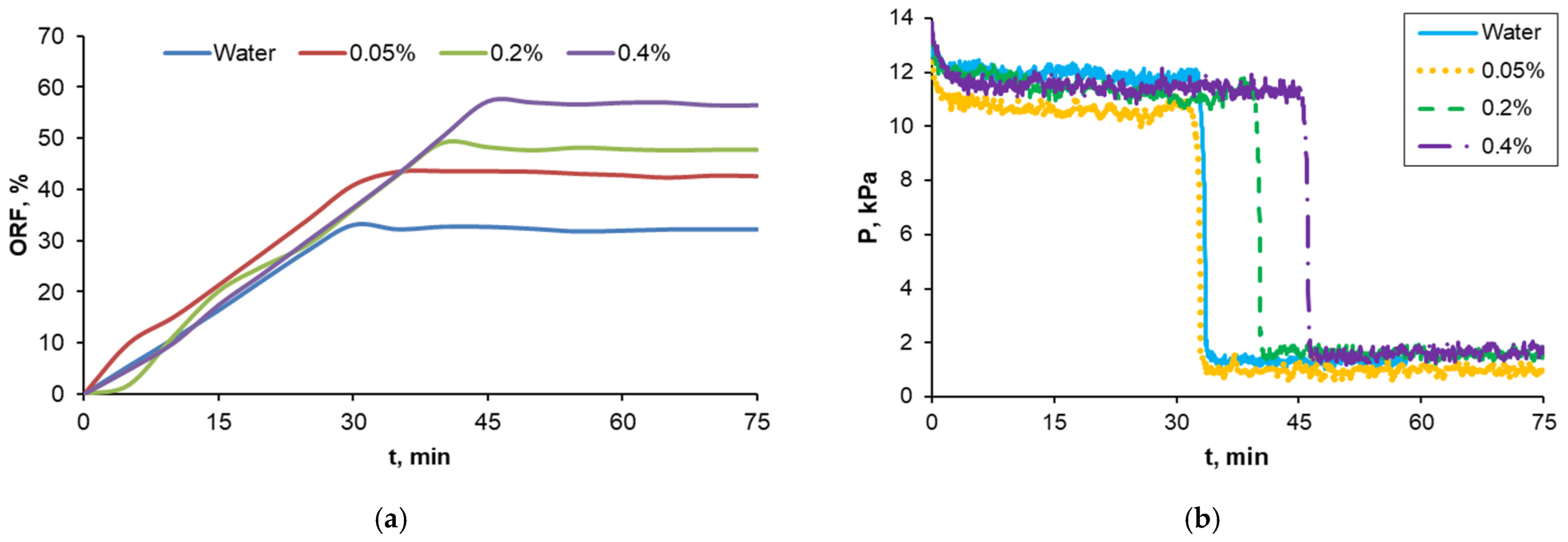
Quantification of the displacement efficiency was performed via automated image analysis based on the segmentation of regions by oil-specific color saturation. The resulting time-dependent ORF curve (
Figure 15a) demonstrates linear growth during the initial stage of the process, prior to breakthrough. After aqueous phase breakthrough, the recovery factor plateaus at a constant value of approximately 32%, indicating a high residual oil saturation for conventional waterflooding. This value serves as a baseline for evaluating the effectiveness of nanoemulsions in subsequent experiments.
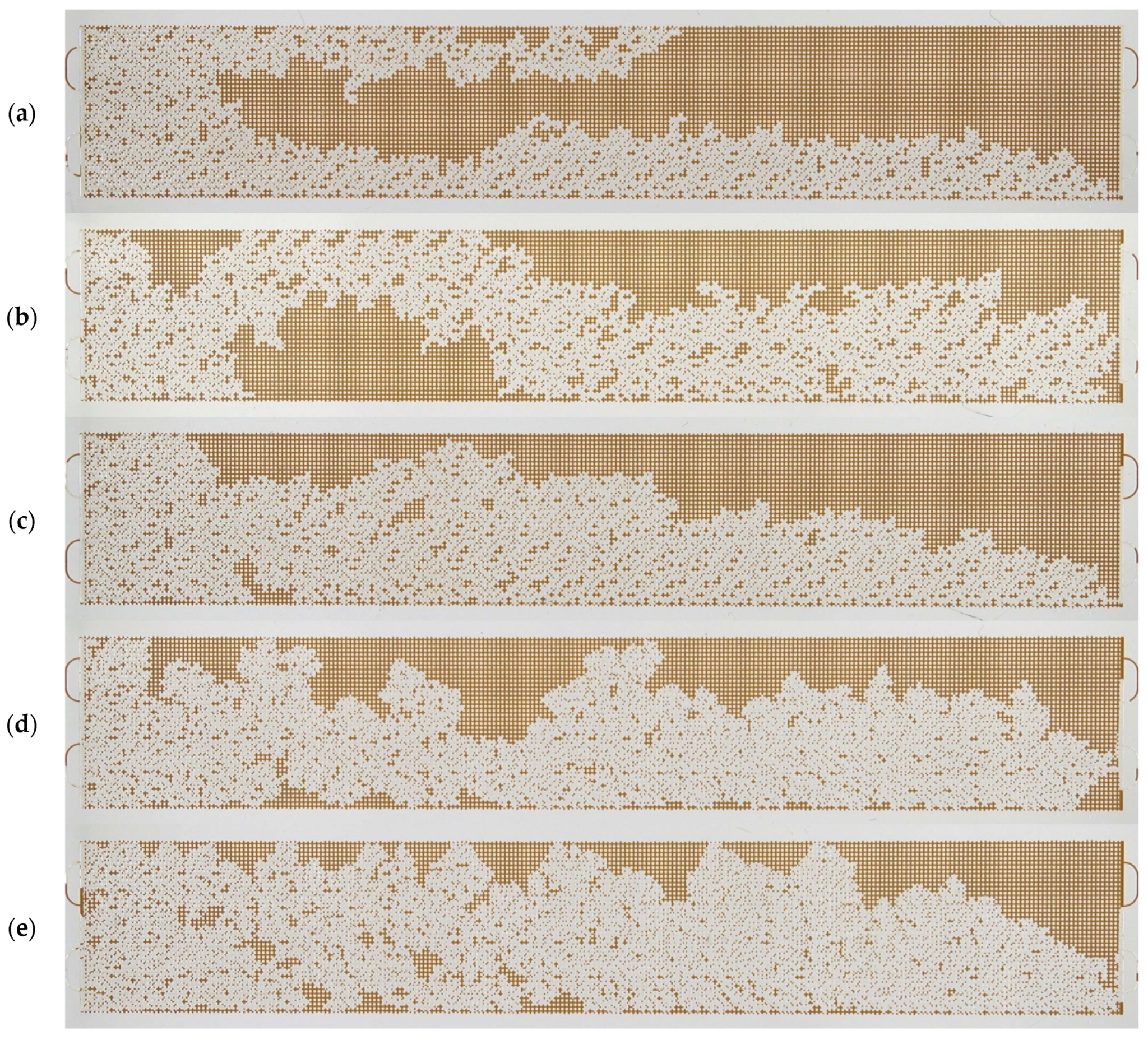
The use of nanoemulsions as a displacing agent significantly alters the flow dynamics, as clearly demonstrated in
Figure 13 and
Figure 14. In contrast to the base waterflooding scenario, the flow of the displacing phase is characterized by the formation of wider and more structurally complex frontal jets. A considerable increase in flow path tortuosity and pore space coverage is observed, which directly influences the displacement dynamics. A qualitative change in the displacement mechanism is confirmed by the analysis of hydrodynamic data, specifically the pressure drop profile over time (
Figure 15b). A sustained pressure increase prior to breakthrough indicates a more efficient mobilization of oil and involvement of the pore volume in the flow process. The breakthrough event, identified by a sharp drop in the pressure differential, occurs significantly later than in the reference waterflood experiment. This delay correlates with increased flow path lengths and more efficient displacement. The wider frontal structures and greater areal coverage result in a substantial improvement in EOR efficiency. This is further evidenced by a reduction in the characteristic size of isolated residual oil clusters.
Figure 13.
Visualization of oil displacement by an emulsion containing 0.4% emulsifier in a microfluidic chip.
Figure 13.
Visualization of oil displacement by an emulsion containing 0.4% emulsifier in a microfluidic chip.
Figure 14.
Residual oil distribution in the microfluidic model after flooding with: (a) aqueous solution, and (b) nanoemulsions with emulsifier concentrations of 0.05%, (c) 0.1%, (d) 0.2%, and (e) 0.4%.
Figure 14.
Residual oil distribution in the microfluidic model after flooding with: (a) aqueous solution, and (b) nanoemulsions with emulsifier concentrations of 0.05%, (c) 0.1%, (d) 0.2%, and (e) 0.4%.
Figure 15.
Flooding performance at varying emulsifier concentrations: (a) ORF and (b) pressure drop as functions of time.
Figure 15.
Flooding performance at varying emulsifier concentrations: (a) ORF and (b) pressure drop as functions of time.
The final phase distribution in the microfluidic chip after nanoemulsion flooding at varying emulsifier concentrations is visualized in
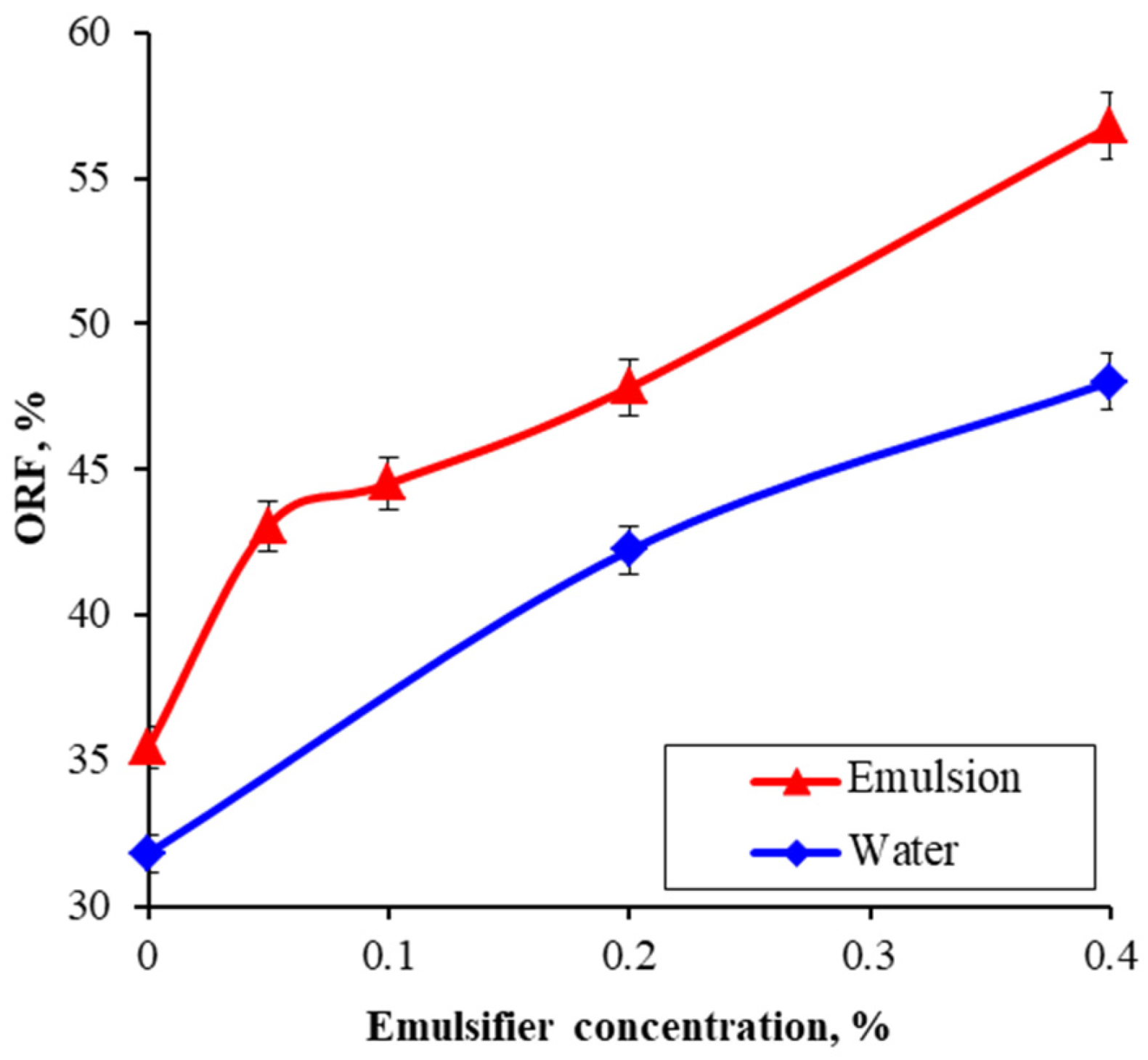
Figure 14. A quantitative analysis of the displacement efficiency, presented in
Figure 15a and
Figure 16, demonstrates a strong dependence of the ORF on the emulsifier content in the nanoemulsion.
It was found that the use of the nanoemulsion base fluid (without emulsifier) already results in a statistically significant increase in the ORF of approximately 10% compared to conventional waterflooding. The addition of an emulsifier to the nanoemulsion provides a further enhancement in recovery efficiency. Notably, as evidenced by the data in
Figure 16, introducing a comparable amount of emulsifier directly into the aqueous phase does not yield a similar improvement in EOR. This observation points to a synergistic interaction between the emulsifier and the hydrocarbon phase of the nanoemulsion.
The maximum displacement efficiency (ORF = 57%) was achieved at an optimal emulsifier content of 0.4%. The underlying physicochemical mechanism is attributed to the ability of the emulsifier to reduce IFT and stabilize the dispersed structure of the nanoemulsion. This leads to a decrease in the average droplet size and modification of the displacing fluid’s rheological properties. These changes promote the overcoming of capillary barriers and improve sweep efficiency, ultimately resulting in a reduction in residual oil saturation.
Thus, this microfluidic study experimentally confirms the high efficacy of low-concentration nanoemulsions as EOR agents. It was established that employing these systems enables a significant increase in the ORF compared to conventional waterflooding. The observed effect is attributed to the multifaceted impact of nanoemulsions on flow processes in porous media, which includes modification of the pore channel surface wettability, reduction in IFT, and alteration of the displacing fluid’s rheological properties. Of particular importance is the ability of nanoemulsions to penetrate into low-permeability zones of the pore space and mobilize capillary-trapped residual oil clusters. The obtained results demonstrate the potential for developing novel enhanced EOR technologies based on low-concentration nanoemulsions.
3.6. Filtration Experiments on Oil Recovery from Core Samples
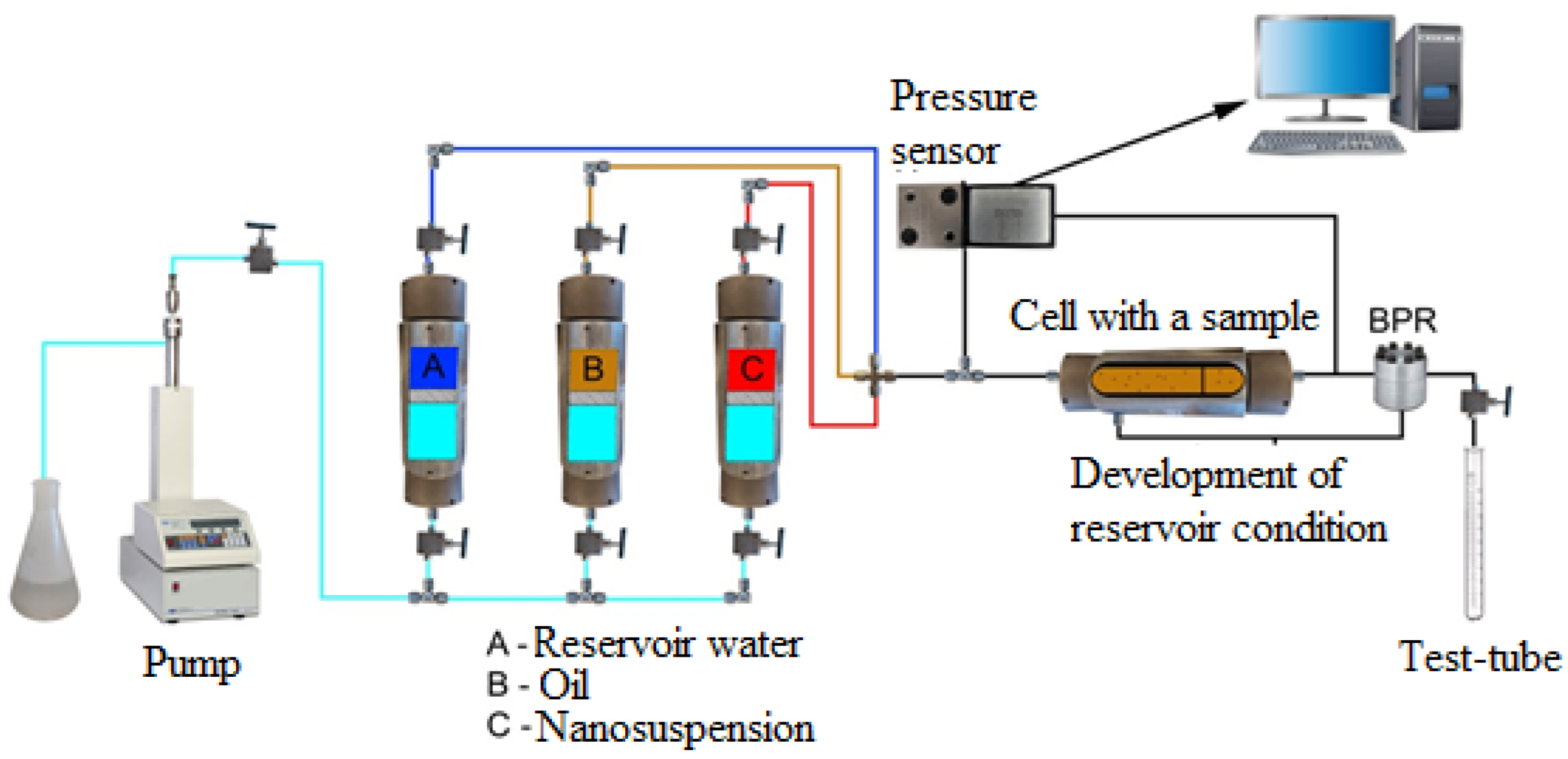
According to the results of studies of capillary impregnation and microfluidic experiments, 4 solutions were selected to determine the effectiveness of total EOR from core samples: an aqueous solution of emulsifier with a content of 0.1%, and emulsions with an addition of 0.5% diesel with an emulsifier content of 0.1, 0.2, and 0.4%. Filtration tests to determine the effectiveness of flooding rocks with nanoemulsion were conducted at a filtration plant UFS-200. UFS-200 is an automatic core flooding system, which is designed for two-phase displacement of liquids in an unsteady and stable state. The scheme of the filtration plant is shown in
Figure 17.
The methodology of filtration experiments with nanoemulsions is based on OST 39-195-86. The filtration experiments used composite cores drilled from the Clear Amherst Gray sandstone formation (each consisting of two individual cores) for each displacing fluid, as detailed in
Table 2. This is standard practice in the oilfield (in accordance with OST 39-195-86) to account for the natural heterogeneity of the formation and to obtain representative data, since obtaining and testing multiple, perfectly identical long cores is often not feasible.
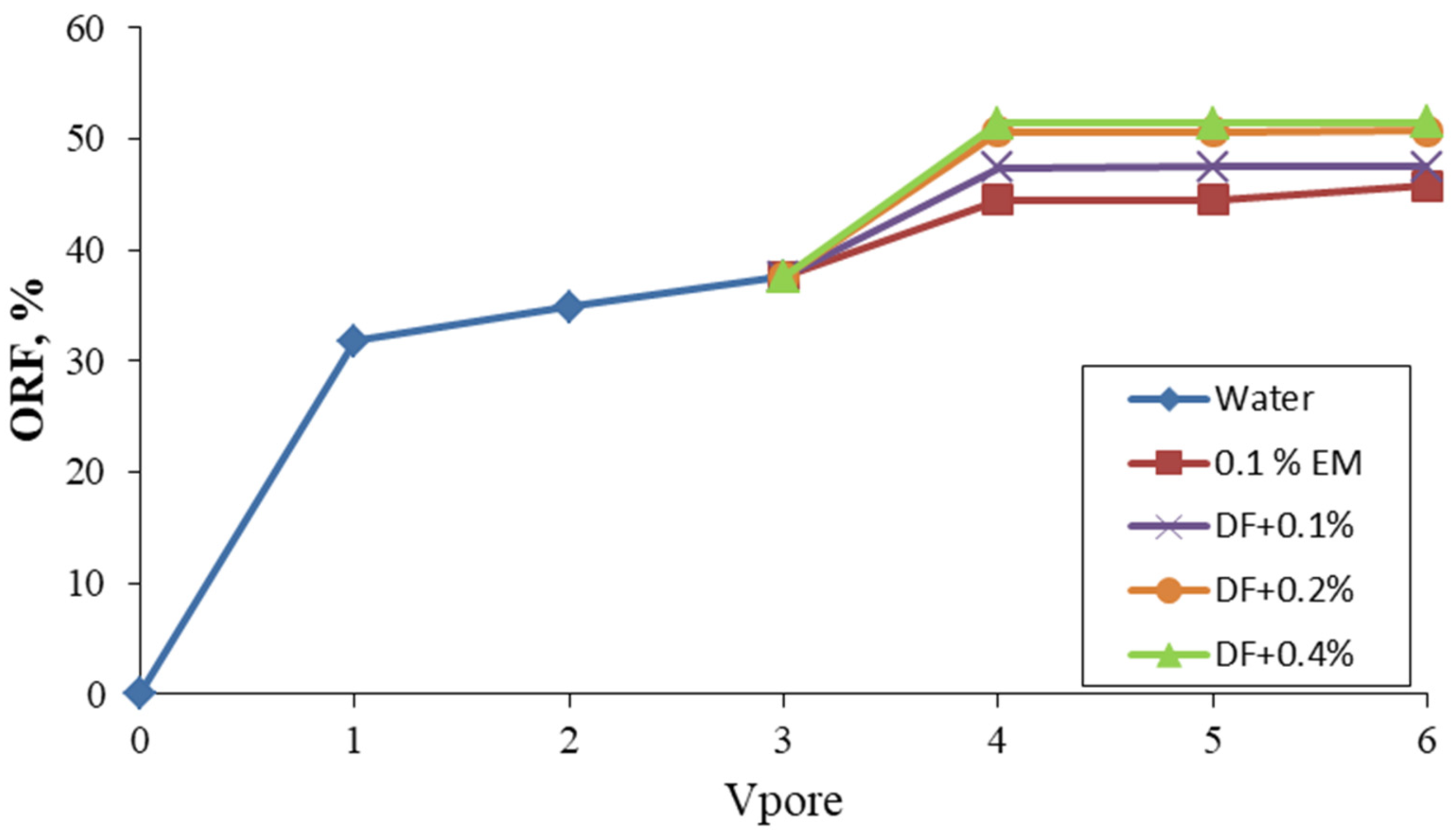
At the beginning, water in the amount of 3 pore volumes is pumped through a composite sample of oil-saturated core until EOR stops. The displaced liquid is collected in measuring tubes. Next, nanoemulsion is applied to displace the remaining oil from the sample. The displacing agent is pumped in an amount of at least 3 pore volumes until stopping the recovery of oil, which is collected in measuring tubes. The volume of displaced oil is determined depending on the pumped pore volume. The EOR is calculated after total displacement. The ORF dependence on the volume of the pumped liquid is shown in
Figure 18. Obviously, the injection of nanoemulsion provides an additional increase in ORF by more than 10%. At the same time, pumping one pore volume is sufficient to achieve the effect.
The maximum increase in ORF was obtained for an emulsion with an emulsifier content of 0.4%. For it, the total EOR after water injection leads to an increase in the ORF by 14.0%, and its minimum increase of 8.2% is observed when using a 0.1% aqueous emulsifier solution without the DF. Thus, it was shown that by itself, a similar addition of an emulsifier to water increases the recovery factor, but not as significantly as in the composition of the emulsion. The effect of increased EOR is associated with the presence of a hydrocarbon phase.
At the same time, the emulsifier content affects the increment of the recovery factor: with growing concentration, a monotonous increase in the EOR occurs. Thus, an increase in the emulsifier concentration from 0.1 to 0.4% in the diesel-based emulsion provided an increase in the recovery factor from 9.95 to 14.0%, respectively.
The obtained increase in oil displacement efficiency using nanoemulsion is comparable to other methods of enhanced oil recovery. Specifically, it was shown that the addition of spherical nanoparticles leads to a maximum increase in the oil recovery coefficient of approximately 10% [
40]. Modification of surfactant solutions with SiO
2 nanoparticles further significantly increases the oil recovery coefficient, by 20.3% [
41]. Modification of polyacrylamide solution with SiO
2 nanoparticles increases the oil recovery factor by 36.4% compared to water and by 17.2% compared to a polymer solution without nanoparticles [
42].
The function of the emulsifier at the injection stage is mainly to create and stabilize the nanoemulsion, which is achieved through the adsorption of its molecules at the phase boundary and an increase in the strength of the interfacial film [
43,
44]. A concentration of 0.1% is apparently optimal for the formation of a stable nanoemulsion in volume, since it ensures complete coverage of the interfacial surface of diesel fuel droplets and maximum film strength [
44]. A further increase in the emulsifier concentration, potentially reducing the stability of the macroscopic emulsion, leads to the appearance of a significant amount of free, unadsorbed surfactant molecules in the aqueous phase. These excess molecules directly contribute to enhanced oil recovery by further reducing the interfacial tension at the oil-water interface and more actively changing the wettability of the rock through adsorption and ion pair formation [
33]. In addition, nanosized diesel fuel droplets with emulsifier molecules adsorbed on the surface generate structural disjoining pressure and, at the same time, transfer surfactant molecules to the oil/rock interface. At this stage, the emulsifier, delivered to the target as part of the nanodroplets, exhibits its activity through adsorption and ion pair formation, which leads to a targeted change in wettability and a decrease in interfacial tension [
33]. Thus, the dual role of the emulsifier is consistently realized at different stages of the process. First, as a stabilizer for the dispersed system, and then as an active agent modifying surface properties. Our proposed mechanism is supported by our results. The effectiveness of the emulsifier solution is lower than that of the emulsifier-stabilized diesel fuel-based nanoemulsions. However, increasing the emulsifier concentration reduces surface tension and improves oil recovery. Moreover, the proposed mechanism does not contradict, but even complements the generally accepted mechanisms for enhancing oil recovery using emulsions [
12,
15].
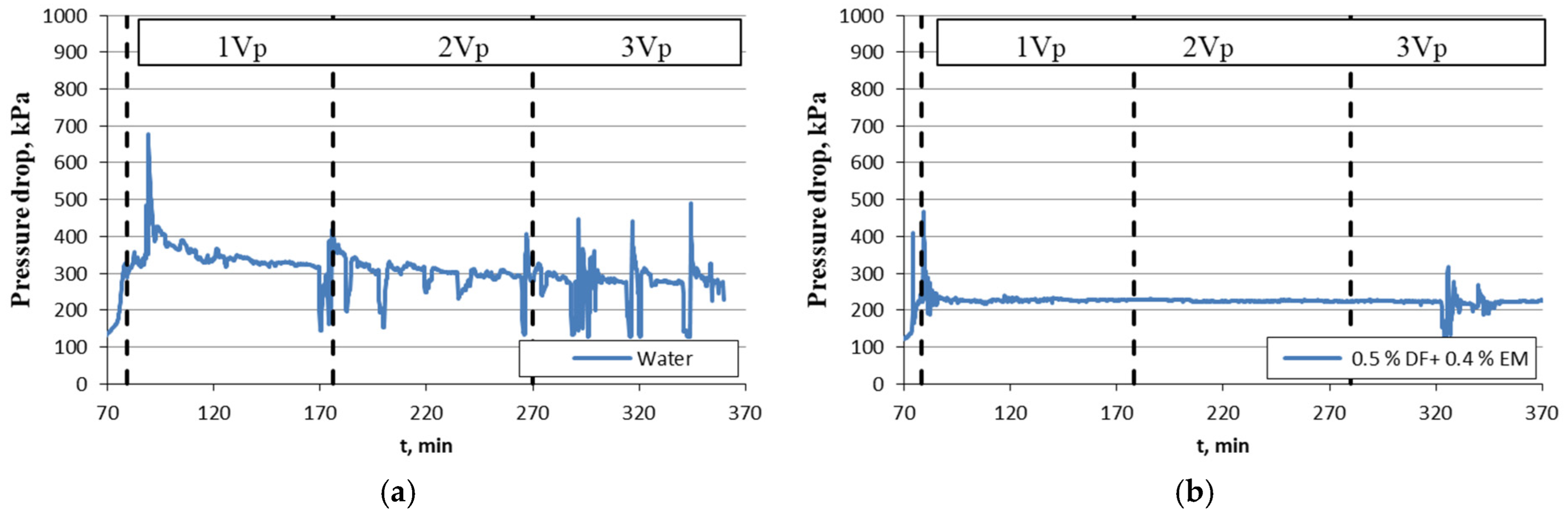
Attention should also be paid to the data in
Figure 19, which shows the pressure behavior when water and then the emulsion are injected into the cores. Some studies have expressed concern that when emulsion solutions with emulsifiers are injected into the reservoir, highly viscous water-oil emulsions may form to reduce permeability. As can be seen from the graphs in
Figure 19b, the pressure during injection of emulsions is stable and does not increase during filtration. There is no decrease in core permeability. It is illustrated in
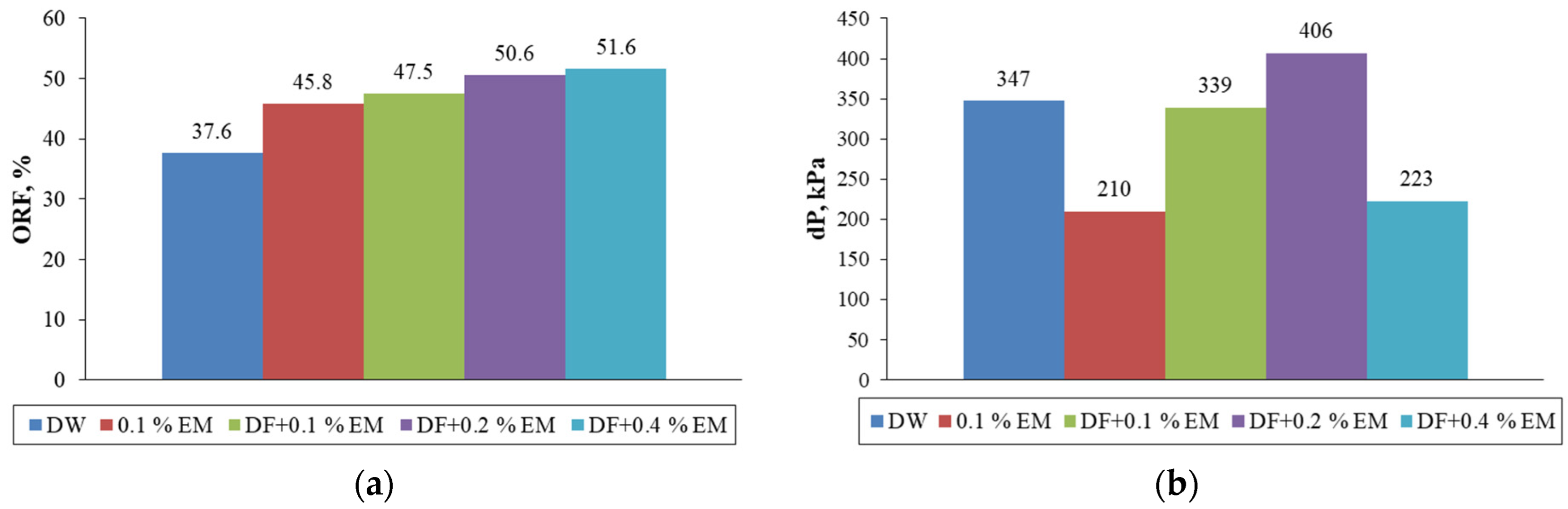
Figure 20a, with an increase in the concentration of the emulsifier, increase in the EOR occurs. Moreover, as it is illustrated in
Figure 20b, with an increase in the concentration of the emulsifier, the pressure drop decreases. This phenomenon is due to the fact that the emulsifier addition reduces the IFT, which leads to a decrease in capillary pressure. Another important result obtained in our study is worth noting. Filtration studies of the effectiveness of emulsions on core samples have generally confirmed the results obtained by us during filtration studies on microfluidic chips. All the trends detected with the help of microfluidic chips were confirmed by core studies. This is a very important result, indicating that microfluidic research may be used for rapid assessments of the effectiveness of reservoir flooding fluids.
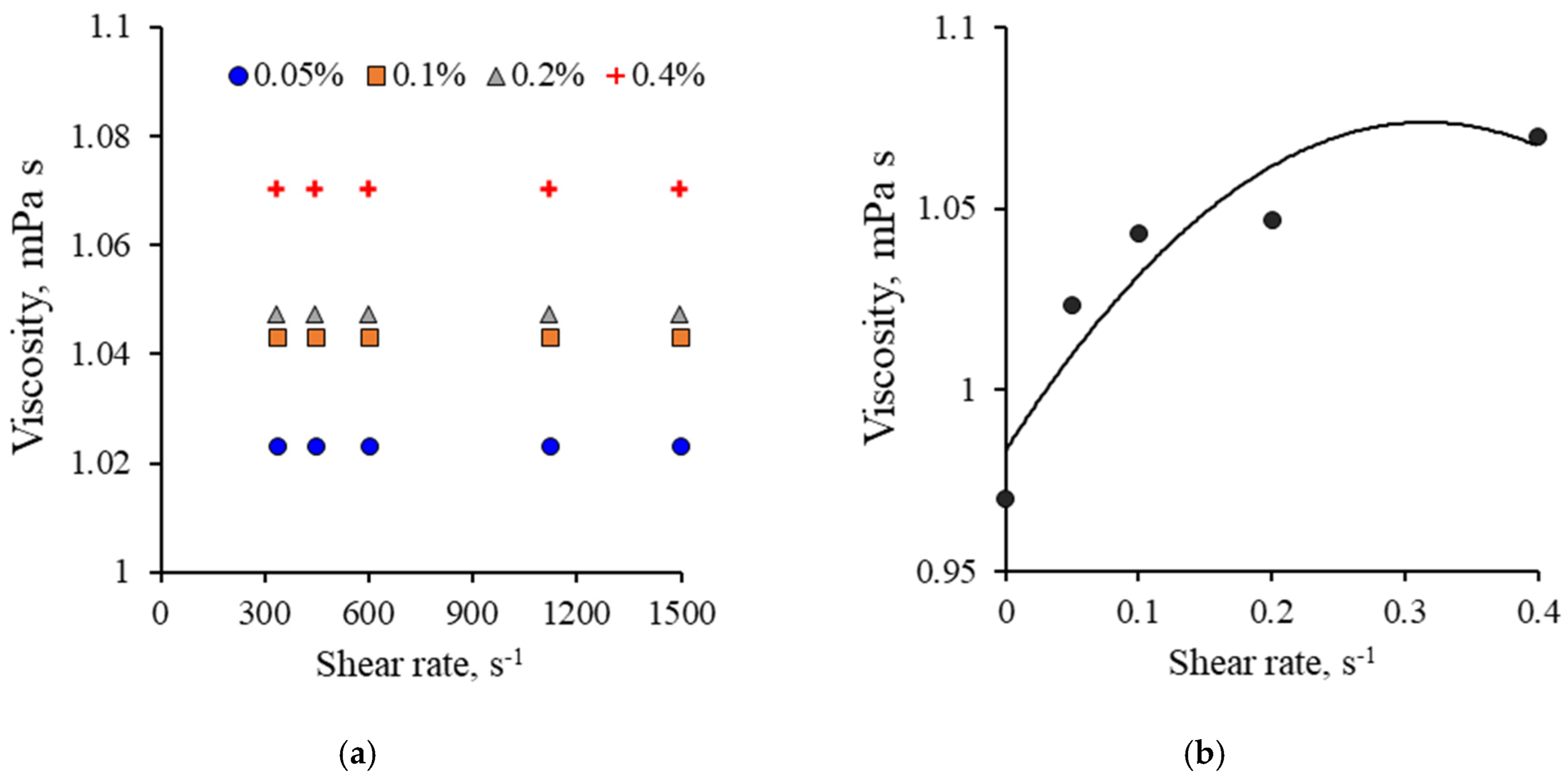
The experimental results presented in this study clearly demonstrate the high potential of low-concentration diesel-based nanoemulsions for enhancing oil recovery under the tested laboratory conditions. The observed improvements in oil displacement efficiency are attributed to the fundamental mechanisms of IFT reduction and wettability alteration towards a more water-wet state, as confirmed by our data. A key feature of the developed formulations is their ultra-low hydrocarbon phase content (<1 vol.%), which aims to minimize chemical consumption and operational costs. The Newtonian rheological behavior and negligible viscosity increase compared to water (
Section 3.2) suggest that the enhanced recovery is not due to mobility control but primarily to the positive alteration of capillary forces and rock-fluid interactions.
While this research provides a systematic foundation under controlled laboratory settings, it is pertinent to discuss the potential behavior of these nanoemulsions in more complex reservoir environments. The current study intentionally utilized distilled water and ambient conditions to isolate and quantify the fundamental efficacy of the formulations. However, the influence of factors such as reservoir temperature, salinity, and geological heterogeneity is critical for field applications.
Literature data suggests that nanoemulsion systems can exhibit robustness under a range of conditions. For instance, certain surfactant-stabilized nanoemulsions have been reported to maintain or even improve their stability at elevated temperatures, with some systems becoming more transparent and stable at temperatures up to 70 °C, indicating preserved droplet size distribution [
37]. This thermal stability is often associated with the kinetic nature of nanoemulsions.
Regarding salinity, the presence of salts in formation water can significantly impact emulsion stability and interfacial properties. It is well established that there exists an optimal salinity for many emulsion systems, at which minimum IFT and maximum solubilization capacity are achieved [
11,
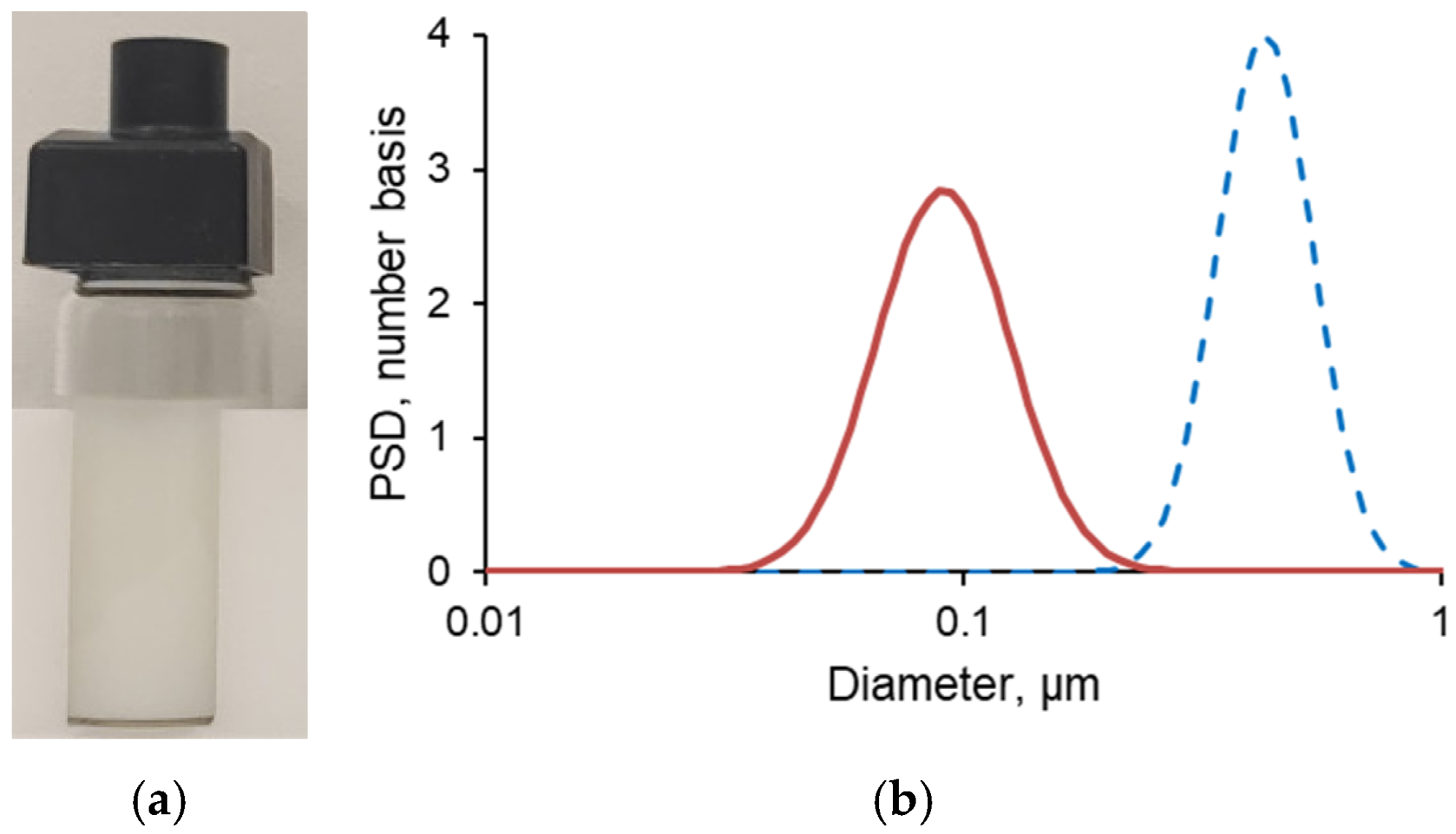
37]. While salinity can increase IFT beyond this optimum, the fundamental displacement mechanisms—such as the ability to reduce IFT and alter wettability—remain valid. The sub-micron droplet size (~90 nm with emulsifier,
Figure 1b) of our formulations is a critical advantage for heterogeneous formations. As noted in the literature, such small droplet sizes minimize the risk of pore throat plugging and facilitate access to low-permeability zones, thereby improving sweep efficiency [
11].
Therefore, while the specific performance of our PC-501-stabilized diesel nanoemulsions under high-temperature, high-salinity, and strongly heterogeneous conditions requires further targeted investigation, the foundational mechanisms demonstrated in this work and their reported resilience in the literature provide a strong rationale for their future application.
Laboratory studies on cores and microfluidic chips are a widely accepted and necessary first step for evaluating the effectiveness of enhanced oil recovery (EOR) techniques, including the use of nanoemulsions [
44]. These methods enable controlled selection of compositions and provide fundamental insights into displacement mechanisms, such as interfacial tension reduction, wettability modification, and emulsification, demonstrating the potential of this technology for reservoir stimulation.
However, extrapolating the obtained results to the full reservoir thickness requires considering the limitations of these methods. Core studies, although the gold standard, do not fully reproduce real reservoir conditions due to the limited sample volume, which negates the influence of large-scale heterogeneity and gravitational forces. Microfluidic chips, while providing pore-level visualization, have a simplified two-dimensional pore geometry and do not account for chemical interactions with the reservoir rock over long periods of time.
Therefore, the results presented in this paper should be viewed as a demonstration of the effectiveness of using nanoemulsions. Quantitative evaluation of enhanced oil recovery at the field scale requires further research, including modeling on large-scale sectional models and, ultimately, field testing.




 ,
,