Review

Fabricating Partial Acylglycerols for Food Applications

1
Food Technology, Amity Institute of Biotechnology, Amity University, Rajasthan 303002, India
2
Research Group for Food Production Engineering, National Food Institute, Technical University of Denmark, 2800 Kongens Lyngby, Denmark
*
Authors to whom correspondence should be addressed.
Colloids Interfaces 2025, 9(6), 80; https://doi.org/10.3390/colloids9060080 (registering DOI)
Submission received: 23 October 2025 / Revised: 13 November 2025 / Accepted: 26 November 2025 / Published: 1 December 2025
(This article belongs to the Special Issue Feature Reviews in Colloids and Interfaces)

Abstract

The functional characteristics of Partial acylglycerols (PAGs) have attracted the attention of researchers in designing PAGs for food applications as a potential substitute for conventional fats/oils. Designing PA using enzymes has been of great interest due to the greater specificity of enzymes, giving high-quality products for food applications. The utilization of PA in fat-based products, such as bakery, dairy, and emulsion foods, exhibits superior functionalities and health-friendly characteristics. The PA can also be used for cooking/frying applications. However, exposure of PA to a higher temperature for a longer time shows inferior characteristics. The functional characteristics of PA, such as solid fat content, rheology, microstructure, crystal formation, and thermal behavior, make it a potential replacement for conventional fat. The present review focuses on a comparative assessment of synthetic routes, the functional characteristics of PA, food applications, and technological drawbacks in commercializing PA-based products. Furthermore, the future prospect focuses on supporting future research that will facilitate the incorporation of PA in food products at an industrial scale.

1. Introduction

The edible oil extracted from plant or animal sources contains monoglycerides, diglycerides, triglycerides, phospholipids, waxes, sterols, tocopherols, etc. [1]. The extracted edible oil undergoes several refining processes to separate triglycerides from the other minor constituents. Among these minor components, monoglycerides (MAG) and diglycerides (DAG) are the partial acylglycerols that are the most important components, having nutraceutical and functional characteristics [2,3]. The health concerns among consumers worldwide have increased, and hence, consumers are demanding food that not only fulfills hunger but also has a positive effect on their health. Research on the fabrication of MAG and DAG has increased due to their health-friendly characteristics. The MAG and DAG provide fewer calories compared to conventional fats and oils, and can likely be used as a partial or complete replacement for conventional oils in processed food applications. The use of MAG and DAG in food can help enhance the functional, physicochemical, oxidative, textural, and sensory characteristics of processed food [4,5,6,7,8].
In recent years, designer lipids have emerged as the most focused research topic among researchers working in the area of lipid science and technology. The MAG and DAG content of edible oil extracted from natural sources, such as oilseeds, is very low and has a fixed fatty acid composition. To improve the functional and nutraceutical characteristics of MAG and DAG, the designer lipids are fabricated by rearranging fatty acids within the same glycerol molecule or introducing new fatty acids at the desired position on the glycerol skeleton [9,10]. Designing MAG and DAG-based lipid molecules has been in high demand from consumers due to their improved nutritional characteristics, which enable them to manage lifestyle-related diseases. Designing a partial acylglycerol (PA) that possesses nearly identical attributes to commonly used dietary fat and can be used as a fat replacer without compromising the texture and sensory properties of processed food has become a topic of great interest among scientists [7,11,12,13,14]. Partial acylglycerols are very good emulsifiers and can be used in the formation of stable food emulsions. The presence of both the hydrophilic and hydrophobic moieties in partial acylglycerol makes it a good emulsifier [15,16]. The application of PA as a potential replacement for fat has accelerated, and researchers have started using it in processed food products at the laboratory scale. However, among the PA, diacylglycerols are the most booming products, which are also available in supermarkets and marketed under the names ‘ENOVA’ in the United States and ‘ECONA’ in Japan. The fatty acid esterified to the glycerol skeleton in PA plays a crucial role in determining its application and health benefits. However, these fatty acids can be saturated, monounsaturated, and polyunsaturated, the PA containing polyunsaturated fatty acids like alpha-linolenic acid, linoleic acid, eicosapentaenoic acid, arachidonic acid, docosahexaenoic acid [17], and medium chain fatty acids like caprylic acid, capric acid, and caproic acid are becoming more popular due to health benefits of these fatty acids [10,18]. The PA containing these fatty acids can find many applications as a functional ingredient in the food, nutraceutical, and pharmaceutical sectors. In this review, the author has focused on the latest developments in the chemical skeleton, physicochemical characteristics, synthetic routes, intensification approaches in synthesis, the utilization of PA in various food matrices, safety and legislation regarding their use in food matrices, and future prospects for research.

2. Comparative Assessment of Chemical and Enzymatic Routes for the Synthesis of PAs

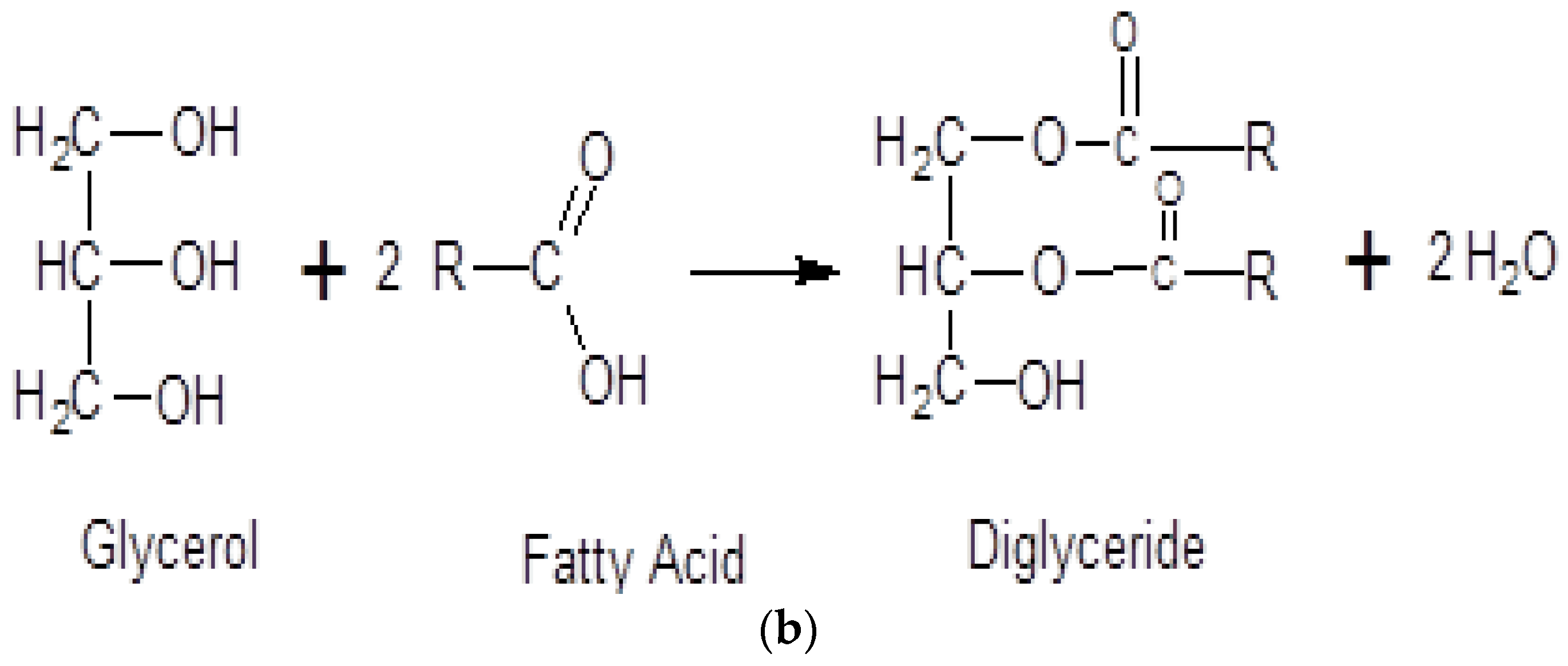
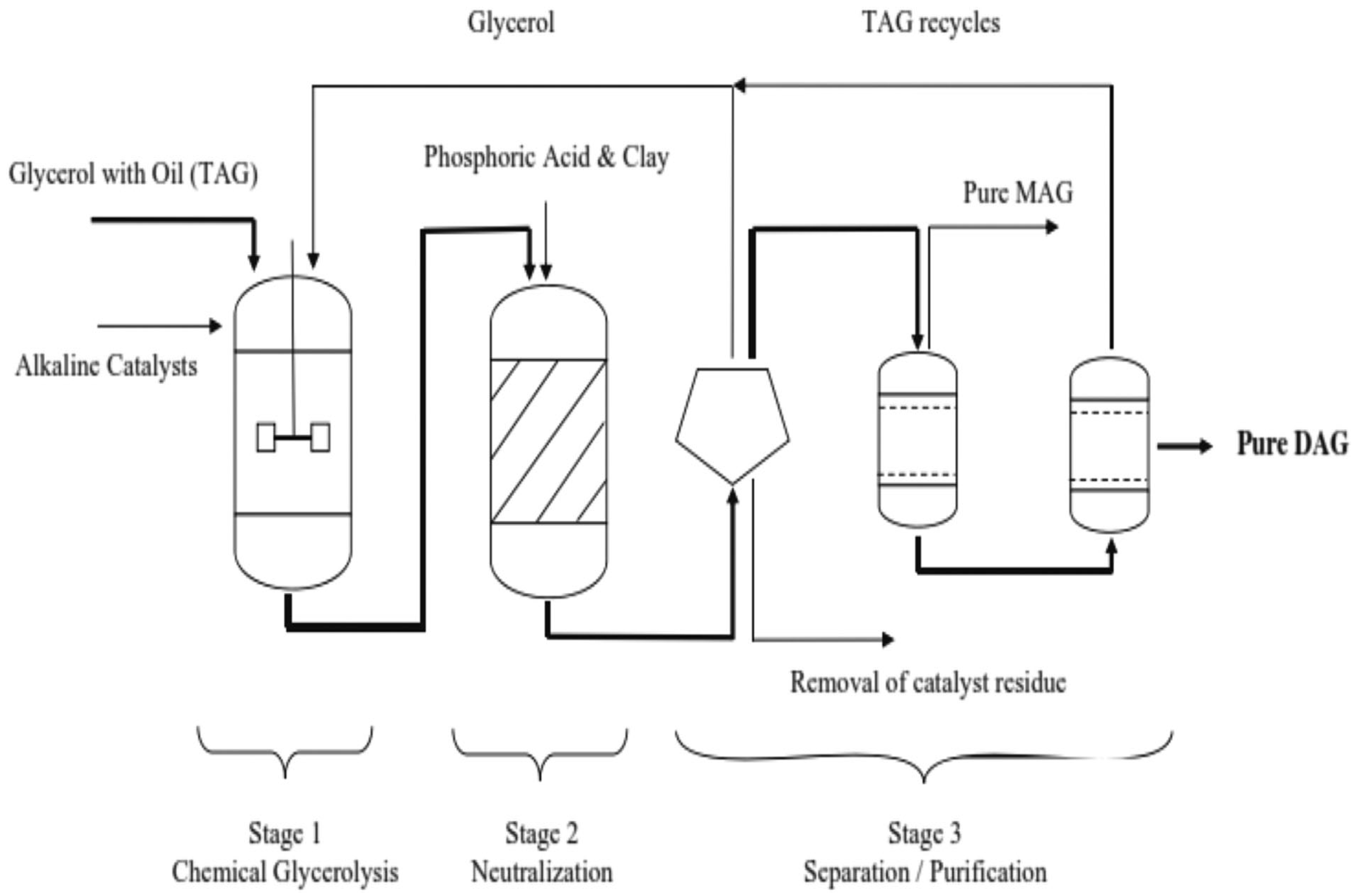
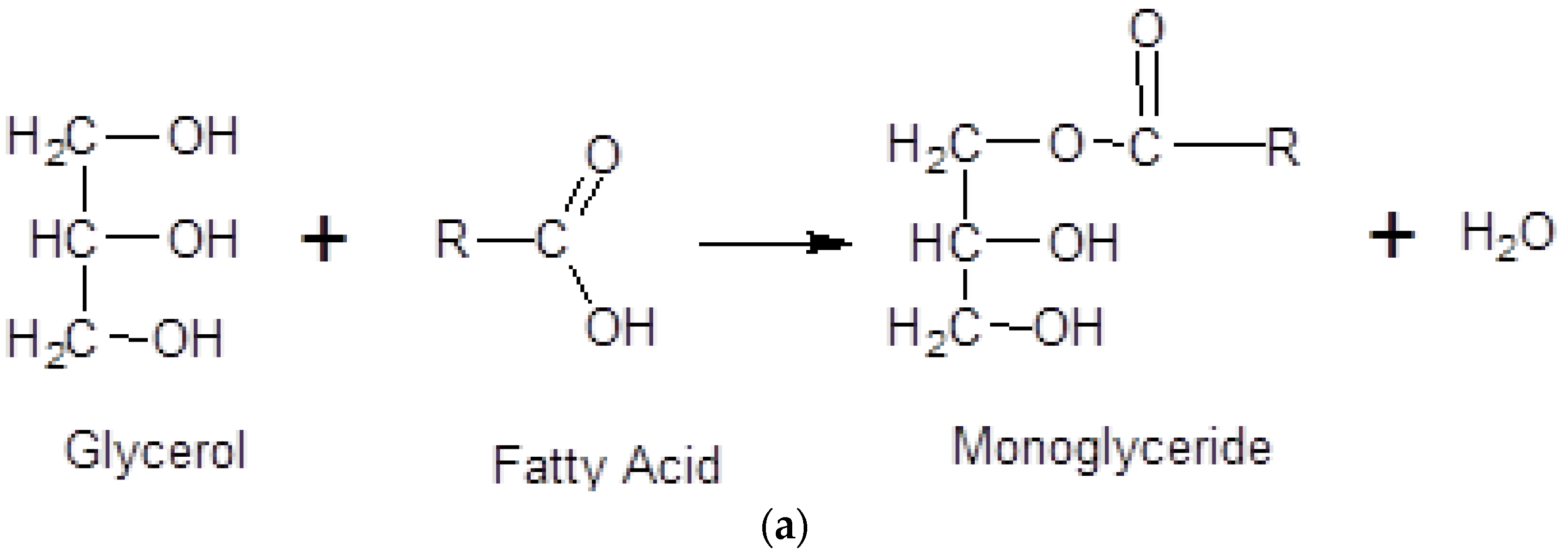
The skeleton of a partial acylglycerol contains fatty acids esterified to the glycerol backbone. According to the number of fatty acids present, the PAs are monoacylglycerol, containing a single fatty acid, and diacylglycerol, containing two fatty acids. The monoacylglycerols based on the position of fatty acids are categorized as α-monoacylglycerol (α-MAG), containing fatty acid esterified at the sn-2 position, and β-monoacylglycerol (β-MAG) with fatty acid esterified at the sn-1 position. Similarly, there are three different isomers of diacylglycerols, namely sn-1,2 DAG, sn-1,3 DAG, and sn-2,3 DAG, which contain fatty acid esterified at different positions (Figure 1a,b) [19]. The PAs are synthesized by the reaction between glycerol and the fatty acid (Figure 2) by chemical and enzymatic routes. The enzymatic process is the most widely accepted method for synthesizing PAs intended for food applications. The enzymatic process is environment friendly, carried out at mild reaction conditions, and gives products with high purity. The enzymatic route is usually employed to synthesize partial acylglycerols for various food applications. The chemical synthesis of PAs is carried out at higher temperatures using chemical catalysts such as sodium hydroxide, sodium methoxide, sulfuric acid, hydrochloric acid, and magnesium oxide. The high temperature of around 260 °C is used for the chemical synthesis of partial acylglycerols [20]. The higher operating temperature during the chemical synthesis of PAs results in the formation of non-desirable by-products, and the higher temperature degrades the polyunsaturated fatty acids used in the synthesis of PAs. The chemically synthesized product must undergo a purification process to remove the unwanted by-products formed during the reaction. The extreme reaction conditions also result in the acyl migration, which initiates the side reaction, thereby reducing the yield (%) of the final product. The chemical synthesis of PAs carried out at an industrial scale is diagrammatically shown in Figure 3. The detailed process of enzymatic and chemical synthesis of partial acylglycerols, operating parameters, and their effect on the final yield of the product is explained in detail in a review by Feltes et al. [21], W. J. Lee et al. [22] and Rarokar et al. [23]. The enzymatic process yields a product having high purity and good functional characteristics that can be applied in the formulation of various lipid-based food products.

3. Functionalities of PA for Food Applications

In recent years, the use of PA in food applications has significantly increased. PA was first introduced in Japan as a replacement for triacylglycerols in the human diet. Slowly, it entered the U.S. and European markets in 2003 and 2006, respectively. The PAs have completely different functional characteristics compared with the triacylglycerols. Hence, they offer versatility and greater flexibility, making them suitable as a functional ingredient in the formulation of functional foods.

3.1. Solid Fat Content and Polymorphism of PA

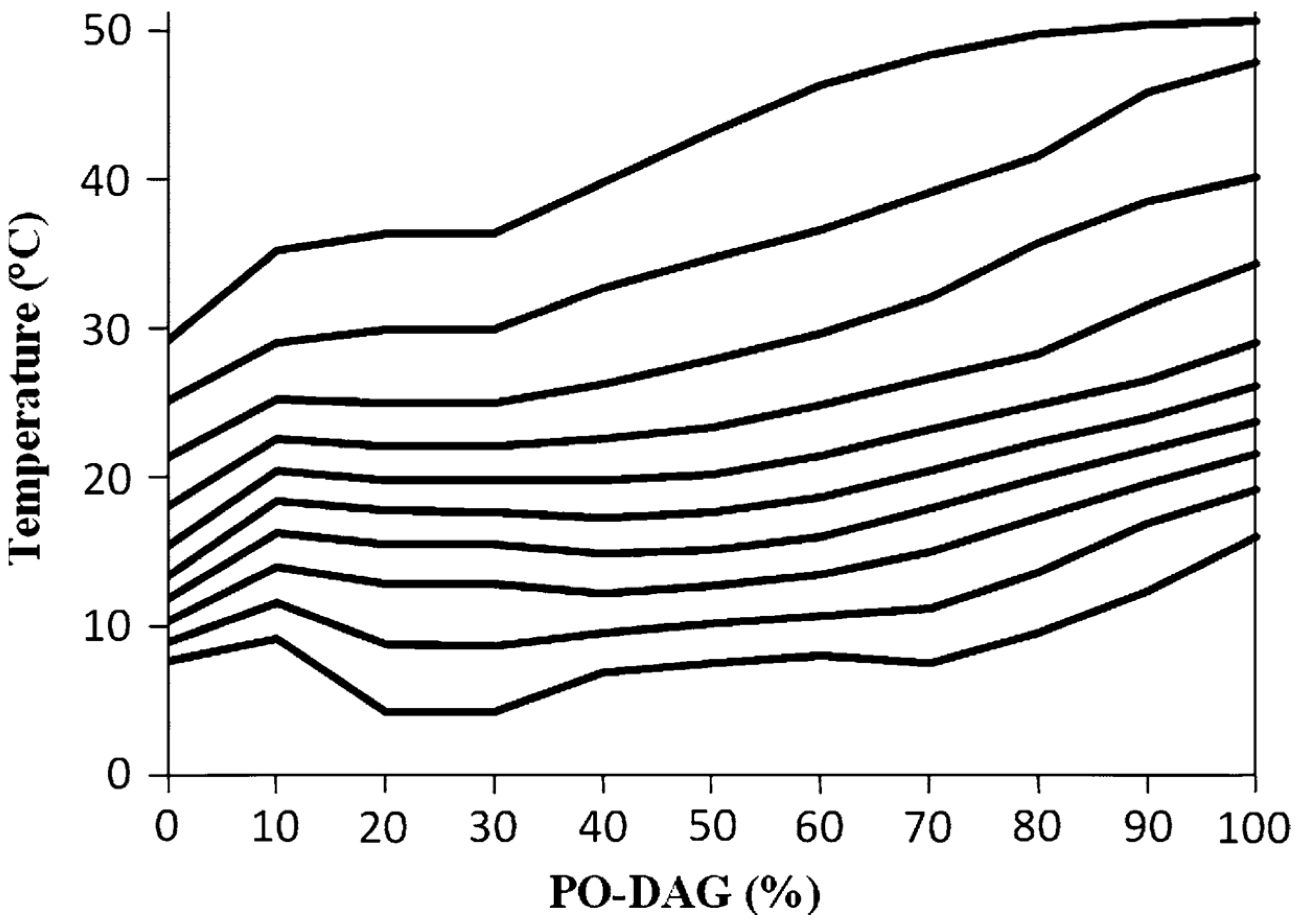
The melting temperature of the PA is higher, resulting in a higher solid fat content. The solid fat content profile of PA exhibits a gradual decline in solid fat content, with perfect melting occurring at a temperature typically higher than that of triglycerides. A study on the phase behavior of a blend of palm oil with palm oil-based PA was studied by Saberi et al. [24]. The author reported a change in the dynamic solid fat content with differences in the concentration of palm oil and PA. The solid content of palm oil-based PA was higher than that of palm oil with an increase in temperature beyond 15 °C. The iso-solid diagram of palm oil-based PA is shown in Figure 4, which depicts that with a change in concentration of palm oil-PA from 40 to 100%, the temperature of solid fat content increased steadily [24]. Adding 0.5% PA into the structuring of the chicken fat enhanced the solid fat content of the structured chicken fat. The increase in the concentration of PA in the structured chicken fat resulted in the development of a crystalline network with higher resistance to temperature [25]. The addition of PA (MAG and DAG) results in an increase in the solid fat content at all temperatures, making it suitable for plastic fat applications in bakery products, margarine, shortening, etc. Similarly, polymorphism is also an important characteristic of fat, and the triacylglycerols generally exist in β’ form. However, the addition of PA (MAG/DAG) results in the formation of β crystals [26]. The monoacylglycerol behaves like a nucleation seed when added to oil, and there is adsorption of triglycerides on the surface of the seeds. Hence, there is a change in polymorphism from β’ crystals to β crystals after the addition of monoacylglycerols to the oil [27]. Similarly, the addition of diacylglycerols to the oil also results in a change from β’ crystals to β crystals, as studied by Saberi et al. [24]. An increase in the concentration of palm-based diacylglycerol from 10% to 90% caused a reduction in the β’ crystals and an increase in the β crystals. The presence of PA accelerates the crystallization process of fat, ultimately leading to the predominance of β crystals. Although the presence of both MAG and DAG results in the development of β crystals, higher β crystals are formed in the presence of MAG compared to DAG, making PA the ideal fat for food applications where the presence of β crystals is beneficial [26].

3.2. Rheological Characteristics

The rheological characteristics of fat play a vital role in the processing of fat-based products; the PA have a different rheological profile as compared with the fat-containing triacylglycerols. The product formulated using PA positively affects the rheology, spreadability, storage modulus (G’), viscosity, complex modulus, and product elasticity. The addition of MAG as an emulsifier to the pistachio spread significantly enhanced the thixotropic area, coefficient correlation, yield stress, consistency index, and storage modulus. The formulation containing a higher concentration of MAG showed a higher storage modulus (G’) [28]. A study focusing on the rheological characteristics of liquid edible oil with the addition of MAG was reported by Naderi et al. [25]. The author reported that adding MAG to canola oil increased the viscosity, storage modulus, complex modulus, and elastic modulus. The enhancement in rheological characteristics of the fat with the addition of MAG is beneficial in the formulation of shortening, plastic fat, and bakery fat for food applications. Similarly, the formulation of the product with DAG shows good rheological characteristics and a higher storage modulus (G’). The use of PA in the formulation of products like mayonnaise, where rheological characteristics play a crucial role, demonstrates a positive impact of PA on flowability, spreadability, and loss tangent. The mayonnaise formulated using DAG (palm oil-based) showed loss tangent (less than 0.3), higher gel-like characteristics, higher storage modulus, and good viscoelastic properties during the storage period of 2 months. The continuous innovation in the field of lipid science, aimed at delivering healthy products with reduced saturated and trans fats, has been the driving force behind the use of PA in food applications. The organogels are used as a substitute for solid fat in food products; the use of PA in the formulation of organogels from liquid edible oil enhanced the elastic modulus, giving characteristic solid-like properties to the organogels [29]. However, there is limited literature available on the use of PA in the formulation of fat-based products as a potential replacement for conventional fat without affecting the rheological characteristics. Future research should utilize MAG and DAG from various sources, such as corn oil, soybean oil, sunflower oil, and rice bran oil, to explore the PA with different fatty acid compositions for enhanced functionalities and superior quality in final food products.

3.3. Melting Characteristics

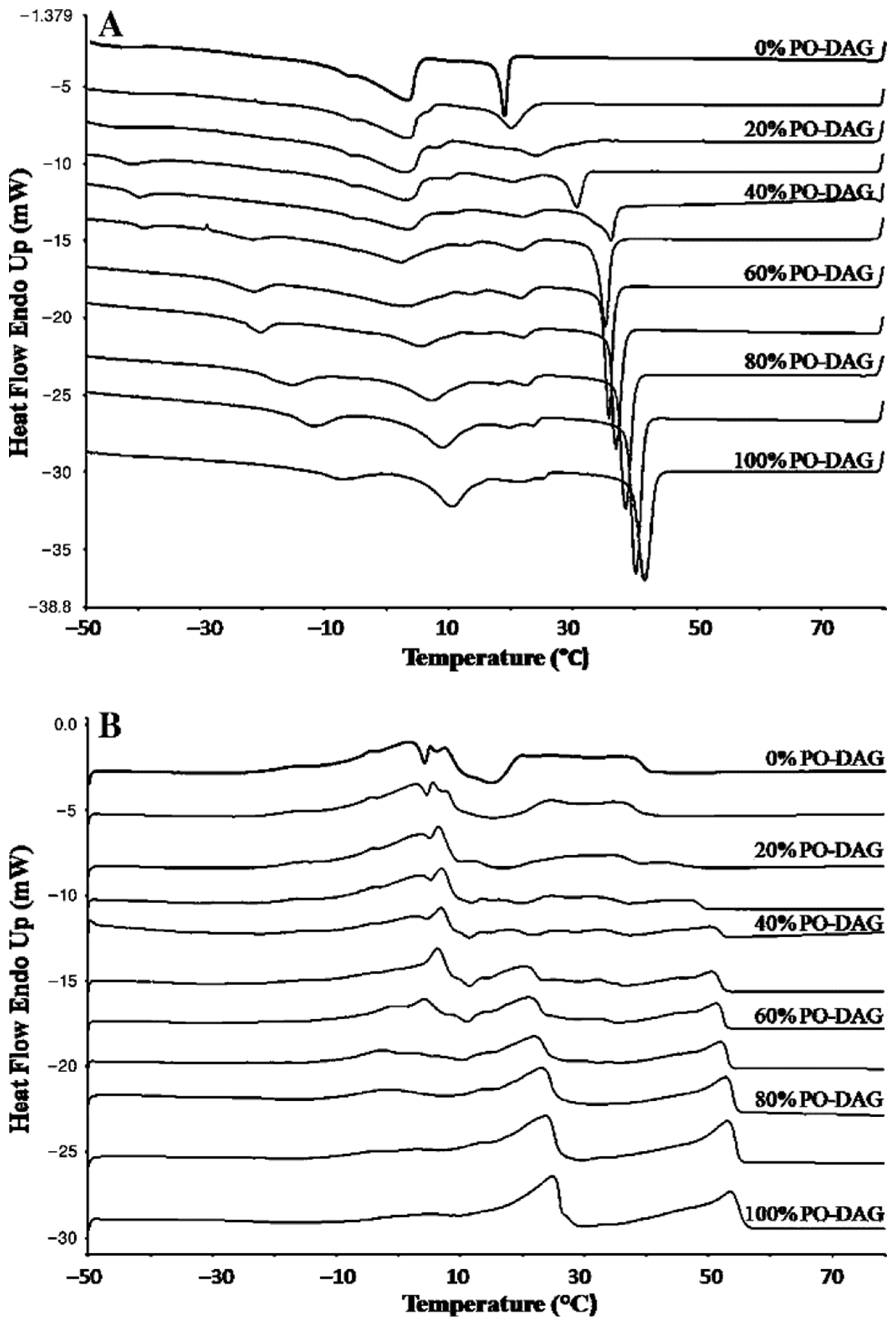
The melting and crystallization characteristics of the fat play a crucial role in deciding the end application of the fat in food products. The presence of PA in the fat/oil affects the thermal characteristics of the oil. Usually, triacylglycerols form crystals more slowly than MAG and DAG. Among all, MAG forms crystals faster, and the thermal characteristics of PA can be seen from the thermogram profile obtained using a differential scanning calorimeter. The thermogram of food products containing a higher proportion of MAG and DAG shows more exothermic peaks. also, the heat of crystallization is much higher for the PA than for the triacylglycerols [22,26]. The thermal characteristics of fat have an effect on the physicochemical, textural, and sensory profile of products containing a higher proportion of fat (MAG and DAG). The presence of a higher proportion of PA in fat promotes crystal formation, resulting in a harder texture. The MAG acts as a crystallization seed, serving as an adsorbent for the triglyceride molecule, and the crystallization process commences [26]. The PA exhibits a higher melting point than the corresponding triacylglycerol and can be used for the formulation of food products for which a higher melting fat with faster crystallization is desirable. The thermogram of Palm oil and palm oil-DAG blend was studied by Saberi et al. [24]. The author reported the occurrence of 2 peaks in the cooling thermogram of palm oil, indicating fractions with high and low melting. However, with an increase in the concentration of DAG in palm oil, an exotherm formed in a higher melting region (Figure 5), indicating crystallization of the palm oil-DAG blend at a higher temperature.

3.4. Microstructural Morphology

The microstructural study of fat is important because the functional characteristics of the food depend on these fine structures. The microstructural morphology depends on the fatty acid composition and crystallization behavior; however, the crystals’ morphology decides the fat’s physical characteristics. The microstructural morphology of the crystals is affected by the presence of MAG and DAG in the product. As seen in the previous section, the presence of PA initiates the formation of small crystals in large numbers. This decreases the induction period of crystals and increases the number of crystals. These changes can be viewed using a polarized light microscope with different magnification powers. The microscopic image of palm oil and palm oil-MAG blend reveals the formation of uniform crystal clusters that form a structured network in the presence of MAG. However, the presence of MAG containing behenic acid and palm-based MAG showed different networks. The palm-based MAG did not show a structured network and contained crystals with different diameters. The MAG containing saturated fatty acids forms higher crystallization seeds that are more stable to changes in temperature. The formation of the crystalline network enables interaction between triacylglycerols via van der Waals forces, promoting intermolecular attraction that decreases system solubility and contributes to the crystallization process [26]. The effect of adding MAG on crystal morphology was studied by Maruyama et al. [30]. The author reported the formation of small spherulites in palm oil and coconut after the addition of MAG. However, the microstructure was not affected by an increase in temperature. The fat required for food applications should have a crystal diameter of less than 30 μm, which is useful in preventing a grainy mouthfeel. Smaller crystals in large numbers are desirable for functional characteristics such as spreadability. The addition of PA thus affects the type, size, and quantity of crystals formed, which induce the crystallization process. The higher rate of crystallization decreases the process cost, making it possible to use PA in applications that require higher crystallization rates, such as cookie filling and candy coatings.

4. Food Application of PA

4.1. Cooking/Frying Medium

The DAG-based cooking oil was first introduced to the market by Japan, followed by the United States, and has obtained GRAS (Generally Recognized as Safe) status from the FDA (Food and Drug Administration) [31,32]. The cooking oil contains more than 80 wt% of DAG and can probably be used as a substitute for conventional oil in cooking food. Among DAG and MAG, the oil containing DAG has been reported to show good cooking/frying performance [14,33]. The thermal oxidation of oil containing higher DAG during deep fat frying is similar to that of conventional oil; however, the autooxidation of DAG oil is slower than that of conventional oil [34]. The deep-fat frying performance of DAG oil was studied by Shimizu et al. [35], further the thermal deterioration of oil was also studied. The author reported that the thermal deterioration and thermal oxidation of DAG oil and conventional oil were similar during deep-fat frying of food. Frying food at 170 °C for more than 8 cycles did not alter the ratio of 1,2 DAG and 1,3 DAG, indicating that the nutritional characteristics of the DAG oil were not affected during deep fat frying at higher temperatures and repetitive frying cycles. The major concern during food frying is the oxidative deterioration of the frying medium, resulting in the formation of primary and secondary oxidation products that degrade the quality of the frying oil and are undesirable. The studies reported in the literature have shown a similar pattern for the formation of aldehydes during deep fat frying using DAG oil and conventional oil. The amount of acrylamide formed in DAG oil and conventional oil was different, with higher concentrations in conventional oil [36]. The formation of acrylamide is a significant concern in frying media and fried food. Potato chips fried in DAG oil contained 0.7 ppm acrylamide, compared to those fried in conventional oil, which contained 1.3 ppm acrylamide. In a recent study by Y. J. Lee et al. [37], soybean-based DAG and palm oil frying performance were studied. The author reported that the levels of glycidyl ester and 3-monochloro-1,2-propanediol esters were lower in DAG oil compared with palm oil after 25 frying cycles at 180 °C. The p-Anisidine value, which measures the secondary oxidation product, showed a 1095.94% increase in palm oil compared to DAG oil, which showed only a 203.93% increase from its initial p-Anisidine value. The PA, mainly DAG, has the potential to emerge as a frying medium for frying processed food and household cooking. However, future research should explore DAG-based oils from various sources as a frying/cooking medium for different food products with varying compositions. This will help evaluate the performance of PA as a cooking medium for food and frying at various temperatures, as well as the degree of deterioration of PA during the food preparation process.

4.2. Bakery Fat

The selection of fat is crucial in the formulation of bakery products, as it is responsible for the physicochemical characteristics, mouthfeel, texture, body, and sensory qualities of these products [38]. Hence, fat is considered an important ingredient in the formulation of bakery products. The bakery shortening used for the formulation of bakery products contains solid fat, which is a source of saturated fat and trans fats. The rising health concern is alarming, and consumers are demanding healthier alternatives to the solid fat in bakery products. The partial acylglycerols, such as MAG and DAG, are emerging as a potential replacement for solid fat in bakery products. The bakery products, such as cakes, should have a good density, which is influenced by the aeration process during cake batter making. The fat crystals must be adsorbed onto the air bubble surface and stabilized for a better cake texture. The presence of PA-enriched bakery fat improves the bakery dough’s working characteristics, kneading quality, and proper aeration, resulting in a final baked product with the proper texture. The baking qualities of palm oil-based DAG and commercial bakery fat were studied by Cheong et al. [39]. The authors reported that cookies produced using DAG had reduced cookie spread compared to those made with commercial bakery fat. The DAG-based cakes showed significantly higher specific volume values compared with the commercial shortening. The sensory panelist reported that cakes prepared from DAG were soft, moist, and had a good texture. Similarly, the cookies were found to have a good texture, being both compact and soft, compared to cookies prepared using commercial bakery fat. The good emulsifying characteristics of the DAG reduced the interfacial tension between the aqueous component and the fat, thereby enhancing the water-holding capacity and improving air incorporation, which resulted in a cake with a soft texture. A critical review of the literature revealed a research gap, with only a few studies utilizing PA in the formulation of bakery products. Although studies have focused on formulating margarine/shortening using PA, they have not utilized PA-based shortening in evaluating their bakery performance. To commercialize the use of PA-based bakery fat in baked products, future research is needed to evaluate the performance of PA-based shortening prepared from oils from different sources with varying fatty acid compositions. Furthermore, future research should also investigate changes in the fatty acid composition of PA-based bakery fat before and after baking to determine whether trans-fat is fully eliminated or remains present in the baked goods.

4.3. Margarine

Margarine is widely used as a substitute for butter to enhance the mouthfeel and flavor of baked food products. The formulation of margarine with the incorporation of PA has been reported to stabilize polymorphs (metastable) by reducing the transformations to β crystals from β’ crystals. The β’ crystals, having a smaller needle-like morphology, are desirable for achieving a smooth texture and good mouthfeel in margarine. The saturation of fatty acids present in MAG and DAG affects the margarine’s crystal formation and storage stability. The PA with a higher percentage of unsaturated fatty acids results in a decreased rate of crystallization, accompanied by an increase in the stability of β’ crystals. The comparative assessment of commercial margarine and the PA-based margarine was reported by Cheong et al. [40]. The PA-based margarine exhibited a delay in the transformation process from β’ crystals to β crystals, resulting in a marginal change in the slip melting point, from 1.75 to 2 °C. The margarine with higher β crystals exhibits a firm texture, as demonstrated by the commercial sample in comparison with the PA-based margarine. The hardness of commercial margarine and PA-based margarine was reported as 12.93 and 8.13 g, respectively. In another study, soft-tub margarine was produced using 50% PA, 15% palm oil, and 35% sunflower oil, and it was compared with commercial margarine [7]. The margarine formulated using a blend of PA exhibited almost identical physicochemical characteristics, including slip melting point and solid fat content, as the commercial margarine sample. The incorporation of PA in the blend to formulate margarine/shortening for food applications has been found to be beneficial in delivering healthier, functional alternatives to full-fat products. The innovative approach to formulating healthy alternatives using PA in combination with other oils or alone can be explored for margarine/shortening applications in future research.

4.4. Dairy Products

The research focusing on the use of PA in dairy products is still in its infancy stage, and major future research in this area is expected to conclude the significant effect of using PA in dairy-based products. In 1999, PA was first used as a fat for coating dairy products, such as ice cream. The PA-based coatings exhibited a soft texture, a smooth melt, and were less brittle compared to the coating of cocoa butter fat. Milk is an emulsion containing a fat phase and an aqueous phase; hence, to stabilize this emulsion, a good emulsifier is used in the formulation of milk-based products. Studies reported in the literature demonstrate the use of PA as an emulsifier in dairy products. The primary role of PA as an emulsifier is to reduce the interfacial tension between the aqueous phase and fat phase by preventing the coalescence of fat globules. The incorporation of PA in dairy products enhances shelf life by making the emulsion more stable, affecting the concentration of proteins present at the interface and the solid fat content [41]. The emulsion with oil in the dispersed phase was prepared using 10% milk proteins, 8% vegetable oil, and 0.3% mono-diglyceride. The addition of PA to the ice cream formulation was beneficial in producing ice creams with a smoother texture, good overrun, and enhanced fat stabilization during the freezing and aeration process [22,42]. The study by Cropper et al. [43] has confirmed the role of MAG-DAG as a promoter for fat aggregation. The ice creams were formulated using different combinations of locust bean gum (as a stabilizer) and MAG-DAG (as an emulsifier) with concentrations varying in the range of 0–0.23% and 0–0.14%, respectively. The authors reported that the use of 0.14% PA, along with locust bean gum, resulted in an increase in fat aggregation, with significant differences in the melting rate and particle size. The specific role of MAG and DAG in milk and milk-based products as a milk fat replacer remains largely unexplored. Future research should investigate the use of PA in products such as ice creams, frozen desserts, cream, milk-based chocolates, and milk creams.

4.5. Food Emulsion

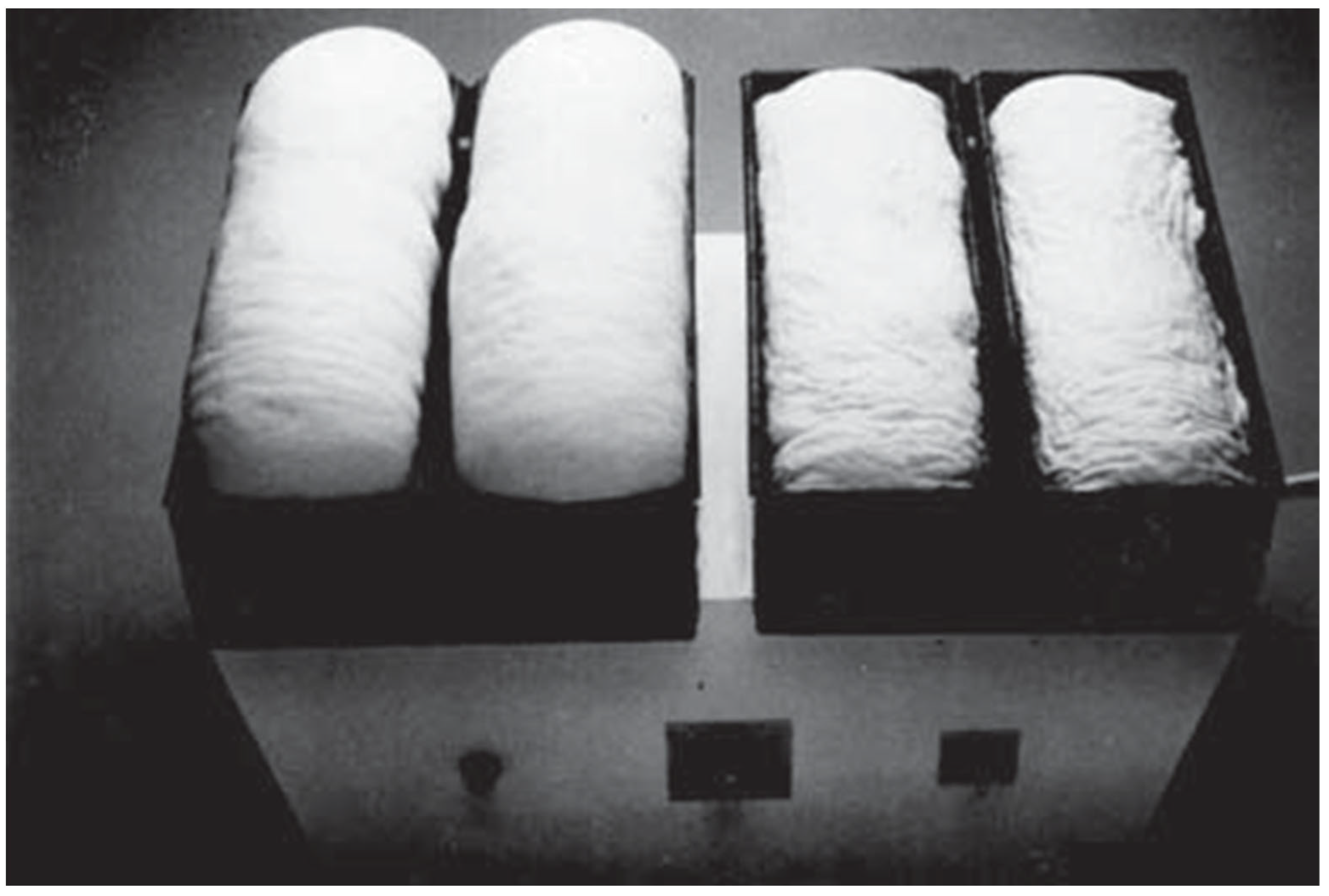
The presence of both the hydrophilic and hydrophobic groups in the PA makes them an ideal emulsifier in food applications. They exhibit good amphiphilic characteristics due to the presence of a hydrophilic hydroxyl group and a hydrophobic fatty acid, allowing the PA to function as an emulsifier and stabilize O/W and W/O emulsion food systems. Additionally, the presence of a hydroxyl group in the MAG and DAG structures enhances the water-holding capacity, which permits the easy incorporation of PA into the emulsion system [42]. However, these characteristics of the PA can be modified by changing the fatty acid composition of MAG and DAG. The presence of two different fatty acids with varying chain lengths in DAG exhibits better emulsifying characteristics compared to DAG containing fatty acids with the same chain length [42,44,45]. The mixture of MAG and DAG is the optimal combination, exhibiting good emulsifying characteristics in stabilizing the food system. MAG is explored as a suitable emulsifier in various products, including bread, cakes, milk products, and confectionery. MAG is also added to dough in bakery products, such as bread, as it is known to enhance the fermentation stability of the dough. As shown in Figure 6, the dough on the left-hand side contains 0.2% MAG, demonstrating excellent fermentation tolerance, whereas the dough on the right side, lacking MAG, exhibits poor stability during fermentation [42]. Emulsion foods, such as mayonnaise, contain a high concentration of oil and are considered high in calories. However, using PA in the formulation of mayonnaise can help reduce calories and make the mayonnaise more appealing to health-conscious consumers. Kawai [46] studied the formulation of mayonnaise using DAG and conventional oil. The authors reported that the mayonnaise formulated using DAG oil showed good sensorial characteristics as compared with the mayonnaise formulated using conventional oil. Some studies have also reported the use of MAG and DAG containing medium-chain fatty acids as the most promising emulsifier in the formulation of mayonnaise as a substitute for egg yolk. H. B. Jadhav, Gogate et al. [16] reported a combination of MAG and DAG in an 80:20 ratio as a suitable emulsifier for mayonnaise formulation. The MAG and DAG containing medium-chain fatty acids are more polar and exhibit higher solubility in the aqueous phase, which helps decrease the interfacial tension between the water and oil phases, thereby enhancing the stability of mayonnaise. Hence, the presence of different fatty acids on the glycerol skeleton of DAG and MAG influences their emulsifying characteristics, directly affecting the stability of the food emulsion system.

5. Technological Challenges and Probable Solutions for the Use of PA in Food Products

The molecular skeletons of MAG and DAG contain two and one fatty acid esterified to the glycerol skeleton, respectively. Research reported in the literature has shown the potential of PA to be less susceptible to oxidation compared to conventional oil. The free hydroxyl group present in PA acts as an antioxidant, thus preventing the process of oil oxidation and the development of rancidity [22,47]. However, some studies report that the oxidative stability of PA is lower compared to conventional oil. The PAs formulated using sunflower oil and parent sunflower oil were assessed for their oxidative stability for 20 weeks at 38 °C. The PA showed lower oxidative stability as compared with the parent sunflower oil; however, they had a similar sensory profile [48]. The possibility of a decrease in the oxidative stability of PA compared to conventional oil may be due to the methods used for the synthesis and purification of PA. In another study, the influence of MAG and DAG addition on the physicochemical characteristics of soybean oil was reported. The addition of MAG and DAG at 0–2.5 wt% has no effect on the oxidative stability of the soybean oil at 55 °C [49]. The possibility of reduced oxidative stability could be that the amount of MAG and DAG added to the soybean oil is insufficient to prevent oxidative deterioration. The major concern arises when PAs are used for frying and cooking food, due to the lower smoke point of both MAG and DAG compared to conventional oil containing triglycerides. Due to the lower smoke point, a higher quantity of smoke is emitted during frying at higher temperatures, which is more likely to alter the sensory profile of the fried product. Additionally, the PAs are more prone to hydrolytic deterioration during the process of frying because they attract more water molecules towards them due to the hydroxyl group in their skeleton [50]. Such limitations can be overcome by using a blend of oils for frying. The blending of PA oil with conventional oil in the proper ratio alters the smoke point and flash point of the resulting frying medium, which may prevent the thermal and hydrolytic deterioration of PA during the frying or cooking of food products. The blending could also reduce the risk of forming 3-mono- chloropropane-1,2-diol fatty acid esters and glycidyl fatty esters, usually formed when DAG is exposed to higher temperatures. The formation of 3-mono- chloropropane-1,2-diol fatty acid esters is reported to be higher in DAG in comparison with MAG [51]. Similarly, the DAG oil was reported to have a higher concentration of glycidyl fatty esters as compared with the triacylglycerol-containing oil. However, there are limited studies reported on the formation of these components in PA oil during the process of cooking, baking, etc. Future research should focus on estimating these components in PA oil exposed to various food processing operations at different temperatures. Additionally, the research should include clinical trials to assess the potential adverse effects of these components on human health. This will help commercialize the use of PA as a functional ingredient in the formulation of various food products, meeting the increasing demand from consumers.

6. Concluding Remark and Future Prospect

The use of MAG and DAG in food applications has increased owing to their physicochemical and functional characteristics. The PA is synthesized in industries through chemical and enzymatic routes, utilizing chemical catalysts and enzymes, respectively. However, a comparative assessment of both methods reveals that the enzymatic route for synthesizing PA is more advantageous in terms of producing high-purity products suitable for food and pharmaceutical applications. The role of PA in food products depends on the quantity in which it is added to the product. The PA can be used as a frying medium, cooking medium, bakery fat, margarine/shortening, dairy coating, and as a formulation for food emulsions, serving as a potential replacement for conventional fats. The incorporation of PA alters the crystal network, affecting the shape and size of the crystals formed, which in turn influences the solid fat content. This makes the PA suitable for formulating products with higher stability and superior quality. The presence of hydrophobic and hydrophilic groups in the PA makes it an excellent amphiphilic molecule that can be used in food emulsions as a good emulsifier in bakery and dairy applications. The addition of PA to bakery products also helps enhance the fermentation stability of baked products like bread, cakes, etc. However, in the last few years, there has been a gap in research focusing on the utilization of PA in food applications; the recent research report has only focused on the synthesis of PA by conventional methods. Future research should focus on utilizing PA as a functional ingredient in the formulation of various food products, including functional food, bakery, and dairy products. The PA containing different unsaturated fatty acids, most probably the essential fatty acids, can be designed and used in food applications. Medium-chain fatty acids are health-friendly and offer numerous health benefits. Thus, designing PA containing fatty acids like caprylic acid and capric acid would provide higher oxidative stability, and additionally, it will also have health-friendly characteristics. Future research should also focus on methodologies to reduce the content of 3-mono-chloropropane-1,2-diol fatty acid esters and glycidyl fatty esters formed when PA is exposed to higher temperatures. The clinical studies in this context to determine the ill effects of 3-mono-chloropropane-1,2-diol fatty acid esters and glycidyl fatty esters on human health will help in designing PA for frying/cooking applications. Future research will help in commercializing the use of PA as a functional ingredient in food and pharmaceutical applications.

Author Contributions

Conceptualization, methodology, formal analysis, investigation, writing—review and editing, writing—original draft preparation, supervision, H.B.J.; Conceptualization, methodology, formal analysis, investigation, writing—original draft preparation, D.K.; Conceptualization, methodology, formal analysis, investigation, writing—review and editing, F.C. All authors have read and agreed to the published version of the manuscript.

Funding

This research received no external funding.

Conflicts of Interest

The authors have no conflicts of interest with respect to the work described in this manuscript.

References

  1. Ghouila, Z.; Sehailia, M.; Chemat, S. Vegetable Oils and Fats: Extraction, Composition and Applications; Springer: Singapore, 2019; ISBN 9789811338106. [Google Scholar]
  2. Flickinger, B.D.; Matsuo, N. Nutritional characteristics of DAG oil. Lipids 2003, 38, 129–132. [Google Scholar] [CrossRef]
  3. Taguchi, H.; Watanabe, H.; Onizawa, K.; Nagao, T.; Gotoh, N.; Yasukawa, T.; Tsushima, R.; Shimasaki, H.; Itakura, H. Double-blind controlled study on the effects of dietary diacylglycerol on postprandial serum and chylomicron triacylglycerol responses in healthy humans. J. Am. Coll. Nutr. 2000, 19, 789–796. [Google Scholar] [CrossRef]
  4. Ng, S.P.; Khor, Y.P.; Lim, H.K.; Lai, O.M.; Wang, Y.; Wang, Y.; Cheong, L.Z.; Nehdi, I.A.; Mansour, L.; Tan, C.P. Fabrication of concentrated palm olein-based diacylglycerol oil-soybean oil blend oil-in-water emulsion: In-depth study of the rheological properties and storage stability. Foods 2020, 9, 877. [Google Scholar] [CrossRef]
  5. Ng, S.P.; Khor, Y.P.; Lim, H.K.; Lai, O.M.; Wang, Y.; Wang, Y.; Tan, C.P. Improved thermal properties and flow behavior of palm olein-based diacylglycerol: Impact of sucrose stearate incorporation. Processes 2021, 9, 604. [Google Scholar] [CrossRef]
  6. Palacios, D.; Busto, M.D.; Albillos, S.M.; Ortega, N. Synthesis and oxidative stability of monoacylglycerols containing polyunsaturated fatty acids by enzymatic glycerolysis in a solvent-free system. LWT 2022, 154, 112600. [Google Scholar] [CrossRef]
  7. Saberi, A.H.; Lai, O.M.; Miskandar, M.S. Melting and Solidification Properties of Palm-Based Diacylglycerol, Palm Kernel Olein, and Sunflower Oil in the Preparation of Palm-Based Diacylglycerol-Enriched Soft Tub Margarine. Food Bioprocess Technol. 2012, 5, 1674–1685. [Google Scholar] [CrossRef]
  8. Xu, Y.; Zhao, X.; Wang, Q.; Peng, Z.; Dong, C. Thermal profiles, crystallization behaviors and microstructure of diacylglycerol-enriched palm oil blends with diacylglycerol-enriched palm olein. Food Chem. 2016, 202, 364–372. [Google Scholar] [CrossRef]
  9. Jadhav, H.B.; Annapure, U. Designer lipids-synthesis and application—A review. Trends Food Sci. Technol. 2021, 116, 884–902. [Google Scholar] [CrossRef]
  10. Lee, Y.Y.; Tang, T.K.; Chan, E.S.; Phuah, E.T.; Lai, O.M.; Tan, C.P.; Wang, Y.; Ab Karim, N.A.; Mat Dian, N.H.; Tan, J.S. Medium chain triglyceride and medium-and long chain triglyceride: Metabolism, production, health impacts and its applications—A review. Crit. Rev. Food Sci. Nutr. 2021, 62, 4169–4185. [Google Scholar] [CrossRef]
  11. Latip, R.A.; Lee, Y.Y.; Tang, T.K.; Phuah, E.T.; Tan, C.P.; Lai, O.M. Physicochemical properties and crystallisation behaviour of bakery shortening produced from stearin fraction of palm-based diacyglycerol blended with various vegetable oils. Food Chem. 2013, 141, 3938–3946. [Google Scholar] [CrossRef]
  12. Lopez-Martínez, A.; Charó-Alonso, M.A.; Marangoni, A.G.; Toro-Vazquez, J.F. Monoglyceride organogels developed in vegetable oil with and without ethylcellulose. Food Res. Int. 2015, 72, 37–46. [Google Scholar] [CrossRef]
  13. Miao, S.; Lin, D. Monoglycerides: Categories, Structures, Properties, Preparations, and Applications in the Food industry; Elsevier: Amsterdam, The Netherlands, 2018; ISBN 9780128140451. [Google Scholar]
  14. Nicholson, R.A.; Marangoni, A.G. Diglycerides. Encycl. Food Chem. 2018, 1, 70–73. [Google Scholar] [CrossRef]
  15. Jadhav, H.; Waghmare, J.; Annapure, U. Effect of mono and diglyceride of medium chain fatty acid on the stability of flavour emulsion. Food Res. 2021, 5, 214–220. [Google Scholar] [CrossRef]
  16. Jadhav, H.B.; Gogate, P.; Annapure, U. Studies on Chemical and Physical Stability of Mayonnaise Prepared from Enzymatically Interesterified Corn Oil-Based Designer Lipids. ACS Food Sci. Technol. 2022, 2, 359–367. [Google Scholar] [CrossRef]
  17. Swanson, D.; Block, R.; Mousa, S.A. Omega-3 fatty acids EPA and DHA: Health benefits throughout life. Adv. Nutr. 2012, 3, 1–7. [Google Scholar] [CrossRef]
  18. Jadhav, H.B.; Annapure, U.S. Triglycerides of medium-chain fatty acids: A concise review. J. Food Sci. Technol. 2022, 60, 2143–2152. [Google Scholar] [CrossRef]
  19. Eichmann, T.O.; Lass, A. DAG tales: The multiple faces of diacylglycerol—Stereochemistry, metabolism, and signaling. Cell. Mol. Life Sci. 2015, 72, 3931–3952. [Google Scholar] [CrossRef]
  20. Satriana; Arpi, N.; Lubis, Y.M.; Adisalamun; Supardan, M.D.; Mustapha, W.A.W. Diacylglycerol-enriched oil production using chemical glycerolysis. Eur. J. Lipid Sci. Technol. 2016, 118, 1880–1890. [Google Scholar] [CrossRef]
  21. Feltes, M.M.C.; de Oliveira, D.; Block, J.M.; Ninow, J.L. The Production, Benefits, and Applications of Monoacylglycerols and Diacylglycerols of Nutritional Interest. Food Bioprocess Technol. 2013, 6, 17–35. [Google Scholar] [CrossRef]
  22. Lee, W.J.; Zhang, Z.; Lai, O.M.; Tan, C.P.; Wang, Y. Diacylglycerol in food industry: Synthesis methods, functionalities, health benefits, potential risks and drawbacks. Trends Food Sci. Technol. 2020, 97, 114–125. [Google Scholar] [CrossRef]
  23. Rarokar, N.R.; Menghani, S.; Kerzare, D.; Khedekar, P.B. Progress in Synthesis of Monoglycerides for Use in Food and Pharmaceuticals. J. Exp. Food Chem. 2017, 3, 1000128. [Google Scholar] [CrossRef]
  24. Saberi, A.H.; Tan, C.P.; Lai, O.M. Phase behavior of palm oil in blends with palm-based diacylglycerol. JAOCS J. Am. Oil Chem. Soc. 2011, 88, 1857–1865. [Google Scholar] [CrossRef]
  25. Naderi, M.; Farmani, J.; Rashidi, L. Physicochemical and Rheological Properties and Microstructure of Canola oil as Affected by Monoacylglycerols. Nutr. Food Sci. Res. 2018, 5, 31–40. [Google Scholar] [CrossRef]
  26. Basso, R.C.; Ribeiro, A.P.B.; Masuchi, M.H.; Gioielli, L.A.; Gonçalves, L.A.G.; dos Santos, A.O.; Cardoso, L.P.; Grimaldi, R. Tripalmitin and monoacylglycerols as modifiers in the crystallisation of palm oil. Food Chem. 2010, 122, 1185–1192. [Google Scholar] [CrossRef]
  27. Alfutimie, A.; Al-Janabi, N.; Curtis, R.; Tiddy, G.J.T. The Effect of monoglycerides on the crystallisation of triglyceride. Colloids Surf. A Physicochem. Eng. Asp. 2016, 494, 170–179. [Google Scholar] [CrossRef]
  28. Shakerardekani, A.; Karim, R.; Ghazali, H.M.; Chin, N.L. The effect of monoglyceride addition on the rheological properties of pistachio spread. JAOCS J. Am. Oil Chem. Soc. 2013, 90, 1517–1521. [Google Scholar] [CrossRef]
  29. Rocha-Amador, O.G.; Gallegos-Infante, J.A.; Huang, Q.; Rocha-Guzman, N.E.; Rociomoreno-Jimenez, M.; Gonzalez-Laredo, R.F. Influence of commercial saturated monoglyceride, mono-/diglycerides mixtures, vegetable oil, stirring speed, and temperature on the physical properties of organogels. Int. J. Food Sci. 2014, 2014, 513641. [Google Scholar] [CrossRef]
  30. Maruyama, J.M.; Soares, F.A.S.D.M.; D’Agostinho, N.R.; Gonçalves, M.I.A.; Gioielli, L.A.; Da Silva, R.C. Effects of emulsifier addition on the crystallization and melting behavior of palm olein and coconut oil. J. Agric. Food Chem. 2014, 62, 2253–2263. [Google Scholar] [CrossRef]
  31. Morita, O.; Soni, M.G. Safety assessment of diacylglycerol oil as an edible oil: A review of the published literature. Food Chem. Toxicol. 2009, 47, 9–21. [Google Scholar] [CrossRef]
  32. Shaheen, S.; Kamal, M.; Zhao, C.; Farag, M.A. Fat substitutes and low-calorie fats: A compile of their chemical, nutritional, metabolic and functional properties. Food Rev. Int. 2022, 39, 5501–5527. [Google Scholar] [CrossRef]
  33. Chen, C.-H.; Terentjev, E.M. Monoglycerides in Oils. In Edible Oleogels; AOCS Press: Champaign, IL, USA, 2018; pp. 103–131. [Google Scholar] [CrossRef]
  34. Ohno, Y. Deep frying oil properties of diacylglycerol rich cooking oil. J. Oleo Sci. 2002, 51, 275–279. [Google Scholar] [CrossRef]
  35. Shimizu, M.; Moriwaki, J.; Nishide, T.; Nakajima, Y. Thermal deterioration of diacylglycerol and triacylglycerol oils during deep-frying. JAOCS J. Am. Oil Chem. Soc. 2004, 81, 571–576. [Google Scholar] [CrossRef]
  36. Katsuta, I.; Shimizu, M.; Yamaguchi, T.; Nakajima, Y. Emission of volatile aldehydes from DAG-rich and TAG-rich oils with different degrees of unsaturation during deep-frying. JAOCS J. Am. Oil Chem. Soc. 2008, 85, 513–519. [Google Scholar] [CrossRef]
  37. Lee, Y.J.; Khor, Y.P.; Kadir, N.S.A.; Lan, D.; Wang, Y.; Tan, C.P. Deep-fat Frying Using Soybean Oil-based Diacylglycerol-Palm Olein Oil Blends: Thermo-oxidative Stability, 3-MCPDE and Glycidyl Ester Formation. J. Oleo Sci. 2023, 72, 533–541. [Google Scholar] [CrossRef] [PubMed]
  38. Jadhav, H.B.; Pratap, A.P.; Gogate, P.R.; Annapure, U.S. Ultrasound-assisted synthesis of highly stable MCT based oleogel and evaluation of its baking performance. Appl. Food Res. 2022, 2, 100156. [Google Scholar] [CrossRef]
  39. Cheong, L.Z.; Tan, C.P.; Long, K.; Idris, N.A.; Yusoff, M.S.A.; Lai, O.M. Baking performance of palm diacylglycerol bakery fats and sensory evaluation of baked products. Eur. J. Lipid Sci. Technol. 2011, 113, 253–261. [Google Scholar] [CrossRef]
  40. Cheong, L.Z.; Tan, C.P.; Long, K.; Suria Affandi Yusoff, M.; Lai, O.M. Physicochemical, textural and viscoelastic properties of palm diacylglycerol bakery margarine during storage. JAOCS J. Am. Oil Chem. Soc. 2009, 86, 723–731. [Google Scholar] [CrossRef]
  41. Granger, C.; Barey, P.; Combe, N.; Veschambre, P.; Cansell, M. Influence of the fat characteristics on the physicochemical behavior of oil-in-water emulsions based on milk proteins-glycerol esters mixtures. Colloids Surf. B Biointerfaces 2003, 32, 353–363. [Google Scholar] [CrossRef]
  42. Moonen, H.; Bas, H. Mono and Diglycerides. In Emulsifiers in Food Technology, 2nd ed.; Wiley: Hoboken, NJ, USA, 2015; Volume 1, pp. 73–91. ISBN 9781118921265. [Google Scholar]
  43. Cropper, S.L.; Kocaoglu-Vurma, N.A.; Tharp, B.W.; Harper, W.J. Effects of locust bean gum and mono- and diglyceride concentrations on particle size and melting rates of ice cream. J. Food Sci. 2013, 78, 811–816. [Google Scholar] [CrossRef]
  44. Loi, C.C.; Eyres, G.T.; Birch, E.J. Effect of mono- and diglycerides on physical properties and stability of a protein-stabilised oil-in-water emulsion. J. Food Eng. 2019, 240, 56–64. [Google Scholar] [CrossRef]
  45. Nakajima, Y. Water-retaining ability of diacylglycerol. JAOCS J. Am. Oil Chem. Soc. 2004, 81, 907–912. [Google Scholar] [CrossRef]
  46. Kawai, S. Characterization of diacylglycerol oil mayonnaise emulsified using phospholipase A2-treated egg yolk. JAOCS J. Am. Oil Chem. Soc. 2004, 81, 993–998. [Google Scholar] [CrossRef]
  47. Lo, S.K.; Tan, C.P.; Long, K.; Yusoff, M.S.A.; Lai, O.M. Diacylglycerol oil-properties, processes and products: A review. Food Bioprocess Technol. 2008, 1, 223–233. [Google Scholar] [CrossRef]
  48. Kristensen, J.B.; Nielsen, N.S.; Jacobsen, C.; Mu, H. Oxidative stability of diacylglycerol oil and butter blends containing diacylglycerols. Eur. J. Lipid Sci. Technol. 2006, 108, 336–350. [Google Scholar] [CrossRef]
  49. Chen, B.; Mcclements, D.J.; Decker, E.A. Impact of diacylglycerol and monoacylglycerol on the physical and chemical properties of stripped soybean oil. Food Chem. 2014, 142, 365–372. [Google Scholar] [CrossRef] [PubMed]
  50. Li, C.M.; Kimura, F.; Endo, Y.; Maruyama, C.; Fujimoto, K. Deterioration of diacylglycerol- and triacylglycerol-rich oils during frying of potatoes. Eur. J. Lipid Sci. Technol. 2005, 107, 173–179. [Google Scholar] [CrossRef]
  51. Šmidrkal, J.; Tesařová, M.; Hrádková, I.; Berčíková, M.; Adamčíková, A.; Filip, V. Mechanism of formation of 3-chloropropan-1,2-diol (3-MCPD) esters under conditions of the vegetable oil refining. Food Chem. 2016, 211, 124–129. [Google Scholar] [CrossRef]
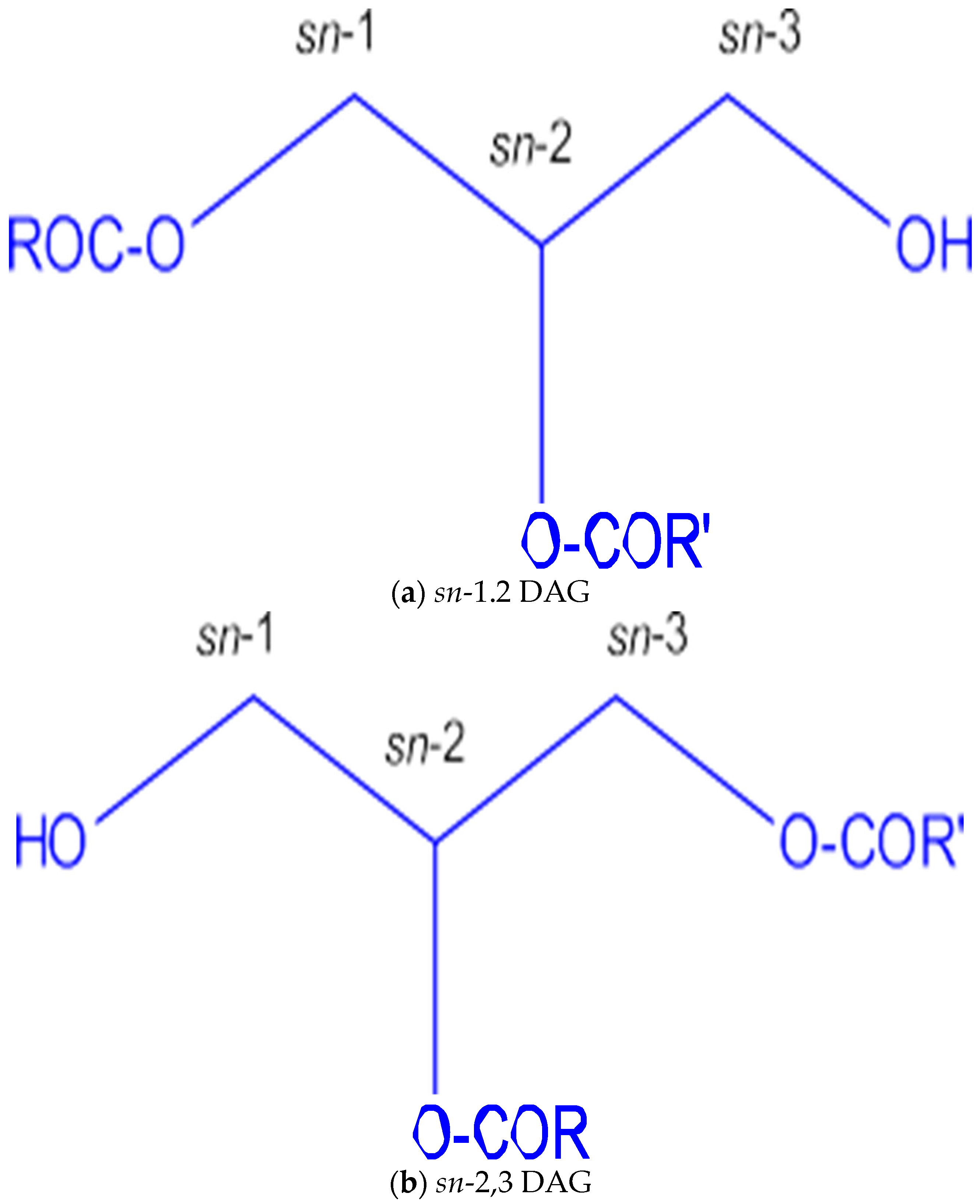
Figure 1. Structure of diglyceride containing fatty acid esterified at different positions on the glycerol backbone (Adapted with permission from [22]).
Colloids 09 00080 g001
Figure 2. Reaction between glycerol and fatty acid for synthesis of partial acylglycerols (a) monoacylglycerol, (b) diacylglycerols [23].
Colloids 09 00080 g002aColloids 09 00080 g002b
Figure 3. The Chemical route for the synthesis of partial acylglycerol at an industrial scale (Reproduced with permission from [20]).
Colloids 09 00080 g003
Figure 4. The iso-solid diagram of palm oil-based PA (Adapted from [24]).
Colloids 09 00080 g004
Figure 5. The (A) Crystallization and (B) melting profile of the blend of palm oil with DAG (Adapted from [24]).
Colloids 09 00080 g005
Figure 6. Bread dough with PA as emulsifier showing good fermentation stability (left-hand side) and bread dough with no PA showing poor fermentation stability (right-hand side) (Adapted from [42]).
Colloids 09 00080 g006
Disclaimer/Publisher’s Note: The statements, opinions and data contained in all publications are solely those of the individual author(s) and contributor(s) and not of MDPI and/or the editor(s). MDPI and/or the editor(s) disclaim responsibility for any injury to people or property resulting from any ideas, methods, instructions or products referred to in the content.