
Chitosan–Hydroxyapatite Composite Chemical/Physical Crosslinking Scaffolds for Cell Cultivation


Abstract
1. Introduction
2. Materials and Methods
2.1. Materials
2.2. Mesenchymal Stem Cells
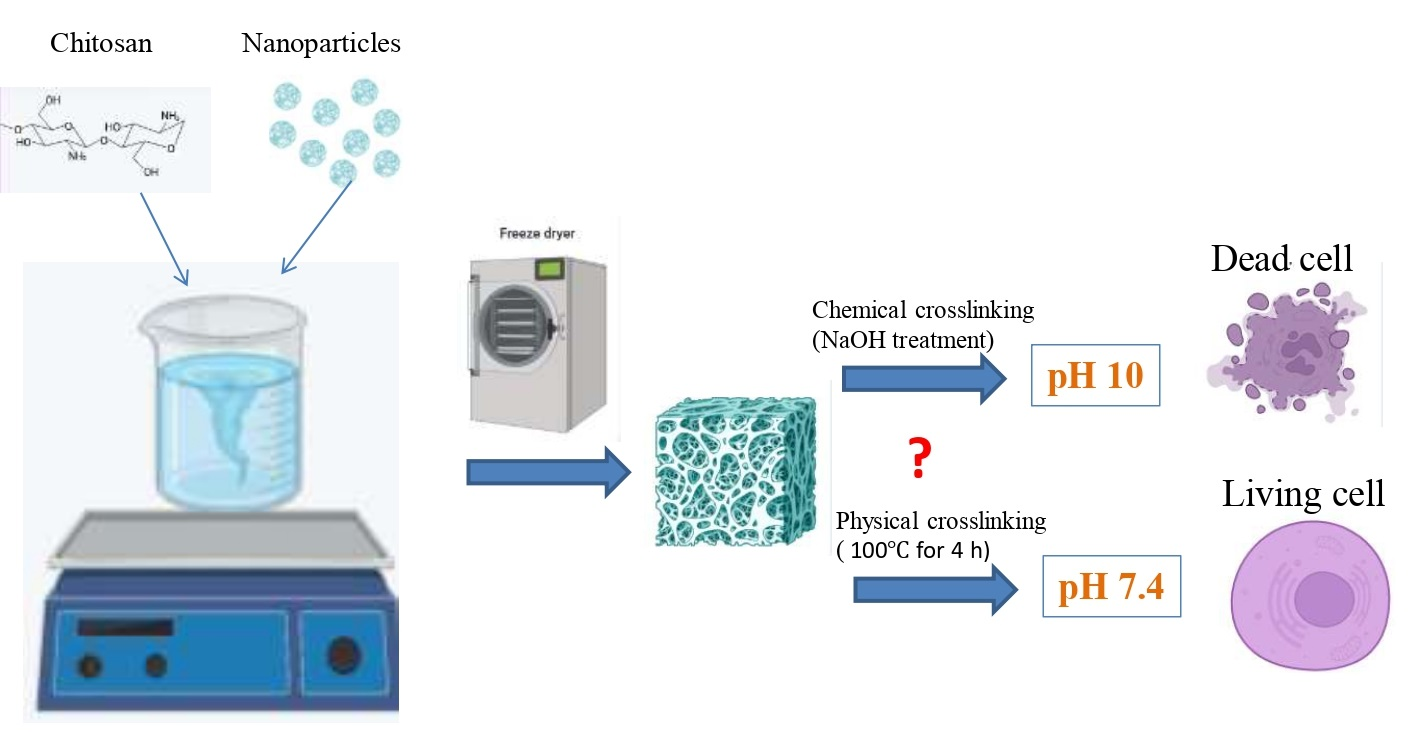
2.3. Scaffold Preparation
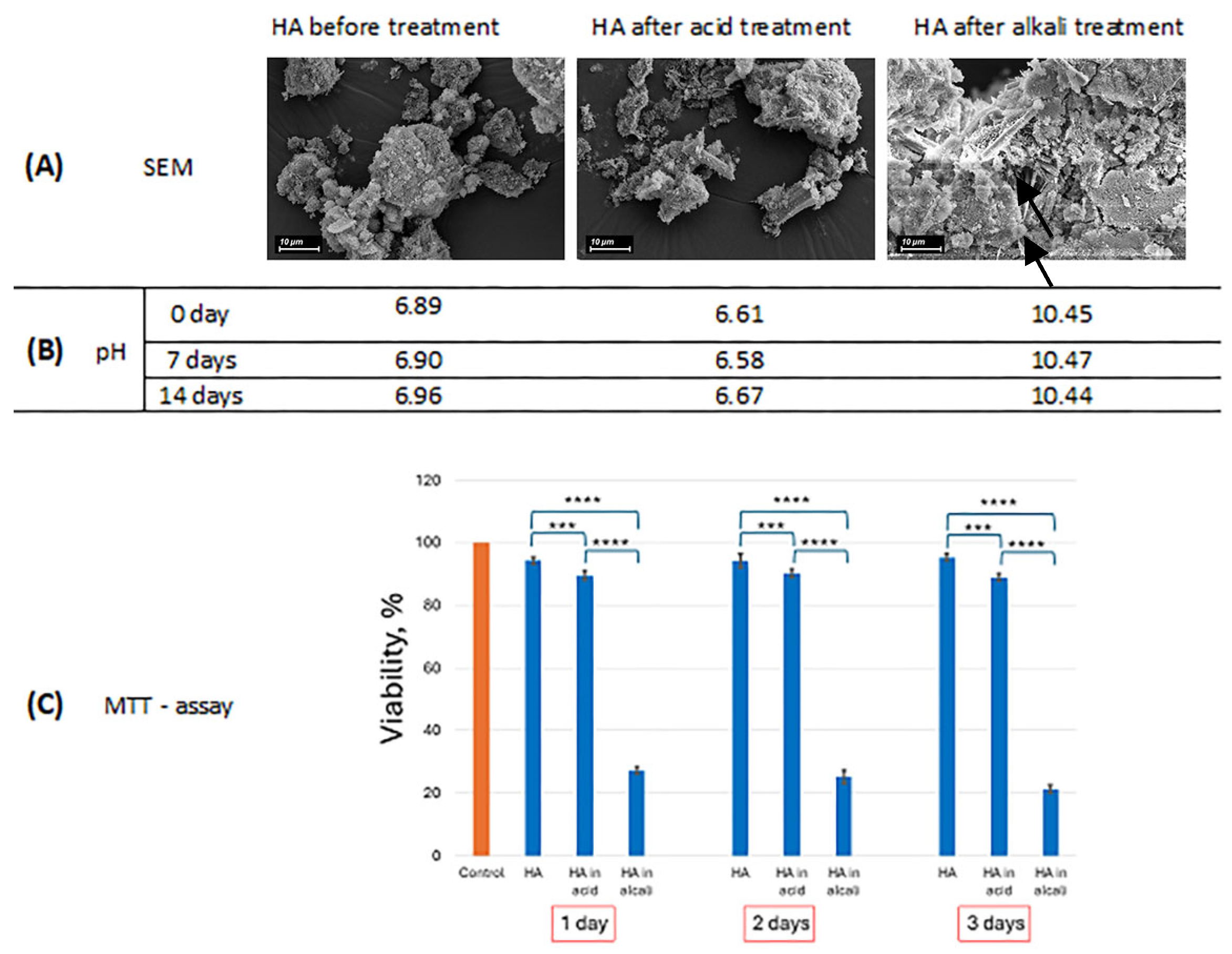
2.4. pH Metric
2.5. Scanning Electron Microscopy
2.6. FTIR Spectroscopy
2.7. Mechanical Characteristics
2.8. In Vitro Studies
2.9. Statistical Processing of Results
3. Results and Discussion
3.1. Analysis of HA Particles After Treatment with Acetic Acid and Alkali Solutions
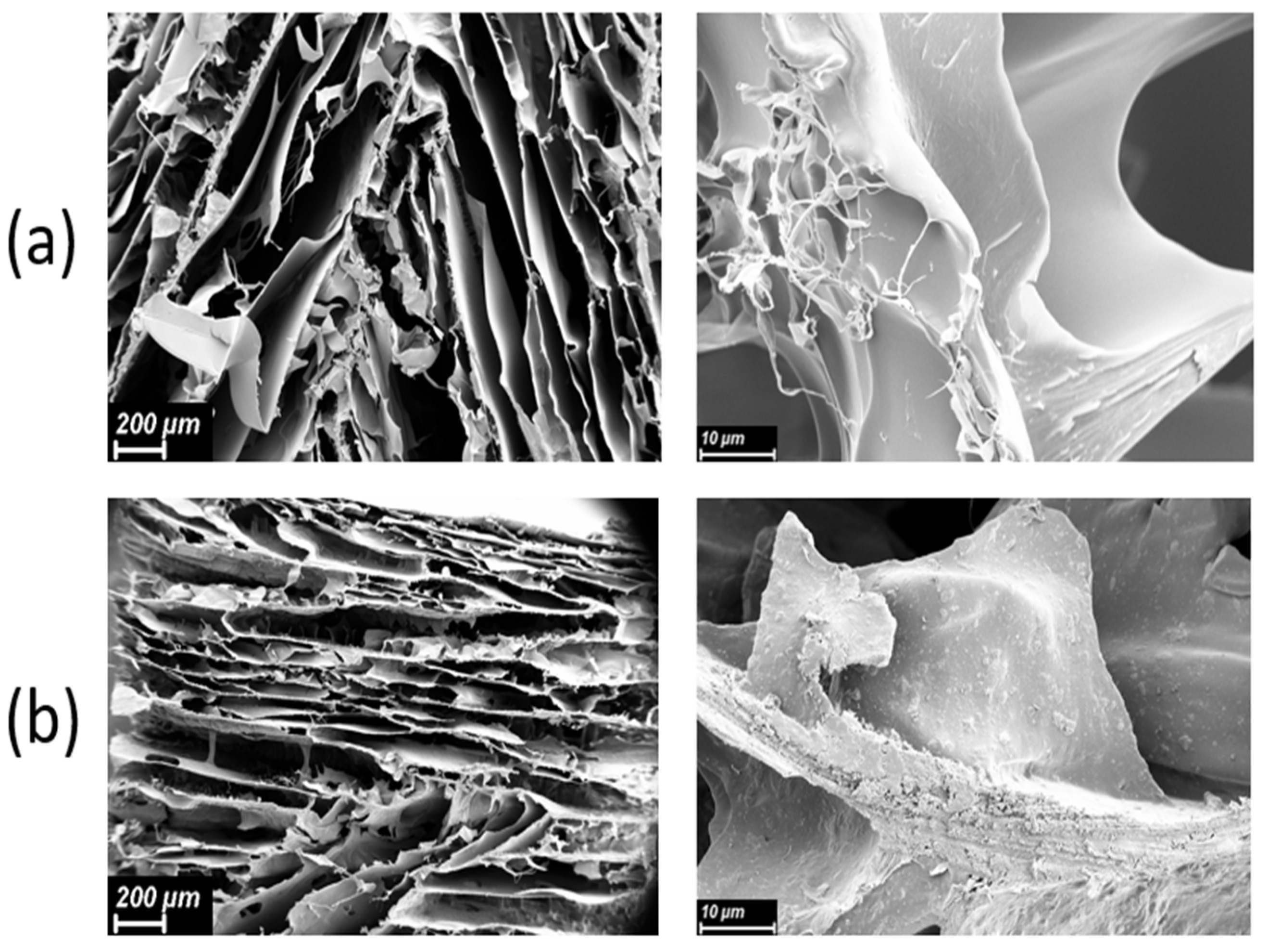
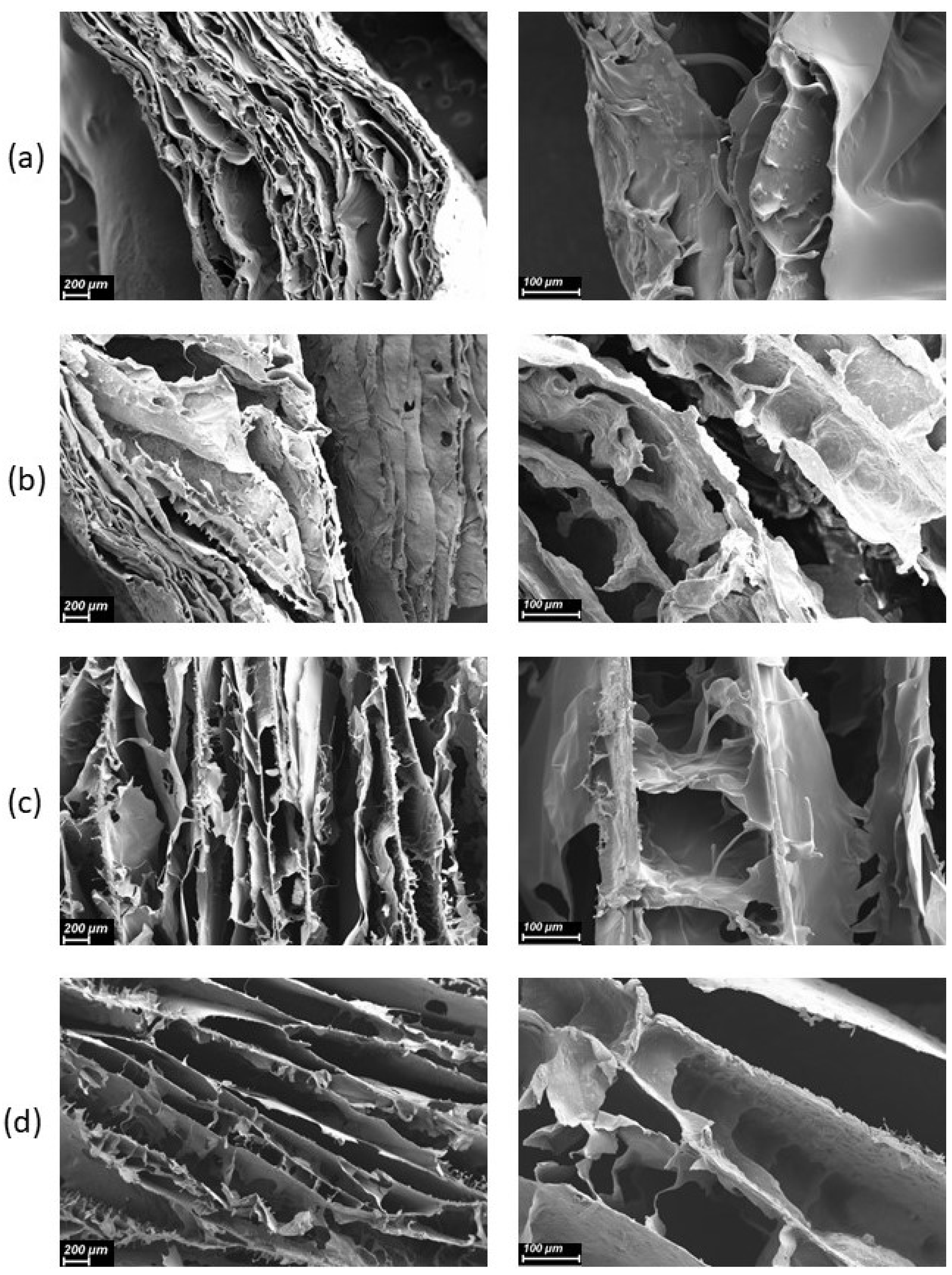
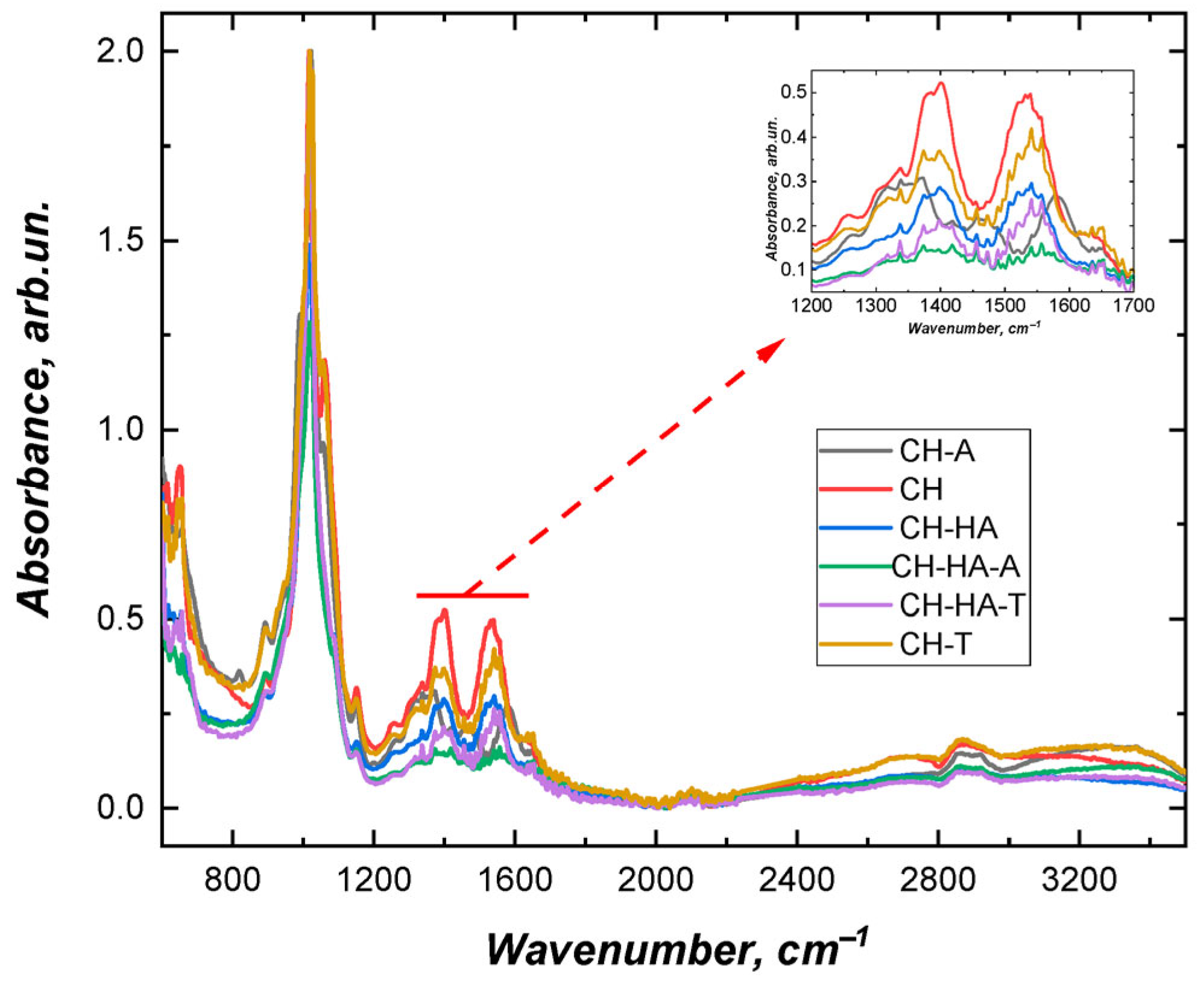
3.2. Structure of Composite Scaffolds
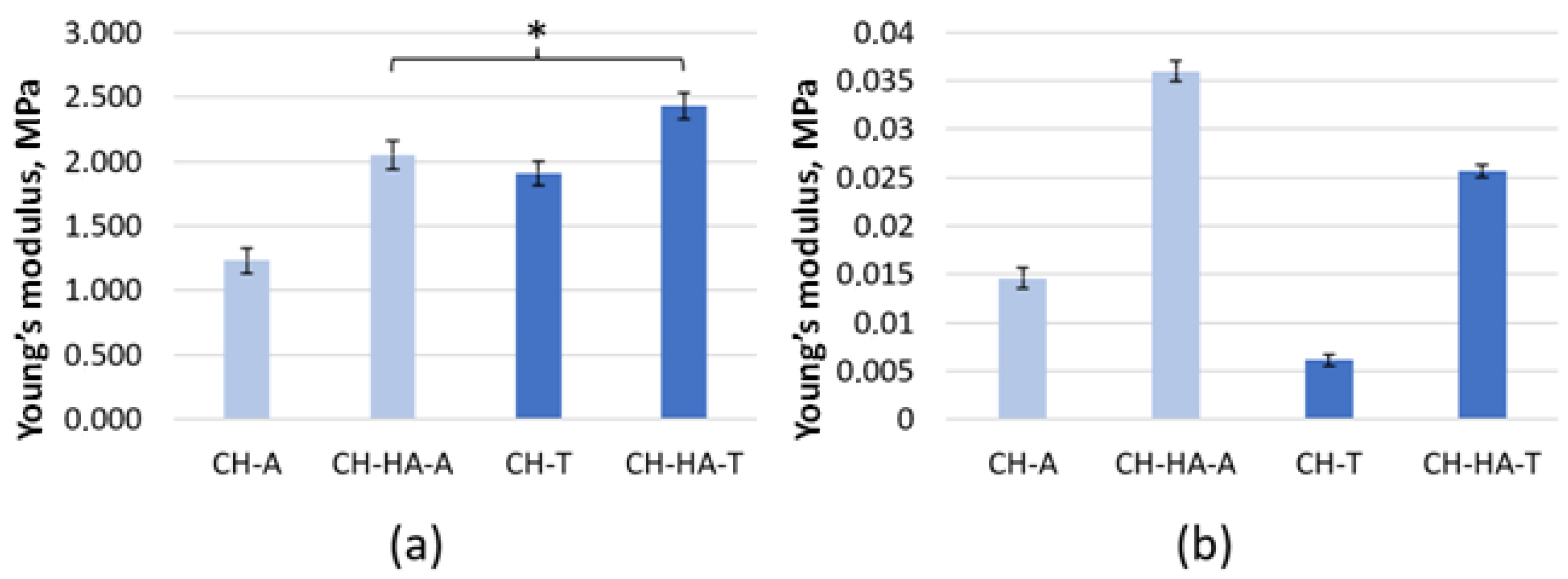
3.3. Mechanical Properties
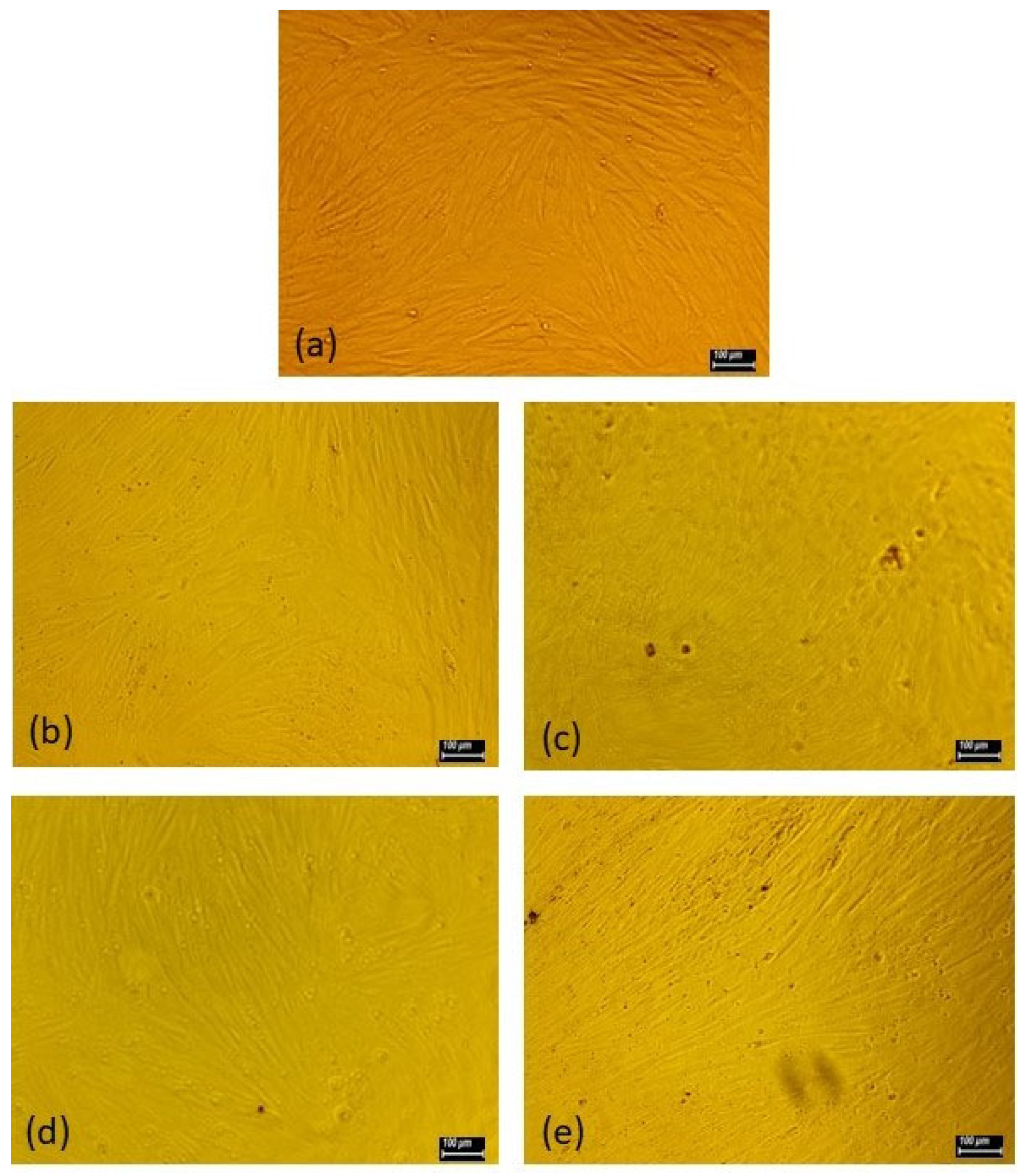
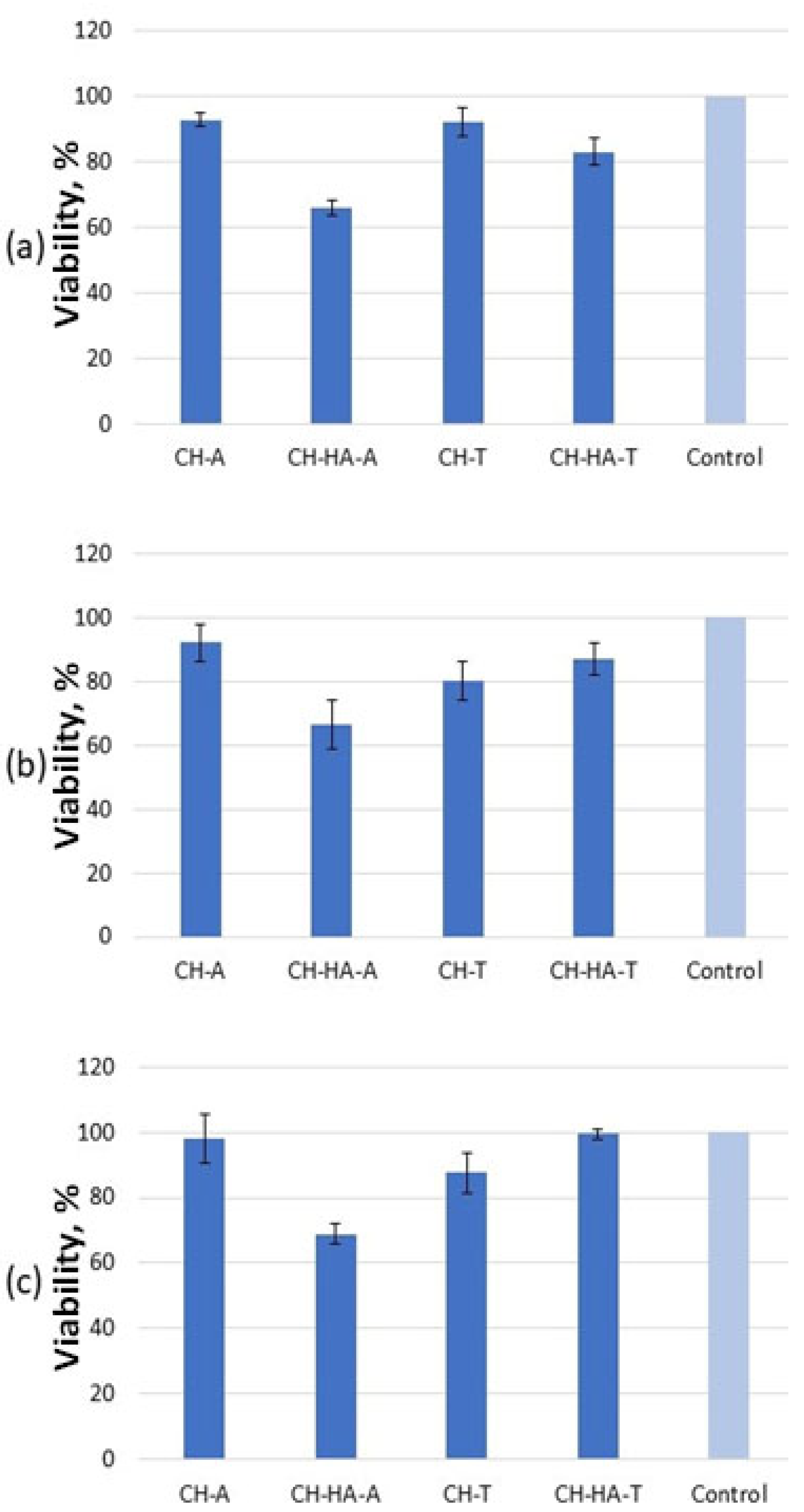
3.4. MTT-Test
4. Conclusions
Author Contributions
Funding
Institutional Review Board Statement
Informed Consent Statement
Data Availability Statement
Acknowledgments
Conflicts of Interest
References
- Ghiasi, M.S.; Chen, J.; Vaziri, A.; Rodriguez, E.K.; Nazarian, A. Bone fracture healing in mechanobiological modeling: A review of principles and methods. Bone Rep. 2017, 6, 87–100. [Google Scholar] [CrossRef]
- Sadat, M.; Sara, A.; Hadis, M. Applications of poly(lactic acid) in bone tissue engineering: A review article. Artif. Organs 2023, 47, 1423–1430. [Google Scholar] [CrossRef] [PubMed]
- Zarei, M.; Dargah, M.S.; Azar, M.H.; Alizadeh, R.; Mahdavi, F.S.; Sayedain, S.S.; Kaviani, A.; Asadollahi, M.; Azami, M.; Beheshtizadeh, N. Enhanced bone tissue regeneration using a 3D-printed poly(lactic acid)/Ti6Al4V composite scaffold with plasma treatment modification. Sci. Rep. 2023, 13, 3139. [Google Scholar] [CrossRef]
- Marszalik, K.; Polak, M.; Berniak, K.; Knapczyk-korczak, J.; Szewczyk, P.K.; Marzec, M.M.; Stachewicz, U. Modulating Surface Properties and Osteoblast Responses in Bone Regeneration via Positive and Negative Charges during Electrospinning of Poly (L-lactide-co-ε-caprolactone) (PLCL) Scaffolds. ACS Biomater. Sci. Eng. 2025, 12, 543–558. [Google Scholar] [CrossRef]
- Takabayashi, M.; Yahata, Y.; Handa, K.; Sandar, M.; Venkataih, V.; Saito, M. The effect of L-lactide-ε-caprolactone copolymer membrane on alveolar bone preservation: A comparative study using the open healing approach. Regen. Ther. 2025, 30, 20–30. [Google Scholar] [CrossRef] [PubMed]
- Wu, B.; Li, X.; Wang, R.; Liu, L.; Huang, D.; Ye, L.; Wang, Z. Biomimetic Mineralized Collagen Scaffolds for Bone Tissue Engineering: Strategies on Elaborate Fabrication for Bioactivity Improvement. Small 2025, 21, e2406441. [Google Scholar] [CrossRef]
- Vijayalekha, A.; Anandasadagopan, S.K.; Pandurangan, A.K. An Overview of Collagen-Based Composite Scaffold for Bone. Appl. Biochem. Biotechnol. 2023, 195, 4617–4636. [Google Scholar] [CrossRef]
- Mao, Z.; Bi, X.; Yu, C.; Chen, L.; Shen, J.; Huang, Y.; Wu, Z.; Qi, H.; Guan, J.; Shu, X.; et al. Mechanically robust and personalized silk fi broin-magnesium composite scaffolds with water-responsive shape-memory for irregular bone regeneration. Nat. Commun. 2024, 15, 4160. [Google Scholar] [CrossRef]
- Ginebra, M.P.; Montufar, E.B. Cements as Bone Repair Materials; Woodhead Publishing Limited: Cambridge, UK, 2018; ISBN 9780081024515. [Google Scholar]
- Khor, E.; Lim, L.Y. Implantable applications of chitin and chitosan. Biomaterials 2003, 24, 2339–2349. [Google Scholar] [CrossRef] [PubMed]
- Goller, S.; Turner, N.J. The Antimicrobial E ff ectiveness and Cytotoxicity of the Antibiotic-Loaded Chitosan: ECM Sca ff olds. Appl. Sci. 2020, 10, 3446. [Google Scholar] [CrossRef]
- VandeVord, P.J.; Matthew, H.W.T.; DeSilva, S.P.; Mayton, L.; Wu, B.; Wooley, P.H. Evaluation of the biocompatibility of a chitosan scaffold in mice. J. Biomed. Mater. Res. 2002, 59, 585–590. [Google Scholar] [CrossRef] [PubMed]
- Pang, Y.; Qin, A.; Lin, X.; Yang, L.; Wang, Q.; Wang, Z.; Shan, Z.; Li, S.; Wang, J.; Fan, S.; et al. Biodegradable and biocompatible high elastic chitosan scaffold is cell-friendly both in vitro and in vivo. Oncotarget 2017, 8, 35583–35591. [Google Scholar] [CrossRef]
- Robertson, J. 11119. Am. Math. Mon. 2004, 111, 915. [Google Scholar] [CrossRef]
- Praglowska, J.; Piątkowski, M.; Janus, Ł.; Korniienko, V.; Husak, E.; Holubnycha, V.; Liubchak, I.; Zhurba, V.; Sierakowska, A.; Pogorielov, M.; et al. Chitosan-Based Bioactive Hemostatic Agents with Antibacterial Properties—Synthesis and Characterization. Molecules 2019, 24, 17. [Google Scholar]
- Okamoto, Y.; Yano, R.; Miyatake, K.; Tomohiro, I.; Shigemasa, Y.; Minami, S. Effects of chitin and chitosan on blood coagulation. Carbohydr. Polym. 2003, 53, 337–342. [Google Scholar] [CrossRef]
- Agnes, C.J.; Karoichan, A.; Tabrizian, M. The Diamond Concept Enigma: Recent Trends of Its Implementation in Cross-linked Chitosan-Based Scaffolds for Bone Tissue Engineering. ACS Appl. Bio Mater. 2023, 6, 2515–2545. [Google Scholar] [CrossRef] [PubMed]
- Li, Y.; Li, X.; Zhu, L.; Liu, T.; Huang, L. Chitosan-based biomaterials for bone tissue engineering. Int. J. Biol. Macromol. 2025, 304, 140923. [Google Scholar] [CrossRef]
- Ielo, I.; Calabrese, G.; Luca, G.D.; Conoci, S. Recent Advances in Hydroxyapatite-Based Biocomposites for Bone Tissue Regeneration in Orthopedics. Int. J. Mol. Sci. 2022, 23, 9721. [Google Scholar] [CrossRef]
- Fendi, F.; Abdullah, B.; Suryani, S.; Nilawati, A.; Tahir, D. Development and application of hydroxyapatite-based scaffolds for bone tissue regeneration: A systematic literature review. Bone 2024, 183, 117075. [Google Scholar] [CrossRef]
- Baino, F.; Novajra, G.; Vitale-Brovarone, C. Bioceramics and scaffolds: A winning combination for tissue engineering. Front. Bioeng. Biotechnol. 2015, 3, 202. [Google Scholar] [CrossRef]
- Pighinelli, L.; Kucharska, M. Chitosan-hydroxyapatite composites. Carbohydr. Polym. 2013, 93, 256–262. [Google Scholar] [CrossRef] [PubMed]
- Shakir, M.; Jolly, R.; Khan, M.S.; Iram, N.e.; Khan, H.M. Nano-hydroxyapatite/chitosan-starch nanocomposite as a novel bone construct: Synthesis and in vitro studies. Int. J. Biol. Macromol. 2015, 80, 282–292. [Google Scholar] [CrossRef]
- Sultankulov, B.; Berillo, D.; Sultankulova, K.; Tokay, T.; Saparov, A. Progress in the development of chitosan-based biomaterials for tissue engineering and regenerative medicine. Biomolecules 2019, 9, 470. [Google Scholar] [CrossRef]
- Yudin, V.E.; Dobrovolskaya, I.P.; Neelov, I.M.; Dresvyanina, E.N.; Popryadukhin, P.V.; Ivan’Kova, E.M.; Elokhovskii, V.Y.; Kasatkin, I.A.; Okrugin, B.M.; Morganti, P. Wet spinning of fibers made of chitosan and chitin nanofibrils. Carbohydr. Polym. 2014, 108, 176–182. [Google Scholar] [CrossRef]
- Mathaba, M.; Daramola, M.O. Effect of chitosan’s degree of deacetylation on the performance of pes membrane infused with chitosan during amd treatment. Membranes 2020, 10, 52. [Google Scholar] [CrossRef]
- Brasselet, C.; Pierre, G.; Dubessay, P.; Dols-Lafargue, M.; Coulon, J.; Maupeu, J.; Vallet-Courbin, A.; de Baynast, H.; Doco, T.; Michaud, P.; et al. Modification of chitosan for the generation of functional derivatives. Appl. Sci. 2019, 9, 1321. [Google Scholar] [CrossRef]
- Lim, L.Y.; Wan, L.S.C. Heat treatment of chitosan films. Drug Dev. Ind. Pharm. 1995, 21, 839–846. [Google Scholar] [CrossRef]
- Lim, L.Y.; Khor, E.; Ling, C.E. Effects of dry heat and saturated steam on the physical properties of chitosan. J. Biomed. Mater. Res. 1999, 48, 111–116. [Google Scholar] [CrossRef]
- Maslennikova, T.P.; Dobrovol’skaya, I.P.; Gatina, E.N.; Kirilenko, D.A.; Ugolkov, V.L.; Yudin, V.E. Formation of Anisotropic Hydroxyapatite Particles under Hydrothermal Conditions. Russ. J. Appl. Chem. 2020, 93, 633–638. [Google Scholar] [CrossRef]
- Takara, E.A.; Marchese, J.; Ochoa, N.A. NaOH treatment of chitosan films: Impact on macromolecular structure and film properties. Carbohydr. Polym. 2015, 132, 25–30. [Google Scholar] [CrossRef]
- Xu, Y.; Xia, D.; Han, J.; Yuan, S.; Lin, H.; Zhao, C. Design and fabrication of porous chitosan scaffolds with tunable structures and mechanical properties. Carbohydr. Polym. 2017, 177, 210–216. [Google Scholar] [CrossRef] [PubMed]
- Azueta-Aguayo, P.H.; Chuc-Gamboa, M.G.; Aguilar-Pérez, F.J.; Aguilar-Ayala, F.J.; Rodas-Junco, B.A.; Vargas-Coronado, R.F.; Cauich-Rodríguez, J.V. Effects of Neutralization on the Physicochemical, Mechanical, and Biological Properties of Ammonium-Hydroxide-Crosslinked Chitosan Scaffolds. Int. J. Mol. Sci. 2022, 23, 14822. [Google Scholar] [CrossRef]
- Chen, P.; Liu, L.; Pan, J.; Mei, J.; Li, C.; Zheng, Y. Biomimetic composite scaffold of hydroxyapatite/gelatin-chitosan core-shell nanofibers for bone tissue engineering. Mater. Sci. Eng. C 2019, 97, 325–335. [Google Scholar] [CrossRef]
- Zheng, Y.; Zhang, J. Experimental study on the adsorption of dissolved heavy metals by nano-hydroxyapatite. Water Sci. Technol. 2020, 82, 1825–1832. [Google Scholar] [CrossRef]
- Wang, Z.; Sun, K.; He, Y.; Song, P.; Zhang, D.; Wang, R. Preparation of hydroxyapatite-based porous materials for absorption of lead ions. Water Sci. Technol. 2019, 80, 1266–1275. [Google Scholar] [CrossRef] [PubMed]
- Michl, J.; Park, K.C.; Swietach, P. Evidence-based guidelines for controlling pH in mammalian live-cell culture systems. Commun. Biol. 2019, 2, 144. [Google Scholar] [CrossRef] [PubMed]
- Kruse, C.R.; Singh, M.; Targosinski, S.; Sinha, I.; Sørensen, J.A.; Eriksson, E.; Nuutila, K. The effect of pH on cell viability, cell migration, cell proliferation, wound closure, and wound reepithelialization: In vitro and in vivo study. Wound Repair Regen. 2017, 25, 260–269. [Google Scholar] [CrossRef] [PubMed]
- Zawadzki, J.; Kaczmarek, H. Thermal treatment of chitosan in various conditions. Carbohydr. Polym. 2010, 80, 394–400. [Google Scholar] [CrossRef]
- Rivero, S.; García, M.A.; Pinotti, A. Heat treatment to modify the structural and physical properties of chitosan-based films. J. Agric. Food Chem. 2012, 60, 492–499. [Google Scholar] [CrossRef]
- Vissarionov, S.V.; Asadulaev, M.S.; Shabunin, A.S.; Yudin, V.E.; Paneiakh, M.B.; Popryadukhin, P.V.; Novosad, Y.A.; Gordienko, V.A.; Aganesov, A.G. Experimental evaluation of the efficiency of chitosan matrixes under conditions of modeling of bone defect in vivo: (Preliminary message). Pediatr. Traumatol. Orthop. Reconstr. Surg. 2020, 8, 53–62. [Google Scholar] [CrossRef]
- Jana, S.; Florczyk, S.J.; Leung, M.; Zhang, M. High-strength pristine porous chitosan scaffolds for tissue engineering. J. Mater. Chem. 2012, 22, 6291–6299. [Google Scholar] [CrossRef]
- Nashchekina, Y.A.; Nikonov, P.O.; Mikhailov, V.M.; Pinaev, G.P. Distribution of bone-marrow stromal cells in a 3D scaffold depending on the seeding method and the scaffold inside a surface modification. Cell Tissue Biol. 2014, 8, 313–320. [Google Scholar] [CrossRef]
- Ozerin, A.N.; Perov, N.S.; Zelenetskii, A.N.; Akopova, T.A.; Ozerina, L.A.; Kechek’Yan, A.S.; Surin, N.M.; Vladimirov, L.V.; Yulovskaya, V.D. Hybrid nanocomposites based on graft copolymer of chitosan with poly(vinyl alcohol) and titanium oxide. Nanotechnol. Russ. 2009, 4, 331–339. [Google Scholar] [CrossRef]
- Van De Velde, K.; Kiekens, P. Structure analysis and degree of substitution of chitin, chitosan and dibutyrylchitin by FT-IR spectroscopy and solid state13C NMR. Carbohydr. Polym. 2004, 58, 409–416. [Google Scholar] [CrossRef]
- Dresvyanina, E.N.; Dobrovol’skaya, I.P.; Smirnov, V.E.; Popova, E.N.; Vlasova, E.N.; Yudin, V.E. Thermal Properties of Salt and Base Forms of Chitosan. Polym. Sci. Ser. A 2018, 60, 179–183. [Google Scholar] [CrossRef]
- Wang, H.; Sun, R.; Huang, S.; Wu, H.; Zhang, D. Fabrication and properties of hydroxyapatite/chitosan composite scaffolds loaded with periostin for bone regeneration. Heliyon 2024, 10, e25832. [Google Scholar] [CrossRef]
- Zima, A. Hydroxyapatite-chitosan based bioactive hybrid biomaterials with improved mechanical strength. Spectrochim. Acta-Part A Mol. Biomol. Spectrosc. 2018, 193, 175–184. [Google Scholar] [CrossRef]
- Sharma, C.; Dinda, A.K.; Potdar, P.D.; Chou, C.F.; Mishra, N.C. Fabrication and characterization of novel nano-biocomposite scaffold of chitosan-gelatin-alginate-hydroxyapatite for bone tissue engineering. Mater. Sci. Eng. C 2016, 64, 416–427. [Google Scholar] [CrossRef]
- Szymańska, E.; Winnicka, K. Stability of chitosan—A challenge for pharmaceutical and biomedical applications. Mar. Drugs 2015, 13, 1819–1846. [Google Scholar] [CrossRef] [PubMed]
- Nashchekina, Y.A.; Dobrovol’skaya, I.P.; Ivan’kova, E.M.; Yudin, V.E. Influence of Synthetic and Native Hydroxyapatite Nanoparticleson the Properties of Mesenchymal Stromal Cells of Bone Marrow. Nanotechnol. Russ. 2020, 15, 500–506. [Google Scholar] [CrossRef]


Disclaimer/Publisher’s Note: The statements, opinions and data contained in all publications are solely those of the individual author(s) and contributor(s) and not of MDPI and/or the editor(s). MDPI and/or the editor(s) disclaim responsibility for any injury to people or property resulting from any ideas, methods, instructions or products referred to in the content. |
© 2026 by the authors. Licensee MDPI, Basel, Switzerland. This article is an open access article distributed under the terms and conditions of the Creative Commons Attribution (CC BY) license.
Share and Cite
Nashchekina, Y.; Novosad, Y.; Ivan’kova, E.M.; Yudin, V. Chitosan–Hydroxyapatite Composite Chemical/Physical Crosslinking Scaffolds for Cell Cultivation. J. Compos. Sci. 2026, 10, 127. https://doi.org/10.3390/jcs10030127
Nashchekina Y, Novosad Y, Ivan’kova EM, Yudin V. Chitosan–Hydroxyapatite Composite Chemical/Physical Crosslinking Scaffolds for Cell Cultivation. Journal of Composites Science. 2026; 10(3):127. https://doi.org/10.3390/jcs10030127
Chicago/Turabian StyleNashchekina, Yuliya, Yury Novosad, Elena M. Ivan’kova, and Vladimir Yudin. 2026. "Chitosan–Hydroxyapatite Composite Chemical/Physical Crosslinking Scaffolds for Cell Cultivation" Journal of Composites Science 10, no. 3: 127. https://doi.org/10.3390/jcs10030127
APA StyleNashchekina, Y., Novosad, Y., Ivan’kova, E. M., & Yudin, V. (2026). Chitosan–Hydroxyapatite Composite Chemical/Physical Crosslinking Scaffolds for Cell Cultivation. Journal of Composites Science, 10(3), 127. https://doi.org/10.3390/jcs10030127