
Multi-Response Optimization of Thermal Conductivity and Rheological Behavior in Nanoparticle-Enhanced Vegetable Oil Emulsions

 ,
,  , , ,
, , ,
Abstract
1. Introduction
2. Methodology
3. Results
3.1. Thermal Conductivity
3.2. Viscosity
4. Discussion
5. Conclusions
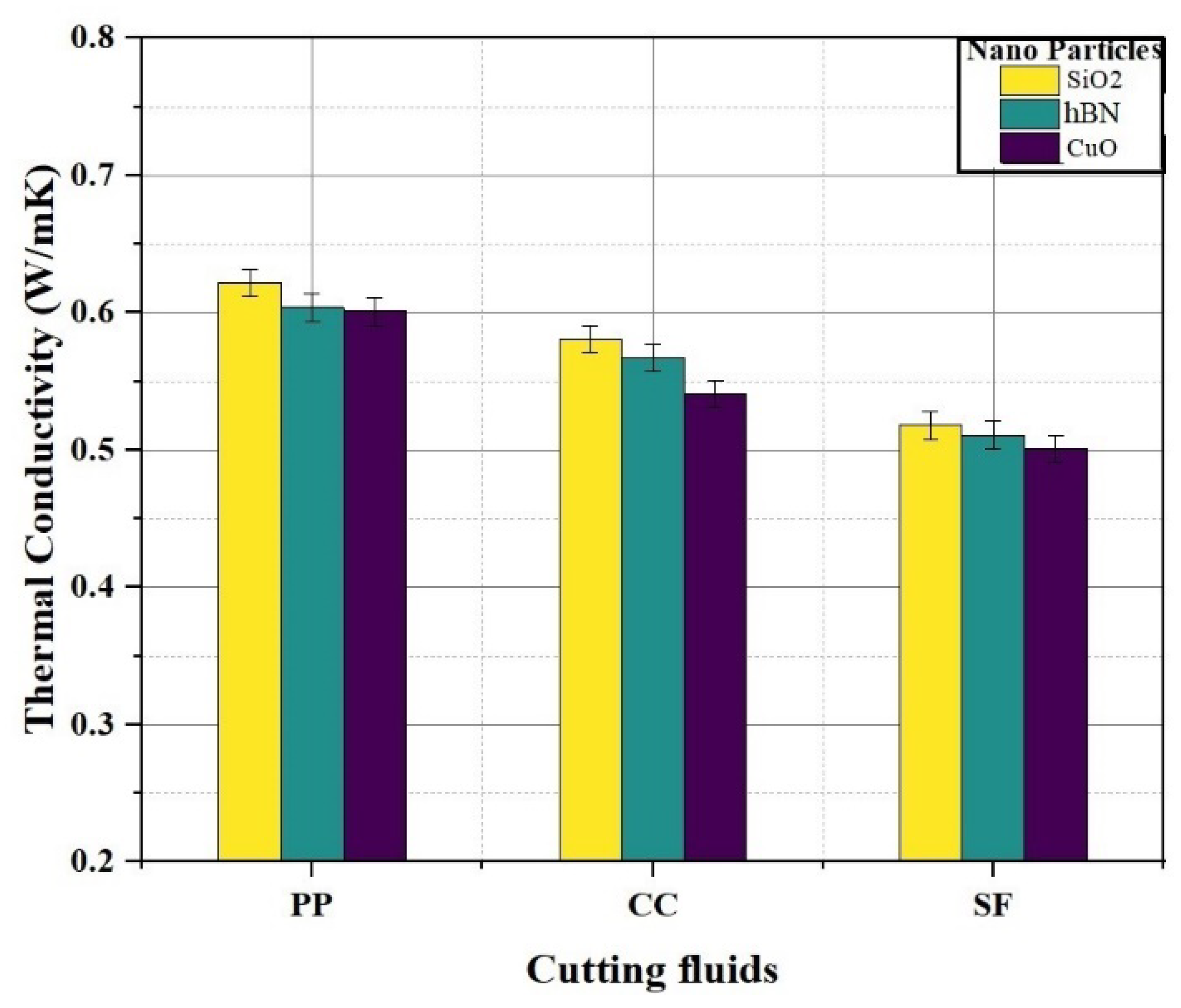
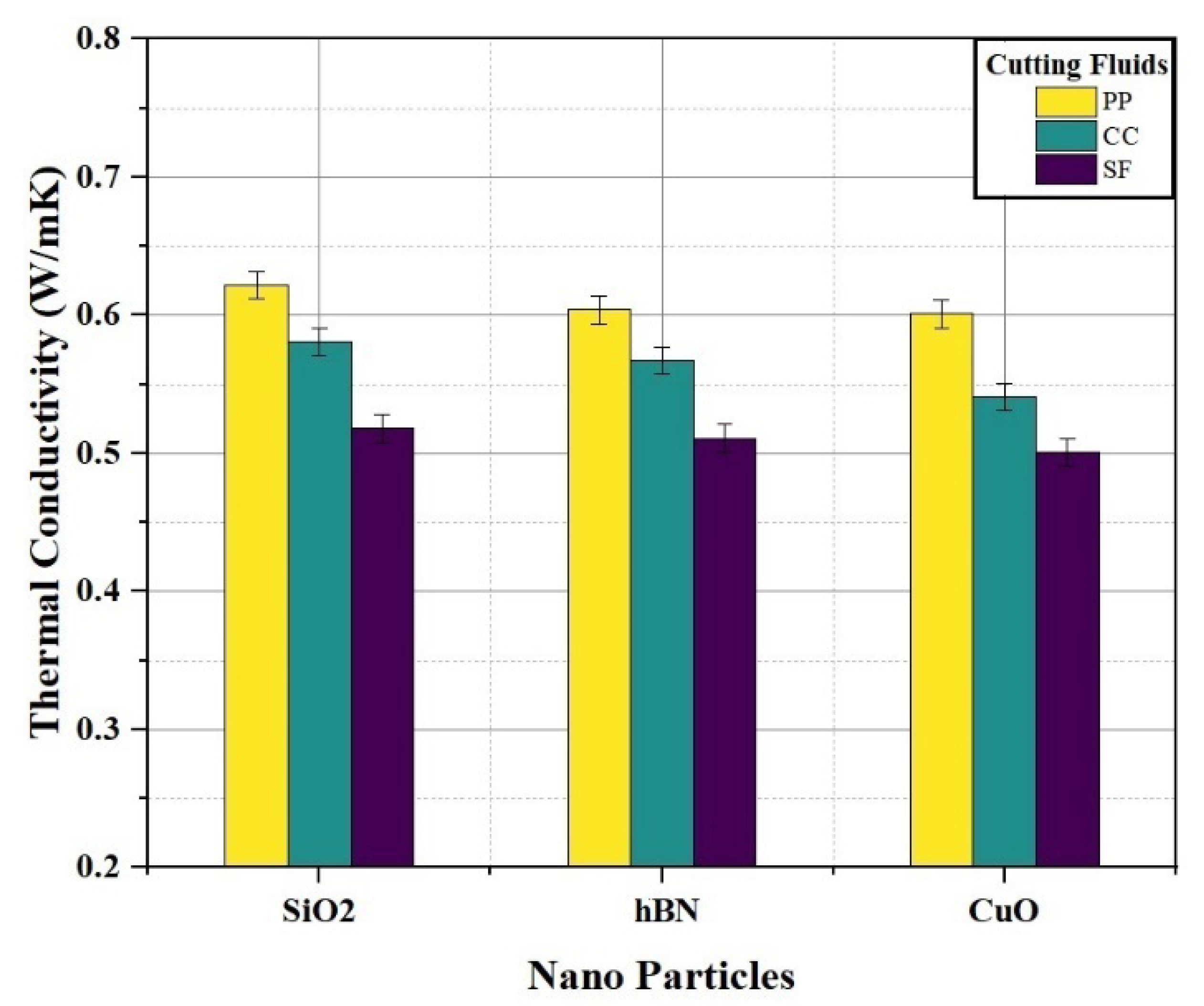
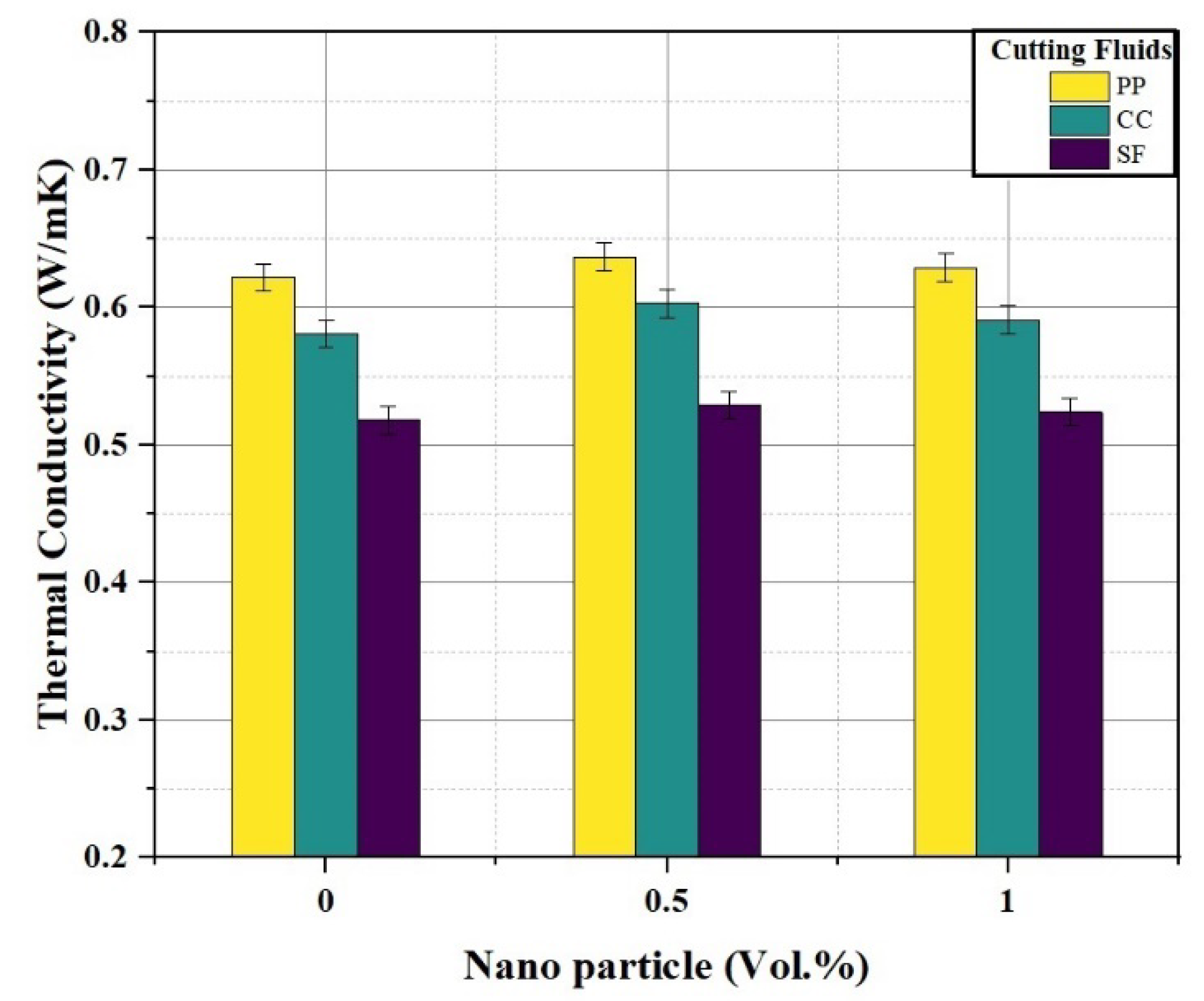
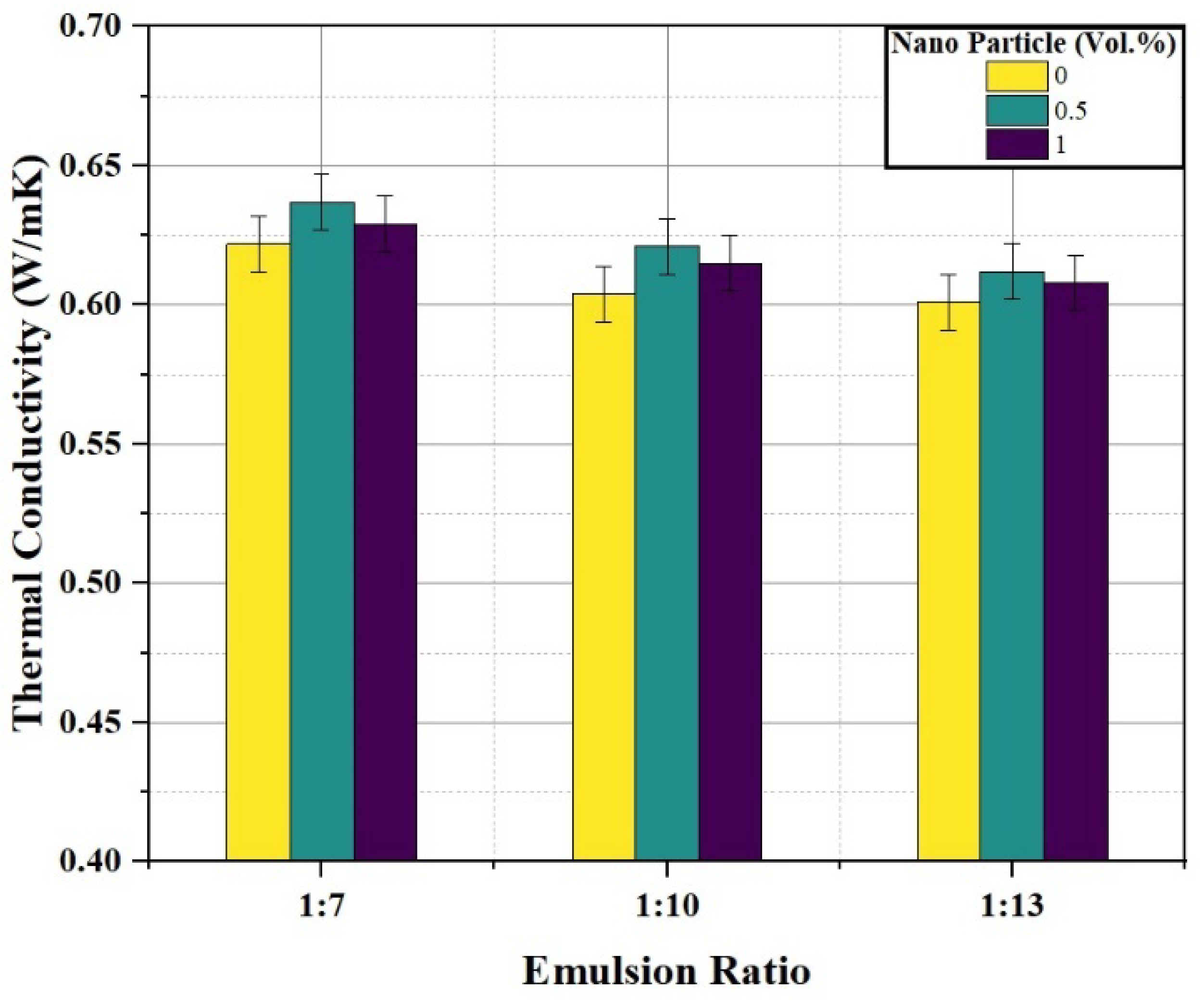
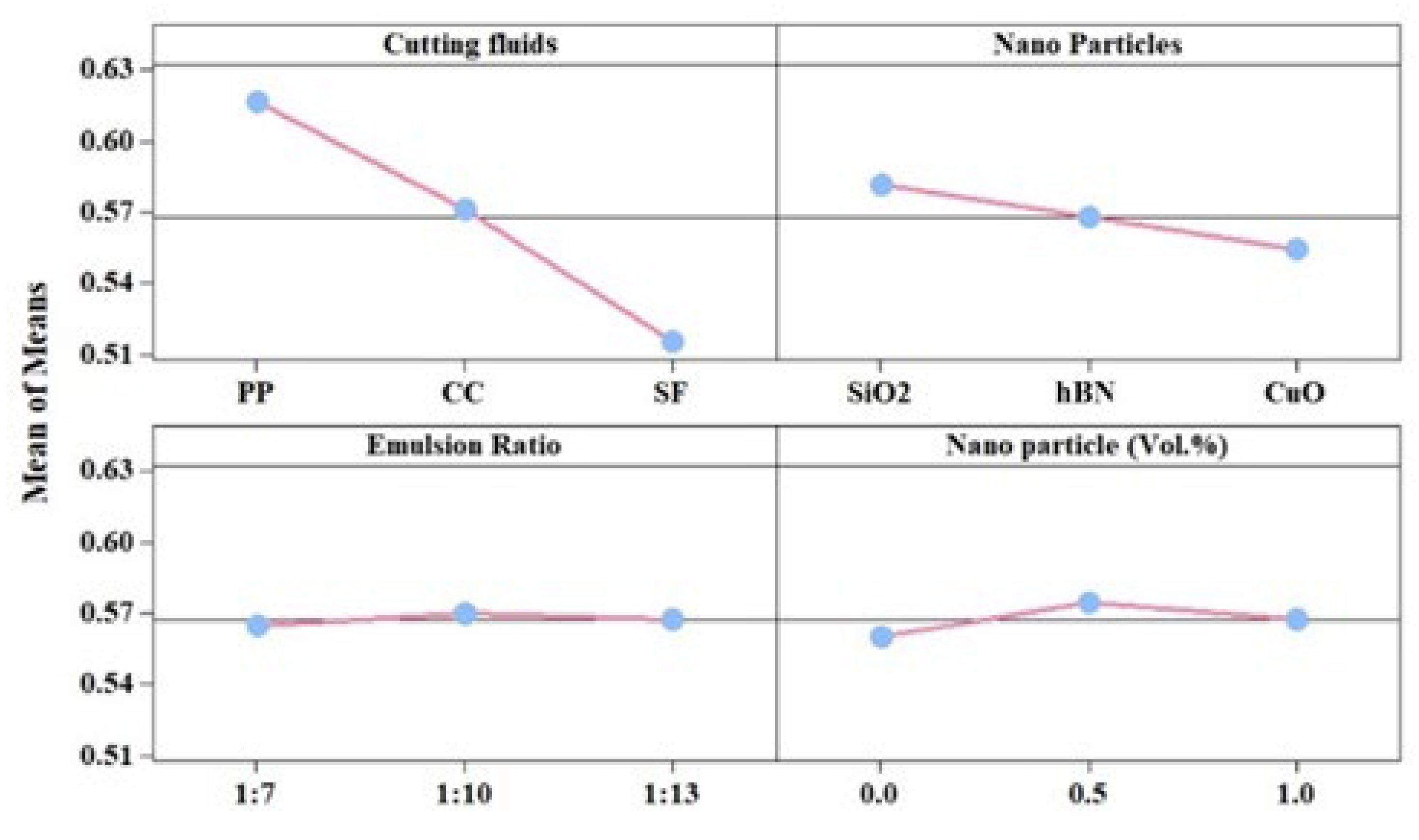
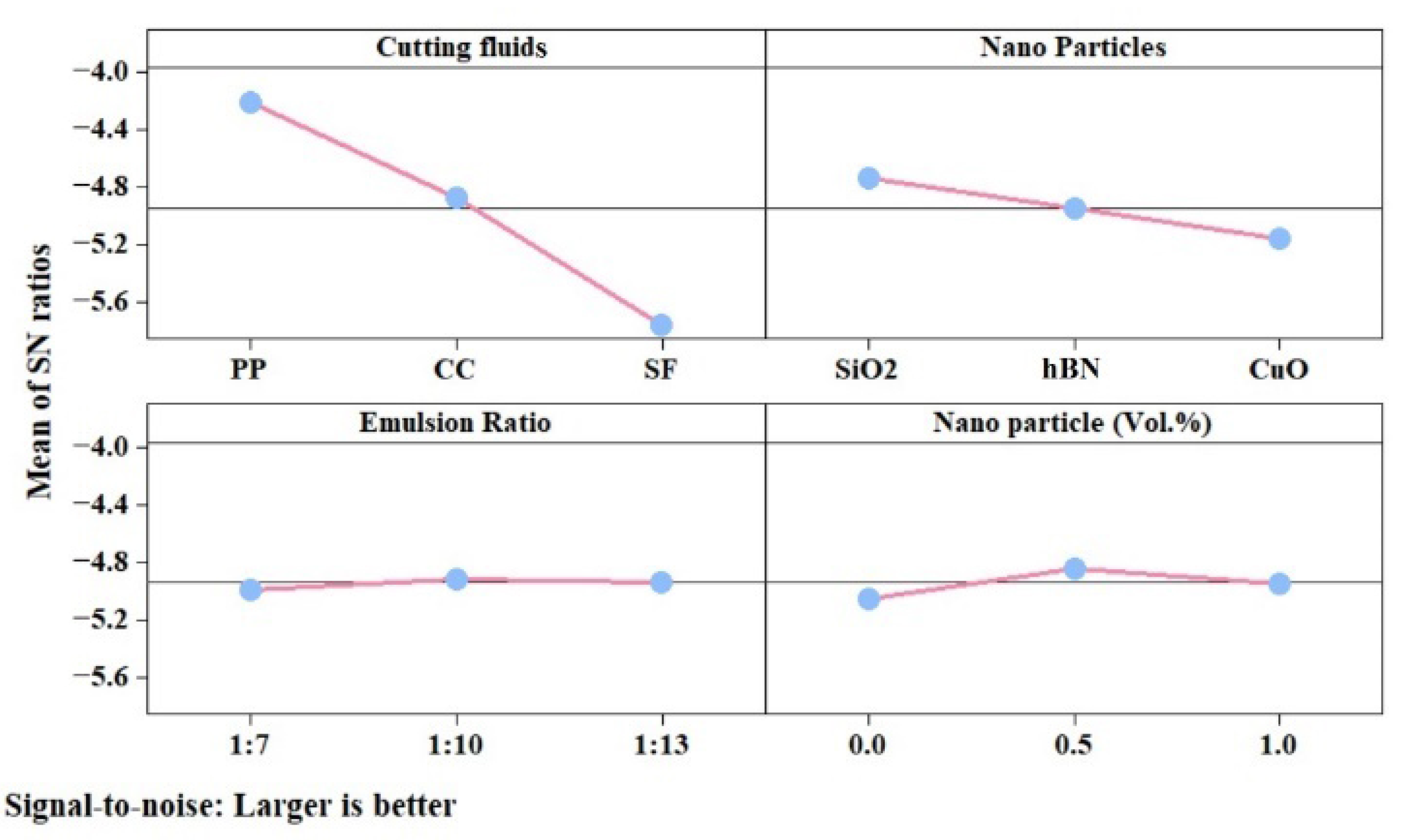
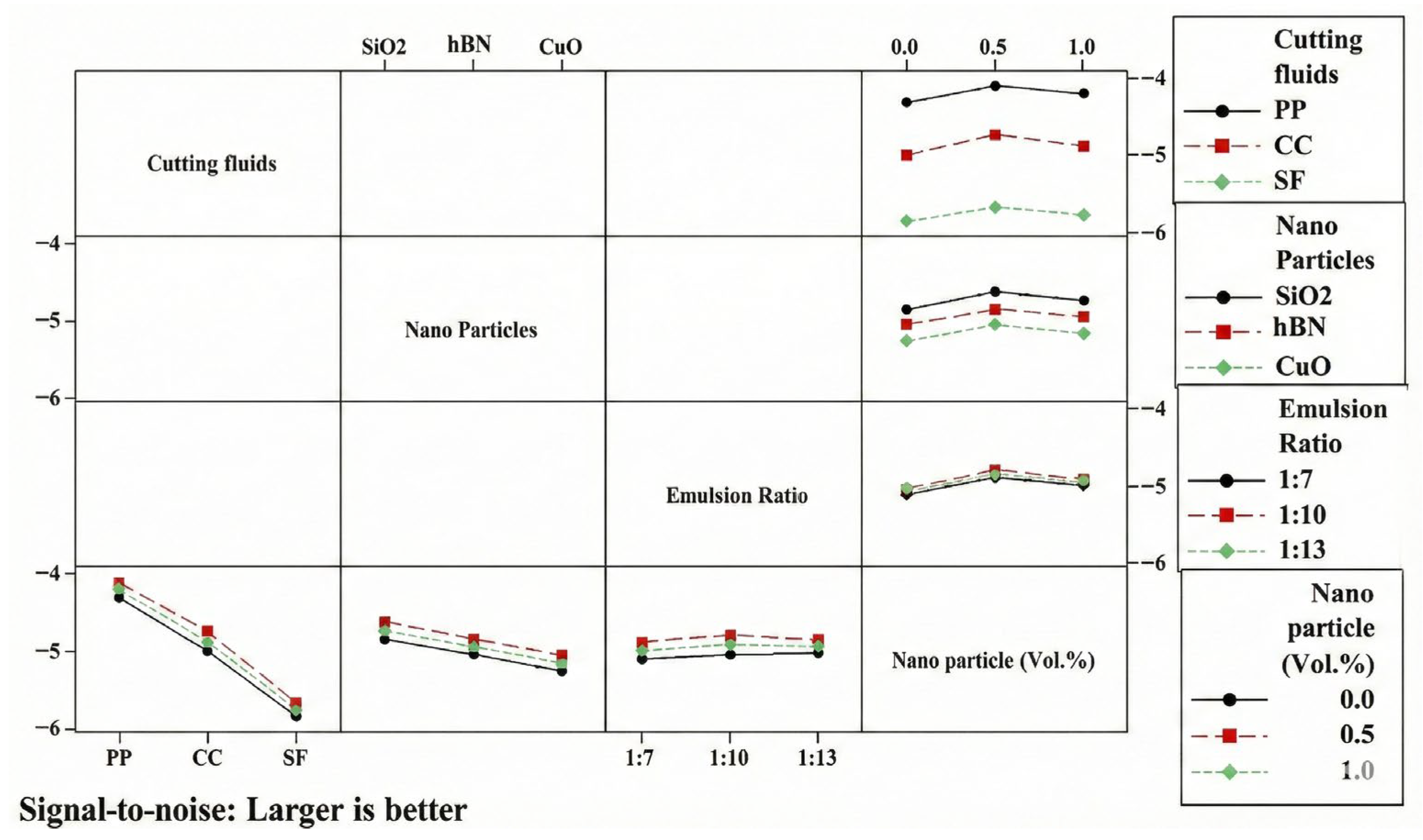
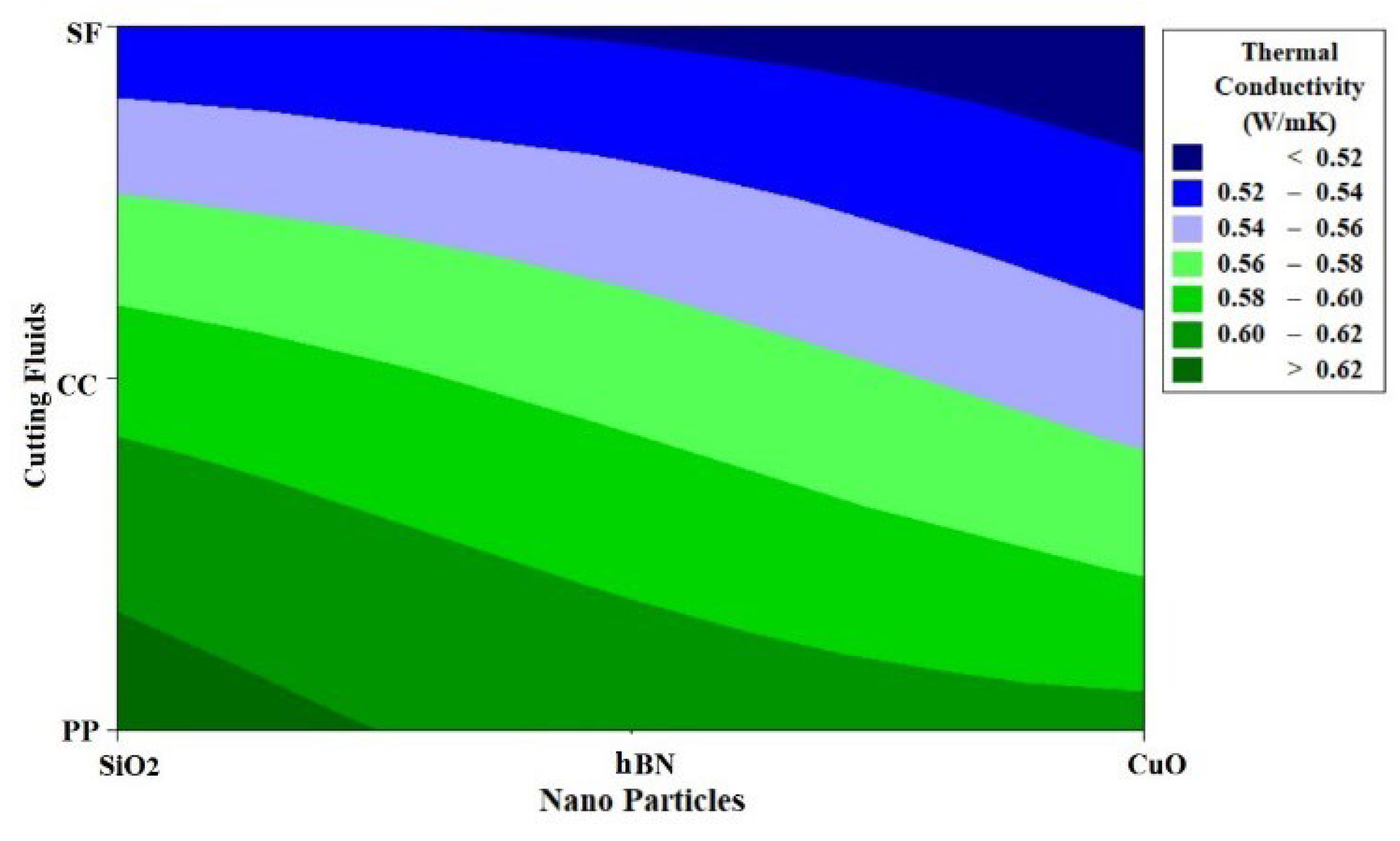
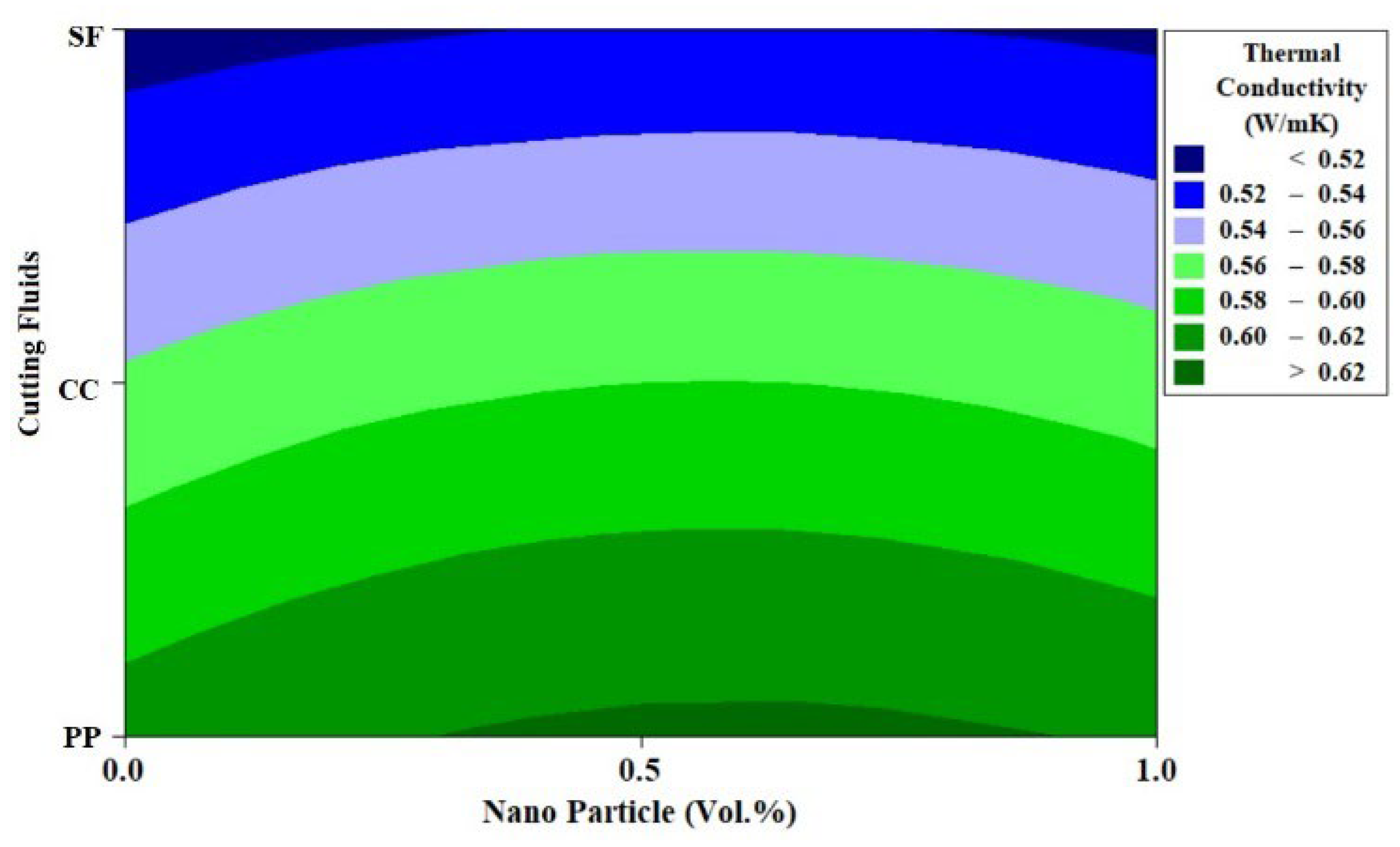
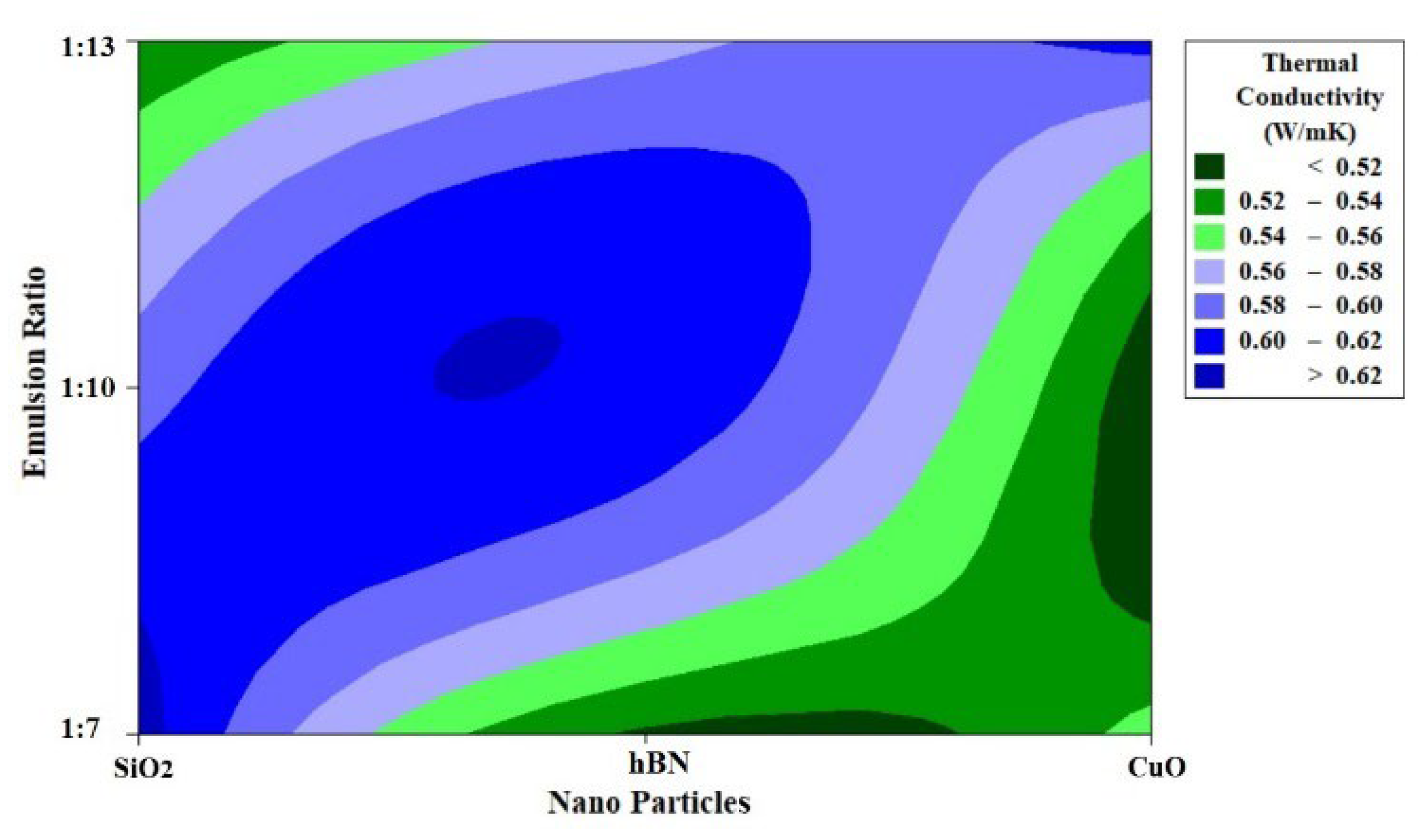
- Among the evaluated formulations, Pongamia pinnata cutting fluid incorporated with 0.5 (Vol.%) SiO2 nanoparticles consistently exhibited the highest thermal conductivity (0.637), clearly outperforming coconut and sunflower oil cutting fluids under identical operating conditions. This superior performance is primarily attributed to the inherently better thermal transport properties of Pongamia pinnata oil and its stronger interaction with nanoparticles, which together facilitate more efficient heat transfer.
- Across all cutting fluids, nanoparticle effectiveness followed the order SiO2 > hBN > CuO, highlighting the dominant role of nanoparticle dispersion stability and the ability to form continuous thermal conduction networks. SiO2 nanoparticles provided the maximum enhancement due to their excellent dispersion and effective heat transfer pathways, whereas CuO showed the least improvement, owing to comparatively lower dispersion efficiency.
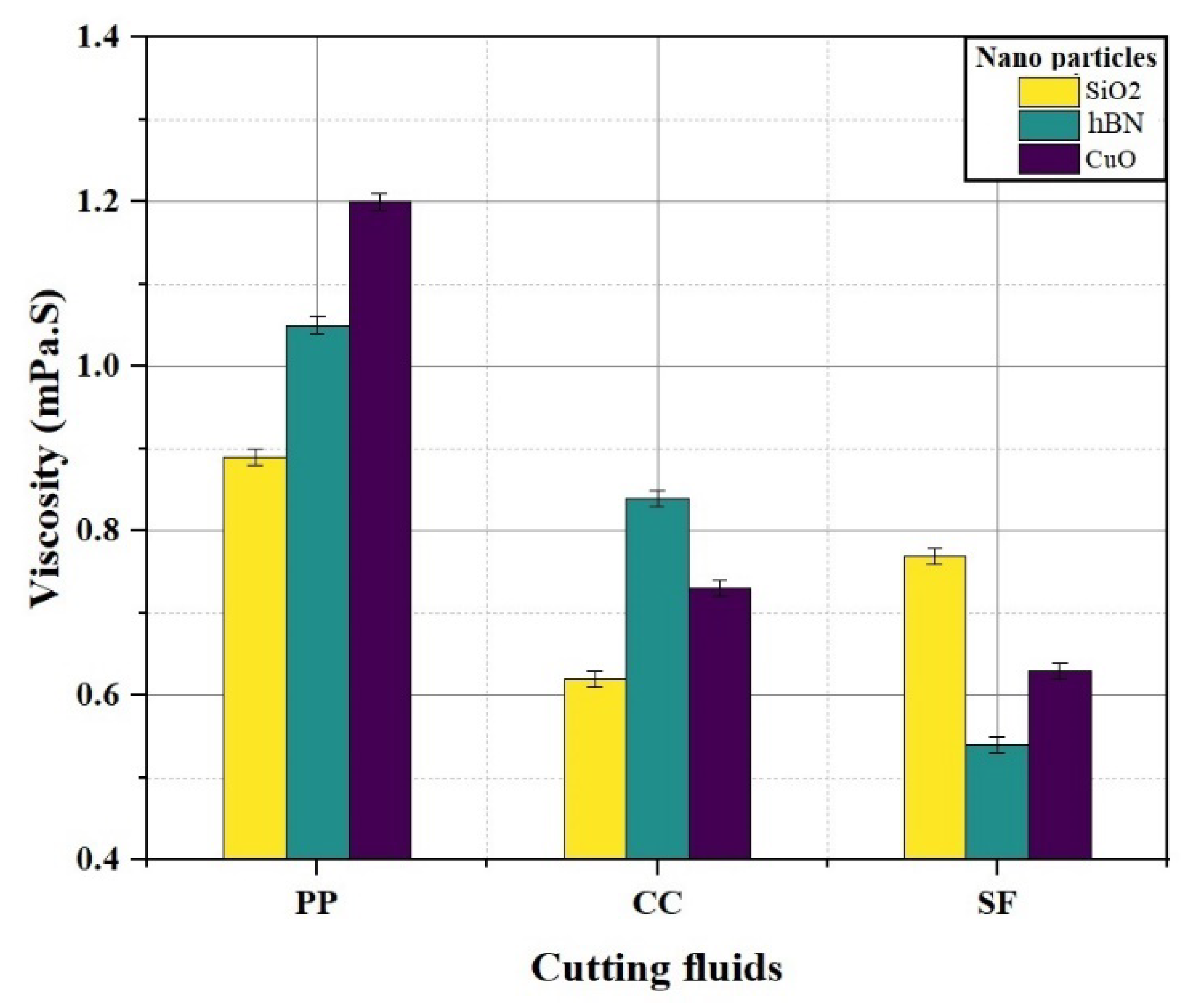
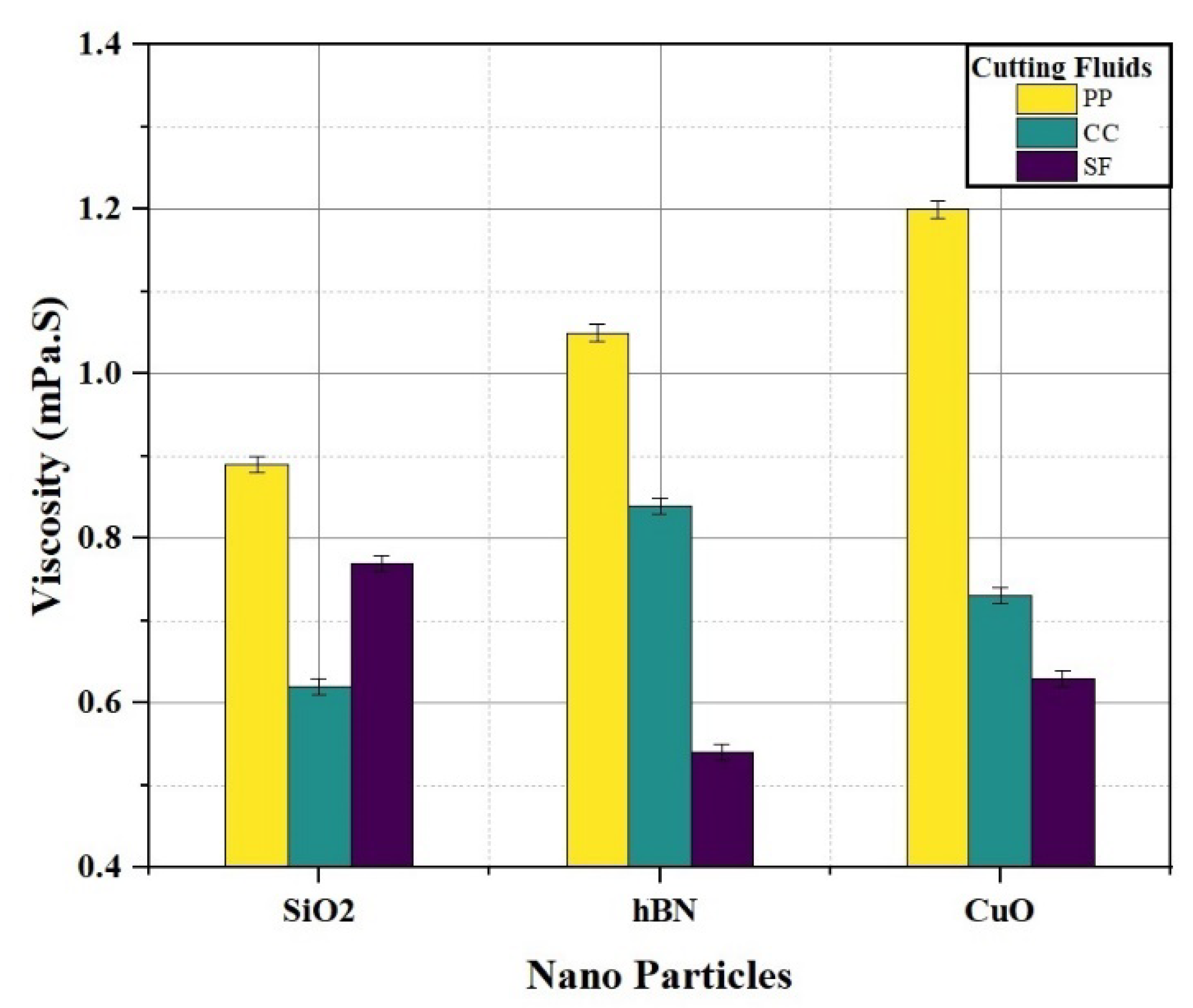
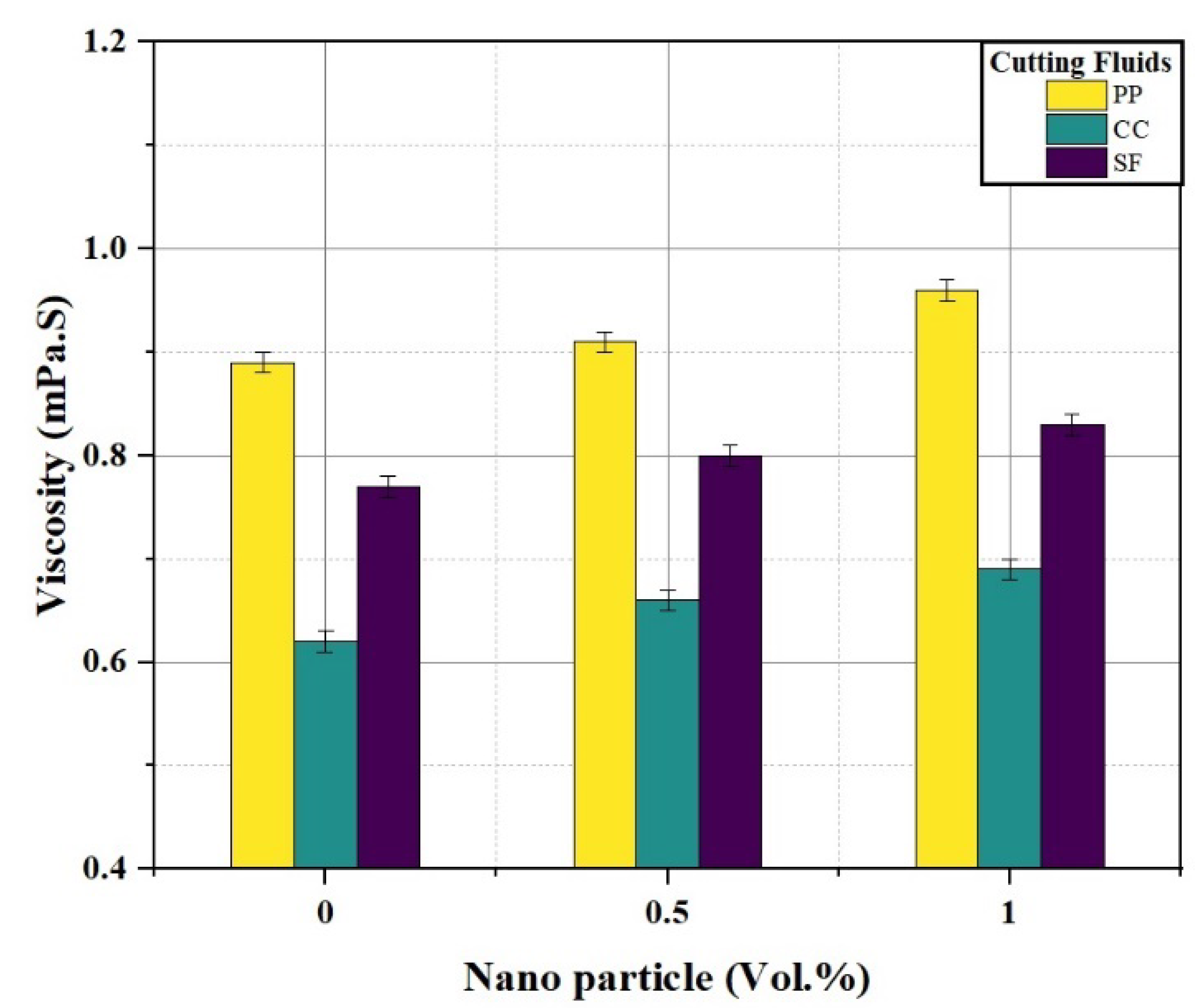
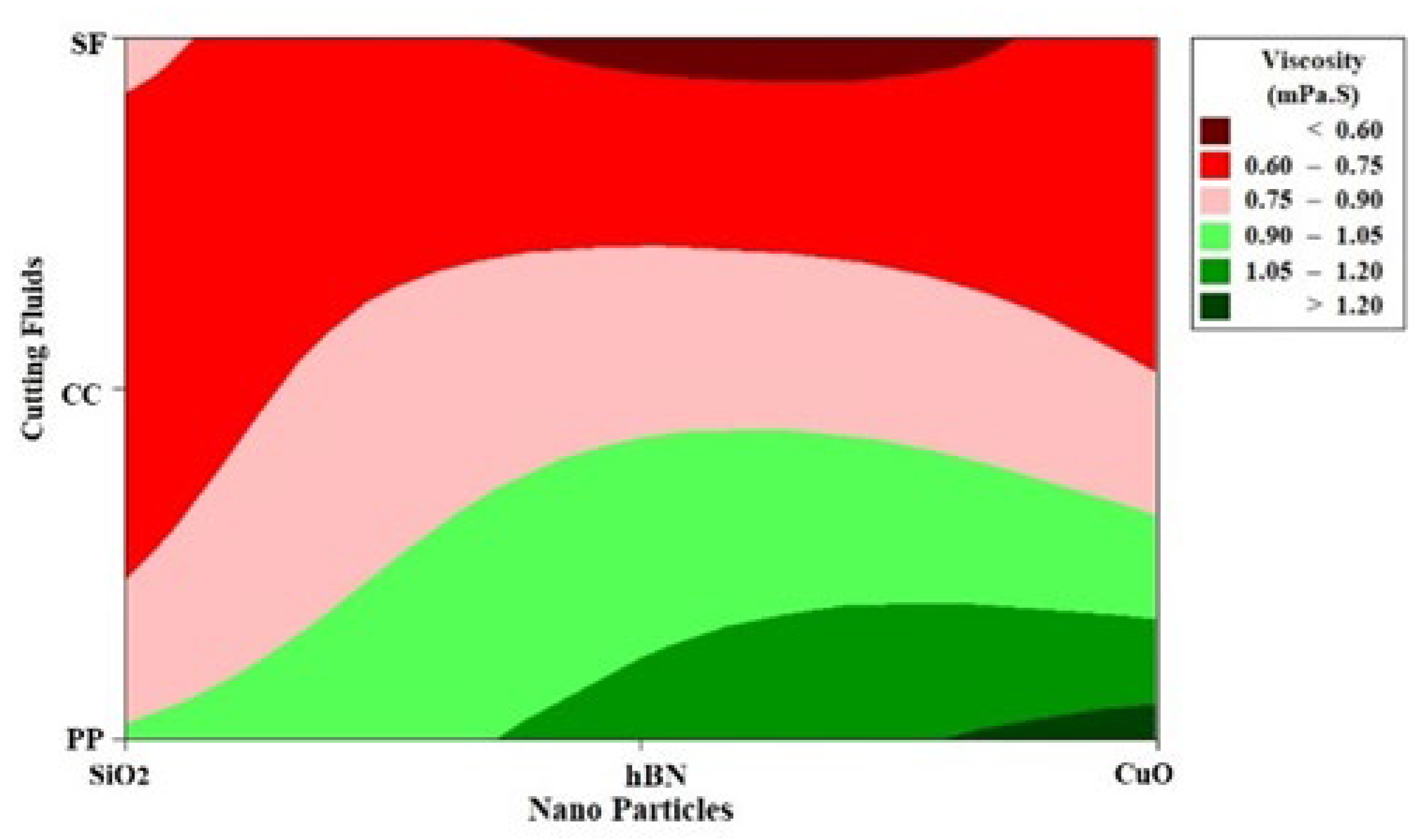
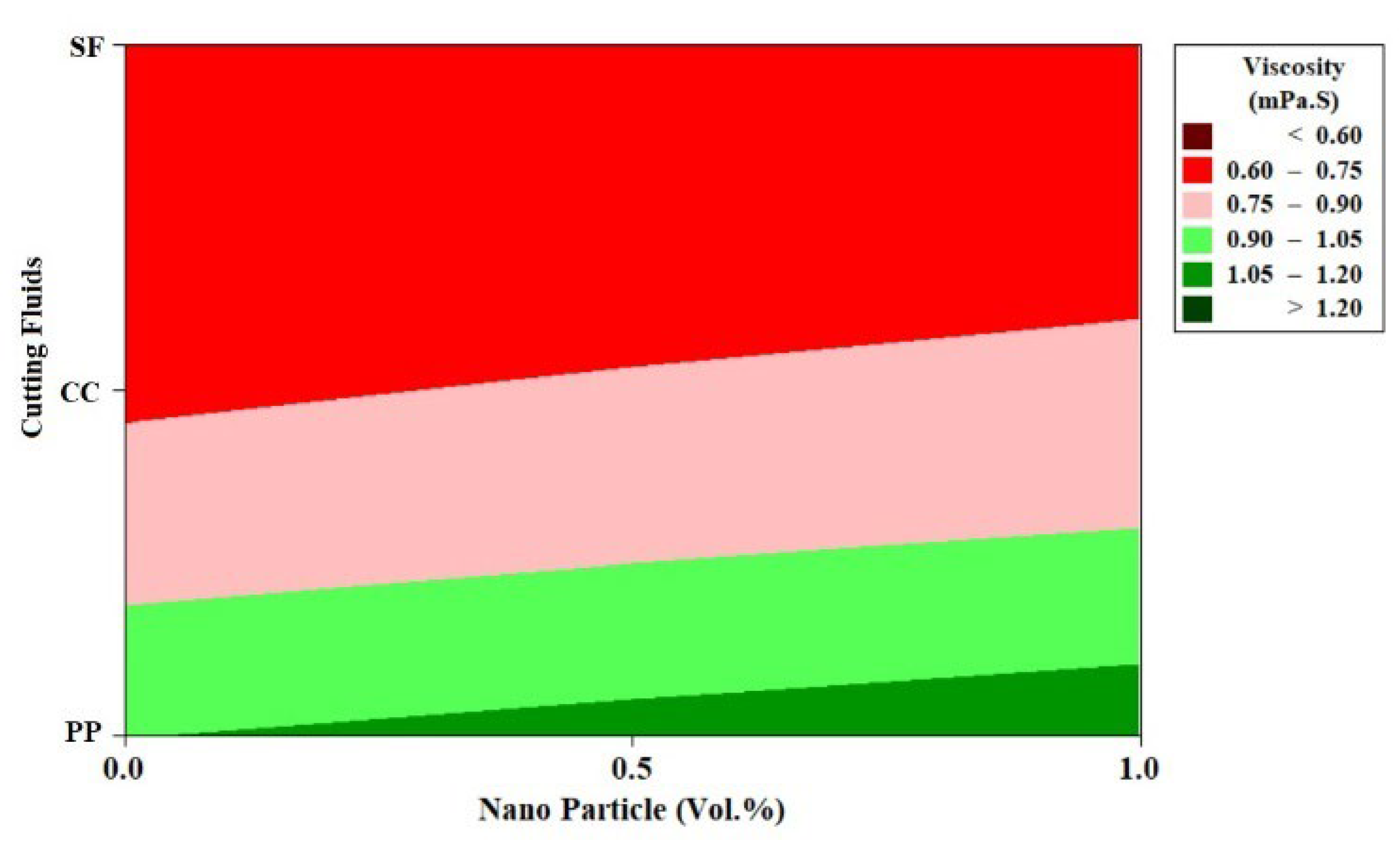
- The viscosity analysis clearly indicates that the base cutting fluid plays a dominant role in governing the rheological behavior of the developed nanofluids, while nanoparticle type and concentration exert a comparatively secondary influence.
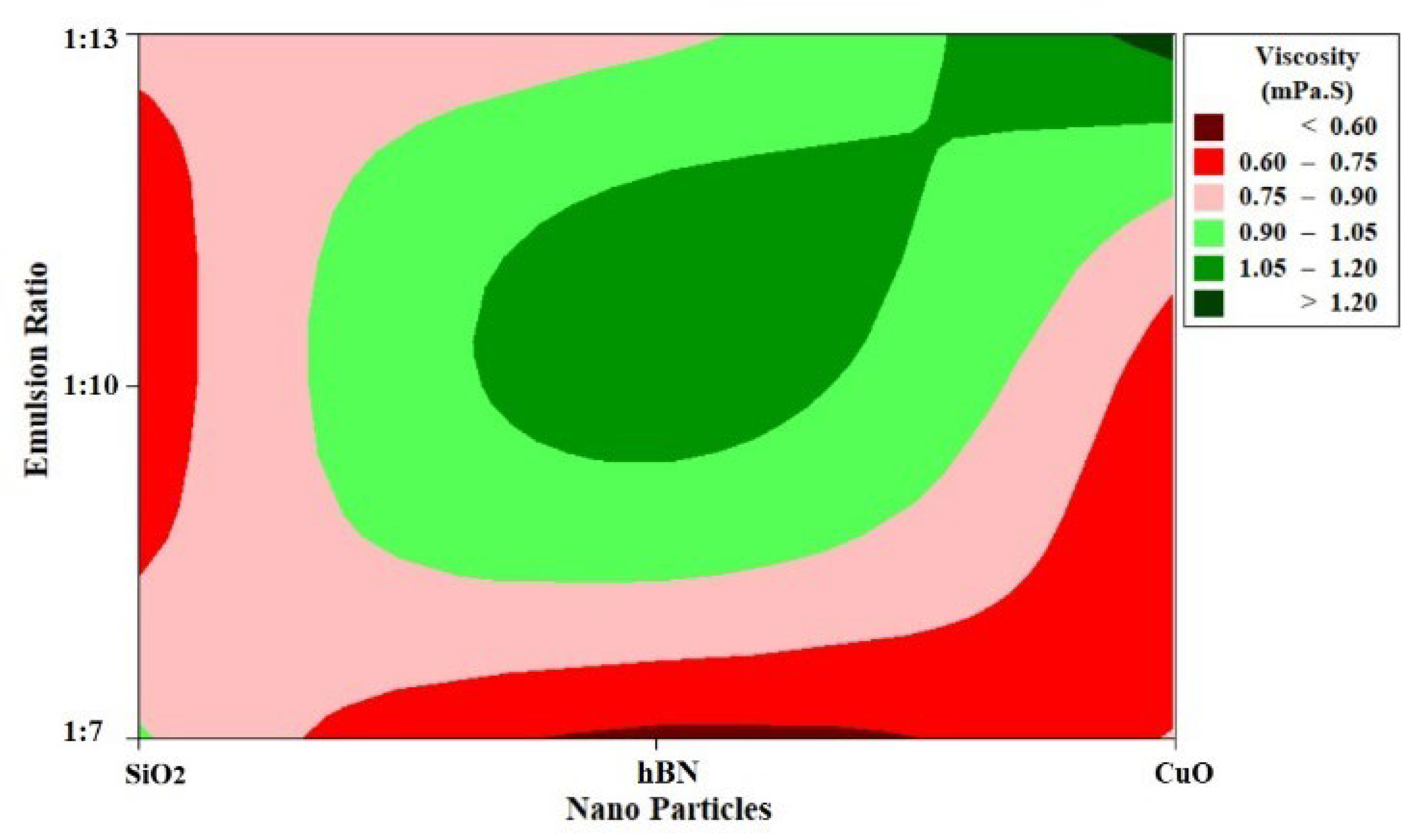
- Among all cutting fluids, Pongamia pinnata and the emulsion ratio consistently exhibits the highest viscosity, irrespective of nanoparticle type and nanoparticles (Vol.%). This behavior is primarily attributed to its higher molecular weight, unique fatty acid composition, and stronger intermolecular interactions, which collectively increase resistance to flow.
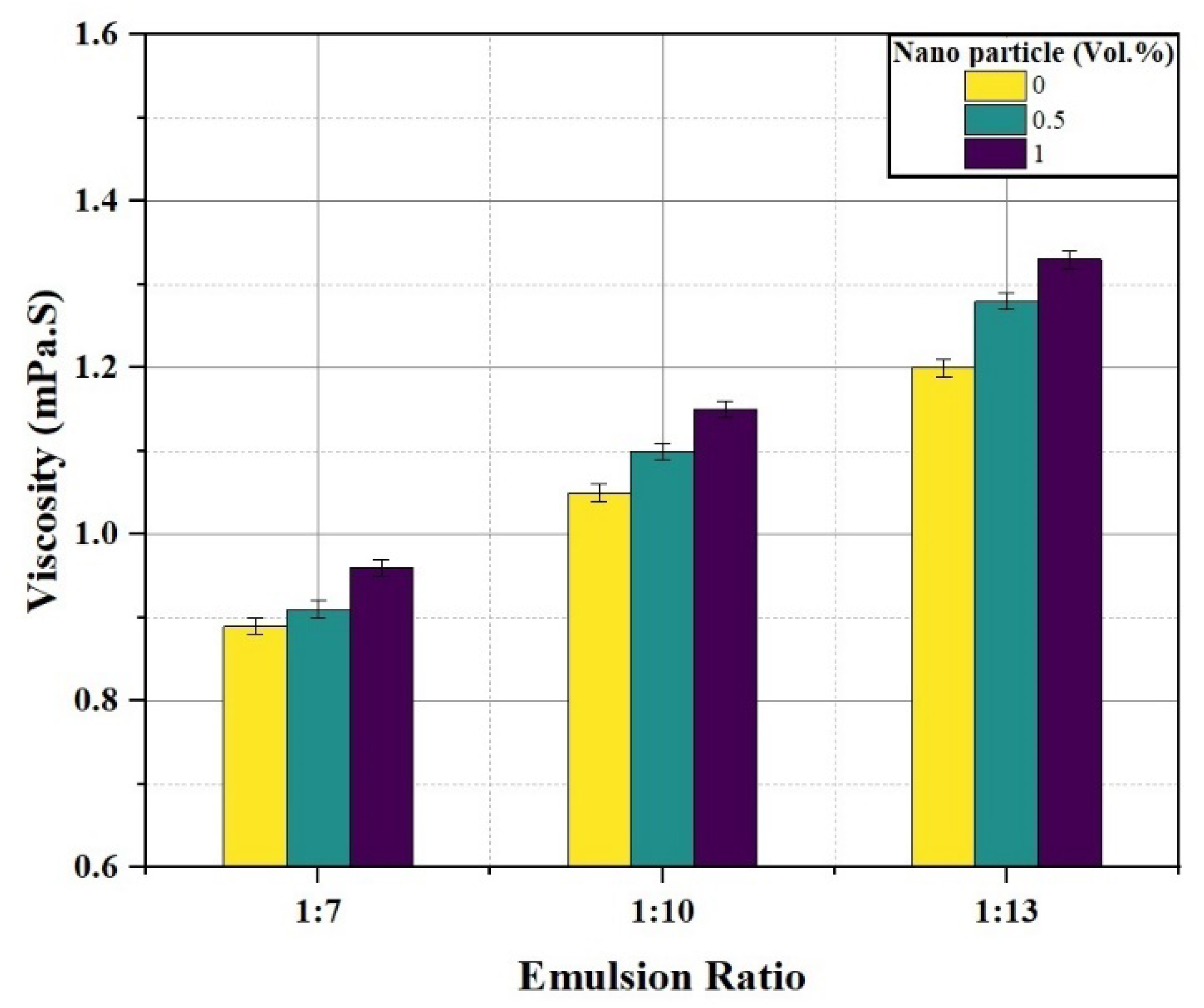
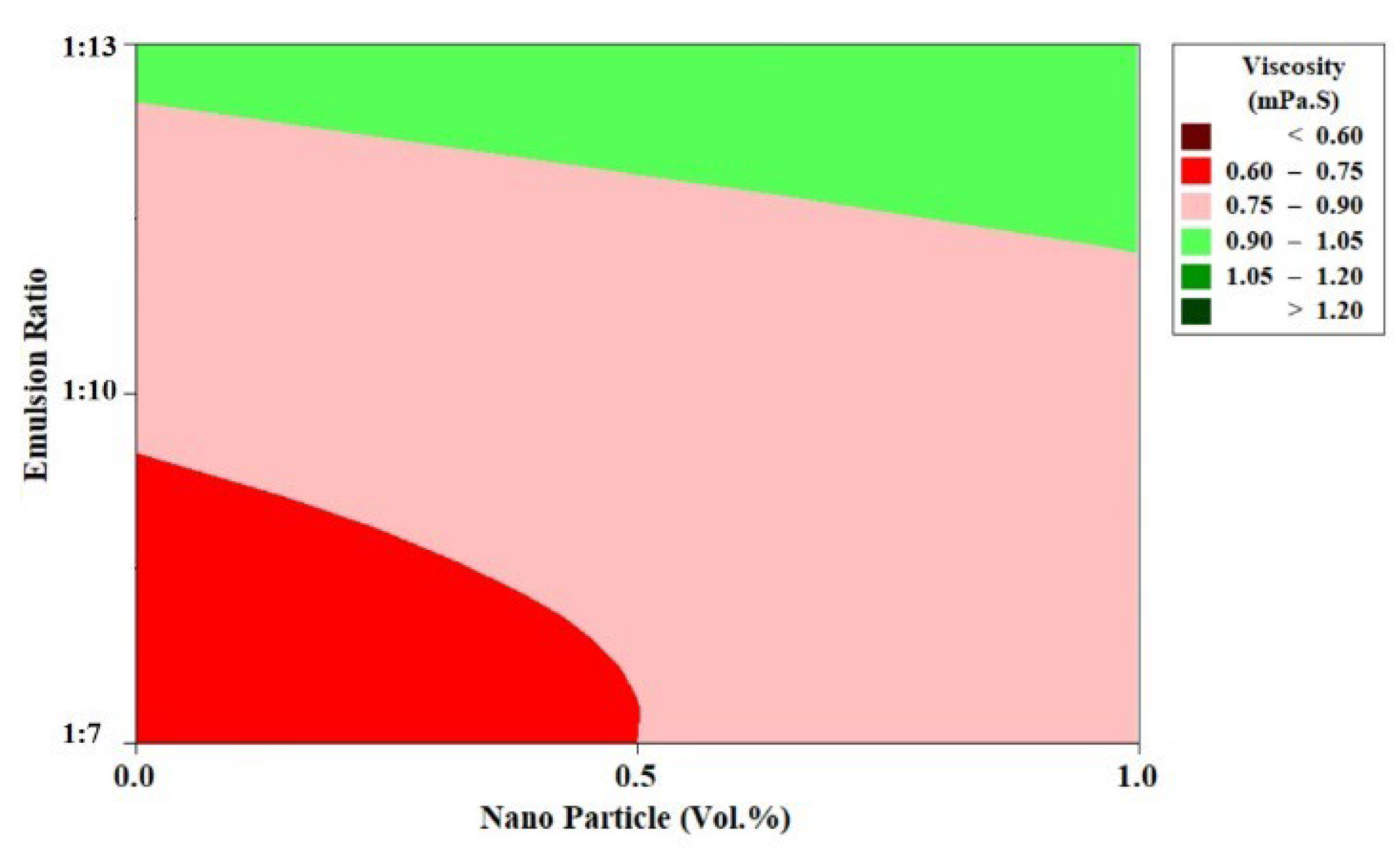
- Additionally, the emulsion ratio plays a crucial role in governing viscosity; an increase in oil concentration (1:13) results in a notable rise in viscosity, reaching approximately 1.33.
- Overall, the results confirm that Pongamia pinnata cutting fluids offer superior thermal conductivity and viscosity characteristics, making them highly suitable for machining applications requiring enhanced lubrication performance, reduced tool wear, and improved tribological efficiency.
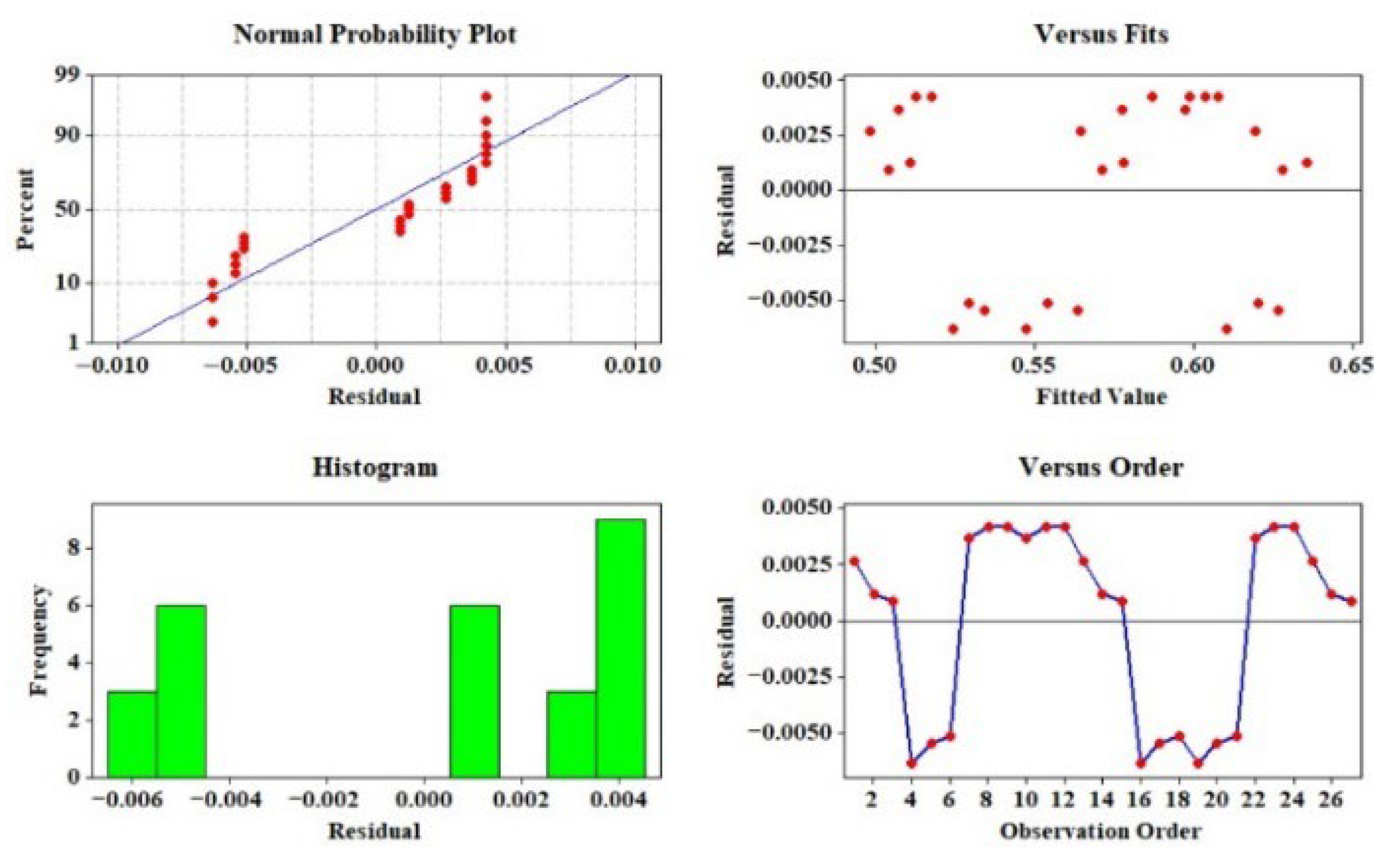
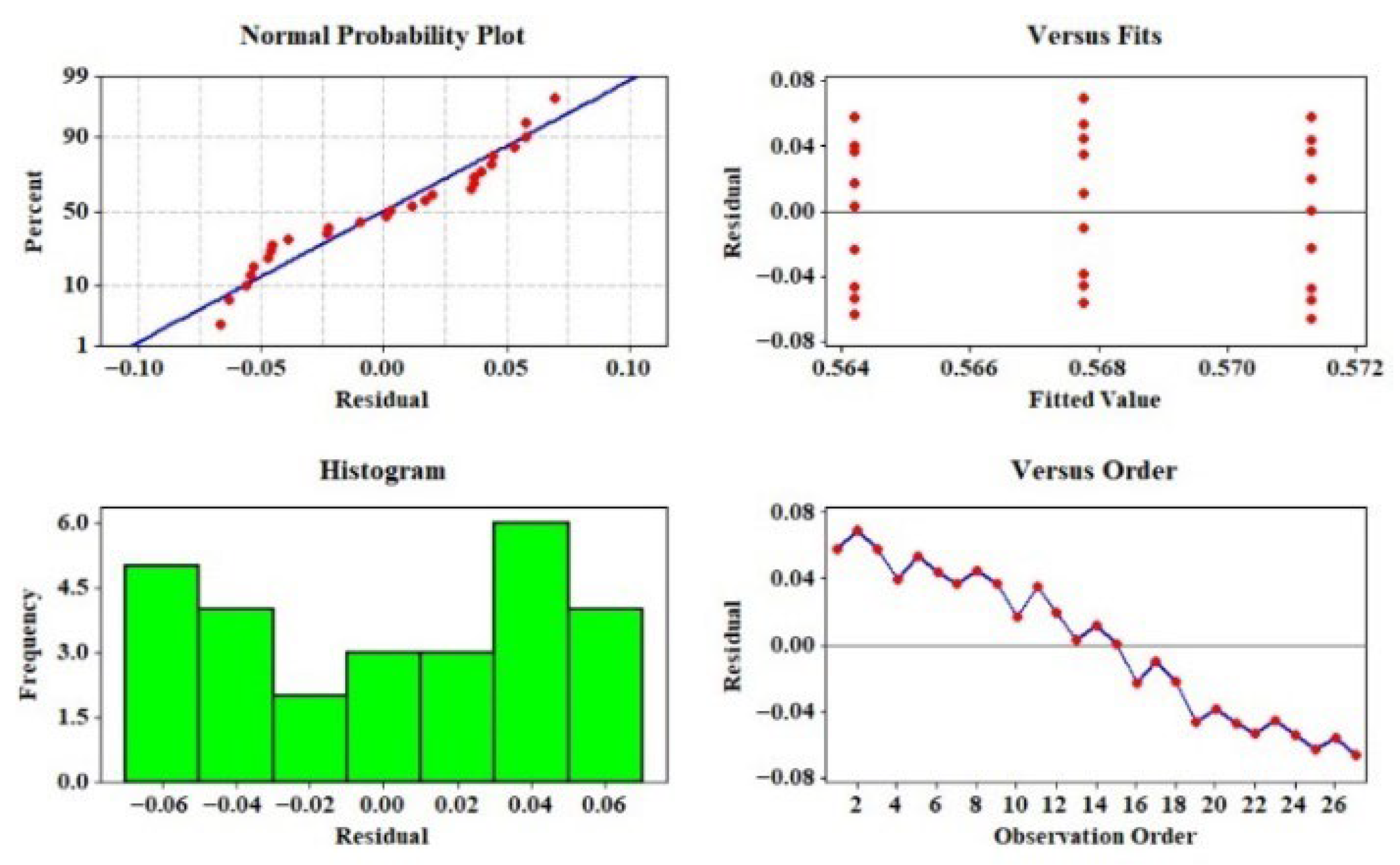
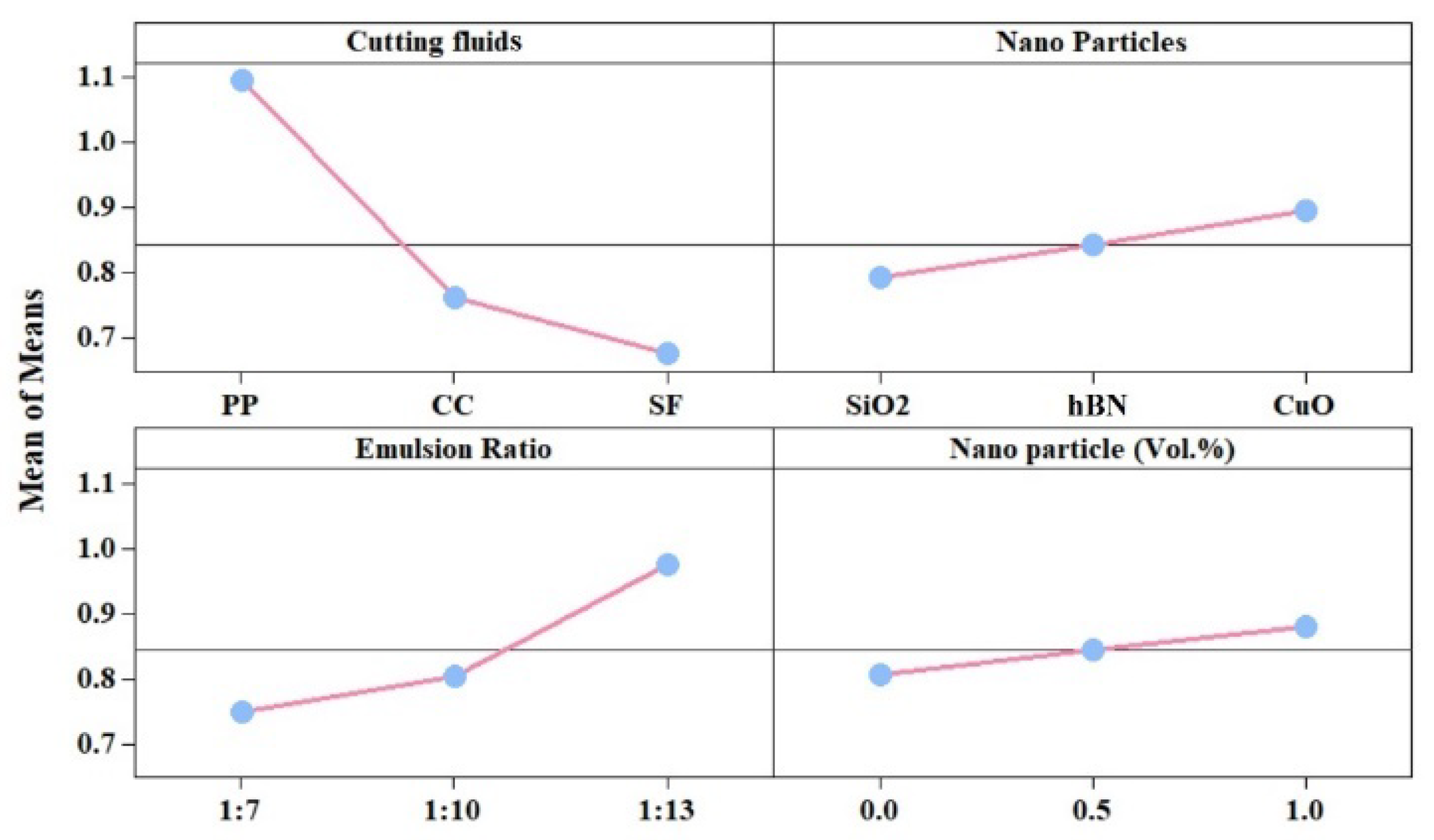
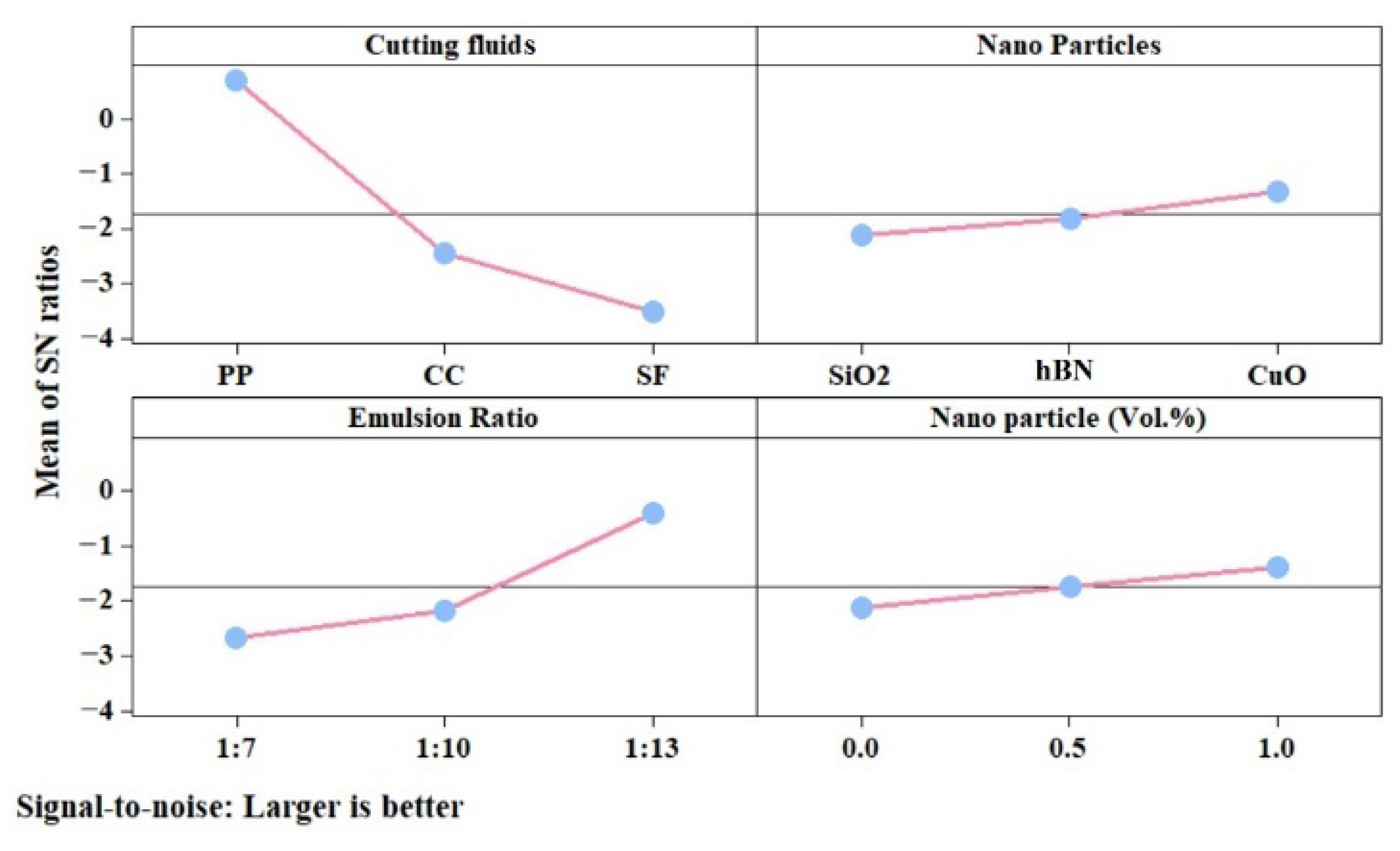
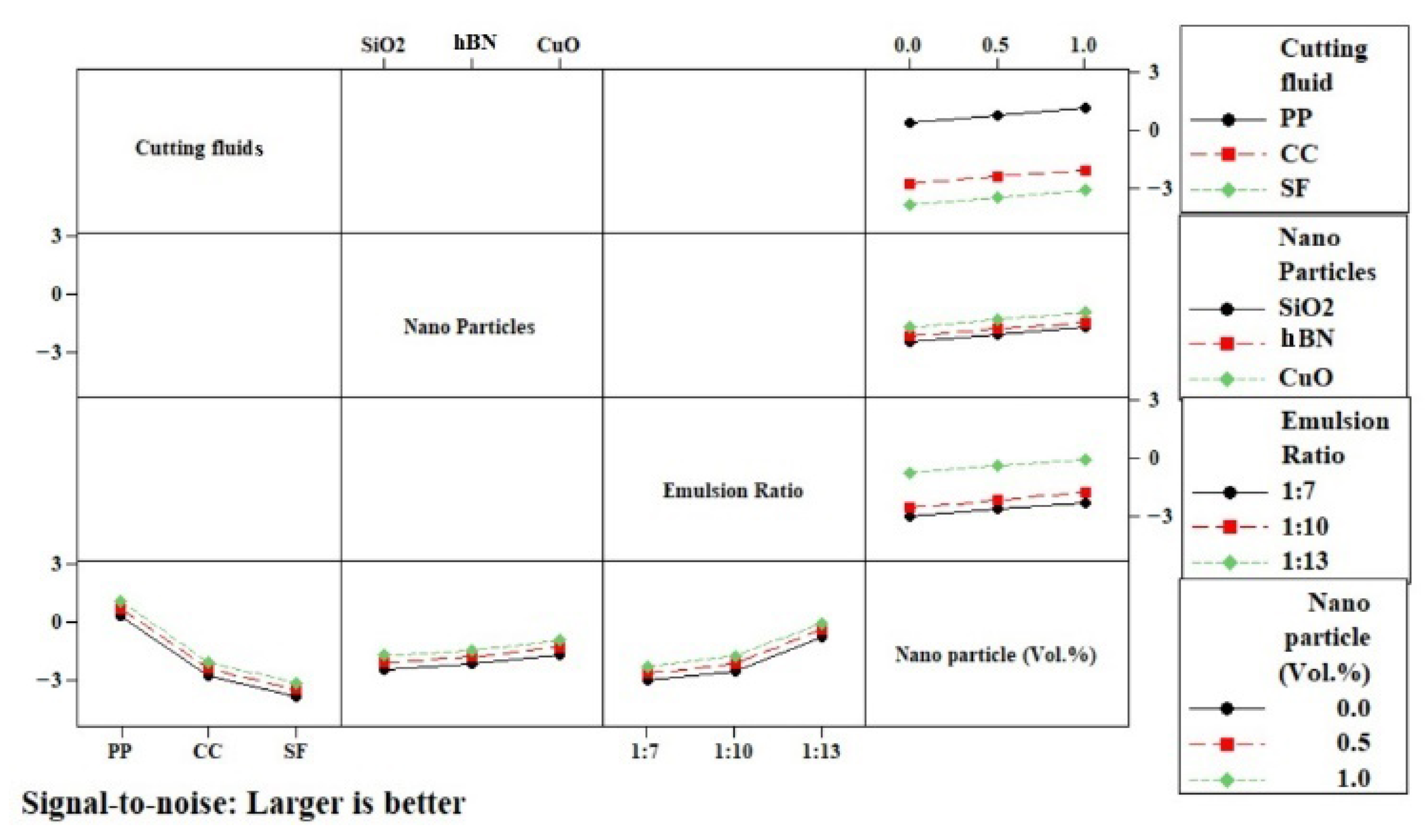
- ANOVA results for thermal conductivity and viscosity indicate that the cutting fluid type is the most influential factor, contributing 90.58% of the total variance in thermal conductivity and 70.47% in viscosity, both with highly significant p-values of 0.00, emphasizing its significant role in determining the stability of these properties.
- The current study utilized ultrasonication for short-term dispersion. Future work should investigate long-term sedimentation rates (Zeta potential analysis) and the potential need for surfactant optimization to ensure shelf-life stability.
- Although thermal and rheological properties suggest superior lubrication, direct tribological testing (e.g., Pin-on-Disk or Four-Ball tests) is required to quantify the wear scar diameter and coefficient of friction reduction under varying loads.
- In situ machining trials (turning or milling) are necessary to correlate these static properties with dynamic outputs such as tool flank wear, surface roughness and cutting forces.
Author Contributions
Funding
Institutional Review Board Statement
Informed Consent Statement
Data Availability Statement
Conflicts of Interest
Abbreviations
| PP | Pongamia pinnata |
| CC | coconut |
| SF | sunflower |
| hBN | Hexagonal Boron Nitride |
| SiO2 | Silicon Dioxide |
| Cuo | Cupric Oxide |
| TDOE | Taguchi’s Design of Experiments |
| ANOVA | Analysis of Variance |
References
- Prasannakumar, P.; Sankarannair, S.; Prasad, G.; Hari Krishna, P.H.; Pranav, S.; Vivek, P.; Sidharth, S.; Shanmugam, R. Bio-based additives in lubricants: Addressing challenges and leveraging for improved performance toward sustainable lubrication. Biomass Convers. Biorefinery 2025, 15, 17969–17997. [Google Scholar] [CrossRef]
- Manikanta, J.E.; Raju, B.N.; Satankar, R.K. Development and Characterization of Novel Green Cutting Fluids with Nano-additives. Period. Polytech. Mech. Eng. 2024, 68, 304–311. [Google Scholar] [CrossRef]
- Sajeeb, A.; Rajendrakumar, P.K. Tribological assessment of vegetable oil based CeO2/CuO hybrid nano-lubricant. Proc. Inst. Mech. Eng. Part J J. Eng. Tribol. 2020, 234, 1940–1956. [Google Scholar] [CrossRef]
- Sen, B.; Hussain, S.A.I.; Gupta, M.K.; Mia, M.; Mandal, U.K. Swarm intelligence based selection of optimal end-milling parameters under minimum quantity nano-green lubricating environment. Proc. Inst. Mech. Eng. Part C J. Mech. Eng. Sci. 2021, 235, 6969–6983. [Google Scholar] [CrossRef]
- Hamnas, A.; Unnikrishnan, G. Bio-lubricants from vegetable oils: Characterization, modifications, applications and challenges–Review. Renew. Sustain. Energy Rev. 2023, 182, 113413. [Google Scholar] [CrossRef]
- Srikant, R.R.; Rao, D.N.; Subrahmanyam, M.S.; Krishna, V.P. Applicability of cutting fluids with nanoparticle inclusion as coolants in machining. Proc. Inst. Mech. Eng. Part J J. Eng. Tribol. 2009, 223, 221–225. [Google Scholar] [CrossRef]
- Ni, J.; Cui, Z.; He, L.; Yang, Y.; Sang, Z.; Rahman, M.M. Reinforced lubrication of vegetable oils with nano-particle additives in broaching. J. Manuf. Process. 2021, 70, 518–528. [Google Scholar] [CrossRef]
- Yadav, A.; Singh, Y.; Negi, P. A review on the characterization of bio based lubricants from vegetable oils and role of nanoparticles as additives. Mater. Today Proc. 2021, 46, 10513–10517. [Google Scholar] [CrossRef]
- Pal, R.K.; Suhane, A. Sustainable Bio-Lubricants From Vegetable Oils: Chemical Modification and Waste-Derived Nanoparticles—A Review. J. Tribol. 2026, 148, 030802. [Google Scholar] [CrossRef]
- Rao, P.N.; Srikant, R.R. Sustainable machining utilizing vegetable oil based nanofluids. In Proceedings of the 2015 International Conference on Smart Technologies and Management for Computing, Communication, Controls, Energy and Materials (ICSTM), Avadi, India, 6–8 May 2015; IEEE: New York, NY, USA, 2015; pp. 664–672. [Google Scholar]
- Freire, N.; Barbosa, R.D.M.; García-Villén, F.; Viseras, C.; Perioli, L.; Fialho, R.; Albuquerque, E. Environmentally friendly strategies for formulating vegetable oil-based nanoparticles for anticancer medicine. Pharmaceutics 2023, 15, 1908. [Google Scholar] [CrossRef] [PubMed]
- Taheri, R.; Kosasih, B.; Zhu, H.; Tieu, A.K. Dispersion stability and lubrication performance correlation of vegetable oil-in-water emulsions with nanoparticle-shielded oil droplets. Lubricants 2018, 6, 55. [Google Scholar] [CrossRef]
- Murru, C.; Badía-Laíño, R.; Díaz-García, M.E. Oxidative stability of vegetal oil-based lubricants. ACS Sustain. Chem. Eng. 2021, 9, 1459–1476. [Google Scholar] [CrossRef]
- Cong, H.; Shao, H.; Du, Y.; Hu, X.; Zhao, W.; Li, Q. Influence of nanoparticles on long-term thermal stability of vegetable insulating oil. IEEE Trans. Dielectr. Electr. Insul. 2022, 29, 1642–1650. [Google Scholar] [CrossRef]
- Ajmal, M.; Ali, S.A.; Tahir, H.; Shah, M.R.; Saad, M. Synthesis of Emulsion by Using Vegetable Oil Modified by Titanium Dioxide (TiO2) Nanoparticles: A Peculiar Source for Synthesis of Bio-Based Lubricant and Novel Approach to Enhance the Efficiency of Emulsion. Eur. J. Lipid Sci. Technol. 2021, 123, 2000280. [Google Scholar] [CrossRef]
- Trajano, M.F.; Moura, E.I.F.; Ribeiro, K.S.B.; Alves, S.M. Study of oxide nanoparticles as additives for vegetable lubricants. Mater. Res. 2014, 17, 1124–1128. [Google Scholar] [CrossRef]
- Bhise, V.Y.; Jogi, B.F. Recent developments on sustainable lubricants by using vegetable oil based nanofluids in machining. Mater. Today Proc. 2022, 62, 3148–3154. [Google Scholar] [CrossRef]
- Wang, Y.; Li, C.; Zhang, Y.; Li, B.; Yang, M.; Zhang, X.; Guo, S.; Liu, G.; Zhai, M. Comparative evaluation of the lubricating properties of vegetable-oil-based nanofluids between frictional test and grinding experiment. J. Manuf. Process. 2017, 26, 94–104. [Google Scholar] [CrossRef]
- Owuna, F.J. Stability of vegetable based oils used in the formulation of ecofriendly lubricants—A review. Egypt. J. Pet. 2020, 29, 251–256. [Google Scholar]
- Poornima, S.N.; Shantha, V. Experimental investigation of the characteristics and tribological effectiveness of Pongamia pinnata lubricant oil blended with nanoadditives. Lubricants 2025, 13, 128. [Google Scholar] [CrossRef]
- Song, X.; Jiang, N.; Li, Y.; Xu, D.; Qiu, G. Synthesis of CeO2-coated SiO2 nanoparticle and dispersion stability of its suspension. Mater. Chem. Phys. 2008, 110, 128–135. [Google Scholar] [CrossRef]
- Sharma, D.K.; Singh, P.K.; Sharma, F.; Dixit, U.S. Development and characterization of Putranjiva roxburghii with addition of SiO2 and graphene nanoparticles for using it as a cutting fluid. Proc. Inst. Mech. Eng. Part C J. Mech. Eng. Sci. 2025, 239, 4162–4181. [Google Scholar] [CrossRef]
- Tian, S.; Gao, W.; Liu, Y.; Kang, W.; Yang, H. Effects of surface modification Nano-SiO2 and its combination with surfactant on interfacial tension and emulsion stability. Colloids Surf. A Physicochem. Eng. Asp. 2020, 595, 124682. [Google Scholar] [CrossRef]
- Timofeeva, E.V.; Moravek, M.R.; Singh, D. Improving the heat transfer efficiency of synthetic oil with silica nanoparticles. J. Colloid Interface Sci. 2011, 364, 71–79. [Google Scholar] [CrossRef]
- Medhi, S.; Chowdhury, S.; Dehury, R.; Khaklari, G.H.; Puzari, S.; Bharadwaj, J.; Talukdar, P.; Sangwai, J.S. Comprehensive review on the recent advancements in nanoparticle-based drilling fluids: Properties, performance, and perspectives. Energy Fuels 2024, 38, 13455–13513. [Google Scholar] [CrossRef]
- Mariprasath, T.; Kirubakaran, V. Pongamia pinnata as alternate liquid dielectrics in distribution transformer: A critical study on the property of viscosity. Adv. Energy Power 2015, 3, 1–7. [Google Scholar] [CrossRef]
- Kesari, V.; Das, A.; Rangan, L. Physico-chemical characterization and antimicrobial activity from seed oil of Pongamia pinnata, a potential biofuel crop. Biomass Bioenergy 2010, 34, 108–115. [Google Scholar] [CrossRef]
- Ilhan, B.; Kurt, M.; Ertürk, H. Experimental investigation of heat transfer enhancement and viscosity change of hBN nanofluids. Exp. Therm. Fluid Sci. 2016, 77, 272–283. [Google Scholar] [CrossRef]
- Siroha, A.K.; Punia, S.; Kaur, M.; Sandhu, K.S. A novel starch from Pongamia pinnata seeds: Comparison of its thermal, morphological and rheological behaviour with starches from other botanical sources. Int. J. Biol. Macromol. 2020, 143, 984–990. [Google Scholar] [CrossRef] [PubMed]



| Parameters | Levels | ||
|---|---|---|---|
| 1 | 2 | 3 | |
| Cutting Fluids | PP | CC | SF |
| Nanoparticles | SiO2 | hBN | CuO |
| Emulsion Ratio | 1:7 | 1:10 | 1:13 |
| NanopParticle (Vol.%) | 0 | 0.5 | 1.0 |
| Sl. No. | Cutting Fluids | Nanoparticles | Emulsion Ratio | Nanoparticle (Vol.%) | Thermal Conductivity (W/mK) | Viscosity (mPa·S) |
|---|---|---|---|---|---|---|
| 1 | PP | SiO2 | 1:7 | 0.0 | 0.622 | 0.89 |
| 2 | PP | SiO2 | 1:7 | 0.5 | 0.637 | 0.91 |
| 3 | PP | SiO2 | 1:7 | 1.0 | 0.629 | 0.96 |
| 4 | PP | hBN | 1:10 | 0.0 | 0.604 | 1.05 |
| 5 | PP | hBN | 1:10 | 0.5 | 0.621 | 1.10 |
| 6 | PP | hBN | 1:10 | 1.0 | 0.615 | 1.15 |
| 7 | PP | CuO | 1:13 | 0.0 | 0.601 | 1.20 |
| 8 | PP | CuO | 1:13 | 0.5 | 0.612 | 1.28 |
| 9 | PP | CuO | 1:13 | 1.0 | 0.608 | 1.33 |
| 10 | CC | SiO2 | 1:10 | 0.0 | 0.581 | 0.73 |
| 11 | CC | SiO2 | 1:10 | 0.5 | 0.603 | 0.77 |
| 12 | CC | SiO2 | 1:10 | 1.0 | 0.591 | 0.79 |
| 13 | CC | hBN | 1:13 | 0.0 | 0.567 | 0.84 |
| 14 | CC | hBN | 1:13 | 0.5 | 0.579 | 0.86 |
| 15 | CC | hBN | 1:13 | 1.0 | 0.572 | 0.89 |
| 16 | CC | CuO | 1:7 | 0.0 | 0.541 | 0.62 |
| 17 | CC | CuO | 1:7 | 0.5 | 0.558 | 0.66 |
| 18 | CC | CuO | 1:7 | 1.0 | 0.549 | 0.69 |
| 19 | SF | SiO2 | 1:13 | 0.0 | 0.518 | 0.77 |
| 20 | SF | SiO2 | 1:13 | 0.5 | 0.529 | 0.80 |
| 21 | SF | SiO2 | 1:13 | 1.0 | 0.524 | 0.83 |
| 22 | SF | hBN | 1:7 | 0.0 | 0.511 | 0.54 |
| 23 | SF | hBN | 1:7 | 0.5 | 0.522 | 0.57 |
| 24 | SF | hBN | 1:7 | 1.0 | 0.517 | 0.59 |
| 25 | SF | CuO | 1:10 | 0.0 | 0.501 | 0.63 |
| 26 | SF | CuO | 1:10 | 0.5 | 0.512 | 0.65 |
| 27 | SF | CuO | 1:10 | 1.0 | 0.505 | 0.69 |
| Source | DF | Seq SS | Adj SS | Adj MS | F | P | P% |
|---|---|---|---|---|---|---|---|
| A | 2 | 10.96 | 0.78 | 0.39 | 23.44 | 0.00 | 90.58 |
| B | 2 | 0.78 | 10.9 | 5.48 | 325.5 | 0.00 | 6.52 |
| C | 2 | 0.03 | 0.03 | 0.01 | 0.89 | 0.45 | 0.24 |
| D | 2 | 0.208 | 0.208 | 0.10 | 6.18 | 0.03 | 1.71 |
| A × D | 4 | 0.001 | 0.001 | 0.00 | 0.02 | 0.99 | 0.01 |
| B × D | 4 | 0.005 | 0.005 | 0.001 | 0.08 | 0.98 | 0.04 |
| C × D | 4 | 0.004 | 0.004 | 0.001 | 0.07 | 0.98 | 0.037 |
| RSE | 6 | 0.10 | 0.10 | 0.01 | 0.83 | ||
| Total | 26 | 12.1 |
| Source | DF | Seq SS | Adj SS | Adj MS | F | P | P% |
|---|---|---|---|---|---|---|---|
| A | 87.085 | 87.08 | 43.542 | 51.64 | 0.000 | 70.47 | 87.085 |
| B | 2.903 | 2.903 | 1.4516 | 1.72 | 0.257 | 2.34 | 2.903 |
| C | 26.007 | 26.00 | 13.003 | 15.42 | 0.004 | 21.04 | 26.007 |
| D | 2.472 | 2.472 | 1.2361 | 1.47 | 0.303 | 2.00 | 2.472 |
| A × D | 0.009 | 0.009 | 0.0022 | 0.00 | 1.000 | 0.007 | 0.009 |
| B × D | 0.011 | 0.011 | 0.0027 | 0.00 | 1.000 | 0.008 | 0.011 |
| C × D | 0.023 | 0.023 | 0.0056 | 0.01 | 1.000 | 0.018 | 0.023 |
| RSE | 5.059 | 5.059 | 0.8432 | 4.094 | 5.059 | ||
| Total | 123.56 | 123.56 |
Disclaimer/Publisher’s Note: The statements, opinions and data contained in all publications are solely those of the individual author(s) and contributor(s) and not of MDPI and/or the editor(s). MDPI and/or the editor(s) disclaim responsibility for any injury to people or property resulting from any ideas, methods, instructions or products referred to in the content. |
© 2026 by the authors. Licensee MDPI, Basel, Switzerland. This article is an open access article distributed under the terms and conditions of the Creative Commons Attribution (CC BY) license.
Share and Cite
Shenoy P, V.; Kini M, V.; Pai B, R.; Shenoy Heckadka, S.; Shetty, R.; P, S.J.; Hegde, A. Multi-Response Optimization of Thermal Conductivity and Rheological Behavior in Nanoparticle-Enhanced Vegetable Oil Emulsions. J. Compos. Sci. 2026, 10, 63. https://doi.org/10.3390/jcs10020063
Shenoy P V, Kini M V, Pai B R, Shenoy Heckadka S, Shetty R, P SJ, Hegde A. Multi-Response Optimization of Thermal Conductivity and Rheological Behavior in Nanoparticle-Enhanced Vegetable Oil Emulsions. Journal of Composites Science. 2026; 10(2):63. https://doi.org/10.3390/jcs10020063
Chicago/Turabian StyleShenoy P, Vishal, Vijay Kini M, Raghuvir Pai B, Srinivas Shenoy Heckadka, Raviraj Shetty, Supriya J. P, and Adithya Hegde. 2026. "Multi-Response Optimization of Thermal Conductivity and Rheological Behavior in Nanoparticle-Enhanced Vegetable Oil Emulsions" Journal of Composites Science 10, no. 2: 63. https://doi.org/10.3390/jcs10020063
APA StyleShenoy P, V., Kini M, V., Pai B, R., Shenoy Heckadka, S., Shetty, R., P, S. J., & Hegde, A. (2026). Multi-Response Optimization of Thermal Conductivity and Rheological Behavior in Nanoparticle-Enhanced Vegetable Oil Emulsions. Journal of Composites Science, 10(2), 63. https://doi.org/10.3390/jcs10020063