1. Introduction
Additive manufacturing (AM) enables the fabrication of complex components through layer-by-layer material deposition, achieving unprecedented design freedom that is difficult to realize cost-effectively with conventional manufacturing processes [
1]. This is particularly significant for future lightweight applications, as hollow structures or lattice structures can be manufactured directly [
2,
3]. Through additive manufacturing processes, such structures can be integrated directly into components and produced in one piece, enabling the exploitation of topological advantages for enhanced mechanical performance [
4].
Additively manufactured metallic lattice structures exhibit excellent mechanical properties relative to their mass, making them a focus of current research [
2,
5]. The most commonly used manufacturing process is powder bed fusion, where metal powder is selectively melted by a laser to build components layer by layer [
3,
6]. An alternative approach is the hybrid manufacturing of lattice structures consisting of a polymer core structure with a thick metallic coating [
7,
8]. In this process, the polymer structure is first fabricated using stereolithography and subsequently electrochemically metallized through electroless plating followed by electrodeposition [
9,
10]. Through extended coating times, it is possible to achieve high metal content in the component, with recent studies demonstrating metal mass fractions exceeding 96% [
11]. Recent investigations have explored electrochemical metallization of both regular and stochastic polymer lattice geometries, demonstrating that lattice design parameters significantly influence the resulting mechanical properties of bionic cell structures [
12]. Current research results show that even thin metallic coatings lead to significant improvements in mechanical component properties, with reported increases in specific strength of up to 500% and specific stiffness improvements of 120% [
10].
The mechanical enhancement mechanisms of metal-coated lattice structures have been extensively investigated. Song et al. [
8] demonstrated that nickel-coated polymer meso-lattice composites exhibit 68% higher modulus and 35% higher strength compared to polymer-only structures. Zhao et al. [
13] characterized hollow octet nickel lattices, revealing that strength, modulus, and energy absorption properties scale exponentially with density. Liu et al. [
14] developed machine learning approaches for predicting equivalent elastic properties of metal-coated lattices, while Soleimanian et al. [
15] investigated the optimal coating film thickness for maximizing specific modulus through multiscale evaluation methods.
A central characteristic of additively manufactured metal-hybrid structures produced through electrodeposition is the shape gradation that occurs within the component. Due to the electrochemical process, coating thickness is distributed nonuniformly across all lattice struts, with outer component surfaces being more heavily coated than inner ones [
11]. Understanding and predicting this coating thickness distribution is essential for optimizing mechanical properties and enabling the design of functionally graded structures. The coating distribution follows complex electrochemical principles governed by current density distribution, mass transport phenomena, and electrode kinetics.
The complex three-dimensional geometry of lattice structures poses significant challenges for electrochemical modeling. Current density distribution is governed by the component geometry, electrolyte conductivity, and electrode kinetics, resulting in nonuniform coating deposition. The electrochemical process is fundamentally described by the Butler–Volmer equation, which relates current density to overpotential through electrode kinetics parameters. For complex geometries, accurate prediction requires finite element simulation that captures the electrochemical field distribution within the intricate lattice geometry, typically employing Laplace’s equation for potential distribution in the electrolyte. Recent investigations have demonstrated that geometric modifications, such as sheet covers, can significantly influence filling behavior and current distribution during electrochemical joining of additively manufactured components [
16]. Recent modeling work has demonstrated that accurate prediction of nickel coating thickness on geometrically complex substrates requires resolving the coupled effects of local curvature, current redistribution, and deposition kinetics [
17]. Advanced finite element studies further highlight that electrodeposition on three-dimensional components exhibits highly nonuniform current density fields, which must be captured to reliably predict the resulting nickel layer geometry [
18]. Recent developments in next-generation electroforming simulations underline the need for physically consistent models that incorporate realistic geometries and process constraints to achieve predictive coating control in complex applications [
19]. However, validation of such models against experimental data remains limited, particularly for extended coating times where substantial thickness build-up occurs and geometry evolution effects become significant.
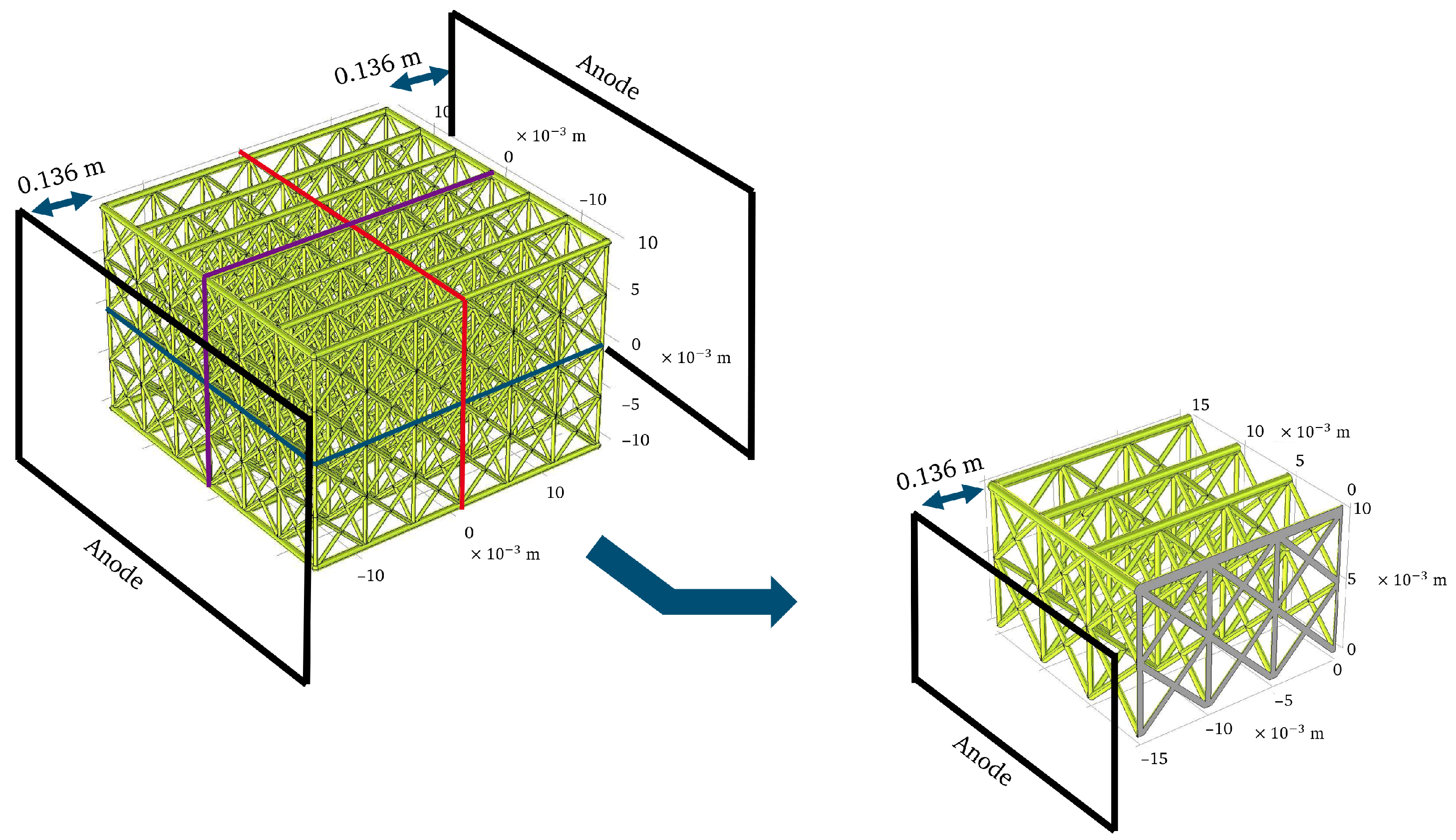
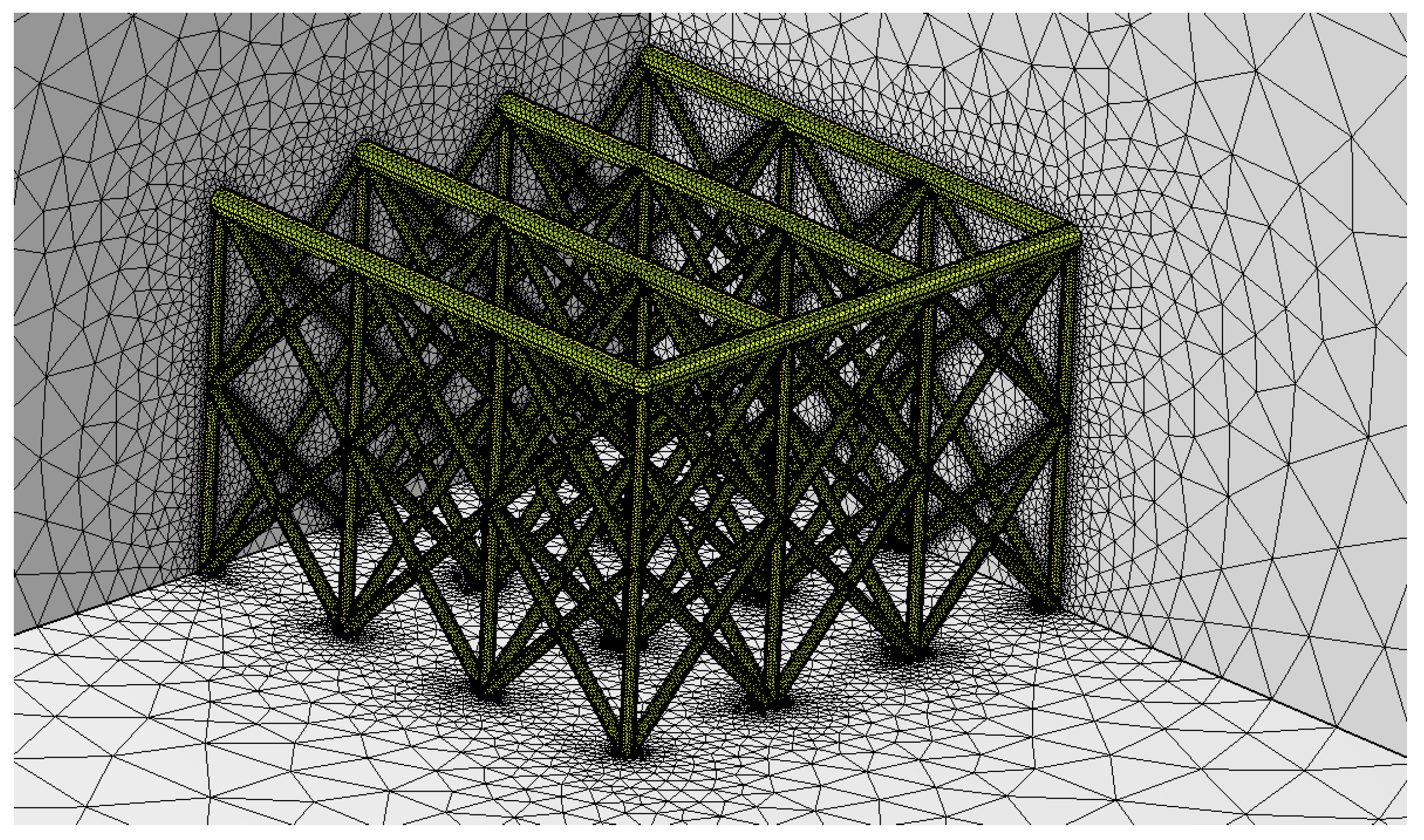
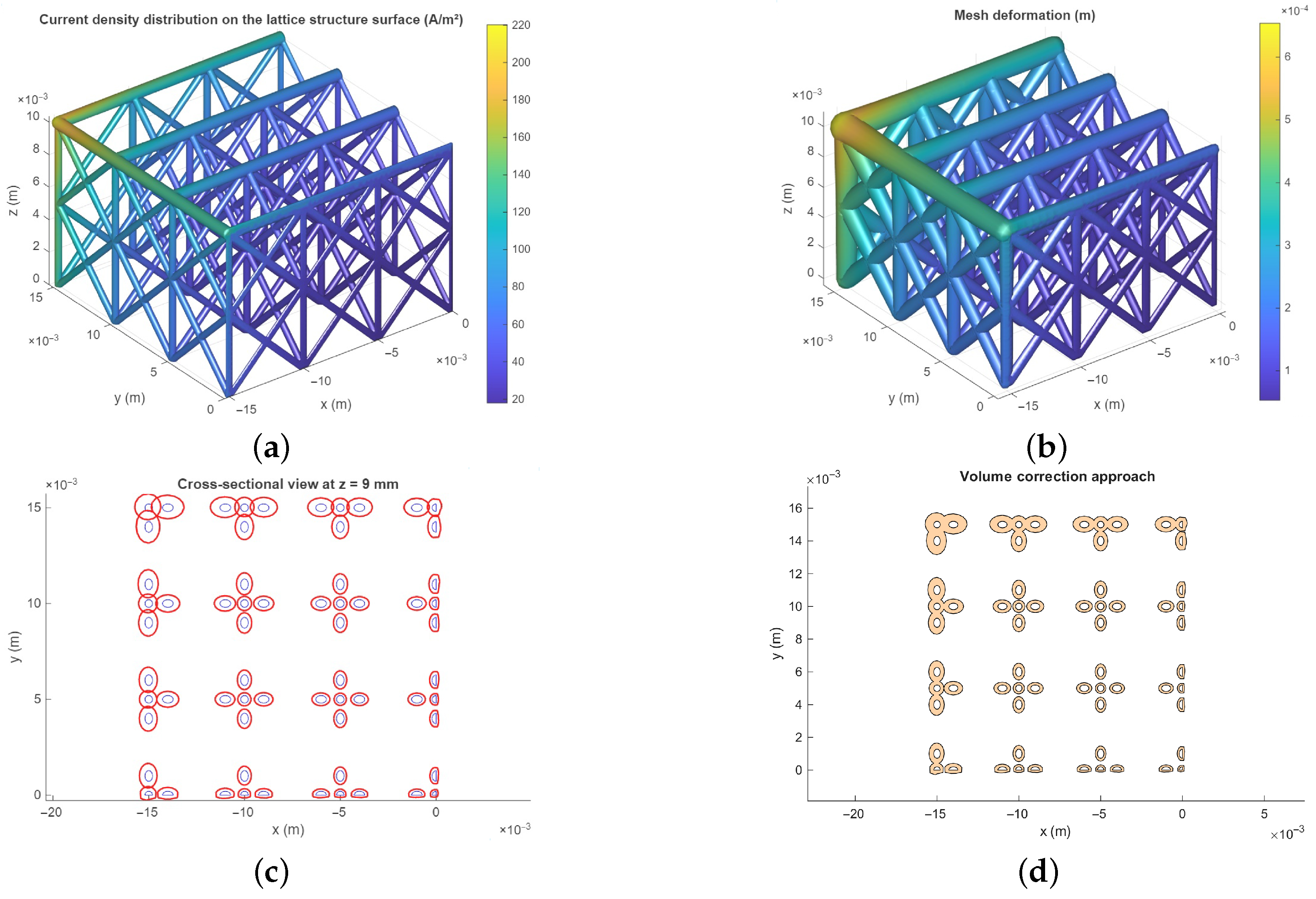
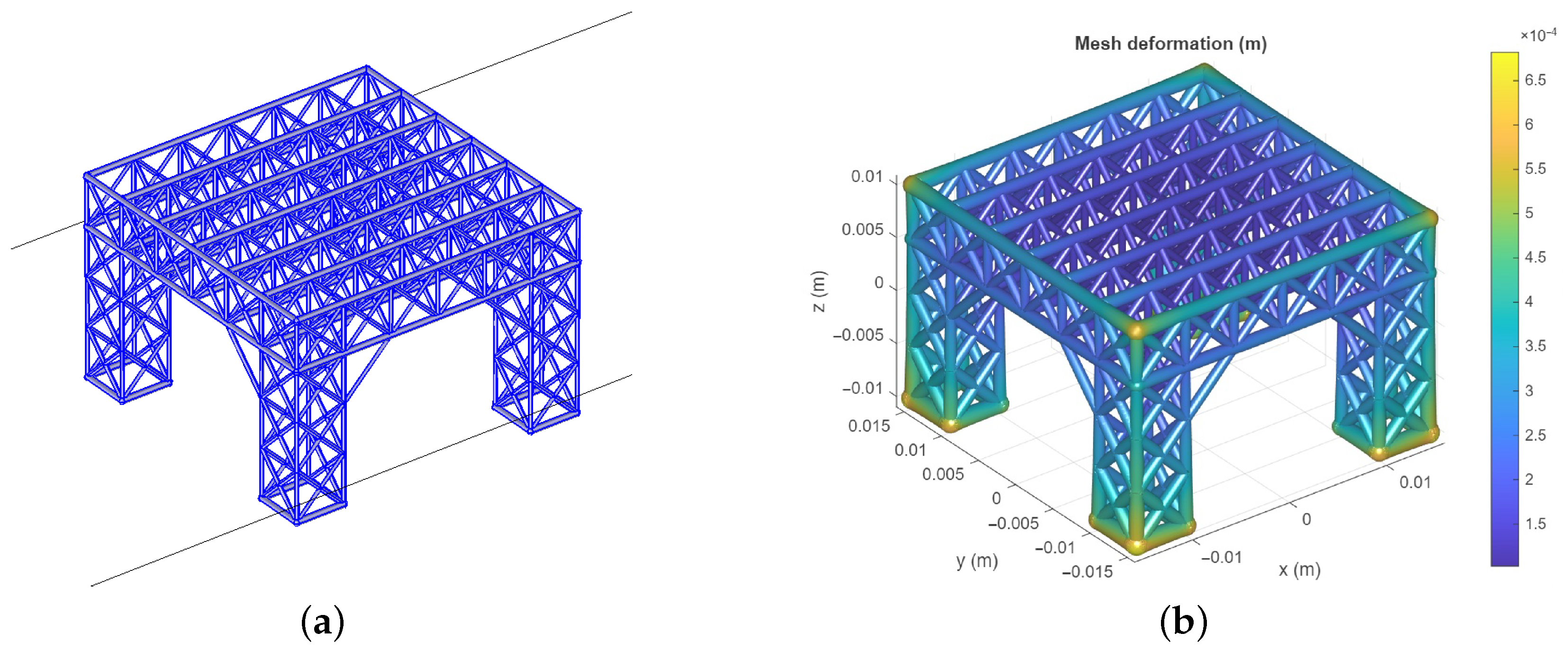
This work develops a comprehensive electrochemical simulation framework for predicting coating thickness distribution in additively manufactured lattice structures. The finite element model, implemented in COMSOL Multiphysics, incorporates Butler–Volmer electrode kinetics, mass transport limitations through limiting current density calculations, and mesh convergence analysis to calculate local coating thickness using Faraday’s law.
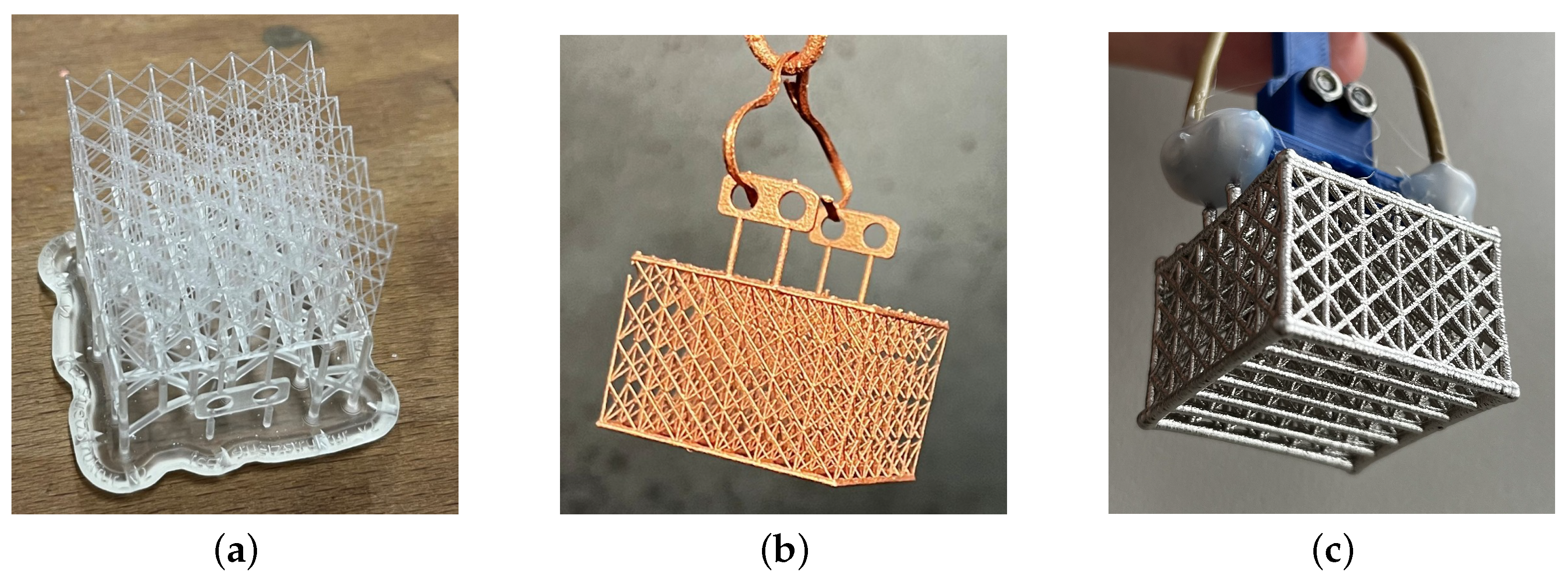
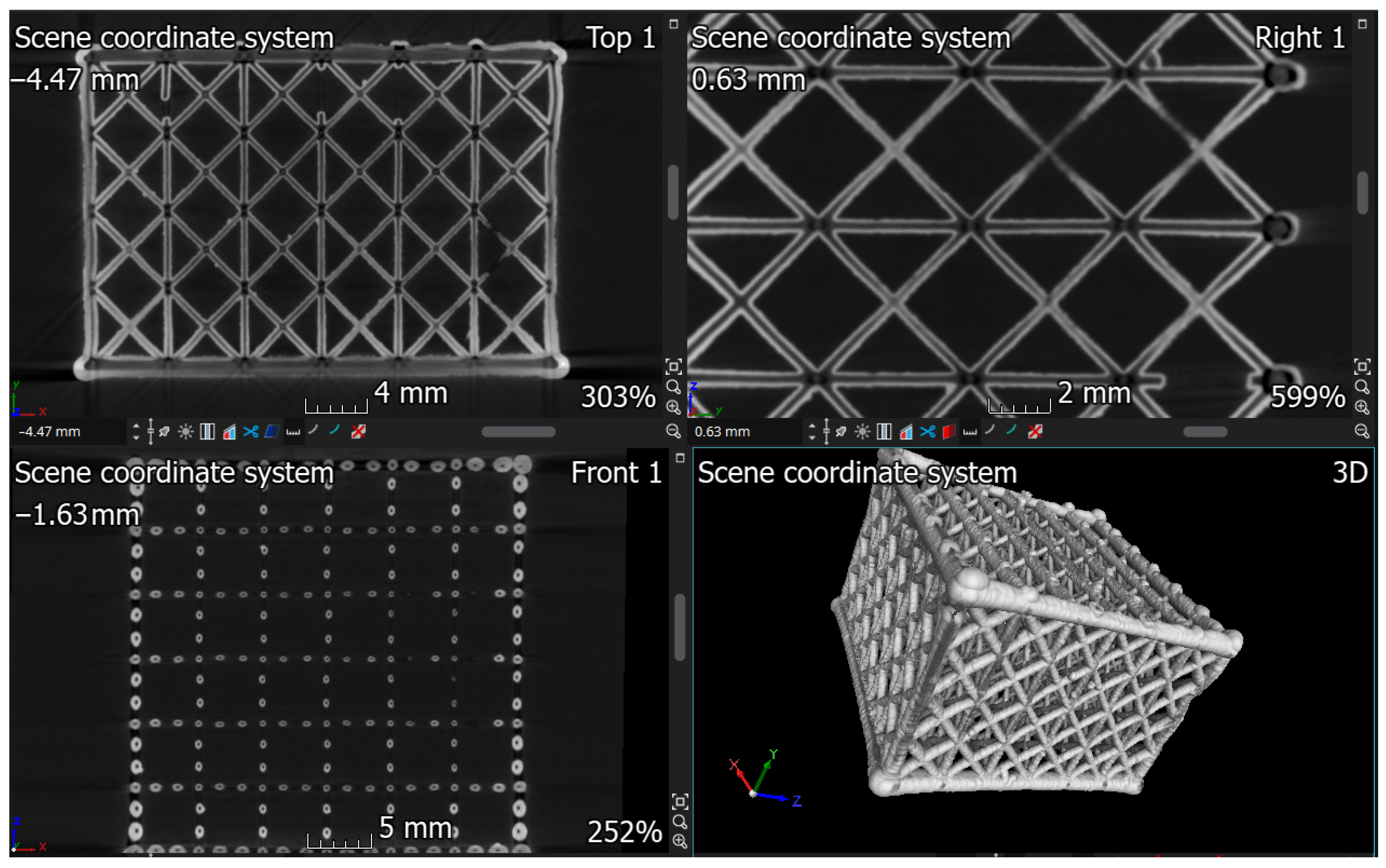
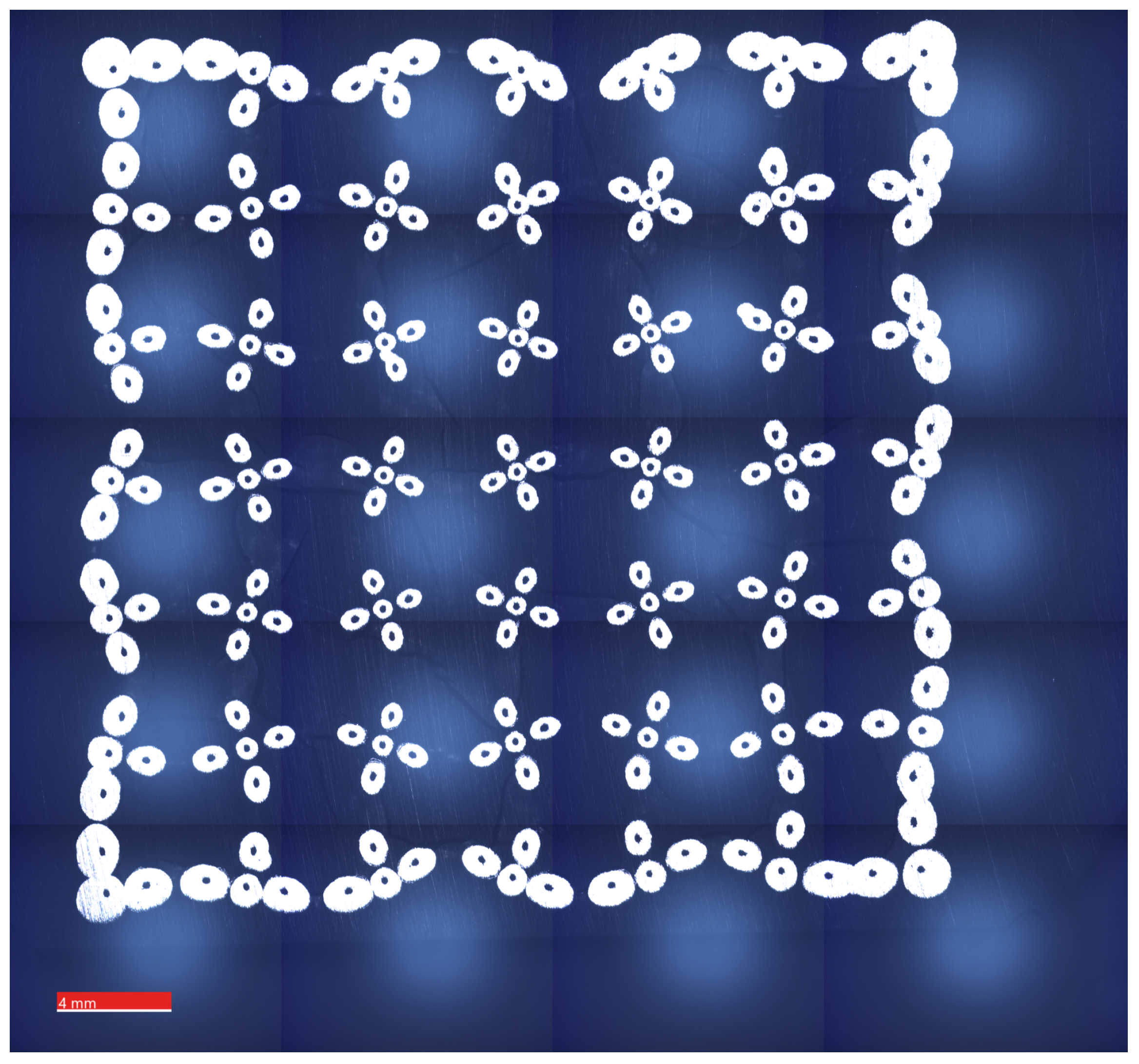
Experimental validation employs stereolithographically manufactured FCCZ lattice structures with electrochemical nickel coating. The validation methodology combines cross-sectional microscopy and high-resolution computed tomography scanning to assess coating thickness distribution throughout the complex three-dimensional geometry, enabling systematic comparison between simulation predictions and measured coating distribution.
This study establishes a validated simulation framework for predicting coating thickness gradients in lattice structures, providing the foundation for design optimization of functionally graded hybrid components and addressing the critical need for predictive modeling tools in hybrid additive manufacturing.
4. Discussion
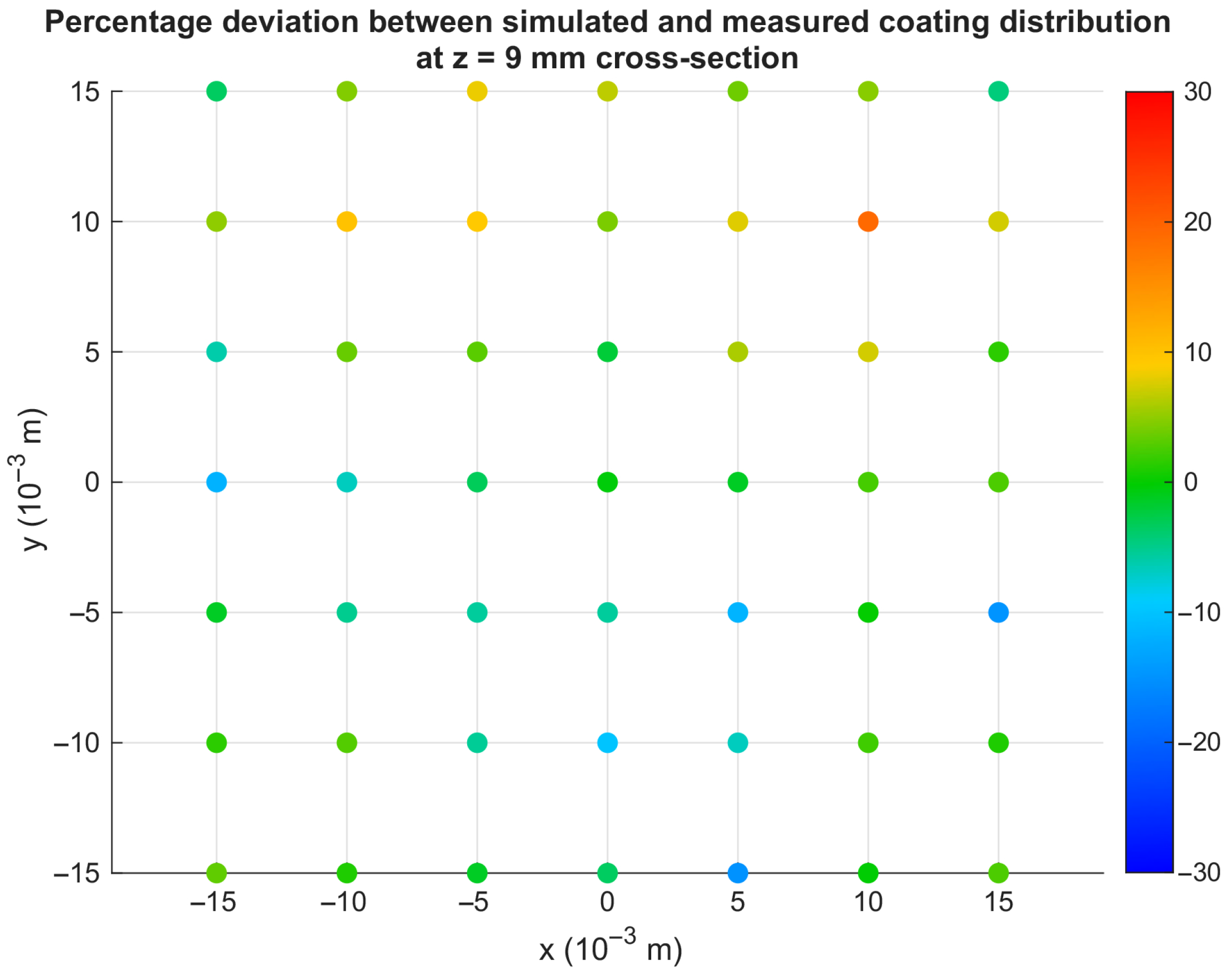
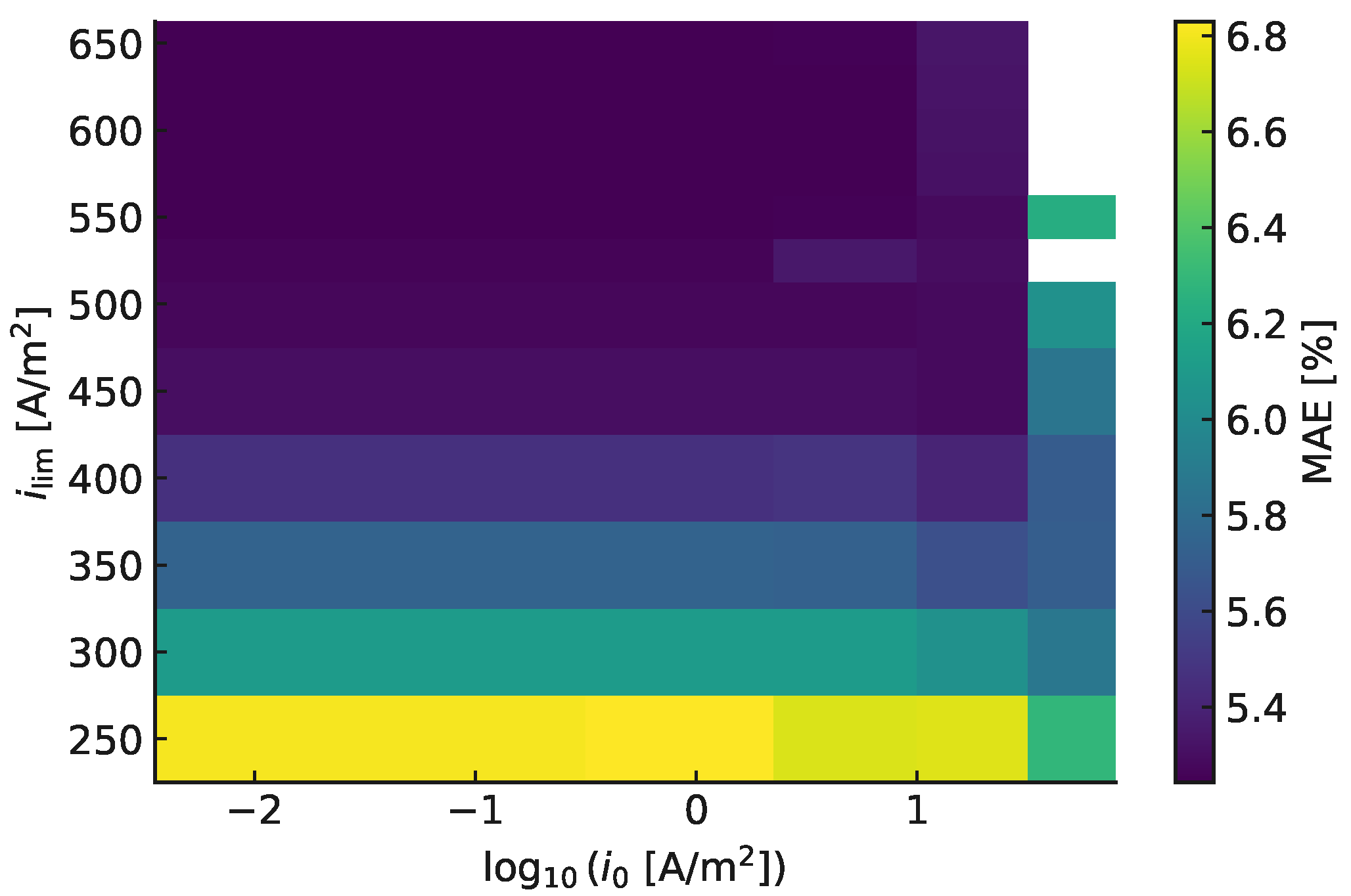
This study successfully developed and validated an electrochemical simulation model for predicting coating thickness distribution in electroplated lattice structures. The results demonstrate good agreement between simulation predictions and experimental measurements, with mean absolute errors of 5.25% after model calibration.
4.1. Simulation Accuracy and Limitations
The simulation model captures the fundamental characteristics of the electrodeposition process and reproduces the experimentally observed coating gradients with good accuracy. Nevertheless, several limitations arise from the modeling assumptions. First, surface roughness effects are not considered, as the simulation assumes perfectly smooth lattice struts. Real stereolithography surfaces exhibit submillimeter roughness features that can locally enhance current density and thereby increase deposition rates in a manner not captured by the model. Additionally, simplified assumptions regarding electrolyte conductivity, concentration homogeneity, and mass transport may contribute to deviations between simulation and experiment, particularly in regions with restricted electrolyte access.
A further limitation stems from the quasi-steady treatment of the electrochemical problem. In the present model, the current density distribution is computed only once for the initial geometry, although the coating growth alters the local curvature, surface accessibility, and effective electrode area over time. These geometric changes would lead to a gradual redistribution of current in a fully coupled transient formulation, including shielding effects in interior regions and prolonged exposure of outer regions. The quasi-steady approach does not capture these time-dependent electrochemical effects. The calibration method described in
Section 2.4.1 compensates for the global scaling error introduced by the nonlinear geometric growth, but it does not correct local deviations in the material distribution that may arise from omitted transient current redistribution.
An additional aspect worth noting is that the two dominant sources of modeling error—the geometric approximation associated with offset-based coating growth (including curvature-dependent deviations and local self-intersections) and the neglect of time-dependent current redistribution—act in opposite directions. While the geometric approximation tends to underestimate deposited volume in regions of high curvature, the missing transient coupling would, in principle, lead to an overestimation of deposition in areas that remain highly exposed as the coating grows. It is, therefore, plausible that these effects partially compensate each other, which may contribute to the comparatively small global deviation observed in the validation. A quantitative investigation of this interaction, for example, through simplified transient test cases or stepwise geometry-updated simulations, represents a promising direction for future work.
4.2. Experimental Validation Challenges
The CT-based validation approach provided valuable quantitative data but also revealed measurement limitations. At low coating thicknesses (<50 m), the voxel resolution of 48.08 m becomes limiting, leading to quantization errors in thickness measurements. This explains the increasing scatter in experimental data toward the structure interior.
Additional measurement challenges include CT scanning artifacts and process-induced coating irregularities.
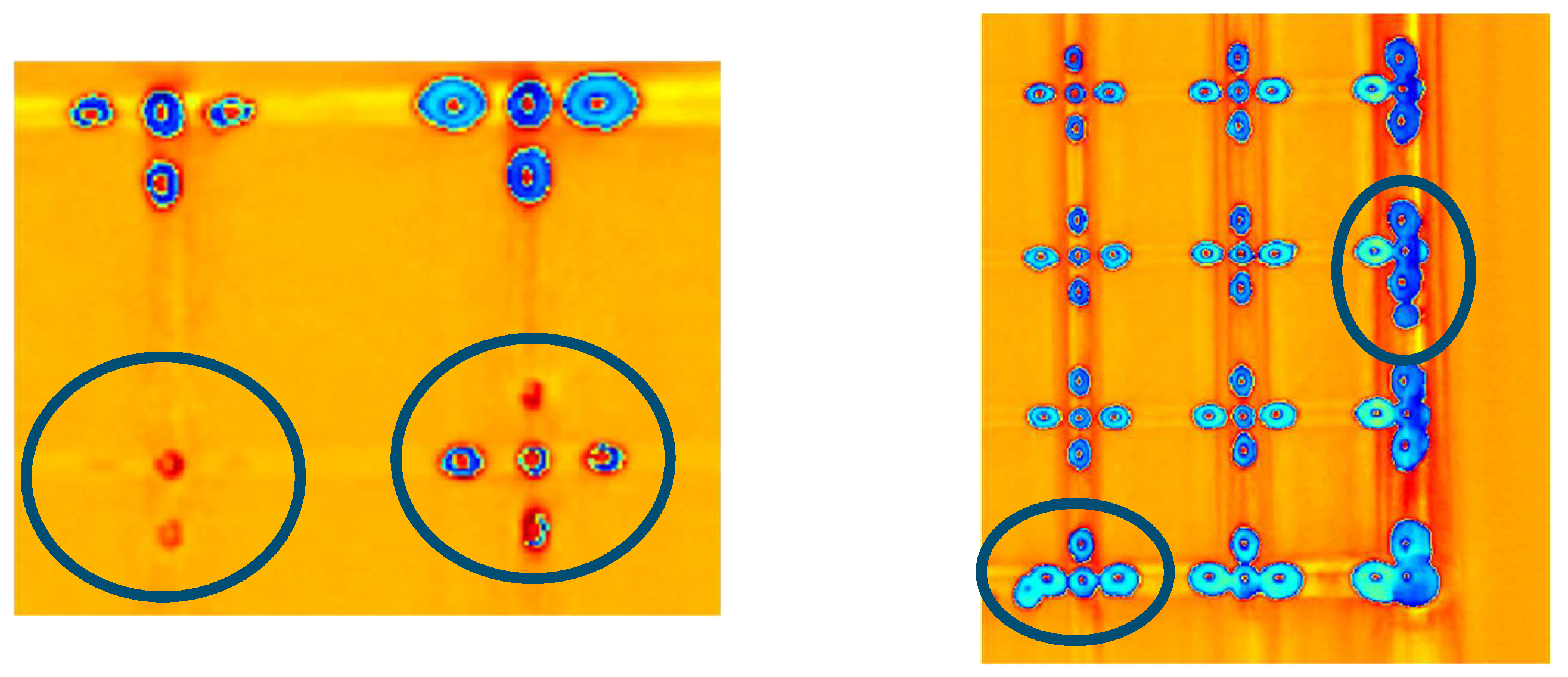
Figure 13 illustrates typical issues encountered during validation: CT scan artifacts can create apparent voids or thickness variations (left), while electroplating process variations lead to dendrite formation at individual struts (right). These phenomena contribute to local measurement uncertainties but do not affect the overall coating gradient validation.
Cross-sectional microscopy confirmed the CT findings but was limited to 2D analysis. The automated image analysis successfully identified coating boundaries but struggled with merged coatings where adjacent struts grew together, a phenomenon correctly predicted by the simulation.
4.3. Model Calibration and Parameter Sensitivity
The parametric study revealed that the limiting current density has a stronger influence on coating uniformity than the exchange current density. The optimized limiting current density of 600 A/m2 is 66% higher than the theoretical value calculated from the data in the literature (360.6 A/m2), suggesting that mass transport limitations are more severe in the complex lattice geometry than in the idealized conditions used for parameter determination.
The exchange current density showed minimal impact on overall accuracy, with values between 0.1 and 5 A/m2 yielding similar results.
4.4. Comparison of Modeling Approaches
This study compared two electrochemical modeling approaches to evaluate their suitability for lattice structure coating prediction.
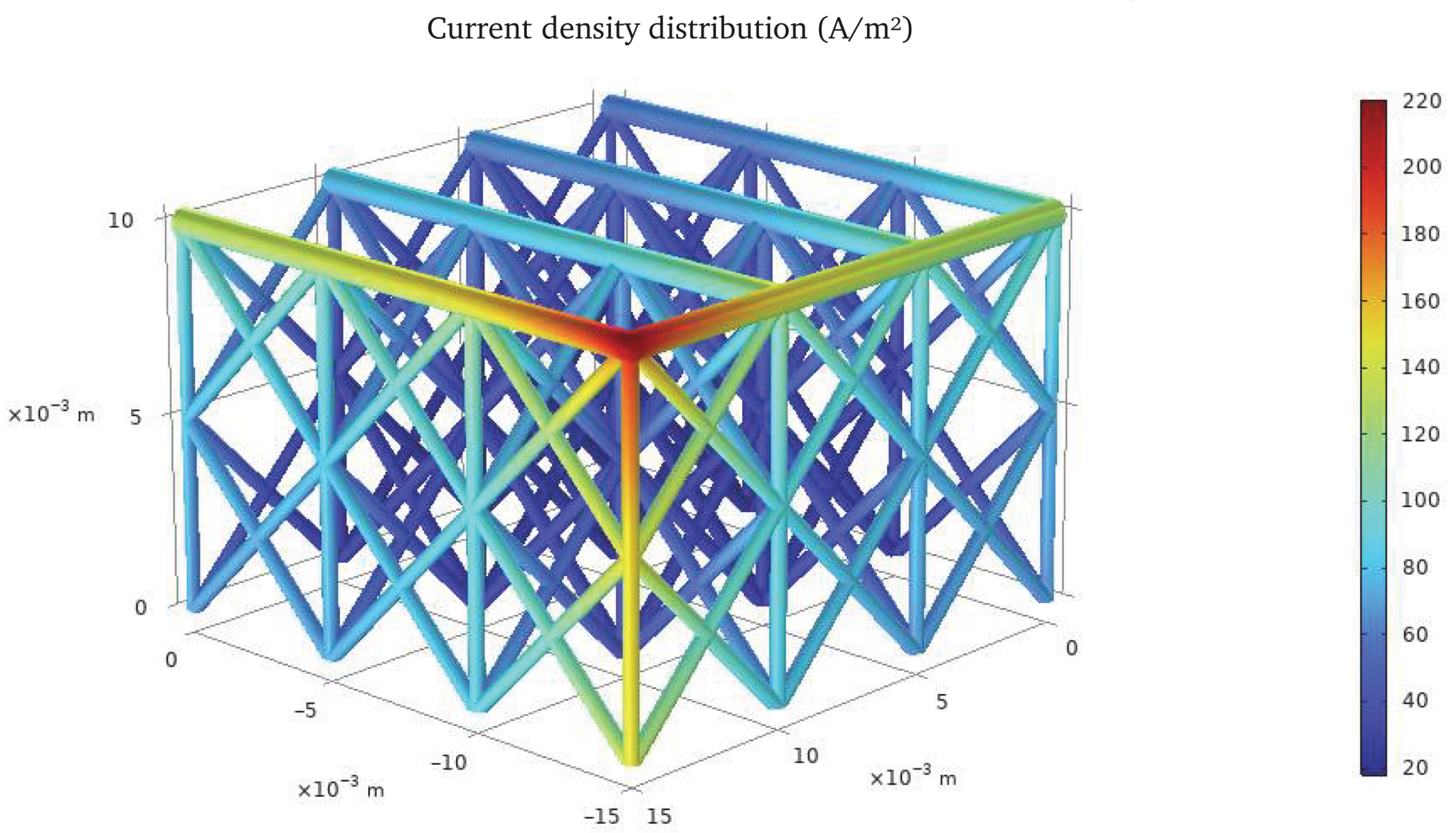
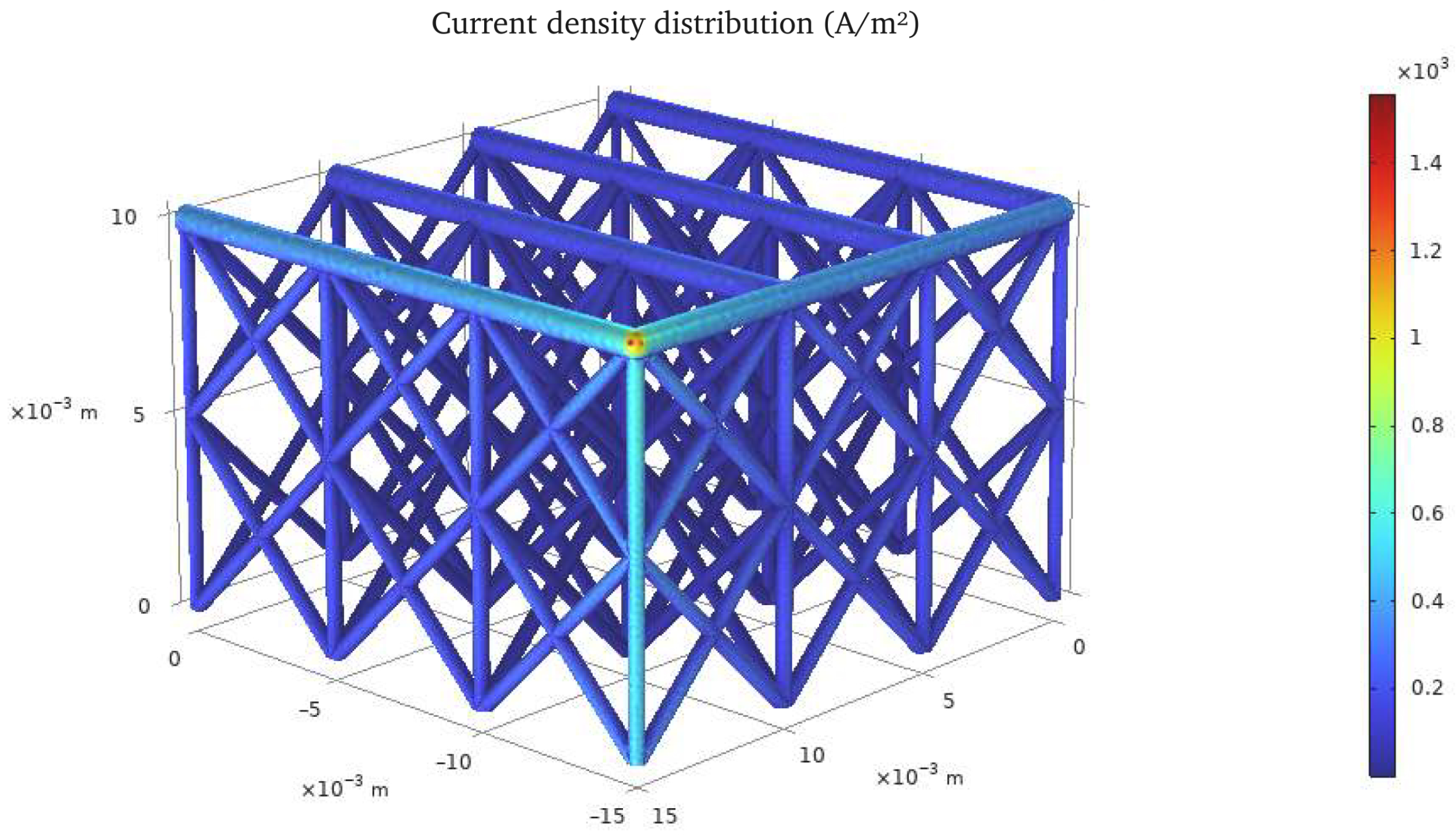
Figure 14 demonstrates the current density distribution predicted by the simplified ohmic resistance model, which shows significant limitations when applied to complex geometries.
The simplified ohmic resistance model systematically overpredicts coating thickness at exposed corners and edges while underpredicting interior coating. This behavior results from the model’s neglect of electrochemical reaction kinetics, which become increasingly important as current density variations increase. The extreme current concentration at geometric singularities shown in
Figure 14 leads to unrealistic coating predictions that fail to match experimental observations.
In contrast, the Butler–Volmer kinetic model (
Figure 4) successfully captured the experimentally observed coating distribution patterns. The inclusion of electrode reaction kinetics through exchange current density and limiting current density parameters enabled realistic prediction of coating gradients across the complex lattice geometry. The model’s ability to account for activation and concentration overpotentials proved essential for accurate simulation of the electrodeposition process.
This comparison confirms that simplified resistance models are inadequate for complex three-dimensional geometries where significant current density variations occur. The incorporation of electrochemical kinetics, despite increased computational complexity, is necessary to achieve predictive accuracy suitable for engineering applications.
4.5. Model Performance and Validation
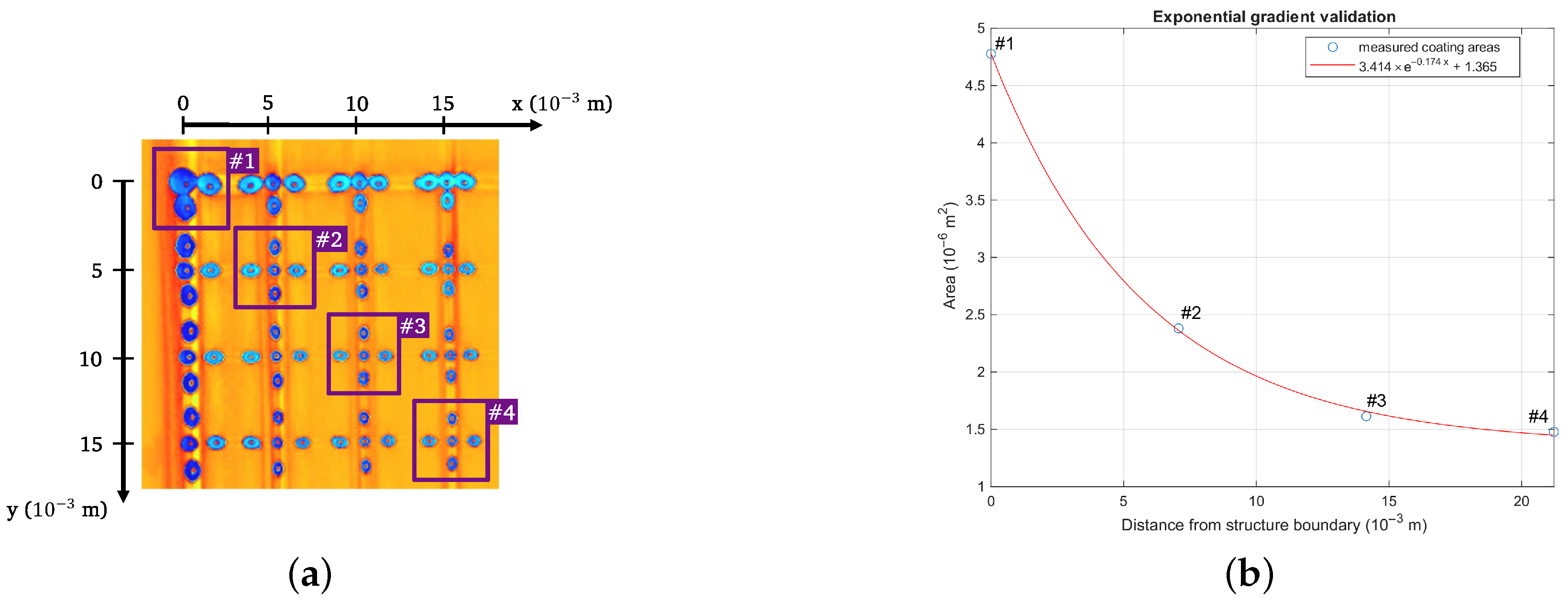
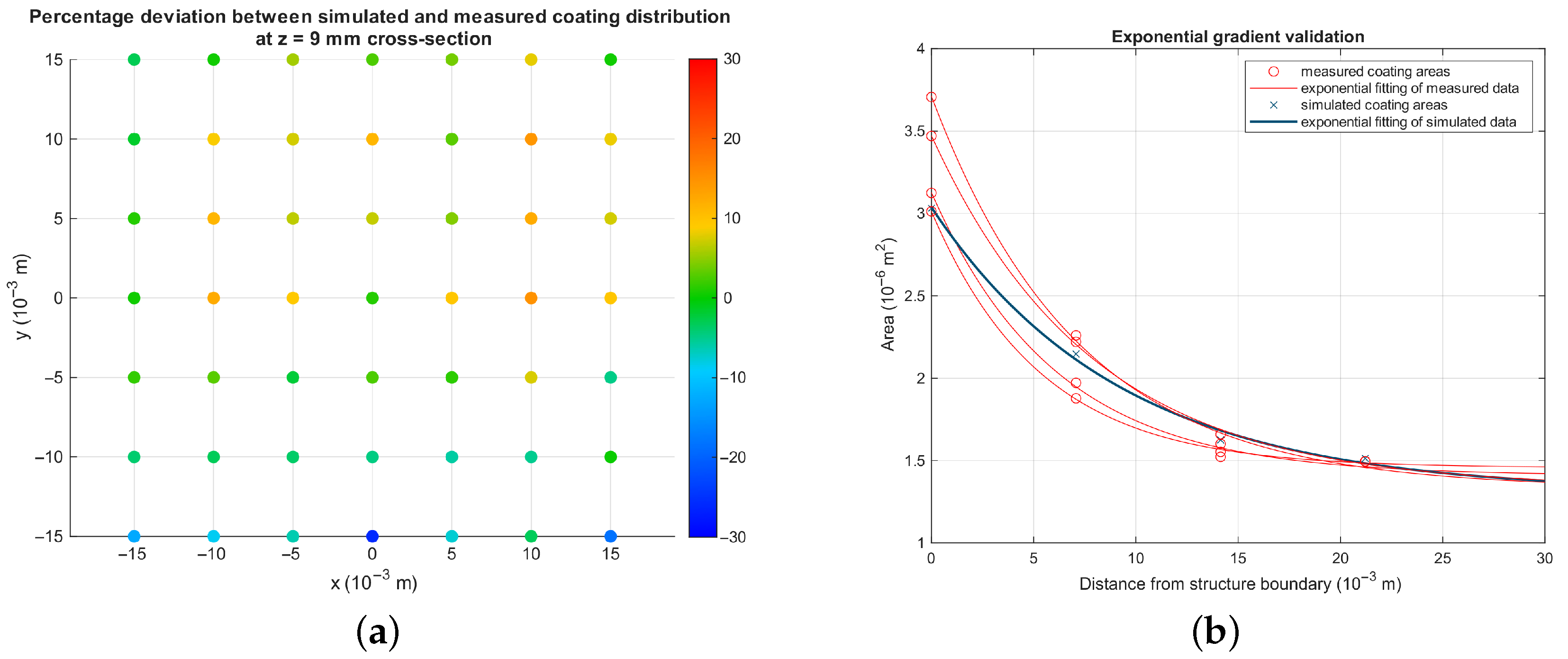
The achieved simulation accuracy demonstrates the effectiveness of the Butler–Volmer kinetic modeling approach for complex lattice geometries. The exponential coating gradient predicted by the model matches the experimental observations from both CT scanning and cross-sectional microscopy analysis. The iterative calibration procedure successfully reduced prediction errors.
The validation approach using dual measurement techniques (CT scanning for 3D quantitative analysis and microscopy for high-resolution 2D verification) provides robust experimental evidence for the simulation accuracy. The systematic analysis of edge effects and coating gradients confirms that the model captures the fundamental physics governing electrochemical deposition in complex geometries.
4.6. Future Research Directions
Several areas warrant further investigation to advance the simulation framework. Extension to alternative coating materials such as copper, silver, or zinc requires validation of material-specific electrochemical parameters and deposition kinetics under different electrolyte compositions. The transferability of the modeling approach should be established across diverse lattice topologies, including body-centered cubic, diamond, and gyroid structures, to understand the impact of different geometric complexities and surface-to-volume ratios. Multiphysics coupling should integrate thermal effects and bubble formation during electroplating to improve model accuracy for high-current-density processes. Dynamic modeling through time-dependent simulations would capture coating evolution and electrolyte aging effects over extended processing times. Integration of the validated coating thickness distributions with finite element mechanical analysis would enable prediction of resulting stiffness, strength, and failure modes of hybrid lattice structures.
The simulation framework provides a foundation for these extensions and demonstrates the feasibility of predictive electrochemical modeling for complex additive manufacturing applications.
5. Conclusions
This study successfully developed and validated a finite element electrochemical simulation model for predicting coating thickness distribution in electroplated FCCZ lattice structures. The 3D model incorporates Butler–Volmer electrode kinetics and current distribution under mass transport limitations, achieving a mean absolute error of 5.25% compared to experimental CT scanning data after iterative calibration.
The simulation accurately predicts the exponential coating thickness gradient from exposed edges to internal regions, with outer struts experiencing 7–8× higher coating thickness than internal struts. Parameter sensitivity analysis revealed that limiting current density has stronger influence on coating uniformity than exchange current density, indicating that mass transport limitations dominate over activation kinetics under the studied conditions.
The validated model enables predictive coating thickness distribution in metallized lattice structures, providing a foundation for iterative design optimization of the polymer substrate geometry to achieve targeted mechanical properties in functionally graded hybrid components. The methodology demonstrates the feasibility of predictive electrochemical modeling for complex additively manufactured structures and is transferable to lattice structures with comparable geometric complexity. This represents a significant advancement toward digital process control in electrochemical metallization of additively manufactured components, enabling the systematic design of lightweight structures with controlled coating thickness distribution.