Article

Development of a Novel Implementation of a Remotely Piloted Aircraft System over 25 kg for Hyperspectral Payloads


1
Aerospace Research Center, National Research Council of Canada, Ottawa, ON K1A-0R6, Canada
2
Applied Remote Sensing Laboratory, McGill University, Montreal, QC H3A-0B9, Canada
3
Defence Research and Development Canada, Valcartier, QC G3J 1X5, Canada
*
Author to whom correspondence should be addressed.
Drones 2023, 7(11), 652; https://doi.org/10.3390/drones7110652
Submission received: 3 October 2023 / Revised: 18 October 2023 / Accepted: 24 October 2023 / Published: 27 October 2023

Abstract

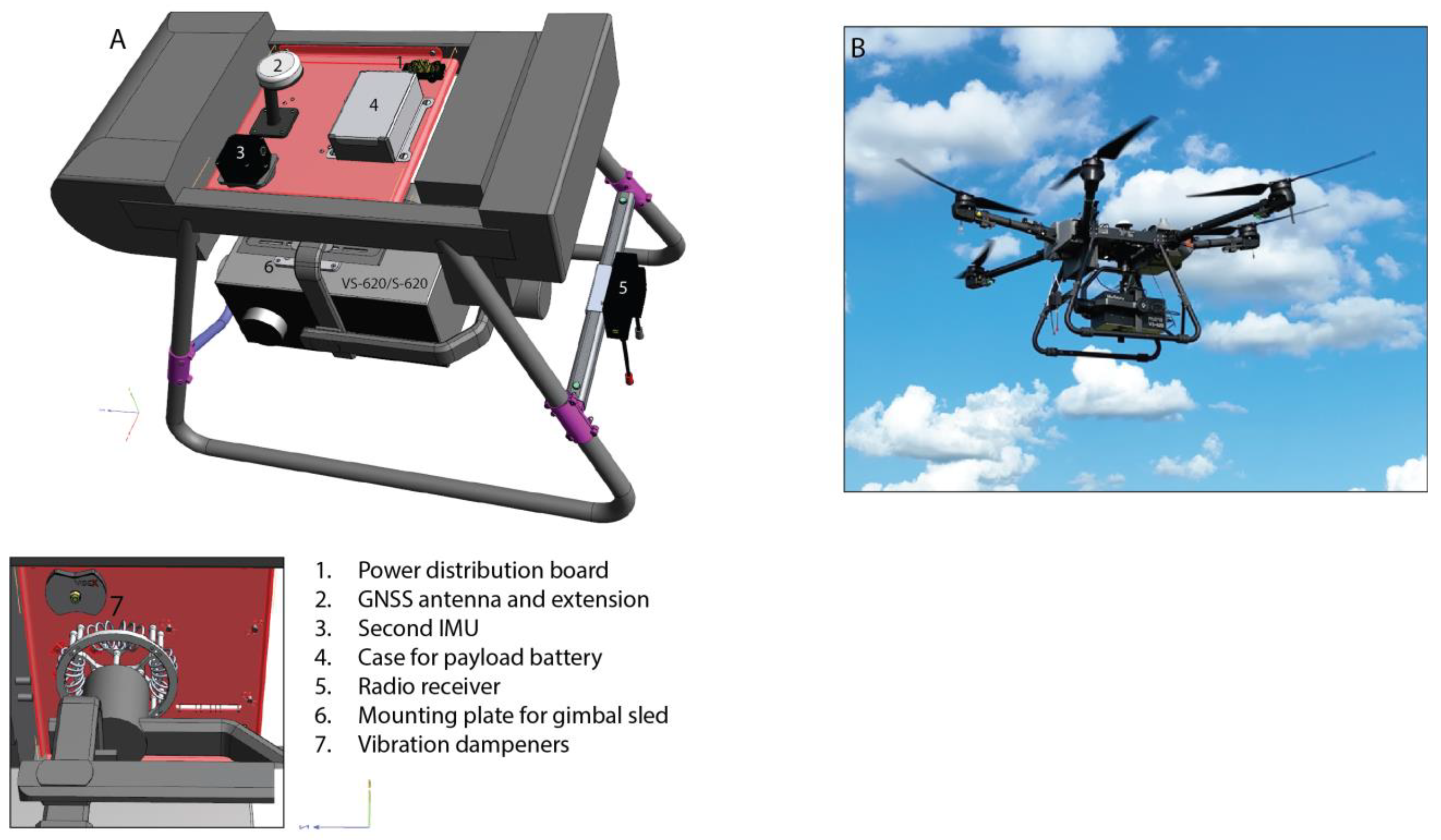
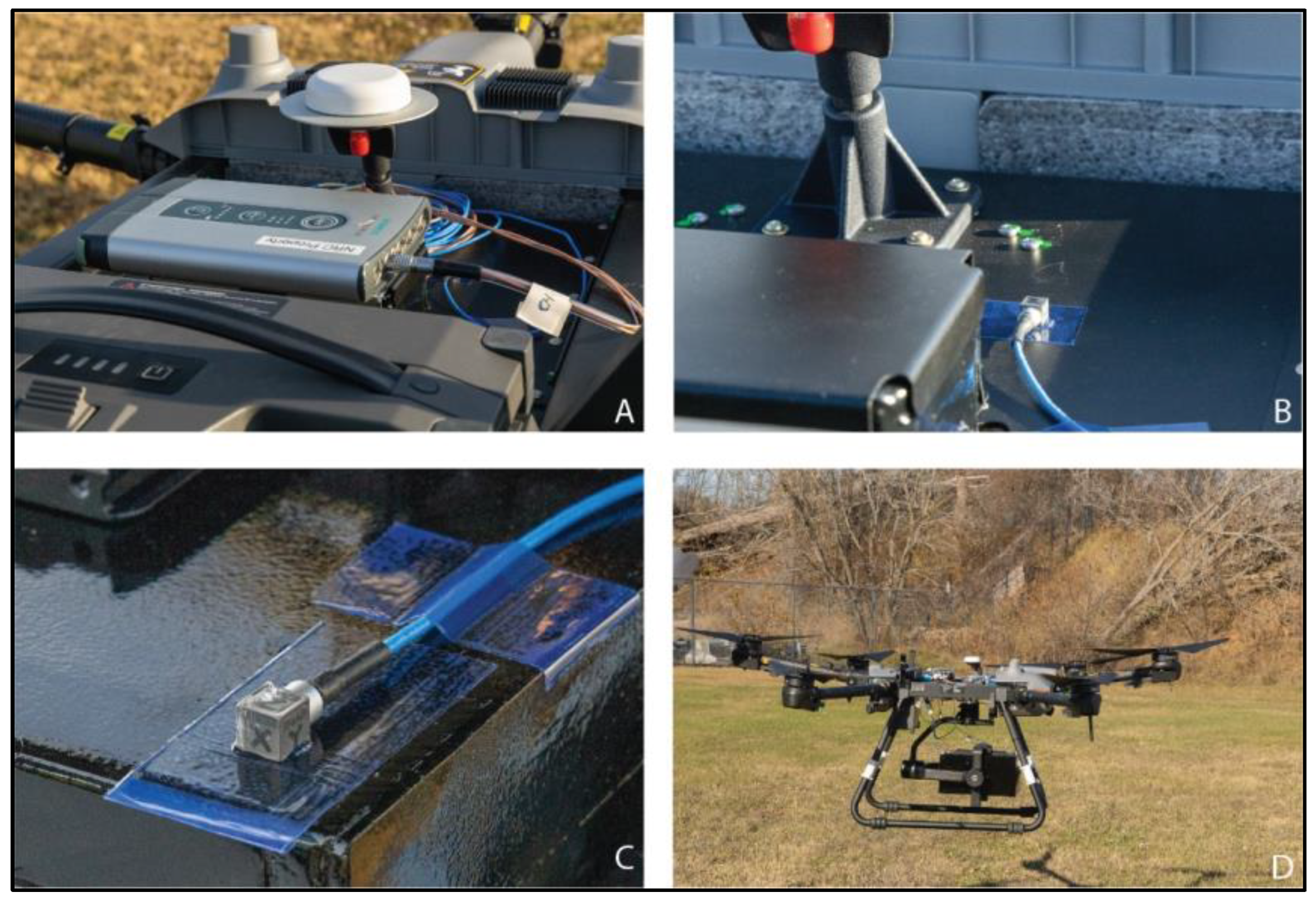
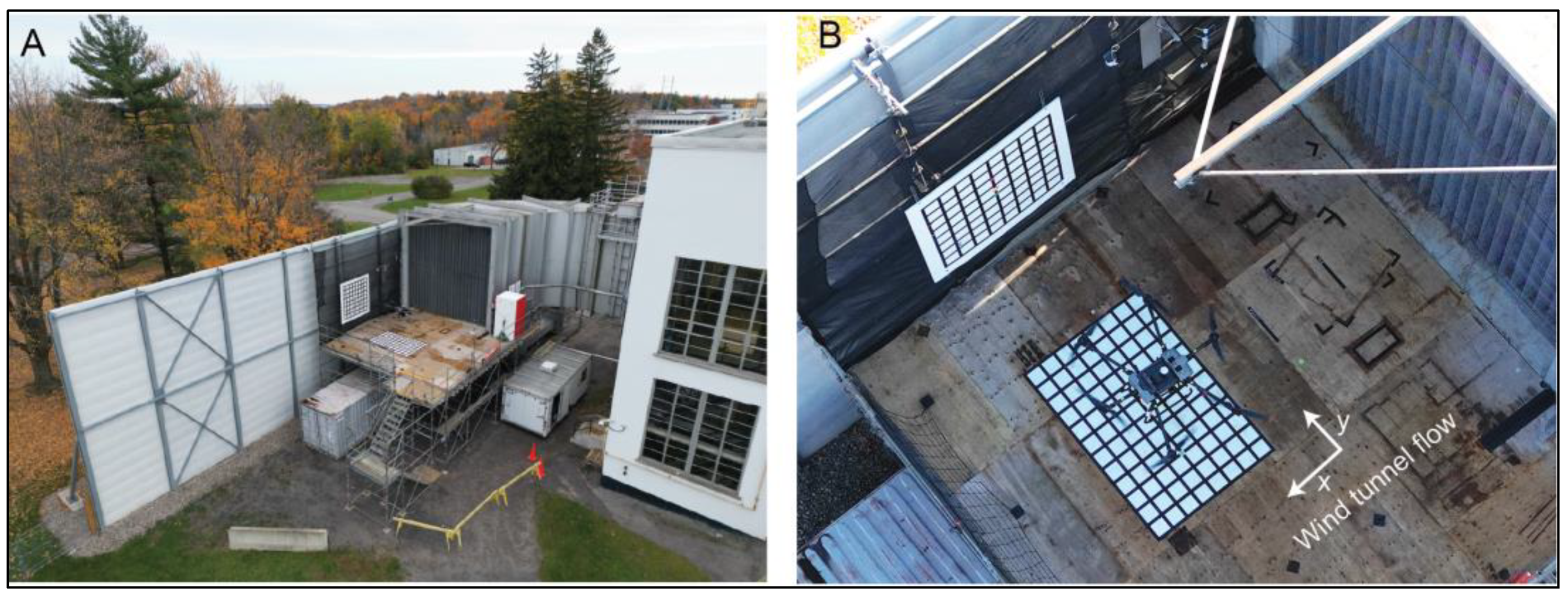
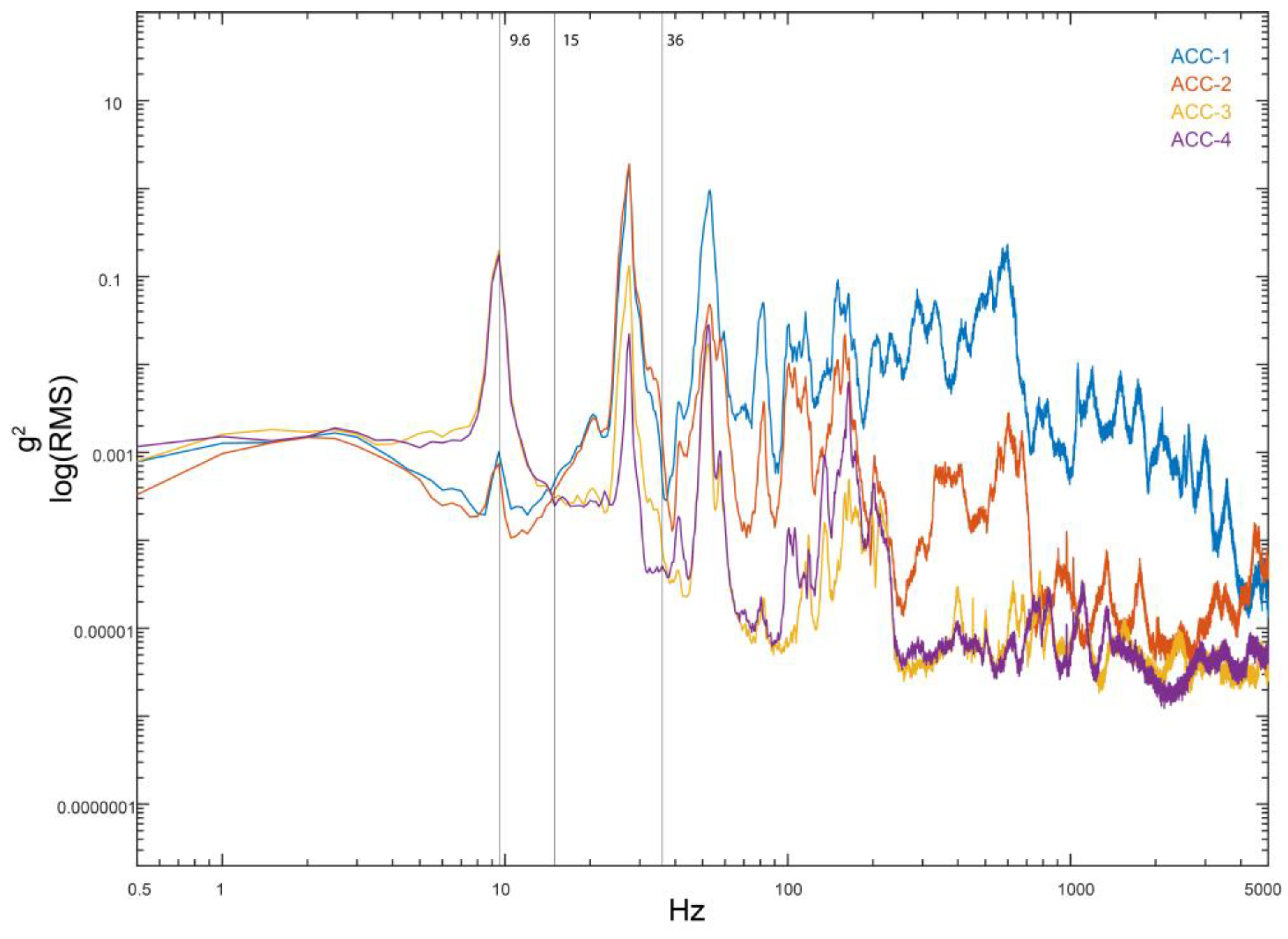
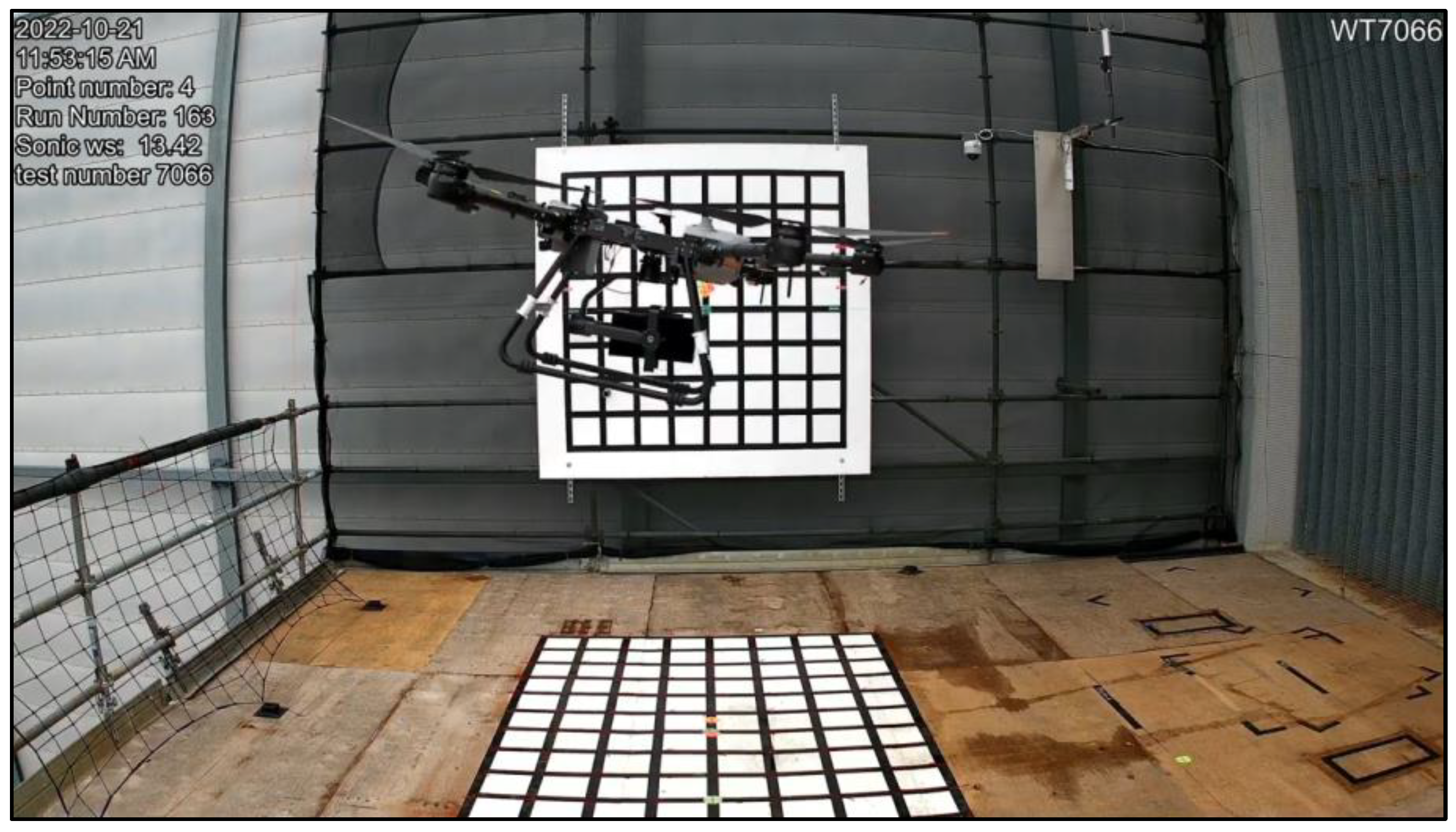
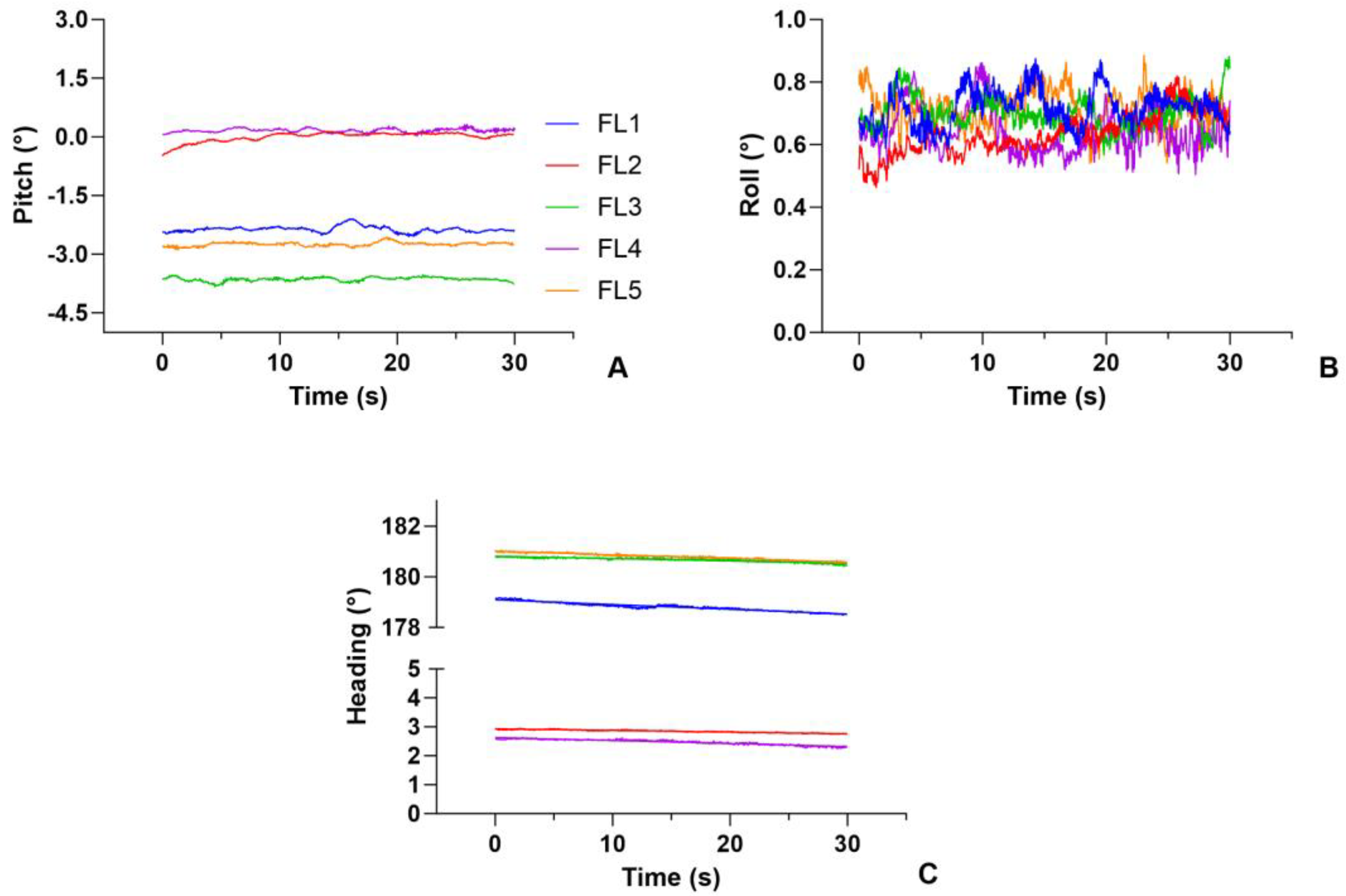
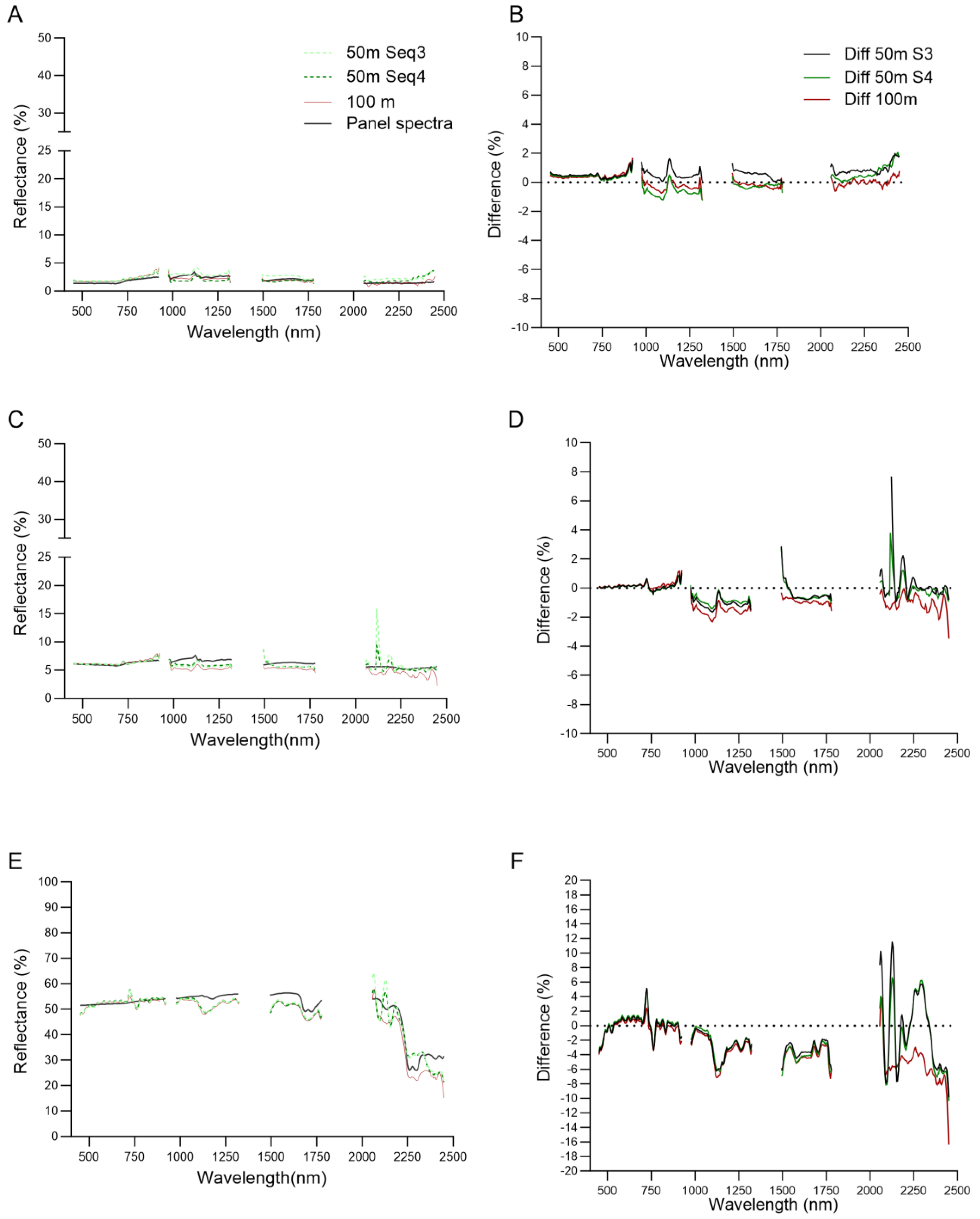
A main aspect limiting the operation of low-altitude remotely piloted aircraft systems (RPAS) over 25 kg, integrating pushbroom hyperspectral sensors, comes from the challenges related to aircraft performance (e.g., flight time) and regulatory aspects deterring the users from pushing beyond this weight limit. In this study, we showcase a novel implementation using the DJI Agras T30 as an aerial system for integrating an advanced hyperspectral imager (HSI, Hyspex VS-620). We present the design and fabrication approach applied to integrate the HSI payload, the key considerations for powering the HSI and its gimbal, and the results from vibration and wind tunnel tests. We also evaluate the system’s flight capacity and the HSI’s geometric and radiometric data qualities. The final weight of the T30 after the integration of the HSI payload and ancillary hardware was 43 kg. Our vibration test showed that the vibration isolator and the gimbal reduced the vibration transmission to above 15 Hz but also introduced a resonant peak at 9.6 Hz that led to vibration amplification in the low-frequency range near 9.6 Hz (on the order of an RMS of ~0.08 g). The wind tunnel test revealed that the system is stable up to nearly twice the wind speed rating of the manufacturer’s specifications (i.e., 8 m/s). Based on the requirements of the Canadian Special Flight Operations Certificate (RPAS > 25 kg) to land at a minimal battery level of ≥30%, the system was able to cover an area of ~2.25 ha at a speed of 3.7 m/s and an altitude of 100 m above ground level (AGL) in 7 min. The results with the HSI payload at different speeds and altitudes from 50 m to 100 m AGL show hyperspectral imagery with minimal roll–pitch–yaw artefacts prior to geocorrection and consistent spectra when compared to nominal reflectance targets. Finally, we discuss the steps followed to deal with the continuously evolving regulatory framework developed by Transport Canada for systems > 25 kg. Our work advances low-altitude HSI applications and encourages remote sensing scientists to take advantage of national regulatory frameworks, which ultimately improve the overall quality of HSI data and safety of operations with RPAS > 25 kg.
Keywords: remotely piloted aircraft systems (RPAS); drone; calibration/validation; hyperspectral; earth observation; payload; heavy lifter; >25 kg; push broom; low altitude; IMU/GNSS; geocorrection; reflectance; Hyspex; DJI; T30; Agras remotely piloted aircraft systems (RPAS); drone; calibration/validation; hyperspectral; earth observation; payload; heavy lifter; >25 kg; push broom; low altitude; IMU/GNSS; geocorrection; reflectance; Hyspex; DJI; T30; Agras