Article

Pore-Throat Structure, Fractal Characteristics, and Main Controlling Factors in Extremely Low-Permeability Sandstone Reservoirs: The Case of Chang 3 Section in Huachi Area, Ordos Basin

1
Department of Geology, Northwest University, Xi’an 710069, China
2
The Second Oil Production Plant, PetroChina Changqing Oilfield Company, Qingcheng 745100, China
*
Authors to whom correspondence should be addressed.
Fractal Fract. 2025, 9(7), 439; https://doi.org/10.3390/fractalfract9070439

Submission received: 22 April 2025 / Revised: 24 June 2025 / Accepted: 30 June 2025 / Published: 3 July 2025

Abstract

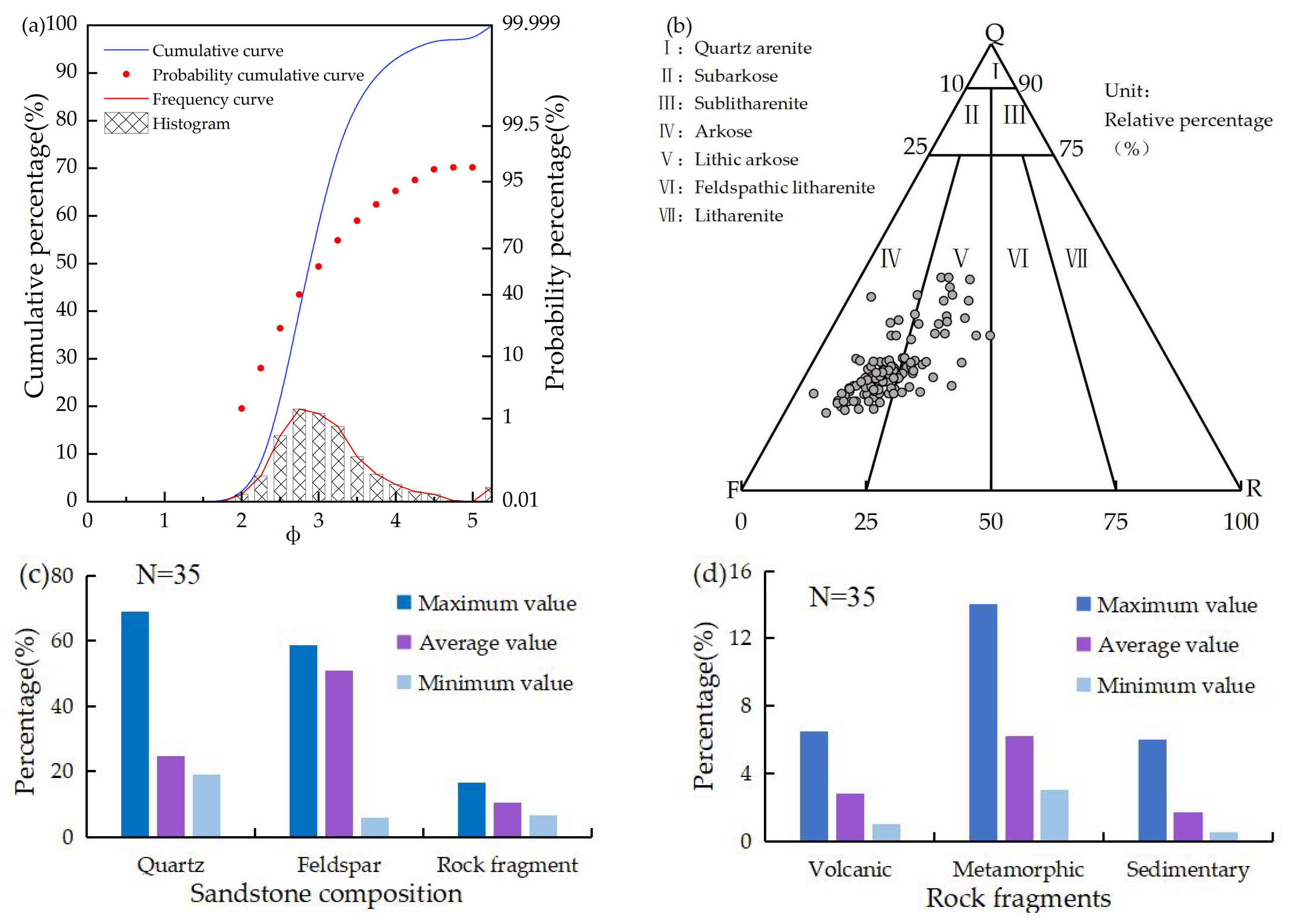
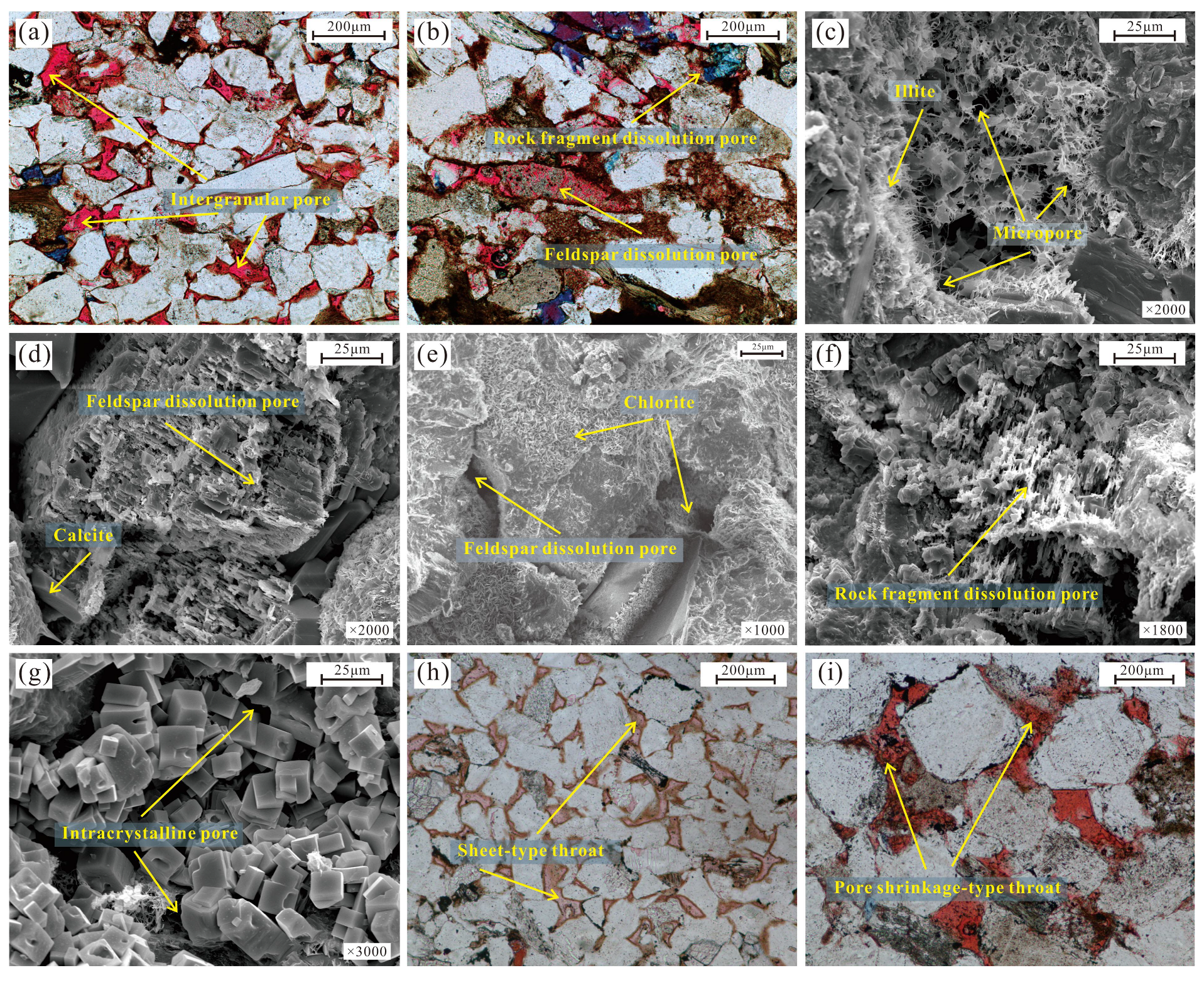
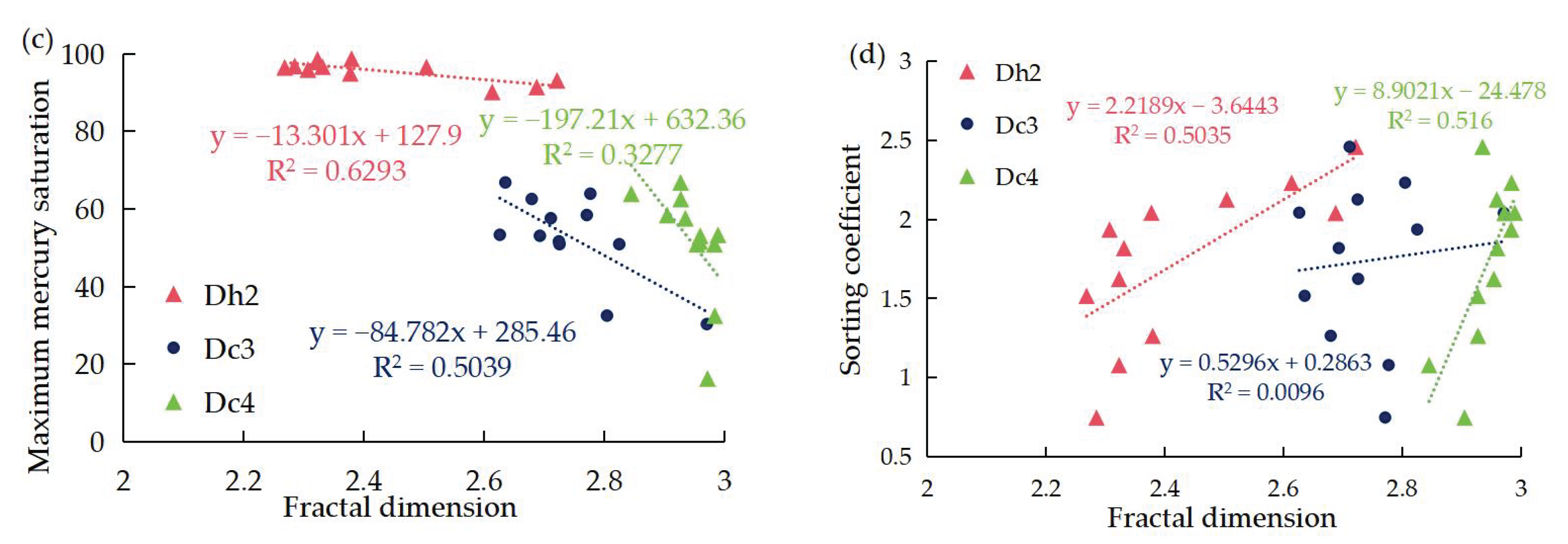
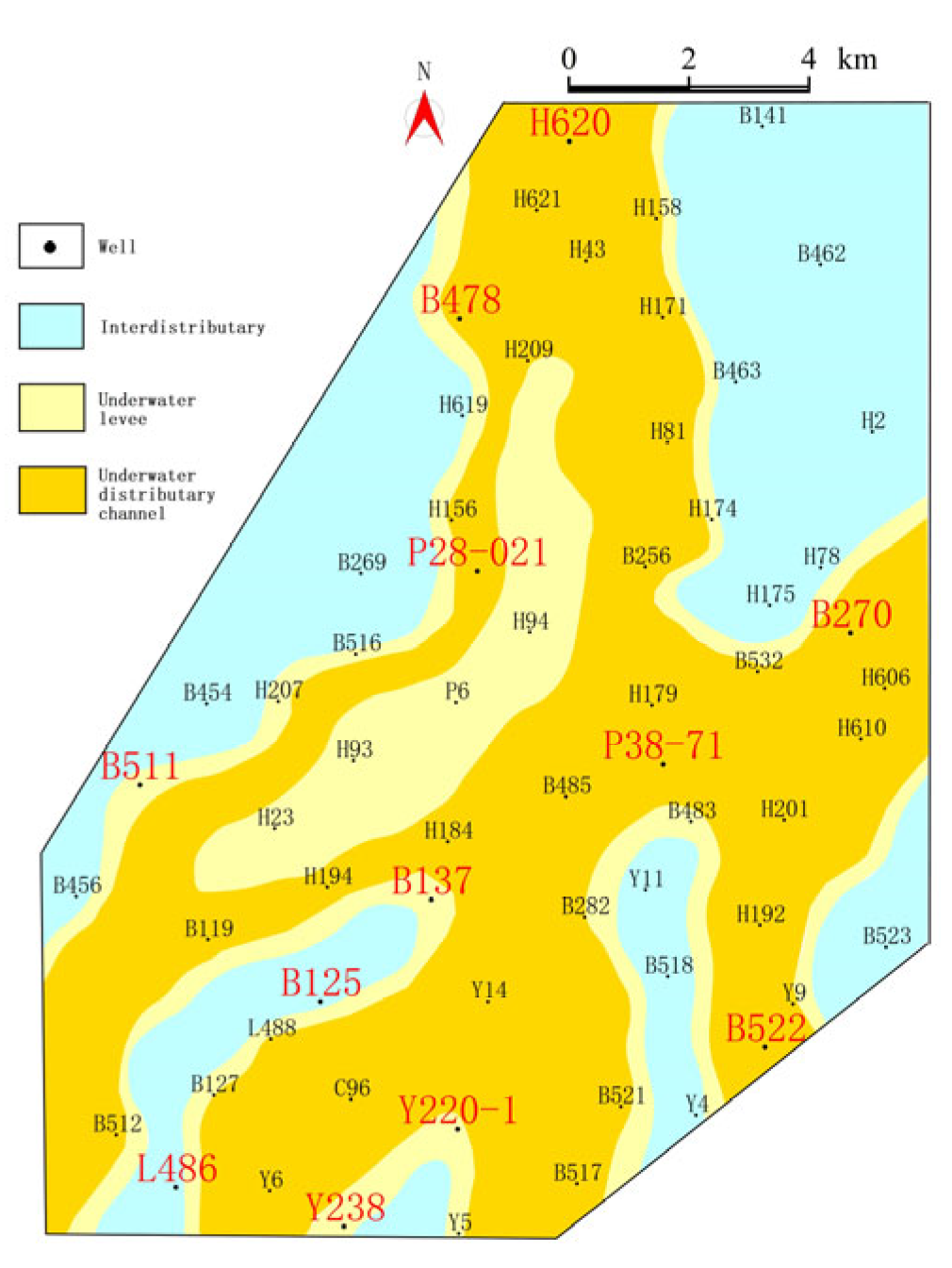
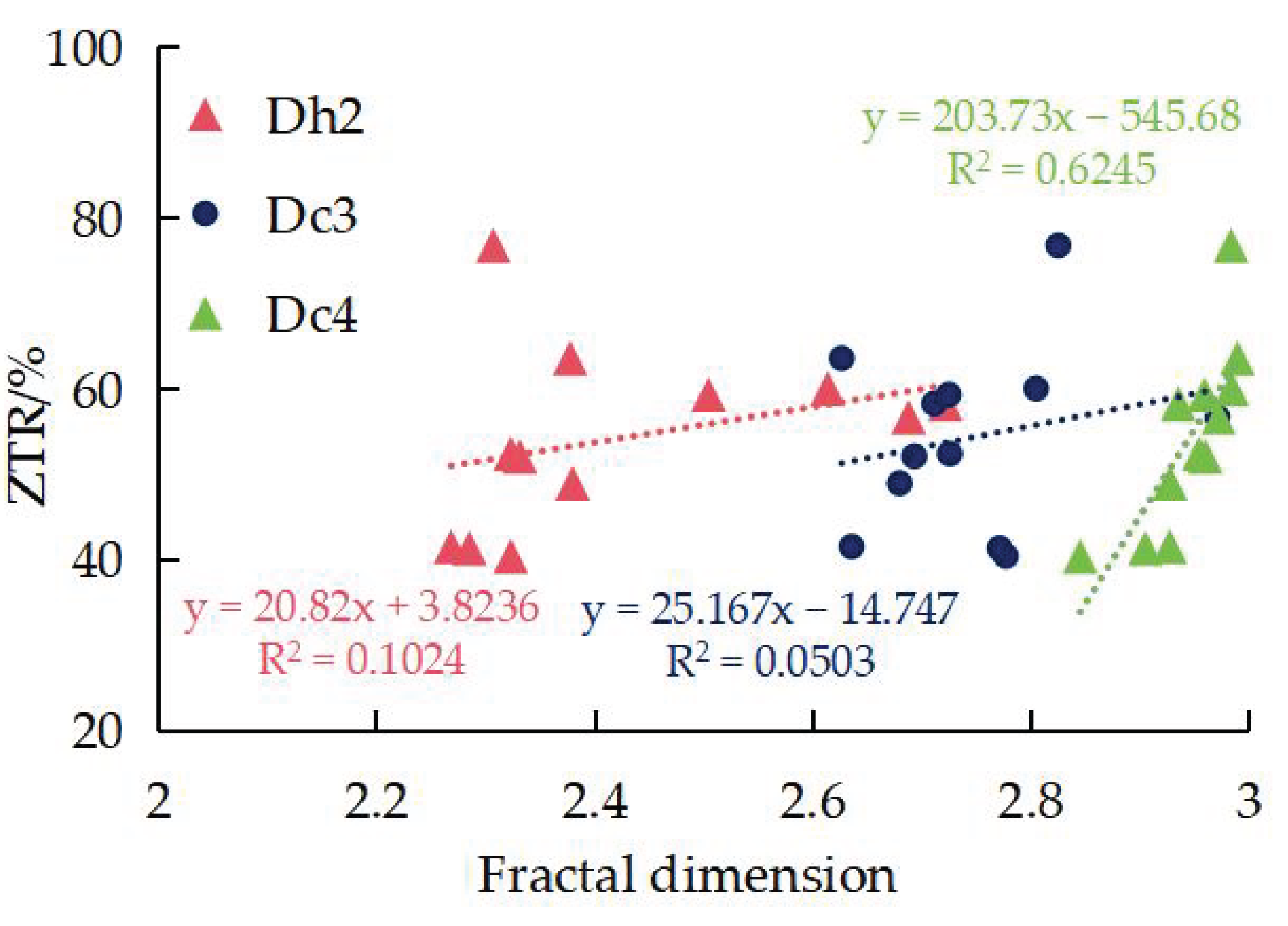
The pore-throat structure of the extremely low-permeability sandstone reservoir in the Huachi area of the Ordos Basin is complex and highly heterogeneous. Currently, there are issues such as unclear understanding of the micro-pore-throat structural characteristics, primary controlling factors of reservoir quality, and classification boundaries of the reservoir in the study area, which seriously restricts the exploration and development effectiveness of the reservoir in this region. It is necessary to use a combination of various analytical techniques to comprehensively characterize the pore-throat structure and establish reservoir classification evaluation standards in order to better understand the reservoir. This study employs a suite of analytical and testing techniques, including cast thin sections (CTS), scanning electron microscopy (SEM), cathodoluminescence (CL), X-ray diffraction (XRD), as well as high-pressure mercury injection (HPMI) and constant-rate mercury injection (CRMI), and applies fractal theory for analysis. The research findings indicate that the extremely low-permeability sandstone reservoir of the Chang 3 section primarily consists of arkose and a minor amount of lithic arkose. The types of pore-throat are diverse, with intergranular pores, feldspar dissolution pores, and clay interstitial pores and microcracks being the most prevalent. The throat types are predominantly sheet-type, followed by pore shrinkage-type and tubular throats. The pore-throat network of low-permeability sandstone is primarily composed of nanopores (pore-throat radius r < 0.01 μm), micropores (0.01 < r < 0.1 μm), mesopores (0.1 < r < 1.0 μm), and macropores (r > 1.0 μm). The complexity of the reservoir pore-throat structure was quantitatively characterized by fractal theory. Nanopores do not exhibit ideal fractal characteristics. By splicing high-pressure mercury injection and constant-rate mercury injection at a pore-throat radius of 0.12 μm, a more detailed characterization of the full pore-throat size distribution can be achieved. The average fractal dimensions for micropores (Dh2), mesopores (Dc3), and macropores (Dc4) are 2.43, 2.75, and 2.95, respectively. This indicates that the larger the pore-throat size, the rougher the surface, and the more complex the structure. The degree of development and surface roughness of large pores significantly influence the heterogeneity and permeability of the reservoir in the study area. Dh2, Dc3, and Dc4 are primarily controlled by a combination of pore-throat structural parameters, sedimentary processes, and diagenetic processes. Underwater diversion channels and dissolution are key factors in the formation of effective storage space. Based on sedimentary processes, reservoir space types, pore-throat structural parameters, and the characteristics of mercury injection curves, the study area is divided into three categories. This classification provides a theoretical basis for predicting sweet spots in oil and gas exploration within the study area.
Keywords: extremely low-permeability sandstone reservoirs; pore size distribution; fractal theory; reservoir heterogeneity; Ordos Basin extremely low-permeability sandstone reservoirs; pore size distribution; fractal theory; reservoir heterogeneity; Ordos Basin